שוודיה נמצאת בצומת דרכים: האם לדבוק במדיניות המקלה או לחשב מסלול מחדש

בימים האחרונים מתמודדת המדינה עם עלייה בתחלואה ובמספר המאושפזים, ורבים מבתי החולים סובלים מעודף תפוסה. פקידה ברשות השוודית לבריאות הציבור ל"הארץ": האסטרטגיה לא השתנתה, אך בהחלט ננקטים צעדים מחמירים יותר.

פורסם ב"הארץ": https://www.haaretz.co.il/news/world/europe/.premium-MAGAZINE-1.9378683

מאז התפשט נגיף קורונה לאירופה, שוודיה הפכה מוקד לתשומת לב עולמית בשל האסטרטגיה שבה בחרה לנקוט כדי להתמודד עם המגפה. במהלך הגל הראשון החליטה הממשלה לא להטיל סגרים, היא לא המליצה לאוכלוסייה לעטות מסכות והיא גם לא סגרה את בתי הספר היסודיים וגני הילדים. גם מכוני הכושר, המסעדות ובתי העסק נשארו פתוחים לכל אורך המשבר.

למרות שבמדינה כן הונהגו צעדים כמו שמירה על ריחוק חברתי, עבודה מהבית והימנעות מאירועים גדולים, מרביתם נבעו מהמלצות הרשויות ולא מהוראות מחייבות, אכיפה וקנסות. מדיניות זו התקבלה על פי המלצות של דרג מקצועי א-פוליטי והתמיכה והאמון של הציבור בה היתה גבוהה. בשיאו של הגל, המדינה הנורדית ראתה שיעור תמותה מהגבוהים בעולם, אך הוא לא יוחס למדיניות המקלה, אלא למחדל נקודתי בבתי האבות השוודיים, בהם חיו כחצי מהנפטרים. ועדה רשמית שהוקמה ופרסמה השבוע מסקנות ראשוניות אף הצהירה ש"בעניין הגנת האוכלוסייה המבוגרת האסטרטגיה השוודית נכשלה".

אחרי הגל הראשון בחודשים מארס-אפריל הגיע הקיץ, ואיתו גם הכרה הולכת וגוברת לפיה ייתכן שאותו "מודל שוודי" הוא בר קיימא יותר ממודלים המבוססים על כפייה וסגרים הגורמים לנזקים חברתיים וכלכליים אדירים, כפי שיושמו ברחבי העולם: מספר הנדבקים ירד משמעותית; מחלקות הקורונה בבתי החולים התרוקנו; ולא נרשמה במדינה תמותה עודפת. אך לקראת סוף אוקטובר הגיע הגל השני וכעת רבים מבתי החולים במדינה מתמודדים עם עודף תפוסה. לפי נתוני סוכנות הסטטיסטיקה של שוודיה, בנובמבר האחרון נרשם שיעור התמותה הגבוה ביותר לנפש זה עשור, ושיעור התמותה הגבוהה ביותר בסך הכל מבין כל חודשי נובמבר מאז 1918 עם התפרצות "השפעת הספרדית".

"יש לנו עומס קשה במערכת הבריאות", אמר הממונה על מערכת הבריאות במחוז שטוקהולם, ביורן אריקסון, בראיון בטלוויזיה. אריקסון תיאר את המצב כאירוע בקנה מידה היסטורי: "מעולם לא היה צורך בטיפול רפואי רב כל כך בנקודת זמן אחת, ולא נראה שתהיה בקרוב הקלה בעומס מכיוון שההדבקה נמשכת".

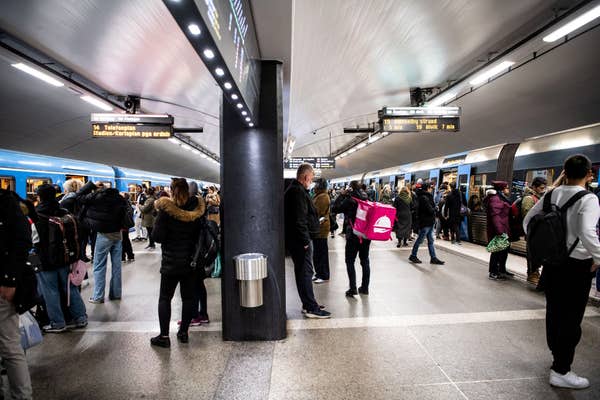
נוסעים בשעות השיא בתחנת רכבת תחתית במרכז סטוקהולם בדצמבר. צילום: TT NEWS AGENCY/רויטרס

התחלואה בעלייה

בימים האחרונים מאובחנים בשוודיה, שאוכלוסייתה מונה כעשרה מיליון תושבים, יותר מ-7,000 נדבקים חדשים בכל יום. השבוע עמד מספר המאושפזים בבתי החולים על כמעט 3,700 — יותר מבשיאו של הגל הראשון. מספר המתים היומי אמנם נמוך מזה של השיא באביב, אך בשעה שמניין המתים הכולל מתקרב ל-8,000, החשש הוא שהמצב מחמיר.

בהשוואה למדינות רבות באירופה שמתמודדות כעת עם גל שני, המצב בשוודיה אינו שונה: שיעור החולים לנפש אצלה נמוך מבשווייץ, אוסטריה, הולנד וצ'כיה — שבהן נערכת כמות דומה של בדיקות — והיא נמצאת במקום ה-25 בעולם במספר המתים לנפש, הרבה מתחת לבריטניה, ספרד ואיטליה. עם זאת, המצב בשוודיה גרוע בהרבה מזה של שכנותיה דנמרק, נורווגיה ופינלנד, שרמת התמותה והתחלואה בהן היא מהנמוכות בעולם.

המספרים אמנם עולים, אך השוודים נאמנים למודל שיצרו: גם בגל השני הנוכחי הן החליטו לא להטיל סגר, בתי הספר היסודיים וגני הילדים נותרו פתוחים, המשק מתפקד, ולמרות שפה ושם ניתן להבחין באנשים עוטים מסכות במרחבים הציבוריים, הם עדיין מיעוט. בימים האחרונים הופנתה ביקורת כלפי הרשות לבריאות הציבור, העומדת בחזית עיצוב המדיניות השוודית — החל מצד גורמים רפואיים הטוענים שלא נעשה מספיק לעצור את ההדבקה, ועד לביקורת מרומזת מצד ראש הממשלה עצמו, סטפן לוון. ראש הממשלה השוודי אמר בראיון ליומון "אפטונבלדט" כי המומחים לא העריכו נכונה את עוצמתו של גל התחלואה השני.

במקביל, הממשלה מנסחת הצעת חוק שיאפשר לסגור מרכזי קניות, מועדוני כושר ותחבורה ציבורית, צעדים שהחוק הקיים אינו מאפשר ליישם. עם זאת, תהליך החקיקה עשוי לקחת חודשים ואין אינדיקציה לכך שיש לממשלה כוונה להטיל סגר בשלב זה.

הופעה בריחוק חברתי בבית האופרה המלכותי של סטוקהולם, באוקטובר צילום: TT NEWS AGENCY/רויטרס

שינוי טקטי ולא אסטרטגי

בתשובה לפניית "הארץ" אמרה שרה ביפורש מהרשות השוודית לבריאות הציבור כי האסטרטגיה של מדינתה אמנם לא השתנתה, אך בהחלט ננקטו צעדים מחמירים יותר: "האסטרטגיה השוודית היא להקטין למינימום את התמותה והתחלואה החמורה כתוצאה מקוביד-19 ולוודא שמערכת הבריאות תעמוד בעומס ותוכל להעניק טיפול רפואי לאלו הזקוקים לו. זה לא השתנה". עם זאת, ציינה ביפורש, כי "הצעדים שאנו נוקטים כדי לעמוד ביעד השתנו לאורך המגפה. בסתיו (בנובמבר) הממשלה נקטה בצעדים כמו איסור מכירת אלכוהול אחרי השעה עשר בלילה וצמצום ההתקהלויות המותרות לשמונה אנשים. אנחנו גם מאוד ברורים במסר שלנו לפיו יש להקטין את מספר האינטראקציות החברתיות, כך שהאסטרטגיה נותרה דומה אבל הצעדים יכולים להשתנות".

לצעדים שעליהם מדברת ביפורש נוספו לאחרונה אמצעים נוספים כמו מעבר ללימודים מקוונים בתיכונים וסגירת חלק מבתי האבות לביקורים. אך אם לשפוט על פי מצב מערכת הבריאות, ייתכן שצעדים אלו אינם מספיקים; בתי-החולים מלאים, מספר המתים עולה וטיפולים רפואיים שאינם דחופים נדחים. בשבוע שעבר, בעקבות התפטרויות רבות של אנשי צוות רפואיים, טענה יו"ר האיגוד המקצועי של האחיות בשוודיה, סינווה ריבירו, ש"המצב נורא". יוהאנה סנדוול, האחראית על המוכנות למשברים במועצה הארצית לבריאות ורווחה, אמרה ל"הארץ" שמצער אותה לראות שאחיות ועובדים אחרים במערכת הרפואית התפטרו בעקבות המשבר. "אין לנו עדיין ניתוח לגבי השאלה האם זה ישפיע על התכנון ברמה הלאומית ומה יהיו ההשלכות. כרגע מערכת הרפואה עמוסה מאוד בעקבות שחיקת הצוותים הרפואיים וחולים רבים שסובלים מקוביד-19. אנחנו צריכים לנקוט צעדים שונים על מנת לטפל בצרכים הדחופים".

כך או כך, הדעות עדיין חלוקות לגבי האסטרטגיה השוודית. לעומת אלו שגורסים כי המשבר הנוכחי הוא תוצאה של גישה מקלה ואי הטלת סגר, השוודים מרבים להצביע על כך שמדינות רבות שהטילו סגרים וכפו צעדים כמו עטית מסכה נמצאות במצב גרוע יותר — הן מבחינת תחלואה ותמותה והן מבחינת היבטים אחרים של בריאות הציבור: מצב בריאות הנפש, עיכובים בטיפול בשבץ ובהתקפי לב כתוצאה מסגרים וגם החמרה במקרי דיכאון, השמנה, התמכרויות לסמים, סיגריות ולאלכוהול, אלימות, עוני ואבטלה.

הרשויות בשוודיה גם מזכירות מפעם לפעם שמוקדם עדיין לשפוט את תוצאות המדיניות שלהן. בשלב זה הן מתרכזות בתגבור מערכת הבריאות ובניסיון למנוע את התפשטות הנגיף. הסיכומים והסקת המסקנות, כך הם טוענים, יצטרכו לחכות להמשך, אחרי שהמשבר יחלוף.

'Guards Beat a Detainee. He Cried and Cried, Then Stopped. Doctors Came and Covered His Head'

Large numbers of people went into the streets of Belarus in August after the authorities in Minsk declared that President Alexander Lukashenko had been reelected with 80 percent of the votes. The opposition candidate, Sviatlana Tsikhanouskaya, was said to have received 10 percent. Since then, statements testifying to fraud in the voting booths have been published, and the European Union condemned the Minsk government for “elections that were not free or fair.” Undeterred, however, Lukashenko had himself inaugurated for a sixth term on September 23, even as protests continued around the country. The demonstrations in Belarus against Lukashensko, who has been in power for 26 years, have been met with a heavy hand by the security forces. Thousands of demonstrators who have been arrested since the protests began have testified about brutal violence, torture and the crass violation of their rights. Three of them told Haaretz about what they endured in incarceration.

Published in Haaretz: https://www.haaretz.com/world-news/.premium.MAGAZINE-guards-beat-a-detainee-he-cried-then-stopped-doctors-came-and-covered-his-head-1.9203112

‘I wanted to protest the theft of my vote’

Valery Samalazou, 32, a software engineer from Minsk, is married and the father of three daughters. In June, he received a visa to work in the U.K. He returned in August to visit his daughters and wife and his friends, and to vote. He says he never expressed his political opinions publicly in the past, never broke the law and was never arrested. “I never even received a driving ticket,” he relates.

On August 8, the day before the election, he was on a camping trip with his family, cut off from the unfolding events in the country. On his return to Minsk, he discovered that the city was full of soldiers and that internet access was blocked. “We decided to take the girls out of town, to my wife’s mother,” he says, speaking to Haaretz by phone using secure channels, “in order to save them from the uncertainty and possible dangers.” He and his wife then returned to the capital, shortly before the polling stations closed, in order to vote. To find out the results, he bypassed the government's internet shutdown by connecting via a computer of the company he works for – an Israeli company based in the U.K.

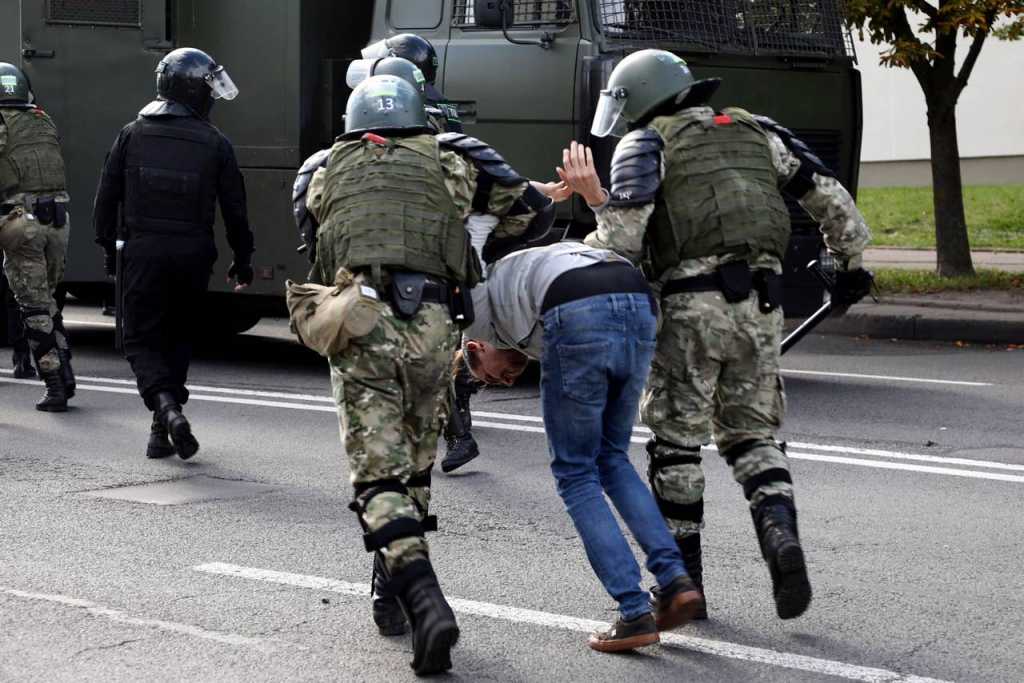
An arrest in Minsk, Photo: AFP

Initial exit polls, Samalazou discovered, showed an apparent Lukashenko victory. “That was impossible, we thought. When I checked again in the morning, I also found messages from people abroad who sent video clips via social media of arrests and violence. I didn’t know anything and I decided to look into it. By the evening, there was no internet at all. After I met colleagues who confirmed that there had been war-like scenes in Minsk, I decided to go to the city center in order to speak my mind and protest the theft of my vote.”

He continues, “As I passed the central railway station, I saw people in black masks hiding around the corner. They blocked my path, questioned me and asked to see some identification. Then they grabbed me, hit me in the head and dragged me to a police vehicle which already had around five detainees inside.” Afterward, he was pulled out of the vehicle and dragged to a nearby building, where his shoes were removed and he was beaten again and questioned. His phone was examined, and the security forces wanted to know why he had money, pictures and bank cards from Britain.

“They treated me like I was a spy,” Samalazou continues. “When the person in charge arrived – in civilian clothes and not wearing a mask – he ordered me to be taken to the police station. He told me that I would be jailed for such a long time that my daughters would be married by the time I got out, and he also threatened to rape me with a club. A police vehicle took me to the station and collected more detainees along the way.” At the police station, the prisoners were forced out of the vehicle and made to lie on the ground. Police officers occasionally came by and hit them randomly, focusing on the younger detainees. “Some of them were hit so hard that they passed out,” he recalls. “We weren’t allowed to look, but we heard the truncheons strike their bodies. I discovered that a truncheon that strikes someone who’s unconscious makes a different sound. There was a girl there who pleaded with them to stop hitting those who had fainted, and they then beat her on the legs. When someone asked to see a doctor, the guard shouted ‘Doctor!’ and two policemen in masks arrived and beat the person viciously.”

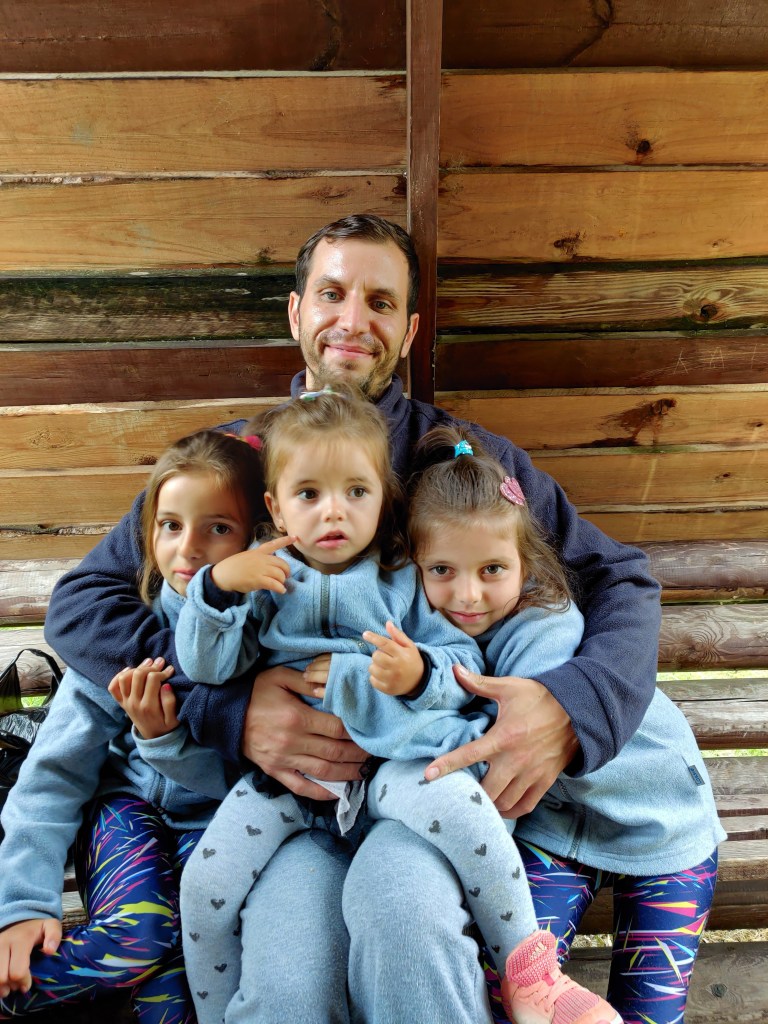
Valery Samalazou and his doughters

Samalazou was interrogated in the station: “They tried to prove I was a spy. I was asked about my work and my political views. By searching my phone, they discovered that I had voted for Tsikhanouskaya [by reveiling a picture of the ballot which was taken for a system whereby activists submitted such pictures in order to compare them to the official count]. They beat me for that. Finally I was taken back to the parking area. In the middle of the night they brought detainees from the demonstrations, who had undergone worse beatings. Their faces were seveirly wounded and covered with blood.” He was left lying, bound, on the ground in the parking area for some 18 hours. “I understood that we were not under arrest but had been kidnapped and that they could do with us as they pleased.”

In the morning, after the group spent the night in the cold, a military vehicle transported Samalazou and the others to a detention facility. “We were made to lie on the floor of the vehicle in three layers. Whoever got on after us had to step on us,” he relates. He was handcuffed, and started to feel that the blood wasn’t reaching the palms of his hands. When he asked for his hands to be freed, they were bound behind his back instead. Leaving the vehicle, his arms were twisted violently and he lost consciousness.

At the detention facility, Samalazou was left for seven hours in an inner courtyard. The handcuffs were removed, but by then his hands had turned blue and purple and he had no feeling in them. Finally he and 30 more detainees were incarcerated in a cell intended for 10. There he was finally given food, after two days in which he hadn’t eaten. “There were no beatings in that prison, but the conditions were awful,” he says. After three and a half days, Samalazou was released with no explanation. He signed a declaration stating that he would not take part in demonstrations and was hospitalized for two weeks with head injuries. Since then he’s returned to his job in London and hopes that his wife and daughters, who don’t yet have visas for Britain, will be able to join him soon. He still has no feeling in his fingers.

Four days in a cell with 40 people

Viachaslau Krasulin, 32 and single, was forced to leave Belarus after the demonstrations in August. A lecturer on culture and art at a university in Minsk, and a musician, he fled to Vilnius, the Lithuanian capital, on September 3, after a criminal case was opened against him in Belarus, which could land him in prison for some years. He had participated with friends in a demonstration at a shopping center in Minsk on August 10.

“There were maybe a hundred people there, and things were calm,” he recalls. “There were no weapons. Some of the demonstrators erected roadblocks, a few young ones collected stones. After a time, police vehicles arrived, and the forces began throwing stun grenades. People ran and the police started to dismantle the roadblocks. My friends fled, but I thought that if I didn’t run, they wouldn’t take me in. That was a mistake.”

As he was trying to leave the scene, Krasulin continues, “I saw that one of the police officers had shot an elderly man in the stomach. The man wasn’t moving. I was in shock. I saw a young man running toward the man who had been shot to try and help him, and I wanted to join him, but then four men in green uniforms jumped me. They started to hit me and took me to a police vehicle. Two more of them attacked me there – one of them cut off my long hair with a knife. They made me lie on the floor, shouted at me that I was gay and handcuffed me. Then the man who had helped the person who was shot was forced into the vehicle. He was a doctor.”

More detainees were brought to the already crowded vehicle – two people had to lie on top of him, Krasulin relates. After a drive of about half an hour, they arrived at the Okrestina detention center. “We were beaten as we got out of the vehicle. They made us run to the wall of the courtyard and get on our knees, and left us like that for two hours.” They were then forced to lie on the ground for a few hours. “We were left there until 8 in the morning and then interrogated separately and taken to a cell. It was a cell for six people but they packed 30 detainees in and ordered us to strip down to our underwear. We weren’t beaten, but we were forbidden to approach the windows, so that people standing outside would not be able to see or hear us.”

Viachaslau Krasulin, Photo: Alfred Mikus

Eventually, he says, about 40 people were crammed into the cell, making it impossible to sit, let alone lie down. “I spent four days there, and for the first three days I received only a little bread and cereal for breakfast,” Krasulin continues. “We drank water, but there was no more food. On the third day, there were trials. There were no lawyers and we weren’t allowed to make calls. Each trial lasted six minutes. The judge asked what I had done, who had beaten me and why. I replied that I had no idea why I was beaten. I was sentenced to 11 days in prison. I was glad not to have received more; others were given far worse punishments.”

On the following day, Krasulin and his fellow detainees also were fed supper. After being interrogated again, he was transferred to a different, less crowded cell. Subsequently a police officer arrived to let him out. “I was given back my clothes, which were filthy, but not my bag, which held my passport, papers and credit cards,” he relates. “My telephone also remained with the police, because it was used as evidence in someone else’s trial. Before being released, I was made to sign a document stating that I would not take part in more demonstrations. I was taken in a police vehicle with six other people to a cemetery in the city, where we were released.”

Krasulin received medical treatment and decided to file a complaint against the police officers who had beaten him. In the wake of the complaint, he was informed that a file had been opened against him, after which he left the country at the advice of his lawyer.

‘He was beaten, then doctors covered his head’

Aliaksei Novik, 37, from Minsk, is the owner of a technology company. On Election Day, he was an independent poll observer for an opposition party. “Because of the coronavirus, we were not allowed to be inside the polling station during the day,” he relates. “But at the end of the day we waited outside for the protocol [i.e., the results of the voting at the station] to be published. It was made available two hours after the polling stations closed, and it turned out that Lukashenko had won big. That was a joke. It was clear that the results were falsified.”

Aliaksei Novik

Novik wanted to make his way home, but discovered that public transportation had been halted and also that internet access was being blocked: “I tried to walk to the center and find a taxi, but when I got close to one of the metro stations, I saw large forces who looked to be from the army. I lay on the grass in a courtyard, I heard very loud screaming and also shots, and I waited for it all to end.” Afterward, he relates, “I got up and ran in the opposite direction. I ran into a police patrol. I felt safe and asked them how I could get home. They pointed to a yellow bus nearby and one of them said, ‘That’s your ride home.’ Maybe he was joking. Then a few of them grabbed me. The five days that followed will stay with me for the rest of my life.”

He, too, like Krasulin, was taken to Okrestina. Sentenced to a 15-day prison term, apparently for participating in the protests, he was moved to a different detention facility in Zhodino, northeast of Minsk. His story is also rife with brutal violence against detainees, the hacking of his phone, coerced false confessions that were videoed, threats of rape on the part of the guards and appalling hunger and overcrowding in the detention cell. The age of the detainees ranged from 16 to 74, he says, based on their conversations. “There were people with broken ribs. One night in Okrestina, through the window, we saw guards beating a man in the yard. He cried and cried, then stopped. When things were quiet, I saw a few doctors arrive and cover his head. I don’t know for certain that he was dead, but I think a few people died there.”

Snipers were posted on the watchtowers of the facility, Novik relates, and there were dogs in the yard. From the adjacent cell he heard women’s voices. He refers to the police as “Gestapo,” and he says that one police officer called him “Jew” (he isn't Jewish). After he was released, apparently following the intervention of the European Union and human rights organizations, he filed a complaint against the police and has been conducting a legal battle against them since. He has remained in Minsk. He says he is wounded mentally and physically and can’t sleep at night.

“The Belarusian people is starting anew,” Novik says. “We live in the center of Europe. I see how people live in Ukraine, Poland and Lithuania, and I ask: Why do I not have human rights such as freedom of expression and freedom of assembly? I do not want a union with Russia, we are not its ‘little brother.’ We are a free people in Europe, and this is our war of independence.”

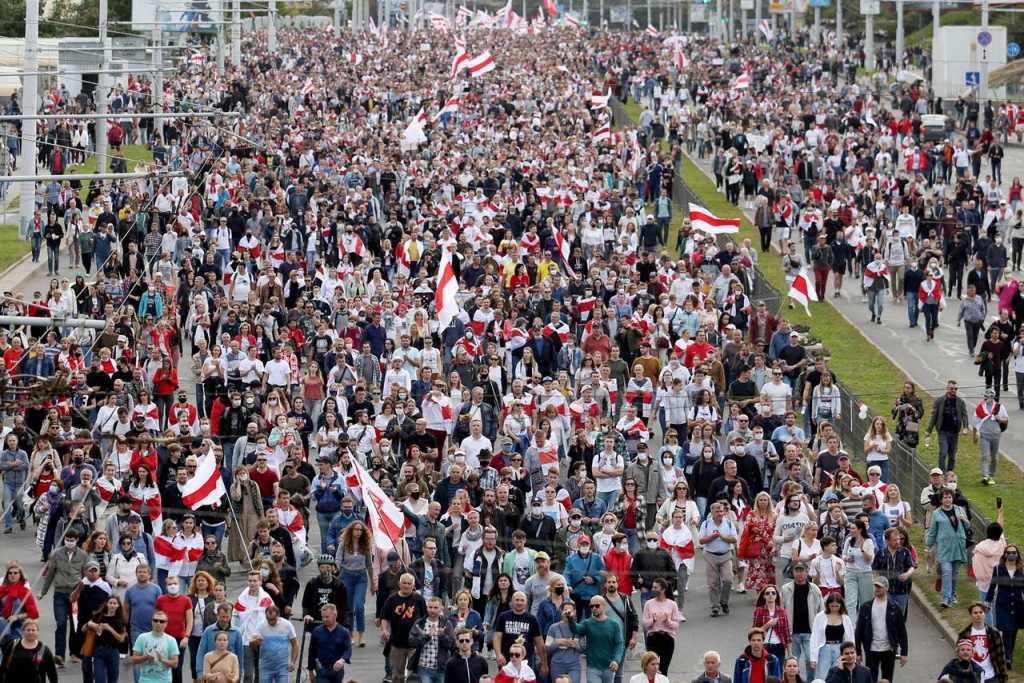
. Mass demonstration in Minsk, photo: AFP

בלי סגר ובלי מלוניות קורונה, שוודיה הלכה הפוך מהעולם. שרת הבריאות שלה מסבירה מדוע.

בתחילת משבר הקורונה ספגה שוודיה ביקורת נוקבת מכל קצוות העולם והפכה למשל עם מוסר השכל חד משמעי. כעת, עם ירידת רמת ההדבקה והתחלואה, היא מוצגת כמי שמציעה במידה מסוימת דגם בר קיימא, בוודאי יותר מאשר חזרה פעם אחר פעם לסגרים.

התפרסם ב"הארץ": https://www.haaretz.co.il/news/world/europe/.premium-MAGAZINE-1.9184650

בחודש אפריל אנשים רבים בעולם חשבו שהשוודים יצאו מדעתם. בעוד שמדינות העולם סגרו בזו אחר זו את בתי הספר, את מרכזי הקניות ואת המסעדות בגלל מגפת הקורונה, השוודים החליטו ללכת בנתיב אחר. למרות מניין המתים הגבוה, שזינק באמצע חודש אפריל לשיא של כמאה ביום, המשיכו שוודים רבים לנהל את שגרת חייהם. הרשויות לא המליצו לעטות מסכות, רק מעטים עשו כן, ילדים קטנים המשיכו ללכת לבית הספר, לא הוקמו "מלוניות קורונה" ונדבקים ללא תסמינים לא נדרשו להיכנס לבידוד.

ואף שעסקים רבים ספגו מכה — מאחר שחלק ניכר מכלכלת שוודיה נשען על ייצוא — רובם נשארו פתוחים והם חוזרים בהדרגה לאיתנם. אבל אין זה אומר ששוודיה לא עשתה דבר בשביל להילחם בנגיף. התיכונים והאוניברסיטאות עברו ללמידה מקוונת, מרבית אירועי התרבות, הבידור והספורט התבטלו והאוכלוסייה נתבקשה לשמור על היגיינה ועל ריחוק חברתי, להימנע מנסיעות במידת האפשר ולהישאר בבית במקרה של הופעת תסמינים.

אך היה הבדל משמעותי בין הדרך השוודית לבין זו של שאר מדינות העולם. לצד מגבלות בחוק, כאיסור על התקהלויות של יותר מ–50 בני אדם, או ביקורים בבתי חולים ובתי אבות, מדיניות הממשלה נשענה בעיקרה על המלצות ולא על תקנות. קנסות, אכיפה משטרתית, איכון טלפונים ניידים ועוצר נתפשו כבלתי נחוצים בשוודיה. 

למרות זאת, צייתו רוב השוודים להמלצות הריחוק החברתי, ושיעור הנדבקים הסופי החל סוף סוף לרדת. בשבוע שעבר ביצעה שוודיה יותר מ–140 אלף בדיקות, שמהן 1.3% היו חיוביות. נכון להיום, שיעור ההידבקויות בשוודיה הוא מהנמוכים באירופה. ובעוד שהעקומה בלי ספק משתטחת, הממשלה לא מבזבזת זמן. אחרי אביב טראומטי, היא עושה ככל שביכולתה כדי ללמוד מטעויותיה בשלבים הראשוניים, בעיקר בתחום ההגנה על האוכלוסייה המבוגרת, ופועלת לשיפור מערך הבדיקות ולהמרצת הכלכלה.

זהו ניגוד גמור למה שקורה בישראל, שהפכה באחרונה למדינה הראשונה בעולם המטילה סגר שני. אף על פי כן, שרת הבריאות של שוודיה הלנה הלנגרן טוענת שלא מדובר רק בהטלת סגר או באי הטלת סגר. "נכון שלא היו סגרים, אבל דברים רבים השתנו מבחינה חברתית, ומה שחשוב ביותר הם האמצעים שננקטו לטווח הארוך", אמרה השרה בראיון ל"הארץ", "מסעדות, ברים, רכבות ואוטובוסים נדרשו לפעול בהתאם לתקנות. התושבים הונחו לשמור מרחק, ולחיות בהתאם למידע ולדרישות התברואה. הבנו שאי אפשר לחסום את הנגיף לנצח, ושעלינו לחשוב על המחיר שהחברה תידרש לשלם".

לנה הלנגרן, שרת הבריאות של שוודיה,
Photo Kristian Pohl Regeringskansliet

מרתון, לא ספרינט

שיעור ההצלחה של מדינות שונות בנושא הטיפול בנגיף הקורונה הפך למרבה הצער לסוג של ספורט בחודשים האחרונים בקרב פוליטיקאים ואנשי תקשורת, וטבלת התחלואה כמו הציגה את המנצחים והמפסידים העולמיים במשחק נגד הנגיף. בהתחשב בגישתה השונה ברוב מדינות העולם, היתה שוודיה נתונה לבחינה מדוקדקת. המדינה ספגה ביקורת נוקבת והפכה למשל עם מוסר השכל חד משמעי. אך כעת היא מוצגת כמי שמציעה במידה מסוימת דגם בר קיימא, בוודאי יותר מאשר חזרה פעם אחר פעם לסגרים.

אולם הלנגרן הזהירה אינה עוסקת בהשוואות. "אמרנו כבר בתחילת המגיפה שלא מדובר בספרינט אלא במרתון. זו אינה תחרות ואין סיבה להכריז על מנצח. עדיין מוקדם ומסוכן מדי מכדי להשוות שיעורי תמותה שבועיים. מדינות שונות נפגעו בדרכים שונות. יש להן תשתיות שונות, ומערכות יחסים שונות בין הרשויות לאזרחים. הן בודקות בשיטות שונות ומחזיקות בנתונים ובמידע שונים. בטווח הארוך, כולנו זקוקים לחברה שמתפקדת היטב. עלינו ללמוד את מה שאפשר ללמוד מאחרים, לא להפנות אצבעות מאשימות ולנסות להתמיד בציות להמלצות לאורך זמן", אמרה.

עד כה מתו בשוודיה מעל 5,800 בני אדם מנגיף הקורונה, בעיקר עקב התפשטות הנגיף בבתי האבות באביב. "בשבוע הקשה ביותר באפריל, נמנו 845 מקרי הידבקות בבתי אבות. בשבוע שעבר נמנו 17 מקרים", אמרה הלנגרן. היא הוסיפה כי, "שיעור התמותה צנח משמעותית. אין אצלנו תמותת יתר, ובאוגוסט היה שיעור התמותה נמוך מאשר השיעור השנתי הרגיל". במקביל, בשוודיה מנסים להבין מה עומד מאחורי מקרי המוות הרבים. "באוסטרגוטלנד שבדרום שוודיה נעשה באחרונה מחקר שבחן את כל הקשישים שנדבקו בנגיף. רק ב–15% מהמקרים נקבע שמחלת הקורונה היתה סיבת המוות הישירה, ואילו ב–15% מהמקרים הסיבה האמיתית היתה מחלה אחרת או מצב בריאותי, וב–70% הקורונה תרמה למוות עקב תנאים בסיסיים או מצבו הרפואי של החולה".

שרת הבריאות אמרה כי הממשלה בודקת מדוע המגיפה הכתה קשה כל כך בשוודיה, בעיקר בהשוואה לשכנותיה, ונוקטת צעדים ארוכי טווח כדי להתמודד עם התפרצויות מקומיות אפשריות. במקביל, הרשויות הממשלתיות מתכוננות לתרחישים שונים, וכספים מוקצים לטיפול באבטלה ולתמיכה במערכת הבריאות כמו גם בקשישים וחולי נפש. "משבר הקורונה אינו, ומעולם לא היה, רק עניין של מאבק בנגיף ובמחלה הנובעת ממנו. זה נושא רחב היקף שמשפיע על כל חלקי בחברה", ציינה הלנגרן.

כותב שורות אלה בראיון עם שרת הבריאות הלנגרן

לא עסקים כרגיל

בכל הנוגע למדיניות "אי הטלת הסגר" של שוודיה, אמרה הלנגרן כי על אף שמעולם לא הוחל סגר מלא, העבודה מרחוק, הלימודים המקוונים בתיכונים ובאוניברסיטאות וההגבלות על אירועי תרבות ובידור השפיעו עמוקות על אזרחי המדינה. "שוודיה לחלוטין לא שידרה 'עסקים כרגיל', אבל היה עלינו לשמור על חברה מתפקדת. משום כך קיבלנו את ההחלטה לא לסגור גנים ובתי ספר יסודיים. אם סוגרים את בתי הספר, כיצד נאפשר לאנשים לעבוד בבתי האבות, בבתי החולים, במשטרה ובשירותי החירום? כיצד יופעלו בתי המרקחת, הרכבות והמרכולים?".

"החלטנו להיעזר במומחים ובמידע שהיה זמין אז", הסבירה השרה. "ידענו שילדים אינם מפתחים מחלה קשה ואינם מפיצים את הנגיף באופן משמעותי. כל זה הוכח בבדיקת מספר האנשים שיצאו לחופשות מחלה. מורות וגננות לא חלו יותר מאשר אנשים אחרים בחברה".

הלנגרן מצביעה על האמון הרב שרוכש הציבור לממשלה בשוודיה כחלק מהסיבה שהשוודים צייתו להנחיות. "עלינו להילחם בנגיף ולהגן על אוכלוסיות מוחלשות, אולם עלינו להבטיח גם שהצעדים יהיו כאלה שניתן יהיה ליישמם לאורך זמן בחברה מתפקדת", מספרת, "השוודים נותנים אמון בממשל. משום כך יצרנו אסטרטגיה המבוססת על נקיטת הצעדים הנכונים בזמן הנכון ובאזור הנכון של שוודיה, תוך הבטחת שקיפות מלאה".

בכל הנוגע לטענות שלפיהן שוודיה הקריבה את האוכלוסיה המבוגרת למען הכלכלה, הלנגרן אומרת שמדובר בביקורת לא הוגנת. "מובן שלא הקרבנו איש. עשינו כמיטב יכולתנו, כפי שלדעתי עשו מדינות אחרות, במטרה להציל חיים, לעצור את התפשטות הנגיף ולהגן על אוכלוסיות בסיכון. בתי האבות היו חלק קשה ומעציב, אבל זו סיטואציה מיוחדת. מי שחיים שם הם אנשים קשישים, שבריריים וחולים. יש בשוודיה 1,700 בתי-אבות שעוסקים בהענקת טיפול רפואי וחיים בהם 85,000 בני-אדם, כאשר 50% מהם שוהים בהם שישה חודשים בלבד לפני מותם. במקומות כאלו כל התפרצות, אפילו התפרצות של שפעת, היא עניין של חיים ומוות. הקמנו ועדה ממשלתית שתבין את מה שקרה. מי עשה מה, ומה אנחנו יכולים ללמוד מכל זה”.

לסיכום, להלנגרן יש עצה אחת, ברורה למדי. "אנחנו (מקבלי ההחלטות, ד.ס) אחראים להחלטות שאנו מקבלים", אמרה האלנגרן. "אולם, הרשויות לא יכולות להחליט להקשיב למומחים רק לפעמים, ולפעמים להתעלם מעצתם. המומחים שם כדי שנקשיב להם, ונתייחס למה שהם אומרים".

Israel is back in lockdown while Swedish COVID-19 mortality rates are plummeting. Here’s the difference

Swedish Health Minister Lena Hallengren tells Haaretz why her country never imposed a full lockdown, and why public trust in the government is a vital component of fighting the coronavirus

Published in "Haaretz": https://www.haaretz.com/israel-news/.premium-israel-s-back-in-lockdown-while-swedish-covid-deaths-are-plummeting-here-s-why-1.9173277

STOCKHOLM – Back in April, many worldwide thought the Swedes had lost their minds. As country after country shuttered its schools, shopping malls and restaurants due to the coronavirus pandemic, Sweden decided to take another approach. 

Despite the Scandinavian country’s death toll reaching a peak of about 100 a day by mid-April, many Swedes were still going about their daily lives, face masks were not recommended and rarely used, young children were still going to school, and no national isolation system was set up for infected but asymptomatic individuals. And though many businesses took a hit – because Sweden relies heavily on its export trade – most remained open and gradually started to rebound. It’s not as if Sweden did nothing at all to combat the virus. High schools and universities switched to online learning, most cultural, entertainment and sports venues closed, and the general population was asked to maintain hygiene and social distancing, avoid traveling wherever possible, and to stay home when symptoms appeared. 

But there was clearly a major difference between the Swedish way and that of the rest of the world. Besides legal restrictions prohibiting gatherings of over 50 people or visitors at hospitals and retirement homes, most were recommendations rather than legal decrees. Fines, police enforcement, mobile phone tracking and curfews were deemed unnecessary. 

Despite this, most Swedes observed social distancing and the infection rate finally began to drop. Last week, Sweden carried out over 140,000 tests, with 1.2 percent coming back positive. The country currently has one of the lowest infection rates in Europe. 

While the curves are clearly flattening, the government isn’t wasting time. After a traumatic spring, it’s doing its best to learn from its initial mistakes by improving testing capabilities and boosting the economy. 

It’s a stark contrast to Israel, which has just become the first country to enter lockdown for a second time. Yet Sweden’s health minister, Lena Hallengren, told Haaretz that it’s not just about having or not having a lockdown.

“It’s true we didn’t have lockdowns [in Sweden], but we did have lots of changes in society – and the most crucial thing is having long-term measures,” she said. “Without a lockdown, restaurants, bars, trains and buses have to be adapted with regulations – legally binding or recommendations. You have to always maintain distance, have signs, information, sanitizing, washing hands: all that has to be in place. We can see that you can’t lock down the virus forever, and you always have to consider the price that society pays.”

Lena Hallengren, Photo: Kristian Pohl/Regeringskansliet

Falling mortality rates

Different countries’ success rates in handling the coronavirus has become something of a “sport” in the past six months, a table reflecting the global “winners” and “losers.” Given its outlier approach, Sweden has come under particularly close scrutiny: initially, it drew harsh criticism and was used as a cautionary tale; now, it’s offered as a slightly more sustainable model than repeatedly going into lockdown. But Hallengren is careful about making any comparisons. 

“We’ve said since the beginning of the pandemic that this is not a sprint, it’s a marathon,” she said. “It’s not a competition and there’s no point saying who the winner is. It’s far too early and too dangerous to compare week-by-week mortality rates. Different countries were hit differently; they have different structures and relations with their authorities, they test in different ways and have different kinds of data and information. In the long run, we all need well-functioning societies. We should learn what there is to learn from others, point less fingers and try to keep up with long-term recommendations,” she added. 

So far, some 5,800 people in Sweden have died due to COVID-19, mainly as a result of the virus spreading in Sweden’s nursing and care homes in the spring. 

“In the worst week of April, we had 845 new cases of infection in elderly care facilities. Last week we had 17,” Hallengren reported. “Our mortality rates have also fallen radically. We don’t have excess mortality and in August, the rates were below normal [yearly] figures.”

Hallengren also tried to look beyond the headline figure concerning COVID-19 deaths. “One [southern] region in Sweden, Östergötland, recently conducted a study investigating all cases of elderly patients who died infected from the coronavirus,” she said. “In only 15 percent of the cases was it concluded that COVID-19 was the direct cause of death. In 15 percent [of cases], the real reason was another illness or medical condition, and in 70 percent of cases COVID-19 contributed to death due to underlying conditions or the health status of the patient.”

The health minister said her government is analyzing why the coronavirus hit Sweden so badly, especially in comparison to its Nordic neighbors, and is taking long-term measures to tackle possible new local outbreaks. 

Scenarios are being prepared by government authorities and financial resources allocated to address unemployment and support the health care system, as well as those in elderly and mental health care. “The outbreak of COVID-19 is not, and has never been, a narrow health issue for the infected people,” Hallengren said. “It’s a broad issue affecting all parts of society.”

‘Functioning society’

When quizzed on Sweden’s “no lockdown” policy, Hallengren said that although a total lockdown was never imposed, remote work, online studying in high schools and universities, and restrictions on entertainment venues affected the country’s citizens. 

“It was certainly not ‘business as usual’ in Sweden,” she said, rebutting a common claim, “but we needed to have a functioning society. That’s why we made an active decision not to close preschools and elementary schools. If you close schools, how do you enable people to work at the care homes, hospitals, and police and emergency forces? How do you keep the pharmacies, commuter trains and food stores running and open?  

“We decided to lean on experts and the available knowledge at the time,” she explained. “We knew children were not severely affected and not the ones spreading the virus. This was proven by looking at the number of people on sick leave. Teachers working at preschools and schools were not sicker than other groups in society. 

“We need to fight the virus, we need to protect vulnerable groups,” she continued. “But we need to make sure that the measures can be kept for a long time in a functioning society.  

“Swedish people have high confidence in government authorities,” she added, “so with transparency and a lot of quantifying information, we created a strategy based on taking the right measures at the right time and in the right part of Sweden.”

How do you respond to allegations that Sweden sacrificed its older population for the sake of the economy?

“That criticism is unfair and untrue. Of course we never sacrificed anyone. We tried our very best, as I suppose other countries did, to protect lives, to stop the virus spreading in society and to protect the vulnerable groups. 

“The care homes have been an extremely difficult and sad part, but they are very specific – people living there are extremely old, fragile and sick. We created a government commission to find out what happened, who did what and what we can learn from this. 

“In Sweden, care homes are not just facilities for older people; they provide health care. We have 1,700 such homes and about 85,000 people live in them. Fifty percent of them live in these homes for only six months – that’s how old, fragile and multi-diseased their situation is. If you get COVID-19 or even the flu into these homes, it’s a matter of life and death.”

Retirement homes were generally perceived to be the weakest link in Sweden’s coronavirus strategy. But there’s another part of it that others could benefit from: decision-making based on expertise rather than politics. 

“We [political decision-makers] are thinking people and we're responsible for the decisions we make,” Hallengren said, “but our authorities wouldn’t be independent if we’d sometimes decide to follow the experts on disease prevention and disease control, and sometimes not to do so. You don’t have experts and expert agencies just to have them. You have them to listen to, and take what they know into consideration,” she concluded.

אלימות ברוטלית, מאסרים אכזריים והפרה סיטונאית של זכויות-אדם – שיחה עם שלושה קורבנות של דיכוי המחאה בבלארוס

ואלרי נאזק עד שאיבד תחושה בידיו, ויאצ'סלב הופשט לתחתוניו ונדחס לתא מעצר עם עשרות בני אדם ואלכסיי ראה אנשים עם צלעות שבורות ושומרים שמכים אדם עד מוות. בשיחה עם "הארץ" מספרים שלושה אזרחים בלארוסים על היד הקשה של משטר לוקאשנקו – ממעצרים שרירותיים ועד למכות רצח.

פורסם ב"הארץ": https://www.haaretz.co.il/news/world/europe/.premium-MAGAZINE-1.9160666

ב-9 באוגוסט נערכו הבחירות לנשיאות בלארוס. ע"פ התוצאות הרשמיות זכה הנשיא המכהן ב-26 השנים האחרונות, אלכסנדר לוקשנקו, בכ-80% תמיכה בעוד המתמודדת העיקרית נגדו, סבטלנה טיחנובסקאיה, זכתה בכ-10% בלבד. עם זאת, רבים במדינה ומחוצה לה טוענים כי תוצאות הבחירות זויפו. גורמים אופוזיציוניים פרסמו עדויות לזיופים בקלפיות, ארגונים בינלאומיים טוענים שהבחירות לא היו הוגנות וחופשיות ומדינות רבות אינן מכירות בניצחון לוקשנקו. מאז פרסום התוצאות נערכות הפגנות ענק בכל רחבי בלארוס והשלטונות מדכאים אותן באלימות רבה. מנהיגי האופוזיציה מאוימים, נעצרים או נאלצים לעזוב את המדינה ואלפי אזרחים שנעצרו במהלך ההפגנות באוגוסט מעידים כי סבלו מאלימות, עינויים והפרה בוטה של זכויותיהם בכלא. אלו הם סיפוריהם של שלושה מהם.

וואלרי סאמלזאו הוא מהנדס תוכנה בן 32 ממינסק שקיבל וויזת עבודה בבריטניה ביוני האחרון וחזר למינסק לבקר את חבריו ובני משפחתו באוגוסט. הוא נשוי, יש לו שלוש ילדות קטנות ולדבריו הוא מעולם לא נעצר, מעולם לא חשף את דעותיו הפוליטיות ומעולם לא עבר על החוק. "אף פעם לא קיבלתי אפילו דו"ח נהיגה", הוא אומר. ב-8 באוגוסט, יום לפני הבחירות, הוא היה עם משפחתו בקמפינג, מנותק מהמתרחש במדינה. עם החזרה לעיר הוא גילה שהיא מלאה בכוחות צבא ושהאינטרנט חסום. "החלטנו לקחת את הבנות אל מחוץ לעיר, אל אמא של אשתי", הוא מספר, "להציל אותם מאי-הוודאות ומסכנות אפשריות".

"חזרנו העירה קצת לפני שהקלפיות נסגרו והלכנו להצביע. אחרי זה עשינו טיול עם הכלב, הכנו ארוחת ערב ורצינו לברר מה התוצאות. מכיוון שלא היה אינטרנט התחברתי דרך מחשב מהחברה שאני עובד בה (חברה בבעלות ישראלית), הצלחתי לעקוף את החסימה וראיתי שהמדגמים הרשמיים מכריזים על לוקשנקו כמנצח. חשבנו שזה לא יכול להיות והחלטתי לבדוק שוב בבוקר. בבוקר גיליתי הודעות מאנשים מחו"ל ששלחו סרטונים של מעצרים ואלימות. לא ידעתי כלום והחלטתי לבדוק בעצמי. בערב, כבר לא היה אינטרנט בכלל ואחרי שפגשתי קולגות שאישרו שאכן היו במינסק סצנות כמו ממלחמה, החלטתי ללכת למרכז העיר, להביע את דעתי ולמחות על גניבת הקול שלי".

"כשעברתי ליד תחנת הרכבת המרכזית ראיתי אנשים במסכות שחורות מתחבאים מעבר לפינה. מכיוון שלא שברתי שום חוק עברתי לידם. הם חסמו את דרכי, תחקרו אותי, ביקשו תעודה מזהה ושאלו אותי שאלות על בגדיי ומה שהיה לי בכיסים. אחר כך הם תפסו אותי, נתנו לי מכות בראש וגררו אותי לרכב משטרתי שישבו בו כבר כחמישה עצורים". אחרי דקה או שתיים הוצא וואלרי מהניידת, נגרר לבניין סמוך שם חלצו את נעליו, היכו אותו שוב, תחקרו אותו, בדקו את התמונות, ההודעות והשיחות בטלפון שלו והתעכבו בעיקר על כך שהיו לו כסף, תמונות וכרטיסי בנק מאנגליה. "התייחסו אלי כמרגל", ממשיך וולארי, "כשהגיע האחראי, בבגדים אזרחיים וללא מסכה, הוא פקד להעביר אותי לתחנת המשטרה. זה היה מפקד התחנה (תחנת זבצקיה) שאיים עליי ואמר שאהיה בכלא כל כך הרבה זמן שהבנות שלי כבר יהיו נשואות כשאצא. הוא גם איים לאנוס אותי באמצעות אלה (במקור: "לדחוף לי אלה לתחת"). לאחר מכן העלו אותי על רכב משטרתי שנסע לתחנה כאשר לאורך הדרך הוא עוצר ומעלה עצורים נוספים".

"בתחנת המשטרה הורידו אותנו בכוח מהרכב. לקחו אותנו למגרש חנייה, הפילו אותנו על הקרקע  ומישהו כיוון מצלמה לפנים שלי ושאל אותי מה תפקידי. כשאמרתי שאין לי מושג על מה הוא מדבר הוא אמר שהוא רצה להקל עלי אבל אני מקשה עליהם. לאחר סבב שאלות נוסף ביקשתי שייצרו קשר עם משפחתי, הם אמרו שיעשו את זה אבל אני יודע עכשיו שזה לא קרה. בזמן ששכבנו שם מדי פעם הגיעו שוטרים ונתנו מכות באופן רנדומלי, במיוחד לצעירים יותר. חלק מהאנשים הוכו כל כך חזק עד שהתעלפו. לא נתנו לנו להסתכל אבל שמענו את קול הפגיעה של האלות בגוף. גיליתי שיש לזה צליל אחר כאשר אדם מוכה עם אלה והוא כבר לא בהכרה. היתה שם בחורה שביקשה שיפסיקו להרביץ למי שהתעלף ואז היכו גם אותה ברגליה. מי שביקש רופא, מים או שירותים קיבל מכות חזקות יותר, אז לא ביקשתי כלום. באחד המקרים מישהו ביקש רופא, השומר צעק: "דוקטור!" ומיד באו שני שוטרים עם מסכות והרביצו לאיש השוכב מכות רצח".

"בשלב מסוים נלקחתי לבניין לחקירה. הם ניסו להוכיח שאני מרגל, נשאלתי על העבודה שלי ועל דעותיי הפוליטיות. הם גילו באמצעות הטלפון שלי שהצבעתי בעבור טיחנובסקאיה והם היכו אותי על זה. בסוף הוחזרתי למגרש החנייה. באמצע הלילה הביאו לשם עצורים מההפגנות שהוכו חזק יותר, הם היו עם פרצופים מרוסקים ומלאי דם. שהיתי במגרש הזה כפות ובשכיבה על הקרקע כ-18 שעות. הבנתי שאנחנו לא עצורים אלא חטופים והם יכולים לעשות לנו מה שהם רוצים".

"בבוקר, אחרי לילה קר בחוץ, הגיע רכב צבאי ולקחו אותנו לבית-סוהר. ברכב השכיבו אותנו על הרצפה, מי שעלה אחרינו היה צריך לדרוך עלינו וכך השכיבו אותנו בשלוש שכבות. אח"כ העמידו אותנו על ברכינו עם הפנים לדופן כך שכאב מאוד בנסיעה. מישהו התחיל לבכות, אחר התחיל לצעוק, מישהו התחנן לרחמים והיו כאלו שהתפללו. בנסיעה אזקו אותי חזק יותר והדם לא הגיע לכפות ידיי. זה היה עינוי. כשהגענו כבר לא הרגשתי כלל את ידיי והייתי חייב לבקש שישחררו אותן. כתגובה החלו לסובב את ידיי מאחורי הגב. הכאב היה בלתי ניתן לתיאור, צרחתי והתעלפתי. כשהתעוררתי ביקשתי שוב שישחררו את ידיי והם עשו זאת שוב. כשנשארתי לבד במשאית שני שומרים הרביצו לי והורידו אותי לבית-הסוהר עצמו. שם, בחצר פנימית, שוחררו סוף סוף הידיים שלי שהיו כחולות וסגולות וללא תחושה כלל".

אחרי כשש או שבע שעות הועבר וואלרי עם עוד שלושים עצורים לתא המיועד לעשרה אנשים. היו שם שירותים וברז אבל בשלב זה הוא לא אכל כבר יומיים. בהמשך הגיע מזון, אנשים נכנסו ויצאו, ווואלרי פגש אקדמאים, מתכנתים, ברמנים, מכונאים, בני-נוער ומבוגרים. "בכלא הזה לא היו מכות אבל התנאים היו נוראיים", הוא אומר. בסופו של דבר שוחרר וואלרי ללא כל הסבר, הוא חתם על טופס המחייב אותו לא להשתתף בהפגנות ואושפז בבית-חולים במשך כשבועיים עם פגיעות ראש. כעת, חזר וואלרי לעבודתו בלונדון והוא מקווה שאשתו ובנותיו שאין להן עדיין וויזה, יוכלו להצטרף אליו. את אצבעות ידיו הוא לא מרגיש עד עכשיו.

וואלרי סאמלזאו ושלושת בנותיו

גם ווצ'סלאו קרסולין נאלץ לעזוב את בלארוס לאחר אירועי אוגוסט. הוא רווק, בן 32, מרצה לתרבות ואומנות באוניברסיטת מינסק שעובד גם כמוסיקאי העוסק בפולקלור בלארוסי. ב-3 בספטמבר הוא נמלט לווילנה, בירת ליטא, מכיוון ששלטונות בלארוס פתחו נגדו תיק שעלול להסתיים בכמה שנות מאסר. סיפור מעצרו מתחיל במרכז הקניות "ריגה", שם הוא וחבריו הצטרפו להפגנה שהתקיימה במקום. "היו שם אולי 100 אנשים בסביבות חצות", הוא מספר, "הם היו רגועים, לא היה שם נשק, היו מפגינים שבנו חסימות וכמה מהצעירים אספו אבנים לזרוק, אבל הרוב היו רגועים. אז הגיעו מכוניות משטרה, שוטרים זרקו רימוני הלם, אנשים ברחו והשוטרים החלו לפרק את החסימות. החברים שלי ברחו אבל אני חשבתי שאם לא אברח, הם לא יתפסו אותי. זאת היתה טעות".

"כשניסיתי לעזוב את המקום ראיתי שאחד השוטרים ירה באיש מבוגר ופגע לו בבטן. האיש לא זז בכלל. הייתי בשוק. ראיתי שבחור צעיר רץ לעבר האדם שנפגע כדי לעזור לו, רציתי להצטרף אליו, אבל אז קפצו עלי ארבעה אנשים במדים ירוקים. הם התחילו להכות אותי ולקחו אותי למכונית משטרה. שם התנפלו עלי עוד שניים, אחד מהם חתך לי את השיער בסכין, השכיבו אותי על הרצפה, צעקו שאני הומו ואזקו אותי באזיקון. אח"כ העמיסו גם את האיש שעזר לאיש שנורה. מסתבר שהוא היה רופא. בהמשך העלו עוד אנשים, השכיבו אותם עלינו כך ששני אנשים שכבו עלי ואחרי נסיעה של כחצי שעה הגענו לאקריסטינה (בית-מעצר במינסק). בירידה מהרכב היכו אותנו, הריצו אותנו לקיר בחצר, העמידו אותנו על הברכיים והשאירו אותנו כך במשך שעתיים. אח"כ השכיבו אותנו על האדמה ונשארנו שם עד שמונה בבוקר, אז נחקרנו והועברנו לתא מאסר".

"זה היה תא של שישה אנשים, הכניסו לשם כשלושים מאיתנו ופקדו עלינו להתפשט ולהישאר בתחתונים בלבד. לא היכו אותנו אבל אסרו עלינו להתקרב לחלונות כדי שאנשים שעמדו מחוץ לכלא לא יוכלו לראות או לשמוע אותנו. בסוף היו בתא כארבעים אנשים. לא היה מקום לשכב ואפילו לא לשבת. הייתי שם ארבעה ימים בסה"כ. בשלושת הימים הראשונים קיבלנו רק ארוחת בוקר של קצת לחם ודייסה. שתינו מים אבל לא היה עוד אוכל. ביום השלישי נערכו משפטים. עמדנו בתור למשפט שהתקיים באותו בניין בקומה אחרת. לא היו עורכי-דין, אסור היה להתקשר והמשפט נמשך כשש דקות. השופט שאל מה עשיתי, מי היכה אותי ומדוע. עניתי שאין לי מושג מדוע הרביצו לי. גזר הדין שקיבלתי היה 11 ימי מאסר. שמחתי שלא קיבלתי יותר כי אחרים קיבלו גזר דין גרוע בהרבה. ביום למחרת קיבלנו גם ארוחת ערב, נחקרנו שוב, הועברתי לתא אחר, פחות צפוף, ואז שוטר פשוט שחרר אותי. קיבלתי את בגדיי שהיו מלוכלכים מאוד אבל לא קיבלתי את התיק שלי שהיו בו דרכון, מסמכים וכרטיסי אשראי. גם הטלפון שלי נשאר במשטרה כי הוא משמש במשפט של מישהו אחר. לפני השחרור החתימו אותי על מסמך שלא אשתתף יותר בהפגנות והעלו אותי ושישה נוספים על רכב משטרתי שלקח אותנו לבית-קברות בעיר, שם שוחררנו". לאחר השחרור קיבל ווצ'סלאו טיפול רפואי והחליט להתלונן על שוטרים שהיכו אותו. בעקבות התלונה נפתח נגדו תיק והוא עזב את המדינה בעצת עורך-דינו.

ווצ'סלאו קרסולין

אלכסיי נוביק הוא בעל חברת טכנולוגיה בן 37 ממינסק. בבחירות הוא היה משקיף עצמאי מטעם מפלגת אופוזיציה. "אסור היה לנו לשבת בקלפי במשך היום בגלל הקורונה", הוא מספר, "אבל בסוף יום הבחירות חיכינו מחוץ לקלפי לפרסום הפרוטוקול. כשהוא פורסם, שעתיים אחרי סגירת הקלפיות, הסתבר שלוקשנקו ניצח בגדול. זאת היתה בדיחה. ברור שהתוצאה זויפה. בסוף היום הייתי צריך להגיע הביתה אבל גיליתי שאין תחבורה ציבורית ואין אינטרנט. ניסיתי ללכת למרכז העיר ולמצוא מונית אבל כשהתקרבתי לאחת מתחנות המטרו ראיתי כוחות גדולים שנראו כמו כוחות צבא. נשכבתי על הדשא באחת החצרות, שמעתי צרחות חזקות ויריות וחיכיתי שהכל ייגמר. כשקמתי רצתי בכיוון ההפוך ופגשתי פטרול משטרתי. הרגשתי בטוח ושאלתי אותם איך אוכל להגיע הביתה, הם הצביעו על אוטובוס צהוב שעמד שם ואחד מהם אמר: "זאת הנסיעה שלך הביתה". אולי הוא התבדח. אח"כ כמה מהם תפסו אותי וחמשת הימים הבאים ילוו אותי לכל חיי".

כמו ווצ'סלאו, גם אלכסיי נלקח לאקריסטינה, שם הוא נשפט ל-15 ימי מאסר והועבר לבית-כלא אחר, ג'ורדנה. גם הסיפור שלו כולל אלימות נוראית כלפי עצירים, פריצה לטלפון, הודאות כפויות ושקריות שצולמו בווידאו, איומי אונס של השוטרים ורעב וצפיפות נוראית בתא המעצר שטווח הגילאים בו היה 16 עד 74. "היו שם אנשים עם צלעות שבורות", הוא מספר, "וראינו גם דברים מהחלון. באחד הלילות ראינו שוטרים מכים איש בחצר. האיש בכה ובכה ואז הפסיק לבכות והיה שקט. אז ראיתי שהגיעו כמה רופאים וכיסו את ראשו. אני לא יודע בוודאות שהוא מת אבל אני חושב שכמה אנשים מתו באקריסטינה". תיאוריו של ווצ'סלאו מהכלא כוללים צלפים מלמעלה, כלבים בחצר וקולות של נשים מתא סמוך. הוא מתאר את המשטרה כ"גסטאפו" ואומר שאחד השוטרים גם קרא לו "יהודי". לאחר שהשתחרר, כנראה בעקבות התערבות האיחוד האירופי וארגוני זכויות-אדם, הוא הגיש תלונה נגד המשטרה ונמצא כעת במאבק משפטי. עם זאת, הוא נמצא עדיין במינסק, פצוע נפשית ופיזית ומתקשה להירדם בלילות. 

אלכסיי נוביק

העדויות המתפרסמות כאן אינן היחידות. ישנן רבות נוספות המחזקות את הטענות הקשות נגד המשטר בבלארוס. מרכז זכויות האדם המקומי Viasana דיווח על מעל 7,500 עצירים ומעל 500 מקרים של עינויים באוגוסט, כאשר מאות עצירים נוספו מאז. מדינות רבות גינו את האירועים וארגונים בינלאומיים פרסמו אזהרות חמורות מהדרדרות המצב. "ע"פ המידע שבידינו לא נפתח אפילו תיק פלילי אחד נגד שוטרים שעינו באופן ברוטאלי מאות מפגינים שלא השתמשו באלימות", כך ע"פ הודעת "אמנסטי" מסוף אוגוסט. במכתב למועצת זכויות האדם של האו"ם כתבו מספר ארגוני זכויות אדם, ביניהם הארגון העולמי נגד עינויים, ש"נראה כי העינויים וההתעללויות היו נרחבים ומערכת אכיפת החוק הוכנה והוכשרה מראש למאבק הברוטלי נגד האזרחים".

לדברים אלו יש חיזוק גם מתוך שורות כוחות הביטחון. "ההכנה האידאולוגית היתה כזו: אם הממשלה הנוכחית תפסיד, כולנו (קציני המשטרה) נהיה תלויים על עצים לאורך הכביש, לכן יש הכרח להגן על השלטון בכל דרך ובכל אמצעי", כך התוודה קצין בכיר מהעיר לידה שפרש מהמשטרה במחאה וסיפר בסרטון שפרסם על "הכנות למלחמה נגד האזרחים" לפני הבחירות, ועל מעצרים אלימים, הכאות ועינויים שהתרחשו בתחנת המשטרה שלו. ומהצד השני, אומר אלכסיי נוביק: "העם הבלארוסי מתחיל מחדש. אנחנו חיים במרכז אירופה, אני רואה איך אנשים חיים באוקראינה, בפולין ובליטא ושואל – למה שלי לא יהיו זכויות-אדם, חופש ביטוי וחופש התאגדות? אני לא רוצה איחוד עם רוסיה, אנחנו לא אח קטן, אנחנו עם עצמאי באירופה וזאת מלחמת העצמאות שלנו".

Exiled Belarusian regime opponents' leader: The president is weak, women can defend our country

In an interview with Haaretz from a hiding place in Lithuania, Sviatlana Tsikhanouskaya calls on Russia and other countries not to intervene in the political crisis in Belarus, and stresses that she does not intend to run for the presidency in any future election

Published in Haaretz: https://www.haaretz.com/israel-news/.premium-exiled-belarus-opposition-leader-to-haaretz-our-female-revolution-is-significant-1.9137156

Sviatlana Tsikhanouskaya has been in hiding in Lithuania since August 10, under guard. While she has been living in forced exile, Belarus President Alexander Lukashenko – who is considered by many to be “the last dictator in Europe,” having served as his country’s leader since 1994 – has been facing huge nationwide demonstrations daily.

“I feel great pride [at] my people who at last woke up,” Tsikhanouskaya told Haaretz in an interview – the first time Lukashenko’s greatest rival, who ran in the recent presidential election against him, has been interviewed in the Israeli media.

Tsikhanouskaya during the interview: "I’m not the leader of the opposition, I’m the leader of the majority"

“They have aims, they know what they’re fighting for. They’re fighting for new elections where they’ll be able to choose a new president for our country,” she said.

Until last summer, Tsikhanouskaya, 37, was an English teacher and translator. She had no intention of being active in politics and only decided to run in this year’s presidential election after her husband, Sergei Tikhanovsky – an entrepreneur who launched a YouTube channel last year in which he criticized the government – was not allowed to stand. He has been labeled an opponent of the regime and was arrested at a demonstration in May. He was later charged with disorderly conduct and attacking a police officer, and has been imprisoned ever since.

In response, Tsikhanouskaya became the opposition candidate in the August 9 election. Her husband supported her until he was jailed, and she continued to campaign despite threats, harassment and the arrest of some of her supporters and staff. 

She reportedly received widespread support from the public on Election Day, as well as from major opposition figures. Standing alongside her were Veronika Tsepkalo, the wife of Valery Tsepkalo – another opposition candidate who was barred from running – and Maria Kalesnikava, the campaign manager of a third candidate, Viktor Babaryka, who was also barred from running and jailed. 

Tsikhanouskaya said she was worried about the “awful violence” being used by the authorities in Minsk against Belarusians. She views the public protest that broke out in her country as the tip of a process that has existed for years.

“Of course it didn’t happen in just a moment,” she said. “There were preconditions. COVID played a huge role: Our society understood that we can help each other, that we’re a nation and our authorities don’t care for us in difficult times. So, when Sergei Tikhanovsky was going around the country showing the truth and saying the truth, they started to prosecute him. But he encouraged other people to understand they have the right to say the truth and talk about it".

“Step by step, people started to wake up,” she continued. “There was a great fear, but every day – the same as I did – people had to overcome the fear and do something and say what they want. During this election campaign they saw how united they are. Many people came to our rallies,” she said, “and they looked into each other’s eyes and understood that they want to live in a different country. They want to be respected by the authorities, unlike the last 26 years. We want a different life for our children.”

According to the official result, Lukashenko won 80 percent of the votes while Tsikhanouskaya received only 10 percent. However, opposition activists claimed there had been voter fraud, while the European Union condemned the government in Minsk for holding an election that was “neither free nor fair.” It also criticized the violent repression of the protests that erupted immediately after the election, and is advancing sanctions against senior Belarusian leaders. 

Tsikhanouskaya filed a complaint with the Central Election Committee the day after the vote, and as a result was detained by the authorities for several hours. Later that same day, security forces accompanied her to the Lithuanian border (to the west of Belarus). In Lithuania, she joined her 10-year-old son and 5-year-old daughter, who were evacuated from Belarus before the election due to threats against the family.

After arriving in Lithuania, the official media in Belarus released a video in which Tsikhanoskaya can be seen reading an announcement calling on protesters not to go out into the streets and to respect the election result – in a style reminiscent of those films where hostages read the words of their captors. Later that day, she released her own video on social media in which she stated that she was forced to leave Belarus out of fears for her children’s safety.

A few days later, Tsikhanouskaya declared in another video that she had won the election and was forming a public council to arrange the transfer of power from Lukashenko to her – and to hold new and free elections. In interviews, Tsikhanouskaya emphasized that she would serve as an interim president and didn’t intend to run in any new election.

Will the fact that the president holds all the power in Belarus, including the military and police force, not cause the protest to dissipate without replacing the government – especially in light of the fact that the opposition leader is not even in the country? Do you have the power to even start a dialogue with Lukashenko?

“First of all, I’m not the leader of the opposition, I’m the leader of the majority. Second, you say that Lukashenko has all the power, and you mentioned police, but he doesn’t have the power on his people. This matters. He has power on 1 percent of the people. He has no power at all in the eyes of the Belarusians. They will never trust him anymore, they will not be able to live in their country under his leadership. So, how can you say that he has power? Absolutely not!"

In that case, what practical steps are you taking in order to bring a regime change?

“First of all, all the political prisoners must be released. That will be the sign that our authorities are ready for a dialogue. This dialogue has to happen as soon as possible, because of the political crises and the economic crises. When the political prisoners will be released we’ll start this dialogue – which will lead to new, fair and transparent elections, and people will have the right to elect a new president for themselves,” she said. 

“Thanks to different initiatives, we have results from poll stations where the results were falsified. At the moment, we have over 150 real results which are radically different than those which were published.” Says Tsikhanoskaya and adds that

 international observers were not allowed to come and supervise the election. Furthermore, the results she obtained were the result of acts of bravery from people who worked in the polling places and were charged by the authorities because they published the truth. She added that she won over 50 percent of the vote – a level that does not require a second round of voting according to Belarusian law.

Are you, like many others, concerned about possible Russian intervention in the situation in Belarus? Have you been in touch with the Kremlin or have they tried to contact you?

“What’s going on in Belarus is absolutely our internal affair. It’s not about geopolitics, it’s a political crisis where our people are standing up against one person. There’s no need and there’s no reason for the Russians to interfere in this political crisis. There is awareness to this [Russian intervention], but I can’t say that I’m afraid of this. I always ask all the countries, including Russia, to respect our sovereignty. We have to deal with this conflict ourselves.”

The principle of Belarusian sovereignty is equally valid with regards to other nations too, Tsikhanouskaya says. Nonetheless, she’s happy to note that many countries recognize her claims that election results in Belarus were falsified and that they don’t recognize Lukashenko’s victory.

“They show their support for the Belarusian people who are standing up for their rights and for defending our elections. They are absolutely for our people, they are supporting us in this fight,” she said. “We appreciate what they say and we appreciate that they are vocal, and we are very grateful for whatever they do to support our people. 

“But we also call to respect the sovereignty of our country. We underline that what’s going on is our internal affair and other countries shouldn’t interfere in the situation. When other leaders ask what they can do for us, I say that if one day we will need international mediation in starting negotiations with our authorities, then all the countries which care about our situation are invited.”

Women’s revolution

International criticism, nonrecognition of the election result and calls for Lukashenko to avoid violence have also come from the United Nations, Belarus’ neighbors and even from the Vatican. A source close to Tsikhanoskaya said she has already spoken with U.S. Deputy Secretary of State Stephen Biegun, European Commission President Ursula von der Leyen, and the Leaders of Sweden, Finland and Estonia. But her exile in Lithuania has forced her to devote time not only to foreign officials but also to her partners in the protest.

What’s the nature of your relationship with the protest leadership and the other leaders, Veronika Tsepkalo and Maria Kalesnikava? Do you speak? Are there any disagreements or conflicts between you?

“Of course we’re in touch. We’re working together. But we understand that Maria Kalesnikava is in Minsk, and of course she has much more pressure on herself than I have or Veronika Tsepkalo, who is in Poland I suppose. But each one of us does her best to reach the aim we have. So I’m here, meeting with leaders of different countries who show support to our people and our situation. Veronika also, I’m sure, is doing her best for the same purpose, and Maria, who’s in front at this moment in Minsk. I’m really proud that she’s there and I’m proud that we’re still together, that we have one aim and we’re moving toward it together.”

The fact that the leadership of the opposition is made up of women is no coincidence, and Tsikhanoskaya attributed great importance to it. “The phenomena of a [female] revolution is very significant in our demonstrations. We understood that we can, we are important and we can defend our country not in the kitchen but in front of men and beside men. So we felt ourselves as a united nation where people help other people, take care of other people – and this is our unity.” 

But in spite of what she may say, it’s clear that living in exile is not easy for Tsikhanouskaya.

In a video released after she arrived in Lithuania, she said that the decision to leave was very difficult and one she made on her own, without consulting with political figures – or even her husband in prison. In subsequent interviews, as well as now, she has refused to say exactly what happened during the hours when she was held by the authorities in Minsk before crossing the border into Lithuania. 

“It’s not time [to tell]. Sorry,” she said.

What about your future plans? Do you intend to be president of Belarus?

“No, my opinion on this hasn’t changed. I’m not planning to be involved in the future elections.”

Are you in touch with your husband? When did you last talk to him?

“I think I spoke to him about three and a half months ago, because in our country you can’t phone prisoners. But we communicate via a lawyer who visits him about twice a week. The lawyer tells him about what’s going on in Belarus, and he’s very proud of the Belarusian people. He supports me and he’s really grateful to the Belarusian people that everything he did wasn’t in vain. Of course I’m worried about him, because he’s held like a hostage.”

Can you tell us a little about your situation in Lithuania, the conditions in which you live, the situation of the children and your plans to return to Belarus?

“What matters is that I feel safe here. I’m surrounded with different, wonderful people – Lithuanians and Belarusians – who are now members of my team, and we’re doing our best to achieve our aims in Belarus. We’re all working for the same purpose, which hasn’t changed: new elections in Belarus.

“My children are fine, thank God. They want to go back, they miss their Daddy. I also want to go back to Belarus, and I will as soon as I feel safe there.”

She continues: “We have a wonderful country with peaceful, friendly and hardworking people who have lived under this regime for 26 years. According to the Constitution we have a lot of rights, but in reality we have no rights at all. People are imprisoned just for having an intention to tell the truth; they’re imprisoned for going out and showing their disagreement with the regime. 

“It’s not safe to live there, because people are disappearing. It’s not safe to go out and raise your voice, because you’ll be beaten and imprisoned. There’s no justice – our people have had enough. They woke up and want to live in a democratic country where people are safe and free. Now it’s high time for our people to struggle for their rights, and they’re ready to build a country for life.”

מנהיגת מתנגדי המשטר בבלארוס: הנשיא חלש; "אנחנו מסוגלות להגן על המדינה לצד הגברים – לא מהמטבח"

סבטלנה טיחנובסקאיה, המועמדת לנשיאות בלארוס שהתמודדה מול הנשיא המכהן אלכסנדר לוקשנקו, שוהה מאז ה-10 באוגוסט במקום מסתור תחת אבטחה בליטא, שכנתה של בלארוס ממערב. במקביל לגלות שנכפתה על טיחנובסקאיה מתמודד לוקשנקו, הנחשב ע"י רבים לדיקטטור האחרון באירופה, עם הפגנות ענק בכל רחבי המדינה. בראיון ל"הארץ" מדברת טיחנובסקאיה על גאוותה בבני עמה, על המצב הפוליטי במדינתה, על המעורבות הרוסית והבינלאומית ועל המהפכה הנשית המתרחשת בימים אלו בבלארוס.

פורסם ב"הארץ": https://www.haaretz.co.il/news/world/europe/.premium.highlight-MAGAZINE-1.9128695

טיחאנובסקאיה, בת 37, מורה לאנגלית, מתורגמנית ועקרת בית בעברה, כלל לא התכוונה לעסוק בפעילות פוליטית. היא החליטה להתמודד מול הנשיא המכהן אלכסנדר לוקשנקו רק כאשר מועמדותו של בעלה הבלוגר, היזם  והאקטיביסט, סרגיי טיחנובסקי, נפסלה לאחר שהפך למתנגד משטר באמצעות ערוץ יו-טיוב שהקים. כאשר מועמדותו של טיחנובסקי נפסלה החליטה רעייתו, סבטלנה, להתמודד במקומו כאשר הוא הופך לכוח המניע מאחורי מועמדותה. בסוף מאי נעצר טיחנובסקי אך רעייתו המשיכה את המרוץ בלעדיו. למרות שבעלה יושב עדיין בכלא ולמרות האיומים, ההטרדות והמעצרים של תומכיה ואנשי צוותה הגיעה טיחנובסקאיה ליום הבוחר כאשר היא נהנית מתמיכה רחבה של הציבור הרחב ושל מנהיגי ומנהיגות אופוזיציה נוספים, דוגמת וורוניקה צפקאלו, רעייתו של, וואלרי צפקאלו, מועמד נוסף שנפסל ועזב את המדינה ומריה קולסניקובה, מנהלת הקמפיין של מועמד אחר, וויקטור בבריקו, שנפסל גם הוא והושלך לכלא.

הבחירות נערכו ב-9 באוגוסט. ע"פ התוצאות הרשמיות זכתה טיחנובסקאיה לכ-10% תמיכה בעוד לוקשנקו, המכהן בתפקיד מאז 1994, זכה לכ-80% תמיכה. עם זאת, משקיפים, פרשנים ומומחים רבים טוענים שהבחירות לא היו חופשיות ושהן הוטו ע"י זיופים ומעשי רמיה. לאחר פרסום התוצאות הגישה טיחנובסקאיה תלונה לוועדת הבחירות המרכזית ובעקבותיה ככל הנראה הוחזקה ע"י השלטונות למספר שעות. לאחר מכן היא לוותה ע"י שירותי הביטחון לגבול עם ליטא שם היא חברה לבנה וביתה (בני 10 ו-5) שנשלחו לליטא עוד לפני הבחירות בעקבות איומים. מייד לאחר יציאתה של טיחנובסקאיה פרסמה התקשורת הבלארוסית סרטון המזכיר סרטוני שבויים המקריאים את דברי חוטפיהם בו היא מבקשת מאזרחי המדינה להפסיק להפגין ולקבל את זכייתו של לוקשנקו. כמה ימים מאוחר יותר פרסמה טיחנובסקאיה סרטון אחר לגמרי בו היא מצהירה שזכתה בבחירות וכעת היא מקימה מועצה ציבורית שתפקידה לדאוג להעברתו של לוקשנקו מהשלטון ולקיום בחירות חדשות וחופשיות.

"אני מרגישה גאווה עצומה בבני-עמי שהתעוררו סוף-סוף", אומרת טיחנובסקאיה בראיון ראשון לעיתונות הישראלית, "הם מוכנים להיאבק על זכותם לומר את דעתם ולבחור את נציגיהם. הם יודעים על מה הם נלחמים – בחירות חדשות שבהן יוכלו לבחור נשיא חדש למדינתנו". טיחנובסקאיה מוסיפה שהיא מודאגת מ"האלימות הנוראה" שמפעילים השלטונות כלפי בני-עמה והיא מנתחת את ההתפרצות העממית המתרחשת כעת בבלארוס כשיאו של תהליך המתרחש כבר שנים. "זו אינה תוצאה של רגע אחד", היא אומרת, "היו הרבה תנאים מקדימים. הקורונה גרמה לחברה שלנו להבין שאנחנו יכולים לעזור אחד לשני בזמן שהרשויות שלנו לא דואגות לנו בזמן קשה כל כך. כשבעלי הסתובב במדינה וסיפר את האמת, תבעו אותו, אבל זה גרם לאחרים להבין שיש להם זכות לומר את האמת, לתפוס עמדה אזרחית ולדבר על זה. צעד לצד צעד אנשים החלו להתעורר. כמובן שיש חשש גדול אצל כולם, אבל כמוני, גם אחרים נאלצו להתגבר על הפחד על מנת לעשות משהו. בזמן מסע הבחירות אנשים התאחדו, רבים באו לעצרות שלנו והרגישו אחד את רעהו, הם הביטו זה לזה בעיניים והבינו שהם רוצים לחיות במדינה שונה, מדינה שבה הרשויות מכבדות אותם שלא כמו ב-26 שנות שלטונו של לוקשנקו. אנחנו רוצים חיים שונים בעבור הילדים שלנו".

סבטלנה טיחנובסקאיה בראיון: "אינני מנהיגת האופוזיציה. אני מנהיגת הרוב".

האם העובדה שהנשיא מחזיק בכל הכוח בבלארוס, כולל הכוח הצבאי והמשטרתי, לא תגרום למחאה להתפוגג מבלי שהחליפה את השלטון, בעיקר לאור העובדה שמנהיגת האופוזיציה אינה נמצאת כלל במדינה? האם יש בכוחכם אפילו להתחיל דיאלוג עם לוקשנקו?

"קודם כל, אינני מנהיגת האופוזיציה. אני מנהיגת הרוב. שנית, אתה אומר שלוקשנקו מחזיק את כל הכוח. אבל אין לו כוח על עמו. זה משמעותי. יש לו כוח על אחוז אחד מהאנשים. אין לו כוח כלל בעיני כלל הבלארוסים שלא יסמכו עליו לעולם ולא יהיו מוכנים לחיות במדינה תחת הנהגתו. איך אתה יכול לומר שיש לו כוח?".

מהם הצעדים המעשיים שהמועצה הציבורית שהכרזת על הקמתה נוקטת בהם כדי להביא להחלפת השלטון?

"ראשית יש לשחרר את כל האסירים הפוליטיים. כשזה יקרה זה יהיה סימן שהממשלה שלנו מוכנה לדיאלוג. הדיאלוג חייב לקרות בהקדם האפשרי כדי להתמודד עם המשבר הפוליטי והמשבר הכלכלי והוא יוביל לבחירות חדשות שיהיו הוגנות ושקופות כדי שאנשים יוכלו לבחור לעצמם נשיא חדש".

הדרישה החד-משמעית לקיום בחירות חדשות נובעת מביקורת חריפה כלפי אלו שנערכו באוגוסט. "יש לנו תוצאות מיותר מ-150 קלפיות שבהן התוצאות זויפו", טיחנובסקאיה מספרת ומוסיפה שמשקיפים בינלאומיים לא הורשו להגיע ולפקח על הבחירות. היא מפרטת שהתוצאות שיש בידיה שונות באופן קיצוני מאלו שפורסמו ושהיא מחזיקה בהן בזכות מעשי גבורה של אנשים שעבדו בקלפיות ונתבעו ע"י הרשויות בגלל שפרסמו את האמת. טיחנובסקאיה מעריכה שהיא זכתה ליותר מ-50% מהקולות ושהיא לא נזקקה אפילו לסיבוב שני הנדרש ע"פ החוק הבלארוסי במקרה של רוב לא מוחלט.

האם, כמו רבים אחרים, את מודאגת מהתערבות רוסית במצב בבלארוס? האם היית בקשר עם הקרמלין או שהקרמלין ניסה ליצור קשר איתך?

"מה שקורה בבלארוס הוא באופן מוחלט עניין פנימי שלנו. זוהי אינה סוגייה גאו-פוליטית, זהו משבר פוליטי פנימי שבו האזרחים קמים נגד אדם אחד. אין שום צורך ואין שום סיבה לרוסים להפריע במשבר הפוליטי. אין סיבה לזה לקרות. יש אמנם מודעות לסוגייה, אבל אני לא יכולה לומר שאני חוששת מזה. אני תמיד מבקשת מכל המדינות, כולל רוסיה, לכבד את הסוברניות שלנו. אנחנו צריכים להתמודד עם הקונפליקט הזה בעצמנו".

עיקרון הסוברניות של בלארוס תקף לדברי טיחנובסקאיה גם לגבי מעורבות של מדינות אחרות. ובכל זאת, היא שמחה לספר שמדינות רבות מכירות בכך שהבחירות בבלארוס זויפו והן לא מכירות בזכייתו של הנשיא לוקשנקו. "מדינות אלו מראות תמיכה בעם הבלארוסי ובמאבקו", היא אומרת, "אנחנו מאוד מעריכים את זה ואת העובדה שהן אומרות את זה בקול, אבל אנחנו תמיד מבקשים לכבד את הסוברניות של המדינה שלנו. כשמנהיגי מדינות אחרות שואלים אותי מה הם יכולים לעשות בשבילנו אני אומרת שאם יום אחד נזדקק לתיווך בינלאומי לתחילת מו"מ עם הרשויות, המדינות שאכפת להן ממצבנו מוזמנות". ואכן, האיחוד האירופי הביע ביקורת חריפה על המתרחש בבלרוס, לא הכיר בתוצאות הבחירות ודן בהטלת סנקציות על ראשי המדינה. ביקורת בינלאומית, אי הכרה בתוצאות הבחירות וקריאות ללוקשנקו להימנע מאלימות הגיעו גם מהאו"ם, משכנותיה של בלארוס ואפילו מהוותיקן. מקור בסביבת טיחנובסקאיה מספר שהיא כבר שוחחה עם סגן מזכיר המדינה של ארה"ב, סטיבן ביגון, עם נשיאת הנציבות האירופית, אורסולה פון דר ליין ועם ראשי הממשלות של שוודיה, פינלנד ואסטוניה. אך הגלות בליטא מאלצת את טיחנובסקאיה להקדיש זמן לא רק לגורמי חוץ אלא גם עם לשותפיה.

מה טיב היחסים שלך עם הנהגת המחאה ועם המנהיגות האחרות – וורוניקה צפקאלו ומריה קולסניקובה? האם אתן מדברות? האם יש ביניכן הבדלי דעות או קונפליקטים?

"וודאי שאנחנו בקשר. אנחנו עובדות יחד. מריה קולסניקובה נמצאת במינסק וכמובן שמופעל עליה לחץ גדול יותר מאשר הלחץ שמופעל עלי או על וורוניקה צפקאלו שאני מניחה שנמצאת בפולין. אבל כולנו עושות את המיטב כדי להגיע ליעד המשותף. אני כאן ואני נפגשת עם מנהיגים של מדינות שונות שמביעים בנו את תמיכתם. אני בטוחה שוורוניקה עושה את המיטב לקראת אותה מטרה וכמובן שמריה נמצאת כעת בחזית במינסק ואני גאה בכך שהיא שם ובכך שאנחנו עדיין יחד ושיש לנו מטרה שאנחנו נעים יחד לקראתה".

העובדה שהנהגת האופוזיציה מורכבת מנשים איננה מקרית וטיחנובסקאיה מייחסת לה חשיבות גדולה. "התופעה של מהפכה נשית היא משמעותית מאוד", היא אומרת, "הנשים אצלנו הבינו שאנחנו יכולות, אנחנו חשובות ואנחנו מסוגלות להגן על המדינה שלנו, לא מהמטבח אלא לפני הגברים ולצד גברים. אנחנו אומה מאוחדת שבה אכפת לאנשים זה מזה וזו האחדות שלנו". למרות האחדות ברור שהגלות אינה קלה לטיחנובסקאיה. בסרטון שפרסמה לאחר הגעתה לליטא היא אמרה שההחלטה לעזוב היתה קשה מאוד והיא קיבלה אותה לבדה ללא התייעצות עם גורמים פוליטיים או אפילו עם בעלה הכלוא. בראיון זה, כמו בראיונות אחרים שהעניקה לתקשורת העולמית, היא מסרבת לספר מה בדיוק קרה בשעות שהוחזקה ע"י השלטונות במינסק לפני שחצתה את הגבול לליטא. "עדיין לא הזמן לספר" היא אומרת, "אני מצטערת".

העתיד של בלארוס וגם של סבטלנה טיחנובסקאיה אינו ידוע. בעבר טענה שהיא משמשת רק כמנהיגה של תקופת מעבר ושהיא איננה מתכוונת לשמש נשיאת בלארוס לאחר שיתקיימו בה בחירות חופשיות. בעלה יושב עדיין בכלא, היא עדיין בליטא ולוקשנקו אינו מראה סימנים של כניעה.

מה לגבי התכניות העתידיות שלך? האם את מתכוונת להיות נשיאת בלארוס?

לא, עמדתי בעניין הזה לא השתנתה, אינני מתכוונת להתמודד בבחירות העתידיות.

האם את בקשר עם בעלך? מתי דיברת איתו לאחרונה?

"זה היה לפני בערך שלושה וחצי חודשים כי במדינה שלנו אין אפשרות לתקשר עם אסירים. אנחנו בקשר דרך עורכת-דין שמבקרת אותו פעמיים בשבוע ומספרת לו מה קורה בבלארוס. הוא מאוד גאה בעם הבלארוסי, הוא תומך בי והוא מעריך את העם הבלארוסי שמוכיח שכל מה שהוא עשה לא היה לחינם. אבל אני דואגת לו, הוא מוחזק כמו שבוי".

האם את יכולה לספר קצת על מצבך בליטא, על התנאים שבהם את חיה, על מצב הילדים ועל תוכניות חזרה לבלארוס?

"מה שחשוב הוא שאני חשה בטוחה כאן. אני מוקפת באנשים נפלאים, ליטאים ובלארוסים, המהווים את הצוות שלי. יחד אנחנו עושים את המיטב להביא להגשמת המטרה שלנו, בחירות חדשות בבלארוס. הילדים שלי בסדר גמור, תודה לאל, הם רוצים לחזור למינסק ומתגעגעים לאביהם. גם אני רוצה לחזור למינסק ואני אעשה זאת ברגע שארגיש בטוחה שם". "יש לנו מדינה נפלאה" מסכמת טיחנובסקאיה, "חיים בה אנשים שוחרי שלום, אנשים ידידותיים שעובדים קשה וחיים תחת חוקה שמקנה להם זכויות רבות בזמן שבמציאות אין להם זכויות כלל. אנשים נכלאים על אמירת אמת ואי-הסכמה עם השלטון. אין שם ביטחון ואין שם צדק. אנשים נעלמים, נאסרים ומוכים וכעת הספיק להם. הם התעוררו. הם רוצים לחיות בדמוקרטיה, הם רוצים לחיות בביטחון ובחופש וזה זמנם להיאבק על זכויותיהם. הם מוכנים לבנות מדינה".

עד שהקורונה תפריד בינינו

הורים שרחוקים מילדיהם, זוגות שלא התראו חודשים, תושבים שנאסר עליהם לחזור הביתה. מפרוץ המגפה, המדינה לא אפשרה לאזרחים זרים להיכנס לתחומה, גם כשמדובר בבני זוג של ישראלים. כעת, כשהמצב מחמיר ופתיחת הגבול רק הולכת ומתרחקת, ישראלים רבים דורשים להתאחד עם משפחתם.

פורסם ב"הארץ": https://www.haaretz.co.il/magazine/.premium-MAGAZINE-1.8980461

יערה מזרחי לא ראתה את בנה התינוק כבר יותר מארבעה חודשים. הילד נמצא בהולנד עם בת זוגה, ומזרחי תקועה כאן. הן ביחד כבר שבע שנים, חיות על ציר ישראל-גרמניה, ולפני כשנה הפכו לאמהות כשבת זוגה ילדה את בנם. "היינו יחד בברלין במהלך ההיריון והלידה, ואחר כך שהינו בארץ", היא מספרת, "אבל כשהקורונה החלה להתפשט, בת הזוג שלי החליטה לנסוע לבקר את הוריה". כעת מצבן סבוך. בת זוגה ההולנדית אינה מורשית להיכנס לישראל, ומזרחי אינה יכולה להיכנס לאיחוד האירופי בגלל ההתפרצות המחודשת של המגפה בישראל. "בת הזוג שלי הפכה למעשה לאם חד-הורית", היא מספרת, "זה סיוט. עצוב לי מאוד לראות את הילד בווידאו ובתמונות, לראות שהוא מתחיל לזחול ולהוציא שיניים בלי שאני אהיה שם. זה ממש בלתי נסבל".

מזרחי מופרדת ממשפחתה בשל ההחלטה למנוע כניסת זרים לישראל. כמוה יש עוד מאות ישראלים שכרכו את חייהם עם בני זוג זרים וכעת, בחסות הקורונה, הם מופרדים מהם בכוח. מוסף הארץ שוחח עם כעשרים זוגות ומשפחות, מ-15 מדינות שונות, שביקשו באופן מיוחד ממשרד הפנים להתיר להם להתאחד בישראל. כמעט כולם נדחו. מדובר בזוגות נשואים שלא התראו במשך חודשים, בהורים שלא יכולים לפגוש את ילדיהם, בנשים ישראליות שאינן יכולות לקיים טיפולי פוריות בעקבות איסור כניסת בן-זוגן, בחולים הנדרשים להיפרד מבני זוגם על מנת להגיע לטיפול רפואי, בתושבי קבע ששהו בחו"ל באופן זמני וכעת אינם יכולים לחזור הביתה למשפחתם, בישראלים לשעבר שאינם רשאים לבקר את הוריהם הקשישים.

משרד הפנים כן פרסם הנחיות שמתירות כניסת זרים במקרים מיוחדים. אך סיפורי המשפחות ממחישים כי דרישות המשרד קשות, מחמירות ומסובכות. אפילו זוגות שעמדו בכולן מצאו עצמם נתקלים בסירוב. למעשה, מתברר שקל יותר להיכנס לארץ כאברך זר הלומד בישיבה, כסטודנט מחו"ל, כאורח בחתונה ואפילו כתייר מרפא.  במצב זה, אין פלא שרבים מבני הזוג חשים מופלים על ידי המדינה, ומשוכנעים שהמדיניות המחמירה קשורה לעובדה שבחרו לחיות עם בני זוג שאינם יהודים.

אם היתה לכולם תקווה שהסרת המגבלות באיחוד האירופי – שהחלה בשבוע שעבר – תחלץ אותם מהפרידה הכפויה, היא התבדתה במהרה. שהרי בניגוד למצב באירופה, ישראל אינה קרובה להיחלצות מהמגפה – או לפתיחת שעריה. כעת, כשמתברר שההגבלות לא הולכות להיעלם בטווח הנראה לעין, הם מבקשים מהמדינה להקל בדרישותיה ולהתיר להם להתאחד עם משפחתם.

לראות את ההורים או להישאר עם התינוק

הילה נחמני (43) מתגוררת באנטוורפן שבבלגיה עם בעלה, רובין, ושני ילדיהם, ליב בת שנתיים וחצי ואדם בן שלושה חודשים. במקצועה היא מעצבת פנים, מנהלת פרויקטים וארט דירקטור של תוכניות טלוויזיה (ביניהן אקס-פקטור ודה-וויס). אף על פי שבשלוש השנים האחרונות מרכז חייה בבלגיה, יש לה עסק בארץ, היא משלמת ביטוח לאומי ונישואיה רשומים ומוכרים גם בישראל.

"ילדתי את בני ביום שבלגיה נכנסה לסגר", היא מספרת, "כעבור כמה שבועות החלטנו לטוס לארץ כדי לבקר את הוריי המבוגרים. לאחר שראיתי מאות פוסטים על כך שזרים לא מורשים להיכנס לארץ שלחתי מייל לשגרירות". התשובה שקיבלה מהקונסוליה בבריסל היתה חד משמעית: מאחר שמרכז חייה אינו בישראל, בעלה לא יוכל להיכנס למדינה כי אינו אזרח ישראלי. אפילו את בנה התינוק לא יכלה להכניס לארץ, כי לא היה רשום עדיין כאזרח ישראלי. נחמני נדרשה לבחור – לא לראות את הוריה, או להיפרד מבעלה ומבנה התינוק. במשרד הפנים הבינו כנראה את האבסורד בסיטואציה כזו, בה אזרחית ישראלית לא יכולה להיכנס לישראל עם בעלה ובנה התינוק והוסיפו אותו באיחור לרשימת החריגים שמותרים בכניסה. ולמרות זאת, גם אחר כך, המשיכו ישראלים – שרשומים כנשואים בישראל – לקבל סירובים ממשרד הפנים.

Hila Nachmani and Family Photo by Nati Maman
הילה נחמני ומשפחתה, צילום: נתי ממן

"מה אני אמורה לעשות? להשאיר את בן הזוג שלי, את האהבה שלי מאחור?", תוהה נחמני. "יש כאן עניין חשוב ועקרוני מעבר לחוסר היכולת שלי להביא את המשפחה", אומרת נחמני. "זו הפרה בוטה של הזכויות הבסיסות שלי. אני אזרחית ישראלית ולא נותנים לי להכניס את משפחתי לארץ בזמן שבניו יורק מאפשרים לתלמידי ישיבות להיכנס לישראל ובזמן שמאפשרים כניסה של תיירי מרפא לישראל. זו אֵיפָה ואֵיפָה ואני מרגישה כמו אזרחית סוג ב', רק מכיוון שבעלי לא יהודי".

נחמני מכוונת לכך שההגבלות הביורוקרטיות שהטיל משרד הפנים על זוגות קשות הרבה יותר מאלה שהוטלו, לדוגמה, על אברכים ובני משפחותיהם. לפי הנחיות המשרד, אזרחים זרים הלומדים בישיבות בישראל לא צריכים כלל לפנות למדינה  – ראשי הישיבות עושים זאת בשבילם. כך, בזמן שישראלים רבים נלחמים לבדם מול הרשויות, אברכים זוכים לטיפול קבוצתי וישיר של משרד הפנים. שר הפנים אריה דרעי אף נימק החרגה זו במכתב ששלח לראשי ישיבות בחודש מאי. "בשל חשיבות לימוד התורה והחזרה ללימודים סדירים", כתב דרעי, "החלטתי בתיאום עם משרד החוץ ומשרד הבריאות לאפשר לאברכי הישיבות הקדושות הוותיקים, ובני משפחותיהם לחזור וללמוד במוסדות הלימוד. על מנת להקל את התהליך החלטתי כי הפנייה תעשה דרך ראשי הישיבות ישירות לרשות האוכלוסין ולא דרך הקונסוליות".

בחלק מהמקרים שהגיעו למוסף הארץ, הרשויות בישראל אף ביקשו מבני זוג להציג "תעודת נישואים רבנית" על מנת לדון בבקשה לכניסה לארץ. באחד המקרים, אישה שביקשה מאחת השגרירויות להיכנס לישראל עם בעלה הזר וילדיה נשאלה אם היא ובעלה נישאו ברבנות. במקרה שלא, כך נכתב לה, בעלה לא עומד בקריטריונים. לישראלית אחרת נמסר ש"בני זוג של אזרחים ישראלים המעוניינים להיכנס ארצה רשאים לעשות זאת רק בהצגת תעודת נשואים רבנית".

מתברר כי ההעדפה לנישואים אורתודוכסיים באה לידי ביטוי בהחרגה נוספת שמציג משרד הפנים. המדינה מאפשרת לבני משפחה מקרבה ראשונה ולסבים וסבתות להגיע לחתונה של קרובי משפחתם בישראל. אך זה רלוונטי רק בעבור מי שמתחתן ברבנות. ב-24 במאי, לאחר תיאום עם "פקידי הממשלה הנוגעים בדבר", פרסם חבר-הכנסת הרב ישראל אייכלר, את ההנחיות לכניסת אזרחי חו"ל לנישואי קרוביהם בישראל. אחד המסמכים שיש להגיש על מנת להסדיר את כניסת הקרובים הוא הוכחת תחילת הליך רישום נישואין בישראל – דבר שמתאפשר, כאמור, רק אם מתחתנים דרך הממסד הדתי אורתודוכסי. מכתבו של אייכלר נחתם במשפט "עוד ישמע בהרי יהודה ובחוצות ירושלים קול ששון וקול שמחה".

עושים לנו טובה

שחר קורן (25) ובן זוגה הדני מדס חיים יחד בזיכרון יעקב. מדס, שמחזיק אשרה המאפשרת לו מגורים ועבודה בישראל, נסע לביקור בדנמרק ביוני. הוא רוצה לחזור לישראל אך ממשרד הפנים נמסר לו שהוא אינו רשאי לחזור לביתו, לעבודתו ולזוגתו.

גם אלה ויגלמן (33) נמצאת כאן לבדה, לאחר שנאלצה בלית ברירה להיפרד מבעלה מתיאס. ויגלמן, שחיה בגרמניה, הגיעה לישראל בזמן המגפה כי אביה מאושפז במצב קשה בבית החולים. לאחר שמשרד הפנים דחה פעמיים את בקשת הכניסה של בעלה היא נאלצה לטוס לבדה. "עשינו את התהליך הנדרש של רישום הנישואים בנציגות הישראלית במינכן", היא מספרת, "מילינו את כל הטפסים, שילמנו על אפוסטיל ועמדנו בכל התנאים, אך הסטטוס לא עודכן עדיין". כעת, הם מחכים לתשובה על בקשתם השלישית.

Ella and Matthias
אלה ויגלמן ובן זוגה מתיאס

מעבר לדחיית בקשות לאיחודי משפחות, ישנם מקרים בהן דומה שהרשויות בישראל אדישות גם לסבל פיזי של חולים ישראלים המבקשים לעבור טיפולים רפואיים בישראל אבל אינם מוכנים להיפרד מבני ובנות הזוג שלהם על מנת לעשות זאת. עדן פיינברג (29) פגשה את בן זוגה, מיילו, בעת ביקור באוסטרליה לפני כשלוש שנים. לאחר שחיו יחד כשנה באוסטרליה השניים עברו להתגורר בברלין אך נסיבות רפואיות הביאו אותם להחלטה לעזוב את גרמניה ולעשות תקופה בישראל. "אני חולה באנדומטריוזיס (מחלה גינקולוגית כרונית)", מספרת פיינברג, מאיירת במקצועה, "החלטתי לעבור טיפול למחלה בישראל כי זהו טיפול ארוך ומסובך, הוא כרוך בכאבים פיזיים ובתהליך שיקום ארוך ואני רוצה להיות קרובה למשפחה שלי וכמובן גם לבן-זוגי. למרות שאני יכולה להיכנס לארץ לבד, אני לא מוכנה להיפרד מבן-הזוג שלי. אני צריכה אותו לידי, אני בכאבים קשים כל הזמן, עברתי משבר נפשי, הייתי בדיכאון ובחרדה והטיפול שאני אמורה לעבור עלול גם להסתיים בכריתת רחם".

פיינברג ובן זוגה הנמצאים כעת בגרמניה היו בקשר עם קונסוליות שונות באירופה ועם רשות האוכלוסין וההגירה בישראל ולא הצליחו לקבל אישור כניסה לישראל בעבור מיילו. "דאגתי לביטוח, אנחנו יכולים לעשות את כל הבדיקות הנדרשות ואנחנו מוכנים להיכנס לבידוד. כל מה שאני רוצה זה לחזור הביתה ולטפל בגוף שלי. אבל אני צריכה את בן-הזוג שלי איתי".

למיכל ארליך (35) ובעלה ההודי לא היתה אמורה להיות בעיה להיכנס לישראל. הם נשואים, יש להם ילדה משותפת שהיא אזרחית ישראלית, וברשותם אפילו ביטוח מיוחד שהושג במאמצים רבים וכולל התייחסות לקורונה. מכיוון שבן זוגה משמש ראש המחלקה ללימודי ישראל באוניברסיטת ג'ינדל בדלהי, הם חיים לסירוגין בהודו ובישראל.  בני הזוג הגישו שלוש בקשות כניסה לישראל בין אפריל ליוני, צירפו את כל המסמכים – אך כולן נדחו.  "בפעם הרביעית קיבלנו את אישור הכניסה המיוחל למרות שלא השתנה דבר מאז הפעם הקודמת", מעידה ארליך. "החוקים של משרד הפנים לא ברורים, קשה לדעת מה יחליטו לגבי הגורל שלנו. זה מרגיש כאילו עושים לנו טובה בזה שמכניסים אותנו למרות שזו זכותה של בתי להיות עם אביה וזכותי המלאה להיות עם בן זוגי לצד משפחתי בארץ". כעת, לאחר שפספסו את כל טיסות החילוץ, הם מחפשים טיסה לארץ.

גם מורן ליאני (35) ובעלה האיטלקי מתיאו חשבו שעשו הכל נכון. "לא רק שאנחנו נשואים", היא מספרת, "התחתנו שלוש פעמים – בישראל, באיטליה ובאנגליה". מתיאו אפילו עבר גיור רפורמי והחתונה בישראל נוהלה על ידי רב רפורמי. השניים חיים יחד בלונדון אך רצו להגיע לישראל בשל טיפול רפואי לו זקוקה ליאני. בקשתם סורבה כי השניים לא היו רשומים כנשואים במשרד הפנים – תוצאה של חתונה שאינה מוכרת על ידי הרבנות. השניים היו שמחים לעדכן את הרישום, אך התהליך נמשך חודשים. "אני רוצה לנסוע לארץ אבל לא אשאיר את בעלי כאן לבד", אומרת ליאני, "זה כבר עובר כל גבול של סבירות. זה עושה כל כך הרבה עוול, מה בעצם הבעיה לתת לזרים שיש להם קשר עם אזרחים ישראלים להיכנס לארץ אם הם מוכנים להיכנס לבידוד ולחתום על כל מה שצריך? בכמה אנשים כבר מדובר?"

Moran Liani and Matheo
מורן ליאני ובעלה מתיאו

לשאלתה של מורן ליאני אמנם אין תשובה רשמית אך לפליאה קטנר (35) מייסדת קבוצת הפייסבוק "משפחות רוצות  להתאחד" וחברת מועצת עיריית כפ"ס, יש כבר קשר עם מאות ישראלים וזרים הנפגעים מאיסור הכניסה לישראל. "בהתחלה חשבתי, כמו כל העולם, שהקורונה באה לתקופה קצרה ותיעלם", היא אומרת, "ברגע שהבנתי שהיא כאן כדי להישאר, לא הייתי מוכנה להשלים עם העובדה שמדינת ישראל קורעת בין אנשים ליקרים להם, ומשאירה זוגות ומשפחות רבות בעלטה בלי ידיעה מתי יראו אחד את השני". גם קטנר עצמה נפגעת מאיסור הכניסה לישראל. בן-זוגה, אריק, נמצא בשוודיה והשניים לא נפגשו כבר חודשים ארוכים. "לא ייתכן שלא ייתנו לנו לראות את בני המשפחה שלנו. וכן, גם בני זוג נכללים בזה, גם אם הם לא נושאים טבעת על האצבע ולא רשומים פורמלית".

ואכן, בהשוואה לתושבי האיחוד האירופי, אזרחי ישראל נפגעים פעמיים – גם כי הגבולות כאן לא נפתחים בינתיים, וגם כי האופן בו נבחנים קשרים זוגיים בישראל מצומצם מאוד. מרבית מדינות אירופה מכירות במקבילות שונות של "ידועים בציבור" או "שותפות רשומה" כבעלי זכויות דומות לזוגות נשואים, וכך מתאפשרים שם איחודי זוגות שאינם נשואים. בנוסף לכך האיחוד האירופי מקדם בימים אלו מדיניות של פתיחת גבולות אותה מאמצות בהדרגה ובהתאמות מקומיות המדינות השונות החברות בו. צרפת, איטליה וספרד, למשל, כבר מאפשרות כניסה כמעט חופשית מכל רחבי אירופה. הנהגת האיחוד האירופי אף התחילה להתייחס גם לזוגות שהזוגיות שלהם אינה רשומה בשום מקום. "אני מפצירה במדינות האיחוד ליישם הגדרה רחבה ככל האפשר של שותפות", צייצה בשבוע שעבר אילבה יוהנסון, הנציבה למדיניות פנים של האיחוד האירופי, מהדמויות הבכירות העוסקות בנושא. יוהנסון טוענת שיש להתיר לשותפים ולאהובים של תושבי האיחוד להיכנס, אם הם מקיימים שותפות מתמשכת שניתן לאמת. "האהבה היא אכן צורך קיומי", סיכמה.

Plia Kettner Photo by Tommer Noiberg
פליאה קטנר, צילום: תומר נויברג

בשבוע שעבר התערבו שתי חברות כנסת בנושא. חה"כ מרב מיכאלי כתבה לשר הפנים דרעי ש"זכויות יסוד נשללות מישראליות וישראלים רק בשל בחירתם לקיים את חיי הזוגיות שלהם מחוץ לרבנות" ודרשה "להורות לאלתר על שינוי מדיניות והתרת הכניסה של בני ובנות הזוג של אזרחיות ואזרחים ישראלים וכמובן גם ילדיהם". מיכאלי אמרה למוסף הארץ שהיא קיבלה עשרות פניות מ"נשים וגברים חסרי אונים שהמדינה פשוט מפקירה בשיטתיות", והיא פועלת בכל החזיתות לשנות את המדיניות המפלה והאבסורדית הזו. השבוע התקיים דיון בוועדת הקורונה של הכנסת ביוזמת חברת הכנסת תמר זנדברג שכתבה: "לתנאים לאישור כניסתם (של זוגות שאינם נשואים) אין כל אחיזה במציאות ולמעשה הם כלל אינם ברי ביצוע גם עבור זוגות נשואים. עלינו לאפשר למאות משפחות להתאחד עם יקיריהן". בדיון הוטל על משרד הפנים להגיש בתוך שבוע נהלים חדשים לגבי זוגות שיכולים להציג דוקומנטציה כלשהי לקשר ביניהם (ידועים בציבור, הוכחה לילדים משותפים וכו'). זוגות שאין להם דוקומנטציה יוכלו, ע"פ הנידון בוועדה, לגשת לוועדת חריגים.

ממשרד הפנים נמסר בתגובה כי "מאז פרוץ הקורונה לעולם, מרבית המדינות, אם לא כולן, סגרו את שעריהן לכניסת זרים וכך גם מדינת ישראל – וזאת במטרה למנוע או לצמצם את כניסת הנגיף לישראל. דבר זה פורסם בכל מדיה אפשרית ובכל השפות. על אף האמור, בחודש האחרון נקבעו בהדרגה הקלות שונות, בהן הוחלט לאשר בתנאים מסוימים כניסת בני-זוג זרים, אמנים וספורטאים, מומחים, סטודנטים, אברכים ועוד. מיותר לציין, אך אזרח מדינת ישראל רשאי להיכנס בכל רגע נתון".

למרות בקשת הארץ, משרד הפנים לא מסר את מספר הבקשות לכניסת זרים שאושרו ושנדחו מהקטגוריות השונות (בני זוג של ישראלים, תיירי מרפא, סטודנטים, אברכים וכו').

No Entry to Israel

Israel’s borders slammed shut to foreigners in mid-March due to the coronavirus, creating a nightmarish situation for hundreds of Israelis living overseas with nonnational partners. Many accuse the state of discrimination, especially as some Diaspora Jews are now being allowed in.

Published in Haaretz: https://www.haaretz.com/israel-news/.premium.MAGAZINE-in-israel-whoever-isn-t-jewish-doesn-t-get-anything-1.8970934

At the start of the coronavirus crisis in March, Israel barred all foreigners from entering the country. Beyond the broader economic and political ramifications of closing the country’s doors, this decision hit one group of Israelis especially hard: those in relationships with nonnationals.

Yaara Mizrachi, 32, met her Dutch partner while serving as the international secretary of the Hashomer Hatzair youth movement. They have been together for seven years, going back and forth between Israel and Germany. A year ago, they became mothers when her partner gave birth to their son.

“We were together in Berlin during the pregnancy and birth,” Mizrachi says. “Afterward, we were in Israel, but when the coronavirus began spreading, my partner decided to go visit her parents. She flew to Berlin and from there took a train to the Netherlands on the last day before they closed the border.”

Now Mizrachi is in a bind. Israelis still aren’t allowed to enter the European Union’s 27 member states, but her partner isn’t allowed to enter Israel either.

“I haven’t seen my son since March, and my partner has effectively become a single mother,” she tells Haaretz. “I see her difficulties but have no way of helping her, and this a nightmare.

“It’s very sad to see my child in videos and pictures, to see how he’s starting to crawl and grow teeth without my being there. There’s a feeling of lack of control over my life. True, we have experience with a long-distance relationship, but this is really intolerable.”

Though Mizrachi’s story is sad, some might say it’s an unavoidable side-effect of a relationship that was never formalized, since they aren’t married. But this argument is refuted by the story of Hila Nahmani, 43, an Israeli who lives in Antwerp with her husband Robin and their two children, 2-year-old Liv and 3-month-old Adam.

Hila still has a design business in Israel. She makes payments to Israel’s National Insurance Institute and her marriage is registered in Israel.

“I gave birth to my son the day Belgium went into lockdown,” she relates. “A few weeks later, we decided to fly to Israel to visit my elderly parents. After I saw hundreds of [Facebook] posts about foreigners not being allowed to enter Israel, I sent an email to the embassy.

Hila Nahmani with partner Reuben and daughter Liv
Hila Nahmani with partner Robin and daughter Liv Credit: ‏‎Nati Maman

She received an unequivocal response: “Because your center of life hasn’t been in Israel for the last year, you cannot currently submit a request for permission for a visit by your husband, who isn’t an Israeli citizen,” it stated.

Moreover, since her son was born at a time when the embassy was operating on a limited basis due to the pandemic, she couldn’t register him as an Israeli citizen. This meant he too was barred from entering Israel. In other words, had Nahmani decided to visit Israel, she would have had to leave her husband and 3-month-old son behind.

‘Violation of basic rights’

Today, Nahmani is fluent in the rules. Married couples registered at the Population Registry and children entitled to Israeli citizenship can in principle be recognized as exceptions to the no-foreigners rule. Nevertheless, she isn’t confident any new request would be granted.

“There’s an important issue of principle here beyond my ability to bring my family – including my young son who has never met his grandfather – on a visit to Israel,” Nahmani says.

“This is a gross violation of my basic rights. I’m an Israeli citizen, but they aren’t letting me bring my family to Israel at a time when yeshiva students in New York and medical tourists are being allowed to enter Israel,” she adds. “This is discrimination and I feel like a second-class citizen because I didn’t marry a Jew, the way the Chief Rabbinate decided people should marry.”

While there are no explicit rules in the travel ban that discriminate against non-Jews, a series of technical, bureaucratic regulations have created de facto discrimination. One exception, for instance, covers yeshiva students.

“Because of the importance of studying Torah and resuming regular study, I decided, in coordination with the foreign and health ministries, to allow avrechim [married yeshiva students] at the holy veteran yeshivas and their families to resume studying at these institutions of learning, if they want to return to Israel and have a valid residency visa,” Interior Minister Arye Dery wrote to yeshiva heads in mid-May. The letter was subsequently published in the ultra-Orthodox press.

“To ease this process, I decided that applications will be made by the yeshiva heads directly to the Population and Immigration Authority rather than through the consulates,” the letter added.

Initially, all foreign yeshiva students were allowed to enter. Two weeks later, permission was canceled for single students, but married yeshiva students and their families can still come.

Another exception concerns the entry permits for those participating in weddings, specifically first-degree relatives as well as the grandparents of the couple. According to a binding letter from lawmaker Rabbi Israel Eichler (United Torah Judaism), one of the documents that must be submitted to gain entry is proof that the marriage registration process began in Israel. In other words, this is only for weddings held under the Orthodox religious establishment.

The Israeli list of priorities states that a religious wedding allows entry into Israel, but partners who are in a serious and committed relationship are unable to meet under any condition if one is a foreigner. Also, Haaretz has obtained documents concerning a number of cases in which the Israeli authorities have asked for “rabbinical wedding certificates” in order to decide on the entry requests of foreigners.

Great efforts

Some 20 cases of requests for the entry of nonnationals from 15 different countries were examined for this story. Almost all were denied.

For example, Shahar Koren, 25, lives in Zichron Yaakov with her Danish partner Mads, who holds a visa allowing him to live and work in Israel. Mads, who went for a visit to Denmark, wants to return to Israel but the Interior Ministry told him he is not allowed to return to his home, work or partner.

Another Israeli, Ella Wigelman, 33, is currently living alone in Israel after she had no choice but to leave her husband, Matthias, in their home in Mannheim, Germany. Her father is hospitalized in serious condition, and after the Interior Ministry twice turned down a request to allow her husband into Israel, she was forced to fly alone.

Ella Wigelman and partner Matthias
Ella Wigelman and partner Matthias. 

“We did the required process of registering our marriage with the Israeli Consulate in Munich,” she says. “We filled out all the forms, paid for the apostille and met all the conditions. But the process is long and the new status is still not updated in Berlin.”

Now they’re awaiting an answer to their third request. In the meantime, Wigelman has been forced to stay in Israel for a long time – even though they are legally married and do not represent a health risk to anyone – and is finding it difficult without the support of her husband.

Michal Erlich, 35, and her Indian husband, who is the head of the Israel Studies department at Jindal University in Delhi, have an Israeli-recognized “Domestic Union Card” issued by the New Family organization, which advocates for family rights in Israel.
Since 2015, they have lived alternatively in India and Israel, and are currently residing in India with their daughter, who has Israeli citizenship. They submitted three entry requests between the end of April and the beginning of June, and all were denied – in spite of the documents testifying to joint parenthood, marriage and special insurance, which was obtained after great effort and includes a clause concerning COVID-19.

Last week, Population and Immigration Authority Director Shlomo Mor-Yosef was quizzed on Israeli radio about the story of a woman who was forced to give birth alone in Israel when her partner, the father of the child – whose entry into Israel was not approved – was forced to watch the birth on WhatsApp from Los Angeles. Mor-Yosef explained that the father was not allowed to enter because the couple had no documentation proving they were married and expecting a child together, which by association means that those who have the proper documentation should be able to enter.

Erlich heard the interview, after which she approached the embassy again. “They helped us a great deal. They turned to the Interior Ministry again, and the fourth time, we received the sought-after entry permit – even though nothing had changed since the previous time,” she recounts.

The last of the “rescue flights” to Israel has long since gone, so Michal and her husband are now searching for another flight to reach Israel. “I thought about whether to tell my story,” she admits. “The Interior Ministry’s laws are not clear; it’s hard to know what they will decide about our fate, and we have a general feeling of fear. Are they able to cancel the permit? Will they single us out? It feels as if they’re doing us a favor by letting us in, even though it’s my daughter’s right to be with her father, and my full right to be with my partner alongside my family in Israel.

Nahmani, who is married to a Belgian citizen with all the necessary documentation, is convinced that discrimination, not lack of proof, lies at the heart of the policy. “My grandfather fought in the Irgun, his sister was in the Haganah [both are pre-state underground militias], our family is connected to Judaism, we did a bris for the child, my husband has been in Israel dozens of times and I always defended Israel,” she says.

“The only reason they aren’t allowing my husband to enter Israel is that he’s not Jewish,”  she adds. “If I need to leave Europe, what am I supposed to do? Leave my partner, my love, my soulmate behind? I don’t want to come in order to show him Lake Kinneret. We aren’t tourists. My father is elderly, my brother is about to get married, it’s my family. When I came to Belgium, I got everything. In Israel, whoever isn’t Jewish doesn’t get anything.”

Physical suffering

In addition to the rejection of requests for family reunification, there are cases in which it seems the Israeli authorities are apathetic to the physical suffering of Israeli patients who want to undergo medical treatments in Israel but are unwilling to be separated from their partners in order to do so. Eden Fainberg, 29, met her partner, Milo, during a visit to Australia three years ago. After living together for about a year in Australia, the couple moved to Berlin, but for medical reasons decided to leave Germany and spend some time in Israel.

Eden Fainberg and partner Milo
Eden Fainberg and partner Milo.

“I am ill with endometriosis,” says Fainberg, an illustrator. “I decided to undergo treatment for the disease in Israel because it is a long and complicated treatment, it includes physical pain and a long rehabilitation process, and I want to be close to my family and, of course, my partner.”
The plan was to come to Israel at the end of February or beginning of March. After leaving Germany, the couple stopped in Spain for a few days prior to heading to Israel. At this stage, everything began to go wrong. Upon arrival at the Spanish airport, the couple discovered Israel had closed its gates to people arriving from Spain. They then decided to cross the border to Portugal, which was still relatively unaffected by the coronavirus. Israel was still accepting passengers traveling from Lisbon at that point, so it seemed the right thing to do.

“Even though I could enter Israel alone, I’m not willing to be separated from my partner,” Fainberg relates. “I need him alongside me, I’m in heavy pain all the time. I went through a psychological crisis, I had depression and anxiety, and the treatment I’m supposed to have could also very well end in a hysterectomy.”

Fainberg says that at the time she was constantly in touch with Israeli embassies in Europe and the authorities in Israel through relatives and friends. “On March 11, I spoke with the Israeli Embassy in Portugal,” she recounts. “I explained my story; they recommended that I buy a ticket and fill out the self-isolation form. I got the impression that it was impossible to rely on that when we reached Israel, but that Milo would be allowed to enter. It was clear the embassy was not familiar about the details.”

“On March 14, everything was already closed [in Israel] and my friend who works in the Population and Immigration Authority told me there was no chance Milo could enter Israel,” she says. “I called the embassy in Lisbon again to clarify the possibility of submitting an exceptional request, but they told me the chances that it would receive a positive answer were very low.”

Now, the couple has to leave Portugal as their three-month visas have expired. They must return to Germany, although their work visas there will run out soon.

“The hardest thing is that there’s no horizon, no expected date when the skies will reopen,” Fainberg says. “I’ve obtained insurance, we can do all the required tests and we’re willing to go into quarantine. All I want is to return home and look after my body – but I need my partner beside me.”

Beyond reasonable

Moran Liani also needs medical attention in Israel. She’s 35 and has spent the past two years living in London with her Italian husband, Mateo, while working as an analyst at a British bank. “Not only are we married,” she says, “we got married three times: in Israel, in Italy and in England.” The Israeli wedding was conducted by a rabbi, but is not recognized by the Rabbinate because Moran’s husband underwent a Reform conversion.

Moran Liani with partner Mateo

“When the lockdown began, we thought we’d go to Israel,” Moran relates. “My parents are relatively old and we wanted to be close to them. Moreover, there’s some medical procedure I need to have done in Israel. We turned to the embassy in London in order to ensure that we’d have no problem getting in, and were told that my husband would not be allowed in since we’re not registered as being married in Israel. I told them that I’m ready to update the Population Registry, but the embassy has not yet returned to regular hours of operation, leaving us still here.” Updating the Population Registry by mail takes months and is also quite expensive.

“I want to go to Israel, but I won’t leave my husband here alone,” she says. “It’s beyond any degree of reasonableness. It’s so wrong – what’s the problem with letting foreigners tied to Israelis enter the country if they’re willing to be quarantined and sign whatever they have to? After all, how many such people are there?”

There’s no definitive answer to that question, but Plia Kettner, 35, is in touch with hundreds of Israelis and foreigners affected by the ban. A member of the Kfar Sava City Council, Kettner has founded a Facebook group called “We Want to Meet Each Other,” which now has over 1,000 members.

“At first I thought, like everyone else around the world, that the coronavirus was here for a short period and would soon disappear,” she says. “As soon as I realized that it’s here to stay, I couldn’t accept the fact that Israel was tearing people apart from their loved ones. I set up the group in order to launch a campaign that would exert public pressure to change this decision.”


Plia Kettner
Enter a Plia Kettner Credit: Rita Yurkovichcaption

Kettner has been personally affected by the ban. Her partner, Erik, is in Sweden and the two haven’t met for months. “It was clear to me that they wouldn’t let me and people like me see family members. This especially includes partners if they don’t have a ring on their finger or are not formally registered as such. Registration doesn’t attest to the depth of the connection between people.”

She knows that many other countries aren’t letting nonnationals in, but claims that in contrast to other states, Israel is not offering any hope. “It’s true that other countries have closed their borders, but while the European Union decided that its external borders would slowly reopen to foreigners in July – but only to countries that reciprocate the gesture, which is fair – Israel is not giving any likely date for reopening its borders. This leaves many couples and families in the dark, without any idea of when they’ll see each other again.”

The coronavirus, Kettner concludes, “isn’t going anywhere; it will be with us for a long time. And precisely for that reason, Israel must find a way of keeping these couples and families united. One has to acknowledge that there are different types of families and couples, and be considerate of mixed couples with the understanding that people today don’t always formally register as couples in a world that’s a global village.

“This could mean lifting the prohibition on the entry of foreigners or allowing proof of couplehood by other means – such as correspondence or photos,” she continues. “There’s no shortage of ways in which this can be done. The ban can definitely be lifted while asking people to prove they’re in isolation for two weeks. Anyone coming to meet their partner will have a place in which to be quarantined. These days, the state must find creative solutions in order not to violate the basic human rights of its citizens.”

The Knesset’s coronavirus committee will discuss the issue on Monday. According to MK Merav Michaeli (Labor), the Interior Ministry and Rabbinate “control the most personal affairs of Israelis and deny families the most basic right to reunite.” She tells Haaretz that the “absurd” situation “discriminates against these families and prevents them from entering the country, while many avrechim who are not Israeli citizens are allowed to enter.”

Michaeli adds that she has received many requests from Israelis who live abroad and feel abandoned by the state. “This policy must be changed,” she says.

Monday’s committee meeting was initiated by MK Tamar Zandberg (Meretz), who says the conditions regulating the entry of non-Israeli relatives or partners of Israeli citizens are unrealistic. “We must allow hundreds of families to reunite with their loved ones,” she says.

Asked for comment to this story, the Interior Ministry responded: “Since the global coronavirus outbreak began, most countries, if not all, have closed their gates to foreigners, and so did Israel. This was done to prevent or reduce the entry of the virus into Israel. This was publicized in every possible medium and in every language.

“Despite this, over the last month, leniencies have gradually been introduced. We decided to approve the entry, under certain conditions, of foreign spouses, artists, athletes, experts, students, avrechim and others.

“Needless to say, any Israeli citizen is nevertheless entitled to enter at any given moment.”

Despite Haaretz’s question, the ministry declined to say how many requests for foreigners to enter Israel were approved or rejected in each of these categories (spouses, experts, athletes, avrechim, medical tourists, etc.).

What Can Be Learned from the Swedish Coronavirus Case

STOCKHOLM – In the final analysis the Swedes will disappoint everyone. Those who claim that their own government's reaction to the coronavirus pandemic was hysterical, because "in Sweden it's business as usual," have yet to discover how little they knew about business in Sweden. Even those who claim that countries that opted for a lockdown saved numerous lives, as opposed to the Swedes who are dying in the thousands, will discover that the numbers are misleading and confusing.

Published in Haaretz: https://www.haaretz.com/opinion/.premium-what-can-be-learned-from-the-swedish-coronavirus-case-1.8903160

Both groups will be forced to find another source to prove their arguments. Last week, for example, headlines worldwide declared that the Swedes admit their mistake and that their model for dealing with COVID-19 has collapsed. The headlines were incorrect. The Swedish authorities are still adhering to their initial strategy, and the presumed admission of a mistake was a general statement that was taken totally out of context. But Sweden has long since become a punching bag for those justifying the lockdown policy as well as an exemplar for those who oppose it. Meanwhile, in the real world, the situation is more complex.

First it should be noted that it is not business as usual in Sweden – high schools and universities have switched to distance learning, most of the cultural, entertainment and sports venues are closed, and residents were asked to work from home, maintain social distancing and avoid traveling. Although most of the restrictions are only recommendations, it can be proven that most Swedes observe them meticulously,

Despite that, the elementary schools and preschools did not close, no lockdown was imposed and there is no obligation to wear a mask. These are examples of controversial policies, which may turn out to be more damaging than beneficial. It is definitely possible that the Swedish government is wrong, but the claim that it is practicing “human experimentation” could be directed to all the other governments too. In times of coronavirus uncertainty, steps such as isolating asymptomatic patients, prohibiting swimming in the sea and closing places of business are also a gamble. It’s clear to everyone that they all cause social, economic and health-related damage, but it is still unknown if and to what extent these steps limit the spread of the virus.

As is true of every country, Sweden has advantages and disadvantages in dealing with the pandemic. The advantages include: an efficient public sector, a good health care system, a sparse population and a large number of single-person households (about 40 percent of households). And on the other hand, the Swedish population is elderly (about 20 percent are aged 65 and above), the country has open borders and a cold climate, and about one fifth of the population was born outside the country – and therefore has less trust in the authorities and limited access to their directives.

There is therefore a limit to our ability to learn from the terrible figure – about 4,500 dead. Even if we ignore the differences in the way countries count their dead, and complex data such as overall and excess mortality – it is hard to compare young countries with elderly ones, hot countries with cold ones, and open and closed countries. Although Worldometer charts have become a morbid sport of body counts and patriotic wrestling matches, it is doubtful whether we can learn from counting the dead about the degree of effectiveness in a country’s handling of the pandemic, and especially the effectiveness of lockdowns.

Heading the charts are Belgium, Spain, Italy, England and France – countries which imposed a lockdown, and occasionally adopted tough measures to enforce it. They are followed by Sweden, without a lockdown and with a “soft policy.” And then come the rest of the countries, which have various ways of dealing with the problem. There are countries that imposed a lockdown and have a high mortality rate (Belgium), there are countries with a lockdown and a low mortality rate (Israel), countries without a lockdown and a high mortality rate (Sweden) and some without a lockdown and a low mortality rate (Iceland). And of course there are also differences between one city and the next in the same country.

Why then have so many died in Sweden? At this point it seems that the failure is not related to the failure to impose a lockdown. There is no evidence of a significant contribution by schools or shopping centers to the spread of the pandemic. But there is evidence of a different failure – the treatment of the elderly. Although the handling of senior citizens’ homes was problematic all over the world, in Sweden the situation was especially grave. Recently it was revealed that due to power struggles among the authorities, the personnel were not prepared, there was a lack of equipment and the ban on visits was belated.

And yes, although Sweden is a developed welfare state, in the years when the seeds of the failure were sown it suffered from another plague: privatization, cutbacks and reforms in the public sector. Today, as opposed to the situation in the past, senior citizens’ homes in Stockholm lack work slots, equipment and skilled manpower. This is another example of the helplessness of the “invisible hand” when it comes to managing crises and protecting the weak.

Is it true, as has been claimed, that Sweden gave up on its elderly for the sake of the economy? Definitely not. First of all, public health is managed by an independent authority, which is not subject to economic considerations. Second, the Swedish economy is export-oriented. Initial investigations have shown that the blow to Sweden did not differ greatly from that of its neighbors. In Sweden too there was a decline in consumption, growth was harmed and unemployment increased. Even if local businesses remained open, Volvo cannot manufacture vehicles when there is interference in the supply chains and demand plummets, and H&M cannot sell clothing when factories and malls the world over are closed. Not to mention the tourism industry. Policymakers knew that and did not waste time on attempts to prevent the blow, but instead channeled money to reduce the damage it caused.

Even more serious is the claim that the Swedes tried to save the economy by achieving herd immunity, because initial examinations demonstrated that Sweden is very far from that objective. But Sweden has never claimed that it was aiming at herd immunity – on the contrary, it vehemently denied that. The objectives were to flatten the curve of the number of patients and to protect the populations at risk. The first objective was achieved: intensive care beds and ventilators were ready for use at all times – an impressive achievement, because there was no need for a ruinous lockdown. In the case of the second objective, the Swedes themselves admit failure. Those using the example of Sweden would do well to stop looking at the country for proof for their arguments, and to try to think what can be learned from the Swedish case. In the final analysis, this is not a theoretical exercise, it is an essential preparation for the second wave.