בצל האנטישמיות הגואה בשוודיה, סרט ישראלי על חזיר ניסה לגשר על הפערים

"מכתב לחזיר" חיבר בין השואה לטראומת הילדות של הבמאית טל קנטור. כעת הוא מפגיש רב מודאג וסופרת סורית.

פורסם ב"הארץ": https://www.haaretz.co.il/gallery/cinema/2025-12-30/ty-article-magazine/.premium/0000019b-69ea-d1d0-a9bf-efebe93d0000

יוצרת האנימציה והאמנית החזותית הישראלית טל קנטור השתתפה עם סרטה "מכתב לחזיר" בכל כך הרבה פסטיבלי קולנוע, כיתות אמן, סמינרים בבתי ספר והקרנות ציבוריות עד שאינה יכולה לזכור את כולם. האירועים הללו התקיימו בכל רחבי העולם מאז שהסרט הוקרן לראשונה ב–2022, והיד עוד נטויה. מאוניברסיטת הרווארד ועד מוזיאון זיגמונד פרויד בווינה, ממוזיאון האקדמיה בלוס אנג'לס ועד למוזיאון לאמנות עכשווית בזאגרב — נדמה שקנטור וסרטה היו בכל מקום.

סרט האנימציה בן 17 הדקות, הזמין לצפייה ביס, זיכה את קנטור בת ה–37 בפרסים רבים, בהם פרס אופיר, פרס הסרט הקצר הטוב ביותר בפסטיבל האנימציה הבינלאומי באוטווה, פרס המצוינות בפסטיבל אמנויות המדיה ביפן, ציונים לשבח בפסטיבלי האנימציה של בלגיה וצרפת ואפילו מועמדות לאוסקר של 2024, בקטגוריית סרט האנימציה הקצר הטוב ביותר.

הפקת הסרט ארכה כחמש שנים, בשל סגנון האנימציה המדוקדק, המשלב ציור ידני יחד עם צילום לייב־אקשן וטכניקות ויזואליות יוצאות דופן. הסרט, שהופק על ידי סטודיו The Hive בישראל ו־Miyu Productions בצרפת, מבוסס על זיכרון ילדות של קנטור ומתאר את הדרך שבה כאב וטראומה קולקטיבית עוברים מדור לדור, ואת התפקיד שהם ממלאים בהיסטוריה האנושית, בחברה ובעיצוב זהות.

גיבורת הסרט היא נערה, שמקשיבה יחד עם חברי כיתתה לעדותו של ניצול שואה בבית ספר ישראלי. חלק מסיפורו כולל מכתב שהניצול כתב לחזיר שהציל את חייו, כשנאלץ להסתתר מהנאצים בדיר חזירים. במהלך ההרצאה, הנערה שוקעת בחלום סוריאליסטי מטריד שיוצר פרספקטיבות חדשות על טוב ורע, החושפות אותה ואת חבריה לכיתה להשלכות של אלימות, קורבנוּת וטראומה.
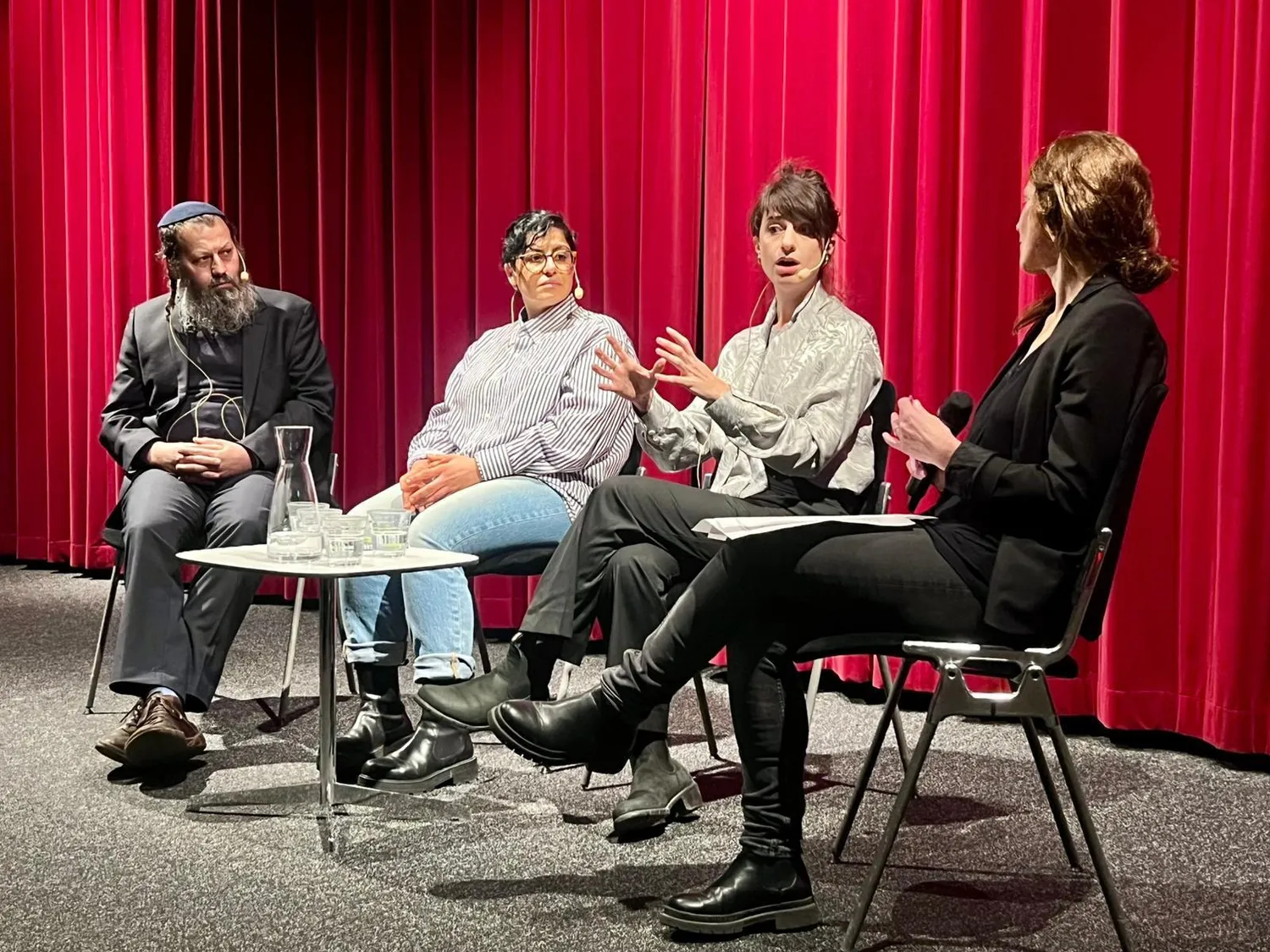
מימין: ענלי רודסטד, טל קנטור, סומאר אל-נאהר והרב משה דוד הכהן. צילום: Peter Lööv Roos

תפקידו של החזיר בסיפור משתנה ממושיע למפלצת ולקורבן, במקביל לטרנספורמציה שהילדים בכיתה עוברים בעצמם: הם מתחילים כמאזינים פסיביים והופכים בהדרגה להמון מאיים. השואה היא אולי נקודת המוצא בסרט, אך "מכתב לחזיר" אינו "סרט שואה". הוא עוסק במוטיבים אוניברסליים של סבל הנובע מטראומה בין־דורית, המתפתחת למנטליות של מצור. הוא עוסק גם באמפתיה ובאפשרות להכיר בנרטיבים אחרים דרך דיאלוג.

עבור הרב משה דוד הכהן, בן 46, הנרטיבים של כאב וסבל המובילים לסכסוך אינסופי הם דווקא מה שמשך אותו ליצירה הקולנועית הזו. לאחרונה הוא החל את כהונתו השנייה כרב של הקהילה היהודית במאלמו, העיר השלישית בגודלה בשוודיה. בשנת 2017, במהלך כהונתו הראשונה, הקים הכהן את "אמנה" (Amanah), ארגון המבוסס על שיתוף פעולה בינו לבין אימאם מקומי, החותר למאבק באפליה וטיפוח אמון בין הקהילה היהודית והמוסלמית בעיר. הארגון פעל בהצלחה במשך כמה שנים, אך התפרק בהדרגה בעקבות הטבח ב–7 באוקטובר, המלחמה שבאה בעקבותיו והקיטוב החריף שנוצר בעקבות האירועים. כעת משיק הכהן ארגון חדש בשם B.R.I.T, ראשי תיבות של "בניית חוסן, זהות ואמון" באנגלית ובמקביל — המילה העברית ברית. לדבריו, הארגון יתמקד בהבניית אמון מחדש בחברה, דרך הפריזמה של יחסי יהודים ומוסלמים.

"ראיתי איך טל לקחה משהו כמעט מקודש כמו השואה, והתרשמתי מהדרך שבה היא שואלת שאלות מורכבות שהחברה כיום חייבת להתמודד איתן", סיפר הכהן. "השאלה הרצינית ביותר היא כיצד ניתן להתיר את הסכסוך המורכב הזה ולבנות אמון. לספר סיפור, כמו שטל עושה בסרטה, זו דרך להגיע לנושא האמיתי ולהתקדם הלאה בטיפוח אותה תחושת אמון. אנשים זקוקים לתקווה, וחשבתי שבתקופה זו של סכסוך, זה יהיה טוב לארגן דיון שיתבסס על הסרט".

אחת מתופעות הלוואי של הסכסוך הישראלי־פלסטיני בשנתיים האחרונות היא העימות באירופה בין יהודים תומכי ישראל למוסלמים שתומכים בפלסטינים. שני הצדדים נקלעו למעגל חוזר של גלי חשדנות ואיבה. האוכלוסייה היהודית חשופה לעלייה באנטישמיות והפגנות אגרסיביות שחלק ממשתתפיהן מכריזים על תמיכתם בחמאס; ביהודים גם מוטחות האשמות שהם אחראים למצב בעזה בשל תמיכתם בישראל. מנגד, מוסלמים רבים סובלים מיחס הנגוע בשנאת זרים והתנגדות מסורתית למהגרים, תפיסות הצוברות עוד יותר עוצמה בתגובה לפעולותיהם של גורמים שונים בתנועת הסולידריות עם הפלסטינים. אפילו לאחר שהושגה הפסקת אש במזרח התיכון, נמשכים המתחים בין מחנות תומכי ישראל והפלסטינים במדינות רבות באירופה.

מאלמו הופיעה לא פעם בתקשורת העולמית בשנים האחרונות כסמל לאנטישמיות ופעילות פרו־פלסטינית. בשנתיים האחרונות התקיימו בה אירועים רבים שנקשרו למלחמה במזה"ת, בהם הפגנת שמחה בערב 7 באוקטובר, שריפת דגל ישראל מול בית הכנסת המקומי והפגנות אנטי־ישראליות של אלפי אנשים בשנה שעברה, בעת שהתקיים בעיר האירוויזיון. "ממש ניכר כיצד המלחמה במזרח התיכון קורעת את החברה לגזרים גם כאן", אמר הכהן. "במקומות מסוימים עדיין קשה אפילו לדבר על כך בגלוי באירועים ציבוריים".

המשך הכתבה: https://www.haaretz.co.il/gallery/cinema/2025-12-30/ty-article-magazine/.premium/0000019b-69ea-d1d0-a9bf-efebe93d0000

The Only Way Forwrad

‘The only way forward’ – Published as part of Haaretz' global projct – Jewish-Muslim Relations Around the World Collapsed Since October 7 and Gaza. Can They Recover?

Amanah was one of the most important Jewish-Muslim cooperation projects to exist in Europe before October 7. Founded eight years ago in the Swedish city of Malmö by Moshe David HaCohen, then the city's rabbi, and Salahuddin Barakat, a local imam, it aimed to build trust between the city's Jews and Muslims and to counter discrimination. This specific name for the organization was chosen because in Hebrew and Arabic, Amanah refers to the principles of faith and trust.

When it was still active, Amanah ran school programs and developed digital tools to combat racism and monitor social media, addressing many of the challenges for which Malmö had gained notoriety: Holocaust denial in schools, rising incidents of antisemitism every time violence broke out in the Middle East; and escalating Islamophobia culminating in the burning of Qurans by right-wing extremists on multiple occasions.

Amanah's activities were put on hold immediately after October 7, initially because of a statement posted on Facebook by Barakat's Islamic Academy that was deemed highly offensive to the Jewish community. "As Muslims, we stand with our oppressed brothers and sisters in their right to fight against these injustices for freedom, justice, and peace," read the post, which was written when the October massacre was still ongoing. While the post was later updated to offer condolences "to all the innocent victims of violence," the damage had been done. Although dialogue between HaCohen and several Muslim leaders continued and even helped prevent violence during the Eurovision Song Contest in Malmö last May, Amanah officially disbanded in December 2024.

Moshe David HaCohen, Photo: Herald Nilsson

HaCohen is now launching a new organization named B.R.I.T – an acronym for Building Resilience Identity and Trust, and a reference to the Hebrew word for "covenant." He says the organization will work to foster relations between Jews and Muslims in several European countries, based on the premise that security and safety "can't only be based on fear, guards and security cameras – it needs a deeper understanding and working together to overcome the problems."

Jewish-Muslim bridge-building initiatives have been tested in other Scandinavian countries as well over the past year and a half. Before October 7, Jews and Muslims in Oslo regularly held dialogue meetings under the auspices of the Council for Religious and Life Stance Communities (the umbrella organization for Norwegian religious organizations).

"After October 7, cooperation became a serious challenge to both sides," says Rabbi Joav Melchior, the leader of Oslo's Jewish community. "For members of the Jewish community, it was a challenge to deal with Muslim leaders who claimed Israel was committing genocide and spread anti-Israeli conspiracy theories," he adds. "Muslim leaders, on the other hand, saw the support of Zionism as a challenge and expected their Jewish counterparts to denounce it."

Although no major interfaith events have been held in the city over the past year-and-a-half, Melchior says Jewish and Muslim clergy continue to meet and share their thoughts in more intimate gatherings organized through the umbrella organization. "There is a will to improve relations, even though it won't be like it was before October 7," says Melchior, stressing the importance of continuing to talk.

Salaam Shalom was a Danish initiative launched a decade ago that aimed to facilitate dialogue between Middle Eastern communities based in Copenhagen. Inspired by a similar program in Berlin and partially funded by the European Union, the program, which ran for four years, was started by Tali Padan, an Israeli who grew up in the United States and now lives in the Danish capital.

After October 7, Padan wanted to arrange a get-together of some of the former activists and proposed holding a Hanukkah candle-lighting event. The response was not especially encouraging.

"In that first meeting we had only one Muslim, about 20-to-30 Israeli and Danish Jews, and some non-Jewish Danes," she recalls. "The atmosphere was heavy, but there were group activities. We talked, and we lit candles despite it all."

Padan was pleasantly surprised not long thereafter when one of her former Muslim partners, of Lebanese origin, suggested reviving the program. "I was shocked by his initiative because some of his family members were killed in an Israeli air-strike," she says. "Still, we went ahead and the first event took place this January. This time, the room was full. About 50 people, Danish Jews and Muslims, talked about activism and building bridges with a new energy."

Tali Padan, Photo: Thomas Busk

In contrast to the past, she says, in this latest iteration of her Jewish-Muslim partnership organization, the feel-good experience is not the main point. "This time it feels like people are making a powerful choice to commit to unity and peace," says Padan. "They know it's the only way forward."