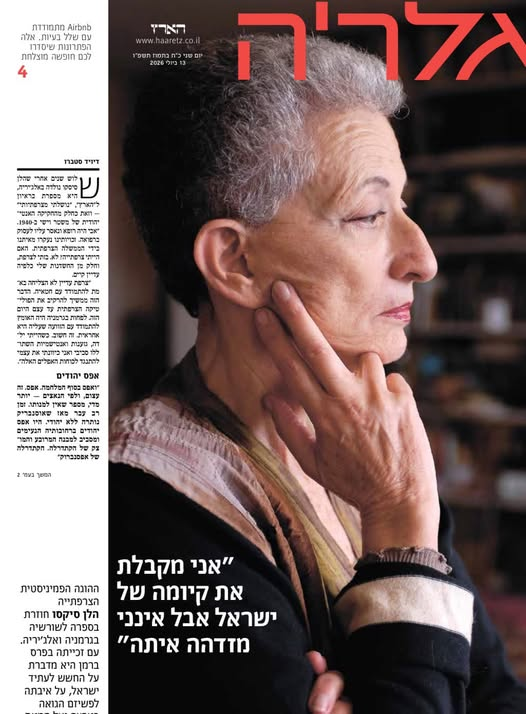
Hélène Cixous: ‘I Accept Israel’s Existence, but I Don’t Identify With It’

The pioneering French feminist thinker returns to her family’s roots in Germany and Algeria in her Berman Prize-winning book. In an interview with Haaretz, she discusses Netanyahu’s government and why she still wants Israel to survive.

Published in Haaretz: Hélène Cixous: 'I Accept Israel's Existence, but I Don't Identify With It' – Art & Culture

Three years after Hélène Cixous was born in Algeria, she recounts in an interview with Haaretz, “I was dispossessed of my Frenchness” as part of the anti-Jewish legislation of the Vichy regime in 1940. “My father was a doctor and was forbidden to practice medicine. Our rights were stripped from us by the French government. Was I French? No. I despised France, and some of my suspicion toward it still exists.

“France has still not truly managed to confront its sins. This continues to rot French politics to this day. At least Germany had the courage to confront the horror for which it was responsible. That is important. When I was a child, racism and antisemitism raged around me, and I directed myself to oppose these dark forces.”

Zero Jews

“And zero at the end of the war. Zero, that’s enormous, and according to the Nazis, too much, an innumerable number… It had been a long time since Osnabrück was without a Jew, there were zero Jews in the charming streets and around the solid, square body of the cathedral of Zerosnabrück”.

This passage from Hélène Cixous’s book Osnabrück Station to Jerusalem captures the essence of her latest work. Part memoir, part family history, the book combines the great Jewish tragedy with philosophical reflections on Jewish existence.

As is her custom, Cixous employs her creative powers in writing not only in relation to her characters but also toward language itself. Osnabrück, the German city from which her mother’s family originated, becomes “Zerosnabrück” after it is emptied of its Jews. In 1934, 435 Jews lived there, Cixous writes; after the war, the number was zero.

Both historically and magically, the city is linked to Jerusalem: both become landscapes of memory and longing, both are inhabited by the living and the dead and stand at the center of the attempt to understand what it means to be Jewish when one’s world is shaped by displacement, catastrophe and the search for a home.

Osnabrück acquires an almost mythical status throughout the book. For Cixous, it is not just “Zerosnabrück”; it is also “the Paris of Lower Saxony.” Like Jerusalem, it is both real and a surreal dream where living characters meet the dead, and where the book itself becomes a character and speaks with its author. All of this occurs across timelines and locations that jump between the Holocaust in Europe and Algeria and the Middle East, incorporating biblical references, Greek mythology, European classics and Shakespearean tragedy.

All of this greatly resonated with the Swedish Berman Prize for Literature committee, which selected Cixous and her book – published in French in 2016 and in English in 2020, and not yet translated into Hebrew – as the 2026 prize winner. The award ceremony will take place in October. It is one of the most prestigious literary prizes, including a cash award of one million Swedish kronor, approximately 320,000 shekels, and is awarded to writers whose work illuminates Jewish life while also addressing universal human questions.

The prize was founded in 2020 by Swedish philanthropists Thomas and Catharina Berman, through a private donation intended to support Jewish culture and strengthen Jewish literary tradition. Thomas Berman said that the rise in antisemitism was one of the reasons for establishing the prize.

The first recipient was David Grossman, for his body of work, and other recipients include Hungarian author Péter Nádas, Russian-Jewish author, poet and journalist Maria Stepanova, and Jewish-Guatemalan author Eduardo Halfon. This year, the prize committee praised Osnabrück Station to Jerusalem, describing it as a work that “traces the void left by the displaced, maps absence and gives voice to those who can no longer speak.”
A Wonderful, Mysterious Place

“Osnabrück is like Jerusalem: one must go there, one must present oneself before its faces, one must let it speak and advance toward its language as before the monster Behemoth about which God boasts to Job, one must touch it with one’s fingers, one’s feet; one cannot know it from a distance. It’s like the sea: even from two yards away one doesn’t know it, one must throw oneself into its arms yelling.”

Cixous was born in Oran, Algeria, in 1937 to a German-Jewish mother who was a midwife and a Sephardi-Jewish father. For more than six decades, she has addressed questions of identity, language and memory. She is best known as the author of the essay The Laugh of the Medusa (1975), one of the foundational texts in modern feminist literary theory, which established her status as an influential thinker and one of the mothers of post-structuralist feminism.

Cixous worked closely with Jacques Derrida, who referred to her as “the greatest living writer in our language.” In her early 30s, in 1968, she participated in the Paris student revolt and in the founding of Paris 8 University, an institution intended to serve as an alternative to the traditional French academic environment. In 1974, the university became home to a center for women’s studies founded by Cixous, the first of its kind in Europe. She also maintained a lifelong interest in questions concerning her Jewish history. These questions are at the heart of Osnabrück Station to Jerusalem.

Is her book intended to give voice to those who can no longer speak? “When I write, it’s not I who has intentions, it’s the book,” she replies. “The book has its urgency and it doesn’t aim at this or that consideration. It’s true that it gives a voice to the void, like everything else that has been written, because of the huge field of tragic events. But writing is always giving a voice.

“In this case, it’s all somehow in the title, it’s a singular experience, of my relation to history, to politics, to tragedy. The voice of my writing is a mixture of tragedy and comedy and my material is partly autobiographical, partly theater and the obsession that led me to the book was going to Osnabrück.”

The obsession she describes is preservation through family dialogue, fantasy and therapy. Throughout Osnabrück Station to Jerusalem, the dead refuse to disappear, and the book seems full of ghosts – mothers, grandmothers, murdered relatives and those born long after the war, vanished neighbors and destroyed communities. All reappear in dreams, conversations, fragments of language and works of art. The living and the dead merge into one another. The visit to Osnabrück thus becomes not only a journey to a specific place but an encounter with the voices of a lost world.

The city that gives the book its title occupies a remarkable place in Cixous’s imagination. “It’s a place that no one knows. Even the Germans don’t know it,” she says, “but it’s a historic city, one of the two where the Treaty of Westphalia was signed in 1648, ending the Thirty Years’ War. It’s a wonderful, mysterious, fantastic place which fascinated me as a child. I was born to a mother who came from Osnabrück and lived in Oran, an Algerian city which was then part of a French colony. I saw Osnabrück as kind of a light in the distance, just like Jerusalem is seen by so many people.”

She recalls visiting Germany repeatedly with her mother and grandmother while carefully avoiding the city itself. “We went to Berlin, to Cologne, to Bonn, but never Osnabrück. It became something I wondered about – what’s wrong with Osnabrück? Why do we never go there?” She remembers how an official invitation from the city itself arrived for her mother and aunt to come back to the city for a visit. A discussion then began between the two women, which started as a conversation about hotels but became an argument about history and forgiveness.

Eventually, her mother decided to go. “This generation is not our enemy,” Cixous recalls her mother saying. “We don’t have to forgive them. We have to go on and accept the reality of history”. Years later, when Cixous suggested to her mother that they return to Algeria together, her mother refused, explaining: “In Germany, they invited me and asked me for forgiveness. In Algeria, I was kicked out after helping thousands of Algerians come into this world as a midwife.” Only after her mother’s death at the age of 103 did Cixous herself finally travel to Osnabrück.

Since then, she says, she has become “a kind of honorary citizen” there. When she spoke there, she reminded the city’s residents that peace itself can never be taken for granted, and that her own presence is conditional. “If in twenty years you become Nazi, as it sometimes happens,” she said, “it won’t be possible.” This remark captures the central tension in her book: the best and worst possibilities remain simultaneously present.

Does the book represent a return to Jewish roots after decades primarily spent on gender and feminist theory?

“Things are not that simple. The Jewish theme has always been there in a way,” she says and adds, smiling, that “I have a history in resisting the forces of evil. I grew up in colonial Algeria in a family opposed to racism and colonialism, while simultaneously becoming victims of antisemitism. I have, of course, always been on the side of the colonized.

“This wasn’t easy in Algeria where the colonizers were French. I hated the French since I was born. My family was in a situation of being part of a small minority of those who were strictly hostile to racism and colonialism. But this was not perceived in Algeria. From their perspective, we were supposed to be French.

“Later, when I was 18, I arrived in France, and I became ‘re-Frenched,’ although I doubt if one can really become re-Frenched and the truth is that I feel like I never really arrived in France. Then the social and political landscape changed, it was totally foreign, and gradually in two or three years, I started to think that antisemitism isn’t the question any more. On the other hand, I got this horrible feeling that they hate women here".

“It wasn’t an issue of class – it was men against women. Everywhere in society. The urgent fight wasn’t for Jews; it was for women. This is a fight of thousands of years. It’s still that way and it will go on. But every now and then, there’s another cause that becomes the main one for a specific period, and you have to decide, like a general of an army, where your forces are most needed. In the last few years, for example, it happened with Ukraine. And then Israel and Gaza came back again. Sometimes, you need to divide your strength.”

Hesitation Is Food for Fascism

“I can be many things, but being Jewish is always there,” Cixous says. She explains that she can easily make peace with her identity as a woman. “It may be divided into all kinds of tendencies but it’s basic, it’s primitive.” Her Jewish identity and her relation to Zionism and Israel is a different matter.

“It goes back to my mother,” she says. “She grew up in the days of a ‘beautiful Zionism’ – the dreams of young socialist Jews. But she resisted because of her story, which was against anything nationalist. Her father was enrolled in the German army and was killed as a German Jew, and so her way of looking at history was very rational.

“I was a girl when Israel was created, and I saw in Algiers the first emissaries trying to get Jews to go to Israel. I was prudent to that. I immediately thought that I wasn’t going to feel at home with a movement that unfraternally became colonialist. It was unavoidable. So, of course, I understand the creation of Israel, of course I was moved by it. But it couldn’t escape colonialism. “I came from a country where the Arabs were colonized. So, I just watched Israel. I never thought that belonging to what they called ‘the Diaspora,’ which we’re not, is negative. It is a way of being a citizen of the universe. My mother went to Israel to visit the part of her family that moved there. I refrained from doing that. I thought that I shouldn’t go if I don’t identify with Israel. I didn’t want to just be an observer. I like to be involved.”

Couldn’t what you call colonialism also be understood as Jews returning to their homeland?

“I could understand that the emissaries thought that they are returning to their homeland. I could also understand those like the members of my family who escaped the destruction of the Holocaust to Palestine which later became Israel. But for me, this wasn’t the only way. I thought we could be free and choose, and we had many ways to react to these terrible events. I accept Israel, but don’t identify with it. And this is the case for many people”.

Cixous’s attitude to Israel is complex. She doesn’t accept Jewish nationalism, but also doesn’t deny the tragic dimension of Jewish history and the antisemitism that led to Zionism and the establishment of the Jewish state. She is also well aware of how people react to disasters, and in this case, it is a central part of the story of the exodus from Europe and the establishment of Israel.

One of the most powerful themes in your book is the inability to recognize an approaching disaster – as happened in Osnabrück with the rise of the Nazis. How can this be understood?

“The hesitation when a radical change in one’s life is involved is common. In our days this mechanism of the human psyche is obvious when we’re facing the possibility that extreme right fascism will win the presidential elections in France. France is a very political place so everywhere I see people talking to each other about our next elections saying things like ‘next year in hell.’ They discuss what they will do on election day. Some say it’s not going to happen, others say it will happen if we don’t unite. All these discussions are taking place everywhere, and you can see the human soul hesitating”. For her, this hesitation is dangerous. “It’s the food for fascism,” she says.

The contrast within her own family remains instructive. “My grandmother stayed and didn’t leave Osnabrück until after Kristallnacht. My mother, who was a young woman, left the moment she smelled the stink of fascism. She never hesitated.” Other family members perished.

In Israel’s current war, there is a place where gender, sexual violence, and Middle Eastern politics collide in a tragic way: the sexual violence committed during the Hamas attacks of October 7. Many Israelis felt deeply alienated and outraged by the way parts of the international feminist movement appeared unwilling to express sympathy for Jewish victims. What do you think about this?

“This is a monstrous event. It will remain in history and the consequences go deeper and further than can be imagined. To the horror of my kind of people, it divided even the feminists. There was something hideous about the fact that when French Jews reacted passionately to that horrible event, some parts of the French feminist movement were so anti-Israeli and pro-Palestinian that they had no sympathy for the Jewish women who were affected.”

Cixous described this as a moral failure. “These are the perversions of the way people identify with one cause and exclude others. It’s horrible.” Her own position, she says, was unequivocal. “For me, of course, there were no hesitations. This was a terrible crime. Hamas is a cruel, hateful movement like many other movements in the Arab world. The whole world is a victim of Hamas. But now, so many people, countries and movements are also victims to the blindness and craziness of the Netanyahu government.

“The time has come, and it came a long time ago, to stop being colonial and accept the fact that others also have rights. History has decided that this piece of the planet Earth should be shared by Jews and Palestinians.” She worries that Israel is exhausting reservoirs of international goodwill built over generations. “They’re self-destructing and they’re destroying the capital, the inheritance of sympathy and understanding from others.”

This is criticism stemming from concern rather than detachment. “I would like Israel to survive,” she concludes, “but it’s alienating the countries that support it. It’s tragic”.

For Cixous, Israel is not only its politics; it is also the story of exile and migration. “Each migration has its own structure. It requires such courage. It requires giving up and starting again. That’s one of the reasons that I understand the creation of Israel, and literature gives these experiences their deepest human meaning. I really admire Israeli literature which deals with this and the great writers who give these events their deep humanity.” When asked for examples, Cixous says that she loves the works of Aharon Appelfeld and enormously admires David Grossman.

The Gatekeepers

Toward the end of the interview, Cixous reflects on the present moment. “Very often I think that what is happening now, I have already lived through as a young girl, in the 1930s,” she says, but adds that history never repeats itself exactly. “Obviously, technology, the fact that we may be dispossessed by ourselves with AI, is unimaginable. We – who read, who still want to think, the guardians of art – we have to strengthen that part of mankind. Whenever a European country goes the way that Hitler’s Germany went, it contaminates everything, it becomes possible, it seduces other countries. We can be thrown into a period like the one of the plague.

“People keep saying that Europe is weak, divided and ungenerous. That’s why Europe needs to have an army. In the past, it went against its humanistic principles, but this pacifism doesn’t work. It’s not enough to just be on the side of peace and diplomacy. No, when arms are used, you have to resist with arms.”

And beside an army, what’s the role of public intellectuals in such times?

“The concept of public intellectuals is a recent invention. It started with the Dreyfus affair – and it’s extinct. There are no important public intellectuals. There may be media intellectuals. It doesn’t mean that it won’t happen again. I don’t know. Something may come back, but these wonderful moments of light, like the one in 1968, are extinct.”

Cixous’s concern about recurring patterns of extremism and hatred, and the temptation to underestimate danger, runs like a thread throughout Osnabrück Station to Jerusalem, which deals with how people remember and how they forget. The Berman Prize jury praised the book for giving voice to the silenced. In fact, it does more than that. It revives lost worlds – like those of Osnabrück and Jerusalem. In doing so, Cixous poses a long series of questions about memory, reality, exile and belonging. Most remain open. At 89, she offers no definitive answers.
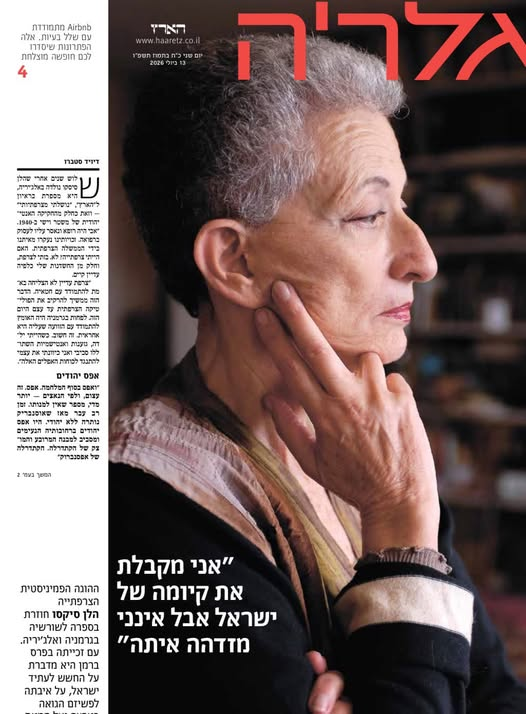
הלן סיקסו: "אני מקבלת את קיומה של ישראל אבל אינני מזדהה איתה"

ההוגה הפמיניסטית הצרפתייה חוזרת בספרה לשורשיה בגרמניה ואלג'יריה. עם זכייתה בפרס ברמן היא מדברת על החשש לישראל ועל חמאס.

פורסם ב"מוסף "גלריה" של "הארץ": הלן סיקסו: "אני מקבלת את קיומה של ישראל אבל אינני מזדהה איתה" – ספרות – הארץ

שלוש שנים אחרי שהלן סיקסו נולדה באלג'יריה, היא מספרת בראיון ל"הארץ", "נושלתי מצרפתיותי" — וזאת כחלק מהחקיקה האנטי־יהודית של משטר וישי ב־1940. "אבי היה רופא ונאסר עליו לעסוק ברפואה. זכויותינו נעקרו מאיתנו בידי הממשלה הצרפתית. האם הייתי צרפתייה? לא. בזתי לצרפת, וחלק מן החשדנות שלי כלפיה עדיין קיים. צרפת עדיין לא הצליחה באמת להתמודד עם חטאיה. הדבר הזה ממשיך להרקיב את הפוליטיקה הצרפתית עד עצם היום הזה. לפחות בגרמניה היה האומץ להתמודד עם הזוועה שעליה היא אחראית. זה חשוב. כשהייתי ילדה, גזענות ואנטישמיות השתוללו סביבי ואני כיוונתי את עצמי להתנגד לכוחות האפלים האלה".

"אפס יהודים בסוף המלחמה. אפס. זה עצום, ולפי הנאצים — יותר מדי, מספר שאין למנותו. זמן רב עבר מאז שאוסנבריק נותרה ללא יהודי. היו אפס יהודים ברחובותיה הנעימים ומסביב למבנה המרובע והמוצק של הקתדרלה. הקתדרלה של אפסנבריק".

משפט זה, בתרגומי החופשי, מתוך ספרה של הלן סיקסו "תחנת אוסנבריק לירושלים" לוכד את מהותו של ספרה האחרון. בחלקו ממואר, בחלקו היסטוריה משפחתית, הספר משלב את הטרגדיה היהודית הגדולה עם הרהורים פילוסופיים על הקיום היהודי. כדרכה מפעילה סיקסו בכתיבה את כוחות היצירה שלה לא רק ביחס לדמויותיה אלא גם כלפי השפה עצמה. אוסנבריק, העיר הגרמנית שממנה הגיעה משפחת אמה, הופכת ל"אפסנבריק" לאחר שהיא מתרוקנת מיהודיה. בשנת 1934 חיו בה 435 יהודים, כותבת סיקסו; לאחר המלחמה המספר היה אפס. באופן היסטורי ומאגי גם יחד, העיר נקשרת לירושלים: שתיהן הופכות לנופי זיכרון וכמיהה, שתיהן מאוכלסות בחיים ובמתים ועומדות במרכז הניסיון להבין מה זה להיות יהודי כשעולמך מעוצב על ידי עקירה, אסון וחיפוש אחר בית.

אוסנבריק מקבלת מעמד כמעט מיתי לאורך הספר. עבור סיקסו היא אינה רק "אפסנבריק"; היא גם "פריז של סקסוניה התחתונה". כמו ירושלים, היא גם ממשית וגם חלום סוריאליסטי שבו דמויות חיות פוגשות את המתים, ובו הספר עצמו הופך לדמות ומדבר עם המחברת שלו. כל זה מתרחש בצירי זמן ומקום שמדלגים בין השואה באירופה לבין אלג'יריה והמזרח התיכון תוך שילוב אזכורים מקראיים, מיתולוגיה יוונית, קלאסיקות אירופיות וטרגדיה שייקספירית.

כל זה דיבר מאוד אל ועדת פרס ברמן השוודי לספרות, שבחרה בסיקסו ובספרה — שפורסם בצרפתית ב־2016 ובאנגלית ב־2020 וטרם תורגם לעברית — כזוכת הפרס לשנת 2026. טקס הענקת הפרס ייערך באוקטובר. זהו אחד מפרסי הספרות היוקרתיים ביותר, הוא כולל מענק כספי של מיליון קרונות שוודיות, כ־320 אלף שקלים, ומוענק לסופרים שיצירתם מאירה את החיים היהודיים ובה בעת עוסקת בשאלות אנושיות אוניברסליות.

הפרס נוסד בשנת 2020 בידי הפילנתרופים השוודים תומס וקתרינה ברמן, כתרומה פרטית שנועדה לתמוך בתרבות היהודית ולחזק את המסורת הספרותית היהודית. תומס ברמן סיפר כי העלייה באנטישמיות היתה אחת הסיבות לייסוד הפרס. הזוכה הראשון היה דויד גרוסמן, על מכלול יצירתו, ועם הזוכים הנוספים נמנים הסופר ההונגרי פטר נאדאש, הסופרת, המשוררת והעיתונאית היהודייה־רוסייה מריה סטפנובה, והסופר היהודי־גוואטמלי אדוארדו חלפון. השנה שיבחה ועדת הפרס את "תחנת אוסנבריק לירושלים" ותיארה אותו כיצירה ש"מתחקה אחר החלל שהותירו המגורשים, ממפה את ההיעדר ומעניקה קול למי שאינם יכולים עוד לדבר".

"אוסנבריק היא כמו ירושלים: צריך להגיע אליה, צריך להתייצב מול פניה, צריך לתת לה לדבר ולהתקדם לעבר שפתה כמו שמתקדמים לעבר מפלצת בהמות שבה מתפאר האל בפני איוב. צריך לגעת בה באצבעות, ברגליים; אי אפשר להכיר אותה מרחוק. זה כמו הים: אפילו ממרחק שני מטרים אינך מכיר אותו; צריך להשליך את עצמך לזרועותיו בצעקה".

סיקסו נולדה באוראן שבאלג'יריה בשנת 1937 לאם יהודייה־גרמנייה שהיתה מיילדת ולאב יהודי־ספרדי. במשך יותר משישה עשורים היא עוסקת בשאלות של זהות, שפה וזיכרון. היא ידועה בעיקר כמחברת המאמר "צחוקה של המדוזה" (1975), אחד הטקסטים המכוננים בתיאוריה הספרותית הפמיניסטית המודרנית, שביסס את מעמדה כהוגה משפיעה וכאחת מאמהות הפמיניזם הפוסט־סטרוקטורליסטי.

סיקסו עבדה בשיתוף פעולה הדוק עם ז'אק דרידה, שהתייחס אליה כ"סופרת החיה הגדולה ביותר בשפתנו". בתחילת שנות ה־30 לחייה, ב־1968, השתתפה במרד הסטודנטים של פריז ובהקמת אוניברסיטת פריז 8, מוסד שנועד לשמש חלופה לסביבה האקדמית הצרפתית המסורתית. ב־1974 הפכה האוניברסיטה לביתו של מרכז ללימודי נשים שייסדה סיקסו, הראשון מסוגו באירופה.

היא גם התעניינה תמיד בשאלות הנוגעות להיסטוריה היהודית שלה. שאלות אלה עומדות בלבו של "תחנת אוסנבריק לירושלים".

האם ספרה נועד להעניק קול למי שאינם יכולים עוד לדבר? "כשאני כותבת, זו לא אני והכוונות שלי, זה הספר", היא עונה. "לספר יש הדחיפות שלו והוא לא מכוון לשיקול כזה או אחר. נכון שהוא מעניק קול לריק, כמו כל דבר שנכתב מתוך השדה העצום של האירועים הטרגיים. אבל כתיבה היא תמיד הענקת קול. בספר הזה, הכל נמצא איכשהו בכותרת. זו חוויית היחס שלי להיסטוריה, לפוליטיקה ולטרגדיה. הקול של הכתיבה שלי הוא תערובת של טרגדיה וקומדיה, החומר הוא בחלקו אוטוביוגרפי ובחלקו תיאטרון והאובססיה שהובילה אותי לספר היתה הנסיעה לאוסנבריק".

האובססיה שעליה היא מדברת היא שימור באמצעות דיאלוג משפחתי, פנטזיה ותרפיה. לאורך "תחנת אוסנבריק לירושלים" המתים מסרבים להיעלם והספר נדמה כמלא רוחות רפאים — אמהות, סבתות, קרובי משפחה שנרצחו וכאלו שנולדו הרבה אחרי המלחמה, שכנים שנעלמו וקהילות שנחרבו. כולם שבים ומופיעים בחלומות, בשיחות, בשברי שפה וביצירות אמנות. החיים והמתים מתמזגים זה בזה. הביקור באוסנבריק הופך אפוא לא רק למסע למקום מסוים אלא למפגש עם קולותיו של עולם אבוד.

העיר אוסנבריק תופסת מקום יוצא דופן בדמיונה של סיקסו. "זה מקום שאיש אינו מכיר. אפילו הגרמנים אינם מכירים אותו", היא אומרת, "אבל זו עיר היסטורית, אחת משתי הערים שבהן נחתם שלום וסטפליה בשנת 1648, שסיים את מלחמת 30 השנים. זהו מקום נפלא, מסתורי ופנטסטי, שהקסים אותי בילדותי. נולדתי לאם שהגיעה מאוסנבריק וחיה באוראן, עיר אלג'יראית שהיתה אז חלק ממושבה צרפתית. ראיתי את אוסנבריק כאור רחוק באופק, בדיוק כפי שאנשים רבים רואים את ירושלים".

היא נזכרת כיצד נסעה פעמים רבות לגרמניה עם אמה וסבתה, תוך שהן מקפידות להימנע מן העיר עצמה. "נסענו לברלין, לקלן, לבון — אבל אף פעם לא לאוסנבריק. זה הפך לדבר שתהיתי לגביו. מה לא בסדר באוסנבריק? למה אנחנו אף פעם לא נוסעות לשם?" היא זוכרת כיצד הגיעה לאמה ולדודתה מן העיר עצמה הזמנה רשמית לביקור. בין שתי האחיות התפתח דיון שהחל כשיחה על בתי מלון והפך במהרה לוויכוח על היסטוריה ועל מחילה.

בסופו של דבר החליטה אמה לנסוע. "הדור הזה אינו האויב שלנו", נזכרת סיקסו בדברי אמה. "אין לנו צורך לסלוח להם. אנחנו צריכים להמשיך הלאה ולקבל את המציאות ההיסטורית".

שנים לאחר מכן, כאשר סיקסו הציעה לאמה לשוב יחד לאלג'יריה, סירבה האם, והסבירה: "בגרמניה הזמינו אותי וביקשו את סליחתי. באלג'יריה גירשו אותי לאחר שסייעתי לאלפי אלג'יראים לבוא לעולם כמיילדת". רק לאחר מות אמה, בגיל 103, נסעה סיקסו עצמה לאוסנבריק.

מאז, לדבריה, הפכה שם ל"מעין אזרחית כבוד". כשדיברה שם, הזכירה לתושבי העיר שגם השלום עצמו לעולם אינו מובן מאליו, וכי גם נוכחותה שלה מותנית. "אם בעוד עשרים שנה תהפכו לנאצים, כפי שקורה לפעמים", אמרה, "זה כבר לא יהיה אפשרי". הערה זו לוכדת את המתח המרכזי בספרה: האפשרויות הטובות והגרועות ביותר נותרות נוכחות בו־זמנית.

האם הספר מייצג חזרה לשורשים יהודיים לאחר עשרות שנים שבהן עסקת בעיקר בתיאוריה מגדרית ופמיניסטית?

"הדברים מורכבים יותר. הנושא היהודי תמיד היה שם, במובן מסוים", היא עונה, ומוסיפה בחיוך: "יש לי היסטוריה של התנגדות לכוחות הרשע. גדלתי באלג'יריה הקולוניאלית במשפחה שהתנגדה לגזענות ולקולוניאליזם, ובו בזמן הפכה קורבן לאנטישמיות. כמובן שתמיד הזדהיתי עם הצד של המדוכאים והנכבשים. זה לא היה פשוט באלג'יריה, שבה הכובשים היו צרפתים. שנאתי את הצרפתים מאז שנולדתי. המשפחה שלי השתייכה למיעוט קטן של אנשים שהתנגדו באופן מוחלט לגזענות ולקולוניאליזם. אבל באלג'יריה זה לא נתפס כך. מבחינת הסביבה היינו אמורים להיות צרפתים.

"מאוחר יותר, כשהייתי בת 18, הגעתי לצרפת, והפכתי שוב ל'צרפתייה', אם כי אינני בטוחה שאפשר באמת להפוך שוב לצרפתייה והאמת היא שמעולם לא הרגשתי שהגעתי באמת לצרפת. אבל הנוף החברתי והפוליטי השתנה; הוא היה זר לי לחלוטין. בהדרגה, בתוך שנתיים או שלוש, התחלתי לחשוב שאנטישמיות כבר איננה השאלה המרכזית. לעומת זאת, קיבלתי תחושה נוראה ששונאים כאן נשים. זה לא היה עניין של מעמדות כלכליים — זה היה גברים נגד נשים. בכל מקום בחברה. המאבק הדחוף כבר לא היה למען היהודים, הוא היה למען נשים. זה מאבק שנמשך אלפי שנים. הוא עדיין נמשך ויימשך גם בעתיד. אבל מדי פעם מופיע נושא אחר שהופך לעיקרי ודחוף למשך תקופה מסוימת, ואז צריך להחליט, כמו גנרל בצבא, היכן הכוחות שלך נחוצים ביותר. בשנים האחרונות, למשל, זה קרה עם אוקראינה. אחר כך ישראל ועזה חזרו שוב למרכז. לפעמים צריך לחלק את הכוחות".

"אני יכולה להיות הרבה דברים, אבל היהדות שלי תמיד נמצאת שם", אומרת סיקסו. היא מסבירה שקל לה יחסית להיות שלמה עם זהותה כאישה. "אפשר לחלק אותה לכל מיני נטיות וזרמים, אבל היא בסיסית, ראשונית". לעומת זאת, הזהות היהודית שלה ויחסה לציונות ולישראל מורכבים הרבה יותר.

"הכל חוזר אל אמי", היא אומרת. "היא גדלה בימי 'הציונות היפה' — החלומות של צעירים יהודים סוציאליסטים. אבל היא לא היתה חלק מזה בגלל סיפור חייה, שהיה מנוגד לכל סוג של לאומיות. אביה גויס לצבא הגרמני ונהרג כיהודי־גרמני, ולכן הדרך שלה להסתכל על ההיסטוריה היתה רציונלית מאוד.

"הייתי ילדה כשישראל הוקמה, וראיתי באלג'יריה את השליחים הראשונים שניסו לשכנע יהודים לעלות לישראל. התייחסתי לכך בזהירות. מיד חשבתי שלא ארגיש בבית בתוך תנועה שהפכה באופן בלתי נמנע לקולוניאליסטית. זה היה בלתי נמנע. לכן, כמובן שאני מבינה את הקמתה של ישראל, וכמובן שהתרגשתי ממנה, אבל היא לא יכלה להימלט מן הקולוניאליזם. באתי ממדינה שבה הערבים היו נתונים לשלטון קולוניאלי. לכן פשוט התבוננתי בישראל. מעולם לא חשבתי שהשתייכות למה שהם כינו 'הגולה', מונח שאני לא מסכימה לו, היא דבר שלילי. זו דרך להיות אזרחית של העולם. אמי נסעה לישראל לבקר את בני המשפחה שעברו לשם. אני נמנעתי מכך. חשבתי שלא נכון שאסע אם אינני מזדהה עם ישראל. לא רציתי להיות רק משקיפה. אני אוהבת להיות מעורבת".

האם אי אפשר להבין את מה שאת מכנה קולוניאליזם גם כחזרה של היהודים למולדתם?

"אני יכולה להבין שהשליחים האמינו שהם חוזרים למולדתם. אני יכולה גם להבין את בני משפחתי שנמלטו מחורבן השואה אל פלשתינה, שהפכה אחר כך לישראל. אבל עבורי זו לא היתה הדרך היחידה. חשבתי שאנחנו יכולים להיות חופשיים לבחור, ושעמדו בפנינו דרכים רבות להגיב לאירועים הנוראים הללו. אני מקבלת את קיומה של ישראל, אבל אינני מזדהה איתה. וזה נכון לגבי אנשים רבים".

גישתה של סיקסו לישראל מורכבת. היא אינה מקבלת לאומיות יהודית אך גם אינה מכחישה את הממד הטרגי של ההיסטוריה היהודית ושל האנטישמיות שהובילו לציונות ולהקמת המדינה היהודית. היא מודעת היטב גם לאופן שבו בני אדם מגיבים לאסונות, ובמקרה הזה מדובר בחלק מרכזי בסיפור היציאה מאירופה והקמת ישראל.

אחד הנושאים המרכזיים בספרך הוא חוסר היכולת לזהות אסון מתקרב — כפי שקרה באוסנבריק עם עליית הנאצים. איך אפשר להבין זאת?

"ההיסוס כאשר מדובר בשינוי קיצוני בחייו של אדם הוא דבר נפוץ. בימינו אפשר לראות את המנגנון הזה בבירור נוכח האפשרות שהימין הקיצוני הפשיסטי ינצח בבחירות לנשיאות בצרפת. צרפת היא מקום פוליטי מאוד, ולכן בכל מקום אני רואה אנשים משוחחים זה עם זה על הבחירות הבאות ואומרים דברים כמו 'בשנה הבאה בגיהנום'. הם דנים במה שיעשו ביום הבחירות. יש שאומרים שזה לא יקרה. אחרים אומרים שזה יקרה אם לא נתאחד. כל הדיונים הללו מתנהלים בכל מקום ואפשר לראות בהם את נפש האדם מהססת". מבחינתה, ההיסוס הזה מסוכן. "זה המזון של הפשיזם", היא אומרת.

הניגוד בתוך משפחתה שלה הוא דוגמה טובה. "סבתי נשארה באוסנבריק ולא עזבה עד לאחר ליל הבדולח. אמי, שהיתה אז אישה צעירה, עזבה ברגע שהריחה את צחנת הפשיזם. היא מעולם לא היססה". אחרים מבני משפחתה נספו.

במלחמה הנוכחית של ישראל יש מפגש טרגי בין מגדר, אלימות מינית ופוליטיקה מזרח־תיכונית: רבים בישראל כעסו על חוסר הנכונות של חלקים בתנועה הפמיניסטית להביע הזדהות עם קורבנות האלימות המינית במתקפת חמאס ב־7 באוקטובר. מה דעתך על כך?

"זהו אירוע מפלצתי. הוא יישאר בהיסטוריה, והשלכותיו עמוקות ומרחיקות לכת מכפי שאפשר לדמיין. למרבה האימה של אנשים מסוגי, הוא פילג אפילו את הפמיניסטיות. היה משהו מחריד בכך שכאשר יהודי צרפת הגיבו בעוצמה לאירוע הנורא הזה, חלקים מן התנועה הפמיניסטית הצרפתית היו כה אנטי־ישראליים וכה פרו־פלסטיניים, עד שלא גילו שום הזדהות עם הנשים היהודיות שנפגעו".

סיקסו מתארת זאת ככישלון מוסרי. "אלה העיוותים שנוצרים כאשר אנשים מזדהים באופן מוחלט עם מטרה אחת ומתנערים מהאחר. זה נורא". עמדתה שלה, היא אומרת, היתה חד־משמעית. "מבחינתי לא היה שום מקום להיסוס. זה היה פשע נורא. חמאס היא תנועה אכזרית ומלאת שנאה, כמו תנועות רבות אחרות בעולם הערבי. העולם כולו הוא קורבן של חמאס. אבל כיום אנשים רבים, מדינות רבות ותנועות רבות הם גם קורבנות של העיוורון והטירוף של ממשלת נתניהו.

"הגיע הזמן — ולמעשה הוא הגיע כבר מזמן — להפסיק להיות קולוניאליים ולקבל את העובדה שגם לאחרים יש זכויות. ההיסטוריה קבעה שחלקת האדמה הזאת צריכה להיות משותפת ליהודים ולפלסטינים". לדבריה, ישראל מכלה בהדרגה מאגרי אהדה בינלאומיים שנבנו במשך דורות. "הם הורסים את עצמם, והם הורסים את ההון — את הירושה של אהדה והבנה מצד אחרים".

זוהי ביקורת הנובעת מדאגה, לא מריחוק. "הייתי רוצה שישראל תשרוד", היא מסכמת, "אבל היא מרחיקה ממנה את המדינות שתומכות בה. זה טרגי".

עבור סיקסו, ישראל אינה רק הפוליטיקה שלה, היא גם סיפור של גלות והגירה. "לכל הגירה יש המבנה הייחודי שלה. היא דורשת אומץ עצום. היא דורשת ויתור והתחלה מחדש. זו אחת הסיבות לכך שאני מבינה את הקמתה של ישראל. הספרות מעניקה לחוויות הללו את משמעותן האנושית העמוקה ביותר. אני מעריכה מאוד את הספרות הישראלית העוסקת בכך, ואת הסופרים הגדולים שמעניקים לאירועים האלה אנושיות עמוקה". כשאני מבקש דוגמאות, סיקסו אומרת שהיא אוהבת את יצירתם של אהרן אפלפלד ושל דויד גרוסמן.

לקראת סוף הראיון סיקסו חוזרת אל ההווה. "לעתים קרובות מאוד אני חושבת שמה שמתרחש כיום הוא משהו שכבר חוויתי כילדה צעירה בשנות ה־30", היא אומרת, אך ממהרת להוסיף שההיסטוריה לעולם אינה חוזרת על עצמה באופן זהה.

"כמובן שהטכנולוגיה, והאפשרות שננושל מעצמנו באמצעות בינה מלאכותית, הן דבר שלא ניתן היה לדמיין. אנחנו, אלה שקוראים, אלה שעדיין רוצים לחשוב, שומרי הסף של האמנויות — עלינו לחזק את החלק הזה של האנושות. בכל פעם שמדינה אירופית הולכת בדרך שבה הלכה גרמניה של היטלר, היא מזהמת הכל. הדבר הופך לאפשרי, הוא מפתה מדינות אחרות. אנחנו עלולים להיזרק לתקופה הדומה לימי המגפה.

"כל הזמן אומרים שאירופה חלשה, מפולגת ולא נדיבה. לכן אירופה צריכה צבא. בעבר הדבר עמד בניגוד לעקרונות ההומניסטיים שלה, אבל הפציפיזם הזה אינו עובד. לא מספיק רק להיות בצד השלום והדיפלומטיה. לא. כאשר משתמשים בנשק, צריך להתנגד באמצעות נשק".

ולצד הצבא, מה תפקידם של אינטלקטואלים ציבוריים בימים כאלו?

"המושג 'אינטלקטואל ציבורי' הוא המצאה חדשה יחסית. הוא התחיל בפרשת דרייפוס — והוא נכחד. אין כיום אינטלקטואלים ציבוריים חשובים. אולי יש אינטלקטואלים תקשורתיים. זה לא אומר שהדבר לא יכול לחזור. אני לא יודעת. ייתכן שמשהו ישוב בעתיד. אבל אותם רגעים נפלאים של אור, כמו זה של 1968, נכחדו".

החשש של סיקסו מדפוסים חוזרים של קיצוניות ושנאה, של הפיתוי לזלזל בסכנה, עובר כחוט השני לאורך "תחנת אוסנבריק לירושלים" שעוסק באופן שבו בני אדם זוכרים ובאופן שבו הם שוכחים.

חבר השופטים של פרס ברמן שיבח את הספר על כך שהוא מעניק קול למושתקים. למעשה, הוא עושה יותר מכך. הוא מחייה עולמות אבודים — כמו אלה של אוסנבריק וירושלים. תוך כדי כך מציבה סיקסו שורה ארוכה של שאלות על זיכרון, מציאות, גלות ושייכות. רובן נותרות פתוחות. בגיל 89 היא אינה מציעה תשובות סופיות.

Amid Tensions, Oscar-nominated Israeli Animation Sparks Dialogue Between Jews and Muslims in Sweden

Filmmaker Tal Kantor's Israeli-French coproduction, the animated short film 'Letter to a Pig,' exploring intergenerational trauma and its potential to lead to empathy, has received numerous accolades. Now, a rabbi in Sweden has shown the film to Jewish-Muslim audiences to encourage dialogue post October 7 and the Israel-Gaza war.

Published in Haaretz: https://www.haaretz.com/jewish/2025-12-11/ty-article-magazine/.premium/oscar-nominated-israeli-animation-sparks-dialogue-between-jews-and-muslims-in-sweden/0000019a-fd77-d2e4-a1ff-fff7ab270000

Israeli animation filmmaker and visual artist Tal Kantor, 37, has taken her film "Letter to a Pig" to more film festivals, master classes, school seminars, and public screenings than she can easily remember. These events have taken place all over the world since the film was first screened in 2022, and there are more to come. From Harvard University to the Sigmund Freud Museum in Vienna, from the Academy Museum of Motion Pictures in L.A. to the Museum of Contemporary Art in Zagreb, it seems like Kantor and her film have been everywhere.

The 17-minute piece of animated art has also won Kantor multiple prizes. These include the Ophir Award, known as "the Israeli Oscar," the Best Narrative Short at the Ottawa International Animation Festival, the Excellence Award at the Japan Media Arts Festival and prizes, and honorable mentions at animation festivals in Belgium and France, and even an Oscar nomination for Best Animated Short Film in 2024.

The film itself took about five years to complete because of the meticulous hand-drawn animation style, which is combined with live action and involves visionary techniques and imagery. It was produced by The Hive Studio in Israel and Miyu Productions in France. It is based on one of Kantor's real-life childhood memories, and it depicts the way pain and collective trauma are transmitted from one generation to another, and the role they play in human history, society, and identity.

The film's main character is a girl who, together with her classmates, listens to the testimony of a Holocaust survivor in an Israeli school. Part of the testimony is a letter that the survivor wrote to a pig which, as he remembers, saved his life while he was hiding from the Nazis in a pigsty. In the film, the young schoolgirl sinks into a disturbing surrealistic dream while listening to the testimony. During the dream, new perspectives of good and evil are created in the girl's mind, and these expose her and her fellow students to the results of violence, victimhood, and trauma.

The pig's role shifts from savior to monster to victim, while the young children also go through a transformation. They start out as passive listeners and gradually become a threatening mob. The Holocaust may be the film's starting point, but "Letter to a Pig" is not a "Holocaust film." It's about universal motifs such as violence and suffering created by intergenerational trauma, which develops into a siege mentality. But it's also about empathy and the possibility to recognize other narratives through dialogue.

For Rabbi Moshe David HaCohen, 46, the narratives of pain and suffering, leading to endless conflict, actually drew him to the piece. HaCohen has just started his second term as the rabbi of the small Jewish community in Sweden's third-largest city, Malmö. In 2017, at the beginning of his first term as Malmö's rabbi (which ended in 2022), HaCohen founded Amanah, an organization based on his cooperation with a local imam to counter discrimination and build trust between the city's Jewish and Muslim populations. For a few years this worked very well, but the organization gradually dissolved as a result of the October 7 massacre, the ensuing Israel-Gaza war and the polarization caused by these events.

HaCohen is now launching a new organization named B.R.I.T – an acronym for Building Resilience, Identity, and Trust, and a reference to the Hebrew word for "covenant." He says the organization will work to counter polarization and foster relations between Jews and Muslims in several European countries. "I saw how Tal took something which is seen as almost holy like the Holocaust, and I was impressed by the way she asked complex questions that society today has to deal with," HaCohen told Haaretz in an interview in Stockholm. "The most serious question is how do we dismantle this complex conflict and create trust. Telling stories, like Tal does in her film, is a way to reach the real issue and move forward to create that kind of trust. People need hope, and I thought that during this time of conflict it would be good to create a debate based on the film."

One of the side effects of the Israeli-Palestinian conflict is the conflict in many European countries over the last two years, between Jewish Israel supporters and Muslim Palestinian supporters, who are entangled in cycles of suspicion and hostility. Jews have experienced rising levels of antisemitism, aggressive demonstrations at which protestors declare support for Hamas, and accusations of being responsible for the situation in Gaza because of their support for Israel.

Many European Muslims have found themselves on the receiving end of traditional anti-immigration and xenophobic attitudes, which are now amplified in response to the actions of elements of the pro-Palestinian solidarity movement. Even though there is now a cease-fire in the Middle East, tensions between the pro-Israel and pro-Palestinian camps and their supporters in many European countries persist.

And so Rabbi HaCohen asked Kantor to bring her film to Sweden in November to try to create productive dialogue. Kantor says that the film has taken part in about 150 festivals so far, and she has attended many of them personally. Meeting audiences together with the international crew who worked with her on the film is always important to her. "The film started from a very personal experience, and it has now become universal. Meeting audiences …. means everything to me," she says. "After screenings, people open up to me; they talk about their own experiences and their own perspectives. Some of them cry and open their hearts while talking about the multi-generational trauma they see in the film."

Still, for Kantor this wasn't just another invitation to a European cultural event. Instead of festival curators and ceremony producers, the invitation came from a rabbi who wanted to show her film as a tool for creating change and providing hope. Kantor couldn't refuse.

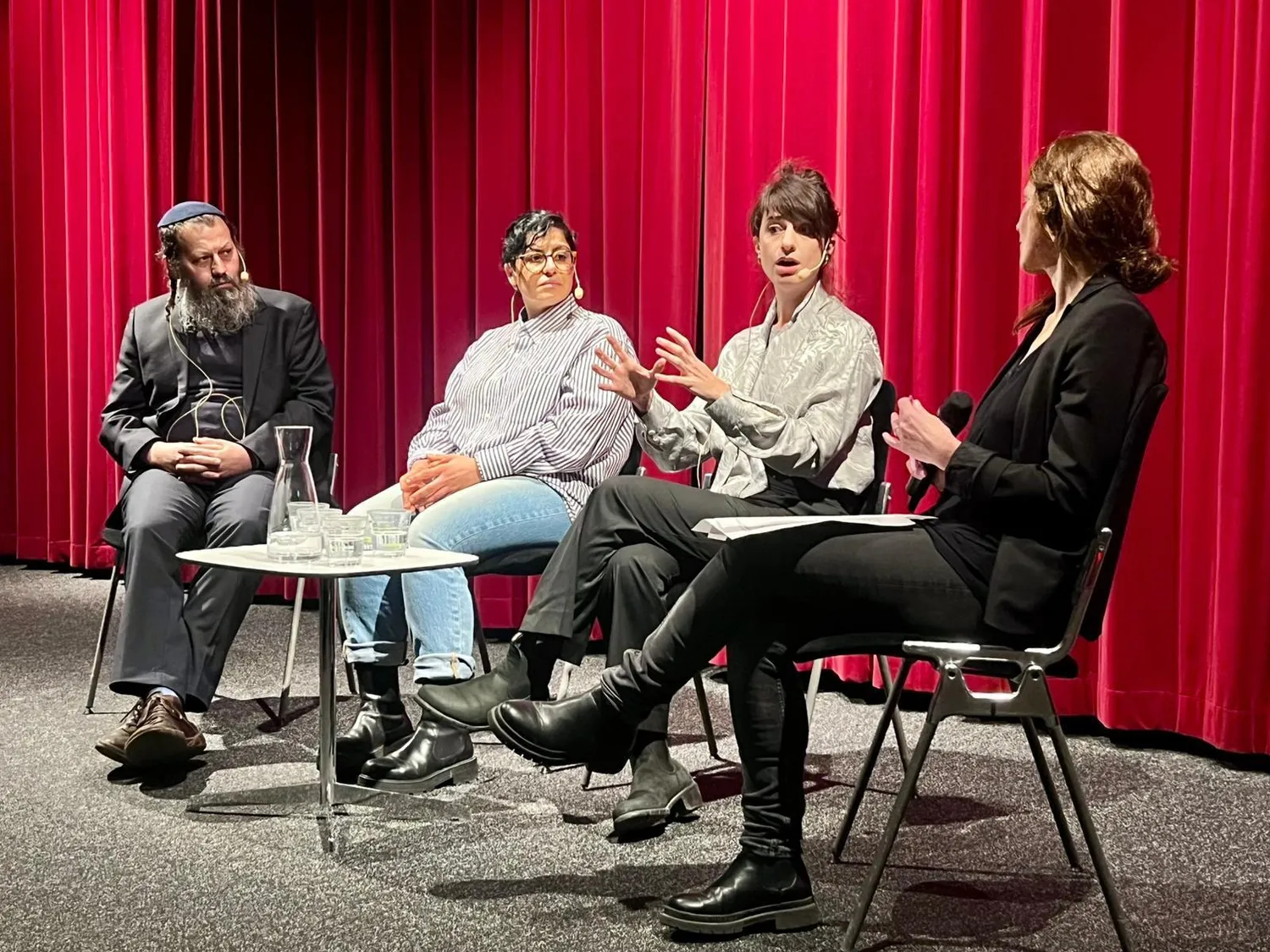
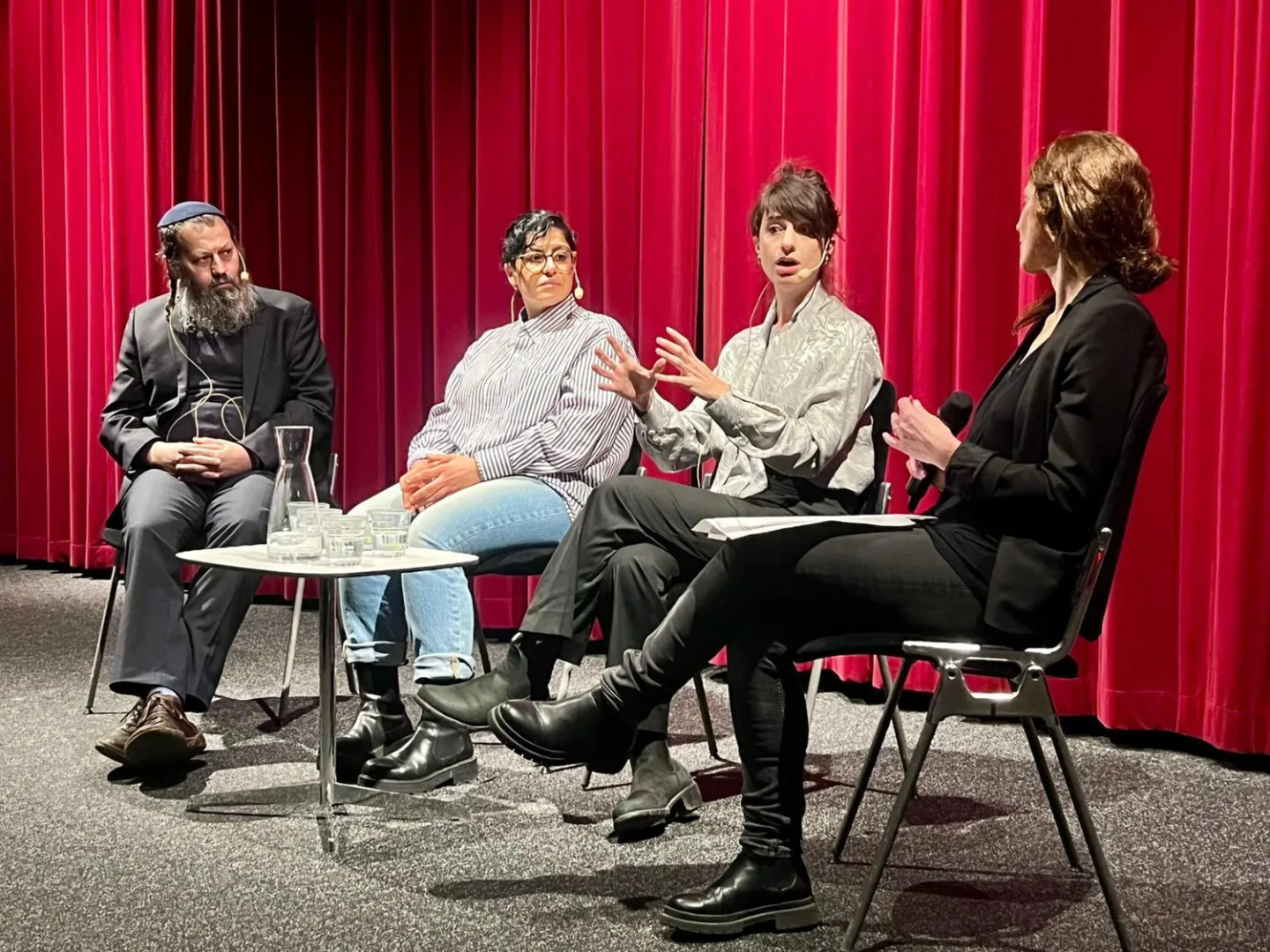
From right: Rabbi Moshe David HaCohen, Somar Al-Naher, Tal Kantor and Anneli Rådestad. Photo: Peter Lööv Roos

"Moshe David explained who he was and told me about what he does," Kantor told Haaretz in a local Stockholm café a day before she returned to Israel. "I immediately understood that he wasn't interested in the film because of its Oscar nomination or its international success. It was about the film's content…. The way he talked about it moved me deeply. He recognized its exploration of the danger of inherited trauma, fear, and narratives of cruelty, and how remaining in a place of victimhood can keep that cycle alive.

"He also saw how the film gestures toward compassion for all people [and towards] humanity and hope. It meant a great deal to me that he saw in the film a tool for opening a space for dialogue in such a polarized moment."

Rest of the article here: https://www.haaretz.com/jewish/2025-12-11/ty-article-magazine/.premium/oscar-nominated-israeli-animation-sparks-dialogue-between-jews-and-muslims-in-sweden/0000019a-fd77-d2e4-a1ff-fff7ab270000

בצל האנטישמיות הגואה בשוודיה, סרט ישראלי על חזיר ניסה לגשר על הפערים

"מכתב לחזיר" חיבר בין השואה לטראומת הילדות של הבמאית טל קנטור. כעת הוא מפגיש רב מודאג וסופרת סורית.

פורסם ב"הארץ": https://www.haaretz.co.il/gallery/cinema/2025-12-30/ty-article-magazine/.premium/0000019b-69ea-d1d0-a9bf-efebe93d0000

יוצרת האנימציה והאמנית החזותית הישראלית טל קנטור השתתפה עם סרטה "מכתב לחזיר" בכל כך הרבה פסטיבלי קולנוע, כיתות אמן, סמינרים בבתי ספר והקרנות ציבוריות עד שאינה יכולה לזכור את כולם. האירועים הללו התקיימו בכל רחבי העולם מאז שהסרט הוקרן לראשונה ב–2022, והיד עוד נטויה. מאוניברסיטת הרווארד ועד מוזיאון זיגמונד פרויד בווינה, ממוזיאון האקדמיה בלוס אנג'לס ועד למוזיאון לאמנות עכשווית בזאגרב — נדמה שקנטור וסרטה היו בכל מקום.

סרט האנימציה בן 17 הדקות, הזמין לצפייה ביס, זיכה את קנטור בת ה–37 בפרסים רבים, בהם פרס אופיר, פרס הסרט הקצר הטוב ביותר בפסטיבל האנימציה הבינלאומי באוטווה, פרס המצוינות בפסטיבל אמנויות המדיה ביפן, ציונים לשבח בפסטיבלי האנימציה של בלגיה וצרפת ואפילו מועמדות לאוסקר של 2024, בקטגוריית סרט האנימציה הקצר הטוב ביותר.

הפקת הסרט ארכה כחמש שנים, בשל סגנון האנימציה המדוקדק, המשלב ציור ידני יחד עם צילום לייב־אקשן וטכניקות ויזואליות יוצאות דופן. הסרט, שהופק על ידי סטודיו The Hive בישראל ו־Miyu Productions בצרפת, מבוסס על זיכרון ילדות של קנטור ומתאר את הדרך שבה כאב וטראומה קולקטיבית עוברים מדור לדור, ואת התפקיד שהם ממלאים בהיסטוריה האנושית, בחברה ובעיצוב זהות.

גיבורת הסרט היא נערה, שמקשיבה יחד עם חברי כיתתה לעדותו של ניצול שואה בבית ספר ישראלי. חלק מסיפורו כולל מכתב שהניצול כתב לחזיר שהציל את חייו, כשנאלץ להסתתר מהנאצים בדיר חזירים. במהלך ההרצאה, הנערה שוקעת בחלום סוריאליסטי מטריד שיוצר פרספקטיבות חדשות על טוב ורע, החושפות אותה ואת חבריה לכיתה להשלכות של אלימות, קורבנוּת וטראומה.

מימין: ענלי רודסטד, טל קנטור, סומאר אל-נאהר והרב משה דוד הכהן. צילום: Peter Lööv Roos

תפקידו של החזיר בסיפור משתנה ממושיע למפלצת ולקורבן, במקביל לטרנספורמציה שהילדים בכיתה עוברים בעצמם: הם מתחילים כמאזינים פסיביים והופכים בהדרגה להמון מאיים. השואה היא אולי נקודת המוצא בסרט, אך "מכתב לחזיר" אינו "סרט שואה". הוא עוסק במוטיבים אוניברסליים של סבל הנובע מטראומה בין־דורית, המתפתחת למנטליות של מצור. הוא עוסק גם באמפתיה ובאפשרות להכיר בנרטיבים אחרים דרך דיאלוג.

עבור הרב משה דוד הכהן, בן 46, הנרטיבים של כאב וסבל המובילים לסכסוך אינסופי הם דווקא מה שמשך אותו ליצירה הקולנועית הזו. לאחרונה הוא החל את כהונתו השנייה כרב של הקהילה היהודית במאלמו, העיר השלישית בגודלה בשוודיה. בשנת 2017, במהלך כהונתו הראשונה, הקים הכהן את "אמנה" (Amanah), ארגון המבוסס על שיתוף פעולה בינו לבין אימאם מקומי, החותר למאבק באפליה וטיפוח אמון בין הקהילה היהודית והמוסלמית בעיר. הארגון פעל בהצלחה במשך כמה שנים, אך התפרק בהדרגה בעקבות הטבח ב–7 באוקטובר, המלחמה שבאה בעקבותיו והקיטוב החריף שנוצר בעקבות האירועים. כעת משיק הכהן ארגון חדש בשם B.R.I.T, ראשי תיבות של "בניית חוסן, זהות ואמון" באנגלית ובמקביל — המילה העברית ברית. לדבריו, הארגון יתמקד בהבניית אמון מחדש בחברה, דרך הפריזמה של יחסי יהודים ומוסלמים.

"ראיתי איך טל לקחה משהו כמעט מקודש כמו השואה, והתרשמתי מהדרך שבה היא שואלת שאלות מורכבות שהחברה כיום חייבת להתמודד איתן", סיפר הכהן. "השאלה הרצינית ביותר היא כיצד ניתן להתיר את הסכסוך המורכב הזה ולבנות אמון. לספר סיפור, כמו שטל עושה בסרטה, זו דרך להגיע לנושא האמיתי ולהתקדם הלאה בטיפוח אותה תחושת אמון. אנשים זקוקים לתקווה, וחשבתי שבתקופה זו של סכסוך, זה יהיה טוב לארגן דיון שיתבסס על הסרט".

אחת מתופעות הלוואי של הסכסוך הישראלי־פלסטיני בשנתיים האחרונות היא העימות באירופה בין יהודים תומכי ישראל למוסלמים שתומכים בפלסטינים. שני הצדדים נקלעו למעגל חוזר של גלי חשדנות ואיבה. האוכלוסייה היהודית חשופה לעלייה באנטישמיות והפגנות אגרסיביות שחלק ממשתתפיהן מכריזים על תמיכתם בחמאס; ביהודים גם מוטחות האשמות שהם אחראים למצב בעזה בשל תמיכתם בישראל. מנגד, מוסלמים רבים סובלים מיחס הנגוע בשנאת זרים והתנגדות מסורתית למהגרים, תפיסות הצוברות עוד יותר עוצמה בתגובה לפעולותיהם של גורמים שונים בתנועת הסולידריות עם הפלסטינים. אפילו לאחר שהושגה הפסקת אש במזרח התיכון, נמשכים המתחים בין מחנות תומכי ישראל והפלסטינים במדינות רבות באירופה.

מאלמו הופיעה לא פעם בתקשורת העולמית בשנים האחרונות כסמל לאנטישמיות ופעילות פרו־פלסטינית. בשנתיים האחרונות התקיימו בה אירועים רבים שנקשרו למלחמה במזה"ת, בהם הפגנת שמחה בערב 7 באוקטובר, שריפת דגל ישראל מול בית הכנסת המקומי והפגנות אנטי־ישראליות של אלפי אנשים בשנה שעברה, בעת שהתקיים בעיר האירוויזיון. "ממש ניכר כיצד המלחמה במזרח התיכון קורעת את החברה לגזרים גם כאן", אמר הכהן. "במקומות מסוימים עדיין קשה אפילו לדבר על כך בגלוי באירועים ציבוריים".

המשך הכתבה: https://www.haaretz.co.il/gallery/cinema/2025-12-30/ty-article-magazine/.premium/0000019b-69ea-d1d0-a9bf-efebe93d0000

Gaza War Has Halted, but Not the Protests Against an Israeli Artist's Work in Oslo

Noa Eshkol's 'Mourning Carpet' from 1974 was inspired by the Israelis who died in a Palestinian terror attack that year. Opposition to the showing of the work lays bare the unique enmity toward Israel

Published in Haaretz: https://www.haaretz.com/life/2025-11-09/ty-article-magazine/.premium/gaza-war-has-halted-but-not-the-protests-against-an-israeli-artists-work-in-oslo/0000019a-67e2-d0d0-a9db-67e7b8780000

The scene at Norway's National Museum a month ago was unusual, even for a protest in Oslo in a year of countless harsh demonstrations against Israel. In the "On the Barricades" room showing works with a political context, dozens of people sat on the floor and shouted "Remove the carpet!"

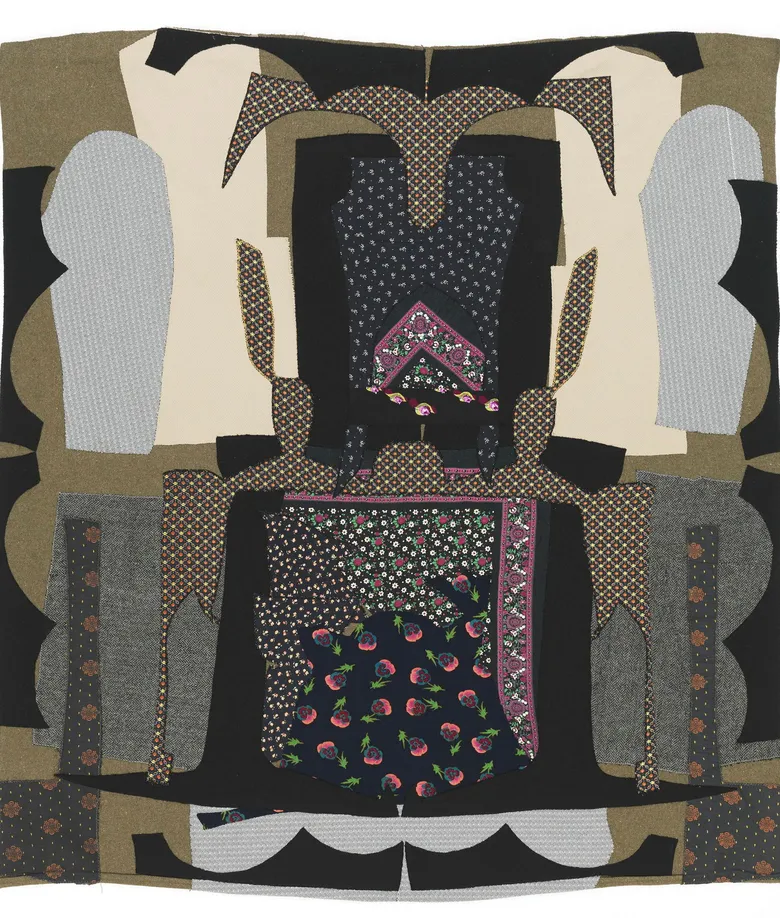
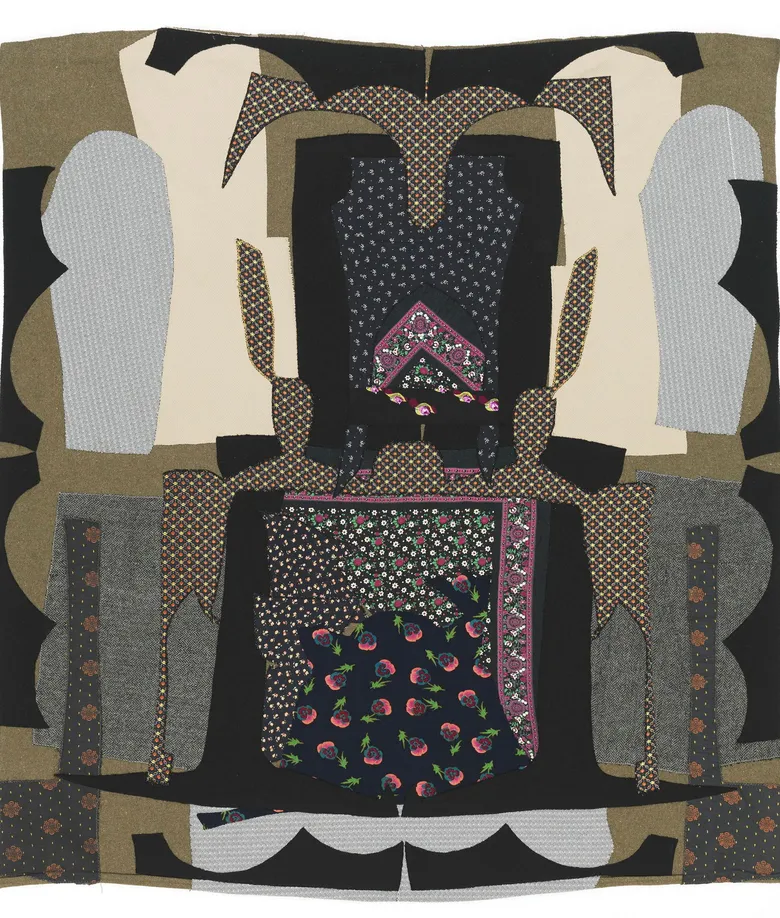
The participants, including artists and cultural figures, were protesting the showing of one of the works, 1974's "Mourning Carpet," a 174-by-160-centimeter (roughly 6-foot-by-5-foot) wall carpet by Israeli textile artist and choreographer Noa Eshkol. The piece features images of flowers in an array of colors. A YouTube video and media photos reveal the flavor of the protest. The chants filled the room, a Palestinian flag had been placed on the floor, and a few demonstrators wore kaffiyehs. Israel and Hamas' signing of a cease-fire agreement that day, October 9, didn't seem to register much.

A few days earlier an initiator of the protest, Norwegian artist Victor Lind, explained what was rousing the demonstrators' anger. "The National Museum has chosen to show a work that legitimizes the occupation of Palestine by the war criminal the State of Israel," he said in a panel discussion in Oslo in September. Lind also claimed that the work was "war propaganda" that legitimized genocide and fascism.

The call to remove Eshkol's work was also heard in letters, newspaper articles and social media posts; even employees of the museum joined in. But for now, the piece is still there and the museum hasn't voiced any intention to pull it. "The National Museum isn't supposed to be a political player," the museum's director, Ingrid Roynesdal, told Aftenposten, Norway's most popular daily. She added: "If we as a museum choose to become an active player in geopolitical debates, we're likely in the end to contribute to a narrowing of freedom of expression."

The demonstration at the museum joins a long list of protests and boycotts over the past two years against Israel and Israeli artists, scholars, athletes and businesses. But the battle surrounding Eshkol's work seems particularly strident. It reflects the depth of the crisis of Israel's international standing and the scale of the hatred for Israel in Europe, which goes far beyond opposition to the war in Gaza.

Noa Eshkol, "Mourning Carpet (Following the Massacre at the Ma'alot School). 
Credit: Jens Ziehe/Photographie/Neugerriemschneider Berlin

The story of the carpet begins with a national trauma in Israel. It was May 1974, slightly over six months since the Yom Kippur War and around two years since a string of terror attacks: the Munich Olympics massacre, the hijacking of a Sabena airliner that landed in Israel, and an assault at Israel's airport that killed 26 civilians. In May 1974, terrorists from the Democratic Front for the Liberation of Palestine infiltrated from Lebanon into Israel.

Over two days, with rifles, hand grenades and explosives, the DFLP terrorists killed and wounded Israelis in a series of attacks, the worst being the abduction of 85 Safed high school students who were staying at a school in another northern town, Ma'alot.

The students, some of whose teachers fled the building as the terrorists entered, served as bargaining chips for the gunmen, who sought the release of Palestinian prisoners. During negotiations, the government played for time as it planned a commando raid. The results were tragic in what is now known as the Ma'alot massacre. The storming of the building ended with the death of more than two dozen people, most of them students.

Like many Israelis, Noa Eshkol was shocked by the attack. Eshkol, who was born in 1924, is known for Eshkol-Wachman movement notation. She and her student Avraham Wachman created a system of symbols for describing movement; for example, in choreography. The work "Mourning Carpet," whose full name is "Mourning Carpet (After the Ma'alot School Massacre)," was the artist's response to the terror attack.

"This is one of the hundreds of carpets that Noa created in the final decades of her life," says Mooky Dagan, a human rights activist, musician and art curator who manages Eshkol's estate and heads the foundation established in her name. Dagan, who was a close friend of Eshkol's, adds: "It's one of her only carpets that can be connected to a specific event. That's why it was important to me to add the parenthetical information to the title."

Dagan says Eshkol created several mourning carpets after the Yom Kippur War. Another carpet, which was sold to the Pompidou Center in Paris, is called "Leaving Yamit," referring to an Israeli town in Egypt's Sinai Peninsula, before it was uprooted in 1982 as part of the Egyptian-Israeli peace deal. "Another one was named after Golda Meir, but these are the exceptions connected to a specific event or person," Dagan says. "She created over 1,000 carpets."

Dagan sees the irony in the fact that the carpet in Oslo is stirring such controversy. "The incident in Ma'alot shook the foundations," he says. "It was an event with hostages including many children, it launched a debate on surrendering to terrorists or taking military action, and it shook the country. It became a formative event, and it's symbolic in light of what's happening today in Israel and in Gaza." Dagan says the protest in Oslo has been the toughest challenge when it comes to Eshkol's work being shown abroad. He says his friend never wanted to display her carpets at all.

On a few rare occasions, he was able to convince her otherwise, but the international breakthrough came after her death in 2007, when he says she became a brand name and a raft of museums acquired her works. Solo exhibitions of her art have been staged in Germany, the Netherlands, Brazil, Sweden, Norway and Israel, and her works have taken part in group exhibitions in many other countries. "In the last years of her life she was drawn to creating the carpets in a way that she herself couldn't explain," Dagan says. "It became the most important thing in her life."

Would you say that these are political works? It's true that she was the daughter of Israel's third prime minister, Levi Eshkol, a fact that wasn't officially mentioned in the protest but came up in some of the online debates. But can she be linked to a specific political viewpoint?

"I can't speak in her name, and it's absurd to speak for people after their death. But I was very close to her and we became close friends already after the Six-Day War. When it came to the carpets, I shared the process of creation with her intimately. Noa was a political person, but her viewpoint wasn't linked to a party and she didn't intervene in specific political issues. Even though her father was the prime minister, and even though she was born on Kibbutz Degania and was thoroughly Israeli, she was totally antiestablishment. That was the paradox in her. Even though she breathed her Israeli identity, she created movement notation, which is the most universal thing possible. Her worldview was universal; she stressed this and even refused to patent her movement notation, so that the whole world could use it."

Dagan describes Eshkol as a dominant personality with solid opinions and clear thinking. She wouldn't take anything for granted, hated clichés and lived as a feminist. Surrounded by students, she detested titles and rebelled against every framework and consensus. She didn't want to be a candidate for the Israel Prize and convinced her friend Uri Zohar to turn down the 1976 prize for film because it was granted by the government. "Her attitude, spiritually and practically, was that of a rebel," Dagan says.

Just because of the protest against her work in Oslo, it would be interesting to know if she had clear opinions about the Israeli-Palestinian conflict.

"I can definitely attest that she was a person with a worldview that's now called leftist. Even though she detested labels of this kind, above all she had a humanistic outlook. She wasn't an activist, but the current situation would have clearly driven her crazy. Until her death she had the worldview of a pure dove."

***

Hawk or dove, it makes no difference to the demonstrators against the National Museum in Oslo, which bought Eshkol's work in 2022. In May this year the work was hung in Room 76, the space reserved for political art. When the director was asked by the online contemporary art magazine Kunstkritikk why she chose it, she said the museum switches works in its rooms so that all the works can be better preserved.

"Room 76 is devoted to political art, mainly from 1965 to 1980," she said. "This work was chosen according to the regular procedures. The room displays a variety of artistic expressions and strategies, and tries to reflect the art of the period when the works were created."

Lind, the Norwegian artist, said about the storm after the decision to display "Mourning Carpet": "We all see pictures from Gaza every day of child-size white body bags, small white cloth sacks tied with rope at the top and bottom. He said in the panel discussion: "The genocide being perpetrated by Israel against the Palestinians is intolerable. Little children, like our children, are dying of starvation. A mother who has no more milk because she herself is suffering from malnutrition. She was shot in the stomach by Israeli soldiers while waiting in line for food. There's a smell of gas in Gaza. I'm sorry that the situation requires such harsh language."

Lind, 84, was among political artists identified with the radical left in the early '70s. He also created works commemorating the Holocaust of Norway's Jews. Regarding "Mourning Carpet," he said that "the National Museum's choice to show this work during the ongoing genocide in Gaza infuriates me because of its curating decisions with a viewpoint of supporting the Israeli narrative. … The work depicts the Israelis as the victims of Palestinian terror.

"'Mourning Carpet' commemorates the Israelis who were killed during the Palestinian revolt against the Israeli occupation. The work reflects Israel's official narrative of the Israel-Palestinian conflict from 1948 until today, a narrative that sees Israel as the main victim throughout." Lind's protest included a complaint about the removal of Norwegian works in favor of the Israeli work. "Mourning Carpet" is displayed alongside pieces by Norwegian artists, including Lind himself, whose work is "art in favor of freedom and against occupation and oppression," he said.

Geir Egil Bergjord, chairman of the Association of Norwegian Visual Artists, wrote in Aftenposten: "The museum's decision to show this work now, during what many consider a genocide in Gaza, has given the work political significance. A national museum can't be neutral in every context. It must balance artistic freedom and the context in which the work is displayed.

"The museum has removed political works by Norwegian artists to make room for a work that supports the narrative of an occupier, Israel. The director must recognize that fact. Curating decisions require more than vague declarations of 'space for artistic expression.'"

The left-wing Norwegian newspaper Klassekampen examined the extent Norwegian museums took an interest in the war between Israel and Hamas. It found that museums in Bergen and Trondheim are showing works by Palestinian artists. It also found that the Nitja Center for Contemporary Art in Lillestrom has held an exhibition of video works by Palestinian artists, as well as an exhibition of posters for Palestine and works by Palestinian artist Hasan Daraghmeh. It has also shown aerial photographs by Norwegian photographer Hedevig Anker "filmed in Palestine before the establishment of the State of Israel."

Several employees took part in the protest at the National Museum. "We aren't neutral, we stand in solidarity with Palestine," curator Monica Holmen told Klassekampen. One complaint by the anti-Eshkol demonstrators was the listing of her place of birth as Israel, even though the artist was born 24 years before the state was established. The sign has been changed to "British Mandate Palestine (today's Israel)."

The original decision was to follow the museum's policy: The country of an artist's birth is noted in its modern version even if it had a different name during the artist's lifetime. Only after public pressure did the museum change tack, while creating the impression that it had made a technical error. (Though internal emails leaked to the Norwegian media show that the museum was well aware of the sensitivity of the subject.)

It was very difficult to speak to the protesters themselves and give them a chance to explain their viewpoint to Israeli readers. Lind declined to be interviewed by Haaretz. Requests to the Association of Norwegian Visual Artists were unsuccessful at first, but Egil Bergjord, the chairman, eventually agreed. He said in an English-language email: "I would like you to note that the Norwegian Visual Artists Association (NBK) has not asked the museum to remove the artwork. Rather, NBK has criticized the museum for displaying it without providing a proper contextualization." He said that if "our National Museum exhibits Eshkol's work without presenting alternative perspectives or critical discourse, the museum fails to acknowledge or critically engage with the political significance of its curatorial decisions."

The National Museum said it couldn't arrange an interview with the director or the person responsible for the exhibition. Later it said that these officials couldn't be interviewed due to the public debate about the museum's decision – precisely the debate that Haaretz wanted to discuss.

***

"Museums must of course listen to different opinions, but their job isn't to meet the demands of various groups," says Marianne Hultman, a Swedish curator and art historian who spent some of her childhood in Israel. She has worked in Norway for nearly 20 years, and four years ago, as director of the Oslo Kunstforening art gallery and society, she curated an Eshkol exhibition in cooperation with Sweden's Norrköping Art Museum and the organization Jewish Culture in Sweden.

Regarding Eshkol's controversial work, she says: "Eshkol often used tablecloths, curtains and blankets as a base for her textile collages. In this work she used one of the army blankets brought to her by one of her dancers after the Yom Kippur War. "In 'Mourning Carpet' the symbolically charged fabric is allowed to emerge and become an integral part of the image. With remnants from the clothing industry, the image bears traces of bodily forms and points to the absence of the body, pointing to the traces of human life.

"The military blanket functions concretely as a base for the pieces of fabric, and symbolically as a representation of the violence that marked the event. It's a work of mourning for all the lives lost in connection with the massacre. Today it perhaps also expresses grief over a conflict that continues to leave deep traces of suffering and death."

Hultman believes there is justification for including Eshkol's work in the political art space at the National Museum, and she's disappointed at the protest against it. "How would our museums look if every artwork had to meet the same demands that Noa Eshkol's 'Mourning Carpet' now faces?" she asks. "It would mean that all artists had to bear responsibility for their country's political, religious and military choices. And where would that leave artistic freedom?"

גם הפסקת האש לא עצרה את ההפגנות מול העבודה של נועה אשכול באוסלו

"שטיח האבל" מ-1974, שיצרה נועה אשכול בעקבות הטבח במעלות, מעוררת מחאה חריגה בנורבגיה ומראה שהשנאה לישראל חורגת מהמלחמה.

פורסם ב"הארץ": https://www.haaretz.co.il/gallery/galleryfriday/2025-11-06/ty-article-magazine/.highlight/0000019a-4f54-db4c-a5fb-cfff4e360000

הסצנה שהתרחשה במוזיאון הלאומי הנורווגי בתחילת אוקטובר היתה חריגה, אפילו ביחס לאירועי מחאה אחרים באוסלו, עיר שהתקיימו בה בשנתיים האחרונות אינספור מחאות קולניות וחריפות מאוד נגד ישראל. בחדר במוזיאון שעל קירותיו מוצגות יצירות אמנות בעלות הקשר פוליטי שנאספו תחת הכותרת "על הבריקדות" התיישבו עשרות בני אדם והחלו לצעוק יחד: "הורידו את השטיח!"

המשתתפים, אמנים ואנשי תרבות, ביקשו למחות על הצגתה של אחת היצירות – "שטיח אֵבל", שטיח קיר בגודל 174×160 ס"מ שיצרה ב-1974 האמנית והכוריאוגרפית הישראלית נועה אשכול, ובמרכזו דימויים של פרחים בשלל צבעים. סרטון שהועלה ביוטיוב ותמונות שפורסמו בתקשורת תיעדו את המחאה: הצעקות מילאו את חלל החדר, על הרצפה הונח דגל פלסטין וחלק מהמפגינים עטו כאפייה. לצד הצעקות נשמעו גם נאומים ואפילו מנהלת המוזיאון זומנה למקום. העובדה שבאותו יום, 9 באוקטובר, חתמו ישראל וחמאס על הסכם הפסקת אש לא השפיעה בשום צורה על המפגינים.

אחד מיוזמי המחאה, האמן הנורווגי ויקטור לינד, הסביר כמה ימים קודם לכן מה עורר את כעסם: "המוזיאון הלאומי בוחר להציג יצירה שעושה לגיטימיזציה לכיבוש פלסטין על ידי מדינת ישראל פושעת המלחמה". הוא גם טען שזו תעמולת מלחמה, שנותנת לגיטימציה לרצח עם ולפשיזם.

הקריאה להוריד את יצירתה של אשכול נשמעה לא רק במוזיאון עצמו. מכתבים, מאמרים בעיתונים ופוסטים ברשתות חברתיות ניסו גם הם להפעיל לחץ על המוזיאון ודרשו להוריד אותה, ואפילו חלק מעובדי המוזיאון הצטרפו לתביעה. אך לעת עתה היצירה תלויה במקומה והמוזיאון לא הודיע שבכוונתו להסירה. "המוזיאון הלאומי אינו אמור להיות שחקן פוליטי", אמרה מנהלת המוזיאון, אינגריד רוינסדאל, ליומון הנפוץ ביותר בנורווגיה, "אפטנפוסטן". לדבריה, "אם אנו כמוזיאון נבחר להפוך לשחקן פעיל בדיונים גיאו-פוליטיים, אנו עלולים בסופו של דבר לתרום לצמצום מרחב הביטוי הזה".

ההפגנה במוזיאון באוסלו מצטרפת לשורה ארוכה של מחאות וחרמות המופנים בשנתיים האחרונות כלפי ישראל וכלפי אמנים, חוקרים, ספורטאים ועסקים ישראלים, אך נדמה כי המאבק סביב יצירתה של אשכול חריג בהיקפו ובמידת התהודה שעורר. הוא משקף את עומק המשבר שבו נמצא מעמדה הבינלאומי של ישראל ואת עומק השנאה כלפיה באירופה, החורגת בהרבה מהתנגדות למלחמה בעזה. ואמנם, הסכם הפסקת האש לא הביא לשום שינוי במחאה, והוויכוח על הצגת היצירה נמשך גם אחרי השגתו.

נועה אשכול, "שטיח אבל (בעקבות הטבח בבית הספר במעלות)", 1974.
צילום: Jens Ziehe/Photographie / neugerriemschneider berlin

סיפורו של השטיח שבלב הסערה מתחיל באירוע שהפך לטראומה לאומית בישראל. במאי 1974, קצת יותר מחצי שנה אחרי מלחמת יום כיפור וכשנתיים אחרי הפיגועים באולימפיאדת מינכן, במטוס סבנה ובנמל התעופה לוד, חדרה חוליית מחבלים של החזית הדמוקרטית לשחרור פלסטין מלבנון לישראל. בשלושת הימים שאחרי החדירה שלושת המחבלים, שהיו חמושים ברובים, רימוני יד וחומרי נפץ, הרגו ופצעו אזרחים ישראלים בשורת פיגועי טרור, שהחמור בהם היה חטיפת 85 תלמידי כיתות ט'-י"א מתיכון דתי מצפת שבמסגרת טיול התאכסנו בבית הספר נתיב מאיר במעלות. התלמידים, שחלק ממוריהם נמלטו מהבניין בעת חדירת המחבלים, שימשו כאמצעי מיקוח לדרישת המחבלים לשחרר אסירים שהיו כלואים בישראל. הממשלה אמנם דנה בדרישתם, אך למעשה משכה זמן במשא ומתן לקראת מימוש התוכנית לפרוץ בכוח לבניין במטרה לשחרר את החטופים.

התוצאות היו טרגיות: בפריצה לבניין נהרגו 21 תלמידים ותלמידות. המספר הכולל של הקורבנות באירוע, שנודע בשם "טבח מעלות", היה 28, לרבות תלמידה שנפצעה ומתה מפצעיה כעבור עשרה ימים, ארבעה אזרחים וחייל שנרצחו לפני הפריצה לבית הספר ואזרח שסייע בחילוץ, נפצע ומת מפצעיו כמה שנים מאוחר יותר.

כמו ישראלים רבים אחרים, גם נועה אשכול זועזעה מהפיגוע. אשכול, ילידת 1924, נודעה יחד עם תלמידה, הארכיטקט אברהם וכמן, כממציאת כתב התנועה אשכול-וכמן – מערכת סמלים המאפשרת להגדיר תנועה, ששימשה בין השאר כאמצעי לרישום תנועה אנושית וכוריאוגרפיה. היצירה "שטיח אבל", שלשמה נוספה בסוגריים ההערה "בעקבות הטבח בבית הספר במעלות", היתה תגובה ישירה של האמנית לאותו מרחץ דמים.

"זה אחד ממאות שטיחים שנועה יצרה בעשורים האחרונים של חייה", אומר מוקי דגן – פעיל זכויות אדם, מוזיקאי ואוצר אמנות, האחראי על עיזבונה של אשכול ומנהל את הקרן שהוקמה על שמה. "היא עשתה אותו ממש בסמוך לאירוע ומיד כשסיימה אותו, היא הראתה לי ואמרה שזה על מעלות. זה אחד השטיחים היחידים שלה שאפשר לקשר לאירוע מסוים. בגלל זה היה לי חשוב להוסיף לכותרת שלו, 'שטיח אבל', את התוספת בסוגריים. נועה יצרה כמה שטיחי אבל בעקבות מלחמת יום כיפור. שטיח אחר, שנמכר למוזיאון פומפידו בפריז, נקרא 'היציאה מימית', אחד אחר נקרא על שם גולדה מאיר, אבל אלה הם החריגים שקשורים לאירוע או אדם ספציפיים. בסך הכל היא יצרה יותר מ-1,000 שטיחים".

דגן, שהיה חבר אישי קרוב של אשכול, מוצא סמליות בכך שדווקא השטיח שנקנה על ידי המוזיאון הלאומי באוסלו מעורר כזאת מחלוקת. "האירוע במעלות זיעזע את אמות הסִפים", הוא אומר. "זה היה אירוע שהיו בו חטופים, שנפגעו בו ילדים רבים, שהיה סביבו דיון על כניעה למחבלים או פעולה צבאית ושטילטל את המדינה. הוא הפך לאירוע מכונן וזה סמלי שעל רקע מה שקורה היום בישראל ובעזה, השטיח שמעורר את המחלוקת הזאת עוסק בדיוק בנושאים האלה".

המחאה באוסלו, לדברי דגן, היא המקרה החריף ביותר שבו נתקל לגבי עבודתה של אשכול בחו"ל. הוא אומר שבימי חייה אשכול לא רצתה להציג את השטיחים כלל. הוא אמנם הצליח לשכנע אותה להציג אותם בכמה הזדמנויות נדירות, אך הפריצה הבינלאומית החלה לאחר מותה ב-2007, אז היא הפכה לדבריו ל"מותג" ומוזיאונים רבים רכשו מיצירותיה. תערוכות יחיד שלה התקיימו בשנים האחרונות בגרמניה, הולנד, ברזיל, שוודיה, נורווגיה וישראל ועבודותיה השתתפו בתערוכות קבוצתיות במדינות רבות נוספות. "בשנים האחרונות לחייה היא נשאבה ליצירת השטיחים בצורה שהיא עצמה לא ידעה להסביר", אומר דגן, "זה הפך לדבר הכי חשוב בחייה".

היית אומר שאלה עבודות פוליטיות? היא אמנם היתה בתו של ראש הממשלה השלישי לוי אשכול (עובדה שלא הוזכרה במחאה נגדה), אך האם אפשר לקשר בינה ובין השקפה פוליטית מסוימת?

"אני לא יכול לדבר בשמה וזה מופרך לדבר בשם אנשים אחרי מותם. עם זאת, הייתי קרוב אליה מאוד והפכנו לחברים קרובים כבר אחרי מלחמת ששת הימים. בכל מה שקשור לשטיחים, חלקתי איתה את תהליך היצירה באופן אינטימי. נועה היתה אדם פוליטי, אבל היתה לה השקפה שלא היתה קשורה למפלגה והיא לא היתה מתערבת בסוגיות פוליטיות ספציפיות. היא בעיקר היתה אדם שסלד מהממסד. למרות שאביה היה ראש הממשלה, למרות שהיא נולדה בדגניה ולמרות שהיתה ישראלית בכל רמ"ח איבריה, היא היתה אדם אנטי-ממסדי לגמרי. זה היה הפרדוקס שבה. למרות שהיא נשמה את הזהות הישראלית, היא יצרה את כתב התנועה שהוא הדבר הכי אוניברסלי שיכול להיות. השקפת העולם שלה היתה אוניברסלית; היא טרחה להדגיש את זה ואפילו סירבה לרשום פטנט על כתב התנועה כדי שכל העולם יוכל להשתמש בו".

דגן מתאר את אשכול כאישיות דומיננטית, בעלת דעות מוצקות ומחשבה צלולה. לדבריו, היא לא היתה מוכנה לקבל שום דבר כמובן מאליו, שנאה קלישאות, חייתה כפמיניסטית אף שהמונח "הצחיק אותה", ובאופן כללי, ניהלה את חייה בצורה יוצאת דופן, מוקפת תלמידים, סולדת מתארים, מורדת בכל מסגרת ומוסכמה. דגן מוסיף שהיא לא רצתה להיות מועמדת לפרס ישראל והיא גם זו ששיכנעה את חברהּ, אורי זוהר, לא לקבל את הפרס בתחום הקולנוע ב-1976 מפני שהוא מוענק על ידי המדינה. "היחס שלה, נפשית ומעשית, היה יחס של מורדת", אומר דגן.

דווקא בגלל המחאה נגד יצירתה באוסלו, מעניין אם היו לה דעות ברורות לגבי הסכסוך הישראלי-פלסטיני.

"אני יכול להעיד בפה מלא ובאחריות שהיא היתה אדם עם השקפה שנקראת היום שמאלית. היא אמנם סלדה מהגדרות מהסוג הזה, אבל לפני כל דבר אחר היתה לה השקפה הומניסטית. היא לא היתה אקטיביסטית ואי אפשר לדעת מה היה קורה לה היום, אבל ברור לי שהיא היתה משתגעת מהמצב. אחרי מלחמת ששת הימים ומלחמת יום כיפור קבוצת ההתייחסות שלה היו אנשים כמו הסופר משה שמיר, שהגיע כמותה מרקע סוציאליסטי אבל הצטרף לתנועת ארץ ישראל השלמה. על רקע זה היו ביניהם ויכוחים איומים. עמדתה, עד מותה, היתה עמדה של יונה צחורה".

נץ או יונה, במקרה של המחאה נגד המוזיאון הלאומי באוסלו זה לא ממש שינה. היצירה של אשכול נקנתה על ידי המוזיאון ב-2022. במאי השנה היא נתלתה בחדר 76 – אותו חלל של המוזיאון שמוקדש ליצירות פוליטיות. כשמנהלת המוזיאון רוינסדאל התבקשה על ידי מגזין האמנות המודרנית האינטרנטי Kunstkritikk להסביר את הבחירה בה, היא השיבה שהמוזיאון מחליף יצירות ואוצר מחדש חדרים מסוימים כדי לשמר עבודות. "חדר 76 מוקדש לאמנות פוליטית, בעיקר בין השנים 1965 ל-1980, והיצירה הזאת נבחרה בהתאם לפרוצדורות רגילות לחלוטין הקשורות לאצירה מחודשת של החלל", אמרה. "החדר מציג מגוון של ביטויים ואסטרטגיות אמנותיות, ומנסה לשקף את האמנות של התקופה שבה נוצרו העבודות".

הזעם שעוררה ההחלטה להציג להציג את "שטיח אבל" התבטא בצורות רבות בנורווגיה – במאמרים בכלי התקשורת, ברשתות החברתיות, במכתבים פומביים, בקריאות לחרם ועוד. יוזם המחאה לינד אמר בכנס שנערך באוסלו: "כולנו רואים כל יום תמונות מעזה של שקי גופות לבנים בגודל של ילדים. שקי בד קטנים ולבנים, קשורים בחבל מלמעלה ומלמטה. רצח העם שישראל מבצעת בפלסטינים הוא בלתי נסבל. ילדים קטנים, כמו הילדים שלנו, מתים מרעב. אֵם שאין לה יותר חלב כי היא עצמה סובלת מתת-תזונה. היא נורתה בבטן, כשהיתה בתור לקבלת מזון, על ידי חיילים ישראלים. יש ריח של גז בעזה! אני מצטער שהמצב מחייב שפה כה חריפה".

לינד בן ה-84 נודע כחלק מקבוצת אמנים פוליטיים שהיו מזוהים עם השמאל הרדיקלי בתחילת שנות ה-70; הוא גם יצר עבודות שהנציחו את שואת יהודי נורווגיה. הוא תלה את התנגדותו ליצירה של אשכול בכך ש"הבחירה של המוזיאון הלאומי להציג את היצירה הזאת בעיצומו של רצח העם המתמשך בעזה ממקמת אותו, דרך הבחירות האוצרותיות שלו, בעמדה התומכת בנרטיב הישראלי… היצירה מציגה את הישראלים כקורבנות של טרור פלסטיני. שטיח האבל מנציח את הישראלים שנהרגו במהלך מרד פלסטיני נגד הכיבוש הישראלי. היצירה משקפת את הנרטיב הרשמי של ישראל לגבי הסכסוך הישראלי-פלסטיני מ-1948 ועד היום, נרטיב הרואה בישראל את הקורבן המרכזי לאורך כל הדרך". מחאתו של לינד כללה גם טענה על הורדתן של יצירות נורווגיות לטובת הצגתה של היצירה הישראלית. היא מוצגת לצד עבודות של אמנים נורווגים, בהם הוא עצמו, שיצירתם היא "אמנות בעד חירות ונגד כיבוש ודיכוי", כלשונו.

לאחר דבריו של לינד הצטרפו אמנים נורווגים נוספים למאבק, בהם יו"ר אגודת האמנים החזותיים של נורווגיה (NBK), גייל אגיל ברגיורד. במאמר בעיתון "אפטנפוסטן" הוא כתב: "החלטת המוזיאון להציג את היצירה הזאת כעת, בעיצומו של מה שרבים מגדירים כרצח עם מתמשך בעזה, הקנתה ליצירה משמעות פוליטית. יש מקום להטיל ספק ביושרה המקצועי של מנהלת המוזיאון. מוזיאון לאומי אינו יכול להיות ניטרלי בכל הקשר. עליו לאזן בין חופש אמנותי ובין ההקשר שבו מוצגת היצירה. המנהלת חייבת להכיר בכך. המוזיאון הלאומי מסיר יצירות פוליטיות ידועות של אמנים נורווגים כדי לפנות מקום ליצירה שתומכת בנרטיב של כוח כובש – ישראל. זו אינה עמדה ניטרלית, בניגוד למה שרוינסדאל טוענת. החלטות אוצרותיות כאלה מחייבות יותר מאשר הצהרות מעורפלות על 'מרחב לביטוי אמנותי'".

הדיון בניטרליות ובמעורבות הפוליטית של מוזיאונים נורווגיים התנהל לאחרונה בעיתון השמאל הנורווגי Klasskampen, שבחן את מידת העיסוק של מוזיאונים במדינה במלחמה בישראל ובעזה. העיתון סיקר מוזיאונים רבים במדינה שעוסקים באופן פעיל בסכסוך הישראלי-פלסטיני, בהם כאלה בערים ברגן וטרונדהיים המציגים יצירות של אמנים פלסטינים. המנהלת האמנותית של המוזיאון לאמנות בטרונדהיים, אינגריד לונאן, אמרה לעיתון ש"אנחנו מאמינים שיש לנו אחריות לקדם אמנות פלסטינית", ודוברת של Bergen kunsthall, מוסד אמנות בברגן, סיפרה שהוא תרם לאיסוף כסף מקומי ל"תמיכה בפלסטין".

המרכז לאמנות מודרנית Nitja בעיר לילסטרום אף הציג תערוכה של יצירות וידיאו של אמנים פלסטינים. אוצרת המרכז, מוניקה הולמן, סיפרה שהוא הציג גם תערוכת "פוסטרים למען פלסטין", שתמכה בארגונים פלסטיניים, והציע בחנות שלו מוצרים שההכנסה ממכירתם הוקדשה לתמיכה בפלסטין. בתערוכה נוספת במקום הוצגו עבודות של האמן הפלסטיני חסן דראגמה, וסדרת תצלומי אוויר של הצלמת הנורווגית הדוויג אנקר ש"צולמו בפלסטין לפני הקמת מדינת ישראל". כמה מעובדי המרכז אף השתתפו במחאה במוזיאון הלאומי בחודש שעבר. "אנחנו לא ניטרלים, אנו עומדים בסולידריות עם פלסטין", אמרה הולמן.

אחת הטענות של המוחים נגד הצגת עבודתה של אשכול במוזיאון הלאומי נגעה לרישום מקום הלידה של האמנית בתווית המופיעה ליד היצירה. בהתאם למדיניות המוזיאון, מקום הלידה שצוין היה ישראל, אף שאשכול נולדה יותר מ-20 שנה לפני קום המדינה. טענה זו התקבלה על ידי המוזיאון, המנהלת רוינסדאל טענה שנפלה טעות והשילוט תוקן לנוסח אחר: (today's Israel) British-Mandate Palestine. אלא שהודעות מייל פנימיות של הנהלת המוזיאון שנחשפו במגזין Kunstritik הראו שנושא מקום הלידה של אשכול דווקא נדון בדיון ארוך בין אנשי המוסד, שבו הצגת היצירה נתפסה כ"נושא רגיש פוליטית". בסוף הדיון הפנימי הוחלט לדבוק בנוהלי המוזיאון, שלפיהם המדינה שבה נולד האמן מוזכרת בשמה העדכני, גם במקרים שבהם היא נקראה בשם אחר בימי חייו של האמן. במוזיאון שקלו גם רישומים אחרים למקום לידתה של אשכול, כמו "פלסטין, היום ישראל" ו"ישראל, אז פלסטין", אך לבסוף כתבו "ישראל". רק לאחר הלחץ הציבורי שינה המוזיאון את ההחלטה ויצר את הרושם שהיה מדובר במעין טעות טכנית.

ניסיונות לשוחח עם המעורבים במחאה ולאפשר להם להשמיע את עמדתם בפני קוראים בישראל נתקלו בקשיים רבים. יוזם המחאה, לינד, התבטא לא מעט בעיתונות הנורווגית אבל לא נענה לפניית "הארץ" להתראיין. לאחר שתי פניות אליו הוא מסר: "תודה על הפנייה. לצערי, אין באפשרותי להתראיין כעת וגם לא בעתיד". פנייה שלישית כבר לא נענתה כלל.

גם כמה פניות לאגודת האמנים החזותיים של נורבגיה, שמוענו ליו"ר ולשני גורמים נוספים בארגון, לא צלחו בתחילה. לבסוף נענה יו"ר האגודה, אגיל ברגיורד, והסביר שהעיכוב בתשובה נבע מעומס דיונים ודד-ליינים הקשורים לאישור תקציב המדינה. הוא מסר שהאגודה "לא ביקשה מהמוזיאון להסיר את היצירה. במקום זאת, היא ביקרה את המוזיאון על כך שהציג את היצירה מבלי לספק הקשר הולם. כאשר המוזיאון הלאומי שלנו מציג את עבודתה של אשכול מבלי להציג נקודות מבט חלופיות או שיח ביקורתי, הוא נכשל בהכרה או בהתמודדות ביקורתית עם משמעותן הפוליטית של החלטותיו האוצרותיות".

המוזיאון הלאומי באוסלו טען שאין באפשרותו לארגן ראיון עם המנהלת או עם האחראית על התצוגה בגלל נסיעת עבודה. פנייה חוזרת למוזיאון לא נענתה עד שלבסוף התקבלה התשובה שאין ביכולתם של מנהלי המוזיאון להתראיין בגלל הדיון הציבורי על החלטותיו האוצרותיות – בדיוק אותו דיון שעליו ביקשנו לשוחח עמם.

"מוזיאונים צריכים, כמובן, להקשיב לקולות שונים, אך תפקידם אינו למלא אחר דרישותיהן של קבוצות שונות", אומרת ל"הארץ" מריאן הולטמן, אוצרת שוודית שהיא גם היסטוריונית של אמנות וגם בעלת רקע ישראלי. הולטמן עבדה בנורווגיה כמעט 20 שנה ולפני ארבע שנים, כאשר היתה מנהלת אגודת האמנות של אוסלו, הוצגה באגודה תערוכה של אשכול בשיתוף פעולה עם ארגון "תרבות יהודית בשוודיה". אותה תערוכה הוצגה בהמשך במוזיאון האמנות של העיר השוודית נורשפינג.

לדבריה, המוזיאון הלאומי בחר להציג את יצירתה של אשכול כחלק מאסטרטגיה אוצרותית חדשה, שבמסגרתה נכללים גם אמנים בינלאומיים בתערוכה "על הבריקדות". "לאחר יותר מ-50 שנה היצירה מוצגת באור חדש. עבור אשכול, השטיחים היו יצירה אישית ואינטואיטיבית, בניגוד חד לעבודה המחקרית והתיאורטית שבה עסקה בדרך כלל. היא לא רצתה להציג אותם בפומבי. בסופו של דבר השתכנעה והציגה אותם במוזיאון תל אביב לאמנות ב-1978 ובמוזיאון העיצוב בקופנהאגן ב-1981. בכך עברו השטיחים מהתחום הפרטי אל המרחב הציבורי, מה שפתח את האפשרות לבחון ולפרש אותם בהקשרים חדשים".

על היצירה שבמוקד המחלוקת אומרת הולטמן: "אשכול השתמשה לעתים קרובות במפות שולחן, וילונות ושמיכות כבסיס לקולאז'ים הטקסטיליים שלה. ביצירה זו השתמשה באחת מהשמיכות הצבאיות שאחד הרקדנים בלהקה שהקימה הביא לה לאחר מלחמת יום כיפור. ב'שטיח אבל' הבד הטעון הזה מקבל נוכחות גלויה והופך לחלק בלתי נפרד מן התמונה. פיסות הבד המרכיבות את הקומפוזיציה הן שאריות מתעשיית ההלבשה. הדימוי הנוצר נושא עמו עקבות של צורות גוף, או, במקרה הזה, דווקא היעדרו של הגוף. דומה שהקומפוזיציה, למרות ההפשטה שבה, מתעקשת להפנות את תשומת הלב אל עקבות החיים האנושיים. השמיכה הצבאית משמשת באופן ממשי כרקע, ובמובן סמלי היא מייצגת את האלימות שעמדה בבסיס האירוע. היצירה היא מעין עבודת אבל על החיים שאבדו בעקבות טבח מעלות, ועבורנו כיום היא מבטאת אולי גם צער על סכסוך שממשיך להותיר אחריו עקבות עמוקים של סבל ומוות".

הולטמן סבורה כי יש הצדקה להכללת יצירתה של אשכול בחלל המוקדש לאמנות פוליטית במוזיאון באוסלו ומביעה אכזבה מהמחאה נגדה. "כיצד ייראו המוזיאונים שלנו אם כל יצירה תידרש לעמוד באותם הקריטריונים ש'שטיח אבל' של אשכול עומד בפניהם כיום?" היא שואלת. "פירוש הדבר יהיה שאמנים יישאו באחריות על ההחלטות הפוליטיות, הדתיות והצבאיות של המדינה שממנה באו. ואז, לאן תיעלם החירות האמנותית?"

'In Norway, We Have Yet to Confront the Full Meaning of the Holocaust'

Irene Levin turned the hundreds of notes her mother left behind after her death into a book chronicling the story of Norwegian Jews during the Holocaust.

Published in Haaretz: https://www.haaretz.com/world-news/europe/2025-04-30/ty-article-magazine/.premium/in-norway-we-have-yet-to-confront-the-full-meaning-of-the-holocaust/00000196-804b-dc27-a3df-f2fbf3d80000

When Irene Levin's mother was 96, she left her apartment in Oslo and moved into a Jewish old age home. Levin and her two children wanted her mother's – and their grandmother's – new home to feel like a miniature version of the elegant, meticulously arranged apartment she had lived in for decades. To do so, they moved in the gilded-upholstered furniture, the paintings, the silverware, and the mirrors her mother never passed without briefly checking her reflection. As part of the process, they also cleaned and organized the apartment.

It took Levin more than five years to understand the significance of what she found during that process. "There were notes everywhere," she told Haaretz in an interview. "Some were hidden in piles of newspapers, other were tucked away in drawers, on shelves, and in cupboards. Some had only one or two sentences, others were full pages written in my mother's handwriting. Although they weren't dated, her handwriting showed they spanned different time periods – the 1960s, 70s and 80s.

"When I first found the notes, I didn't read them. They became just one more thing I would get to when I had time. For five years, they stayed enclosed in an envelope." Levin's mother, Fanny Raskow, died in 2013 at the age of 101. "After she passed away, and after I retired, I started reading the notes," Levin recalls. "Mostly the notes were about World War II, but also about her upbringing before the war in a family that had escaped to what is now Lithuania. There were many unfinished sentences, especially those dealing with the arrest and deportation of her father, my grandfather. It's unclear who the notes were meant for. Maybe she wrote for herself, as a way of venting, or perhaps she hoped I would eventually find them. But she never mentioned them".

Levin says the notes revealed the dilemmas and choices her mother faced. "My mother blamed herself all her life for not being able to save her father," she says. "It haunted her constantly, until the end of her life. In all my upbringing there was a silence, and the war was never discussed openly. If it came up, it was always indirectly or through broken, incomplete sentences." At a certain point, Levin realized that her mother's story was also the story of other Norwegian Jews. The result was her book, ("Vi snakket ikke om Holocaust. Mor, jeg og tausheten," Gyldendal, 2020, literally translated as "We Didn't Talk About the Holocaust: Mother, I, and the Silence"). The English version, titled "Everyday Silence and the Holocaust", was published by Routledge last year.

"My mother was trapped in a history that had been imposed on her, and one that for decades remained almost unspoken in Norwegian society," Levin says. "When I began researching in the National Archives of Norway in Oslo, I tried to see whether other Jewish families' stories were similar to that of my mother. I started asking new questions about my personal history and discovered experiences and events that had always been there, just not talked about.

"As a child, I simply acted on behaviors that seemed normal. As an adult – and as a professional – I began questioning my own story. Are the gaps in the stories significant? The fact that the life of our tiny nuclear family was defined by specific, historical events was something I simply knew. Just as one learns one's mother tongue intuitively, I learned about 'the war'. I lived my whole life in a community of World War II survivors, yet I still didn't really know much, despite believing I knew the whole story."

'What Happened to Our Jews?'

The story of Irene Levin is, to a great extent, the story of an entire generation of Norwegian Jews. Her grandparents' families emigrated to Norway around 1905 from Lithuania, fleeing poverty, hard conditions, and persecution. Levin explains that this migration differed from that of other Scandinavian countries. While Denmark and Sweden received "Ost-Juden" – Jews from Central Europe – there were already established Jewish communities in those countries. Some were prominent figures in society and openly identified as Jews. In Norway, by contrast, Jews were only permitted to enter starting in the mid-19th century. They were few in number, poor, and mostly uneducated.

Irene Levin's book, with Irene and her mother on the cover.

Less than 40 years after her grandparents arrived in Norway, they and their children had to flee. This time, it was due to the German occupation during World War II, and their destination was Sweden, the neutral and thus safe neighboring country to the east. Levin's parents were among hundreds of Jews who left Norway as the Nazi persecution escalated, peaking in the fall of 1942 when hundreds of Norwegian Jews were deported to Auschwitz.

Levin's parents received help from a neighboring family, and their escape was aided by friends and members of the resistance movement, who hid them from the Gestapo and the Norwegian police in various locations. Their journey took 23 days. Levin's mother was pregnant during the escape, and she gave birth to Irene, her first and only child, in the Swedish town of Norrköping, where the family stayed until the war ended.

After the war, Levin, her mother, and father returned to Norway and began rebuilding their lives. She was less than two and a half years old and doesn't remember Liberation Day, but it's clear to her that even then, silence began to play a significant role. "We didn't talk about the war," she recalls. "The fact that the family went through a disaster was always present, but it wasn't spoken about. In the 1950s, when I was ten, we could be sitting with guests around the dinner table, and someone might suddenly say something like, 'It was Norwegian police who made the arrests, not the Germans.' And someone would reply, 'It doesn't matter, we're not getting them back either way.' Then the conversation would switch to the previous topic, and no one would ask, 'What do you mean?' Everyone knew what it meant, they just didn't talk about it for decades."

Did the silence begin right at the end of the war?

"You can tell from the Norwegian press how knowledge about what had happened slowly evolved. The free press resumed operations as early as May 14, 1945. On the second day, the country's largest newspaper, Aftenposten, asked, 'What happened to our Jews?' The article reported, 'There is reason to fear that many Norwegian Jews have died,' and quickly added that no confirmation had been received. In the weeks that followed, reports ended with phrases like, 'There is no reason to lose hope.' On May 17, the same newspaper reported, 'We have 750 Jews in Germany. So far, we've heard from only nine or ten.' Slowly, the news worsened, and by May 23, it was reported that the Jews had been taken to 'the notorious concentration camp Auschwitz.'

"After a while, the topic was no longer written about. It resurfaced in the trials of Norwegians who had collaborated with the Nazis, and in the court case of the Norwegian traitor Vidkun Quisling [a Nazi collaborator who headed the government of Norway during the country's occupation by Nazi Germany] where two survivors testified. One of them, the later well-known psychiatrist Leo Eitinger, told of Jews being gassed. When asked by the judge if Norwegian Jews were treated in the same way, he answered 'Yes, I swear to God.'"

The outcome of the war was catastrophic for Levin's family. Thirty-two members of her extended family, including her maternal grandfather, were murdered in Auschwitz. Her grandfather was deported along with hundreds of other Norwegians –men, women, and children – on November 26, 1942. Levin's mother tried to spare him by putting him in a hospital but he was taken from there, arrested and, the next day, loaded onto the ship SS Donau. After four days in its cargo hold, he and the others arrived in Stettin, where they were crammed into cattle cars. On December 1, they reached Auschwitz-Birkenau. Levin's grandfather's exact fate remains unknown. He was one of an endless number of victims who didn't survive and never returned to Norway.

Irene Levin.

The facts about World War II in Norway and the fate of its Jews are well-known. On the eve of the war, Norway had around 2,800,000 inhabitants, of whom about 2,400 were Jews, including around 500 from other nationalities. During World War I, Norway had remained neutral, and hoped to maintain neutrality again during World War II. But events took a different turn. A Norwegian fascist party, Nasjonal Samling (The National Union), founded in 1933 by officer and politician Vidkun Quisling, offered the Nazis cooperation in taking over the country. Germany invaded Norway and Denmark on April 9, 1940, in Operation Weserübung. Denmark surrendered within hours, while battles in Norway lasted around two months before the German victory, achieved after the Allied forces retreated and Narvik – a strategic port used for shipping iron ore from Sweden – was captured.

As the Germans occupied the country, the Norwegian king and government fled and formed a government-in-exile in London. Civilian rule in Norway was overtaken by Nazi official Josef Terboven, appointed Reichskommissar by Hitler. Terboven governed through a pro-German puppet government headed by Quisling. The Norwegian parliament was dissolved, all parties banned except Quisling's, and the judiciary was subordinated to German control.

Persecution of the Jews began with sporadic decrees early in the occupation. In 1941, arrests were made, property confiscated, and some Jews were executed on false charges. In 1942, mass arrests of hundreds of Jews were carried out, most of whom, including Levin's grandfather, were transported on the SS Donau to Auschwitz. Another ship, the MS Gotenland, transported 158 more Jews to the same destination in February 1943. In total, 772 Norwegian Jews were arrested or deported. The oldest among them 80, the youngest an 8-week-old baby. Fewer than 40 came back. Those who survived the war had mostly escaped to neutral Sweden or Britain.

The facts were known for decades, but their meaning has been the subject of public debate – one that Irene Levin, after publishing her book, is now central to. Levin is a professor emeritus of social sciences at Oslo Metropolitan University. Her work started in the area of family studies with emphasis on new family forms and gender studies. In recent years, she has moved her area of research into history and Holocaust studies and has been closely connected to the Norwegian Center for Holocaust and Minority Studies, including working with surveys on antisemitism. She has worked with Soviet Jewry and been active in applying for Norwegian non-Jews receiving the Righteous Among the Nations award, granted by Yad Vashem.

Her recent book adds to numerous other publications she's written or edited, covering topics from social sciences to remembrance, and the Holocaust in Norway.

Her new book generated considerable attention in Norway. Positive reviews appeared in major newspapers; she was interviewed by media and gave lectures across the country for over a year. Headlines focused on themes like "The Holocaust That Always Sat Within the Walls" or "The Mother Who Dealt with Trauma Through Silence." Critics noted that Levin "presents her family's history as a gateway to understanding the Jewish tragedy in Norway," "gives us a micro-history that opens wounds – with painful, terrifying details," and "breaks the silence, telling dramatic stories of fate."

Is the silence of the survivors and Norwegian society similar to that of survivors in other countries, or does it have unique characteristics?

"The phenomenon of silence is not unique, but circumstances vary. What's special about Norway is that it had a small number of Jews and geographically, with the long border with Sweden and the long coastline to England, one would think that it would be possible to hide more".

"Moreover, Norwegian Jews loved Norway. They learned the language and embraced the culture; they embraced the Norwegian love of nature and even changed their surnames to make them easier for their neighbors to pronounce. That's why what happened shocked them. They told themselves that they were arrested by the Gestapo – when, in fact, it was the Norwegian police.

"My mother always said: 'It took such a long time until we really understood, Irene.' Those who survived and returned weren't like the other Norwegians coming back after the war – the resistance fighters or political exiles. They weren't heroes. They won the war. The Jews had not won the war. They were deported or fled because of who they were, not what they did – and that came with a sense of shame. They asked themselves, 'What kind of Norwegians are we now?'"

Levin explains that other elements were involved. Some blamed themselves for failing to save relatives. They were grief-stricken, and many had to face the painful, often unsuccessful process of reclaiming seized property. Homes and businesses had been confiscated or auctioned off. Only in the 1990s, following a media campaign and the creation of a restitution committee, did Norwegian society begin to seriously reckon with the Holocaust. Survivors received compensation, and the Norwegian Center for Holocaust and Minority Studies was established.

"Until the 1990s, the story of the Jews was not integrated into the national historical narrative," Levin says. "It's not that people didn't know what happened – there were books and survivor testimonies – but Jews were not part of the main story. The Holocaust in Norway was like an appendix to Norwegian history, not part of the official narrative."

So, if the Holocaust wasn't part of Norway's war story, would it be accurate to say that Norway didn't take responsibility for what happened to its Jews?

"In three major historical books that shaped the narrative and were published in 1950, the extermination of the Jews was described merely as a 'detail'. Later, in the 1980s, six volumes titled 'Norway at War' asked: What happened to the Jews? The answer is mostly covered in the third volume, spanning 18 pages with photos. In the final section, the question is raised – could more have been done to help the Jews? could they have been warned about what deportation meant? the answer the book gives is that Jews in all occupied countries and even in the free world underestimated the cruelty of the SS. That is, responsibility was ultimately shifted to the Jews themselves – because they didn't resist arrest.

"When I first read these, I thought that they did the same as my mother, blaming herself for her father's arrest, as did society at large. Both the minority and the majority put the responsibility on the Jews. But I realized that when my mother blamed herself, she was taking the burden on herself, bearing the responsibility – as a Jewish woman and a daughter. When the author, as a representative of society, blamed the Jews, it was the opposite: it was the removal of responsibility."

Irene in her mother's arms, 1943.

Do you think this perspective still echoes in Norway in 2025, amid rising antisemitism and claims that Norwegian society is abandoning its Jews?

"For the Jews in Norway [the community numbers approximately 1,500 people], October 7 is an echo from the war, while knowing that it was not the same and that the Holocaust is unique. But Norwegian society at large did not hear the same echo. They only heard the voice from Hamas and very quickly defined the attack as a continuity of occupation.

"It was a shock that the empathy that the Jews in Norway had earned due their history during the war, suddenly disappeared. I never thought that during my lifetime, I would experience a rise of antisemitism. When researching the Holocaust and antisemitism, I was doing it as something belonging to the past to ensure it would not happen again. Suddenly, the Jewish state was attacked and its legitimacy was at stake. The Jewish voice has lost its legitimacy.

"My grandmother would always tell me: 'Die Juden sind schuldig' – the Jews are to blame, always. I thought that was relevant to the shtetl, not my everyday life. There is a shift in the perception of responsibility and legitimacy – the focus has changed, and it is no longer in our favor. I demonstrated on Women's Day and my fellow feminists didn't allow us to participate! They questioned whether there were even sexual assaults on October 7; and if they did accept that they happened, they minimized their significance, treating it as something that 'naturally' happens in every war.

"In my research on silence, an important factor is the interaction between the individual and society. After World War II, it was not only the Jews who were silent. The society at large was silent, too, but for different reasons. The space the minority has is shaped by the majority. It took Norwegian society 50 years before it recognized its responsibility in the atrocities. In the current situation, the Jewish voice has little legitimacy and the connection with society at large is of distrust. But can we Jews wait for the society to show us such a space? We have to take it. In that sense, it's like a revolution."

At the end of the interview, Levin returns to the topic of silence, which she sees as the common thread between the biographical and the historical. It's a silence shared by many survivors of the war, but Levin suggests that it is an even broader phenomenon.

"If you had asked me about the Holocaust while I was growing up – if you had asked me whether I knew about the war and what happened to the Jews – I would have said yes," she says. "But today I know that I didn't know. I didn't have the details; I didn't know what really happened. What I had was a sense that a catastrophe had occurred, and that it had happened to the Jews. Nothing more.

"And maybe that's similar to other disasters, like what happened on October 7. Even though information spreads much faster today, the feeling is similar. We know a disaster occurred, we think we understand it, but as time passes, we realize in hindsight that we didn't know everything, that we didn't grasp the scope, and that we still haven't dealt with all the implications."

רצח שורף הקוראן עורר מחדש את המחלוקות בשאלת חופש הביטוי הנרחב בשוודיה

בשבוע שעבר נרצח סלוואן מומיקה, שבהזדמנויות שונות שרף ספרי קוראן במסגרת מחאה במספר מקומות בשוודיה. סגנית ראש הממשלה אבה בוש: "אם הוא היה מבקר באופן דומה את הנצרות, ההינדואיזם או היהדות — הוא היה חי כיום".

פורסם ב"הארץ": https://www.haaretz.co.il/news/world/europe/2025-02-06/ty-article/.premium/00000194-d7df-ddbc-a1dd-d7df15220000

הרצח שהתרחש ביום רביעי שעבר בעיר סודרטליה, כשלושים קילומטר מדרום־מערב לסטוקהולם, במידה רבה היה ידוע מראש. הקורבן היה סלוואן מומיקה, פליט עיראקי בן 38 ממוצא נוצרי־אשורי, שהגיע לשוודיה ב–2018 והתפרסם בעקבות הפגנות אנטי־מוסלמיות שארגן במדינה, ושבמהלכן שרף ספרי קוראן. מלבד הזעם בקרב הקהילה המוסלמית בשוודיה, מעשי שרפת הקוראן עוררו גם תגובות קיצוניות בעולם. במדינות מוסלמיות פרצו הפגנות סוערות, שגרירות שוודיה בעיראק הותקפה בידי המון זועם ונשיא טורקיה טען שזו אחת הסיבות שהוא מעכב את קבלת שוודיה לנאט"ו. בבלגיה אף נרצחו באוקטובר 2023 שני אוהדי כדורגל בידי אדם שהזדהה עם דאעש וטען שזהו מעשה נקמה בשוודים על רקע עוינותם לאיסלאם.

מטבע הדברים היו למומיקה אויבים רבים, והוא היה מסובך גם עם השלטונות בשוודיה, שכבר החליטו לגרשו מהמדינה, אך נאלצו להימנע מכך בשל האיום על חייו בעיראק. באותם ימים הוא אמר לטלוויזיה השוודית: "יש מחיר על ראשי ואני עלול למות בכל רגע. אחריות המשטרה היא להגן על חיי". פחות משנה וחצי אחר כך התממשה נבואתו. אמנם חמישה בני אדם נעצרו בעקבות הרצח, אך הם שוחררו למחרת ובעת כתיבת שורות אלו אין בידי המשטרה חשוד במעשה.

הרצח היה מזעזע במיוחד, מכיוון שהוא התרחש בעת שידור ישיר של מומיקה בטיקטוק. מומיקה אמר לעוקביו הצופים שהוא יוצא למרפסת לעשן. מיד אחר כך נשמעה ירייה והטלפון נשמט מידיו ונפל על הרצפה. אחר כך נשמעו עוד ארבע יריות. עוקבים שצפו בשידור האחרון של מומיקה סיפרו לתקשורת בשוודיה שהוא "הוצא להורג בכמה יריות". "אני חושבת שעברו 15 עד 25 דקות עד ששמעתי את המשטרה נכנסת לדירה", סיפרה אחת הצופות. "שמעתי איך השוטרים מדברים על דפיברילטורים ושואלים אם יש נשק בדירה, ואז השידור כבה".

הרצח היה יום לפני שמומיקה היה אמור לשמוע את גזר דינו בבית המשפט המחוזי בסטוקהולם, לאחר שהוא ושותפו לארבע מהפגנות שרפת הקוראן — אזרח שוודי ממוצא עיראקי ושמו סלוואן נאג'ם — הועמדו לדין באשמת הסתה. כמה ימים לאחר הרצח בוטל גזר דינו של מומיקה, אך נאג'ם הורשע ונגזרו עליו מאסר על תנאי וקנס. הוא מתכוון לערער לבית המשפט העליון והודיע לכלי תקשורת בשוודיה שהוא "הבא בתור להירצח", מכיוון שיש איומים רבים על חייו.

הרצח של מומיקה, גזר הדין של נג'אם והסעיף שבו הורשע מעוררים מחדש את הדיון הציבורי בשוודיה בשאלת גבולות חופש הביטוי. דיון זה מעורר עניין גם במדינות אחרות, מכיוון ששוודיה היא אחת המדינות שבהן יש לחופש הביטוי הגבלות מעטות מאוד בחוק. אין בה, למשל, חוקים נגד השחתת סמלים דתיים, שרפת דגלים או הפצת אידאולוגיות קיצוניות. חוקי היסוד במדינה מגינים על הבעת דעות, גם דעות קיצוניות כלפי דתות, וכן הם מעניקים מרחב חוקי גדול במיוחד לחופש ההתאגדות, לחופש ההפגנה ולחופש העיתונות. כך לא מנעו הרשויות בשוודיה הפגנות של תנועות נאו־נאציות (דוגמת "תנועת ההתנגדות הנורדית", NMR), אירועים של ארגונים איסלאמיסטיים (דוגמת "חזב א־תחריר"), וגם לא שרפה של ספרי קוראן.

עם זאת, בחוק העונשין של שוודיה יש סעיף האוסר הסתה באמצעות התבטאויות שמאיימות על "קבוצה אתנית או קבוצה אחרת של אנשים בהתבסס על גזע, צבע עור, מוצא לאומי או אתני, אמונה דתית, נטייה מינית או זהות מגדרית". זה הסעיף שבו הורשע נג'אם ושבו מומיקה עמד להיות מורשע.

בעיתון אפטונבלדט (היומון הנפוץ בשוודיה) כתב העיתונאי אוסיאן קנטוול שגזר הדין "סביר", ופירט: "המרחב לבקר דת באופן ענייני ומהימן במסגרת דיון פתוח גדול מאוד. וכן צריך לקבל את העובדה שיש מאמינים שעלולים לתפוס מסר ביקורתי כפוגע. בית המשפט קובע כי הצתת הקוראן כשלעצמה אינה עבירה פלילית, אך במהלך ההפגנות שצוינו בכתב האישום תואר הנביא מוחמד כחולה נפש, אנס, סרסור ופדופיל. ועוד נטען בהן כי ילדים נאנסים במסגדים וכי מוסלמים הם חרקים ותיקנים".

לעומתו, העיתונאי יאנה יוספסון אמר שהוא מופתע מהתפנית הדרמטית שהתחוללה בשוודיה: "ממדינה שבה המשטרה מגינה על זכותו של אדם לשרוף קוראן נהפכנו למדינה שבה, אם זה יקרה שוב, תעצור המשטרה את שורף הקוראן והוא יהיה צפוי למאסר. אני לא הייתי שורף קוראן ולא אהבתי שעשו זאת, אבל הייתי גאה בזכות הניתנת בשוודיה לעשות כך".

היומון אקספרסן ציטט בהקשר זה את דברי אבה בוש, סגנית ראש הממשלה ושרת האנרגיה: "אילו היה סלוואן מומיקה מבקר את הנצרות באופן דומה, אני משוכנעת שהוא היה חי היום. אילו הוא היה מבקר את היהדות, הוא היה חי היום. אילו הוא היה מתבטא ככה בנוגע להינדואיזם, הוא היה חי היום". בוש כינתה את החגיגות שנראו ברשתות החברתיות בעקבות מותו של מומיקה "מבחילות", והוסיפה ש"אם לא ננצח במאבק הערכים הזה, לא נזהה את שוודיה בעוד כמה שנים. אחת הפעולות החשובות כעת היא האפשרות לבטל אזרחות לבני אדם שפועלים בחומרה. אני חושבת ששרפת הקוראן היא דבר נורא, פוגעני, ואינני רואה בכך מעשה מכובד. אבל גם אינני חושבת שצריך למות בגלל זה".

ראש הממשלה אולף קריסטרסון אמר במסיבת עיתונאים שהוא אינו פוסל את ההנחה שגורם זר מעורב ברצח, והצהיר: "השירותים החשאיים מעורבים לעומק בחקירה".

בימים שבהם שרפו מומיקה ונג'אם ספרי קוראן בשוודיה, העלתה המדינה את רמת כוננות הטרור בה לארבע בסולם של חמש. מאז התרחשו כמה תקריות המעוררות חשש למעורבות של גורמים מדינתיים זרים באירועי חבלה וטרור בשוודיה. בכלל זה הועלה חשד שגורמים איראניים יזמו — בעזרת קשרים עם גורמי פשיעה בשוודיה — ירי על שגרירות ישראל בסטוקהולם. הרדיו הממלכתי של שוודיה חשף לפני כשנה שאיראן תכננה לרצוח מנהיגים יהודים בולטים במדינה על ידי שני סוכנים שהוחדרו אליה בזהות בדויה ובמסווה של פליטים.

אירועים אלו, נוסף על גל פשיעה מאורגנת, קמפיינים של דיס־אינפורמציה וחשד ל"מלחמה היברידית" שמפעילה רוסיה בדרך של פגיעה בכבלי תקשורת בים הבלטי ותקיפות סייבר, יוצרים חשש ביטחוני ומתח גאופוליטי במדינה שנהנתה מעשורים רבים של תחושת ביטחון. על רקע זה נהפכו פועלו של מומיקה ומותו האלים להרבה יותר משיעור אזרחות על גבולות חופש הביטוי, ולגורם מערער נוסף בטלטלה שעוברת על שוודיה בשנים האחרונות.

חוקר הטרור השוודי, מגנוס רנסטורפ, שפגש את יאסין והנייה מספר מי הם היו והיכן ישראל טעתה

רנסטורפ מספר על אחת הסיבות שכתב את ספרו החדש העוסק בחמאס: "כל כך הרבה אנשים הטילו ספק בסיפורי קורבנות ה-7 באוקטובר ובעדויות על מעשי האונס והאכזריות שהיתה שם. רציתי להראות, אפילו בצורה גרפית, שהמטרה של חמאס לא היתה רק להרוג ישראלים, אלא ממש להשמיד אותם, להדביר אותם".

פורסם ב"הארץ": https://www.haaretz.co.il/gallery/galleryfriday/2024-12-19/ty-article-magazine/.highlight/00000193-d442-dadc-afdf-de4ecc770000

כשחוקר הטרור השוודי מגנוס רנסטורפ הגיע לעזה ב-1998 ונפגש עם מייסד חמאס, שייח אחמד יאסין, הוא שמע ממנו על שורשיה ההיסטוריים של התנועה. בין השאר, יאסין אמר שהיא הוקמה כשלוחה הפלסטינית של תנועת האחים המוסלמים ודיבר על ההשראה שקיבלה מההתנגדות הערבית למנדט הבריטי ולהתיישבות היהודית בפלשתינה בתחילת המאה ה-20. הוא גם הזכיר את אחד הסמלים של התנגדות זו – המנהיג המוסלמי עז א-דין אל-קסאם, שנתן את השם לזרוע הצבאית של חמאס, והדגיש את התנגדותו להסכמים עם ישראל ולשיתוף הפעולה של הרשות הפלסטינית איתה.

רנסטורפ התרשם כבר אז שמטרתו של יאסין ברורה: חיסול המדינה היהודית והקמת מדינה איסלאמית על כל שטח פלסטין. "כששאלתי מתי אנחנו יכולים לצפות להופעת מדינה כזאת", הוא מספר, "יאסין סיפר על שייח בסאם ג'ראר, איש חמאס מהגדה המערבית, שכתב ספר המנתח את הקשר בין מערכת המספרים בקוראן ובין נסים מספריים דרך ניתוח סורה 17 בקוראן הידועה בשם סורת אל-אסראא (סורת בני ישראל). ג'ראר מסיק מהניתוח שלו שגורלה של ישראל כבר נקבע. חישוביו אף הוליכו לתאריך ספציפי: תחילת הסוף, הוא קבע, תהיה בשנת 2022".

את הפגישה עם יאסין הצליח רנסטורפ לארגן הודות לעזרתה של מכרה שהיתה קשורה לארגוני האיסלאם הקיצוני, הוא מגלה בשיחה עמו בסטוקהולם. "תחילה ישבתי עם יאסין ואחר כך גם עם איסמעיל הנייה. אף על פי שמדובר בטרוריסטים, זה לא היה אירוע מפחיד. מה שהיה מפחיד יותר הוא ששייח יאסין נראה חלש מאוד. הוא ישב בכיסא גלגלים ונראה עדין ושביר כל כך, עד שפחדתי שהוא ימות בזמן הפגישה". בתום הפגישה עלה רנסטורפ יחד עם הנייה לטויוטה לבנה והם נסעו לאוניברסיטה האיסלאמית בעזה. הנייה השתתף שם בדיון עם סטודנטים ונציגי ארגונים פלסטיניים, זכה לכבוד והערצה מצד הנוכחים והפגין "רמה אינטלקטואלית אחרת לגמרי מהמשתתפים האחרים".

זה לא היה הביקור היחיד שלו בעזה: בשלושת העשורים האחרונים רנסטורפ ביקר פעמים רבות בישראל, ברצועה, בגדה המערבית וכן במצרים, ירדן, סוריה ולבנון, ערך ראיונות, אסף עדויות ורקם קשרים עם כל מי שהוא רק יכול – לרבות אנשי חמאס וחיזבאללה, אנשי שירות הביטחון הפלסטיני, אנשי ימין קיצוני בישראל, בכירים בגופי הביטחון הישראליים, דיפלומטים, פוליטיקאים ואנשי המוסדות הבינלאומיים. בספרו החדש, Hamas – Terror Inifrån (חמאס – טרור מבפנים), שהופיע בשוודית, הוא מתמקד בתנועתם של יאסין והנייה ובדרך שהובילה אותה למתקפת הטרור ב-7 באוקטובר 2023. מכיוון שרנסטורפ הוא שוודי ואינו יהודי, יש לו גישה פתוחה למקורות מידע רבים והוא זכה לאמון בקרב מנהיגים ופעילים מכל צדי הסכסוך, מה שמאפשר לו להציג מבט ייחודי דווקא מפני שהוא נעשה ממרחק מסוים ולא דרך העדשה שאנו רגילים אליה, זו של כוחות הביטחון וכלי התקשורת הישראליים. עם זאת, כדמות בולטת בשיח הציבורי בשוודיה, רנסטורפ גם מושך אליו ביקורת רבה על עמדותיו כלפי מוסלמים.

"רציתי לתת לקוראים הבנה טובה יותר של הסיבה שישראל נמצאת בטראומה", אומר רנסטורפ, שספרו יצא לא רק בשוודיה אלא גם בדנמרק ויופיע בהמשך בנורווגית, פולנית ואנגלית. "רציתי גם להסביר כיצד 7 באוקטובר קרה, איך חמאס ביצע את המתקפה ואיך הפך להיות המפלצת שהוא נהיה. והיתה גם עוד סיבה: היו כל כך הרבה אנשים שהטילו ספק בסיפורי הקורבנות. היו אפילו כאלה שהטילו ספק בעדויות על מעשי האונס ובעדויות על האכזריות הנוראה שהיתה שם. רציתי להראות, אפילו בצורה גרפית, שהמטרה של חמאס לא היתה רק להרוג ישראלים, אלא ממש להשמיד אותם, להדביר אותם".

חמאס טרור מבפנים עטיפת ספר
עטיפת ספרו של רנסטרופ, צילום: Mondial
פתק שבו רנסטורפ רשם את מספרי הטלפון של אנשי חמאס מחמוד א-זהאר ועבד אל-עזיז אל-רנתיסי

אירועי 7 באוקטובר עומדים במרכז הפרק הראשון בספרו של רנסטורפ והוא שב אליהם בפרק האחרון. ביניהם, הוא מצביע על נקודות ציון חשובות בתולדות חמאס – מהקמת הארגון בסוף 1987, דרך האינתיפאדה הראשונה, תהליך אוסלו, רצח רבין וההתנתקות. הוא גם מספר על חוויותיו כחוקר ומבקר מתמיד באזור בזמן שאירוע רודף אירוע – טבח מערת המכפלה, פיגועי ההתאבדות, האינתיפאדה השנייה, ניצחון חמאס בבחירות ברצועה, החיסולים שביצעה ישראל, עסקת שליט וסבבי המלחמה בעזה.

בין היתר, הוא מתאר באופן מצמרר את הפיגוע בקו 5 בתל אביב באוקטובר 1994, אחד מפיגועי ההתאבדות הראשונים שביצע חמאס בישראל. הפיצוץ, שבוצע באוטובוס של חברת דן ברחוב דיזנגוף, גבה את חייהם של 22 בני אדם ויותר מ-100 נפצעו בו. ישראלים רבים זוכרים את התמונות ששידרה אז התקשורת הישראלית, שעדיין לא היתה מורגלת בסיקור אירועים כאלה: אוטובוס מרוסק, פצועים שותתי דם, עוברי אורח הלומים ופינוי של גופות וחלקי גופות. רנסטורפ משחזר את הדרך שעבר המחבל לפני הפיצוץ, לרבות תהליך ההכשרה שלו וההכנות הטכניות. "יום לפני הפיגוע עבד א-רחים חסן נזאל מקלקיליה הקליט צוואה בווידיאו", הוא כותב בספר. "הוא שיבח את מות הקדושים בעודו מחזיק ברובה גלילון. סרטון זה עזר להגביר את הלחץ הפסיכולוגי עליו לבצע את הפעולה מבלי לנסות להתחמק. כשהגיעה השעה, בבוקר 19 באוקטובר, הוסע נזאל על ידי אחד מאנשי גדודי עז א-דין אל-קסאם לאחת מתחנות קו 5 ועלה לאוטובוס. קצת אחרי שהאוטובוס חלף על פני דיזנגוף סנטר הוא לחץ על כפתור ההפעלה של פצצה רבת-עוצמה שהוחבאה בתיקו. הפיצוץ היה כל כך חזק שהוא הרים את השלדה מהקרקע והמיס את מסגרת האוטובוס".

מי שהכין את חומר הנפץ למטען שפוצץ בקו 5, יחיא עיאש ("המהנדס"), הוא אחד מגיבורי ספרו של רנסטורפ, לצד יאסין, יחיא סינוואר ומנהיגים בולטים אחרים בחמאס במשך השנים. הספר חוזר אחורה לתחילת פעילותו של יאסין כמטיף פופולרי בעזה, שצבר תמיכה גדולה כשקרא להתנגדות לכיבוש מהדוכן במסגד אל-עבאסי ומביתו בעזה, שם היה מלמד תלמידים ומיישב סכסוכים. "יאסין, כמו מייסד האחים המוסלמים, חסן אל-בנא, בא מרקע של הוראה", אומר רנסטורפ. "זו עמדה אידיאלית להעביר את החברה תהליך של איסלאמיזציה באמצעות דַעווה (הזמנה – תעמולה דתית והכשרת לבבות) ותרביה (חינוך)". בספר הוא מתאר כיצד דור שלם של מנהיגי חמאס לעתיד התאספו סביב יאסין בתחילת שנות ה-70, אז הקים את ארגון אל-מוג'מע אל-איסלאמי, שעסק בעבודת צדקה ענפה. יאסין גם הקים מרכזי תרבות איסלאמיים, מרפאות, מועדוני נוער וגני ילדים שגם העניקו טיפול רפואי וארוחות. מוסדות רווחה סוציאליים אלה, שדאגו לצרכיה המיוחדים של האוכלוסייה הכבושה ברצועה, יצרו בסיס לתמיכה העתידית.

בפרק "המהנדס" מתאר רנסטורפ את יחיא עיאש, ממנהיגי הזרוע הצבאית של חמאס, שחוסל על ידי ישראל ב-1996 ונהפך על פי הספר לדמות אגדתית בעיני פלסטינים – גם בגלל הפיגועים הרבים שהיה אחראי להם וגם בשל התחמקויותיו משירותי הביטחון הישראליים באמצעות שלל תחפושות וזהויות בדויות. "פיגועי ההתאבדות שיצאו לפועל תחתיו הפכו לכלי פוליטי רב-עוצמה", מציין רנסטורפ. "מעשי האלימות האלה הרעידו את דעת הקהל הישראלית והובילו לספקנות כלפי הסכמי אוסלו והרעיון של דו-קיום בשלום עם הפלסטינים. כל פיצוץ, מעבר להרס המיידי שלו, כירסם בתקווה לשלום". לקוראיו השוודים מסביר רנסטורפ שבגלל הפיגועים, עיאש הפך לאייקון אצל הפלסטינים – ואילו הימין הקיצוני בישראל חיזק את מעמדו הפוליטי באמצעות הפגנות נגד הסכמי אוסלו. "זה בדיוק מה שחמאס רצה להשיג", הוא מזכיר.

בפרק "הקצב מחאן יונס" מספר רנסטורפ על סינוואר, סוקר את ילדותו ומשפחתו ומנתח את דרכו להנהגת חמאס. האכזריות הקיצונית שלו התבטאה באלימות ובעינויים שהשתמש בהם נגד משתפי פעולה עם ישראל. דמותו התעצבה בכלא הישראלי שם, כידוע, למד את ישראל וביסס את מנהיגותו: הוא השליט טרור בקרב האסירים האחרים ורצח כמה מאלה שהגדיר כבוגדים. "הכריזמה שלו ואישיותו הדומיננטית משולבות בצד אכזרי, חסר רחמים ואלים ביותר", אומר רנסטורפ. "אלה גרמו לאסירים האחרים להפוך לחסידים שלו או לפחד ולא להעז לאתגר אותו".

מתוך מה שלמדת על סינוואר ועיאש, האם האכזריות הקיצונית של חמאס היא תוצאה הכרחית של אופי הארגון או שזו תולדה של הדמויות הספציפיות האלה והאישיות שלהן?

"זו האישיות של שניהם וגם פולחן האישיות סביבם. סינוואר ועיאש היו שני טיפוסים שונים. עיאש היה גאון טכני. זה נפוץ שיש בארגוני טרור אנשים שמצטיינים בצד הטכני, לעומת האנשים שמבצעים את הפיגועים עצמם, שהם רק בשר תותחים בשירות האנשים שגוררים אותם ומפתים אותם פנימה. הרבה פעמים אלה אנשים חלשים, כאלה שלא מוצאים עבודה או לא מצליחים להתחתן, אנשים עם בעיות שמשתמשים בהם. לעומתם, עיאש עצמו הפך לגיבור עוד בחייו – וכאשר מת ההלוויה שלו היתה גדולה יותר אפילו מזו של יאסין. וזה אדם שכל מה שהוא עשה זה הרג אנשים. סינוואר היה גאון מסוג אחר, גאון של רשע. רציתי לצייר את דמותו המלאה כי הוא דמות חשובה, בוודאי בהקשר של 7 באוקטובר. לפעמים מופיעים בהיסטוריה אנשים עם אישיות מסוימת וכישורים מסוימים שמשנים את המציאות וזוכים למעמד מיתי".

מגנוס רנסטורפ בעזה שנות ה-80
מגנוס רנסטורפ בעזה, שנות ה-80.

רנסטורפ מספר על המעברים שלו מעזה לישראל וחזרה לשוודיה כמעברים בין עולמות שונים. בעזה הוא נתקל ב"עולם של חול, חמורים, רעש של מוניות וילדים מתרוצצים ברחובות". בישראל הוא מתאר עולם שונה – את העיר העתיקה בירושלים, את שוק מחנה יהודה שבו ביקר כמה שעות לפני פיגוע חמאס הכפול שתיכנן מוחמד דף ב-1997 ואת בנייני המשרדים בתל אביב ובהרצליה שם נפגש עם אנשי צבא, חוקרים ופוליטיקאים. "היה לי היתרון הזה – היכולת לעבור בין העולמות ולראות את הקונפליקט מלמעלה", הוא מציין. "אקדמאים אחרים, בעיקר באירופה, בחרו צד, לרוב את הצד הפלסטיני, אבל אני שמרתי על ראש פתוח. היו לי דעות על הסכסוך, אבל לא הייתי תקוע בתוכו".

למה אנשי חמאס הסכימו להיפגש איתך?

"חמאס רצה יחסים בינלאומיים. מנהיגיו רצו להראות לעולם שהם לא מייצגים רק אלימות. וזה נכון, יש בחמאס הרבה יותר מאלימות: זה ארגון ענק ויש לו זרועות ארוכות שנטועות בתחום החברתי, החינוכי והדתי בעזה. רוב מנהיגי חמאס היו מורים ואקדמאים באוניברסיטה. הם התרכזו בנוער והיו טובים מאוד בזה. ישראל לא ממש ראתה למה זה יתפתח. אפשר להרוג לוחמים רבים בגדודי עז א-דין אל-קסאם, אבל חמאס עשו אינדוקטרינציה של אלפי בני נוער בכל שנה במחנות, הם למדו שם איך לשנוא את ישראל והם מתעקשים ואיתנים בעניין הזה".

אחרי שפגש את יאסין והנייה ניסה רנסטורפ להיפגש גם עם מנהיגי חמאס נוספים שהובילו את הנהגת החוץ של הארגון, שפעלה אז מעמאן. ב-1999 הוא הצליח לתאם פגישה עם מוחמד נזאל, חבר הלשכה המדינית של הארגון. זה היה שנתיים אחרי ניסיון ההתנקשות הכושל בראש הלשכה המדינית, חאלד משעל, והפגישה התקיימה בנוכחות שומרי ראש חמושים. "בשיחה עצמה נזאל לא דיבר על פרטים מבצעיים. זו היתה שיחה כללית על האידיאולוגיה של חמאס, על המבנים הארגוניים שלו, על שייח יאסין והמדיניות של ישראל", מספר רנסטורפ ומוסיף שנזאל ישב מאחורי שולחן כתיבה גדול מעץ מהגוני תחת דיוקנו של יאסין ולחדר נכנס מדי פעם עוזר והעביר לו פתקים. מיד לאחר שקרא אותם לחש נזאל הוראות, הינהן לרנסטורפ והשמיד את הפתקים במגרסת נייר.

רנסטורפ הסתקרן וניסה לדובב את בן שיחו ולחשוף מידע רגיש, אבל בשלב מסוים נזאל הפסיק אותו. "הוא רכן קדימה, הביט בי עמוק בעיניים, חייך וסיפר שזמן מה קודם לכן פנה אליו מפקד מקומי בגדודי עז א-דין אל-קסאם בחברון והציע רעיון למבצע צבאי מרהיב: חטיפה של פוליטיקאי ישראלי". נזאל תיחקר את אותו מפקד על הצעתו והתברר שהוא מתכוון לאפשרות לחטוף את אריאל שרון. על פי מה שסיפר נזאל לרנסטורפ, הוא השיב למפקד: "אל תהיה מגוחך! ראית את הגודל של האיש הזה? מבחינה לוגיסטית זה בלתי אפשרי. זה ידרוש לפחות חמישה אנשים וטנדר. תשכח מזה!" לימים נפגש רנסטורפ עם שרון בכנסת וסיפר לו את הסיפור. לדבריו, שרון פרץ בצחוק עוצמתי שמילא את החדר.מסעות דילוגים

חמאס אינו תחום ההתעניינות היחיד של רנסטורפ בן ה-59. הוא עוסק כבר שנים בחקר הטרור, ולא רק בהקשר המזרח-תיכוני שלו. כפי שספרו הנוכחי על חמאס נפתח בתיאור מפורט וקשה לקריאה של מתקפת 7 באוקטובר בפסטיבל הנובה וביישובי הנגב המערבי, גם ספרו הקודם, Från terrorns frontlinjer (מחזית הטרור), שיצא בשוודית אשתקד, מתחיל באירוע טרור היסטורי – אסון לוקרבי, כפי שמכונה התרסקות מטוס הבואינג 747 של חברת פאן אם, שפוצץ מעל סקוטלנד ב-1988. רנסטורפ כותב על קורבנות הפיגוע שנפלו יחד עם שברי המטוס, ששקל 290 טונה, על הכפר לוקרבי בדרום סקוטלנד. 259 נוסעים ואנשי צוות במטוס נהרגו, לצד 11 מתושבי הכפר. גם כאן רנסטורפ מספק תיאורי אימה: הוא מצטט פתולוג אמריקאי, שמסביר כי ככל הנראה חלק מהנוסעים, שאיבדו את הכרתם עקב מחסור בחמצן אחרי הפיצוץ, חזרו להכרה בגובה ארבעה קילומטרים מהקרקע והיו מודעים לגורלם במשך יותר מעשר שניות לפני שהתרסקו. "לפי המשטרה הסקוטית", כותב רנסטורפ, "כמה מהנוסעים התכוננו למותם ונמצאו כשהם מחזיקים בחוזקה את הצלבים שלהם. אישה אחת נמצאה מחבקת בחוזקה את תינוקה. שתי נשים צעירות נמצאו מרותקות למקומותיהן כאשר האצבעות שלהן שלובות זו בזו".

שני ספריו של רנסטורפ משלבים בין הזוועה של הטרור ובין הפוליטיקה שמאחוריו ומאמצי הלחימה בו. הוא מספר כיצד בראשית ימיו כחוקר, בסוף שנות ה-80, הגיע למטות ה-FBI וה-CIA בוושינגטון ונפגש עם אנשי צבא אמריקאים כדי לשוחח איתם על מושאי מחקריו אז – ארגון המחתרת הגרמני "סיעת הצבא האדום" (שמוכר בכינוי "כנופיית באדר-מיינהוף"), ארגוני טרור פלסטיניים כמו זה של אבו-נידל והחזית העממית לשחרור פלסטין וכן חיזבאללה. אלה היו שנות הפעילות הראשונות של הארגון השיעי הלבנוני ורנסטורפ עסק בין השאר בנושאים שהיו חשובים לאמריקאים – חטיפות ופיגועים שהארגון ביצע בשירות איראן, משבר החטופים האמריקאים בטהראן והאתגרים של לחימה בארגוני טרור. מאוחר יותר הגיע רנסטורפ לבריטניה ולימד באוניברסיטת סנט אנדרוז בסקוטלנד. הוא היה בין מארגניו של כנס בלונדון, שהמחתרת האירית (IRA) הצליחה לשתול בו פצצה אך זו התגלתה בעוד מועד ואיש לא נפגע.

המחקר שערך רנסטורפ על הקשרים בין חיזבאללה, איראן, סוריה וישראל על רקע המציאות המדממת של לבנון הביא אותו למסעות דילוגים בין לבנון, ישראל וסוריה. כמומחה לחיזבאללה, הוא מספר שגויס ב-1997 כדי לבדוק עבור ישראל את היתכנותה של נסיגת צה"ל מרצועת הביטחון בדרום לבנון, שלוש שנים לפני שזו בוצעה. כדי להבין איך יגיב חיזבאללה לצעד ישראלי חד-צדדי, רנסטורפ נהפך למעין שליח הנע בין תל אביב לביירות. השיחות בלבנון התנהלו עם בכיר חיזבאללה מוחמד ראאד, ובישראל – עם יוסי ביילין. לאחר שישראל נסוגה מדרום לבנון רנסטורפ הפך שוב למתווך, הפעם בניסיון להביא לעסקה בינה ובין חיזבאללה לאחר חטיפת שלושה חיילי צה"ל בהר דב וחטיפת האזרח הישראלי אלחנן טננבוים, ששתיהן בוצעו באוקטובר 2000. אך תפקידו הסתיים אחרי שממשלת אהוד ברק התחלפה בזו של שרון, והתהליך הושלם ב-2004 בתיווך סוכנות הביון הגרמנית.

רנסטורפ ואיש הדת השיעי-לבנוני, שייח פדלאללה, ממניחי התשתית הרעיונית של החיזבאללה. 

מאז חוקר רנסטורפ סוגיות רבות הקשורות בטרור, ובהן ההתנדבות באירופה לשורות דאעש, סכנות הימין הקיצוני והניאו-נאציזם באירופה וסַלַפיזם ג'יהאדיסטי. כפרופסור עמית באוניברסיטת הביטחון השוודית (Försvarhögskolan) בסטוקהולם הוא מכין דו"חות והמלצות לרשויות בשוודיה ובאיחוד האירופי. הוא מופיע לעתים קרובות בכלי התקשורת כמומחה לטרור ועמדותיו מעוררות גם התנגדות: בגלל מחקריו על השפעת האחים המוסלמים וגורמים איסלאמיסטיים קיצוניים על החברה האזרחית בשוודיה ובאירופה, מבקריו טוענים שהוא איש ימין קיצוני ומאשימים אותו בשנאת מוסלמים ובהפצת תיאוריות קונספירציה. "יש אנשים שלא אוהבים אותי", הוא אומר, "ויש גם איומים. אני לא מפחד להסתובב ברחוב, אבל ראש המשטרה החשאית השוודית אמר לי פעם שלא כדאי לי לנסוע בתחבורה ציבורית".

בספר החדש רנסטורפ גם מתייחס למדיניותה של ישראל כלפי חמאס במשך השנים. כשהוא נשאל לדעתו על התמודדותה עם התנועה, על סמך השיחות שניהל עם אנשי חמאס, הוא משיב כי ההחלטה שקיבלה ישראל ב-1992 לגרש ללבנון 415 פעילי חמאס וג'יהאד איסלאמי היתה "נקודת מפנה בתולדות חמאס שמהווה טעות ישראלית גדולה: שמו את כל האנשים שהיו מפוזרים בעזה, בגדה ובירושלים יחד באותו מקום. בלבנון הם גם יצרו קשרים עם חיזבאללה ואיראן. הם גדלו שם להיות משהו אחר.

"עוד טעות ישראלית היתה שבתחילת הדרך שמו את כל האסירים מחמאס באותו כלא. כך סינוואר צמח. ב-1999 הוזמנתי לביתוניא, לביתו של חסן יוסף חליל – זה היה ממש בזמן שבנו גויס לשב"כ כסוכן (חליל היה בכיר חמאס בגדה, ובנו הבכור, מסעב חסן יוסף, מוכר בזכות הכינוי "הנסיך הירוק" שקיבל על ידי השב"כ, ד"ס). כמובן שלא ידעתי על זה. באמצע הארוחה הוא שאל אותי אם אני מהמוסד. אמרתי שלא ושאלתי אותו על הגירוש ללבנון כי הוא היה אחד המגורשים. הוא ענה לי שעד לגירוש אנשי חמאס בעזה ובגדה לא הכירו אחד את השני. בלבנון הם פיתחו קשרים אישיים ויומיומיים והגדירו אסטרטגיות לשנים הקרובות. בנוסף לכך, תשומת לב בינלאומית הופנתה לתנאי החיים הקשים במחנה האוהלים שבו חיו המגורשים וכלי תקשורת בינלאומיים דיווחו על המקום והובילו לביקורת חריפה על ישראל ולגינוי חריף של האו"ם".

גם מדיניות החיסולים של ישראל לא היתה חפה מבעיות. רנסטורפ מזכיר שניסיון החיסול של חאלד משעל, בתקופת ממשלתו הראשונה של בנימין נתניהו, כמעט הרס את השלום עם הירדן, וגם החיסולים של עיאש, יאסין ועבד אל-עזיז א-רנתיסי לא הובילו להתמוטטות הארגון. ומה בנוגע לטענה שנתניהו למעשה חיזק במשך שנים את חמאס כדי להילחם ברשות הפלסטינית, בסיכויים להקמת מדינה פלסטינית ובתנועה הלאומית הפלסטינית?

"יש בזה הרבה אמת", משיב רנסטורפ. "אחרי רצח רבין ישראל בנתה יותר התנחלויות ונראה היה שהיא משחקת על זמן, על שינוי דמוגרפי ועל החלשת הרשות הפלסטינית. קיומו של חמאס בעזה היה חלק מהאסטרטגיה הזאת. אחת הסיבות לכך שרבין נרצח היא שאף על פי שהוא דיבר על שלום, לא הורגש שיפור במצב הביטחוני וחמאס המשיכו את הפיגועים שגרמו לימין הקיצוני היהודי להתחזק. חמאס ונתניהו הלכו יד ביד ברצון שלהם להרוס את תהליך השלום. בצד של נתניהו יש הכרה עמוקה בכך ששלום עם הפלסטינים לא יכול לעבוד. הוא חישב שעדיף שהקטארים ישלמו על חמאס מאשר שישראל תעשה את זה, אבל זה שיחרר לחמאס משאבים ששימשו למימון היכולות הצבאיות שלו, להעצמת הקשר עם איראן ולבניית מנהרות. בין 2012 ל-2017 השתלטו על חמאס אנשי הקו הנוקשה והיה שינוי קיצוני בהנהגה שלו בעזה. אחרי שחמאס קיבל אחריות שלטונית על הרצועה והחליף את פיגועי ההתאבדות בבניית מנהרות וירי טילים, 7 באוקטובר היה שיא בשינוי פרדיגמה וההתנגדות הפכה שוב לחזית הכל".

אבל בזמן שחלף מאז הטבח ותחילת המלחמה, רנסטורפ מתאר שינוי פרדיגמה חדש: "בקיץ נציגי פתח וחמאס היו בסין בניסיון לראות כיצד הם יכולים להקים ממשלת אחדות. זה יוצר עוד קושי בעניין השליטה בעזה בסוף המלחמה. בשטח עצמו חמאס עדיין פופולרי, פתח עדיין בקטסטרופה מבחינת התמיכה ויש בעיה אמיתית בעניין הלגיטימציה למי שישלוט בעזה בעתיד. יידרש גם כוח צבאי – אולי של איחוד האמירויות או של מצרים, מישהו שיכול לייצב את המצב – אבל ישראל הרי לעולם לא תוותר על ביטחון הגבולות החיצוניים והיא לא תאשר מעבר חופשי לעזה או לגדה כדי שהאיראנים לא יתקרבו לגבולותיה. כך שאנחנו עדיין רחוקים מפתרון".

מגנוס רנסטורפ. צילום: מונדיאל

רנסטורפ עורר בעבר ביקורת רבה כשדיבר על חולשת המערב בהבנת תהליכים במזרח התיכון וגם על השפעת תהליכים אלה על אירופה עצמה. לדבריו, "יש קיטוב מסיבי במערב, יש עלייה מסיבית בהפגנות בעד הפלסטינים ועלייה חדה באנטישמיות – וזה עוד לפני שעזה נפתחה לעיתונאים. העולם עוד לא ראה את עזה ההרוסה, שייקח עשורים רבים לבנות אותה. לכן, לפני שישראל מרימה את השמיכה מעל עזה, היא חייבת תוכנית". הוא מוסיף כי חמאס אינו מעמיד איום אסטרטגי בפני ישראל מבחינה צבאית, אבל אסור לשכוח שיש איומים כאלה: "אם מסתכלים רק על עזה, הגדה וירושלים, מפספסים את התמונה הכללית – ישראל מוקפת באויבים שהם גם אויבי המערב. את הבעיה של עזה אפשר לפתור רק על ידי תוכנית כמו תוכנית מרשל ותהליך שהוא כמו תהליך דה-נאציפיקציה. יש צורך בתִכנות מחדש. יותר מאשר דה-נאציפיקציה, מדובר בדה-רדיקליזציה ובדה-מיליטריזציה של אוכלוסייה שלמה, כמו שהיה אחרי מלחמת העולם השנייה".

זה באמת אפשרי, לדעתך?

"אני לא יודע. יש שם אנשים דתיים מאוד, שחיו זמן רב תחת כיבוש. בעזה יש צורך בדור חדש של מנהיגים. זה לא אבוד, צריך מימון ממדינות המפרץ, צריך את סעודיה, יש הרבה מה לעשות – אבל כנראה שיהיה גרוע יותר לפני שיהיה יותר טוב".

'For Israelis, It's Clear Jews Can Be Religious, Secular, Asian or Black. Not for Swedes'

From Annie Leibovitz to Amy Winehouse and Ofra Haza: New book on Jewish heroines, created by three feminist Swedish Jewish women, offers an answer to antisemitism

Published: https://www.haaretz.com/jewish/2024-08-05/ty-article-magazine/.premium/for-israelis-its-clear-jews-can-be-religious-secular-asian-or-black-not-for-swedes/00000191-22ac-d4fa-a7d7-e7ef96a70000

What do Amy Winehouse, Anne Frank, Estée Lauder, Rosa Luxemburg, Ofra Haza and Marilyn Monroe have in common? They were all Jewish (Marilyn converted), they were all heroines, and now, all six are among the 120 Jewish women in the new Swedish-language book "Jewish Heroines." The book, which targets both young readers and adults, not only tells the heroines' stories but also uses them to pose questions that have become more urgent in the post-October 7 world.

"Jewish Heroines" is the work of three Jewish Swedish women. The text was written by Anneli Rådestad, the editor of the Jewish-Swedish culture magazine Judisk Krönika, and Karin Brygger, a poet and author who also writes for the Swedish media. The heroines were illustrated by Joanna Rubin Dranger, a graphic artist and also an illustration professor at the University of Arts, Crafts and Design in Stockholm. She's also a winner of the Nordic Council's Literature Prize for her latest graphic novel.

Anneli Radestad
Anneli Rådestad.Credit: Hugh Gordon

"The three of us come from very strong feminist backgrounds," says Rådestad, who's also a former journalist for Swedish public radio. She notes that Rubin Dranger has been working with feminist issues since the '90s, while Brygger has being studying women's history and literature for around 25 years. Rådestad is the editor of Judisk Krönika, which launched a series of articles about Jewish women, "partly because the magazine has been male dominated since its founding in 1932. Through these articles, we tried to contribute to a correction of Jewish-Swedish history by bringing women out of the shadows."

The idea to turn the project into a book came during the pandemic, while Rådestad was reading to her daughter, who was 5 at the time. "The book I was reading was the Swedish version of 'Good Night Stories for Rebel Girls' [by Elena Favilli and Francesca Cavallo], and I thought it would be great if there was a book dedicated to Jewish heroines. Jews are a small minority in Sweden, and the stories of Jewish women … have left very little mark." Rådestad says that when she told Rubin Dranger about the idea, "she was enthusiastic and very surprised that a book like this didn't already exist."

איורים - book_ Joanna Rubin Dranger
The book cover.Credit: Joanna Rubin Dranger / Natur & Kultur

I spoke with the three authors in Stockholm's Old Town after the book's launch party at a local bookstore. They say that when they checked if there was already a book on Jewish heroines, they found a few in English, but on a smaller scale. And they discovered the Jewish Women's Archive in the United States – a great source, but it's not a book. Rubin Dranger notes that they aimed to rise above the local context. "I wanted to make a book that would not only be for the Jewish community in Sweden but would suit everyone, including people in other countries," she says.

Brygger adds that "Jewish Heroines" could also play a role in academic debates. "It can be part of women's history and women's literary history studies. I've been involved in women's studies for a long time and I've been writing life stories and texts that give women a voice," she says. "These stories are missing in the academic world. In fact, a large part of the ability to do this now exists thanks to women like those we wrote about in the book, such as Gloria Steinem, Betty Friedan and Susan Faludi."

These last three are among a long line of American women in "Jewish Heroines," including Supreme Court Justice Ruth Bader Ginsburg, thinkers such as Susan SontagJudith Butler and Masha Gessen, and artists of various stripes such as Barbra StreisandBette Midler and Annie Leibovitz. The book also portrays women from totally different backgrounds – Nobel-winning scientists such as Israeli Ada Yonath and Italian Rita Levi-Montalcini – as well as actresses, dancers, heroines from Middle Eastern history and even biblical figures such as Esther, Ruth and the Four Matriarchs: Sarah, Rebecca, Leah and Rachel. "Jewish Heroines" weaves them into a tapestry of inspiring women from different eras all over the world.

Your book features a wide variety of countries of origin, eras and ethnic groups, but some are more widely represented than others. For example, there are many women from Sweden and the United States and only a few from Israel including Golda MeirOfra Haza, Ada Yonath, Ester Rada and Robi Damelin of the Parents Circle – Families Forum. How did you make your choices?

Joanna Rubin Dranger
Joanna Rubin Dranger.Credit: Hugh Gordon

Brygger: "When we found women we wanted to have in the book, we made presentations for the others … and the others took some time to think and learn, and we made a decision. The three of us had an equal part in 'finding' the women." Then came the greater work of research, writing and illustrating. "This ongoing conversation was the most fabulous part of working on the book," Brygger says. "We were in constant contact, sending messages, photos and articles to each other in a flow of creative desire to write and portray as many great women as we could."

Rubin Dranger adds about the women they chose: "For Israelis, it's quite clear that Jews can be anything – religious or secular, Asian, white or Black – but for Swedes it's not so clear. Many people have never met a Jew but they have an image of Jews. Often, they think of a Jew as a religious man with a hat and payes [sidelocks]. They don't always realize that this is a flexible identity."

According to Rubin Dranger, this is why the book also features a Black American rabbi, writers, journalists and spiritual women from Algeria, New Zealand, Egypt and Cuba, not to mention a Mexican poet and actresses from India. Rådestad adds: "In a way, this book is a response to things like the report published in 2021 about antisemitism in schools in Malmö, a city that has become notorious in this context. The report showed the way students and teachers understand the word 'Jew': an Orthodox religious white man or a figure in the Israeli-Palestinian conflict."

Karin Brygger.
Karin Brygger.Credit: Hugh Gordon

Brygger notes that the world of the past – and unfortunately still the present – is filled with prejudices. So the book "not only offers a wonderful possibility of finding a character who is similar to you, who can give you strength or inspire you. It's also a tool for breaking down stereotypes and fighting antisemitism."

Brygger, who lives in Gothenburg, adds that she received warm responses when she presented the book at cultural institutions in the city. "They said, 'We don't need more reports, we already know that there is antisemitism here. We need tools to deal with the problem.' They were enthusiastic about the book and wanted to use it as an educational tool."

And the issue of Jewish diversity isn't taken for granted in the Jewish community.

"Today, when you look, for example, at the school photo of the Jewish school in Stockholm, you can find the whole world in them," Rådestad says. "People get married in all kinds of ways, and it's important to represent everyone."

In Brygger's opinion, the book's diversity of Jewish identities includes "a way to deal with prejudices and racism that exist even in the Jewish community." Rubin Dranger adds: "But it's not just the representation. It's not just pointing out the fact that there is someone in the book who is adopted or someone who is Ethiopian. It's a presence that's truly broad, not an example or two who are chosen just to serve as an alibi."

Beyond the choice of specific characters, the creators stress the significance of the content being available in a physical book, sold nationwide, rather than just being information in an internet archive or a Jewish publication. "In a country where the Jewish minority is tiny, we shouldn't underestimate the fact that a large non-Jewish publisher released the book in Swedish," Rådestad says. "This makes a statement that this book is for everyone – Jews and non-Jews, young and old, library visitors and school students."

She and her two co-authors are aware that the book is being published in stormy times globally for both women and Jews. The book links these two identities. Many of the profiles are of women who stood – or are still standing – at the forefront of such troubles, from Russian-American anarchist Emma Goldman, through Hannah Szenes and women fighters in WWII ghettos, to young Ethiopian-American activist Naomi Wadler. The impression is that, beyond its heroines' scientific and artistic achievements, the book celebrates the struggle against tyranny, racism and the patriarchy.

Illustrations of Ruth Bader Ginsburg, from the book.
Illustrations of Ruth Bader Ginsburg and Ofra Haza, from the book.Credit: Joanna Rubin Dranger

"We have seen and continue to see a retreat in women's rights in the world," Brygger says. "It keeps returning. In the book, we connect Jewish history with women's history." Rådestad continues: "We are connecting in many ways with other struggles, like that of the LGBTQ community. The Jewish feminist movement and the Jewish LGBTQ movement walked hand in hand. "Take Steven Greenberg, for example, the first openly homosexual Orthodox rabbi. His interpretation of the Biblical verse forbidding male intercourse is that it is a prohibition against degrading another man. Doing so lowers him to the status of a woman, which in biblical times was seen as inferior. Greenberg's interpretation connects the two struggles – striving for equality in both male-male relationships and male-female relationships. It's a common struggle."

The authors acknowledge that the book's significance has changed somewhat since October 7. Work on the book was finished before the Hamas attack. However, says Rådestad, quite a few more Jewish female heroines have emerged since then. "Take, for example, Rachel Edri from Ofakim, who saved her own life and that of her husband," she says. "She became famous for giving cookies and coffee to the terrorists, thus preventing them from murdering more people. Another example came after the terrible Eurovision week in Malmö. I think that Eden Golan not only carried Israel on her shoulders but also Sweden's Jewish minority. A young woman stood high when so many older people around her went so low. She really showed great strength, while many Jews around the world felt pressure and fear. Her character gave me strength, too."

"We couldn't have imagined these circumstances when we wrote the book. We presented it, on the eve of its publication, at the Gothenburg International Book Fair the week before October 7," Rådestad recalls, referring to the largest cultural event in Scandinavia and one of Europe's largest book fairs. "The transition from being on an important international cultural stage to October 7 was very stark. It was a terrible fall. It shook the ground beneath the feet of Israelis and Palestinians – and Jews worldwide.

"I realized a few months later that the meaning of some of the book's heroines had changed for me. For example, Dona Gracia. When I wrote about her, I saw her as a powerful historical figure who faced the Inquisition 500 years ago. Today, I understand that there are still many who live as crypto-Jews – I have friends worried because they gave their children Jewish names. Now, they don't know what effect this will have.

איורים 5 Joanna Rubin Dranger

Illustration of Golda Meir, from the book.
Illustrations of Golda Meir and Esther Rada from the book.Illustration: Joanna Rubin Dranger/Natur & Kultur

In the reality of cultural and educational boycotts, a Jewish name can lead to serious consequences. At the same time, I feel that the resistance, the strength and the resilience of Jews are an important part of this book. As a people, we've been through this many times for hundreds of years. Some of the heroines here withstood the test. They gave what they created to themselves, to their families, to their people and to the world."

Rådestad mentions a common sentiment among Jews around the world today: "Israelis have become more Jewish and Jews have become more Israeli since Since October 7. The pogromist terror of October 7 evoked something that previously only happened in the Diaspora and that Israel was supposed to prevent. The security of independence and having agency was shaken. Israelis got a taste of what it was like to be a minority in Russia a couple of hundred years ago in the most terrible and terrifying way."

She observes that many Jews worldwide are suffering for the same reason Israelis are suffering. She says they see erstwhile friends and partners, such as the international cultural communities and feminist movement, being silent and turning their backs. "It's become very important for some Jews to stand up for Israel and Israelis in a world where haters are targeting Jews and Israelis alike," she says. "So when Israel is framed as a pariah state and a controversial country, the women we profiled provide strength that children and teenagers need."

"It's not just children," Brygger adds. "When I look through the book, I'm inspired and feel strength and joy. Already when we were writing it, when we discovered women we didn't know about, it made us happy. But now the joy is different. In the past, it was the euphoria of discovering something new – like the Jewish actresses who starred in Bollywood. But today, under the shadow of October 7, the book also gives us the strength we need."

Another layer to the book is the flexible definition of Jewish identity. Some figures were not born Jewish and converted (like Marilyn Monroe, who underwent a Reform conversion to Judaism ahead of her marriage to playwright Arthur Miller, and called herself "a Jewish atheist"). Some had a Jewish father and a non-Jewish mother. Some weren't born Jewish but were adopted by Jews. Some of the heroines didn't identify as Jewish growing up, but as adults were foced by others to grapple with their Jewish identity.

By way of example, Brygger points out Marianne Cohn, a member of the French Resistance during World War II. She saved many Jewish children by smuggling them over the Swiss border. She had no active Jewish identity whatsoever during her childhood in Germany. It only developed upon emigrating to France with her parents. Rubin Dranger talks about Lotte Laserstein, a German painter whose family had converted to Christianity. But the Nazis considered her Jewish and forbade her to work as an artist. She found refuge in Sweden. "In a way, her story connects to my own experience," she says. "I grew up assimilated and only embraced my Jewish identity after a priest in my Christian confirmation process made me feel singled out and attacked me because of my Jewish heritage. I know that many today share this experience. After October 7, many people are rediscovering their Jewish identity and they start searching for a community they may have already forgotten."

"In the current global climate, words like "minyan" and "shtetel" may take on a new meaning," Rådestad observes. "In progressive Judaism, at least, you can find a women's minyan. The term shtetel may represent a safe place." This is needed because there are already American publishing houses who say "No to sexism, no to racism and no to Zionism." Says Rådestad, "Jews may once again be forced to publish their books alone, until the world rediscovers them."

What sets a Jewish heroine apart from general heroism, and what is the uniqueness of women's heroism?

Brygger: "It's about persecution. The heroism in our book is related to the strength of coping with and resisting persecution, antisemitism and exclusion. In general society, there is a struggle against patriarchy and glass ceilings of all kinds. Here we need to add another struggle – the struggle that Jewish women have had to wage throughout history."

Rubin Dranger: "Part of it is that many Jewish women fought for the rights of other minorities, like African Americans or indigenous peoples in the United States. They weren't content with fighting for their own interests."

Rådestad: "It's part of Jewish values and Jewish tradition. Telling truth to power is part of what Jews do. So is the attempt to make the world a better place, tikkun olam. Although this characterizes American Judaism, it's not only in the United States. We wrote, for example, about the Iraqi-born philanthropist Flora Sassoon. She funded and promoted the use of vaccines against terrible diseases in India and fought against deprivation and discrimination."

Given the chance, who'd you like to meet from among the heroines you profiled?

Rubin Dranger: "The American cryptanalyst Elizebeth Smith Friedman, who cracked the Nazi codes. Code cracking and intelligence defense fascinates me, and the fact that Friedman's work wasn't known until quite recently. For many decades, her files were kept confidential and were lost to history. Elizebeth wasn't Jewish by birth but married a Jewish man, a U.S. Army cryptographer." It is important to talk about this type of Jewishness, exactly because not everybody considers them Jewish, she says.

Rådestad has a hard time choosing. She starts with Shifra and Puah, the biblical midwives who disobeyed Pharaoh's order to kill Hebrew children. Then she moves on to the young Jewish women who were part of the anti-Nazi resistance movements and the Warsaw Ghetto Uprising fighters. She finally chooses Asenath Barzani, a rabbinical scholar who was active in 17th century Kurdistan. Barzani's father was a yeshiva head in Mosul. She became a yeshiva head herself. "Barzani's story changed my view about how progress happens," she explains. "It gives perspective on what the West used to be and what Iraq used to be."

Brygger also mentions several women. She says her encounter with Susan Sontag "not only shaped my academic life, but also my personal life since I was a teenager." She also recalls the story of Charlotte Salomon, the Jewish-German artist who was murdered in Auschwitz. "It's a story with a lot of pain," she says. "Salomon sent her works to a friend with instructions to 'keep this safe, it's my whole life.' Salomon reminds us how important it is to write and document our lives even today, how important it is to leave traces and testimonies."

"I hope that if a young person feels alone or lost, they'll be able to find what I found in these women that changed my life so radically," she adds. "I hope our book will give them role models in these turbulent and terrible times. Perhaps they'll even find a soulmate, even if it's someone who's no longer alive or someone who's far away. It's so hard to find and mold your identity. I'd never have made it through my teenage years without these women who made me a reading and writing person, with a life goal. As usual, I went all in and really tried to learn everything about many of them. Some of them are much closer to me than 'real people.' The world opens up to you when you relate to texts and books. These writers and artists also give you a hand to hold throughout life."