Ziv Nevo Kulman took office in 2021, at the tail end of one of the most difficult crises in the history of Israeli-Swedish relations. October 7 brought other voices to the fore. 'Suddenly, we see that on the core issues there is agreement,' he says in an interview with Haaretz
While singer Eden Golan was on the Eurovision stage in Malmö, one person in the audience was accompanied by at least the same amount of security guards as the Israeli delegation. Ziv Nevo Kulman, the Israeli Ambassador to Sweden and longtime Eurovision fan, insisted on coming to the event to support Golan and her team, despite likely being one of the most heavily guarded people in the Scandinavian country at the time.
"There was an illustrative moment in the Israeli performance in the semi-final," he says. "The performance began with boos before Eden even opened her mouth. In response, there were also cheers from the audience, and a kind of duel started up between them. And then, because the performance was so good and Eden wasn't affected at all by the boos, most of the audience cheered for her. They were impressed by a 20-year-old singer who was put in a difficult situation and rose to the occasion with great honor."
Nevo Kulman says the hostility and calls for a boycott of Israel were met with a clear and supportive reaction from the public. "That was also the moment when she leapt up in the odds," the ambassador says. "As someone who has really been following the boycott calls in Sweden recently, I can say that the Swedes are in favor of dialogue, in favor of listening and in favor of freedom of expression. My impression is that the Swedes are not advocates for BDS."
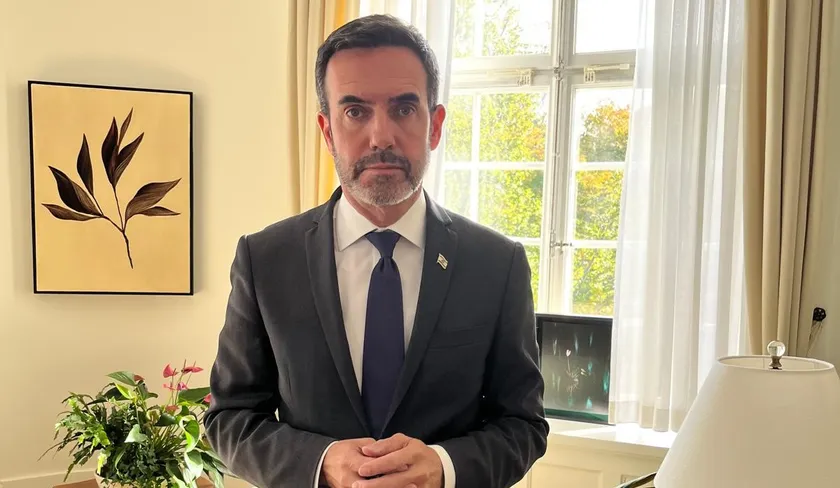
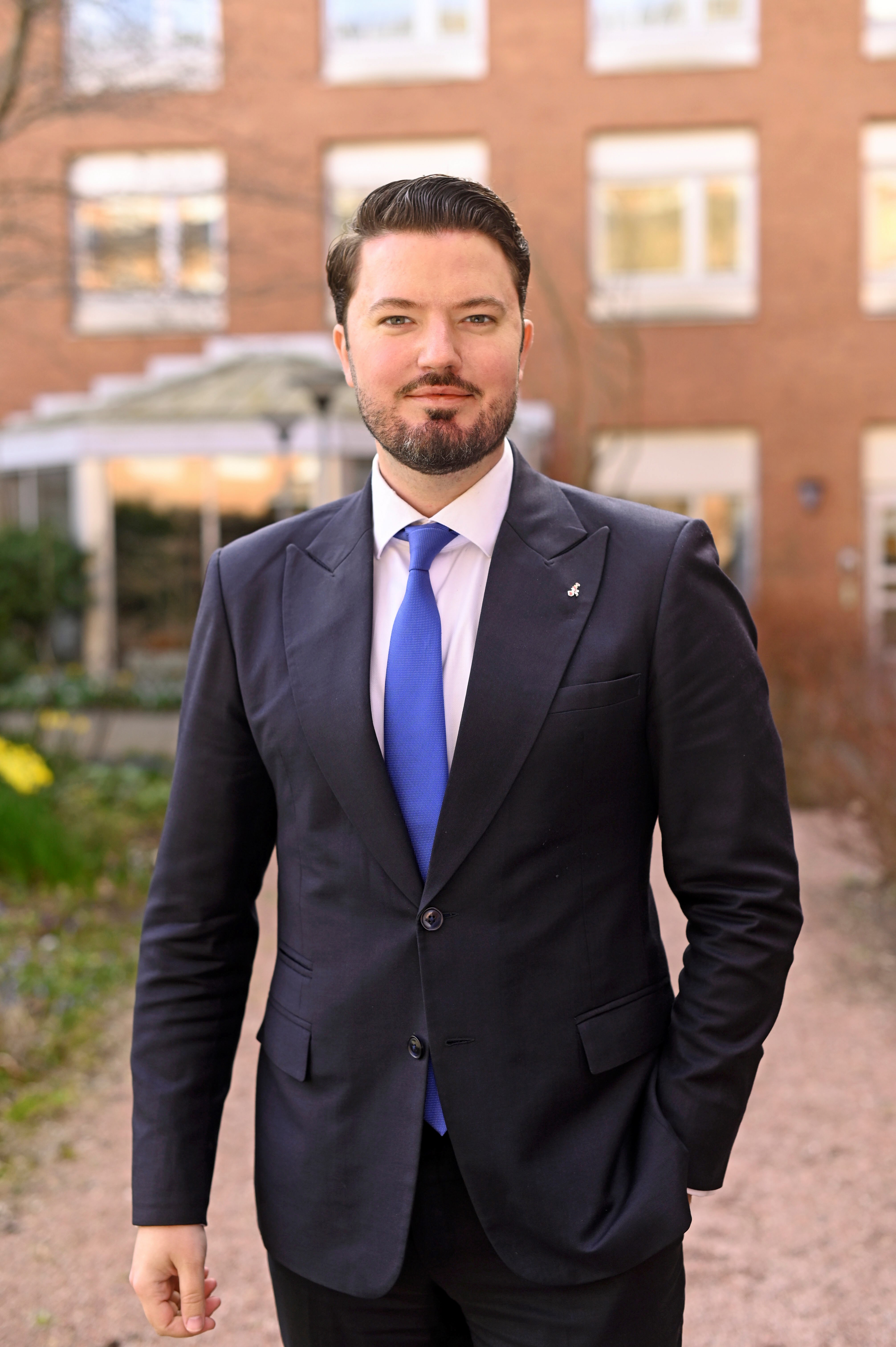
Ambassador Ziv Nevo Kulman, photo credit: Embassy of Israel in Sweden
The conversation with Nevo Kulman took place in a discreet location in Stockholm, with four security guards, both Swedes and Israelis, sitting in the next room. He says that after Eurovision ended, just before the delegation returned to Israel, he met with Golan. "It was one of the most thrilling and moving moments in my career," he says. "What we had here was a concerted effort by an incredible delegation with an incredible singer and an incredible song, and we [at the embassy] also helped to provide the right umbrella."
This umbrella, Nevo Kulman says, included his local media appearances in which he sought to provide a counterweight to the large anti-Israel protests in Malmö over Eurovision weekend. In an interview with the Swedish daily Dagens Nyheter, the ambassador was pictured wearing an ABBA T-shirt adorned with a yellow ribbon, as well as a necklace with the Chai symbol.
Nevo Kulman says that, normally, Eurovision to him is a time for celebration. If things were normal, he would probably have been going around Malmö with other ABBA fans, simply enjoying the fun and colorful event. But because of the current situation, this year none of that is possible.
"The shirt is like a wink," he explains. "I speak with a wide audience through the media interviews and I see more Swedes who are sympathetic to Israel. I hear from people who tell me – Don't get the wrong idea, don't be confused. Just because there are loud people in the streets, in protests, doesn't mean that's what the Swedes think. Our messages are getting through to a lot of readers and listeners and viewers."
Nevo Kulman wanted to stress that, while the protesters are entitled to freedom of expression, as a member of the European Broadcasting Union, Israel also has the right to participate in Eurovision without being harassed. "We also deserve the right to speak, and the competition showed that the conception that everyone in Europe hates us is incorrect," he says.
Unlike the professional juries, the voters from the general public are anonymous, and a large portion of them awarded Israel the coveted 12 points. "Including people from countries you wouldn't expect," the ambassador says.
Nevo Kulman cites the LGBT community as an example of a group that is partly hostile to Israel, despite the country's historic role in the contest. "We were supposed to be the country that carries this banner in the Eurovision, but this is a generation that doesn't know who Dana International was." Nevo Kulman, who is gay himself, says, "Now they're into being Queers for Palestine. It's not enough for them anymore to just be gay or trans, and this is concerning. We need to find a way to talk with these publics."
Things have been particularly tense at the Israeli Embassy in Sweden lately. This past Friday, the police detained several people suspected of firing guns near the embassy. In January, a grenade was thrown at the building, but did not explode. The incident took place a few days after reports came out that Hamas planned to attack the Israeli Embassy and other sites in the country.
Police outside the Israeli embassy in Stockholm, in January.Credit: David Stavrou
"Of course, it affects the work," Nevo Kulman says. "In Sweden, unfortunately, consular services are only provided online. But the embassy is working, we're here and we're operating." He says the threats definitely have an impact on his regular agenda as ambassador: "There are things I did in the past that I can't do now. I can't stand in a public square and give a speech, and therefore I have to miss certain events, and it breaks my heart."
Nevo Kulman has been in the Israeli foreign service for 28 years. He served as cultural attache at the embassy in Tokyo, as Deputy Ambassador to the Czech Republic, as cultural affairs advisor at the embassy in Paris, as general consul in Montreal, and as head of the cultural diplomacy division at the Foreign Ministry in Jerusalem. The position in Sweden is his first as an ambassador. Despite the nation's tranquil image, his tenure in Stockholm has been quite tumultuous.
He is well-liked by Swedish politicians and the Swedish media, maintains extensive ties with the country's Jewish community, and does not hesitate to express an opinion in different areas. For example, he firmly denounced the practice of far-right political provocateurs burning copies of the Koran. He fought for Israeli culture to be included in the Book Fair in Gothenburg. One of his more controversial moves was to declare that Israel would not maintain ties with the populist far-right Swedish Democrats party.
"We are aware of the positive statements by the Swedish Democrats about Israel," he says. "But at the same time, the party continues to adhere to extremist positions regarding a ban on brit milah [Jewish religious circumcision] and the importing of kosher meat, and it has yet to seriously grapple with its neo-Nazi past and with the antisemitism among its members." He adds that the party has not expressed any remorse for its many years of mistreatment of Holocaust survivors, which makes its supposed support for Israel questionable.
Nevo Kulman took over the position in Sweden in the summer of 2021, when Israeli Swedish relations had been languishing after a long and difficult state of crisis. The two countries were attempting to mend the rift that began in 2014, when Sweden officially recognized a Palestinian state and was followed by years of harsh statements, recalls of ambassadors and a halt to state visits.
"It was a lengthy process," Nevo Kulman says. "The Swedes understood that they had gone too far with the recognition of a Palestinian state. The move didn't change anything on the ground and didn't contribute to the Swedish interest of being perceived as a fair partner acceptable to both sides."
But the process of rehabilitating relations was jolted again in the aftermath of October 7. "Now it's impossible to promote an agenda beyond the conflict," says the ambassador, although he also sees an optimistic angle here. "Suddenly, we see that on the core issues there is agreement: the attitude toward Hamas, Israel's right to defend itself, returning the hostages, the fight against the accusations of genocide, and other issues."
Nevo Kulman explains that Israel and Sweden have similar positions on many matters. "Swedish official statements consistently cite Israel's right to defend itself and call for the immediate release of all the hostages." He adds that the Swedish foreign minister has said that he will soon visit the region. "Naturally, this will enable a direct and fruitful dialogue about all the issues on the agenda," the ambassador says.
זיו נבו קולמן נכנס לתפקידו בקיץ 2021, בשלהי אחד המשברים הארוכים והקשים ביותר בתולדות יחסי ישראל־שוודיה. היחסים בין המדינות ידעו בעבר עליות ומורדות, אלא שדווקא 7 באוקטובר הציף קולות נוספים. "פתאום אנחנו רואים שגם בנושא הליבה יש הסכמה", אומר השגריר בריאיון ל"הארץ"
בזמן שעדן גולן היתה על במת האירוויזיון במאלמו, בקהל נכח אדם שלווה בלפחות אותה כמות מאבטחים כמו המשלחת הישראלית. זיו נבו קולמן, שגריר ישראל בשוודיה וחובב אירוויזיון ותיק, התעקש להגיע ולתמוך במשלחת למרות שהוא ככל הנראה אחד האנשים המאובטחים ביותר במדינה הסקנדינבית. "היה רגע מכונן בהופעה הישראלית בחצי הגמר", הוא מספר ל"הארץ". "ההופעה התחילה עם קריאות בוז עוד לפני שעדן בכלל פתחה את הפה. בתגובה, נשמעו גם קריאות אהדה והתפתח מעין קרב קריאות בקהל. ואז, בגלל שההופעה היתה כל כך טובה ועדן לא הושפעה בכלל מהקריאות, רוב הקהל הריע לה. הוא התרשם מזמרת בת עשרים ששמו אותה בסיטואציה קשה והיא עמדה בה בכבוד רב".
נבו קולמן מספר שהעוינות והקריאות לחרם נתקלו בתגובה ציבורית ברורה ותומכת. "זה גם היה הרגע שבו היא קפצה בהימורים", אמר השגריר. "ובכלל, כמי שמלווה את הקריאות לחרם בשוודיה בתקופה האחרונה, אני מתרשם שהשוודים לא דוגלים ב-BDS, הם בעד דיאלוג, בעד הקשבה ובעד חופש ביטוי".
השיחה עם נבו קולמן התקיימה במקום דיסקרטי בסטוקהולם, כאשר ארבעה מאבטחים, שוודים וישראלים, יושבים בחדר הסמוך. הוא סיפר שבסוף האירוע, רגע לפני חזרת המשלחת לישראל, הוא נפגש עם גולן. "זה היה אחד הרגעים המרגשים בקריירה שלי", אמר. "היתה כאן עבודה מאומצת של משלחת מדהימה עם זמרת מדהימה ושיר מדהים, וגם אנחנו עזרנו בלספק את המטרייה הנכונה". חלק מהמטרייה שנבו קולמן מדבר עליה כוללת את הופעותיו בתקשורת המקומית שבהן ניסה לתת משקל נגד להפגנות הגדולות במאלמו. בריאיון ליומון השוודי Dagens Nyheter בסוף השבוע שבו נערך האירוויזיון הופיע השגריר עם חולצה של להקת אבבא שעוטרה בסרט צהוב, וענד שרשרת עם המילה "חי".
נבו קולמן מספר כי בשגרה, האירוויזיון נחשב בעיניו לחגיגה. אם מצב העניינים היה רגיל ככל הנראה הוא היה מסתובב במאלמו עם אוהדים נוספים של אבבא ונהנה מהאירוע השמח והצבעוני. אלא שכיום, בגלל המצב, כל זה לא אפשרי. "החולצה היא סוג של קריצה", הוא מסביר, "אני מדבר עם קהלים רחבים דרך הראיונות בתקשורת ואני רואה יותר שוודים שמגלים סימפטיה לישראל. אני שומע כאלו שאומרים, אל תתבלבלו, אל תוטעו, זה שיש אנשים קולניים ברחובות, בהפגנות, לא אומר שזה מה שהשוודים חושבים. יש לא מעט קוראים, מאזינים וצופים שהמסרים שלנו נוגעים אליהם".
נבו קולמן ביקש להדגיש שעל אף חופש הביטוי של המפגינים, גם לישראל, כחברה באיגוד השידור האירופי, יש זכות להשתתף באירוויזיון בלי שיתנכלו לה. "גם לנו מגיעה זכות דיבור והתחרות הראתה שהקונספציה שכולם שונאים אותנו באירופה אינה נכונה", אמר. הוא הסביר שלעומת חבר השופטים, קהל המצביעים באירוע הוא אנונימי, וחלק גדול ממנו נתן לישראל 12 נקודות. "גם אנשים ממדינות שלא היית מצפה מהן", אמר השגריר.
נבו קולמן מציין את הקהילה הגאה כדוגמה לקהל שחלקו עוין את ישראל, וזאת על אף מקומה ההיסטורי בתחרות. "אנחנו היינו אמורים להיות מדינה שנושאת את הדגל הזה באירוויזיון, אבל זה דור שלא יודע מי היתה דנה אינטרנשיונל". נבו קולמן, חבר הקהילה בעצמו, אומר, "עכשיו הם בקטע של Queers for Palestine. לא מעניין אותם כבר להיות סתם הומו או טרנסית, וזה מדאיג. אנחנו צריכים למצוא דרך לדבר עם הקהלים האלה".
בעת האחרונה המציאות בשגרירות ישראל בשוודיה מתוחה במיוחד. מוקדם יותר היום (שישי) המשטרה במדינה עיכבה כמה בני אדם בחשד לירי באזור השגרירות. בינואר האחרון נזרק לעבר הבניין רימון, שלא התפוצץ. תקרית הרימון התרחשה ימים ספורים אחרי שהתפרסמו דיווחים על כך שחמאס תכנן לפגוע בשגרירות ישראל ובאתרים אחרים במדינה. "ברור שזה משפיע על העבודה", אומר נבו קולמן. "בשוודיה, למרבה הצער, השירות הקונסולרי ניתן אונליין בלבד, אבל השגרירות עובדת, אנחנו נמצאים כאן ומתפקדים". לדבריו, האיומים בהחלט משפיעים על סדר יומו כשגריר. "יש דברים שעשיתי בעבר שאני לא יכול לעשות עכשיו. אני לא יכול לעמוד בכיכר ולנאום ולכן אני נאלץ לפספס אירועים שלבי נשבר מכך שאני לא משתתף בהם".
נבו קולמן נמצא כבר 28 שנים בשירות החוץ של מדינת ישראל. הוא שירת כנספח תרבות בשגרירות בטוקיו, כסגן שגריר בצ'כיה, כיועץ לענייני תרבות בשגרירות בפריז, כקונסול כללי במונטריאול וכראש החטיבה לדיפלומטיה תרבותית במשרד החוץ בירושלים. התפקיד בשוודיה הוא תפקיד השגריר הראשון שלו ובניגוד לתדמית השלווה של המדינה, תקופת הכהונה שלו בסטוקהולם סוערת למדי.
זיו נבו קולמן. צילום: שגרירות ישראל בסטוקהולם
הוא אהוד בקרב אנשי הדרג הפוליטי והתקשורת בשוודיה ומקיים קשרים ענפים עם חברי והנהגת הקהילה היהודית והוא גם לא מהסס להביע דעה בתחומים רבים. כך, למשל, הוא גינה בתקיפות את המנהג של אנשי ימין קיצוני ופרובוקטורים פוליטיים לשרוף ספרי קוראן. הוא נלחם על הכללתה של תרבות ישראלית ביריד הספרים של גטבורג. בין הצעדים מעוררי המחלוקת שנקט היה ההכרזה על כך שישראל לא תקיים קשרים עם מפלגת הימין הפופוליסטי "השוודים הדמוקרטים".
"אנחנו מודעים להתבטאויות החיוביות של 'השוודים הדמוקרטים' כלפי ישראל", הוא מסביר. "בה בעת, המפלגה ממשיכה להחזיק בעמדות קיצוניות בנוגע לאיסור ברית מילה וייבוא בשר כשר, והיא טרם התמודדה בצורה רצינית עם עברה הניאו־נאצי והאנטישמיות בקרב חברי המפלגה". לדבריו, המפלגה לא הביעה חרטה על התנהגותה ארוכת השנים כלפי ניצולי שואה, דבר שהופך את תמיכתה בישראל למפוקפקת.
נבו קולמן נכנס לתפקיד בקיץ 2021, בשלהי אחד המשברים הארוכים והקשים ביותר בתולדות יחסי ישראל־שוודיה. שתי המדינות היו אז בתקופה של איחוי ביחסים שהגיעה אחרי ההכרה השוודית במדינה פלסטינית ב-2014 ושנים של התבטאויות קשות, לצד החזרת שגרירים ועוצר ביקורים. "זה היה תהליך ממושך" אמר נבו קולמן. "היתה הבנה שוודית שהם הלכו רחוק מדי עם ההכרה במדינה פלסטינית. הצעד לא שינה שום דבר בשטח ולא תרם לאינטרס השוודי שהיה להצטייר כשותף הגון שמקובל על שני הצדדים".
אלא שתהליך שיקום היחסים עבר טלטלה נוספת לאחר מתקפת חמאס ב-7 באוקטובר. "עכשיו אי אפשר לקדם אג'נדה מעבר לסכסוך", אמר השגריר, אך גם הביא גרסה אופטימית לאירועים. "פתאום אנחנו רואים שגם בנושא הליבה יש הסכמה: היחס לחמאס, הזכות של ישראל להגן על עצמה, החזרת החטופים, המאבק בהאשמות ברצח עם ונושאים אחרים". נבו קולמן מסביר כי לישראל ולשוודיה יש עמדות דומות בתחומים רבים. "ההתבטאויות השוודיות חוזרות בעקביות על זכותה של ישראל להגן על עצמה ועל קריאה לשחרורם המיידי של כל החטופים". הוא אף הוסיף כי שר החוץ השוודי הודיע שיבקר באזור בזמן הקרוב. "זה יאפשר כמובן דיאלוג ישיר ופורה על כל הנושאים שעל הפרק", מסכם השגריר.
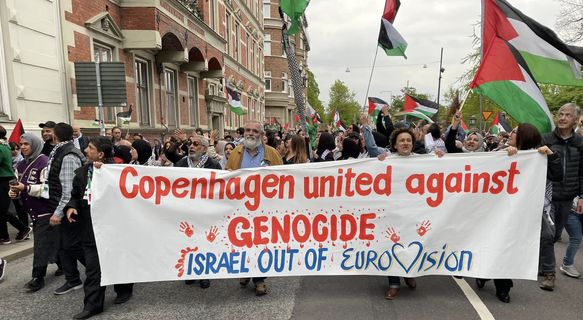
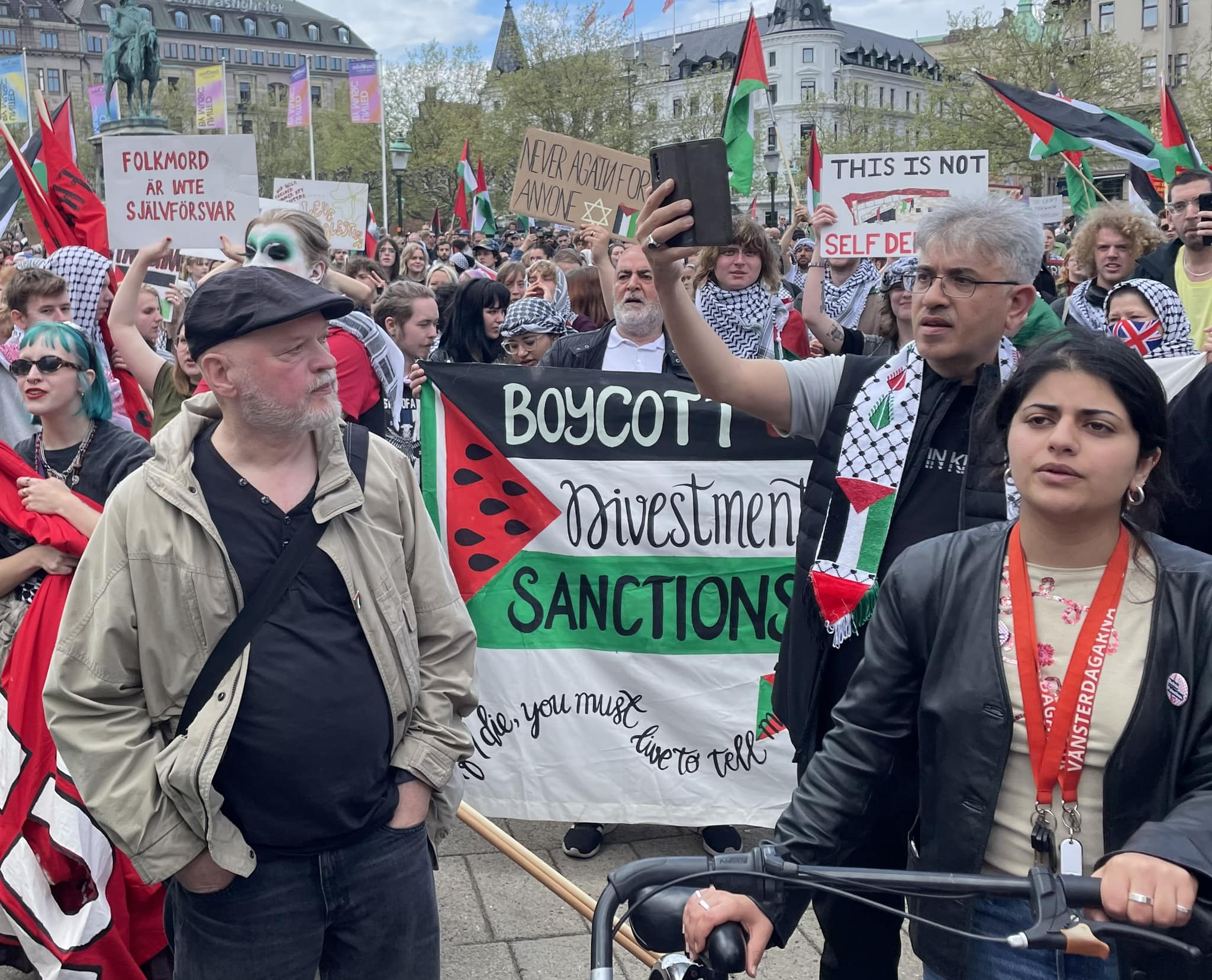
Thousands of people marched through Malmö to protest Israeli singer Eden Golan's participation and to demand a Gaza cease-fire. Police removed dozens protesting outside of the arena.
MALMÖ — After performing to boos and applause, and as thousands protested outside, Israeli singer Eden Golan ultimately placed in fifth in the 68th Eurovision Song Contest final, receiving 329 points from the public vote.
Golan's performance of the power ballad, "Hurricane," in Thursday's semifinal shot up her odds. Though she faced some booing at dress rehearsals, she was voted into the final by viewers around the world.
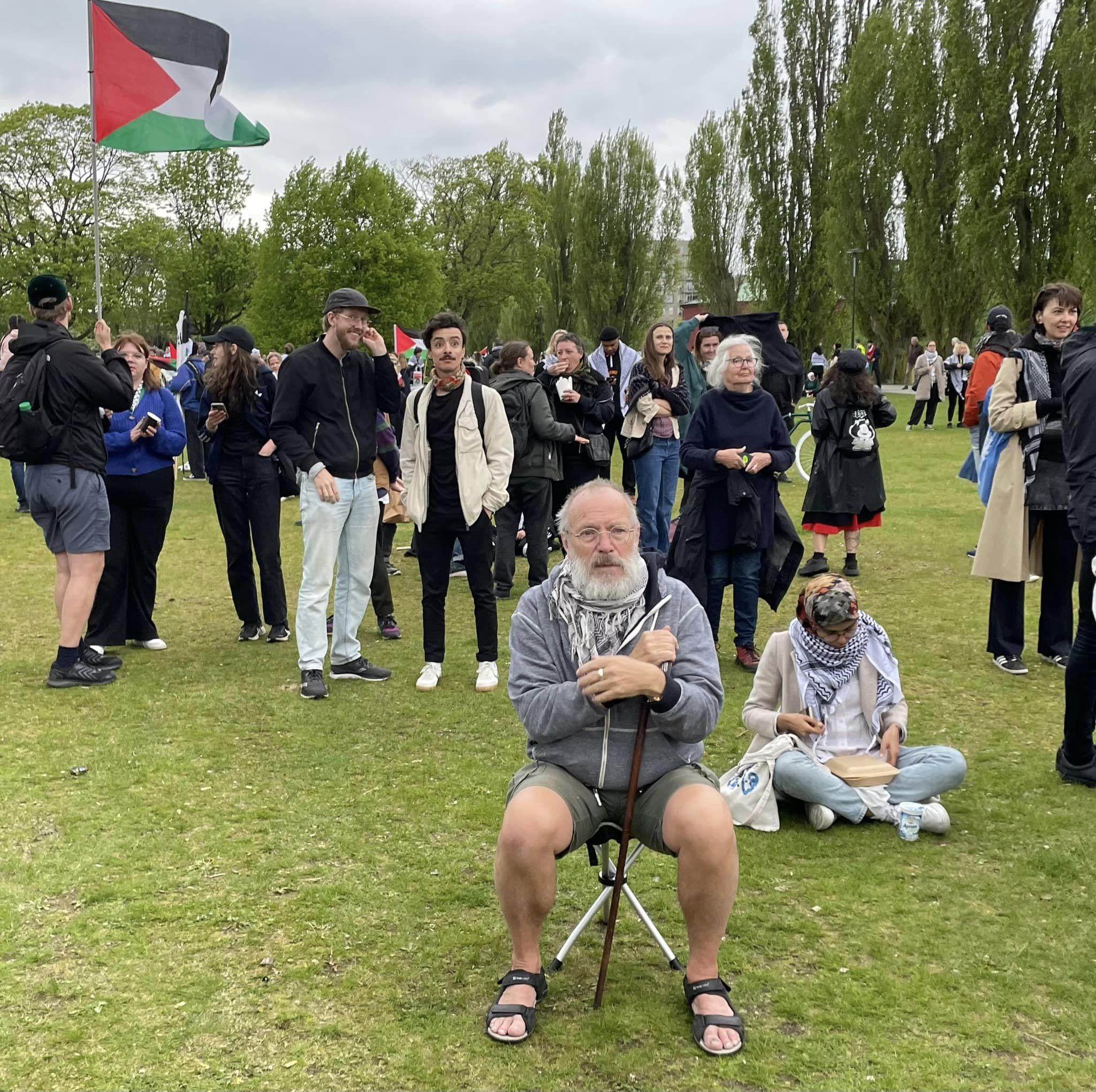
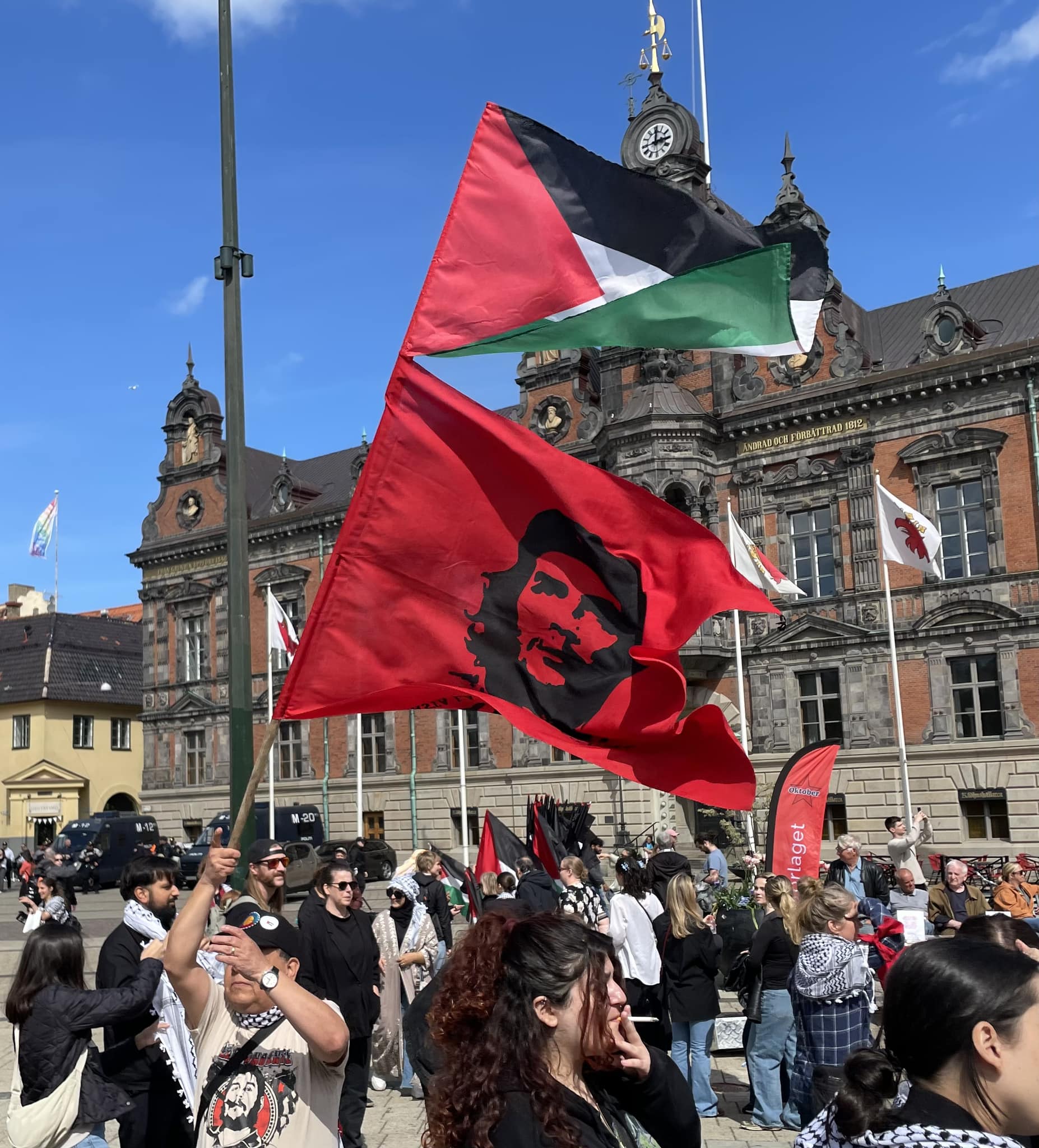
Police removed dozens of pro-Palestinian demonstrators protesting outside the Malmö Arena as the final began on Saturday. Earlier, thousands attended a pro-Palestinian demonstration to protest Israel's participation in the event held in the city Saturday night.
The competition that pits nations against one another for pop music glory concluded in the Swedish city, with Switzerland claiming the trophy, and Israel at the center of a political storm.
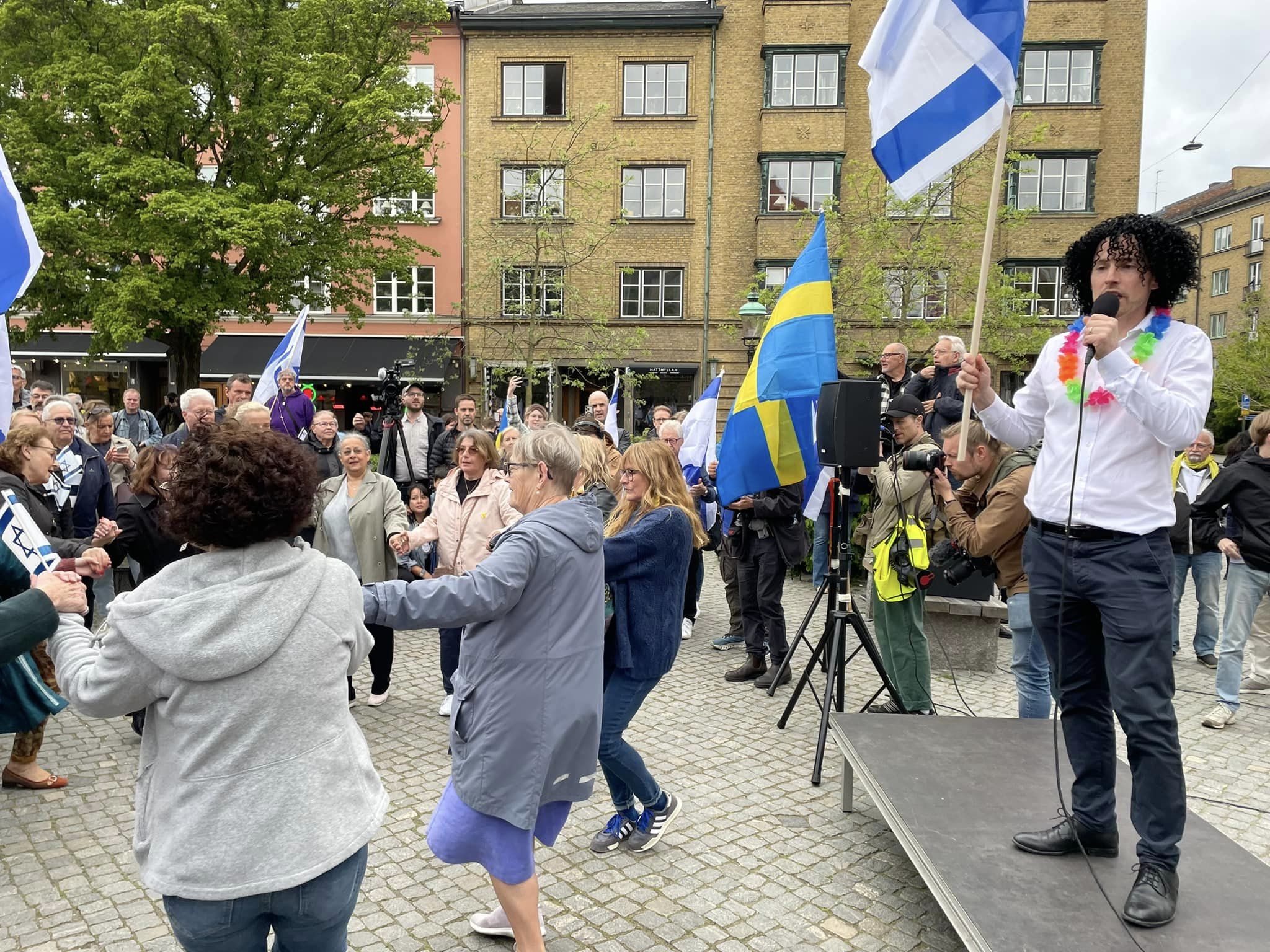
Meanwhile, a few minutes walk away from the pro-Palastinian protesta, a completely different demonstration took place. Under heavy police protection, about 100 supporters of Israel gathered. The event included singing of Israeli Eurovision songs alongside dancing.
All photos: David Stavrou
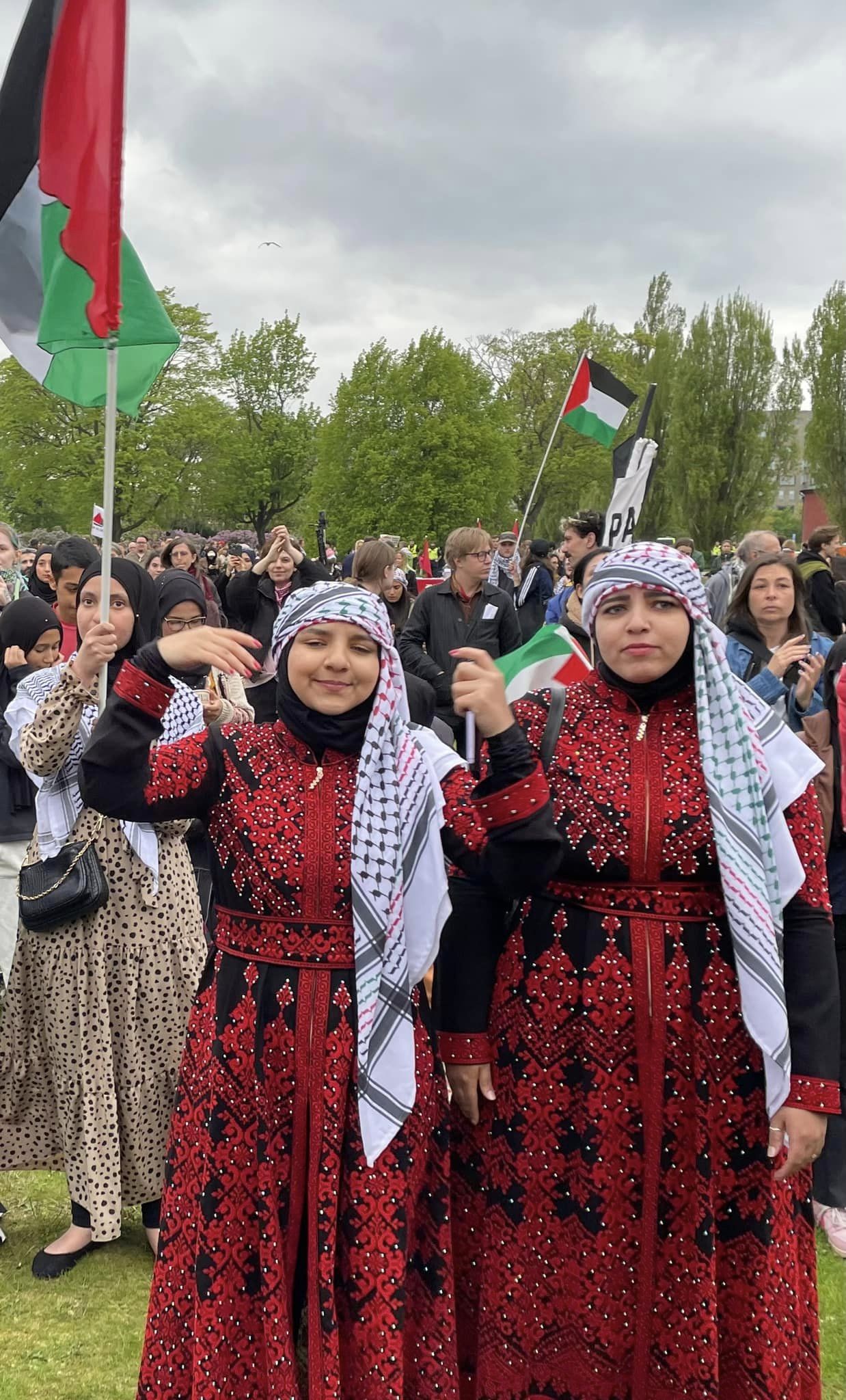
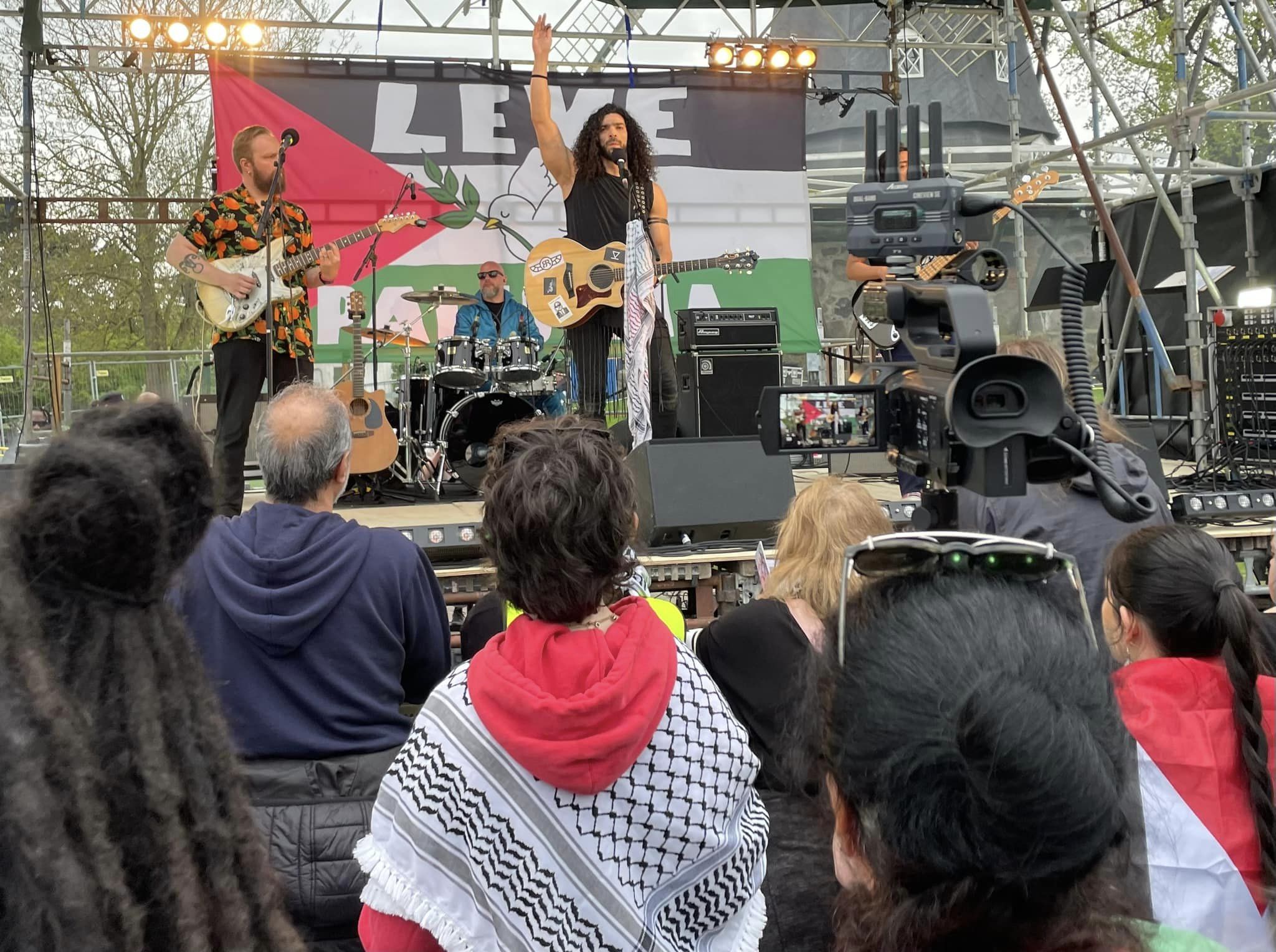
On the evening of the final competition, demonstrators took part in Falastinvision, a pro-Palestinian musical protest event held at a venue in the city. Attendees waved Palestinian flags and banners while chanting protests against Israel and its actions in Gaza.
Described on its website as a "genocide-free song contest," the event featured various singers and bands who registered in advance and competed for a prize. According to the organizers, the event aims to "shed light on the Palestinian issue" and protest against the decision of the European Broadcasting Union to allow Israel to participate in Eurovision amid accusations of committing war crimes.
Israeli Prime Minister Benjamin Netanyahu praised 20-year-old Golan for performing despite "contending with an ugly wave of antisemitism."
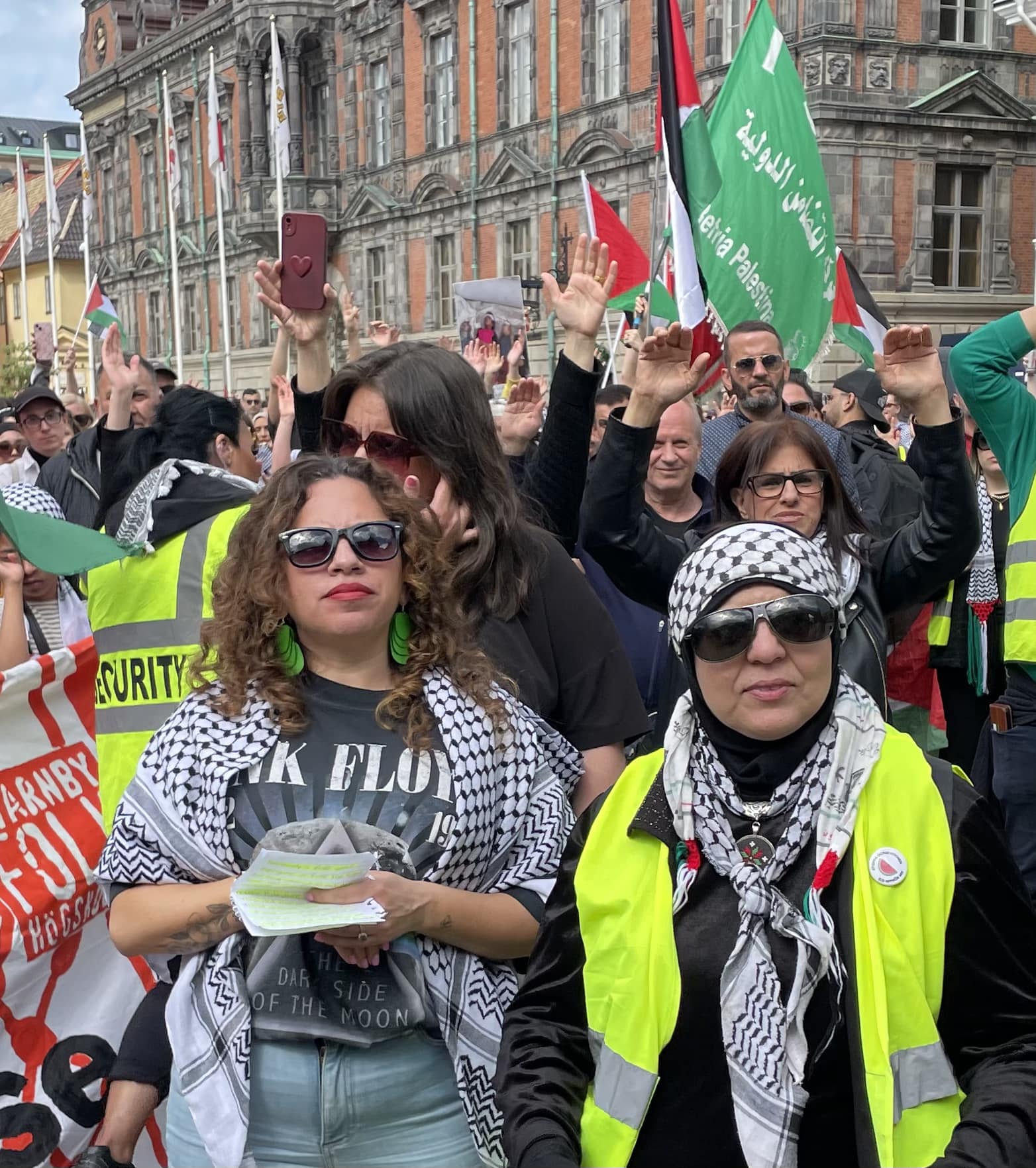
אתמול (חמישי) בשעות שלפני הופעתה של עדן גולן בחצי הגמר השני של האירוויזיון במאלמו, התקיים במרכז העיר אחד מאירועי המחאה הגדולים ביותר שהיו בשוודיה מאז 7 באוקטובר. זה כלל עצרת בכיכר מרכזית, תהלוכה ברחובות העיר ואירוע תרבות גדול בפארק עירוני שכלל הופעות ונאומים. על פי התקשורת המקומית, השתתפו באירועים כ–10,000 בני אדם שביקשו להביע סולידריות עם הפלסטינים בעזה ומחאה נגד ישראל והשתתפותה באירוויזיון.
את המחאה יזם ארגון הגג "עצרו את ישראל" שהוקם לאחרונה ומאגד ארגונים, תנועות ומפלגות מרחבי שוודיה ומדנמרק השכנה. בין הארגונים נמנים המפלגה הקומוניסטית השוודית, תנועת BDS המקומית, תנועות פלסטיניות שוודיות, ארגונים ירוקים, תנועות פמיניסטיות וארגוני להט"ב. "יש כאן מוסר כפול", אומרת ל"הארץ" דוברת הארגון פיה יקובסן, "בעוד שאיגוד השידור האירופי (EBU) החליט בצדק להוציא את רוסיה מהתחרות, הוא נותן לישראל להתחרות. הדבר הנכון לעשות הוא להשמיע קול לשלום להדיר את ישראל מהאירוויזיון".
את מרגישה בנוח עם העובדה שאלפי אנשים מפגינים נגד זמרת ישראלית בת 20 שלא מייצגת את ממשלת ישראל? האם מדיניות החרם שאתם מקדמים לא מונעת דיאלוג בונה עם ישראלים?
"אנחנו מוחים נגד ישראל והחלטת EBU לתת לה להתחרות".
מה את עונה לביקורת על כך שבמקום להשפיע על ישראל, ההפגנות הן נטל כבד על אזרחי מאלמו, על מבקרי האירוויזיון ועל משלמי המסים השוודיים שממנים את מערך הביטחון הגדול?
"הקמפיין שלנו הוא מפגש שליו של יותר מ–65 ארגונים. אנחנו מתכננים הפגנות נהדרות גם בשבת. בשוודיה יש הגנה חוקתית על חירויות וזכויות, כולל חופש הביטוי, חופש ההתכנסות וחופש ההפגנה. כספי ציבור מכסים את העלות להבטחת זכויות יסוד אלה".
חלק מהסיסמאות שפרסם הארגון, במיוחד "פלסטין מהנהר לים" ו"ריסוק הציונות", נתפשות בעיני רבים כאנטישמיות. ישנם גם דיווחים על כך שיהודי מאלמו מרגישים מאוימים מההפגנות. כמה מהתנועות השותפות לארגון שיתפו פעולה עם ארגוני טרור כמו חמאס והחזית הדמוקרטית לשחרור פלסטין.
האם זה מקובל עלייך?
"יש לנו כללי התנהגות שהוחלטו באופן קולקטיבי ואנחנו סומכים על כך שכל מי שמשתתף יפעל על פיהם כשאנו צועדים למען שלום וסולידריות עם העם הפלסטיני ולמען פלסטין חופשית".
על פי אתמול, ניכר שהארגון אכן השקיע מאמצים רבים כדי שההפגנות והמחאות יהיו גדולות ושלא יהיו הפרות סדר. המארגנים קיימו ישיבות עם המשטרה השוודית, הציבו סדרנים רבים שווידאו שהמשתתפים יעמדו בכללים וגם יזמו מערך היסעים מערים סמוכות. יחד עם הופעות של מוזיקאים שונים ומגוונים נוצרה אווירה של פסטיבל עממי. באירועים השתתפו פנסיונרים, סטודנטים ומשפחות. למרות הארגון המוקפד, היו מפגינים שקראו קריאות בעד אינתיפאדה ושרו שירים על מאבק מזוין בישראל. כאשר יקובסון נשאלה מי קבע את הסיסמאות, מי עומד מאחורי הקמפיין ומי מממן אותו, ענתה שהוא נוסד על ידי פעילים שונים מהארגונים, כל ההחלטות התקבלו במשותף והתקציב מגיע מהארגונים ללא מימון של גורם חיצוני.
מרחק חמש דקות הליכה מאירוע המחאה נגד השתתפות ישראל באירוויזיון, התקיימה הפגנה שונה לחלוטין. תחת אבטחה משטרתית כבדה התכנסו כמאה תומכי ישראל. האירוע כלל שירה בציבור של שירי אירוויזיון ישראליים לצד ריקודים.
אחד מהמארגנים הוא יהושע קאופמן, פסיכולוג בן 67 ותושב ותיק במאלמו. "מטרת ההפגנה שלנו היא לשיר שירים ישראליים, לנופף בדגלי ישראל ולתמוך במשלחת הישראלית", סיפר ל"הארץ" לפני ההפגנה.
מה היחס שלך להפגנות נגד ההשתתפות הישראלית שמתקיימות במקביל ובאופן כללי להפגנות הרבות שמתקיימות במאלמו מאז 7 באוקטובר?
"יש לי כבוד אל המפגינים ואני מקווה שגם הם מכבדים אותנו. מעבר לזה, אין לי דעה על ההפגנות האחרות. מאז 7 באוקטובר הקשר שלי לישראל וליהדות דווקא התחזק. באופן אישי לא נפגעתי מאנטישמיות, לא איימו עלי ולא הציקו לי. עם זאת, יש במאלמו אי נעימות שאני לא אמור להרגיש. אני לא מפחד ממפגינים ולא מפחד מטרור, אבל מודאג מהפחד של אחרים ובעיקר לגבי העתיד".
מעבר לתמיכה במשלחת הישראלית, מה המסר שאתם מנסים להעביר?
"אחרי 7 באוקטובר, כשהיתה התלבטות אם לקיים את חגיגות שמחת תורה, הרב אמר שלא מבטלים כי זו החובה שלנו לחגוג גם בשביל הקורבנות. זה מסר שרלוונטי גם להפגנה שלנו — הקורבנות של מסיבת הנובה ב–7 באוקטובר היו צעירים שאהבו מוזיקה. אנחנו מחויבים לחגוג את האירוויזיון גם בשבילם".
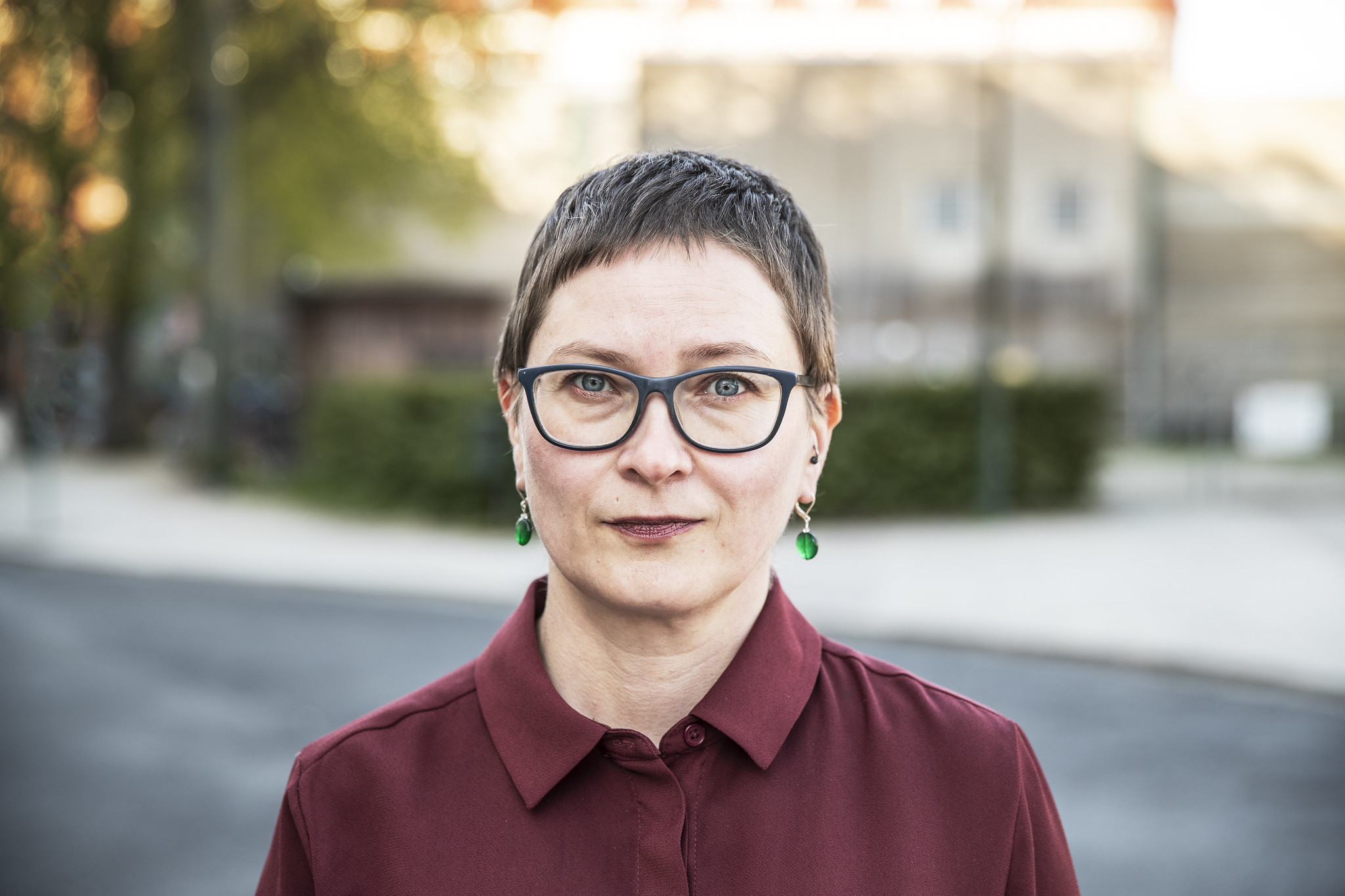
Pia Jacobsen photo credit Proletären
לקראת האירוויזיון: אלפים מפגינים ברחבי העיר ובמקביל לגמר יתקיים ה"פלסטינוויזיון", אירוע מחאה מוזיקלי פרו-פלסטיני
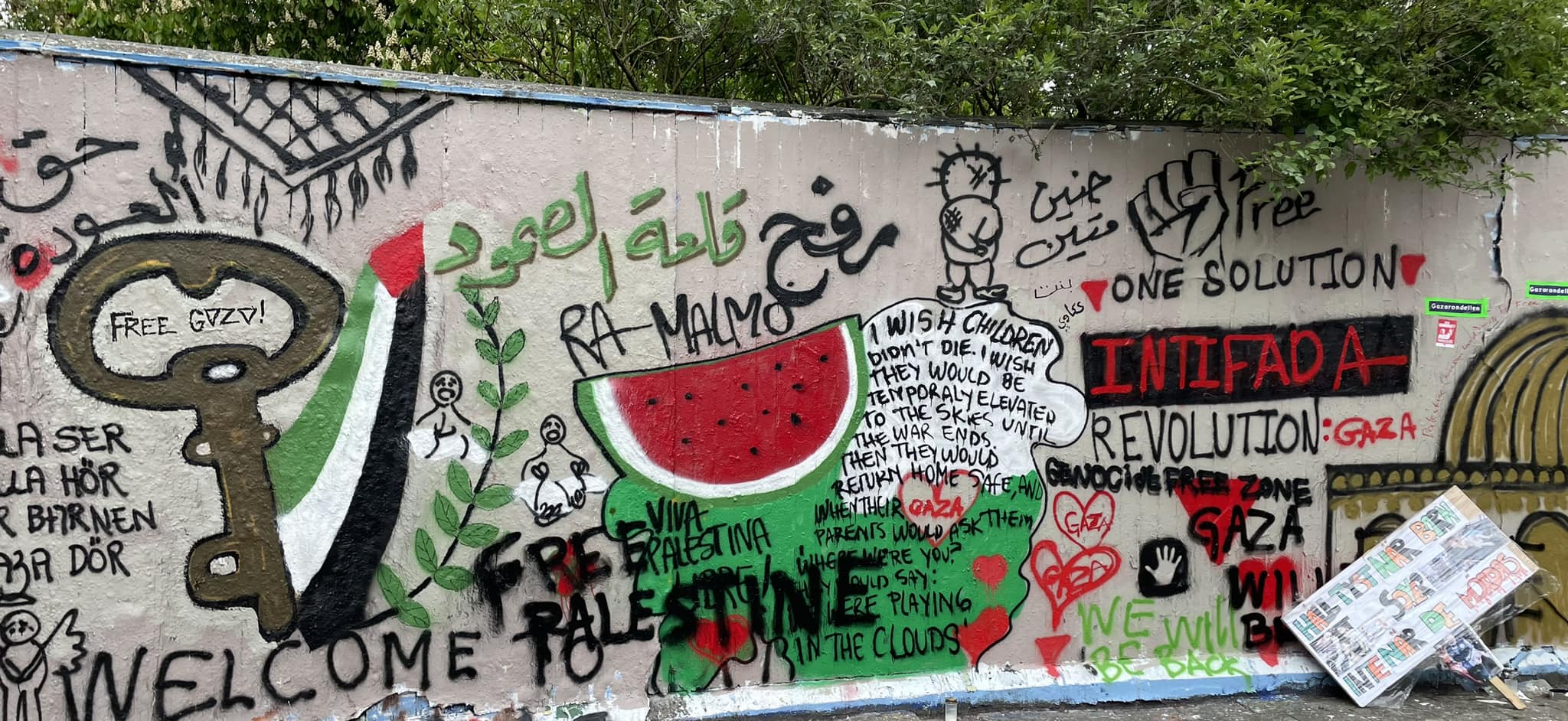
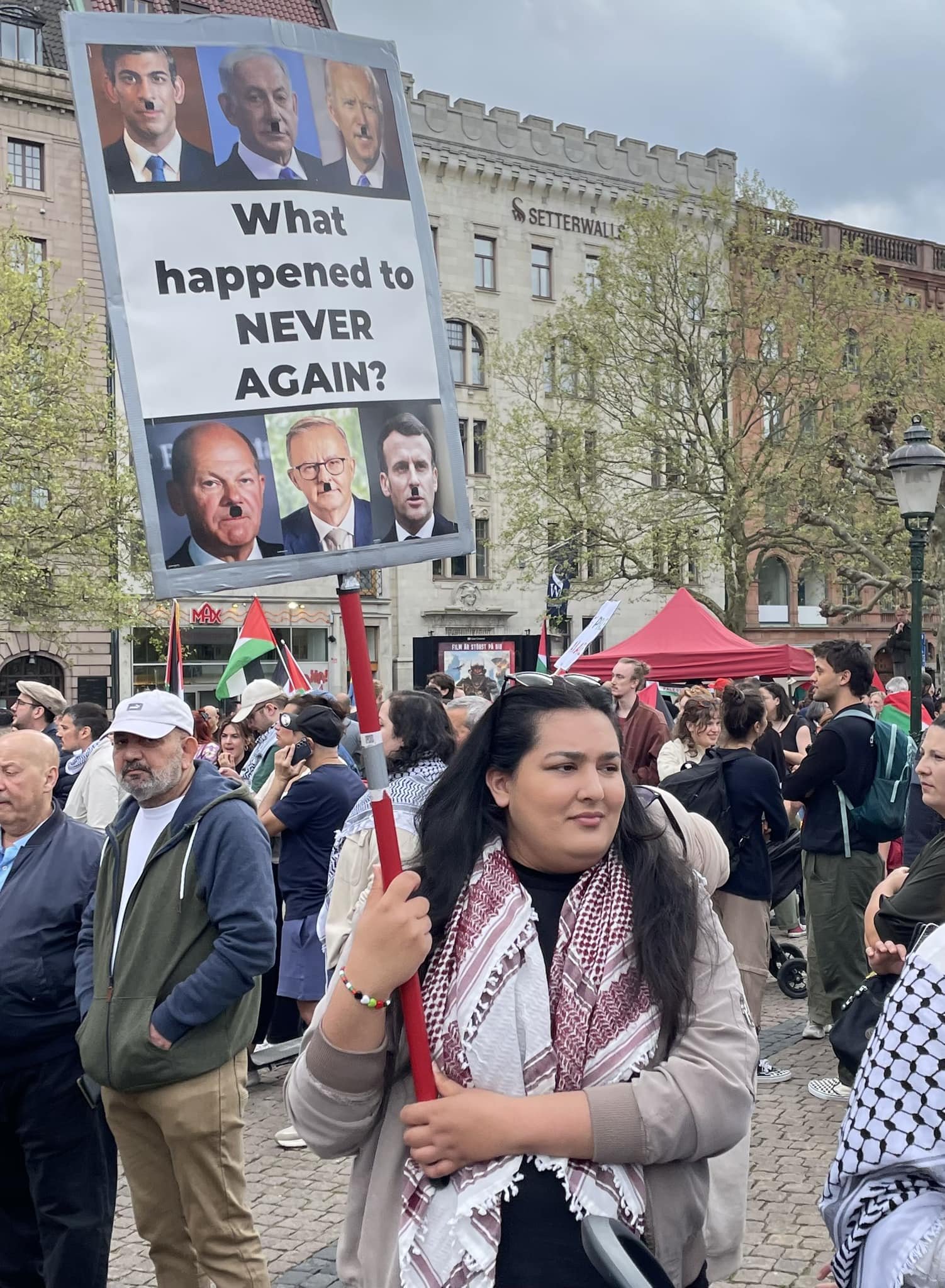
בהפגנות צעדו מפגינים עם דגלי פלסטין וכרזות אנטי-ישראליות. בסוף השבוע הוצבה "כיכר עזה" בסמוך למתחם אירועי האירוויזיון הרשמי, שכללה גרפיטי וכרזות מחאה.
ה"פלסטינוויזיון" (Falastinvision), אירוע מחאה פרו-פלסטינית מוזיקלי, נפתח הערב (שבת) בשעה 20:00 במאלמו שבשוודיה, במקביל לאירועי גמר אירוויזיון 2024 שייחל בשעה 22:00. עם דגלי פלסטין ושאר כרזות, התייצבו כמה מאות במתחם "פלאן B" שבעיר, וקראו קריאות מחאה נגד ישראל והלחימה בעזה.
במקביל התקיימה הפגנה ללא אישור בסמוך לארנה בה התקיים האירוויזיון, ונמשכה עד לרגעי תחילת השידור החי. המשטרה פיזרה את עשרות המפגינים בתוך זמן קצר – אחת מהן היא גרטה טונברג.
באירוע, שתואר באתר הבית שלו כ"תחרות שירה ללא-ג'נוסייד", הופיעו זמרים ולהקות שונות שנרשמו מבעוד מועד והתמודדו ביניהם על פרס. לדברי היוזמים באתר הבית, הוא נועד ל"לשפוך אור על הסוגיה הפלסטינית" ולמחות נגד החלטת איגוד השידור האירופי לאפשר לישראל להשתתף באירוויזיון לאור הטענות שהיא מבצעת רצח-העם. הם תומכים לדבריהם ב"עולם שיש בו מקום לכולם, שכולם יכולים לחיות בו בכבוד הדדי, באהבה ובשלום ושכל צורות האמנות והתרבות יכולות לפרוח בו".
בסוף השבוע התקיימו בעיר הפגנות, מצעדים ועצרות תמיכה פרו-פלסטיניות, שכללו נאומים, מופעים מוזיקליים ושיירות דגלים, מתופפים וכרזות ענק שקראו לתמיכה בפלסטינים, למאבק בישראל והאשימו את מארגני האירוויזיון בתמיכה ברצח-עם. מאחורי המחאות, שמשכו אלפי מפגינים, עמד ארגון "עצרו את ישראל" שהוקם כקואליציה של עשרות תנועות, מפלגות וארגונים במטרה למנוע מישראל להשתתף בתחרות השירה האירופית. בין המארגנים: המפלגה הקומוניסטית השוודית, תנועת ה-BDS המקומית, ארגונים ירוקים, תנועות פמיניסטיות וארגוני להט"ב, וכן ארגונים מדנמרק השכנה.
ליד "כפר האירוויזיון", המקום בו אוהדי אירוויזיון חגגו בסוף-השבוע בהופעות, פעילויות לילדים והקרנות חגיגיות של מופעי חצאי-הגמר והגמר, הקימו אקטיביסטים את "כיכר עזה". הוצב בה קיר ארוך ועליו ציורי דגל פלסטין ושאר גרפיטי העוסק בהתנגדות, בירושלים ובזכות השיבה, עם סיסמאות כגון "ברוכים הבאים לרמאלמו!" ו"כבדו את הקיום (הפלסטיני) או צפו להתנגדות".
תמונות: דיויד סטברו
בפלסטינוויזיון, הגרסה האלטרנטיבית לאירוויזיון, שרו על "ציונים פרזיטים"
בזמן שעדן גולן עלתה על הבמה במאלמו, תחרות מקבילה נערכה בעיר. "אירועים כאלה יוצרים שינוי תרבותי", אומרת אחת המארגנות
בזמן שעשרות מיליונים ברחבי העולם צפו בשידור החי של תחרות האירוויזיון במאלמו, התקיימה באותה עיר תחרות אחרת, צנועה בהרבה, חובבנית למדי מבחינה הפקתית ועם אחוזי צפייה קטנים ללא שיעור. ה"פלסטינוויזיון" נולדה כאלטרנטיבה לאירוויזיון שיזמו אקטיביסטים משוודיה וממדינות נוספות. לדברי היוזמים, האירוע נועד "לשפוך אור על העניין הפלסטיני" ולמחות על החלטת איגוד השידור האירופי לאפשר לישראל להשתתף באירוויזיון למרות הטענות שהיא מבצעת רצח עם. באתר התחרות נכתב שהם תומכים ב"עולם שיש בו מקום לכולם, שכולם יכולים לחיות בו בכבוד הדדי, באהבה ובשלום ושכל צורות האמנות והתרבות יכולות לפרוח בו".
לאחר שהושמעו 15 שירי הגמר, נבחר הזוכה — הראפר השוודי נור בדרה, בן 20 שעל פי אתר הפלסטינוויזיון "יש לו שורשים בפלסטין". השיר שלו, F.T.R.T.T.S (ראשי תיבות של From The River to the Sea), כולל משפטים כמו "ציונים פרזיטים הופכים משפחות לגופות" ו"זו לא אנטישמיות, זה קולו של בחור שעמו דוכא 76 פאקינג שנים אחי, עוד מדינה של עליונות גזע לבן, שמפציצה את המזרח התיכון, בנאדם. שחררו את פלסטין מהנהר לים".
השיר הזוכה – FTRTTS Nour Badra
בין המשתתפים היו הרכב הפוסט־פאנק האיסלנדי AfterpartyAngel, הראפר הסקוטי ג'ונתן כריסטי והמשורר הסורי־נורווגי מוחמד ואליד. אחרי סיום התחרות ולפני פרסום התוצאות הופיע בשאר מוראד, מוזיקאי ממזרח ירושלים שהשתתף השנה בקדם־אירוויזיון האיסלנדי.
כבר בפתיחת המופע נשמעו קריאות בוז לאירוויזיון הרגיל. המנחה, אקטיביסט צעיר מתנועת Fridays for Future שייסדה גרתה תונברג, דיבר בגנות ישראל, איגוד השידור האירופי, אלימות וגזענות. לאחר מכן היה בין השאר מופע היפ־הופ שכלל שירים כמו "נכבה" ו"עזה", ולבסוף השירים עצמם שהוצגו על מסך ולא בהופעה חיה.
"פלסטינוויזיון הוא תחרות שירה ללא רצח עם", אומרת רוואן אל־חדד, מנהלת קמפיינים ב־EKO, ארגון אמריקאי שמטרתו "ריסון כוחם של תאגידים והפעלת קמפיינים שמגייסים מיליוני אנשים לנקוט פעולה לשינוי חברתי". הארגון סייע למארגנים השוודיים של האירוויזיון האלטרנטיבי. "למרות שהמתמודדת הישראלית לא בהכרח מייצגת את ממשלת ישראל, האירוויזיון חוגג, דרך השתתפותה, את הממשלה הישראלית. התחרות האלטרנטיבית היא הזדמנות לקהילה הבינלאומית להגיד לממשלות בעולם שלמעשיהן יש תוצאות על הבמה הבינלאומית. כך יכולים אנשים רגילים לצאת נגד המעשים שלהן".
אל־חדד, עיראקית־אמריקאית בת 38 שחיה באזור בוסטון, גדלה בירדן. לדבריה, הסכסוך הישראלי־פלסטיני היה חלק מחייה מאז ומתמיד. בשיחה איתה יום לפני התחרות אמרה "אנחנו יודעים שיש אזרחים ישראלים שהממשלה שלהם פועלת בניגוד לרצונם. אבל חייבות להיות השלכות לממשלות שמבצעות רצח עם. בעקבות הדחת רוסיה מהתחרות ידוע שהאירוויזיון מודע לכוח שיש לו ולכוח של המסר שהוא משדר לעולם".
"התחרות נולדה בעקבות שיחה של שלושה אקטיביסטים שוודים בפייסבוק. הם החלו לתכנן אירוע קטן ומקומי במאלמו. כמה ימים מאוחר יותר היו להם המון מתנדבים. בשלב הזה התקשורת העולמית התחילה להתעניין ואז הארגון שלנו נכנס לתמונה. היתה לנו כבר עצומה לאיגוד השידור האירופי שקראה להדחת ישראל מהאירוויזיון עם יותר מ–70 אלף חותמים מרחבי העולם. מכיוון שחיפשנו דרך לבטא את הקול שלהם, חשבנו ליצור אירוע שיציג לעולם אומנות ותרבות פלסטינית. ואז מצאנו את 'פלסטינוויזיון' וגילינו שמישהו כבר התחיל לעשות את זה. לכן, נרתמנו והצענו את עזרתנו".
גם אם מדיניות החרם מוצדקת לדעתך, למה לא להסתפק בהפגנות ומחאות. למה צריך אירוויזיון אלטרנטיבי?
"יצרנו את האירוע כדי להציע לאנשי הקהילה הבינלאומית אירוע אחר שהם יוכלו להשתתף בו. אמנויות ומוזיקה הם דבר שכולם אוהבים וכולנו רוצים להאזין למוזיקה מכל רחבי העולם וליהנות מכך שהיא מאחדת אותנו. יש עוד סיבה, לפלסטינים אין אפשרות במקרים רבים להשתתף באירועים כמו האירוויזיון. זו הזדמנות להציג ולפרסם אומנים פלסטינים. רבים מהשירים בתחרות עוסקים בתרבות פלסטינית וזו הזדמנות לרומם אותה".
לחברה הפלסטינית יש צדדים רבים וחלק גדול ממנה מתנגד, לדוגמה, לזכויות להט"ב המזוהות עם האירוויזיון. האם אתם מייצגים חלק יותר ליברלי או חילוני מהחברה הפלסטינית?
"זו שאלה מעניינת. אנחנו חוגגים את כלל התרבות והחברה הפלסטינית. אנחנו לא מוגבלים לחברי קהילת הלהט"ב או לליברלים. אנחנו מתאמצים לאחד את כולם. אירועים מהסוג הזה מאפשרים לנו להתקדם. הם יוצרים שינוי תרבותי בטווח הרחוק ומקדמים את השינוי שאנחנו רוצים לראות בעולם".
מי מארגן ומממן את התחרות?
"הפלסטינוויזיון אינו חלק מקואליציית הארגונים שקיימה את ההפגנות במאלמו. היוזמים השוודים התחילו לגייס כסף אונליין עוד לפני ש־EKO נכנסו לתמונה, אבל כמי שעוסקת בקמפיינים דיגיטליים אני יודעת כמה קשה לגייס כך כסף. האירוע ממומן באמצעות תרומות קטנות של אנשים ברחבי העולם".
מה אם יהיו יותר הכנסות מהוצאות? מה תעשו עם הכסף?
"בגלל שאנחנו רוצים שהתנועה הזאת תמשיך ולקיים אירוע דומה גם בשנה הבאה, חשבנו בהתחלה שהכסף יוכל לשמש לזה. אבל בהתחשב בסבלם של אנשים בעזה זה לא נראה נכון לשמור כסף אצלנו. לכן, אחרי דיון והצבעה בקהילה שלנו, החלטנו לתרום אותו ל'רופאים ללא גבולות'".
A visit to Sweden's third-largest city a few weeks before it hosts the huge song competition reveals that preparations for putting the Palestinian cause on Europe's biggest stage are at a fever pitch. 'People I know are taking off kippot and necklaces with Stars of David in public'
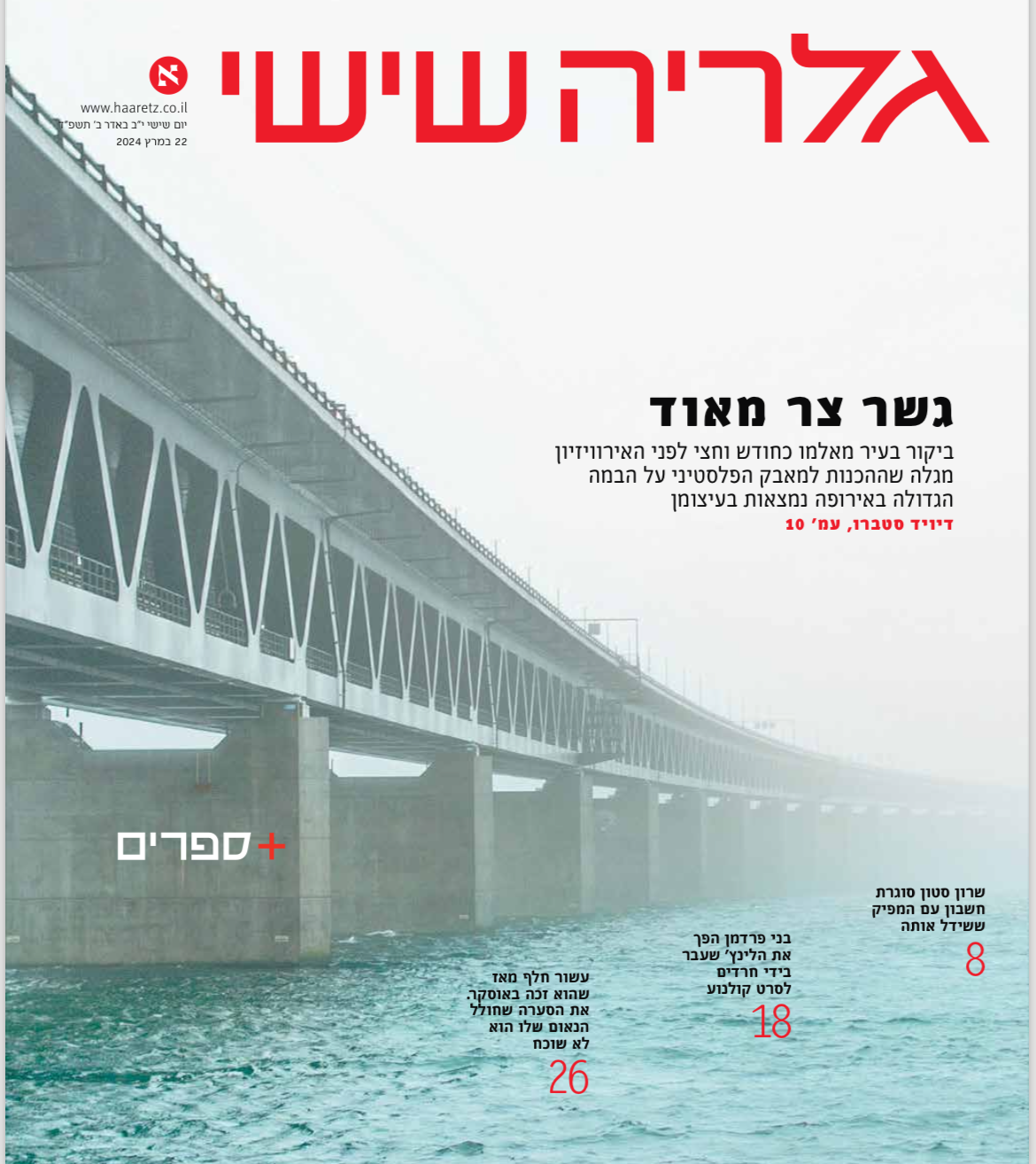
MALMÖ, Sweden – On a wintry March day, Malmö gives the impression of a multifaceted port city. Fans of the crime series "The Bridge" are familiar with its architectural symbol, the long Oresund Bridge linking the city with Copenhagen in Denmark. But a visitor to Sweden's third-largest city can discover all kinds of architectural connections to historical and demographic processes.
Take the contrast between the medieval historic city center and the impressive modern port to its west, where shipyards and industrial zones have been replaced by luxury homes, with the Turning Torso skyscraper as the area's landmark – and the contrast with concrete apartment buildings constructed decades ago as part of the government's large public housing program, which have become home to immigrants.
In May, these areas will all be flooded with swarms of visitors to celebrate the 68th Eurovision Song Contest and shake off the remnants of the freezing winter. Patriotic groups will fill the 130-year-old Folkets Park, which will become the Eurovision Village. Members of the indefatigable Eurovision fan clubs will party at the EuroClub every night, and the residents will, of course, enjoy an economic and cultural boom.
Meanwhile, when asked what they think about the event, their answers sound like they're reading from a marketing pamphlet. They're pleased and are happy to welcome everyone. This answer echoes the city council's message and description of the event: "A lively celebration of openness and inclusion."
It began with celebrations in the city on the night of October 7, after the Hamas attack that saw civilians brutally massacred. Hundreds celebrated with music, dancing, and fireworks as convoys of honking cars passed by and people handed out candy. Since then, protests against Israel and its participation in Eurovision have not stopped in the city.
Midweek, Malmö's central Möllevången neighborhood, the focal point of the protests, is quiet. Around the neighborhood, which gentrification has changed from a working-class area to one characterized by hipsters, students, and multiculturalism, hang posters with slogans like "stop the genocide" and flyers calling for demonstrations. A supermarket shelf with avocados from Israel has a label with a Palestinian flag and the word "boycott."
A secondhand clothing store's display window has a big screen breaking down the number of dead in Gaza: how many children have died, how many people are wounded or buried underneath rubble, how many become orphans every day, how many mosques have been destroyed, how many medical workers have been arrested or killed. An Israeli flag appears next to each number, and postcards are available to send to the foreign ministers.
But weekends provide a much more dynamic picture. Protests with thousands of participants are regularly held here, with Palestinian flags and signs reading "free Palestine" and "end the Israeli occupation," speeches in which Israel is called a child murderer and don't mention the events of October 7, and catchy songs with choruses such as "Free Palestine – crush Zionism."
They do not appear to have lost their strength – unsurprisingly, given that Malmö, like nearby cities such as Helsingborgs and Landskrona, is the residence of tens of thousands of Palestinian immigrants. Some claim it's one of the most antisemitic cities in Europe. But anyone expecting to find only immigrants in the throngs of demonstrators will be disappointed. There are also Swedish retirees, activists from youth organizations, and young couples with strollers.
Mira Kelber
The Jewish community is unsettled by the protests. "Being a Jew in Malmö after October 7 is living in fear," says Mira Kelber, 24, who is chairwoman of the Malmö Jewish Youth organization. "I walk around with the thought that something might happen, and the only question is what will happen, to whom, and when."
There is no question that October 7 exacerbated the situation, and Eurovision provides a unique platform for protesting the war that followed the Hamas attack. But the Jewish community was already concerned about its safety beforehand, and you don't have to look at Eurovision for the start of Malmö's ties with the Palestinian cause.
If we were to search for a starting point, it might be found in the waves of immigration to the city in the late 20th century. By 2015, Malmö had become a major focal point of the refugee crisis in Europe. Since then, thousands of people have crossed the Oresund Bridge every day to seek asylum in Sweden. Today, people from over 180 countries live in the city. More than a third of its population of 362,000 was born outside the country. And in contrast to the rest of Sweden, half of the immigrants are below the age of 35.
Among the consequences of these demographic changes was an increase in antisemitism, most notably in demonstrations that have sometimes seen violent incidents. The list of such protests is long. In 2009, when Malmö hosted the Davis Cup tennis matches between Israel and Sweden, thousands of demonstrators gathered in the city. Several hundred extremists who were among them – Islamists, far-left activists, and neo-Nazis – rioted and clashed with police.
Over the years, other demonstrations have seen antisemitic chants that have been documented and discussed in the Swedish media. In 2017, the cry was "we're going to shoot the Jews," made at a demonstration against the relocation of the U.S. embassy in Israel from Tel Aviv to Jerusalem. In 2019, it was young activists from the Social Democratic Party shouting "crush Zionism" at the May Day Parade. In 2020, it was "Khaybar, Khaybar, oh Jews, Mohammed's army will return," a reference to the victory of Mohammed's followers over the Jewish tribes in the seventh-century battle of Khaybar, an inspiration to modern Islamist fighters.
Meanwhile, Jews in the city have experienced violence. In 2009, Molotov cocktails were thrown at the city's Jewish funeral home. In 2010 and 2012, firecrackers were thrown outside the synagogue and Jewish community center, breaking windows. In the following years, several complaints have been filed of verbal and physical attacks and harassment, and the community's sense of security has been undermined.
A 2021 report by the municipality determined that the city's schools were an unsafe environment for Jewish students, who were encountering verbal and physical assault as teachers chose to avoid confronting the assailants. Media outlets have also reported that Holocaust survivors are no longer invited to tell their stories in some of the city's schools because Muslim students disrespect them.
"Those who are born Jewish in Malmö grow up with the feeling that they have to protect themselves," says Kelber. "I'm publicly known as a Jew, but people I know are taking off kippot and necklaces with Stars of David in public."
The uneasiness doesn't just stem from harassment and hate crimes. Some of the city's residents of Palestinian descent have been involved in terrorism. These include Osama Karim, a son of Palestinian immigrants who was caught in Belgium after participating in attacks in Brussels and France in 2015 and 2016 and traveling to Syria to join ISIS. There have also been Palestinian Swedish groups that have been found to have ties to terrorist organizations. One of them, Group 194, had longstanding ties with the Democratic Front for the Liberation of Palestine, which reportedly took part in the October 7 attack.
In May 2023, less than half a year before the slaughter in Israel's southern border communities, a large pan-European Palestinian conference was held in Malmö with the participation of Palestinian Dutch leader Amin Abu-Rashid, who has links to Hamas. The Social Democratic Party, which was scheduled to attend, canceled when it learned about his attendance. One member, Jamal al-Hajj, attended despite being forbidden from doing so.
Concerns for Malmö's Jewish community haven't been eased by the fact that he is still a member of parliament and that quite a few people in the Swedish political system, academy, and cultural world are affiliated with Hamas, directly or indirectly. The result is that the city's Jewish community is shrinking.
These events look like another chapter in a long story. The community was founded in 1871, mostly by immigrants from Germany and Poland. From the late 1800s to the 1920s, it expanded through large-scale immigration, driven by poverty, antisemitism, and pogroms, from Poland, Russia, Ukraine, and the Baltic states. With Hitler's rise to power, the community absorbed more refugees, mostly from Nazi Germany, greatly expanding its social activity.
In the autumn of 1943, during World War II, Denmark's Jews were successfully smuggled to Sweden over the Oresund Straits by the Danish resistance. The Nazi occupation government in Denmark turned a blind eye. Along with other Holocaust survivors, several hundred of these Jews settled in Malmö after the war and became pillars of the community. In the late 1960s, almost 3,000 Polish Jews fleeing antisemitic persecution arrived in Sweden, with some of them settling in the Malmö area. The community's size peaked at 3,000 people in the early 1970s. The city now has 1,500 Jews, of whom only 534 are active members of the community.
Roko Kursar, photo: Liberalerna
"The issue of antisemitism is a global problem and in Malmö we have been aware of the problem locally for a long time. That's why we've been working on combating antisemitism in a structural way for a long time," says Roko Kursar, one of Malmö's deputy mayors and a member of the city council from the Liberal Party. "Antisemitism in Malmö didn't start after October 7. … We have a collaboration and cooperation with the Jewish community: we have put in resources, formed a steering committee which forms an action plan for every year. We also want to strengthen Jewish life, Jewish identity and Jewish culture in our city, and this is a wide cooperation which has been going on for over four years, and last year we extended this for another four years."
Can you explain?
"For example, we have coordinators in our schools with the job to combat antisemitism… We have also allocated a couple of extra million euros for work on conflict and crisis management in our schools… The work that was put in before October is a basis to gear up and face the challenges, like members of the Jewish community feeling insecure. The solidarity with the Jewish community in Malmö is widespread. We've had 'kippah marches'" – joint marches by Jewish community leaders and national or local political leaders in which they wear kippahs, held in Stockholm and Malmö since October 7 – "and we've had manifestations of solidarity from all sides of the political spectrum joined by citizens showing solidarity with our Jewish brothers and sisters. … Malmö is a very international and multicultural city. … That means we have backgrounds and ethnicities from all over the world, including places which are conflict-torn and war-torn, and many citizens of Malmö are affected by this. We have to always continue the work and be prepared to gear it up."
It may be time to speed things up. "There is fear within the Jewish community these days, especially when it comes to schoolchildren," says Fredrik Sieradzki, spokesman for the local Jewish community and director of the synagogue's Jewish learning center, which teaches locals and visitors about the community. "People are reluctant to say that they are Jewish, and some hide Jewish signs in public. All this isn't new, but it's much worse now. There is a strong sense of being alone. We have wide social circles, but a lot of people have the feeling that many in their social circles are turning against them. There's a lot of unfriending on social media, friends share antisemitic propaganda and so on. This has been a shock for many."
Fredrik Sieradzki, Malmö Jewish community spokesman and director of synagogue's learning center
Kelber describes similar feelings. "When we recently had a Shabbat dinner at the synagogue, people told me that they were afraid to even be near the synagogue." She says that every time she looks at her phone, she encounters antisemitism. "An Instagram account we opened under the name Proud Jew, for example, is filled with pig emojis and videos from Gaza with the question, 'Are you proud of this?' People do not distinguish between Israel and Jews and there are many influencers and celebrities who publish terrible things."
One of the examples Kelber is referring to is Stina Wollter, a highly prominent Swedish artist, radio host, and activist. Wollter wrote on her Instagram account, which has over 300,000 followers, that the Swedish media was not telling the truth about the conflict in Gaza and was ignoring the "fact" that Israel steals organs from dead Palestinians, that Israel lied about rapes and babies being beheaded on October 7, that Israel killed its own citizens by shooting at them from helicopters at the Nova music festival, and more. "We read in the newspaper about swastikas graffiti and attacks on Jews, a few days after October 7, Hamas published a call to attack Jews in the world, and many students simply did not go to university that day. There is always the fear – when will this happen to me," Kelber says.
The controversy surrounding Israel's participation in Eurovision, and then around the first version of its entry for this year's contest, "October Rain" – which, very symbolically, turned into "Hurricane" – certainly did little to allay the fears. "We are aware … that there are risks and security needs and restrictions here. Still, Malmö is a city that should be able to host everyone, including Israelis, so I hope the city will step up," Sieradzki says. "It's reassuring that the city is investing many resources in the event which is important to us all."
Kelber is less official sounding. "When Sweden won last time and when we heard that the Eurovision would be held in Malmö, we were very happy. I love the Eurovision and I would really like to be part of the party. But after October, I'm not ready to risk it. I won't participate" in the celebrations surrounding the event, she says, adding that her friends are also afraid. "We always doubt, and I don't feel like I want to risk myself for the Eurovision. In the past I was optimistic about a Jewish future in Malmö, I thought there were much worse places. But now, unfortunately, I'm not sure I can be optimistic. … [Eurovision is] supposed to be an event of joy and love, but for us it's about fear."
Do you have a message for [Israel's Eurovision entry] Eden Golan and the Israeli delegation?
"Yes, stay safe."
This is far from Malmös first encounter with Eurovision. It was the host city in both 1992 and 2013. "When we had all the options on the table, we conducted a thorough assessment considering many factors. And this time, once again, all the pieces fell into place in Malmö," Ebba Adielsson, the executive producer of Eurovision 2024, says. The city, she says, has the necessary "infrastructure, new meeting places and one of Sweden's best arenas. … In Malmö there is also a great commitment and a great deal of experience in hosting Eurovision."
Has the Swedish production team discussed the fact that there are large Palestinian protests on a regular basis in Malmöand that these may affect the event?
"We understand and are aware that people are making their voices heard on this issue and we are prepared for protests that may occur in connection with the event," Adielsson says.
Despite these assurances, Kelber says she was relieved when news emerged that Israel might not participate this year. Not everyone is happy that Israel is still set to do so. A group of residents has filed a motion asking the city to disqualify the Israeli delegation, which will most likely be debated in April. The Left Party is the only one in the city council that is expected to support the proposal, whose value is mainly symbolic in any case. The city has no authority to act on the matter beyond contacting the European Broadcasting Union.
Nina Jakku is a Left Party member of the Malmö City Council and the party's political secretary in the city. She says that the motion is a citizens' initiative, not a political one. We speak in her office, which is decorated with a large picture of Karl Marx and posters of Palestinian flags and slogans. "The Left Party supports the initiative by saying that it would be a good statement from the city of Malmö to say we don't wish for Israel to participate in the Eurovision."
Why shouldn't Israel participate, actually?
"It's about the situation in Gaza. The International Court of Justice is asking Israel to take immediate and effective measures to prevent a genocide and Israel has not even taken the bare minimum. Perhaps it has even done the opposite. The question should be how can we go on with business as usual."
Assuming that Eurovision does go on as usual, what are the Left Party and related movements planning to do as a protest during the song contest in May?
"The city of Malmö can't make a decision not to allow Israel's participation, but … there is a broad movement which is planning demonstration, a boycott campaign, and other protest events which in a sense have already started. We are part of that in the broader context," Jakku says.
That broad movement seems to be gaining momentum. Over 1,000 Swedish musical acts, including Robyn, Fever Ray, the folk duo First Aid Kit, and some of the singers who participated in Melodifestivalen (the competition that determines Sweden's Eurovision entry) signed an open letter demanding that Israel be barred from this year's competition over its "brutal" war in Gaza.
The letter, which was published in the Aftonbladet daily in January, states: "We believe that by allowing Israel's participation, the European Broadcasting Union is exhibiting a remarkable double standard that undermines the organization's credibility. … The fact that countries that place themselves above humanitarian law are welcomed to participate in international cultural events trivializes violations of international law and makes the suffering of the victims invisible."
From the Malmö.for.Palestine Instegram account
The musicians are hardly alone. Many social media groups are calling for a boycott of Israel and protests against its participation. One of them, Malmö for Palestine, is calling for weekly demonstrations outside city hall. In a message posted on Instagram, an illustration of an Israeli soldier with a microphone and a cable made of razor wire appears next to the slogans "remove Israel from Eurovision" and "stop the genocide in Gaza." The soldier is standing at the entrance to the Eurovision stage door, and his gun drips blood onto a large puddle that has already accumulated beneath him.
Nina Jakku's colleague at the city council, Anfal Mahdi, has also called for Israel's disqualification. "Belarus got a 'No' in 2021, Russia got a 'No' in 2022, Israel can also get a 'No' in 2024," she wrote on her Instagram account. "We've all seen how Israel starves and bombs Gaza. Children undergo amputations without anesthesia, the health services are bombed and smashed to pieces. There is no water, no food and no electricity for the residents of Gaza. Malmö should not celebrate with terrorist states." In a different post, Mahdi added: "Being political for Ukraine but not for Palestine is pure racism."
"I think there is no reason to compare wars or occupations, they are all horrific, wherever they are," Jakku says when asked about the comparison of Israel to Russia regarding Eurovision. "Still, the decision not to allow Russia to participate was correct and it would be correct not to allow Israel to participate too. In that sense it is comparable."
Do you take into account the effect of the demonstrations on members of the Jewish community in Malmö? Are you aware of the claim that the pro-Palestinian demonstrations in the city include antisemitic content?"
"I hope everyone will be safe to visit anywhere they want to in Malmö . I do agree that there is a big concern when it comes to antisemitism in Malmö . Every antiracist should be concerned about that situation. But I have been participating in massive protests in Malmö almost every week since October and in these demonstrations, there are no signs or slogans that can be classified as antisemitic. The protests are against war crimes, about genocide and what's happening in Gaza. They're asking for a cease-fire and raising concerns about the violence and killing of civilians. Antisemitism in Malmö and the protests against Israel, of which [the latter] are totally legitimate, are two entirely different things," Jakku says.
Nina Jakku, photo: Emmalisa Pauli
What about the burning of the Israeli flag outside the synagogue and the spontaneous demonstrations on the evening of October 7 that praised the massacre and Hamas?
"There have been some protests that have been totally unacceptable. But if you look at the total amount of people and demonstrations, the flag-burning was just one occasion, with only a couple of people involved. There have been some other occasions that can be seen as inappropriate, but we have taken part in protests against burning the flag and we have to be able to hold two thoughts in our head at the same time," she says – that is, to support the protests against Israel while also ensuring nothing inappropriate happens.
Doesn't excluding singers, dancers, and those who love Israeli music hurt precisely Israelis who are open to criticism and destroy the chances for dialogue?
"The question implies that there are two equal parts that can engage in a dialogue; that there's a possibility of a dialogue. But as far as I can see, that's not the case in the past 75 years. What we have is a military occupation that is using massive violence, and the people of Gaza don't have the possibility of dialogue with those who oppress them. The boycott is a possibility for the rest of the world to put pressure on Israel and we need to use it. As I understand, there are also some Israeli organizations calling for a boycott. The boycott isn't against an individual. It's the State of Israel that's the target."
The situation, certainly since October 7, is not a situation where one side is strong, conquering, and oppressive. There are victims on both sides. Israel has more than 1,000 civilian victims, including more than 200 hostages, some of whom are still in Gaza. Isn't your protest one-sided?
"The massacres in Gaza are going on now, and that is what we're trying to stop. I'm not questioning feelings or other victims, it's not my place to do so, but the people in Gaza are starving, tens of thousands have been murdered in five months, the International Court of Justice has called to prevent a genocide and other organizations are talking about war crimes which are going on. Unfortunately, we can't change what happened on October 7, but nothing justifies business as usual, as the Israeli bombs are killing civilians in Gaza month after month."
It has been reported that the Left Party's foreign aid organization, Left International Forum, has for years, via its Danish partners, cooperated with the Democratic Front for the Liberation of Palestine. It is also known that the party had tight connections with Group 194 and similar organizations that, according to many reports in Swedish media outlets, also supported the DFLP, spread antisemitic propaganda, and supported armed resistance against Israel. In light of the current war, does the party still support these partners and their messages, or has the party changed its policy on this?
"Regarding [Left International Forum], their statement has been that they take responsibility and their task now is to make sure that something like this never happens again in our organization. When it comes to the other groups, I don't have any further information."
What is almost certain to happen, as Jakku says, is protests against Israel being part of Eurovision. Other Palestinian solidarity organizations in Malmö didn't respond to inquiries from Haaretz, but they are presumably planning major protest activity in the city during the song contest in May. Are measures being taken to prevent attempts to use the live broadcast as a platform for political protest, perhaps by planting large numbers of political activists in the audience with propaganda items like signs and flags to wave before the cameras?
"One of Eurovision's fundamental values is to be a nonpolitical event where everyone is united through music," says Adielsson, the song contest's executive producer this year. "[W]e always go through potential/prospective and conceivable scenarios and … take measures to avoid political expressions during the live broadcasts."
Were the musicians and members of the delegations told that they are not allowed to express political opinions before, during, and after the show, as the competition rules state?
"The European Broadcasting Union is responsible for the rules regarding the Eurovision Song Contest, [which] state that it is a nonpolitical event. For further information or questions on the topic, please contact the [union]."
City officials were similarly cautious and terse in their responses. "I heard that the Eurovision is the second largest TV show in the world after the Super Bowl, so obviously having it here in Malmö is important to us," says Kursar, a deputy member and council member. "But it's not the first time this is happening; we had the Eurovision in Malmö in the early 1990s and again in 2013. From the city's perspective, it's a very important event. … We're looking forward to having an inclusive, welcoming, and sustainable song contest," Kursar says.
I understand that despite the inclusive competition, less inclusive demonstrations are expected surrounding it. Let's say anti-Israeli protests with extreme expressions of antisemitism.
"[W]e have freedom of speech and freedom of protest in Sweden, and this is a question for the police to answer and decide on. The police are responsible for questions regarding public order, and we have a very good dialogue with the police."
Overall, the city government puts forward a united front of full trust in the police. It's a matter for the police, the city's director of safety and security, Per-Erik Ebbestahl, concurs. In any case, he adds, officials aren't aware of any concrete threats.
The police have ways to avoid eroding Jewish audiences' sense of security, such as refusing to approve a protest location or changing it, Ebbestahl says. He says the city is responsible for security at the events in which it is the main organizer and that there is no upper limit to the budget put into it.
Nevertheless, on the Israeli side, no one is taking chances. Although things are still under review, says a person familiar with the country's preparations for Eurovision, there will clearly be very stringent restrictions on the delegation, and it will be absent from events that other delegations attend, such as media appearances, public relations events, and parties.
It is Israel's ambassador to Sweden, Ziv Nevo Kulman, who sees less reason for anxiety. He says that despite Malmö's image as a place that is hostile and dangerous for Israelis, he knows another side of the city. "I was in Malmö during the 2021 Malmö International Forum on Holocaust Remembrance and Combating Antisemitism," Nevo Kulman says, "and I saw how this city knows how to deal with major international events. Not all of Malmö is against us, and not all of Sweden is against us.
"It is true that [Eurovision] is a complex event in which there can be provocations, protests and demonstrations, but I trust the Swedish authorities to take the challenges seriously and those responsible for the competition itself and the members of the delegations to ensure that the rules of the competition are respected and that no politics are brought into it. So, on the one hand, it may well be that Israelis, Jews, or members of the LGBT community, who usually support Israeli music, will not feel comfortable walking around Malmö with Israeli flags. But from what I hear, the Swedes are opposed to ostracism and only on the extreme left are there calls against Israel, for populist reasons. Most of the Swedes I've spoken to said they are against mixing politics and music and that they are happy that Israel is participating."
In general, says Nevo Kulman, a die-hard Eurovision fan and Israel's official representative, if it weren't for the political issue, he has no doubt that Israel would reach a respectable place in the final contest. "The song is excellent, Eden is amazing, and the performance is great," he says.
Are you willing to bet on Israel's final position?
ביום חורף של חודש מרץ מאלמו היא עיר נמל רבת צדדים. אוהדי סדרת המתח "הגשר" מכירים את האלמנט הארכיטקטוני המזוהה איתה, גשר אורסונד הארוך שמחבר בינה ובין קופנהגן שבדנמרק. אבל מבקר מבחוץ בעיר השלישית בגודלה בשוודיה יגלה עוד מיני חיבורים שארכיטקטורה חברה בהם לתהליכים דמוגרפיים. למשל בין המרכז העתיק, הימי ביניימי, לאזור הנמל המערבי המודרני המרשים, שאת המספנות ואזורי התעשייה בו החליפו מגורי יוקרה ושסימן ההיכר שלו הוא מגדל ה-Turning Torso, אך גם לשיכוני הבטון שנבנו במסגרת תוכנית המיליון הממשלתית והתמלאו במהגרים. בחודש מאי יישטפו כל אלה בנחילי מבקרים, שיבואו לחגוג בעיר את האירוויזיון ה-68וינערו אותה משרידי החורף הקפוא. קבוצות פטריוטיות ימלאו את פארק העם (Folkets Park) בן 130 השנה, שיהפוך ל-Eurovision Village, אנשי מועדוני החובבים הבלתי נלאים של האירוויזיון יחגגו כל ערב ב-EuroClub, והתושבים ייהנו מן הסתם מהתנופה הפולקלוריסטית והכלכלית. בינתיים, כשהם נשאלים כיצד הם רואים את אירוח האירוע המוזיקלי, התשובות שלהם כמו לקוחות מדף מסרים – הם שמחים בו ומקבלים בברכה את כולם, תשובה שמהדהדת את המסר וההגדרה של העירייה לאירוויזיון הקרב –"חגיגה מלאת חיים של פתיחות והכלה".
אלא שחודשיים לפני האירוע – שבישראל, לאחר ניסיונות ההדחה, הפך למשאת נפש משונה כאילו נשא את כבודנו הלאומי כולו – נמלאים רחובות העיר בהמולה שונה לגמרי באופיה. זה התחיל בחגיגות שנערכו בעיר במוצאי 7 באוקטובר. שיירות של מכוניות צופרות, מוזיקה, ריקודים, חלוקת ממתקים וזיקוקים – בכל אלה חגגו כמה מאות בני אדם את הטבח. מאז המחאות נגד ישראל, ונציגותה באירוויזיון, לא חדלו בעיר.
באמצע השבוע הסימנים ברובע מולוונגן שבמרכז מאלמו, מוקד המחאה, אמנם שקטים. בסיבוב ברובע, שבתהליך ג'נטריפיקציה הפך מאזור של מעמד הפועלים למשכנם של היפסטרים וסטודנטים ומשווק כרב-תרבותי, יתגלו מדבקות עם סיסמאות כמו "עצרו את הג'נוסייד" ופלאיירים המזמינים להפגנות ומחאות. על מדף בסופר שמציג אבוקדו מישראל יש מדבקה עם דגל פלסטין והמילה Boycott, וחלון הראווה של חנות בגדי יד שנייה מציג מסך גדול המסכם את מספרי הקורבנות: כמה ילדים מתו בעזה, כמה נפצעו או נקברו תחת הריסות, כמה יתומים חדשים נוספו מדי יום, כמה מסגדים נהרסו וכמה אנשי צוות רפואי נעצרו או נהרגו. ליד כל מספר מופיע דגל ישראל, ויש במקום גם גלויות שאפשר לשלוח לשר החוץ.
אבל סופי השבוע מספקים תמונה דינמית הרבה יותר. דגלי שחור-לבן-ירוק-אדום ושלטי Free Palestine ו"עצרו את הכיבוש הישראלי", נאומים שישראל נזכרת בהם כרוצחת ילדים ואין בהם זכר לאירועי 7 באוקטובר, שירים קליטים עם סיסמאות כמו "שחררו את פלסטין – רסקו את הציונות" – אירועי המחאה הפרו-פלסטיניים בהשתתפות אלפי בני אדם מתקיימים כאן בקביעות ולא נראה שאיבדו מעוצמתם. העוצמה הזאת לא מפתיעה בהתחשב בכך שמאלמו, כמו ערים סמוכות לה ובהן הלסינבורג ולנדסקרונה, היא מקום מושבם של רבים מעשרות אלפי הפלסטינים שהיגרו לשוודיה, ושזה יותר מעשור היא מוזכרת שוב ושוב כאחת הערים האנטישמיות באירופה. אבל מי שיצפה למצוא בהמון המפגינים רק מהגרים יתבדה: יש כאן גם פנסיונרים שוודים, פעילים פוליטיים מארגוני נוער וגם זוגות צעירים עם עגלות תינוקות.
בקהילה היהודית, מטבע הדברים, ביטויי המחאה האלה מתקבלים בתחושות קשות. "להיות יהודייה במאלמו אחרי 7 באוקטובר זה לחיות בפחד", אומרת מירה קלבר (24), יושבת ראש ארגון הצעירים של יהודי מאלמו. "אני מסתובבת במחשבה שמשהו עלול לקרות והשאלה היא רק מה, למי ומתי".
אין ספק ש-7 באוקטובר החריף את המצב, ושהאירוויזיון מספק במה ייחודית למחאה על המלחמה שנפתחה בעקבותיו. אבל תחושת הביטחון של הקהילה היהודית – המונה כ-500 בני אדם – לא היתה שלמה גם לפניו, ולא נדרש אירוויזיון כדי לסמן את תחילת הקשר בין מאלמו למאבק הפלסטיני. אם מחפשים נקודת התחלה, אפשר למצוא אותה בגלי ההגירה שהגיעו לעיר כבר בשלהי המאה הקודמת.שנים לא רבות אחר כך,ב-2015, כבר הפכהמאלמו לאחד המוקדים החשובים של משבר הפליטים האירופי, ואלפי בני אדם חצו אז את גשר אורסונד מדי יום בדרכם לבקש מקלט בשוודיה. היום חיים בעיר תושבים המגיעים מיותר מ-180 מדינות, ויותר משליש מ־362 אלף תושביה לא נולדו בשוודיה. ובניגוד לשאר המדינה – חצי מהם הם מתחת לגיל 35.
השינויים הדמוגרפיים האלה הביאו איתם, בין השאר, עלייה בגילויי האנטישמיות, בעיקר הפגנות שלעתים נרשמו בהן תקריות אלימות. הרשימה ארוכה: ב-2009, כאשר מאלמו אירחה את משחקי גביע דייוויס בטניס בין ישראל לשוודיה, התרכזו בעיר אלפי מפגינים. כמה מאות מהקיצוניים שבהם, איסלאמיסטים, פעילי שמאל קיצוני וניאו-נאצים, התפרעו והתעמתו עם שוטרים. בהפגנות אחרות לאורך השנים נקראו קריאות אנטישמיות שתועדו ונידונו בתקשורת השוודית. ב-2017 זה היה "אנחנו הולכים לירות ביהודים" בהפגנה נגד המעבר של שגרירות ארה"ב לירושלים. ב-2019 זו היתה הקריאה "רסקו את הציונות" במצעד 1 במאי של צעירי המפלגה הסוציאל-דמוקרטית, וב-2020 – "ח'ייבר ח'ייבר יא יהוד, צבא מוחמד עוד יחזור" (קריאה המתייחסת לניצחון של מאמיני מוחמד על השבטים היהודיים בקרב ח'ייבר במאה ה־7 לספירה, המהווה השראה ללוחמים מוסלמים בימינו. ד"ס).
בד בבד חוו יהודי העיר תקריות אלימות. ב-2009 הושלכו בקבוקי תבערה לעבר בית הלוויות היהודי, ב-2010 וב-2012 הושלכו חזיזים מחוץ לבית הכנסת ולבניין הקהילה ונופצו בהם שמשות. בשנים שאחר כך נרשמו תלונות רבות על התקפות פיזיות ומילוליות, הטרדות והצקות נגד יהודים, ואף דווח כי משפחות יהודיות עזבו את מאלמו משום שכבר לא הרגישו בטוחות שם. דו"ח שהזמינה העירייה ב-2021 אכן תיאר את בתי הספר בעיר כסביבה לא בטוחה לתלמידים יהודים, הנאלצים להתמודד עם התקפות מילוליות ופיזיות בעוד המורים מעדיפים להימנע מעימות עם התוקפים. בתקשורת דווח גם כי ניצולי שואה אינם מוזמנים עוד לספר את סיפוריהם בבתי ספר מסוימים בעיר מכיוון שתלמידים מוסלמים מתייחסים אליהם בחוסר כבוד. "מי שנולד כיהודי במאלמו גדל בתחושה שהוא צריך להגן על עצמו", אומרת קלבר. "אני מוּכרת כיהודייה, אבל חברים שלי מורידים כיפות ושרשראות עם מגיני דוד בציבור".
מירה קלבר במאלמו
אבל חוסר הביטחון נובע לא רק מהצקות ופשעי שנאה. כמה מתושבי העיר ממוצא פלסטיני היו מעורבים במעשי טרור, בין השאר בן למהגרים פלסטינים בשם אוסמה קריים, שנתפס בבלגיה לאחר שהשתתף בהתקפות הטרור בבריסל ובצרפת בשנים 2015-2016 וגם נסע להתנדב לדאעש בסוריה; קבוצות שוודיות-פלסטיניות נחשפו כקשורות לארגוני טרור, אחת מהן, "קבוצה 194", קיימה במשך שנים קשרים עם החזית הדמוקרטית לשחרור פלסטין שחבריה הצטרפו למתקפת 7 באוקטובר. במאי 2023, פחות מחצי שנה לפני הטבח, נערך במאלמו כנס פלסטיני-אירופי גדול בהשתתפות אמין אבו-ראשיד, מנהיג פלסטיני־הולנדי המזוהה עם חמאס. המפלגה הסוציאל־דמוקרטית, שהיתה אמורה להשתתף בו, אמנם ביטלה את השתתפותה כשנודע לה על כך, אבל אחד מחבריה, ג'מאל אל־חאג', השתתף בו אף שאסרה זאת עליו. העובדה שאל־חאג' מכהן עדיין כחבר פרלמנט ושיש במערכת הפוליטית, באקדמיה ובעולם התרבות השוודיים לא מעט אנשים שמזדהים ישירות או בעקיפין עם חמאס לא תורמת לתחושת הביטחון של יהודי מאלמו.
"אנטישמיות היא בעיה גלובלית ובמאלמו אנחנו מודעים לה ברמה המקומית ונאבקים בה בצורה מבנית", אומר רוקו קורסאר, אחד מסגני ראש העיר מאלמו וחבר מועצת העיר מטעם המפלגה הליברלית. "האנטישמיות במאלמו לא התחילה אחרי 7 באוקטובר, ואנחנו משתפים פעולה עם הקהילה היהודית, השקענו משאבים והקמנו ועדת היגוי שמגבשת תוכנית פעולה לכל שנה. אנחנו גם רוצים לחזק את החיים היהודיים, הזהות היהודית והתרבות היהודית בעיר. זהו שיתוף פעולה רחב שמתקיים במשך יותר מארבע שנים ובשנה שעברה הארכנו אותו בארבע שנים נוספות".
תוכל לפרט?
"יש לנו למשל רכזים בבתי הספר שתפקידם להילחם באנטישמיות. מעבר לכך, הקצינו כמה מיליון יורו נוספים לעבודה על ניהול סכסוכים ומשברים בבתי הספר. העבודה הזאת שהושקעה לפני 7 באוקטובר נתנה לנו בסיס להתמודדות עם המצב הנוכחי ועם אתגרים דוגמת חוסר הביטחון שחשים חברי הקהילה היהודית. יש במאלמו סולידריות עם הקהילה היהודית. ערכנו 'צעדות כיפה' (צעדות משותפות של הנהגת הקהילה היהודית ומנהיגים פוליטיים ברמה הלאומית או המקומית, שחבשו בה כיפה. הן התקיימו בסטוקהולם ובמאלמו אחרי 7 באוקטובר, ד"ס), היו לנו גילויי סולידריות מכל קצות הקשת הפוליטית ומצד אזרחים. מאלמו היא עיר בינלאומית ורב-תרבותית מאוד. האוכלוסייה שלנו הגיעה מיותר מ-180 מדינות. זה אומר שיש לנו קבוצות אתניות מכל רחבי העולם, כולל ממקומות שסועי סכסוכים ומלחמות, ואזרחים רבים בעיר מושפעים מכך. ובכל הקשור לאנטישמיות העבודה מורכבת, לא קלה ודורשת אמצעים וידע נרכש. חשוב שנתמיד בה ונהיה מוכנים להעלות הילוך".
יכול להיות שהזמן להעלות הילוך כבר הגיע. "יש פחד בקהילה היהודית בימים אלה, ובמיוחד ביחס לילדי בית הספר", אומר פרדריק שירצקי, דובר הקהילה ומנהל מרכז הלמידה שהוקם בבית הכנסת של העיר במטרה להכיר לתושביה ולמבקרים את הקהילה. "יש אנשים שנרתעים מלומר שהם יהודים וחלקם מסתירים סממנים יהודיים בפומבי. כל זה לא חדש אמנם, אבל המצב הרבה יותר גרוע עכשיו. יש תחושה חזקה של בדידות. יש לנו מעגלים חברתיים רחבים, אבל לרבים יש הרגשה שהמעגלים החברתיים שלהם פונים נגדם. זה מתבטא בהסרת חברים ברשתות החברתיות, בגילוי שחברים חולקים תעמולה אנטישמית וכן הלאה. רבים נכנסו להלם".
קלבר מדברת על תחושות דומות. "כשעשינו לאחרונה ארוחת שבת בבית הכנסת, אנשים אמרו לי שהם פוחדים אפילו לעבור לידו. ובכל פעם שאני מסתכלת בטלפון שלי אני נתקלת באנטישמיות", היא אומרת. "חשבון אינסטגרם שפתחנו, בשם 'יהודי גאה' (Stolt Jude), מתמלא למשל באימוג'ים של חזירים ובסרטונים מעזה עם השאלה 'אתם גאים בזה?'. אנשים לא עושים הבחנה בין ישראל ליהודים בשוודיה והרבה משפיענים וידוענים מפרסמים דברים איומים".
אחת מאלה היא האמנית, מנחת תוכניות הרדיו והאקטיביסטית הידועה סטינה וולטר. בחשבון האינסטגרם שלה, שיש לו יותר מ-300 אלף עוקבים, טענה וולטר שהתקשורת השוודית איננה מספרת את האמת על הקונפליקט בעזה: היא מתעלמת מכך שישראל גונבת איברים מפלסטינים מתים, משקרת לגבי מעשי האונס וכריתת ראשי התינוקות ב-7 באוקטובר ובעצם רצחה את אזרחיה שלה בירי ממסוקים במסיבה ברעים. "אנחנו קוראים בעיתון על ריסוס צלבי קרס ועל תקיפות יהודים, וכמה ימים אחרי 7 באוקטובר פירסם החמאס קריאה לפגיעה ביהודים בעולם והרבה סטודנטים פשוט לא הלכו לאוניברסיטה באותו יום", אומרת קלבר. "כל הזמן יש חשש – מתי זה יקרה לי".
הסערה שקמה סביב עצם השתתפותה של ישראל באירוויזיון ואחר כך סביב הגרסה הראשונה של שירה, "גשם אוקטובר", שהפך באופן סמלי כל כך להוריקן, לא תרמה לשיכוך החששות – מי יותר, מי פחות. "אנחנו מודעים לעובדה שיש צרכים ביטחוניים ומגבלות ביטחוניות, ובכל זאת מאלמו היא עיר שאמורה להיות מסוגלת לארח את כולם, כולל ישראלים", אומר שירצקי. "אני מקווה שהעירייה תעשה את המאמץ הנוסף ותצליח לעמוד במשימה וזה בהחלט מעודד שהיא משקיעה משאבים רבים באירוע שחשוב לכולנו".
קלבר פחות רשמית. "כששוודיה זכתה באירוויזיון הקודם ושמענו שהבא יתקיים במאלמו, שמחנו מאוד. אני אוהבת את האירוויזיון והייתי רוצה מאוד להשתתף במסיבה העממית שסביבו", היא אומרת, "אבל אחרי אוקטובר אני לא מוכנה להסתכן. אני לא אשתתף בחגיגה, גם לא החברות שלי. הן מפחדות. אנחנו תמיד מטילים ספק ואני לא מרגישה שאני רוצה לסכן את עצמי בשביל האירוויזיון. בעבר הייתי אופטימית לגבי העתיד היהודי במאלמו, חשבתי שיש מקומות הרבה יותר גרועים. עכשיו, לצערי, אני לא בטוחה שאני יכולה להיות אופטימית. האירוויזיון, בכל אופן, אמור להיות אירוע של שמחה ואהבה, אבל בשבילנו הוא פחד".
זו לא הפעם הראשונה שמאלמו מארחת את האירוויזיון. במאי 1992 היא אירחה את ההפקה ה-37 שלה ו-21 שנה אחר כך את ההפקה ה-58. "כאשר כל האפשרויות הונחו על השולחן, ערכנו הערכה יסודית תוך התחשבות בגורמים רבים, ושוב הכל התחבר במאלמו", אומרת אבבה אדיאלסון, האחראית על האירוע מטעם רשות השידור השוודית. "מה שהכריע היה שיש בעיר את התשתית, יש מקומות מפגש חדשים ויש את אחד האולמות הטובים בשוודיה. במאלמו יש גם מחויבות גדולה וניסיון רב בהנחיית אירוויזיון".
ויש הפגנות פלסטיניות גדולות על בסיס קבוע. האם צוות ההפקה דן בהן ובאפשרות שהן עלולות להשפיע על האירוע?
"אנחנו מודעים לכך שאנשים משמיעים את קולם בנושא הזה, ואנחנו ערוכים להפגנות שעלולות להתקיים".
קלבר אומרת שלמרות זאת, רווח לה כשהוצב סימן שאלה מעל השתתפות ישראל באירוע. בינתיים, כידוע, המכשול ההוא הוסר, אבל לא כולם באו על סיפוקם. קבוצת תושבים מהעיר, למשל, הגישה הצעה לסדר המבקשת מהעירייה לפעול לפסילת השתתפותה של המשלחת הישראלית באירוויזיון. הדיון ייערך ככל הנראה באפריל, ו"מפלגת השמאל" השוודית (Vänsterpartiet)תהיה כנראה המפלגה היחידה במועצת העיר שתתמוך בהצעה, שפירושה עקרוני יותר ממעשי בהתחשב בכך שלעירייה עצמה אין כל מנדט בנושא מלבד פנייה לאיגוד השידור האירופי (EBU).
נינה יאקו היא חברת מועצה מטעם מפלגת השמאל והמזכירה הפוליטית שלה במאלמו. "ההצעה הזאת היא יוזמה אזרחית, לא יוזמה שלנו", אומרת יאקו בפגישה במשרדה המעוטר בתמונה גדולה של קארל מארקס ובכרזות של סיסמאות ודגלים פלסטיניים. "אבל המפלגה שלנו תומכת ביוזמה, כי אם עיריית מאלמו תאמר שהיא לא רוצה שישראל תשתתף באירוויזיון זאת תהיה הצהרה נכונה מצדה".
נינה יאקו, צילום: Emmalisa Pauly.
מדוע בעצם שישראל לא תשתתף?
"בגלל המצב בעזה. בית הדין הבינלאומי לצדק ביקש מישראל לנקוט צעדים מיידיים ויעילים למניעת רצח עם, אבל ישראל לא נקטה את המינימום הנדרש ממנה, אולי אפילו עשתה את ההיפך. השאלה שצריכה להישאל היא איך אפשר להמשיך בעסקים כרגיל".
בהנחה שהאירוע יתקיים כרגיל, בהשתתפות ישראל, איך אתם מתכוונים למחות?
"(מבחינה משפטית ופוליטית) העיר מאלמו לא רשאית לקבל החלטה שלא לאפשר לישראל להשתתף, אבל יש תנועה גדולה ורחבה שמתכננת הפגנות, קמפיין חרם ומחאות נוספות. אלו אירועים שבמובן מסוים כבר התחילו ואנחנו חלק מזה".
ואכן, נדמה שגל גדול צובר תאוצה. יותר מ-1,000 מוזיקאים שוודים, בהם רובין, Fever Ray, צמד הפולק First Aid Kit וכמה מהזמרים שהשתתפו במלודיפסטיבלן, קדם-האירוויזיון השוודי, חתמו על מכתב פתוח הקורא לא לאפשר לישראל להשתתף באירוויזיון בשל "המלחמה האכזרית שלה בעזה". במכתב, שפורסם ביומון Aftonbladet, הם כותבים שאיגוד השידור האירופי "מפגין סטנדרט כפול ראוי לציון שמערער את אמינותו. העובדה שמדינות שמציבות את עצמן מעל לחוק ההומניטרי מוזמנות להשתתף באירועי תרבות בינלאומיים ממעיטה בחומרתה של הפרת החוק הבינלאומי והופכת את סבלם של הקורבנות לבלתי נראה".
המוזיקאים לא יחידים. קבוצות רבות ברשתות החברתיות כבר קוראות להחרמת ישראל ולמחאות נגד השתתפותה באירוויזיון, ואחת מהן – Malmö for Palestine – אף קוראת להפגנות שבועיות בנושא, מדי יום שני, מחוץ לעיריית מאלמו. בהודעה של הקבוצה, שפורסמה באינסטגרם, מופיע לצד הכותרות "הוציאו את ישראל מהאירוויזיון" ו"עצרו את רצח העם בעזה" איור של חייל ישראלי עם מיקרופון וכבל עשוי חוט תיל. החייל עומד בכניסה לדלת האירוויזיון, והנשק שהוא אוחז מתיז דם אל שלולית גדולה שכבר הצטברה תחתיו.
גם עמיתתה של נינה יאקו במועצת העיר, אנפל מאהדי, קראה לפסילת ישראל. "בלארוס קיבלה 'לא' ב-2021, רוסיה קיבלה 'לא' ב-2022, גם ישראל יכולה לקבל 'לא' ב-2024", היא כתבה בחשבון האינסטגרם שלה. "כולנו ראינו איך ישראל מרעיבה ומפציצה את עזה. ילדים עוברים ניתוחי כריתת איברים ללא הרדמה, שירותי הבריאות מופצצים ומתרסקים לחתיכות. אין מים, אין מזון ואין חשמל לתושבי עזה. מאלמו לא צריכה לחגוג עם מדינות טרור". בפוסט אחר הוסיפה מאהדי: "להיות פוליטי בעבור אוקראינה אבל לא בעבור פלסטין זו גזענות טהורה".
צילום מסך מדף האינסטגרם של Malmo.for.Palestine
"אני חושבת שאין שום סיבה להשוות בין מלחמות או כיבושים במקומות שונים. כולם נוראים באשר הם", אומרת עכשיו יאקו כשהיא נשאלת מה הקשר בין רוסיה לישראל בעניין האירוויזיון. "ובכל זאת, ההחלטה לא לאפשר לרוסיה להשתתף היתה נכונה, והיא תהיה נכונה גם לישראל. במובן הזה המצב הוא בר השוואה".
האם אתם מביאים בחשבון שההפגנות עלולות לגרום לחברי הקהילה היהודית במאלמו חוסר ביטחון? אתם ערים לטענה שההפגנות הפרו-פלסטיניות במאלמו כוללות תכנים אנטישמיים?
"אני מקווה שכולם ירגישו בטוחים לבקר בכל מקום שירצו במאלמו. אני מסכימה שקיימת דאגה גדולה ומוצדקת בכל הנוגע לאנטישמיות בעיר. כל אדם המתנגד לגזענות צריך להיות מודאג מזה. אבל השתתפתי בהפגנות מאסיביות במאלמו, כמעט כל שבוע מאז אוקטובר, ובהפגנות הללו אין שלטים או סיסמאות שניתן להגדיר כאנטישמיים. ההפגנות הן נגד פשעי מלחמה, נגד רצח עם, נגד מה שקורה בעזה. הן מבקשות הפסקת אש ומעלות חשש לגבי אלימות והרג של אזרחים. האנטישמיות במאלמו והמחאות נגד ישראל, שהן לגיטימיות לחלוטין, הן שני דברים שונים לגמרי".
מה לגבי ההפגנות הספונטניות ב-7 באוקטובר שחגגו את הטבח? והיה גם מי ששרף את דגל ישראל מחוץ לבית הכנסת.
"שריפת הדגל היתה אירוע אחד שהיו מעורבים בו רק מעטים, והיו כמה אירועים אחרים שניתן להגדיר כלא ראויים. אנחנו השתתפנו בהפגנות נגד שריפת הדגל, אבל אנחנו צריכים להיות מסוגלים להכילבראשנו שתי מחשבות בו בזמן (גם לתמוך במחאות נגד ישראל וגם לוודא שאירועים כאלו לא יקרו, ד"ס)".
האם חרם נגד זמרים, רקדנים ואוהדי השיר הישראלי איננו פוגע דווקא בישראלים הפתוחים לשמוע ביקורת והורס את הסיכוי לדיאלוג?
"השאלה, כפי שאתה מציג אותה, מרמזת שיש שני חלקים שווים שיכולים לנהל דיאלוג. שיש בכלל אפשרות לדיאלוג. אבל עד כמה שאני רואה, זה לא המצב ב-75 השנים האחרונות. מה שיש זה כיבוש צבאי שמפעיל אלימות מאסיבית. לתושבי עזה אין אפשרות לדיאלוג עם אלו המדכאים אותם. החרם הוא אפשרות אחת מתוך כמה להפעלת לחץ על ישראל ואנחנו צריכים להשתמש בו. למיטב ידיעתי, יש גם ארגונים ישראליים שקוראים לחרם. החרם הוא לא נגד אדם ספציפי. מדינת ישראל היא המטרה".
המצב, בוודאי מאז 7 באוקטובר, איננו מצב שיש בו צד אחד חזק, כובש ומדכא. יש קורבנות משני הצדדים. לישראל יש יותר מאלף קורבנות אזרחיים, כולל יותר מ-200 חטופים, חלקם נמצאים עדיין בעזה. האם המחאה שלכם באמת הוגנת? האם איננה חד-צדדית?
"מעשי הטבח בעזה נמשכים עכשיו וזה מה שאנחנו מנסים לעצור. אני לא מפקפקת ברגשות או בקורבנות אחרים, זה לא מתפקידי לעשות זאת, אבל האנשים בעזה גוועים ברעב, עשרות אלפים נרצחו בחמישה חודשים, בית הדין הבינלאומי לצדק בהאג קרא למנוע רצח עם, וארגונים אחרים מדברים על ביצוע פשעי מלחמה. לצערנו אנחנו לא יכולים לשנות את מה שקרה ב-7 באוקטובר, אבל שום דבר לא מצדיק את המשך העסקים כרגיל, היות שהפצצות הישראליות עדיין הורגות אזרחים בעזה".
אחרי 7 באוקטובר פורסם כי ארגון סיוע החוץ של מפלגתך שיתף פעולה במשך שנים, באמצעות שותפיו הדנים, עם החזית הדמוקרטית לשחרור פלסטין. ידוע גם שהיו למפלגה קשרים עם ארגונים כמו "קבוצה 194", שעל פי העיתונות השוודית הפיצו תעמולה אנטישמית ותמכו בטרוריסטים ובהתנגדות מזוינת לישראל. לנוכח המלחמה, האם המפלגה עדיין תומכת בשותפים האלו?
"לגבי ארגון סיוע החוץ, הם הצהירו שהם לוקחים אחריות והמשימה שלהם עכשיו היא לוודא שדבר כזה לא יקרה שוב במפלגה שלנו. לגבי הארגונים האחרים, אין לי מידע נוסף".
מה שכן יקרה שוב, כפי שהיא אומרת, הוא כנראה המחאה נגד ישראל סביב האירוויזיון. ארגוני סולידריות נוספים עם הפלסטינים במאלמו לא הגיבו לפניית "הארץ", אך ניתן להניח שגם הם מתכננים פעילות אינטנסיבית בעיר בזמן חגיגות האירוויזיון במאי. האם ננקטים צעדים כדי להימנע מניסיונות להשתמש בשידור החי כפלטפורמה להפגנות פוליטיות? למשל, לשלב פעילים פוליטיים רבים בקהל באולם או להכניס חומרי תעמולה לתחרות ולשלוף אותם בשידור החי? "אחד מערכי היסוד של האירוויזיון הוא היותו אירוע לא פוליטי שבו כולם מאוחדים סביב המוזיקה", אומרת אדיאלסון מרשות השידור השוודית. "אנחנו תמיד עוברים על תרחישים פוטנציאליים וננקוט אמצעים כדי להימנע מביטויים פוליטיים במהלך השידורים החיים".
והמוזיקאים וחברי המשלחות, האם נמסר להם שאסור להם להביע דעות פוליטיות לפני, במהלך ואחרי ההופעה, כפי שקובעים חוקי התחרות?
"ה-EBU אחראי על כללי התחרות ואלו קובעים שהאירוויזיון הוא אירוע לא פוליטי. למידע נוסף בעניין זה יש לפנות אליו".
גם בעיריית מאלמו התשובות מנוסחות בזהירות וצמצום דומים. "שמעתי שהאירוויזיון היא תוכנית הטלוויזיה השנייה בגודלה בעולם אחרי הסופר-בול, אז ברור שזה חשוב לנו כאן", אומר רוקו קורסאר, "אבל זו לא הפעם הראשונה שזה קורה, קיימנו את האירוויזיון במאלמו בתחילת שנות התשעים ולאחר מכן שוב ב-2013. מנקודת המבט של העיר, זה אירוע חשוב מאוד ואנחנו מצפים לקיים תחרות מכילה, מסבירת פנים ובת-קיימא".
אני מבין שלמרות התחרות המכילה צפויות סביבה הפגנות מכילות פחות. נאמר, מחאות אנטי ישראליות שיש בהן ביטויים קיצוניים של אנטישמיות.
"יש לנו חופש ביטוי וחופש הפגנה בשוודיה. המשטרה אחראית לשאלות הנוגעות לסדר הציבורי ויש לנו דיאלוג טוב מאוד איתה".
ובכלל, בעיריית מאלמו מפגינים חזית אחידה של אמון מלא במשטרה. "המשטרה היא הגורם המקצועי בנושא זה", אומר גם פר-אריק אבסטול, האחראי על הבטיחות והביטחון בעירייה, "היא זו שבוחרת את הטקטיקה להתמודדות עם הפרות סדר ואני סומך לגמרי על שיקול דעתה אם משהו כזה יקרה בזמן האירוויזיון. בכל אופן, לא ידוע לנו על איומים קונקרטיים".
אירועי מחאה שיתקיימו סביב האירוויזיון עלולים בכל זאת לערער את תחושת הביטחון של קהל יהודי או ישראלי.
"יש למשטרה שיקול דעת. היא יכולה לא לאשר מקום מסוים להפגנה, לשנות מקום של הפגנה אם יש קונפליקט בין אירועים שונים. היו לנו, למשל, אירועים של שריפת ספרי קוראן (שבהם פעיל ימני קיצוני דני, רסמוס פאלודן, ואחריו אדם נוסף, מבקש מקלט מעיראק, שרפו ספרי קוראן כפרובוקציה פוליטית במאלמו ובערים אחרות בשוודיה, ד"ס). היו פעמים שהמשטרה החליפה את מקום האירוע הזה כדי לצמצם את הקונפליקטים".
ומה היא רמת ההיערכות שלכם למקרה של מחאות בקנה מידה גדול, מבחינה תקציבית ומבחינת כוח אדם?
"אנחנו אחראים על הביטחון באירועים שאנחנו המארגנים המרכזיים שלהם: האירועים בפולקטס פארק ואלו שבמאלמו לייב (האתר שבו יתקיימו אירוע הפתיחה, 'שטיח הטורקיז', מסיבת הסיום ומסיבות ה-EuroClub). ארגון הביטחון והבטיחות שלנו מתאים את עצמו כל הזמן להערכות המשטרה ואנחנו נשקיע כל מה שנצטרך כדי לעמוד במשימה. אין גבול עליון להשקעה כאן, כי אסור לנו להיכשל. עם הצד הכלכלי של זה נתמודד אחר כך".
רוקו קורסר, צילום: Liberalerna
בצד הישראלי, בכל זאת, לא לוקחים סיכונים. למרות שהדברים עדיין נבדקים, אומר אדם המתמצא בהיערכות הישראלית לאירוויזיון, ברור שיהיו הגבלות נוקשות מאוד על המשלחת והיא תיעדר מאירועים שמשלחות אחרות ישתתפו בהם, כגון הופעות תקשורתיות, אירועי יחסי ציבור ומסיבות.
דווקא שגריר ישראל בשוודיה, זיו נבו קולמן, מנמיך את מפלס החרדה ואומר שבניגוד לתדמית של מאלמו כמקום עוין ומסוכן, הוא מכיר גם צד אחר שלה. "הייתי במאלמו בזמן כינוס הפורום הבינלאומי למלחמה באנטישמיות והנצחת זכר השואה", אומר נבו קולמן, "וראיתי כיצד העיר הזאת יודעת להתמודד עם אירועים בינלאומיים גדולים. לא כל מאלמו נגדנו ולא כל שוודיה נגדנו.
"מדובר אמנם באירוע מורכב שיכולות להיות בו פרובוקציות, מחאות והפגנות, אבל אני סומך על הרשויות השוודיות שיטפלו באתגרים ברצינות ועל האחראים על התחרות עצמה וחברי המשלחות שידאגו לכך שחוקי התחרות יכובדו ולא תוכנס אליה פוליטיקה. אז מצד אחד, בהחלט יכול להיות שישראלים, יהודים או חברי קהילת הלהט"ב, שבדרך כלל תומכים בשיר הישראלי, לא ירגישו בנוח להסתובב במאלמו עם דגלי ישראל. אבל ממה שאני שומע, השוודים מתנגדים לחרמות ורק בשמאל הקיצוני נשמעות קריאות נגד ישראל מסיבות פופוליסטיות. רוב השוודים שדיברתי איתם אמרו שהם נגד ערבוב של פוליטיקה ומוזיקה ושהם שמחים שישראל משתתפת".
בכלל, אומר נבו קולמן, חובב אירוויזיון מושבע בעצמו ונציגה הרשמי של האומה המושמצת, לולא העניין הפוליטי, אין לו ספק שישראל היתה מגיעה למקום מכובד בגמר. "השיר מצוין, עדן מדהימה וההופעה מעולה", הוא אומר.
















 דיויד סטברו