How the Gaza War Broke Israel's Taboo on Contact With the Far-right Sweden Democrats

Israel's government has boycotted the Sweden Democrats since the party's founding by neo-Nazis in 1988. The political repercussions of the Gaza war have led to a new Israeli directive calling for exploratory talks, but the Swedish Jewish community still refuses all contact with the far-right party

Published in Haaretz: https://www.haaretz.com/israel-news/2025-02-26/ty-article-magazine/.premium/how-the-gaza-war-broke-israels-taboo-on-contact-with-the-far-right-sweden-democrats/00000195-4266-d852-a5df-efefdcb90000

STOCKHOLM – Foreign Minister Gideon Sa'ar's instruction for Israeli diplomats to launch discreet talks with the far-right Sweden Democrats has made waves in the Swedish media. It marks a drastic change for Israel's foreign policy, which was previously characterized by a long-standing boycott against far-right parties associated with antisemitism, Holocaust revisionism and neo-Nazi activists.

Sa'ar has ordered these exploratory talks with far-right parties in France, Spain and Sweden, Axios' Barak Ravid reported Monday. The Sweden Democrats' foreign policy spokesman, Aron Emilsson, who heads the parliamentary Foreign Affairs Committee, told the daily Expressen that Israel's decision was "extremely positive."

"We've been working for a long time to improve relations," he said, adding that "the ties are also important in security matters, particularly regarding Iran."

The Sweden Democrats have been boycotted by the Israeli government since the party's inception in 1988, but two unofficial visits by the party's leaders to Israel in 2023 and early 2024, as well as a series of unpublicized talks with Prime Minister Benjamin Netanyahu's Likud party and the Foreign Ministry triggered a policy change.

Ziv Nevo Kulman, Israel's ambassador in Stockholm, told the daily Dagens Nyheter in 2021 that his country had no ties with the Sweden Democrats and had no intention of establishing any. "This is a moral position about far-right parties with roots in Nazism," he said, two months into his term.

He told Haaretz last May: "We are aware of the positive statements by the Sweden Democrats about Israel. But at the same time, the party continues to adhere to extremist positions regarding a ban on brit milah [Jewish ritual circumcision] and the importing of kosher meat, and it has yet to seriously grapple with its neo-Nazi past and with the antisemitism among its members." He said the party's alleged support for Israel was "questionable."

Despite this earlier skepticism, the Israeli Embassy said Tuesday: "As part of a broader review of parties in Europe with which we have not previously had contact, the embassy has held talks with the Sweden Democrats. The initial contacts have largely focused on how the party handles its history and its stance on issues affecting Jewish life in Sweden."
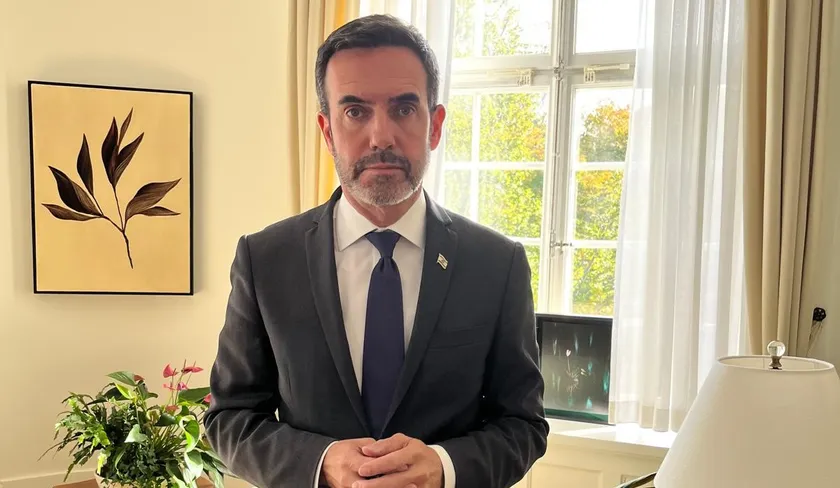
Ziv Nevo Kulman, Photo: Israel's Embassy to Sweden

According to sources familiar with Israeli-Swedish relations, this change of tack was not only the work of Israel. Since the beginning of the war in Gaza, Sweden's center-left has been increasingly hostile toward Israel, and these parties' ties with Jerusalem have significantly weakened. Israel has become a wedge issue between Sweden's center-right coalition and the centrist and left-wing opposition.

According to the sources, the opposition's approach is pushing Israel into the arms of the Swedish populist right. As a result, the Sweden Democrats are increasingly seen as a legitimate party in both Israel and the Jewish world, a major win for the party.

For Sweden's Jewish community, the Sweden Democrats are still considered off-limits, at least officially. The party is not in touch with the community and is not welcome at community events.

In a letter to Israel's foreign minister a year ago, the European Jewish Congress and the Council of Swedish Jewish Communities expressed concerns about a meeting between Israeli ministers and Sweden Democrats visiting Jerusalem. The president of the European Jewish Congress, Ariel Muzicant, and the chairman of the Council of Swedish Jewish Communities, Aron Verständig, wrote that they were "gravely concerned" and referred to the party's "neo-Nazi roots."

Muzicant and Verständig added that the Sweden Democrats' "ideology is still inherently xenophobic even though its representatives claim to be our allies, making an exception for the Jews as a national minority, albeit claiming that Jews cannot be Swedes." They said the party regularly submitted bills to ban "non-medical circumcision," as opponents call it, and the importing of kosher meat.

When asked Tuesday about Israel's apparent policy shift, Verständig told Haaretz that he was notified a few days ago that Israel's Foreign Ministry had instructed the Stockholm embassy to forge contacts with the Sweden Democrats.

"However, we don't have contacts with the Sweden Democrats," Verständig said. "The issue of the Sweden Democrats is one that we discuss regularly, but we haven't changed our position and we still don't have ties with the party."roots

The Sweden Democrats party was founded in 1988 by members of Swedish neo-Nazi and far-right movements. A key figure in the organization was Gustav Ekström, a member of Germany's Waffen-SS, the SS' military arm, during World War II and an activist in the NSAP, the Swedish Nazi party that disbanded in 1950. Other founders were members of white supremacist parties, neofascist and neo-Nazi movements, the Swedish skinhead movement and criminal organizations.

But the neo-Nazi past wasn't the only reason for the Israeli boycott. In recent years party members have spread conspiracy theories and racist, antisemitic and Islamophobic propaganda. In 2021 the Swedish daily Aftonbladet revealed that Jörgen Fogelklou, the party's leader in Sweden's second-largest city, Gothenburg, spread antisemitic and racist statements on social media such as "It is clear that Jews are the root of all evil in the world."

A few years ago, another local party leader in southern Sweden, Jonas Lingvärn, took part in performances by rock bands supporting white supremacy and used the slogan "Skinhead 88" – 88 is shorthand for HH, meaning "Heil Hitler."

The party first entered Sweden's parliament in 2010, and in the 2022 elections it won more than 20 percent of the vote, making it the country's second largest party. Until just a few years ago, the Sweden Democrats were boycotted by parties across the political spectrum.

But after a shift in approach by two center-right parties, the Sweden Democrats became an integral part of the right-wing bloc after elections, without which a center-right government could not be formed. In parliament, the party heads the Foreign Affairs Committee, the Justice Committee and the Industry and Commerce Committee.

השר שיקלי נפגש בכנסת עם בכירי מפלגה שוודית בעלת שורשים ניאו-נאציים

ישראל נמנעה עד כה מלקיים קשרים עם מפלגת השוודים הדמוקרטים, שהוקמה בידי פעילים בתנועות אנטישמיות וניאו-נאציות. המשלחת ביקרה גם ביד ושם: "ברור שיש לנו ערכים משותפים עם ישראל".

פורסם ב"הארץ" (עם יהונתן ליס ונעה שפיגל): https://www.haaretz.co.il/news/politics/2024-01-29/ty-article/.premium/0000018d-5441-d7e4-a7ad-5ef70ce50000

משלחת של בכירי מפלגת הימין הפופוליסטית בשוודיה, השוודים הדמוקרטים, הגיעה השבוע לביקור בישראל וערכה היום (שני) ביקור לא רשמי במשכן הכנסת, שבמסגרתו נפגשה עם שר התפוצות והמאבק באנטישמיות עמיחי שיקלי. למפלגה, שהיא כיום השנייה בגודלה בפרלמנט השוודי, שורשים ניאו-נאציים ואנטישמיים, והיא אחת מכמה מפלגות אירופיות שישראל נמנעה מלקיים עמן קשרים רשמיים.

המשלחת ביקרה גם ביד ושם, וצפויה בהמשך להגיע לאחד המעברים המחברים בין ישראל לבין הגדה המערבית ולבקר בעיר העתיקה בירושלים. במוזיאון יד ושם הדגישו שחברי המשלחת נרשמו לסיור מודרך שגרתי באתר, כמו כל תייר, ולא קיימו במתחם ביקור רשמי.

גורמים בשוודיה העוקבים אחר המפלגה אומרים, כי הביקור הוא חלק מניסיונה "להלבין" את עמדותיה האנטישמיות והגזעניות באמצעות מיצובה כידידת ישראל. בפוסט שפרסם ראש המפלגה, יימי אוקסון, ברשת החברתית X (לשעבר טוויטר) נכתב: "ברור שלמפלגות שלנו ולאומות שלנו יש ערכים משותפים", בצירוף תמונה שלו עם השר שיקלי. חברי המפלגה אמרו ל"הארץ" שנפגשו עם כמה שרים במהלך שהותם במשכן, אך סירבו לנקוב בשמותיהם.

ישראל נמנעה עד כה ממגעים עם השוודים הדמוקרטים לא רק בשל שורשיה הניאו-נאציים, אלא גם משום שחברי המפלגה הפיצו בשנים האחרונות תיאוריות קונספירציה ודברי תעמולה גזעניים, אנטישמיים ואיסלאמופוביים. שגריר ישראל בשטוקהולם, זיו נבו קולמן, אף הכריז בעבר כי ישראל לא מקיימת ולא תקיים בעתיד קשרים עם המפלגה. השר שיקלי סירב להתייחס לפניית "הארץ" בנושא.

במשרד החוץ, שלא היה שותף לתיאום הביקור, הבהירו היום כי "אין שינוי במדיניות כלפי המפלגה". בין חברי המשלחת שהגיעו לכנסת: ראש המפלגה אוקסון, יו"ר ועדת החוץ של הפרלמנט השוודי, ארון אמילסון, ראשת הסיעה הפרלמנטרית של המפלגה, לינדה לינדברג, וראש סיעת המפלגה בפרלמנט האירופי, צ'רלי וימרש. וימרש הוא אחד משני בכירי המפלגה שכבר ביקרו בישראל, במאי האחרון. בביקור הקודם פורסם שבכירי המפלגה נפגשו עם חבר הכנסת עמית הלוי מהליכוד ועם חבר הכנסת לשעבר מיכאל קליינר, המשמש כיום כנשיא בית הדין של הליכוד.

מפלגת השוודים הדמוקרטים הוקמה ב-1988, כשכמה חברים מתנועות ניאו-נאציות שוודיות שונות החליטו להקים מפלגה חדשה. אחד הפעילים המרכזיים בהתארגנות היה גוסטב אקסטרום, בעברו איש הוואפן אס-אס (הזרוע הצבאית של האס-אס) ופעיל ב-NSAP, מפלגה שוודית נאצית ותיקה. מייסדים נוספים היו חברים במפלגות "עליונות הגזע הלבן", במפלגות ניאו-פשיסטיות וניאו-נאציות אחרות ואחרים היו גלוחי-ראש ממעגלים אלימים ועברייניים.

המפלגה נכנסה לראשונה לפרלמנט השוודי ב-2010, ובבחירות שנערכו לפני כשנה וחצי היא זכתה ביותר מ-20% מהקולות. עד לפני שנים מעטות הוחרמה המפלגה על ידי מפלגות מכל הקשת הפוליטית בשוודיה ולא היתה מועמדת להצטרפות לאף קואליציה. עם זאת, בעקבות שינוי גישה של שתיים ממפלגות הימין המסורתיות, השוודים הדמוקרטים הפכו לאחר הבחירות לחלק אינטגרלי מגוש הימין, והממשלה בשטוקהולם תלויה לחלוטין בתמיכתם. לחברי המפלגה יש השפעה רבה על מדיניות הממשלה, והם מחזיקים בכמה תפקידי מפתח בפרלמנט, בהם ראשות ועדת החוץ, ועדת המשפט וועדת התעשייה והמסחר.

בחודשים האחרונים המפלגה מנסה למצב את עצמה כ"מפלגה הכי פרו-ישראלית בשוודיה" ולהתנער מהעבר האנטישמי והניאו-נאצי שלה. עם זאת, ב-2021 חשף העיתון השוודי אפטונבלדט שמנהיג המפלגה במועצת העיר השנייה בגודלה בשוודיה, גוטנברג, יורגן פוגלקלו, הפיץ ברשתות החברתיות התבטאויות אנטישמיות וגזעניות, כגון "ברור שהיהודים הם שורש כל הרוע בעולם". לפני כשנתיים חשפו שני כלי תקשורת כי כמה מאנשי המפלגה עמדו בקשרים עם תנועות ניאו-נאציות גם בשנים האחרונות. אחד מאנשי המפלגה בדרום שוודיה, יונאס לינגווארן, למשל, פרסם והשתתף בהופעות של להקות רוק התומכות ב"עליונות לבנה" והשתמש בסיסמה "סקינהד 88" (88 היא צורת כתיבה ידועה לכתיבת HH, כלומר Heil Hitler, ד"ס).

הימין הקיצוני באירופה חווה רנסנס. השמאל יכול למנוע מהיבשת לחזור לאחור

בשנים שלאחר מלחמת העולם השנייה, המילים "לעולם לא עוד" היו לא רק צו מוסרי אלא גם תוכנית עבודה. תוצאות הבחירות האחרונות בשוודיה, באיטליה ובצרפת מסמנות שאנחנו על סף תקופה של שמרנות והסתגרות

פורסם ב"הארץ": https://www.haaretz.co.il/magazine/the-edge/2022-10-13/ty-article/.highlight/00000183-cc36-d2b7-a5c3-feb7e6600000

בשנים 1945-1950 היו המילים "לעולם לא עוד" מילות מפתח בהבנת ההתרחשויות הפוליטיות והחברתיות באירופה. מיד בתום מלה"ע השנייה נשפטו בנירנברג פושעי המלחמה הנאציים הבכירים, ב-1948 יצאה לפועל תכנית מרשל האמריקאית כדי לשקם את היבשת ולהעלותה על פסים של צמיחה. עוד לפני כן הוקם ארגון האומות המאוחדות בכדי לשמור את השלום והביטחון בעולם. אחת האָמַּנוֹת הראשונות שאומצו על ידי הארגון היתה "האמנה למניעת וענישת הפשע רצח-עם", מונח שטבע עוה"ד היהודי רפאל למקין. בזכות כל אלו ועוד היה הביטוי "לעולם לא עוד" בסוף שנות הארבעים ותחילת החמישים ליותר מצו מוסרי. הוא הפך לתוכנית עבודה.

עם זאת, לצידן של התרחשויות אלו החלה תנועה היסטורית מקבילה, מוכרת פחות. זה התחיל במחשכים, רחוק מעיני התקשורת והממסדים הבינלאומיים. אחר כך הפכו הדברים לגלויים יותר. ההיסטוריונית השוודית, אליזבת אוסברינק, מתארת את התהליך בספרה "1947 – סיפורה של השנה ששינתה את ההיסטוריה"  (אחוזת בית, תרגום: רות שפירא). אוסברינק מספרת על המנהיג הפשיסטי השוודי, פר אנגדהאל, שחילץ פושעי מלחמה נאצים מגרמניה לשוודיה ומשם למקומות שונים בעולם. במקביל הוא החל לחבר ולהפגיש פשיסטים, נאו-נאצים ולאומנים מרחבי היבשת. כנסים התקיימו, תוכניות עבודה נכתבו ומפלגות הוקמו במדינות רבות. כך נמצא הקו המקשר בין הפשיסט האנגלי אוסוולד מוסלי לחברי "התנועה החברתית האיטלקית" (MSI), ממשיכת דרכו של מוסוליני, לניאו-נאצים מסקנדינביה ומדינות השפלה ולשרידי נאמני היטלר בגרמניה. בצילה של הקמת אירופה חדשה, חופשית ודמוקרטית, החלה להתגבש חזית מאוחדת שתשיב עטרה ליושנה.

אך האחדות לא נמשכה זמן רב. חילוקי דעות לגבי שאלות אידאולוגיות על גזע ותרבות, לאומיות ואחדות אירופית התערבבו במאבקי כוחות אישיים. תנועת האם הכלל-אירופית התמוססה וכך גם התנועות במדינות השונות, חלקן הפכו לארגונים אלימים ומהפכניים בשולי הפוליטיקה, אחרות חתרו להתקרב למיינסטרים. בשוודיה הוקמו בעשורים הבאים תנועות ניאו-נאציות רבות, מ"מפלגת העובדים הנאציונל-סוציאליסטית"(NSAP) בשנות הארבעים ועד "שמרו את שוודיה שוודית" (BSS) בשנות השמונים. באיטליה ה-MSI עברה גלגולים שונים עד שהפכה ל"חזית הלאומית" (AN) בשנות התשעים. בצרפת הוקמה ב-1954 מפלגת "העצרת הלאומית הצרפתית" על ידי מוריס ברדשה, אחד המנהיגים החשובים בתנועתו של אנגדהאל בשיתוף עם ז'אן לואיס טיקשה-ווינינקור ששירת בממשל ווישי משתף הפעולה עם הנאצים. כך, ככל שצילן הארוך של אושוויץ וטרבלינקה התעמעם צצו ברחבי היבשת עוד ועוד תנועות ומפלגות שנשאו את המורשת האנטי דמוקרטית, הגזענית והלאומנית של הנאצים. הרעיונות הישנים לא מתו, מסתבר, להיפך, במקומות רבים הם נולדו מחדש.

אך מה לכל אלו עם המציאות באירופה ב-2022? ובכן, שלושת המדינות שבהן התרכזו רבים ממנהיגי הימין של שנות החמישים והשישים, שוודיה, איטליה וצרפת, מראות את הקשר בבירור. ב-1988 החליטו מספר חברים מהסצנה הניאו-נאציות השוודיות להקים מפלגה חדשה. אחד הפעילים המרכזיים בהתארגנות זו היה גוסטאב אקסטרום בן ה-81. בעברו התנדב אקסטרום לוואפן-אס.אס והיה פעיל ב-NSAP, אחת המפלגות הנאציות השוודיות הוותיקות. המפלגה שהוקמה בסוף שנות השמונים נקראה "השוודים הדמוקרטים". הם עברו את אחוז החסימה בפעם הראשונה ב-2010 ובבחירות בספטמבר האחרון המפלגה זכתה במעל 20% מהקולות. היא כעת המפלגה השנייה בגודלה בשוודיה והממשלה השוודית הבאה תלויה לחלוטין בתמיכתה. במקביל לעלייה בכוחם של השוודים הדמוקרטיים בשנות התשעים, הצטרפה נערה בת 15 בשם ג'ורג'ה מלוני לתנועת הנוער של המפלגה הניאו-פשיסטית האיטלקית. בשנים הבאות היא התקדמה בשורות המפלגה כאשר זו מתפרקת ומתאחדת עם תנועות אחרות עד שלבסוף היא הופכת ל"אחים של איטליה" (Fdl), הזוכה הגדולה של הבחירות שנערכו גם הן בספטמבר השנה. מלוני תהיה ראשת-הממשלה הבאה של איטליה וסמל מפלגתה נשאר הסמל הפשיסטי הישן של "התנועה החברתית האיטלקית" – הלהבה בעלת שלושת הצבעים, ירוק, לבן, אדום.

גם בצרפת נערכו השנה בחירות. כזכור, הנשיא מקרון אמנם ניצח בהן, אך המתמודדת שעלתה לסיבוב השני, מארין לה-פן, זכתה במעל ל-40% מהקולות. שורשיה של לה-פן נטועים באותה ערוגה. לתנועת ההתחדשות של הימין הקיצוני האירופי בראשית שנות החמישים היה כתב-עת חודשי. שמו היה Nation Europa והוא נוסד על ידי קצין אס.אס לשעבר. בין כותבי הטקסטים היו הוגי דעות שהפכו להיות הרוח החיה של הימין האירופי החדש. אחד מהם היה כותב צרפתי צעיר ששימש גם כקמפיינר של "העצרת הלאומית הצרפתית". שמו היה ז'אן מרי לה-פן. מפלגתה של בתו של לה-פן, מארין, דומה למדי למפלגת "השוודים הדמוקרטים" ולמפלגתה של ג'ורג'ה מלוני. שלושתן מהוות הוכחה מאוחרת להצלחה של המהלך הימני קיצוני הפוסט מלחמתי, שלושתן נטועות עמוק בפשיזם ושלושתן טוענות בלהט שהן כבר לא כאלו. נכון, הן שמרניות, הן אוהבות משפחות מסורתיות וחושבות שפמיניזם, זכויות להט"בים והזכות להפלות הלכו רחוק מדי. שלא לדבר על הגירה. גם בתי-משפט עצמאיים מדי או תקשורת ואקדמיה חופשיות מדי הם לא כוס התה שלהן. אבל מגזענות ונטיות אוטוריטריות הן מתנערות בעקשנות. זכותן.

למעשה, ייתכן שכדאי לעסוק פחות בגזענות, באנטישמיות ובקסנופוביה של תנועות הימין הפופוליסטי ויותר בחוסר הרצינות שלהן. בניגוד לתדמית, כאילו השמאל הוא חולמני, תמים ולא ריאליסטי, באירופה של היום דווקא הימין הפופוליסטי הוא כזה. מנותק מהמציאות, חולם חלומות, מתרחק מפרגמטיזם ומשנה את דעתו כל הזמן. פעם הוא מתקרב לרוסיה ולנשיא פוטין, ופתאום הוא תומך בנאט"ו. מצד אחד, הוא רואה את האיחוד האירופי כמקור כל רע, מצד שני, אין לו בעיה לקבל ממנו צ'קים בסכומים אסטרונומיים. גם התנגדותו להגירה ועצימת העיניים שלו לנוכח ההתחממות הגלובלית מעוררת תמיהות. למרות קונצנזוס מדעי מוחלט על כך שהאנושות עומדת בפני משבר קיומי, הימין הפופוליסטי לא מאמין למדענים והוא מתנגד לצעדים להפחתת גזי החממה. באותה מידה הוא גם מתעלם מקיומם של המלחמות האזוריות, הבצורות ומעשי הטבח שיוצרים את הפליטוּת העולמית. בזמן שהשמאל והימין השמרני האירופיים מציעים פתרונות שונים לבעיה, הימין הפופוליסטי מכסה את עיניו וחושב שהיא פשוט תעלם. לדידו אפשר לבנות חומה סביב היבשת ולהמשיך לבלבל את המוח עם תיאוריות קונספירציה ויצירת אויבים שימושיים. מצד אחד, אסור לקלוט פליטים, מצד שני, אסור להעביר כסף לאפריקה ולמזה"ת ואסור להשקיע במוסדות בינלאומיים ובפתירת סכסוכים. מי יעצור את עשרות מיליוני מבקשי המקלט שעושים את דרכם מערבה וצפונה? הימין הפופוליסטי מחפש את הפתרונות איפשהו בין "הפרוטוקולים של זקני ציון" לפוקס ניוז. לעיתים נטען ששיתוף פעולה עם מפלגות כאלו, הוא רכיבה על נמר פשיסטי. האמת היא שזה קרוב יותר לרכיבה על בת-יענה.

ונשאלת כמובן השאלה לאן כל זה מוביל? האם אירופה העתידית תהיה יבשת שמרנית ומסתגרת שחוזרת אחורה בכל הנוגע לזכויות-אדם, קליטת הגירה והתמודדות עם אתגרי כלל האנושות? התשובה לשאלה זו מונחת דווקא אצל השמאל. כבר עתה עובר השמאל האירופי והאמריקאי תהליך התאמה ליריביו מהימין. פופוליזם הרי אינה תופעה ייחודית לימין. גם השמאל יכול להפוך את עורו, או נכון יותר, להפריט את עצמו לדעת ולהציע זר של מאבקים ספציפיים, המחולקים לפי גזע, מין, מגדר וגיל, במקום פתרונות חברתיים כלליים המותאמים לחברה כולה. מפלגות סוציאל־דמוקרטיות שעדיין פועלות ככאלו מנסות לפתור בעיות חברתיות מורכבות באמצעות מערכות רווחה, חינוך, דיור וביטחון המבוססות על מגזר ציבורי גדול, ארגוני עובדים חזקים וסולידריות חברתית. אך במדינות בהן הסוציאל-דמוקרטים הפסידו ופינו את מקומם לפוליטיקת הזהויות של השמאל ה"רדיקלי" ולנאו-ליברליזם של השמאל ה"מתון", הזירה כבר אינה המציאות עצמה אלא הרשתות החברתיות והמסכים. במדינות אלו קשה לראות מי ישנה את כיוון הספינה המפליגה לקראת הקרחון הפופוליסטי.

העתיד אמנם אינו ידוע, אבל לא צריך לחזור שנים רבות מדי אחורה כדי לדעת מה קורה באירופה כאשר הימין הקיצוני והשמאל הקיצוני נאבקים על השלטון בזמן שהמתונים מתעמתים בינם לבין עצמם ובפריפריה של היבשת נערכת מלחמה שהמעצמות עושות בה ניסוי כלים (פעם בספרד, היום באוקראינה). כפי שכתבו כבר רבים, ההיסטוריה נוטה לחזור על עצמה ומפתה, בהקשר זה, להשתמש בציטוטו הידוע של ג'ורג' סנטיאנה על כך ש"אלו שאינם זוכרים את העבר נידונים לחיות אותו שוב". כך או אחרת, באירופה של שנה זו מתחיל להצטייר תרחיש שבסופו תבוא תקופה חדשה. תקופה שמשפט המפתח שלה עלול להיות "לעולם לא עוד".

Europe’s New Right Is Deluded. The Continent’s Fate Is Up to the Left

At the end of the 1940s, while Europe was putting ‘never again’ into a work plan, a parallel movement was arising. What began in obscure realms now characterizes the far-right renaissance in Europe

published in "Haaretz": https://www.haaretz.com/world-news/2022-10-13/ty-article-magazine/.highlight/europes-new-right-is-deluded-the-continents-fate-is-up-to-the-left/00000183-d2d9-def3-a9a3-f3d90c1c0000

In the years following World War II, the words “never again” were a key to understanding political and social events in Europe. Shortly after the war, senior Nazi war criminals were tried in Nuremberg, and the United Nations was founded to safeguard the peace and security of the world. Then in 1948 the United States launched the Marshall Plan, with the aim of rehabilitating the Continent and setting it on a path of growth. One of the first treaties adopted by the UN was the Convention on the Prevention and Punishment of the Crime of Genocide, a term coined by the Jewish lawyer Raphael Lemkin, who was one of the convention’s initiators. Thanks to these developments, by the end of the decade, the term “never again” had become more than a moral imperative: It was a work plan.

But concurrently, a parallel historical movement was rising, one that attracted less public attention. In the shadow of the new and free Europe, a united front began to coalesce; it aimed to restore Nazi and fascist values and ideas to dominant roles. A few years after the mass murders ended, an increasing number of movements and parties that bore the racist, nationalist and antidemocratic heritage that was vanquished in 1945 cropped up across the Continent.

It began in obscure realms, far from the eyes of the international institutions and the press. The Swedish historian Elisabeth Åsbrink describes the process in her 2016 book “1947: Where Now Begins.” She notes that Per Engdahl, the leader of the Swedish fascist movement who had been active during the war, began connecting nationalists from across the Continent – those from the losing side in the war. He brought Nazi war criminals to safe haven in Sweden and from there smuggled them around the world. Conferences that were public knowledge were held, working plans were written and parties were founded in many European countries. This is how the English fascist Oswald Mosley could be linked both ideologically and organizationally via the Italian Social Movement (MSI), the heir to Mussolini’s path, to the neo-Nazis in Scandinavia and the Low Countries and to the last of Hitler’s loyalists in Germany.

That unity did not last long. Ideological differences – questions of race, culture and nationalism – arose quickly, and were compounded by personal power struggles. The trans-European parent movement was gradually dissolved, and its branches in the various countries split into movements and parties of two main types: Some became violent, revolutionary fringe groups, while others strove to draw close to the mainstream.

In Sweden, which had been neutral during the war, thus evading the devastation caused by the fighting, a large number of neo-Nazi movements would emerge in the decades to come – from the National Socialist Workers’ Party (NSAP) in the 1940s during the war to Keep Sweden Swedish in the 1980s. In Italy, the MSI went through several incarnations before morphing into the National Alliance, in the 1990s. In 1954 France saw the establishment of the Rassemblement National Français by Maurice Bardèche, who was close to Engdahl, and Jean Louis Tixier-Vignancour, who had served in the Vichy regime. It’s these same three countries that now embody the far-right renaissance in Europe.

In 1988, members of the Swedish neo-Nazi scene founded the Sweden Democrats. One of its key figures was Gustaf Ekström, then 81, a former Swedish volunteer in the Waffen SS who had also been active in the NSAP. Ekstrom died in 1995, but his party is still around, and it crossed the electoral threshold for the first time in 2010. In last month’s parliamentary election, it became the country’s second-largest party, garnering more than 20 percent of the vote. Sweden’s next government will be wholly dependent on it.

While the Sweden Democrats were slowly and cautiously consolidating their strength, in 1992 a 15-year-old girl named Giorgia Meloni joined the youth movement of Italy’s the neo-fascist party, the MSI. She rose through the ranks of the party, which eventually became the Brothers of Italy (FdI), which in September won Italy’s parliamentary election. Meloni will be the next prime minister of Italy, borne on the wings of a party whose emblem makes use of the tricolor flame, the old Italian fascist symbol.l

In last April’s runoff presidential election in France, Emmanuel Macron, the incumbent and the centrist candidate, was victorious; but the losing candidate Marine Le Pen, received 41.45 percent of the vote, a personal high. Le Pen’s roots were planted in the same fascist ground that had been plowed originally by Per Engdahl. The European far right’s renewal movement in the 1950s had a monthly journal, Nation Europa, which was founded by a former SS officer, Arthur Ehrhardt. Among its writers were thinkers who became the living spirit of the new European right. One of them was a young Frenchman campaigning for the Comité National Français: Jean-Marie Le Pen.

His daughter’s party, recently renamed the National Rally, is similar to the Sweden Democrats and to Meloni’s party. The three, which represent the success of the far right’s postwar evolution, vehemently insist they are not fascists. They take pride in their conservatism and in encouraging “traditional family values”; they think that feminism, LGBTQ rights and access to abortion – not to mention immigration – have gone too far. Independent and activist courts, a free and unbiased media, and academia are also not their cup of tea. But publicly, they shake off accusations of racism and authoritarian tendencies.

It may well be that the great problem with these parties may not be their extremism, antisemitism and xenophobia, but the lack of seriousness of those who wish to lead the Continent (and are poised to do so in no few countries). A major contention against the left is that it is naïve and unrealistic, even dreamy. But in today’s Europe, it is the populist right that is afflicted with these childhood ailments: disconnected from reality, delusionary, unpragmatic and fickle in its views. At times its leaders draw close to Russia and its president, Vladimir Putin, then it suddenly supports NATO. It views the European Union as the root of all evil but when in power happily accepts astronomical checks from it. This isn’t necessarily extremism, it’s populism that avoids responsible long-term solutions while fueling well-organized crusades against so-called corrupt elites.

This childish, look-the-other-way behavior is most blatant in the far right’s denial of the climate crisis, in the face of an absolute scientific consensus. For these parties and the leaders they spawned, the approaching consequences and the existential crisis that humanity is facing are akin to fairy tales, and they oppose almost all the measures being proposed to reduce greenhouse gas emissions.

Riding an ostrich

But it’s not just global warming, the droughts or the rising sea levels. The populist right closes its eyes to the realities of the waves of immigration, the refugee crisis and the wars of the future. While the left and the conservative right suggest solutions – some better, some less so – the populist right believes that if it ignores the problem, it will simply go away. As far as it’s concerned, it’s possible to build a wall around the Continent and explain the world using a variety of alternative sources, from Fox News to “The Protocols of the Elders of Zion.”

On the one hand, they are against taking in refugees, but they are also opposed to offering economic aid to the countries in Africa and the Middle East where the migrants come from. Similarly, it’s out of the question to invest in international institutions and conflict resolution. The flow of immigrants westward and northward, which could total tens of millions, will simply end by itself. It is sometimes said that cooperating with these far-right parties is like riding a tiger, but in reality it’s more like riding an ostrich.

The answer to the question of where all of this is leading, and whether the Europe of the future will be a conservative, insular continent that has regressed in regard to human rights, immigrant absorption and coping with the challenges facing humanity, actually rests with the left. Today, both in Europe and the United States, the left is adapting to its right-wing rivals. Populism is not an exclusively right-wing phenomenon; both sides are adept at deconstructing themselves and putting forward a garland of specific struggles that are divided according to race, sex, gender and age, instead of coming up with solutions that are intended for society as a whole.

Social Democratic parties still advocate traditional solutions such as crafting full-employment policies, strengthening trade unions, investing in welfare and providing public housing and a strong social safety net. But in some countries these parties have given way to the identity politics of the so-called radical left, or to the neoliberal policies of Social Democratic parties that have lost their way. For these kinds of parties, reality is no longer the political arena, it’s the endless chatter on TV and social media. In countries that have lost their traditional left, it’s hard to see who will right the ship that’s sailing toward the populist iceberg.

Predicting the future isn’t easy, but we don’t have to go back many years to remember what happens in Europe when the extreme fringes on the right and left fight for power while the moderates are preoccupied with internal wrangling. While all this is going on, the war in Ukraine is becoming an echo of the Spanish Civil War of the 1930s, which was the preview for World War II. As the cliché goes, history tends to repeat. The past year looks like the start of a process that may end with the ushering in of a new period – one whose guiding principle may very well once more be “never again.”