Did a Secret Resistance Network Assassinate Sweden's Prime Minister?

For 40 years, the assassination of Sweden's prime minister, Olof Palme, has remained unsolved. Now, some are revisiting a dark possibility: not a lone gunman, but a covert network embedded deep within Swedish society – part of a secret Europe-wide effort to resist a Soviet invasion

Published in Haaretz: 40-year Mystery: Did a Secret Resistance Network Assassinate Sweden's Prime Minister? – Europe

The most shocking event in the history of modern Sweden occurred almost exactly 40 years ago. On the evening of Friday, February 28, 1986, Prime Minister Olof Palme and his wife, Lisbet, went to see a movie in central Stockholm. It was a cold winter evening in the capital. As he often did, Palme dismissed his bodyguards and the couple travelled three subway stations to the theater without a security escort. When they emerged onto the street, they met up with their 25-year-old son, Mårten, and his partner. The four bought tickets and went in.

Shortly after 11:20 P.M., while the prime minister and his wife were walking back home along a main street in the city, a man approached them from behind and fired a gun at close range. Palme was hit and collapsed on the frozen pavement. A second shot was fired immediately afterward, lightly wounding Lisbet. Bystanders attempted to help but it was in vain. Palme died on the spot. An ambulance was called and evacuated his body and his wife to a hospital, arriving less than 20 minutes after the shots were fired.

The hours that followed were dramatic. News of the murder spread in the Swedish media and overseas. The country went on high alert, and Deputy Prime Minister Ingvar Carlsson convened the cabinet. At 5 A.M. Saturday morning a press conference was held. Flags were subsequently lowered to half-mast, flowers and candles were placed at the murder site, and an atmosphere of national mourning and crisis permeated the country. At the same time, it emerged that almost every possible mistake was made in the investigation of the murder: The shooter immediately fled; police arriving at the scene failed to apprehend him. They also did not set up roadblocks or cordon off the area. Coordination between law enforcement forces at the site was poor; no situation room was established, and testimonies from eyewitnesses were neither systematically collected nor fully documented. These errors were never corrected in the intervening four decades.
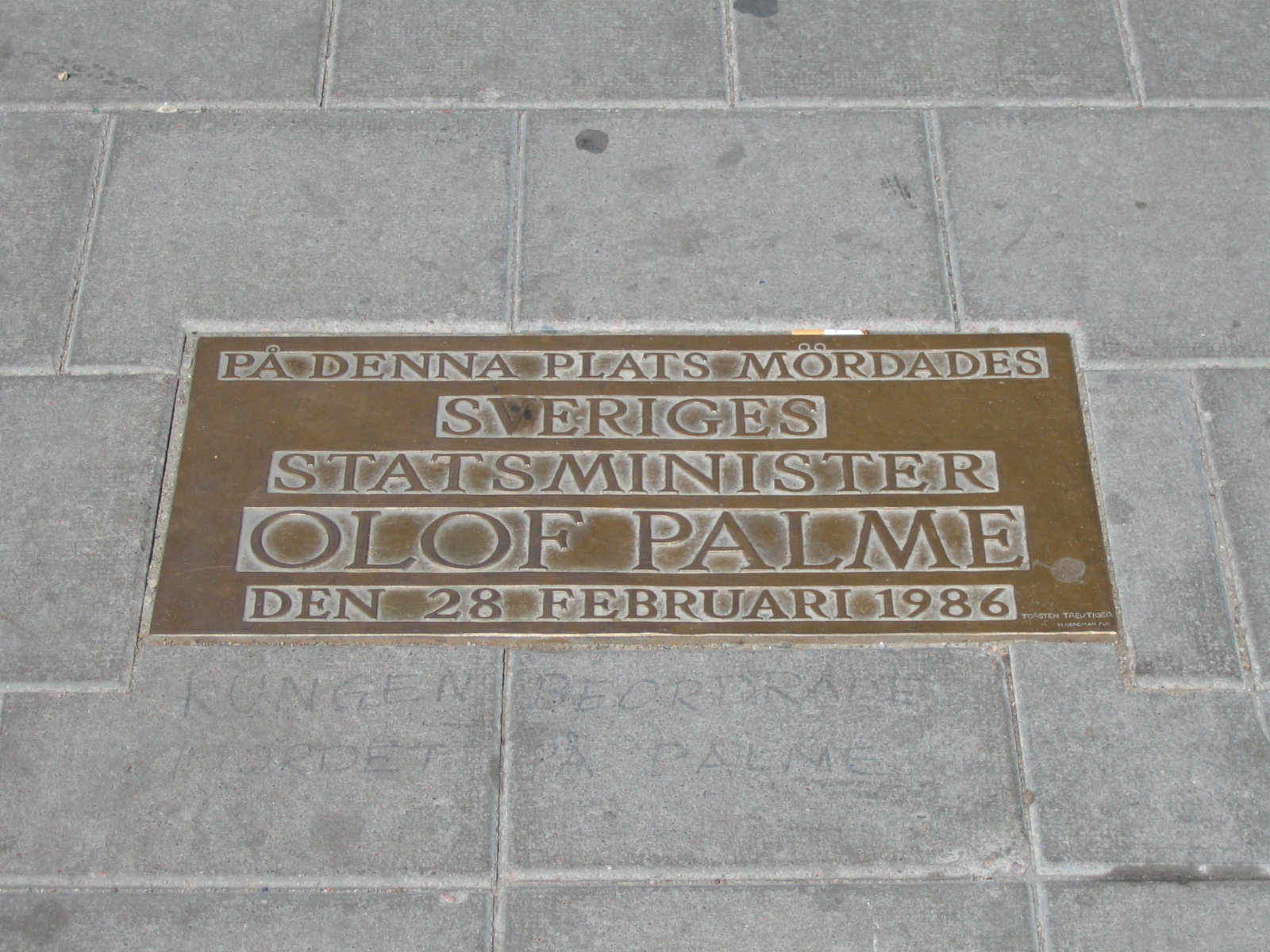
Olof Pale's Murder Site on Sveavägen in Cenral Stockholm

In the years following the murder, what is referred to by Swedish authorities as "the largest and longest-running murder investigation in the world" was launched, but despite significant resources, it was marred by disputes and conflicts and did not lead to any definitive outcome. Many investigative directions were pursued but no one was charged. In the first year, the Kurdish PKK organization was a central focus. Later, theories involving possible actors from various countries, such as South Africa – which allegedly had both a motive and the capability for executing a political assassination abroad – were explored but did not result in indictments. Such was also the case following investigations of theories involving terrorist organizations from the Middle East and Eastern Europe.

In 1988, a local criminal named Christer Pettersson was convicted of the murder, mainly based on a controversial identification by Lisbet Palme; a year later he was acquitted on appeal due to lack of evidence. In June 2020, the Swedish prosecution announced that the investigation was closed, declaring that a man named Stig Engström was the probable suspect. Engström had allegedly been present at the scene on the night of the shooting and had been interviewed as a witness in later years, but he died in 2000 and therefore could not be prosecuted. His motive was unclear, and the evidence against him was circumstantial and unconvincing. Nevertheless, this was enough for the prosecution to close the case.

But this was not the end of the story: In December 2025, the prosecution reversed its position. In a surprising development, it announced that a renewed examination of the investigative material had concluded that there was insufficient evidence against Engström, and thus he was no longer officially considered to be the suspect. At the same time, no other names were suggested, nor was the investigation formally reopened. Thus, 40 years later, the Swedish public still does not know who killed its prime minister or why. Meanwhile, on the margins of these developments, a discussion has surfaced about another historical phenomenon, which – like the identity of the man who pulled the trigger – was heretofore unknown to the Swedish public and kept in the shadows for decades.

"Today, we know no more about the murder than we did the day after it happened," says Gunnar Wall, a journalist and author who has dedicated years to researching and writing books about the Palme assassination. "We do not know if it was a lone assassin or an organized group, we do not know the motive, how the killer escaped, whether he was Swedish or foreign, or whether he is still alive today and, if so, is he in Sweden or abroad. Given this situation, there are countless speculations and theories."

Wall, recipient of the 1998 and 2024 Guldspaden (Golden Spade) award, Sweden's most prestigious prize for investigative journalism, for books he wrote about the incident, notes that while there are those who claim to know who the murderer was, despite years of research, he himself does not.
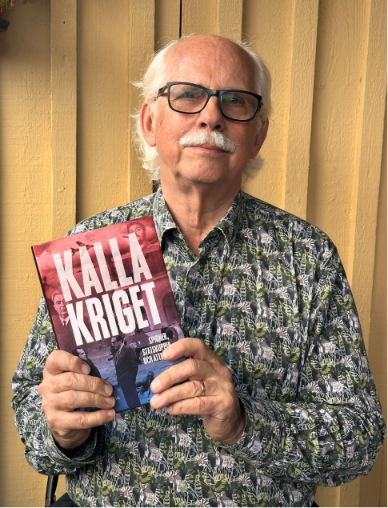
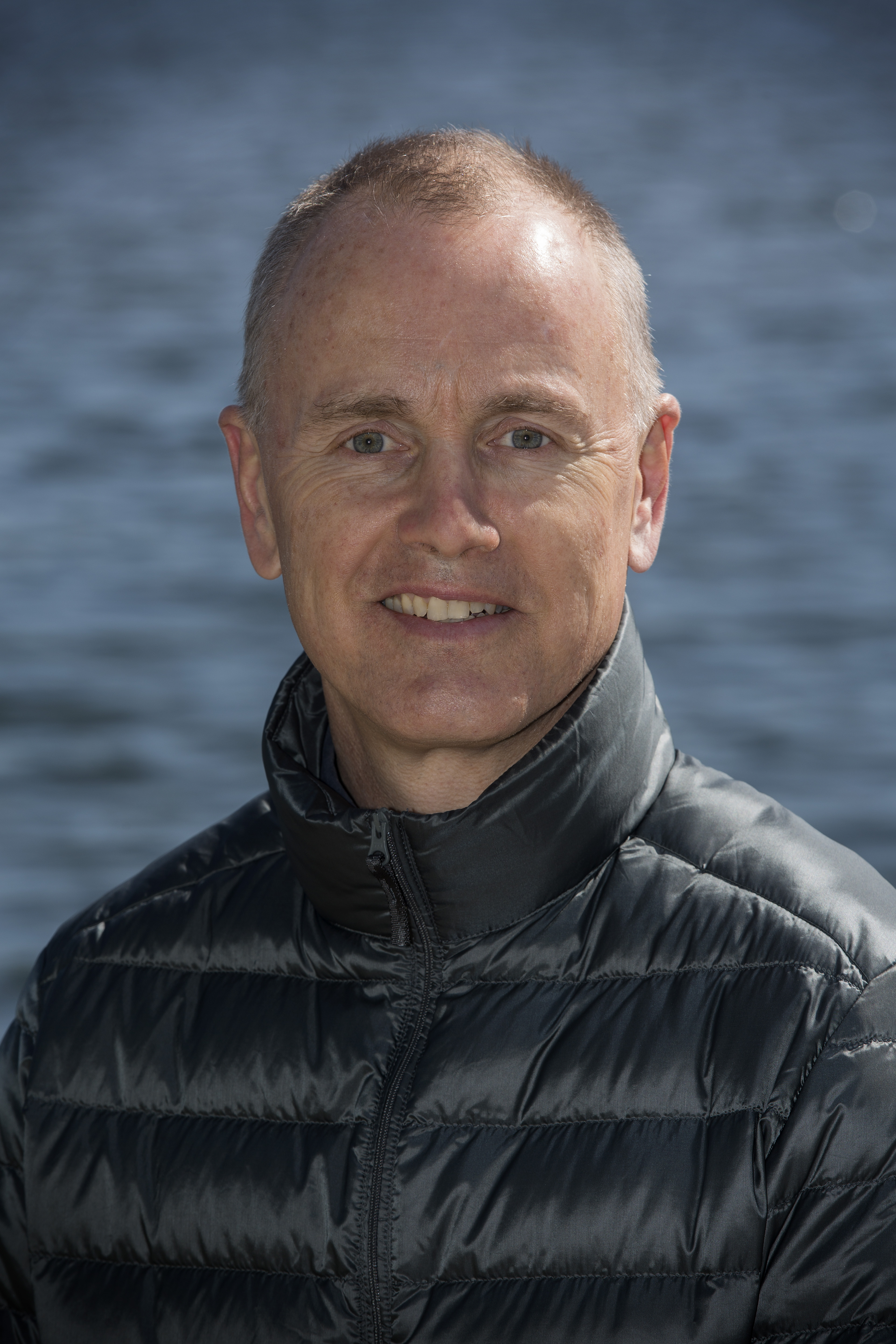
Gunnar Wall

However, Wall points to an interesting issue. The decision not to reopen the investigation late last year is strange, in his view, because about 15 years ago Sweden changed its legislation regarding statutes of limitations. Serious inquests into crimes such as murder, under the new law, are no longer closed after 25 years as was previously the case, and can remain open indefinitely. The prosecutor who last December chose not to resume the whole process justified that by saying there were no conditions for doing so – even though he admitted that he had examined only the Engström lead and not other possibilities.

When the previous prosecutor closed the case in 2020, it was possible to say that happened because he had reached a dead end – but the same cannot be said about his successor's decision, since he said he had not even attempted to evaluate materials that did not concern Engström. And yet, he seemed determined to leave the case closed nonetheless.
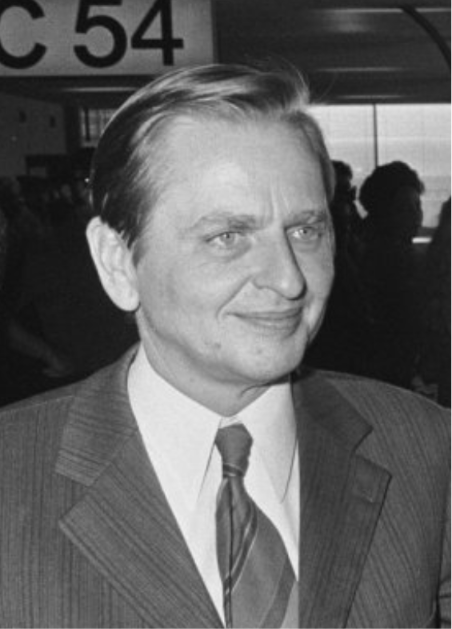
Olof Palme, Photo:Bert Verhoeff / Anefo / Nationaal Archief (CC BY-SA3.0 NL)

"The investigators of the Palme murder examined, almost until the very last moment, indications of [involvement by] a larger group that went beyond Engström alone," says Wall, who bases his claims on interviews he conducted with the investigators themselves and with additional witnesses, as well as on reviews of countless documents, reports and other materials. "Their main hypothesis was that forces within a secret Swedish network were behind the murder, and they tried to link Engström to these actors. When they failed, they abandoned the hypothesis and Engström remained the sole suspect. Five years later, because the evidence against him was weak, it all ended with no conviction and no suspect."

Suggestions about some secret entity having been behind the Palme assassination may sound like far-fetched conspiracy theories – but they are not. For decades, underground organizations called stay-behind networks existed in Sweden and many other European countries. While a direct link between the Swedish stay-behind network and Palme's assassination has not been proven, the existence of the group is an established fact. These clandestine bodies were created after World War II as a way for countries to prepare for a possible invasion and hostile occupation. Their work included drafting blueprints for underground resistance groups, maintaining contact with a government-in-exile and actively opposing an occupier.

In the early days of the Cold War, following World War II, the threat of Soviet aggression was tangible. Across Europe, secret networks were created in various countries, in order to forge connections between the military, police, intelligence services and civil society. Initially, these organizations were intended to prepare for a Soviet invasion, but over time some engaged in other activities, sometimes even conducting covert operations within their own borders, including false flag operations – designed to appear as if carried out by others to justify certain political or military reactions.

The most famous example is the Italian network and operation code named Gladio, whose existence was revealed to parliament in 1990 by Prime Minister Giulio Andreotti. Some claimed that this stay-behind network participated in domestic acts of political terrorism in the 1970s and '80s. Parliamentary inquiries looked into its operations and ties with foreign actors and intelligence bodies such as the CIA and NATO, and exposed its involvement in guerrilla training, communications networks, weapons storage and sabotage. There were also suspicions that Italy's network operatives engaged in domestic political activity, including terrorism designed to strengthen the Italian right and diminish the left. Similar underground groups have been documented in Belgium and Switzerland, and evidence of same exists in France and Germany, although without confirmation of domestic violence. There are also hypotheses about the involvement of such networks in coups and politically motivated violence in Greece and Turkey.

The investigators' hypothesis was that forces within a secret Swedish network were behind the murder, and they tried to link Engström to these actors. When they failed, they abandoned the hypothesis.

The whole phenomenon remains highly controversial and difficult to research due to the secrecy and compartmentalization surrounding it, yet there is general agreement that stay-behind networks have existed across Europe, operating without parliamentary oversight and known to only a small circle of decision-makers.

After years of rumors and official denials of such bodies existing underground in Sweden, in 2013, one of the country's major newspapers, Dagens Nyheter, published an article by Inga-Britt Ahlenius, a civil servant who worked at the Ministry of Finance, the National Audit Office and the United Nations. Based on evidence and research that had emerged since the 1990s, Ahlenius wrote: "While the initial disclosure of Sweden's institutional but unofficial Cold War connections with Western powers was met with denials and outrage, it was eventually accepted as the new truth. Thus, the revelation of stay-behind networks is often treated more like a romantic spy adventure than a historical fact." She noted that the secret resistance movement established in Sweden, and closely linked with Western powers, was likely initiated by Prime Minister Tage Erlander (Palme's predecessor) along with several ministers.

"[It was] initially led by Alvar Lindencrona, CEO of Thule insurance, three department heads and regional/local 'cells' operated under him," she wrote and added, "meetings occurred in secret rooms in Lindencrona's house or Thule's offices, and funding came from secret sources. Between 1951 and 1953, the CIA under William Colby, stationed in Stockholm and later CIA director, helped establish the network in Sweden, although the Swedes retained top-level control."

Journalist Wall adds some background information: Experience from World War II, he says, showed that countries that were occupied had been unprepared for such an eventuality – there were no resistance movements and they in essence had to be improvised. Thereafter, it was in the interest of those countries and others to prepare properly for the threat of military occupation; in Sweden, various actors dealt with this scenario at an early stage. Immediately after the war, a secret, state-level initiative was launched by the prime minister; the CIA entered the picture in the 1950s. Before that certain extremist elements had worked toward similar aims – among them war veterans who supported the Nazis during the war and volunteered to fight alongside them in the Continuation War in Finland. In the end, these three trajectories evolved into the Sweden's stay-behind network, although it is unclear exactly what remained of them in its final iteration.

"Unlike in other places, despite the cooperation with American and other actors, the Swedish network was established and organized by Swedes," says historian Mats Deland, a senior lecturer at Mid Sweden University (Mittuniversitetet) in Sundsvall. "Sweden did not participate in World War II, but it could learn from the Nazi invasion of Norway in 1940. The Norwegians sank the Blücher, one of the German ships on its way to capture the Norwegian capital in the Oslo fjord, which delayed the Germans and caused them heavy losses, while at the same time giving the Norwegians time to evacuate the royal family and their government northward.

"This experience was important for both the Norwegians and the Swedes who learned from it and came up with the idea to establish an organization that could evacuate the Swedish royal family and the government, but also 'stay behind' and protect the country. This goal of staying behind was the result of another experience from World War II: the NKVD, the Soviet security service under Stalin, who remained behind and became partisans in the German-occupied areas."

So, in the Swedish case, the stay-behind network was not controlled by the Americans or by NATO?

Deland: "Correct, in Sweden this was a local initiative. The Americans arrived a little after the network was established, and even then, they did not take control; they only integrated needs arising from NATO doctrine, which was based on the fact that only the United States had nuclear weapons. In the case of a Soviet invasion and the need for American aircraft to fly over Sweden, the idea was, like the French resistance – and to some extent the Belgian and Dutch resistance – to create escape lines that could smuggle out downed crews. But the United States did not establish the network and did not manage it. This may have changed in 1965, when Swedish security services were reorganized [when the Cold War-era external intelligence agency, T-kontoret, and internal intelligence agency, B-kontoret, merged into a single, secret organization], partly with the involvement of Olof Palme. It is possible that American involvement increased then."

How much was the Swedish stay behind network controlled by the state, and how much of its activity was conducted by civilian or military actors without the knowledge or control of the political leadership?

"Between 1947 and 1951, there were many volunteers in the network, including people who had served alongside the Germans during World War II, some of whom were highly problematic. Because of these types, the secret police discovered the network even though they were not supposed to know about it. Only the people directly involved – Prime Minister Erlander and a small part of the security apparatus – were meant to be 'in the loop.' Following this discovery, which angered Erlander and the security apparatus greatly, the network was reorganized, removing the problematic elements and incorporating trade union members and the business sector."
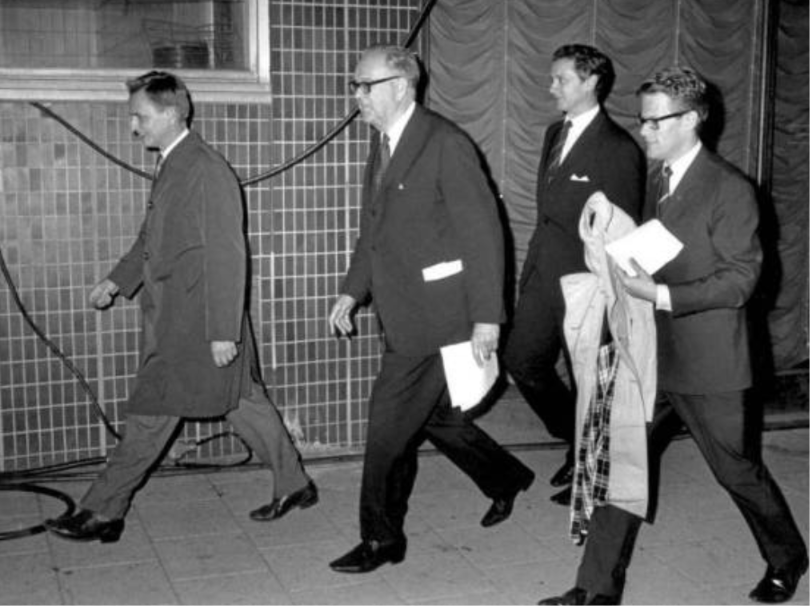
,Olof Palme, Tage Erlander, Sten Andersson and Ingvar Carlsson (1968) Photo: Lennart Nygren / SvD / Scanpix

According to Deland – and in keeping with Ahlenius' observations, as mentioned – the network was indeed led by executives such as Alvar Lindencrona, the head of the Thule company, a businessman with relatively progressive social views for his time, and it recruited forces from the trade unions that had a traditional affinity to the ruling Social Democratic Party. "These were ordinary people," he says, "not former soldiers. Although they needed training, they could be trusted, and the network remained secret until the 1990s." In other words, even though neither the Swedish parliament nor the rest of the government knew about the network, it was indeed an official entity. Indeed Deland notes that a recent book revealed an interesting document: an official government decision from the 1950s forming Sweden's stay-behind network, showing that it was legal and above board. The diaries of Prime Minister Erlander show that he may have given it a green light as early as 1947.

The book Deland refers to is Johan Wennström's "Sweden's Cause Was Our Cause: The Secret Swedish Resistance Movement" (2023). Wennström calls his country's stay-behind underground a "resistance movement," and reveals that the organization's code name, used by its members at the time, was Metro. Wennström says Metro was not established or controlled by NATO and it did not act on the latter's behalf, although he confirms there was cooperation with MI6 in Britain and, to some extent, with the CIA, mainly concerning programs such as evacuating Swedish decision-makers to England if necessary.

Furthermore, Wennström writes, Metro likely included several hundred people, as well as a sort of "invisible combat unit" that could expand to as many as 3,000. The underlying principle was that the network's members would recruit additional people from their immediate circle if necessary. The author also describes the group's structure was fairly cooperative, with representation from various sectors of Swedish society; information about its activities, he says, was distributed on a strict "need-to-know" basis. The organization was formally legalized in 1955, having been mandated by an earlier government decision. Typically, it was involved in organizing potential resistance and civil defense activities, such as mapping escape routes, planning acts of sabotage of critical infrastructure that could fall into Soviet hands, rescuing government officials and storing weapons. Wennström does not know when the organization ceased to exist, or if it exists today.

The phenomenon remains highly controversial and difficult to research, yet there's general agreement that stay-behind networks existed in Europe, operating without parliamentary oversight and known to few decision-makers.

Regarding other countries that had stay-behind networks, it is clear, both from Wennström's book and other sources, that heterogeneity was the keyword. Each country built its organization differently depending on perceived threat and the nature of the country's political, military and industrial power structures. Even in NATO member states, the networks were not necessarily under that organization's control. Parliamentary or public oversight was generally minimal, and there is still controversy over what their involvement was in domestic activity beyond preparing for a possible Soviet invasion during the Cold War era.

One of those who has focused on the phenomenon at the European level is Swiss author and researcher Daniele Ganser, whose controversial 2005 book – "NATO's Secret Armies: Operation Gladio and Terrorism in Western Europe" – is one of the best-known on the subject. It received praise but also criticism by some who claim that it is based on an unsubstantiated conspiracy. In it Ganser claims that Western intelligence networks operated secretly in Allied countries during the postwar era, sometimes beyond the bounds of proper legal and political oversight. He cites Italy, Belgium, France, Germany, Switzerland, the Netherlands, and Turkey, emphasizing that in some of these countries the stay-behind networks were indeed involved in terrorism, false-flag operations and political manipulation.

Mats Deland collaborated with Ganser on the Swedish edition of the book, which includes a chapter on the possible connection to the Palme assassination.

Did Prime Minister Olof Palme know about the network?

Deland: "We know he was aware of it during the tenure of his predecessor, Erlander, because he worked on it as one of Erlander's people in the 1950s. What he knew later, we do not know for certain. But it is reasonable to assume that all prime ministers knew about the network, although there are no official documents on the matter."

What can be said, to the best of your knowledge, about the Swedish stay-behind network in the 1980s, during Palme's second government?

"We don't know. We have some information about the network in the 1950s, but very little about the 1980s."

When did suspicions arise about a connection between the network and Palme's assassination?

"These were suspicions that arose from the very beginning. There was an investigative attempt as part of the official inquiry, and there were also discussions about people from the Stockholm police who could have been involved in the murder, but these are speculations and I do not deal with them."

Sometimes it's difficult to know whether a fact uncovered in an investigation is the key to solving a (murder) mystery or just a coincidence. The last person suspected of killing Prime Minister Palme, Stig Engström, who died 26 years ago, was nicknamed the "Scandia Man" because his workplace was in a building called the Scandia building. The building had previously housed the headquarters of the above-mentioned Thule insurance company Thule merged with Scandia in the 1960s and was run by Alvar Lindercrona who, as said, apparently headed country's the stay-behind network; indeed some of its meetings took place in that same building. In other words, if Engström murdered Palme, he did so while leaving a place where in the past – and possibly as late as the 1980s – meetings of senior members of the country's stay-behind network were held. Is this a coincidence? And even though there is no evidence that Engström was actually connected to the underground organization, is there any logic to the claim that it was involved in Palme's murder?

Wall, the journalist, is not unequivocal on this matter, but he does suggest some key historical points that should be taken into account. "One of the things that happened during Palme's second term as prime minister in the 1980s was a series of alleged Soviet submarine incursions into Swedish territorial waters," he explains. "These incidents caused a severe security crisis, and some argued that they were preparations for an invasion and the establishment of espionage infrastructure. Within the Swedish security establishment, there were claims that Palme did not take the threat seriously and that, because of this, he posed a security risk to Sweden.

"Furthermore, Palme was supposed to travel to Moscow to meet Soviet leader Mikhail Gorbachev in April 1986. Palme, who returned to serve as prime minister in 1982, was active on the international stage on issues of arms reduction and nuclear disarmament. His opponents argued that he had close and controversial ties to the Soviet Union, although a more balanced description would be that he was open to discussions with Soviet leaders about disarmament – something that went against both NATO's view and the opinions of senior Swedish military officials. The assassination on February 28, 1986, meant that it was Palme's successor, Ingvar Carlsson, who met Gorbachev."

As far as is known, the issue of disarmament was not on the agenda at that Swedish-Soviet summit.

Wall adds that there were a number of people who claimed to have received offers to kill Olof Palme; in several cases, it was suggested that Swedish intelligence services were behind those offers. But no one known to have actually belonged to any of these secret services has ever come forward to confirm that they were approached. Wall also provided Haaretz with documents he's collected showing that evidence indicating that people with radio devices were present in the area on the night of the assassination was not taken seriously by the investigators. He does not claim that there is proof that the murder was organized by political actors, but argues that it is certainly a line of inquiry worthy of serious examination.

And he is not alone: Ahead of the 40th anniversary of the assassination, a public appeal was launched to encourage the Swedish government and parliament to establish a "truth commission" to finally resolve any outstanding questions.

"On February 28, 1986, Olof Palme fell victim to a brutal attack on an open street in central Stockholm," the appeal begins. "The assassination of the prime minister of Sweden was a unique attack on our democracy. In a country governed by the rule of law like Sweden, everything possible should have been done to solve this murder. The fact that it remains unsolved 40 years later is unacceptable, especially when not all possibilities for an indisputable and absolute solution have been investigated."

The text cites problems that may have prevented discovery of the truth – still-classified archives, false answers given to the investigators by secret service personnel and investigative files that have disappeared. Possible involvement of the Swedish stay-behind network is also mentioned, and the conclusion is: "This is the only assassination of a political leader in modern Europe that may remain unsolved. Clarifying all the circumstances surrounding Olof Palme's murder will strengthen Sweden."

Still, at this rate, it is doubtful whether the mystery will ever be solved. Even if it is, the relatively recent revelations regarding stay-behind networks in Europe are just another example of how, even if and when the public discovers the truth, it sometimes comes decades too late, in the form of very old news.
לא ירוקה, ולא מוטרדת במיוחד מהנשיא טראמפ – ביקור בגרינלנד

תושבי גרינלנד לא מעוניינים להסתפח לארה"ב, אבל יש להם עניינים יותר דחופים לטפל בהם. למשל רפורמת הדיג הכושלת, המחסור האקוטי ברופאים וכמובן, הניסיון להיפרד מדנמרק ולזכות בעצמאות.

פורסם ב"הארץ": https://www.haaretz.co.il/news/world/europe/2025-06-30/ty-article-magazine/.highlight/00000197-b1a6-d6b3-abf7-f9f7f9b00000

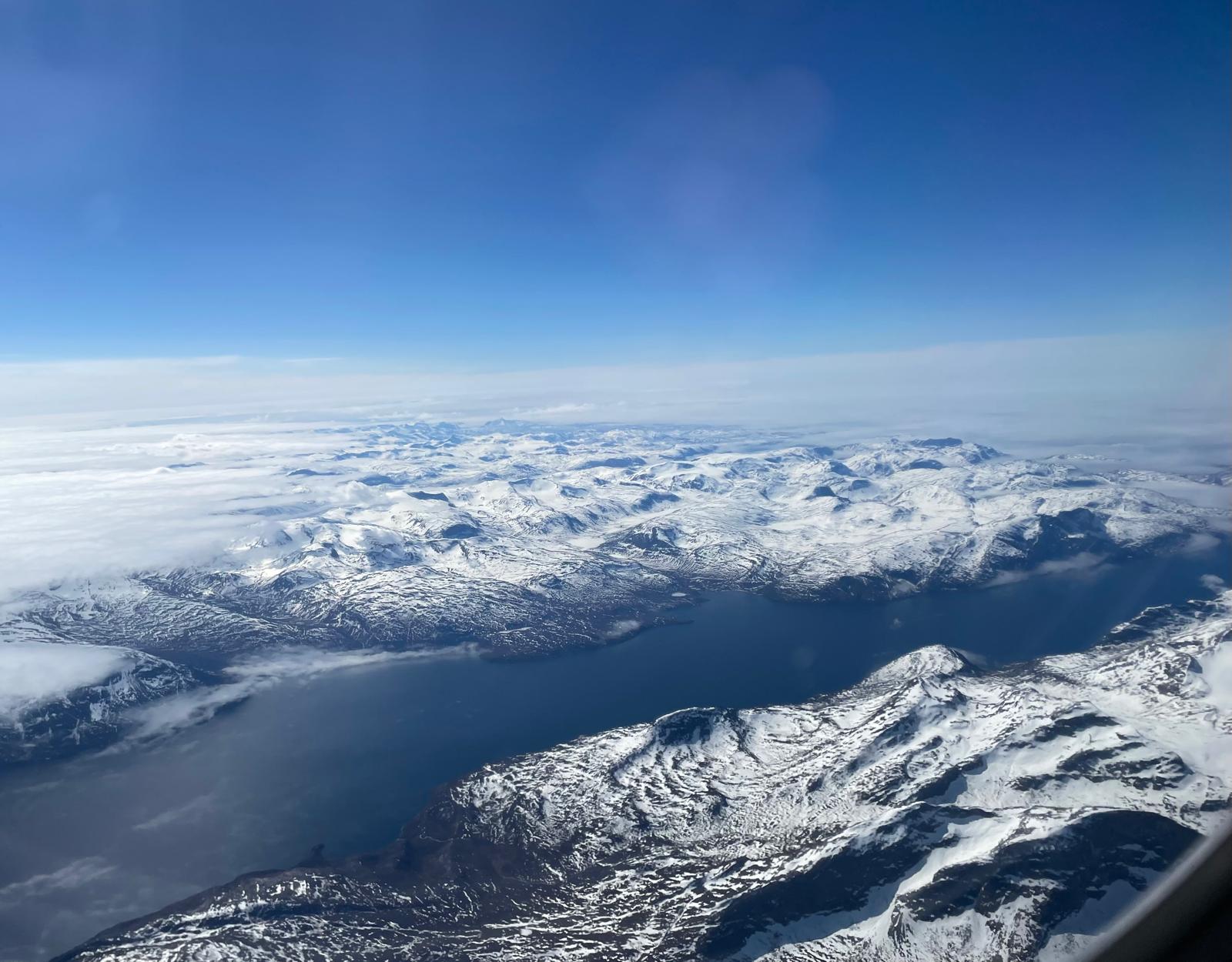
העובדה הראשונה והבסיסית ביותר שנחשפת בביקור בגרינלנד היא שלמרות שמה, היא איננה ירוקה כלל. למעשה, קשה למצוא בה אפילו רמז לירוק. כבר מהאוויר, לפני הנחיתה באי הגדול בעולם, ברור שהצבע הבולט בו הוא לבן היות ורובו מכוסה בשכבת קרח שהעובי הממוצע שלה הוא יותר מק"מ וחצי. הקרח מכסה כ-1,710,000 קמ"ר, כ-80% משטח האי, אבל גם אזורי החוף, אלו שאינם חלק משכבת הקרח האימתנית, אינם ירוקים. הם מורכבים מסלעים שחורים מכוסי כתמי שלג ומחורצים בפיורדים עמוקים. זוהי גיאוגרפיה קיצונית מאוד וכך גם הדמוגרפיה. שטחה של גרינלנד גדול כמעט פי מאה מזה של ישראל אך באי כולו, המקום עם צפיפות האוכלוסין הנמוכה בעולם, חיים כ-57,000 תושבים בלבד. פחות מאשר בקריית-אתא. יש בה בסך הכל 12 ישובים שחיים בהם יותר מאלף תושבים, כולם סמוכים לחוף שאורכו כ-44,000 ק"מ. בנוסף אליהם ישנם עוד כמה עשרות ישובים קטנטנים. בגלל המרחקים העצומים והאקלים הקשה, אין אפילו כביש אחד שמחבר בין הישובים ומי שמבקש לנוע בינהם שלא באמצעות מזחלות כלבים חייב לעשות זאת באוויר או בים, וגם זה רק כאשר המפרצים והפיורדים לא קפואים.

את שמה קיבלה גרינלנד, על פי האגדות, מהמתיישב האירופאי הראשון. ממציא השם, אריק האדום, כך מסופר במוזיאון הלאומי בבירה נוק, הוא אחת הדמויות מהסאגות האיסלנדיות שנכתבו בימי הביניים על התקופה הוויקינגית. המוזיאון, שמציג למעט המבקרים שמגיעים לגרינלנד את ההיסטוריה שלה באמצעות מוצגים היסטוריים, מפות והסברים מפורטים, מספר שאריק האדום היה חקלאי נורבגי שגלה לאיסלנד ונתן לגרינלנד את שמה כאשר הגיע אליה לפני יותר מאלף שנה. יחסית לצפון מערב איסלנד, האזור ממנו הגיע, השטחים הפוריים יחסית של דרום מערב גרינלנד היו מפתים להתיישבות והשם גרינלנד הומצא כדי למשוך מתיישבים נוספים. המיתוג עבד. גרינלנד הפכה למושבה, אך היא ננטשה על ידי האירופאים כ-500 שנה מאוחר יותר, ככל הנראה מסיבות סביבתיות ואקלימיות.

האירופאים חזרו לגרינלנד רק במאה ה-18. הם חיפשו את צאצאיהם של המתיישבים האירופאים הקדומים, אך לא מצאו כאלו. במקומם, הם מצאו בני-אדם ממוצא אחר לגמרי, אינואיטים שאבותיהם הגיעו ממזרח קנדה של היום בסביבות המאה ה-12. זו היתה תרבות אחת מיני רבות שנדדו לגרינלנד באלפי השנים האחרונות. רובן נעלמו עם השנים, אך זו שרדה. עם ההגעה המחודשת, החלו הדנים בפרויקט פוליטי שכלל מונופול על המסחר עם האי, מניעת גישה של מדינות אחרות אליו והפיכת תושביו לנוצרים. האינואיטים מצידם קיבלו את המצב החדש בלית ברירה והסטטוס של גרינלנד כקולוניה החזיק מעמד עד אמצע המאה העשרים אז הפכה לחלק אינטגרלי מהממלכה הדנית. 

במהלך העשורים האחרונים גדלה רמת האוטונומיה של הגרינלנדים. הם קיבלו אזרחות דנית ב-1953 וזכו לאוטונומיה ב-1979 כשהוקמה ממשלה מקומית שהחלה לנהל את חיי היומיום בגרינלנד בעוד השליטה על מדיניות-החוץ, בית-המשפט העליון, קביעת ערך המטבע וסידורי הביטחון נשארו בקופנהגן. ב-2009 קיבלו הגרינלנדים מה שמכונה "שלטון עצמי" שהרחיב את האוטונומיה שלהם לתחומי סחר החוץ, כריית מינרלים, אכיפת חוק ומספר נושאים סימבוליים כמו קביעת מעמד השפה הגרינלנדית כשפה רשמית. עם זאת, האי הוא עדיין טריטוריה דנית, ראש המדינה הוא מלך דנמרק והגרינלנדים, שיש להם אמנם פרלמנט משלהם, גם שולחים שני נציגים לפרלמנט בקופנהגן.

כל זה לא עניין במיוחד את הנשיא האמריקאי, דונלד טראמפ, שהודיע עם כניסתו לתפקיד שגרינלנד צריכה להיות חלק מארה"ב. מכיוון שגרינלנד חשובה לביטחון הלאומי של ארה"ב ומכיוון שיש בה מחצבים שארה"ב זקוקה להם, הוא הציע לתושבי האי להפוך לאמריקאים, הוא הכריז, ולא בפעם הראשונה, שהוא מוכן לקנות את גרינלנד ולאחרונה הוא אפילו לא שלל כיבוש צבאי של האי. את היוזמה האמריקאית השלימו גם כמה מהלכים בשטח. סגן הנשיא ואנס ורעייתו ביקרו בבסיס חיל-החלל האמריקאי פיטופיק שבצפון גרינלנד בסוף מרץ בסמוך לבחירות לפרלמנט המקומי. בביקור העביר סגן-הנשיא ביקורת על הדנים וחיזק את תביעתו של הנשיא על האי. מוקדם יותר השנה ביקר גם בנו של הנשיא טראמפ, דונלנד ג'וניור, בגרינלנד. שני הביקורים נעשו ללא תיאום וללא הזמנה גרינלנדית ולמורת רוחה של דנמרק.

"אנחנו תקועים באמצע, בין דנמרק לארה"ב", אומר בנט אולסוויג ינסן, מנהל חברה העוסקת בכרייה של אנורתוזיט, סלע יסוד שמהווה מקור לאלומיניום ולמינרלים שונים. המשרד שלו נמצא בבניין משרדים חסר ייחוד בנוק מרחק כמה דקות הליכה מקו החוף וסמוך לאזור מאוד לא פסטורלי של מוסכים, מחסנים ובניינים תעשייתיים. "אנחנו מבינים שיש לגרינלנד תפקיד בביטחון הלאומי של ארה"ב", הוא מוסיף, "אבל האמריקאים ישיגו הרבה יותר באמצעות דיאלוג. אני לא חושב שהפוליטיקאים שלנו יתנגדו להצבת חיילים אמריקאיים נוספים או לבניית בסיסים חדשים. גישה אגרסיבית תשיג את ההיפך ממה שהאמריקאים רוצים". על פי אולסוויג ינסן, גם מבחינה כלכלית האמריקאים יכולים להנות משיתוף פעולה עם גרינלנד ללא השתלטות עליה. הוא מסביר שמעט מאוד חברות פעילות בעסקי הכרייה בגרינלנד בגלל הקשיים הלוגיסטיים הכרוכים בכרייה, החוסר בתשתיות, הסיכון הכלכלי והזמן הארוך שעובר עד שמתחילים לראות רווחים. "יש חברות מכל העולם שמתעניינות בכרייה בגרינלנד, יש הרבה קנדים, אוסטרלים ואירופים. אבל באופן מוזר, כמעט שאין אמריקאים למרות שיש שם ביקוש למינרלים. איש לא ידחה אותם, הם יכולים לבוא מתי שהם רוצים והם יתקבלו בברכה. חוץ מחברות רוסיות וסיניות, אני חושב שכל אחד יתקבל כאן בברכה".

אולסוויג ינסן מסביר שגרינלנד צריכה להשקיע יותר בהורדת הסיכון למשקיעים חיצוניים ובתיקון הליכי אישורי הכרייה שהם כרגע "פחות נעימים מטיפול שורש אצל רופא-שיניים". המדינה גם צריכה להכריע בנושאים שונים הקשורים להשלכות סביבתיות ופוליטיות של כריית מחצבים שנדונו בעבר. ב-2021 החליטה גרינלנד להפסיק לחלק זיכיונות להפקת נפט ולכריית אורניום וייתכן שהחלטות אלו ישתנו בעתיד. הכלכלה של גרינלנד מבוססת כיום בעיקר על מגזר הדייג שמהווה למעלה מ-90% מהייצוא וחצי מהכנסת הממשלה מגיע כמענק שנתי מדנמרק. לכן ברור לרבים בגרינלנד שיש לגוון את הכלכלה בהכנסות ממקורות אחרים – מכרות ותיירות. עם זאת, המחיר של פיתוח ענפים אלו, בין אם מדובר בהרס הסביבה או בהשלכות של תיירות המונית, הוא נושא לאי-הסכמה פוליטית. "זו ארץ של פרדוקסים", מסכם אולסוויג ינסן, "רוצים מכרות אבל לא יותר מדי, רוצים עצמאות, אבל לא לוותר על התמיכה הכלכלית הדנית, רוצים תיירים, אבל לא תיירות המונים. אלו אתגרים גדולים והיוזמה האמריקאית היא רק חלק מזה".

למרות האגרסיביות של המהלך האמריקאי, יש לו תקדימים היסטוריים ואפילו היגיון גיאוגרפי מסוים. גרינלנד היא חלק מהלוח היבשתי של צפון-אמריקה והבירה נוק, קצת יותר קרובה לוושינגטון מאשר לקופנהגן. גם היסטורית, ארה"ב מהווה חלק מהסיפור של גרינלנד. "במאה ה-19 שר-החוץ האמריקאי, ויליאם סיוארד, הציע לקונגרס שארה"ב תקנה את גרינלנד כפי שהיא קנתה את אלסקה מרוסיה", אומר מרטין בראום, עיתונאי וסופר דני, שכתב מספר ספרים על גרינלנד ועל האזור הארקטי, "זה לא יצא לפועל, אבל אחרי מלחמת העולם השנייה, הצעה רשמית יותר הוצעה על ידי שר-החוץ האמריקאי לעמיתו הדני שביקר בוושינגטון על רקע העובדה שארה"ב טיפלה בגרינלנד כאשר דנמרק היתה כבושה על ידי הנאצים. הממשלה הדנית דחתה את ההצעה, אך מכיוון שהיה ברור שהאמריקאים לא מתכוונים לנטוש את האי אחרי שהם בנו בו בסיסים בזמן המלחמה, הממשלה הדנית חתמה על הסכם הגנה עם ארה"ב ב-1951. ההסכם ההוא עדיין בתוקף והוא זה שמאפשר את קיומו של בסיס חיל-החלל האמריקאי פיטופיק (לשעבר בסיס חיל-האוויר טולה) בצפון גרינלנד. הבסיס הזה הוא חלק חשוב של ההגנה האמריקאית מפני טילים. יש שם רדארים המשמשים כאמצעי אזהרה מפני טילים רוסים, סיניים וצפון-קוריאניים. בימינו החשש הוא בעיקר מהטילים הגרעיניים של הרוסים שמוחזקים בחצי-האי הארקטי, קולה". העובדה שגרינלנד היא חלק מדנמרק ולכן חלק מנאט"ו מסבכת מאוד את התביעה האמריקאית על האי מכיוון שארה"ב, הכוח המוביל את נאט"ו, יוצרת למעשה סכסוך טריטוריאלי עם דנמרק, מדינה ידידותית, שהיא גם אחת המדינות המייסדות של הברית הצבאית.

"זה משבר מדיניות החוץ הדני החמור ביותר ביותר מאז מלחמת-העולם השנייה", אומר קריסטיאן סובי קריסטנסן, ראש המכון לאסטרטגיה ולימודי מלחמה באקדמיה הצבאית הדנית הממלכתית, "הטריטוריה של דנמרק מאוימת מצד בעלת ברית שלה ובתקופה הזו האורות דולקים שעות ארוכות בקופנהגן במשרדי ראש-הממשלה, ההגנה והחוץ".

סובי קריסטנסן אומר שניכר מההצהרות של מנהיגים אירופאים אחרים, שהדנים משקיעים מאמץ בגיוס תמיכה של מדינות אחרות ושיש דאגה מההשלכות האפשריות של המהלכים האמריקאים על נאט"ו. השבוע הודיע נשיא צרפת, עמנואל מקרון, שיבקר בגרינלנד בליווי ראש-ממשלת דנמרק, מדה פרדריקסן. הביקור יתרכז בביטחון האזור הארקטי וצפון האוקיינוס האטלנטי וניתן לראות בו תמיכה אירופאית בדנים מול האגרסיביות האמריקאית. "אם המפקד העליון של צבא ארה"ב לא פוסל אפשרות לכבוש חלק מהטריטוריה שלך, מה המשמעות של ברית עם ארה"ב", אומר סובי קריסטנסן, "כנראה שזה לא יגיע לזה, כל עוד אלו רק הערות כלליות פה ושם וזו לא אופציה ראשונה שעולה בחדר-המצב בבית הלבן, אבל השאלה בכל זאת עולה – עד כמה אפשר לסמוך על ארה"ב".

מה בעצם צריכים האמריקאים מגרינלנד?

"הדבר הראשון שהם צריכים קשור למיקום של גרינלנד. מבחינה גיאוגרפית, בעבור טילים ומטוסים, הדרך הקצרה ביותר מרוסיה לצפון-ארה"ב עוברת בצפון גרינלנד. זה ההיגיון של הנוכחות הצבאית האמריקאית באי ובבסיס פיטופיק. היום יש שם כ-150 חיילים, אבל בזמן המלחמה הקרה היו אלפים. מאז סוף המלחמה הקרה, האזור הארקטי לא היה גבוה בסדר העדיפויות האמריקאי, אבל אחרי סיפוח חצי-האי קרים על ידי הרוסים, נעשתה הערכה מחדש של האסטרטגיה האמריקאית שהפכה את רוסיה למרכזית, ולכן גרינלנד שוב עלתה בחשיבותה". מעבר להגנה האווירית, סובי קריסטנסן מציין גם את ה- GIUK gap, מעבר ימי אסטרטגי הממוקם בין גרינלנד, איסלנד ובריטניה ומהווה ציר קריטי ונקודת חנק מרכזית בצפון האוקיינוס ​​האטלנטי. המעבר בין האוקיינוס ​​הארקטי לאוקיינוס ​​האטלנטי מקל על התנועה בין צפון אמריקה לאירופה ומהווה חזית קלאסית בין נאט"ו לרוסיה שמצריכה נוכחות ימית, שמירה מפני איום של צוללות והגנה על מעבר ימי וקווי תקשורת.

"האינטרס האמריקאי השני קשור לשינוי האקלים", אומר סובי קריסטנסן, "ההתחממות הופכת את האזור הארקטי לנגיש יותר ואפשרי יותר להגשמת אינטרסים פוליטיים וכלכליים. כשקרח הים מצטמצם, או אפילו נעלם, המעבר באוקיינוס האטלנטי קל יותר גם בארכיפלג הקנדי וגם בקו ישיר דרך הקוטב הצפוני. זהו מעבר שחשוב לרוסים ובארה"ב יש גם דאגה שסין תהפוך לשחקן חשוב יותר באזור. זו לא דאגה מהתחזקות קונבנציונלית, אלא דאגה שסין תקבל גישה למחצבים ולהשפעה על מדינות באזור הארקטי".

על פי כל האינדיקציות, הדנים אינם מעוניינים להיות חלק מארה"ב. על פי משאל שנערך בינואר על ידי היומון הדני ברלינגסקה והעיתון הגרינלנדי סרמיטסיאק, 85% מתושבי גרינלנד אינם מעוניינים שגרינלנד תהפוך לחלק מארה"ב ו-45% מהם רואים בהתעניינות של הנשיא טראמפ כאיום עליהם. על פי אותו סקר רק 6% מתושבי האי מעוניינים להפוך לחלק מארה"ב. "כשהנשיא טראמפ מתערב בבחירות המקומיות ומדבר על השתלטות במקום דיפלומטיה זה מקרב אותנו חזרה אל הדנים", אמר יאנה בשיחה בקניון המקומי בנוק, הקניון האמיתי היחידי בגרינלנד. סנטימנט דומה הביעה אנני, מבקרת נוספת במקום. "אני מעדיפה לשתף פעולה עם האיחוד האירופי והארצות הנורדיות", היא אמרה, "האמריקאים רוצים מינרלים, אבל לא מתעניינים במה שאנחנו חושבים ולא מכבדים את הדמוקרטיה שלנו".

הקניון נמצא במרכזה של נוק, עיר שדומה שלא הצליחה להשתלט לגמרי על הטבע. המבנים שלה מפוזרים בין גבעות וגאיות ונראים כאילו נשתלו באופן אקראי בין הסלעים. במקומות רבים אין מדרכות וכמעט מכל מקום אפשר לראות את ההרים הסובבים אותה, את משטחי הסלעים העתיקים ואת הפיורד נופ קנגרלואה שנפתח אל תוך האוקיינוס האטלנטי. בעיר חיים כ-20,000 תושבים, יותר משליש מאוכלוסיית האי. במרכז הקטן שלה עומדים, לצד הקניון, הבנק המרכזי, הפרלמנט, תחנת המשטרה ומספר מסעדות וברים. התחבורה הציבורית מורכבת מחמישה קווי אוטובוס, לאוטובוסים יש תחנות ירוקות קטנות שנראה שנבנו לפני עשורים ושדה-התעופה המקומי משרת רק שתי חברות תעופה בחורף וארבע בקיץ.

"קשה לראות מה ארה"ב יכולה לרצות מגרינלנד מבחינת ביטחון שהם לא יוכלו לקבל בשיחה פשוטה", אומר קריסטיאן סובי קריסטנסן ומוסיף שלדנמרק ולגרינלנד אין בעיה עם זכויות צבאיות אמריקאיות באי ויש הכרה בכך שלאמריקאים יש אחריות להשתתף בהגנה על גרינלנד. גם בעניין החשש מההשפעה הסינית יש שיתוף פעולה מלא. "לפני כמה שנים ממשלת גרינלנד החליטה להשקיע בבניית שדות-תעופה למשל, והיתה מחשבה לממן את זה בהלוואות בינלאומיות וליצור חוזה בינלאומי לבנייה ולתחזוקה של השדות", מספר סובי קריסטנסן, "העניין הזה הדאיג את הפנטגון, היתה פנייה לשר-החוץ הדני ודנמרק דאגה למימון כדי שגרינלנד לא תהיה תלויה בסינים. זו אינדיקציה לכך שאפשר לטפל בצורה פרקטית בדאגות של ארה"ב".

"המהלך של הנשיא טראמפ שינה את הסביבה הפוליטית בגרינלנד", מסכם מרטין בראום, "זה גוזל זמן מהשיח ומעורר פחד ודאגה. עם זאת, חיי היומיום נמשכים ועם כל הרעש הפוליטי, הבחירות האחרונות הוכרעו לא על בסיס השיח על האיום האמריקאי אלא על בסיס רפורמה שנעשתה בתחום הדייג שהמפלגה שזכתה בבחירות ביקרה אותה. כל המפלגות הפוליטיות התנגדו לדרישות האמריקאיות, כל מנהיגי המפלגות הופיעו בטלוויזיה והביעו את התנגדותם ותסכולם מהנשיא האמריקאי שמתבטא בצורה כזו בזמן שהם מנהלים את המדינה המאתגרת הזו תוך כדי שהם דנים בתהליך העצמאות שלהם מדנמרק. זהו המצב בחמישים השנים האחרונות ויהיה טוב אם יבינו את זה גם בוושינגטון".

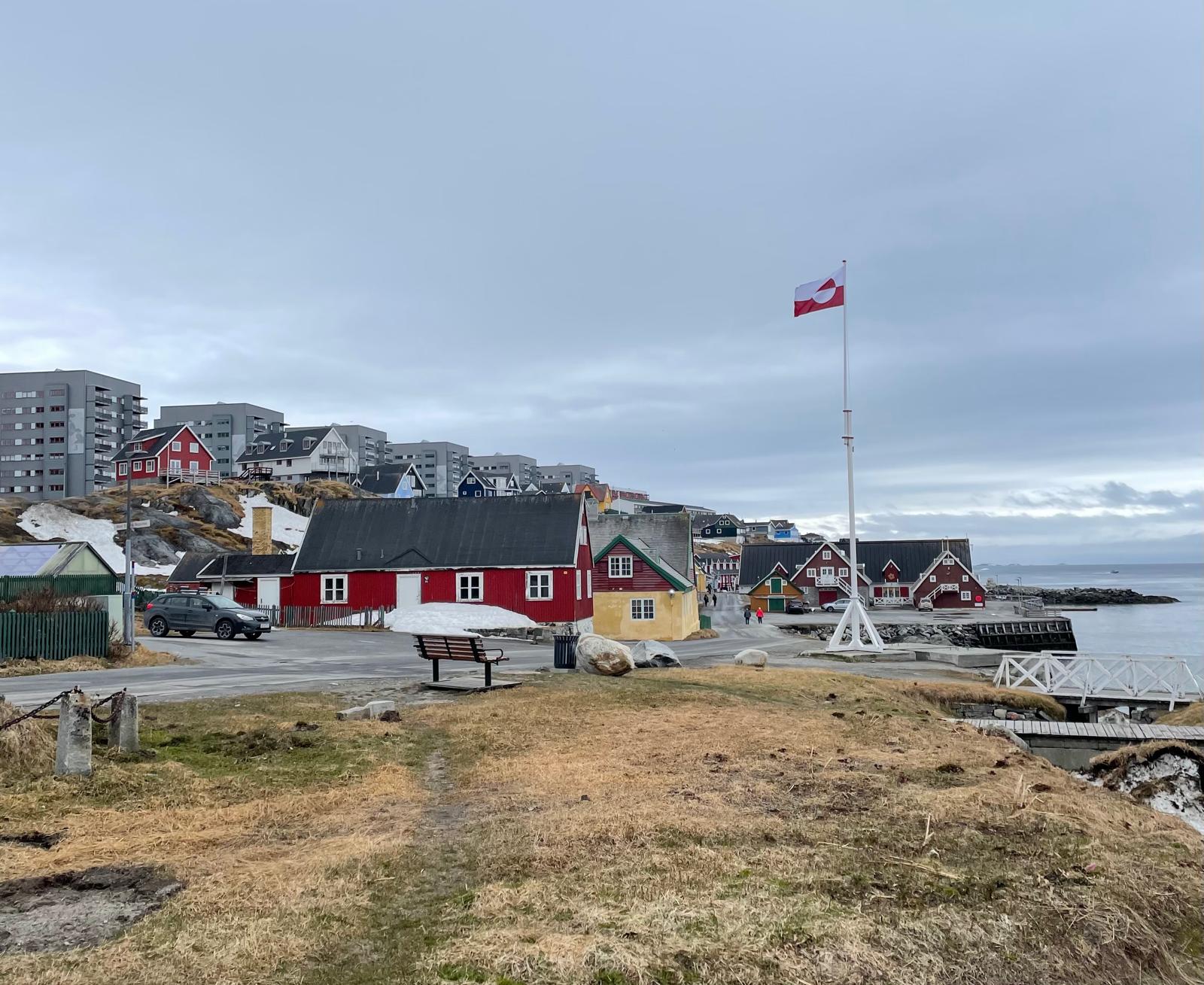
על גבעה קטנה סמוך לחוף בנוק, עומד פסלו של האנס אגדה (Hans Egede), כומר ומסיונר דני שהגיע לגרינלנד ב-1721 והקים בה את גודהאב, שמה הקודם של הבירה הגרינלנדית. זו נקודה יפהפייה, אחת ממעט מאוד אטרקציות תיירותיות בבירת גרינלנד. לרגלי הגבעה עומדים בתי עץ קטנים וצבעוניים, כנסייה ציורית צבועה אדום, מוזיאון, גלריות קטנות וטיילת שיוצאת מהחלק העתיק של העיר לכיוון דרום שממנה אפשר לצפות על הפיורד והחוף שאפילו במאי יש בו גושי קרח שטרם הפשירו. פסלו של האנס אגדה הוא חשוב לא רק בגלל המיקום אלא כי במובנים מסוימים המסיונר הדני קבע את גורל האי. הוא היה זה שקיבל אישור ממלך דנמרק לבסס במקום קולוניה ולהקים בה מיסיון והוא גם זה שחיפש ומצא באי שרידים של התיישבות וויקינגית קדומה. עם הגעתו לאי, המתיישבים המערביים היחידים שחיו בו היו הוא עצמו, אשתו, ארבעת ילדיו וארבעים מתיישבים נוספים שהתלוו אליהם. אך הם לא היו לבד. באי חיה גם אוכלוסיית ילידים אינואיטית שהחלה להמיר את דתה לנצרות בעקבות פעילותו של אגדה. הקולוניה הדנית נתקלה בקשיים רבים – מגפות, סכסוכים עם מדינות אירופאיות אחרות וסכסוכים פנימיים, אך היא שרדה וצמחה עד שב-1953 היא הפכה לחלק מדנמרק ואגדה נחשב עד היום לאבי גרינלנד הדנית.

הנוף מהאנדרטה הוא אמנם יפה אך מי שמביט בבסיס הפסל ימצא עדיין כתמים קטנטנים של אדום, זכר לאירוע שהתרחש כאן ב-2020. ב-21 ביוני, יום העצמאות של גרינלנד, הפסל כוסה בצבע אדום ועל בסיסו נכתבה המילה "Decolonize". האחראים למעשה, שלא נתפסו, פרסמו הודעה ש"הגיע הזמן שנפסיק לכבד את הקולוניאליסטים ושניקח חזרה את מה ששלנו". במשאל-עם שנערך לאחר המעשה הוחלט שהפסל יישאר בינתיים על כנו, אבל עתידו לטווח הרחוק אינו ברור. מסתבר שהטוויסט האמריקאי הנוכחי בסיפור של גרינלנד הוא רק תוספת לנושא החשוב יותר בעבור האוכלוסייה המקומית – לא סיפוח לארה"ב, אלא דווקא התנתקות מדנמרק.

"עד אמצע המאה ה-19 גרינלנד היתה אוסף של ישובים קטנים שחיו בהם ציידים ולקטים שסחרו בסחורות כמו עור של כלבי-ים ובשר ושמן שהופק מלוויתנים", אומר סטיבן ארנפיורד, פרופסור עמית באוניברסיטת נוק, "זו היתה חברה ילידית, קולקטיבית ומסורתית בעלת תרבות אינואיטית, אך באמצע המאה ה-19 כבר היו בגרינלנד כנסיות ובתי-ספר, המסורת האינואיטית היתה תחת התקפה וגרינלנד עברה קולוניזציה דתית והפכה לאחת המדינות הנוצריות בעולם. כיום כ-94% מהאוכלוסיה חברה בכנסייה והדת איננה מופרדת מהמדינה".

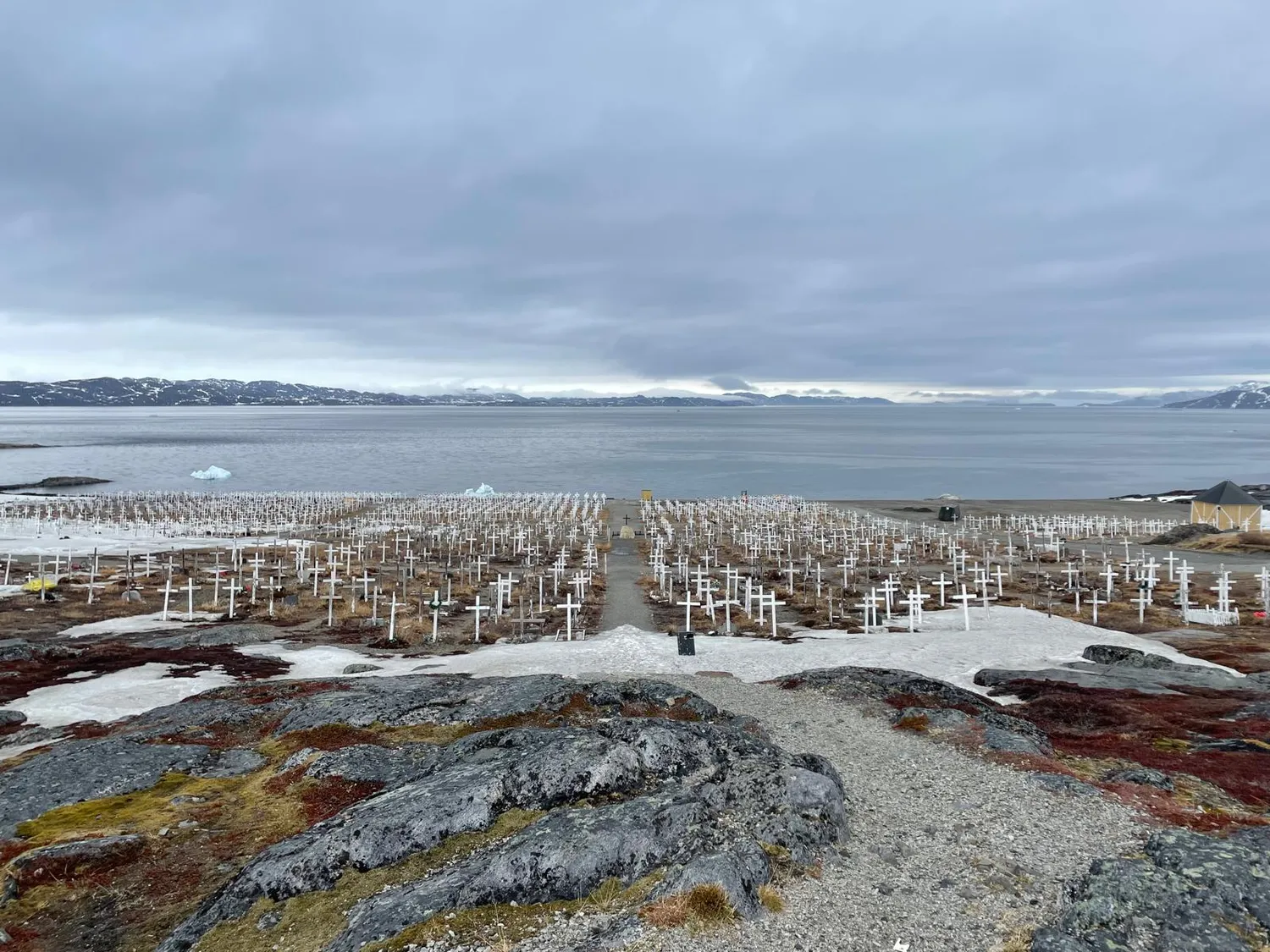
השיחה עם ארנפיורד מתקיימת באוניברסיטה היחידה בגרינלנד. ההחלטה על הקמתה התקבלה ב-1981, הסטודנטים הראשונים נרשמו ב-1984 וב-1987 האוניברסיטה נפתחה רשמית. עם זאת, האתר הנוכחי של האוניברסיטה נחנך רק ב-2009. הבניינים של האוניברסיטה ושל המכון הגרינלנדי למשאבי טבע הסמוך אליה, הם בניינים מודרניים הממוקמים בצפון נוק. הם ניצבים על מדרון הר וצופים על העיר ועל הפיורד שבפתחו היא נבנתה. חזיתות הזכוכית והקירות, חלקם מצופים בשבבי עץ ארז, נבנו כך שיעמדו ברוחות העזות ובמזג האוויר הקשוח המאפיין את האזור. מול האוניברסיטה, בצד השני של הכביש המוביל אל שדה-התעופה, ישנו בית עלמין גדול מלא בצלבי עץ לבנים המגיעים ממש עד קו החוף. זהו אמנם מקום קודר למדי, אבל בתוך האוניברסיטה עצמה ישנם חיים סטודנטיאליים רגילים – קפיטריה, ספרייה וכיתות המשמשות כ-600 תלמידים שלומדים מקצועות כמו הוראה, סיעוד, שפות, מדעי החברה ומשפטים. גרינלנדים צעירים המעוניינים ללמוד רפואה, אדריכלות או הנדסה צריכים לעשות את זה בדנמרק או במדינה אחרת.

פרופסור ארנפיוד, שמלמד וחוקר במרכז לרווחה ארקטית של האוניברסיטה, מספר שלמרות ששורשי מדינת הרווחה הגרינלנדית הם במאה ה-19, היא החלה להיבנות בצורה משמעותית יותר אחרי מלחמת העולם השנייה. "בתקופה זו האו"ם שרק הוקם דרש ממדינות העולם לטפל בקולוניות שלהן. דנמרק ניסתה להתחמק מדיווחים מתמידים לאו"ם ולכן היא ניסתה להפוך את גרינלנד לחלק מדנמרק באמצעות שתי רפורמות מרכזיות. האחת עסקה בתשתיות – כבישים, סניטציה, נמלים, בנייני אדמיניסטרציה ובתי-ספר. השנייה היתה רפורמת "דניפיקציה" שהפכה את השפה הדנית, ולא הגרינלנדית, לשפה המרכזית בבתי-הספר ובאדמיניסטרציה של האי. אני עצמי למדתי בדנית בבי"ס ולמדנו גם אנגלית וגרמנית, אבל לא גרינלנדית, שהיא שפת המקום".  

על פי ארנפיורד מדובר בהנדסה חברתית. "מתכנני החברה היו גברים דנים משכילים – מהנדסים, משפטנים, פוליטיקאים ואנשי רפואה, שעשו את המהלכים האלו מתוך הפרספקטיבה שלהם", הוא מסביר, "וכך, הסניטציה בגרינלנד טופלה, תמותת ילדים ירדה, התזונה השתפרה, בריאות הציבור היתה טובה יותר ואנשים חיו חיים ארוכים יותר. אבל בשלב הזה הדנים נכנסו לפאניקה כי הם הבינו שהאוכלוסייה תגדל אקספוננציאלית". כאן החל השלטון הדני לקדם מהלכים שארנפיורד מכנה "ניצול מאוד שלילי של כוח", אך אחרים, כולל פוליטיקאים ואנשי ציבור, הולכים רחוק יותר ומכנים אותם רצח-עם. בשנות השישים והשבעים החדירו רופאים דנים אמצעי מניעה לאלפי נערות ונשים אינואיטיות. אלו היו התקנים תוך רחמיים שהותקנו תוך כדי בדיקות רפואיות, לעתים ללא ידיעתן או הסכמתן של הנשים. על פי טענות החוקרים וחלק מהקורבנות, החדרת אמצעי המניעה נמשכה אל תוך שנות התשעים והיא היתה ביטוי של מדיניות שנועדה לשלוט בשיעורי הילודה בגרינלנד. בשנים האחרונות הסכימו הדנים והגרינלנדים לחקור את הנושא וכמאתיים נשים כבר הגישו תביעות משפטיות נגד דנמרק. פרשת אמצעי המניעה ופרשות נוספות, דוגמת העברתם הכפויה של 22 ילדים אינואיטים מגרינלנד לדנמרק ב-1951 לצורך "חינוך מחדש" ללא הסכמה של הוריהם, מהוות נטל כבד על יחסם של  הגרינלנדים לדנמרק. בנוסף לזאת, יש מידה לא קטנה של זלזול וסטריאוטיפיזציה כלפי הגרינלנדים, שדנים רבים רואים בהם שיכורים ועצלנים שסובלים מבעיות חברתיות כמו התמכרויות ואלימות במשפחה.

ארנפיורד אומר שזוהי בעיקר תוצאה של המודרניזציה שהדנים הביאו לגרינלנד ושל תעשיית הדייג שהפכה לאמצעי הייצור המרכזי של המדינה. "הדנים ריכזו תושבים רבים בערים מרכזיות וסגרו בכפייה יישובים קטנים יותר", הוא מסביר, "אנשים לא רצו לעבור, אבל היו קהילות בריאות לחלוטין שהשלטון הדני פשוט סגר כדי שהתושבים יעברו למקומות אחרים משיקולים כלכליים. הדייג של דגי הקוד, למשל, שינה את התשתית והכלכלה של גרינלנד. היה צריך כוח עבודה גדול ומרוכז כדי לדוג את הדגים וכדי להפוך אותם למוצר תעשייתי ולכן הקימו מפעלים בערים המרכזיות שהיה הכרח להעביר אליהן עובדים. במציאות זו הבעיות החברתיות החלו להיות ברורות – החברה הפכה לחברה מעמדית וקבוצה גדולה של גברים ילידים איבדו בבת-אחת את מעמדם כמפרנסי משפחות במסגרת חיים מסורתיים של לקטים וציידים והפכו לפועלים". ארנפיורד אומר שגברים אלו סבלו מתהליך של איבוד משמעות ושינוי זהות. במקום להיות אבות שמלמדים את בניהם לצוד דובים, כלבי-ים ולווייתנים, נכפה עליהם לעסוק בדייג. זו היתה בעבורם השפלה כי דייג נחשב בתרבות שלהם לתחביב, משהו שילדים וזקנים עוסקים בו, לא עסק לגברים. רוב האנשים התמודדו עם המשבר,. אבל מיעוט גדול נקלע לייאוש שהביא לאלכוהוליזם, אלימות וחיים כאוטיים, בעיות, שבהיעדר מבנה חברתי בריא, גם עברו לדור הבא. עם זאת, גרינלנד המודרנית, על פי ארנפיורד, משתנה. היום יש בה מודעות לתרבות האינואיטית, השפה הרשמית היא גרינלנדית ומספר הדנים במדינה יורד והיום הם מהווים רק 8% מהאוכלוסייה. "זו חברה המורכבת משתי תרבויות שבמשך הרבה זמן אחת מהן, התרבות הדנית הקולוניאלית, היתה דומיננטית ולכן יש ביניהן פער. היום יש כאלו שחיים בצורה הרמונית בין לבין ושיוצרים אינטגרציה, אבל תמיד ישנו גם מתח".

המתח שארנפיורד מדבר עליו מתבטא פוליטית בעיקר בדיון סביב שאלת העצמאות, והמפלגה הפוליטית שמזוהה יותר מכל עם הדרישה לעצמאות מדנמרק היא מפלגת נלראק, המפלגה השנייה בגודלה בגרינלנד המחזיקה שמונה מתוך 31 המושבים בפרלמנט הגרינלנדי. אחרי הבחירות האחרונות במרץ היא אמנם הגדילה את כוחה, אבל היא יושבת כעת באופוזיציה לאחר שהוקמה קואליציה רחבה של כל חמשת המפלגות האחרות בפרלמנט. מנהיג המפלגה פלה ברוברג אומר ל"הארץ" שצריך להכיר בכך שלמדינה הדנית יש מוסר כפול. "הם כל כך עסוקים בלהציע הצעות לפתרון שתי מדינות לישראל ולפלסטין", הוא אומר, "אבל משום מה קשה להם אפילו להכיר בכך שיש עם גרינלנדי. אם דנמרק אומרת שישראל צריכה להכיר בפתרון שתי מדינות, למה היא עצמה לא מוכנה לעשות אותו דבר? הם אומרים שזה תלוי בעם הגרינלנדי, הם אומרים שהגרינלנדים יחליטו בעצמם, אבל הבעיה היא שהעם הגרינלנדי לא קיים. אנחנו לא רשומים כגרינלנדים, אנחנו משתמשים במערכת הרישום של הביטוח הלאומי הדני ועל פי חוק אנחנו חייבים להיות אזרחים דנים. חייבים להכיר בילידים האינואיטים כעם, צריך לרשום אותם כעם ולהגן על זכויותיהם. זה הבסיס".

ברוברג מבסס את טיעוניו על החלטות האו"ם לגבי עמים ילידיים וטוען שהדנים הם למעשה עדיין קולוניאליסטים בגרינלנד. זו הסיבה שהוא הציע לקיים הצבעה לגבי עצמאות גרינלנדית שישתתפו בה רק תושבי גרינלנד האינואיטים ולא הדנים, הצעה שעוררה ביקורת רבה והאשמות בגזענות ובאפליה על רקע אתני. ברוברג דוחה את הביקורת. "למה הדנים עסוקים כל כך בטענות על גזענות כלפי דנים החיים בגרינלנד", הוא שואל ועונה מיד, "זה עניין של מבני כוח. הם רוצים להמשיך לעשות כסף מגרינלנד ואין להם עניין בזכות להגדרה עצמית או בתושבי גרינלנד עצמם".

האם גרינלנד יכולה להרשות לעצמה לצאת לעצמאות כאשר היא תלויה כלכלית בדנמרק?

"אני נאבק על הזהות הגרינלנדית. אני נאלץ להיות דני עכשיו. אין לנו זכויות כעם. למה אתה מדבר על אספקטים כלכליים כאשר העם הגרינלנדי סופח ומנסה לקבל חזרה את אדמתו. אתה לא הולך לאוקראינאים ואומר להם לא לנסות לקחת חזרה את אדמתם מרוסיה כי הכלכלה שלהם במצב לא טוב. לא עושם את זה. דנמרק סיפחה למעשה את גרינלנד ב-1953, היא שיקרה לאו"ם ואיימה על תושבי גרינלנד. אז לא היה לנו אינטרנט והאמנו למדינה הדנית שסיפרה לנו שאם נעז לדבר על עצמאות נהיה מבודדים מהעולם. אנחנו, בניגוד לאיי פארו, לא בחרנו להיות חלק מדנמרק, אז מי שמדבר על הכלכלה צריך לזכור את העובדה הבסיסית הזו – אנחנו לא רוצים להיות דנים. אנחנו רוצים להיות גרינלנדים".

ברוברג טוען שהניצול הדני מתבטא גם בכלכה הגרינלנדית. "אנחנו לא סוחרים עם העולם. אנחנו סוחרים עם דנמרק", הוא אומר, "בגלל זה אנחנו לא מקבלים מחירי שוק בעבור הסחורה שאנחנו מייצרים, אלא מחיר דני". בניגוד לאחרים שמדברים על הצורך לגוון את הכלכלה, ברוברג לא מדבר על יצירת תעשיות חדשות אלא על הסכמי סחר חדשים עם ארה"ב, עם האיחוד האירופי, עם בריטניה ואחרים. הוא מדבר גם על הצורך לתקן את שירותי הרווחה בגרינלנד. "יש בגרינלנד קהילות שאין להן גישה לבתי-ספר, למערכת הבריאות ולשירותים חברתיים", הוא אומר ומוסיף שהמפלגה שלו טענה שגרינלנד חייבת לפחות עוד שישים רופאים, זה כלום בשביל כל מקום אחר בעולם וכאן טענו שזה לא אפשרי, "אנחנו סובלים מ"סינדרום גרינלנד" שהיא גרסה מורחבת של "תסמונת סטוקהולם", אנחנו חושבים שדברים הם בלתי אפשריים, למרות שהם נעשים בכל מקום אחר בעולם, כי הדנים אומרים לנו שאי אפשר לעשות את זה".

הראיון עם ברוברג מתקיים במשרדי המפלגה בבניין הפרלמנט בנוק שנראה כמו בניין משרדים סתמי וישן בן שתי קומות. אין כאן שום דבר מההוד וההדר של פרלמנטים אירופאיים. הוא פונקציונאלי ומאכלס בנוסף למליאת הפרלמנט גם 12 וועדות פרלמנטריות. בנוסף להיותו חבר פרלמנט ומנהיג האופוזיציה, ברוברג (52) שימש בעבר כשר חוץ, שר אוצר ושר המסחר. בעברו היה גם טייס, יזם ואיש עסקים. כבר שבע שנים, בכל מערכת בחירות, אני מסביר את התהליך שאמור להתקיים על פי חוק השלטון העצמי. קודם כל, אנחנו צריכים להכריז שאנחנו רוצים עצמאות, השלב השני שלב המו"מ עם המדינה הדנית, במסגרת זו על פי החלטות האו"ם אסור לדנים להשתמש בשיקולים כלכליים, חברתיים או פוליטיים כדי לדחות את עצמאות גרינלנד. יש להם מחויבות ככוח קולוניאלי לתמוך בנו גם במצב של עצמאות. עם זאת, עד עכשיו הדנים איימו עלינו שאם נצא לעצמאות נאבד את המענק השנתי או שנאבד את מערכת הבריאות שלנו. אבל זה מנוגד להחלטות האו"ם, אסור להם להשתמש בדברים האלו כדי למנוע מאיתנו עצמאות. יש גם אפשרות לפיתרון ביניים, מודל התאגדות חופשית (Free Asociation) שבו אנחנו מקבלים משהו כמו גלגלי עזר ומחליטים, כמדינה סוברנית, במה דנמרק צריכה לעזור לנו. זהו מבנה דומה להסדר של פלאו שקיבלה עצמאות מארה"ב וחתמה איתה הסכם כזה".

כמה זמן לדעתך צריך להימשך תהליך כזה?

"בבחירות של 2018 הסברתי את זה בבירור כשהשוותי את התהליך עם תהליך הברקזיט. שם היה תהליך של שלוש שנים ליציאה מהאיחוד האירופי. במקרה שלנו, אנחנו לא יכולים לקיים מו"מ עם דנמרק בלי לדעת מה אנחנו רוצים. לנו יש תכניות שונות – תכניות עם המשך קבלת מענק מדנמרק ותכנית ללא המשך קבלת מענק מדנמרק. אין לנו, לעומת זאת, תכנית ללא ארה"ב".

מה גישתך לגבי הכרזתו של נשיא ארה"ב שגרינלנד צריכה להיות אמריקאית?

"אני לא כאן כדי להגן על טראמפ, אבל צריך לזכור אספקט חשוב של העניין; טראמפ לא אמר שהוא מעוניין לספח את גרינלנד כפי שדנמרק עשתה. הוא לא אמר שהוא רוצה לשים חיילים בגרינלד כפי שעשתה דנמרק והוא לא איים על גרינלנד כפי שדנמרק עשתה ועושה. הוא איים על ממלכת דנמרק, לא עלינו. אנחנו רוצים לסחור עם ארה"ב, אנחנו רוצים הסכם הגנה עם ארה"ב, אבל אנחנו לא רוצים להיות חלק מארה"ב בדיוק כמו שאנחנו לא רוצים להיות חלק מדנמרק".

Sweden is turning Gaza into domestic politics

The situation in Gaza is detreating and the international community has every right to intervene, but anyone who criticizes Israel’s warfare can’t be taken seriously unless they also have a serious suggestion as to how to protect Israeli citizens from another massacre by the genocidal wing of the Palestinian national movement. 

Published in Swedish in Swedish daily Svenska Dagbladet: https://www.svd.se/a/Xj17Vr/gor-inte-gaza-till-svensk-inrikespolitik

Israel’s new ground offensive in Gaza is raising stark Swedish reactions, as always. The left is denouncing Israel as a genocidal power indiscriminately killing Palestinians. The right is slightly more restrained, but it too claims that Israel is going too far. These reactions are understandable considering the horrifying images from Gaza shown on Swedish TV. But it’s more than that. Horrifying scenes are taking place all over the world, but Gaza, unlike other conflicts, has a unique role in Swedish politics. It’s an issue of interest but also a source of easily-won political points. The Swedish Left Party, Vänsterpartiet, uses it to show its electoral base how pro-Palestinian it is, so as not to lose votes to radical breakaway fractions, while The Social Democratic Party leaders use it to show their loyalty to old-school “humanitarian super power” policies. On the other side of the political spectrum, while Right Wing populist party, Sverige Demokraterna, continues marketing itself as “Sweden’s most pro-Israel party” as an alibi against accusations of antisemitism, Moderaterna, the ruling center-right party, is trying to maintain a responsible image, aligning itself with EU allies and international law, by presenting a moderate critical policy towards Israel. Sweden’s Gaza discourse, it seems, is more about domestic politics than the reality in Israel and Gaza.

But there is an Israeli reality which isn’t visible to Swedish news followers, one that adds another dimension and shows that Israel is more than just a blood thirsty monstrous state out for revenge. Those who choose to go beyond Swedish headlines, find that there are many Israelis who oppose their government and its Gaza policy. In fact, thousands of them demonstrate against it week after week. These are not only radical left-wingers from the fringes of the political spectrum. Israel is deeply split and even mainstream Zionist political leaders with hundreds of thousands of voters are speaking up against Netanyahu’s government.

A "sane state does not wage war against civilians, does not kill babies as a hobby, and does not set goals for itself like the expulsion of a population", said the leader of The Democrats, Israel’s Centre-Left Zionist party who’s also a retired IDF major general. When Netanyahu reacted by claiming that Golan’s statement was “wild incitement”, Golan refused to apologize. “The time has come for us to have a backbone of steel”, he said, “we must stand by our values as a Zionist, Jewish, and democratic state”. He added that the government ministers are corrupt and that the “war must be ended, the hostages returned, and Israel rebuilt”.

But it’s not only the Israeli Left. “What’s the strategy?”, said Yair Lapid, leader of the centrist “Yesh Atid” party, “we all support the elimination of Hamas, but Hamas will not disappear unless an alternative to its rule is presented. Getting the IDF stuck in Gaza for years is a strategic mistake, an economic disaster, and a diplomatic tragedy that will prevent us from being part of the historic change in the Middle East”.

Even some Israeli right-wing politicians oppose Netanyahu’s government. “This war is not a war for security but a war for power”, said Avigdor Liberman, a hardliner who in the past held important ministerial posts under Netanyahu, “this government is willing to pay any price for staying in power — even at the cost of the lives of the hostages and soldiers”. This is a point many in Israel agree on. According to a poll published by Israeli Chanel 12, 61% of the Israeli public prefers a deal which would return all Israeli hostages and end the war in Gaza, compared to only 25% who support expanding the fighting and occupying Gaza.

It seems like one must read news in Hebrew to understand that Israelis are more than just aggressors, just like one must read Arabic in order to understand that Palestinians are more than just victims. For example, anyone following Hamas-affiliated Telegram accounts in Arabic knows that besides images of Palestinian suffering, there are posts with images of suicide bombers standing next to bus wreckages accompanied by texts like "the buses carrying you will become coffins" and “our martyrs are on their way”. This isn’t just a reaction to Israel’s Gaza offensive. It’s been going on for decades. Long before October 7th, official Telegram posts by the al-Aqsa Brigades, a Fatah-aligned armed group, called the “heroes of the West Bank” to “stab, run over, slay and blow up”. “Oh heroes of Jerusalem”, one of them said, “the land is your land, what are you waiting for? The time has come to kill the Jews”. Naturally, Hamas takes it even further. Fathi Hamad, a member of the movement’s political bureau and former minister called on Palestinians to "buy knives for five shekels, sharpen them and decapitate the Jews". Naturally, these quotes are not available in Swedish and are not part of the Swedish discourse.

Still, Swedish politicians have every right to react to events in the Middle-East and in the current reality, there’s plenty of reasons to criticize Israel. There are, however, a few simple ideas which can make the criticism more grounded in reality and more balanced. 

First, categorizing Hamas as a terrorist organization is correct, but it has an unwanted side effect. Because it deals with terror, some may assume that it’s a terror organization like others. But it’s not. It’s an army. Some may imagine it as a kind of Baader-Meinhof-like gang of youngsters in red and white keffiyehs squatting in abandoned buildings in down town Rafah and reading texts by Leon Trotsky. Nothing could be further from the truth. The Hamas military machine has brigades, battalions and commando units. It has strict military hierarchies and discipline as well as weapon manufacturing capabilities, a navy, military intelligence, cyber experts, a propaganda machine and thousands of young men to recruit, even during the IDF’s campaign. Hamas is clear about its end game – it’s a barbaric, fascist and fundamentalist movement committed to wipe the Jewish state off the face of the earth. Anyone who criticizes Israel’s war in Gaza can’t be taken seriously unless they also have a serious suggestion as to how to protect Israeli citizens from another massacre by the genocidal wing of the Palestinian national movement. 

Second, sometimes one has to be honest even concerning political and military policies. Israeli society is deeply traumatised by a vicious attack which took the lives of more than 1,100 people. Everyone knows someone who was killed, a child who was kidnapped or a woman who was raped. Everyone saw the atrocities – homes burnet to ashes and dead bodies of all ages. Everyone is worried about a relative or a friend on the front lines. Everyone knows a survivor. Everyone is a survivor. The expectation that Israel will react in a calm, moderate and gentle way is absurd. This doesn’t mean that a wild storm of revenge is justifiable. It does mean that swedes would do well to ask themselves modestly and honestly how they react to crises.

Sweden was unaligned for over 200 years. Then a war started over 2,000 km away. Still, Sweden changed its policy almost over-night and joined NATO. In the same way, a handful of problems with integration caused the country which was known for its leaders asking its citizens to “open their hearts” to refugees because “their Europe has no walls”, made a former neo-Nazi party its second largest. It also reversed all of its immigration policies. These dramatic and, anything but calm and moderate changes, happened without one shot being fired at Sweden and without hundreds of Swedes being killed, raped or injured. Israel, on the other hand, apart from the horrors of October 7th, has had, 35,500 rockets fired directly at it in the last year and a half, targeting, displacing and killing civilians. Is Sweden really qualified to lecture it about reacting unproportionally? And finally, criticizing Israel is fine, but it shouldn’t be done according to the propaganda of Sweden’s so-called pro-Palestinian movement. For some reason, this movement has adopted an extremist narrative echoing Hamas propaganda which claims that the Jewish state has no right to exist. The slogan of a “free Palestine from the river to the sea” is a genocidal one, since it implies the elimination of Israel. The slogans calling for an “Intifada” are incitement for violence and the claim that Israelis are settler colonizer is historically ridiculous and politically dangerous. Those who criticizes Israel because they support a just peace and a political compromise in the Middle-East would do well to find better partners – instead of people who scream “crush Zionism” and are just as bad as those who automatically support everything Israel does; they can join hands with moderate Israelis who still believe in peace and are struggling to save their home from a never-ending cycle of violence.

How Gaza Became a Swedish Domestic Political Issue

Sweden is no longer trying to create peace in the Middle East. Instead, the "humanitarian superpower" has become a country where the parties make short-term use of the war to win votes.

Published in Svenska Dagbladet: https://www.svd.se/a/Jbx098/david-stavrou-gaza-har-blivit-svensk-inrikespolitik

Sweden's Middle-East policy is a dynamic creature. In the 70's it went from the early pro-Israeli policies of the Erlander era to the radical pro-Palestinian activism of the Palme era. Later ties with Israel strengthened as Göran Persson positioned himself as an international fighter against antisemitism and part of attempts to bring peace to the region. confusingly enough, Sweden's turn to the right and Carl Bildt's term as Foreign Minister aligned Sweden with the Palestinians again. A few years later, Stefan Löfven's government continued the trend when it recognised Palestine, while Foreign Minister Wallström promoted a "feminist foreign policy", but focused on supporting the Palestinian cause more than woman's rights in any other region.

These policies had one thing in common – whether they were formed by Sten Andersson's "Stockholmsgruppen" or by over enthusiastic professional diplomats, they were all based on the assumption that Sweden can somehow contribute to solving this decades-long conflict and that it's an actor in this far away complicated drama. That all supposedly changed two years ago. Sweden's application to join NATO, the end of 200 years of non-alignment and the focus on Ukraine meant a paradigm shift. When I talked to Foreign-Minister Billström in 2022, he told me about a "recalibration of Swedish foreign policy" and "new priorities". He said that the NATO accession is above anything else and after that it's all about "our neighborhood" meaning the Nordic states and the Baltic region. He added that "this is where we're putting our emphasis", making it clear that fixing the world, including the Middle-East, is no longer a priority.

Fast forward a couple of years and we suddenly have a new reality. Sweden's new foreign policy priorities may be right or wrong, but at least they're clear and transparent. What happened during the last European Parliament election campaign, however, is the exact opposite. Since the war in Gaza became a major part of the news cycle and a fashionable subject in activist circles, Swedish policy makers, in a new and cynical twist, decided to use it as a tool to mobilize voters. And so, Sweden is no longer trying to bring peace to the Middle-East, instead the "humanitarian super-power" has become a petty war profiteering vote-collector.

Vänsterpartiet is a good example. You'd have to be extremely naïve in order to think that the European Parliament has a substantial effect on the current war. Still, Dadgostar and Sjöstedt went all in with the genocide accusations and demands for sanctions against Israel. They even supported boycotting Israel's Eurovision participation. When it comes to the EU, this is all symbol politics. The real issues are climate change, immigration and economic growth. But V's electorate are wearing Palestinasjals and shouting "Intifada-revolution!". That's where the votes are. Sjöstedt may also be looking at a competing party which can only be described as war-mongering. Nyans posters say "Legitimera Hamas" and the party claimed it  will use a seat in the European Parliament to remove Hamas from the terror organizations list. For Vänsterpartiet there was nothing to lose by making Gaza a campaign issue and there was a world to win. Socialdemokraterna, in perfect harmony, jumped on the Palestinian wagon slightly more moderately, insuring it wouldn't stay behind. How this will affect even one Palestinian in Rafah remains to be seen.

The conflict in Gaza was also used by Sverigedemokraterna which for months is trying to position itself as "Sweden's most pro-Israel party". But this isn't really about Israel. It's an attempt to wash away the party's neo-Nazi past. The idea that "we are friends of Israel, so we're no longer antisemites" is just as insulting as the old claim that "I'm not an antisemite because some of my best friends are Jews". Bust SD's timing is perfect. Some Israeli politicians are willing to align themselves with Europe's most populist and minority-hating parties, even if the side effect is legitimizing parties which are, or used to be antisemitic or neo-Nazi.

All this wouldn't have mattered so much if it was only about politics. Parties use what they can to get elected, that's just how it is. But this is causing damage too. The last thing real Israelis need is the support of ultra-right-wing parties encouraging Israeli politicians to continue marching into a hopeless future of endless war and backsliding democracy. They do, however, need real friends – Europeans who will support Israel's right to be a Jewish state and defend itself, but also insist that it coexists with its neighbors and stays a prosperous democracy. On the other side, the last thing Palestinians need are friends who adopt the Hamas narrative of colonialism, genocide and armed struggle. What they really need, besides humanitarian help, is uncorrupt leaders who are not the local chapter of the Muslim brotherhood or Iran.

But it's even more serious in a Swedish context. Politically dancing on the blood in Gaza and Israel is blowing wind in the sails of Swedish antisemitism which has never been worse.

Sweden's political class has to start taking responsibility. It's fine that it decided that Sweden can't bring world peace. It's actually probably very wise. But that doesn't mean Swedish politicians have to go to the other extreme. Even if they can't be part of the solution, at least they can stop being part of the problem.

Israel and Norway: An Icy Relationship

Norway is seen by many as one of the most hostile European countries toward Israel. But the government in Oslo is veering between demands that it toughen its line against Israel and its actions in Gaza – and the fact that Norway is a major arms exporter

Published in Haaretz: https://www.haaretz.com/world-news/europe/2024-04-11/ty-article-magazine/.premium/israel-and-norway-a-schizophrenic-relationship/0000018e-c7a3-dc93-adce-eff3a37e0000

In recent months, some Israelis have declared Norway the European country most hostile to Israel. This theory is largely based on the policy of Norwegian Foreign Minister Espen Barth Eide, whose term began only a few days after the October 7 Hamas attacks. Barth Eide, a member of the Labour Party, is doing his second stint as foreign minister for the second time, having served in the role in 2012 and 2013. He has also briefly served as defense minister and climate and environment minister.

The list of Israeli grievances against him and his government is long. First came a report that Barth Eide's ministry had prevented King Harald V from sending a condolence letter to Israel after October 7 – because in Norway, the king isn't authorized to make declarations concerning "victims of a political conflict."

This was followed by a condemnation of Israel two weeks later at an international conference in Cairo. Norway's decision not to recognize Hamas as a terror organization also drew anger. In addition, Norway insisted on continuing to transfer money to the United Nations Relief and Works Agency, the UN agency assisting Palestinian refugees, while several other countries halted their support in response to reports that some of its employees had been involved in the October 7 attacks.

Norway not only continued to transfer money but initiated a campaign to defend UNRWA in other countries. Meanwhile, Norway has been active in the lawsuit against Israel in the International Court of Justice over the occupation of the West Bank and East Jerusalem, which is separate from the South African suit accusing Israel of genocide.

Espen Barth Eide on a Stockholm visit, June 2024, photo: David Stavrou

"We are friends of Israel," says the foreign minister, clarifying his position in an interview. "We always have been and we will continue to be. Sometimes good friends need to give good advice, but we are in no way hostile to Israel. We have always tried to help Israel live in peace and security." When asked to explain why Norway is nevertheless seen by many in Israel as hostile, he says that despite the friendship, his country can disagree with the Israeli government.

"We condemned the attack by Hamas on October 7 and we recognize Israel's right to defend itself against terrorism," he says, "but we also said that, like any other country, Israel must obey the laws of war within the international humanitarian laws of the Geneva Convention. Our criticism was that some of the military tactics that Israel used, and the de facto partial blockade on the Gaza Strip that prevented food, electricity, and necessary means of life from the Gaza population, were very problematic. This is not hostility towards Israel; it's criticism towards certain elements of the government's policy."

Among the issues Barth Eide mentions are statements by Israeli cabinet ministers who "gave the impression, which is probably wrong, that Israel wants to expel the Palestinians from Gaza. There have been such statements in Israel and they are very problematic when they come from government ministers."

Although several countries stopped transferring funds to UNRWA, Norway continued to transfer funds and demanded that other countries do so too. Do you not believe the Israeli authorities who reported that UNRWA employees were involved in the October 7 attack, or do you think this is not a sufficient reason to stop funding the organization?

"Our decision is not based on a lack of trust in the Israeli claim. Although we haven't seen evidence, that's not the point, because it may indeed be true. It may be that amongst 13,000 employed in Gaza, there were some who were involved with Hamas and even in the terrorist attack. This is terrible, unacceptable and it requires an investigation, we said this to the UN Secretary-General Guterres and to [UNRWA Commissioner-General Philippe] Lazzarini.

"But we did not agree that if this is true, all funding should be cut," he says. "This is not how to react to transgressions or crimes inside organizations. You don't close the organization, you look for the criminals. If someone in the Oslo police force is arrested on suspicion of murder, I will not shut down the police but arrest the suspect. We are happy to see that there are now countries that have changed their position on this – Australia, Denmark, Sweden, and Canada, for example, as well as the European Commission. It's not that we don't believe Israel, but we don't think that all Palestinians should be punished because of it."

Regarding UNRWA as a whole, Barth Eide does not accept claims that the organization is problematic and that aid for Palestinians should flow through other organizations instead. "A vast majority of the other international organizations operating in the region say that it's not possible to replace UNRWA in the short term," he says, "because they are the backbone for all humanitarian activities in Gaza, so all organizations are coordinating with them."

In November you declared, "We were clear in stating that Hamas should be seen as a terror organization." Is this, as opposed to the past, now Norway's official policy, including when it comes to enforcing the law, economic sanctions, etc.?

"The terrorist attack on October 7 was clearly a terrorist attack and it was carried out by Hamas, so in this context they carried out a very grave terrorist act. However, we have a standing position that maintains some kind of contact with all the relevant groups. This does not mean that we accept their goals or their policies, but we think that if we are trying to contribute to a cease-fire between the Israeli army and Hamas, someone has to talk to Hamas. This is not an endorsement of Hamas, but only an acknowledgment that they exist.

"The way to weaken Hamas is to develop an alternative path to a Palestinian statehood. People who contributed to the division of Palestinian society served Hamas and those who did not want progress. We do not want a Palestine under the control of Hamas, but a Palestine who recognizes Israel under the control of other Palestinians who recognize Israel and its right to life and security."

So are you in contact with Hamas?

"Yes, we are in contact with Hamas, as we are in contact with Hezbollah, with the Houthis, and everybody else in the neighborhood. And that is why we didn't impose the same sanctions that other countries imposed –but this should not be understood as endorsement of their goals and policies." Barth Eide adds, without specifying exactly to whom he is referring, that "There are people in the world who criticize us for this in public, but are actually happy that this is the case, because someone has to maintain these contacts".

What is your current position regarding the South African lawsuit in The Hague and its results?

"I commended the fact that Israel decided to respond to the lawsuit. We did not respond to the initiative itself, but given that the lawsuit exists, it's good that Israel responded, it's good that it recognizes the authority of the court and it's clearly its right to defend itself against the accusations. The court did not conclude that there is a genocide here, but that there are sufficient elements that may constitute a violation of the Convention on the Prevention of Genocide, and Israel should respond and inform the court what steps it is taking to comply with the limitations applicable to a country at war. It isn't illegal to go to war in self-defense, but there are laws on how to do it.

"There is of course another ICJ case dealing with the Israeli occupation. Unlike the genocide case, in the occupation case, we have actually intervened." Indeed, Norway was one of 50 countries that testified before the court on the matter in late February. "Norway clearly distances itself from Israeli settlers' displacement of and violence against Palestinians on occupied land," Barth Eide says. "The settlements are illegal according to international law… the injustice the Palestinians are being subjected to must stop."

Retail policy

Norway's policy toward Israel also has an economic aspect. Its Foreign Ministry recently issued a warning to Norwegian companies "not to engage in business cooperation or trade that serves to perpetuate the illegal Israeli settlements." Regarding this topic, Barth Eide was quoted in the statement as saying "Norway has long maintained that Israel's settlement policy in the West Bank, including East Jerusalem, is in violation of international law, including international humanitarian law and human rights, and undermines the prospects of achieving a future Palestinian state and a peaceful resolution of the conflict."

The statement said the recommendation to Norwegian companies was issued against the backdrop of swelling settlement expansion, as well as "increased settlement violence against the Palestinians."

The minister said in the statement that the "Norwegian business community has sought advisory guidelines from the Norwegian authorities. This recommendation makes it clear that Norwegian companies should be alert to the fact that engaging in any economic or financial activity in the illegal Israeli settlements could put them at risk of contributing to violations of international humanitarian law and human rights."

This policy has already had practical consequences. "A week ago, Norway's foreign minister sent an 'information letter' to the Norwegian Confederation of Business and made it clear that doing anything that would benefit organizations that contribute to the illegal occupation in Israel is not in keeping with Norwegian policy," says Leif Knutsen, the media coordinator for Norway's Jewish community. "He also sent this letter to Vinmonopolet, Norway's government-owned alcoholic beverage retailer monopoly. Vinmonopolet then immediately called for an emergency board meeting, which decided to take all wines from the West Bank and the Golan Heights off the shelves."

Knutsen says that this step may be illegal in the context of European Union or World Trade Organization rules, especially in the case of the Golan Heights. "It's a policy change that Barth Eide dictated from his own desk, not via the cabinet or the parliament, as foreign policy conducted via retail," says Knutsen. "One of the results of this is that in practice, Jews in Norway who want wine [that] is kosher for Pesach will find it hard to get hold of it."

Barth Eide clarifies that "Vinmonopolet can import other Israeli wines if it chooses to," and adds: "We have economic relations with Israel and we want to continue to maintain them. But we have been arguing for years that our economic relations with Israel should be with the Israel within the 1967 borders. This is not new. Now, we are strengthening our advice to Norwegian businesses – feel free to buy and sell in Israel, but not in what fuels the occupation, which I think everyone, except the Israeli government, recognizes is illegal.

"This is not a very radical policy," he says. "But [it exists] to be consistent with our own policy of not financially contributing to human rights violations and violations of international law. We do not go into the specifics, we give general advice. So it was the board of Vinmonopolet who made this decision."

In spite of all that, it seems that the Norwegian economy isn't paying a particularly high price for the government's moral stance. Trade relations with Israel haven't slowed dramatically, and the calls for a boycott of Israel are more symbolic than concrete.

According to Mette Johanne Follestad, president of the Norwegian-Israeli Chamber of Commerce, "For decades, Norway's main export to Israel [has been] fish. More than 80 percent of all imported salmon to Israel is from Norway. To a much smaller extent, Norway also exports metals and paper. Israel's main export to Norway is agricultural products – i.e., fruits and vegetables. Israel also exports to Norway technological products such as computer items. Those two sectors cover most of the Israeli imports to Norway."

She adds that despite political tensions, Norwegian fish exports to Israel have continued to grow in recent years. Exports from other industries have not increased for some time, however. "The political climate in Norway regarding Israel is not helpful for the promotion of business and especially for initiating new lines of trade. It seems that the anti-Israel sentiment has created a reluctance to develop new business relations with Israel.

"Even so, some trade continues to grow. In 2022-2023, Israeli imports to Norway increased from 1.649 billion kroner (570 million shekels) to 1.801 billion, reaching record figures in both years. Norwegian exports to Israel were also at a record level in 2022 at 2.644 billion krone. Unfortunately, Norwegian exports to Israel decreased to 2.313 billion kroner in 2023."

In addition to the recommendation of the Norwegian government to boycott Israeli products from the West Bank, Follestad also notes that universities in Norway are calling for an academic boycott against Israel, although the Norwegian government is against it. Knutsen adds that Norway has seen many calls for various types of boycotts against Israel. In Norwegian academia, for example, some universities have severed ties with academic institutions from Israel. One example is Oslo Metropolitan University, commonly known as OsloMet, which decided not to continue a student exchange program with the University of Haifa. "This is a case where the institution's board of directors made the decision," says Knutsen. "They claim that it's not a boycott but a decision not to continue a program, but this is a game of semantics."

Knutsen sees the decision as a clear violation of fundamental academic freedom that was meant to appease activists wishing to silence anyone disagreeing with them. According to reports, OsloMet is not alone, with the University of South-East Norway deciding to end its academic and research collaborations with the Hadassah College of Technology in Jerusalem over the war in Gaza.

The boycotting isn't limited to academia. Knutsen says there has been a flood of calls for boycotts of Israeli products in recent months. Some trade unions and local municipalities, including Oslo, have called for boycotts or announced them. "They're very careful to say that they're not boycotting Israel, they're only boycotting organizations and cooperation that contribute to the settlements, particularly in the West Bank," she says. "However, it's not always clear what exactly that means and what it is that they're not buying. It seems like virtue signaling for a domestic audience."

When it comes to big money, however, Norway is in no rush to cut off every investment that could somehow be connected to the occupation and the settlements. On this subject, it's interesting to consider Norway's Oil Fund, which invests the surplus revenue from the country's oil sector in what has become the largest sovereign wealth fund in the world. The fund, which holds about $1.5 trillion, has previously withdrawn investments in Israeli companies. However, according to various reports, it still has investments in some 70 Israeli companies totaling billions of dollars. Now it's examining whether to withdraw investments from companies connected to the occupation and settlements, mainly entities like Israeli banks and financial institutions.

"This is discussed widely here," says Barth Eide. "Our recommendations are also relevant to investments in the Oil Fund. The ethical committee of the fund is looking into the matter. It's complicated, because, for example, when there is ownership in a bank, the bank may have activities both in Israel and in the occupied territories, so it's complicated, it's a question of to what grade, and the government doesn't go into the details of every portfolio. The fund has a board of directors and it also has a wider management and an ethics committee. They are the ones who decide."

Sell and forget

In spite of the many steps aimed at pressuring Israel, there are voices in Norway arguing that the government isn't doing enough to oppose Israel and support the Palestinians. Pro-Palestinian organizations say the Norwegian arms industry, a large part of which is government-owned, has found ways of bypassing the prohibition against selling weapons to countries at war. Could Norway be trying to enjoy the best of both worlds, portraying itself as the enthusiastic defender of the Palestinians while avoiding missing out on the profits made from its relationship with Israel?

"There is a clear definition of what a Norwegian weapon is," says Barth Eide. "It's a weapon that is manufactured in Norway or at least the main component is manufactured in Norway. This is an international definition. In this sense, it's forbidden to export Norwegian weapons to countries that are at war like Israel and we have no reason to believe that there has been violation of this." However, the foreign minister clarifies that since Norway has a large arms industry, Norwegian companies also own companies abroad –and here, the government's control is more limited. The same is true of other countries.

"Besides, there are also joint projects in which we produce parts for weapons made by other countries," says Barth Eide. "For example, we manufacture some minor parts for F-35 aircraft. Norwegian laws do not apply here because it would simply create a situation where international defense cooperation would be impossible." Barth Eide says Norway doesn't sell weapons to Israel and that he has called on other countries to follow its example to ensure there is no indirect complicity in what potentially may constitute genocide.

However, some say that Norwegian companies, including at least one that is half-owned by the government, are bypassing this government policy. The online daily magazine Verdens Gang reported in November that Norwegian-produced components may be used in missiles that Israel is firing in Gaza. The publication reported that since Norway allows the exportation of weapons components to NATO countries like the U.S., the parts could be used to assemble weapons exported to Israel according to American regulations.

That's how, according to the newspaper, Chemring Nobel is one of the manufacturers of rocket fuel for Hellfire missiles, which the U.S. supplies to Israel for use in the war in Gaza. Reports that this company produces rocket fuel and explosives for missiles used by the Israel Defense Forces aren't new and have appeared in various Norwegian media outlets in the past.

In response to the Verdens Gang report, Chemring Nobel's CEO said he couldn't rule out the possibility that Norwegian components are included in the weapons systems used in Gaza, Ukraine, or other places. This is because several of Norway's allies permit the export of defense products to Israel, in contradiction with Norwegian export policy.

The Nordic Ammunition Company (aka Nammo), another Norwegian company, has also been accused of selling weapons to Israel. Ownership of Nammo is divided between the Norwegian government and a Finnish company named Patria, itself half-owned by a Norwegian company whose largest stockholder is the government. In December, the Norwegian public broadcaster reported that pro-Palestinian activists had blocked the entrance to the company's factory in Raufoss, saying that "Nammo's weapons are helping to kill Palestinians in Gaza." According to the demonstrators, M141 shoulder-fired missiles exported by Nammos' factory in Arizona to Israel are being used in Gaza. The company denied the claims, saying the weapons were sold to the U.S. military up until 10 years ago, which was the extent of its involvement.

In response to a request for comment, a Nammo spokesperson wrote: "We have also seen media reports about U.S.-made Nammo products in Israel. Given that sales of these products took place several years ago and were made to U.S. authorities, we're not in a position to confirm reports of later transfer from the US to Israel, nor are we privy to knowledge about which weapons or materiel the Israeli military uses."

Asked whether there is oversight over the use of the weapons parts the company exports to other countries (such as by means of an End-User Certificate), the spokesperson wrote: "Nammo is subject to export control laws in the countries where we have operations, including Norway, which does not permit exports of Norwegian-produced products to Israel. For export license requests to countries where exports from Norway are permitted, end-user documentation or certificates are normally part of the list of required documents."

Chemring Nobel declined to respond to a request for comment.

Mediation and boycott

"Trends in International Arms Transfers, 2023," the latest edition of the annual report by the respected independent watchdog Stockholm International Peace Research Institute provides context regarding Norway's arms industry. The think tank is dedicated to research into conflicts, armaments, arms control, and disarmament. Its publications are considered highly reliable sources on the global arms trade, although the institute acknowledges that complete information on deals in the field is hard to obtain. In the 2023 report, Norway is 19th on its list of the 25 largest exporters of major arms – all the more notable because of the country's small population of 5.5 million. According to the report, imports of major arms by European countries increased by 94 percent – nearly double – in 2014-18 and 2019-23.

More than half of European arms imports in 2019-23, 55 percent, were from the U.S., up from 35 percent in 2014-18. Arms imports to countries in Asia, Oceania, and the Middle East also increased significantly in 2019-23. The top arms importers in this period were India, Saudi Arabia, Qatar, Ukraine, Pakistan, Japan, Egypt, Australia, South Korea, and China. Israel was 15th on the list. Almost 70 percent of its arms imports were from the United States – the world's top arms exporter, whose total arms exports rose 17 percent. Russia's exports, in contrast, fell 53 percent, losing its spot as the second-largest arms exporter to France and dropping to third place. The U.S., France, and Russia were followed by China, Germany, Italy, Britain, Spain, and Israel (in ninth place).

Countries in the Middle East accounted for 30 percent of arms imports in 2019-23. Saudi Arabia, the world's second-largest arms importer, received 8.4 percent of global arms imports during this period. With a global share of 7.6 percent, arms imports by Qatar increased 396 percent during that timeframe. The United States is the region's arms supplier, accounting for 52 percent of Middle East arms imports; following it are France (12 percent), Italy (10 percent,) and Germany (7.1 percent).

Norway shouldn't be on the list at all, since its regulations prohibit arms exports to countries in a state of war. Therefore, the countries leading the list of imports from Norwegian companies in this field are the United States, Ukraine, and Lithuania. After Russia's invasion of Ukraine and given Norway's special interest in helping to repel it, the Norwegian government passed a resolution allowing direct arms sales to Ukraine. Also, Norwegian law allows the provision of military aid to countries at war, as opposed to the sale of weapons for commercial purposes.

"The defense and weapons market in Norway is highly regulated," Nicholas Marsh, a senior researcher at the Oslo Peace Research Institute, says. "The Ministry of Foreign Affairs issues export permits and customs checks the products that cross the border. The trading partners in this area are mainly NATO countries and [other] developed and democratic countries, such as Australia. The main principle according to which export licenses are granted was already formulated in the late 1950s, in the declaration of the Norwegian Parliament according to which it is forbidden to sell weapons or ammunition to areas that are at war, under threat of war, or in civil war. Beyond that, Norway is also subject to the International Arms Trade Control Treaty and EU guidelines." Although Norway is not an EU member, it has accepted the EU's guidelines in this field.

"Norway's defense and weapons industry doesn't have a huge effect on the national economy. Obviously, it's much less important than oil and gas in terms of Norway's gross domestic product. However," Marsh adds, "Norway doesn't produce much. For example, unlike Sweden, we don't have a large high-tech industry, so in terms of production and employment, [the defense] sector is important. There are two major companies, Nammo and Kongsberg, both partly owned by the Norwegian government."

What about Norwegian companies with subsidiaries in other countries? Are they subject to Norwegian law, or to the laws of the countries in which they manufacture the arms?

"When it comes to subsidiaries, things get complicated. Hypothetically, if a Norwegian company buys a company abroad, Norwegian regulations don't apply to it. It only applies to products that leave Norway. However, Norwegian export regulations can be applied if a product that is manufactured in, say, the United States, uses parts that were made in Norway or even uses software or technical plans [that] are Norwegian intellectual property."

When Norway exports arms, is it considered standard to demand an end-user certificate?

"Like other countries, Norway also uses end-user certificates, but more important are the conditions of sale documents. This is how companies define, among other things, who they allow their products to be sold to. It is not only a matter of maintaining human rights, it is also a commercial matter. But in the case of NATO countries, Norway has repeatedly made it clear that it does not request end-user certificates. This is a political statement and it has been repeated over the years.

"Thus, since Norway can sell to France, the United States, and the United Kingdom, for example, and since it does not require an end-user certificate from these countries that export to countries like Saudi Arabia, the situation is that the government can claim that there are no weapons in countries at war that have 'Made in Norway' on them, but It's certainly possible that there are weapons that have Norwegian parts or are produced by subsidiaries of Norwegian companies. It should be remembered that the arms industry is partially owned by the government, which has both an economic and a political interest here, so there is a balance between principled considerations and practical consideration," Marsh says.

"This has characterized Norway for a long time," Marsh adds, summing up what he calls Norway's dualistic nature. "The Nobel Peace Prize is awarded here and there is political emphasis on peace talks, diplomatic efforts, solidarity, and humanitarian activity. But on the other hand, Norway has been a NATO member from the very beginning, and since World War II it has a strong military which is part of a military alliance that opposes Russia. As a small country, its interest is to promote peace, but it has never been a pacifist country."

When Barth Eide is asked about the future of Israel-Norway relations, he says that although there are ups and downs, his country still formally has a central role in the region because it's the chair of the Ad Hoc Liaison Committee, the body that coordinates international economic aid to the Palestinian Authority. Established in 1993, it has 16 members, led by Norway and sponsored by the United States and the European Union.

"After a cease-fire, this will again be the key body for discussing the coordination of donations to build the Palestinian Authority," Barth Eide says. "That is why we worked with the Israeli government to find a solution to the problem of the clearance revenues collected by Israel on behalf of the Palestinian Authority. This shows that we can still work with Israel and with Ramallah to solve problems." This is a reference to the temporary arrangement facilitated by Norway between Israel and the Palestinian Authority, in which Norway serves as an intermediary for the portion of tax and customs revenues that Israel has withheld since October 7.

In a broader context, Barth Eide still holds to the policy he held in the past. "I believe and have believed for many years that the best path to peace is an agreement with the Palestinians," he says, "not with Hamas, of course, but with the Palestinian Authority, with Fatah and the PLO. Israel will be more successful in its attempt to be both a state for Jews and a democratic state if it has a Palestinian state by its side. Everything we do on this issue is intended to end suffering but also to establish a Palestinian state that is run by a legitimate authority after an agreement. This is a goal that is good for both the Israelis and the Palestinians."

Follestad, the president of the Norwegian Israeli Chamber of Commerce, stresses that any boycott, including one only on Israeli products from the West Bank, would be primarily damaging to Norway's position as an honest broker. "Ever since the Oslo Accords were negotiated in our country, Norway has tried to be a mediator and bring the sides closer to peace," she says. "By boycotting Israeli products from the West Bank, which according to the Oslo Accords is still legally under Israeli jurisdiction, the Norwegian government, by not respecting the signed agreements, is itself violating the spirit of the Oslo Accords. Accordingly, Norway's opinion may no longer be respected by Israel, and Norway may become irrelevant as a mediator in the conflict."

Israel's New Swedish Friends Are the Wrong Crowd

As Israelis are caught up in domestic politics, Likud activists are making far-right friends and changing the country’s foreign policy.

Published in "Haaretz": https://www.haaretz.com/opinion/2023-09-24/ty-article-opinion/.premium/israels-new-swedish-friends-are-the-wrong-crowd/0000018a-c651-da14-a1eb-de5be0620000

STOCKHOLM – Instead of triggering a historic normalization with yet another Arab country, Israel’s announcement of Foreign Minister Eli Cohen’s meeting with his Libyan counterpart led to political embarrassment in Jerusalem, riots in Tripoli and the Libyan minister fleeing the country for her life. Some people claim that this was the result of opportunistic and amateurish behavior.

But if we divert our gaze from North Africa to Europe, we get suspicious that the problem lies not with the Foreign Ministry’s errors (if this indeed was an error) but with its successes.

Three months before Cohen met with the Libyan minister, he visited Stockholm. This wasn't a routine visit either. Cohen became the first Israeli foreign minister to visit Sweden in over 20 years. The trip lasted only 24 hours and included just a handful of meetings that were kept on a very low profile. Not that anyone expected a red carpet and marching bands, but the two countries held no public events, ceremonies or receptions, and the meeting between Cohen and his Swedish counterpart, Tobias Billström, was kept secret until it was over.

One reason for the uncharacteristic restraint is that the two governments are in an unprecedented situation. Jerusalem is advancing processes that are filling the streets with protesters, not only in Israel but anywhere in the world where a cabinet member visits. The Swedish government, meanwhile, is dependent on the Sweden Democrats party, which started out as a neo-Nazi party that up to 30 years ago was led by skinheads. Now this outfit defines itself as “nationalist and social-conservative,” and on the back of an agreement with parties such as Billström’s Moderate Party, it sets the country’s agenda.

Israel’s traditional policy is to refrain from any contact with such parties, not just because of their Nazi roots but because in recent years leaders and members of the Sweden Democrats and its counterparts across Europe have been disseminating conspiracy theories as well as racist, antisemitic and Islamophobic propaganda. Several of them have been implicated in violent incidents, not exactly the kind of thing Israel wants to be associated with.

But it's not so simple. If, as Cohen claims, he and his Swedish counterpart discussed the strengthening of political, economic and military ties, how could this happen when key positions in Sweden, including the leadership of parliament's foreign affairs and labor market committees, are held by a party that Israel is boycotting? Israel’s Foreign Ministry said that ties with the Sweden Democrats weren't addressed at the meetings in Stockholm. This may be true, but not because the issue is unimportant but because Israel seems to be well on its way to changing its policy in this area. Ties with Italy’s prime minister, despite her neofascist past, are stronger than ever, Hungary is considered an important ally, and Cohen recently instructed Israel’s ambassador in Romania to meet with the far-right AUR party, hitherto boycotted by Israel due to its antisemitic comments and Holocaust denial.

All this has been done to win support for Israel's settlements in the West Bank. Is there a connection between all these events? The answer can be found in another diplomatic visit. A few days after Cohen’s return from Stockholm, two senior members of the Sweden Democrats, Charlie Weimers and Richard Jomshof, landed in Israel. The visit was supposed to remain under the radar, but word got out that these Swedish far-rightists had met with Israeli lawmakers.

The daily Israel Hayom revealed that among them was Likud MK Amit Halevi, who spoke with his guests about suspending Israel’s boycott of their party. They even handed him a document that was passed higher up. Three months later, Halevi helped change Israel’s policy toward the Romanian AUR party. Another Likud member, former lawmaker Michael Kleiner, also met with the two Swedish legislators. Not surprisingly, Kleiner was a guest of the AUR in Bucharest last November.

All this is confusing: While Israel is officially boycotting the Sweden Democrats, politicians from the party are secretly meeting with members of Israel’s ruling party and undermining its official policy. Of course, the policy on Europe's far right should be weighed carefully, and it may be time to change it, but the impression is that what happened in Romania and is happening in Sweden isn't a result of deliberations by Foreign Ministry professionals but is a snap political move.

And so, it seems that as Israelis are caught up in domestic politics, a small number of Likud activists are changing Israel’s foreign policy. Israel’s democratic and liberal allies are being replaced with nationalist movements, including populist and racist ones, in a move that's a European parallel to what Finance Minister Bezalel Smotrich is doing with Israeli-U.S relations. His statements about America’s “preaching” may not have been off the cuff but a reflection of a new policy: exchanging America's traditional bipartisan support and the backing of mainstream forces in Europe for the support of the populist-evangelical camp in the United States and the nationalist-xenophobic wing in Europe.

Beyond the ideological considerations, political and business interests are at play here. In contrast to leaders such as U.S. President Joe Biden and German Chancellor Olaf Scholz, who openly protested Israel's judicial overhaul, Swedish Foreign Minister Billström had nothing to say about it. A country that used to see itself as a “humanitarian superpower” and global peacemaker is remaining silent when it comes to Israel’s democracy. This was probably refreshing for Cohen.

Meanwhile, sales of Israeli weapons to Sweden have spiked during the war in Ukraine and the entry of Sweden and Finland into NATO. The governments in Stockholm and Helsinki, both supported by far-right parties, are much more interested in drones, rocket launchers and cyberwarfare than human rights, settlements and judicial overhauls. Even if parts of the Israeli left don't consider this a problem, we should recognize a corollary of this new approach: Israel’s new partners won't save Israel from itself. They are part of governments that are morally blind, deaf and mute.

Maybe the Libyan incident was no mistake. Instead of pursuing a policy of building bridges to Arab states – a way of avoiding the Palestinian issue – Israel is adopting a new international stance and seeking support based on arms deals, natural gas and its cyber prowess, not shared values. This seems logical, because what common values are there anyway? Human rights? Peace? Social justice? That stuff is so '90s.

It’s still not clear if and when Billström will visit Israel, but when this happens, we can be sure that the Israeli-Palestinian conflict and the dangers to Israeli (and Swedish) democracy won't be on the agenda. Instead, when the ministers finish talking business, they can always talk about the weather, the Eurovision Song Contest and the pros and cons in the battle of Swedish meatballs vs. falafel.

Haaretz Reports on Quran burning, threats to burn Bibles and New Testaments and heightened terror threat in Sweden – July/August 2023

https://www.haaretz.com/world-news/europe/2023-07-14/ty-article/swedish-police-approve-hebrew-bible-burning-event-near-israeli-embassy-in-stockholm/00000189-53ab-d3c1-a199-dfbb7ae40000

https://www.haaretz.com/world-news/europe/2023-07-15/ty-article/man-who-planned-hebrew-bible-burning-event-in-stockholm-speaks-against-act-instead/00000189-59ad-d481-afbd-5bbfd2e30001

https://www.haaretz.com/world-news/europe/2023-07-16/ty-article-magazine/.premium/the-torah-wasnt-burned-this-time-but-whats-next/00000189-5eb0-d471-a7cd-5fb719310000

https://www.haaretz.com/world-news/europe/2023-08-21/ty-article/.premium/quran-burning-in-sweden-even-israel-asks-citizens-to-stay-vigilant/0000018a-135a-de1e-a39b-935b3eb80000

Swedish Police Approve Hebrew Bible-burning Event Near Israeli Embassy in Stockholm

According to reports in Swedish media, local police will allow the event to take place on Saturday, during which the attendees are expected to burn a Hebrew and Christian bible in an attempt to expose Swedish hyprocisy

July 14th

Police in Sweden have approved a request to burn both a Hebrew and a Christian Bible during a protest expected to take place Saturday in front of the Israeli embassy in Stockholm, police in the Swedish capital have confirmed. The request was made by a 32-year-old Swede who claims that his action is a protest against recent events of burning the Quran, which were approved by Swedish authorities and took place in the last few months.

In a statement released on Friday, Israeli Prime Minister Benjamin Netanyahu said that he condemns “in the strongest terms the authorities’ decision in Sweden to permit the burning of a Jewish Bible in front of the Israeli Embassy.” Netanyahu added that “this deeply shameful act undermines the sacredness of the Jewish people’s holiest scriptures.” Israel’s ambassador to Sweden, Ziv Nevo Kulman, condemned the burning of holy books from any religion, saying it’s “an act of hate and disrespect, that has nothing to do with freedom of expression.”

Israeli President Isaac Herzog said he “unequivocally condemn[s] the permission granted in Sweden to burn holy books,” and that he is “heartbroken that the same fate awaits a Jewish Bible.” Herzog added that “permitting the defacement of sacred texts is not an exercise in freedom of expression, it is blatant incitement and an act of pure hate.”

Israeli Foreign Minister Eli Cohen also stated on Friday that “burning a Torah scroll is a hate crime, provocation, and a severe attack on the Jewish people and Jewish tradition,” urging Swedish authorities to “prevent this disgraceful event and not allow the burning of a Torah scroll.” On Friday, the European Jewish Congress (EJC) also issued a condemnation, saying the Swedish authorities shouldn’t allow the event to take place. “Provocative, racist, antisemitic and sickening acts such as these have no place in any civilized society,” EJC president Dr. Ariel Muzicant said.

The Official Council of Swedish Jewish Communities published a statement claiming that “our tragic European history links the burning of Jewish books with pogroms, expulsions, inquisitions and the Holocaust.” The council added that it condemns the abuse of freedom of expression that takes place with the aim of sowing hatred in society. “Burning holy books, be it the Quran, the Torah or the New Testament,” it concluded, “are hateful acts that we perceive as direct threats to the societies that value them. Following the Quran burnings, we support the Muslim community in Sweden, express our gratitude for their strong stance and condemnation, and sincerely hope that this and all other burnings of holy books will stop.”

In a meeting with representatives of religious communities in Sweden, Swedish Prime Minister Ulf Kristersson said: “Sweden is and must be a country where people of different faiths – or no faith – can live together side by side in mutual respect. Let us together fight the hatred in society, which drives people to burn the Quran, the Bible or the Torah, and in places and times that are most offensive. Instead, let’s show each other respect.”

The practice of burning holy books in Sweden started a few years ago as a result of a Danish far right provocateur and politician named Rasmus Paludan. A few of Paludan’s supporters burned the Quran in the southern city of Malmö in 2020, and he himself repeated the act a number of times since then.

Rasmus Paludan in Stockholm, August 2022, photo: David Stavrou

In April 2022, Paludan managed to provoke a violent reaction when criminal elements took advantage of the local communities’ outrage and used the opportunity to set off riots which included setting cars on fire and attacking police in several Swedish towns. In January, Paludan returned to Sweden after he received a permit to burn a Quran in front of the Turkish Embassy in Stockholm. This time the reaction had geopolitical implications. Turkey used the Quran burning in Stockholm as a pretext to continue blocking Sweden’s decision to join NATO.

Things got even worse in June when an Iraqi Christian immigrant burned a Quran just outside a Stockholm Mosque during Eid al-Adha. This led to anti-Sweden protests all over the Arab world. In recent weeks there have been more applications sent to the police requesting approval to hold demonstrations which include burning of holy books. The current case of burning of Jewish and Christian holy scripture is intended as a way of exposing Swedish hypocrisy, claiming the authorities allow burning the Quran in the name of freedom of expression too easily, but many claim the result is that a handful of extremists have managed to drag Sweden down a path which is becoming both dangerous and internationally embracing.

Some Swedes have had enough of this, including some government officials. Jonas Trolle, the head of the Swedish Center for Preventing Violent Extremism, for example, said that it’s time for Sweden to consider certain legal changes. “Sweden needs to be equipped in a turbulent time in Europe,” he wrote in “Expressen” one of Sweden’s daily newspapers, “Today it’s Quran burnings, tomorrow it will be something else. Without a legal change, Sweden risks becoming vulnerable. It’s unreasonable that our laws concerning public order are out of step with our basic laws [concerning freedom of speech]. We must protect both our freedom of expression and our national security.” Trolle also claimed in recent interviews to the Swedish press that Sweden needs a “reality check” in these matters and it can learn from countries like Germany, France and the UK which have managed to legally forbid these kinds of events and still remain democratic.

Earlier this month, a man who identified himself in Swedish media as a refugee from Iraq burned a Quran outside a mosque in central Stockholm – resulting in strong condemnation from several countries. Shortly after, reports surfaced about another individual who had applied for a police permit to burn the Torah outside the Israeli embassy. “I am shocked and horrified by the prospect of the burning of more books in Sweden, be it the Koran [sic], the Torah or any other holy book,” Ambassador Nevo Kulman tweeted in early July.

Man Who Planned Hebrew Bible-burning Event in Stockholm Delivers Speech Against Act Instead

The 32-year-old Swedish citizen, who is Muslim, says his intention was to 'show how wrong it is that people don't respect other religions'

July 15th

STOCKHOLM — A 32-year-old Swede named Ahmad Alush who announced that he intended to burn a Hebrew and Christian Bible on Saturday in front of the Israeli embassy in Stockholm surprised those present and instead gave a speech against the burning of religious books. When he arrived in front of the Israeli embassy in Stockholm at noon holding a large lighter in his hand, he made it clear that he did not intend to use it. "I'm Muslim, we don't burn [books]," he said, adding "I wanted to show how wrong it is that people don't respect other religions."

The man, who lives in the south of Sweden, explained on Friday that he intends to burn a Bible as a protest against an event about three weeks ago in which a Quran was burned before a mosque in Stockholm with police permission. "It deeply saddens me and many others in Sweden and the world who allow the Quran to be burned," he explained. "I know that the Swedes are very good people and that they want to prevent the burning of the Quran and that there is a legal obstacle to doing that."

Ahmad Alush, the man who said he'd burn a Torah book outside the Israeli embassy in Stockholm, photo: David Stavrou

After the Swedish police approved the man's request to burn the Bibles, Israeli Foreign Minister Eli Cohen instructed Israel’s ambassador to Sweden, Ziv Nevo Kulman, "to act in every way in order to prevent this shameful incident." It was also reported that the ministry's political director Aliza Bin Noun spoke with Kulman in Israel "and made clear to him the seriousness with which Israel views the police's approval of damage to the sacred sites of Judaism."

The decision to permit burning of the Bible was met with harsh criticism in Israel, with Prime Minister Benjamin Netanyahu saying he condemns “in the strongest terms the authorities’ decision in Sweden to permit the burning of a Jewish Bible in front of the Israeli Embassy.” Netanyahu added that “this deeply shameful act undermines the sacredness of the Jewish people’s holiest scriptures.” Kulman earlier condemned the burning of holy books from any religion, saying it’s “an act of hate and disrespect, that has nothing to do with freedom of expression.”

Israeli President Isaac Herzog said he “unequivocally condemn[s] the permission granted in Sweden to burn holy books,” and that he is “heartbroken that the same fate awaits a Jewish Bible.” Herzog added that “permitting the defacement of sacred texts is not an exercise in freedom of expression, it is blatant incitement and an act of pure hate.” On Friday, the European Jewish Congress (EJC) also issued a condemnation, saying the Swedish authorities shouldn’t allow the event to take place. “Provocative, racist, antisemitic and sickening acts such as these have no place in any civilized society,” EJC president Dr. Ariel Muzicant said.

In a meeting with representatives of religious communities in Sweden, Swedish Prime Minister Ulf Kristersson said: “Sweden is and must be a country where people of different faiths – or no faith – can live together side by side in mutual respect. Let us together fight the hatred in society, which drives people to burn the Quran, the Bible or the Torah, and in places and times that are most offensive. Instead, let’s show each other respect.”

The practice of burning holy books in Sweden started a few years ago as a result of a Danish far right provocateur and politician named Rasmus Paludan. A few of Paludan’s supporters burned the Quran in the southern city of Malmö in 2020, and he himself repeated the act a number of times since then. In January, Paludan returned to Sweden after he received a permit to burn a Quran in front of the Turkish Embassy in Stockholm. This time the reaction had geopolitical implications. Turkey used the Quran burning in Stockholm as a pretext to continue blocking Sweden’s decision to join NATO.

When an Iraqi Christian immigrant burned a Quran just outside a Stockholm Mosque during Eid al-Adha in June, anti-Sweden protests broke out all over the Arab world. In recent weeks there have been more applications sent to the police requesting approval to hold demonstrations which include burning of holy books. Earlier this month, a man who identified himself in Swedish media as a refugee from Iraq burned a Quran outside a mosque in central Stockholm – resulting in strong condemnation from several countries. Shortly after, reports surfaced about another individual who had applied for a police permit to burn the Torah outside the Israeli embassy. “I am shocked and horrified by the prospect of the burning of more books in Sweden, be it the Koran [sic], the Torah or any other holy book,” Ambassador Nevo Kulman tweeted in early July.

The Torah Wasn’t Burned This Time. But What’s Next?

Are public burnings of the Quran and other holy books inevitable in a country that values free speech? No, according to the co-head of a Jewish-Muslim organization in Sweden, Rabbi Moshe David Hacohen. 'These events are an opportunity for cooperation, because the threat to Muslims and Jews is real,' he says

July 16th

STOCKHOLM – The Swedish capital found itself in the world news this weekend when a Muslim man who had pledged to burn copies of the Torah and Bible in front of the Israeli Embassy instead discarded his lighter and sought to send a message about respecting other religions. The Swede, who was named in the media as Ahmad Alush, went on to explain that he and many other Muslims were saddened by the burning of the Quran in Sweden and that the right to freedom of expression can’t excuse such hate crimes.

The practice of the Quran being publicly burned in Sweden started a few years ago because of a far-right Danish politician called Rasmus Paludan. A few of his supporters burned the sacred book of Islam in the southern city of Malmö in 2020, and he himself has subsequently repeated the act a number of times. In April 2022, he managed to provoke a violent reaction when criminal elements took advantage of the local outrage and started riots, including setting cars alight and attacking police forces in several Swedish towns.

Last January, Paludan returned to Sweden after receiving a permit to burn a Quran in front of the Turkish Embassy in Stockholm. This time, the reaction had geopolitical implications: Turkey used the incident as a pretext to continue blocking Sweden’s efforts to join NATO. Things got even worse last month when an Iraqi Christian immigrant burned a Quran just outside a Stockholm mosque during the Eid al-Adha festival. This prompted not only more Turkish reaction, but also anti-Sweden protests all over the Arab world. And more applications requesting approval to hold public demonstrations to burn the holy books of three major religions (Judaism, Islam and Christianity) were sent to the police in recent weeks.

On Saturday, Alush said he wanted to expose Swedish hypocrisy that permits the Quran to be burned in the name of freedom of expression, but ended up making a wider statement by saying the practice of burning holy books must end.

Dismantling the fear

This point has been made by others, including some Swedish officials. Jonas Trolle, who heads the Swedish Center for Preventing Violent Extremism, has said it’s time for Sweden to consider certain legal changes. He said in recent media interviews that Sweden needs a “reality check” in such matters and that it can learn from countries such as Germany, France and Britain, which have managed to legally ban these kinds of events yet still remain democratic.

Civil society has also joined the discourse over the burning of holy books. The Amanah organization, founded by Imam Salahuddin Barakat and Rabbi Moshe David Hacohen, for instance, has prevented Torah burnings in the past. The group focuses on creating a trusting society while working to combat discrimination, antisemitism and Islamophobia.

“Jewish history is useful in this debate,” Hacohen said in an interview. “It’s clear that the purpose of burning holy books is not to demonstrate an objection to the content of the books; it’s about creating the Other in society – like Nazi propaganda in the 1930s. Burning books is a way of showing certain people that they are not welcome in society, and this leads to legitimizing murder.”

Asked what Amanah does when it learns that someone intends to burn a holy book, Hacohen explained that “the first thing we do is join forces. These events are a good opportunity for real cooperation, because the threat to both Muslims and Jews is real. We try to bring in forces from the Jewish world, the Muslim world, the leaderships of all communities in Sweden, the Nordic countries and Europe, and we try to send a unified message.

“On a more local and practical level, we exert our influence wherever we can behind the scenes – not only in order to prevent the burning of books, but also to prevent antisemitic incidents and Islamophobic behavior such as hate speech online. We work on dismantling the fear and building bridges in various ways. We created a digital project for Swedish schools, funded by the Swedish government, which helps young people understand what it’s like to be a Muslim or a Jew in Sweden. We also created a Jewish-Muslim madrassa [school] for adults, in order to deepen the knowledge about the two religions, understand the similarities, and see beyond the black and white way of seeing reality.” Hacohen noted that the imam of Stockholm's main mosque spoke on Friday against the burning of all holy books, and added that Muslims should not act against Jews who are their partners in the struggle against Quran burnings.

Sweden's unique interface

As for why Sweden has seemingly become an epicenter of book-burning controversies, Hacohen believes it is because the country has a unique interface where religion and social freedom meet. “The limits of democracy are stretched as they meet different cultural and religious values such as those brought by immigrants who arrive to a very different culture than they came from,” he said. “This friction triggers a debate about limits on freedom of speech and limits on behavior in the public arena when it comes to hate and racism. In Sweden, freedom of expression is a value above almost all others, and limiting it because of the danger of hate crimes is seen by many Swedes as a threat to their basic values.”

Hacohen referred to Jewish tradition when asked if Swedish exaltation of freedom of expression makes such incidents inevitable. “Amanah was invited to a panel discussion at the law faculty in Lund University. The participants were a law professor, the archbishop of the Church of Sweden and us, Imam Barakat and myself. When asked about the freedom of expression in Judaism, I replied that the notion of freedom is very personal, it’s about how one relates to choices. But when it comes to social laws and the relationship to others, the word ‘responsibility’ is used. We have rules regarding responsibility to others and the society we live in. It’s about responsibility rather than freedom. Perhaps this distinction can help direct us toward a true cohesive society where we care for one another and have a trusted shared space.”

The rabbi also highlighted recent comments by the Vatican and the World Jewish Congress. Pope Francis told United Arab Emirates daily Al-Ittihad that any book considered sacred by its people must be respected out of respect for its believers. “Freedom of expression must never be used as an excuse to despise others, and allowing this must be rejected and condemned,” the pope was quoted as saying.

WJC President Ronald Lauder, meanwhile, reacted to the recent incidents in Sweden by calling the burning of the Quran a “heinous act,” expressing solidarity with “our Muslim brothers and sisters.” On Friday, he said that “the burning of our sacred texts ostracizes and hurts the Swedish Jewish community as well as all those who value pluralism and multiculturalism. Books should be read and cherished, not set ablaze.”

Quran Burnings and Terror Threats: Israel Warns Citizens to Avoid Crowds – in Sweden

As Sweden raises its terrorism alert to its second-highest level, Prime Minister Ulf Kristersson warns of potential revenge attacks for recent public burnings of the Quran – from Lebanon's Hezbollah, Al-Shabab in Somalia and Al-Qaida

August 21st

STOCKHOLM – The Swedish Security Service on Thursday raised the country's terrorist-threat level to its second-highest rung, a step last taken in 2016 when Europe was wracked by terror attacks. The move follows a spate of Quran burnings by protesters in Sweden, angering the Muslim world and triggering assaults on Swedish consulates and embassies in Baghdad, Beirut and Izmir, Turkey. The threat level will now be a 4 in a five-rung scale.

“There are also several examples of terrorist groups that have urged their sympathizers around the world to take revenge for the Quran burnings that have taken place in Sweden. Among them are Hezbollah in Lebanon, al-Shabab in Somalia and Al-Qaida,” Prime Minister Ulf Kristersson told a press conference Wednesday.

At the news conference, officials said the authorities had thwarted terrorist attempts and made arrests. Sweden's security agencies were cooperating with each other and their foreign counterparts, Kristersson added. Meanwhile, Britain and the United States have warned their citizens to stay vigilant in public places and tourist sites in Sweden. Even the National Security Council in Jerusalem has asked Israelis to “try their best to avoid crowded places and public institutions at the present time.” British officials have said there is a chance that terrorists will attempt to strike in Sweden, adding that the Swedish security agencies had already prevented attacks on Swedish citizens.

Burning holy books as a political provocation is nothing new to this Scandinavian country. For years now, far-right Danish politician Rasmus Paludan has been burning Qurans to express opposition to immigration to Sweden and neighboring Denmark, and in a bid to goad immigrant communities. In April 2022, provoked by Paludan, criminal elements took advantage of Muslim citizens' wrath and sparked riots in Swedish cities that included the torching of cars and attacks on the police. In January this year, Paludan returned to Sweden after receiving permission to burn a Quran in front of the Turkish Embassy in Stockholm. This time there were geopolitical repercussions: Turkey used the event as one of its reasons to block Sweden's entry into NATO.

The situation worsened in June when Salwan Momika, an Iraqi Christian, burned a Quran outside a mosque in Stockholm during the Eid al-Adha holiday. This time, the Turkish protests were joined by anti-Swedish demonstrations around the world. This wasn't the only Quran-burning by Momika, an anti-Muslim activist and asylum seeker who has been in Sweden since 2018. He has burned a Quran outside parliament, and on Friday, a day after the raising of the threat level, he burned the book outside the Iranian Embassy. Similar incidents have occurred in Denmark. In recent weeks, further requests for approval to burn holy books have been submitted to the Swedish police, with torchings of the New Testament and the Hebrew Bible also being prepared.

Sweden has absolute freedom of speech; it has no law preventing the burning of holy books. Meanwhile, the country’s legislation on hate crimes and public disturbances doesn’t allow the police to prevent book burnings, except in extraordinary circumstances. But many in Sweden argue that the country is paying too high a price for this policy. The freedom to burn holy books is letting a handful of extremists – whose views or actions are very unpopular around the country – drag Sweden into severe international crises while worsening the security situation.

At the press conference, Justice Minister Gunnar Strömmer said that new legislation to fight terror groups is now in place while new policies have been crafted to prevent terrorists from entering the country in the first place. Sweden's police chiefs added that the security services were following suspects' online activities, gathering intelligence on radicals and preparing the rescue and security services for a rapid response to all scenarios. The head of the Swedish Security Service, Charlotte von Essen, added that the threat to Sweden may carry on for a long time.

She said the threat stems largely from Islamic extremists, while the spread of fake news, disinformation and rumors about Sweden – mainly portraying it as an anti-Muslim country – worsens the situation. The authorities are also monitoring intimidation from the far right and security threats in the entire region, against the backdrop of Russia's war on Ukraine and the Swedes' subsequent request to join NATO.

The threats in Sweden cast a shadow over Stockholm’s annual end-of-summer culture festival, which ended Sunday. For many Swedes, the mid-August event marks the last week of the summer vacation, after which it's back to work and school.

A police Car at Stockholm's Culture Festival. Photo: David Stavrou

Since its inception nearly two decades ago, the festival has been a huge attraction both for Stockholmers and tourists. For five days, stages throughout the city center host dance, music, circus and theater performances, all for free. Long lines stretch around dozens of food and drink stands, and more than a million visitors and hundreds of workers fill central Stockholm's streets, squares and bridges.

This year's installment went by without incident. Despite the warnings, there were no metal detectors, no one checking bags at the entrance, and no tense atmosphere at all. Maybe the reason is that instead of the rainy weather of the first half of August, the sun shined on Stockholm. Maybe it's just that the Swedish approach to terror threats, at least for now, is the same as the Swedish approach in general: faith in the authorities and security forces – and a cautious pragmatism. “We must live our lives as normal,” Kristersson said. “We stand behind our democratic values. We are defending ourselves, but we still stand behind our way of life.”

Burning of the Koran: Should Sweden Limit Its Absolute Freedom of Speech

The actions of far-right politician Rasmus Paludan anger many in the Muslim world, and raise the question: is it time for Sweden to restrict the freedom to say and do anything you want in the public arena?

Published in "Haaretz": https://www.haaretz.com/opinion/2023-02-06/ty-article-opinion/.premium/burning-the-koran-and-the-torah-challenges-swedens-absolute-freedom-of-speech/00000186-2666-d442-a18f-afef5bac0000

Officially, Rasmus Paludan is the leader of a far-right party active in Sweden and Denmark, but to call him a “leader” is misleading. Paludan, a 41-year-old lawyer with dual Swedish and Danish citizenship, has hardly any supporters – at least not in Sweden. Still, he's very famous there because of an unusual political tactic he developed: Burning the Koran.

A handful of supporters burned the Koran in Malmö in southern Sweden in 2020, and since then Paludan has repeated the act a number of times. In April 2022, he achieved exactly what he wanted. In response to his one-man show in a number of Swedish cities, criminal elements took advantage of the opportunity and set off riots, burned cars and attacked police. They gave Paludan and his pyromaniacal hobby impressive impact.

In January, Paludan returned to Sweden after he received a permit to burn a Koran in front of the Turkish Embassy in Stockholm. Not that he needed it, but this time he found a geopolitical excuse for his demonstration. For many months, Turkey has been using its power to prevent Sweden from joining NATO, supposedly because Sweden supports “Kurdish terrorists.”

Paludan exploited Sweden's justified anger and planned to score some points – or at the very least attract attention as another point of tension between the two countries. And that's what happened: Turkey and Muslims around the world aimed their arrows to the north. Boycotts were imposed on Swedish companies, protests were held in Muslim countries and Sweden’s entry into NATO looks more distant than ever. All this happened even though the vast majority of Swedes have reservations about Paludan, if they're not totally disgusted by him and his provocations.

So why have the Swedish authorities let Paludan harm their political interests and damage the social fabric? Because freedom of speech is absolute in Sweden. Some say that it's almost sacred and that civil rights such as freedom of speech and the right to protest and form unions have become in many ways the replacement for religion in one of the most secular societies in the world.

In Sweden, events like neo-Nazi marches and Koran burnings can cause riots and split society by stirring up emotions. This is how neo-Nazi movements can hold marches next to synagogues on Yom Kippur, supporters of dictators from around the world can demonstrate, and a person like Rasmus Paludan – who has almost no means in addition to his minuscule support – can undermine Sweden's national interests, cause riots and split society by stirring up emotions.

But the Swedes have another option. In recent years, some have argued that now is the time to restrict, if just a little, the freedom to say and do anything you want in the public arena. Despite the country's tranquil image, a prime minister and a foreign minister have been murdered in Sweden, which also has neo-Nazi movements, volunteers for the Islamic State, and harsh problems of integration and political violence – both above and below the surface.

The situation may still be better than in most countries, but Sweden is definitely not immune to the religious wars, social instability and political extremism spreading throughout the world in the third decade of the 21st century. Unsurprisingly, among those who understand the severity of the situation are Sweden's Jewish organizations. The Jewish community council there and the group Amanah, which promotes Jewish-Muslim dialogue, released a statement immediately after the Koran burning, saying: “Racists and extremists are once again allowed to burn the Koran, abusing democracy and freedom of speech to normalize hatred against one of Sweden’s religious minorities.”

Amanah mentions the “tragic history of Europe” and quotes Heinrich Heine’s famous words: “Those who burn books will in the end burn people.” In a democratic society, every person has the right to feel safe and respected, Amanah said, expressing its support for Sweden's Muslim minority and making clear that every act of discrimination and hate is unacceptable.

Proof of the need for this statement arrived quickly. In two separate cases late last month, Swedes of Egyptian origin tried to prove the “Swedish hypocrisy” by burning a Torah – in one case in front of the Israeli Embassy in Stockholm. It seems they thought that if they didn't receive a permit it would be proof of discrimination against Muslims. If they did receive one, it would add more fuel to the fire of hateful anger.

Even though the Israeli Foreign Ministry tried to take credit for intervening with the Swedes and preventing the burning of the Torah, it was others who prevented – or at least postponed – the incident. It was the Muslim community in Sweden, including people who cooperate with the Jewish community, who made the right calls and applied the right pressure to prevent the burning – at least for now.

True, dialogue alone won't solve the political, cultural and social problems today in Sweden – and outside it. Legislation, education, investment and sometimes even a little force are needed too. But dialogue is necessary; only it can set both limits and the rules of the game, because in the real world it's impossible to have rights without restrictions – and no one is better suited than Muslims and Jews to take responsibility together to set these limits.

Breaking news and 

Europe’s New Right Is Deluded. The Continent’s Fate Is Up to the Left

At the end of the 1940s, while Europe was putting ‘never again’ into a work plan, a parallel movement was arising. What began in obscure realms now characterizes the far-right renaissance in Europe

published in "Haaretz": https://www.haaretz.com/world-news/2022-10-13/ty-article-magazine/.highlight/europes-new-right-is-deluded-the-continents-fate-is-up-to-the-left/00000183-d2d9-def3-a9a3-f3d90c1c0000

In the years following World War II, the words “never again” were a key to understanding political and social events in Europe. Shortly after the war, senior Nazi war criminals were tried in Nuremberg, and the United Nations was founded to safeguard the peace and security of the world. Then in 1948 the United States launched the Marshall Plan, with the aim of rehabilitating the Continent and setting it on a path of growth. One of the first treaties adopted by the UN was the Convention on the Prevention and Punishment of the Crime of Genocide, a term coined by the Jewish lawyer Raphael Lemkin, who was one of the convention’s initiators. Thanks to these developments, by the end of the decade, the term “never again” had become more than a moral imperative: It was a work plan.

But concurrently, a parallel historical movement was rising, one that attracted less public attention. In the shadow of the new and free Europe, a united front began to coalesce; it aimed to restore Nazi and fascist values and ideas to dominant roles. A few years after the mass murders ended, an increasing number of movements and parties that bore the racist, nationalist and antidemocratic heritage that was vanquished in 1945 cropped up across the Continent.

It began in obscure realms, far from the eyes of the international institutions and the press. The Swedish historian Elisabeth Åsbrink describes the process in her 2016 book “1947: Where Now Begins.” She notes that Per Engdahl, the leader of the Swedish fascist movement who had been active during the war, began connecting nationalists from across the Continent – those from the losing side in the war. He brought Nazi war criminals to safe haven in Sweden and from there smuggled them around the world. Conferences that were public knowledge were held, working plans were written and parties were founded in many European countries. This is how the English fascist Oswald Mosley could be linked both ideologically and organizationally via the Italian Social Movement (MSI), the heir to Mussolini’s path, to the neo-Nazis in Scandinavia and the Low Countries and to the last of Hitler’s loyalists in Germany.

That unity did not last long. Ideological differences – questions of race, culture and nationalism – arose quickly, and were compounded by personal power struggles. The trans-European parent movement was gradually dissolved, and its branches in the various countries split into movements and parties of two main types: Some became violent, revolutionary fringe groups, while others strove to draw close to the mainstream.

In Sweden, which had been neutral during the war, thus evading the devastation caused by the fighting, a large number of neo-Nazi movements would emerge in the decades to come – from the National Socialist Workers’ Party (NSAP) in the 1940s during the war to Keep Sweden Swedish in the 1980s. In Italy, the MSI went through several incarnations before morphing into the National Alliance, in the 1990s. In 1954 France saw the establishment of the Rassemblement National Français by Maurice Bardèche, who was close to Engdahl, and Jean Louis Tixier-Vignancour, who had served in the Vichy regime. It’s these same three countries that now embody the far-right renaissance in Europe.

In 1988, members of the Swedish neo-Nazi scene founded the Sweden Democrats. One of its key figures was Gustaf Ekström, then 81, a former Swedish volunteer in the Waffen SS who had also been active in the NSAP. Ekstrom died in 1995, but his party is still around, and it crossed the electoral threshold for the first time in 2010. In last month’s parliamentary election, it became the country’s second-largest party, garnering more than 20 percent of the vote. Sweden’s next government will be wholly dependent on it.

While the Sweden Democrats were slowly and cautiously consolidating their strength, in 1992 a 15-year-old girl named Giorgia Meloni joined the youth movement of Italy’s the neo-fascist party, the MSI. She rose through the ranks of the party, which eventually became the Brothers of Italy (FdI), which in September won Italy’s parliamentary election. Meloni will be the next prime minister of Italy, borne on the wings of a party whose emblem makes use of the tricolor flame, the old Italian fascist symbol.l

In last April’s runoff presidential election in France, Emmanuel Macron, the incumbent and the centrist candidate, was victorious; but the losing candidate Marine Le Pen, received 41.45 percent of the vote, a personal high. Le Pen’s roots were planted in the same fascist ground that had been plowed originally by Per Engdahl. The European far right’s renewal movement in the 1950s had a monthly journal, Nation Europa, which was founded by a former SS officer, Arthur Ehrhardt. Among its writers were thinkers who became the living spirit of the new European right. One of them was a young Frenchman campaigning for the Comité National Français: Jean-Marie Le Pen.

His daughter’s party, recently renamed the National Rally, is similar to the Sweden Democrats and to Meloni’s party. The three, which represent the success of the far right’s postwar evolution, vehemently insist they are not fascists. They take pride in their conservatism and in encouraging “traditional family values”; they think that feminism, LGBTQ rights and access to abortion – not to mention immigration – have gone too far. Independent and activist courts, a free and unbiased media, and academia are also not their cup of tea. But publicly, they shake off accusations of racism and authoritarian tendencies.

It may well be that the great problem with these parties may not be their extremism, antisemitism and xenophobia, but the lack of seriousness of those who wish to lead the Continent (and are poised to do so in no few countries). A major contention against the left is that it is naïve and unrealistic, even dreamy. But in today’s Europe, it is the populist right that is afflicted with these childhood ailments: disconnected from reality, delusionary, unpragmatic and fickle in its views. At times its leaders draw close to Russia and its president, Vladimir Putin, then it suddenly supports NATO. It views the European Union as the root of all evil but when in power happily accepts astronomical checks from it. This isn’t necessarily extremism, it’s populism that avoids responsible long-term solutions while fueling well-organized crusades against so-called corrupt elites.

This childish, look-the-other-way behavior is most blatant in the far right’s denial of the climate crisis, in the face of an absolute scientific consensus. For these parties and the leaders they spawned, the approaching consequences and the existential crisis that humanity is facing are akin to fairy tales, and they oppose almost all the measures being proposed to reduce greenhouse gas emissions.

Riding an ostrich

But it’s not just global warming, the droughts or the rising sea levels. The populist right closes its eyes to the realities of the waves of immigration, the refugee crisis and the wars of the future. While the left and the conservative right suggest solutions – some better, some less so – the populist right believes that if it ignores the problem, it will simply go away. As far as it’s concerned, it’s possible to build a wall around the Continent and explain the world using a variety of alternative sources, from Fox News to “The Protocols of the Elders of Zion.”

On the one hand, they are against taking in refugees, but they are also opposed to offering economic aid to the countries in Africa and the Middle East where the migrants come from. Similarly, it’s out of the question to invest in international institutions and conflict resolution. The flow of immigrants westward and northward, which could total tens of millions, will simply end by itself. It is sometimes said that cooperating with these far-right parties is like riding a tiger, but in reality it’s more like riding an ostrich.

The answer to the question of where all of this is leading, and whether the Europe of the future will be a conservative, insular continent that has regressed in regard to human rights, immigrant absorption and coping with the challenges facing humanity, actually rests with the left. Today, both in Europe and the United States, the left is adapting to its right-wing rivals. Populism is not an exclusively right-wing phenomenon; both sides are adept at deconstructing themselves and putting forward a garland of specific struggles that are divided according to race, sex, gender and age, instead of coming up with solutions that are intended for society as a whole.

Social Democratic parties still advocate traditional solutions such as crafting full-employment policies, strengthening trade unions, investing in welfare and providing public housing and a strong social safety net. But in some countries these parties have given way to the identity politics of the so-called radical left, or to the neoliberal policies of Social Democratic parties that have lost their way. For these kinds of parties, reality is no longer the political arena, it’s the endless chatter on TV and social media. In countries that have lost their traditional left, it’s hard to see who will right the ship that’s sailing toward the populist iceberg.

Predicting the future isn’t easy, but we don’t have to go back many years to remember what happens in Europe when the extreme fringes on the right and left fight for power while the moderates are preoccupied with internal wrangling. While all this is going on, the war in Ukraine is becoming an echo of the Spanish Civil War of the 1930s, which was the preview for World War II. As the cliché goes, history tends to repeat. The past year looks like the start of a process that may end with the ushering in of a new period – one whose guiding principle may very well once more be “never again.”

Sweden's New FM Says 2014 Palestine Recognition Was 'Premature and Unfortunate’

Sweden’s new foreign minister, Tobias Billström, talks to Haaretz about recalibrating foreign policy, the importance of ties with Israel and the new government's far-right partners

published in "Haaretz": https://www.haaretz.com/world-news/europe/2022-11-22/ty-article/.premium/swedens-new-fm-calls-2014-palestine-recognition-premature-and-unfortunate/00000184-9f0a-d40d-a9ce-bf7f31f60000

STOCKHOLM – Swedish foreign policy has been unique for many years in Europe. The Scandinavian nation hasn’t joined military alliances since it was a military power in the 17th and 18th centuries, and hasn’t been involved in a war for over 200 years (with the exception of occasional peacekeeping missions far away from its borders). In the second half of the 20th century, its policy of avoiding alliances and maintaining wartime neutrality created a foreign policy that in many ways wasn’t about serving Swedish national interests. Instead, it was about becoming a “humanitarian superpower” and endeavoring to make the world a better place.

Naturally, there were those both at home and abroad who criticized this policy. Some saw Sweden’s attempts to position itself on the right side of history as self-serving, opportunistic and hypocritical. Others claimed its private sector’s thriving arms industry was incompatible with a government preaching peace, love and understanding. Another problematic aspect was Sweden’s close ties with a host of dictators and oppressive regimes.

Still, for decades, Swedish diplomats were crucial in bringing wars to a close. Swedish policymakers were generous when it came to humanitarian aid, and vocal when it came to issues like the struggles against apartheid and the Cold War arms race.

This tradition was maintained in recent years as well. As well as being the only Western European country to recognize a Palestinian state, Sweden did its best to export progressive ideas like “feminist foreign policy,” taking radical steps against climate change and building stronger international institutions.

But change is on the horizon. Sweden has taken its first steps to join the NATO military alliance and is building up its military capabilities in a way it hasn’t done for decades due to recent Russian aggression. After voting out the left-wing Social Democrats and electing a center-right government led by the Moderate Party and supported by the far-right Sweden Democrats, what is the future of neutral Sweden?

“Since I took office, I’ve been very clear that we need a recalibration of Swedish foreign policy,” says Sweden’s new foreign minister, Tobias Billström. “We need to make some very clear statements about our priorities. One priority, above anything else, is the NATO accession. With that we also have to think about our neighborhood – the Nordic states, the Baltic states and the countries surrounding the Baltic Sea. This is where we’re putting our emphasis. It’s not a choice between being active in the international arena and being focused on our neighborhood. You can do both. What you can’t do is be everywhere all the time and be active in all aspects. We’ll have to prioritize.”

This may be a seismic change on the national level but it’s not for Billström, who notes that his party “has supported joining NATO for years. And I believe that the question of neutrality ended in 1995 when Sweden became a member of the European Union.”

No Jerusalem embassy yet

Billström, 48, is an experienced politician despite his relatively young age. He has been a parliamentarian for 20 years, serving as migration and asylum policy minister from 2006 to 2014, and was a local politician before that. The role he now holds is one of his country’s most important considering current regional instabilities. He meets Haaretz at his Stockholm office, which is located in a beautiful 18th-century palace facing the Royal Opera House on one side and the Royal Palace and Parliament House on the other. He has just accompanied the king and queen of Sweden on a state visit to Jordan, one of his first on the job. He says he’d like to visit Israel one day and thinks that Sweden’s relationship with Israel is “excellent following the establishment of dialogue in 2021.” Still, no official visit has as yet been planned.

Eight years ago, one of the first steps of the previous government was to recognize a Palestinian state. What is your government’s position on the issue?

“The decision to recognize Palestine in 2014 was premature and unfortunate. However, the decision has been taken and this government doesn’t plan to revoke it.”

But it wasn’t just about recognition. The previous government was very active in this field: it appointed a special envoy to the Israeli-Palestinian conflict; it actively opposed Israeli settlements in the West Bank; and it supported the Palestinian Authority and the two-state solution. Is Sweden’s new government still committed to these policies?

“On the Israeli-Palestinian conflict, the government stands firmly behind the EU policy. We want to see a negotiated two-state solution based on international law. That decision will remain. As for being active, we will continue to criticize the parties when called for, when violations of international law are committed and when human rights are abused. We’ll do that in the same way we criticize other states when it’s justified. This is in no way contrary to having excellent relations with Israel or Palestine. The government will at all times stand up for Israel’s legitimate security needs.”

Would Sweden consider moving its embassy from Tel Aviv to the capital, Jerusalem?

“Like the EU, the government will continue to respect the broad consensus of the international community and relevant UN Security Council resolutions and regard Jerusalem as a final-status issue. Pending a peace agreement, Sweden’s embassy will not be moved.”

Your government plans to cut foreign aid drastically in the next couple of years – will this affect Swedish aid to the Palestinians, and could this lead to a problem with Sweden’s Palestinian partners?

“Sweden’s development cooperation with Palestine, just like the EU’s, ultimately aims to build the conditions and promote a two-state solution in line with international law. This goal will remain. As we review our overall development cooperation, we will also recess our Palestine strategy, which applies to the period of 2020 to 2024.”

What about aid to the Palestinian organizations that the Israeli government claims are terror groups? Or aid to the UN Relief and Works Agency for Palestine Refugees, which allegedly publishes schoolbooks containing antisemitic incitement?

“The government takes terrorist accusations very seriously and several of these civil society organizations – which were listed by Israel as terror groups in October 2021 – receive support from the EU, the United Nations, Sweden and other donors. Together, the donors within the EU followed up thoroughly on the allegations and concluded that no substantial evidence was provided. The donors will therefore continue to support Palestinian civil society. We believe that a free and strong civil society is indispensable for promoting democratic values and the two-state solution. Needless to say, if Israel makes convincing evidence available that would justify a review in the policy toward these organizations, we would act accordingly.

“When it comes to antisemitism, it is of course unacceptable and it’s very important that the PA ensures that its textbooks fully meet UNESCO standards, and that the EU continues to be clear in its dialogue with the Palestinians to ensure that this is the case.”

Israel’s new government will be led by former Prime Minister Benjamin Netanyahu. Are you confident that Israeli-Swedish relations, which have recently improved under another government, won’t deteriorate again under the new one?

“As Sweden’s foreign minister, I would like to see a good dialogue with countries we think we can maintain good relations with. The question of relations between Sweden and Israel is exactly about that: to have a dialogue on issues that we might disagree on – but we think it’s still a good thing to sit and talk about them.

“It’s not up to me as foreign minister of Sweden to say anything about Israel’s domestic policy. The people of Israel have a right to elect their government, just as the Swedish people have a right to elect our government. The important thing is to understand that in Sweden we cherish dialogue and would like to see it maintained.”

Just over a year ago, Israel’s ambassador to Sweden said Israel will not have any contacts with the populist Sweden Democrats party. Since then, it has become the closest and most important political supporter of your government. Will it influence Sweden’s foreign policy? And do you think Israel should have ties with it?

“It’s up to the Israeli government through its ambassador here in Sweden to choose with whom it wants to talk. As foreign minister, the case is very clear: the Swedish constitution says that foreign policy is shaped by the government, which keeps parliament informed. This means that since the Sweden Democrats are not part of the government, their influence is limited to exactly that – namely, parliamentary control, just like all the other parties represented in the Swedish parliament.”

A personal Holocaust story

As well as relations with Israel and the Israeli-Palestinian conflict, another Swedish policy to draw attention during the previous government’s term was the one concerning antisemitism and Holocaust remembrance.

For over 20 years, since a Swedish initiative started the International Holocaust Remembrance Alliance in 1998, Sweden has been considered a world leader in this field. Last year, the government organized a major international conference in Malmö dedicated to Holocaust remembrance and combating antisemitism. It also decided to open a new Holocaust Museum and accept the IHRA definition of antisemitism and its examples (which some have slammed for equating criticism of Israel with antisemitism).

When asked if his government is just as committed to combating antisemitism and preserving the memory of the Holocaust, Billström says: “Certainly! Combating antisemitism is very important and the new government is fully committed to doing so.”

Since Sweden is still struggling with many instances of antisemitism in schools, in some Muslim environments and in far-right circles, Billström knows the problem is still unresolved. “I will always be a very strong advocate against antisemitism,” he says. “We are working very closely with Israel on this. I appreciate the very fruitful cooperation with Israel during the IHRA presidency, and we’re looking forward to continuing the cooperation during Israel’s presidency in 2025.

“I would also like to make a personal remark on this,” he adds. “My grandparents in Malmö took in a Jewish family that escaped from Denmark across the Öresund strait, during the period in 1943 when the Gestapo tried to round up the Jews. I grew up with this story. I have this very nice diploma that says two trees were planted in their memory in Tzippori [in northern Israel] as thanks from this family. My grandmother and my mother, who remembers playing with the kids of this family, told me this story, and it has left a deep mark on me leading to my understanding of what the Jews and what Denmark went through.

“I’ve always believed that antisemitism is a horrible thing. When the Jewish burial chapel in Malmö was attacked during my time as migration minister [in 2009], I went there for the inauguration of the restored chapel and talked about my family’s story in my speech. For me, it’s obvious that there are examples of antisemitism in Swedish society that should be condemned, and it’s obvious there are people in our society who have not laid off the horrible idea that there are grounds for antisemitic persecution of people of Jewish origin in our society. That should always be combated – in schools, at workplaces, wherever we find it. As foreign minister of Sweden, this is something I have a very firm conviction about.”

What about the Sweden Democrats? Besides their past as a neo-Nazi party and many extremely problematic antisemitic opinions voiced by some of their leaders, the biggest party supporting your government supports various laws that could be problematic for Sweden’s Jewish community – such as forbidding circumcision and banning the importation of kosher meat. Are you sure your partnership with them won’t be part of the problem rather than part of the solution?

“I have to say that although there is certainly room for political debate concerning those aspects, as foreign minister it’s clear that the constitution limits their parliamentary influence. As to other issues you mentioned, they belong to areas under the influence of other ministers and I think that, again, under the limits of the constitution I shouldn’t be addressing them.”

One issue Billström is willing to address is Swedish-Iranian relations, which have been tense lately. A Swedish court recently sentenced an Iranian official, Hamid Nouri, to life in prison for war crimes committed in Iran in 1988. There are also two Iranian-born Swedes standing trial in Stockholm after allegedly spying for Russia, while Swedish nationals are also being held in Iran. The recent domestic demonstrations against the Iranian regime make it even harder for Sweden to maintain business as usual with the Islamic republic.

When asked if these events will bring about a change of Swedish policy toward Iran, Billström makes the Swedish position clear. He says that since Sweden has an independent judiciary, there is no government influence on verdicts in Swedish courts. This may be seen as a signal to Tehran about the government’s policy concerning the complicated court cases in both countries.

However, when it comes to the political arena, things are easier to act upon. “As we see it, there is no movement on the Iran nuclear deal,” Billström says. “But the developments in Iran are a source of great worry for Sweden, which also has a considerable Iranian diaspora. The violence directed against peaceful demonstrators is horrible. I had direct communication with the foreign minister of Iran a few days ago, and I was very frank about the way the Swedish government feels about this – we believe people shouldn’t be persecuted and that the use of the death penalty is absolutely unacceptable in every regard. However, we still feel there’s room for dialogue with the Iranian government on this – and the only way to influence them is by dialogue.

“We are also very clear that individuals who have participated in the persecution of demonstrators, and also those who have been involved in the sale of drones to Russia to be used in the war in Ukraine, should face sanctions. It’s very worrying that Iran is turning in this direction.”

Another Middle Eastern leader Billström’s government is dealing with is Turkish President Recep Tayyip Erdogan. Swedish Prime Minister Ulf Kristersson met him in Ankara earlier this month, in a bid to get Turkey to ease its objections to Sweden’s NATO accession.

“There is a trilateral memorandum signed by Sweden, Finland and Turkey,” says Billström, explaining the current state of affairs. “The memorandum has conditions that have to be fulfilled and will pave the way for the Turkish parliament to ratify Sweden and Finland’s accession to NATO. The visit to Ankara was good; I think it was a fruitful dialogue.”

It seems there are items on the Turkish president’s agenda – some domestic, others foreign – that are still causing him to block Sweden’s NATO ambitions. Billström thinks it is now time for the “relevant authorities in all three countries” to get to work, but doesn’t specify what the problematic issues are or when he thinks the process will be completed. “Because there are certain issues that have to be dealt with,” he concludes, “I don’t want to set a time frame. Because it’s not helpful to do that.”