Thousands of people marched through Malmö to protest Israeli singer Eden Golan's participation and to demand a Gaza cease-fire. Police removed dozens protesting outside of the arena.
MALMÖ — After performing to boos and applause, and as thousands protested outside, Israeli singer Eden Golan ultimately placed in fifth in the 68th Eurovision Song Contest final, receiving 329 points from the public vote.
Golan's performance of the power ballad, "Hurricane," in Thursday's semifinal shot up her odds. Though she faced some booing at dress rehearsals, she was voted into the final by viewers around the world.
Police removed dozens of pro-Palestinian demonstrators protesting outside the Malmö Arena as the final began on Saturday. Earlier, thousands attended a pro-Palestinian demonstration to protest Israel's participation in the event held in the city Saturday night.
The competition that pits nations against one another for pop music glory concluded in the Swedish city, with Switzerland claiming the trophy, and Israel at the center of a political storm.
Meanwhile, a few minutes walk away from the pro-Palastinian protesta, a completely different demonstration took place. Under heavy police protection, about 100 supporters of Israel gathered. The event included singing of Israeli Eurovision songs alongside dancing.
All photos: David Stavrou
On the evening of the final competition, demonstrators took part in Falastinvision, a pro-Palestinian musical protest event held at a venue in the city. Attendees waved Palestinian flags and banners while chanting protests against Israel and its actions in Gaza.
Described on its website as a "genocide-free song contest," the event featured various singers and bands who registered in advance and competed for a prize. According to the organizers, the event aims to "shed light on the Palestinian issue" and protest against the decision of the European Broadcasting Union to allow Israel to participate in Eurovision amid accusations of committing war crimes.
Israeli Prime Minister Benjamin Netanyahu praised 20-year-old Golan for performing despite "contending with an ugly wave of antisemitism."
A visit to Sweden's third-largest city a few weeks before it hosts the huge song competition reveals that preparations for putting the Palestinian cause on Europe's biggest stage are at a fever pitch. 'People I know are taking off kippot and necklaces with Stars of David in public'
MALMÖ, Sweden – On a wintry March day, Malmö gives the impression of a multifaceted port city. Fans of the crime series "The Bridge" are familiar with its architectural symbol, the long Oresund Bridge linking the city with Copenhagen in Denmark. But a visitor to Sweden's third-largest city can discover all kinds of architectural connections to historical and demographic processes.
Take the contrast between the medieval historic city center and the impressive modern port to its west, where shipyards and industrial zones have been replaced by luxury homes, with the Turning Torso skyscraper as the area's landmark – and the contrast with concrete apartment buildings constructed decades ago as part of the government's large public housing program, which have become home to immigrants.
In May, these areas will all be flooded with swarms of visitors to celebrate the 68th Eurovision Song Contest and shake off the remnants of the freezing winter. Patriotic groups will fill the 130-year-old Folkets Park, which will become the Eurovision Village. Members of the indefatigable Eurovision fan clubs will party at the EuroClub every night, and the residents will, of course, enjoy an economic and cultural boom.
Meanwhile, when asked what they think about the event, their answers sound like they're reading from a marketing pamphlet. They're pleased and are happy to welcome everyone. This answer echoes the city council's message and description of the event: "A lively celebration of openness and inclusion."
It began with celebrations in the city on the night of October 7, after the Hamas attack that saw civilians brutally massacred. Hundreds celebrated with music, dancing, and fireworks as convoys of honking cars passed by and people handed out candy. Since then, protests against Israel and its participation in Eurovision have not stopped in the city.
Midweek, Malmö's central Möllevången neighborhood, the focal point of the protests, is quiet. Around the neighborhood, which gentrification has changed from a working-class area to one characterized by hipsters, students, and multiculturalism, hang posters with slogans like "stop the genocide" and flyers calling for demonstrations. A supermarket shelf with avocados from Israel has a label with a Palestinian flag and the word "boycott."
A secondhand clothing store's display window has a big screen breaking down the number of dead in Gaza: how many children have died, how many people are wounded or buried underneath rubble, how many become orphans every day, how many mosques have been destroyed, how many medical workers have been arrested or killed. An Israeli flag appears next to each number, and postcards are available to send to the foreign ministers.
But weekends provide a much more dynamic picture. Protests with thousands of participants are regularly held here, with Palestinian flags and signs reading "free Palestine" and "end the Israeli occupation," speeches in which Israel is called a child murderer and don't mention the events of October 7, and catchy songs with choruses such as "Free Palestine – crush Zionism."
They do not appear to have lost their strength – unsurprisingly, given that Malmö, like nearby cities such as Helsingborgs and Landskrona, is the residence of tens of thousands of Palestinian immigrants. Some claim it's one of the most antisemitic cities in Europe. But anyone expecting to find only immigrants in the throngs of demonstrators will be disappointed. There are also Swedish retirees, activists from youth organizations, and young couples with strollers.
Mira Kelber
The Jewish community is unsettled by the protests. "Being a Jew in Malmö after October 7 is living in fear," says Mira Kelber, 24, who is chairwoman of the Malmö Jewish Youth organization. "I walk around with the thought that something might happen, and the only question is what will happen, to whom, and when."
There is no question that October 7 exacerbated the situation, and Eurovision provides a unique platform for protesting the war that followed the Hamas attack. But the Jewish community was already concerned about its safety beforehand, and you don't have to look at Eurovision for the start of Malmö's ties with the Palestinian cause.
If we were to search for a starting point, it might be found in the waves of immigration to the city in the late 20th century. By 2015, Malmö had become a major focal point of the refugee crisis in Europe. Since then, thousands of people have crossed the Oresund Bridge every day to seek asylum in Sweden. Today, people from over 180 countries live in the city. More than a third of its population of 362,000 was born outside the country. And in contrast to the rest of Sweden, half of the immigrants are below the age of 35.
Among the consequences of these demographic changes was an increase in antisemitism, most notably in demonstrations that have sometimes seen violent incidents. The list of such protests is long. In 2009, when Malmö hosted the Davis Cup tennis matches between Israel and Sweden, thousands of demonstrators gathered in the city. Several hundred extremists who were among them – Islamists, far-left activists, and neo-Nazis – rioted and clashed with police.
Over the years, other demonstrations have seen antisemitic chants that have been documented and discussed in the Swedish media. In 2017, the cry was "we're going to shoot the Jews," made at a demonstration against the relocation of the U.S. embassy in Israel from Tel Aviv to Jerusalem. In 2019, it was young activists from the Social Democratic Party shouting "crush Zionism" at the May Day Parade. In 2020, it was "Khaybar, Khaybar, oh Jews, Mohammed's army will return," a reference to the victory of Mohammed's followers over the Jewish tribes in the seventh-century battle of Khaybar, an inspiration to modern Islamist fighters.
Meanwhile, Jews in the city have experienced violence. In 2009, Molotov cocktails were thrown at the city's Jewish funeral home. In 2010 and 2012, firecrackers were thrown outside the synagogue and Jewish community center, breaking windows. In the following years, several complaints have been filed of verbal and physical attacks and harassment, and the community's sense of security has been undermined.
A 2021 report by the municipality determined that the city's schools were an unsafe environment for Jewish students, who were encountering verbal and physical assault as teachers chose to avoid confronting the assailants. Media outlets have also reported that Holocaust survivors are no longer invited to tell their stories in some of the city's schools because Muslim students disrespect them.
"Those who are born Jewish in Malmö grow up with the feeling that they have to protect themselves," says Kelber. "I'm publicly known as a Jew, but people I know are taking off kippot and necklaces with Stars of David in public."
The uneasiness doesn't just stem from harassment and hate crimes. Some of the city's residents of Palestinian descent have been involved in terrorism. These include Osama Karim, a son of Palestinian immigrants who was caught in Belgium after participating in attacks in Brussels and France in 2015 and 2016 and traveling to Syria to join ISIS. There have also been Palestinian Swedish groups that have been found to have ties to terrorist organizations. One of them, Group 194, had longstanding ties with the Democratic Front for the Liberation of Palestine, which reportedly took part in the October 7 attack.
In May 2023, less than half a year before the slaughter in Israel's southern border communities, a large pan-European Palestinian conference was held in Malmö with the participation of Palestinian Dutch leader Amin Abu-Rashid, who has links to Hamas. The Social Democratic Party, which was scheduled to attend, canceled when it learned about his attendance. One member, Jamal al-Hajj, attended despite being forbidden from doing so.
Concerns for Malmö's Jewish community haven't been eased by the fact that he is still a member of parliament and that quite a few people in the Swedish political system, academy, and cultural world are affiliated with Hamas, directly or indirectly. The result is that the city's Jewish community is shrinking.
These events look like another chapter in a long story. The community was founded in 1871, mostly by immigrants from Germany and Poland. From the late 1800s to the 1920s, it expanded through large-scale immigration, driven by poverty, antisemitism, and pogroms, from Poland, Russia, Ukraine, and the Baltic states. With Hitler's rise to power, the community absorbed more refugees, mostly from Nazi Germany, greatly expanding its social activity.
In the autumn of 1943, during World War II, Denmark's Jews were successfully smuggled to Sweden over the Oresund Straits by the Danish resistance. The Nazi occupation government in Denmark turned a blind eye. Along with other Holocaust survivors, several hundred of these Jews settled in Malmö after the war and became pillars of the community. In the late 1960s, almost 3,000 Polish Jews fleeing antisemitic persecution arrived in Sweden, with some of them settling in the Malmö area. The community's size peaked at 3,000 people in the early 1970s. The city now has 1,500 Jews, of whom only 534 are active members of the community.
Roko Kursar, photo: Liberalerna
"The issue of antisemitism is a global problem and in Malmö we have been aware of the problem locally for a long time. That's why we've been working on combating antisemitism in a structural way for a long time," says Roko Kursar, one of Malmö's deputy mayors and a member of the city council from the Liberal Party. "Antisemitism in Malmö didn't start after October 7. … We have a collaboration and cooperation with the Jewish community: we have put in resources, formed a steering committee which forms an action plan for every year. We also want to strengthen Jewish life, Jewish identity and Jewish culture in our city, and this is a wide cooperation which has been going on for over four years, and last year we extended this for another four years."
Can you explain?
"For example, we have coordinators in our schools with the job to combat antisemitism… We have also allocated a couple of extra million euros for work on conflict and crisis management in our schools… The work that was put in before October is a basis to gear up and face the challenges, like members of the Jewish community feeling insecure. The solidarity with the Jewish community in Malmö is widespread. We've had 'kippah marches'" – joint marches by Jewish community leaders and national or local political leaders in which they wear kippahs, held in Stockholm and Malmö since October 7 – "and we've had manifestations of solidarity from all sides of the political spectrum joined by citizens showing solidarity with our Jewish brothers and sisters. … Malmö is a very international and multicultural city. … That means we have backgrounds and ethnicities from all over the world, including places which are conflict-torn and war-torn, and many citizens of Malmö are affected by this. We have to always continue the work and be prepared to gear it up."
It may be time to speed things up. "There is fear within the Jewish community these days, especially when it comes to schoolchildren," says Fredrik Sieradzki, spokesman for the local Jewish community and director of the synagogue's Jewish learning center, which teaches locals and visitors about the community. "People are reluctant to say that they are Jewish, and some hide Jewish signs in public. All this isn't new, but it's much worse now. There is a strong sense of being alone. We have wide social circles, but a lot of people have the feeling that many in their social circles are turning against them. There's a lot of unfriending on social media, friends share antisemitic propaganda and so on. This has been a shock for many."
Fredrik Sieradzki, Malmö Jewish community spokesman and director of synagogue's learning center
Kelber describes similar feelings. "When we recently had a Shabbat dinner at the synagogue, people told me that they were afraid to even be near the synagogue." She says that every time she looks at her phone, she encounters antisemitism. "An Instagram account we opened under the name Proud Jew, for example, is filled with pig emojis and videos from Gaza with the question, 'Are you proud of this?' People do not distinguish between Israel and Jews and there are many influencers and celebrities who publish terrible things."
One of the examples Kelber is referring to is Stina Wollter, a highly prominent Swedish artist, radio host, and activist. Wollter wrote on her Instagram account, which has over 300,000 followers, that the Swedish media was not telling the truth about the conflict in Gaza and was ignoring the "fact" that Israel steals organs from dead Palestinians, that Israel lied about rapes and babies being beheaded on October 7, that Israel killed its own citizens by shooting at them from helicopters at the Nova music festival, and more. "We read in the newspaper about swastikas graffiti and attacks on Jews, a few days after October 7, Hamas published a call to attack Jews in the world, and many students simply did not go to university that day. There is always the fear – when will this happen to me," Kelber says.
The controversy surrounding Israel's participation in Eurovision, and then around the first version of its entry for this year's contest, "October Rain" – which, very symbolically, turned into "Hurricane" – certainly did little to allay the fears. "We are aware … that there are risks and security needs and restrictions here. Still, Malmö is a city that should be able to host everyone, including Israelis, so I hope the city will step up," Sieradzki says. "It's reassuring that the city is investing many resources in the event which is important to us all."
Kelber is less official sounding. "When Sweden won last time and when we heard that the Eurovision would be held in Malmö, we were very happy. I love the Eurovision and I would really like to be part of the party. But after October, I'm not ready to risk it. I won't participate" in the celebrations surrounding the event, she says, adding that her friends are also afraid. "We always doubt, and I don't feel like I want to risk myself for the Eurovision. In the past I was optimistic about a Jewish future in Malmö, I thought there were much worse places. But now, unfortunately, I'm not sure I can be optimistic. … [Eurovision is] supposed to be an event of joy and love, but for us it's about fear."
Do you have a message for [Israel's Eurovision entry] Eden Golan and the Israeli delegation?
"Yes, stay safe."
This is far from Malmös first encounter with Eurovision. It was the host city in both 1992 and 2013. "When we had all the options on the table, we conducted a thorough assessment considering many factors. And this time, once again, all the pieces fell into place in Malmö," Ebba Adielsson, the executive producer of Eurovision 2024, says. The city, she says, has the necessary "infrastructure, new meeting places and one of Sweden's best arenas. … In Malmö there is also a great commitment and a great deal of experience in hosting Eurovision."
Has the Swedish production team discussed the fact that there are large Palestinian protests on a regular basis in Malmöand that these may affect the event?
"We understand and are aware that people are making their voices heard on this issue and we are prepared for protests that may occur in connection with the event," Adielsson says.
Despite these assurances, Kelber says she was relieved when news emerged that Israel might not participate this year. Not everyone is happy that Israel is still set to do so. A group of residents has filed a motion asking the city to disqualify the Israeli delegation, which will most likely be debated in April. The Left Party is the only one in the city council that is expected to support the proposal, whose value is mainly symbolic in any case. The city has no authority to act on the matter beyond contacting the European Broadcasting Union.
Nina Jakku is a Left Party member of the Malmö City Council and the party's political secretary in the city. She says that the motion is a citizens' initiative, not a political one. We speak in her office, which is decorated with a large picture of Karl Marx and posters of Palestinian flags and slogans. "The Left Party supports the initiative by saying that it would be a good statement from the city of Malmö to say we don't wish for Israel to participate in the Eurovision."
Why shouldn't Israel participate, actually?
"It's about the situation in Gaza. The International Court of Justice is asking Israel to take immediate and effective measures to prevent a genocide and Israel has not even taken the bare minimum. Perhaps it has even done the opposite. The question should be how can we go on with business as usual."
Assuming that Eurovision does go on as usual, what are the Left Party and related movements planning to do as a protest during the song contest in May?
"The city of Malmö can't make a decision not to allow Israel's participation, but … there is a broad movement which is planning demonstration, a boycott campaign, and other protest events which in a sense have already started. We are part of that in the broader context," Jakku says.
That broad movement seems to be gaining momentum. Over 1,000 Swedish musical acts, including Robyn, Fever Ray, the folk duo First Aid Kit, and some of the singers who participated in Melodifestivalen (the competition that determines Sweden's Eurovision entry) signed an open letter demanding that Israel be barred from this year's competition over its "brutal" war in Gaza.
The letter, which was published in the Aftonbladet daily in January, states: "We believe that by allowing Israel's participation, the European Broadcasting Union is exhibiting a remarkable double standard that undermines the organization's credibility. … The fact that countries that place themselves above humanitarian law are welcomed to participate in international cultural events trivializes violations of international law and makes the suffering of the victims invisible."
From the Malmö.for.Palestine Instegram account
The musicians are hardly alone. Many social media groups are calling for a boycott of Israel and protests against its participation. One of them, Malmö for Palestine, is calling for weekly demonstrations outside city hall. In a message posted on Instagram, an illustration of an Israeli soldier with a microphone and a cable made of razor wire appears next to the slogans "remove Israel from Eurovision" and "stop the genocide in Gaza." The soldier is standing at the entrance to the Eurovision stage door, and his gun drips blood onto a large puddle that has already accumulated beneath him.
Nina Jakku's colleague at the city council, Anfal Mahdi, has also called for Israel's disqualification. "Belarus got a 'No' in 2021, Russia got a 'No' in 2022, Israel can also get a 'No' in 2024," she wrote on her Instagram account. "We've all seen how Israel starves and bombs Gaza. Children undergo amputations without anesthesia, the health services are bombed and smashed to pieces. There is no water, no food and no electricity for the residents of Gaza. Malmö should not celebrate with terrorist states." In a different post, Mahdi added: "Being political for Ukraine but not for Palestine is pure racism."
"I think there is no reason to compare wars or occupations, they are all horrific, wherever they are," Jakku says when asked about the comparison of Israel to Russia regarding Eurovision. "Still, the decision not to allow Russia to participate was correct and it would be correct not to allow Israel to participate too. In that sense it is comparable."
Do you take into account the effect of the demonstrations on members of the Jewish community in Malmö? Are you aware of the claim that the pro-Palestinian demonstrations in the city include antisemitic content?"
"I hope everyone will be safe to visit anywhere they want to in Malmö . I do agree that there is a big concern when it comes to antisemitism in Malmö . Every antiracist should be concerned about that situation. But I have been participating in massive protests in Malmö almost every week since October and in these demonstrations, there are no signs or slogans that can be classified as antisemitic. The protests are against war crimes, about genocide and what's happening in Gaza. They're asking for a cease-fire and raising concerns about the violence and killing of civilians. Antisemitism in Malmö and the protests against Israel, of which [the latter] are totally legitimate, are two entirely different things," Jakku says.
Nina Jakku, photo: Emmalisa Pauli
What about the burning of the Israeli flag outside the synagogue and the spontaneous demonstrations on the evening of October 7 that praised the massacre and Hamas?
"There have been some protests that have been totally unacceptable. But if you look at the total amount of people and demonstrations, the flag-burning was just one occasion, with only a couple of people involved. There have been some other occasions that can be seen as inappropriate, but we have taken part in protests against burning the flag and we have to be able to hold two thoughts in our head at the same time," she says – that is, to support the protests against Israel while also ensuring nothing inappropriate happens.
Doesn't excluding singers, dancers, and those who love Israeli music hurt precisely Israelis who are open to criticism and destroy the chances for dialogue?
"The question implies that there are two equal parts that can engage in a dialogue; that there's a possibility of a dialogue. But as far as I can see, that's not the case in the past 75 years. What we have is a military occupation that is using massive violence, and the people of Gaza don't have the possibility of dialogue with those who oppress them. The boycott is a possibility for the rest of the world to put pressure on Israel and we need to use it. As I understand, there are also some Israeli organizations calling for a boycott. The boycott isn't against an individual. It's the State of Israel that's the target."
The situation, certainly since October 7, is not a situation where one side is strong, conquering, and oppressive. There are victims on both sides. Israel has more than 1,000 civilian victims, including more than 200 hostages, some of whom are still in Gaza. Isn't your protest one-sided?
"The massacres in Gaza are going on now, and that is what we're trying to stop. I'm not questioning feelings or other victims, it's not my place to do so, but the people in Gaza are starving, tens of thousands have been murdered in five months, the International Court of Justice has called to prevent a genocide and other organizations are talking about war crimes which are going on. Unfortunately, we can't change what happened on October 7, but nothing justifies business as usual, as the Israeli bombs are killing civilians in Gaza month after month."
It has been reported that the Left Party's foreign aid organization, Left International Forum, has for years, via its Danish partners, cooperated with the Democratic Front for the Liberation of Palestine. It is also known that the party had tight connections with Group 194 and similar organizations that, according to many reports in Swedish media outlets, also supported the DFLP, spread antisemitic propaganda, and supported armed resistance against Israel. In light of the current war, does the party still support these partners and their messages, or has the party changed its policy on this?
"Regarding [Left International Forum], their statement has been that they take responsibility and their task now is to make sure that something like this never happens again in our organization. When it comes to the other groups, I don't have any further information."
What is almost certain to happen, as Jakku says, is protests against Israel being part of Eurovision. Other Palestinian solidarity organizations in Malmö didn't respond to inquiries from Haaretz, but they are presumably planning major protest activity in the city during the song contest in May. Are measures being taken to prevent attempts to use the live broadcast as a platform for political protest, perhaps by planting large numbers of political activists in the audience with propaganda items like signs and flags to wave before the cameras?
"One of Eurovision's fundamental values is to be a nonpolitical event where everyone is united through music," says Adielsson, the song contest's executive producer this year. "[W]e always go through potential/prospective and conceivable scenarios and … take measures to avoid political expressions during the live broadcasts."
Were the musicians and members of the delegations told that they are not allowed to express political opinions before, during, and after the show, as the competition rules state?
"The European Broadcasting Union is responsible for the rules regarding the Eurovision Song Contest, [which] state that it is a nonpolitical event. For further information or questions on the topic, please contact the [union]."
City officials were similarly cautious and terse in their responses. "I heard that the Eurovision is the second largest TV show in the world after the Super Bowl, so obviously having it here in Malmö is important to us," says Kursar, a deputy member and council member. "But it's not the first time this is happening; we had the Eurovision in Malmö in the early 1990s and again in 2013. From the city's perspective, it's a very important event. … We're looking forward to having an inclusive, welcoming, and sustainable song contest," Kursar says.
I understand that despite the inclusive competition, less inclusive demonstrations are expected surrounding it. Let's say anti-Israeli protests with extreme expressions of antisemitism.
"[W]e have freedom of speech and freedom of protest in Sweden, and this is a question for the police to answer and decide on. The police are responsible for questions regarding public order, and we have a very good dialogue with the police."
Overall, the city government puts forward a united front of full trust in the police. It's a matter for the police, the city's director of safety and security, Per-Erik Ebbestahl, concurs. In any case, he adds, officials aren't aware of any concrete threats.
The police have ways to avoid eroding Jewish audiences' sense of security, such as refusing to approve a protest location or changing it, Ebbestahl says. He says the city is responsible for security at the events in which it is the main organizer and that there is no upper limit to the budget put into it.
Nevertheless, on the Israeli side, no one is taking chances. Although things are still under review, says a person familiar with the country's preparations for Eurovision, there will clearly be very stringent restrictions on the delegation, and it will be absent from events that other delegations attend, such as media appearances, public relations events, and parties.
It is Israel's ambassador to Sweden, Ziv Nevo Kulman, who sees less reason for anxiety. He says that despite Malmö's image as a place that is hostile and dangerous for Israelis, he knows another side of the city. "I was in Malmö during the 2021 Malmö International Forum on Holocaust Remembrance and Combating Antisemitism," Nevo Kulman says, "and I saw how this city knows how to deal with major international events. Not all of Malmö is against us, and not all of Sweden is against us.
"It is true that [Eurovision] is a complex event in which there can be provocations, protests and demonstrations, but I trust the Swedish authorities to take the challenges seriously and those responsible for the competition itself and the members of the delegations to ensure that the rules of the competition are respected and that no politics are brought into it. So, on the one hand, it may well be that Israelis, Jews, or members of the LGBT community, who usually support Israeli music, will not feel comfortable walking around Malmö with Israeli flags. But from what I hear, the Swedes are opposed to ostracism and only on the extreme left are there calls against Israel, for populist reasons. Most of the Swedes I've spoken to said they are against mixing politics and music and that they are happy that Israel is participating."
In general, says Nevo Kulman, a die-hard Eurovision fan and Israel's official representative, if it weren't for the political issue, he has no doubt that Israel would reach a respectable place in the final contest. "The song is excellent, Eden is amazing, and the performance is great," he says.
Are you willing to bet on Israel's final position?
ביום חורף של חודש מרץ מאלמו היא עיר נמל רבת צדדים. אוהדי סדרת המתח "הגשר" מכירים את האלמנט הארכיטקטוני המזוהה איתה, גשר אורסונד הארוך שמחבר בינה ובין קופנהגן שבדנמרק. אבל מבקר מבחוץ בעיר השלישית בגודלה בשוודיה יגלה עוד מיני חיבורים שארכיטקטורה חברה בהם לתהליכים דמוגרפיים. למשל בין המרכז העתיק, הימי ביניימי, לאזור הנמל המערבי המודרני המרשים, שאת המספנות ואזורי התעשייה בו החליפו מגורי יוקרה ושסימן ההיכר שלו הוא מגדל ה-Turning Torso, אך גם לשיכוני הבטון שנבנו במסגרת תוכנית המיליון הממשלתית והתמלאו במהגרים. בחודש מאי יישטפו כל אלה בנחילי מבקרים, שיבואו לחגוג בעיר את האירוויזיון ה-68וינערו אותה משרידי החורף הקפוא. קבוצות פטריוטיות ימלאו את פארק העם (Folkets Park) בן 130 השנה, שיהפוך ל-Eurovision Village, אנשי מועדוני החובבים הבלתי נלאים של האירוויזיון יחגגו כל ערב ב-EuroClub, והתושבים ייהנו מן הסתם מהתנופה הפולקלוריסטית והכלכלית. בינתיים, כשהם נשאלים כיצד הם רואים את אירוח האירוע המוזיקלי, התשובות שלהם כמו לקוחות מדף מסרים – הם שמחים בו ומקבלים בברכה את כולם, תשובה שמהדהדת את המסר וההגדרה של העירייה לאירוויזיון הקרב –"חגיגה מלאת חיים של פתיחות והכלה".
אלא שחודשיים לפני האירוע – שבישראל, לאחר ניסיונות ההדחה, הפך למשאת נפש משונה כאילו נשא את כבודנו הלאומי כולו – נמלאים רחובות העיר בהמולה שונה לגמרי באופיה. זה התחיל בחגיגות שנערכו בעיר במוצאי 7 באוקטובר. שיירות של מכוניות צופרות, מוזיקה, ריקודים, חלוקת ממתקים וזיקוקים – בכל אלה חגגו כמה מאות בני אדם את הטבח. מאז המחאות נגד ישראל, ונציגותה באירוויזיון, לא חדלו בעיר.
באמצע השבוע הסימנים ברובע מולוונגן שבמרכז מאלמו, מוקד המחאה, אמנם שקטים. בסיבוב ברובע, שבתהליך ג'נטריפיקציה הפך מאזור של מעמד הפועלים למשכנם של היפסטרים וסטודנטים ומשווק כרב-תרבותי, יתגלו מדבקות עם סיסמאות כמו "עצרו את הג'נוסייד" ופלאיירים המזמינים להפגנות ומחאות. על מדף בסופר שמציג אבוקדו מישראל יש מדבקה עם דגל פלסטין והמילה Boycott, וחלון הראווה של חנות בגדי יד שנייה מציג מסך גדול המסכם את מספרי הקורבנות: כמה ילדים מתו בעזה, כמה נפצעו או נקברו תחת הריסות, כמה יתומים חדשים נוספו מדי יום, כמה מסגדים נהרסו וכמה אנשי צוות רפואי נעצרו או נהרגו. ליד כל מספר מופיע דגל ישראל, ויש במקום גם גלויות שאפשר לשלוח לשר החוץ.
אבל סופי השבוע מספקים תמונה דינמית הרבה יותר. דגלי שחור-לבן-ירוק-אדום ושלטי Free Palestine ו"עצרו את הכיבוש הישראלי", נאומים שישראל נזכרת בהם כרוצחת ילדים ואין בהם זכר לאירועי 7 באוקטובר, שירים קליטים עם סיסמאות כמו "שחררו את פלסטין – רסקו את הציונות" – אירועי המחאה הפרו-פלסטיניים בהשתתפות אלפי בני אדם מתקיימים כאן בקביעות ולא נראה שאיבדו מעוצמתם. העוצמה הזאת לא מפתיעה בהתחשב בכך שמאלמו, כמו ערים סמוכות לה ובהן הלסינבורג ולנדסקרונה, היא מקום מושבם של רבים מעשרות אלפי הפלסטינים שהיגרו לשוודיה, ושזה יותר מעשור היא מוזכרת שוב ושוב כאחת הערים האנטישמיות באירופה. אבל מי שיצפה למצוא בהמון המפגינים רק מהגרים יתבדה: יש כאן גם פנסיונרים שוודים, פעילים פוליטיים מארגוני נוער וגם זוגות צעירים עם עגלות תינוקות.
בקהילה היהודית, מטבע הדברים, ביטויי המחאה האלה מתקבלים בתחושות קשות. "להיות יהודייה במאלמו אחרי 7 באוקטובר זה לחיות בפחד", אומרת מירה קלבר (24), יושבת ראש ארגון הצעירים של יהודי מאלמו. "אני מסתובבת במחשבה שמשהו עלול לקרות והשאלה היא רק מה, למי ומתי".
אין ספק ש-7 באוקטובר החריף את המצב, ושהאירוויזיון מספק במה ייחודית למחאה על המלחמה שנפתחה בעקבותיו. אבל תחושת הביטחון של הקהילה היהודית – המונה כ-500 בני אדם – לא היתה שלמה גם לפניו, ולא נדרש אירוויזיון כדי לסמן את תחילת הקשר בין מאלמו למאבק הפלסטיני. אם מחפשים נקודת התחלה, אפשר למצוא אותה בגלי ההגירה שהגיעו לעיר כבר בשלהי המאה הקודמת.שנים לא רבות אחר כך,ב-2015, כבר הפכהמאלמו לאחד המוקדים החשובים של משבר הפליטים האירופי, ואלפי בני אדם חצו אז את גשר אורסונד מדי יום בדרכם לבקש מקלט בשוודיה. היום חיים בעיר תושבים המגיעים מיותר מ-180 מדינות, ויותר משליש מ־362 אלף תושביה לא נולדו בשוודיה. ובניגוד לשאר המדינה – חצי מהם הם מתחת לגיל 35.
השינויים הדמוגרפיים האלה הביאו איתם, בין השאר, עלייה בגילויי האנטישמיות, בעיקר הפגנות שלעתים נרשמו בהן תקריות אלימות. הרשימה ארוכה: ב-2009, כאשר מאלמו אירחה את משחקי גביע דייוויס בטניס בין ישראל לשוודיה, התרכזו בעיר אלפי מפגינים. כמה מאות מהקיצוניים שבהם, איסלאמיסטים, פעילי שמאל קיצוני וניאו-נאצים, התפרעו והתעמתו עם שוטרים. בהפגנות אחרות לאורך השנים נקראו קריאות אנטישמיות שתועדו ונידונו בתקשורת השוודית. ב-2017 זה היה "אנחנו הולכים לירות ביהודים" בהפגנה נגד המעבר של שגרירות ארה"ב לירושלים. ב-2019 זו היתה הקריאה "רסקו את הציונות" במצעד 1 במאי של צעירי המפלגה הסוציאל-דמוקרטית, וב-2020 – "ח'ייבר ח'ייבר יא יהוד, צבא מוחמד עוד יחזור" (קריאה המתייחסת לניצחון של מאמיני מוחמד על השבטים היהודיים בקרב ח'ייבר במאה ה־7 לספירה, המהווה השראה ללוחמים מוסלמים בימינו. ד"ס).
בד בבד חוו יהודי העיר תקריות אלימות. ב-2009 הושלכו בקבוקי תבערה לעבר בית הלוויות היהודי, ב-2010 וב-2012 הושלכו חזיזים מחוץ לבית הכנסת ולבניין הקהילה ונופצו בהם שמשות. בשנים שאחר כך נרשמו תלונות רבות על התקפות פיזיות ומילוליות, הטרדות והצקות נגד יהודים, ואף דווח כי משפחות יהודיות עזבו את מאלמו משום שכבר לא הרגישו בטוחות שם. דו"ח שהזמינה העירייה ב-2021 אכן תיאר את בתי הספר בעיר כסביבה לא בטוחה לתלמידים יהודים, הנאלצים להתמודד עם התקפות מילוליות ופיזיות בעוד המורים מעדיפים להימנע מעימות עם התוקפים. בתקשורת דווח גם כי ניצולי שואה אינם מוזמנים עוד לספר את סיפוריהם בבתי ספר מסוימים בעיר מכיוון שתלמידים מוסלמים מתייחסים אליהם בחוסר כבוד. "מי שנולד כיהודי במאלמו גדל בתחושה שהוא צריך להגן על עצמו", אומרת קלבר. "אני מוּכרת כיהודייה, אבל חברים שלי מורידים כיפות ושרשראות עם מגיני דוד בציבור".
מירה קלבר במאלמו
אבל חוסר הביטחון נובע לא רק מהצקות ופשעי שנאה. כמה מתושבי העיר ממוצא פלסטיני היו מעורבים במעשי טרור, בין השאר בן למהגרים פלסטינים בשם אוסמה קריים, שנתפס בבלגיה לאחר שהשתתף בהתקפות הטרור בבריסל ובצרפת בשנים 2015-2016 וגם נסע להתנדב לדאעש בסוריה; קבוצות שוודיות-פלסטיניות נחשפו כקשורות לארגוני טרור, אחת מהן, "קבוצה 194", קיימה במשך שנים קשרים עם החזית הדמוקרטית לשחרור פלסטין שחבריה הצטרפו למתקפת 7 באוקטובר. במאי 2023, פחות מחצי שנה לפני הטבח, נערך במאלמו כנס פלסטיני-אירופי גדול בהשתתפות אמין אבו-ראשיד, מנהיג פלסטיני־הולנדי המזוהה עם חמאס. המפלגה הסוציאל־דמוקרטית, שהיתה אמורה להשתתף בו, אמנם ביטלה את השתתפותה כשנודע לה על כך, אבל אחד מחבריה, ג'מאל אל־חאג', השתתף בו אף שאסרה זאת עליו. העובדה שאל־חאג' מכהן עדיין כחבר פרלמנט ושיש במערכת הפוליטית, באקדמיה ובעולם התרבות השוודיים לא מעט אנשים שמזדהים ישירות או בעקיפין עם חמאס לא תורמת לתחושת הביטחון של יהודי מאלמו.
"אנטישמיות היא בעיה גלובלית ובמאלמו אנחנו מודעים לה ברמה המקומית ונאבקים בה בצורה מבנית", אומר רוקו קורסאר, אחד מסגני ראש העיר מאלמו וחבר מועצת העיר מטעם המפלגה הליברלית. "האנטישמיות במאלמו לא התחילה אחרי 7 באוקטובר, ואנחנו משתפים פעולה עם הקהילה היהודית, השקענו משאבים והקמנו ועדת היגוי שמגבשת תוכנית פעולה לכל שנה. אנחנו גם רוצים לחזק את החיים היהודיים, הזהות היהודית והתרבות היהודית בעיר. זהו שיתוף פעולה רחב שמתקיים במשך יותר מארבע שנים ובשנה שעברה הארכנו אותו בארבע שנים נוספות".
תוכל לפרט?
"יש לנו למשל רכזים בבתי הספר שתפקידם להילחם באנטישמיות. מעבר לכך, הקצינו כמה מיליון יורו נוספים לעבודה על ניהול סכסוכים ומשברים בבתי הספר. העבודה הזאת שהושקעה לפני 7 באוקטובר נתנה לנו בסיס להתמודדות עם המצב הנוכחי ועם אתגרים דוגמת חוסר הביטחון שחשים חברי הקהילה היהודית. יש במאלמו סולידריות עם הקהילה היהודית. ערכנו 'צעדות כיפה' (צעדות משותפות של הנהגת הקהילה היהודית ומנהיגים פוליטיים ברמה הלאומית או המקומית, שחבשו בה כיפה. הן התקיימו בסטוקהולם ובמאלמו אחרי 7 באוקטובר, ד"ס), היו לנו גילויי סולידריות מכל קצות הקשת הפוליטית ומצד אזרחים. מאלמו היא עיר בינלאומית ורב-תרבותית מאוד. האוכלוסייה שלנו הגיעה מיותר מ-180 מדינות. זה אומר שיש לנו קבוצות אתניות מכל רחבי העולם, כולל ממקומות שסועי סכסוכים ומלחמות, ואזרחים רבים בעיר מושפעים מכך. ובכל הקשור לאנטישמיות העבודה מורכבת, לא קלה ודורשת אמצעים וידע נרכש. חשוב שנתמיד בה ונהיה מוכנים להעלות הילוך".
יכול להיות שהזמן להעלות הילוך כבר הגיע. "יש פחד בקהילה היהודית בימים אלה, ובמיוחד ביחס לילדי בית הספר", אומר פרדריק שירצקי, דובר הקהילה ומנהל מרכז הלמידה שהוקם בבית הכנסת של העיר במטרה להכיר לתושביה ולמבקרים את הקהילה. "יש אנשים שנרתעים מלומר שהם יהודים וחלקם מסתירים סממנים יהודיים בפומבי. כל זה לא חדש אמנם, אבל המצב הרבה יותר גרוע עכשיו. יש תחושה חזקה של בדידות. יש לנו מעגלים חברתיים רחבים, אבל לרבים יש הרגשה שהמעגלים החברתיים שלהם פונים נגדם. זה מתבטא בהסרת חברים ברשתות החברתיות, בגילוי שחברים חולקים תעמולה אנטישמית וכן הלאה. רבים נכנסו להלם".
קלבר מדברת על תחושות דומות. "כשעשינו לאחרונה ארוחת שבת בבית הכנסת, אנשים אמרו לי שהם פוחדים אפילו לעבור לידו. ובכל פעם שאני מסתכלת בטלפון שלי אני נתקלת באנטישמיות", היא אומרת. "חשבון אינסטגרם שפתחנו, בשם 'יהודי גאה' (Stolt Jude), מתמלא למשל באימוג'ים של חזירים ובסרטונים מעזה עם השאלה 'אתם גאים בזה?'. אנשים לא עושים הבחנה בין ישראל ליהודים בשוודיה והרבה משפיענים וידוענים מפרסמים דברים איומים".
אחת מאלה היא האמנית, מנחת תוכניות הרדיו והאקטיביסטית הידועה סטינה וולטר. בחשבון האינסטגרם שלה, שיש לו יותר מ-300 אלף עוקבים, טענה וולטר שהתקשורת השוודית איננה מספרת את האמת על הקונפליקט בעזה: היא מתעלמת מכך שישראל גונבת איברים מפלסטינים מתים, משקרת לגבי מעשי האונס וכריתת ראשי התינוקות ב-7 באוקטובר ובעצם רצחה את אזרחיה שלה בירי ממסוקים במסיבה ברעים. "אנחנו קוראים בעיתון על ריסוס צלבי קרס ועל תקיפות יהודים, וכמה ימים אחרי 7 באוקטובר פירסם החמאס קריאה לפגיעה ביהודים בעולם והרבה סטודנטים פשוט לא הלכו לאוניברסיטה באותו יום", אומרת קלבר. "כל הזמן יש חשש – מתי זה יקרה לי".
הסערה שקמה סביב עצם השתתפותה של ישראל באירוויזיון ואחר כך סביב הגרסה הראשונה של שירה, "גשם אוקטובר", שהפך באופן סמלי כל כך להוריקן, לא תרמה לשיכוך החששות – מי יותר, מי פחות. "אנחנו מודעים לעובדה שיש צרכים ביטחוניים ומגבלות ביטחוניות, ובכל זאת מאלמו היא עיר שאמורה להיות מסוגלת לארח את כולם, כולל ישראלים", אומר שירצקי. "אני מקווה שהעירייה תעשה את המאמץ הנוסף ותצליח לעמוד במשימה וזה בהחלט מעודד שהיא משקיעה משאבים רבים באירוע שחשוב לכולנו".
קלבר פחות רשמית. "כששוודיה זכתה באירוויזיון הקודם ושמענו שהבא יתקיים במאלמו, שמחנו מאוד. אני אוהבת את האירוויזיון והייתי רוצה מאוד להשתתף במסיבה העממית שסביבו", היא אומרת, "אבל אחרי אוקטובר אני לא מוכנה להסתכן. אני לא אשתתף בחגיגה, גם לא החברות שלי. הן מפחדות. אנחנו תמיד מטילים ספק ואני לא מרגישה שאני רוצה לסכן את עצמי בשביל האירוויזיון. בעבר הייתי אופטימית לגבי העתיד היהודי במאלמו, חשבתי שיש מקומות הרבה יותר גרועים. עכשיו, לצערי, אני לא בטוחה שאני יכולה להיות אופטימית. האירוויזיון, בכל אופן, אמור להיות אירוע של שמחה ואהבה, אבל בשבילנו הוא פחד".
זו לא הפעם הראשונה שמאלמו מארחת את האירוויזיון. במאי 1992 היא אירחה את ההפקה ה-37 שלה ו-21 שנה אחר כך את ההפקה ה-58. "כאשר כל האפשרויות הונחו על השולחן, ערכנו הערכה יסודית תוך התחשבות בגורמים רבים, ושוב הכל התחבר במאלמו", אומרת אבבה אדיאלסון, האחראית על האירוע מטעם רשות השידור השוודית. "מה שהכריע היה שיש בעיר את התשתית, יש מקומות מפגש חדשים ויש את אחד האולמות הטובים בשוודיה. במאלמו יש גם מחויבות גדולה וניסיון רב בהנחיית אירוויזיון".
ויש הפגנות פלסטיניות גדולות על בסיס קבוע. האם צוות ההפקה דן בהן ובאפשרות שהן עלולות להשפיע על האירוע?
"אנחנו מודעים לכך שאנשים משמיעים את קולם בנושא הזה, ואנחנו ערוכים להפגנות שעלולות להתקיים".
קלבר אומרת שלמרות זאת, רווח לה כשהוצב סימן שאלה מעל השתתפות ישראל באירוע. בינתיים, כידוע, המכשול ההוא הוסר, אבל לא כולם באו על סיפוקם. קבוצת תושבים מהעיר, למשל, הגישה הצעה לסדר המבקשת מהעירייה לפעול לפסילת השתתפותה של המשלחת הישראלית באירוויזיון. הדיון ייערך ככל הנראה באפריל, ו"מפלגת השמאל" השוודית (Vänsterpartiet)תהיה כנראה המפלגה היחידה במועצת העיר שתתמוך בהצעה, שפירושה עקרוני יותר ממעשי בהתחשב בכך שלעירייה עצמה אין כל מנדט בנושא מלבד פנייה לאיגוד השידור האירופי (EBU).
נינה יאקו היא חברת מועצה מטעם מפלגת השמאל והמזכירה הפוליטית שלה במאלמו. "ההצעה הזאת היא יוזמה אזרחית, לא יוזמה שלנו", אומרת יאקו בפגישה במשרדה המעוטר בתמונה גדולה של קארל מארקס ובכרזות של סיסמאות ודגלים פלסטיניים. "אבל המפלגה שלנו תומכת ביוזמה, כי אם עיריית מאלמו תאמר שהיא לא רוצה שישראל תשתתף באירוויזיון זאת תהיה הצהרה נכונה מצדה".
נינה יאקו, צילום: Emmalisa Pauly.
מדוע בעצם שישראל לא תשתתף?
"בגלל המצב בעזה. בית הדין הבינלאומי לצדק ביקש מישראל לנקוט צעדים מיידיים ויעילים למניעת רצח עם, אבל ישראל לא נקטה את המינימום הנדרש ממנה, אולי אפילו עשתה את ההיפך. השאלה שצריכה להישאל היא איך אפשר להמשיך בעסקים כרגיל".
בהנחה שהאירוע יתקיים כרגיל, בהשתתפות ישראל, איך אתם מתכוונים למחות?
"(מבחינה משפטית ופוליטית) העיר מאלמו לא רשאית לקבל החלטה שלא לאפשר לישראל להשתתף, אבל יש תנועה גדולה ורחבה שמתכננת הפגנות, קמפיין חרם ומחאות נוספות. אלו אירועים שבמובן מסוים כבר התחילו ואנחנו חלק מזה".
ואכן, נדמה שגל גדול צובר תאוצה. יותר מ-1,000 מוזיקאים שוודים, בהם רובין, Fever Ray, צמד הפולק First Aid Kit וכמה מהזמרים שהשתתפו במלודיפסטיבלן, קדם-האירוויזיון השוודי, חתמו על מכתב פתוח הקורא לא לאפשר לישראל להשתתף באירוויזיון בשל "המלחמה האכזרית שלה בעזה". במכתב, שפורסם ביומון Aftonbladet, הם כותבים שאיגוד השידור האירופי "מפגין סטנדרט כפול ראוי לציון שמערער את אמינותו. העובדה שמדינות שמציבות את עצמן מעל לחוק ההומניטרי מוזמנות להשתתף באירועי תרבות בינלאומיים ממעיטה בחומרתה של הפרת החוק הבינלאומי והופכת את סבלם של הקורבנות לבלתי נראה".
המוזיקאים לא יחידים. קבוצות רבות ברשתות החברתיות כבר קוראות להחרמת ישראל ולמחאות נגד השתתפותה באירוויזיון, ואחת מהן – Malmö for Palestine – אף קוראת להפגנות שבועיות בנושא, מדי יום שני, מחוץ לעיריית מאלמו. בהודעה של הקבוצה, שפורסמה באינסטגרם, מופיע לצד הכותרות "הוציאו את ישראל מהאירוויזיון" ו"עצרו את רצח העם בעזה" איור של חייל ישראלי עם מיקרופון וכבל עשוי חוט תיל. החייל עומד בכניסה לדלת האירוויזיון, והנשק שהוא אוחז מתיז דם אל שלולית גדולה שכבר הצטברה תחתיו.
גם עמיתתה של נינה יאקו במועצת העיר, אנפל מאהדי, קראה לפסילת ישראל. "בלארוס קיבלה 'לא' ב-2021, רוסיה קיבלה 'לא' ב-2022, גם ישראל יכולה לקבל 'לא' ב-2024", היא כתבה בחשבון האינסטגרם שלה. "כולנו ראינו איך ישראל מרעיבה ומפציצה את עזה. ילדים עוברים ניתוחי כריתת איברים ללא הרדמה, שירותי הבריאות מופצצים ומתרסקים לחתיכות. אין מים, אין מזון ואין חשמל לתושבי עזה. מאלמו לא צריכה לחגוג עם מדינות טרור". בפוסט אחר הוסיפה מאהדי: "להיות פוליטי בעבור אוקראינה אבל לא בעבור פלסטין זו גזענות טהורה".
צילום מסך מדף האינסטגרם של Malmo.for.Palestine
"אני חושבת שאין שום סיבה להשוות בין מלחמות או כיבושים במקומות שונים. כולם נוראים באשר הם", אומרת עכשיו יאקו כשהיא נשאלת מה הקשר בין רוסיה לישראל בעניין האירוויזיון. "ובכל זאת, ההחלטה לא לאפשר לרוסיה להשתתף היתה נכונה, והיא תהיה נכונה גם לישראל. במובן הזה המצב הוא בר השוואה".
האם אתם מביאים בחשבון שההפגנות עלולות לגרום לחברי הקהילה היהודית במאלמו חוסר ביטחון? אתם ערים לטענה שההפגנות הפרו-פלסטיניות במאלמו כוללות תכנים אנטישמיים?
"אני מקווה שכולם ירגישו בטוחים לבקר בכל מקום שירצו במאלמו. אני מסכימה שקיימת דאגה גדולה ומוצדקת בכל הנוגע לאנטישמיות בעיר. כל אדם המתנגד לגזענות צריך להיות מודאג מזה. אבל השתתפתי בהפגנות מאסיביות במאלמו, כמעט כל שבוע מאז אוקטובר, ובהפגנות הללו אין שלטים או סיסמאות שניתן להגדיר כאנטישמיים. ההפגנות הן נגד פשעי מלחמה, נגד רצח עם, נגד מה שקורה בעזה. הן מבקשות הפסקת אש ומעלות חשש לגבי אלימות והרג של אזרחים. האנטישמיות במאלמו והמחאות נגד ישראל, שהן לגיטימיות לחלוטין, הן שני דברים שונים לגמרי".
מה לגבי ההפגנות הספונטניות ב-7 באוקטובר שחגגו את הטבח? והיה גם מי ששרף את דגל ישראל מחוץ לבית הכנסת.
"שריפת הדגל היתה אירוע אחד שהיו מעורבים בו רק מעטים, והיו כמה אירועים אחרים שניתן להגדיר כלא ראויים. אנחנו השתתפנו בהפגנות נגד שריפת הדגל, אבל אנחנו צריכים להיות מסוגלים להכילבראשנו שתי מחשבות בו בזמן (גם לתמוך במחאות נגד ישראל וגם לוודא שאירועים כאלו לא יקרו, ד"ס)".
האם חרם נגד זמרים, רקדנים ואוהדי השיר הישראלי איננו פוגע דווקא בישראלים הפתוחים לשמוע ביקורת והורס את הסיכוי לדיאלוג?
"השאלה, כפי שאתה מציג אותה, מרמזת שיש שני חלקים שווים שיכולים לנהל דיאלוג. שיש בכלל אפשרות לדיאלוג. אבל עד כמה שאני רואה, זה לא המצב ב-75 השנים האחרונות. מה שיש זה כיבוש צבאי שמפעיל אלימות מאסיבית. לתושבי עזה אין אפשרות לדיאלוג עם אלו המדכאים אותם. החרם הוא אפשרות אחת מתוך כמה להפעלת לחץ על ישראל ואנחנו צריכים להשתמש בו. למיטב ידיעתי, יש גם ארגונים ישראליים שקוראים לחרם. החרם הוא לא נגד אדם ספציפי. מדינת ישראל היא המטרה".
המצב, בוודאי מאז 7 באוקטובר, איננו מצב שיש בו צד אחד חזק, כובש ומדכא. יש קורבנות משני הצדדים. לישראל יש יותר מאלף קורבנות אזרחיים, כולל יותר מ-200 חטופים, חלקם נמצאים עדיין בעזה. האם המחאה שלכם באמת הוגנת? האם איננה חד-צדדית?
"מעשי הטבח בעזה נמשכים עכשיו וזה מה שאנחנו מנסים לעצור. אני לא מפקפקת ברגשות או בקורבנות אחרים, זה לא מתפקידי לעשות זאת, אבל האנשים בעזה גוועים ברעב, עשרות אלפים נרצחו בחמישה חודשים, בית הדין הבינלאומי לצדק בהאג קרא למנוע רצח עם, וארגונים אחרים מדברים על ביצוע פשעי מלחמה. לצערנו אנחנו לא יכולים לשנות את מה שקרה ב-7 באוקטובר, אבל שום דבר לא מצדיק את המשך העסקים כרגיל, היות שהפצצות הישראליות עדיין הורגות אזרחים בעזה".
אחרי 7 באוקטובר פורסם כי ארגון סיוע החוץ של מפלגתך שיתף פעולה במשך שנים, באמצעות שותפיו הדנים, עם החזית הדמוקרטית לשחרור פלסטין. ידוע גם שהיו למפלגה קשרים עם ארגונים כמו "קבוצה 194", שעל פי העיתונות השוודית הפיצו תעמולה אנטישמית ותמכו בטרוריסטים ובהתנגדות מזוינת לישראל. לנוכח המלחמה, האם המפלגה עדיין תומכת בשותפים האלו?
"לגבי ארגון סיוע החוץ, הם הצהירו שהם לוקחים אחריות והמשימה שלהם עכשיו היא לוודא שדבר כזה לא יקרה שוב במפלגה שלנו. לגבי הארגונים האחרים, אין לי מידע נוסף".
מה שכן יקרה שוב, כפי שהיא אומרת, הוא כנראה המחאה נגד ישראל סביב האירוויזיון. ארגוני סולידריות נוספים עם הפלסטינים במאלמו לא הגיבו לפניית "הארץ", אך ניתן להניח שגם הם מתכננים פעילות אינטנסיבית בעיר בזמן חגיגות האירוויזיון במאי. האם ננקטים צעדים כדי להימנע מניסיונות להשתמש בשידור החי כפלטפורמה להפגנות פוליטיות? למשל, לשלב פעילים פוליטיים רבים בקהל באולם או להכניס חומרי תעמולה לתחרות ולשלוף אותם בשידור החי? "אחד מערכי היסוד של האירוויזיון הוא היותו אירוע לא פוליטי שבו כולם מאוחדים סביב המוזיקה", אומרת אדיאלסון מרשות השידור השוודית. "אנחנו תמיד עוברים על תרחישים פוטנציאליים וננקוט אמצעים כדי להימנע מביטויים פוליטיים במהלך השידורים החיים".
והמוזיקאים וחברי המשלחות, האם נמסר להם שאסור להם להביע דעות פוליטיות לפני, במהלך ואחרי ההופעה, כפי שקובעים חוקי התחרות?
"ה-EBU אחראי על כללי התחרות ואלו קובעים שהאירוויזיון הוא אירוע לא פוליטי. למידע נוסף בעניין זה יש לפנות אליו".
גם בעיריית מאלמו התשובות מנוסחות בזהירות וצמצום דומים. "שמעתי שהאירוויזיון היא תוכנית הטלוויזיה השנייה בגודלה בעולם אחרי הסופר-בול, אז ברור שזה חשוב לנו כאן", אומר רוקו קורסאר, "אבל זו לא הפעם הראשונה שזה קורה, קיימנו את האירוויזיון במאלמו בתחילת שנות התשעים ולאחר מכן שוב ב-2013. מנקודת המבט של העיר, זה אירוע חשוב מאוד ואנחנו מצפים לקיים תחרות מכילה, מסבירת פנים ובת-קיימא".
אני מבין שלמרות התחרות המכילה צפויות סביבה הפגנות מכילות פחות. נאמר, מחאות אנטי ישראליות שיש בהן ביטויים קיצוניים של אנטישמיות.
"יש לנו חופש ביטוי וחופש הפגנה בשוודיה. המשטרה אחראית לשאלות הנוגעות לסדר הציבורי ויש לנו דיאלוג טוב מאוד איתה".
ובכלל, בעיריית מאלמו מפגינים חזית אחידה של אמון מלא במשטרה. "המשטרה היא הגורם המקצועי בנושא זה", אומר גם פר-אריק אבסטול, האחראי על הבטיחות והביטחון בעירייה, "היא זו שבוחרת את הטקטיקה להתמודדות עם הפרות סדר ואני סומך לגמרי על שיקול דעתה אם משהו כזה יקרה בזמן האירוויזיון. בכל אופן, לא ידוע לנו על איומים קונקרטיים".
אירועי מחאה שיתקיימו סביב האירוויזיון עלולים בכל זאת לערער את תחושת הביטחון של קהל יהודי או ישראלי.
"יש למשטרה שיקול דעת. היא יכולה לא לאשר מקום מסוים להפגנה, לשנות מקום של הפגנה אם יש קונפליקט בין אירועים שונים. היו לנו, למשל, אירועים של שריפת ספרי קוראן (שבהם פעיל ימני קיצוני דני, רסמוס פאלודן, ואחריו אדם נוסף, מבקש מקלט מעיראק, שרפו ספרי קוראן כפרובוקציה פוליטית במאלמו ובערים אחרות בשוודיה, ד"ס). היו פעמים שהמשטרה החליפה את מקום האירוע הזה כדי לצמצם את הקונפליקטים".
ומה היא רמת ההיערכות שלכם למקרה של מחאות בקנה מידה גדול, מבחינה תקציבית ומבחינת כוח אדם?
"אנחנו אחראים על הביטחון באירועים שאנחנו המארגנים המרכזיים שלהם: האירועים בפולקטס פארק ואלו שבמאלמו לייב (האתר שבו יתקיימו אירוע הפתיחה, 'שטיח הטורקיז', מסיבת הסיום ומסיבות ה-EuroClub). ארגון הביטחון והבטיחות שלנו מתאים את עצמו כל הזמן להערכות המשטרה ואנחנו נשקיע כל מה שנצטרך כדי לעמוד במשימה. אין גבול עליון להשקעה כאן, כי אסור לנו להיכשל. עם הצד הכלכלי של זה נתמודד אחר כך".
רוקו קורסר, צילום: Liberalerna
בצד הישראלי, בכל זאת, לא לוקחים סיכונים. למרות שהדברים עדיין נבדקים, אומר אדם המתמצא בהיערכות הישראלית לאירוויזיון, ברור שיהיו הגבלות נוקשות מאוד על המשלחת והיא תיעדר מאירועים שמשלחות אחרות ישתתפו בהם, כגון הופעות תקשורתיות, אירועי יחסי ציבור ומסיבות.
דווקא שגריר ישראל בשוודיה, זיו נבו קולמן, מנמיך את מפלס החרדה ואומר שבניגוד לתדמית של מאלמו כמקום עוין ומסוכן, הוא מכיר גם צד אחר שלה. "הייתי במאלמו בזמן כינוס הפורום הבינלאומי למלחמה באנטישמיות והנצחת זכר השואה", אומר נבו קולמן, "וראיתי כיצד העיר הזאת יודעת להתמודד עם אירועים בינלאומיים גדולים. לא כל מאלמו נגדנו ולא כל שוודיה נגדנו.
"מדובר אמנם באירוע מורכב שיכולות להיות בו פרובוקציות, מחאות והפגנות, אבל אני סומך על הרשויות השוודיות שיטפלו באתגרים ברצינות ועל האחראים על התחרות עצמה וחברי המשלחות שידאגו לכך שחוקי התחרות יכובדו ולא תוכנס אליה פוליטיקה. אז מצד אחד, בהחלט יכול להיות שישראלים, יהודים או חברי קהילת הלהט"ב, שבדרך כלל תומכים בשיר הישראלי, לא ירגישו בנוח להסתובב במאלמו עם דגלי ישראל. אבל ממה שאני שומע, השוודים מתנגדים לחרמות ורק בשמאל הקיצוני נשמעות קריאות נגד ישראל מסיבות פופוליסטיות. רוב השוודים שדיברתי איתם אמרו שהם נגד ערבוב של פוליטיקה ומוזיקה ושהם שמחים שישראל משתתפת".
בכלל, אומר נבו קולמן, חובב אירוויזיון מושבע בעצמו ונציגה הרשמי של האומה המושמצת, לולא העניין הפוליטי, אין לו ספק שישראל היתה מגיעה למקום מכובד בגמר. "השיר מצוין, עדן מדהימה וההופעה מעולה", הוא אומר.
Swedish freedom of speech applies in all situations. That's the message when Korans burn and Nazi marchers take to the streets. But Israeli video art during Culture Night is canceled due to the "security risk"?
Last Friday about twenty pro-Palestinian activists marched past Stockholm's Jewish school protesting against the war in Gaza. There was no rioting or threatening behavior and there were plenty of policemen to keep the peace. Still, there were reasons for concern. It's no secret that some pro-Palestinian protesters use antisemitic slogans and exhibits antisemitic behavior. The term "Intifada", for example, is often used in demonstrations and in this context, it means violent resistance against Jews. "Inga zionister I våra gator" is a clear comparison of Zionism and Nazism which is antisemitic according to most experts. And it's not only slogans. Recently, Holocaust survivors were screamed at when they entered Stockholm's Great Synagogue and in Malmö hundreds of people celebrated the October massacre in southern Israel. In this context it's easy to understand why the idea of Pro-Palestinian protesters marching by a Jewish school may seem less than appealing. But freedom of speech is a sacred value in Sweden – it applies at all places, under all conditions and at any risk. If you choose to shout that Israel is a "butcher of small children" (små barn slaktare), you're entitled to so even near Jewish children. That's what Swedish democracy is all about. Unless, of course, you're Israeli. At least that's how it seems in Stockholm's culture world. As part of Stockholm's Kulturnatten, the Israeli embassy, like other embassies, planned a cultural event – a video art gallery presenting works by three female Israeli artists focusing on female figures presenting various interactions with nature. Just to be clear – the works are not political; they were created before the current war and the plan was to have them projected on the wall of a building adjacent to the embassy. That way, viewers don't have to enter the embassy or even get particularly close to it. They just pass by on the street, viewing from a public space. Being entirely in the spirit of Kulturnatten, Stockholm Stad approved the project and published it in the event catalogue. Then, a week ago, the Stockholm officials changed their minds and the Israeli project was suddenly taken off the program. Why this sudden change of hearts? Could it have something to do with social media campaigns, anti-Israeli sentiments and the fact that Israel isn’t the most popular country in certain circles these days? "Varför låter ni Israel utnyttja Kulturnatten för att flytta fokus från det pågående folkmordet och försöka rentvätta sitt anseende med kulturens hjälp?" (Why do you allow Israel to use Culture Night to shift the focus from the ongoing genocide and try to clean its reputation with the help of culture), this was part of a social media campaign launched on April 3rd by Palastinagrupperna. It's hard to say what effect the campaign had on Stockholm decision makers, but one thing is clear – less than a week after it was launched City Hall cancelled the event it previously approved.
Video art by Israeli artist Tal Kronkop on the Israeli Embassy in Stockholm
When I asked Stockholm Stad, why the event was taken of the program, the answer was clear: "The decision to not market/promote the program was made entirely on the basis of the security situation and public safety". A City Hall spokesman also explained that "the heightened threat towards Israel and the decision by the State of Israel to close the embassy on April the 5th, changed the risk assessment. Answering my question, he admitted that there have been comments on social media and that emails asking for the Israeli event not to be included were received, but the "security situation" was the only reason for cancelation. "We expect the city of Stockholm to reverse its discriminatory decision", an Israeli embassy official told me, "they can exclude us from their program but it won’t stop Israeli culture. We've been through worse and will continue to thrive". The official added that even though the program was canceled by Kulturnatt, it will still be presented as planned. It's important to point out that the cancelation decision was made by Stockholm Stad, not by SÄPO or the Police which Stockholm Stad says has no jurisdiction in this case. Instead, city officials based their decision on a press report saying that Israel recently decided to close its Stockholm embassy. It's unclear how this partial and unofficial information is relevant, since the art exhibition was planned to take place outside the building in an entirely public space. The result however is clear – while embassies and cultural institutions of countries from Hungary to Mongolia will officially be part of the city festivities, Israel will show its art without being included in the party. If Stockholm decided to be part of the international BDS bullying movement, it can at least say that's what it's doing. instead it's hiding behind claims of "security situation". Time and again has Sweden preached to the world that freedom of speech doesn't work only when it's convenient. Rasmus Paludan was allowed to burn Quran books upsetting thousands of believers and endangering Sweden's NATO application and national security. Neo-Nazis are regularly allowed to march through Swedish streets and radical Islamist can arrange rallies and publish propaganda. Does Stockholm Stad really want to tell us that all these are worth taking the risk for in the name of democracy and free speech, but the art of three Israeli women isn't?
For Emmanuel Levinas, ethics and responsibility towards "the other" were more important than the search for a metaphysical truth. Levinas, a Lithuania born, Frech Jew, saw human interaction and its resulting revelation of alterity as the heart of everything. In this aspect, he belongs to a line of Jewish philosophers like Martin Buber and Franz Rosenzweig who are still studied in European universities. One of them is Södertörn University which has a research group called "The Life and Afterlife of Jewish Intellectual Culture in the 20th Century Baltic Region".
The project, which receives a state grant (via Östersjöstiftelsen), studies traditional Jewish thought and its connection to western enlightenment and it's only natural that Levinas would come up in this context. Indeed, when the faculty wanted a seminar about his work, it contacted a Levinas expert and asked her to come to Södertörn as a guest lecturer. There was, however, one problem. The expert happened to be Israeli.
The seminar was supposed to take place in April and as expected, it didn't take long before protests started. An Israeli lecturer is more than some activists can digest. It made no difference that she doesn't represent the Israeli government or that the subject was not political. In fact, anyone looking for criticism of Israel's government and its policies, would do well to start in Israeli universities' humanities departments. But this isn't about dialogue or political debate. Not adhering to Levinas' teachings, according to their slogans these activists are more interested in wiping all Israelis of the map in a global intifada from the river to the sea. And so, the email campaign begun.
Foto: TT, Stella
A few days later "the resistance gave results", as one activist put it. Bragging on Facebook, he wrote that: "we shall have no cooperation with a genocidal regime like Israel". A short film shows how the achievement was celebrated in a nearby square with "cross Zionism" songs and "solidarity hugs for Gaza".
Could this be true? Did a serious Swedish university give in to political bullying rather than maintain its academic independence and freedom. And even more worrying, is this the kind of judgement exercised with tax payer's money? If the invitation was important enough academically, surely the university wouldn't change its mind because of angry emails and calls for boycotts.
When I asked Södertörn, a spokesperson replied that "the Israeli lecturer requested that her lecture would be cancelled. This was not the university's decision". She added that the lecturer made the decision because of "comments posted on social media". According to this, the activists didn’t influence the university, they just intimidated the lecturer. But is that really what happened? And if it is, isn't it even worse?
As it turns out, the story is more complicated – after the protest begun, rather than making arrangements to make sure that the seminar will be held despite boycotts and fear of riots, the university's research group considered another solution – moving the seminar off campus. That just created another problem. Having an event with an Israeli speaker in Stockholm these days involves special security arrangements, and there wasn't time for all that. And so, the Israeli lecturer was faced with an awkward situation – Södertörn invited her, but couldn't guarantee a calm and safe academic learning environment. Despite the research group's good intentions, it failed to stand up to the angry mob.
Since Images are very important in Sweden, sometimes more important than reality, no one decided to cancel the seminar. That would be admitting Södertörn lost its academic freedom. Instead, other solutions were considered – a Zoom seminar or an invitation to a safer location next year. But this just gave a shining victory to those who made a clear demand – no Israeli teacher will set foot at Södertörn!
The description of these events as "the lecturer requested that her lecture would be cancelled" is therefore extremally misleading. When I asked if Södertörn looked for an alternative venue for the seminar and if this was the background for the cancelation, its spokesperson answered that part of planning seminars, including this one, is the security aspect. She added in a secret service tone that "the details are not something we discuss publicly". And so, Södertörn claims that academic freedom is important and that it doesn't boycott scholars, but meantime in the real world, the Israeli lecturer was cancelled and Södertörn has no cooperation with any Israeli university. It's anyone's guess if this is policy or a coincidence.
This story is important for two reasons. First, it shows that threats often succeed even when those being threatened have good intentions. The only way to fight a bully is to stand strong and be willing to pay a price. The other reason is a look into the future. Unlike Södertörn, most major Swedish universities have fruitful cooperations with Israeli universities. So far, their leaderships effectively dismissed demands to end these cooperations. It's not even a serious dilemma – Israeli universities did nothing wrong, they're free and independent, they're a crucial part of Israeli democracy and are absolutely necessary for any potential peaceful future in the Middle-East. They also contribute to worldwide academic research in numerous fields and Sweden gains a lot from cooperating with them. Until now, only Israelis and sadly Jewish students suffered from the endless stream of demonstrations, petitions, walk-outs and protests led by activists, who at times go as far as supporting terror organizations and violence against civilians.
But Jews are always first and never last. Stay quiet when they're victimized, and the bullies will quickly find others. Calls for boycotts are now heard everywhere from Lund to Uppsala, from Konstfack to KTH. Södertörn is just the beginning. If academic freedom is important to Swedish universities, they'd do well to stand firm and stop the bullies now.
ישראל נמנעה עד כה מלקיים קשרים עם מפלגת השוודים הדמוקרטים, שהוקמה בידי פעילים בתנועות אנטישמיות וניאו-נאציות. המשלחת ביקרה גם ביד ושם: "ברור שיש לנו ערכים משותפים עם ישראל".
משלחת של בכירי מפלגת הימין הפופוליסטית בשוודיה, השוודים הדמוקרטים, הגיעה השבוע לביקור בישראל וערכה היום (שני) ביקור לא רשמי במשכן הכנסת, שבמסגרתו נפגשה עם שר התפוצות והמאבק באנטישמיות עמיחי שיקלי. למפלגה, שהיא כיום השנייה בגודלה בפרלמנט השוודי, שורשים ניאו-נאציים ואנטישמיים, והיא אחת מכמה מפלגות אירופיות שישראל נמנעה מלקיים עמן קשרים רשמיים.
המשלחת ביקרה גם ביד ושם, וצפויה בהמשך להגיע לאחד המעברים המחברים בין ישראל לבין הגדה המערבית ולבקר בעיר העתיקה בירושלים. במוזיאון יד ושם הדגישו שחברי המשלחת נרשמו לסיור מודרך שגרתי באתר, כמו כל תייר, ולא קיימו במתחם ביקור רשמי.
גורמים בשוודיה העוקבים אחר המפלגה אומרים, כי הביקור הוא חלק מניסיונה "להלבין" את עמדותיה האנטישמיות והגזעניות באמצעות מיצובה כידידת ישראל. בפוסט שפרסם ראש המפלגה, יימי אוקסון, ברשת החברתית X (לשעבר טוויטר) נכתב: "ברור שלמפלגות שלנו ולאומות שלנו יש ערכים משותפים", בצירוף תמונה שלו עם השר שיקלי. חברי המפלגה אמרו ל"הארץ" שנפגשו עם כמה שרים במהלך שהותם במשכן, אך סירבו לנקוב בשמותיהם.
ישראל נמנעה עד כה ממגעים עם השוודים הדמוקרטים לא רק בשל שורשיה הניאו-נאציים, אלא גם משום שחברי המפלגה הפיצו בשנים האחרונות תיאוריות קונספירציה ודברי תעמולה גזעניים, אנטישמיים ואיסלאמופוביים. שגריר ישראל בשטוקהולם, זיו נבו קולמן, אף הכריז בעבר כי ישראל לא מקיימת ולא תקיים בעתיד קשרים עם המפלגה. השר שיקלי סירב להתייחס לפניית "הארץ" בנושא.
במשרד החוץ, שלא היה שותף לתיאום הביקור, הבהירו היום כי "אין שינוי במדיניות כלפי המפלגה". בין חברי המשלחת שהגיעו לכנסת: ראש המפלגה אוקסון, יו"ר ועדת החוץ של הפרלמנט השוודי, ארון אמילסון, ראשת הסיעה הפרלמנטרית של המפלגה, לינדה לינדברג, וראש סיעת המפלגה בפרלמנט האירופי, צ'רלי וימרש. וימרש הוא אחד משני בכירי המפלגה שכבר ביקרו בישראל, במאי האחרון. בביקור הקודם פורסם שבכירי המפלגה נפגשו עם חבר הכנסת עמית הלוי מהליכוד ועם חבר הכנסת לשעבר מיכאל קליינר, המשמש כיום כנשיא בית הדין של הליכוד.
מפלגת השוודים הדמוקרטים הוקמה ב-1988, כשכמה חברים מתנועות ניאו-נאציות שוודיות שונות החליטו להקים מפלגה חדשה. אחד הפעילים המרכזיים בהתארגנות היה גוסטב אקסטרום, בעברו איש הוואפן אס-אס (הזרוע הצבאית של האס-אס) ופעיל ב-NSAP, מפלגה שוודית נאצית ותיקה. מייסדים נוספים היו חברים במפלגות "עליונות הגזע הלבן", במפלגות ניאו-פשיסטיות וניאו-נאציות אחרות ואחרים היו גלוחי-ראש ממעגלים אלימים ועברייניים.
המפלגה נכנסה לראשונה לפרלמנט השוודי ב-2010, ובבחירות שנערכו לפני כשנה וחצי היא זכתה ביותר מ-20% מהקולות. עד לפני שנים מעטות הוחרמה המפלגה על ידי מפלגות מכל הקשת הפוליטית בשוודיה ולא היתה מועמדת להצטרפות לאף קואליציה. עם זאת, בעקבות שינוי גישה של שתיים ממפלגות הימין המסורתיות, השוודים הדמוקרטים הפכו לאחר הבחירות לחלק אינטגרלי מגוש הימין, והממשלה בשטוקהולם תלויה לחלוטין בתמיכתם. לחברי המפלגה יש השפעה רבה על מדיניות הממשלה, והם מחזיקים בכמה תפקידי מפתח בפרלמנט, בהם ראשות ועדת החוץ, ועדת המשפט וועדת התעשייה והמסחר.
בחודשים האחרונים המפלגה מנסה למצב את עצמה כ"מפלגה הכי פרו-ישראלית בשוודיה" ולהתנער מהעבר האנטישמי והניאו-נאצי שלה. עם זאת, ב-2021 חשף העיתון השוודי אפטונבלדט שמנהיג המפלגה במועצת העיר השנייה בגודלה בשוודיה, גוטנברג, יורגן פוגלקלו, הפיץ ברשתות החברתיות התבטאויות אנטישמיות וגזעניות, כגון "ברור שהיהודים הם שורש כל הרוע בעולם". לפני כשנתיים חשפו שני כלי תקשורת כי כמה מאנשי המפלגה עמדו בקשרים עם תנועות ניאו-נאציות גם בשנים האחרונות. אחד מאנשי המפלגה בדרום שוודיה, יונאס לינגווארן, למשל, פרסם והשתתף בהופעות של להקות רוק התומכות ב"עליונות לבנה" והשתמש בסיסמה "סקינהד 88" (88 היא צורת כתיבה ידועה לכתיבת HH, כלומר Heil Hitler, ד"ס).
Israel has so far refrained from engaging with the Swedish Democrats amid antisemitic and Islamophobic sentiments expressed by members. Party members told Haaretz that they met with several ministers during their visit but refused to disclose their names.
A delegation of senior members from the far-right party in Sweden, the Swedish Democrats, arrived in Israel on an unofficial visit and met on Monday with Israeli Diaspora Affairs Minister Amichai Chikli in the Knesset.
The party, currently the second-largest in the Swedish parliament, has roots in neo-Nazi and antisemitic ideologies. It is one of several European parties with which Israel has refrained from establishing official ties.
The delegation has visited Yad Vashem, one of the crossings connecting Israel to the West Bank, and the Old City in Jerusalem. Yad Vashem Museum has emphasized that the delegation members registered for a regular guided tour at the site, like any other tourists, and did not have an official visit within the compound.
Officials in Sweden following the party suggest that the visit is part of its attempt to whitewash its antisemitic and racist positions by presenting itself as a friend of Israel. In a post on the social media platform X (formerly Twitter), the party leader, Jimmie Akesson, wrote: "It is clear that our parties and our nations share common values," accompanied by a photo of himself with Minister Chikli.
Party members told Haaretz that they met with several ministers during their visit but refused to disclose their names.
Israel has so far refrained from engaging with the Swedish Democrats not only due to their neo-Nazi roots but also because members of the party have disseminated conspiracy theories and expressed racist, antisemitic, and Islamophobic sentiments in recent years.
Israel's Ambassador to Stockholm, Ziv Nevo Kulman, even declared that Israel does not maintain and will not establish future relations with the party. The Israeli foreign ministry, which was not involved in coordinating the visit, clarified on Monday that "there is no change in policy towards the party."
Among the delegation members who visited the Knesset were party leader Akesson, the chairman of the Swedish parliament's foreign affairs committee, Aron Emilsson, the head of the party's parliamentary group, Linda Lindberg, and the head of the party's group in the European Parliament, Charlie Weimers.
Weimers is one of the party's top members who already visited Israel in May of last year. During the previous visit, it was reported that party leaders met with Knesset member Amit Halevi from Likud and former Knesset member Michael Kleiner, who now serves as the president of the Likud's court.
Though part of the Swedish political establishment today, the Sweden Democrats do indeed have roots in Nazism. Some of the party's founders were known Nazis, such as its first auditor, Gustaf Ekström, who was a Waffen-SS veteran.
The party's first spokesperson Leif Ericsson and its first chairman Anders Klarström were both active in various neo-Nazi and extremist right-wing parties, and the chairman of the party's youth organization, Robert Vesterlund, was also a known neo-Nazi. During the 80's and 90's, the party was a marginal force in Swedish politics, and it began distancing itself from extremism and aligning itself closer to mainstream politics in the mid 90's.
The party entered the Swedish parliament for the first time in 2010, and in the elections held a year and a half ago, it received over 20% of the votes. Until a few years ago, the party was ostracized by parties across the political spectrum in Sweden and was not considered for inclusion in any coalition.
However, due to a change in approach by two traditional right-wing parties, the Swedish Democrats became an integral part of the right-wing bloc after the elections, with the government in Stockholm entirely dependent on their support. Party members wield significant influence over the government's policies and hold key positions in parliamentary committees, including foreign affairs, justice, and industry and trade.
In recent months, the party has been attempting to position itself as "the most pro-Israel party in Sweden" and distance itself from its antiemetic and neo-Nazi past. However, in 2021, the Swedish newspaper Aftonbladet revealed that the party leader in the second-largest city council in Sweden, Gothenburg, Jörgen Fogelklou, had posted antisemitic and racist statements on social media, such as "It is clear that the Jews are the root of all evil in the world."
Two years ago, it was exposed that some party members had connections with neo-Nazi movements even in recent years. For instance, one party member in southern Sweden, Jonas Lingren, publicly supported rock bands advocating for "white supremacy" and used the slogan "Skinhead 88" (88 is a known code for Heil Hitler, i.e., HH).
Arrests have been made in three European countries after Hamas plot for terror attacks in the Middle East, Africa, and Europe uncovered, the Mossad and Shin Bet said
Three European countries arrested suspects allegedly involved in plans by Hamas to attack Israeli and Jewish targets abroad in December, the Mossad spy agency and Shin Bet security service said Saturday.
According to the agencies' statement, the arrests in Denmark, Germany, and the Netherlands are part of an ongoing intelligence investigation in various countries.
It said that Hamas tried to plan attacks on targets in the Middle East, Africa, and Europe, commanded by top Hamas leaders Saleh al-Arouri, Samir Findi Abu Amer, and Azzam Al-Aqraa Abu Ammar – all killed in a bombing in Beirut earlier this month. The arrests were made on December 14, and legal proceedings continue.
The planned targets included the Israeli Embassy in Sweden, the agencies said. While other European embassies were open and functioning normally in the weeks following the outbreak of the war, the embassy in Stockholm was completely closed, very strict restrictions were imposed on the movement and work of Israeli diplomats in the country, and consular services were not provided to Israelis living in Sweden except in very urgent cases.
According to the Mossad and Shin Bet, Hamas' activity in Europe included acquiring drones and running street gangs. The statement further noted that Khalil Harraz, the former deputy commander of Hamas' military wing in Lebanon, oversaw the activity in Europe.
He was killed in November 2023 in an attack attributed to Israel in southern Lebanon. Harraz allegedly used Hamas collaborators in Europe and members of the organized crime group LFT – Loyal to Familia – which was outlawed in Denmark in 2021.
Swedish daily news site Expressen reported that the object found and detonated by police was a hand grenade. Israel's ambassador to Sweden thanked police for its swift response
Swedish police detonated on Wednesday a suspicious object found near the Israeli embassy in Stockholm, believed to be an explosive charge.
The Swedish daily news site Expressen reported that it was a hand grenade.
Israel's ambassador to Sweden, Ziv Nevo Kulman, said this was an "attempted attack" against the embassy and its employees, and thanked Swedish authorities "for their swift response." He added that they "will not be intimidated by terror."
Shortly after the attack, a police car and an officer with a weapon drawn were seen outside the Hillel Jewish school in the center of Stockholm.
Israeli Foreign Minister Israel Katz commended the Swedish authorities in a post on X for their "vigilance and quick handling of the attempt to attack the embassy in Stockholm." "Our excellent diplomats around the world are subject to danger and threats from supporters of Islamic terrorism. I told this to all my colleagues – Islamic terrorism must be eradicated everywhere. In Gaza and Europe. Defend your countries," he added.
"This is very serious. An attempted attack on an embassy is an attack both on those who work there and on Sweden," Swedish Prime Minister Ulf Kristersson said in a social media post, adding police and Sweden's Security Police were investigating "who is or who are responsible".
Kristersson said surveillance of the embassy and of Jewish institutions in Sweden had been tightened.
Aron Verstandig, chairman of the Council of Jewish Communities in Sweden, told Haaretz that he takes the incident very seriously. "I condemn this criminal act," he said.
Petra Kahn Nord, representative of the World Jewish Congress (WJC) in the Nordic countries, says she sees the attempted attack as very serious. "It is very good that the Swedish authorities acted quickly and decisively," she said. "Now I hope that whoever is behind this will be found and prosecuted soon."
Earlier this month, Israel's Mossad spy agency and Shin Bet security service said that three European countries arrested suspects allegedly involved in plans by Hamas to attack Israeli and Jewish targets abroad.
The planned targets included the Israeli Embassy in Sweden, the agencies said. While other European embassies were open and functioning normally in the weeks following the outbreak of the war, the embassy in Stockholm was completely closed, very strict restrictions were imposed on the movement and work of Israeli diplomats in the country, and consular services were not provided to Israelis living in Sweden except in very urgent cases.
החודש אמרו המוסד ושירות הביטחון הכללי, כי חמאס מתכנן פיגועים נגד יעדים יהודיים וישראליים בחו"ל, בהם בסטוקהולם. עם זאת, לפי שעה לא ברור מי אחראי לחפץ החשוד שנמצא
משטרת סטוקהולם נטרלה היום (רביעי) חפץ חשוד שנמצא סמוך לשגרירות ישראל בשוודיה. לפי הערכות מדובר במטען חבלה, והיומון "אקספרסן" דיווח כי מדובר ברימון יד. שגריר ישראל במדינה, זיו נבו קולמן, אמר כי מדובר בניסיון פיגוע נגד השגרירות ועובדיה. "אנחנו מודים לרשויות השוודיות על תגובתן המהירה. טרור לא יפחיד אותנו", כתב קולמן ברשת החברתית X (לשעבר טוויטר).
בשבועות שלאחר תחילת המלחמה, שגרירויות אירופיות אחרות היו פתוחות כרגיל, אולם השגרירות בסטוקהולם היתה סגורה לחלוטין; מגבלות חמורות מאוד הוטלו על תנועתם ועבודתם של הדיפלומטים הישראלים במדינה, ולא ניתנו שירותים קונסולריים לישראלים החיים בשוודיה — למעט במקרים דחופים מאוד.
מהמשטרה החשאית בשוודיה (SÄPO), שחוקרת את הפרשה, לא נמסר מידע חדש מעבר לסיווג התקרית כ"פשע טרור". כמו כן, אנשיה לא מסרו אם יש בידיהם חשודים או עצורים ולא התייחסו לשאלה אם יש קשר בין ההתרחשות האחרונה להתרעה נגד שגרירות ישראל בשוודיה שהוציאו המוסד והשב"כ בחודש שעבר. לצד זאת, דובר הארגון אמר ל"הארץ" כי במדינה יש כעת רמת כוננות גבוהה לגבי אירועי טרור (4 בסולם של 5).
ראש ממשלת שוודיה, אולף קריסטרסון, גינה את "ניסיון הפיגוע" בשגרירות, לדבריו, ואמר כי מדובר "במתקפה הן על מי שעובדים שם והן על שוודיה". קריסטרסון הוסיף, כי האבטחה והפיקוח סביב השגרירות והמוסדות היהודיים בשוודיה יתוגברו.
אהרון וורשטנדיג, יו"ר מועצת הקהילות היהודיות בשוודיה, אמר ל"הארץ" כי הוא רואה בחומרה את הניסיון לפגוע בשגרירות הישראלית ובצוותה ולהטיל עליהם אימה. "אני מגנה את המעשה הפלילי הזה", הוא אמר. מחוץ לבית הספר היהודי "הילל" במרכז סטוקהולם הוצבה היום ניידת משטרה ושוטר עם נשק שלוף.
פטרה קאהן נורד, נציגת הקונגרס היהודי העולמי (WJC) במדינות הנורדיות, רואה בחומרה את הניסיון לפגוע בשגרירות. "טוב מאוד שהרשויות השוודיות פעלו במהירות ובנחישות כדי למנוע את האיום", היא אמרה. "כעת אני מקווה שמי שעומד מאחורי האירוע יימצא ויועמד לדין במהרה".
מוקדם יותר החודש אמרו המוסד ושירות הביטחון הכללי, כי חמאס מתכנן פיגועים נגד יעדים יהודיים וישראליים בחו"ל, בהם השגרירות בסטוקהולם. לפי המוסד, הרשויות בדנמרק עצרו בדצמבר כמה פעילי טרור שפעלו בשם חמאס, והן "סיכלו פיגוע שכוון להרג אזרחים חפים מפשע על אדמת אירופה". בד בבד הודיעו רשויות התביעה בגרמניה על מעצר בברלין של שלושה אנשי חמאס, שתכננו לבצע פיגועים נגד מוסדות יהודיים באירופה.
לפי הרשויות בברלין, שלושת העצורים בגרמניה וחשוד נוסף שנעצר בהולנד מקושרים לזרוע הצבאית של חמאס.
לפי גופי הביטחון הישראליים, מי שהנהיג את פעילות חמאס ביבשת הוא חליל חראז, לשעבר סגן מפקד הזרוע הצבאית של הארגון בלבנון, שנהרג בנובמבר אשתקד בתקיפה שיוחסה לישראל בדרום לבנון. חראז נעזר בסייענים של חמאס ביבשת ובפעילים של ארגון פשיעה בשם "LTF – LOYAL TO FAMILIA" – שב-2021 הוצא מחוץ לחוק בדנמרק. עם זאת, לפי שעה לא ברור מי אחראי לחפץ החשוד שנמצא סמוך לשגרירות בשוודיה.
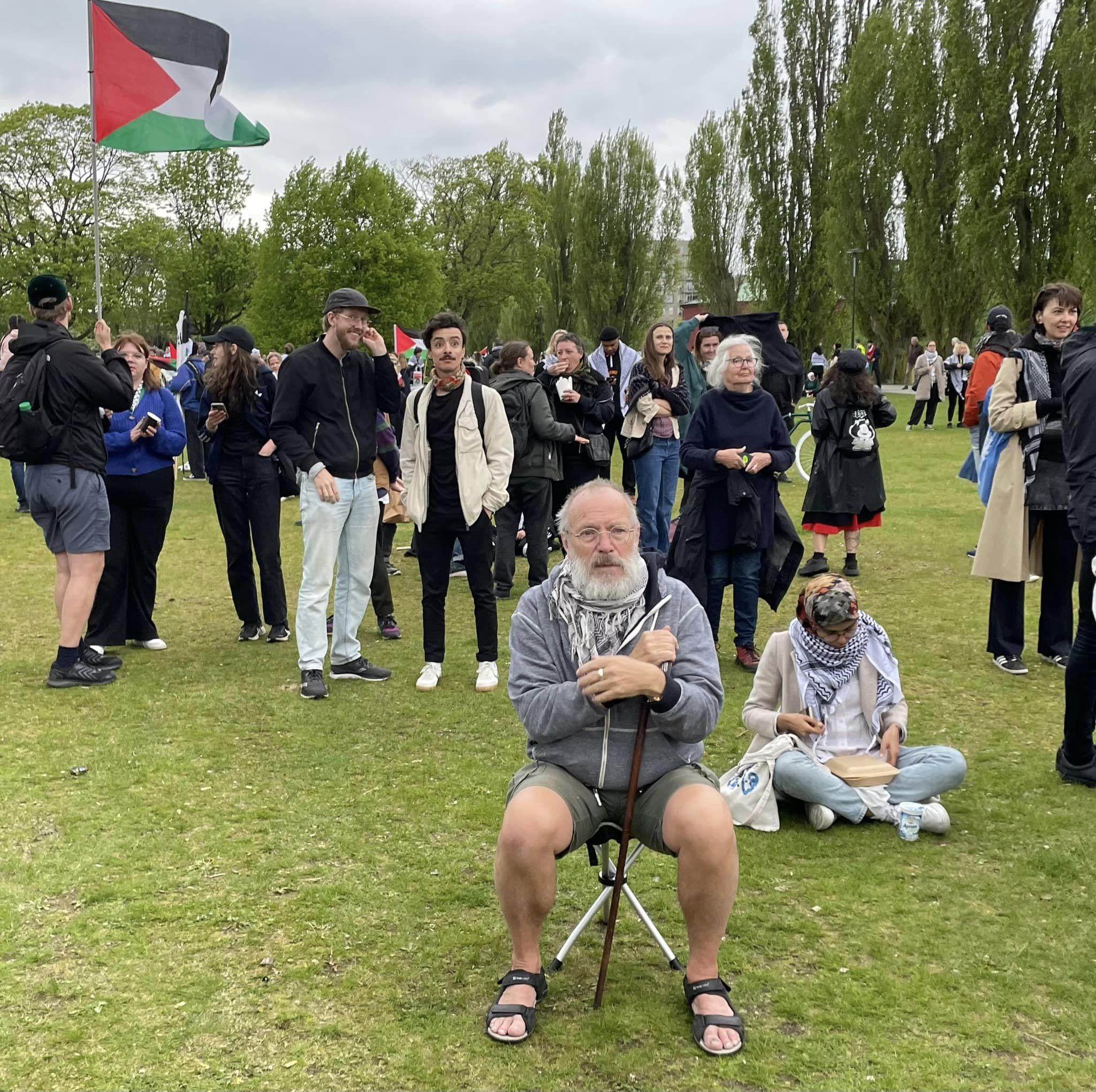
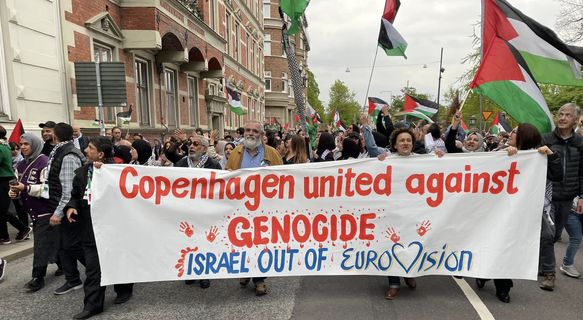


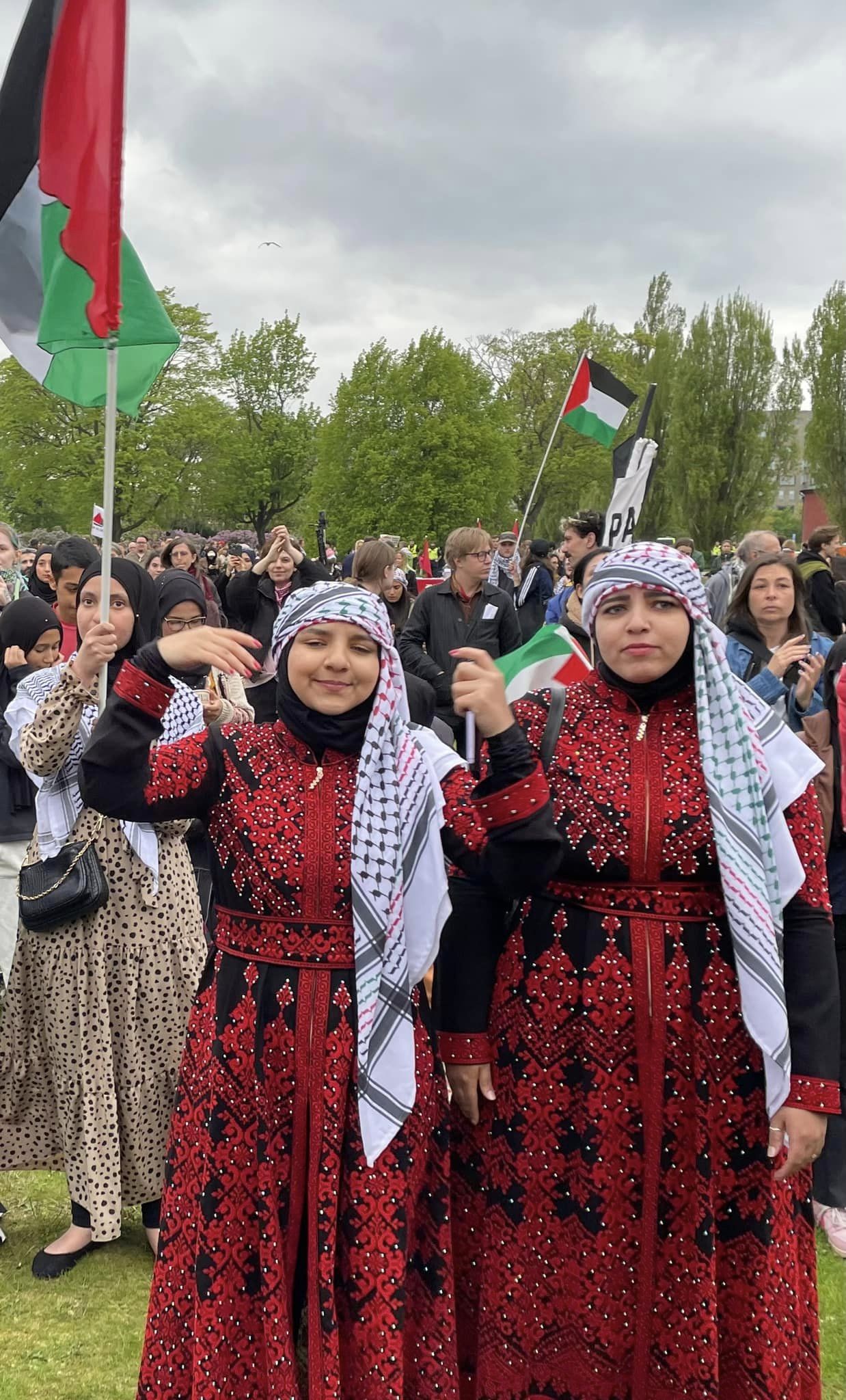


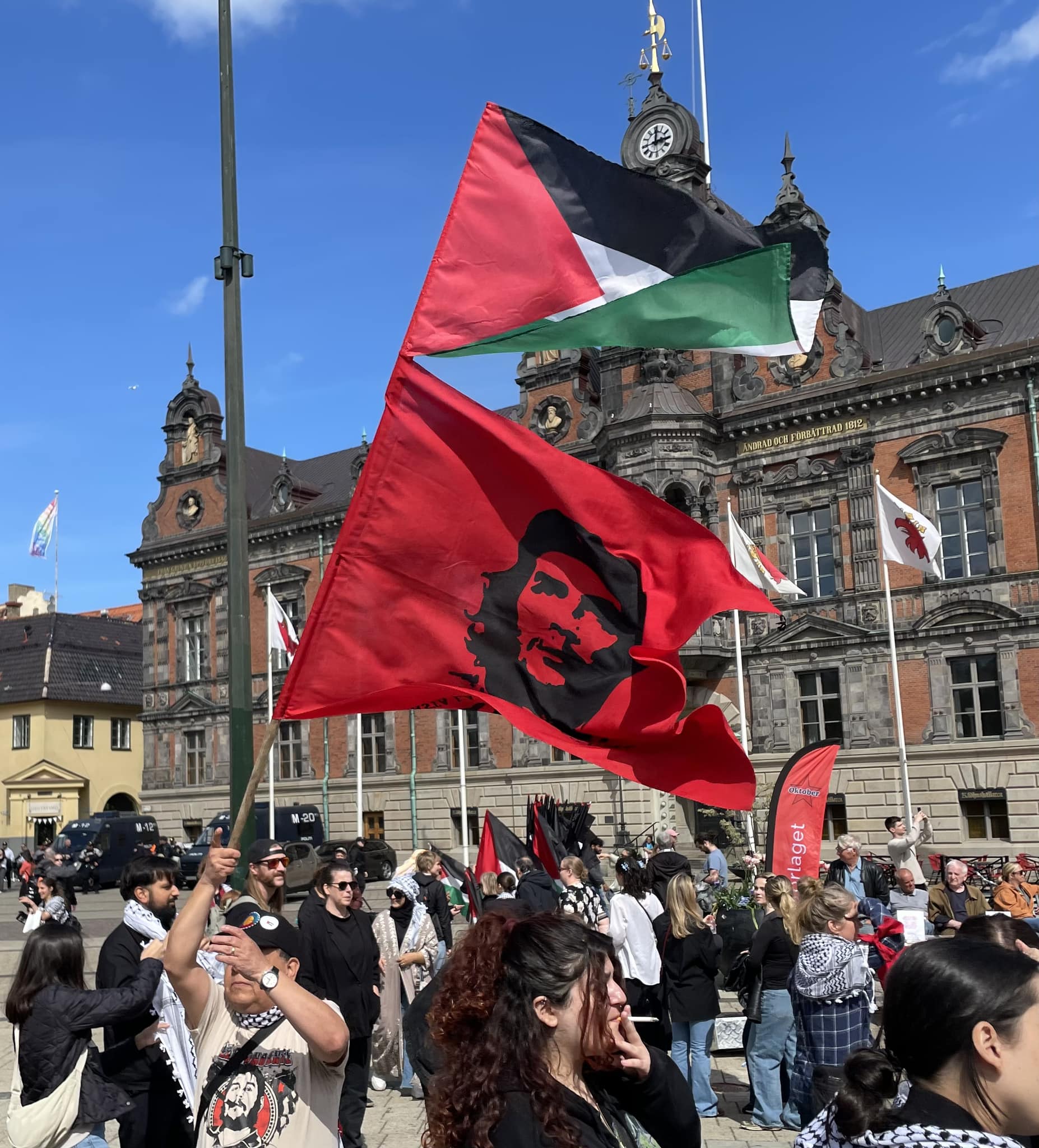
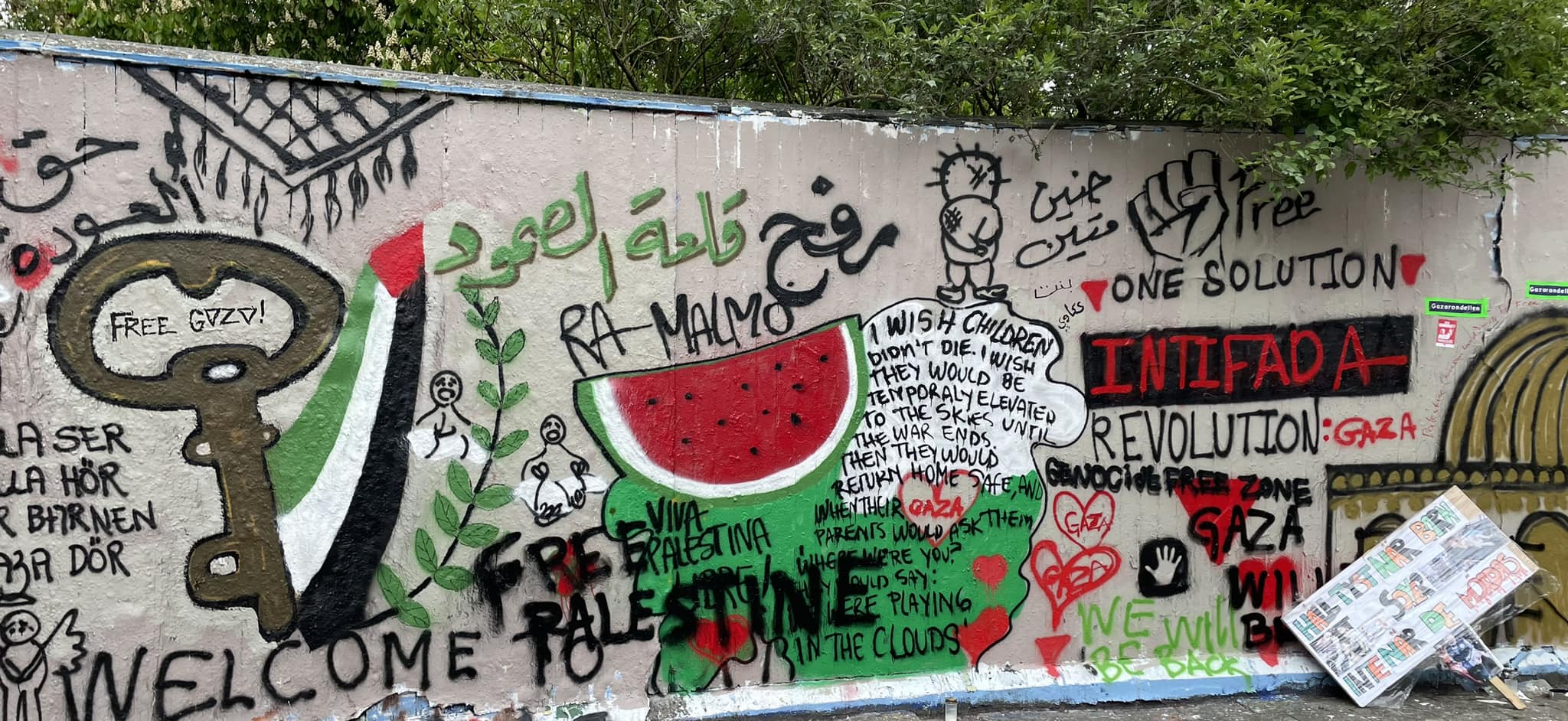
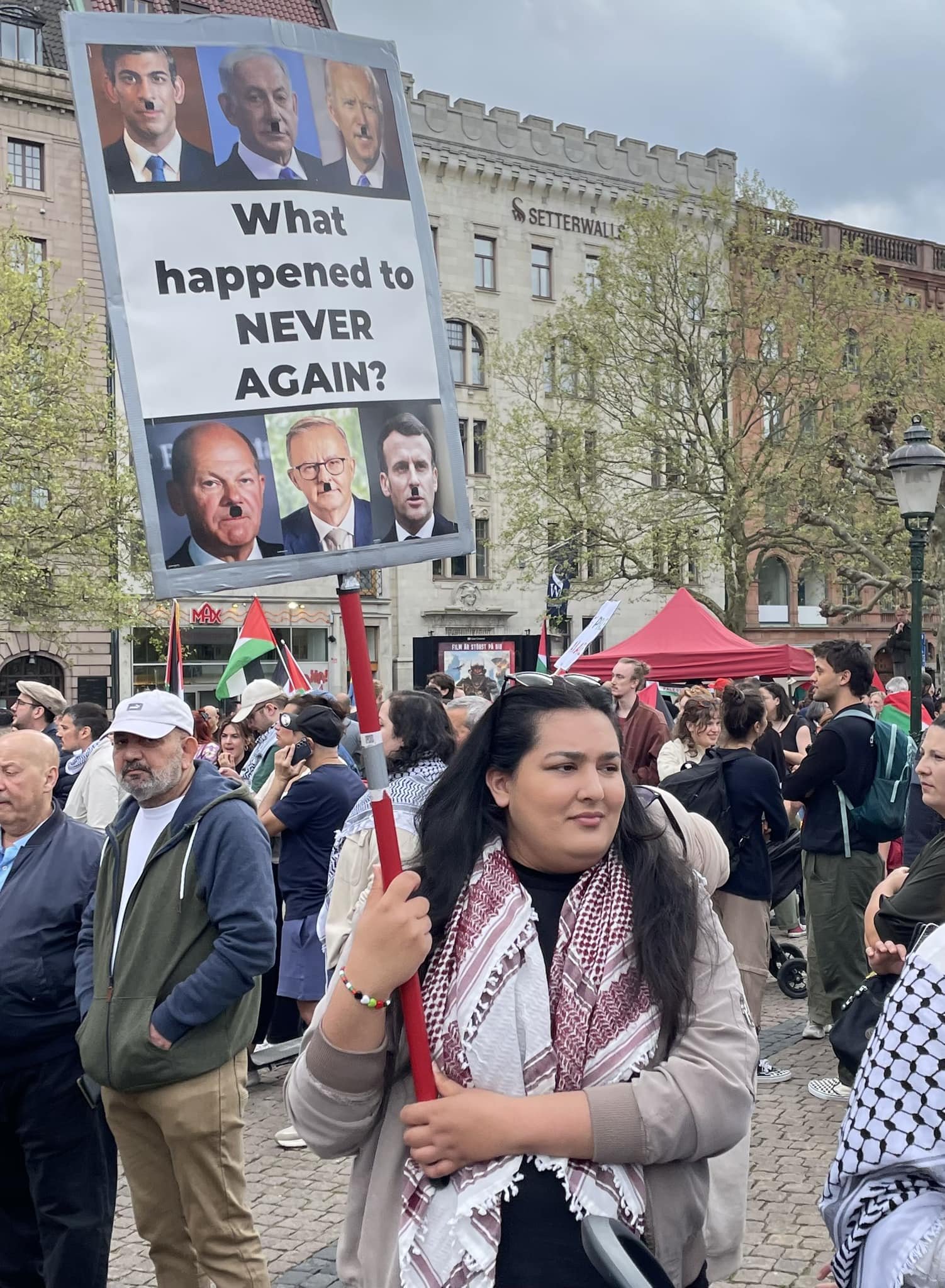


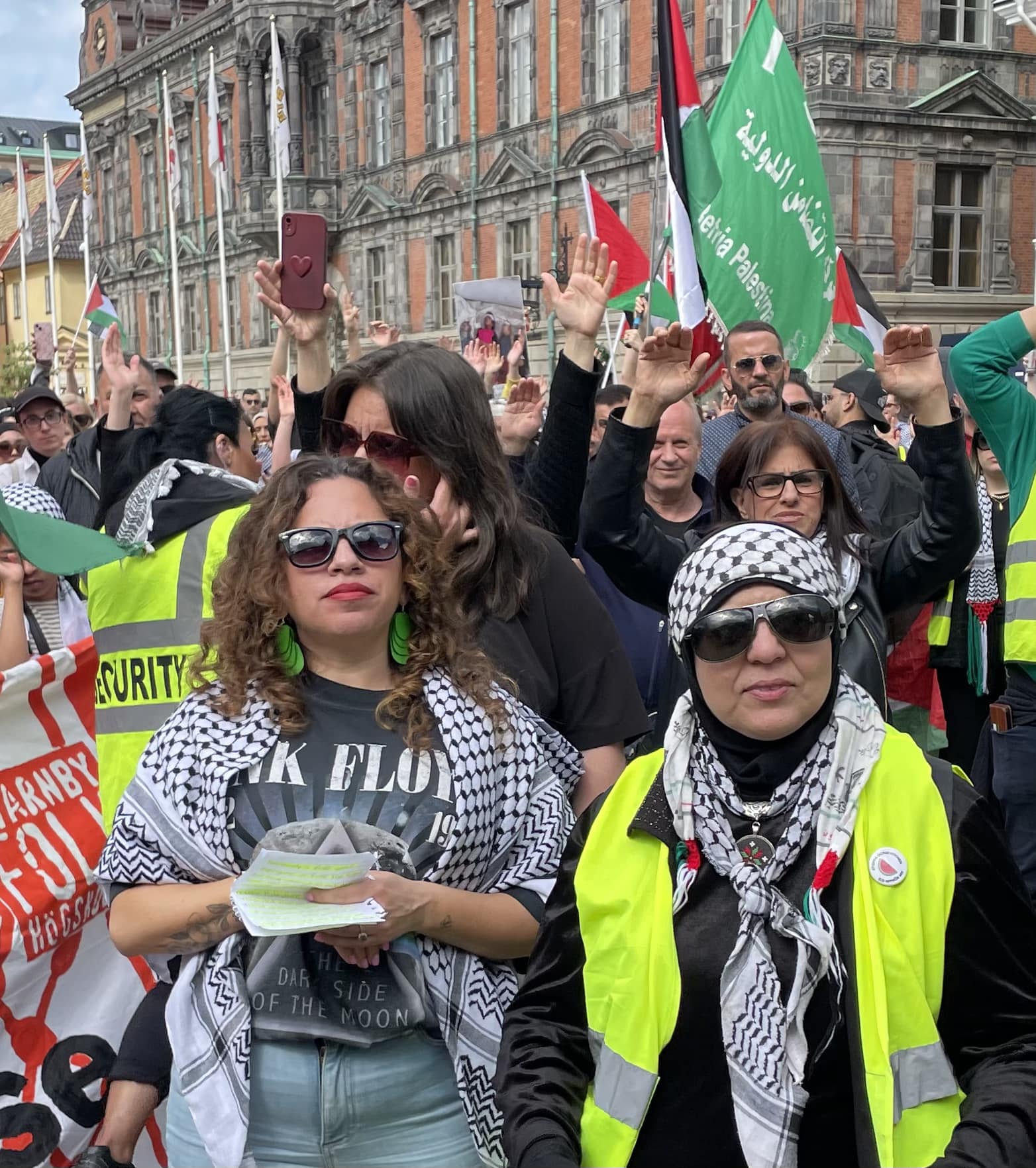

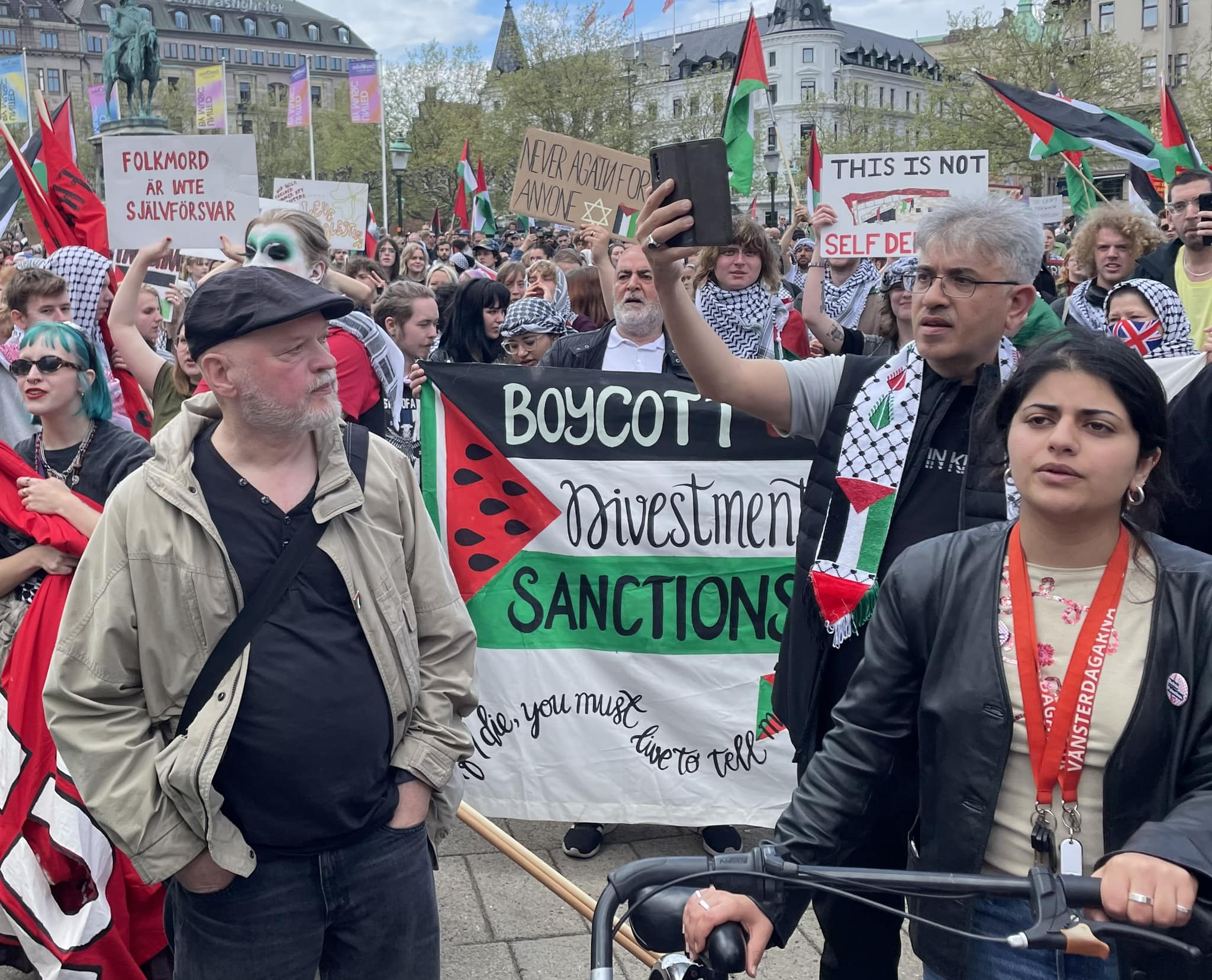

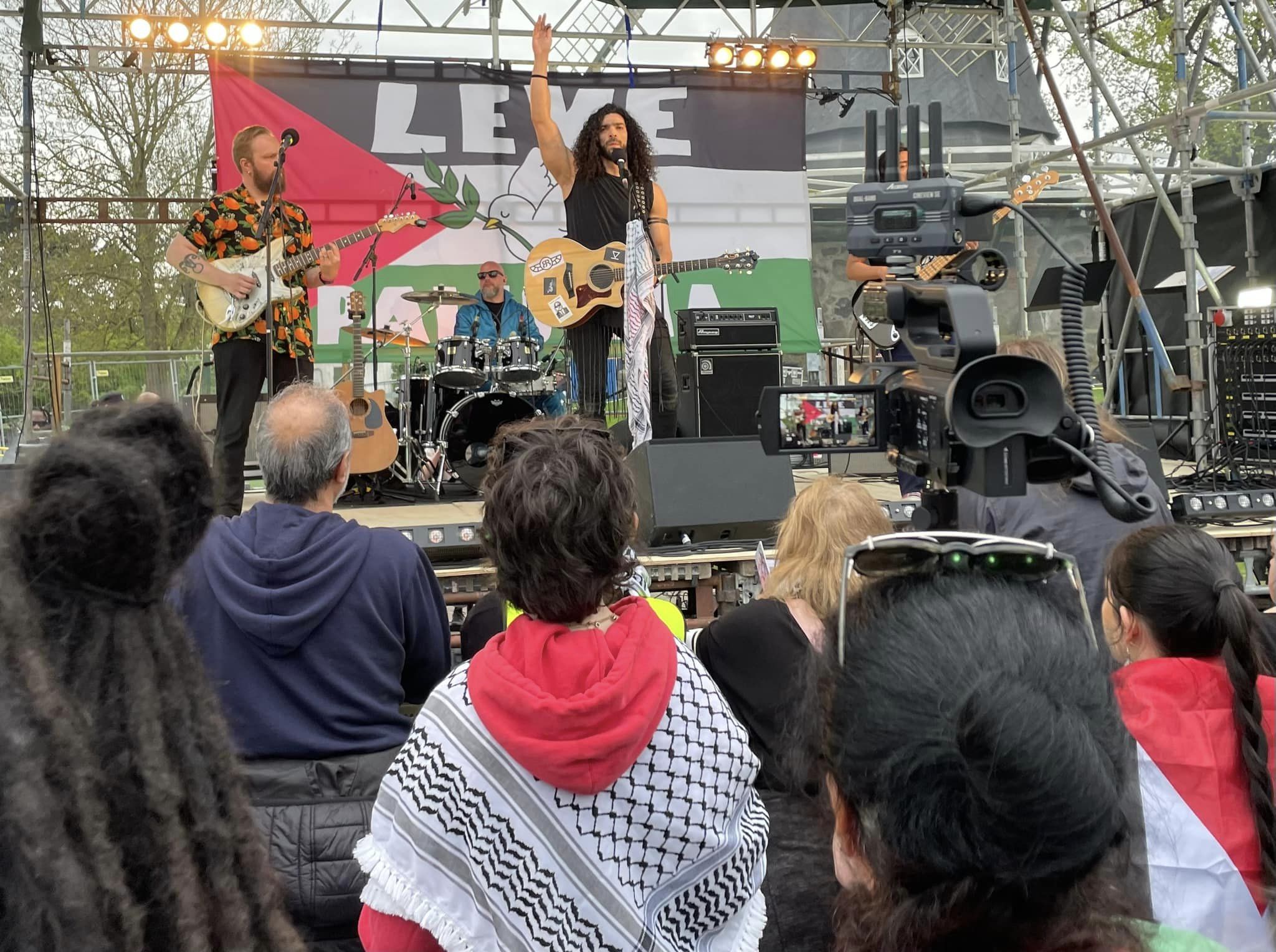


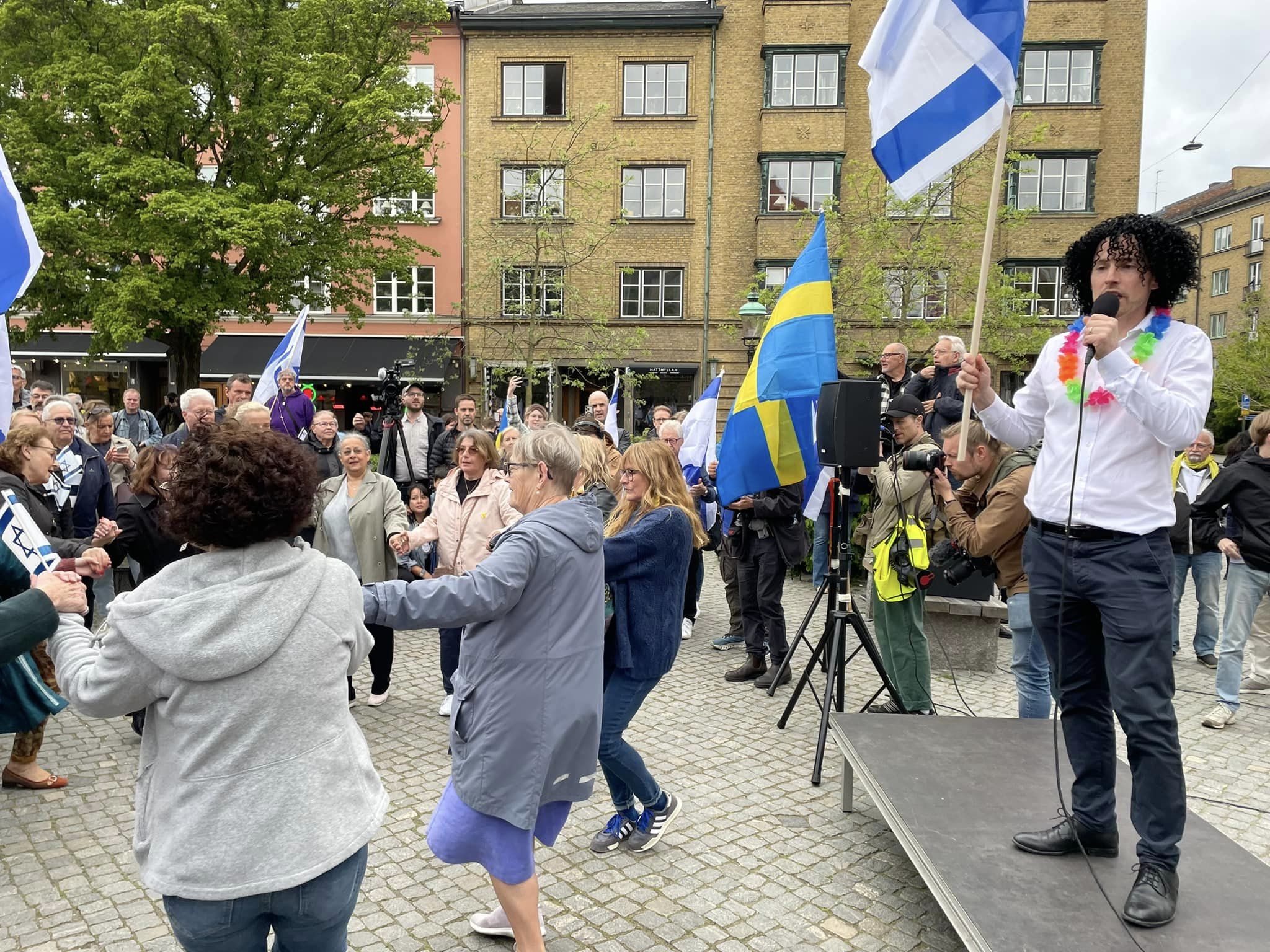


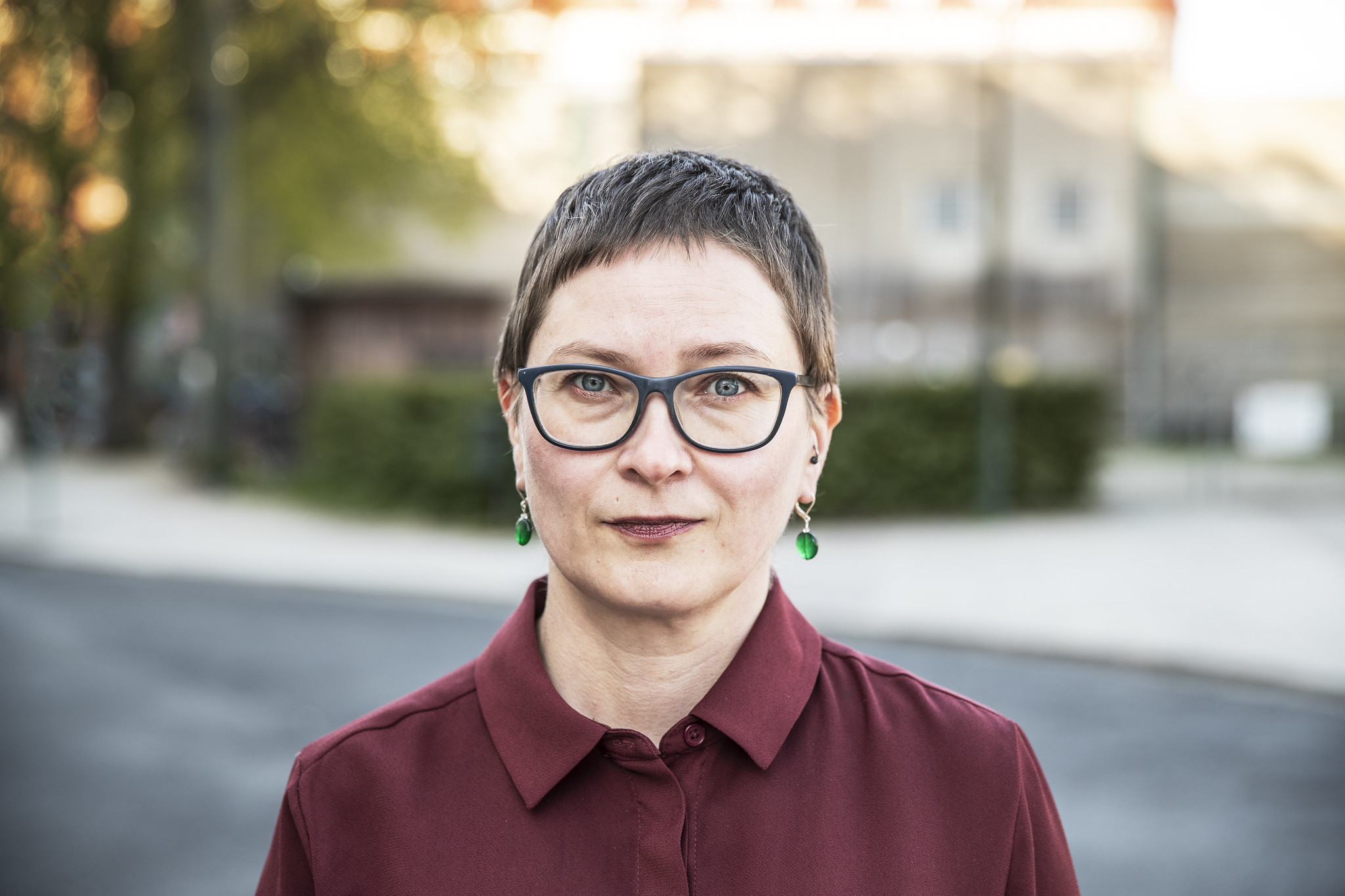


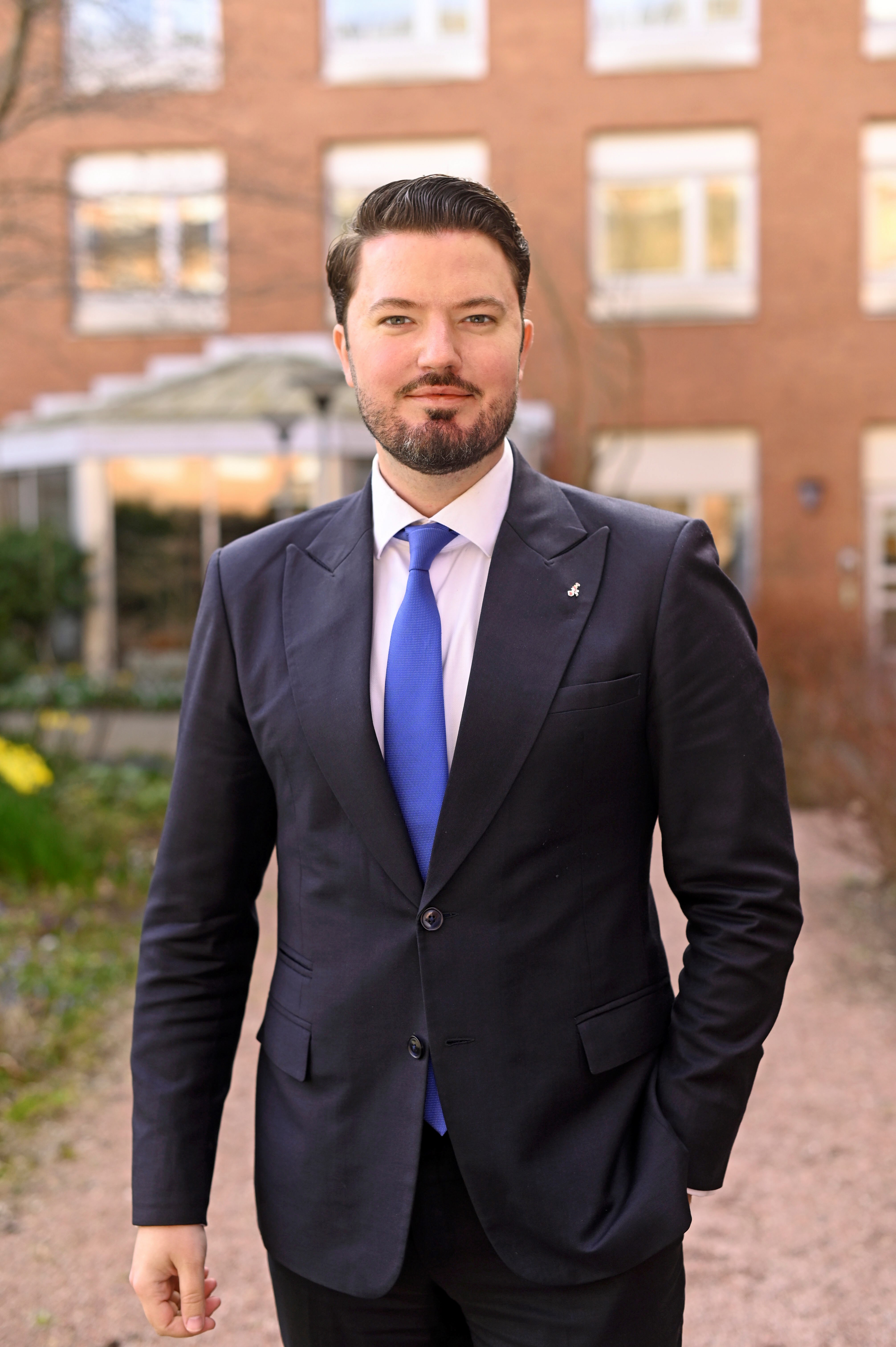
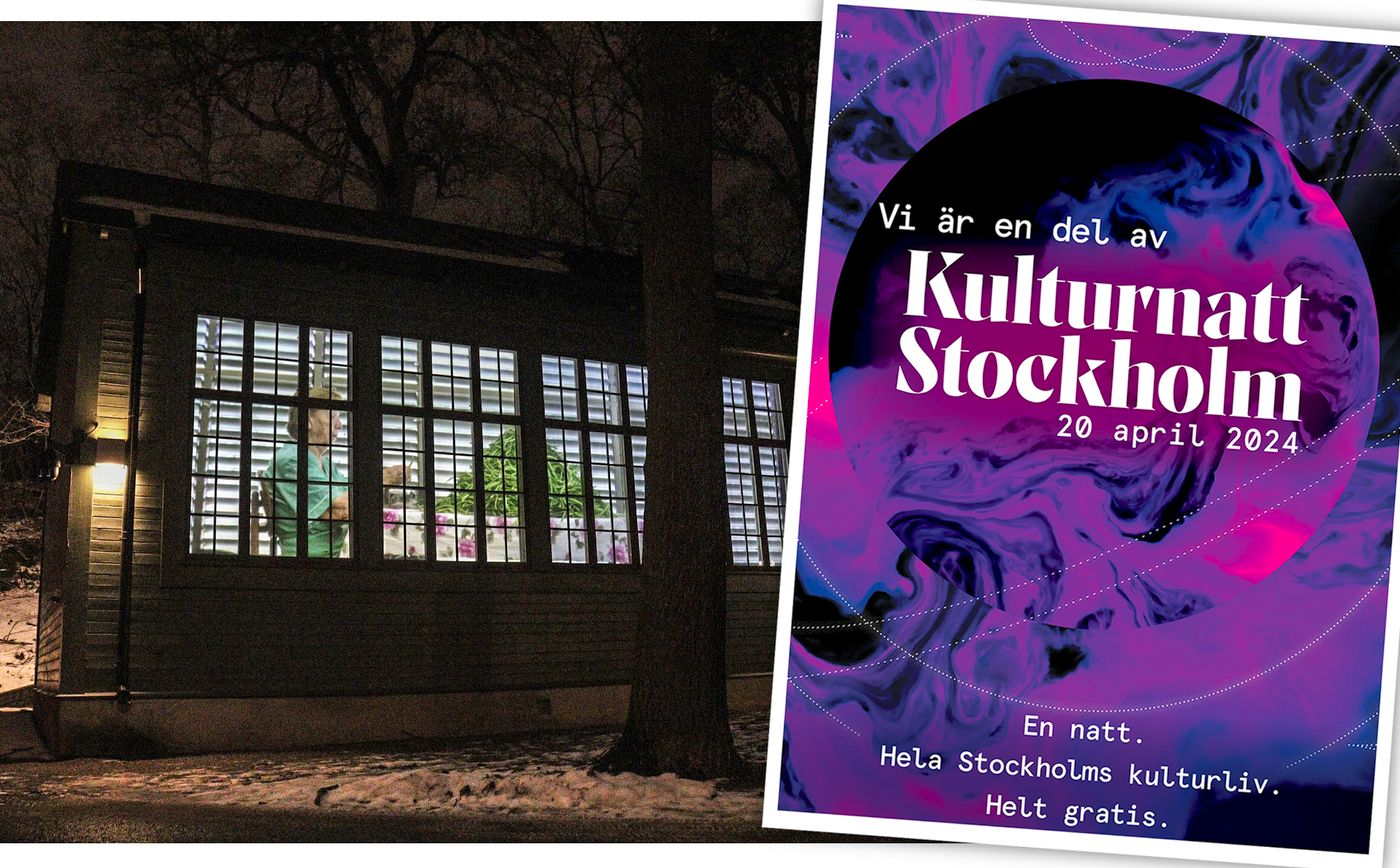
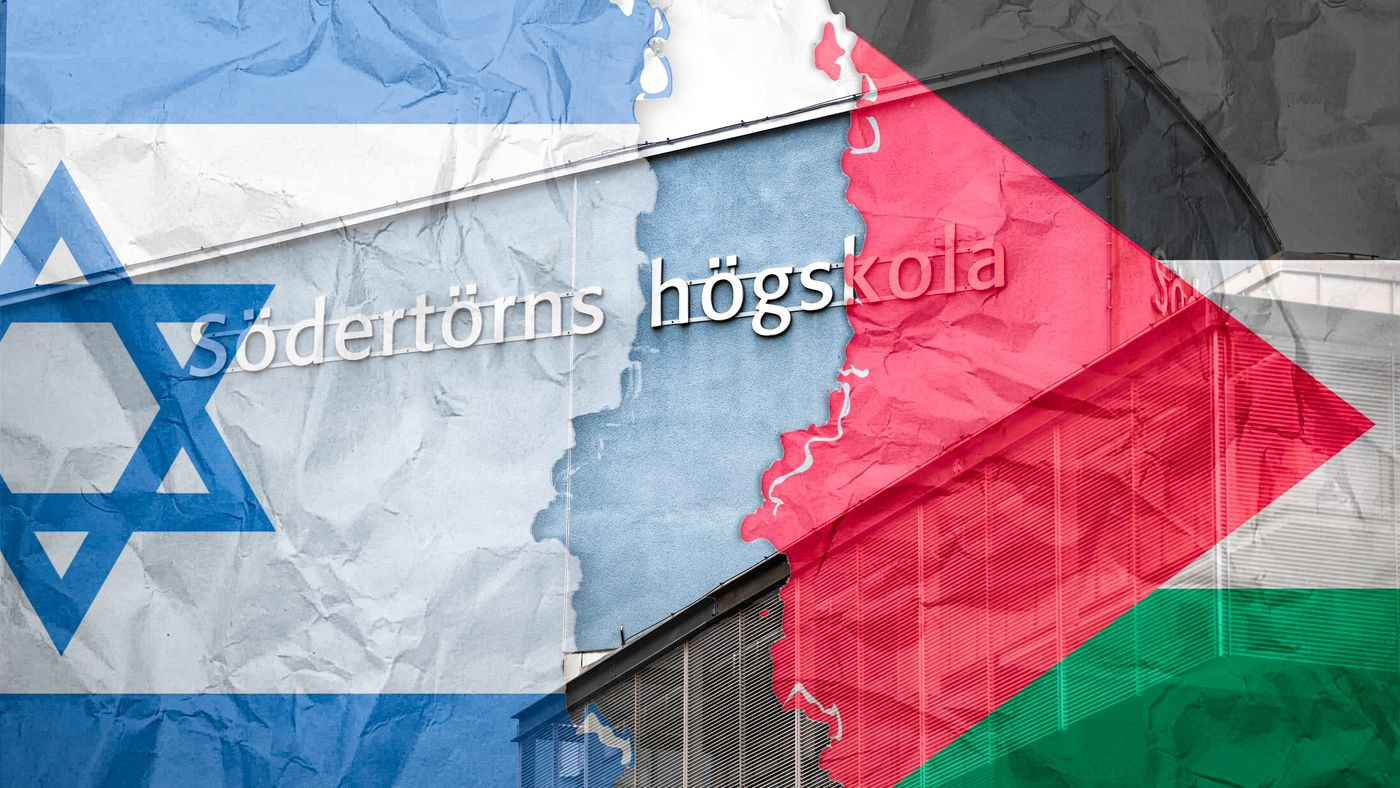
 דיויד סטברו