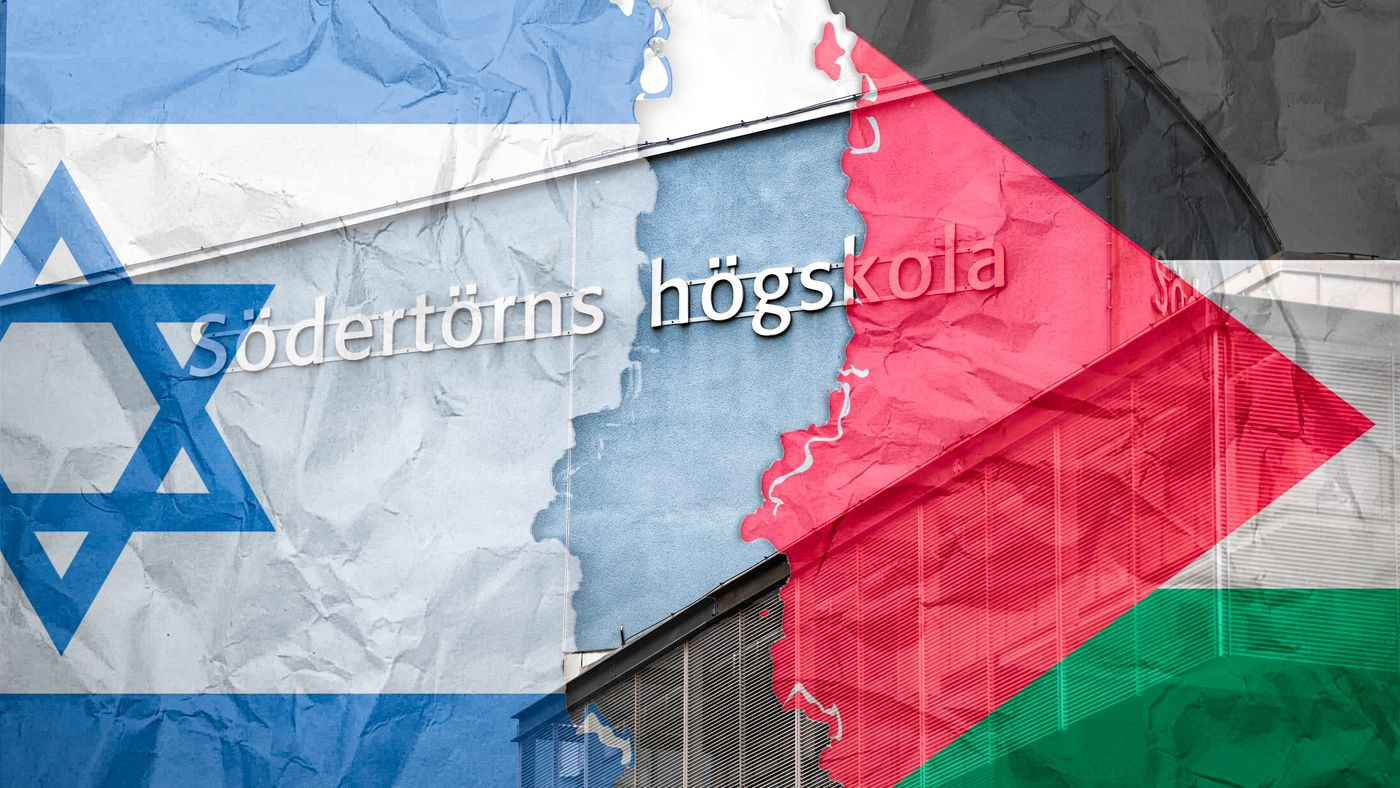
For Emmanuel Levinas, ethics and responsibility towards "the other" were more important than the search for a metaphysical truth. Levinas, a Lithuania born, Frech Jew, saw human interaction and its resulting revelation of alterity as the heart of everything. In this aspect, he belongs to a line of Jewish philosophers like Martin Buber and Franz Rosenzweig who are still studied in European universities. One of them is Södertörn University which has a research group called "The Life and Afterlife of Jewish Intellectual Culture in the 20th Century Baltic Region".
The project, which receives a state grant (via Östersjöstiftelsen), studies traditional Jewish thought and its connection to western enlightenment and it's only natural that Levinas would come up in this context. Indeed, when the faculty wanted a seminar about his work, it contacted a Levinas expert and asked her to come to Södertörn as a guest lecturer. There was, however, one problem. The expert happened to be Israeli.
The seminar was supposed to take place in April and as expected, it didn't take long before protests started. An Israeli lecturer is more than some activists can digest. It made no difference that she doesn't represent the Israeli government or that the subject was not political. In fact, anyone looking for criticism of Israel's government and its policies, would do well to start in Israeli universities' humanities departments. But this isn't about dialogue or political debate. Not adhering to Levinas' teachings, according to their slogans these activists are more interested in wiping all Israelis of the map in a global intifada from the river to the sea. And so, the email campaign begun.
Foto: TT, Stella
A few days later "the resistance gave results", as one activist put it. Bragging on Facebook, he wrote that: "we shall have no cooperation with a genocidal regime like Israel". A short film shows how the achievement was celebrated in a nearby square with "cross Zionism" songs and "solidarity hugs for Gaza".
Could this be true? Did a serious Swedish university give in to political bullying rather than maintain its academic independence and freedom. And even more worrying, is this the kind of judgement exercised with tax payer's money? If the invitation was important enough academically, surely the university wouldn't change its mind because of angry emails and calls for boycotts.
When I asked Södertörn, a spokesperson replied that "the Israeli lecturer requested that her lecture would be cancelled. This was not the university's decision". She added that the lecturer made the decision because of "comments posted on social media". According to this, the activists didn’t influence the university, they just intimidated the lecturer. But is that really what happened? And if it is, isn't it even worse?
As it turns out, the story is more complicated – after the protest begun, rather than making arrangements to make sure that the seminar will be held despite boycotts and fear of riots, the university's research group considered another solution – moving the seminar off campus. That just created another problem. Having an event with an Israeli speaker in Stockholm these days involves special security arrangements, and there wasn't time for all that. And so, the Israeli lecturer was faced with an awkward situation – Södertörn invited her, but couldn't guarantee a calm and safe academic learning environment. Despite the research group's good intentions, it failed to stand up to the angry mob.
Since Images are very important in Sweden, sometimes more important than reality, no one decided to cancel the seminar. That would be admitting Södertörn lost its academic freedom. Instead, other solutions were considered – a Zoom seminar or an invitation to a safer location next year. But this just gave a shining victory to those who made a clear demand – no Israeli teacher will set foot at Södertörn!
The description of these events as "the lecturer requested that her lecture would be cancelled" is therefore extremally misleading. When I asked if Södertörn looked for an alternative venue for the seminar and if this was the background for the cancelation, its spokesperson answered that part of planning seminars, including this one, is the security aspect. She added in a secret service tone that "the details are not something we discuss publicly". And so, Södertörn claims that academic freedom is important and that it doesn't boycott scholars, but meantime in the real world, the Israeli lecturer was cancelled and Södertörn has no cooperation with any Israeli university. It's anyone's guess if this is policy or a coincidence.
This story is important for two reasons. First, it shows that threats often succeed even when those being threatened have good intentions. The only way to fight a bully is to stand strong and be willing to pay a price. The other reason is a look into the future. Unlike Södertörn, most major Swedish universities have fruitful cooperations with Israeli universities. So far, their leaderships effectively dismissed demands to end these cooperations. It's not even a serious dilemma – Israeli universities did nothing wrong, they're free and independent, they're a crucial part of Israeli democracy and are absolutely necessary for any potential peaceful future in the Middle-East. They also contribute to worldwide academic research in numerous fields and Sweden gains a lot from cooperating with them. Until now, only Israelis and sadly Jewish students suffered from the endless stream of demonstrations, petitions, walk-outs and protests led by activists, who at times go as far as supporting terror organizations and violence against civilians.
But Jews are always first and never last. Stay quiet when they're victimized, and the bullies will quickly find others. Calls for boycotts are now heard everywhere from Lund to Uppsala, from Konstfack to KTH. Södertörn is just the beginning. If academic freedom is important to Swedish universities, they'd do well to stand firm and stop the bullies now.
Sweden's 20,000-strong Jewish community was looking forward to marking a landmark event next year – but October 7 changed everything. Now, with antisemitic incidents skyrocketing, there are fears that a community that was only founded in 1775 could be at risk.
STOCKHOLM – Sweden's Jewish community is preparing to celebrate its 250th anniversary next year, but what was being heralded as an unprecedentedly good moment for the community changed in the blink of an eye on Oct. 7.
This is a story about both ancient and modern history, and how a country went from having no Jews to having a vibrant Jewish community – yet could still end up having very few local Jewish communities if the recent tensions continue.
Prior to 1774, there was no Jewish community in Sweden. Although some Jews had settled there earlier, there was no Jewish community as Jews who immigrated there had to be baptized into the Lutheran religion.
Aaron Isaac, Credit: Wikipedia
That all changed 250 years ago, though, when a Jewish seal engraver named Aaron Isaac arrived in Stockholm from German Mecklenburg. "Isaac became the first person who was allowed to live as a Jew in Sweden," says Daniel Leviathan, a Swedish-Jewish historian who's also active in some of the country's Jewish organizations. "He was able to secure the right to form a minyan [prayer group] and to found a Jewish cemetery and mikveh."
Within the space of a year, Stockholm had a proper Jewish community, which included new arrivals from Germany, Denmark and Holland. Around the same period, under King Gustav III, a second Jewish community was established in Sweden's second largest city, Gothenburg. "In 1782, a Jewish ordinance was issued as a demand of the Swedish aristocracy," Leviathan recounts. Apart from regulating the right for Jews to live in Sweden, the ordinance set some restrictions. Jews were only allowed to move to the country if they had a minimum capital worth today's equivalent of about $100,000; they had to live in one of three towns; and local guilds stopped them from working in certain fields. "At the beginning of the 19th century," he says, "there were only about 1,000 Jews living in Sweden. Many of them were young and industrious people who thought they could make a better life for themselves in Sweden. At this point, they couldn't yet assimilate into Swedish society, and since it was a small community they all knew each other. They competed with each other but were also dependent on each other."
"At the beginning of the 19th century," he says, "there were only about 1,000 Jews living in Sweden. Many of them were young and industrious people who thought they could make a better life for themselves in Sweden. At this point, they couldn't yet assimilate into Swedish society, and since it was a small community they all knew each other. They competed with each other but were also dependent on each other."
Daniel Leviathan, photo: Hugh Gordon
According to Leviathan, the second part of the 19th century brought great change: Sweden opened its borders more widely, with pogroms and hardships in the Russian Empire bringing poor Orthodox Jews to the country. At the same time, the Jews who had been in Sweden for several generations enjoyed full emancipation in 1870.
They were considered Swedish citizens of the Jewish faith, no longer a "foreign" element. Many were assimilated and belonged to the elite of Swedish society. They could live anywhere, had a brand-new synagogue in the capital, and many considered themselves Reform Jews. By the time immigration came to a halt because of World War I, Sweden had about 7,000 Jews.
Sweden's World War II story is well-known: It managed to maintain so-called neutrality and wasn't officially part of the war. As for immigration, it was extremely restrictive both before and at the start of the war, but this changed dramatically in 1942 when it allowed about half of Norway's Jews, all of Denmark's Jews and many more refugees from across the continent find refuge within its borders. "After the war, Sweden accepted around 15,000 Jews," says Leviathan. "Many of the Holocaust survivors immigrated later to the United States or Israel, but 5,000 or 6,000 stayed. They were joined by other waves of immigration in later decades: Poles in 1969, Russians in the 1990s, and also Israelis. Today, the community is in many ways similar to Swedish society – modern, liberal and relatively secular. Because of its unique wartime history, it's different to most European communities because it became much bigger after the war than it was before it."
Today, it's estimated that about 20,000 Jews live in Sweden – though there are thousands more who can claim Jewish heritage. The largest community is in Stockholm, which has three synagogues and a relatively new cultural center called Bajit that is home to a Jewish elementary school and kindergarten, Jewish activities, a kosher shop and a café. The city also houses plenty of Jewish cultural and educational institutions, and organizations. Other Jewish communities and associations exist in Malmö, Gothenburg and a few smaller towns.
Sweden's Jewish groups are united under an umbrella organization called the Official Council of Swedish Jewish Communities, and its chairman, Aron Verständig, says the local community is a vibrant and diverse one. "It's more diverse now than it was 150 or even 50 years ago," he says. "There are families like my own that have been here for three or four generations and are established in Sweden. And there are also many Jews who live here but weren't born here." Verständig adds that this diversity is of a religious nature too. "These days, Stockholm has – for the first time – a progressive community with a progressive rabbi, but there's also renewed interest in the Great Synagogue [which is Conservative] and Orthodox Judaism. Chabad, which has been here for over 20 years, has also become a respected part of the community."
But there are many challenges too. One is the fact that the smaller Jewish communities aren't as vibrant as the one in the capital. "The optimism that you can see in Stockholm, where the community is growing, isn't what you see in the smaller communities – and this has been the case for many decades," says Verständig. "Initially, many members of the smaller communities moved to Stockholm, Gothenburg and Malmö. Now Gothenburg and Malmö's communities are getting smaller too, and many are moving to Stockholm. It's increasingly hard to live a Jewish life outside of Stockholm, and organized Jewish life in the smaller towns is quite slim."
Other challenges, according to Verständig, include staying relevant who those who are not observant and finding ways to attract new members in a country where assimilation rates are very high. He adds, though, that things have changed in that regard in his lifetime. "When I was growing up, they said that if you married a non-Jew, your kids wouldn't be Jewish – but nowadays it's not like that," he says. "We see that children of interfaith marriages are sent to Jewish schools and summer camps. There's a great need for Jewish education when you have a non-Jewish spouse, and it's a challenge to be inclusive enough for different groups from very different backgrounds."
However, while issues such as the legal status of circumcision, importing kosher meat and the legal framework of Jewish schools are undoubtedly issues for the community, all pale in comparison to the main problem these days: antisemitism. The issue of antisemitism has been discussed extensively over several decades in Sweden. In fact, all Swedish governments since the turn of the century have made concerted attempts to address it. The current (center-right) government appointed a special interministerial task force in order to combat antisemitism and strengthen Jewish life. This was a follow-up to 2021's Malmö International Forum on Holocaust Remembrance and Combating Antisemitism, which had been arranged by the previous (center-left) government.
These measures acknowledged that antisemitism comes in many different forms, including right-wing nationalism, left-wing radicalism and Islamism, which arrived through large waves of immigration from the Middle East starting in the last few decades. It was also clear that antisemitism can be found in many different arenas: online, in the workplace, public spaces and, perhaps worst of all, in schools. "A report that was written as a result of our request, and as one of the pledges of the Malmö conference, was released a few weeks ago," says Verständig. "In general, there are many suggestions that I think improve the possibility of living a Jewish life in Sweden – including safeguarding the right for Brit Milah [circumcision], financing security [at Jewish institutions], funding maintenance of synagogues and setting up a Jewish information center."
Yet the situation has deteriorated dramatically since the start of the Israel-Hamas war on Oct. 7. "Antisemitism has skyrocketed," says Verständig. "Many are feeling afraid, insecure and anxious," he says – and this was said on Tuesday, a day before a grenade was found outside the Israeli Embassy in central Stockholm. "A survey we did in November shows that many Jews have considered leaving Sweden. The government has reacted in an excellent way – but in civil society, reactions are sometimes very different."
Leviathan also expresses concerns over recent developments. "What's new in the current situation is that antisemitism is much harder to avoid," he says. "We always had antisemitism, but you could avoid it by moving to a different neighborhood or changing your job. Now it's everywhere – in the streets and squares, even in the 'nice' neighborhoods. It's in schools and universities. Youngsters are being bullied and exposed to antisemitism on TikTok, and adults are losing friends and colleagues who post anti-Israeli propaganda online. You're not even safe in your private space: you never know if the postman will react to the Jewish name on your mailbox. This is what I hear from young people in Sweden, and it's what I've experienced myself: there's no safe space anymore."
Leviathan's views are echoed by others in the community. Sweden has a vibrant Jewish cultural scene, but the difference between the period prior to Oct. 7 and afterward are dramatic.
The week before Oct. 7, the most important cultural event in the region, the Gothenburg Book Fair, hosted an institution called Jewish Culture in Sweden – founded and managed by Swedish-Israeli Lizzie Oved Scheja – as a guest of honor. This was a historic moment for Swedish-Jewish culture: Jewish literature, philosophy, music and humor were celebrated by a very wide audience, in what many described as an almost euphoric atmosphere.
What followed changed everything.
"My life has changed drastically since Oct. 7, both personally and professionally," says Natalie Lantz, a PhD scholar in Hebrew Bible studies who's also a columnist and translator of Hebrew literature (her translations include works by David Grossman, Amos Oz and Sara Shilo). "In 2013, I started writing and lecturing about Jewish and Hebrew culture and literature. My field of expertise has always spurred curiosity and positive reactions. Before Oct. 7, I had only been treated with suspicion by colleagues a few times. I remember a social gathering at a cultural institution when I was presented as the translator of Amos Oz's 'Dear Zealots,' and a person immediately took two steps back and said with disgust: 'I just want to be very clear that I don't support the Israeli occupation.' The conversation was abruptly shot down. Painfully, I realized that some people in the cultural world consider the Hebrew language and Israeli cultural expressions as being evil to the core. But such incidents were rare before Oct. 7. Now, there seems to be no end to the aggressive calls for a boycott of Israeli academia and culture."
She recounts how a petition signed by cultural workers, including some from public institutions, was peppered with terms like "apartheid system" and "Zionist-motivated genocide." "There are BDS rallies at the universities and I hear of faculties that are asked by students and staff to report if they have academic cooperation with Israeli universities," Lantz says.
Natalie Lantz, photo: Hugh Gordon
For her, it's not only about her feelings but also her livelihood. "I'm dependent on being in dialogue with the intellectual arenas of Israel in order to conduct my work in an insightful manner," she says. "Now I fear that the calls for boycott may result in a difficulty to get funding for academic and cultural exchanges between Sweden and Israel. I myself have become very anxious in interactions with colleagues and institutions.
"Will my upcoming university lecture on the history of Jewish Bible translations provoke someone?" she asks. "Is [Austrian-Israeli philosopher] Martin Buber going to be canceled? Can I film the planned family program about Purim for Swedish television without being aggressively attacked? And, most scarily, can I continue to be an openly Jewish public figure in Sweden? I feel vulnerable and exposed. My world is shrinking."
Lantz is accustomed to the sight of a heavy security presence outside synagogues and Stockholm's Jewish school, "even though it feels absurd that community members have to be protected just for being Jewish. I've never really felt frightened of taking part in Jewish activities, but this has changed. I was out walking in the city center last Saturday when I accidentally got caught in a pro-Palestinian demonstration. This was on International Holocaust Remembrance Day. That evening, some people from the demonstration stood outside the synagogue where we hosted a memorial ceremony with Holocaust survivors present. They filmed people entering the synagogue and screamed 'child murderers,' 'death to Israel' and 'intifada.' That horrified me."
She believes the Swedish government has an "enormous responsibility" to combat this wave of antisemitism. "It seems to me that the politicians are taking the matter seriously, as they're not only allocating funds for security to Jewish institutions but also have a strategy to strengthen Jewish life – which focuses on the transmission of Jewish culture and Yiddish to future generations."
Yiddish is one of five official minority languages in Sweden, which is why Lantz believes focusing on it makes sense. That said, she still has concerns. "I fear that the strong focus on Yiddish in Sweden comes at the expense of possibilities to strengthen the knowledge of Hebrew, which is important as a common language for Jews globally," she says. "I was puzzled to note that 'Yiddish' appears 327 times in the strategy document while 'Hebrew' appears only 15 times. To me, strengthening Jewish life in Sweden is also about providing tools to partake in the international Hebrew cultural scene. After all, we'll need Hebrew translators also in future generations. At least, I hope so."
The pre-show announcement in Roger Water's latest tour is rather unconventional. After the regular, please "turn off your cell phones", comes a slightly more provocative announcement "if you’re one of those ‘I love Pink Floyd, but I can’t stand Roger’s politics’ people, you might do well to fuck off to the bar right now". This sets the tone since the show's main theme is a mix of current affairs, political science and global politics and Waters is anything but mainstream in these aspects. In fact, many would say he's a hard core radical. This, combined with the fact that Waters is one his generation's biggest rock stars and he attracts tens of thousands of people to his concerts, makes his tour an important cultural phenomenon which provokes many reactions and heated debates. Waters granted "Haaretz" an interview during this controversial tour and I spoke to him at his hotel, a couple of days prior to his Stockholm show, after he completed the American part of the tour and 14 of its 40 European dates.
So as not to start the conversation with the confrontational opener, we talk first about the music, rather than the politics. This is after all a rock concert, not an election campaign. Waters, who will be 80 in September has an enormous body of work to choose from when he goes on the road. He realizes, of course, that it wouldn't be right to go on stage without playing any of the classics he created together with Pink Floyd, the band he co-founded in 1965 with by Syd Barrett, Nick Mason and Rick Wright and left in the mid-eighties. And indeed, the show includes the whole second part of The Dark Side of the Moon, Pink Floyd's 1973 album as well as material from Wish You Were Here (1975), Animals (1977), The Wall (1979) and The Final Cut (1983). "If I followed only my heart and not my head, I'd probably do what I used to do with Pink Floyd", Waters says, "I led Pink Floyd for many years, and when I did, at least during the last few years, when we toured, we only played the current record and the last record. If I would do that now I would have played only my latest solo albums and I might have also added Us and Them (from The Dark Side of the Moon), which is a genuine co-write with Rick Wright (Pink Floyd's keyboard player)".
Waters points out that he has just finished re-recording the whole of The Dark Side of the Moon which was released exactly fifty years ago. The new version will be released this July. Waters believes it's still extremely relevant and that's why so much of it is on his current show. "Nothing I've done recently is more political than Us and Them", he says and quotes the lyrics, "with, without, and who'll deny that's what the fighting's all about". "It's a truism and part of the reason I re-made the album", he explains, "people haven't noticed in the last fifty years what it's actually about". Waters adds that he enjoys playing this part of the show as much as the newer songs, because it's very visual. "There's an enormous LED crucifix hanging over the stage", he explains, "and the images that we show, particularly during Us and Them move people very deeply because it's so anti-war".
So, as it is, are you pleased with the set list you're playing on the tour even though it includes more than just your current and previous albums?
"Yes, I'm content with the way the set lives, it's full of new things and old things, and in consequence sometimes people are a bit puzzled". Waters mentions, as an example, a new song called The Bar which he says is "extremely important philosophically and emotionally, because it's my plea for conversation and communication between us human beings, in support of, and in defense of humanity, and how we need to learn to cooperate with one another, rather than killing one another".
When it comes to the visual side, don't you feel that the sophisticated video work, the images on the enormous screens and the setup of flying pigs and flying sheep is all a bit grandiose and makes your connection with the audience less intimate?
Waters doesn't approve of the word grandiose. "It either is, or it is not good theatre", he says, "I've spent the last sixty years trying to create theatre which is appropriate for rock'n'roll in arenas and outdoor venues and to play for anything from 15 to 100 thousand people. You can't do intimate theatre, much as I adore intimate theater and sometimes regret that I haven't been able to work in small theaters". Waters adds that there are plans "in the pipeline" to do one or two smaller shows of the new version of The Dark Side of the Moon as well as a theatrical version of The Wall in an intimate space. With these projects and others, it doesn't seem at all as if he's ready to retire.
The Show is called This is Not a Drill – The First Farwell Tour, it also includes biographical texts explaining various parts of you career. Is this your attempt to start wrapping things up, is this you shaping the narrative one last time?
"No, whenever I do a tour, I have to decide what it's going to look like, what the story's going to be, what the narrative is, what it is I hope to achieve and how much of the old Pink Floyd stuff I need to do in order to satisfy the hunger. One thing that's really good is the age demographic of the people who are coming to the shows. Many of them are 20-year-olds. That's fantastic and that doesn’t happen with many of the old bands. Obviously when I put out adds saying "his first final farewell tour" it's a joke. Because so many of the others do farewell tour after farewell tour for years and years".
Speaking of other bands, you said in an interview a few years ago that you don't listen much to music and you're not very interested in what's going on in the so-called music industry. Since your show is part of this industry, aren't you interested in what else is going around?
"What else is going around? You tell me, if you are interested. I'm really not interested. Life is too short". Waters explains that no artist has time for that. "You get on with your work", he says, "Michelangelo didn’t say 'well, I think I'll get on a donkey, go round Italy and see what the others are doing. He said – 'I want that bit of Carrara marble, now let's see how I can get it down the hill without killing a hundred people'". At this point Waters quotes his 1972 song, Free Four, "Life is a short warm moment, and death is a long cold rest, You get your chance to try, In the twinkling of an eye, Eighty years with luck or even less, So all aboard for the American tour, And maybe you'll make it to the top, But mind how you go, And I can tell you 'cos I know You may find it hard to get off. But you are the angel of death, And I am the dead man's son, He was buried like a mole in a fox-hole, And everyone's still on the run".
These are important sentences in the Waters universe. He was born in South East England in 1943 and has lived in the United States for twenty years ("because of the weather more than anything else. It never stops raining in England"). His father, Eric Fletcher Waters, who was a schoolteacher and a member of the communist party, was killed in the WW2 in the battle of Anzio in Italy when Waters was just five months old. His grandfather, George Henry Waters, was also a war casualty. He died while fighting in France during WW1. Considering this, it's not much of a surprise that the cruelty and meaninglessness of war have always been an important part of Waters' work and in the current show these themes are more apparent than ever. It is in this context one should see the opener asking those who don't approve with Waters' politics to "fuck off to the bar", it's just his way of saying he's not forgetting and he has no interested in toning it down.
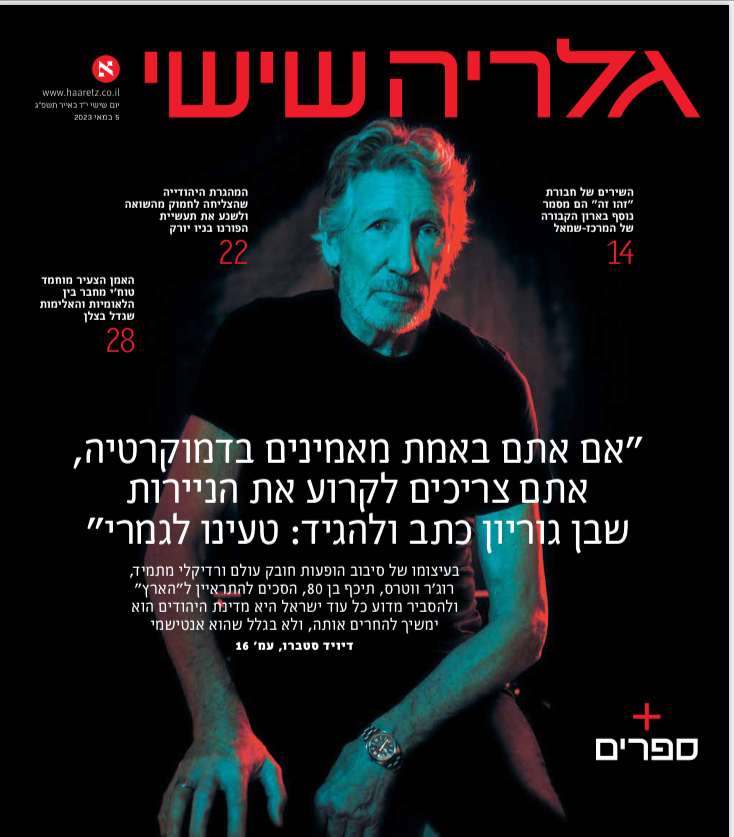
Roger Waters on the cover of Haaretz' weekend culture magazine, photo: Kate Izor
Apart from being a unique opener, there's also a serious issue here. If someone comes to your show because he or she loves your music, but that someone happens to also be a supporter of Trump, Bolsonaro, Boris Johnson or Netanyahu, do you really not want them there?
"I don't give a fuck if they're there or not. I'm not proselytizing. You know, you're writing this for Haaretz and people are always trying to persuade me to go to Israel, do gigs in Tel-Aviv and talk to people, proselytize and try to get them to change their policies and work from within. And I say, fuck off, there's a picket line here and I'm not crossing it because I believe in human rights. Those people, people who voted for Trump, they would get up and leave when I played tracks from Animals (Pink Floyd's 1977 album based on George Orwell's Animal Farm). I couldn't care less. Leave! I don't want you to come. This isn't an attempt to affect you because you're lost. The people who I'm trying to encourage are the young people who want to resist the dreadful destruction of our home planet by the ruling class. I'm interested in communicating with them. I don't care about people who vote for Netanyahu or Trump or Bolsonaro".
Here's another way of putting it. It seems like from decade to decade your work becomes more specific and less abstract and universal. If, in the 70s you dealt with the way we see the humanity in others, and existential and abstract concepts like time, death alienation and loneliness and later with general political ideas like dystopian societies and fascism, since the 80s, you're writing about specific events like the wars in Afghanistan or Iraq and you clearly mark your villains like Thatcher and Trump and your heroes like Juliane Assange. This isn’t something everyone can sympathize with.
"I couldn’t agree more. I think it's a function of age. We all live within the context of our personal histories. Those of us who can actually read, and there are fewer and fewer of us, we read history and take notice of what happened in the past, but as our lives unfold, we recognize the folly of repeating the same mistakes over and over again, and the engine which drives those mistakes, is by an large greed. Greed for money or power. And so, yes, I'm less concerned about becoming irrelevant because I'm writing about specific things or specific periods of time. The context of the passage of time is very important, maybe because I'm 79 years old, the idea of rejoining the great oneness of everything as ashes and dust, possibly as a memory but maybe not even that, becomes closer and also behooves us more and more to grapple with the big questions, which is required of all art which means anything".
Speaking of great works of art which you quote in your show – George Orwell's 1984 and Animal Farm and Aldus Huxley's Brave New World, you refer to the dystopian future they talk about and to the real-life leaders who are making their visions into a reality, mostly American presidents – the pictures of all presidents from Reagan to Biden are on the screens in you show presented as war criminals. I wonder if Chines president Xi, Russia's Putin and Belarus's Lukashenko are not on the screen because you think that they are not war criminals, or is there some other reason?
"My history is full of those American presidents; they have been denominating geo-political events since the Second World War when I was born. The 'evil empire' since WW2 is the USA and it continues to be. And right now, the US with Joe Biden at the helm is driving us towards World War 3 as fast as it can. And there seems to be two potential drivers – one is profit, the value of the war industries has gone up vastly since the Ukraine war started. The other is what's considered to be their manifested destiny – to rule the world. So, they decide who is and who isn’t democratic. What makes anybody think the US is a democracy is absolutely beggar's belief, because it is not, and anybody with an IQ above room temperature knows it's not. It's driven by money and power and the people have no say in the matter".
Waters also mentions he knows he's making an extreme statement, but since he lives in America, and does not live in Russia or speak Russian, some issues he can't really comment on. He doesn't trust the American media, he quotes presidents Eisenhower's warnings against the so-called "military-industrial complex" and, in his show, the screens are full of examples and images which make clear where he thinks the real problem lies – victims of state violence against civilians, victims of the so-called "war on terror", victims of drone attacks, American foreign policies in South America and domestic policies against native Americans.
In a CNN interview you reacted to a question about Chinese violence towards their own people by saying it was "bollocks, absolute nonsense". Do you not believe, for example, the news about the atrocities being committed in Xinjiang against ethnic minorities or do you just think it's not your place to comment about that? To me, what's happening there is the closest thing to 1984 in the real world.
"Depends what story you read. I do not believe the western narrative about the Uyghurs. I don't believe it. I don't believe there are millions and millions of people locked up in concentration camps being slowly murdered and tortured to death and that the women are being raped by the Chinese government. I don't believe it. Is there a problem in that part of China? Possibly. Probably. Are the Muslim's all being re-educated in camps? Almost certainly not. Are some of them? Quite possibly, if they're members of ISIS for instance. If I was in China and spoke Chinese I could answer these questions, I cannot relay on the western mainstream media to tell me what's going on there and I don't believe them any more than I believe this Russiagate nonsense and any of this phobia against other countries going on all day every day, drumming up a third world war. In my show I say "you can't rule the world. Nobody can. The world is there to be respected, nurtured, loved protected and shared. That's the text I wrote, you can call it corny, I don't give a fuck, but this is the problem with the whole geo-political situation, the US wants to rule China, they want to rule Russia, they want to rule the world, they declared it, it's in all their political manifestos and it's destroying the world".
According to Waters the war in Ukraine is a result of the same American policies. Even though he denounced the Russian invasion, he doesn't see the war as the fault of the Russians alone. He also strongly condemns continued military support to Ukraine. "It's them (the US) advancing NATO further and further east since the end of the cold war", he says, "are they going to beat Russia? Not without a nuclear war they won't. So, why are they doing it? Well, it's because they've got morons like (American National Security Advisor) Jake Sullivan and (Secretary of State) Antony Blinken chattering in the ear of a really really old bloke with Alzheimers who doesn’t understand any of it and never will" (incidentally, President Biden is less than a year older than Waters).
Last September Waters wrote a couple of letters to Olena Zelenska, Ukrainian president Zelenskyy's wife, in order to try to get her to convince her husband that it's time for a compromise with the Russians. When she replied on Twitter and wrote that he was writing to the wrong president, Waters wrote to President Putin too. Putin is yet to answer. Although Waters made clear that he's horrified by the invasion's results, he claims that a different Ukrainian policy in the Donbas and less American intervention would have led to a peaceful solution. This attitude led to strong reactions in the west and it seems Waters is once again paying a price for his politics.
Just after the Zelenska letter was published, the Polish city of Krakow cancelled Waters' shows in the city. The reason was that the city, which owns the arena, would not tolerate it being used by an artist spreading ideas objectionable to most people in Poland, referring to Waters' stance on the war in Ukraine. "I wrote a letter to the councilor who orchestrated all that", Waters says, "but they didn’t take any notice of it". The gig was indeed cancelled and that was not the only Ukraine related controversy Waters was involved in. A few months earlier, Waters' ex bandmates from Pink Floyd, guitarist David Gilmour and drummer Nick Mason, recorded a song called "Hey, Hey, Rise up!", supporting Ukraine and featuring vocals in Ukrainian by the Ukrainian musician Andriy Khlyvnyuk. Waters talked about the song in an interview to Berliner Zeitung a couple of months ago. "I have seen the video and I am not surprised", he said, "but I find it really, really sad. It’s so alien to me, this action is so lacking in humanity. It encourages the continuation of the war. Pink Floyd is a name I used to be associated with. That was a huge time in my life, a very big deal. To associate that name now with something like this. Proxy war makes me sad. I mean, they haven’t made the point of demanding, “Stop the war, stop the slaughter, bring our leaders together to talk!” It’s just this content-less waving of the blue and yellow flag. I wrote in one of my letters to the Ukrainian teenager Alina: I will not raise a flag in this conflict, not a Ukrainian flag, not a Russian flag, not a US flag".
This was probably the background for one of the most extreme public comments against Waters made by Polly Samson, a novelist, lyricist and journalist who is married to Gilmour and has written the lyrics to many of his songs. "Sadly, you are antisemitic to your rotten core", Samson wrote, "also a Putin apologist and a lying, thieving, hypocritical, tax-avoiding, lip-synching, misogynistic, sick-with-envy, megalomaniac. Enough of your nonsense".
Would you care to comment on what Samson wrote?
"No", Waters smiles, "I think I'll rise above that. Thank you for the offer".
But Samson isn't the only one opposing Waters. His latest tour is being threatened from another direction. One that Waters has encountered before. In Germany, he's being accused of antisemitism and therefore some cities have tried to cancel his shows. Waters claims the people behind this are "the Israeli lobby and people who believe that I'm an antisemite because they've read all the lies and believe this ridiculous story". As always, he denies the allegations. "I'm not an antisemite, never have been and never will be", he says, "I have nothing against Jews, I criticize the Israeli government and I'm part of the BDS movement. So, they're trying to cancel me in Frankfurt and in Munich and in Cologne. Munich has now backed off, Cologne seems to be backing off". This means the shows there are supposed to take place and so is the performance in Frankfurt at the end of the month, due to a court ruling forbidding the authorities to cancel it. "In Frankfurt I've taken out an injunction reminding them it's illegal even though the council and state own the venue", Waters explains, "in their attack on me they were trotting out stories about Kristallnacht, sort of accusing me of somehow being responsible for the deaths of 3,000 Jews who were rounded up by their Frankfurt police and sent off to be killed" (the venue Waters was supposed to play was the place where 3,000 Jewish men were arrested after Kristallnacht and from where they were sent to concentration camps).
According to Waters this is far from the first time he is being attacked on this background. "When I finished The Wall movie (2014), we had a world premiere in Canada at Toronto International Film Festival", he recalls, "that night a representative from Netflix came to see my management and said 'I adore the movie, we want it, let's make a deal tomorrow', he could not have been more effusive. The next morning there's a phone call saying 'we're not sure it's quite right for Netflix'. That's just a board meeting with the Israeli lobby raising its voice saying 'you cannot have anything to do with this man, Waters, he's an antisemite, anti-Israeli and anti-Zionist, we are going to crush him. And they've tried. Trust me. I have the bruises. But they have failed".
There are many stories regarding the accusations claiming Waters is an antisemite and they've all been told in length. The flying pig which appeared in his concerts with a star of David symbol on it (along many other symbols including a cross and a crescent), the events surrounding the replacement of Waters' show in Tel-Aviv with a show in Neve Shalom in 2006 and comparisons Waters made between Israel and Nazi Germany and Apartheid South Africa. Essentially, however, it seems like the main long-lasting reason he attracts this particular criticism is his support of the BDS movement.
You are a supporter of the BDS movement and many wonder about the way the BDS campaign is focused only on Israel. Considering everything you say about the US, for example, why are you still playing concerts in America? Isn't it time to start boycotting the US?
"Should one turn one's back on any problem anywhere simply because you can't solve all the problems everywhere? My view is – no. And my view is that it was correct to join the anti-apartheid movement in South Africa, even though we may never know what effect that had on the downfall of that supremacist white racist regime. In my view, what really did it was when we stopped playing rugby and cricket with south Africa, that's what tipped it over the edge. They couldn't bare it".
And you think the BDS will have the same effect on the occupation?
"I'm certain it will. We're coming close to it now. You can see what happened with Indonesia which refused to host the U20 world cup because they wouldn't entertain an Israeli team. The point was made. The power is shifting. It's about the Human Rights Declaration of Paris, 1948 – you cannot cherry pick. You're either in or you're out. You either believe in human rights or you don't. and most governments don't. so, you say, why don't I boycott America. Because I can't! I can't boycott America and the UK and France and Germany. Well, I could, I could go and live on a fucking island and do nothing for the rest of my life. But I think because Israel is so extreme and it gets more and more extreme as the minutes go by, we may win this and get human rights for the people of Palestine".
When you say human rights for Palestinians, It's not clear if you're talking about 1948 or 1967. If the problem is the occupation of the West Bank, it could theoretically be solved by a two-state solution. But if the problem is not only the occupation of 1967, does your success mean the disappearance of the Jewish state? What exactly is your solution?
The solution is a state that is democratic and that every citizen and every person who lives within the territory has equal civil, political and religious rights. If that means the end of the Jewish state, so be it. It would be like having a Christian state. If America would become a Christian only state, I would say, you can't do that. I would say – get rid of America because you cannot have a Christian supremacist state where only Christians have rights. That's anti-human, anti-democratic and against everything I believe in. so is the Jewish state of Israel, because people who are not Jewish do not have rights. There's no getting round it. Maybe it's the nomenclature that is the problem, because (the Jewish state) is expressed in the behavior of these disgusting thugs, the settlers, like the ones from Hawara. Doesn't that make your blood boil? We've all met these kinds of people. They don't have to be Jewish. Their religion is irrelevant. It's the attachment to the religion that they think gives them the permission to be a fascist.
So, no two-state solution then?
Please! Go back to the 67 borders, get the settlers out, allow the Palestinians a separate and sovereign state, and you can do it tomorrow. It's not rocket science. But we've all known, right from the beginning that there was never ever going to be any possibility for any of that. A lot of people believed in all the shenanigans of pretending that. They never had any intention of there being a Palestinian state because they've read their bible, they want Jorden and the whole fucking lot and they want it to be a Jewish supremacist apartheid state. Well, you can't have it because the rest of global civil society will not stand for it. And the people who've looked after you for all these years, the US, are discovering that they can't support it either, and the Jewish community in North America are changing their stance faster than you can imagine, because many of them are really wonderful humane people who follow their religion, who've read the Talmud and who actually aspire to a lot of the great things that are in it.
What about the hundreds of thousands of people within Israel who are against the government and demonstrating these last months?
What are they demonstrating about?
Democracy and freedom.
Well, no they're not. You mean democracy and freedom for them, in their little supremacist Jewish bubble. That's not democracy and freedom.
Well, even if the Israeli peace movement is small, aren't you worried about the BDS making its attempts for dialogue even harder, there have been claims that the BDS shuts down initiatives for dialogue by informing on them to Hamas.
"So, it's Hamas' fault again. What a surprise! But that's bullshit". Waters denies the theory of the BDS being an obstacle for peace and he's very clear about his support for the BDS movement. He speaks of the "picket line" that his Palestinian brothers and sisters asked him not to break, he speaks of the Balfour declaration that says that the National Jewish home does not "infringe in any way on the religious or civil rights of any of the indigenous people" and he insists that the only democratic solution is one of equal rights to all between the river and the sea. In his show there are images of the Israeli West Bank barrier, of Palestinian victims and a slogan that couldn't be clearer "you can't have occupation and human rights".
What if a one state solution doesn't mean a democratic country in reality, but instead it's the beginning of ethnic cleansing? Whether it will be Jews killing Arabs or Arabs killing Jews, decades of hatred on both sides, including the Palestinian leadership, may lead to a bloodbath, rather than peace and harmony.
"I'm trying to work out if this is a question or not", Waters says, "this is the story they're being fed all their lives, but you can't say 'we do not want equal human rights because it might turn into a blood bath', that is the new Hitler. 'If I control everything, then we'll live in an ordered society'. If you really believe in freedom and democracy, you have to tear up all the papers that Ben Gurion wrote all those years ago and you have to say 'we got this completely wrong. This is not what we want. We do not want a supremacist apartheid state. We want to live in a lovely country where we can live safely, but where everybody else can live safely too. It's no good for the burden of being the oppressor just to be switched from the Germans to us. We don't want to be the oppressors. We want everybody to be free. That's what we want if we're going to have a homeland'".
In a way, the first sentence of Waters' new show, the one sending those who are not fans of his politics to the bar, is a reasonable warning. Waters' opinions are far from mainstream politics and some of them may seem offensive to many. The last part of the show, however, is somewhat different. Waters has a drink with the musicians he shares the stage with, talks about his wife (his fifth) as a rock he leans on and about his older brother, John, who died last year. He then goes back to the new song, "The Bar", which is about his family, about memory and empathy. The song's accompanied by an old black and white family picture which appears on the screen. There are four people on it – his mother, his father, his brother and himself, just a couple of months old. He's now the only one on that picture who is still alive. After a song describing a nuclear holocaust and the end of life on earth, this is a surprising private, non-political moment which is both touching and honest. Waters would probably disagree and claim that everything is political, but perhaps the words he uses to describe the loss of his old friend and bandmate, Syd Barret, explain the uniqueness and importance of the human experience, the fragility of life and the importance of human connection at this moment at the end of the show. "When you lose someone you love", he says, "it does serve to remind you. This is not a drill".
בגיל 70, דרור פיילר עדיין זכור כמי שהיה ממארגני משטי המחאה לעזה וכמי שעמד מאחורי המיצב עם צילום המחבלת המתאבדת שהושחת על ידי שגרירנו בשוודיה. בראיון מספר המוזיקאי האוונגרדי על האיומים, המכות ואיסור הכניסה לארץ, ומזכיר שלמרות הרעש שהוא יוצר, כל רצונו הוא שקט ושלום במזרח התיכון.
גיל שבעים יושב בימים אלו המוזיקאי האקספרימנטלי, האמן והאקטיביסט הפוליטי דרור פיילר בביתו שבסטוקהולם ומלחין יצירה מוזיקלית לתזמורת של שמונים נגנים. זו משימה שיש בה מידה לא מעטה של אופטימיות, בהתחשב בעובדה שאיש לא הזמין את היצירה ושאולמות הקונצרטים באירופה סוגרים בימים אלו את דלתותיהם בזה אחר זה. בהנחה שהיצירה אכן תוצג לקהל ביום מן הימים, סביר להניח ששמות התואר שהמאזינים יצמידו לה, כמו לרוב עבודותיו של פיילר, יהיו "אוונגרדית", "ניסיונית", "לא קומוניקטיבית" או סתם "רעש". אך גם אם יש משהו בכינויים אלו, עבודתו של פיילר בעשורים האחרונים כוללת מרכיבים ביוגרפיים מהילדות בקיבוץ, השירות בצנחנים, ההגירה לשוודיה והגלות באירופה. יש בה אמירה אידיאולוגית, הצהרה אמנותית וגם מרכיבים אישיותיים.
בישראל מוכר פיילר, יש שיאמרו ידוע לשמצה, בזכות פעילותו הפוליטית, ובעיקר ארגון המשטים לעזה והיצירה מעוררת המחלוקת "שלגיה ושיגעון האמת" שיצר יחד עם רעייתו, גונילה. יצירה זו, ששגריר ישראל בשוודיה ניסה להשחית, מעצריו של פיילר בישראל, תמיכתו ב-BDS והצהרות הנמצאות הרחק מגבולות הגזרה של הדיון הציבורי הלגיטימי בישראל – כל אלה משכו אליהם תשומת לב שלעתים באה על חשבון המוזיקה. עם זאת, יצירותיו של פיילר מבוצעות וזוכות להצלחה ברחבי העולם. לפחות עד כמה שמוזיקה אמנותית ולא מסחרית יכולה לזכות להצלחה.
פיילר נולד ב-1951 בתל אביב. בכיתה ח' עזב את הבית והחל ללמוד בפנימיית "מקווה ישראל", שם סיבכה אותו דעתנותו עם מוריו והוא הועזב אחרי שנתיים. הוא חזר להוריו, שבשלב זה עברו ליד-חנה, קיבוץ שהתפלג מתנועת "הקיבוץ המאוחד" והפך ליחיד בארץ שתמך במפלגה הקומוניסטית הישראלית (מק"י). הוריו של פיילר היו פעילי מפלגה. אביו, אליעזר (נפטר ב-1993), היה מזכירו של ח"כ שמואל מיקוניס, מזכ"ל המפלגה. אמו, פנינה (נפטרה ב-2022 בגיל 98), עסקה באקטיביזם עד שנות התשעים לחייה. זיכרונות הילדות של פיילר פוליטיים מאוד – הוא מספר על הפגנות וחלוקת כרוזים, ריסוס סיסמאות נגד הכיבוש יחד עם אביו כבר ביוני 1967, והוא זוכר ויכוחים סוערים בין אמו להנהגת המפלגה ונסיעה להפגנה נגד החרמת אדמות ערבים עם אורי אבנרי ודן בן-אמוץ.
פיילר היה פעיל בברית הנוער הקומוניסטי (בנק"י) וגם שם הסתבך בדעתנות-יתר והואשם בטרוצקיזם, האשמה שלקח על עצמו בגאווה, למרות שכלל לא היה טרוצקיסט. אלו היו סוף שנות השישים ופיילר היה במרכז העניינים של השמאל הרדיקלי הישראלי – הוא ליווה את אביו בזמן הפילוג בין מק"י לרק"ח והצטרף לקבוצת שי"ח שנחשבה ל"שמאל חדש" וכללה, בין השאר, את יצחק לאור, רן כהן וניבה לניר. שנים לאחר מכן, ב־1986, נפגש אביו בבוקרשט עם אנשי אש"ף כשהמעשה היה לא חוקי. "זה היה חשוב", אומר פיילר, "הם נסעו למרות האיסור ודיברו שם על דו-קיום. הייתי גאה ושמח שאבי היה חלק מזה. זו לא היתה הפעם הראשונה שהוא פגש מנהיגים פלסטינים, אבל בפעם הזו זה היה פתוח וגלוי כדי לאתגר את החוק הטיפשי שאסור לדבר עם אויבים על שלום".
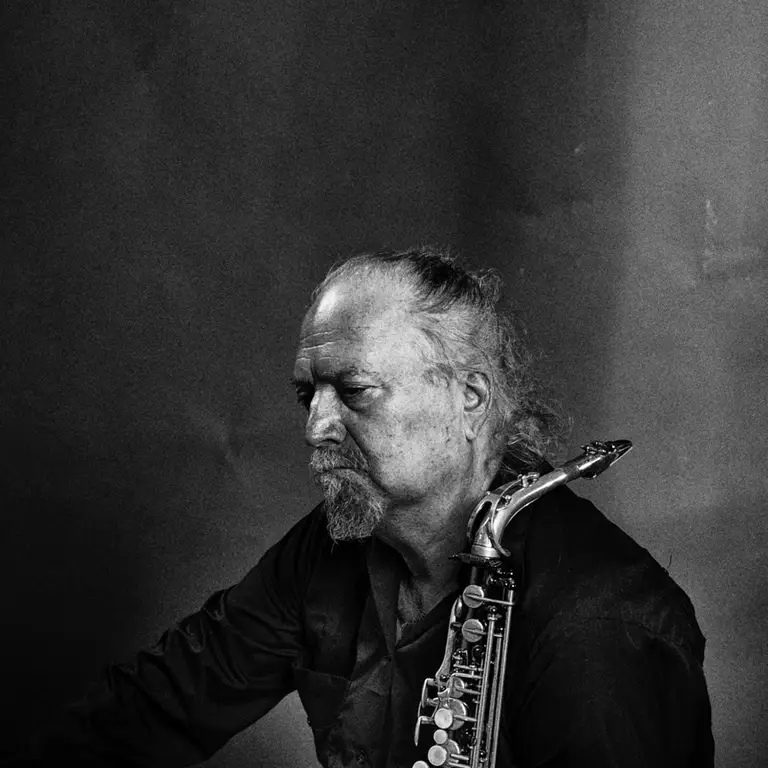
המוזיקאי דרור פיילר. צילום: Pelle Seth
בסוף שנות השישים התגייס לצה"ל. "כל קומוניסט יודע שכוח פוליטי צומח מקנה הרובה, את זה אמר מאו צה טונג וזה היה כתוב על אוהל הסיירים שלי בגדוד חמישים", מספר פיילר בראיון בביתו שבסטוקהולם, יותר מחמישים שנה אחרי גיוסו לצנחנים. "המפלגה הקומוניסטית לא היתה נגד הצבא, להיפך, היא התנגדה להפקרתו לימין. היה לי חשוב להיות בצבא. הייתי ילד חיוור שנשרף בשמש, קטן ממדים, לא חזק ועם פה גדול. היה לי חשוב להראות קצת גבריות ומאצ'ואיזם. זו גם היתה הפעם הראשונה שפגשתי מקרוב חלקים גדולים בחברה הישראלית, דתיים ומזרחים למשל".
מפגשים אלו וגם המסגרת הצבאית לא גרמו לפיילר לשנות את השקפת עולמו. בעזה ב־1970 סירב למלא פקודה לירות לתוך המון שמישהו מתוכו השליך רימון על החיילים בטענה כי איננה חוקית, ישב בכלא הצבאי ולבסוף נזרק מהגדוד ונשלח לסיים את השירות בקיבוצו. הצבא השאיר בכל זאת חותם והיה התחלה לגישה מוזיקלית ייחודית. "ב-1970 באזור בלוזה (בצפון מערב סיני) נשלחנו לפתוח ציר לאורך תעלת סואץ בכל בוקר. המצרים ידעו בדיוק מתי נגיע ואיפה נהיה ויום אחד הם טיווחו את הצומת שסיימנו בו את הסיור. נהג המשאית שהיה אמור לאסוף אותנו נבהל מההפגזה, התחיל לנסוע לפני שהספקנו לעלות, ונאלצנו לרוץ אחרי המשאית עד שהיא נעצרה כי פגז נפל ממש לפניה. כך הספקנו לעלות ומישהו הוציא את הנהג מההלם כדי שימשיך לנסוע. בזמן הריצה הפגזים נפלו והרעש היה כאילו האוויר נקרע. אחר כך בא הצלצול והסתימה שנשארת באוזניים. זה שטח פתוח בלי הרים ובלי הד וזה יוצר רעש מיוחד מאוד. שנים ניסיתי לשחזר את הסאונד הזה ביצירה שלי ולעשות סימולציה אלקטרונית שלו. לא הצלחתי. אי אפשר לשחזר באולפן את האפקט של האדרנלין ואת הפחד". והיתה עוד חוויה צבאית שלימים חדרה למוזיקה של פיילר. "כשישבתי בבידוד בכלא צבאי, התא היה קטן מאוד, האור דלק כל הזמן ולא היה באזור אף אדם. יכולתי לשמוע רק את קצב הלב שלי, קולות כאוטיים מהבטן וצליל גבוה שאולי בא מהמוח שלי, או שאולי זה רק היה דמיון. במוזיקה שלי ישנם המרכיבים האלו: קצב, תנועות כאוטיות וצלילים גבוהים".
Swedish Jewish organization blasts church’s decision, saying it cements its image as anti-Israel, while some of the church’s own bishops label it a ‘one-sided fixation on Israel’.
STOCKHOLM – A decision by the Church of Sweden last week calling on ecumenical organizations to investigate Israel as an apartheid state has been condemned by the country’s leading Jewish body and members of the church itself.
According to the formal decision, the General Synod (the church’s decision-making body) has commissioned its Central Board to “raise the issue of scrutinizing the implementation of international law in Israel and Palestine, also from the perspective of the United Nations convention on apartheid and the definitions of apartheid in the Rome Statute.”
The church’s director of international affairs, Erik Lysén, told Haaretz that “the addendum suggests that the Central Board raise the issue with ecumenical organizations such as the Lutheran World Federation and the World Council of Churches. How the task is handled will be a matter for the Central Board to decide. There is no specific time frame for this.”
The latest decision, which was supported by members of the Synod who are part of Sweden’s Social Democratic and Center parties, has been criticized both within and outside the church.
Aron Verständig, president of the Council of Swedish Jewish Communities, said his organization found the decision unacceptable. He said the Church of Sweden “repeatedly chooses to criticize the only Jewish state, without criticizing any of Israel’s neighbors for the persecution that Christians are subjected to.” Verständig added that “the result of this decision is unfortunately that the image of the Church of Sweden having a strong anti-Israel approach is cemented.”
When asked if the decision was a result of the church’s will to protect Christians in the region or due to a more general political agenda, Lysén responded: “The members of the Synod who proposed the addendum argued in the debate that they were doing so out of a belief that the deteriorating human rights situation on the ground requires an investigation based on human rights and international law, and echoed voices of Palestinian Christians, as well as Israeli, Palestinian and international human rights groups who call for international action.”
The Church of Sweden, which has been active in the Middle East region for many years, publicly supports a two-state solution based on the armistice demarcation line before the 1967 Six-Day War. It calls for an end to “Israel’s occupation of Palestine,” for “a return to talks and negotiations based on international law,” and for both sides to end violence and respect human rights.
In the past, the church has claimed that “methods that prevent financial support for the occupation are legitimate ways of working for peace.” At the end of last week, the church’s head, Archbishop of Sweden Antje Jackelén, informed Verständig that she was personally opposed to the decision. However, she added in an open letter published on the church's website, that “an image of the decision is now being spread that is not entirely correct, and which can easily lead to misunderstandings and overinterpretations.”
Jackelén wrote “it is the use of the word ‘apartheid’ that provokes anger and sadness. I myself would not have used the word in this context. But I am also aware that Israeli and other human rights organizations such as B’Tselem, Yesh Din and Human Rights Watch have used the term in their reports.
“The decision also raises the issue of an examination of how the Palestinian Authority and Hamas live up to international law,” she continued. “Even though I think the wording is unfortunate, it is clear to me that the church council’s decision is in no way directed at Jews as a people, either in Sweden or in Israel, nor at the State of Israel.”
Other senior figures within the Church of Sweden were even more critical. “As bishops, we love our church and support its structure. This doesn’t prevent us from strongly distancing ourselves from the decision taken by the council,” wrote Åke Bonnier and Sören Dalevi, two bishops who mentioned the split vote at the church council. In "Kyrakans Tidning", a Swedish weekly newspaper which focuses on church issues, they stated that “103 members chose to vote against the proposal. As a church, we simply don’t agree on this issue. Why does the council so often pass motions concerning Israel, the only democracy in the Middle East? After all, there are 195 other countries in the world to choose from. Why is it never exercised over Belarus, Ethiopia, the U.S., China, Russia or any of the abominable dictatorships surrounding Israel? We note that this one-sided fixation on Israel does not directly contribute to improving relations with the Jewish state or with our Jewish siblings.”
One-sided supporter
As part of its involvement in the region, the Church of Sweden backs various organizations and projects, some of which support the boycott, divestment and sanctions movement against Israel. The church has often been accused of being anti-Israel and a one-sided supporter of the Palestinians.
Lysén said the Church of Sweden “focuses its international engagement on countries where we have long-term development and humanitarian partners,” and rejected the notion that it was only focused on the Israeli-Palestinian conflict. He said the church had raised issues of human rights violations in countries such as “Colombia, Myanmar, South Sudan, Tanzania, several countries in Central America and regionally in the Middle East. This is often done in partnership with ecumenical networks and alliances, and always with a basis in human rights and international humanitarian law.”
Responding to criticism of the decision, Lysén stressed that “the Church of Sweden’s position is not anti-Israeli and remains principled to human rights and international law – in Israel and Palestine, and in any other context where we work. We support and cooperate with both Israeli and Palestinian partners, all of whom work from a human rights-based approach. We remain committed to the rights of both the Israeli and the Palestinian people.”
The Church of Sweden is an evangelical Lutheran church with 5.8 million members (about 55 percent of Sweden’s population) and is considered a progressive and liberal church by international standards. It has ordained female priests since the late 1950s; recognizes and performs same-sex marriages; and its decision-making body, which consists of 251 members who meet biannually, is voted for in a democratic election in which all of the country’s major political parties are represented.
The General Synod elects the church’s Central Board, which is led by the archbishop of Sweden (Jackelén is the first woman to hold the church’s highest position). Until the start of the 2000s, the church held the position of state church, which explains the high membership numbers in a country that is extremely secular and in which only a small percentage of the population attends church services.
Until 1996, all newborn children were made members, unless parents actively canceled their membership. The church is involved in humanitarian work far from Sweden’s boarders, its self-proclaimed priorities including “gender justice and equality, safeguarding people’s sexual and reproductive health and rights, basic freedom of religion or belief, just peace worldwide, fair and sustainable livelihood, and maintaining human dignity and human rights in emergency situations.”


 דיויד סטברו