Since the invasion of Ukraine, even traditionally dovish Social Democrats are beginning to change their minds, as seen in historic polls showing that about half of Swedes and Finns want their country to join the alliance
STOCKHOLM – NATO membership has been a controversial issue in Sweden and Finland since the alliance’s founding in 1949, but the two countries’ traditions of nonalignment are so strong that they’re staying out for now, despite Russia’s invasion of Ukraine.
The end of the Cold War saw 14 new members join NATO, bringing the roster to 30, but without these two Nordic countries.For Sweden, the main reason for staying out has been its long-standing policy of nonalignment and neutrality. For Finland, it has largely been concern about the way its Russian neighbor would interpret such a step.Thus, while the other Nordic countries – Denmark, Norway and Iceland – are full NATO members, Sweden and Finland have been cooperating with the alliance for years without actually joining. But then came Russia’s onslaught on Ukraine.
According to surveys conducted after the invasion, about half of Swedes are in favor of joining NATO – a record for the country, and up from 37 percent last summer and 32 percent in 2017. Other studies show that more and more Swedes are concerned about a possible Russian attack. In Finland, a petition signed by over 50,000 people calls for a referendum on NATO membership, a subject discussed in parliament last week. A poll by Finland’s public broadcaster early in Russia’s invasion showed that a record 53 percent of Finns support full NATO membership. In 2017 this number was only 19 percent.
In Helsinki last weekend, Swedish Prime Minister Magdalena Andersson and her Finnish counterpart, Sanna Marin, discussed defense policy and cooperation while keeping the NATO issue vague. Marin said that it’s “very understandable that the mindset of our citizens is changing due to Russia’s attack against Ukraine,” adding that Finland’s political parties would now be delving into the issue. Andersson agreed and added that “the security situation has altered in a dramatic way, and of course this will be discussed both in Finland and in Sweden.” In the current crisis, officials from both countries have spoken with U.S. President Joe Biden on their close cooperation with the United States.
“Historically, in both countries, nonalignment has been a long tradition, especially in Sweden, which was ‘neutral’ during World War II, though it was of course helping the Germans,” says Ann-Sofie Dahl, an associate professor in international relations and a nonresident senior fellow at the Atlantic Council in Washington. “Sweden clung to nonalignment during the Cold War as mostly a political and ideological tool for the ruling Social Democrats, who have a romantic view of Sweden playing a role in global politics as a neutral country,” Dahl says. “But this was a two-sided doctrine because it was combined with top secret cooperation with NATO during the Cold War.”
Getting closer
In the Finnish case it’s more of a security matter. “Finland has a very long border with Russia and they’ve also been part of the Russian Empire, which puts them in Putin’s sphere of interest. The Finns have also fought against the Russians [during World War II], which means that the Russians respect them. So, although Sweden and Finland both have nonalignment security doctrines, they have very different historical backgrounds.”
In 1994, Sweden and Finland were among the first to join the Partnership for Peace, NATO’s nonmember partnership program. But unlike Poland, Hungary and the Baltic states, they have not joined NATO. In 2014, with the first Russian invasion of Ukraine, Sweden and Finland became part of the Enhanced Opportunity Partnership, a small group of the alliance’s closest partners that now includes Ukraine.
“This means Sweden and Finland are part of NATO military exercises and various forms of communications and training. Now, because of the war, Sweden and Finland are even closer to NATO, and they’re participating in its discussions on the Ukraine crisis,” Dahl says. “This is a historic moment; we have never seen discussions like this before. Domestically in both countries, some center-right parties have supported joining NATO for years, others have recently joined, but now even some Social Democratic voices are moving towards accepting the idea of NATO membership. In Sweden this means a possible ideological U-turn for traditional supporters of nonalignment, while in Finland, the Social Democrats seem to be one step ahead because of a more pragmatic approach in these matters.”
Exposed and vulnerable
Swedes and Finns who are now changing their minds about NATO membership have a clear understanding of its benefits. It’s all about Article 5 of the North Atlantic Treaty. That clause, sometimes called the “Three Musketeer article,” commits each NATO member to consider an attack on another member an attack on it. As in the Alexandre Dumas novel, it’s “all for one and one for all.” “People in Sweden and Finland are afraid of what’s happening in Ukraine, which isn’t very far from them. They realize that they’re outside NATO, which means that like Ukraine, they’re exposed and vulnerable, particularly Sweden, which still has a very weak military and is seen as the most vulnerable part of the Baltic,” Dahl says. “We have a president in Moscow who is obviously unstable and ready to invade a neighboring country. Russia has been provoking Sweden with fighter jets entering its airspace. People are aware of this and of course they’re scared.”
Still, on Tuesday, Prime Minister Andersson said that a Swedish application for NATO membership was not on the table at the moment, adding that such a move would further destabilize the situation in Europe. Sweden prefers to strengthen its ties with Finland and the United States, cooperate with NATO as a nonmember partner and work within the EU framework to support Ukraine. Finland doesn’t seem like it will be joining NATO in the immediate future either. “The Finnish position is that we are at the beginning of a process,” says Maimo Henriksson, a senior Foreign Ministry official who headed the Eastern department and is now ambassador to Sweden. “The security situation has changed in our neighborhood, which means there are more reasons to analyze and discuss the situation and its implications. Joining NATO is one option, but it’s not self-evident that we’ll land there.”
Henriksson says a political debate has been launched in Finland that includes policy papers, parliamentary debates and discussions among the parties. “It’s an open issue, it should be handled efficiently but with care, and it’s not clear what the end result will be,” she says, adding that Finland has constantly been talking with the Russians throughout the years, but not over the last few weeks. The Finnish people, shocked like so many people around the world, have shown strong support for Ukraine. Regarding Sweden, Henriksson says that “both countries wish to go hand in hand when it comes to the decision about NATO. But of course, there are no guarantees since both countries have their individual national processes, and decisions will be made on the basis of national interest.”
בתחילת פברואר השנה נהרג מנהיג ארגון המדינה האיסלמית (דאע"ש) בזמן פשיטת כוחות קומנדו אמריקאיים על ביתו. המבצע האמריקאי הוצא לפועל כמה ימים לאחר שאנשי דאע"ש פרצו לבית-כלא בו מוחזקים אלפים מאנשי הארגון בעיר חסקה שבסוריה. כתוצאה מהפריצה התנהלו בכלא ומחוצה לו קרבות קשים בין דאע"ש לכוחות הכורדים השולטים באזור בתמיכה אמריקאית. זה לא היה פיגוע טרור מבודד. בשטח התנהלו קרבות במשך ימים ארוכים שהפילו מאות חללים מקרב אנשי הארגון, אנשי הכוחות הסורים הדמוקרטים (SDF) ואזרחים מן השורה. השמועות על מותו של הארגון שהטיל את חיתתו על העולם בעשור הקודם, מסתבר, היו מוקדמות מדי. ליילא, צעירה יזידית ששרדה את תופת רצח-עמה בידי אנשי דאע"ש, מזכירה מדוע צריך דווקא כעת, כאשר תשומת הלב העולמית מופנית למזרח אירופה, לזכור את קורבנותיו של דאע"ש, להבין שהזוועה טרם נגמרה ולהתגונן בפני הסכנה המתהווה במרחק שעות ספורות של נסיעה מגבול ישראל.
האזור בו נולדה ליילא, צעירה יזידית המתגוררת כיום במחנה פליטים בכורדיסטאן העיראקית, מלא בהקשרים מקראיים. המחוז בצפון עיראק שבו נמצא כפר מולדתה הוא מחוז נינווה, הנקרא על שם בירת אשור אליה נשלח יונה הנביא. מתחם קברו של הנביא המקראי, לפי אחת המסורות, נמצא במוסול, העיר הגדולה במחוז כיום, והוא נהרס ע"י דאע"ש כמה ימים לפני שהם כבשו את הכפר של ליילא. קרוב יותר לכפר עצמו נמצאים הרי סינג'אר שע"פ האמונה היזידית הם הר אררט הקדום עליו סיימה תיבת נח את מסעה לאחר המבול. היזידים, שחיו באזור במשך מאות שנים, נרדפו ע"י כוחות רבים לפני דאע"ש – מוסלמים פרסים, עות'מאנים וכורדים. מכיוון שדתם כוללת מרכיבים אזוטריים ומיסטיים שקודמים לאסלאם, הם נחשבו ועדיין נחשבים ע"י הסונים הקיצוניים כ"כופרים". מכיוון ששפתם היא קורמאנג'י, אחת השפות הכורדיות, רבים רואים ביזידים חלק מהעם הכורדי, אך עובדה זו לא עזרה להם בקיץ של 2014 כאשר הם נותרו לבדם מול לוחמי המדינה האיסלמית.
עד האירועים הידועים היום כרצח-העם היזידי בידי דאע"ש, התגוררה משפחתה של ליילא בכפר גירזרק, לא רחוק מהעיר סינג'אר (שינגאל בכורדית) שהותקפה באוגוסט 2014 ע"י כוחות דאע"ש. בשלב הזה דאע"ש הכריז כבר על הקמת החליפות העולמית ועל שינוי שמו ל"המדינה האסלאמית" והוא החזיק חלקים נרחבים של צפון עיראק כולל העיר מוסול, העיר השנייה בגודלה במדינה, ותיכרית שעל נהר החידקל. בעת הזו מנתה משפחתה של ליילא עשר נפשות. היו לה הורים, אחים ואחיות, חלקם נשואים כבר, אחרים שחיו איתה בבית. "היו לי חיים טובים לפני שדאע"ש הגיעו. היתה לי משפחה וחברים. הילדות שלי היתה כמו חלום", היא נזכרת, "כמו כל הבנות, חשבתי שאגדל, אתחתן ואקים משפחה. אבל התבגרנו מהר מדי".
השלושה באוגוסט היה יום הרה גורל בחבל סינג'אר. עוד לפני עלות השחר פשטו כוחות דאע"ש על האזור וכבשו אותו כמעט ללא התנגדות. כשהושלמה ההשתלטות על העיר סינג'אר והכפרים הסובבים החלו דיווחים על מעשי טבח ועל דרישה מהאוכלוסייה המקומית לבחור בין התאסלמות להוצאה להורג. ברבים מהמקרים, גם אלו שהסכימו להתאסלם הוצאו להורג ורבים מהיזידים בכפרים החלו לברוח לכיוון ההרים. "אני זוכרת את היום הזה", אומרת ליילא, "זה היה היום הקשה בחיי. היינו כולם בבית. שמענו שדאע"ש באים ובשתיים וחצי בלילה שמענו קולות קרב. הכפר שלנו היה קטן, היו בו אולי 3,000 תושבים וחלק מהגברים נלחמו והתנגדו. שמענו קולות של מרגמות וירי של תתי-מקלע, שכבנו על הרצפה ולא העזנו אפילו להסתכל מהחלון. זה נמשך עד בערך שמונה בבוקר. אז נכנסנו לשתי מכוניות והתחלנו לנסוע לכיוון ההרים. אבל בדיוק כשעמדנו להגיע להרים אנשי דאע"ש תפסו אותנו, עצרו אותנו ולקחו אותנו לאחד הכפרים". מהכפר נלקחו ליילא ובני משפחתה לעיר תלעפר הממוקמת בין סינג'אר למוסול וששימשה לריכוז, מיון וגירוש היזידים שנתפסו בידי דאע"ש. ליילא הוחזקה שם באחד מבתי-הספר ששימשו למטרה זו יחד עם הוריה, אחיה ואשתו של אחיה שילדה את ילדה הראשון שעות לפני התקיפה של דאע"ש. "בבית-הספר בתלעפר הגברים הופרדו מהנשים", מספרת ליילא, "הגברים תושאלו ע"י אנשי דאע"ש שהיו ממדינות שונות ובגילאים שונים, צעירים מקומיים ומתנדבים מחוץ לארץ. עם הנשים, בשלב זה, הם לא דיברו בכלל. לא ידענו מה יקרה לנו. מדי פעם הם באו ולקחו בנות משם. אבל אני נשארתי עם המשפחה".
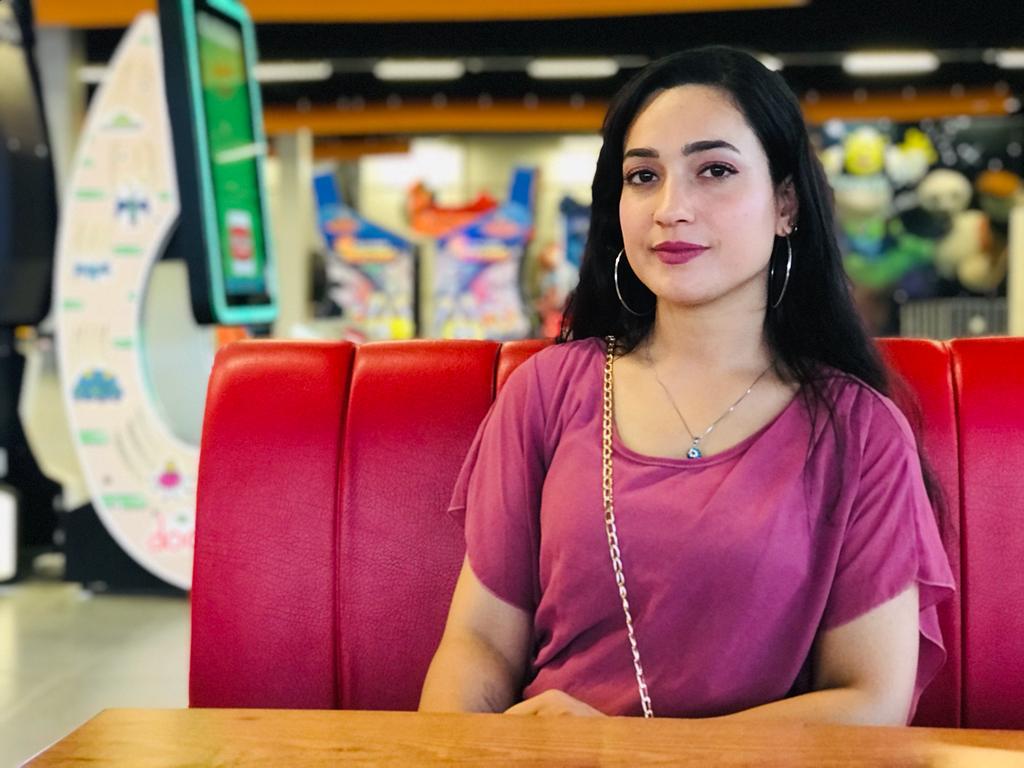
ליילא לאחר שחרורה משבי דאע"ש. תמונה: Lolav Media
בימים שליילא ובני משפחתה הוחזקו בבית-הספר בתלעפר אנשי המדינה האיסלמית ביצעו זוועות בשטחים שכבשו. ע"פ האו"ם כ-5,000 גברים הוצאו להורג בעיר סינג'אר ובכפרים סמוכים. זו לא היתה פעולה צבאית המכוונת כנגד התקוממות אזרחית. בשלב זה התרכזו אנשי דאע"ש ברדיפת היזידים ללא כל מטרה צבאית. הם אפילו לא ניסו להסתיר את מה שביצעו. הם צילמו הוצאות להורג, פרסמו את הסרטונים והשאירו את הגופות חשופות לעיני כל. במקרה של כפר בשם קוצ'ו, מאות גברים הוצאו להורג וגופותיהם נקברו בקברי אחים. שיטת ההוצאה להורג הנפוצה של הגברים היזידים בסינג'אר היתה ירי לראש שהתבצע ברחובות הכפרים והערים או במחסומים שהוקמו בבסיס ההר. אחרים נרצחו באמצעות סכינים או בכריתת ראשיהם. במקרים רבים הנשים והילדים נאלצו לצפות בטבח. במקביל, נערים צעירים אולצו להצטרף ולהתגייס לדאע"ש וע"פ האו"ם, כ-7,000 נשים, נערות וילדות נמכרו לעבדות והפכו לשפחות מין. מאות קורבנות, כולל תינוקות וילדים, נפלו גם בְּקֶרֶב עשרות האלפים שהצליחו לברוח להר סינג'אר. רבים נורו מרחוק, אחרים לא שרדו את תנאי מזג האוויר הקשה, הרעב והקשיים הפיזיים ומתו לפני שכוחות כורדים בתמיכה אווירית אמריקאית הצליחו לחלץ את הנמלטים לאזור בטוח בסוריה.
לאחר כעשרים ימים שליילא ובני-משפחתה הוחזקו בבית-הספר בתלעפר היא הועברה ע"י דאע"ש לעיר מוסול שם הוחזקה באולם חתונות גדול בשם "גלקסי". מקום זה מוזכר בעדויות רבות של נשים יזידיות והוחזקו בו אלפי בנות ונשים בתנאים קשים עם מזון מועט, ללא טיפול רפואי ובפחד גדול מפני הבאות. משם הוחזרה ליילא לתלעפר שם היא ובני משפחתה עבדו בעבור דאע"ש בטיפול בכבשים. "לא הרביצו לנו בתקופה זו, אבל כל הזמן פחדנו. רק עבדנו בשבילם, אבל אפילו השם שלהם לבדו מעורר פחד", היא אומרת. אחרי כחמישה חודשים באו אנשי דאע"ש ולקחו חלק מהבנות. את היום לאחר מכן ליילא לא שוכחת. היא אפילו זוכרת את התאריך המדויק. "זה היה ב-25 באפריל, 2015", היא נזכרת, "ביום הזה אנשי דאע"ש אספו את כולנו ועשו הפרדה. גברים נלקחו לצד אחד. נשים מבוגרות לצד אחר. הם יצרו עוד שלוש קבוצות – אימהות עם ילדים עד גיל תשע, נערים צעירים בני 12 ו-13 ובנות ונשים צעירות מגיל תשע, אולי אפילו צעירות יותר. אני לא יודעת מה קרה לגברים. היו שם כ-500 גברים בגיל של אבי ואחי ועד היום אנחנו לא יודעות מה קרה להם. כך גם הנשים המבוגרות, אף אחד לא יודע מה קרה להן. הנערים הצעירים נלקחו גם הם, היו בערך 300 כאלה, חלקם חזרו מאז, חלקם היו פצועים ואחרים עדיין לא נמצאו".
ליילא היום. תמונה פרטית.
ליילא, שהיתה בקבוצה של הנשים הצעירות, מספרת שכל הזמן שהתבצעה ההפרדה וגם בתקופות אחרות בזמן שהוחזקה בידי דאע"ש היא ראתה מטוסים שטסו בגובה נמוך מספיק בשביל לראות ולצלם את הנעשה. העובדה הזו (שלא מצאתי לה עדויות נוספות, ד.ס) מכעיסה אותה מאוד. היא בוכה ונרגשת. "אנחנו רוצים לדעת איפה האנשים שנעלמו. איפה אבא שלי, איפה אחי וכל הדודים והאחיינים שלא חזרו. גם אם זה רק כדי לחפור ולמצוא את העצמות של הקרובים שלנו. אני לא יודעת של מי המטוסים האלו היו, אבל איך יכול להיות שהכל נצפה וצולם ושאף אחד לא יכול להגיד לנו להיכן נלקחו הגברים ואחרי כל מה שעברנו, עכשיו, כשאנחנו חיים באוהלים בגשם ובשלג, אף מדינה לא מבררת מה קרה להם ועוזרת לנו לחפש את האנשים האלו".
מה קרה לאחר שהופרדת מהגברים, הנערים והנשים המבוגרות יותר?
"היינו קבוצה גדולה של בנות. אני לא יודעת כמה בדיוק אבל הם השתמשו בכמה בתים כדי לאכלס אותנו. הצעירות ביותר היו בנות תשע והמבוגרות היו בגיל שנישאים בו. דאע"ש לקחו את כל הבנות. היינו כולן באותו מצב. אני הייתי בידיים שלהם במשך חמש שנים. מכרו אותי, היכו אותי, הייתי בכל האזורים בסוריה שהיו בידי דאע"ש. כמו כל האחרות, ראיתי פחד, ראיתי רעב".
תוכלי לספר על המקומות שהיית בהם ועל היחס שקיבלתן?
"כשהייתי שם זה היה כמו להיות מתה. החיים והמוות היו אותו דבר. ראינו רק אותם (את אנשי דאע"ש) והם דיכאו אותנו עד שהרגשנו מתות לגמרי. ברגע שהתעוררנו ראינו רק את הפנים שלהם וחווינו רק את הדיכוי שלהם. לא היה אפילו יום רגוע אחד, אפילו לא יום אחד של חיים נורמליים. עבדנו בשבילם והם מכרו אותנו הלאה. בחמש השנים האלו הייתי תחת השליטה המוחלטת שלהם כל הזמן".
ראית כיצד התייחסו לבנות האחרות ומה עשו להן?
"ראינו הכל וחווינו הכל יחד. ראינו לפעמים כשהם מכרו את הנשים והבנות. לעיתים הם לקחו בנות ונשים חדשות למקומות שגם אני הייתי בהם. ראיתי כשהן הגיעו ומתתי איתן בכל פעם שהן נמכרו. הכאב שלנו היה אחד. היו איתנו נשים שהיו להן ילדים והילדים נלקחו מהן כדי לשמש עבדים. לא היה לנו כל ערך בעבור השובים שלנו. הם היו מרביצים לילדים, לא היה אכפת להם אם היינו רעבים, לא נחשבנו כלל לבני-אדם. הם אמרו לנו שבני משפחותינו הם כופרים ושהג'יהאד נגדנו לא יסתיים לעולם. חלק גדול מהם היו השכנים שלנו, לא רק אנשים מארצות אחרות, שכנים ממוסול, מתלעפר, משינגאל. הם יצרו אצלנו פחד ותחושה שזה לא ייגמר לעולם, חיינו בגיהינום והגהנום הזה נמצא אצלי עד היום. הם היו מכים ומענים את כל מי שניסה לברוח ונתפס והם היו לוקחים אפילו ילדות בנות תשע. הם אמרו שהדת שלהם מאפשרת את זה, אבל באיזו דת זה בסדר שגבר בן ארבעים ייקח נערה בת תשע?
למה בדיוק את מתכוונת שהם "לקחו" ילדה בת תשע?
לקחו אותן בכוח, עשו איתן הכל, מכרו אותן. התעללו בהן. אנסו אותן.
באופן טבעי מתקשה ליילא להיכנס לפרטים של התקופה שהיא חיה כשבויה בסוריה ובעיראק, אך עדויות נוספות משלימות את התמונה. אישה יזידית המצוטטת בדו"ח של משרד הנציב העליון של האו"ם לזכויות האדם (OHCHR) מ-2016 מספרת על שוק העבדים של דאע"ש בא-רקה: "אחרי שישה ימים הלוחמים העבירו אותנו לאולם לבן וגדול ליד הנהר. שם אנשי דאע"ש היו מוכרים וקונים את הנערות. היה אזור מוגבה שם עמדנו. אם היינו מסרבות הלוחמים היכו אותנו במקלות. היו שם אולי 200 נערות יזידיות. הצעירה ביותר היתה בין גיל שבע לתשע. הרוב היו צעירות. אמרו לנו להוריד את כיסויי הראש. רצו לראות את השיער שלנו. לפעמים אמרו לנו לפתוח את הפה כדי שהגברים יוכלו לראות את השיניים שלנו". נערה אחרת סיפרה שבשוק נשים בבית בעיר חומס הנערות התבקשו ללכת בחדר כמו במסלול תצוגת אופנה. כאשר גבר היה מתעניין באחת הנערות, הוא היה מרים את ידו, מקבל מסמך עם שם הנערה והמחיר שלה, משלם בעבורה, מכניס אותה למכוניתו ונסע. המחירים נעו בין 200 ל-1,500 דולר לנערה, בהתאם לגיל, מספר הילדים שלה והמראה החיצוני שלה. ע"פ אותו הדו"ח הנשים היזידיות החטופות, המכונות בשם סבאיא (Sabaya מהמילה "שבויות" בערבית) נחשבות לשלל מלחמה ולכן ללוחם שקונה אותן יש עליהן זכויות קניין מלאות, כלומר, מותר לו להשתמש באישה כפי שהוא מחליט, מותר לו לנצלה כשפחה לביצוע עבודות הבית או כשפחת מין ומותר לו גם לתת אותה כמתנה או למכור אותה.
"חלק מהנשים הוחזקו בבתי משפחות, אחרות בדירות לבדן ואחרות באתרים ובסיסים צבאיים", מספרת ליילא, "היו אנשי דאע"ש שקנו נערה אחת וכאלו שקנו יותר. והן נמכרו שוב ושוב". עדויות רבות ודו"חות שונים שעסקו בנושא מאשרים את דבריה של ליילא. נערות אכן נוצלו באופן שהיא מתארת ונמכרו מספר רב של פעמים, אם כי חל איסור על מכירת הנערות והנשים מחוץ למעגל הפנימי של אנשי דאע"ש. זאת הסיבה שמשפחותיהן של הנשים, במידה והן שרדו, התקשו לקנות אותן בחזרה. במקרים שבהם אנשי דאע"ש לקחו סיכון והסכימו למכור אישה בחזרה למשפחתה, הם גבו לעיתים סכומי עתק של עשרות אלפי דולרים.
בפרויקט איסוף עדויות שנערך במסגרת קורס באוניברסיטת בן-גוריון בהנחיית פרופ' דרור זאבי ועידן בריר חשפו מספר נשים ונערות יזידיות חלק מזיכרונותיהן מהשבי. אחת הנערות, שהיתה בכיתה ז' כשנשבתה, מספרת שהועלתה על אוטובוס יחד עם נערות נוספות ונלקחה לחווה בסוריה. "אחרי שסיימו את המכירה, גבר מדאע"ש, סורי בשם אבו-מוחמד אל עדנאני, לקח אותי לא-רקה", היא סיפרה, "הוא לקח אותי לבית שבו הוא גר. היו שם עוד בנות יזידיות. גרתי שם איתו ועם שאר הבנות במשך תשעה חודשים. בזמן הזה הוא התעלל בי, עינה אותי ואח"כ מכר אותי כשפחת מין לאבו-מוחמד מעיראק. הוא היה עוד יותר גרוע מהראשון. הוא לקח אותי למשפחה שלו ולביתו בא-רקה. הם לא התייחסו אלי כבן-אדם, הם התעללו בי ועינו אותי. הוא ואשתו יחד. נשארתי אצלו במשך שנה. הוא אנס אותי והשתמש בי כשפחת מין. מלבד האונס, אשתו השתמשה בי כמשרתת". אותה נערה מספרת שהיא חיה בבתים של אנשי דאע"ש שרכשו אותה, אם כי במקום נפרד מבני הבית כאשר היא חיה משאריות של ארוחותיהם. "סיממו אותי הרבה", היא מספרת, "ישנתי המון, במיוחד לקראת סוף השבי. התנאים הקשים בהם שהיתי גרמו להידרדרות במצב הפסיכולוגי שלי, האירועים שעברתי, האונס והטראומה גרמו לי לנסות לשים סוף לחיי. ניסיתי להתאבד פעמיים, בפעם הראשונה ניסיתי להתחשמל ובפעם השנייה ניסיתי לחתוך את הוורידים, שתי הפעמים לא צלחו".
צעירה אחרת, כבת עשרים, סיפרה על הגבר העיראקי שעינה אותה כאשר קנה אותה יחד עם ביתה, בת השנה. "בלילה הראשון הוא הביא לי בגדים והכריח אותי להתקלח ולהתנקות כדי שיוכל לשכב איתי. התחננתי ובכיתי. אמרתי שאני לא מוסלמית והוא כן, ושאיבדתי את בעלי ואני לא מסוגלת לשכב איתו, אבל הוא לא הקשיב לי. לאחר שהכניס אותי למקלחת מצאתי שם כלי חד וחתכתי את עצמי. כשגילה, הוא קרא לשותפיו להיכנס, הוא חבש אותי ואמר 'אם את רוצה או לא, אני אאנוס אותך', סירבתי והתפתלתי. הם קשרו אותי למיטה ברגליים ובידיים ואז הוא אנס אותי באגרסיביות. נשארתי שם חמישה ימים, הוא אנס אותי פעמיים ביום. או יותר. או פחות. אני לא זוכרת והוא היה מתעלל בי לפני או אחרי. בגלל שכל הזמן התנגדתי הייתי קשורה. מה שהיה עבורי קשה יותר מכל היתה העובדה שבתי בת השנה היתה באותו חדר, היא ראתה איך מתעללים בי והיתה בוכה. התחננתי ללכת אליה אבל ידי היו כבולות".
צעירה אחרת סיפרה שעשרים אנשי דאע"ש קנו ומכרו אותה. כל אחד מהם אנס אותה וילדיה נלקחו ממנה. "האנשים האלו שהשתמשו בי, מכרו וקנו אותי היו מארצות שונות, אנשים מסוגים שונים והם היו נוראיים. הם הראו לי בווידאו את הפשעים שהם עושים. לדוגמא, אחד מהם היה נכה עם יד אחת, והוא צילם בווידיאו את הפשעים שהוא היה עושה… אחד מהם, אבו מאזן מסעודיה, הכריח אותי לנקות את הנשק והכדורים שלו. פעם אחת הוא ניסה לשטוף לי את המוח, לתת לי חגורת נפץ ולשכנע אותי ללכת עם חגורת הנפץ ולפוצץ את עצמי במרכז של יזידים. עד עכשיו, בגלל הדברים שראיתי וחוויתי, אני לא בסדר מבחינה פסיכולוגית, עד עכשיו אני יכולה לשמוע את קולה של הילדה היזידית בת ה-11 שאנסו אותה בחדר שהיה צמוד אליי. אני לא יכולה לעולם לשכוח את הקולות והדברים הנוראיים שראיתי ועברתי". כמו נערות רבות אחרות, גם צעירה זו ניסתה להתאבד ולברוח מספר פעמים. הבריחה היתה, כמובן, מסוכנת מאוד. "אני בעצמי ראיתי איש יזידי שברח", היא מספרת על אחת החוויות המוקדמות של השבי שלה, "דאע"ש תפסו אותו, הרגו אותו וחתכו את ידיו ורגליו. לאחר מכן הם קשרו את הגופה לרכב ונסעו בכל הכפר כדי שנראה מה קורה למי שמנסה לברוח".
"אני ניסיתי לברוח פעמיים", מספרת ליילא, "אבל תפסו אותי, התעללו בי ועינו אותי".
כיצד נוצרה ההזדמנות לברוח?
זה היה בשנה הראשונה לשבי. ברגע שנוצרה הזדמנות ניסיתי לברוח. לפעמים זה היה קורה. אם היו משאירים אותנו לבד בבית, אם השאירו את הדלת פתוחה. באחת הפעמים הצלחתי להגיע די רחוק, אבל הם מצאו אותי בכל זאת.
ברחת לבד?
כן.
לא פחדת?
ברור שפחדתי. הם אמרו שאם אברח שוב הם יהרגו אותי. זה היה אחרי הפעם השנייה שניסיתי לברוח ויותר לא ניסיתי.
בזמן שהיית בשבי, היתה לך איזושהי תקווה?
לא היתה שום תקווה. לא האמנתי שאפגוש אי פעם את משפחתי.
בשלב האחרון של שבייה היתה ליילא בעיר באר'וז בזמן הקרבות המכריעים בין הכוחות הכורדיים לדאע"ש. "היה שם רעב גדול", היא מספרת, "לא נתנו לנו אוכל ולפעמים היו ימים שלמים שלא אכלנו בהם. היינו שם בזמן הקרבות, ארבעה ימים רצופים. היה מצור מלא ופחד גדול. מטוסים הפילו פצצות, צלפים ירו, כדורים ופצצות היו כל כך קרובים אלי שהשיער שלי היה שרוף, הבגדים היו קרועים וידיי נפצעו. היו גופות בכל מקום, גברים, נשים וילדים, רציתי לברוח אבל לא יכולתי בגלל המוקשים שדאע"ש הטמינו. בסוף לוחמי דאע"ש העמיסו אותנו על משאיות ולקחו אותנו למדבר. כשהורידו אותנו חשבתי שהם יוציאו אותנו להורג. אבל פתאום הם עזבו ונותרנו שם תקועים במדבר. אח"כ מטוסי הקואליציה פיזרו דפים בהם נכתב שיש הפסקת אש ושמותר לנו לעזוב. אז הכוחות הכורדים לקחו אותנו למחנה אל-הול (מחנה המאכלס עשרות אלפי אנשי דאע"ש לשעבר, בעיקר נשים וילדים, באזור שבשליטת הכורדים בצפון-מזרח סוריה, ד.ס). "שהיתי באל-הול חמישה חודשים. אחרי שנים בכלא לא ידעתי אם אני יכולה לסמוך על הכורדים, אז לא סיפרתי שאני יזידית. לא ידעתי אם המשפחה שלי עדיין חיה. לא ידעתי אם הם בכלל ירצו אותי בחזרה בגלל מה שעבר עלי אצל אנשי דאע"ש. הייתי מבולבלת והרגשתי אשמה. אז לא אמרתי כלום".
לבסוף שוחררה ליילא ממחנה אל-הול ע"י אנשי "מרכז הבית היזידי", קבוצה קטנה של יזידים בסוריה שחילצו, תוך כדי סיכון גדול, נערות יזידיות מאל-הול והחזירו אותן למשפחותיהן. מבצע החילוץ של ליילא תועד בסרט התיעודי "סבאיא" של הבמאי הוגיר הירורי. גיבורי הסרט מחמוד וזיאד, אנשי המרכז היזידי, נראים בסרט כשהם מוציאים אותה מאוהל במחנה כשהם חמושים באקדח, טלפון סלולארי ומידע מודיעיני שמקורו במסתננות יזידיות במחנה. בשלב זה ליילא פחדה להודות שהיא יזידית והיא היססה להצטרף למחלציה ולהימלט מהשבי. הסצנה מסתיימת כאשר היא מצטרפת למחלצים למרות הכל ונמלטת מהמחנה כאשר אנשי דאע"ש רודפים אחרי הרכב ויורים עליו. בסוף הנסיעה, אחרי שהצליחו מחמוד וזיאד להתחמק מהרכב הרודף אומרת ליילא "בבקשה אל תיתנו להם לחטוף אותי יותר. אני לא יכולה יותר".
ליילא ואמה לאחר השחרור. תמונה פרטית.
"דּוֹד מחמוד לקח אותי משם", היא מספרת כעת על החילוץ ועל מחמוד, איש מרכז הבית היזידי שנפטר בינתיים, ושאירח אותה בבית משפחתו עם שחרורה מהשבי, "כשאני חושבת על הנסיעה הזו, זה מרגיש לא אמיתי, המחשבות שלי היו בכל מקום. פחדתי מאוד ולא דיברתי עם אף אחד. ואז התחילו היריות. אני עדיין בקושי מאמינה שיצאתי משם". היום חיה ליילא במחנה עקורים בעיר זאכו, סמוך לגבול עיראק-סוריה. "אני גרה באוהל יחד עם אשתו של אחי וילדיה", היא מספרת, "אני עובדת בבית-חולים. אמא שלי שרדה ויחד עם אח ואחות שלי ששרדו גם הם, הם קיבלו מקלט בקנדה. אבי וכמה מאחיי ואחיותיי נעדרים עדיין". ליילא לא מוכנה לעזוב את אחותה של בעלה שאיננה זכאית למקלט בקנדה אבל היא מקווה ששתיהן תוכלנה לקבל מקלט באוסטרליה.
ליילא איננה לבדה. אלפי נשים יזידיות אחרות ששוחררו מהתופת של דאע"ש טרם הגיעו למנוחה ולנחלה. עידן בריר, חוקר הקהילה היזידית ועמית מחקר בפורום לחשיבה אזורית, מספר שהיו נשים יזידיות שזכו להיות חלק מתכנית שיקום והתאזרחות בגרמניה. מדובר בכ-1,200 או 1,300 נשים, בעיקר כאלו שברחו, הוברחו או נקנו מאנשי דאע"ש בחודשים הראשונים לאחר השתלטות המדינה האיסלמית על האזור. "בעבור נשים ששוחררו מאוחר יותר האופציה של יציאה לאירופה כבר כמעט לא היתה קיימת כי השערים ננעלו", הוא אומר, "חלקן ניסו לצאת לאירופה ונתקעו בתורכיה, אחרות חזרו למחנות עקורים בצפון עיראק ולקהילה היזידית. בשנים 2016-2017 הקהילה אף נקטה בצעדים מרחיקי לכת שמעולם לא נעשו קודם כדי לאפשר את חזרת הנשים. הן הוטבלו מחדש בצעד סמלי של חזרה לקהילה למרות שבעבר לא היתה שום דרך להחזיר אדם שהתאסלם לקהילה היזידית, גם אם ההתאסלמות נעשתה בכפייה. במקביל אפשרו היזידים, גם זאת בפעם הראשונה, לנשים שחזרו והיו בהריון לבצע הפלות. ב-2017, כשסינג'אר כבר היתה משוחררת, חלק מהיזידים חזרו לביתם, אך זו היתה חזרה מוגבלת מאוד, עשרות אלפים במקרה הטוב, מתוך חצי מיליון שגורשו. לרוב המקומות אין כבר לאין לחזור". רוב הנשים, וליילא בתוכן, נמצאות עדיין במחנות עקורים. חלקן אף מטופלות ע"י ארגונים מקומיים וארגונים זרים.
רצח-העם של 2014 נתפס ע"י הקהילה היזידית כחלק משרשרת ארוכה של רדיפות. "הקהילה היזידית, קצת כמונו, הם קהילת טראומה", מסביר בריר, "כמו שיהודים סופרים פוגרומים, היזידים סופרים פֶרְמָאנִים, מסעות המרת דת שנעשו נגדם ומעשי טבח שבוצעו בהם. הרצח של דאע"ש הוא הפרמאן ה-74 לספירתם, הוא החל הרבה לפני 2014, כבר ב-2007 היו נגדם רדיפות של אל-קעידה בצפון עיראק, והרדיפות נגדם יימשכו, כפי שהם תופסים את זה, לנצח. חשוב לזכור שהתוקפנות כאן איננה רק של הארגון הספציפי, דאע"ש, והקורבנות אינם רק היזידים. דאע"ש הרי רצח גם את השיעים בעיראק, את העלוואים בסוריה, את האשורים הנוצרים וגם סונים שלא קיבלו את הפרשנות המאוד מסוימת הזו של האסלאם הסוני. דאע"ש גם איננו מתעניין בעניין האתני, הרי היו אצלו גם צ'צ'נים ומלזים שאין להם כלום עם הערביות, זהו עניין של דתיות קיצונית ואקסקלוסיבית ושל חוסר עכבות מוחלט ביחס למי שאינו מקבל את האסלאם הסוני שלהם". ע"פ בריר גם אם דאע"ש כארגון יכול לבוא וללכת, לנצח או להפסיד בקרב כזה או אחר, התפיסה הזו, כרעיון, איננה רק שלו והיא ממשיכה לסכן את האזור כולו ולסכן נשים כמו ליילא שבונות כעת את חייהן מחדש.
אך יש קבוצה נוספת של נשים. אלו שלא שוחררו כלל. "בהערכה גסה יש כ-2,000 או 3,000 נשים שלא שוחררו", אומר בריר, "אף אחד לא יודע בדיוק היכן הן וכמה מהן עדיין בחיים. חלקן וודאי מתו בדרכים, חלקן בוודאי נרצחו ע"י שוביהן וחלקן התאסלמו וחיות עם האנשים שקנו אותן. במציאות אף יזידי לא יגיד שהנשים האלו מתות. אין נכונות או יכולות להודות בעובדה שככל הנראה רוב הנשים האלו כבר אינן בין החיים. יש הכחשה ויש וודאי גם הרבה נשים שמסיבות שונות כבר לא רוצות לחזור. בעבר היו אנשים שפעלו במרץ לשחרר את הנשים השבויות. היו פשיטות פרטיזניות על מחנות וכפרים ונשים שוחררו. היום אני כבר לא מכיר אף אחד שעושה את זה וברמה ממשלתית בוודאי שאין פעילויות כאלו. מעולם גם לא היו".
"בכיתי הרבה כשהם שחררו אותי" מספרת ליילא על רגעי החופש הראשונים שלה, "בתחילה סירבתי לדבר, לא אמרתי להם שאני יזידית, למרות שהם אמרו לי שהם יודעים ושהכל בסדר. בסוף הרגשתי שחזרתי לחיים. דּוֹד מחמוד עשה כל כך הרבה בשבילנו והציל עוד הרבה בנות אבל עכשיו כשהוא נפטר וזיאד עזב את המדינה, אין כבר מי שמתאמץ כדי לחלץ את הבנות שנותרו בשבי. אף ממשלה לא דואגת להן. אף אחד אחר לא מנסה. אבל הבנות עדיין שם והן צריכות שמישהו ימצא אותן. שמישהו יציל אותן".
While thousands of enslaved Yazidi women and girls are still missing, director Hogir Hirori traveled to Syria in order to document both victims and the women fighting to free them. 'Everybody thought I was crazy,' he tells Haaretz.
As a documentary film about war, “Sabaya” is quite exceptional. It has no talking heads, no explanations about the politics of the conflict, no maps with directional arrows, no timelines, and no dramatic music. No narrator is walking around the battlefield and talking to the camera amid the whistle of bullets. There are not even any interviews, at least not in the usual sense of the word.
All it has are fragments of unfiltered reality, with no cheap thrills or any complex cinematic wrapping. Yet, it won last week the award for the best documentary of 2021 at the Golden Bug Film Awards, the Swedish Oscars. It has also won several prestigious awards for its director Hogir Hirori at film festivals worldwide, including Israel’s Docaviv, and the prestigious Sundance Film Festival.
The film describes one of our day’s greatest tragedies – the fate of Yazidi women abducted by Islamic State forces in Iraq and Syria. It does so by focusing on a small group of Yazidi activists who endeavor to rescue women held by ISIS as sabaya – slaves who can be raped and sold based on religious ideology and theological justifications. ISIS claims these Yazidi women and girls are daughters of an infidel, devil-worshiping religion that rejects Islam and therefore Muslims are commanded to make them sabaya.
This reality still persists; over 2,000 Yazidi women and girls are still missing. Perhaps that is why Hirori says his film’s success at Western festivals is not the important thing. “What I saw on the ground, what I shot, is what I show in this film, without interviews or explanations,” he told Haaretz. “The idea is for viewers to feel reality itself, and for Yazidis to have documentation they can use. Obviously, it was important to make a good film that people would appreciate, but documenting was the most important thing.”
Hirori’s personal story led him to take an interest in the war and its consequences. Born in 1980 in Iraqi Kurdistan, he came to Sweden as a refugee when he was 19 after an arduous three-month journey. “Like everyone of my age in the region, I saw the consequences of the war in Iraqi Kurdistan in the 1990s. I fled in 1991 as an 11-year-old. I was lost and without my parents for weeks. My father was a Peshmerga warrior in the mountains. My mother and grandmother moved us around because the Iraqi regime was after my family.”
But Hirori’s childhood wasn’t just about war. He attended music school, playing classical music and dreaming of a career as a cellist in Europe. He discovered in Sweden that things aren’t so simple. He had to learn the language, establish himself, and study. Eventually, encouraged by his partner who he met in Sweden, he started studying communications and began working in TV.
Director Hogir Hirori. Photo: Dogwoof
“Sabaya” is the third part of a trilogy that Hirori began working on in 2014, when ISIS attacked Sinjar in Iraq. They killed thousands of Yazidi men and raped and kidnapped thousands of women. Hundreds of thousands fled, seeking refuge on Mount Sinjar. “I was shocked that nobody was reporting on what was happening,” Hirori recalled. “I felt a disaster approaching, but nobody wanted to report about it. So I packed my bags, my camera and my equipment, and traveled without knowing exactly what I would do there. My wife was in late pregnancy with our first son. I thought that if I started reporting from there, perhaps other journalists would come, and then politicians would begin taking action. It was early in the war when people started fleeing their homes, and ISIS started publishing its propaganda pictures of decapitation in the streets.”
Only nine people showed up for his flight, which should have been full, because only those who really had to fly made the journey. “There was a silence and a feeling on the plane that we were flying towards death,” he recalled. “Everybody thought I was crazy. When I arrived, I realized I couldn’t stop the war with my camera. The possibilities were limited. The photos I sent over social media reached my friends and a few Swedish media outlets, but their impact was only partial. “
A few days later, other journalists arrived. Hirori began filming what would be the first film in the trilogy, “The Girl who Saved My Life” (2014). “The Deminer” (2018) followed. The process of making the two films repeatedly brought him back to his country of birth and to suppressed childhood memories – the bombings, the battles he had fled and the people who remained behind. “When I completed the second film, I decided again, just as I did after the first, that I’d never return,” he said. “I already had a child, I felt good with the films, and I thought there was no reason to endanger myself again.”
It was Hirori’s wife Lorin, a journalist herself, who suggested he make a third film to tell the abducted Yazidi women’s story. They originally planned to go together to Syria along with a big film crew. But the situation on the ground made that impossible. They decided Hirori would go alone, so as not to put others in danger. He followed the operations of the Yazidi Home Center, which rescues Yazidi girls from their captors. Hirori visited Syria six times to complete the film. Each time, he was director, photographer, producer and sound man. Working alone wasn’t just a technicality. The work completely consumed him.
Hirori grew up in a Muslim majority town, but he had childhood friends, neighbors, and schoolmates who were Yazidis. After making his first film, he understood better what the Yazidis had been through as a religious minority. He said he gained a deep understanding of the need to talk about racial and religious hatred and discrimination. In the film, Hirori takes his viewers deep into two places near each other but profoundly different. The first is the al-Hawl camp in northeastern Syria, close to the border with Iraq. The camp, run by the Syrian Democratic Forces, is home to 73,000 refugees, most of them women and children, including thousands of ISIS supporters and members.
The second place is the home of Mahmud, a Yazidi Home Center volunteer. It serves as a shelter for Yazidi women and girls who Mahmud and his fellow volunteers have rescued at huge risk from al-Hawl. Viewers see Mahmoud’s family, especially his mother, wife and young son. “Al-Hawl is a huge camp, like a whole town. It’s hard to control,” Hirori said. “It’s divided into seven sections, one of which is designated for foreigners from around the world. Women living in the camp wear the niqab, but sometimes men don a niqab to infiltrate the camp. Anything can happen there: weapons smuggling, bomb making, stabbings and shootings. You have to be ready for anything. The camp’s economic situation is unstable. Everything is chaotic, and even though ISIS has been defeated militarily, it is still recruiting and strengthening from day to day.”
The film shows the rescue from the camp of Yazidi girls abducted by ISIS. Mahmud and Ziad, another center activist, drag the girls out of tents. They are armed with pistols, mobile phones, and intelligence they have received from Yazidi infiltrators, many of whom are girls who previously escaped ISIS captivity and agreed to return to the inferno.
The film depicts Mahmud’s home as an island of mutual aid, empathy and solidarity. “I lived there while I was filming the documentary,” Hirori said. “They were like family to me. They shared the little they had with me and the ‘guests’ – Yazidi girls rescued from al-Hawl. Mahmud’s mother called me ‘son.’ It is so typical of the Middle East. It reminded me of my childhood. The hospitality where a guest receives food even before the children, and the women help each other even in the most difficult situations.”
The story of the women themselves is at the film’s core. They are not interviewed in the standard sense of the word, but there are conversations. “I hate this world. Everything is dark,” says one of them. “I was in captivity for five years and now I’m here alone.” Another girl asks: “Why? How did God let this happen?” Another tells her story: “I was kidnapped. I was abducted and taken to Mosul. They forced me there to get married for the first time. Me and 61 other girls, just young girls. Then they took us from Mosul to al-Raqqa in Syria, where they gave us to different men. They believe that the Yazidi religion is an infidel religion and so Yazidi girls must be sabaya who clean their houses and are their sex slaves. Abdul Rahman chose me in al-Raqqa. He forced me to marry him. After a year, he died in the war. So, I was moved to a house with ISIS women to be sold to another man. They guarded me the whole time. They controlled my whole life, ever since I was a young girl. My heart is completely broken.”
One of the girls, seven-year-old Mitra, was abducted from Sinjar when she was just a year old. Her parents are still missing. She speaks only Arabic, not Kurdish because she has spent almost all of her short life in captivity. Another of the rescued Yazidi describes what ISIS fighters did to her. “I was sold to 15 different men,” she recalls. The first ISIS fighter to take me was a Swede. He beat me and made a hole in my head. Then I was put in prison and sold to someone in Syria, and later to a Tunisian. He broke my teeth.” After all she had been through, the woman decided to infiltrate back into al-Hawl after her release.
“I was shocked when I first met the Yazidi women infiltrating the camp,” Hirori said. “I had heard about them before, but I was shocked that there are people with such courage. Women who are willing to risk their lives after having been saved. When I asked them if they really wanted to do it, if they weren’t scared, they got annoyed and said of course they wanted to. They said they have nothing to fear, nothing to lose anymore, that it is important for them to help other women.”
Hirori’s trilogy is about the war that has devastated Iraq and Syria. “This war is not just about bombs falling on towns in the Middle East and causing people to flee for Europe,” he said. “We are all responsible for this war in one way or another. Modern Western countries manufacture the weapons. Some fight for oil or fight for influence because of their interests in the region. As a result, countries in the region have been at war for ages, so many years that generation after generation is born and dies without even receiving any education, without having the opportunity to serve food without the fear of being bombed.”
Hirori speaks of long-term solutions to end the cycles of violence, but events in this blood-soaked strip of land in northeastern Syria that have transpired since his film was made do not bode well. On the one hand, ISIS forces are strengthening and again attacking prisons in the region. On the other, Mahmud, the film’s hero, died of a heart attack, and Ziad has been forced to escape Syria after ISIS targeted him and tried to kill him several times.
Some Yazidi women have returned to their homes and families, but others have no one to return to. The Yazidi Home Center has saved over 200 women and girls, but this story isn’t over yet. Herein perhaps lies the bottom line of “Sabaya”: We are now in 2022 and over 2,000 Yazidi women are still missing, still being held as sex slaves and passed from hand to hand, sold as a commodity.
בגיל 70, דרור פיילר עדיין זכור כמי שהיה ממארגני משטי המחאה לעזה וכמי שעמד מאחורי המיצב עם צילום המחבלת המתאבדת שהושחת על ידי שגרירנו בשוודיה. בראיון מספר המוזיקאי האוונגרדי על האיומים, המכות ואיסור הכניסה לארץ, ומזכיר שלמרות הרעש שהוא יוצר, כל רצונו הוא שקט ושלום במזרח התיכון.
גיל שבעים יושב בימים אלו המוזיקאי האקספרימנטלי, האמן והאקטיביסט הפוליטי דרור פיילר בביתו שבסטוקהולם ומלחין יצירה מוזיקלית לתזמורת של שמונים נגנים. זו משימה שיש בה מידה לא מעטה של אופטימיות, בהתחשב בעובדה שאיש לא הזמין את היצירה ושאולמות הקונצרטים באירופה סוגרים בימים אלו את דלתותיהם בזה אחר זה. בהנחה שהיצירה אכן תוצג לקהל ביום מן הימים, סביר להניח ששמות התואר שהמאזינים יצמידו לה, כמו לרוב עבודותיו של פיילר, יהיו "אוונגרדית", "ניסיונית", "לא קומוניקטיבית" או סתם "רעש". אך גם אם יש משהו בכינויים אלו, עבודתו של פיילר בעשורים האחרונים כוללת מרכיבים ביוגרפיים מהילדות בקיבוץ, השירות בצנחנים, ההגירה לשוודיה והגלות באירופה. יש בה אמירה אידיאולוגית, הצהרה אמנותית וגם מרכיבים אישיותיים.
בישראל מוכר פיילר, יש שיאמרו ידוע לשמצה, בזכות פעילותו הפוליטית, ובעיקר ארגון המשטים לעזה והיצירה מעוררת המחלוקת "שלגיה ושיגעון האמת" שיצר יחד עם רעייתו, גונילה. יצירה זו, ששגריר ישראל בשוודיה ניסה להשחית, מעצריו של פיילר בישראל, תמיכתו ב-BDS והצהרות הנמצאות הרחק מגבולות הגזרה של הדיון הציבורי הלגיטימי בישראל – כל אלה משכו אליהם תשומת לב שלעתים באה על חשבון המוזיקה. עם זאת, יצירותיו של פיילר מבוצעות וזוכות להצלחה ברחבי העולם. לפחות עד כמה שמוזיקה אמנותית ולא מסחרית יכולה לזכות להצלחה.
פיילר נולד ב-1951 בתל אביב. בכיתה ח' עזב את הבית והחל ללמוד בפנימיית "מקווה ישראל", שם סיבכה אותו דעתנותו עם מוריו והוא הועזב אחרי שנתיים. הוא חזר להוריו, שבשלב זה עברו ליד-חנה, קיבוץ שהתפלג מתנועת "הקיבוץ המאוחד" והפך ליחיד בארץ שתמך במפלגה הקומוניסטית הישראלית (מק"י). הוריו של פיילר היו פעילי מפלגה. אביו, אליעזר (נפטר ב-1993), היה מזכירו של ח"כ שמואל מיקוניס, מזכ"ל המפלגה. אמו, פנינה (נפטרה ב-2022 בגיל 98), עסקה באקטיביזם עד שנות התשעים לחייה. זיכרונות הילדות של פיילר פוליטיים מאוד – הוא מספר על הפגנות וחלוקת כרוזים, ריסוס סיסמאות נגד הכיבוש יחד עם אביו כבר ביוני 1967, והוא זוכר ויכוחים סוערים בין אמו להנהגת המפלגה ונסיעה להפגנה נגד החרמת אדמות ערבים עם אורי אבנרי ודן בן-אמוץ.
פיילר היה פעיל בברית הנוער הקומוניסטי (בנק"י) וגם שם הסתבך בדעתנות-יתר והואשם בטרוצקיזם, האשמה שלקח על עצמו בגאווה, למרות שכלל לא היה טרוצקיסט. אלו היו סוף שנות השישים ופיילר היה במרכז העניינים של השמאל הרדיקלי הישראלי – הוא ליווה את אביו בזמן הפילוג בין מק"י לרק"ח והצטרף לקבוצת שי"ח שנחשבה ל"שמאל חדש" וכללה, בין השאר, את יצחק לאור, רן כהן וניבה לניר. שנים לאחר מכן, ב־1986, נפגש אביו בבוקרשט עם אנשי אש"ף כשהמעשה היה לא חוקי. "זה היה חשוב", אומר פיילר, "הם נסעו למרות האיסור ודיברו שם על דו-קיום. הייתי גאה ושמח שאבי היה חלק מזה. זו לא היתה הפעם הראשונה שהוא פגש מנהיגים פלסטינים, אבל בפעם הזו זה היה פתוח וגלוי כדי לאתגר את החוק הטיפשי שאסור לדבר עם אויבים על שלום".
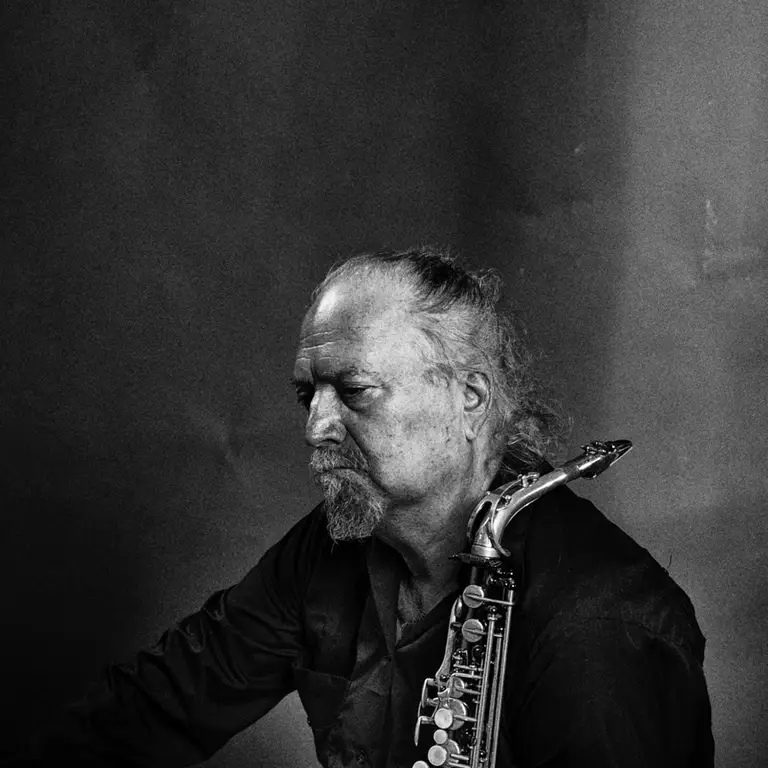
המוזיקאי דרור פיילר. צילום: Pelle Seth
בסוף שנות השישים התגייס לצה"ל. "כל קומוניסט יודע שכוח פוליטי צומח מקנה הרובה, את זה אמר מאו צה טונג וזה היה כתוב על אוהל הסיירים שלי בגדוד חמישים", מספר פיילר בראיון בביתו שבסטוקהולם, יותר מחמישים שנה אחרי גיוסו לצנחנים. "המפלגה הקומוניסטית לא היתה נגד הצבא, להיפך, היא התנגדה להפקרתו לימין. היה לי חשוב להיות בצבא. הייתי ילד חיוור שנשרף בשמש, קטן ממדים, לא חזק ועם פה גדול. היה לי חשוב להראות קצת גבריות ומאצ'ואיזם. זו גם היתה הפעם הראשונה שפגשתי מקרוב חלקים גדולים בחברה הישראלית, דתיים ומזרחים למשל".
מפגשים אלו וגם המסגרת הצבאית לא גרמו לפיילר לשנות את השקפת עולמו. בעזה ב־1970 סירב למלא פקודה לירות לתוך המון שמישהו מתוכו השליך רימון על החיילים בטענה כי איננה חוקית, ישב בכלא הצבאי ולבסוף נזרק מהגדוד ונשלח לסיים את השירות בקיבוצו. הצבא השאיר בכל זאת חותם והיה התחלה לגישה מוזיקלית ייחודית. "ב-1970 באזור בלוזה (בצפון מערב סיני) נשלחנו לפתוח ציר לאורך תעלת סואץ בכל בוקר. המצרים ידעו בדיוק מתי נגיע ואיפה נהיה ויום אחד הם טיווחו את הצומת שסיימנו בו את הסיור. נהג המשאית שהיה אמור לאסוף אותנו נבהל מההפגזה, התחיל לנסוע לפני שהספקנו לעלות, ונאלצנו לרוץ אחרי המשאית עד שהיא נעצרה כי פגז נפל ממש לפניה. כך הספקנו לעלות ומישהו הוציא את הנהג מההלם כדי שימשיך לנסוע. בזמן הריצה הפגזים נפלו והרעש היה כאילו האוויר נקרע. אחר כך בא הצלצול והסתימה שנשארת באוזניים. זה שטח פתוח בלי הרים ובלי הד וזה יוצר רעש מיוחד מאוד. שנים ניסיתי לשחזר את הסאונד הזה ביצירה שלי ולעשות סימולציה אלקטרונית שלו. לא הצלחתי. אי אפשר לשחזר באולפן את האפקט של האדרנלין ואת הפחד". והיתה עוד חוויה צבאית שלימים חדרה למוזיקה של פיילר. "כשישבתי בבידוד בכלא צבאי, התא היה קטן מאוד, האור דלק כל הזמן ולא היה באזור אף אדם. יכולתי לשמוע רק את קצב הלב שלי, קולות כאוטיים מהבטן וצליל גבוה שאולי בא מהמוח שלי, או שאולי זה רק היה דמיון. במוזיקה שלי ישנם המרכיבים האלו: קצב, תנועות כאוטיות וצלילים גבוהים".
דאעש הכריז עליהן ככופרות והפך אותן לשפחות־מין ומשרתות המועברות מגבר לגבר. אלפיים נשים יזידיות עדיין נעדרות, ומאתיים ניצלו בזכות חברותיהן שחזרו אל התופת בצפון־מזרח סוריה. "סבאיה", הסרט שתיעד את חייהן, זכה באוסקר השוודי והוקרן ברחבי העולם, אבל ההצלחה לא מנחמת את הבמאי הוגיר הירורי.
כסרט תיעודי העוסק במלחמה, "סבאיה" (Sabaya) הוא חריג למדי. אין בו ראשים מדברים והסברים פוליטיים, לא מפות עם חצים וצירי זמן ולא מוזיקה דרמטית. אין גם מנחה המסתובב באזורי הקרבות ומדבר למצלמה בין שריקות הכדורים. אין אפילו ראיונות במובן המקובל של המילה. כל מה שיש בו הן פיסות מציאות המועברות ללא פילטר, ללא ריגושים זולים וללא מעטפת קולנועית מסובכת מדי. למרות כל זאת, הוא זכה בשבוע שעבר בפרס הסרט התיעודי הטוב של 2021 בטקס פרסי ה"גולדבאג", המקבילה השוודית לאוסקר, ופסטיבלים רבים ברחבי העולם, כולל דוקאביב הישראלי וסאנדנס האמריקאי, העניקו לו ולבמאי שלו, הוגיר הירורי, פרסים יוקרתיים.
הסרט, שזמין לצפייה בשירות ה־VOD של יס, מתאר את אחת הטרגדיות הגדולות של זמננו — גורלן של נשים יזידיות שנשבו בידי כוחות דאעש בעיראק ובסוריה. הוא עושה זאת באמצעות התמקדות בקבוצה קטנה של פעילים ופעילות יזידים שלקחו על עצמם לחלץ את הנשים שהוחזקו בידי דאעש כ"סבאיה" — שפחה שניתן לאנוס אותה, להעביד אותה ולמכור אותה הלאה בהסתמך על אידיאולוגיה דתית והצדקות תיאולוגיות. אנשי דאעש טוענים שהנשים והנערות היזידיות הן בנות דת הכופרת באיסלאם ועובדת את השטן, לכן זוהי מצווה דתית להפכן לסבאיה.
מציאות זו מתרחשת גם בימים אלו וזו אולי הסיבה שהבמאי הירורי אומר שהצלחתו של הסרט בפסטיבלים במערב איננה העיקר. "מה שראיתי בשטח, מה שצילמתי הוא מה שאני מראה בסרט. בלי ראיונות והסברים", הוא אומר בראיון. "הרעיון הוא שהצופים ירגישו את המציאות עצמה ושיהיה תיעוד שאפשר להשתמש בו. שהיזידים יוכלו להשתמש בו. ברור שהיה חשוב לי גם שזה יהיה סרט טוב, שאנשים יאהבו אותו, אבל הכי חשוב היה התיעוד".
סיפורו האישי של הירורי הוא שהביא אותו לעסוק במלחמה ובתוצאותיה. הוא נולד ב–1980 בכורדיסטאן העיראקית והגיע לשוודיה כפליט בן 19 אחרי מסע קשה בן שלושה חודשים. "כמו כל בני גילי באזור, ראיתי כילד צעיר בשנות ה–90 את השלכות המלחמה בכורדיסטאן העיראקית. כמו כולם ברחתי ב–1991, הלכתי לאיבוד כבן 11 והייתי בלי הוריי במשך שבועות. אבי היה לוחם פשמרגה בהרים ואמי וסבתי העבירו אותנו ממקום למקום כי המשטר העיראקי רדף אחרי המשפחה שלי".
הוגיר הירורי צילום: Dogwoof
אבל ילדותו של הירורי כללה גם דברים אחרים. הוא היה תלמיד בבית ספר למוזיקה, ניגן מוזיקה קלאסית וחלם על קריירה של צ'לן באירופה. כשהגיע לבסוף לשוודיה הוא גילה שהדברים לא פשוטים כל כך. הוא היה צריך ללמוד את השפה, לבסס את עצמו בחיי העבודה ולהשתלב בלימודים. בסופו של דבר, בעידודה של בת זוגו שאותה פגש בשוודיה, החל ללמוד תקשורת והשתלב בעבודה בטלוויזיה.
הסרט "סבאיה" הוא למעשה חלק שלישי בטרילוגיה שהירורי החל ליצור ב–2014 עם המתקפה של דאעש על העיר סינג'אר בעיראק. נהרגו בה אלפי גברים יזידים ואלפי נשים נאנסו ונחטפו. מאות־אלפים ברחו מהאזור וחיפשו מסתור בהר סינג'אר. "הייתי בהלם מכך שאיש לא מדווח על מה שקורה", נזכר הירורי, "הרגשתי שהאסון בדרך אבל אף אחד לא רוצה לדווח על זה. אז ארזתי תיק, את המצלמה ואת הציוד שלי ונסעתי בלי לדעת מה בדיוק אעשה שם. אשתי היתה בהריון מתקדם עם בננו הראשון. חשבתי שאם אתחיל לדווח משם אולי יבואו עיתונאים נוספים ואז גם פוליטיקאים יתחילו לפעול. זה היה ממש בתחילת המלחמה, באותו יום שאנשים החלו לברוח מבתיהם ודאעש הוציאו את תמונות התעמולה של עריפת ראשים ברחובות.
"אני זוכר שלמרות שהטיסה היתה אמורה להיות מלאה, רק תשעה אנשים היו עליה כי רק מי שממש היה חייב טס לשם. היתה במטוס שתיקה ותחושה שאנחנו טסים אל המוות. כולם חשבו שאני מטורף. כשהגעתי לשם הבנתי שזה לא בדיוק אפשרי לעצור את המלחמה עם המצלמה שלי, שהאפשרויות מוגבלות והתמונות שהעברתי ברשתות החברתיות אמנם מגיעות לחברים שלי ולכמה אמצעי תקשורת בשוודיה — אבל השפעתן היתה חלקית". כמה ימים מאוחר יותר הגיעו גם עיתונאים אחרים והירורי החל לצלם את מה שנהפך לסרט ראשון בטרילוגיה — "הילדה שהצילה את חיי" (The Girl Who Saved My Life, 2014). בהמשך הוא יצר את סרטו השני, "שולה המוקשים" (The Deminer, 2018). תהליך היצירה של שני הסרטים החזיר אותו שוב ושוב לארץ הולדתו ולזיכרונות הילדות שהדחיק — ההפגזות, הקרבות מהם ברח והאנשים שנשארו מאחור. "כשסיימתי את הסרט השני החלטתי שוב, ממש כמו אחרי שסיימתי את הראשון, שלעולם לא אחזור לשם", הוא אומר, "היה לי כבר ילד, הרגשתי טוב עם הסרטים שכבר עשיתי וחשבתי שאין צורך להסתכן שוב".
היתה זאת דווקא לורין, אשתו של הירורי ועיתונאית בעצמה, שהציעה לעשות בכל זאת סרט נוסף ולתאר את סיפורן של הנשים היזידיות שנחטפו. הרעיון המקורי היה לנסוע יחד לסוריה ולקחת צוות צילום גדול, אבל המצב בשטח לא איפשר זאת. הם החליטו שהירורי ייסע לבדו כדי לא לסכן אחרים, וישתלב בפעילות של "מרכז הבית היזידי", ארגון מקומי שמנהליו החליטו לחלץ את הנערות היזידיות מידי שוביהן. בסופו של דבר נזקק הירורי לשש נסיעות לסוריה כדי להשלים את הסרט. בכולן הוא תפקד כבמאי, צלם, מפיק ומקליט. העובדה שנאלץ לפעול ללא צוות צילום איננה טכנית בלבד: הוא נבלע בעבודה על הסרט.
הבית שבו מצילים
הירורי אינו יזידי בעצמו. הוא גדל בעיר עם רוב מוסלמי, אבל היו לו בילדותו שכנים, חברים ושותפים ללימודים שהיו יזידים. אחרי שהשלים את סרטו הראשון הוא הבין טוב יותר את מה שעברו היזידים כמיעוט דתי, ולדבריו הבין לעומק את הצורך לעסוק בשנאה ובאפליה המתבססת על חזות האנשים, מוצאם ודתם. בסרט הוא לוקח את צופיו עמוק אל שני מקומות קרובים אך שונים מאוד. הראשון הוא מחנה אל־הול שבצפון־מזרח סוריה, קרוב לגבול סוריה־עיראק. המחנה מנוהל בידי הכוחות הסוריים הדמוקרטיים (SDF) וחיים בו כ–73 אלף פליטים, רובם נשים וילדים, בהם אלפי תומכי ופעילי דאעש. המקום השני הוא ביתו של מחמוד המשמש גם בית מחסה לנשים, לנערות ולילדות היזידיות שמחמוד וחבריו, מתנדבי מרכז הבית היזידי, מצליחים לחלץ תוך סיכון חיים ממחנה אל־הול. כך מתוודעים הצופים גם לחלק ממשפחתו של מחמוד, ובעיקר אמו, רעייתו ובנו הצעיר.
"אל־הול הוא מחנה גדול מאוד, כמו עיר שלמה, וקשה לשלוט בו", מסביר הירורי, "הוא מחולק לשבעה חלקים, מתוכם אחד מיועד לזרים שהגיעו מרחבי העולם. הנשים שחיות בו לבושות ניקאב, אבל לעיתים גברים מסתננים פנימה ומסתתרים גם הם תחת ניקאב. הכל יכול לקרות שם: מבריחים נשק למקום, מכינים פצצות, רוצחים בדקירות ובירי. צריך להיות מוכן לכל. המצב הכלכלי במקום לא יציב, הכל כאוטי, ולמרות שדאעש נוצח צבאית — הוא עדיין מגייס חברים והוא מתחזק מיום ליום". בסרט נחשפים הצופים לחילוץ של נערות יזידיות שנחטפו על ידי דאעש מתוך המחנה כאשר מחמוד וזיאד, איש המרכז היזידי, שולפים אותן מתוך אוהלים כשהם חמושים באקדח, בטלפון סלולרי ובמידע מודיעיני שקיבלו ממסתננות יזידיות, רבות מהן נערות שנשבו בעבר בידי דאעש והסכימו לחזור לתוך התופת. מהצד השני חושף הסרט את ביתו של מחמוד. זהו אי של עזרה הדדית, אמפתיה וסולידריות. "חייתי שם בתקופה שצילמתי את הסרט", נזכר הירורי, "הם היו כמו משפחה בשבילי. לא היה להם הרבה אבל הם חלקו כל מה שהיה להם איתי ועם 'האורחות' — הבנות היזידיות שחולצו מאל־הול. אמו של מחמוד קראה לי 'בני'. זה טיפוסי כל כך למזרח התיכון והזכיר לי את הילדות שלי — את קבלת האורחים כשהאורח מקבל אוכל אפילו לפני הילדים, והנשים עוזרות זו לזו גם במצבים הכי קשים".
בת שבע, חטופה
וזהו לבו של הסרט — סיפורן של הנשים עצמן. הן אמנם לא מתראיינות במובן המקובל, אך יש קטעי שיחה. "אני שונאת את העולם הזה, הכל שחור", אומרת אחת מהן, "חמש שנים בשבי ועכשיו אני פה לבד". אחת הנערות שואלת "איך אלוהים נתן לזה לקרות?" ואחרת מספרת בתמצית את קורותיה: "חטפו אותנו ולקחו אותנו למוסול. שם הכריחו אותי להתחתן לראשונה. אני ועוד 61 בנות. רק בנות צעירות. אחר כך לקחו אותנו ממוסול לא־רקה בסוריה. שם הם נתנו אותנו לגברים שונים. הם חושבים שהדת היזידית היא של כופרים ולכן כל הבנות היזידיות צריכות להיות סבאיה שתנקה להם את הבית ותהיה השפחה שלהם. שם עבדול־רחמן בחר בי. הוא כפה עלי להתחתן איתו. אחרי שנה הוא מת במלחמה אז העבירו אותי לבית עם נשים של דאעש, כדי למכור אותי לגבר אחר. שמרו עלי כל הזמן, כל החיים שלטו בי, מאז שהייתי קטנה. הלב שלי שבור לגמרי".
אחת החטופות היא מיטרה בת השבע. היא נחטפה מסינג'אר כשהיתה בת שנה. הוריה עדיין נעדרים והיא דוברת ערבית בלבד ולא כורדית, כי שהתה כמעט כל חייה הקצרים בשבי. משוחררת אחרת מספרת על מה שעוללו לה אנשי דאעש: "מכרו אותי ל–15 גברים שונים. איש דאעש הראשון שלקח אותי היה שוודי. הוא היכה אותי ועשה לי חור בראש. אחר כך ישבתי בכלא שלהם ומכרו אותי למישהו בסוריה. ואחר כך למישהו מתוניסיה. הוא שבר לי את השיניים". למרות כל זאת החליטה אותה אישה לשמש כמסתננת למחנה אל־הול אחרי שכבר שוחררה. "הייתי בהלם כשפגשתי את המסתננות היזידיות בפעם הראשונה", אומר הירורי. "שמעתי עליהן קודם אבל הייתי המום מזה שיש בני אדם עם אומץ כזה, נשים שמוכנות לחזור ולסכן את חייהן אחרי שניצלו. כששאלתי אותן אם הן באמת רוצות לעשות זאת, אם הן אינן מפחדות, הן רק התעצבנו ואמרו שברור שהן רוצות. הן אמרו שאין להן ממה לפחד, שאין להן כבר מה להפסיד, שחשוב להן לעזור לנשים האחרות".
טרילוגיה של חורבן
הטרילוגיה של הירורי היא על המלחמה המחריבה את עיראק וסוריה בשנים האחרונות. "המלחמה הזאת איננה רק פצצות הנופלות על ערים במזרח התיכון שגורמות לאנשים לברוח מבתיהם ולבוא לאירופה", הוא מסכם. "יש כאן מלחמה שכולנו אחראים עליה בצורה זו או אחרת. יש מדינות מודרניות ומערביות המייצרות את הנשק, יש את אלו הנאבקות על הנפט ואת אלו הנאבקות על השפעה בגלל אינטרסים באזור. כתוצאה מכך, מדינות האזור נמצאות במלחמה שנים רבות כל כך עד שדור אחרי דור נולד ומת בהן בלי שיספיק אפילו לקבל חינוך והשכלה, בלי שקיבל אפשרות להגיש אוכל לשולחן ללא פחד מהפגזה".
הירורי מדבר על פתרונות ארוכי טווח למצוקה ולסיום מעגל האלימות, אבל בחודשים שעברו מאז שסיים את צילומי הסרט — ההתרחשויות בפיסת הארץ העקובה מדם של צפון־מזרח סוריה אינן מבשרות טובות. מצד אחד כוחות דאעש התחזקו וחזרו להילחם ולתקוף בתי כלא באזור. מהצד השני מחמוד, גיבור הסרט, מת מהתקף לב וזיאד נאלץ לעזוב את המדינה לאחר שאנשי דאעש שמו אותו על הכוונת וניסו לחסלו כמה פעמים. חלק מהנשים היזידיות חזרו אמנם לבתיהן ולבני משפחותיהן, אך לחלקן לא נותר אל מי לחזור. פעילות הבית היזידי הצילה יותר מ–200 נשים, ילדות ונערות, אבל זהו סיפור שטרם נגמר. וכאן אולי מונחת השורה התחתונה והחשובה של "סבאיה": השנה היא 2022 ויותר מ–2,000 נשים יזידיות המוחזקות כשפחות מין ונמכרות מיד ליד עדיין נעדרות.
For star Swedish composer Jacob Mühlrad, 'making music is like practicing religion.' Indeed, his works are heavily informed by Jewish themes, Hebrew words and Holocaust trauma.
David Stavrou
STOCKHOLM – Jacob Mühlrad used to be a bad student. A very bad student. Because he suffered from dyslexia, he had difficulty reading and writing, and in school they thought he was unmotivated and lacked proper learning skills. Although he came from a middle class Jewish family living in an affluent neighborhood in west Stockholm, he was seen as a “problematic” child. A lonely child, he suffered from panic attacks and depression at the early age of 9, disturbed his teachers in the classroom and got into fights in the schoolyard. All that was accompanied by other, physical health problems.
Today Mühlrad is considered one of the most promising young classical composers in the world. At the age of 30, he is the youngest composer to have written for the Royal Swedish Opera. Beyond that, he has written for Sweden’s leading orchestras and choirs, his music has been performed in concert halls all around the world, including Carnegie Hall in New York, he has won scholarships and awards in Sweden – and this year an album containing four of his choral works was released by Deutsche Grammophon.
While he has been called a “wunderkind” on several occasions, as a young boy Mühlrad was not interested in music at all. That all changed when he was 15. The trigger for that may be familiar to anyone one who grew up in Israel (and other countries) in the last 40 years: an episode of the classic, animated French television series “Once Upon a Time,” created and produced by Albert Barillé, which was broadcast on educational channels in the late 1970s, 80s and 90s.
“The TV was on and suddenly I heard music. It was a work by Bach,” Mühlrad recalls in an interview with Haaretz. “I heard it as something spiritual and it affected me deeply. One day I heard my sister, Hannah, playing the piano. She was a good student, I wasn’t; she played the piano, and I didn’t. I was just looking at her and tried to imagine what it felt like to play like that. She played a Bach prelude. I remember wanting to feel that way too. That summer, my father had a broken electric piano that my sister once received for Hanukkah, repaired. At first, it didn’t interest me at all, but eventually I started playing around with it. It was easier for me to associate myself with a plastic electric instrument than with a shiny, polished piano. My mother suggested that I take a lesson with my sister’s teacher, Regina Steinboch. At first I resisted, but eventually I took a lesson and I was immediately hooked.”
At first, Mühlrad experimented with his new toy. “I pressed a button that started a pre-programmed piece,” he remembers. “It was a familiar work by Mozart, ‘Rondo Alla Turca’ (the final movement of the Piano Sonata No. 11). I tried to play it myself, to find the right keys, and I did it. It was easy, I just played it. Then I showed the piano teacher. She laughed at the weird way I played it. I almost felt like a clown. She talked to my mother and told her what every Jewish mother wants to hear – that her son is very talented. My mother was always very supportive of me. But I wanted to learn more, and I wanted to learn faster. When I watched ‘Once Upon a Time’ on TV again, I asked my teacher for the name of the piece that opens it. She said it was Johann Sebastian Bach’s Toccata and Fugue in D minor. When I asked if she could teach me how to play it, she explained that the piece was written for organ and that I could play it in perhaps five years. It needs to be done step by step, she explained. But I hate doing things step by step. I’ve never done anything step by step. She said that I couldn’t learn it without reading sheet music, I said I could mimic her fingers – and she claimed that in that way it would take forever. We finally agreed that we’d try to do it my way and if it didn’t work out, we’d do it hers.
פסק-הדין של הטריבונל האויגורי בלונדון, דו"ח מצב הדמוקרטיה בעולם של ארגון IDEA ודו"ח הבנק העולמי על הקונפליקטים האלימים על פני הגלובוס מעלים את השאלה – האם הפשעים של המשטר הסיני בשינג'יאנג הם אירוע מבודד או שהם רמז לעתיד של כולנו.
לפני שנתיים עוד היה אפשר להתעלם. העדויות היו מעטות וההכחשות היו גורפות. אפשר היה לטעון שהסיפורים על מדיניות השלטון הסיני כלפי בני המיעוטים בשינג'יאנג הם תעמולה אנטי-סינית וחלק ממאבק בין מעצמות. או שאפשר היה פשוט להפעיל את הווטאבאוטיזם הישן והטוב; למה לא מדברים על בתי-הכלא האמריקאים? למה שוכחים את המיליונים שהבלגים שחטו בקונגו? למה מתעלמים מהסעודים שתולים אנשים ברחובות? אבל אז, אחד אחר השנייה, הגיעו הניצולים – מאות נשים וגברים המספרים על מה שקרה להם וליקיריהם. מהם כבר היה קשה להתעלם. סיפוריהם מסמרי שיער: ענישה במעשי אונס קבוצתי, עקירת ציפורניים, מכות באלות חשמליות, כליאה בכלובים שלא ניתן לעמוד או לשכב בהם, אינדוקטרינציה פוליטית, ניסויים רפואיים, מערכת הייטק של מעקב ופיקוח במרחב הציבורי, פלישת המדינה למרחב הפרטי, מאסרים ללא הליך משפטי וכליאה בתנאים לא אנושיים.
אחרי העדים הגיעו בני משפחות אויגוריות, קזחיות ואחרות, וסיפרו על יקיריהם שנעלמו ללא שוב במנגנון הכליאה הסיני. לבסוף הגיעו החוקרים והעיתונאים ונתנו הקשר רחב יותר באמצעות צילומי לווין, מסמכים שהודלפו ונתונים, תמונות וכתבות שנקטפו מהאינטרנט הסיני לפני שהועלמו. אלו חשפו רשת של "מחנות לחינוך מחדש" בהם נכלאו ע"פ הערכות למעלה ממיליון בני-אדם, במקביל התבצעו טרנספרים של אוכלוסייה, הרס של בתים, שכונות ומסגדים, העסקה של מאות אלפי עובדי כפייה בתנאי עבדות וכפייה המונית של עיקורים והפלות שנועדו לצמצם את אוכלוסיית בני המיעוטים. בשבוע שעבר (חמישי) התפרסם פסק דין של טריבונל ציבורי עצמאי בלונדון בנושא מדיניות סין כלפי האויגורים. הטריבונל אסף מאות אלפי עמודי מידע, תיעד את סיפוריהם של כ-500 עדים ושמע את הסבריהם של כמאה מומחים מתחומים שונים. כך הוא יצר את גוף הידע המשמעותי ביותר בעולם בנושא ופסיקתו היתה חד-משמעית: סין אשמה, מעבר לכל ספק סביר, בעינויים, בפשעים נגד האנושות וברצח-עם נגד המיעוט האויגורי.
פסק-הדין בלונדון לא יגרום לסינים לשנות את מדיניותם. לטריבונל אין סמכות משפטית, כוח פוליטי או אפילו משקל ציבורי רב. למעשה, אין כוח בעולם שמאיים על עצמאות הפעולה הסינית בשינג'יאנג – סין לא חברה ולא כפופה לבית-הדין הפלילי הבינלאומי, אין חשש שצבא זר יפלוש לשינג'יאנג כי סין היא מעצמה צבאית וגרעינית, גופים כלכליים יהססו לפעול נגד סין בגלל עוצמתה הכלכלית, הסינים מחזיקים זכות ווטו במועהב"ט של האו"ם, שינג'יאנג עצמה סגורה הרמטית וכמעט שאין אפשרות לבצע בה עבודה עיתונאית ונכון להיום, אין עדות לכך שבסין פועלת אופוזיציה משמעותית או התנגדות עממית נרחבת למשטר. ארגוני חברה אזרחית ואמצעי תקשורת במערב כמו גם פוליטיקאים בפרלמנטים אירופאיים ובממשל האמריקאי מעלים אמנם את הנושא לסדר-היום העולמי, אך אלו הן בעיקר הצהרות, לא מעשים. למרות זאת, יש שאלה אחת שכדאי לשאול, לא רק לטובת האויגורים, אלא למען האנושות כולה – האם מדיניות סין בשינג'יאנג היא מקרה יוצא מן הכלל או שהיא עלולה להפוך למודל לחיקוי ועתיד אפשרי לכולנו?
המשפט האחרון עלול להישמע קצת דרמטי, אבל הוא מתבסס על תופעות מדאיגות המתרבות בשנים האחרונות. ראשית, למרות ההבטחה החגיגית "לעולם לא עוד" מאמצע המאה ה-20 והתיאוריה על "קץ ההיסטוריה" מסופה, עושה רושם שרצח-עם, פשעים נגד האנושות והפרות מאסיביות של זכויות-אדם זוכים לקאמבק מרשים. המאה ה-21 לבדה מספקת אין-סוף דוגמאות לכך, החל ברצח-העם בחבל דארפור ועד רצח-העם היזידי. במיאנמר נרצחו עשרות אלפי בני רוהינגה ומאות אלפים גורשו ע"י חיילי המשטר ותומכיהם. דו"ח של האו"ם חשף פוגרומים ברוטליים שכללו השלכה של תינוקות לנהר, מעשי אונס קבוצתי שהסתיימו ברצח, הצתה של כפרים על יושביהם והרג נשים וילדים בירי, סכינים ומצ'טות. באתיופיה, מתקיים בשנה האחרונה טבח נרחב של אזרחים כחלק מהסכסוך בין המשטר לבין אנשי חבל תיגראי. גם כאן ישנן עדויות על הוצאות המוניות להורג, הרעבת אזרחים ואסון הומניטרי בעקבות בריחתם של מיליוני פליטים.
מה הנסיבות המאפשרות את כל אלו? רמזים לכך ניתן למצוא בשני דו"חות שהתפרסמו לאחרונה. הראשון, דו"ח של IDEA, ארגון בינ"ל לחיזוק מוסדות דמוקרטיים, מראה שמצב הדמוקרטיה בעולם מדרדר. בעשור האחרון הוכפל מספר המדינות המוגדרות כ"דמוקרטיות בנסיגה", כלומר, מדינות בעלות ממשלות שנבחרו בדרך דמוקרטית הנוקטות בטקטיקות אוטוריטריות כמו הונגריה, ברזיל, הודו וסלובניה. כמו כן, בשנים האחרונות נוספו למועדון המדינות הלא דמוקרטיות יותר ויותר חברות. גם אם יש תחושה שהמצב בקמרון, זימבבווה או ניקרגואה לא משפיע עלינו ישירות, קשה להתעלם מהעובדה שע"פ הדו"ח, שני-שליש מאוכלוסיית העולם חיה כיום ב"דמוקרטיות בנסיגה" או תחת משטרים אוטוקרטיים. גם אם אנחנו חיים עדיין בווילה (ויש שיכפרו גם בזה), הג'ונגל הפך להיות גדול ומסוכן יותר. הדו"ח השני, של הבנק העולמי, הראה שיש בשנים האחרונות עלייה במספר הקונפליקטים האלימים בעולם. זהו שיא של שלושת העשורים האחרונים. הקונפליקטים אמנם פחות קטלניים משהיו בעבר אך הדו"ח קושר אותם לבעיות קשות וגורליות – יותר פליטים מאי פעם ועלייה ברמות העוני ואי-השוויון בעולם.
כאילו שכל זה לא מספיק, הנסיבות הספציפיות של המאה ה-21 מאפשרות לרודני כל העולם גישה למערכות נשק קטלניות יותר מאי-פעם ואפשרויות חסרות תקדים למעקב אחרי אזרחים. בנוסף נותנת המגפה העולמית את התירוץ המושלם לסגירת גבולות, דחיית בחירות ושלילת זכויות. שנאה גזעית ולאומנית מפומפמת ע"י רשתות חברתיות שהאלגוריתם שלהן פועל למען שורת הרווח בלבד והנסיבות הכלכליות הופכות לקיצוניות יותר במקומות רבים בעולם בעקבות משבר האקלים. מבחינת נטיותיו הרצחניות של האדם, זוהי סערה מושלמת.
בתנאים אלו ייתכן ששינג'יאנג היא רק ההתחלה. אין ספק שלעולם כולו, החל מההנהגה הפוליטית ועד לאחרון צרכני עליבאבא, נוח להתעלם מהמחנות, מהעינויים ומעבודות הכפייה. אך יש להכיר בכך שהמשך ההתעלמות מהפשעים המתבצעים בשינג'יאנג איננה רק פגיעה בקורבנות המשטר הסיני, היא תעודת הכשר להמשך הזוועות ותרומה ישירה להתפשטותן בעולם שהופך לאלים, דכאני ומסוכן יותר.
המלחין השוודי הצעיר יעקב מולראד מספר בראיון כיצד הפך מילד בעייתי לסיפור הצלחה, מדוע סירב עד שלב מאוחר ללמוד תווים, איך משפיע על יצירתו סיפור השואה של סבו ולמה עבר מרש"י לניטשה.
יעקב מולראד היה תלמיד גרוע. אפילו גרוע מאוד. מכיוון שסבל מדיסלקציה, הוא התקשה לקרוא ולכתוב ובבית הספר חשבו שהוא נטול מוטיבציה וחסר יכולות למידה. אף על פי שבא ממשפחה יהודית בורגנית המתגוררת בשכונה אמידה במערב סטוקהולם, הוא הוגדר כ"בעייתי", נהג להפריע ולהסתבך בקטטות וסבל מהתקפי חרדה ומדיכאון כבר בגיל תשע. אלו לוו בבעיות בריאותיות, תחושת בדידות ורגשות אשם. כיום מולראד הוא אחד המלחינים הקלאסיים הצעירים המדוברים ביותר בעולם. בגיל 30 הוא המלחין הצעיר ביותר שכתב בעבור האופרה המלכותית השוודית. מעבר לכך, הוא כותב בעבור התזמורות והמקהלות המובילות בשוודיה, יצירות פרי עטו הועלו באולמות ברחבי העולם, בין השאר בקרנגי הול בניו יורק, הוא זכה במלגות יקרות ערך ובפרסים שונים בשוודיה והשנה יצא לאור אלבום אוסף של ארבע מיצירותיו למקהלה בהוצאת דויטשה גרמופון היוקרתית.
מטבע הדברים התואר "ילד פלא" הוצמד לו לא מעט פעמים, אך כילד צעיר מולראד לא התעניין כלל במוזיקה. כל זה השתנה כשהיה בן 15. את הטריגר למהפך בחייו יוכלו לזהות גם כל אחד או אחת שגדלו בישראל בארבעים השנים האחרונות – זה היה פרק של "הָיֹה הָיָה", סדרת הטלוויזיה הצרפתית לילדים בבימויו של אלבר בארייה, ששודרה במדינות רבות בעולם כתוכנית חינוכית ללימוד היסטוריה. "הטלוויזיה היתה פתוחה ופתאום שמעתי מוזיקה. זו היתה יצירה של באך, מוזיקת הפתיחה של 'היה היה'", מספר מולראד. "שמעתי את זה כמשהו רוחני וזה השפיע עלי מאוד. קצת מאוחר יותר הייתי משועמם ויום אחד שמעתי את אחותי, האנה, מנגנת בפסנתר. היא היתה תלמידה טובה, ואני לא, היא ניגנה בפסנתר, ואני לא. רק הסתכלתי עליה וניסיתי לדמיין מה התחושה כשמנגנים ככה. היא ניגנה פרלוד של באך. רציתי גם להרגיש כך. באותו קיץ אבא שלי תיקן סינתיסייזר מקולקל שאחותי קיבלה פעם כמתנת חנוכה. בהתחלה הוא לא עניין אותי בכלל אבל בסופו של דבר התחלתי להשתעשע איתו. היה לי קל יותר לראות את עצמי עם סינתיסייזר מפלסטיק מאשר עם פסנתר מצוחצח. אמא שלי הציעה לי לקחת שיעור אצל המורה של אחותי, רגינה שטיינבוך, תחילה התנגדתי, אבל בסוף שוכנעתי ואחרי השיעור הזה כבר הייתי נעול לגמרי על הנגינה".
בתחילה מולראד רק השתעשע עם הצעצוע החדש שלו. "לחצתי על כפתור שהשמיע יצירה מתוכנתת מראש", הוא מספר, "זו היתה יצירה מוכרת של מוצרט, Rondo Alla Turca (הפרק האחרון של הסונטה לפסנתר מס' 11). ניסיתי לנגן את זה בעצמי, למצוא את הקלידים הנכונים והצלחתי. זה היה קל, פשוט ניגנתי את זה. אחר כך הראיתי את זה למורה לפסנתר. היא צחקה מהצורה המוזרה שניגנתי, הרגשתי כמעט כמו ליצן. היא דיברה עם אמא שלי ואמרה לה את מה שכל אמא יהודייה רוצה לשמוע, שהבן שלה מוכשר מאוד. אמא שלי תמכה תמיד בכל השיגיונות שלי. אבל אני רציתי ללמוד יותר, ורציתי ללמוד מהר יותר.
יעקב מולראד. התחיל עם סינתיסייזר מפלסטיק צילום: Morgan Norman
"כשראיתי שוב את התוכנית 'היה היה' בטלוויזיה, שאלתי אותה מה שם היצירה שפותחת אותה. היא אמרה שזו טוקטה ופוגה ברה מינור של יוהאן סבסטיאן באך. כששאלתי אם היא יכולה ללמד אותי לנגן את זה, היא הסבירה שהיצירה נכתבה לאורגן ושאוכל לנגן אותה אולי בעוד חמש שנים. צריך לעשות את זה צעד אחרי צעד, היא הסבירה. אבל אני שונא לעשות דברים צעד אחרי צעד. אף פעם לא עשיתי שום דבר צעד אחרי צעד. אז ניסיתי לעשות איתה דיל והיא אמרה שאי אפשר ללמוד את זה בלי שיודעים תווים. אמרתי שאני יכול לחקות את האצבעות שלה, היא טענה שזה ייקח המון זמן. אבל לבסוף הסכמנו שננסה לעשות זאת בדרך שלי ואם זה לא יצליח נעשה את זה בדרך שלה. "בשיעור הבא היא הגיעה עם העיבוד לפסנתר של היצירה. היא ניגנה את הפראזה הראשונה ואז חיקיתי אותה, ניגנתי את זה כמה פעמים וביקשתי להתקדם. לא ידעתי מה זה סולם ולא קראתי תווים אבל זיהיתי את הצורות והמבנים בצורה אינטואיטיבית, ראיתי את ההיגיון שלהם ולמדתי אותם כמו שלומדים הרבה מספרי טלפון. עשינו את זה במשך כחודשיים, למדתי להשתמש באצבעות באמצעות אטיודים (יצירות שנכתבו לצורך תרגול טכני של נגינה, ד"ס). לבסוף השלמתי את היצירה ואפילו ניגנתי אותה בהצלחה בקונצרט תלמידים. אחרי זה למדתי את פנטזיה אימפרומפטו של שופן (אופוס 66). רגינה ניסתה ללמד אותי תווים אבל התנגדתי כי לא רציתי להרגיש מטופש כמו שהרגשתי בבית הספר. רציתי שזה ימשיך להיות כיף וקל".
Swedish Jewish organization blasts church’s decision, saying it cements its image as anti-Israel, while some of the church’s own bishops label it a ‘one-sided fixation on Israel’.
STOCKHOLM – A decision by the Church of Sweden last week calling on ecumenical organizations to investigate Israel as an apartheid state has been condemned by the country’s leading Jewish body and members of the church itself.
According to the formal decision, the General Synod (the church’s decision-making body) has commissioned its Central Board to “raise the issue of scrutinizing the implementation of international law in Israel and Palestine, also from the perspective of the United Nations convention on apartheid and the definitions of apartheid in the Rome Statute.”
The church’s director of international affairs, Erik Lysén, told Haaretz that “the addendum suggests that the Central Board raise the issue with ecumenical organizations such as the Lutheran World Federation and the World Council of Churches. How the task is handled will be a matter for the Central Board to decide. There is no specific time frame for this.”
The latest decision, which was supported by members of the Synod who are part of Sweden’s Social Democratic and Center parties, has been criticized both within and outside the church.
Aron Verständig, president of the Council of Swedish Jewish Communities, said his organization found the decision unacceptable. He said the Church of Sweden “repeatedly chooses to criticize the only Jewish state, without criticizing any of Israel’s neighbors for the persecution that Christians are subjected to.” Verständig added that “the result of this decision is unfortunately that the image of the Church of Sweden having a strong anti-Israel approach is cemented.”
When asked if the decision was a result of the church’s will to protect Christians in the region or due to a more general political agenda, Lysén responded: “The members of the Synod who proposed the addendum argued in the debate that they were doing so out of a belief that the deteriorating human rights situation on the ground requires an investigation based on human rights and international law, and echoed voices of Palestinian Christians, as well as Israeli, Palestinian and international human rights groups who call for international action.”
The Church of Sweden, which has been active in the Middle East region for many years, publicly supports a two-state solution based on the armistice demarcation line before the 1967 Six-Day War. It calls for an end to “Israel’s occupation of Palestine,” for “a return to talks and negotiations based on international law,” and for both sides to end violence and respect human rights.
In the past, the church has claimed that “methods that prevent financial support for the occupation are legitimate ways of working for peace.” At the end of last week, the church’s head, Archbishop of Sweden Antje Jackelén, informed Verständig that she was personally opposed to the decision. However, she added in an open letter published on the church's website, that “an image of the decision is now being spread that is not entirely correct, and which can easily lead to misunderstandings and overinterpretations.”
Jackelén wrote “it is the use of the word ‘apartheid’ that provokes anger and sadness. I myself would not have used the word in this context. But I am also aware that Israeli and other human rights organizations such as B’Tselem, Yesh Din and Human Rights Watch have used the term in their reports.
“The decision also raises the issue of an examination of how the Palestinian Authority and Hamas live up to international law,” she continued. “Even though I think the wording is unfortunate, it is clear to me that the church council’s decision is in no way directed at Jews as a people, either in Sweden or in Israel, nor at the State of Israel.”
Other senior figures within the Church of Sweden were even more critical. “As bishops, we love our church and support its structure. This doesn’t prevent us from strongly distancing ourselves from the decision taken by the council,” wrote Åke Bonnier and Sören Dalevi, two bishops who mentioned the split vote at the church council. In "Kyrakans Tidning", a Swedish weekly newspaper which focuses on church issues, they stated that “103 members chose to vote against the proposal. As a church, we simply don’t agree on this issue. Why does the council so often pass motions concerning Israel, the only democracy in the Middle East? After all, there are 195 other countries in the world to choose from. Why is it never exercised over Belarus, Ethiopia, the U.S., China, Russia or any of the abominable dictatorships surrounding Israel? We note that this one-sided fixation on Israel does not directly contribute to improving relations with the Jewish state or with our Jewish siblings.”
One-sided supporter
As part of its involvement in the region, the Church of Sweden backs various organizations and projects, some of which support the boycott, divestment and sanctions movement against Israel. The church has often been accused of being anti-Israel and a one-sided supporter of the Palestinians.
Lysén said the Church of Sweden “focuses its international engagement on countries where we have long-term development and humanitarian partners,” and rejected the notion that it was only focused on the Israeli-Palestinian conflict. He said the church had raised issues of human rights violations in countries such as “Colombia, Myanmar, South Sudan, Tanzania, several countries in Central America and regionally in the Middle East. This is often done in partnership with ecumenical networks and alliances, and always with a basis in human rights and international humanitarian law.”
Responding to criticism of the decision, Lysén stressed that “the Church of Sweden’s position is not anti-Israeli and remains principled to human rights and international law – in Israel and Palestine, and in any other context where we work. We support and cooperate with both Israeli and Palestinian partners, all of whom work from a human rights-based approach. We remain committed to the rights of both the Israeli and the Palestinian people.”
The Church of Sweden is an evangelical Lutheran church with 5.8 million members (about 55 percent of Sweden’s population) and is considered a progressive and liberal church by international standards. It has ordained female priests since the late 1950s; recognizes and performs same-sex marriages; and its decision-making body, which consists of 251 members who meet biannually, is voted for in a democratic election in which all of the country’s major political parties are represented.
The General Synod elects the church’s Central Board, which is led by the archbishop of Sweden (Jackelén is the first woman to hold the church’s highest position). Until the start of the 2000s, the church held the position of state church, which explains the high membership numbers in a country that is extremely secular and in which only a small percentage of the population attends church services.
Until 1996, all newborn children were made members, unless parents actively canceled their membership. The church is involved in humanitarian work far from Sweden’s boarders, its self-proclaimed priorities including “gender justice and equality, safeguarding people’s sexual and reproductive health and rights, basic freedom of religion or belief, just peace worldwide, fair and sustainable livelihood, and maintaining human dignity and human rights in emergency situations.”
הפרלמנט בשטוקהולם אישר את מינויה של שרת האוצר מגדלנה אנדרסון הסוציאל-דמוקרטית, במקום סטפן לופבן, שכשל בהעברת רפורמות בשוק הדיור. שעות אחרי מינויה, אנדרסון הודיעה על פרישה ועל כוונתה להקים ממשלה חדשה בראשות מפלגה יחידה.
רויטרס ודיויד סטברו
הפרלמנט בשוודיה אישר היום (רביעי) את מינויה של שרת האוצר מגדלנה אנדרסון לראשות הממשלה. אנדרסון בת ה-54, המנהיגה החדשה של המפלגה הסוציאל-דמוקרטית, היא האישה הראשונה במדינה המכהנת בתפקיד. אולם שעות ספורות לאחר מינויה לתפקיד, אנדרסון הודיעה ליו"ר הפרלמנט על התפטרותה. ראשת הממשלה הטרייה מסרה את ההודעה לאחר שמפלגת הירוקים פרשה מהקואליציה החדשה, בעקבות אי אישור תקציב המדינה בפרלמנט. אנדרסון אמרה כי היא שואפת להקים עתה ממשלה חדשה שתישען רק על מפלגתה שלה. בפרלמנט השוודי, ריקסדאג, יש 349 מושבים. 117 מחוקקים תמכו במינויה של אנדרסון, 174 התנגדו, 57 נמנעו ומחוקק אחד נעדר מההצבעה. אף שהיו יותר מתנגדים מאשר תומכים בהצבעה, המינוי של שרת האוצר לראשת הממשלה אושר בכל זאת. הסיבה לכך היא שראשי ממשלה בשוודיה יכולים להתמנות ולמשול כל זמן שהם נהנים מרוב פרלמנטרי של מחוקקים שלא מתנגד להם – מינימום של 175.
מפלגת הירוקים הודיעה כי תתמוך בפרלמנט בהצבעה עתידית על קואליציה חדשה בראשותה של אנדרסון וכך גם מפלגת השמאל "ואנסטרפרטייט". מפלגת המרכז הודיעה כי תימנע בהצבעה. שלוש המפלגות חלוקות אמנם בהצבעה על התקציב אך מלוכדות ברצונן למנוע ממפלגת "השוודים הדמוקרטים" הפופוליסטית והמתנגדת להגירה לקחת חלק בכל ממשלה עתידית. עוד טרם התפטרותה, לאנדרסון לא היו צפויים יותר מדי ימי חסד, ומתברר שאפילו לא אחד. בדברים שנשאה הבוקר לאחר המינוי הבהירה אנדרסון כי היא נערכת להנהיג את המדינה גם אם הפרלמנט ידחה את התקציב לטובת חוק התקציב של האופוזיציה השוודית. "אני בדעה שתקציב האופוזיציה בכללותו הוא משהו שאני יכולה לחיות איתו", אמרה.




 דיויד סטברו