Swedish school curriculum and school laws require factual accuracy, objectivity, and scientific basis from all teachers. Nevertheless, more than once or twice, Swedish teachers who are also political activists use tax-funded schools for spreding their political propaganda.
It was an ordinary Friday in January at an ordinary high school in Stockholm. At the end of a religious studies lesson, which was dedicated to self-study in preparation for a test, the teacher asked the students to direct their attention to a film.
The film showed a speech lasting about 20 minutes. Although it was supposed to be a lesson about Judaism, the film strangely wasn't about Jewish theology, Jewish traditions, Jewish texts, Jewish holidays, or Jewish history. Instead, it showed a radical political speech given in France in May 2024. It was about 'Israel's genocide, ethnic cleansing, and war crimes in Gaza' and Zionism as a murderous ideology that specializes in killing women and infants. The speaker also claimed that the USA, the UK, and France are 'fascists, neo-Nazis, and Israel’s best friends' and that 'there is no freedom of speech in Europe.'
The speaker, a self-declared 'anti-Zionist Jew' from the UK, referred to Hamas terrorists as 'real freedom fighters.' About Israelis, he said, 'they are not only not Jewish, they are also not human,' adding that 'a nation like Israel has no right to exist.'
Of course, the speaker did not mention the genocidal-like Hamas attack on October 7, 2023, nothing about the women, children, and elderly taken hostage, nothing about the lack of democracy and human rights in the Palestinian autonomous areas, or about Islamist terrorism and antisemitism, which have been characteristics of the Palestinian national movement since the 1930s.
Given all this, it is clear that the film did not belong in a religious studies lesson. However, according to a student who was there, the film was shown without context, without discussion, without questions, and without any explanation (except for the claim that it showed 'not all Jews are Zionists').
Moreover, the teacher's deep involvement in the issue and the teacher's personal views became clear as the students watched the video. It included sections with standing ovations from the audience. Belive it or not, one of the people seen cheering in the film was the Swedish teacher, making it clear where the teacher stands politically. When asked about it, the teacher confirmed this.
The incident appears to be yet another case of political activism in a Swedish school, which harms individual students and involves the misuse of the taxpayer-funded school system to spread extreme ideologies. In this case, the teacher is also a union representative and one of the organizers of a discussion evening about Gaza, held in Stockholm last May. As one of 'the union’s internationally responsible officers,' the teacher gave the other teachers an introduction and explained the history of the Israeli-Palestinian conflict.
The teacher, who has also expressed extremely radical views in other contexts, is clearly not suitable to present a balanced view of the conflict. Yet, the teacher was allowed to do so for other teachers. This may be one of the reasons for other cases where extremist political views have been part of teaching in Stockholm's schools.
Since the beginning of the war in Gaza, Swedish schools have seen many such cases. Last May, SvD published an article about preschool teachers who imposed their political activism on 4- and 5-year-olds. At one preschool in Stockholm, for example, the children made jewelry with paint and beads in the colors of the Palestinian flag and handprints, which they placed on white sheets of paper with the heading 'Support Palestine.' According to a post on social media, the preschool was also involved in collecting money for Palestinian groups. In Jönköping, a couple of preschool teachers had children draw watermelons to 'show love and solidarity with Palestine.'
Older students in 39 Swedish schools were given their share of political propaganda from another direction. According to another article in SvD, these schools are 'partner schools' of Amnesty, an organization deeply involved in political activism focusing on the Israeli-Palestinian conflict and far from impartial. These schools use the 'Amnesty model' for teacher training, themed days, reading materials, and lectures. They even participate in global campaigns. Amnesty is known as an organization that disproportionately criticizes Israel, supports boycott campaigns against Israel, almost completely ignores attacks on Israeli civilians, uses information from Hamas propaganda, and some of its overseas partners have connections to terrorist organizations and Islamist movements.
A student at a high school in Stockholm shared that since the lessons on the Israel-Palestine conflict started, they feel 'I have to go to school to defend Israel. It's not that the teacher is lying, but it is very one-sided. For example, we had two lessons on the Palestinian Nakba and only half a slide about the expulsion of Jews from Arab countries.' When students were given texts on the subject, they received study questions like: 'What support is there to describe Israel as an apartheid state?' 'It’s uncomfortable,' says the student, who is concerned about their classmates. 'I feel like I need to present the other side. The others in the class don’t know the full picture.'
A mother of another student shared that her son had lost motivation for his social studies because of how the war was presented. The teacher continuously referred to all of Israel as occupied land and presented Hamas as one of what seemed to be two reasonable alternatives: a terrorist organization or an anti-colonial liberation movement.
Sometimes, Swedish teachers have not spoken about the topic at all but failed to protect students from politically motivated attacks. A few weeks after the war began, classmates of a Jewish boy in a primary school in southern Sweden asked him who he supported in the war. The 10-year-old boy replied that he supported Israel. The two others drew a crossed-out Israeli flag, crumpled it up, and threw it at him while saying, 'We hate Israel.' The teacher present in the classroom did nothing until the student’s mother contacted them.
The mother of a 16-year-old boy from a Jewish family attending a high school in western Sweden shared another disturbing story. She says a girl stood up in class and screamed, 'Slaughter, rape, and torture all Jews' at her son. The teacher did not react, did not stop the girl, or report her to the principal. The other students were also silent
Returning back to the Stockholm case from January, the school refused to disclose what sanction, if any, was taken against the teacher who used a high school classroom to spread extreme propaganda against Israel. The school’s principal says that the school does not comment on potential actions regarding individual staff matters. But it was confirmed that the teacher is still teaching at the school.Thus other teachers, students and parents will have to keep guessing – they know that the teacher exploited authority, a power position, taxpayer money and school infrastructure to advocate for political views that have nothing to do with the subject matter of the teaching. They also know that school curriculum and school laws require all teachers to be factual, objective, and based on scientific foundations. Still, we'll all have to stay in the dark when it comes to the implications of not doing so.
It is important to emphasize that the problem here is not discussing sensitive topics or censoring anyone. Different opinions are welcome, discussions in schools are important, and teachers, like everyone else, have the right to their political beliefs. The problem is the abuse of Swedish schools for pure political propaganda at the expence of the students and Swedish society.
One of the students who took part in the lesson in January has a Jewish background. She is now being taught by another teacher in religious studies. Since the school in this case reacted by separating the teacher from the student, even though it is clear that the problem lies with the teacher and not with the student, one must ask: would propaganda in teaching go unchallenged or without consequences if it concerned something other than Israel and Jews?
STOCKHOLM – Years before the Nazis rose to power, Hugo Valentin, a prominent member of Stockholm's Jewish community, recognized the dangers of Nazi ideology. A historian and scholar, he warned against the "wild psychosis of hatred" as far back as 1930, and even before the outbreak of World War II, he cautioned against the "total eradication of German Jewry." When the Third Reich began implementing the Final Solution, he was among the first to inform the Swedish public that the Jews of Europe were being annihilated. Already in 1942, he wrote in a Swedish daily newspaper that 700,000 Polish Jews had been murdered, and he continued to report about the mass killings of Jews around Europe over the next few years for the Swedish Jewish Chronicle.
Until his death in 1963, Valentin was considered a leading authority on antisemitism. He connected ancient, medieval, and modern antisemitism and argued that "it is not the Jews who are hated, but an imaginary image of them." A pioneer of Swedish-Jewish studies, Valetin was also a vocal supporter of Zionism and of the young state of Israel. In 2009, nearly half a century after his death, Uppsala University – Sweden's oldest institute of higher education and one of its most prestigious – merged its Center for Multiethnic Studies with the Program for Holocaust and Genocide studies. Since Valentin had been a distinguished scholar of the history of the local Jewish community and antisemitism, as well as Nazism and genocide, it seemed only natural to name the center after him.
And so, the Hugo Valentin Center was established – the only academic center in Sweden named after a Jew. Late last year, the university announced that a decision had been taken to change its name: As of January 1 this year, it would be called the Uppsala Center for Holocaust and Genocide Studies.
Hugo Valentin apparently got cancelled.
"The removal of Valentin's name is part of a dangerous trend of taking antisemitism out of the Holocaust," said Aron Verständig, chairman of the Council of Jewish Communities in Sweden. Speaking with Haaretz, he described the deceased historian as "the foremost writer of Jewish history in Sweden and one of the first to write about the Holocaust."
Pontus Rudberg, an associate professor of history at Uppsala University who was previously affiliated with the center, was also concerned. "It's disgraceful," he said. "It supports the trend that removes Jewish perspectives and Jewish history from Holocaust and genocide studies. It's also disgraceful because you don't remove the name of the person your institution is named after unless he's done something wrong."
Rudberg said he was surprised by the decision-making process. "I was asked by the director of the center for my opinion in a vague way during an informal meeting a week or two before the decision was made," he told Haaretz. "I said I was against it, but I didn't realize it was an actual process, and I found out about the decision, which was made with no informed and open debate, only when it was published just before the Christmas holidays."
In a protest letter addressed to Anders Hagfeldt, vice chancellor of the university, Professor Emeritus Harald Runblom, another Uppsala historian, wrote that "erasing a name in this context is like tearing down a statue, and it raises legitimate questions. Has he become persona non grata? Is there political opportunism behind this?"
Another letter addressed to the vice chancellor, signed by 93 international scholars, warned that erasing Valentin's name could set in motion "a broader trend of distancing Holocaust and genocide studies from Jewish history" and described the move as "an affront to Hugo Valentin's legacy and a diminution of his remarkable contributions." Among those signed on this letter were the distinguished Holocaust historians Christopher Browning and Jan Grabowski.
Weighing in on the controversy, journalist Nathan Shachar recently penned an op-ed in Dagens Nyheter, a leading Swedish daily, titled "Uppsala University embarrasses itself – does not dare to be linked to Sweden's most famous Zionist." "In the difficult reality since October 7, the center wants to tone down its Jewish affiliation for populist reasons of convenience and avoid being associated with the most famous of Swedish Zionists," he wrote.
Rudberg offered a somewhat different explanation for Valentin's erasure. "It's ignorance, rather than bad intentions," he said, "The people who made the decision don't know much about Valentin. They think he was mostly involved in Jewish history and antisemitism studies. They don't understand he was also a pioneer in Holocaust and Genocide studies."
Still, the decision seems to be in line with the current zeitgeist on campus. In November, a group of 131 university members published a letter in the Swedish daily Aftonbladet demanding that the university cuts all ties with Israeli universities "complicit in the genocide."
The letter was the latest in a series of calls at Uppsala to boycott Israel, and although the university's leaders have refused to bow to such demands from student groups, the fact that many professors and researchers support such sanctions against Israel has many Jews on campus feeling uneasy. Since October 7, the Uppsala campus has emerged as a hotbed of the Swedish pro-Palestinian protest movement. On a number of occasions during the past year, students disrupted university activities and the administration made the decision to summon police over what it perceived as threatening disruptions to campus life.
Several Jewish students, who agreed to speak with Haaretz on condition of anonymity, said they felt protests against Israel have crossed the line into antisemitism. They said that posters sighted at demonstrations and encampments on campus over the past year have supported violent resistance and denied Israel's right to exist.
Asked for comment, Elsa Bådagård from Uppsala University's office for Humanities and Social Sciences, issued the following statement: "Uppsala Center for Holocaust and Genocide Studies is a center within the Faculty of Arts, and the decision regarding its name has been made by the faculty board upon request from the board of the Hugo Valentin Center in December 2024.
The different reactions to the name change have been received and noted by the Faculty of Arts. However, since the request originated with the center, the faculty will not overturn its collegial decision on the basis of these opinions. Furthermore, the proposition to change the name has the support of the current employees at the center."
Bådagård insisted that the reason for the name change was that the board wanted it to reflect the primary field of research of the center, which is Holocaust and Genocide Studies. "It was not part of any political agenda, and the name change will not lead to any change regarding the focus of the various activities at the Center," she said, adding that "this is a purely organizational decision, and should not be read as a wish for the Faculty of Arts to distance itself from Hugo Valentin and his work."
Since my article about Amnesty and Swedish schools was written and published in Swedish and since the debate with Amnesty Sweden's Secretery Genral in Svenska Dagbladet was also in Swedish, I finally got round to translating the original texts into English so that non-Swedish speakers can see what the all the fuss was about…
When a Jewish woman from Umeå was featured on DN's first page after she decided to leave town, at least one writer, Göran Rosenberg, was critical. The article explained that the woman was leaving because of decades of antisemitic harassment. Still, Rosenberg wasn't impressed. "Today, DN publishes on its entire front page that a woman in Umeå (of Israeli origin) intends to leave the city because of her experiences of antisemitism ", he wrote and added that DN failed to explain the background: "consequently, we are not told that the same woman was very active in supporting Israel in the Gaza war". A couple of days later he explained in Expressen that antisemitism is being used as a political weapon. The woman from Umeå, it seems, had it coming. After all, she's not a "Swedish Jew", rather she's "a woman in Umeå (of Israeli origin)". Rosenberg's message is clear: while Antisemitism against regular Jews like himself, is despicable, Zionists and Israelis just "experience" antisemitism which is actually just good old criticism of Israel, or as Swedes elegantly call it – Israelkritik.
I thought of this when I talked to an organization called "Zikaron" last week. This small but extremely important organization offers lectures on the fates of Holocaust survivors to Swedish schools. The lectures are carried out by young people, grandchildren or great grandchildren of survivors who are taking over the historic burden of remembrance. Naturally, this has nothing to do with Israel. The Holocaust took place before there was an Israel and the victims were not "settler colonialist" or responsible for the "blockade of Gaza". And yet, it turns out that sometimes even the Holocaust is too problematic for some schools. When I talked to one of Zikaron's organizers, she told me that after the massacre of October 7th last year there were about ten schools that cancelled their lectures due to reasons like "wrong timing" or "sensitive timing" and since then, there has been less demand for their lectures. Could this also be "Israelkritik" or is it just that Swedish schools are too scared of upsetting the sensitive souls who find Holocaust education provocative. Or perhaps they don’t want to get in trouble with activist bullies who didn't get the memo saying that it's ok to talk about dead Jews from the 40s and the problem is only with the other kind of Jews, the ones with guns from the Middle-East. Whatever it is, anyone who's worried about Swedish schools being cowards can rest assured. They found their courage elsewhere.
While Holocaust education may be too sensitive, foreign policy political activism seems to be no problem at all. Otherwise, how could 39 Swedish schools be "partner schools (samarbetsskolor)" of Amnesty, a political organization which is as far from mainstream as it gets. These schools use Amnesty's "Schools for Human Rights" model (skola för mänskliga rättigheter) for teacher's education, planning "theme days" (temadagar) and providing material and lectures. They even take part in global campaigns. This model may be great for highlighting human rights and democracy, but there's a serious problem when it comes to the conflict in the Middle-East, since Amnesty is anything but impartial.
In recent years Amnesty International positioned itself clearly as opposed to everything Israeli. It has disproportionately targeted Israel for years, it has supported boycott campaigns and some of its campaigners and partners have supported or even been linked to terror organization and Islamist movements (to name some: Yasmin Hussein, Saleh Hijazi and Moazzam Begg). It almost entirely ignores attacks against Israel and atrocities committed against its civilians, it bases its information about Gaza casualties on Hamas' propaganda and it makes claims which are obviously false like "Israel's military operations in Gaza continue to kill people on a scale that has never been seen before".
But it's not only talk. Amnesty Sweden actively campaigned against policies of the Swedish government, like the decision to pause funding for UNRWA (based on information that some of its employees took part in the October 7th massacre) and the decision to stop funding Swedish Ibn Rushd study circle (after accusations that the organization has ties to the Muslim Brotherhood and spreads antisemitism). In fact, whoever wants an idea of what Amnesty really supports can take a look at the kind of people it awards its prizes to. Elin Forghani, a Vänsterpartiet activist from Östersund just won Amnesty's new "Noismaker" prize after publicly claiming that: "Israel is a colonial project and an outpost of the West in the Middle East and always has been". And just to make clear what should be done with the colonizers she wrote: "we can make Israel and their sponsors sweat, tremble and fall. Liberation is in sight".
Naturally, in a democracy political activism is more than legitimate. However, it's also clear that Amnesty is in no way neutral or objective. It's a political player in global geo-politics, but it's still marching into Swedish schools, presenting itself as a non-biased public informer and bearer of a universal truth. Although political parties and organizations are allowed in Swedish schools and naturally Democracy and human rights should be part of their education, this isn't a case of mainstream education. Amnesty is getting a special "partner" status as a long-term official partner while other political actors are just guests, implying that Amnesty represents facts while the others represent opinions.
It's unclear why Swedish schools should be discussing the war in Gaza in the first place, but if they must, the material should be written and supervised carefully by serious state actors. This isn’t the place to start outsourcing. I spoke to a few parents and students in a Stockholm high school. They told me about their complaints to the school management regarding Amnesty's Gaza war education material and about lessons using material from Globalis, an organization run by "Svenska FN-förbundet" an organization which claims to "work for a better and stronger UN ". The UN in the title shouldn't be confused with impartiality. When I spoke to one student, he told me that since the lessons about the Israeli-Palestinian conflict started "it feels like I have to go to school to defend Israel twice a week. It's not that the teacher lies but it's so one-sided. For example, there were two lessons about the Palestinian Nakba and only half a slide about the expulsion of Jews from Arab countries and Iran and even that, according to the teacher, could be understood as a result of "Mossad activity". When the students were given texts on the subject, they were given guiding questions like: "what support is there for the claim that Israel is an apartheid state?". Student I spoke to talked about feeling very uncomfortable and worried about their classmates. "I feel I have to give the other side", one of them said, "because the other students in the class don't know the whole picture".
In an incident in another school, UN day was celebrated in the schoolyard by waving flags of different countries. According to one of the teachers, when some angry spectators who were passing by threatened to enter the school and remove the Israeli flag, the reaction wasn’t standing up to the threatening bullies and informing the police. Instead, the flag was removed and the person waving it was asked not to wave it again.
It seems that our schools are becoming a ridiculous case of Dr. Jackyle and Mr. Hyde. On one hand, they're wannabe rebels, dealing with the world's most complicated conflicts by employing radical political activists, while on the other hand, they're so afraid of controversy and conflict that they can't even wave a flag of a UN member country or talk about the Holocaust.
It's true, only a few schools cancelled Holocaust lectures and only some are Amnesty partners. But it's also true that only some pro-Palestinian demonstrators support violence (which is what shouting "Intifada!" means), only part of vänsterpartiet supports the PFLP and only a handful burned an Israeli flag outside a synagogue. Not to mention that just several thousand attended a Hamas conference in Malmö, and only a few hundred contribute to Islamist, antisemitic movements, and only one Imam praised Hezbollah's leader and only one or two artist spread antisemitic conspiracy theories, and only a small minority screamed at Holocaust survivors entering a memorial ceremony. How many minorities will it take to get the message? and when will our schools become part of the solution instead of part of the problem.
Amnesty Sweden's comment (originally in Swedish):
Our schoolwork is based on international conventions and Swedish school's governing documents.
On December 10th, 1948, the newly formed UN adopted the Universal Declaration of Human Rights. For the first time, the world had an agreement that viewed all people as free and equal, regardless of gender, skin color, religion or other beliefs or characteristics.
In 2011, knowledge of human rights was incorporated into the Swedish curriculum. Since 2012, Amnesty has been supporting upper secondary schools with teaching materials, lectures, and a model for working with human rights, based on both international conventions and Sweden's school governing documents.
David Stavrou, guest columnist for Svenska Dagbladet, criticizes Amnesty for supporting upper secondary schools in their work on human rights education, by making directly false accusations about Amnesty as an organization and our work. But these claims are easy to refute: No, Amnesty does not support the call for a boycott of Israel. Yes, Amnesty has condemned attacks on civilian Israelis and called for those responsible for these war crimes to be held accountable. No, our teaching materials and lectures are not about Israel and Palestine.
David Stavrou claims that we are a biased organization and that our criticism of Israel is disproportionate. This is a direct false statement that is often made by representatives of the Israeli government. Amnesty is an impartial, politically independent organization. We do not accept government funds because we want to be free to investigate human rights violations without being dependent on anyone. Our demands and criticisms are based on international law and respect for human rights. And we assess all states by the same standards.
Even though our lectures in high schools this fall did not address the war in Gaza, high school students have asked many questions about the situation in Gaza. Human rights, contrary to what David Stavrou suggests, apply both in times of peace and in conflicts. Amnesty's focus in all conflicts is the protection of civilians and their human rights.
Amnesty is not alone in criticizing Israel's indiscriminate attacks on civilians, the forced displacement of Palestinian civilians, and the denial of humanitarian aid into Gaza, three clear examples of violations of the laws of war. Knowledge of human rights is necessary. We are happy to contribute to helping upper secondary schools fulfill the curriculum, providing students with more knowledge and the conditions to protect their own rights and work to ensure that others' rights are respected, both now and in the future.
Anna Johansson, Secretary General, Amnesty International Sweden.
David Stavrou's reply:
It’s great that Amnesty Sweden takes texts which are published in Svenska Dagbladet seriously. However, it’s a bit surprising because, during the process of writing the article, I contacted their press service to ask questions that had arisen after conversations with students at their partner schools. No one responded. To avoid mistakes, I wrote again, but I was ignored once more. On the other hand, Amnesty’s response suggests it might not matter – it’s filled with answers to questions no one asked and avoids addressing the questions that were actually raised.
No one suggested that schools shouldn’t teach human rights and democracy. No one asked whether human rights are important during wartime. Even if one appreciates the Secretary General of Amnesty’s inspiring words, that wasn’t at all what the article was about. Everyone knows human rights are important. The question is whether her organization is qualified to be the one teaching our children about them.
One question that goes unanswered, however, in the one addressing Amnesty’s partners abroad that have had connections to terrorist organizations and Islamist movements. Perhaps it’s because she is aware of the collaboration with Moazzam Begg, for example. Begg, a former Guantanamo detainee, was invited to Sweden by Amnesty despite having supported the Taliban. This isn’t something I’m claiming – it’s what a senior official within Amnesty in London, Gita Sahgal, said. She argued that collaboration with "Britain’s most famous Taliban supporter" and links to groups promoting Islamic right-wing ideas damage Amnesty’s integrity and pose a threat to human rights. Amnesty’s reaction – she was dismissed.
Then there’s the claim that Amnesty doesn’t support a boycott of Israel. If that’s the case, why did Amnesty’s Regional Director for the Middle East and North Africa write the following: "We urge the international community to cease all forms of support – whether direct or indirect, through actions or omissions – for Israel’s apartheid system"? (Direct quote from Amnesty’s website).
As for Amnesty having condemned attacks on Israeli civilians, it is true that they’ve done so on certain occasions. After October 7th, it would have been absurd if they hadn’t. But anyone familiar with Amnesty’s publications knows that the Secretary General’s statement is misleading. During September and October, Amnesty International published 14 texts on their website criticizing Israel. That’s as many as the texts about Syria, Afghanistan, and Iraq – combined. Iran received seven texts during the same period, Sudan and South Sudan six in total, and Belarus only four. During these two months, 7,517 rockets were fired at Israel. Amnesty published nothing about these attacks, which kill and injure and have forced over 140,000 Israeli citizens to live as internally displaced persons for more than a year.
"We assess all states by the same standards," writes Amnesty’s Secretary General. That’s hard to believe when reading about their "regional activist seminars" in Stockholm and Malmö in November. The program begins with "Palestine then and now" and continues with "a deeper understanding of the Palestine issue through a Palestinian perspective." Then there’s a lecture on the Palestine groups in Malmö, followed by "panel discussion: Academics for Palestine." Later in the day, there’s "panel discussion: on Palestine, struggle, and conflict." It seems like the Rohingyas, Uighurs, the Belarusian opposition, and Tigrayans from Ethiopia will have to wait for the next seminar because the next workshop is "What can I do? A guide to action for Palestinian liberation." This is organized by, drumroll, BDS Sweden. Yes, BDS – Boycott, Divestment, and Sanction (remember the Secretary General’s statement: "But these claims are easy to refute: No, Amnesty does not support the call for a boycott of Israel." Does she think we can’t read?).
None of the speakers at the seminar are pro-Israel; instead, it’s full of well-known pro-Palestinian activists. And that’s entirely okay. The Svenska Dagbladet article wasn’t about whether Amnesty is right or wrong or about their right to be pro-Palestinian. It was about impartiality. I wonder if any of the young people who participated in the activist seminar are students from one of Amnesty’s 39 partner schools. I suggest that Sweden’s school principals take what the Secretary General wrote seriously. When she writes that she’s glad to "give students more knowledge," it becomes clear that their schools are her recruitment ground.
From Annie Leibovitz to Amy Winehouse and Ofra Haza: New book on Jewish heroines, created by three feminist Swedish Jewish women, offers an answer to antisemitism
What do Amy Winehouse, Anne Frank, Estée Lauder, Rosa Luxemburg, Ofra Haza and Marilyn Monroe have in common? They were all Jewish (Marilyn converted), they were all heroines, and now, all six are among the 120 Jewish women in the new Swedish-language book "Jewish Heroines." The book, which targets both young readers and adults, not only tells the heroines' stories but also uses them to pose questions that have become more urgent in the post-October 7 world.
"Jewish Heroines" is the work of three Jewish Swedish women. The text was written by Anneli Rådestad, the editor of the Jewish-Swedish culture magazine Judisk Krönika, and Karin Brygger, a poet and author who also writes for the Swedish media. The heroines were illustrated by Joanna Rubin Dranger, a graphic artist and also an illustration professor at the University of Arts, Crafts and Design in Stockholm. She's also a winner of the Nordic Council's Literature Prize for her latest graphic novel.
Anneli Rådestad.Credit: Hugh Gordon
"The three of us come from very strong feminist backgrounds," says Rådestad, who's also a former journalist for Swedish public radio. She notes that Rubin Dranger has been working with feminist issues since the '90s, while Brygger has being studying women's history and literature for around 25 years. Rådestad is the editor of Judisk Krönika, which launched a series of articles about Jewish women, "partly because the magazine has been male dominated since its founding in 1932. Through these articles, we tried to contribute to a correction of Jewish-Swedish history by bringing women out of the shadows."
The idea to turn the project into a book came during the pandemic, while Rådestad was reading to her daughter, who was 5 at the time. "The book I was reading was the Swedish version of 'Good Night Stories for Rebel Girls' [by Elena Favilli and Francesca Cavallo], and I thought it would be great if there was a book dedicated to Jewish heroines. Jews are a small minority in Sweden, and the stories of Jewish women … have left very little mark." Rådestad says that when she told Rubin Dranger about the idea, "she was enthusiastic and very surprised that a book like this didn't already exist."
The book cover.Credit: Joanna Rubin Dranger / Natur & Kultur
I spoke with the three authors in Stockholm's Old Town after the book's launch party at a local bookstore. They say that when they checked if there was already a book on Jewish heroines, they found a few in English, but on a smaller scale. And they discovered the Jewish Women's Archive in the United States – a great source, but it's not a book. Rubin Dranger notes that they aimed to rise above the local context. "I wanted to make a book that would not only be for the Jewish community in Sweden but would suit everyone, including people in other countries," she says.
Brygger adds that "Jewish Heroines" could also play a role in academic debates. "It can be part of women's history and women's literary history studies. I've been involved in women's studies for a long time and I've been writing life stories and texts that give women a voice," she says. "These stories are missing in the academic world. In fact, a large part of the ability to do this now exists thanks to women like those we wrote about in the book, such as Gloria Steinem, Betty Friedan and Susan Faludi."
These last three are among a long line of American women in "Jewish Heroines," including Supreme Court Justice Ruth Bader Ginsburg, thinkers such as Susan Sontag, Judith Butler and Masha Gessen, and artists of various stripes such as Barbra Streisand, Bette Midler and Annie Leibovitz. The book also portrays women from totally different backgrounds – Nobel-winning scientists such as Israeli Ada Yonath and Italian Rita Levi-Montalcini – as well as actresses, dancers, heroines from Middle Eastern history and even biblical figures such as Esther, Ruth and the Four Matriarchs: Sarah, Rebecca, Leah and Rachel. "Jewish Heroines" weaves them into a tapestry of inspiring women from different eras all over the world.
Your book features a wide variety of countries of origin, eras and ethnic groups, but some are more widely represented than others. For example, there are many women from Sweden and the United States and only a few from Israel including Golda Meir, Ofra Haza, Ada Yonath, Ester Rada and Robi Damelin of the Parents Circle – Families Forum. How did you make your choices?
Joanna Rubin Dranger.Credit: Hugh Gordon
Brygger: "When we found women we wanted to have in the book, we made presentations for the others … and the others took some time to think and learn, and we made a decision. The three of us had an equal part in 'finding' the women." Then came the greater work of research, writing and illustrating. "This ongoing conversation was the most fabulous part of working on the book," Brygger says. "We were in constant contact, sending messages, photos and articles to each other in a flow of creative desire to write and portray as many great women as we could."
Rubin Dranger adds about the women they chose: "For Israelis, it's quite clear that Jews can be anything – religious or secular, Asian, white or Black – but for Swedes it's not so clear. Many people have never met a Jew but they have an image of Jews. Often, they think of a Jew as a religious man with a hat and payes [sidelocks]. They don't always realize that this is a flexible identity."
According to Rubin Dranger, this is why the book also features a Black American rabbi, writers, journalists and spiritual women from Algeria, New Zealand, Egypt and Cuba, not to mention a Mexican poet and actresses from India. Rådestad adds: "In a way, this book is a response to things like the report published in 2021 about antisemitism in schools in Malmö, a city that has become notorious in this context. The report showed the way students and teachers understand the word 'Jew': an Orthodox religious white man or a figure in the Israeli-Palestinian conflict."
Karin Brygger.Credit: Hugh Gordon
Brygger notes that the world of the past – and unfortunately still the present – is filled with prejudices. So the book "not only offers a wonderful possibility of finding a character who is similar to you, who can give you strength or inspire you. It's also a tool for breaking down stereotypes and fighting antisemitism."
Brygger, who lives in Gothenburg, adds that she received warm responses when she presented the book at cultural institutions in the city. "They said, 'We don't need more reports, we already know that there is antisemitism here. We need tools to deal with the problem.' They were enthusiastic about the book and wanted to use it as an educational tool."
And the issue of Jewish diversity isn't taken for granted in the Jewish community.
"Today, when you look, for example, at the school photo of the Jewish school in Stockholm, you can find the whole world in them," Rådestad says. "People get married in all kinds of ways, and it's important to represent everyone."
In Brygger's opinion, the book's diversity of Jewish identities includes "a way to deal with prejudices and racism that exist even in the Jewish community." Rubin Dranger adds: "But it's not just the representation. It's not just pointing out the fact that there is someone in the book who is adopted or someone who is Ethiopian. It's a presence that's truly broad, not an example or two who are chosen just to serve as an alibi."
Beyond the choice of specific characters, the creators stress the significance of the content being available in a physical book, sold nationwide, rather than just being information in an internet archive or a Jewish publication. "In a country where the Jewish minority is tiny, we shouldn't underestimate the fact that a large non-Jewish publisher released the book in Swedish," Rådestad says. "This makes a statement that this book is for everyone – Jews and non-Jews, young and old, library visitors and school students."
She and her two co-authors are aware that the book is being published in stormy times globally for both women and Jews. The book links these two identities. Many of the profiles are of women who stood – or are still standing – at the forefront of such troubles, from Russian-American anarchist Emma Goldman, through Hannah Szenes and women fighters in WWII ghettos, to young Ethiopian-American activist Naomi Wadler. The impression is that, beyond its heroines' scientific and artistic achievements, the book celebrates the struggle against tyranny, racism and the patriarchy.
Illustrations of Ruth Bader Ginsburg and Ofra Haza, from the book.Credit: Joanna Rubin Dranger
"We have seen and continue to see a retreat in women's rights in the world," Brygger says. "It keeps returning. In the book, we connect Jewish history with women's history." Rådestad continues: "We are connecting in many ways with other struggles, like that of the LGBTQ community. The Jewish feminist movement and the Jewish LGBTQ movement walked hand in hand. "Take Steven Greenberg, for example, the first openly homosexual Orthodox rabbi. His interpretation of the Biblical verse forbidding male intercourse is that it is a prohibition against degrading another man. Doing so lowers him to the status of a woman, which in biblical times was seen as inferior. Greenberg's interpretation connects the two struggles – striving for equality in both male-male relationships and male-female relationships. It's a common struggle."
The authors acknowledge that the book's significance has changed somewhat since October 7. Work on the book was finished before the Hamas attack. However, says Rådestad, quite a few more Jewish female heroines have emerged since then. "Take, for example, Rachel Edri from Ofakim, who saved her own life and that of her husband," she says. "She became famous for giving cookies and coffee to the terrorists, thus preventing them from murdering more people. Another example came after the terrible Eurovision week in Malmö. I think that Eden Golan not only carried Israel on her shoulders but also Sweden's Jewish minority. A young woman stood high when so many older people around her went so low. She really showed great strength, while many Jews around the world felt pressure and fear. Her character gave me strength, too."
"We couldn't have imagined these circumstances when we wrote the book. We presented it, on the eve of its publication, at the Gothenburg International Book Fair the week before October 7," Rådestad recalls, referring to the largest cultural event in Scandinavia and one of Europe's largest book fairs. "The transition from being on an important international cultural stage to October 7 was very stark. It was a terrible fall. It shook the ground beneath the feet of Israelis and Palestinians – and Jews worldwide.
"I realized a few months later that the meaning of some of the book's heroines had changed for me. For example, Dona Gracia. When I wrote about her, I saw her as a powerful historical figure who faced the Inquisition 500 years ago. Today, I understand that there are still many who live as crypto-Jews – I have friends worried because they gave their children Jewish names. Now, they don't know what effect this will have.
Illustrations of Golda Meir and Esther Rada from the book.Illustration: Joanna Rubin Dranger/Natur & Kultur
In the reality of cultural and educational boycotts, a Jewish name can lead to serious consequences. At the same time, I feel that the resistance, the strength and the resilience of Jews are an important part of this book. As a people, we've been through this many times for hundreds of years. Some of the heroines here withstood the test. They gave what they created to themselves, to their families, to their people and to the world."
Rådestad mentions a common sentiment among Jews around the world today: "Israelis have become more Jewish and Jews have become more Israeli since Since October 7. The pogromist terror of October 7 evoked something that previously only happened in the Diaspora and that Israel was supposed to prevent. The security of independence and having agency was shaken. Israelis got a taste of what it was like to be a minority in Russia a couple of hundred years ago in the most terrible and terrifying way."
She observes that many Jews worldwide are suffering for the same reason Israelis are suffering. She says they see erstwhile friends and partners, such as the international cultural communities and feminist movement, being silent and turning their backs. "It's become very important for some Jews to stand up for Israel and Israelis in a world where haters are targeting Jews and Israelis alike," she says. "So when Israel is framed as a pariah state and a controversial country, the women we profiled provide strength that children and teenagers need."
"It's not just children," Brygger adds. "When I look through the book, I'm inspired and feel strength and joy. Already when we were writing it, when we discovered women we didn't know about, it made us happy. But now the joy is different. In the past, it was the euphoria of discovering something new – like the Jewish actresses who starred in Bollywood. But today, under the shadow of October 7, the book also gives us the strength we need."
Another layer to the book is the flexible definition of Jewish identity. Some figures were not born Jewish and converted (like Marilyn Monroe, who underwent a Reform conversion to Judaism ahead of her marriage to playwright Arthur Miller, and called herself "a Jewish atheist"). Some had a Jewish father and a non-Jewish mother. Some weren't born Jewish but were adopted by Jews. Some of the heroines didn't identify as Jewish growing up, but as adults were foced by others to grapple with their Jewish identity.
By way of example, Brygger points out Marianne Cohn, a member of the French Resistance during World War II. She saved many Jewish children by smuggling them over the Swiss border. She had no active Jewish identity whatsoever during her childhood in Germany. It only developed upon emigrating to France with her parents. Rubin Dranger talks about Lotte Laserstein, a German painter whose family had converted to Christianity. But the Nazis considered her Jewish and forbade her to work as an artist. She found refuge in Sweden. "In a way, her story connects to my own experience," she says. "I grew up assimilated and only embraced my Jewish identity after a priest in my Christian confirmation process made me feel singled out and attacked me because of my Jewish heritage. I know that many today share this experience. After October 7, many people are rediscovering their Jewish identity and they start searching for a community they may have already forgotten."
"In the current global climate, words like "minyan" and "shtetel" may take on a new meaning," Rådestad observes. "In progressive Judaism, at least, you can find a women's minyan. The term shtetel may represent a safe place." This is needed because there are already American publishing houses who say "No to sexism, no to racism and no to Zionism." Says Rådestad, "Jews may once again be forced to publish their books alone, until the world rediscovers them."
What sets a Jewish heroine apart from general heroism, and what is the uniqueness of women's heroism?
Brygger: "It's about persecution. The heroism in our book is related to the strength of coping with and resisting persecution, antisemitism and exclusion. In general society, there is a struggle against patriarchy and glass ceilings of all kinds. Here we need to add another struggle – the struggle that Jewish women have had to wage throughout history."
Rubin Dranger: "Part of it is that many Jewish women fought for the rights of other minorities, like African Americans or indigenous peoples in the United States. They weren't content with fighting for their own interests."
Rådestad: "It's part of Jewish values and Jewish tradition. Telling truth to power is part of what Jews do. So is the attempt to make the world a better place, tikkun olam. Although this characterizes American Judaism, it's not only in the United States. We wrote, for example, about the Iraqi-born philanthropist Flora Sassoon. She funded and promoted the use of vaccines against terrible diseases in India and fought against deprivation and discrimination."
Given the chance, who'd you like to meet from among the heroines you profiled?
Rubin Dranger: "The American cryptanalyst Elizebeth Smith Friedman, who cracked the Nazi codes. Code cracking and intelligence defense fascinates me, and the fact that Friedman's work wasn't known until quite recently. For many decades, her files were kept confidential and were lost to history. Elizebeth wasn't Jewish by birth but married a Jewish man, a U.S. Army cryptographer." It is important to talk about this type of Jewishness, exactly because not everybody considers them Jewish, she says.
Rådestad has a hard time choosing. She starts with Shifra and Puah, the biblical midwives who disobeyed Pharaoh's order to kill Hebrew children. Then she moves on to the young Jewish women who were part of the anti-Nazi resistance movements and the Warsaw Ghetto Uprising fighters. She finally chooses Asenath Barzani, a rabbinical scholar who was active in 17th century Kurdistan. Barzani's father was a yeshiva head in Mosul. She became a yeshiva head herself. "Barzani's story changed my view about how progress happens," she explains. "It gives perspective on what the West used to be and what Iraq used to be."
Brygger also mentions several women. She says her encounter with Susan Sontag "not only shaped my academic life, but also my personal life since I was a teenager." She also recalls the story of Charlotte Salomon, the Jewish-German artist who was murdered in Auschwitz. "It's a story with a lot of pain," she says. "Salomon sent her works to a friend with instructions to 'keep this safe, it's my whole life.' Salomon reminds us how important it is to write and document our lives even today, how important it is to leave traces and testimonies."
"I hope that if a young person feels alone or lost, they'll be able to find what I found in these women that changed my life so radically," she adds. "I hope our book will give them role models in these turbulent and terrible times. Perhaps they'll even find a soulmate, even if it's someone who's no longer alive or someone who's far away. It's so hard to find and mold your identity. I'd never have made it through my teenage years without these women who made me a reading and writing person, with a life goal. As usual, I went all in and really tried to learn everything about many of them. Some of them are much closer to me than 'real people.' The world opens up to you when you relate to texts and books. These writers and artists also give you a hand to hold throughout life."
מתברר שהיידיש היא שפה רשמית בשוודיה שיש בה גם הוצאות ספרים ביידיש, תיאטרון, מקהלה, תוכניות טלוויזיה ורדיו ביידיש. ויש אפילו סוכנות ממשלתית שלמה שמוקדשת לקידום השפה.
זה היה פחות משבועיים אחרי 7 באוקטובר. פסטיבל הג'אז של סטוקהולם התקיים אמנם כרגיל, אבל עבור חלק ממבקריו שום דבר לא היה רגיל. הופעתו של הבסיסט הישראלי אבישי כהן, שהיתה אמורה להיות אחד משיאי הפסטיבל, בוטלה בגלל המלחמה, ולרבים מיהודי שוודיה והישראלים שחיים בה זה היה אות ראשון לתקופה קשה מאוד. אבל 18 באוקטובר בערב היה שונה. על במת הג'אז החשובה ביותר בשוודיה הופיעו 13 מוזיקאים לפני אולם מלא. מבחינה מוזיקלית זו היתה הופעה מרהיבה — המוזיקה נשמעה כשילוב של פרנק זאפה ומוזיקת עם שוודית, ג'אז אמריקאי וזמירות של שטייטל מזרח־אירופי. את המרכיב האחרון ניתן לייחס למאפיין לא רגיל לפסטיבל ג'אז נורדי — כל השירים היו ביידיש.
המוזיקה היתה של המלחין גאורג רידל, אחד המוזיקאים הבולטים והמוכרים בשוודיה. אבל מתברר שבכל האמור ביידיש רידל לא לבד, ובשנים האחרונות השפה זוכה לפריחה בשוודיה. אחת הסיבות לכך היא העובדה שהיידיש מוכרת במדינה כשפה רשמית, כלומר כשפת מיעוט בעלת מעמד רשמי. זאת לצד שפות של מיעוטים ותיקים אחרים במדינה: פינית, סאמי, רומאני (שפת בני הרומה) ומאנקיאלי (שפה פינית המדוברת באזור עמק הטורנה בצפון שוודיה). כפועל יוצא מכך, הממשלה השוודית מחויבת למשימת שימור היידיש.
"משום שהיידיש היא שפה רשמית יש סוכנות ממשלתית ליידיש שתפקידה לקדם את השפה", מספרת שרה שולמן, סופרת ומוציאה לאור של ספרים ביידיש בשוודיה. "לשוודים יש זכות ללמוד יידיש בבית הספר כשפת אם, גם אם היא לא שפת האם שלהם. ברדיו הציבורי יש תוכניות ביידיש, יש תוכניות טלוויזיה ביידיש והכל חלק ממכסה שהשירות הציבורי חייב לשדר".
שולמן עצמה חברה באגודה היידית של סטוקהולם. "אנחנו קהילה מאוד פעילה", היא אומרת, "הצגנו, למשל, את 'מחכים לגודו' של סמואל בקט ביידיש, ובזכות ארגון 'תרבות יהודית בשוודיה' (Judisk Kultur I Sverige) המחזה עלה בתיאטרון הדרמטי המלכותי, התיאטרון החשוב ביותר בשוודיה, קיימנו סימפוזיון ענק של יומיים על משפחת זינגר עם מומחים מכל העולם, יש מחלקת יידיש באוניברסיטת לונד (בדרום שוודיה), יש כנס יידיש עולמי שמתקיים כל שנה ויש קורסים שקשורים ביידיש בפאידיאה, מכללה שוודית העוסקת בתרבות יהודית. מעבר לכך, יש בשוודיה תיאטרון יידי כבר 120 שנה, יש מקהלה ביידיש והוצאות לאור המוציאות ספרים ביידיש. ההוצאה שלי היא אחת מהן, אבל יש גם הוצאות שירה נוספות".
שרה שולמן, צילום: היו גורדון
שולמן היתה הרוח החיה גם במופע הג'אז של רידל. המוזיקאי נולד לאם יהודייה צ'כית ולאב סודטי־גרמני שנמלטו לשוודיה עם סיפוח חבל הסודטים לגרמניה ב–1938. במהלך הקריירה הארוכה שלו הוא כתב מוזיקה שהושפעה ממסורות מוזיקליות רבות, אבל רק בהגיעו לגיל 90 החליט לכתוב מוזיקה ברוח שורשיו היהודיים ופנה אל שולמן.
"אני אוהבת שירים ביידיש ותמיד שרתי את השירים המסורתיים, אבל בשביל הילדים שלי רציתי שירים חדשים יותר", מספרת שולמן. "כשרידל פנה אליי ואמר שהוא רוצה לכתוב מוזיקה לטקסטים ביידיש, חיברתי אותו לסופר היידי השוודי סלומון שולמן (אין קשר משפחתי — ד"ס) ויחד איתי ועם המשוררת חנה רידל, בתו של גיאורג, כתבנו את השירים החדשים שבסופו של דבר קובצו בספר שירים, שני אלבומים והצגת תיאטרון לילדים ביידיש. זה פרויקט מרתק כי הוא מציע גשר בין תרבות היידיש, התרבות היהודית והתרבות השוודית. מכיוון שכל ילד שוודי מכיר את המוזיקה של גיאורג (בין היתר הלחין גיאורג את השירים לסדרת הסרטים של בילבי— ד"ס) תירגמנו גם כמה מהשירים השוודיים המוכרים שלו. זה אחד הפרויקטים החשובים ביותר שעשינו כדי להחיות את השפה ולמשוך קהל חדש לעולם היידי. בשבילי זה היה כמו 'ללכת בגדול או ללכת הביתה', אז דאגתי שהפרויקט יגיע לבמות הגדולות ביותר. רציתי להראות, בין השאר גם ליהודי שוודיה, שלעולם היידי יש משהו ייחודי ושונה להציע. השנה אנחנו גם מועמדים לאחד מפרסי המוזיקה היוקרתיים ביותר בשוודיה".
שולמן מספרת שגדלה במשפחה דוברת יידיש. "סבי וסבתי, דוברי יידיש ששרדו את השואה, הגיעו לשוודיה מפולין עם הסירות הלבנות (מבצע לשחרור אסירים סקנדינבים ממחנות ריכוז גרמנים לאחר מלחמת העולם השנייה — ד"ס). אבי הוא ראש אגודת היידיש בסטוקהולם והיידיש היא חלק גדול מהזהות היהודית שלי. גדלתי על ספרות יידית, על בשביס זינגר, י.ל. פרץ ואיציק מאנגר. אלה היו הסיפורים האהובים עליי והייתי מוקפת במוזיקה, בביטויים ובבדיחות ביידיש".
בהמשך למדה שולמן יידיש באוניברסיטת קולומביה בניו יורק. "כשהפכתי לאישה צעירה בניו יורק הבנתי עד כמה היידיש חשובה לי, וכשחזרתי לשוודיה הפכתי פעילה מאוד בסצנת היידיש המקומית. את ספר הילדים הראשון שלי כתבתי ביידיש. זה היה ב–2015, חיפשתי ספרים ביידיש בשביל הילדים של אחותי, ומכיוון שלא הצלחתי למצוא כאלו שהם גם חילוניים ומודרניים, כתבתי אחד בעצמי. כמה שנים מאוחר יותר, ב–2019, הקמתי את בית ההוצאה שלי כי ההערות שקיבלתי מהקוראים היו חיוביות מאוד. הם רצו יותר. קראתי להוצאה כפי שקראתי לספר — דאס ניסעלע".
הקהל השוודי מקבל את היידיש בטבעיות? אין התנגדות לשפה לא מוכרת שמזוהה עם העבר היהודי באירופה?
"זה היה תהליך אטי, אבל החברה השוודית מתחילה להתעניין במה שאנחנו עושים. יידישיסטים נוטים לחלום חלומות די קיצוניים, וב–20 השנים האחרונות, ובמיוחד מאז הפרויקט של שירי רידל, קיבלנו הרבה תשומת לב. היינו ברדיו, בטלוויזיה ובעיתונים. הפרויקט מצליח מאוד, כנראה מפני שהמוזיקה הזאת היא הליבה של התרבות השוודית ואנחנו לוקחים את הליבה ומוסיפים לה משהו חדש".
גם ניקולאי אולניאנסקי עומד בראש הוצאת ספרים ביידיש. ההוצאה, אולניאנסקי טקסט, מוכרת בכל העולם והוציאה לאחרונה לאור את "הארי פוטר" ואת "שר הטבעות" ביידיש. "הקמנו את ההוצאה ב–2010", מספר אולניאנסקי. "אני ואשתי, אידה, למדנו יידיש באוניברסיטת לונד וחיפשנו דרך להשתמש בשפה כשהלימודים יסתיימו. יחד עם חברה נוספת מהכיתה, לינדה גורדון, החלטנו להוציא לאור מגזין. בלימודים שלנו שמנו לב לכך שהרבה חומר שמפורסם ביידיש עוסק ביידיש. אנחנו רצינו לעשות משהו אחר — לכתוב על דברים שעניינו אותנו כמו סרטים, משחקי וידיאו, ספרים ומוזיקה. התוכן לא היה קשור ליידיש או לתרבות יהודית. התוצאה היתה כתב העת הקטן 'Dos Bletele', שעשינו בו הכל בעצמנו — מאמרים, עריכה, גרפיקה והפצה. למרות שהיו לנו כמה מנויים, זה היה פרויקט שנועד לתרגל את כישורי השפה שלנו, וכשהרגשנו מוכנים החלטנו לקחת את ההוצאה לשלב הבא".
בשלב זה אידה וניקולאי המשיכו לבדם והחלו להתמקד בספרות ילדים. הם קיבלו מענק מהמועצה השוודית לאמנות ופירסמו ארבעה ספרים. "זה היה וזה עדיין אקטיביזם טהור", אומר אולניאנסקי. "התחושה שהיידיש עומדת להתפוגג היתה קשה מנשוא, וידענו שהרבה משפחות מחוץ לעולם החסידי נמצאות באותו מצב. החלטנו לפרסם ספרות מודרנית ואיכותית כדי לנסות לשמור על היידיש כשפה ותרבות חיה מחוץ לעולם החסידי. כך, כאשר היידישיסטים יהפכו להורים, יהיו ספרי לימוד לילדיהם, כאשר נער יהודי יחפש את שורשיו תהיה לו ספרות נעורים, וכאשר סופרים ביידיש ייצרו פרוזה ושירה, תהיה הוצאה לאור שיכולה לפרסם את יצירותיהם. עד כה פירסמנו כ–30 ספרים ו–21 גיליונות של מגזין ספרותי שאפתני".
אילו ספרים הוצאתם לאחרונה וכמה עותקים נמכרים מהם?
"פירסמנו סופרים קלאסיים ביידיש כמו בשביס זינגר וקדיה מולודובסקי, סופרים בינלאומיים גדולים כמו ג'יי.קיי. רולינג, אריך קסטנר וג'.ר.ר. טולקין. פירסמנו רומנים גרפיים עטורי פרסים, שירה ופרוזה ממיטב הסופרים העכשוויים וספרי ילדים חדשים. מהדורה סטנדרטית היא 500–1,000 עותקים, אבל יש גם יוצאים מן הכלל. הארי פוטר מגיע להרבה קבוצות יעד, שכן רבים רואים בו פריט אספנים, ספר מגניב שיהיה על מדף הספרים או מתנה כיפית. הוא הודפס ב–5,000 עותקים עד כה".
כיצד אתה מסביר שמדינה בת 10 מיליון תושבים עם קהילה יהודית קטנה הפכה למעצמת יידיש?
"צריך לזכור שלמרות שהקהילה היהודית בשוודיה קטנה מספרית, היו אליה כמה גלי הגירה שהחזיקו את היידיש בחיים בתוך הקהילה. מהיהודים שהגיעו מרוסיה הצארית ועד אלו שהגיעו מפולין בשנות ה–60. יידיש היתה חלק מסצנת התרבות השוודית־יהודית במשך זמן רב. עם זאת, כמו בשאר העולם, היידיש איבדה דור והפכה לשפת עבר ולתזכורת של כאב וסבל נוראיים, בעוד העברית הפכה לשפה של שחר חדש, ניצחון ושגשוג. העובדה שבשנת 2000 היידיש הפכה לשפת מיעוט רשמית בשוודיה תרמה כמובן לפריחה המחודשת, אבל זה לא היה קורה לולא תפסה היידיש חלק מרכזי בחייהם של יהודים שוודים רבים. זה גם עניין של עיתוי. ממשלות שוודיות השקיעו בשפות של מיעוטים בדיוק בזמן שאנשים השקיעו את הלב והנשמה שלהם ביצירת גל חדש של ספרות יידיש. וזה לא רק בשוודיה, קח לדוגמה את ארון ויסוואנת, שרצה שהילדים שלו יוכלו לקרוא 'הארי פוטר' ביידיש והתחיל לתרגם את הספר בלי לדעת אם הוא אי פעם יראה אור, או ברי גולדשטיין, שרצה לעשות משהו אחרי שיצא לפנסיה והחליט לתרגם את יצירותיו של טולקין, או הסופרים הישראלים מיכאל פלזנבוים, וֶלוְול טשֶרנין ואמיל קאלין שמשקיעים זמן רב בכתיבה ביידיש. אני מאוד שמח להיות חלק קטן מהאנשים שחיים ונושמים יידיש בכל העולם ונושאים את השפה אל המאה ה–21".
צילום: Art: Jonny Duddle / OLNIANSKY TE
גם שולמן מכירה בהיסטוריה השוודית כחלק מרכזי מתחיית היידיש הנוכחית במדינה. "משום ששוודיה לא היתה מעורבת במלחמה העולם השנייה, זו המדינה היחידה באירופה שבה היו יותר יהודים לאחר השואה מאשר לפניה, והיא גם היתה אחת המדינות העשירות ביבשת. היהודים שהגיעו לכאן הביאו לשוודיה את כוכבי התיאטרון היידי, את סצנת המוזיקה היידית ואת סרטי היידיש. כל הגדולים הופיעו כאן והיתה כאן יותר תרבות יידית מאשר ברוב המקומות בעולם".
עד כמה חשובה היידיש לקהילה היהודית המקומית?
"רוב יהודי שוודיה מגיעים ממשפחות דוברות יידיש. האירועים שלנו תמיד מלאים וברור שיש עניין גדול ביידיש. אנחנו מביאים ערך לקהילה ומוסיפים לחיים היהודיים בשוודיה. ארון אייזק, היהודי הראשון שהגיע לשוודיה לפני 250 שנה, דיבר יידיש, ואני חושבת שגם היום זו זכותו של כל ילד יהודי בשוודיה לקבל גישה לתרבות ולשפה היידית. יותר ויותר משפחות יהודיות מבקשות היום מורים ליידיש ואין לנו מספיק".
אבל מבחינת שולמן, זהו לא רק עניין היסטורי. "יש משהו בעולם היידיש שלא רק נותן לי משמעות ותכלית", היא אומרת, "זה גם משהו שאני רוצה ליצור עבור הילדים שלי. יידיש מונעת על ידי סובלנות, סקרנות ואומץ. זה מגש של רעיונות והערכים האלה טבועים בעולם היידי, זו אלטרנטיבה לעולם שהפך יותר ויותר מקוטב".
האם אין מתח בין היידיש לעברית? האם נוח לשוודים לתמוך ביידיש משום שהיא עוזרת להם להפריד בין יהודי שוודיה לבין מדינת ישראל דוברת העברית?
"זה לא נובע מהצורך להגן על המיעוט היהודי, זה משהו אחר, זה נובע מהצורך להגן על שפה בסכנת הכחדה. העברית היא סיפור אחר לגמרי. בניגוד ליידיש, היא לא מדוברת בשוודיה יותר מ–200 שנה ולכן היא לא עומדת בקריטריון של שפת מיעוט רשמית. יהודים תמיד היו רב־לשוניים ואין סיבה לבחור בשפה יהודית אחת על פני אחרת. אני לא חושבת שיש מתח בין יידיש לעברית. אנחנו פשוט שמחים ליצור תרבות איכותית עבור יהודים ולא־יהודים בשוודיה ועבור יידישיסטים ברחבי העולם. בשוודיה קיבלנו את ההכרה, ואנחנו אכן ננצל את ההזדמנויות שאנחנו מקבלים. אני רוצה שלילדיי ולדורות הבאים תהיה גישה לתרבות היידית היפה שהיתה לי גישה אליה כילדה, ושהביאה לי כל כך הרבה שמחה ואושר".
פסק-הדין של הטריבונל האויגורי בלונדון, דו"ח מצב הדמוקרטיה בעולם של ארגון IDEA ודו"ח הבנק העולמי על הקונפליקטים האלימים על פני הגלובוס מעלים את השאלה – האם הפשעים של המשטר הסיני בשינג'יאנג הם אירוע מבודד או שהם רמז לעתיד של כולנו.
לפני שנתיים עוד היה אפשר להתעלם. העדויות היו מעטות וההכחשות היו גורפות. אפשר היה לטעון שהסיפורים על מדיניות השלטון הסיני כלפי בני המיעוטים בשינג'יאנג הם תעמולה אנטי-סינית וחלק ממאבק בין מעצמות. או שאפשר היה פשוט להפעיל את הווטאבאוטיזם הישן והטוב; למה לא מדברים על בתי-הכלא האמריקאים? למה שוכחים את המיליונים שהבלגים שחטו בקונגו? למה מתעלמים מהסעודים שתולים אנשים ברחובות? אבל אז, אחד אחר השנייה, הגיעו הניצולים – מאות נשים וגברים המספרים על מה שקרה להם וליקיריהם. מהם כבר היה קשה להתעלם. סיפוריהם מסמרי שיער: ענישה במעשי אונס קבוצתי, עקירת ציפורניים, מכות באלות חשמליות, כליאה בכלובים שלא ניתן לעמוד או לשכב בהם, אינדוקטרינציה פוליטית, ניסויים רפואיים, מערכת הייטק של מעקב ופיקוח במרחב הציבורי, פלישת המדינה למרחב הפרטי, מאסרים ללא הליך משפטי וכליאה בתנאים לא אנושיים.
אחרי העדים הגיעו בני משפחות אויגוריות, קזחיות ואחרות, וסיפרו על יקיריהם שנעלמו ללא שוב במנגנון הכליאה הסיני. לבסוף הגיעו החוקרים והעיתונאים ונתנו הקשר רחב יותר באמצעות צילומי לווין, מסמכים שהודלפו ונתונים, תמונות וכתבות שנקטפו מהאינטרנט הסיני לפני שהועלמו. אלו חשפו רשת של "מחנות לחינוך מחדש" בהם נכלאו ע"פ הערכות למעלה ממיליון בני-אדם, במקביל התבצעו טרנספרים של אוכלוסייה, הרס של בתים, שכונות ומסגדים, העסקה של מאות אלפי עובדי כפייה בתנאי עבדות וכפייה המונית של עיקורים והפלות שנועדו לצמצם את אוכלוסיית בני המיעוטים. בשבוע שעבר (חמישי) התפרסם פסק דין של טריבונל ציבורי עצמאי בלונדון בנושא מדיניות סין כלפי האויגורים. הטריבונל אסף מאות אלפי עמודי מידע, תיעד את סיפוריהם של כ-500 עדים ושמע את הסבריהם של כמאה מומחים מתחומים שונים. כך הוא יצר את גוף הידע המשמעותי ביותר בעולם בנושא ופסיקתו היתה חד-משמעית: סין אשמה, מעבר לכל ספק סביר, בעינויים, בפשעים נגד האנושות וברצח-עם נגד המיעוט האויגורי.
פסק-הדין בלונדון לא יגרום לסינים לשנות את מדיניותם. לטריבונל אין סמכות משפטית, כוח פוליטי או אפילו משקל ציבורי רב. למעשה, אין כוח בעולם שמאיים על עצמאות הפעולה הסינית בשינג'יאנג – סין לא חברה ולא כפופה לבית-הדין הפלילי הבינלאומי, אין חשש שצבא זר יפלוש לשינג'יאנג כי סין היא מעצמה צבאית וגרעינית, גופים כלכליים יהססו לפעול נגד סין בגלל עוצמתה הכלכלית, הסינים מחזיקים זכות ווטו במועהב"ט של האו"ם, שינג'יאנג עצמה סגורה הרמטית וכמעט שאין אפשרות לבצע בה עבודה עיתונאית ונכון להיום, אין עדות לכך שבסין פועלת אופוזיציה משמעותית או התנגדות עממית נרחבת למשטר. ארגוני חברה אזרחית ואמצעי תקשורת במערב כמו גם פוליטיקאים בפרלמנטים אירופאיים ובממשל האמריקאי מעלים אמנם את הנושא לסדר-היום העולמי, אך אלו הן בעיקר הצהרות, לא מעשים. למרות זאת, יש שאלה אחת שכדאי לשאול, לא רק לטובת האויגורים, אלא למען האנושות כולה – האם מדיניות סין בשינג'יאנג היא מקרה יוצא מן הכלל או שהיא עלולה להפוך למודל לחיקוי ועתיד אפשרי לכולנו?
המשפט האחרון עלול להישמע קצת דרמטי, אבל הוא מתבסס על תופעות מדאיגות המתרבות בשנים האחרונות. ראשית, למרות ההבטחה החגיגית "לעולם לא עוד" מאמצע המאה ה-20 והתיאוריה על "קץ ההיסטוריה" מסופה, עושה רושם שרצח-עם, פשעים נגד האנושות והפרות מאסיביות של זכויות-אדם זוכים לקאמבק מרשים. המאה ה-21 לבדה מספקת אין-סוף דוגמאות לכך, החל ברצח-העם בחבל דארפור ועד רצח-העם היזידי. במיאנמר נרצחו עשרות אלפי בני רוהינגה ומאות אלפים גורשו ע"י חיילי המשטר ותומכיהם. דו"ח של האו"ם חשף פוגרומים ברוטליים שכללו השלכה של תינוקות לנהר, מעשי אונס קבוצתי שהסתיימו ברצח, הצתה של כפרים על יושביהם והרג נשים וילדים בירי, סכינים ומצ'טות. באתיופיה, מתקיים בשנה האחרונה טבח נרחב של אזרחים כחלק מהסכסוך בין המשטר לבין אנשי חבל תיגראי. גם כאן ישנן עדויות על הוצאות המוניות להורג, הרעבת אזרחים ואסון הומניטרי בעקבות בריחתם של מיליוני פליטים.
מה הנסיבות המאפשרות את כל אלו? רמזים לכך ניתן למצוא בשני דו"חות שהתפרסמו לאחרונה. הראשון, דו"ח של IDEA, ארגון בינ"ל לחיזוק מוסדות דמוקרטיים, מראה שמצב הדמוקרטיה בעולם מדרדר. בעשור האחרון הוכפל מספר המדינות המוגדרות כ"דמוקרטיות בנסיגה", כלומר, מדינות בעלות ממשלות שנבחרו בדרך דמוקרטית הנוקטות בטקטיקות אוטוריטריות כמו הונגריה, ברזיל, הודו וסלובניה. כמו כן, בשנים האחרונות נוספו למועדון המדינות הלא דמוקרטיות יותר ויותר חברות. גם אם יש תחושה שהמצב בקמרון, זימבבווה או ניקרגואה לא משפיע עלינו ישירות, קשה להתעלם מהעובדה שע"פ הדו"ח, שני-שליש מאוכלוסיית העולם חיה כיום ב"דמוקרטיות בנסיגה" או תחת משטרים אוטוקרטיים. גם אם אנחנו חיים עדיין בווילה (ויש שיכפרו גם בזה), הג'ונגל הפך להיות גדול ומסוכן יותר. הדו"ח השני, של הבנק העולמי, הראה שיש בשנים האחרונות עלייה במספר הקונפליקטים האלימים בעולם. זהו שיא של שלושת העשורים האחרונים. הקונפליקטים אמנם פחות קטלניים משהיו בעבר אך הדו"ח קושר אותם לבעיות קשות וגורליות – יותר פליטים מאי פעם ועלייה ברמות העוני ואי-השוויון בעולם.
כאילו שכל זה לא מספיק, הנסיבות הספציפיות של המאה ה-21 מאפשרות לרודני כל העולם גישה למערכות נשק קטלניות יותר מאי-פעם ואפשרויות חסרות תקדים למעקב אחרי אזרחים. בנוסף נותנת המגפה העולמית את התירוץ המושלם לסגירת גבולות, דחיית בחירות ושלילת זכויות. שנאה גזעית ולאומנית מפומפמת ע"י רשתות חברתיות שהאלגוריתם שלהן פועל למען שורת הרווח בלבד והנסיבות הכלכליות הופכות לקיצוניות יותר במקומות רבים בעולם בעקבות משבר האקלים. מבחינת נטיותיו הרצחניות של האדם, זוהי סערה מושלמת.
בתנאים אלו ייתכן ששינג'יאנג היא רק ההתחלה. אין ספק שלעולם כולו, החל מההנהגה הפוליטית ועד לאחרון צרכני עליבאבא, נוח להתעלם מהמחנות, מהעינויים ומעבודות הכפייה. אך יש להכיר בכך שהמשך ההתעלמות מהפשעים המתבצעים בשינג'יאנג איננה רק פגיעה בקורבנות המשטר הסיני, היא תעודת הכשר להמשך הזוועות ותרומה ישירה להתפשטותן בעולם שהופך לאלים, דכאני ומסוכן יותר.
המלחין השוודי הצעיר יעקב מולראד מספר בראיון כיצד הפך מילד בעייתי לסיפור הצלחה, מדוע סירב עד שלב מאוחר ללמוד תווים, איך משפיע על יצירתו סיפור השואה של סבו ולמה עבר מרש"י לניטשה.
יעקב מולראד היה תלמיד גרוע. אפילו גרוע מאוד. מכיוון שסבל מדיסלקציה, הוא התקשה לקרוא ולכתוב ובבית הספר חשבו שהוא נטול מוטיבציה וחסר יכולות למידה. אף על פי שבא ממשפחה יהודית בורגנית המתגוררת בשכונה אמידה במערב סטוקהולם, הוא הוגדר כ"בעייתי", נהג להפריע ולהסתבך בקטטות וסבל מהתקפי חרדה ומדיכאון כבר בגיל תשע. אלו לוו בבעיות בריאותיות, תחושת בדידות ורגשות אשם. כיום מולראד הוא אחד המלחינים הקלאסיים הצעירים המדוברים ביותר בעולם. בגיל 30 הוא המלחין הצעיר ביותר שכתב בעבור האופרה המלכותית השוודית. מעבר לכך, הוא כותב בעבור התזמורות והמקהלות המובילות בשוודיה, יצירות פרי עטו הועלו באולמות ברחבי העולם, בין השאר בקרנגי הול בניו יורק, הוא זכה במלגות יקרות ערך ובפרסים שונים בשוודיה והשנה יצא לאור אלבום אוסף של ארבע מיצירותיו למקהלה בהוצאת דויטשה גרמופון היוקרתית.
מטבע הדברים התואר "ילד פלא" הוצמד לו לא מעט פעמים, אך כילד צעיר מולראד לא התעניין כלל במוזיקה. כל זה השתנה כשהיה בן 15. את הטריגר למהפך בחייו יוכלו לזהות גם כל אחד או אחת שגדלו בישראל בארבעים השנים האחרונות – זה היה פרק של "הָיֹה הָיָה", סדרת הטלוויזיה הצרפתית לילדים בבימויו של אלבר בארייה, ששודרה במדינות רבות בעולם כתוכנית חינוכית ללימוד היסטוריה. "הטלוויזיה היתה פתוחה ופתאום שמעתי מוזיקה. זו היתה יצירה של באך, מוזיקת הפתיחה של 'היה היה'", מספר מולראד. "שמעתי את זה כמשהו רוחני וזה השפיע עלי מאוד. קצת מאוחר יותר הייתי משועמם ויום אחד שמעתי את אחותי, האנה, מנגנת בפסנתר. היא היתה תלמידה טובה, ואני לא, היא ניגנה בפסנתר, ואני לא. רק הסתכלתי עליה וניסיתי לדמיין מה התחושה כשמנגנים ככה. היא ניגנה פרלוד של באך. רציתי גם להרגיש כך. באותו קיץ אבא שלי תיקן סינתיסייזר מקולקל שאחותי קיבלה פעם כמתנת חנוכה. בהתחלה הוא לא עניין אותי בכלל אבל בסופו של דבר התחלתי להשתעשע איתו. היה לי קל יותר לראות את עצמי עם סינתיסייזר מפלסטיק מאשר עם פסנתר מצוחצח. אמא שלי הציעה לי לקחת שיעור אצל המורה של אחותי, רגינה שטיינבוך, תחילה התנגדתי, אבל בסוף שוכנעתי ואחרי השיעור הזה כבר הייתי נעול לגמרי על הנגינה".
בתחילה מולראד רק השתעשע עם הצעצוע החדש שלו. "לחצתי על כפתור שהשמיע יצירה מתוכנתת מראש", הוא מספר, "זו היתה יצירה מוכרת של מוצרט, Rondo Alla Turca (הפרק האחרון של הסונטה לפסנתר מס' 11). ניסיתי לנגן את זה בעצמי, למצוא את הקלידים הנכונים והצלחתי. זה היה קל, פשוט ניגנתי את זה. אחר כך הראיתי את זה למורה לפסנתר. היא צחקה מהצורה המוזרה שניגנתי, הרגשתי כמעט כמו ליצן. היא דיברה עם אמא שלי ואמרה לה את מה שכל אמא יהודייה רוצה לשמוע, שהבן שלה מוכשר מאוד. אמא שלי תמכה תמיד בכל השיגיונות שלי. אבל אני רציתי ללמוד יותר, ורציתי ללמוד מהר יותר.
יעקב מולראד. התחיל עם סינתיסייזר מפלסטיק צילום: Morgan Norman
"כשראיתי שוב את התוכנית 'היה היה' בטלוויזיה, שאלתי אותה מה שם היצירה שפותחת אותה. היא אמרה שזו טוקטה ופוגה ברה מינור של יוהאן סבסטיאן באך. כששאלתי אם היא יכולה ללמד אותי לנגן את זה, היא הסבירה שהיצירה נכתבה לאורגן ושאוכל לנגן אותה אולי בעוד חמש שנים. צריך לעשות את זה צעד אחרי צעד, היא הסבירה. אבל אני שונא לעשות דברים צעד אחרי צעד. אף פעם לא עשיתי שום דבר צעד אחרי צעד. אז ניסיתי לעשות איתה דיל והיא אמרה שאי אפשר ללמוד את זה בלי שיודעים תווים. אמרתי שאני יכול לחקות את האצבעות שלה, היא טענה שזה ייקח המון זמן. אבל לבסוף הסכמנו שננסה לעשות זאת בדרך שלי ואם זה לא יצליח נעשה את זה בדרך שלה. "בשיעור הבא היא הגיעה עם העיבוד לפסנתר של היצירה. היא ניגנה את הפראזה הראשונה ואז חיקיתי אותה, ניגנתי את זה כמה פעמים וביקשתי להתקדם. לא ידעתי מה זה סולם ולא קראתי תווים אבל זיהיתי את הצורות והמבנים בצורה אינטואיטיבית, ראיתי את ההיגיון שלהם ולמדתי אותם כמו שלומדים הרבה מספרי טלפון. עשינו את זה במשך כחודשיים, למדתי להשתמש באצבעות באמצעות אטיודים (יצירות שנכתבו לצורך תרגול טכני של נגינה, ד"ס). לבסוף השלמתי את היצירה ואפילו ניגנתי אותה בהצלחה בקונצרט תלמידים. אחרי זה למדתי את פנטזיה אימפרומפטו של שופן (אופוס 66). רגינה ניסתה ללמד אותי תווים אבל התנגדתי כי לא רציתי להרגיש מטופש כמו שהרגשתי בבית הספר. רציתי שזה ימשיך להיות כיף וקל".
A week after the International Forum on Holocaust Remembrance and Combating Antisemitism left Malmö, local Jewish leaders have differing views about the battle and challenges ahead.
MALMÖ – The international focus may have moved on following last week’s International Forum on Holocaust Remembrance and Combating Antisemitism here, but community leaders here are under no illusions about the battle ahead. In the eyes of some, this southern Swedish city has become part of the problem rather than part of the solution in recent years, with numerous instances of harassment and antisemitic attacks. These problems were not ignored at the forum, though local Jewish activists know that a one-day conference featuring world leaders and Swedish dignitaries won’t bring change on the ground when it comes to hate crimes against the community.
Swedish Prime Minister Stefan Löfven, the man behind the forum, visited Malmö a day before the main event and met with local Jewish community leaders. One of them was Rabbi Moshe David Hacohen, who recounts how he told the premier that he really appreciated his efforts to bring the forum to the city. “It wasn’t an easy choice,” says Hacohen, who is originally from Tekoa, Israel. But he noted that, for him, the forum was “happening from the top down: delegates came from all over the world, but not much attention was paid to Malmö itself.”
Hacohen’s work, on the other hand, takes the opposite approach. Apart from being the city’s rabbi, he is also one of the founders of Amanah, a grassroots organization featuring members of Malmö’s Jewish community and the Malmö Muslim Network, which is represented by local imam Salahuddin Barakat. “Of course there’s a problem of antisemitism in Malmö – everybody acknowledges that,” Hacohen says. “Every time there’s an escalation in the Israeli-Palestinian conflict, Jewish children suffer from it at schools and we see the effect of it in the streets.” But Hacohen tries to approach the problem in a unique way. He talks about long-term change and doesn’t see the situation as a result of tensions between the Jewish and Muslim communities. “Morally, we should avoid generalizations and racism toward other groups,” he says. “We must also remember that antisemitism doesn’t come only from the Muslim community; there’s also an old, traditional, European antisemitism to be addressed.”
Imam Salahuddin Barakat and Rabbi Moshe David Hacohen
Hacohen and his Muslim counterparts believe in tackling this challenge in several ways. These include school programs combating racism; a digital project that simulates dealing with antisemitic situations; addressing Holocaust denial in schools; and monitoring social media that can potentially “poison the minds of 9- and 10-year-olds.” Hacohen doesn’t claim Amanah has solved the problem of antisemitism in Malmö – but says it’s a start at least. “During the last Gaza conflict [in May], there was increased tension in the city, as we’ve seen in the past, since there’s a large Palestinian community here,” he says. “There were demonstrations against Israel, and as usual some of the protesters started to shout antisemitic slogans. But this time, these people were removed by imams who left their comfort zone and protected their Jewish neighbors. “In the same way, we stood alongside our Muslim neighbors when supporters of a far-right Danish politician who was denied access to Sweden filmed themselves burning and kicking the Koran in the streets of Malmö,” he adds.
Skeptical voice
Not all Jewish activists voice such optimism. Ilan Sadé, for instance, is an Israeli-born lawyer, news site owner and Malmö-based politician who leads the right-wing Citizens’ Coalition party, which is yet to make into Sweden’s parliament but holds four seats at various city halls in southern Sweden. “I’m not against the forum taking place in Malmö,” he says, “but this might just be an attempt to improve Malmö’s image.” Sadé is skeptical when it comes to the ruling Social Democratic party’s efforts to combat antisemitism. “There’s a problematic connection between the Social Democrats and the immigrant population in neighborhoods like Rosengård,” he says, referring to a hardscrabble Malmö neighborhood known for its gang-related crime.
“The Social Democrats have very wide support there, and they don’t want to lose it; they need to keep the balance,” he charges. “And of course, there are also many people from Arab countries who are party members. There were incidents like the one when members of the party’s youth league were heard shouting slogans like ‘Crush Zionism’ at demonstrations. That’s at least borderline antisemitism – they don’t shout that against other countries.”
Ilan Sade. Photo: Tomas Fransson
According to Sadé, there was a new wave of hate when the latest conflict broke out in Gaza last May. “There’s a gray zone between hatred of Israel and antisemitism,” he says, adding that though the Social Democratic party and Malmö City Hall are at least trying to combat antisemitism, it still “felt uncomfortable to see cars driving around town shouting and waving Palestinian flags. These days, hate spreads very quickly on social media and we saw these scenes all over Europe.” Sadé believes the root of the problem is found in many places. He cites the so-called cellar mosques that, unlike established mainstream mosques, have imams who spread Islamist propaganda. He also highlights what he sees as a “chaotic situation” in local schools, and immigrant families who are inspired by Arab networks news. He alleges that there is a lack of determination to prevent, stop and prosecute hate crimes. “The police file on the attacks against the Chabad rabbi of Malmö is as thick as a Dostoevsky book,” Sadé says. “There are about 160 to 180 cases registered: anything from spitting on him to cursing and harassing him. This is absurd. In Sweden, a religious leader should be able to walk down the street. Priests can do it, imams can do it, so why not a rabbi? This should be prioritized, and it isn’t.”
When Sadé is asked what he would do differently, his solutions focus on more restrictive immigration policies, teaching Western values in Swedish schools, combating foreign Wahhabist and Salafist ideologies, which he says have spread among the immigrant populations, and preventing foreign funds from countries like Turkey or Qatar reaching local organizations. “If you bring so many uneducated people from the Middle East,what you get in the end is a new Middle East,” he says, echoing the thoughts of many far-right groups.
Those on the other side of the debate, like Hacohen, would admit that more work needs to be done. However, they would argue that leaders on the municipal level like Malmö Mayor Katrin Stjernfeldt Jammeh and, on the national level, Löfven are committed to the issue, as are opposition leaders in both the municipal and national arenas. Some of the steps currently being discussed and promoted are stepping up police work, changing prosecution policies for hate crimes, legislating against organized racism and more work in local schools. Compared to the past, the Swedish discourse on antisemitism, on all sides of the political spectrum, is clearer and unequivocal.
Prime Minister Löfven said last week that “even though antisemitism should belong to the past, we see it spreading in society even today. Hatred of Jews exists in our history, in extreme right-wing groups, in parts of the left and in Islamist environments.” He concluded by saying that “we all have a duty to stand up to antisemitism. An important part of this is remembering the Holocaust, which is becoming harder now that less and less survivors can tell their stories.” Löfven has stated on many occasions his commitment to the survivors, and to Jewish communities in Malmö and elsewhere. Whether this commitment turns into concrete steps and a real change in the lives of the city’s Jews remains the challenge now the circus has left town.
Heads of state from several European countries and a world-famous Israeli historian were the stars of the show at last week’s International Forum on Holocaust Remembrance and Combating Antisemitism in Malmö.
MALMÖ – A governmental pledege to establish a new Holocaust museum, a plan to criminalize organized racism, and vows by social media giants to increase funding to combat antisemitism on their platforms – these were among the main highlights that emerged out of last week's International Forum on Holocaust Remembrance and Combating Antisemitism, which was held in Malmö, the third largest city in Sweden.
The Swedish government invited some 50 heads of state to the International Forum, but few sent their highest-ranking officials. Notable exceptions included the prime ministers of Albania, Estonia, Slovakia and Ukraine, and the presidents of Finland, Latvia, Romania and North Macedonia. Naturally, the host nation was represented at the highest levels, by Prime Minister Stefan Löfven, other senior ministers, and the country’s king and queen. Israel, meanwhile, was represented by Diaspora Affairs Minister Nachman Shai, while President Isaac Herzog made a virtual appearance. As he was entering the conference, Shai told the local media that “a new chapter of combating antisemitism is starting in Malmö today.”
Prime Minister Stefan Löfven at the Malmö International Forum on Holocaust Remembrance and Combating Antisemitism, in Malmö on October 13, 2021. Photo: Ninni Andersson/Government offices of Sweden
Even though Sweden itself has witnessed numerous antisemitic incidents in recent years, the Swedish government has been recognized as a world leader in efforts to tackle the scourge globally. “Threats and hatred against Jews remain widespread in many societies and have unfortunately increased, not least through social media,” Swedish Education Minister Anna Ekström said in an interview with Haaretz. “We can and we must do more to combat antisemitism, counter Holocaust denial and distortion, and promote democratic values and respect for human rights,” she added.
Originally planned to coincide with the 20-year anniversary of the Stockholm International Forum, the coronavirus pandemic put the conference on hold for a year. The original forum in 2000 was initiated by then-Prime Minister Göran Persson, as part of his efforts to deal with young people’s lack of knowledge about the Holocaust and a rise in antisemitism. Internationally, Persson’s campaign led to the foundation of what is now known as the International Holocaust Remembrance Alliance (IHRA), which is best known for its working definition of what antisemitism is.
Persson himself wasn’t present at last week’s conference, but the honorary chairman and senior academic adviser at the original forum, Israeli Prof. Yehuda Bauer, was. In a powerful speech, Bauer, now 95, told delegates: “We remember because this is an extreme case of a general human disease. This is not a Jewish illness, though the Jews are the obvious first victims. Antisemitism is a cancer in the body politic of the world’s societies.” The forum’s program was defined as “action-orientated,” as world leaders and representatives of private and civil society organizations were asked to present pledges and concrete programs to promote Holocaust remembrance and combat antisemitism.
Professor Yehuda Bauer at the Malmö Forum. Photo: Mikael Sjöberg/Government offices of Sweden
Sweden’s incumbent premier, Löfven, told the conference: “We’re not looking for another declaration, we’re looking for a way to translate the principles of these [Stockholm Forum and IHRA] documents into reality. It’s our duty to continue to tell the stories of Holocaust survivors when they are no longer among us; it’s our duty to do whatever necessary to counter the forces that threaten human dignity. It’s our duty to remember and react,” he said.
“I’ll never forget that when I was there, I learned from Prof. Bauer – one of the most forceful minds I’ve ever met – that the easiest thing to do when you’re a teacher dealing with an expression of antisemitism in the classroom is to pretend you didn’t hear it,” she relayed. “The next easiest thing is to simply tell the student to leave. None of this works. The strongest tool against antisemitism is for the teacher to have the time, the resources, the courage and the support of school leadership to interact with the young person. This takes time, it’s difficult and challenging.”
‘The guts to fight’
Several leading Jewish organizations were present at the conference, including the American Jewish Committee, the Anti-Defamation League and B’nai B’rith. However, it was the World Jewish Congress, represented by President Ronald Lauder, which was particularly active. The night before the conference, it hosted an event in Malmö’s synagogue attended by Lauder, Löfven, Israeli minister Shai, and the leadership of Sweden’s and local Jewish communities. During the event Lauder said: “There is still so much to be done. I’m not naïve; I realize the hatred of Jews has been with us for 2,000 years and will never completely go away. But we can do everything in our power to keep this virus from spreading.”
Speaking to Haaretz, Lauder praised the Swedish initiative. “Prime Minister Löfven is superb,” he said. “This man is committed to fighting antisemitism. He knows how important it is for his country.” When asked if he believes there is a future for Jews in countries like Sweden and, specifically, cities like Malmö that have become breeding grounds for antisemitism, Lauder said: “There’s a great future [for Jews] in Sweden. It may take time in Malmö, but Stockholm is growing and I believe that we as Jews don’t give up, we fight back. We in the World Jewish Congress have the guts to fight. Other international Jewish organizations don’t have the same guts we do, but we’re out there fighting.”
Perhaps the best perspective to understand the Malmö forum was offered by Bauer. “For the Nazis, the Jews were the paramount enemy,” he told delegates in his speech. “This makes the Holocaust an unprecedented event. A genocide for ideological, anti-pragmatic reasons such as the Holocaust can be repeated, not only with Jews as victims but with anyone by anyone. The Holocaust becomes a universal issue precisely because it is specific. Because it happened to a specific people, for a specific reason, it could happen to others – and so it becomes a universal threat.”
כשגבר אקראי שולח לה תמונה של איבר המין שלו בליווי פנינים סקסיסטיות, היא בהחלט עשויה להעביר את ההודעה שלו הלאה לאשתו או לאמו. לינאה קלאסון, בעבר שחקנית כדור-יד מקצוענית מצליחה וכיום אחת האקטיביסטיות הפמיניסטיות הידועות בשוודיה, מצהירה שאין דרכים שגויות לנהוג כשאת מותקפת, מספרת על האיומים שקיבלה ומסבירה מדוע ארצה רחוקה מלהיות מתקדמת בכל הנוגע לזכויות נשים.
השורות הראשונות של כתבה זו אינן נעימות לקריאה. היה טוב לולא היה צורך בהן. ובכל זאת, הן כאן כי הן הכרחיות, לא כדי למשוך תשומת לב או לעורר פרובוקציה, אלא כדי לתאר פיסת מציאות שהיא מנת חלקן של נערות ונשים רבות, גם אם היא לא נמצאת תמיד בכותרות.
אדם מבוגר כותב לבחורה שהוא איננו מכיר. הוא הגיע אליה דרך אחת הרשתות החברתיות: "וואו, השדיים שלך! את אוהבת שדופקים אותך בשדיים? זה מעורר אותך?", היא איננה עונה. לאחר זמן מה הוא מנסה שוב: "כל כך עומד לי כשאני חושב עליך בייבי. אני רואה שראית את ההודעה וקראת אותה. את חרמנית?". ההודעה מלווה הפעם בתמונה של איבר מינו של השולח. גם הפעם – התעלמות ואחריה, ניסיון אחרון: "היי. מה את עושה? את ערה?". עד כאן ההשתלשלות רגילה למדי. אבל הנה מגיע טוויסט. לשם שינוי היא עונה. "כן, אכן ראיתי וקראתי", היא פותחת, "חוץ מזה שלחתי העתק של השיחה הזאת כולל התמונה הלא מאוד מרשימה של הפין שלך, לאמא שלך, לחברה שלך, לאחותך ולמי שעושה רושם מדף הפייסבוק שלך שהיא החברה הטובה ביותר שלך. חשבתי שזה סביר שהן יראו איזה בן-אדם אתה. בהצלחה עם זה". זוהי התכתבות אחת מיני רבות של לינאה קלאסון, צעירה שוודית בת 28, שהפכו לנחלת הציבור ועשו אותה לאחת הדמויות המעניינות והמוכרות בשיח הפמיניסטי העכשווי בשוודיה.
Photo: Victor Gårdsäter
קלאסון נולדה בעיר נורשופינג שבדרום-מזרח שוודיה ב-1992. היא התפרסמה לראשונה כספורטאית כשהיתה שחקנית כדור-יד מקצוענית והגיעה להישגים עם הנבחרת הלאומית הצעירה של שוודיה ועם קבוצות בליגה השוודית והדנית, מהליגות המובילות בכדור-יד הנשים בעולם. היא פרשה מהקריירה הספורטיבית שלה ב-2018, השלימה לימודי תואר במשפטים והיא כיום אקטיביסטית פמיניסטית, פעילת זכויות-אדם בשוודיה ומחוצה לה, מרצה וכותבת. למרות שבמובנים רבים, היא אחת הפנים המוכרות של מהפכת Metoo בשוודיה, היא הקדימה אותה. כבר ב-2015, שנתיים לפני פריצת המושג Metoo לתודעה העולמית, היא פתחה דף אינסטגרם בשם Assholes Online. בדף חושפת קלאסון הודעות של גברים שהטרידו אותה מינית והתכתבויות שלה ושל אחרות עם המטרידים (אם כי ללא שמותיהם ותמונתם). הדף עוסק גם בתכנים פמיניסטים ואנטי-גזעניים, בזכויות להט"ב, בצדק חברתי, אקטיביזם אזרחי ועוד. לחשבון יש כיום יותר מ-255 אלף עוקבים, יותר מזה של ראש-ממשלת שוודיה.
בנוסף לדף האינסטגרם שלה, קלאסון מפרסמת בשנים האחרונות מאמרים בעיתונות השוודית, מרצה בפני מורים ותלמידים ופעילה בעמותות וארגונים שונים העוסקים בפעילות למען חסרי-בית ופליטים בשוודיה ובפעילות פמיניסטית במדינות שונות בעולם. פעילויות אלו הביאו לכך שהיא זכתה בפרסים של ארגוני חברה אזרחית שונים וקיבלה חשיפה תקשורתית גדולה. במסגרת חשיפה זו היא סיפרה בגילוי לב על האלימות המינית שהיא ונשים ונערות אחרות נחשפו ונחשפות אליה בכל מקום – בין השאר, בגן-הילדים, בבית-הספר, ברחוב ובתחבורה הציבורית. היא סיפרה למשל על אדם שאונן מולה במצלמת אינטרנט כשהיתה בת 11, על יריקות והשפלות בבית-הספר, על ידיים שנשלחו מתחת לחולצה ללא הסכמתה ועל תקריות אלימות בחיי הלילה. כבר מתחילת דרכה מקפידה קלאסון להדגיש שהיא לא מיוחדת, שאין כאן כל חדש ושזו המציאות בעבור נערות ונשים בכל העולם.
"כבר כילדה בגן שמתי לב שהיחס לבנים ולבנות שונה לגמרי", היא מספרת בראיון ל"הארץ" בבית-קפה בסטוקהולם, "בבית הספר, בנים נישקו בנות ונגעו בהן כנגד רצונן בלי לשלם מחיר כי "אין מה לעשות, ככה זה בנים". בנים יכלו לעשות דברים שאנחנו לא יכולנו לעשות וידעתי שזה לא הוגן. לבנים היה יותר חופש והותר להם לתפוס יותר מקום. כל זה איננו ייחודי. להיפך, אני חולקת את אותן חוויות התבגרות עם בנות ונשים רבות. רבות מהן חוו חוויות קשות בהרבה ממני. זה מתחיל בגיל צעיר, בגן מושכים לך בשיער ומסבירים לך שזה בסדר כי הוא מאוהב בך. בבית-הספר את מפחדת בדרך הביתה מהחוג, ובגיל הנעורים כשאת הולכת עם חברות לבר, אנשים נוגעים בך וצועקים אחריך ברחוב. כששיחקתי כדור-יד, הקבוצות ששיחקתי בהן הצליחו וקיבלנו תשומת-לב תקשורתית. כשראו אותי בטלוויזיה הייתי מקבלת אימיילים מגברים ששלחו תמונות של איברי-המין שלהם, הצעות מגונות והערות על הגוף שלי. לא בדיוק מה שרציתי כספורטאית מקצוענית, לא הייתי מעוניינת בהערות על המכנסיים או הרגליים שלי אחרי שהבקעתי עשרה שערים במשחק. כמובן שזה לא מה שהיה קורה לשחקנים גברים".
אך מאז 2015 קלאסון משיבה מלחמה, לפחות בכל מה שקשור לאלימות המופנית נגדה ברשת. היא עושה זאת בעיקר בדף האינסטגרם שלה בדרכים רבות ומגוונות. לפעמים היא מצחיקה, לפעמים דידקטית, לעיתים היא צינית ולעיתים רצינית, לפעמים היא מתקנת שגיאות כתיב של הגברים התוקפים ולפעמים היא מציעה להם הצעות משפילות.
"את באמת חושבת שאת בטוחה, זונה פמיניסטית קטנה? אנחנו נאנוס ונחתוך אותך. לילה טוב, קטנה שלי", כך התחילה אחת ממאות התכתובת שפרסמה קלאסון. וההמשך:
– "אתה באמת חושב שאתה מפחיד אותי? אני לא מפחדת מחנונים קטנים באינטרנט. לך לישון".
– "או, את סקסית כשאת כועסת".
– "או, אתה מגעיל כשאתה עצמך".
ועוד אחת:
– "אם הייתי הבן שלך, הייתי אוהב לינוק ממך".
– "אם הייתי אמא שלך, הייתי עושה הפלה".
ועוד:
– "אנשים כמוך גורמים לי לחשוב שחבל שאנחנו כבר לא עושים לובוטומיה. פסיכית מזוינת. את הורסת לנו את המדינה עם החרא שלך (כאן מגיעה תמונה של איבר מין גברי) – הנה לך זין שתחנקי איתו וזה בטח הזין היחיד שתקבלי, אישה מגעילה ומכוערת, אז תגידי תודה. חחחח. סמיילי צוחק. נסי לא לחשוב עליי כשאת מאוננת הלילה, זונה חרמנית".
– "מצחיק שאתה כותב את זה לאישה שמקבלת כל כך הרבה תמונות של זין בדואר הנכנס שלה שאני יכולה לכסות עם זה קיר שלם. נו מילא, הסתכלתי קצת בפרופיל שלך כדי לראות איזה מן בן-אדם אתה. חָבֵרה. ילדים. אחלה מודל לחיקוי אתה. אני רואה שאתה גם חבר של אבא שלך. חמוד. זה גם יותר נוח בשבילי. כך יכולתי לשלוח את תמונת הזין שלך ואת שנאת הנשים שלך גם אליו. אני מניחה שתהיה לכם שיחה מעניינת בזמן הקרוב. אתה יכול לראות בזה סימן להכרת התודה שלי. לא אכפת לי אם אתה בן 34. מי שמתנהג כמו כלבלב מנוזל יכול לקבל קצת נביחות גם מאבא".
ועוד:
– "למה את עושה פוזות סקסיות ומתלבשת ככה אם את לא רוצה להזדיין? חשבי על איך את מציגה את עצמך. נמאס מפמיניסטיות ארוטיות".
– "כי אני רוצה להיות בן-אדם חופשי, אישה חופשיה עם גישה חופשית לגוף שלי, לזהות ולמיניות שלי. רוצה להיות חופשיה להביע את עצמי בלי מבטים שיפוטיים. רוצה להיות חופשיה לבחור להזדיין או לא להזדיין, עם מי שאני רוצה, בתנאים שלי. אני רוצה להיות אדם שלם. ארוטית או לא ארוטית. זאת הסיבה".
ועוד:
– "לינאה היקרה, אני מקווה שאת מבינה שבכל פעם שאת פותחת את הפה עם פוליטיקת ה-כולם-צריכים-להיות-נחמדים-לכולם שלך, את מתקרבת יותר למוות שלך. מאחל לך ערב נעים. יש לי תחושה שניפגש בקרוב (קריצה)".
– "יקר, נדמה לי שיש לך אי-הבנה ואתה חושב שלהיות נחמד זה להיות חלש או לפחד בקלות. אבל אני אפילו לא טיפה מפחד ממך והמילים שלך לא שוות כלום. אני מאחלת לך שתיתקע לך חתיכת תפוז בין השיניים ושלעולם לא תוכל להוציא אותה. יש לי תחושה שלא ניפגש בקרוב כי אחרי הכל אתה סתם פחדן (קריצה)".
ואין לזה סוף.
"כשפתחתי את Assholes Online רציתי לעשות שינוי. להעלות את זה על-פני השטח. זה לא שהייתה לי תכנית סדורה. הייתי מתוסכלת, רציתי לעשות שינוי וזה אחד הדברים שניסיתי", אומרת קלאסון ומספרת על הנסיבות שבהן פתחה את חשבון האינסטגרם הפופולרי. "רציתי לשאול אנשים אם הם חושבים שזה באמת צריך להיות ככה. לשאול אם הם יודעים שזה באמת קורה. אם הם יודעים שילדים מקבלים הודעות כאלו ברשת. הדברים האלו נפוצים כל כך שאנחנו כמעט לא מדברים על זה. אנחנו בקושי מגיבים לזה. זה נהיה נורמלי. אני יודעת שאם אלך למועדון וארקוד, מישהו ייגע בי ללא הסכמתי. זה מטורף לגמרי. אנחנו לא מגיבים לזה כי אנחנו כל כך רגילים. זה מה שמסוכן, זה כאילו שאנחנו מקבלים את זה. כשפתחתי את החשבון לפני שש שנים, עוד לפני Metoo והשיח הציבורי על שנאה ברשת, על טרולים ועל אלימות באינטרנט, רציתי להביא את הנושא לדיון. בשביל הנשים, אבל גם בשביל הורים, בשביל ילדים. רציתי לספר שאני והחברות שלי מקבלות הודעות מגברים מבוגרים מאז שאנחנו בנות עשר. הרבה אנשים לא ידעו את זה בכלל. הקונספט של Assholes Online הוא להראות מה קורה בתיבת הדואר שלי ובאלו של נשים אחרות ולפתוח כך בעיות גדולות כמו אלימות מינית ממוסדת ואי-שוויון. בהרבה מקרים אני גם עונה בדרך קצת חצופה. כי ככה אני. אני ספורטאית ואני אוהבת להתחרות. אני אומרת: Game On. אבל אני גם משפטנית, אני אוהבת לשחק עם מילים ולהיות מתוחכמת יותר מיריביי. אני חושבת שאנשים מצאו את השילוב הזה מצחיק, אבל בשבילי זו הגנה עצמית, אני לא רואה בזה ריב, זה מישהו שמתקיף אותי ואני מתגוננת. אני מעדיפה לא לריב, אבל אני עושה זאת אם אני חייבת".
Photo: Marcus Frendberg
פרסום ההודעות היא דרך אחת להגיב להתקפות. אבל זה מה שאת ממליצה לכולן לעשות? האם התעלמות איננה אופציה לגיטימית? או אולי פנייה למשטרה?
"הדעה שלי היא שאם את מותקפת, לך כקורבן אין שום מחויבות, את יכולה להגן על עצמך כפי שמתאים לך. גם אני משלבת כל מיני דרכים. לא תמיד אני עונה. היו פעמים שפניתי למשטרה, לפעמים אני מתעלמת, לפעמים צוחקת על זה, לפעמים אני מדברת עם חברה ובוכה. אין דרכים שגויות לנהוג כשאת מותקפת. מעולם לא אמרתי – עשו כמוני!".
ומה לגבי פרסום שמות ופני התוקפים? מצד אחד, את מפיצה הודעות תוקפניות לקרובים וחברים של התוקפים ומצד שני, את לא מפרסמת שמות ותמונות בדף האינסטגרם שלך.
"לאורך הדרך למדתי הרבה, אבל מלכתחילה העמדה שלי היתה שלא כדאי לפרסם ברבים את שמות התוקפים, כי צריך להתייחס לזה ברמה המבנית, זה לא עניין של אנשים ספציפיים. הנושא הוא אלימות מינית בחברה, לא הריב שלי עם בחור כזה או אחר. זו הרי בעיה גלובלית, לא אישית. אם מישהו שולח לי תמונה של איבר מין והערה נבזית אני לא צריכה שכולם יכתבו לו כמה הוא אדם גרוע, הוא לא הנושא, הנושא הוא ההבנה עד כמה האלימות הזו נפוצה וכמה צריך שינוי. השינוי לא יבוא מהודעות לאדם ספציפי. זה הרי לא רק אלימות מינית ברשת. זה ברחוב, בבית, בבתי-ספר, מקומות בילוי ומקומות עבודה. יש הרבה מה לעשות והכל קשור בהכל. זה נכון שבהזדמנויות שונות העברתי הודעות לקרוביי התוקפים, אבל זה לא כמו לפרסם את השם בפני כל המדינה. זה משהו אחר. בחשבון שלי יש לפעמים יותר מ-300,000 צופים. שם אני לא מפרסמת שמות. כיום אני שולחת פחות הודעות אישיות, גם בעבר לא עשיתי את זה הרבה, אני לא יודעת אם אעשה את זה בעתיד, ובכל מקרה אני חושבת שזה בסדר אם קורבנות אלימות אחרות עושות את זה. עם ההתבגרות שלי אני מבינה שמה שיותר חשוב עכשיו הוא האופן בו אנחנו מדברים ומקשיבים, חשוב להקשיב על מנת להבין, לא על מנת לענות. אני לא רואה דברים בשחור-לבן ואני לא עושה את זה בשביל תשומת לב, אלא בשביל לצעוד בְּשביל שיהיה גם בריא וגם שימושי".
Photo: Linnéa Claeson, 2012
למרות הטון המפויס של קלאסון, הדיאלוג עם חלק מהגברים שפונים אליה הוא עדיין אלים ותוקפני ולעיתים הוא גם יוצא מגבולות האינטרנט. היא מספרת על גבר שהורשע במשפט על איומים לקשור ולאנוס אותה, על גבר אחר שהורשע מכיוון שעקב אחריה והטריד אותה במשך תשע שנים, אדם שלישי הורשע בעבור התקפה נגדה ברחוב ורביעי הופיע בדלת שלה בערב חג-המולד אחרי שבמשך זמן רב עקב אחריה, כתב לה, התקשר אליה והפר צווי-הרחקה. "כשהתחלתי את הפעילות שלי לא הייתי עדיין דמות ציבורית", היא אומרת, "אבל עכשיו זה אחרת. במשך שנתיים וחצי כתבתי בעיתון הנפוץ ביותר במדינות הנורדיות, דיברתי בתכנית רדיו שהיו לה כשלושה מיליון מאזינים, השתתפתי בתכנית הטלוויזיה "לרקוד עם כוכבים" שצפו בה כשני מיליון צופים בכל יום שישי, הייתי בפלטפורמות הכי גדולות שיש לנו. אז עכשיו אני דמות ציבורית. המשמעות של זה היא שההתקפות נגדי יצאו מהרשת. היו איומי רצח, איומי אונס וחטיפה, קיבלתי אימיילים עם תמונות של כלי-נשק. עקבו אחרי והגיעו אלי הביתה ואנשים נעצרו והורשעו. אני מניחה שאישה צעירה המדברת על שוויון יכולה להיות מאוד מרגיזה". קלאסון אומרת שלצד המתקפות היא מקבלת גם תמיכה עצומה. "יש לילות שאני באמת מפחדת בהם", היא אומרת, "אז אני מזכירה לעצמי שזה אף פעם לא קל, אבל זה תמיד שווה את זה".
לצד המתקפות האלימות נגדה, התמודדה קלאסון בשנים האחרונות גם עם ביקורת נוקבת. ככל שפעילותה נהיתה ציבורית ומוכרת יותר, גברו נגדה טענות מסוגים שונים. היו שטענו שהיא משקרת, רבים טענו שהיא מוציאה דברים מהקשרם, מגזימה ומסתירה חלקים מהאמת שאינם מתיישבים עם התזות שלה. היו גם טענות על גניבה ספרותית ופרסום סמוי בכתיבה שלה. קלאסון פרסמה תשובה לטענות נגדה והיא טוענת שהדברים הובהרו. "היו שאלות על המתודות שלי ועל אופן העריכה שלי. טוב שעניתי והבהרתי את הדברים. אבל תמיד יהיו אנשים שלא אוהבים אותך אם את משמיעה דברים בציבור, ואלו תמיד ינסו בדרכים שונות לגרום לך להיראות כמה שיותר גרוע. זה חלק מהעניין וזה קורה להרבה אנשים. לצערי, פעמים רבות אנחנו מפסידים הרבה מהשיעור כי אנחנו מתמקדים במורה ומתלוננים עליה: היא מתלבשת לא נכון, היא שמנה מדי, רזה מדי, מכוערת מדי, יפה מדי. אנשים אומרים דברים חשובים אבל הם לא נשמעים כי מי שאמר אותם הוא מהמקום הלא נכון, המפלגה הלא נכונה או מרקע לא נכון".
Photo: Linnéa Claeson
ואכן, במובנים רבים, הפמיניזם של לינאה קלאסון לא תמיד נשמע והוא איננו דומה לפמיניזם השוודי המסורתי. ראשית, הוא מתיימר להשיב מלחמה ומרים ראש מול התוקפנות המינית היומיומית שנחשבה בעבר לנורמטיבית ולכזאת שלא ניתן למנוע אותה. זהו פמיניזם לא מתנצל שאינו מפחד גם משאלות של מין, מיניות ומגדר. קלאסון מדברת על נושאים אלו ומנסה לדבריה להפיץ את העובדות, לא להטיף מוסר. "ידע הוא כוח", היא אומרת, "אני מדברת על מין ומיניות, על פורנו ועל התעשייה, אני מביאה סטטיסטיקה וספרות רלוונטית. אני לא מטיפה. כך אנשים יכולים לחשוב ולגבש את דעתם בעצמם". הפמיניזם של קלאסון הוא גם פוליטי במובן שהוא עוסק בסוגיות של חוק ומשפט ובמאבקים חברתיים וכלכליים. היא השתתפה בקמפיין למען "חוק ההסכמה" השוודי החדש המגדיר אונס כיחסי-מין ללא הסכמה מפורשת ואקטיבית (כלומר, יחסי-מין יכולים להיחשב אונס גם אם הקורבן לא התנגדה). קלאסון גם משתתפת במאבקים פוליטיים שאינם "נשיים" בלבד, כאלו העוסקים בגזענות, קיפוח מיעוטים, הגירה ופליטות. אך הפוליטיות של קלאסון איננה מפלגתית והיא מסרבת להצטרף או לתמוך פומבית במפלגה ספציפית. למרות שהיא מצטרפת לעיתים למאבקים פוליטיים, היא מרבה לדבר על שאיפות כלליות לעולם "נבון יותר, נעים יותר ואמיץ יותר".
לקלאסון חשוב לשמור על המונח "פמיניזם", אך היא נאבקת ברבות מהמשמעויות שהודבקו לו. "יש הרבה אי-הבנות כשזה נוגע לפמיניזם", היא אומרת, "ויש הרבה גישות שונות על האופן שבו אנחנו אמורות להתלבש, לגדל שערות ברגליים, להיות לסבית או לצבוע את השיער בצבעים משונים. יש כאלו שחושבים שלהיות פמיניסטית זה להיות כועסת ולשנוא גברים. זה לא נכון. להיות פמיניסטית זה להאמין שלגברים ונשים צריכות להיות אותן אפשרויות ושגברים ונשים צריכים לקבל יחס שווה. אני לא כועסת וזה ברור לגמרי שאני אוהבת גברים ובנים. אני אוהבת אותם ומאמינה בהם. אני רוצה שהם ירגישו טוב וירגישו חופשיים. אני ניגשת אליהם ומדברת איתם הרבה. הפמיניזם שלי כולל אותם. אני רוצה בעבורם את החופש ליצור את חייהם בעצמם ולהיות הגברים שאני יודעת שהם יכולים להיות. העניין הוא להגדיל אותם, לא למחוק אותם. החברה שלנו מחלקת אנשים לקופסאות צרות. מי שהוא מאצ'ו ואוהב מכוניות ושרירים, אין בעיה, שיהיה כזה. מי שהוא אחר צריך להיות חופשי להיות אחר. אני רוצה שגברים יוכלו לבחור כי אני אוהבת גברים. אבל בקופסאות הצרות האלו הם יכולים להיות רק בצד אחד של הסקאלה. בפמיניזם שלי, השוויון הוא היכולת לעשות את זה יחד, לא נשים נגד גברים, אלא גברים ונשים, נערות ונערים שאומרים – לעזאזל עם הקופסאות, בואו פשוט נהיה אנושים, ונצבע בכל הצבעים.
ובכל זאת, האם את מגדירה את עצמך כחלק מזרם פמיניסטי מסוים? ליברלי, רדיקלי, סוציאליסטי? האם חשוב לך בכלל להגדיר את עצמך כ"פמיניסטית"?
"אני לא חושבת כך על הדברים. אני לא מדברת במושגים האלו. אני מדברת על אדיבות וטוב-לב ועל אומץ. אני מאמינה שזו התשובה לשאלות רבות ולא רק לשאלות של נושאים פמיניסטיים. אני קוראת לעצמי פמיניסטית כדי לא לנטוש את השם שהושמץ. מישהי פעם אמרה שאסור לתת לגברים ששונאים נשים להגדיר פמיניזם כנשים ששונאות גברים. זה משהו שאני רואה הרבה וחושבת שצריכים להילחם בו. אסור לתת לשונאים להגדיר מי אנחנו".
כאחת הנשים שתמכו והובילו את רעיונות ה-Metoo בשוודיה, לאן את חושבת שהמהפכה הגיעה? מה השלב הבא?
הנשים דיברו. עכשיו אני חושבת שהגיע הזמן שהן יקבלו תשובה. אני מאמינה שהרבה גברים מוכנים לתת תשובה ולהיות חלק משינוי חיובי בעבור נערים, נערות, נשים וגברים. אני רואה את זה, מרגישה את זה ויודעת שזה אפשרי כי יש יותר אנשים עם אהבה בלב מאנשים עם שנאה בלב. אחרי Metoo אי אפשר לטעון "לא ידענו". אולי בעבר הם ידעו והתעלמו, אבל עכשיו אי אפשר לומר "לא ידעתי". עכשיו מדובר בסולידריות, לא בצדקה והרבה גברים מוכנים לקחת אחריות. אלימות נגד נשים איננה "נושא נשי", זה נושא של כל מי שאכפת לו מנשים ואוהב נשים. רוב הגברים אוהבים נשים אז אני חושבת שאנחנו חייבים לעשות את זה יחד". וקלאסון מתכוונת לנשים בעולם כולו. בשנים האחרונות היא מסייעת למספר ארגונים הפועלים במדינות שונות. "זוהי מחויבות גלובלית בשבילי", היא אומרת ומספרת על ביקורים ברוואנדה, מלאווי וקניה, קוסובו, סרביה ובוסניה, צרפת, אנגליה, יוון ואפילו ישראל שבה היא ביקרה בת"א, חיפה וירושלים. "אני לא מעוניינת בעולם טוב יותר רק בעבור שוודים", היא אומרת, "אני רוצה לדבר, להקשיב ולפגוש אנשים במדינות נוספות. אני לא יודעת מה טוב יותר בשבילכם, אבל כל אחת היא מומחית בהקשר הספציפי שלה ותמיד אפשר להיפגש, לעזור וללמוד זה מזו".
האם יכול להיות שאת מרחיבה את פעילותך למדינות נוספות כי היא פשוט נדרשת פחות בשוודיה? כלומר, זוהי מדינה עם חקיקה פמיניסטית, ייצוג פוליטי שווה, חופשות לידה לגברים ויחס שבמדינות אחרות אפשר רק לחלום עליו. יש שיטענו שבשוודיה המלחמה בעצם כבר הוכרעה.
"אני רואה את זה כסולם. השלב העליון הוא שוויון – כלומר, המקום בו גברים ונשים שווים לגמרי בערכם, זוכים ליחס שווה, לאותן אפשרויות ולאותם תנאים חברתיים וכלכליים. כל דבר שהוא פחות מזה הוא רע מאוד. זה לא מספק להיות כמעט שם ואף אחת לא צריכה לחגוג כי מתייחסים אליה כמעט כאדם מלא. גם אם שוודיה נמצאת גבוה יחסית בסולם, היא עדיין לא למעלה, היא עדיין מתייחסת לחלק מבני-האדם כשווים פחות וזה עניין רציני מאוד. במקום להיות רגועים כי מצבנו פחות גרוע ממצבם של אחרים, אנחנו יכולים לקחת את זה לשלב הבא ולהאיץ תהליכים, אנחנו יודעים שהעולם מסתכל עלינו ומה שאנחנו עושים כאן משנה. מדינות אחרות ובני-אדם אחרים מסתכלים בשינויים שאנחנו עושים כאן והשינויים מטפטפים למטה. "חוק ההסכמה" השוודי, שהייתי אחת מרבים שתמכו בקמפיין שלו, הוא דוגמא טובה מכיוון שחוקים דומים נבחנים עכשיו בארצות נוספות (דוגמא טובה נוספת בהקשר זה הוא חוק הפללת לקוחות הזנות שהתקבל לראשונה בשוודיה ב-1999 ומאז הלכו בעקבותיה מדינות נוספות כולל, לאחרונה, ישראל, ד.ס). העבודה לא נגמרה. אין אפילו מדינה אחת שהגיעה לשכר שווה לגמרי, אין מדינה אחת שנשים לא נאנסות בה, שנשים לא מפחדות בדרכן הביתה או בתוך הבית. אף אחת לא חופשיה לפני שכולן חופשיות ועד שמגיעים לשוויון מלא אף אחד לא סיים שום עבודה".

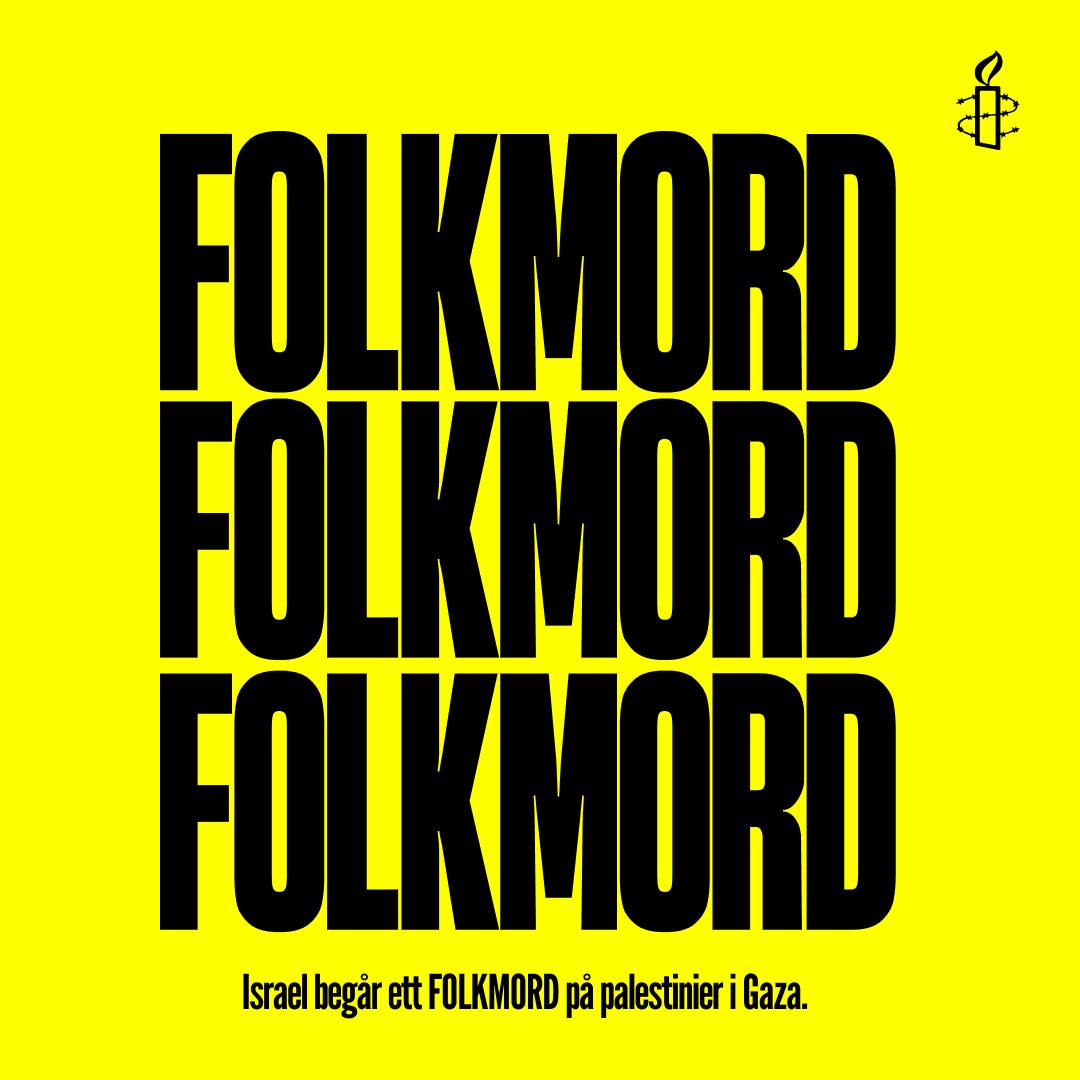



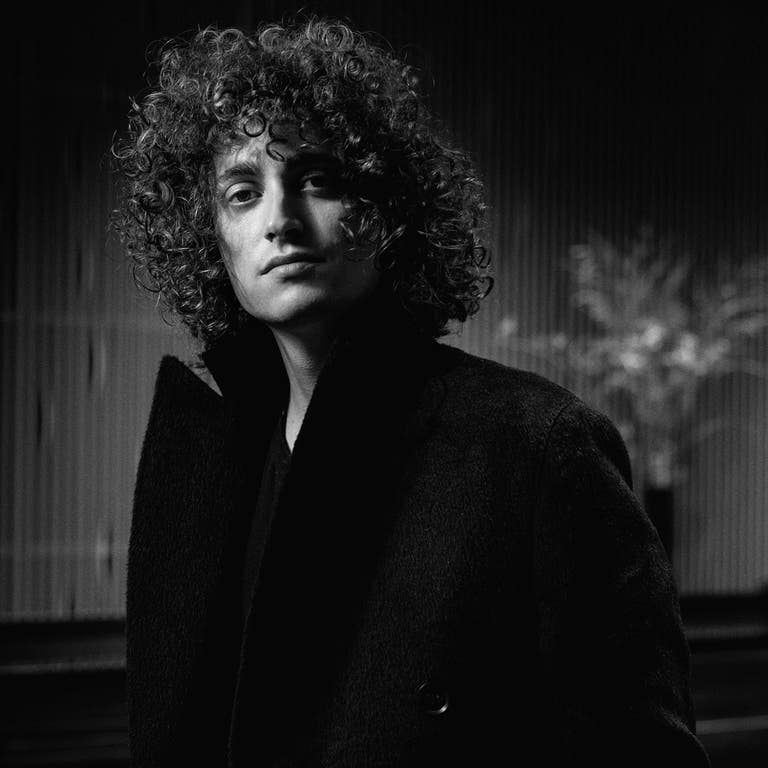

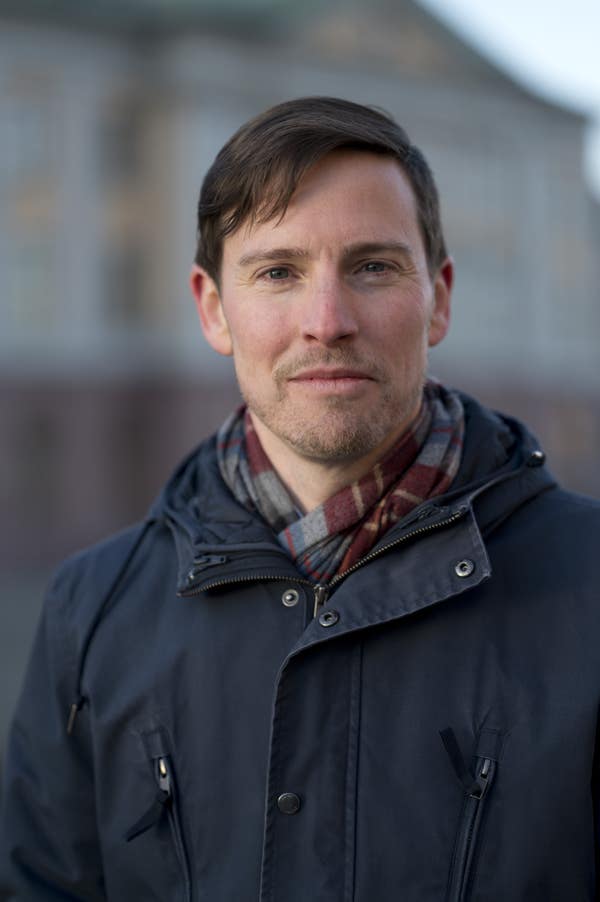
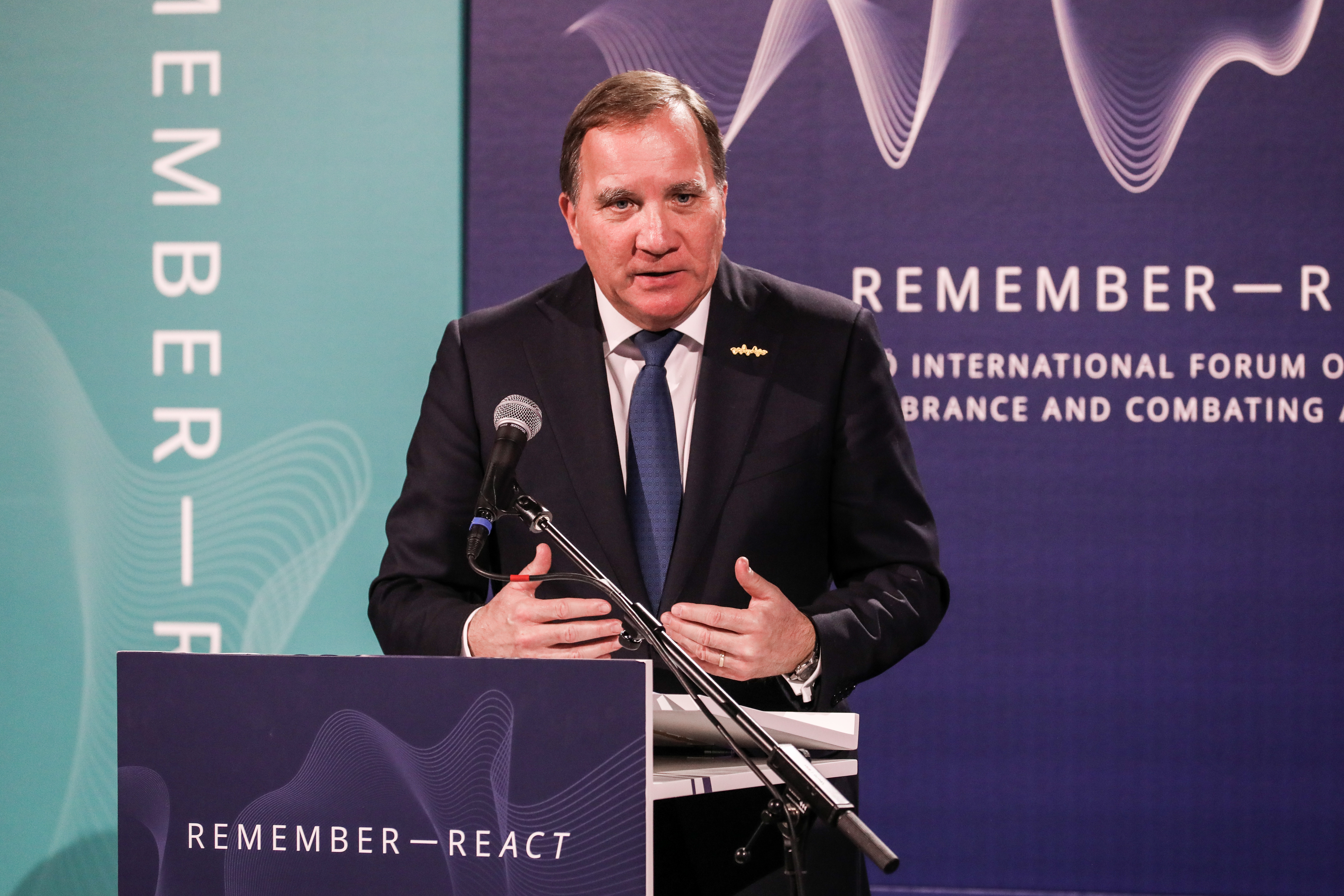




 דיויד סטברו