פסק-הדין של הטריבונל האויגורי בלונדון, דו"ח מצב הדמוקרטיה בעולם של ארגון IDEA ודו"ח הבנק העולמי על הקונפליקטים האלימים על פני הגלובוס מעלים את השאלה – האם הפשעים של המשטר הסיני בשינג'יאנג הם אירוע מבודד או שהם רמז לעתיד של כולנו.
לפני שנתיים עוד היה אפשר להתעלם. העדויות היו מעטות וההכחשות היו גורפות. אפשר היה לטעון שהסיפורים על מדיניות השלטון הסיני כלפי בני המיעוטים בשינג'יאנג הם תעמולה אנטי-סינית וחלק ממאבק בין מעצמות. או שאפשר היה פשוט להפעיל את הווטאבאוטיזם הישן והטוב; למה לא מדברים על בתי-הכלא האמריקאים? למה שוכחים את המיליונים שהבלגים שחטו בקונגו? למה מתעלמים מהסעודים שתולים אנשים ברחובות? אבל אז, אחד אחר השנייה, הגיעו הניצולים – מאות נשים וגברים המספרים על מה שקרה להם וליקיריהם. מהם כבר היה קשה להתעלם. סיפוריהם מסמרי שיער: ענישה במעשי אונס קבוצתי, עקירת ציפורניים, מכות באלות חשמליות, כליאה בכלובים שלא ניתן לעמוד או לשכב בהם, אינדוקטרינציה פוליטית, ניסויים רפואיים, מערכת הייטק של מעקב ופיקוח במרחב הציבורי, פלישת המדינה למרחב הפרטי, מאסרים ללא הליך משפטי וכליאה בתנאים לא אנושיים.
אחרי העדים הגיעו בני משפחות אויגוריות, קזחיות ואחרות, וסיפרו על יקיריהם שנעלמו ללא שוב במנגנון הכליאה הסיני. לבסוף הגיעו החוקרים והעיתונאים ונתנו הקשר רחב יותר באמצעות צילומי לווין, מסמכים שהודלפו ונתונים, תמונות וכתבות שנקטפו מהאינטרנט הסיני לפני שהועלמו. אלו חשפו רשת של "מחנות לחינוך מחדש" בהם נכלאו ע"פ הערכות למעלה ממיליון בני-אדם, במקביל התבצעו טרנספרים של אוכלוסייה, הרס של בתים, שכונות ומסגדים, העסקה של מאות אלפי עובדי כפייה בתנאי עבדות וכפייה המונית של עיקורים והפלות שנועדו לצמצם את אוכלוסיית בני המיעוטים. בשבוע שעבר (חמישי) התפרסם פסק דין של טריבונל ציבורי עצמאי בלונדון בנושא מדיניות סין כלפי האויגורים. הטריבונל אסף מאות אלפי עמודי מידע, תיעד את סיפוריהם של כ-500 עדים ושמע את הסבריהם של כמאה מומחים מתחומים שונים. כך הוא יצר את גוף הידע המשמעותי ביותר בעולם בנושא ופסיקתו היתה חד-משמעית: סין אשמה, מעבר לכל ספק סביר, בעינויים, בפשעים נגד האנושות וברצח-עם נגד המיעוט האויגורי.
פסק-הדין בלונדון לא יגרום לסינים לשנות את מדיניותם. לטריבונל אין סמכות משפטית, כוח פוליטי או אפילו משקל ציבורי רב. למעשה, אין כוח בעולם שמאיים על עצמאות הפעולה הסינית בשינג'יאנג – סין לא חברה ולא כפופה לבית-הדין הפלילי הבינלאומי, אין חשש שצבא זר יפלוש לשינג'יאנג כי סין היא מעצמה צבאית וגרעינית, גופים כלכליים יהססו לפעול נגד סין בגלל עוצמתה הכלכלית, הסינים מחזיקים זכות ווטו במועהב"ט של האו"ם, שינג'יאנג עצמה סגורה הרמטית וכמעט שאין אפשרות לבצע בה עבודה עיתונאית ונכון להיום, אין עדות לכך שבסין פועלת אופוזיציה משמעותית או התנגדות עממית נרחבת למשטר. ארגוני חברה אזרחית ואמצעי תקשורת במערב כמו גם פוליטיקאים בפרלמנטים אירופאיים ובממשל האמריקאי מעלים אמנם את הנושא לסדר-היום העולמי, אך אלו הן בעיקר הצהרות, לא מעשים. למרות זאת, יש שאלה אחת שכדאי לשאול, לא רק לטובת האויגורים, אלא למען האנושות כולה – האם מדיניות סין בשינג'יאנג היא מקרה יוצא מן הכלל או שהיא עלולה להפוך למודל לחיקוי ועתיד אפשרי לכולנו?
המשפט האחרון עלול להישמע קצת דרמטי, אבל הוא מתבסס על תופעות מדאיגות המתרבות בשנים האחרונות. ראשית, למרות ההבטחה החגיגית "לעולם לא עוד" מאמצע המאה ה-20 והתיאוריה על "קץ ההיסטוריה" מסופה, עושה רושם שרצח-עם, פשעים נגד האנושות והפרות מאסיביות של זכויות-אדם זוכים לקאמבק מרשים. המאה ה-21 לבדה מספקת אין-סוף דוגמאות לכך, החל ברצח-העם בחבל דארפור ועד רצח-העם היזידי. במיאנמר נרצחו עשרות אלפי בני רוהינגה ומאות אלפים גורשו ע"י חיילי המשטר ותומכיהם. דו"ח של האו"ם חשף פוגרומים ברוטליים שכללו השלכה של תינוקות לנהר, מעשי אונס קבוצתי שהסתיימו ברצח, הצתה של כפרים על יושביהם והרג נשים וילדים בירי, סכינים ומצ'טות. באתיופיה, מתקיים בשנה האחרונה טבח נרחב של אזרחים כחלק מהסכסוך בין המשטר לבין אנשי חבל תיגראי. גם כאן ישנן עדויות על הוצאות המוניות להורג, הרעבת אזרחים ואסון הומניטרי בעקבות בריחתם של מיליוני פליטים.
מה הנסיבות המאפשרות את כל אלו? רמזים לכך ניתן למצוא בשני דו"חות שהתפרסמו לאחרונה. הראשון, דו"ח של IDEA, ארגון בינ"ל לחיזוק מוסדות דמוקרטיים, מראה שמצב הדמוקרטיה בעולם מדרדר. בעשור האחרון הוכפל מספר המדינות המוגדרות כ"דמוקרטיות בנסיגה", כלומר, מדינות בעלות ממשלות שנבחרו בדרך דמוקרטית הנוקטות בטקטיקות אוטוריטריות כמו הונגריה, ברזיל, הודו וסלובניה. כמו כן, בשנים האחרונות נוספו למועדון המדינות הלא דמוקרטיות יותר ויותר חברות. גם אם יש תחושה שהמצב בקמרון, זימבבווה או ניקרגואה לא משפיע עלינו ישירות, קשה להתעלם מהעובדה שע"פ הדו"ח, שני-שליש מאוכלוסיית העולם חיה כיום ב"דמוקרטיות בנסיגה" או תחת משטרים אוטוקרטיים. גם אם אנחנו חיים עדיין בווילה (ויש שיכפרו גם בזה), הג'ונגל הפך להיות גדול ומסוכן יותר. הדו"ח השני, של הבנק העולמי, הראה שיש בשנים האחרונות עלייה במספר הקונפליקטים האלימים בעולם. זהו שיא של שלושת העשורים האחרונים. הקונפליקטים אמנם פחות קטלניים משהיו בעבר אך הדו"ח קושר אותם לבעיות קשות וגורליות – יותר פליטים מאי פעם ועלייה ברמות העוני ואי-השוויון בעולם.
כאילו שכל זה לא מספיק, הנסיבות הספציפיות של המאה ה-21 מאפשרות לרודני כל העולם גישה למערכות נשק קטלניות יותר מאי-פעם ואפשרויות חסרות תקדים למעקב אחרי אזרחים. בנוסף נותנת המגפה העולמית את התירוץ המושלם לסגירת גבולות, דחיית בחירות ושלילת זכויות. שנאה גזעית ולאומנית מפומפמת ע"י רשתות חברתיות שהאלגוריתם שלהן פועל למען שורת הרווח בלבד והנסיבות הכלכליות הופכות לקיצוניות יותר במקומות רבים בעולם בעקבות משבר האקלים. מבחינת נטיותיו הרצחניות של האדם, זוהי סערה מושלמת.
בתנאים אלו ייתכן ששינג'יאנג היא רק ההתחלה. אין ספק שלעולם כולו, החל מההנהגה הפוליטית ועד לאחרון צרכני עליבאבא, נוח להתעלם מהמחנות, מהעינויים ומעבודות הכפייה. אך יש להכיר בכך שהמשך ההתעלמות מהפשעים המתבצעים בשינג'יאנג איננה רק פגיעה בקורבנות המשטר הסיני, היא תעודת הכשר להמשך הזוועות ותרומה ישירה להתפשטותן בעולם שהופך לאלים, דכאני ומסוכן יותר.
A week after the International Forum on Holocaust Remembrance and Combating Antisemitism left Malmö, local Jewish leaders have differing views about the battle and challenges ahead.
MALMÖ – The international focus may have moved on following last week’s International Forum on Holocaust Remembrance and Combating Antisemitism here, but community leaders here are under no illusions about the battle ahead. In the eyes of some, this southern Swedish city has become part of the problem rather than part of the solution in recent years, with numerous instances of harassment and antisemitic attacks. These problems were not ignored at the forum, though local Jewish activists know that a one-day conference featuring world leaders and Swedish dignitaries won’t bring change on the ground when it comes to hate crimes against the community.
Swedish Prime Minister Stefan Löfven, the man behind the forum, visited Malmö a day before the main event and met with local Jewish community leaders. One of them was Rabbi Moshe David Hacohen, who recounts how he told the premier that he really appreciated his efforts to bring the forum to the city. “It wasn’t an easy choice,” says Hacohen, who is originally from Tekoa, Israel. But he noted that, for him, the forum was “happening from the top down: delegates came from all over the world, but not much attention was paid to Malmö itself.”
Hacohen’s work, on the other hand, takes the opposite approach. Apart from being the city’s rabbi, he is also one of the founders of Amanah, a grassroots organization featuring members of Malmö’s Jewish community and the Malmö Muslim Network, which is represented by local imam Salahuddin Barakat. “Of course there’s a problem of antisemitism in Malmö – everybody acknowledges that,” Hacohen says. “Every time there’s an escalation in the Israeli-Palestinian conflict, Jewish children suffer from it at schools and we see the effect of it in the streets.” But Hacohen tries to approach the problem in a unique way. He talks about long-term change and doesn’t see the situation as a result of tensions between the Jewish and Muslim communities. “Morally, we should avoid generalizations and racism toward other groups,” he says. “We must also remember that antisemitism doesn’t come only from the Muslim community; there’s also an old, traditional, European antisemitism to be addressed.”
Imam Salahuddin Barakat and Rabbi Moshe David Hacohen
Hacohen and his Muslim counterparts believe in tackling this challenge in several ways. These include school programs combating racism; a digital project that simulates dealing with antisemitic situations; addressing Holocaust denial in schools; and monitoring social media that can potentially “poison the minds of 9- and 10-year-olds.” Hacohen doesn’t claim Amanah has solved the problem of antisemitism in Malmö – but says it’s a start at least. “During the last Gaza conflict [in May], there was increased tension in the city, as we’ve seen in the past, since there’s a large Palestinian community here,” he says. “There were demonstrations against Israel, and as usual some of the protesters started to shout antisemitic slogans. But this time, these people were removed by imams who left their comfort zone and protected their Jewish neighbors. “In the same way, we stood alongside our Muslim neighbors when supporters of a far-right Danish politician who was denied access to Sweden filmed themselves burning and kicking the Koran in the streets of Malmö,” he adds.
Skeptical voice
Not all Jewish activists voice such optimism. Ilan Sadé, for instance, is an Israeli-born lawyer, news site owner and Malmö-based politician who leads the right-wing Citizens’ Coalition party, which is yet to make into Sweden’s parliament but holds four seats at various city halls in southern Sweden. “I’m not against the forum taking place in Malmö,” he says, “but this might just be an attempt to improve Malmö’s image.” Sadé is skeptical when it comes to the ruling Social Democratic party’s efforts to combat antisemitism. “There’s a problematic connection between the Social Democrats and the immigrant population in neighborhoods like Rosengård,” he says, referring to a hardscrabble Malmö neighborhood known for its gang-related crime.
“The Social Democrats have very wide support there, and they don’t want to lose it; they need to keep the balance,” he charges. “And of course, there are also many people from Arab countries who are party members. There were incidents like the one when members of the party’s youth league were heard shouting slogans like ‘Crush Zionism’ at demonstrations. That’s at least borderline antisemitism – they don’t shout that against other countries.”
Ilan Sade. Photo: Tomas Fransson
According to Sadé, there was a new wave of hate when the latest conflict broke out in Gaza last May. “There’s a gray zone between hatred of Israel and antisemitism,” he says, adding that though the Social Democratic party and Malmö City Hall are at least trying to combat antisemitism, it still “felt uncomfortable to see cars driving around town shouting and waving Palestinian flags. These days, hate spreads very quickly on social media and we saw these scenes all over Europe.” Sadé believes the root of the problem is found in many places. He cites the so-called cellar mosques that, unlike established mainstream mosques, have imams who spread Islamist propaganda. He also highlights what he sees as a “chaotic situation” in local schools, and immigrant families who are inspired by Arab networks news. He alleges that there is a lack of determination to prevent, stop and prosecute hate crimes. “The police file on the attacks against the Chabad rabbi of Malmö is as thick as a Dostoevsky book,” Sadé says. “There are about 160 to 180 cases registered: anything from spitting on him to cursing and harassing him. This is absurd. In Sweden, a religious leader should be able to walk down the street. Priests can do it, imams can do it, so why not a rabbi? This should be prioritized, and it isn’t.”
When Sadé is asked what he would do differently, his solutions focus on more restrictive immigration policies, teaching Western values in Swedish schools, combating foreign Wahhabist and Salafist ideologies, which he says have spread among the immigrant populations, and preventing foreign funds from countries like Turkey or Qatar reaching local organizations. “If you bring so many uneducated people from the Middle East,what you get in the end is a new Middle East,” he says, echoing the thoughts of many far-right groups.
Those on the other side of the debate, like Hacohen, would admit that more work needs to be done. However, they would argue that leaders on the municipal level like Malmö Mayor Katrin Stjernfeldt Jammeh and, on the national level, Löfven are committed to the issue, as are opposition leaders in both the municipal and national arenas. Some of the steps currently being discussed and promoted are stepping up police work, changing prosecution policies for hate crimes, legislating against organized racism and more work in local schools. Compared to the past, the Swedish discourse on antisemitism, on all sides of the political spectrum, is clearer and unequivocal.
Prime Minister Löfven said last week that “even though antisemitism should belong to the past, we see it spreading in society even today. Hatred of Jews exists in our history, in extreme right-wing groups, in parts of the left and in Islamist environments.” He concluded by saying that “we all have a duty to stand up to antisemitism. An important part of this is remembering the Holocaust, which is becoming harder now that less and less survivors can tell their stories.” Löfven has stated on many occasions his commitment to the survivors, and to Jewish communities in Malmö and elsewhere. Whether this commitment turns into concrete steps and a real change in the lives of the city’s Jews remains the challenge now the circus has left town.
Heads of state from several European countries and a world-famous Israeli historian were the stars of the show at last week’s International Forum on Holocaust Remembrance and Combating Antisemitism in Malmö.
MALMÖ – A governmental pledege to establish a new Holocaust museum, a plan to criminalize organized racism, and vows by social media giants to increase funding to combat antisemitism on their platforms – these were among the main highlights that emerged out of last week's International Forum on Holocaust Remembrance and Combating Antisemitism, which was held in Malmö, the third largest city in Sweden.
The Swedish government invited some 50 heads of state to the International Forum, but few sent their highest-ranking officials. Notable exceptions included the prime ministers of Albania, Estonia, Slovakia and Ukraine, and the presidents of Finland, Latvia, Romania and North Macedonia. Naturally, the host nation was represented at the highest levels, by Prime Minister Stefan Löfven, other senior ministers, and the country’s king and queen. Israel, meanwhile, was represented by Diaspora Affairs Minister Nachman Shai, while President Isaac Herzog made a virtual appearance. As he was entering the conference, Shai told the local media that “a new chapter of combating antisemitism is starting in Malmö today.”
Prime Minister Stefan Löfven at the Malmö International Forum on Holocaust Remembrance and Combating Antisemitism, in Malmö on October 13, 2021. Photo: Ninni Andersson/Government offices of Sweden
Even though Sweden itself has witnessed numerous antisemitic incidents in recent years, the Swedish government has been recognized as a world leader in efforts to tackle the scourge globally. “Threats and hatred against Jews remain widespread in many societies and have unfortunately increased, not least through social media,” Swedish Education Minister Anna Ekström said in an interview with Haaretz. “We can and we must do more to combat antisemitism, counter Holocaust denial and distortion, and promote democratic values and respect for human rights,” she added.
Originally planned to coincide with the 20-year anniversary of the Stockholm International Forum, the coronavirus pandemic put the conference on hold for a year. The original forum in 2000 was initiated by then-Prime Minister Göran Persson, as part of his efforts to deal with young people’s lack of knowledge about the Holocaust and a rise in antisemitism. Internationally, Persson’s campaign led to the foundation of what is now known as the International Holocaust Remembrance Alliance (IHRA), which is best known for its working definition of what antisemitism is.
Persson himself wasn’t present at last week’s conference, but the honorary chairman and senior academic adviser at the original forum, Israeli Prof. Yehuda Bauer, was. In a powerful speech, Bauer, now 95, told delegates: “We remember because this is an extreme case of a general human disease. This is not a Jewish illness, though the Jews are the obvious first victims. Antisemitism is a cancer in the body politic of the world’s societies.” The forum’s program was defined as “action-orientated,” as world leaders and representatives of private and civil society organizations were asked to present pledges and concrete programs to promote Holocaust remembrance and combat antisemitism.
Professor Yehuda Bauer at the Malmö Forum. Photo: Mikael Sjöberg/Government offices of Sweden
Sweden’s incumbent premier, Löfven, told the conference: “We’re not looking for another declaration, we’re looking for a way to translate the principles of these [Stockholm Forum and IHRA] documents into reality. It’s our duty to continue to tell the stories of Holocaust survivors when they are no longer among us; it’s our duty to do whatever necessary to counter the forces that threaten human dignity. It’s our duty to remember and react,” he said.
“I’ll never forget that when I was there, I learned from Prof. Bauer – one of the most forceful minds I’ve ever met – that the easiest thing to do when you’re a teacher dealing with an expression of antisemitism in the classroom is to pretend you didn’t hear it,” she relayed. “The next easiest thing is to simply tell the student to leave. None of this works. The strongest tool against antisemitism is for the teacher to have the time, the resources, the courage and the support of school leadership to interact with the young person. This takes time, it’s difficult and challenging.”
‘The guts to fight’
Several leading Jewish organizations were present at the conference, including the American Jewish Committee, the Anti-Defamation League and B’nai B’rith. However, it was the World Jewish Congress, represented by President Ronald Lauder, which was particularly active. The night before the conference, it hosted an event in Malmö’s synagogue attended by Lauder, Löfven, Israeli minister Shai, and the leadership of Sweden’s and local Jewish communities. During the event Lauder said: “There is still so much to be done. I’m not naïve; I realize the hatred of Jews has been with us for 2,000 years and will never completely go away. But we can do everything in our power to keep this virus from spreading.”
Speaking to Haaretz, Lauder praised the Swedish initiative. “Prime Minister Löfven is superb,” he said. “This man is committed to fighting antisemitism. He knows how important it is for his country.” When asked if he believes there is a future for Jews in countries like Sweden and, specifically, cities like Malmö that have become breeding grounds for antisemitism, Lauder said: “There’s a great future [for Jews] in Sweden. It may take time in Malmö, but Stockholm is growing and I believe that we as Jews don’t give up, we fight back. We in the World Jewish Congress have the guts to fight. Other international Jewish organizations don’t have the same guts we do, but we’re out there fighting.”
Perhaps the best perspective to understand the Malmö forum was offered by Bauer. “For the Nazis, the Jews were the paramount enemy,” he told delegates in his speech. “This makes the Holocaust an unprecedented event. A genocide for ideological, anti-pragmatic reasons such as the Holocaust can be repeated, not only with Jews as victims but with anyone by anyone. The Holocaust becomes a universal issue precisely because it is specific. Because it happened to a specific people, for a specific reason, it could happen to others – and so it becomes a universal threat.”
One after another they took the witness stand, and in soft voices described what they endured in the camps China has built to incarcerate its Muslim citizens. A report from the tribunal that convened in London to decide one question: Is genocide being perpetrated against the Uyghur people?
David Stavrou, LONDON – “It was one of the darkest, most tragic days of my life,” the witness stated, referring to her arrest in March 2018. “There were already four big buses at the gate when I arrived. Some people had children, and police officers took the children away by force and took them to another bus to be sent somewhere else. As soon as you enter, there are two armed guards standing on the left and right. They have a machine that scans people. In another room, there were two police officers who searched everyone, and they ripped off all their clothes. An old woman was standing in front of me, about 70 years old. They tore off her skirt, leaving only her underwear. She tried to cover her breasts, the policeman did not allow her to do that… Her hijab was also viciously ripped off. I can’t forget that scene to this day. I didn’t have time to take my earrings off, they pulled them off so viciously that my ears started bleeding.”
The speaker was Tursunay Ziyawudun, 43. She gave her testimony last June before a people’s tribunal in London that was established to investigate the policy that the Chinese regime has been carrying out for years against citizens of the Uyghur minority in the region of Xinjiang. Ziyawudun’s account of her imprisonment makes for unbearable reading. She talked about female prisoners disappearing at night, some of whom did not return; about injections and pills that she and the other inmates were given regularly, which caused the disruption of the menstrual cycle, hallucinations and general confusion. There were also cases of brutal violence and rape by police. “I have no words to describe the inhuman cruelty of the violence,” she testified, adding, “I was raped by three of them together. I remember it very clearly. I can’t cry and I can’t die, I must see them pay for this. I am already a walking corpse, my soul and heart are dead.”
The descriptions of these atrocities, recounted time and again by the hundreds of witnesses who shared their stories, either in writing or in appearances before the tribunal are consistent with the allegations that have been voiced against China for some years. Human rights organizations and Western parliaments maintain that the Chinese regime is committing serious crimes against Uyghurs and members of other Muslim minorities in Xinjiang, in the country’s northwest. According to the allegations, the Chinese have coercively incarcerated more than a million persons under harsh conditions in “reeducation” camps, where they have subjected them to medical experiments, brainwashing, torture and rape. In addition, the Chinese leadership is accused of subjecting the population in the region to forced labor, of attempting to destroy the Uyghur culture and language, and of effectively turning the area as a whole into a vast prison, which it monitors with the aid of advanced technologies. And beyond even these outrages, human rights activists allege that the regime is also carrying out coerced abortions, separating children from their parents and murdering prisoners in order to harvest their organs.
Nonetheless, China is not paying a price of any sort. No international court is conducting proceedings against Beijing, the United Nations Security Council has not condemned its government, most countries continue to maintain normal diplomatic relations with China, and corporations worldwide haven’t stopped doing business with the regime. The Chinese, for their part, lash out against anyone who raises the subject, claiming that it is China that is being subjected to a campaign of vilification and fabricated propaganda, the aim of which is to harm the country.
The reasonable individual in the West, then, confronts a dilemma: Is this a case of a political campaign being waged against China through a cynical use of the suspicions often harbored about Beijing? Or are we witnessing a crime of historic dimensions to which the international community is responding with incomprehensible indifference? The organizers of the Uyghur Tribunal, an extraordinary civilian procedure, are out to discover the truth once and for all. The tribunal is intended to address the following questions: Is China perpetrating a crime against humanity, and have the Uyghur people become the victim of genocide?
These serious accusations against China are being addressed not in the International Criminal Court in The Hague or at the United Nations in New York, but in a medium-size auditorium in London. The tribunal held two four-day hearings this year, in June and in September, and plans to present its conclusions in December. The witnesses who testified before it are individuals who succeeded in escaping from China – and in overcoming their fear that it will avenge their testimony by harming their relatives. The only wish many of them have, it was clear in the London hall, was for their voice to be heard. They gave their testimony only after deciding that silence was no longer an option. Many stated that they had decided to speak, or cry out, for the sake of their spouses, their siblings or their parents, and the sake of their people in general. They spoke quietly and with restraint, but effectively were shouting for help: Save my sister, my father, my mother – save my people.
An additional tragic element hovered over the scene. In contrast to the witnesses’ expectations, the whole world was not watching. Even the hall itself was not full. Most of the September sessions were attended by about 50 people, most of them activists, experts or family members. There were few journalists or television cameras. Although the tribunal received a modicum of British and international media coverage, it vanished quickly in the shadow of the events in Afghanistan, and the ongoing pandemic and climate crises. There are simply not enough foreign news slots available.
Still, the witnesses seemed to have realistic expectations from the tribunal. “China is not a member of the ICC in The Hague, so it’s impossible to obtain justice for the Uyghurs,” Nyrole Elimä, 36, from Xinjiang, who now lives in Sweden, told Haaretz. “We are not like Israel, which was able to bring Eichmann to trial by itself. We will never have that [possibility], our genocide has no court, so when the most respected jurist in Britain and the professors and PhDs of the panel arrived, I wanted to tell them our story.”
Elimä was referring to Sir Geoffrey Nice, a barrister and former professor of law who led the prosecution of Slobodan Milošević, former president of Serbia, at the UN’s International Criminal Tribunal for the former Yugoslavia, in the years 1998-2006, and decided to take on this mission as well. The other eight members of the tribunal are British public figures from a range of fields (and not necessarily China experts) – law, medicine, business, human rights, education and culture – who have committed to maintain an impartial procedure. Also involved are researchers, interpreters and advisers who have been collecting testimony and other materials for more than a year. The tribunal has amassed hundreds of thousands of pages on the subject, including the stories of some 500 witnesses and explanations by about 100 experts from various fields. As such, it has become the repository of the most significant body of knowledge in the world on this subject.
Nevertheless, the tribunal, which was established as a private initiative and is funded entirely by donations, has no standing in international law and no powers of enforcement. It cannot arrest suspects, impose sanctions or punish anyone. All that its members can do is to strive to uncover the truth, in the hope that the international community will be ready to listen and to act accordingly. And there is another crucial difference between this tribunal and others like it. In contrast to the international proceedings conducted in the wake of World War II, and following the Yugoslavia conflicts and the genocide in Rwanda – the Uyghur Tribunal is being held in real time. The alleged crimes it is supposed to examine continue to be committed, even as the tribunal meets. This fact lends its work a sense of urgency and deep responsibility, even if not legal force.
,The Uyghur Tribunal, The September Hearings, Church House, London
‘Separatism, terrorism, extremism’
More than 25 million people live in the Xinjiang Uyghur Autonomous Region, as it is officially called. Of them about 40 percent are Han Chinese, the country’s largest, and dominant, ethnic group. The others are members of ethnic minorities, of which the Uyghur is the largest. In recent decades, the region, which today remains autonomous only in name, has undergone an industrialization process in the wake of massive investments by the regime, which also moved large numbers of Han Chinese into the region. These changes generated tension between the local population and the central government and led to separatist activity by groups of Uyghurs, including a number of terrorist attacks. In 2014, the regime declared a war against “separatism, terrorism and extremism” in the region. The conflict grew more acute in 2017, when the government’s representative in the region was replaced. The new Communist Party Committee Secretary of Xinjiang, Chen Quanguo, who for years had been in charge of suppressing the protest movement in Tibet, intensified the policing, monitoring and supervision of the local population.
Some of the witnesses who spoke to the tribunal described the radicalization of the regime’s actions vis-a-vis the population: the systematic destruction of mosques across the region, the demolition of Uyghur neighborhoods and villages under the guise of a war on poverty, and the forced transfer of the population to new neighborhoods in the cities, where they live under strict governmental surveillance, and are forced to work in factories. In the course of just a few years, the entire region became a police state. “I couldn’t recognize my native village,” said a Kazakhstan citizen who was born in Xinjiang and visited his relatives in 2017. “My family was afraid to talk to me.”
As the oppression in Xinjiang has become more acute, it has become dramatically more difficult to obtain firsthand information about developments on the ground. Reliable journalistic reporting from the region has been effectively nonexistent for some years. Any member of the press entering the region gets to see only what the authorities want to show them, so information flows from very limited sources: witnesses who manage to escape from the country, analyses of satellite images, information that appears (sometimes by mistake or inadvertently) in the local media, and leaked official documents that reach the Western media. Thus the broad mosaic of testimonies voiced in the tribunal is highly exceptional. The grimmest of them come from the men and women who were incarcerated in “reeducation” camps.
Many of the women who were imprisoned testified about being raped, about being forced to take medications and about medical examinations whose purpose was unstated. One of them is Gulbahar Jelilova, 57, who was imprisoned for 15 months on a charge of engaging in terrorist activity. She told about interrogations in which she was tied to a chair for 24 hours, during which, whenever she fell asleep, she would be awakened with an electric shock. When she refused to sign a confession, she was raped. “There was only one bed in the room with a bedcover and a table and chair,” Jelilova related in her testimony (given in Uyghur and translated into English by the tribunal). “They asked me to sit on the chair and they chained me to it. There were three people, one on computer, one translating and one interrogating. They asked me again to sign. I refused and said I need a lawyer. They said I had to sign it to get my freedom. One of the Chinese men removed his trousers and approached me and tried to put his penis in my mouth. I said, ‘Don’t you have a sister and mother?’… The other Chinese man was beating me.”
She also told the tribunal about the fates of some of the other women she was incarcerated with: mothers who gave birth in the camp and had their newborns taken from them, women whose arms were bound to their legs for extended periods, so that they could not stand erect, others who were taken to the “dark room” – a cage of one meter by one meter, beneath which water flows and where it is impossible to stand up. So crowded were the cells, Jelilova said, that the inmates were forced to sleep in shifts, because there wasn’t enough room for all of them to lie down at the same time. They had to relieve themselves standing up and with cameras constantly trained on them. Like many other witnesses, she too noted the meager food and moldy bread, and the effort at brainwashing by having to sing songs of praise to the party for hours on end.
“We were made to say things like ‘I love China’ or ‘I love [Chinese President] Xi Jinping,’” stated Gulzire Awulqanqizi, 42, from the city of Ghulja in Xinjiang, who spent time in four different camps in 2017 and 2018. “We had to write down everything, our feelings and our gratitude toward Xi Jinping. Once every week they would mark our writings, and they would tell us that if we failed to pass, we would be kept inside the camp our whole life.” She too was forced to take pills and endure inoculations that affected her cognitive abilities and disrupted her menstrual cycle. She was interrogated 19 times, beaten and forced to eat pork, which is forbidden to her as a Muslim. In some cases, she related, inmates were made to burn copies of the Koran.
In one of the camps, she was forced to carry out a particularly onerous task. “My duty was to sit next to the curtain, then when [a member of the] staff comes in with a woman, she writes her name in Chinese and I take her fingerprints, I help her take her clothes off, but not the clothing below the waist. I also had to restrain her hands with chains. I was not allowed to talk to her. Then a man enters the room, and I go sit silently next to the door, outside the room. When the man leaves the room, I take the woman for a shower. There was nothing I could do, I was forced… I would go on to do this task for six months.”
Abdusalem Muhammad, 44, related that when he and other men arrived in their camp, they were stripped naked and thrust into a small, freezing-cold cell. Sixteen men, handcuffed together in pairs, were thrust into a space of 2.5 square meters (27 sq. ft.), in which there wasn’t enough room to sleep. “There was no cover for the bucket which we used as a toilet. We had to smell from the bucket day and night, so we had runny noses or nasal infections,” he testified. He stated that the inmates were required to memorize Chinese poetry that ran on over many pages, and that those whose who failed to commit them to memory were punished. The punishments included savage beatings, sleep and food deprivation, and interrogations that lasted more than 48 hours. In one camp, to which Muhammad was sent in 2015, the prisoners were taken for cruel runs. “They called it a kind of exercise but it was another form of torture,” he told the tribunal. “There were 70-year-old ladies, they could not run, even walking was difficult for them, and sometimes they fell or tripped. At that moment, the police officers started to beat or kick [them], so they stood up and ran again.”
One witness said he saw a prisoner beaten to death; another related that in the middle of winter he was thrown handcuffed into a narrow, deep pit where he had water poured on him until he lost consciousness; and another spoke about unexplained blood tests he was forced to undergo. A key witness during the June sessions was a Chinese man who had served as a policeman in Xinjiang before leaving China in 2020. The police officer, Wang Leizhan, now lives in Germany. His testimony, in which he talked about the orders he was compelled to carry out, completes sections of the puzzle. He stated that he was one of 150,000 police officers who were recruited to work in the region and who received training in the political reeducation (he called it “brainwashing”) of the Uyghur population. Police barriers were placed every 500 meters in city streets, and in rural areas even every 200 meters. “All Uyghurs residents in Xinjiang had to provide the Chinese government with DNA samples, to enable continual monitoring of Uyghurs,” he related. “We arrested around 300,000 Uyghurs [because] they might have had a knife at home or because they were exposing their cultural identity, or they were somehow considered to have a different ideology. In some villages in Xinjiang, the whole population of a village was taken to the concentration camps.”
Leizhan testified that he saw prisoners being tortured. Before his eyes, prisoners were made to go down on their knees and were beaten, heads covered with a plastic bag and arms and legs bound, while a pipe funneled water into their mouth. He also witnessed torture by means of electric shocks administered to the genitals, saw hammers being used to break legs and also men being stripped and placed in freezing water, and he recounted how inmates were starved.
Another bit of information provided by the former police officer is especially important: “The children of many adults in the concentration camps have been taken into state orphanages, where they have been assimilated into Han Chinese culture.” Indeed, it emerges from testimony that the Chinese regime is pursuing a particularly brutal policy with regard to Uyghur children. This involves not only the separation of children from their parents but also coerced abortions. “My wife was pregnant for six months and the fetus was ripped out of her body,” Baqitali Nur said in a choking voice.
Rahima Mohammed Nuri, a nurse who worked in a maternity ward where she focused on abortion procedures, provided context for Nur’s account. In her testimony, which she delivered from Turkey, she confirmed that the regime does in fact carry out forced abortions on women, even if they are in advanced stages of pregnancy. A panel member asked whether there were cases in which pregnancy was terminated in the sixth or seventh month and viable living fetuses were delivered. Nuri replied in the affirmative, but added that the mothers received an injection before the infant emerged, so these infants died within 72 hours of birth.
What happens in the hall in London during the moments when testimony is given about the death of an infant or about gang rape? Not much, in fact. There is no sense of dramatic climax: the statements are translated, the social-media people post tweets, some people gape at the witness, others close their eyes. The floor is turned over to the next witness.
Long arm of the regime
It’s difficult to overstate the degree of courage shown by those who came here to tell their story. “I had a panic attack before I took the floor to speak,” says Nyrole Elimä; she was testifying in the name of her cousin, Mayila Yakufu, who was arrested when she tried to transfer money to her parents, who live in Australia. Yakufu was sent to a reeducation camp, where she was later hospitalized, and is currently incarcerated on a charge of financing terrorist activity. “While testifying,” Elimä recalled later, “ I didn’t turn my head, because I was afraid. I know that the Chinese government is checking all the time, I knew they were watching me and I felt as though they were standing next to me. But they left me no choice.”
The fear of the long arm of the Chinese regime is well founded, and even those who managed to flee to the West have cause for apprehension. Omer Rozi, who escaped from Xinjiang after being arrested and tortured, has lived in Norway for some years. “In January 2017,” by which time he was in Norway, “I got a call without a number displayed,” he testified. “I was told on the phone that I would meet my brother and sister. Then they hung up right away. Right after the phone hung up, I got a video call on WeChat. When I opened the WeChat video call my brother and sister were hanging. The police on the video call gave me four conditions [for their release].” The conditions included not approaching anyone else in the Uyghur diaspora and not donating to Uyghur organizations in Turkey. “The last thing I heard was my brother and sister screaming before they hung up. I have not heard anything since then.”
Similarly, Mehray Mezensof, 27, who testified via video link from Australia, related how fearful she was for the fate of her husband, from whom she hadn’t heard for more than a year. “He lives in constant fear,” she says, “always looking over his shoulder.” Relatives understood that he was sentenced to 25 years in prison.
“The witnesses who are speaking here are very strong,” I am told by Rahima Mahmut, a Uyghur activist who is assisting the tribunal as an interpreter. “But not everyone can be like that. Not everyone is able to speak, not even in front of the family. That is very common. Like many of the survivors of World War II, who didn’t tell anything.” Some witnesses who appeared before the tribunal received threatening calls from Chinese persons, and relatives begged them not to testify. She says she understands those who opted to be silent. Mahmut too has family in Xinjiang, including nine siblings. The last time she spoke with any of them was in 2017. They stopped answering and she stopped calling. She was afraid that getting calls from abroad might land them in danger. But she admits that she too was afraid to discover the truth. In one of the last conversations, she relates, one of her brothers told her, “Leave us in God’s hands.”
The Chinese are undertaking “far-reaching and relentless campaigns to silence, intimidate, harass and slander witness testimonies,” testified Laura Harth, from the human rights organization Safeguard Defenders. The Chinese authorities work on two planes, she says: by issuing international arrest warrants and launching judicial proceedings against Uyghurs in exile who could potential speak out about their experiences, and by threatening their families and other loved ones in China. Harth provided the tribunal with examples of cases in which people who told their stories in the West were accused of embezzlement, cheating on their partners, rape, drug abuse and abandoning their families.
China, which initially denied the existence of the camps, effectively replaced its policy of sweeping denial with a campaign to reshape the discourse. According to Beijing, the camps are used to combat religious extremism and also for professional training, and their residents have chosen to be there of their own free will. At some point the authorities claimed that the camps have served their purpose and the prisoners were released. A series of videos disseminated in China show survivors of camps heaping praise on the process they underwent. In other clips, relatives of witnesses condemn and deny the remarks of their family members. The same phrases are heard over and over in the videos by different families in different places, as if they were speaking from a script.
It turns out that even the expert witnesses, whether Chinese or not, who testified before the tribunal are taking a risk and that many of them suffer ongoing harassment. Muetter Iliqud, an Uyghur researcher in a project that documents the disappearance of Uyghurs, relates that in the days ahead of her presentation to the tribunal, many attempts were made to hack her Instagram, Facebook and WhatsApp accounts, and that she and her mother received phone calls from unidentified numbers. Recently her computer stopped working.
Julie Millsap, an American activist who testified about what is being done to Uyghur children, also showed me screenshots of anonymous Instagram, Twitter and Facebook accounts that harassed her. The accounts shared faked photographs of her supposedly cheating on her partner, with the caption, “We’ll show this to your husband.” The images, which were in fact sent to her husband, were also spammed on the Uyghur Congress livestream chat during her testimony to the tribunal.
‘Stepping into the future’
The dozens of professional experts who testified at the hearings – scholars, civil society activists, jurists and investigative reporters – rounded off the picture drawn by camp survivors and revealed snippets of information about what’s going on in one of the world’s most secretive regions. The American journalist Geoffrey Cain, who visited Xinjiang and conducted many interviews in the reporting for his recently published book “The Perfect Police State: An Undercover Odyssey into China’s Terrifying Surveillance Dystopia of the Future,” described an environment that might have been drawn from a work of science fiction. “When I visited North Korea, I felt like I was stepping into the past,” he said, “but when I got to Xinjiang I felt I was stepping into the future.”
Cain related that beyond the familiar means for gathering information about residents – such as the use of spies, interrogations and psychological pressure – the Chinese regime also employs an advanced technological system that collects vast amounts of information about each of the region’s inhabitants. This includes shopping and consumption habits, web surfing, downloaded apps, police and court reports, employment data, physical features, images from street cameras, information from gas stations, roadblocks and schools, and checks of digital calendars and of people’s whereabouts. This immense quantity of data, which is accumulated in part with the help of new systems of face and voice recognition, is forwarded directly to local authorities, who use it in order to decide, among other questions, whom to send to the camps.
The face-recognition technology is used in the service of the regime, but is developed by the Chinese high-tech industry. Another American researcher, Conor Healy, testified that the Chinese tech company Huawei took part in developing the “Uyghur alarm,” a monitoring system that identifies and classifies faces of passersby as Han or Uyghur. Three years ago, the company sought to patent the technology. According to this testimony, other merchandising firms, such as the cloud service of Alibaba and the surveillance giant Tiandy Technologies, are also engaged in ethnic recognition. Another Tiandy product is a “smart interrogation table,” which includes a touch screen, an electronic display of evidence and a system for recording interrogations – everything that’s needed to streamline the questioning of masses of detainees.
Tiandy Technologies’ “smart interrogation table,” offering everything needed to streamline the questioning of masses of detainees.Credit: IPVM
Illiqud, who works for the Uyghur Transitional Justice Database, who was not deterred from testifying despite the harassment of the Chinese regime, presented a comprehensive report about the incarceration situation in the country. Based on interviews, leaked policy documents, photographs and satellite images, the report details the types of camps, their location, size and number. According to the data she collected, there are several types of camps: for reeducation, incarceration, pretrial detention and work camps, the latter of which are like forced-labor farms. The report states that at least 1,347,000 persons were imprisoned in the reeducation camps [according to data which is collected since 2018], at least 422,000 were incarcerated in prisons, 486,000 in pretrial detention centers and 76,000 in work camps.
Ebrakit Otarbay, 48, was an inmate in one such work camp. He was sent to sew in a textile factory, where, he related, the conditions were a slight improvement over those in the reeducation camp. The food was better, though to get a meal the workers had to sing propaganda songs praising the communist regime. Cameras filmed them throughout their working day. His testimony reveals something of the way in which forced laborers in these camps become a chain in the global fashion industry. A report issued last year showed how big fashion firms in the West that employ local Chinese firms, are actually enjoying the products of forced labor.
“Normally they do not show us the brand of the clothes,” Otarbay testified. “The clothing brand was stitched by their own people. Once they showed us a brand, it was a small towel used by Nanhang [a Chinese airline] in China. Later, they scolded us for putting on the wrong brand [i.e., label] and asked us to remove them. Then we had meetings for a whole day saying that these things should not be told anywhere else. There were cameras watching us while we were working. We have not seen [the names of] any brands since that incident. We sewed pants in addition to making pants belts. Each of us used to sew different parts. One person sews pockets, another person sews the back and another one sews other parts.” Asked by a member of the tribunal whether he was paid for his work, Otarbay laughed.
‘Interested parties’
The tribunal’s work generally proceeded tranquilly, apart from isolated interference from the Chinese. During the September hearings, for example, the Chinese ambassador to Britain held a press conference in which he accused the tribunal of lying and claimed it was conducting a “pseudo-trial” and a “political manipulation aimed at discrediting China.” The ambassador also asked the British government to prevent the continuation of this “malicious behavior.” London did nothing, and as often happens, the Chinese outburst got the tribunal a few more headlines.
But what if there’s some truth to the Chinese claims? After all, if there is no official Chinese representative here, what makes the tribunal a proper judicial process? If there is no one to reply to the accusations, and if the tribunal lacks concrete authority, what meaning does it have? The most suitable person to respond to these questions, which challenge the very existence of the procedure, is the person who heads it: Sir Geoffrey Nice. In the middle of the third day of the proceedings I spoke to him in a side room off the main hall.
“The people who gathered here have no interest in the result, no special interest in the Uyghur people and no intention of making recommendations,” Sir Geoffrey said about the tribunal he established. “Our only wish is to answer a question that is not being asked by national or international bodies. We are ordinary non-specialist representatives of the general public who are investigating a subject that is not being discussed anywhere else, with the best means at the public’s disposal.”
He added, “For your readers, I am certain it will be easy to understand, without making excessive use of the example of Nazi Germany, that there were times at the end of the 1930s when information that could have been open to the public was concealed from the public by governments, by the media and even by the public’s disinclination to know. Proceedings of this sort, had they been carried out then, could perhaps have served a very good cause.”
For the sake of the historical perspective, is what you are hearing here similar to the information which might have been used to prevent the Holocaust of European Jewry?
“In a certain sense, yes. There’s no point in suggesting that comparisons close to the Holocaust can be made when, in truth, they can’t. For example, evidence about the suffering of the Uyghurs does not at present include evidence of mass killings. But when there is a failure to reveal something in time, or a lack of determination to know, or an attempt to conceal things from citizens, a procedure like a public tribunal has great value. What has changed since World War II, and even then only slowly, is that the world’s citizens are less willing to agree to silence for political reasons and are ready, perhaps, to take more part in procedures such as these and also to respect their results. The first procedure of this kind – the public tribunal on Vietnam of Lord Russell and Sartre [the British philosopher Bertrand Russell and the French philosopher Jean-Paul Sartre, in 1967] – attracted very little attention and did not have significant results. Things have progressed since then, not least because the United Nations created international criminal tribunals in the 1990s – for Rwanda and the former Yugoslavia – and the term ‘genocide’ entered into general use after not having been in use for a long time.”
Nice, who has taken part in three previous public tribunals, also addresses the question of the objectivity of the whole procedure and of the witnesses in particular. “I am not worried,” he says, “for the same reason that I was not worried that the Nazi hunters were almost always Jews. Would it be preferable, from the viewpoint of visibility, for the experts not to be affiliated with organizations of one kind or another? Possibly. Will we ever have experts of that kind? Probably not. It’s likely that a person who researches the suffering of a group will belong to that group or possess a strong interest in that group. I am quite sure that you will find that those who led the formal proceedings after the Nuremberg trials, as with the Eichmann trial, were all interested parties – and why not, actually?”
Do you think that a formal legal proceeding will ever be launched against China in regard to the Uyghurs?
“No one expected that the leaders of states would come to international judicial proceedings. No one expected that Burma would be taken to an international court, but then The Gambia arrived on the scene and changed that with creative legal thinking. [In 2019, the African country of The Gambia filed a case against Myanmar in the International Court of Justice over the latter’s treatment of its Rohingya population.] Of course, China is a country of vast power which wields influence over its neighbors, over other countries and over bodies such as the [UN’s] Human Rights Council, so that quite a bit of optimism is needed [to believe we will] see an international judicial proceeding actually happen. But things change. Even though there is no great likelihood of something parallel to the fall of the Berlin Wall and to the seizure and execution of [Romania’s] President Ceausescu, those things do happen. And the best way to make them happen is to do everything possible to bring the truth to light.”
The uncovering of the truth is also the ideal that is driving Aldo Zammit Borda, who heads the tribunal’s research and investigation unit. “People ask what is the point of people’s tribunals that possess no formal power or authority to punish,” says Dr. Zammit Borda, an associate professor in international law at City, University of London. “Speaking generally, as we have seen throughout history, there are countries that have great power, and their power can potentially be used not only to commit crimes within their area of jurisdiction, but also to shape the narrative about those crimes. They can forbid discussions in international bodies, so that the victims of these crimes suffer twice – once from the crime itself and a second time from the silencing of the crime, from the denial of its existence. A people’s tribunal conducting public hearings, even if it has no formal authority, is able in large measure to change and challenge that narrative. In cases where avenues for formal justice have been blocked, in the end, the victims have to choose between a tribunal like this, with the limited justice it can provide, or silence.”
But will revelation of the truth and reshaping of the narrative satisfy the witnesses who are appearing here? I ask Abduweli Ayup, an Uyghur intellectual who went through a number of camps in Xinjiang and now lives in Norway, how he felt when he stood before the members of the tribunal and told his story. “I felt that I was carrying tremendous responsibility,” he replies. “This is the place where it will be decided whether genocide is happening or not. This is a human issue, a world issue. I was afraid, but millions of people are in concentration camps and I am speaking on their behalf. I am not one person who is speaking, these are millions who are speaking. The question us: Who is listening? Who will take action?”
Ayup says he was disappointed when he saw that there were only about 50 people in the hall, when he appeared before the tribunal in June, but then recalled that millions more were watching and listening. He’s probably being overoptimistic. There was indeed live coverage of the hearings online, and there were people physically present who simply came in order to listen and to help, but they were few in number. One was Jonathan Gibson, a local, kippa-wearing 18-year-old who founded an interfaith organization called “Burst the Bubble UK.” He turned up at the hearings with several other youngsters who, together with him, organize campaigns against such wrongs as religious persecution and modern slavery. They came to support the Uyghurs’ struggle. I also spoke with Julia Granville, who came as part of a collective of psychotherapists who help witnesses process the brutal experiences they have undergone and support them through their testimonies. And occasionally people showed up who were simply curious, having heard about the issue on the news. But that’s it, more or less.
In December, the tribunal will reassemble at the Church House conference center in Westminster to inform the world of its judgment regarding whether crimes against humanity are being perpetrated in Xinjiang and whether the Chinese regime is implementing genocide against the Uyghurs. Provided, of course, that the world wants to know.
Outside the building, life goes on normally. At the entrance to the Underground station, a few dozen anti-vaxxers are demonstrating against the coronavirus vaccines. “Even one death is too many,” one of the signs says. Next to the statue of Churchill, a small man with a large bullhorn reminds passersby not to forget Jesus. Someone else, long-haired and unshaven, is demonstrating against the use of plastic bottles, and on the lawn between Parliament and Westminster Abbey a group of hunger strikers are protesting the Taliban takeover in Afghanistan. They’re of different backgrounds, ages, genders and nationalities, but they’re all intermingling, and they all have one thing in common: No one is turning around to check for the enemy behind their back.
בזה אחר זה הם עלו על הדוכן, דיברו בשקט ותיארו את מה שחוו במחנות שהקימה סין לכליאת אזרחיה המוסלמים. דיווח מהטריבונל שהתכנס בלונדון כדי להכריע בשאלה אחת: האם בימים אלה מתבצע רצח עם?
"זה היה אחד הימים הקשים ביותר בחיי", סיפרה העדה על מעצרה במרץ 2018. "כשהגעתי, היו כבר ארבעה אוטובוסים גדולים בשער. לחלק מהאנשים היו ילדים. שוטרים לקחו מהם את הילדים בכוח ושמו אותם באוטובוס שנסע למקום אחר. שומרים חמושים ניצבו מימין ומשמאל בכניסה למחנה, ומכשיר סרק כל מי שנכנס. הוכנסנו לחדר שבו שוטרים ערכו חיפוש על כולם, וקרעו לנו את הבגדים. לפניי עמדה אישה כבת שבעים. הם הורידו ממנה את החצאית והשאירו אותה בבגדים תחתונים בלבד. השוטר לא הרשה לה לכסות את החזה שלה. גם את החיג'אב שלה הורידו בכוח. אני לא יכולה לשכוח את זה. לא הספקתי להוריד את העגילים שלי, אז הם הורידו אותם כל כך חזק שדיממתי מהאוזניים".
הדוברת היא טורסוניי זיוודון (Tursunay Ziyawudun), בת 43. את עדותה מסרה באחרונה בפני טריבונל ציבורי בלונדון, שהוקם כדי לחקור את המדיניות שנוקט המשטר הסיני בשנים האחרונות נגד אזרחיו המוסלמים, בני המיעוט האויגורי. התיאורים שמסרה זיוודון על כליאתה קשים מנשוא. היא סיפרה על אסירות שנעלמו בלילה, חלקן מעולם לא חזרו; על זריקות וכדורים שניתנו בקביעות לה וליתר האסירות, שגרמו לשיבוש המחזור החודשי, להזיות ולבלבול. והיו גם אלימות קשה ומקרים של אונס בידי השוטרים. "אין לי מילים לתאר את האכזריות הבלתי אנושית של האלימות שלהם", סיפרה בעדותה. "נאנסתי על ידי שלושה שוטרים יחד. אני לא יכולה לבכות ולא יכולה למות, אני גופה מהלכת. הנפש והלב שלי מתים. אני חייבת לראות אותם משלמים על זה".
סיפורי הזוועות הללו, שחזרו שוב ושוב אצל מאות העדים שחלקו את סיפורם עם חברי הטריבונל, עומדים בקנה אחד עם הטענות שמושמעות נגד סין זה כמה שנים. ארגוני זכויות אדם ופרלמנטים במערב טוענים שהמשטר הסיני מבצע פשעים חמורים נגד העם האויגורי ובני מיעוטים מוסלמיים אחרים בחבל שינג'יאנג שבצפון-מערב המדינה. לפי ההאשמות, הסינים כולאים בכפייה יותר ממיליון בני אדם בתנאים קשים במחנות ל"חינוך מחדש", בהם מתקיימים ניסויים רפואיים, שטיפת מוח, עינויים ואונס. בנוסף לכך, המשטר הסיני מואשם בכך שהוא מנצל את האוכלוסייה באזור לעבודות כפייה, חותר להרוס את התרבות והשפה האויגורית, והופך את האזור כולו למעין בית כלא ענק תחת פיקוח שמספקות טכנולוגיות חדשניות. אם לא די בכך, פעילי זכויות אדם טוענים שהמשטר מבצע גם הפלות כפויות, מפריד ילדים מהוריהם ורוצח אסירים לטובת מכירתם איבריהם.
ולמרות זאת, סין לא משלמת שום מחיר. בתי משפט בינלאומיים אינם מקיימים נגדה שום הליך, מועצת הביטחון של האו"ם לא מגנה אותה, מרבית המדינות מקיימות איתה קשרים דיפלומטיים כרגיל וחברות ענק מכל העולם ממשיכות לעשות איתה עסקים. הסינים, מצדם, תוקפים כל מי שמעלה את הנושא וטוענים שמדובר בקמפיין השמצה ובתעמולה שקרית שנועדו לפגוע במדינה. האדם הסביר במערב מוצא את עצמו בפני דילמה: האם מדובר כאן בקמפיין פוליטי נגד סין שעושה שימוש ציני בחשדנות כלפיה, או בפשע בקנה מידה היסטורי שהעולם מתייחס אליו באדישות בלתי נתפסת? מי שמנסה לפתור את ההתלבטות בימים אלו הם יוזמיו של הטריבונל הציבורי (People's Tribunal) – מהלך אזרחי יוצא דופן ששם לעצמו למטרה לגלות סוף סוף את האמת. לנגד עיניו ניצבת שאלה מרכזית אחת: האם סין מבצעת פשעים נגד האנושות, שמגיעים עד כדי רצח עם.
וכך, ההאשמות הקשות נגד סין מתבררות לא בבית הדין בהאג ולא בבניין האו"ם בניו יורק, אלא באולם קטן בלונדון. חברי הטריבונל ערכו שני שימועים, בני ארבעה ימים כל אחד, בספטמבר וביוני השנה. העדים שהגיעו אליו הם אלה שהצליחו להימלט מסין – ולהתגבר על הפחד. באולם בלונדון ניכר שרבים מהם רק רוצים שקולם יישמע. הם עלו אל שולחן העדים אחרי שהחליטו ששתיקה כבר אינה אופציה. רובם ביקשו לציין שהם החליטו לדבר, או לזעוק, למען אהוביהם, אחיהם או הוריהם ולמען עמם. הם דיברו בשקט ובאיפוק, אבל למעשה זעקו לעזרה – הצילו את אחותי, את אבא, את אמא.
היה משהו טראגי בסצנה הזו. בניגוד לציפיות העדים, העולם לא צופה. אפילו האולם עצמו אינו מלא. במרבית הדיונים ישבו כ-50 איש, מרביתם אקטיביסטים, מומחים ובני משפחות. לא היו עיתונאים רבים או מצלמות טלוויזיה. אמנם היו כמה אזכורים לטריבונל בתקשורת הבריטית והבינלאומית, אך הם נעלמו בצלם של האירועים באפגניסטן, מגפת הקורונה, ומשבר האקלים. פשוט אין מספיק משבצות פנויות בחדשות החוץ. אך העדים לא מתייאשים. "סין אינה חברה בבית הדין הפלילי הבינלאומי ולכן אי אפשר להביא צדק ומשפט לאויגורים", מסבירה נירולה אלימה (Nyrola Elimä), בת 36, מהעיר יינינג שבשינג'יאנג שחיה היום בשוודיה. אלימה מעידה בשם בת-הדודה שלה, מאילה יקופו (43), שנאסרה לדבריה לאחר שניסתה לעשות העברה בנקאית חוקית להוריה החיים באוסטרליה. יקופו ישבה כעשרה חודשים ב"מחנה לחינוך מחדש", אושפזה בבי"ח עם נזק בכבד ולאחר שחרורה נעצרה שוב ומאז היא יושבת במאסר באשמת "מימון פעילות טרוריסטית" ללא הליך משפטי תקין, ללא הוכחות או ייצוג משפטי וגם ללא קשר עם ילדיה. על הטריבונל שמעה אלימה בטוויטר והחליטה להביא את סיפורה לידיעת השופטים. היא נסעה ללונדון, הגישה ניירות ומסמכים המעידים לדבריה על כך שקרובת משפחתה לא פשעה ונבחרה לתת עדות ישירה מול חברי ההרכב במושב הראשון של ההליך. "לפני שעליתי לדבר היה לי התקף פניקה", היא מספרת, "על הבמה לא סובבתי את הראש כי פחדתי, אני יודעת שהממשלה הסינית בודקת כל הזמן, ידעתי שהם מסתכלים עלי הרגשתי שהם עומדים לידי. אבל הם לא השאירו לי ברירה, מאילה היא המשפחה שלי, היא מישהי שאני אוהבת, הייתי חייבת לומר את האמת, הם לא השאירו לי ברירה". "אנחנו לא כמו ישראל שיכולה היתה להביא בעצמה את אייכמן לדין. לעולם לא יהיה לנו את זה, לרצח העם שלנו אין בית משפט, אז כשהגיע המשפטן הכי מכובד בבריטניה והפרופסורים והדוקטורים של הפאנל, רציתי להביא בפניהם גם את הסיפור שלנו".
אלימה מתכוונת לסר ג'פרי נייס – המשפטן הבכיר שכיהן בעבר כתובע ראשי במשפטו של הרודן היוגוסלבי, סלובודן מילוסוביץ', והחליט לקחת על עצמו כעת את המשימה. חבריו לטריבונל הם אנשי ציבור בריטיים מתחומים שונים: משפט, רפואה, עסקים, זכויות אדם, חינות ותרבות, שהתחייבו לקיים הליך נטול פניות. בנוסף אליהם, לוקחים חלק במהלך תחקירנים, מתורגמנים, ויועצים, שעובדים כבר יותר משנה על איסוף העדויות והחומרים. בידי הטריבונל יש מאות אלפי עמודים של חומרים בנושא, כולל סיפוריהם של כ-500 עדים והסבריהם של כמאה מומחים מתחומים שונים. כך הוא הפך לבעליו של גוף הידע המשמעותי ביותר בעולם בנושא. ולמרות זאת, לטריבונל, שהוקם כיוזמה פרטית וממומן כולו בידי תרומות, אין מעמד בחוק הבינלאומי ואין לו סמכויות אכיפה. הוא לא יכול לעצור חשודים, לא להטיל סנקציות וגם לא להעניש איש. כל מה שהוא יכול לעשות הוא לחתור לגילוי האמת, בתקווה שהעולם יהיה מוכן להקשיב ולפעול בהתאם. ויש הבדל משמעותי נוסף בינו לבין טריבונלים אחרים. בניגוד להליכים הבינלאומיים המוכרים שנערכו למשל בנירנברג, יוגוסלביה ורואנדה, הטריבונל האיוגורי מתקיים בזמן אמת. הפשעים שהוא אמור לברר לא הסתיימו, וממשיכים להתבצע, לכאורה, בזמן הדיונים. עובדה זו מקנה לעבודתו תחושת דחיפות ואחריות עמוקה, גם אם לא תוקף חוקי.
הטריבונל האויגורי, לונדון, , ספטמבר 2021,
***
בשינג'יאנג חיים למעלה מ-25 מיליון בני אדם. כ-40% מהם בני האן, הקבוצה האתנית הגדולה והדומיננטית בסין. השאר הם בני מיעוטים אתניים, הגדול שבהם הוא המיעוט האויגורי. המחוז, שהיה בעבר אוטונומי, עבר בעשורים האחרונים תהליך תיעוש כתוצאה מהשקעות מאסיביות של המשטר שגם דאג להעברת המוני סינים בני האן לאזור. השינויים הללו הביאו למתיחות בין האוכלוסייה המקומית לבין השלטון והובילו לפעילות בדלנית של קבוצות אויגוריות ואפילו למספר פיגועי טרור. ב-2014 הכריז השלטון מלחמה על "בדלנות, טרור וקיצוניות" באזור. המלחמה הקצינה ב-2017, עם החלפתו של נציג השלטון באזור. הנציג החדש – אדם שהיה ממונה במשך שנים על דיכוי המחאה בטיבט – החריף את האמצעים לשיטור, ריגול ופיקוח על האוכלוסייה המקומית.
חלק מהעדים תיארו כיצד נראתה ההקצנה ביחסו של המשטר לאוכלוסייה – איך התחילו להרוס באופן שיטתי מסגדים בכל רחבי המחוז, איך החריבו שכונות וכפרים של הקהילה האויגורית במסווה של מלחמה בעוני, ואיך כפו על התושבים לעבור לשכונות חדשות בערים, שם הם חיים תחת שליטה מוחלטת ונאלצים להפוך לפועלים במפעלים. בתוך שנים ספורות, האזור כולו הפך למדינת משטרה. "את כפר מולדתי אי אפשר היה לזהות", אמר בעדותו אזרח קזחסטאן שנולד בשינג'יאנג ובא לבקר את קרוביו ב-2017. "המשפחה שלי פחדה לדבר איתי". עם החרפת הדיכוי בשינג'יאנג, פחתה דרמטית האפשרות להשיג מידע ממקור ראשון על מה שמתרחש באזור. דיווחים עיתונאיים אמינים מהשטח עצמו כמעט בלתי אפשריים בשנים האחרונות. מי שנכנס לאזור, זוכה לראות רק מה שהסינים מעוניינים לראות, ולכן, המידע זורם ממקורות מוגבלים מאוד: עדים שהצליחו להימלט מהמדינה, ניתוח של צילומי לוויין, מידע שמתפרסם (לפעמים בטעות או בהיסח דעת) בתקשורת המקומית ומסמכים רשמיים שהודלפו והגיעו לאמצעי תקשורת במערב. מסיבה זו, פסיפס העדויות הרחב שנשמע בטריבונל חריג במיוחד. קשות במיוחד הן העדויות של הגברים והנשים שנכלאו במחנות ל"חינוך מחדש".
רבות מהנשים שנכלאו סיפרו על אונס, על נטילת תרופות בכפייה ועל בדיקות רפואיות שפשרן לא נודע. אחת מהן היא גולבהאר ג'לילובה (Gulbahar Jelilova), בת 57, שנכלאה למשך 15 חודשים באשמת פעילות טרור. היא תיארה חקירות שבהן נקשרה לכיסא במשך 24 שעות, ובכל פעם שנרדמה, העירו אותה עם שוק חשמלי. כשסירבה לחתום על מסמך הודאה, היא גם נאנסה. "בחדר החקירות היתה רק מיטה אחת, כיסא ושולחן", סיפרה בעדותה. "הם ביקשו ממני לשבת על הכיסא ושם קשרו אותי בשרשרת. היו שם שלושה אנשים, אחד ישב עם מחשב, אחד שימש מתורגמן ואחד חוקר. ביקשו ממני שוב לחתום על הודאה באשמה. סירבתי. הם אמרו שאני חייבת לחתום כדי לקבל את החופש שלי. אחד הגברים הסינים הוריד את מכנסיו, ניגש אלי וניסה להכניס את איבר מינו לפי. אמרתי לו, "אין לך אחות או אימא?". הסיני השני היכה אותי".
בהצהרתה תיארה גם את סיפוריהן של הנשים האחרות שעמן נכלאה: אימהות שילדו במחנה ותינוקותיהן נלקחו מהן, נשים שידיהן נאזקו לרגליהן כך שלא יכלו לעמוד זקופות, אחרות שנלקחו ל"חדר החשוך" – כלוב של מטר על מטר, שבו אי אפשר לעמוד כלל ומים זורמים תחתיו. היא אמרה שהצפיפות בתאים היתה כל כך גדולה שהנשים נאלצו לישון במשמרות מכיוון שלא היה מקום לכולן לשכב. את הצרכים היה צריך לעשות בעמידה ומצלמות עקבו אחרי כל תנועה. כמו עדים רבים אחרים, היא סיפרה גם על מזון דל ולחם מלא עובש ועל ניסיונות לשטיפת מוח באמצעות שירת שירי הלל למפלגה במשך שעות. "הכריחו אותנו לומר דברים כמו 'אני אוהבת את סין' או 'אני אוהבת את שי ג'ינפינג", העידה גם גולזירה אוולקנקיזי (Gulzire Awulquanqizi), בת 42 מהעיר גולז'ה (Ghulja) שבשינג'יאנג, ששהתה בארבעה מחנות שונים ב-2017-2018. "היינו חייבות לכתוב הכל, את הרגשות שלנו ואת הכרת התודה שלנו לשי ג'ינפינג. פעם בשבוע נתנו לנו ציונים על מה שכתבנו ואמרו לנו שמי שלא עוברת תישאר במחנה כל חייה".
גם היא נאלצה לקבל כדורים וזריקות שהשפיעו על יכולותיה הקוגניטיביות ושיבשו את המחזור החודשי שלה. היא נחקרה 19 פעמים, קיבלה מכות ואולצה לאכול חזיר. היו פעמים, סיפרה, שבהן אסירים אולצו לשרוף ספרי קוראן. באחד המחנות היא קיבלה עבודה קשה במיוחד. "העבודה שלי היתה לשבת ליד וילון, עד שהיתה מגיעה אסירה מלווה על ידי מישהו מהצוות", סיפרה. "אני לקחתי את טביעות האצבע שלה וסייעתי לה להוריד את הבגדים, אבל לא את אלה שמתחת למותניים. הייתי צריכה גם לכבול אותה בשלשלאות. אז נכנס גבר לחדר ואני הייתי הולכת לשבת בשקט בחוץ, ליד הדלת. כשהגבר יצא מהחדר, אני לקחתי את האישה להתקלח. לא היה דבר שיכולתי לעשות, הם הכריחו אותי. עשיתי את העבודה הזו במשך שישה חודשים".
עבדוסלאם מוחמד (Abdulsalam Muhammad) בן 44 כמה מהכפר קושיריק (Qoshirik) סיפר שכשהגיע למחנה, הוא והאסירים האחרים הופשטו והוכנסו לתא קטן וקפוא כשהם כמעט עירומים. בתא של 2.5 מ"ר הוכנסו 16 אסירים. לא היה מספיק מקום לישון והאסירים נאזקו אחד לשני בזוגות. "לא היה מכסה לדלי ששימש כשירותים" הוא מספר בעדותו, "הרחנו אותו יום ולילה והיו לנו זיהומים באף". לדבריו, האסירים היו חייבים לזכור בעל פה שירים סינים באורך עמודים שלמים ואלו שלא הצליחו נענשו. העונשים כללו מכות קשות, מניעת שינה ומזון וחקירות של יותר מ-48 שעות. במחנה אחר שאליו נשלח ב-2015, נלקחו האסירים לאימוני ריצה אכזריים. "הם קראו לזה אימון אבל זה היה סוג של עינוי", הוא נזכר, "היו שם נשים בנות שבעים. הן לא יכלו לרוץ, אפילו ללכת היה קשה עבורן. כשהן נפלו, השוטרים החלו לבעוט בהן ולהכות אותן".
ככל שעוברים ימי הטריבונל, נערמות עוד ועוד עדויות. אחד העדים מספר איך ראה אסיר אחר מוכה למוות. עד נוסף מספר איך הוכנס אזוק באמצע החורף לבור צר ועמוק באדמה, שם שפכו עליו מים עד שאיבד את ההכרה. עד אחד מספר על בדיקות דם לא מוסברות שנאלץ לעבור. באחד הימים, מופיע עד מפתיע – אדם ששירת כשוטר סיני בשינג'יאנג. השוטר, וואנג לייז'אן (Wang Leizhan), עזב את סין ב-2020 וחי כיום בגרמניה. עדותו, בה סיפר על הפקודות שנדרש למלא בתפקידו, משלימה חלקים בפאזל. לדבריו, למחוז גויסו 150 אלף שוטרים, שקיבלו כולם הכשרה פוליטית לגבי האוכלוסייה האויגורית. מחסומים משטרתיים הוצבו כל 500 מטר, ובאזורים מסוימים אפילו כל 200 מטר. "כל התושבים האויגורים היו חייבים לספק לממשלה הסינית דגימת DNA", הוא מספר. "עצרנו אנשים על כל מיני עבירות – אחזקת סכין בבית, הצגת זהות תרבותית בגלוי או אמונה באידיאולוגיה אחרת. בסך הכל עצרנו אז כ-300 אלף איש. היו כפרים שכל האוכלוסייה שלהם נלקחה למחנות ריכוז".
לייז'אן מעיד שראה עינויים של אסירים. מול עיניו, אסירים הורדו על הברכיים, הוכו, ראשם כוסה בשקית פלסטיק וידיהם ורגליהם נקשרו בזמן שצינור החדיר מים לפיהם. הוא היה עד גם לעינוי גברים באמצעות שוקים חשמליים לאיברי המין, ראה פטישים ששימשו לשבירת רגליים, הפשטה וטבילה במים קפואים והרעבה. פרט מידע נוסף שמסר השוטר לשעבר חשוב במיוחד: "ילדיהם של רבים מאסירי מחנות הריכוז המבוגרים נלקחו לבתי יתומים של המדינה שם הם עברו אסימילציה לתרבות האן סינית". ואכן, מהעדויות עולה כי המשטר הסיני מפעיל מדיניות אכזרית במיוחד בכל הקשור לילדי האויגורים. מדיניות זו כוללת לא רק הפרדת ילדים מהוריהם, אלא גם כפייה של הפלות של נשים בהריון. "אשתי היתה בהריון בחודש השישי", מספר באקיטלי נור (Baqitali Nur) לצערי אני לא יודע בן כמה שמתאר בקול חנוק לפרטי פרטים כיצד עונה במחנה. "העובר נקרע מתוך גופה".
ראהימה מוחמד נורי (Rahima Mohammed Nuri), אחות בהכשרתה שעסקה שנים רבות בביצוע הפלות, נותנת הקשר לסיפורו. בעדותה, שנמסרת מטורקיה, היא מאשרת שהשלטון אכן מבצע הפלות בכפייה בחודשים מתקדמים. אחד מחברי הפאנל שואל אם היו מקרים שבהם הריונות הופסקו בחודש שישי או שביעי ונולדו ילדים חיים. נורי משיבה שכן, אבל לדבריה, "האימהות קיבלו זריקה לפני שהתינוק יצא. ולכן התינוקות האלו מתו תוך 72 שעות מלידתם". מה קורה באולם ברגעים האלה שבהם מסופר על מוות של תינוק או על אונס קבוצתי? ובכן, לא הרבה. אין רגע שיא, הדברים מתורגמים, אנשי המדיה מעלים לטוויטר, יש מי שבוהה בעדה, יש מי שעוצם את עיניו. ורשות הדיבור עוברת לעד הבא.
***
קשה להפריז במידת האומץ של האנשים שמספרים כאן את סיפורם. "לפני שעליתי לדבר היה לי התקף פאניקה", אומרת נירולה אלימה, שמנסה להשיג מידע על בת דודתה הכלואה. "על הבמה לא סובבתי את הראש כי פחדתי. אני יודעת שהממשלה הסינית בודקת כל הזמן, ידעתי שהם מסתכלים עליי והרגשתי שהם עומדים לידי. אבל הם לא השאירו לי ברירה". לפחד מזרועו הארוכה של המשטר הסיני יש בסיס איתן, ומסתבר שגם למי שהצליחו להימלט למערב יש סיבה לחשוש. עומר רוזי (Omer Rozi), שנמלט משינג'יאנג לאחר שנאסר ועונה, מתגורר כבר כמה שנים בנורבגיה. "בינואר 2017 קיבלתי שיחה ממספר לא מזוהה", הוא העיד. "נאמר לי שתיכף אפגוש את אחי ואחותי. השיחה נותקה ומיד אחר כך קיבלתי שיחת וידאו. כשעניתי לשיחה, ראיתי מיד את אחי ואחותי כבולים. השוטר ששוחח איתי נתן לי שורה תנאים, אחרת אחי ואחותי לא ישוחררו". רוזי מתאר את התנאים: אסור להתקרב לפזורה האויגורית בחו"ל, אסור לתרום לארגונים אויגורים בטורקיה ועוד. "הדבר האחרון ששמעתי הוא את אחי ואחותי צורחים", הוא אומר. "לא שמעתי מהם מאז".
גם מהריי מזנסוף (Mehray Mezensof) בת 27 שהעידה בשיחת ווידיאו מאוסטרליה, סיפרה עד כמה היא חוששת לגורל בעלה, שממנו היא לא שמעה כבר יותר משנה. "הוא חי בפחד תמידי", היא אומרת, "כל הזמן הביט מעבר לכתף". מקרובי משפחה הבינה שנשפט למאסר של 25 שנה. "העדים שמדברים פה חזקים מאוד", אומרת לי ראהימה מאהמוט (Rahima Mahmut), אקטיביסטית אויגורית שמסייעת לטריבונל בתרגום דברי העדים. "אבל לא כל אחד יכול להיות כזה. לא כל אחד יכול לדבר, אפילו בפני המשפחה. זה נפוץ מאוד. כמו הרבה מהשורדים של מלחמת העולם השנייה שלא סיפרו כלום". היא מספרת על עדים שהופיעו בטריבונל וקיבלו טלפונים מאיימים מגורמים סיניים ושיחות מבני משפחה שהתחננו בפניהם לא להעיד. היא מבינה את מי שמחליט לשתוק.
גם לה יש משפחה בשינג'יאנג, בהם תשעה אחים ואחיות. הפעם האחרונה שהיא דיברה עם מישהו מהם היתה ב-2017. הם הפסיקו לענות והיא הפסיקה להתקשר. היא חששה שאם יקבלו שיחות מחו"ל, הם עשויים להיות בסכנה. אבל היא גם מודה שבעצם פחדה לגלות את האמת. באחת השיחות האחרונות, היא מספרת, אמר לה אחד מאחיה: "השאירי אותנו ביד אלוהים". הסינים נוקטים ב"מאמץ חסר פשרות להשתיק, להפחיד, להטריד ולהשמיץ עדים", אומרת לאורה הארת', מארגון זכויות האדם Safeguard Defenders. לדבריה, התהליך מתבצע בשני מישורים – על ידי הוצאת צווי מעצר בינלאומיים והליכים משפטיים נגד עדים פוטנציאליים ועל ידי איומים על משפחותיהם ואהוביהם בסין. בעדותה בפני הטריבונל, סיפקה הארת' דוגמאות למקרים בהם עדים הואשמו במעילות כלכליות, בגידות, מעשי אונס, שימוש בסמים ונטישת משפחותיהם.
סין, שטענה בתחילה שהמחנות הללו כלל לא קיימים, החליפה למעשה את מדיניות ההכחשה הגורפת שלה בקמפיין לעיצוב מחדש של השיח. לטענת המשטר הסיני, המחנות הללו משמשים כאמצעי למלחמה בקיצוניות דתית ולהכשרה מקצועית, והחניכים בוחרים לשהות בהם מרצונם. בשורה של סרטוני וידיאו שהופצו בסין, מוצגים שורדי מחנות שמהללים את התהליך שעברו. בסרטונים אחרים, מוצגים בני משפחותיהם של עדים שמוקיעים ומכחישים את דברי קרוביהם. הניסוחים הנשמעים בסרטונים אלה חוזרים על עצמם פעם אחר פעם אצל בני משפחות שונות ממקומות שונים. מתברר שאפילו המומחים שבחרו להעיד בפני הטריבונל לוקחים סיכון, ושגם רבים מהם מוטרדים על בסיס קבוע. מואטר איליקוד (Muetter Iliqud), תחקירנית של פרויקט המתעד אויגורים שנעלמו בסין, מספרת שבימים לפני שהציגה את ממצאיה בפני הטריבונל נעשו ניסיונות רבים להיכנס לחשבונות האינסטגרם, הפייסבוק והווטסאפ שלה, ושהיא ואמה קיבלו שיחות טלפוניות ממספרים לא מזוהים. לאחרונה המחשב שלה הפסיק לפעול. גם ג'ולי מילסאפ (Julie Millsap), אקטיביסטית אמריקאית שהעידה לגבי הנעשה לילדים אויגורים, הראתה לי צילומי מסך של חשבונות אנונימיים באינסטגרם, טוויטר ופייסבוק שהטרידו אותה. החשבונות הללו שיתפו תמונות מזויפות שלה בוגדת כביכול בבן זוגה, עם ההודעה "נראה את זה לבעלך". התמונות, שאכן נשלחו לבעלה, גם מילאו את פיד השידור החי של העדות שלה בפני הטריבונל.
***
עשרות המומחים שעלו בזה אחר זה להעיד בפני הטריבונל – אקדמאים, פעילי ארגוני חברה אזרחית, משפטנים ועיתונאים חוקרים – השלימו את התמונה שתיארו ניצולי המחנות וחשפו פיסות מידע לגבי מה שמתרחש באחד המקומות הסודיים בעולם. העיתונאי האמריקאי ג'פרי קיין, ששהה בשינג'יאנג וראיין עדים רבים, תיאר עולם דיסטופי, שנשמע כמו לקוח ממחוזות המדע הבדיוני. "כשביקרתי בצפון קוריאה, הרגשתי כאילו אני צועד לתוך העבר", אמר, "אבל כשהגעתי לשינג'יאנג, הרגשתי שאני צועד לתוך העתיד".
קיין סיפר כי מעבר לאמצעים המוכרים לאיסוף מידע על תושבים – כמו הצבת מרגלים בבתי האויגורים, חקירות והפעלת לחץ פסיכולוגי – המשטר הסיני מפעיל באזור מערכת טכנולוגית מתקדמת שאוספת כמויות עצומות של מידע על כל אדם. בין היתר, נאספים נתונים על קניות וצריכה, גלישה ברשת, אפליקציות שהורדו, דו"חות משטרה ובתי משפט, נתוני תעסוקה, נתונים פיזיים, תמונות ממצלמות רחוב, מידע מתחנות דלק, מחסומים ובתי ספר, בדיקת לוחות זמנים ומיקומים של אנשים. המידע העצום, שמתבסס בין היתר על מערכות חדשות לזיהוי פנים וקול, נשלח היישר לרשויות הסיניות שמשתמשות בו על מנת להחליט, בין השאר, את מי יש לשלוח למחנות.
טכנולוגיות זיהוי הפנים הללו אמנם מופעלות בשירות המשטר, אך מפותחות על ידי תעשיית ההיי-טק. חוקר אמריקאי אחר העיד כי חברת הטכנולוגיה הסינית הואווי (Huwawei) לקחה חלק בפיתוח "אזעקה אויגורית" – מערכת מעקב שמזהה פנים של עוברי אורח, ומסווגת אותם – האן או אויגורי. לפני שלוש שנים, החברה אפילו הגישה על כך פטנט. לדבריו, גם חברות מוכרות אחרות – כמו שירות הענן של עליבאבא וענקית שירותי המעקב טיאנדי – עוסקות בזיהוי אתני. אחד המוצרים שפיתחה טיאנדי הוא "שולחן חקירות חכם" המכיל מסך מגע, תצוגת ראיות אלקטרונית ומערכת הקלטת חקירות – כל מה שצריך כדי לייעל את תחקורם של המוני העצירים.
שולחן החקירות החכם של טיאנדי, קרדיט IPVM
איליקוד, שהטרדות המשטר הסיני לא עצרו את עדותה, הציגה דו"ח מקיף על מצב הכליאה במדינה. הדו"ח, המבוסס על ראיונות, מסמכי מדיניות מודלפים, תמונות וצילומי לווין, מפרט את סוגי המחנות, מיקומם, שטחם ומספרם. לפי הנתונים שאספה, קיימים כמה סוגים של מחנות: מחנות לחינוך מחדש, בתי סוהר, מחנות מעצר לפני משפט ומחנות עבודה, שהם מעין חוות לעבודות כפייה. הדו"ח מסכם שלפחות 1,374,000 בני אדם נכלאו במחנות לחינוך מחדש, לפחות 422 אלף איש נכלאו בבתי-סוהר, 486 אלף בבתי מעצר לפני משפט ו-76 אלף במחנות עבודה.
ארבקיט אוטרביי (Erbakit Otarbay), בן 48, שהה במחנה עבודה כזה. הוא נשלח לעבוד בתפירה במפעל טקסטיל, ושם, הוא מספר, התנאים היו מעט טובים יותר מאשר במחנה לחינוך מחדש. האוכל היה טוב יותר, אבל כדי לזכות בארוחה, העובדים היו חייבים לשיר שירי תעמולה המהללים את השלטון הקומוניסטי. מצלמות צילמו את העובדים במשך כל שעות העבודה. עדותו חושפת טפח מהאופן שבו עובדי הכפייה במחנות הללו הופכים לחולייה בתעשיית האופנה העולמית. דו"ח שפורסם בשנה שעברה הראה כיצד חברות אופנה גדולות במערב, שמעסיקות חברות סיניות מקומיות, למעשה נהנות מהתוצרת של עבודות הכפייה הללו.
"לא היו מראים לנו לאיזה מותג שייכים הבגדים", מספר אוטרביי, "שם המותג נתפר על ידי האנשים שלהם. אבל פעם אחת ראינו את שם המותג – אלה היו מגבות קטנות שהיו בשימוש של Nanhang (חברת תעופה סינית). מאוחר יותר נזפו בנו על כך ששמנו את שם המותג הלא נכון והורו לנו להוריד אותו. באסיפה שנערכה אחר כך ונמשכה יום שלם הבהירו לנו שאסור שהדברים האלו ייאמרו בשום מקום אחר. לא ראינו שום שם של מותג מאז היום ההוא. תפרנו מכנסיים וחגורות. כל אחד מאיתנו תפר חלק אחר. אחד תפר את הכיסים, אחד תפר את הצד האחורי". כשאחד מחברי הטריבונל שואל את אוטרביי אם הוא קיבל שכר על העבודה, הוא צוחק.
***
דיוני הטריבונל האויגורי התנהלו בד"כ על מי מנוחות, למעט הפרעות בודדות מצד הסינים. במהלך השימועים בספטמבר, למשל, כינס שגריר סין בבריטניה מסיבת עיתונאים שבה האשים את חברי הטריבונל בשקרים וטען שמדובר ב"פסאודו-משפט" וב"הצגה פוליטית של מתנגדי סין". השגריר אף פנה לממשלה הבריטית בבקשה למנוע את המשך ה"התנהגות הזדונית" הזו. הבריטים לא עשו זאת, וההתבטאות הסינית, כפי שקורה לא מעט פעמים, הצליחה להביא לטריבונל עוד כמה כותרות. אבל אולי יש משהו בטענה הסינית. הרי אם לא יושב כאן נציג סיני רשמי, מה בעצם הופך את הטריבונל הזה להליך משפטי? אם אין כאן גורם שיכול להשיב לטענות, וממילא אין לטריבונל הזה סמכות של ממש, מהי בעצם משמעותו? האדם המתאים ביותר לענות על השאלות הללו, שמאתגרות את עצם קיום ההליך, הוא מי שעומד בראשו – המשפטן הבכיר, סר ג'פרי נייס. באמצע היום השלישי לדיונים, ישבתי עמו לראיון באחד מחדריו הצדדיים של האולם.
"התקבצו כאן אנשים שאין להם אינטרס בתוצאה, אין להם עניין מיוחד בעם האויגורי ואין להם כוונה להמליץ המלצות", אמר על חברי הטריבונל שייסד. "אנחנו רוצים רק לענות על שאלה שלא נשאלה על ידי גופים בינלאומיים אחרים. אנחנו בסך הכל נציגי ציבור שחוקרים כאן נושא שלא נידון בשום מקום אחר, באמצעים הטובים ביותר שעומדים לרשות הציבור". "לקוראים שלך", הוסיף, "אני בטוח שיהיה קל להבין, בלי לעשות שימוש יתר בדוגמה של גרמניה הנאצית, שהיו פעמים בסוף שנות השלושים שמידע שיכול היה להיות גלוי לציבור הוסתר מהציבור על ידי ממשלות, על ידי התקשורת ואולי אפילו על ידי חוסר רצון מצד הציבור לדעת. הליך כזה, אם היה נעשה אז, יכול היה אולי לשרת מטרה טובה מאוד".
למען הפרספקטיבה ההיסטורית, מה שאתה שומע כאן דומה למידע שניתן היה להשתמש בו כדי למנוע את שואת יהודי אירופה?
"במובן מסוים כן. אין טעם לעשות השוואות קרובות מדי לשואה, אבל כשיש כישלון של לגלות בזמן, או חוסר נחישות לדעת, או ניסיון להסתיר מהאזרחים דברים, להליך כמו טריבונל ציבורי יש ערך רב. מה שהשתנה מאז מלחמת העולם השנייה, וגם זה באיטיות, הוא שאזרחי העולם אולי פחות מוכנים להסכים לשתיקה מסיבות פוליטיות והם מוכנים, אולי, להשתתף יותר בהליכים כאלו ואז גם לכבד את תוצאותיהם. ההליך הראשון מהסוג הזה – הטריבונל הציבורי על וייטנאם של לורד ראסל וסארטר (הפילוסוף הבריטי ברטראנד ראסל והסופר הצרפתי ז'אן-פול סארטר, ד.ס) משך מעט מאוד תשומת לב ולא הביא תוצאות משמעותיות. מאז דברים התקדמו. טריבונלים בינלאומיים התחילו בשנות התשעים, המילה רצח עם נכנסה לשימוש אחרי שלא היתה בשימוש זמן רב.
נייס, שזה הטריבונל הרביעי שבו הוא לוקח חלק, מתייחס גם לשאלת האובייקטיביות של ההליך כולו ושל העדים בפרט. "אני לא מודאג", הוא אומר, "מאותה סיבה שלא הייתי מודאג מכך שציידי הנאצים כמעט תמיד היו יהודים. האם היה עדיף מבחינת נראות שלמומחים לא היה שיוך לארגונים כאלו ואחרים? אולי. האם אי פעם יהיו מומחים כאלו? כנראה שלא. סביר שמי שחוקר את הסבל של קבוצה כלשהי יהיה שייך לקבוצה זו או שיהיה לו עניין חזק בקבוצה זו. אני די בטוח שתמצא שמי שהוביל את ההליכים הפורמליים שאחרי משפטי נירנברג, כמו משפט אייכמן, היו כולם בעלי עניין, ולמה לא בעצם?"
אתה חושב שיהיה אי פעם הליך רשמי נגד סין בעניין האויגורים?
"אף אחד לא ציפה שמנהיגים של מדינות יגיעו להליכים משפטיים בינלאומיים. איש לא ציפה שבורמה תגיע לבית משפט בינלאומי, אבל אז הגיעה גמביה ושינתה את זה עם מחשבה חוקית יצירתית. כמובן שסין היא מדינה בעלת כוח עצום ויש לה השפעה על שכניה, על מדינות אחרות ועל גופים כמו מועצת זכויות האדם, כך שיש צורך בלא מעט אופטימיות. אבל דברים משתנים. אף על פי שאין סיכוי גדול למשהו שמקביל לנפילת חומת ברלין ותפיסתו והוצאתו להורג של הנשיא צ'אוצ'סקו, הדברים האלו כן קורים. והדרך הטובה ביותר לגרום להם לקרות היא לעשות כל שניתן כדי להוציא את האמת החוצה".
גילוי האמת הוא גם האידיאל שעומד לנגד עיניו של אלדו זאמיט בורדה (Aldo Zammit Borda), שמנהל את מנגנון החקירה של הטריבונל. "אנשים שואלים מה הטעם בטריבונל שאין לו כוח פורמלי או סמכות להעניש", אומר בורדה, שמשמש מרצה בכיר לחוק בינלאומי באוניברסיטת סיטי בלונדון. "הנקודה היא שיש מדינות שיש להן כוח רב, והכוח שלהן יכול לשמש פוטנציאלית לבצע פשעים בתוך תחום שיפוטן, אבל גם לעצב את הנרטיב של הפשעים האלו. הן יכולות לאסור דיונים בגופים בינלאומיים ולכן הקורבנות של הפשעים האלו סובלים פעמיים – פעם אחת מהפשע עצמו ופעם שנייה מהשתקת הפשע, מההכחשה שהוא התקיים. קוראים להם שקרנים. מה שחשוב בטריבונל ציבורי הוא שהוא יכול במידת רבה לשנות ולאתגר את הנרטיב. בסופו של דבר, הקורבנות בוחרים בין טריבונל כזה עם הצדק המוגבל שהוא יכול לספק, לבין שתיקה.
אבל האם גילוי האמת ועיצוב הנרטיב יספקו את העדים שהופיעו כאן? אני שואל את עבדוואלי איופ, אינטלקטואל אויגורי ששהה במספר מחנות בשינג'יאנג וחי כיום בנורבגיה, איך הוא הרגיש כשעמד מול חברי הטריבונל וסיפר את סיפורו. "הרגשתי שיש עלי אחריות ענקית", הוא משיב, "זה המקום שבו יוחלט אם זה רצח עם או לא. זו סוגיה אנושית, סוגיה עולמית. פחדתי, אבל מיליוני אנשים יושבים במחנות ריכוז ואני מדבר בשמם. אני לא איש אחד שמדבר, אלו מיליונים שמדברים. השאלה היא – מי מקשיב? מי יעשה מעשה?". איופ אומר שחש אכזבה כשראה שיש רק 50 איש בעולם, אבל נזכר שיש עוד מיליונים שרואים ומאזינים. כנראה שהוא אופטימי מדי. יש כאן באולם גם אנשים שפשוט באו להקשיב ולעזור, אך הם ספורים. פגשתי כאן נער מקומי חובש כיפה שמארגן קמפיינים עם חבריו נגד עוולות שונות, כמו רדיפה דתית ועבדות מודרנית, ונתרם גם למאבק האויגורי. שוחחתי עם פסיכותרפיסטית שהגיעה לכאן כדי לסייע לעדים לעבד את החוויות הקשות שעברו. ומדי פעם, הופיעו באולם גם סתם סקרנים ששמעו על הנושא בחדשות ובאו לבדוק את הנושא בעצמם. וזהו, פחות או יותר.
ב-9 בדצמבר יחזרו חברי הטריבונל למרכז הכנסים הלונדוני כדי לבשר לעולם את תשובתם לשאלות – האם אכן מתרחשים פשעים נגד האנושות בשינג'יאנג והאם המשטר הסיני מבצע רצח עם באויגורים. זאת במידה, כמובן, שהעולם ירצה לשמוע.
מחוץ לבניין, שנמצא באזור ווסטמינסטר, החיים בינתיים נמשכים כרגיל. בכניסה לתחתית כמה עשרות מפגינים מוחים נגד החיסונים. "גם מוות אחד הוא יותר מדי", כתוב על אחד השלטים. ליד הפסל של צ'רצ'יל, איש קטן עם רמקול גדול מזכיר לעוברים ושבים לא לשכוח את ישו. אדם נוסף, תמהוני למדי, מפגין נגד השימוש בבקבוקי פלסטיק, ובדשא בין הפרלמנט לווסטמינסטר אבי, קבוצת שובתי רעב מוחים על המתרחש באפגניסטן. כולם מתערבבים בזה בזה, ודבר אחד משותף לכולם – אף אחד לא מסובב את הראש ומחפש את האויב מאחורי הגב.
לאחרונה עלה לכותרות מצב המיעוט האויגורי בסין, שעובד בתנאי כפייה קשים במחוז המספק 20% מהכותנה לתעשייה הגלובלית. רבים ממותגי האופנה שאנו לובשים מתבססים על תוצרת זו וגם אם הם מנסים להתנתק ממנה, הסינים משיבים בחרם צרכני. בראיון עם מומחים ואקטיביסטים נבחנת ייתכנותה של אלטרנטיבה.
על פי משפט ידוע המיוחס, ככל הנראה בטעות, לביסמרק, עדיף לאדם לא לדעת כיצד נחקקים חוקים כפי שעדיף לו לא לדעת כיצד מיוצרות נקניקיות. את המשפט הזה ניתן ככל הנראה להחיל על מוצרים רבים ובהם חלק מהבגדים שאנו לובשים, החל בבגדי היומיום וכלה באלו המוצגים במסלולי תצוגות האופנה. כבר שנים רבות ידוע שאחורי הקלעים של תעשיית האופנה כוללים לפעמים תנאי עבודה קשים, ניצול ושכר נמוך במדינות רבות בעולם (לצד נזקים סביבתיים), אך בשנים האחרונות, דווקא כשהמודעות לנושאים אלו גדלה, מתברר שייתכן שיש מקום שבו המצב בתחום זה רק הולך ומחמיר.
המידע על תנאי העבודה והחיים של העובדים במפעלים, באזורי התעשייה ובשדות הכותנה של מחוז שינג'יאנג שבצפון מערב סין הוא מוגבל. עם זאת, לאחרונה הולך ומתפתח דיון תקשורתי סביב עדויות וטענות על עבודת-כפייה בתנאים קשים, על טרנספרים כפויים של עובדים בהתאם לאינטרסים כלכליים ודמוגרפיים של הממשלה הסינית, ועל הקמה של מפעלים בסמוך ל"מחנות לחינוך מחדש". במחנות אלו, על פי הערכות ועדויות, נכלאו מעל מיליון בני-מיעוטים, מרביתם אויגורים, אחד המיעוטים האתניים הגדולים בסין. האויגורים הם עם ממוצא טורקי ממרכז אסיה, מרביתם מוסלמים בדתם, הם מונים כעשרה מיליון איש ורובם מתגוררים במחוז שינג'יאנג. במחנות מתבצעים לכאורה מעשי אינדוקטרינציה על הטווח שבין לימודי סינית כפויים ואינטנסיביים ואיסור שימוש בשפות המיעוטים האתניים כמו אויגורית וקזחית, ובין שעות של הודאות כפויות בפשעים (גם אם הם מומצאים), שעות של שירת שירי נאמנות למפלגה, למנהיג ולמדינה ושינון של סיסמאות מפלגתיות. יש גם עדויות על עינויים (תלישת ציפורניים, חשמול, מלקות) לכאורה, ניסויים רפואיים ואונס.
היה זה רק עניין של זמן, אם כך, עד שלטענה על הפרת זכויות האדם הזאת בסין תיתוסף עוד אחת: הטענה כי מי שרוכש מוצרים של חברות מערביות רבות עושה לכאורה שימוש בתוצרת שעובדי כפייה היו מעורבים בייצורה, היכן שהוא בשרשרת הייצור. ובייחוד תוצרת של תעשיית האופנה. את הטענה הזאת מעלה דו"ח של המכון האוסטרלי למדיניות אסטרטגית (Australian Strategic Policy Institute) מהשנה שעברה, המבוסס על בחינה מדוקדקת של שרשראות אספקה, חקירה של שלושה מקרי מבחן, בחינה של מסמכים סיניים, צילומי לוויין ועוד. הדו"ח גם מציג רשימה ארוכה של חברות, 82 ליתר דיוק, והחשובים שבכלי התקשורת במערב – בהם "גרדיאן", בי־בי־סי, "וושינגטון פוסט", רויטרס ו"פייננשל טיימס" – כבר פרסמו את ממצאיו והזכירו חברות ובהן נייק ופומה, קלווין קליין, אדידס, זארה וויקטורי'ס סיקרט. איש לא טען שהן עצמן העסיקו עובדי כפייה, אך על פי הדו"ח, הן עשו שימוש, לא בהכרח מודע, בתוצרת שמקורה בעובדי הכפייה משינג'יאנג.
אסירים אויגורים בדרכם לפסיקת גזר דין המוני במחוז שינג'יאנג, 2014 . הודאות כפויותצילום: REUTERS
הדו"ח מזכיר, בין השאר, חברה בשם Haoyuanpeng Clothing Manufacturing Co. Ltd. המחזיקה על פיו, החל ב-2018, מפעל לוויין בשינג'יאנג וגם "מייצאת" עובדים אויגורים למפעל האם שלה במחוז אנחווי (Anhui). הדו"ח האוסטרלי טוען גם שהחברה הסינית פירסמה כי יש לה שיתופי פעולה אסטרטגיים עם החברות הגרמניות פומה, אדידס ונייק ועם החברה הדרום-קוריאנית פילה. החוקרים האוסטרלים טוענים שגילו מסמך סיני ממשלתי המדווח על העברת 63 עובדים (ותוכניות להעביר מאות נוספים) בפברואר 2018 מבית ספר מקצועי בשינג'יאנג למפעל באנחווי. ניתוח צילומי לוויין מראה, לטענת המכון האוסטרלי, שמ-2017 בית הספר המקצועי גדל מאוד והפך למעשה ל"מחנה לחינוך מחדש" המתנהל בסגנון צבאי. צילום לוויין נוסף, הפעם של מפעל הלוויין בשינג'יאנג (שעל הקיר החיצוני שלו יש כרזה גדולה של אדידס), מנותח על-ידי המכון ונראות בו גדרות המקיפות את המפעל כולו, עמדות שמירה רבות וגם אזור מבודד של מגורי עובדים המוקף בגדר גם הוא.
הדו"ח מפרט גם את סיפורם של 600 עובדים משינג'יאנג שהועסקו בחברה בשם Qingdao Tae Kwang Shoes Co Ltd שהלקוחה המרכזית שלה, על-פי הדו"ח, היא חברת נייק. על-פי הדו"ח, העובדים, המייצרים בשנה כשבעה מיליון זוגות נעליים בעבור נייק, עסוקים במהלך הערב בלימודי סינית בכפייה, ב"חינוך פטריוטי" ובשירת ההמנון הסיני. הדו"ח מצטט את "וושינגטון פוסט", שפרסם ראיונות עם תושבים מקומיים שטענו כי העובדים הובאו למפעל בכפייה, שמופעל עליהם פיקוח קפדני, לחץ פסיכולוגי ותעמולה פוליטית, ושהם לא רשאים לקיים פולחן דתי. העיתון מתאר את המקום כמוקף גדרות תיל, מצלמות אבטחה ומגדלי שמירה, וטוען שתחנת משטרה מפקחת על היוצאים והנכנסים באמצעות תוכנות זיהוי פנים.
ד"ר אדריאן זנץ הגרמני הוא חוקר בכיר בארגון האמריקאי "קרן הזיכרון לקורבנות הקומוניזם". הארגון קיים כבר משנות התשעים ולמרות ביקורת על כך שהוא גוף שמרני ואנטי קומוניסטי, קשה לבטל את עבודתם של החוקרים שלו העוסקים בסין ובמדיניותה. זנץ מתמחה בחקר המדיניות האתנית הסינית בשינג'יאנג ובטיבט. בדו"חות שכתב ושהתפרסמו בין דצמבר 2019 למרץ 2021 ניתח גם הוא מסמכים סיניים, עדויות ופרסומים במדיה והגיע למסקנה שמאות אלפי בני-מיעוטים מועסקים בכפייה בשינג'יאנג דרך תוכניות ממשלתיות, שהן כביכול חלק ממאבק בעוני וברדיקליות דתית. על פי זנץ, בניגוד לטענות המשטר הסיני, אלו הן למעשה תוכניות לאסימילציה ולדילול אוכלוסין. מכיוון ששינג'יאנג היא המקור ל-85% מהכותנה בסין וכ-20% מהכותנה בעולם, ומכיוון שמרבית הכותנה באזור נקטפת עדיין ידנית, טוען זנץ, אפשר להניח שהכותנה הסינית המשמשת לייצור בגדים בסין ובמדינות אסיאתיות רבות נוספות היא תוצר של עבודת כפייה. גיוס העובדים, העברתם למקומות עבודה רחוקים וניהול העבודה בשטח – על פי הדו"חות של זנץ, בכל אלה יש אינדיקציות והוכחות לכפייה לכל דבר.
"טרנספר של כוח עבודה נעשה בסין כבר בשנות התשעים ובשינג'יאנג מסביבות 2005-2003", טוען זנץ בראיון ל"הארץ", "הכפייה התגברה ב-2017, בתקופה שבה המחנות לחינוך מחדש נכנסו לשימוש". זנץ טוען שיש שני סוגים של תוכניות ממשלתיות של עבודות כפייה בהיקף גדול.
הראשונה, שהחלה ב-2018, היא עבודות הכפייה המבוססות על אסירים ששוחררו ממחנות החינוך מחדש. "אפשר להעריך שיש בתוכנית זו מאות אלפי עובדים העובדים בדרך כלל בפארקים תעשייתיים או באזורי תעשייה המוקמים במיוחד בצמוד למחנות, שם לפעמים העובדים עדיין חיים במחנה ומוסעים לעבודתם בליווי משטרה חמושה".
התוכנית השנייה היא טרנספר של כוח עבודה. כאן מדובר, על פי זנץ, בעד 1,600,000 בני-אדם בשינג'יאנג הנמצאים בסכנת עבודת-כפייה. קוטפי הכותנה העונתיים בשדות שינג'יאנג הם חלק מתוכנית זו. "רבים מעובדים אלו לא יכולים לעזוב את מתחמי העבודה", מספר זנץ, "והביקורים מוגבלים. יש עדויות לכך שהם עובדים עשר שעות ביום או יותר, ושכרם יכול להיות נמוך". הדו"חות של זנץ מעלים גם טענות על ניהול קפדני של משמעת קשוחה, על תהליכי אינדוקטרינציה כחלק מהעבודה ועל הפרדת ילדים מהוריהם ושליחתם למוסדות. במוסדות אלו גם הם עוברים אינדוקטרינציה ונענשים אם הם לא מדברים סינית. "חלק מהחברות שבהן עובדים עובדי הכפייה הוקמו במיוחד לצורך זה על ידי הממשלה אבל רובן חברות פרטיות לכאורה", אומר זנץ. "לחלקן יש הנהלה כמו-צבאית, הן משתפות פעולה עם הממשלה ומקבלות סובסידיות ממשלתיות בעבור העסקת עובדים מהמחנות ועובדים מהפריפריה שהם חלק מתוכנית טרנספר העבודה".
ביקורת ומחאה
"אנחנו קוראים לזה עבדות מודרנית", אומרת ל"הארץ" רושאן עבאס, אויגורית שחיה בווירג'יניה שבארה"ב, מייסדת ומנהלת הארגון "קמפיין לאויגורים" שקיים קשר עם קורבנות רבים של עבודות כפייה ובני משפחותיהם. לטענתה, "התנאים הם מטרידים מאוד, הממשלה שיקרה לגבי קוביד-19, השתמשה באויגורים כשפני ניסיונות של תרופות וחיסונים, ועכשיו הם מחזיקים אותם במתקני מגורים צפופים. ניתן לכנות את הגיוס לעבודה ככפייה משום שהאויגורים יודעים שמי שלא יסכים למה שמכונה 'בקשת' הממשלה עלול למצוא את עצמו במחנה ריכוז. בהתבסס על ראיון שערכנו עם אדם שהועבר בכפייה מהמחוז האויגרי למפעל באזור אחר של סין, על מרבית העובדים נאסר לעזוב את עבודתם ואת מתקני המגורים שלהם ביום ובלילה, שכרם הוא מינימלי, אם הם בכלל מקבלים שכר, הם עובדים שעות ארוכות, מזונם אינו מספק והם נשמרים על ידי שומרים חמושים".
רושאן עבאס, צילום: רושאן עבאס
על פי עבאס, יש לראות את העבודה הכפויה בהקשר רחב יותר. "לסין מעולם לא היתה תרבות עבודה הוגנת", היא אומרת, "אבל המקרה הזה קשור לפשע של רצח-עם. באמצעות העברת אויגורים צעירים בגיל נישואים למפעלים ולסביבה שבה הם תחת שליטה מלאה, המפלגה הקומוניסטית הסינית מעצבת מחדש את החברה האויגורית, הורסת את תרבותה ואת קשרי הדם שלה. אלו הם פשעים נגד האנושות לכל דבר, זוהי נורמליזציה של עבדות המבוססת על הצדקות פטרנליסטיות ושקרים". עבאס דוחה לחלוטין את הטענה הסינית על כך שמדיניות זו היא לטובת האזור ותושביו. "מי שמאמין שהמפלגה הקומוניסטית הסינית מוטרדת מעוני לא שם לב למגמות השולטות בסין כבר עשורים", היא אומרת, "רבים מהאויגורים שהועלמו לתוך המחנות אינם עניים. יש שם פרופסורים, אמנים, סופרים, מוציאים לאור ורופאים כמו אחותי שיצאה כבר לפנסיה ולא היתה אדם פוליטי אך עדיין נחטפה על-ידי המשטר". עבאס מספרת שבספטמבר 2018, שישה ימים לאחר שדיברה בפומבי על המחנות של המשטר הסיני, נלקחה אחותה המתגוררת בשינג'יאנג, ד"ר גולשאן עבאס, על-ידי השלטונות ומאז לא קיבלו בני משפחתה שום אות חיים ממנה.
לגבי הטענה של שלטונות סין על הדה-רדיקליזציה של האויגורים, אומרת עבאס ש"אם מיליוני האנשים שנמצאים במחנות ואסורים בתור עבדים מודרניים היו באמת רדיקלים, הבעיה היתה גדולה מכדי להיאבק בה. זהו טיעון מכוער נגד קבוצה אתנית שלמה שאין לו הצדקה, הוכחות או בסיס במציאות. הניסיונות לעשות דה-הומניזציה והפללה לאויגורים בגלל זהותם האתנית ודתם הם מעוררי שאט-נפש. אנחנו רואים טקטיקות דומות שהמפלגה הקומוניסטית הסינית עושה בהן שימוש גם כשאין את התירוץ השימושי של האיסלאם כאמתלה לדיכוי ברוטלי. הם עושים את אותו הדבר לטיבטים, להונג-קונג, למונגולים בדרום, לנוצרים הסינים, לדיסידנטים ולעורכי דין. הבעיה היא המפלגה".
בסין עצמה אמנם קשה להתקומם נגד המפלגה הקומוניסטית הסינית והמשטר שהיא מנהלת, אך ברחבי העולם יש התנגדות נרחבת. מעבר לגופים פוליטיים ולתנועות אידיאולוגיות ישנם גם אקטיביסטים צעירים המנסים לעורר את דעת הקהל העולמית בנושא. אסמה גון היא צעירה בלגית בת 22. היא לומדת פילוסופיה באוניברסיטת בריסל והיא גם אקטיביסטית ותסריטאית. היא אינה אויגורית בעצמה. היא נולדה וגדלה בבריסל למשפחה ממוצא טורקי, אך כשלמדה קולנוע ב-2018 נחשפה לנושא האויגורי כאשר יצרה עליו סרט. מאז היא מתנדבת באגודה האויגורית הבלגית ומשתתפת במחאות ובפגישות הפוליטיות שהיא מקיימת. "אני מנסה להשתמש בדרכים יצירתיות כדי לגרום לאנשים להתעורר", היא אומרת בראיון ל"הארץ", "אנשים ראו כבר מספיק סרטים תיעודיים וחתמו על מספיק עצומות ועדיין לא מרגישים שינוי. אני מנסה לומר לאנשים שאם הם קונים מזארה או מנייק הם חלק מהשיטה, הם תומכים בה. במקום זה צריך לגייס אותם כדי להילחם בה".
צילום: Ruveyda Onat
השיטה שגון מצאה היא יצירתית וייחודית – הפקת קמפיין אופנה המבוסס על קמפיינים קיימים, רק שבנוסף לסיסמאות המקוריות מופיעות בו סיסמאות חדשות: "מיוצר במחנות ריכוז", "יוצר על ידי נשים אויגוריות מעוקרות", או "יוצר על ידי נשים אויגוריות מעונות". גון לקחה על עצמה את התפקיד המרכזי – מלבד היוזמה וההפקה היא משמשת גם כדוגמנית. "בדרך-כלל התהליך לוקח יומיים-שלושה", מספרת גון, "הצילומים נמשכים שעתיים. אני הבמאית ועושה גם את המייק-אפ, שילובי הבגדים והקונספט. אחי עושה את תיקוני הצבע (color grading). הצלמים הם בדרך-כלל אנשים שאני מכירה. הכל נעשה בתקציב נמוך. אין לי תרומות או עזרה, אז עשיתי את הכל מהחסכונות שלי".
בסופו התהליך נוצר פוסטר בעל דמיון רב לפרסומות של חברות האופנה הגדולות, שהמסר שלו קצר וחד-משמעי. כאשר גון ניסתה להפיץ את תוצרי הקמפיין שלה במגזינים וכלי תקשורת שונים בבלגיה ומחוץ לה, מרביתם התעלמו ממנה לחלוטין. לכן, המקום היחיד שבו הופצו התמונות הן הרשתות החברתיות, והתגובות היו מעורבות. "בטוויטר היתה הרבה ביקורת", היא מספרת, "היו בוטים סיניים שאיימו להרוג אותי אם לא אסיר את הפוסטים. היו גם מי שכתבו שהעובדה שמישהו יוותר על קניית חולצה של נייק או זארה או כל חברה אחרת לצורך העניין לא תציל אף אויגורי ממחנה ריכוז. התשובה שלי היא שכל אחד עושה מה שביכולתו. אני לא יכולה להציל אויגורים מהמחנות אבל אני יכולה לעורר מודעות. אני לא יכולה לשנות חוקים, את זה עושים פוליטיקאים, אני אדם יוצר וזה מה שאני יודעת לעשות".
נשאלת השאלה, מדוע אף חברה לא תובעת אותה? תשובה אפשרית היא שחברות שאכן יש להן קשר, גם אם הוא עקיף, לכותנה סינית, ינסו להימנע מלהתייחס לעניין הזה כל עוד זה אפשרי על מנת לא למשוך תשומת לב לנושא. בנוסף לכך, גון היא כרגע אנונימית יחסית ותביעה עשויה להעצים את ההד של פעילותה.
איך את יכולה לדעת שהמידע שבידייך נכון?
"אני מקבלת מידע מארגוני זכויות-אדם, מאקטיביסטים וגם מדמויות בעולם הפוליטי. חבר הפרלמנט האירופי הצרפתי רפאל גלוקסמן למשל ונשיאת המכון האויגורי האירופי, דילנור רייהאן. אני מאוד נזהרת ומקפידה שהמידע שלי יהיה מדויק, ואם משהו משתנה אני מעדכנת את הקמפיין".
מהיצרן לצרכן
האם חברות האופנה הגדולות מגיבות לקמפיינים אקטיביסטיים או ללחץ פוליטי מצד ממשלות במערב, ארגוני חברה אזרחית וגופים בינלאומיים? בצרפת פתחו לאחרונה השלטונות בחקירה על מנת לבדוק אם חברות כמו זארה ויוניקלו עשו שימוש בתוצרים של עבודת כפייה בשינג'יאנג. על-פי דיווח בבי־בי־סי, זארה הודיעה שתשתף פעולה עם החקירה אך הכחישה בתוקף את ההאשמות. החברה טענה שיש לה נהלים המוודאים שלא תהיה שום צורה של עבודת כפייה בשרשרת הייצור שלה ואפס סבלנות כלפי עבודות כפייה מכל סוג שהוא. גם חברת יוניקלו אמרה שאם תקבל פנייה היא תשתף פעולה עם החקירה על מנת לחזור ולאשר שאין עבודת כפייה בשרשרת הייצור שלה.
ביורן ירדן, צילום: The Swedish Institute of International Affairs
"יש דוגמאות נוספות", מספר ביורן יֶרְדֵן, מנהל המרכז השוודי הלאומי לחקר סין, "החברה השוודית-פינית Stora Enso, למשל, הודיעה שתפסיק לייצא לשינג'יאנג תאית (מרכיב בתעשיית הנייר, ד"ס) אחרי שהעיתון ההונג קונגי South China Morning Post פירסם שמרבית החומר מסוג זה שנעשה בו שימוש בשינג'יאנג מיובא מפינלנד. עם זאת, החברה לא קישרה באופן פומבי את הפסקת הייצור והייצוא לעבודות כפייה". אך לא כל החברות מגיבות כך. "בניגוד לחברה הפינית-שוודית, יש חברות ביגוד והלבשה מהגדולות ביותר שעושה רושם שימשיכו להשתמש בכותנה משינג'יאנג, ככל הנראה בגלל תגובה חריפה של סין", אומר ירדן. חלקן אינן מתייחסות כלל לנושא ומסרבות להתחייב פומבית לא לעשות בה שימוש.
המקרה של החברה השוודית H&M הוא מעניין במיוחד. "אחרי שהחברה הודיעה שהיא מחויבת לא להשתמש בכותנה משינג'יאנג כתוצאה מלחץ של ארגוני חברה אזרחית ועיתונות במערב, החל עליה לחץ מהרשויות בסין", אומר ירדן. "זו התפתחות חדשה והבחירה נעשית קשה יותר לחברות שהפכו למטרה להתקפות של גופים שונים בסין. במקרה של H&M זו היתה 'ליגת הנוער הסינית', שקראה לחרם וגרמה להסרתה של H&M מאתרי קניות בסין".
ירדן מסביר שבמקרה של החברה השוודית ייתכן שיש גם קשר לסכסוך רחב יותר בין שוודיה לסין, הקשור לאיסור שהוטל על חברת הטכנולוגיה הסינית Huawei לקחת חלק בהקמת רשת 5G בשוודיה. "ייתכן שהסינים משתמשים בשוודיה כמסר לחברות ואולי גם למדינות אחרות" מוסיף ירדן. ואכן, לאחרונה גם חברות ממדינות אחרות שהביעו דאגה מהמתרחש בשינג'יאנג כמו נייק, אדידס והוגו בוס חשופות לחרם צרכנים סיני.ככל שממשלות וארגונים בינלאומיים כמו האיחוד האירופי מתערבים בנושא הסחר עם שינג'יאנג, הנושא הופך להיות חלק ממאבק גלובלי מורכב. "הסינים מכחישים שמשהו בעייתי מתרחש בשינג'יאנג", מסביר ירדן. "בניגוד לאמריקאים שטוענים שיש כאן נושא הקשור לזכויות אדם, הסינים טוענים שארה"ב משתמשת בנושא ככלי במאבק בין המעצמות. זה שונה ממלחמת הסחר בין סין לממשל טראמפ שהחלה ב-2018 ושהיה בה קונסנזוס על מה שמתרחש. כעת מדובר בפרספקטיבות שונות. כשהסינים רואים צעדים של האיחוד האירופי, קנדה, אוסטרליה ויפן, הם לא רואים בכך צעדים עצמאיים של מדינות אלו, אלא ניסיון ליצור קואליציה עם ארה"ב נגדם. לכן הם שולחים מסר חזק – אל תחשבו שתוכלו לפגוע בסין בלי שתשלמו על כך מחיר אדיר בטווח הרחוק".
למרות המורכבות הגלובלית, רושאן עבאס איננה מרימה ידיים וממשיכה את מאבקה. הארגון שהיא מנהלת מנסה לשכנע חברות לבחור כדבריה ב"דרך המוסרית", אך היא אומרת שלמרות שישנן חברות דוגמת מארקס אנד ספנסר שזזות בכיוון הנכון, מרבית החברות בוחרות עדיין "להיות שותפות לרצח-עם"."אנחנו חייבים לשלב מאמצי חקיקה עם לחץ של צרכנים", היא אומרת, "אנחנו צריכים יותר ויותר צרכנים שיבהירו לחברות האלו שהן אינן מעוניינות להיות חלק מצריכת תוצרת של עבודות כפייה. לצערי תעשיית ההלבשה והאופנה משתפת פעולה מכיוון שמקורם של אחד מכל חמישה אריגי כותנה בעולם הוא במזרח-טורקיסטן (שינג'יאנג), אבל גם תעשיית הפאנלים הסולריים וההייטק משתפות פעולה", היא מסכמת וממשיכה, "חברות כמו הוגו בוס ופולקסוואגן עשו רווחים מעבודת עבדים בזמן השואה. בהווה חברות ממשיכות להציג התנהגות לא מוסרית הראויה לכל גינוי כשהן עושות שימוש בעבדות אויגורית. אחרי השואה העולם התאחד והכריז – לעולם לא עוד. ב-1948 התקבלה האמנה למניעת רצח-עם. והיום אנו רואים שהבטחה זו לא מקוימת, והמפלגה הקומוניסטית הסינית ממשיכה להרוס את העם האויגורי".
תגובות
תמצית תגובת שגרירות סין בישראל:
"הטענה על עבודה בכפייה כביכול בשינג'יאנג היא שקר מוחלט. זהו שקר המיוצר על-ידי ארגונים וגורמים פרטיים במערב. עבודה ומדיניות העסקה חיובית נקבעו בחוק בשינג'יאנג על מנת לשמור על הזכות הבסיסית של האוכלוסייה המקומית לתעסוקה. עובדים בני מיעוטים אתניים בשינג'יאנג בוחרים את עיסוקיהם בהתאם לרצונם, הם חותמים בהתנדבות על חוזים עם מעסיקיהם על בסיס שוויוני ומקבלים את השכר המגיע להם. כיצד אפשר לקרוא לכך 'עבודות כפייה'?
"השקרים המופצים בארה"ב ובמערב הם תוצאה של כוונה זדונית, של התנכלות לחברות ולתעשייה הסינית וחלק מאג'נדה שנועדה לחבל בשינג'יאנג ולהגביל את סין… זה זמן רב המכון האוסטרלי ASPI ואדריאן זנץ מפיצים שמועות כדי להכפיש את סין… מכון ASPI מפיץ גם הוא שקרים ואידיאולוגיה אנטי-סינית משום שהוא ממומן על-ידי גורמים אמריקאיים. דיווחיו חסרי בסיס וחסרי ערך אקדמי. גם דיווחיו של אדריאן זנץ מלאים הטיות ומכפישים את סין. זנץ הוא אקדמאי מזויף שהמוניטין שלו פשט את הרגל ושאין לסמוך על דיווחיו".
תגובת חברת אדידס: "החברות המוזכרות בדו"ח של מכון ASPI ומקושרות לאדידס אינן ספקיות של אדידס ישירות או בעקיפין. לוגואים של חברת אדידס שהוצגו בצורה שגויה ברשת או על גבי בניינים של הישויות המוזכרות בדו"ח הוסרו זה מכבר. אדידס מחויבת לתנאי עבודה בטוחים והוגנים יותר מ-20 שנה"
תגובת חברת PVH, מחזיקת המותג קלווין קליין: "אנו מכבדים ושומרים על זכויות אדם בכל מקום שבו אנו פועלים ותומכים בסטנדרטים הבינלאומיים לזכויות אדם. התחייבותנו הממושכת לתמוך בזכויות עובדים, כולל חיסול עבודה בכפייה, מופיעה בקוד ההתנהגות שלנו, 'מחוייבות משותפת', הדורש משותפינו העסקיים לציית לסטנדרטים של ארגון העבודה הבינלאומי. אנחנו מוודאים שהספקים שלנו דבקים בדרישה זו. החברה עובדת בשותפות איתם ומקיימת איתם שיח על כלים וגישות לאיתור ווידוא הנושא. PVH שומרת על החוקים והרגולציות בכל מקום שבו היא עושה עסקים, כולל ביחס למדיניות ממשלת ארה"ב בעניין מחוז שינג'יאנג".
חברת נייק העבירה ל"הארץ" בתגובה לפנייה את ההצהרה הפומבית האחרונה שפירסמה בנדון ובה היא מדגישה שאיננה משתמשת בתוצרים המגיעים מהמחוז וכי וידאה זאת עם ספקיה.
ע"פ דו"ח של אמנסטי שהתפרסם לאחרונה, עשרות אלפי בני-אדם יושבים בתאי נידונים למוות ברחבי העולם. למרות שרוב מדינות העולם ביטלו את עונש המוות בכוח או בפועל, בכל שנה מוצאים להורג מאות בני-אדם ואלפי גזרי-מוות חדשים נגזרים במדינות שונות מארה"ב, דרך מדינות רבות במזה"ת ועד יפן והודו. כמה נקודות למחשבה לפני ששאלת עונש המוות חוזרת לדיון הציבורי בישראל.
ינואר השנה היה חודש עמוס בבית-הסוהר טרה הוט שבאינדיאנה המשמש לכליאה והוצאה להורג של אסירים פדרליים שנידונו למוות. כמה ימים לפני סיום כהונתו, זירז ממשל טרמפ את הוצאתם להורג של שלושה נידונים למוות שהצטרפו ל-17 אמריקאים שהוצאו להורג בשנה שעברה. ראשונה היתה ליסה מונטגומרי, שב-2004 חנקה למוות אישה הרה וחתכה מבטנה את תינוקה. ע"פ ההגנה סבלה הרוצחת בילדותה מאונס והתעללות קשה וכאסירה תוארה כסובלת מהזיות. ב-13 בינואר היא נלקחה לחדר ההוצאות להורג. השעה היתה מאוחרת מאוד, היא נראתה מבולבלת וויתרה על האפשרות לומר מילים אחרונות. לאחר זריקת הרעל, היא נקשה באצבעותיה בעצבנות במשך כמה שניות ועצמה את עיניה. באחת וחצי בלילה נקבע מותה. למחרת הגיע תורו של קורי ג'ונסון, שרצח שבעה בני-אדם במהלך עסקת סמים ב-1992. ממש לפני הוצאתו להורג הוא קיבל פיצה ומילקשייק תות, הוא התנצל על פשעיו והספיק ללחוש לבני משפחתו, שישבו בחדר סמוך, שהוא אוהב אותם. בחדר אחר ישבו בני משפחות קורבנותיו וצפו בו כשהוא מנסה לשווא לדבר אחרי שהרעל החל לפעול. עשרים דקות אח"כ, מותו הוכרז ובחדר הסמוך נשמעו מחיאות כפיים ושריקה. עורכי דינו של ג'ונסון טענו שהיה מוגבל שכלית. בלילה הבא הובל לאותו חדר דאגלס היגס שהורשע ברצח שלוש נשים והומת גם הוא. כ-2,500 אסירים נוספים נידונים למוות כלואים כעת בארה"ב.
אבל ארה"ב אפילו לא קרובה להיות המובילה העולמית בגזרי-דין מוות. דו"ח של אמנסטי שהתפרסם לאחרונה מגלה שמספר ההוצאות להורג באיראן, מצריים, עיראק וערב-הסעודית עמד על לפחות 246, 107, 45 ו-27 בני-אדם בהתאמה. למספר זה יש להוסיף אלפי נדונים למוות בסין שבה הוצאות להורג הן סוד מדינה. במדינות רבות דוגמת איראן ומצריים עונשי מוות מוטלים בגין פעילות פוליטית ובאחרות, דוגמת, סינגפור, תאילנד ואינדונזיה הם מוטלים במשפטי סמים. בסה"כ הוצאו להורג ב-2020 לפחות 483 בני-אדם. זהו מספר נמוך משמעותית משנים קודמות (ב-2015, למשל, המספר עמד על 1,634), אך הוא אינו כולל מדינות כמו צפון קוריאה, סין, ווייטנאם וסוריה המסתירות את המתרחש בהן והוא בוודאי אינו כולל מעשים של טיהור אתני, פשעי מלחמה, רצח במתקני כליאה סודיים וחיסולים ממוקדים. מדובר רק בהוצאות להורג כתוצאה מהליכים משפטיים רשמיים, גלויים וחוקיים לכאורה.
54 מדינות בעולם עדיין דנות בני-אדם למוות והן כוללות, בין השאר, מדינות רבות במזה"ת, את יפן, הודו, בלארוס, סומליה, בוצוואנה וטאיוואן. ב-2020 הוטלו בעולם לפחות 1,477 גזרי-דין מוות בשיטות המתה מגוונות הכוללות כריתת ראש, חישמול, תלייה, וכיתת יורים. מרבית המדינות הדמוקרטיות, לרבות מדינות רבות בארה"ב, כבר אינן מטילות עונשי מוות בחוק או בפועל. מדינות אחרות, דוגמת רוסיה, מנהיגות מורטוריום. אך ישנן כאלו שאינן מוותרות וכך יושבים למעלה מ-28,000 בני-אדם ברחבי העולם בבתי-כלא וממתינים לתלייניהם, חלקם לאחר משפט לא הוגן, ללא שהועמדה לרשותם הגנה ראויה או לאחר שהודו כתוצאה מעינויים. בנוסף ל-2,485 האסירים האמריקאיים, ממתינים לביצוע גזר-דין מוות כ-7900 בני-אדם בעיראק, 4,000 בפקיסטן, 2,700 בניגריה ו-1,800 בבנגלדש.
ישראל היא המדינה היחידה במזה"ת שאיש לא נידון למוות במערכת המשפטית שלה בעשורים האחרונים. ע"פ דו"ח אמנסטי היא נחשבת למדינה שביטלה את עונש המוות לפשעים רגילים בלבד, מפני שבספר החוקים הישראלי העונש עדיין קיים בחוק עשיית דין בנאצים ובעוזריהם, בסעיפי חוק סיוע לאויב בשעת מלחמה ובחוק השיפוט הצבאי למחבלים ולחיילים שסייעו לאויב. בפועל, כידוע, לא בוצע גזר-דין מוות בישראל מאז הוצאתו להורג של אדולף אייכמן ב-1962. עם זאת, בשנים האחרונות שורת חברי כנסת, מהליכוד, ישראל ביתנו וש"ס, הניחו הצעות חוק שנועדו להקל על בתי-דין להטיל עונש מוות על מחבלים רוצחים. מכיוון שהצעות כאלו יכולות לשמש גם ככלי פוליטי, ייתכן שגם הכנסת והממשלה הנוכחיים יצטרכו להחליט לאיזו מגמה ישראל תצטרף – למדינות הרואות בעונש מוות שריד ברברי מהעבר או לאלו הרואות בו כלי לגיטימי בארגז הכלים המשפטי שלהן.
כשיעמדו מול הדילמה, טוב יעשו המחוקקים הישראלים אם יזכרו שקשה למצוא ראיות מחקריות לכך שעונש מוות אכן מרתיע מחבלים פוטנציאליים. טיעון נוסף נגד העונש הוא שזהו עונש שלא ניתן לתיקון כאשר המערכת המשפטית טועה. זאת ועוד, במדינות רבות, וייתכן שישראל תהיה אחת מהן, עונשי מוות יוטלו בפועל רק על קבוצה אתנית אחת וישנן גם בעיות משפטיות בינלאומיות עם עונשי מוות שיוטלו בפועל רק בבתי-דין צבאיים באיו"ש ולא בתוך מדינת ישראל. אך כל אלו אינם הטיעון העיקרי. עונש מוות הוא מנגנון הדורש תליינים – מישהו צריך ללחוץ על ההדק, לכרוך את החבל או להפעיל את המתג, אחרים צריכים לטפל בגופה ולהצטרף לשורה ארוכה של משפטנים, אנשי כוחות הביטחון ואנשי רפואה שיהיו מעורבים בהליך שיהפוך לעונש בפני עצמו – בארה"ב תועדו מקרים של אחיות שנאבקו זמן רב על מנת למצוא ווריד להחדרת רעל למוצאים להורג, במקרים אחרים עלו בני-אדם באש על כיסא חשמלי ואפשר רק לדמיין את הייסורים הכרוכים בהליכים במדינות דוגמת ערב-הסעודית בה מתקיימות הוצאות להורג פומביות בכריתת ראש ע"י חרב. גם אם אין סליחה או רחמים לקורבן עצמו, קשה להמעיט בהשפעה החברתית של אירועי הוצאה להורג על החברה בה הם מתקיימים. המתה מכוונת, מתוכננת ובחסות החוק אינה יכולה שלא להשפיע על המבצעים, על הצופים ועל המעגלים האנושיים שסביבם. חשוב מכך, חברה שבה החיים הם ערך עליון אינה יכולה לחיות בשלום עם ההשקפה שיש מי שזכותו לקחת חיים, גם אם מדובר בחיי אלו הבזים לחיים עצמם. יום לפני הוצאתו להורג של אדולף אייכמן כתבו שורת אנשי רוח, ביניהם נתן רוטנשטרייך, מרטין בובר, שמואל הוגו ברגמן ולאה גולדברג מכתב לנשיא בן-צבי. "סיום משפט אייכמן ע"י הוצאתו להורג ימעט את דמות השואה ויסלף את משמעותו ההיסטורית והמוסרית של משפט זה", הם כתבו והסבירו: "אין אנו רוצים שהצורר יביאנו לכך שנעמיד תליין מתוכנו ואם נעשה כן יהיה בכך משום ניצחון הצורר עלינו".
The current escalation between Israel and Islamist groups has once more led to antisemitic attacks against Jews in Sweden. This time, though, the front line is increasingly on social media sites.
STOCKHOLM – Thirteen-year-old Adam (not his real name) goes to a school in southern Stockholm. On Monday, a group of four or five boys who study in a parallel class approached him with an Israeli flag they had drawn, recounts his mother, who is of Jewish descent. “They then burned the flag in front of him. Later, the same boys – who come from an Arab background – drew another flag replacing the Star of David with a picture of human feces. ‘This is your flag,’ they shouted and stepped on it repeatedly,” she tells Haaretz. After the incident, Adam’s mother called the school principal, who told her he took the matter very seriously and would talk to the aggressors’ parents and social services.
The end result was less than successful, however. The next day, the same boys attacked Adam at school again, calling him names and cursing him in Arabic. One of the teachers then advised him it would be best if he wore his shirt, which had a Star of David on it, inside out – just to be on the safe side. “Tomorrow,” says Adam’s mother, “he’s staying home.” As of press time, the school had not responded to a request for comment.
Meanwhile, a mother of an Israeli 12-year-old girl who studies at an international school in the capital told Haaretz that her daughter was saddened and shocked when a couple of fellow students – who saw a picture of an Israeli celebrity, Corrin Gideon, holding her baby and crying during a rocket attack – said to her provokingly: “Your homie is dead.”
Protesters marching in solidarity with Palestinians during a demonstration in Malmo last weekend.Credit: Johan Nilsson/AP
These are just a couple of the incidents that have surfaced in recent days concerning young Jewish people who have been threatened, attacked or harassed in the context of the latest conflict between Israel and Islamist militant groups in Gaza.
But even in more normal times, it’s not a new phenomenon. A few months ago, a report from Malmö described the schools in Sweden’s third largest city as an unsafe environment for Jewish students. The report, called “Schoolyard Racism, Conspiracy Theories and Exclusion,” noted that Jewish students have to contend with verbal and physical attacks, antisemitic conspiracy theories, cries such as “Stingy Jew! I’ll gas you!” and teachers who prefer to avoid confronting the aggressors.
According to Petra Kahn Nord, Sweden’s representative at the World Jewish Congress, when it comes to the mainstream media and politicians, the Swedish reaction to the current flare-up is more balanced and nuanced than in the past, but schools and social media can still be violent environments. “The problem has existed for at least 20 years,” she says, “but at least these days there’s more awareness and a will to take action.” Kahn Nord says the Malmö report is a step in the right direction, and similar reports should be published in other Swedish towns and cities. She adds, though, that “following the examination, there must be action too.”
People holding placards and waving Palestinian flags marching in solidarity with Palestinians during a demonstration in Malmo last weekend.Credit: JOHAN NILSSON – AFP
Kahn Nord is correct in observing that the discourse in the Swedish media and among politicians is more evenhanded compared to the 2014 Gaza war. Most Swedish politicians are more balanced when they talk about this conflict, including Foreign Minister Ann Linde who clearly condemned Hamas last week. And though anti-Israel demonstrations did take place in Sweden in recent days, they weren’t as well attended as previous ones. Most participants were reportedly Swedish Palestinians, with far less mainstream political support than in the past.
When it comes to online antisemitism, however, the situation has worsened dramatically. Social media was far less prevalent in the last major skirmish seven years ago, so this presents new and complicated challenges that are not being addressed by social media companies.
One member of Sweden’s Jewish community who’s active in Jewish education and spoke on condition of anonymity, is in touch with Jewish youngsters and has been following social media in Sweden since the beginning of the latest flare-up.
“Swedish social media influencers have enormous power,” he says. “They’re followed by hundreds of thousands of young people – and especially by young girls. Since the recent round of violence started, I’ve seen many Instagram posts about the conflict that are shared by thousands of young people. These people may mean well and may want to identify with victims of war, but in reality they’re unknowingly supporting terrorism and calling for the destruction of Israel by sharing slogans like ‘From the river to the sea, Palestine will be free” and “With blood and fire we will liberate Al-Aqsa.”
One Swedish influencer who attacked Israel is pop singer Zara Larsson. She has over 6 million Instagram followers and, after initially denouncing antisemitism, posted last week: “We must also hold accountable a state upholding apartheid and killing civilians, financed by American dollars.” The post was subsequently deleted. Other examples include various local media and culture personalities who usually advocate LGBTQ rights and ethnic minority rights, and are now sharing conspiracy theories about Zionism. This phenomenon inspired an article in the Swedish daily Dagens Nyheter, titled: “Is antisemitism on its way to becoming ‘woke’?”
Swedish pop star Zara Larsson. Criticized Israel in an Instagram post to her 6 million followers, but subsequently deleted the post. Credit: Hubert Boesl / DPA / AFP
The member of the Jewish community tells Haaretz that young Jews in Sweden are feeling under attack by social media influencers and their followers, who allegedly don’t realize the antisemitic undertones and subtext in the material they’re sharing. “Young Swedish Jews feel the whole world is against them and this is an experience which will have a very damaging effect on Jewish identity in Sweden,” he says.
‘Cut their heads off’
But Instagram isn’t the worst corner of the internet when it comes to spreading hate toward Israel and Jews in Sweden: The popular social media platform Clubhouse has recently been exposed as a particularly aggressive source of incitement.
“Clubhouse is a social media platform where people meet and talk in virtual chat rooms,” explains Adele Josephi, who was one of the Swedish journalists who exposed the content in interviews with two Swedish dailies. “It used to be a more exclusive form of social media, a kind of ‘cool place to be,’ since you had to be invited to join it. But it seems that’s not the case anymore. People have left and many of those who still use it are people from the suburbs with an Arab immigrant background,” she charges.
According to Josephi, since the beginning of the current conflict, “Israel chat rooms” have been opened and are home to extremely antisemitic content. “Unlike Facebook and Twitter, Clubhouse rules and restrictions are not enforced,” says Josephi, who shared some of the recorded material and screenshots with Haaretz. “People can say anything in these forums, which can have over 100 participants. This includes threatening children, explicit violent expressions and racist language.”
Some of the examples Josephi says she heard in the chat rooms include statements like “Brother, we’ll take their Jewish kids and cut their heads off in Sergels Torg [Stockholm’s main square],” rape threats against Jewish women and girls, and admiration for Adolf Hitler, promising to complete what he started. Josephi says she herself was harassed, attacked and threatened online and in phone calls following her speaking out on the subject.
Mathan Shastin Ravid of the Swedish Committee Against Antisemitism (SKMA) warns that “we are witnessing, once again, the surfacing of antisemitism in Sweden and other European countries as the Israeli-Palestinian conflict triggers prejudice, contempt and hate toward Jews. This affects everyone, including young people. It can be in schools but it’s also online, where antisemitism spreads at great speed through social media and various apps.”
Ravid believes IT companies “must take responsibility and stop the spread of hate on their platforms.” At the same time, he adds, “incitement against ethnic groups and unlawful threats must be prosecuted,” by the Swedish authorities.
The government and authorities are widely recognized as becoming more active in recent years in their efforts to address antisemitism. “I see a strong will to fight antisemitism within the government,” says Kahn Nord, who’s in touch with senior government officials. “The support for making Holocaust denial illegal and the international Forum on Holocaust Remembrance, which is scheduled to take place later this year in Malmö, show that the government takes the issue seriously and wants to do more. However, it remains to be seen what effect these steps will have,” she says.
No less important than recognizing a genocide: fighting the current one
President Biden's recognition of the Armenian Genocide is an important step in the struggle against mass atrocities – genocide, ethnic cleansing, crimes against humanity and war crimes. But it's far from being enough and it won't do much for those who are being persecuted, discriminated against and murdered in places like the Chinese Xinjiang province, the Tigray region in Ethiopia and Myanmar.
About a week before the outbreak of World War II Adolf Hitler met with his army commanders at his Bavarian Alps headquarters. At this meeting he spoke about exterminating the Poles by mercilessly killing men, women and children. There are some who say that this speech also included the rhetorical question: “Who, after all, speaks today of the annihilation of the Armenians?’’
That statement has served as a warning and an illustration of the famous saying, “Those who cannot remember the past are condemned to repeat it.” But that’s only one reason why it’s important. Another one is that the denial of a genocide is a part of genocide itself. It conceals the crime, exonerates the murderers and erases the victims’ existence as a group.
For those reasons, last week, many praised the U.S. president for recognizing the Armenian genocide and criticized other countries, including Israel, for not doing so because of political and economic interests. As justified as the criticism may be, and as positive as the declaration by President Biden is, we should recall that despite the importance of historical memory, there are other forces that shape the present and the future. Recognition of a genocide that took place over 100 years ago is only the first step in a long journey.
This journey passes through places like Xinjiang in northwest China, the Tigray region in Ethiopia and Myanmar. In China, members of ethnic minorities such as the Uighurs are being sent to “reeducation” camps, in which the prisoners are held without trial in grueling conditions and suffer from cruel indoctrination, torture and rape. In addition to the camps, testimonies, leaked documents, satellite photos and media reports reveal a series of other steps against the population in Xinjiang: forced labor, tight surveillance, separating children from their parents and a ban on practicing Islam. There is also evidence of medical experiments, organ harvesting and forced sterilization, all almost without intervention by the international community.
In Ethiopia’s Tigray region and in Myanmar local longstanding ethnic conflicts include horrific reports. News from Tigray in the last few months included acts of slaughter, looting, uprooting the population, deliberate starvation by burning crops, and widespread rape. In this round of the conflict the perpetrators are the Ethiopian government with the assistance of forces from Eritrea and Amharic militias. In Myanmar the second half of the previous decade saw tens of thousands of Rohingya people murdered, and hundreds of thousands persecuted and expelled. Testimonies revealed horrific acts such as setting entire villages on fire and throwing their residents into the flames, acts of gang rape, and tossing infants into the river. Since the military coup in February, the situation of the Rohingya may deteriorate even further.
The sad truth is that in the short term, the recognition of the Armenian genocide won’t help the victims in China, Ethiopia and Myanmar. History teaches that acts of genocide were not prevented in Rwanda, Kosovo, Darfur or Syria in the 1990s and 2000s despite the universal recognition of the most comprehensive genocide in history – the Holocaust. Nor did they take place due to a failure to recognize the Armenian genocide. Recognition is necessary for prevention, but it’s insufficient. In order to combat present and future genocides at least three additional elements are needed: facts, limits and institutions.
There’s a great deal of discussion about media and public discourse in the 21st century suffering from relativization and multiple narratives. In addition, some of the conflicts that lead to genocide are complex and hard to understand. The terrible result is that the murderers can always paint a picture in which they themselves are the victims. That is how reports are published, based on partial truths, maintaining that the Uighurs are fundamentalists and terrorists, the Rohingya are Muslim invaders and the Tigrayans themselves carried out acts of ethnic cleansing. Only undisputed facts and a wide context can counter the abundance of opinions and propaganda.
But facts aren’t enough. “They shall understand that a limit, under the sun, shall curb them all,” wrote Albert Camus in “The Rebel.” “Each tells the other that he is not God” (translated by Anthony Bower). In a world where Authoritarian leaders and their regimes aim to achieve absolute power, recognition of the past and understanding the present must lead to placing limitations. Wars will probably continue to accompany mankind for years to come. We must recognize that and place clear limitations on them.
This isn’t new – international treaties, institutions, courts and tribunals have tried for decades to place limitations and prevent genocide, ethnic cleansing, war crimes and crimes against humanity. The situation of these institutions has never been worse, but even if they suffer from weakness, political biases and corruption, in the absence of a world power that is committed to putting an end to acts of horror, and is capable of doing so, the international institutions must recognize the past, discover present facts and place limitations. Nothing else will prevent the next genocide.
כשבוע לפני פרוץ מלה"ע השנייה נפגש אדולף היטלר עם מפקדי צבאו בביתו שבאלפים הבוואריים. בפגישה זו הוא דיבר על השמדת הפולנים, כולל הרג חסר רחמים של גברים, נשים וילדים. יש המייחסים לו בנאום זה גם את השאלה הרטורית: "אחרי הכל, מי מדבר היום על השמדת הארמנים?". משפט זה משמש מאז כאזהרה והמחשה לכלל הידוע שמי שלא זוכר את העבר נדון לחזור עליו. אבל זוהי רק סיבה אחת לחשיבות ההכרה ברצח-העם של כמיליון וחצי ארמנים באימפריה העות'מנית בזמן מלה"ע הראשונה. סיבה אחרת היא שהכחשת רצח-עם היא חלק אינטגרלי מרצח-העם עצמו. היא הסתרת הפשע, זלזול בקורבנות, מחיקת קיומם כקבוצה וטיהור הרוצחים.
בגלל כל אלו נשמעו בשבוע שעבר ברחבי העולם, וגם בעמודים אלו, דברי שבח על הכרת נשיא ארה"ב ברצח-העם הארמני. במקביל לשביעות הרצון מההחלטה האמריקאית נשמעה ביקורת על מדינות אחרות, כולל ישראל, שאינן מכירות ברצח הארמנים בגלל אינטרסים פוליטיים וכלכליים. מוצדקת ככל שתהיה הביקורת וחיובית ככל שתהיה הכרזת הנשיא ביידן, יש לזכור שבנוסף לחשיבות הזיכרון ההיסטורי, ההווה והעתיד מעוצבים גם ע"י כוחות אחרים. ההכרה ברצח-עם שהתרחש לפני למעלה ממאה שנה היא רק צעד ראשון בדרך ארוכה.
הדרך הארוכה עוברת למשל בשינג'יאנג שבצפון-מערב סין שם חיים בני מיעוטים כמו המיעוט האויגורי המונה מעל 12 מיליון איש. בשנים האחרונות נשלחו מאות אלפי אויגורים ואחרים בשינג'יאנג למחנות "חינוך מחדש" בהם אסירים מוחזקים ללא משפט בתנאים קשים. עדויות של שורדי המחנות סיפרו על אינדוקטרינציה אכזרית, על עינויים ואונס כאמצעי ענישה. בנוסף לעדויות, מסמכים מודלפים, צילומי לווין ופרסומים בתקשורת, מגלים שורת צעדים נוספים נגד האוכלוסייה בשינג'יאנג – עבודות כפייה, מעקב וריגול בתוך הבית ומחוצה לו, הפרדת ילדים מהוריהם ואיסור קיום אורח-חיים מוסלמי. ישנן גם עדויות על ניסויים רפואיים, עיקור בכפייה וסחר באיברים. כל אלו מתקיימים כמעט בלי הפרעה או התערבות של הקהילה הבינלאומית.
אבל זוהי רק ההתחלה. בחבל תיגראי שבאתיופיה מתקיים סכסוך אתני ארוך שבחודשים האחרונים מדרדר, ע"פ דיווחים של עיתונאים וארגוני סיוע, למעשי טבח, ביזה, עקירת אוכלוסייה תיגראית מביתה, הרעבה מכוונת ע"י שריפת יבולים ואונס בקנה מידה רחב. כוחות של השלטון האתיופי בסיוע כוחות מאריתריאה ומיליציות אמהריות הם האחראים לסיבוב הזוועות הנוכחי וגם כאן התגובה הבינלאומית מוגבלת. ואם כל זה לא מספיק, יש להזכיר את המתרחש במיאנמר ואת מעשי הטבח הנוראיים נגד בני הרוהינגיה, תושבי חבל ראקין. במחצית השנייה של העשור הקודם נרדפו וגורשו מאות אלפים החיים כיום במחנות פליטים בבנגלדש ומדינות שכנות. במקביל נרצחו עשרות אלפים. דיווחים המבוססים על עדויות הפליטים חשפו מעשי זוועה – הצתה של כפרים שלמים והשלכת תושביהם לאש, מעשי אונס קבוצתי של נשים לעיני ילדיהם והשלכת תינוקות לנהר. כעת, לאחר המהפכה הצבאית בפברואר, מצבם של בני הרוהינגיה עלול להחמיר עוד יותר.
צריך לומר בבירור – למרות החשיבות ארוכת הטווח של ההכרה ברצח-העם הארמני, בטווח הקצר היא אינה מסייעת לקורבנות בסין, אתיופיה ומיאנמר. אין בכך בכדי להפחית מחשיבות ההכרה, אך ההיסטוריה מלמדת שמעשי רצח-עם לא נמנעו בשנות התשעים והאלפיים במקומות כמו רואנדה, קוסובו, דארפור וסוריה למרות ההכרה האוניברסאלית ברצח-העם הנרחב והמקיף ביותר בהיסטוריה, שואת יהודי אירופה. הם גם לא התרחשו בגלל אי ההכרה ברצח הארמנים. הכרה היא תנאי הכרחי למניעה, אבל לא תנאי מספיק. על מנת להילחם ברציחות עמים בהווה ובעתיד יש צורך לפחות בשלושה מרכיבים נוספים: עובדות, גבולות ומוסדות.
רבות מדובר על כך שהתקשורת והשיח הציבורי במאה ה-21 סובלים מרלטיביזציה וריבוי נרטיבים. בנוסף לכך, חלק מהסכסוכים המובילים לרצח-עם הם מורכבים מאוד וקשים להבנה. התוצאה האיומה היא שהרוצחים יכולים תמיד להציג תמונה שעל פיה הם הקורבנות. כך מתפרסמות ידיעות המבוססות על אמיתות חלקיות על כך שהאויגרים הם פונדמנטליסטים וטרוריסטים, בני הרוהינגיה הם פולשים מוסלמים והתיגראים ביצעו בעצמם מעשי טיהור אתני. לכן חשובה העיתונות שתחקור ותפרסם עובדות הנותנות הקשר לים העמדות והפרשנויות.
אך עובדות אינן מספיקות. "יש גבול תחת השמש המרסן את כולם", כתב אלבר קאמי, "כל איש יגיד לרעהו שאין הוא אלוהים" ("האדם המורד", תרגום: צבי ארד). בעולם בו משטרים ומנהיגים חותרים לשלטון סמכותני ואוטוריטרי, חייבת ההכרה בעבר והבנת ההווה להוביל להצבת גבולות. מלחמות ימשיכו ככל הנראה ללוות את האנושות עוד שנים רבות. יש להכיר בכך ולחתור להציב להן גבול ברור. אין בכך חדש – אמנות בינלאומיות, מוסדות בינלאומיים, בתי-דין וטריבונלים ניסו בעשרות השנים האחרונות להציב גבולות ולמנוע מעשי רצח-עם, טיהור אתני, פשעי מלחמה ופשעים נגד האנושות. מצבם של מוסדות אלו אמנם מעולם לא היה גרוע יותר, אך גם אם הם סובלים מחולשה, הטיות פוליטיות ואפילו שחיתות, בהעדר מעצמה עולמית המחויבת והמסוגלת לעצור את זוועות ההמונים, המוסדות הבינלאומיים חייבים להכיר בעבר, לגלות את עובדות ההווה, להציב את הגבול ולמנוע את רצח-העם הבא.

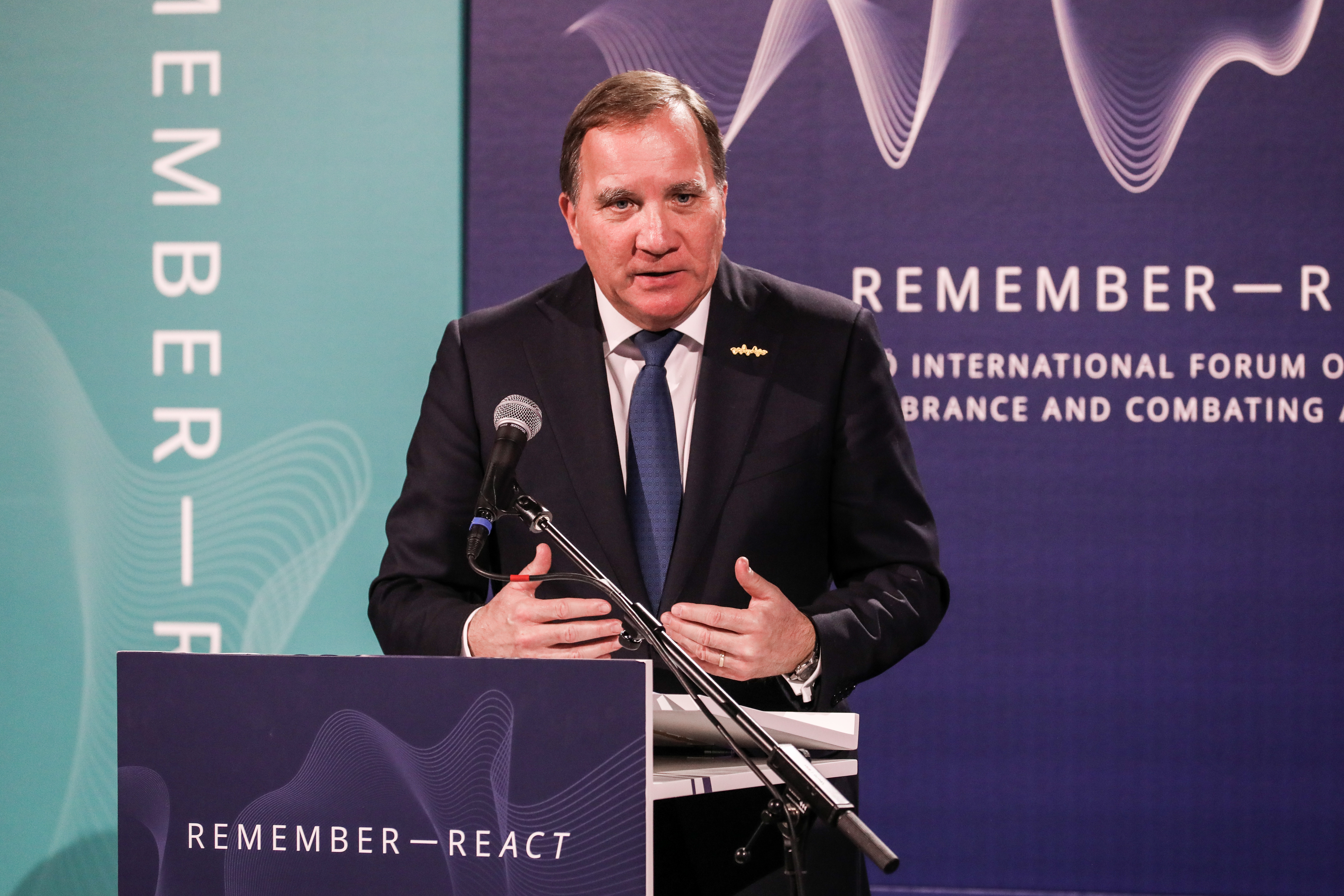


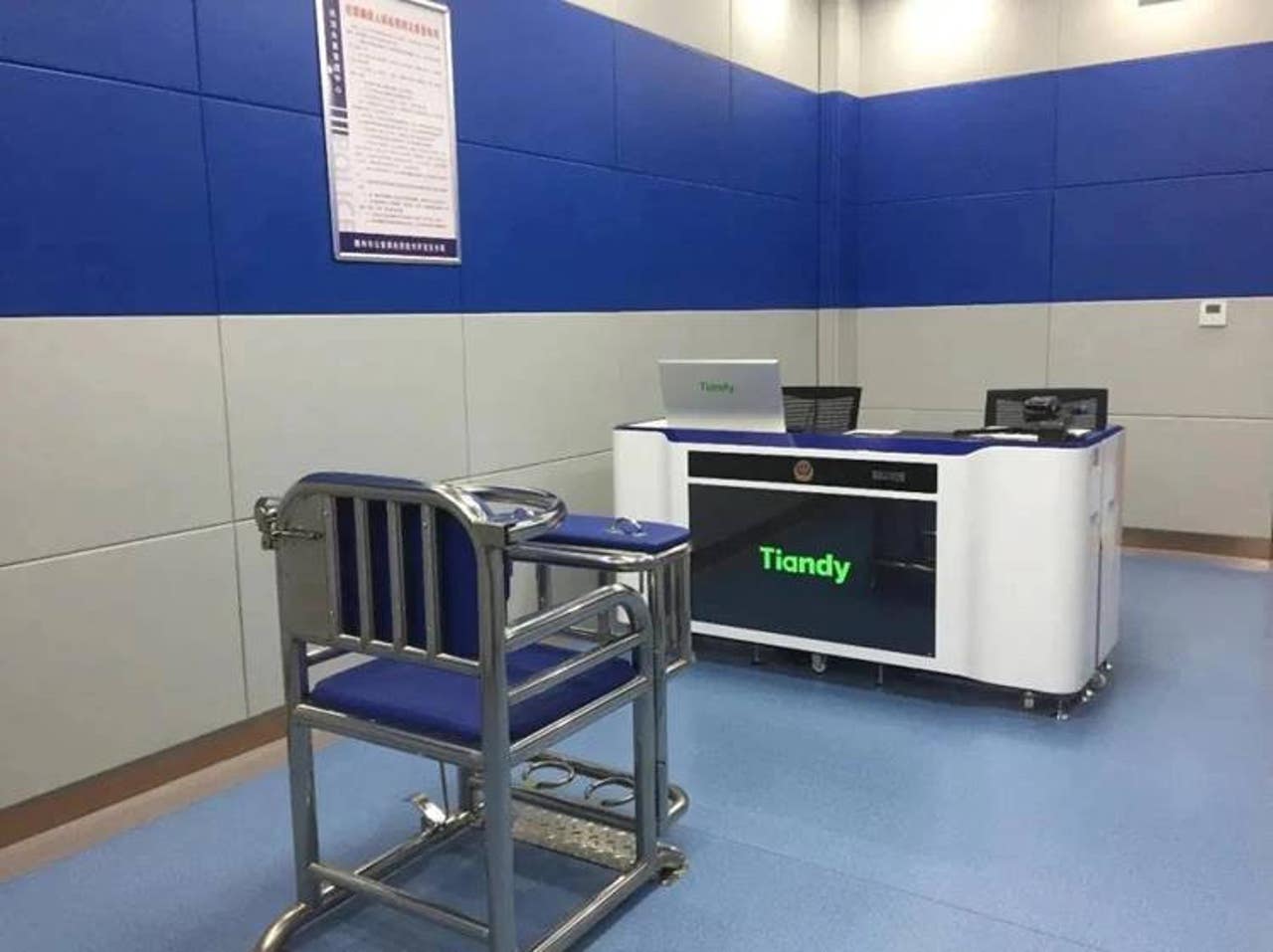






 דיויד סטברו