הסרט היה אחד מסרטי התעודה הבולטים של השנה שעברה וגרף פרסים רבים. תחקיר עדכני טוען כי חלקים מהסרט זויפו ובוימו על ידי היוצר, שאומר להגנתו שגם אם טעה בהצגת הדברים, כל מה שהוא מספר בסרט הוא נכון.
הסרט "סבאייה" של הבמאי הכורדי־שוודי הוגיר הירורי נחשב לאחד מסרטי התעודה הבולטים של השנה שעברה. במגרש הביתי של הירורי זכה הסרט ב"גולדבאג", הפרס המקביל לאוסקר בשוודיה, ובפרס הסרט התיעודי הטוב ביותר בפסטיבל הסרטים הבינלאומי של סטוקהולם. בעולם הוא זכה בפרסים בפסטיבלים מרוסיה, דרך הונג־קונג ועד דוקאביב הישראלי. הירורי אף זכה בפרס הבימוי התיעודי הבינלאומי בפסטיבל סאנדנס האמריקאי היוקרתי.
הסרט עוסק בקבוצה קטנה של פעילים ופעילות יזידים הפועלים במסגרת ארגון בשם "מרכז הבית היזידי" בסוריה. הוא מראה כיצד פעילים אלו לוקחים על עצמם לאתר ולחלץ נשים יזידיות שנחטפו על ידי אנשי ארגון המדינה האיסלאמית (דאעש) והוחזקו כ"סבאייה" — שפחות שניתן לאנוס אותן, להעביד אותן ולמכור אותן הלאה. הנערות, הילדות והנשים המחולצות על ידי גיבורי הסרט, ובראשם הדמות המרכזית שלו, מחמוד רשו, מחולצות ממחנה אל־הול שבצפון־מזרח סוריה, קרוב לגבול העיראקי, שם הן שוהות כמעין פליטות לאחר שדאעש הובס בתחילת 2019. המחנה מנוהל בידי הכוחות הסוריים הדמוקרטיים (SDF) וחיים בו עשרות אלפי פליטים, רובם נשים וילדים, בהם אלפי תומכי ופעילי דאעש. הסרט עוקב אחרי חלק מפעולות החילוץ עצמן ולאחר מכן מלווה חלק מהנשים כאשר הן נלקחות לביתו של מחמוד ומשפחתו, המשמש כמעין בית מחסה.
אחת הסיבות שהסרט זכה לתשומת לב כה רבה היא העובדה שהבמאי, הירורי, מעביר את הסיפור ללא הסברים וללא סיוע של קריינות, מפות או "ראשים מדברים". הירורי צילם את המתרחש לבדו והוא מביא את הסיפור ללא פילטרים, כך שאצל הצופים נוצרת התחושה שהם נמצאים עם הבמאי במקום עצמו בזמן אמת. באחד ממבצעי החילוץ, למשל, הסרט מלווה את מחמוד ושותפיו כאשר הם שולפים נערה יזידית בשם ליילא מתוך אוהל במחנה, חמושים באקדח, בטלפון סלולרי ובמידע מודיעיני שקיבלו ממסתננות יזידיות הנכנסות למחנה על מנת להציל את חברותיהן תוך כדי נטילת סיכון גדול. בהמשך, בנסיעה מהמחנה אל ביתו של מחמוד, מצולם מרדף מכוניות שבמהלכו חמושי דאעש דולקים אחרי היזידים ויורים לעברם.
כעת, קרוב לשנה וחצי לאחר הקרנת הבכורה, טוען אתר האינטרנט השוודי Kvartal שגיבורי הסרט, אנשי מרכז הבית היזידי, הונו את הנשים היזידיות ולקחו מהן במרמה את ילדיהן. כמו כן טוען האתר שבמאי הסרט, הוגיר הירורי, פיברק סצינות מפתח, הציג מצגי שווא, העלים מידע על הצדדים האפלים של גיבוריו ושיקר לתקשורת שסיקרה את הסרט בהרחבה.
הטענות נחלקות לשתיים: ראשית, ישנן טענות קשות לגבי אנשי מרכז הבית היזידי, ובראשם מחמוד רשו (שנפטר בינתיים) וזיאד אבדאל, שאותם מציג הירורי כגיבורים. על פי התחקיר של Kvartal, חלק מהנשים שנחטפו על ידי דאעש ונולדו להן ילדים כתוצאה ממעשי האונס הרבים שעברו לא היו מעוניינות להשתחרר כלל מהמחנה, מכיוון שידעו שילדיהן עלולים להילקח מהן. למרות זאת הן הוצאו מהמחנה על ידי מחמוד ואנשיו, שהבטיחו להן שגם אם ילדיהן יילקחו באופן זמני, הם יוחזרו אליהן. בפועל, טוען התחקיר, הילדים לא הוחזרו ונשים שסירבו למסור אותם אף הוחזקו בביתו של מחמוד במעין מאסר בית. התחקיר אף טוען שמחמוד הציע לאנשי דאעש לקנות את הילדים. טענה זו מבוססת על ראיון עם מחמוד ששודר ב-CBC, רשת השידור הציבורי הקנדי. עם זאת, התחקיר מכיר בכך שמחמוד לא עשה זאת בפועל אלא השתמש בילדים כמעין פיתיון כדי לקבל מידע מאנשי דאעש ללא כוונה אמיתית למכור אותם.
ובכל זאת, העדויות הן קשות. "הם רימו אותנו, לקחו אותנו לבתיהם, ואז לקחו מאיתנו את הילדים שלנו", כך אמרה אחת הנשים לעורכי התחקיר. בנוסף לכך חושף התחקיר שיחת טלפון שהוקלטה בין הירורי לאחת הנשים שהיו מעורבות בחילוץ, ובה היא מספרת לו ש"אנשים יחשבו שמחמוד מחזיר בנות יזידיות, וזה נכון, אבל מחמוד התייחס אליהן גרוע יותר מאשר דאעש".
הטענות האחרות הקשורות לסרט נטענו כלפי הבמאי עצמו, הירורי, שזייף לכאורה סצינות מפתח והציג מצגי שווא. כך, למשל, מראה התחקיר שהנערה ליילא חולצה מאל־הול לפני שהירורי הגיע לסוריה ולכן הוא לא יכול היה לצלם את חילוצה ואת המרדף הדרמטי שהתקיים אחריו. סצינה זו, טוען התחקיר, היתה חייבת להיות מבוימת עם שחקנית או שהיא חילוץ אמיתי של נערה אחרת (פניה של המחולצת מכוסים בבורקה ולכן לא ניתן לזהותה). התחקיר גם טוען שהיו אלו השומרים החמושים הכורדים שהוציאו את הנערות מהאוהלים והם אלו שמסרו אותן למחמוד ולזיאד שחיכו במרחק ביטחון במשרדי המחנה.
בתשובה לשאלת "הארץ" אישרר העיתונאי שערך את התחקיר, לודה הלברג, את פרסום הדברים. "זה מצער מאוד אם משלמי המסים שמממנים הפקות מהסוג הזה מולכים שולל על ידי יוצרי הסרטים", הוא אמר וטען שזהו לא הסרט התיעודי השוודי הראשון שעליו הוא ערך תחקיר, בשני המקרים מומנו הסרטים בכספי ציבור. "בשוודיה אנחנו משקיעים מיליוני קרונה כל שנה מכספי הציבור בסרטי תעודה מהסוג הזה ועדיין מסתבר שיש חוסר בגוף ביקורת במוסדות כמו רשות השידור הציבורית השוודית ומכון הקולנוע הלאומי, שיוכל לוודא את האותנטיות שלהם".
הלברג מסביר גם שהתבסס על מקורות רבים ומגוונים כשערך את התחקיר. "בכתבה אנחנו מצטטים אחת מהנשים שהוצאה מאל־הול על ידי גיבור הסרט", הוא מספר ומוסיף שהיו מקורות רבים נוספים, בהם שגריר ארה"ב לשעבר באזור, פיטר גלבריית, שהיה מעורב במקרים של איחוד אמהות עם ילדיהן, עיתונאי בינלאומי שעבד באזור זמן רב, ומתרגם בשם נרצ'יוואן מאנדו, שפעל באזור ועבד, בין השאר, עם הרשת הקנדית CBC ועם "גרדיאן" הבריטי. "כמו בכל עבודה עיתונאית רצינית מהסוג הזה", מסכם הלברג, "עשינו הערכות זהירות מאוד של אמינות המקורות שלנו. בפרסום שלנו לא מופיעה שום עובדה שלא נתמכת על ידי מספר מקורות עצמאיים. מאחורי תחקיר כזה יש חודשים של עבודה ובדיקת עובדות על ידי שני עורכים מנוסים".
הירורי, מצדו, טוען שהתחקיר מטעה ומוציא דברים מהקשרם. לאחר פניית "הארץ" הוא מסר תשובה מפורטת לטענות נגדו ונגד הסרט שיצר — "מאז 2014, כשדאעש תקף את היזידים בעיראק, אני מתעד את גורלם. מצב הילדים שנולדו לאמהות יזידיות בשבי כתוצאה מאונס על ידי אנשי דאעש הוא טרגי ביותר ומורכב מאוד. ניסיתי להראות את זה בסרט שלי, לדוגמה בסצינה שבה אחת הנשים שניצלו נאלצת לוותר על התינוק שלה. למרבה הצער, הנשים היזידיות שחולצו לא יכולות לשמור על ילדיהן שיש להם אבות מוסלמים אם הן רוצות לחזור למשפחותיהן. הסיבה לכך היא שעל פי החוק העיראקי, אישה יזידית אינה רשאית להביא ילד לעולם עם גבר מוסלמי (אלא אם כן היא מתאסלמת ואז היא לא תתקבל יותר בחברה היזידית).
בעיה נוספת היא שמנהיגי הדת היזידים נתנו חנינה לנשים שחולצו כדי לחזור לחברה היזידית, אך לא לילדיהן שנולדו בשבי, שכן אלו עדיין נתפסים כ"ילדי האויב". זה מעולם לא היה סוד שהילדים מוכנסים לבתי יתומים ומחכים לפתרון במקרים שבהם הנשים מחליטות לחזור לחברה היזידית, וזה גם לא משהו שניסיתי להסתיר בשום אמצעי. הדברים גם מוסברים היטב לנשים כשהן עומדות בפני ההחלטה לחזור למשפחותיהן, והן מודעות לנסיבות. לא הצלחתי להכניס את כל ההסברים הללו על גורל הילדים לסרט, שכן קו העלילה שלי היה על הצלת הנשים ולא על גורל הילדים. אלו יצטרכו סרט תיעודי שלם בפני עצמו".
לגבי הטענות על בימוי וזיוף סצינות בסרט, טוען הירורי שהנערה המחולצת, ליילא, היתה אחת הנערות שהסכימו לדבר על הסיוט שעברו בשבי ולספר את סיפורן. הירורי מודה שפגש את ליילא לראשונה כמה ימים אחרי שחרורה ושהסצינה שבה היא משוחררת בסרט צולמה בעצם כאשר מחמוד וזיאד שיחררו נערה אחרת (שלא היתה מוכנה להתראיין או לחשוף את פניה). בהצהרתו מודה הירורי שטעה כאשר הציג את הסצינה המדוברת כאילו זהו השחרור של ליילא אך מוסיף: "כל האירועים המתוארים ב'סבאייה' וכל חלקי הסיפור שאני מספר בסרט התרחשו בדיוק כפי שהם מוצגים וכל הצילומים תועדו על ידי במצלמה שלי בשעת התרחשותם. ליילא היתה בשבי דאעש. היא חולצה על ידי מחמוד ואנשי המרכז היזידי ממחנה אל־הול. סצינת החילוץ המרכזית ב'סבאייה' היא חילוץ אמיתי של אישה יזידית שנלקחה ממחנה אל־הול. היא בשום אופן לא מבוימת או מזויפת. אני הייתי במכונית עם המצלמה שלי. מרדף המכוניות שבו יורים עלינו הוא אמיתי לחלוטין. כל מה שאני מספר בסרט על הסיפור של ליילא נכון גם הוא במאה אחוז".
חיזוק לדבריו של הירורי ניתן גם למצוא בראיון שערך כותב שורות אלו עם אותה ליילא עוד לפני פרסום התחקיר השוודי ובהקשר אחר. באותו ראיון סיפרה ליילא על חילוצה, גרסה התומכת בטענתו של הירורי שמבצע החילוץ שצילם היה דומה לזה שלה: "דּוֹד מחמוד לקח אותי משם", היא סיפרה, "כשאני חושבת על הנסיעה הזו, זה מרגיש לא אמיתי, המחשבות שלי היו בכל מקום. פחדתי מאוד ולא דיברתי עם אף אחד. ואז התחילו היריות. אני עדיין בקושי מאמינה שיצאתי משם".
אך טענה נוספת של הירורי היא מעניינת לא פחות ופותחת דיון גדול יותר מהדיון על "סבאייה" — "חשוב גם לזכור שעקרונות היצירה של סרטי תעודה אינם זהים לאלו של דיווח עיתונאי", הוא טוען, "יצירת סרטי תעודה אינה שיטה נרטיבית ניטרלית ואובייקטיבית. בשוודיה במיוחד, הסוגה הזו הגיעה לרמה אקספרסיבית ואמנותית באמצעות מסורת ארוכה של יוצרי קולנוע תיעודי רבים שהצליחו בעולם. הודות לתמיכתם של מוסדות ציבוריים כמו המכון השוודי לקולנוע והטלוויזיה השוודית התבססה כאן דרך לספר סיפור המעודדת השקפה אישית וביטוי אמנותי יצירתי ומאפשרת ליוצרים עצמאיים להביע את ההשקפה הייחודית שלהם על אירועים. זהו מדיום שונה מדיווח עיתונאי, שיש לו דרישות קפדניות של ניטרליות ואובייקטיביות ובצדק".
Between 1980 and at least until 2015 China has violated two core values of medical ethics regarding organ transplants, according to a new research by Matthew P. Robertson and Israeli Prof. Jacob Lavee ■ The Chinese embassy in Israel: 'Some countries and anti-China forces have been hyping up lies and distorting facts on organ transplantation in order to smear China.'
The organ transplant industry in China has a dark, hidden and often illegal side, some foreign experts have claimed in recent years. According to these experts, Chinese authorities murder prisoners in “reeducation camps” to harvest their organs and sell them for transplant for high prices to local and foreign customers.
In 2019, an international tribunal headed by the British barrister Geoffrey Nice published a report on organ transplants in China. It was based on months of discussions, presentation of evidence and analysis of findings, calling these acts crimes against humanity and “one of the worst atrocities committed” in modern times.
Ethan Gutmann, a researcher and human rights activist, told Haaretz in late 2020 that some 15 million members of minorities in the Xinjiang province, including Uighur Muslims, underwent medical examinations essential to check matches of organs for transplant. He said over a million of those tested were in prison camps. “This is not sporadic,” he said, adding that China has “created a policy of ethnic cleansing – a potentially very profitable one.”
Gutmann estimated that China murders at least 25,000 people each year in Xinjiang for their organs. He described fast tracks to move the organs in local airports, and crematoria built to dispose of the bodies. Customers for organs these days, he said, are mainly wealthy Chinese. However, he noted, there are also “organ tourists.” They included Japanese, South Koreans and Muslims from the Gulf States who prefer “halal organs” taken from Muslims like the Uighurs, he said.
But despite the extensive evidence on organ trafficking in China, no “smoking gun” has been found yet in the form of official documents that could prove the state is behind the illegal, immoral and profitable industry. Until now, apparently.
‘The smoking gun’
China has violated two core values of medical ethics regarding organ transplants, according to an article published on Monday in the American Journal of Transplantation – the leading scientific journal in the world on transplants. Analyzing data between 1980 and 2015, the researchers concluded that the Chinese have routinely violated the Dead Donor Rule, which prohibits harvesting an essential organ from a living person and prohibits causing the death of donors to harvest their organ.
The 71 papers proving that organs were harvested before the subject’s death were spread out over a period of 35 years and came from 56 different hospitals in 33 cities and 15 provinces
The authors, Mathew Robertson, a doctoral student in politics and international relations at the Australian National University in Canberra, and Prof. Jacob (Jay) Lavee, also claim that the Chinese have violated the prohibition on the participation of physicians in the executions of prisoners.
Professor Lavee is a medical advisor on risk management for Sheba Medical Center and a member of the board of ethics of the International Society for Heart and Lung Transplantation. He set up and managed Sheba’s heart transplantation unit and served as the president of the Israeli Transplantation Society. He told Haaretz that the research he conducted with his Australian colleague found the previously missing “smoking gun” on illegal transplants in China. “Until now, there was a lot of circumstantial evidence,” Lavee said. “However, our research provides for the first time testimonies by people involved in their own language.”
According to the dead donor rule, it is prohibited to cause death by procuring organs. Lavee and Robertson’s research checked whether Chinese doctors determined brain death as required before conducting operations to procure organs. “In order to determine that a subject is brain dead, the subject must unequivocally have no independent breathing capabilities,” Lavee said. “The test is done by cutting the subject off from artificial ventilation provided via intubation through the trachea. After cutting off ventilation, the doctors wait to see whether the patient is breathing independently. They also check CO2 levels in the subject’s blood.”
If the doctors have not observed spontaneous breathing, Lavee explained, they can determine that the subject has no breathing reflex and rule that the subject is brain dead and therefore proclaim the person dead. “The medical establishment accepts this standard worldwide,” he says. “Chinese medical literature also accepts this procedure for determining brain death, even though China lacks an explicit law governing brain death.”
For their research, Lavee and Robertson scoured a database of over 120,000 papers in Chinese that deal with organ transplants. They then filtered out 2,800 articles dealing with heart and lung transplants and searched in the text for sentences that describe intubation into the windpipe of the deceased that was conducted only after determination of brain death or after the beginning of an operation to procure organs.
“Finding such a description proves that a test to determine cessation of breathing was not conducted,” Lavee said. It indicates that “the patient was not ventilated until that moment and breathed independently until the beginning of the organ harvesting operation and thus was not brain dead,” Lavee noted. “In 310 papers we found sentences that describe problems in determining the death of the donor. There was no clear and unequivocal testimony that ventilation was commenced after the start of the operation. But in 71 other papers, we found clear and unequivocal proof that brain death was not determined before the organ harvesting operation commenced.”
The 71 papers proving that organs were harvested before the subject’s death were spread out over a period of 35 years and came from 56 different hospitals in 33 cities and 15 provinces. “This spread,” explained Lavee, “proves that this is not an isolated or temporary problem. It must be a policy.”
Organ donation is only possible in the event of brain death because this condition provides a limited window of opportunity to preserve organ function artificially. In this time window, organ procurement surgery is performed because the organs will stop functioning after that and body systems will collapse.
Inadvertent admission
A website for an agency from Tianjin that offers foreigners transplants in China.Credit: Screenshot
Lavee said the “incriminating sentences” found in 71 papers were no more than a line or two within papers dealing with methodology. “The sentences show time after time that the organ ‘donor’ was ventilated only after the surgical procedure commenced, or was ventilated only with a mask – proof that the ‘donor’ had been breathing independently, without ventilation, up until the operation,” he explained.
Lavee and Robertson don’t know whether or not the dead donor rule was honored in procedures mentioned in papers in which they could not determine a definite problem. The reason, they said, is that the authors of those papers did not detail the organ procurement procedure or note at what stage the person undergoing surgery was ventilated. They insist there is no other possible explanation for the findings in the 71 papers. “Our article was checked with a fine-tooth comb by the American Journal of Transplantation’s editorial board,” Lavee said. “Four external reviewers and three editors went over our article very carefully and none of them held up its publication. There is no other way to explain our findings.”
The mountains of papers the two researchers scanned did not state the identity of the ‘organ donors’ or whether they were prisoners. Lavee and Robertson said however that the Chinese have provided that information in the past. “The Chinese themselves admitted in 2007 that 95 percent of the organs for transplantation came from prisoners,” Lavee said. “The person who admitted this, Dr. Huang Jiefu, is in charge of transplantations in China. He has served as deputy health minister. He currently serves as the deputy head of the transplantation committee at the World Health Organization, where China has great influence. We explain in the paper’s introduction why it is clear that all the subjects undergoing surgery described in the papers had to be prisoners. There was no alternative voluntary organ donor system during the time in question.”
“The unique discovery of our research,” says Lavee, “is the fact that the authors of those 71 papers, admit, without having intended to, that the organ procurement procedure was in fact the cause of death of the subjects in surgery as it was conducted prior to brain death.” According to Robertson an additional important finding of the study is the “exposure of the involvement of physicians in the medical execution of prisoners. The data proves that there has been a very close connection, over decades, between the security apparatuses and the medical establishment in China,” Robertson said.
Matthew Robertson, Photo: ANU
Robertson and Lavee rejected in their paper the claim by Chinese transplantation authorities that physicians were not involved in executions. “Our data contradicts this claim through their own words, in officially published papers,” Robertson said. Besides their paper, there are reports of events in Xinjiang while the number of organ transplantation centers in China is growing. Researchers fear massive trade in human organs is going on in China, with prisoners executed to provide the organs.
תקווה מהבד :Jacob Lavee, Photo
‘Just a few weeks wait’
Nobody knows for certain just how many organ transplants are conducted every year in China. “The figure that we note in our paper – that some 50,000 organ transplants will be conducted in China in 2023 – is quoted from public Chinese statements,” Lavee said.
“We write in the paper that Chinese hospitals advertise waiting times of just a few weeks for organ transplants – compared with months and years in the West. The Chinese continue to advertise the sale of organs to transplant tourists on the internet in English, Russian and Arabic.” Lavee noted that these ads do not state the origin of the organs. Rather, they show that organ transplant tourism is ongoing, and that livers, hearts and lungs are offered to potential customers with a wait time of just two-to-three weeks.
The Chinese claim that they ceased using organs from prisoners in 2015. Indeed, Lavee and Robertson found no evidence in the papers they scanned that organ harvesting prior to determination of brain death has taken place since then. The big question is whether the Chinese have conducted reforms and corrected the system or whether they are just covering their tracks better.
“We can’t say whether the reason is that the situation has indeed improved because of international pressure, or if is possible that there has been no real change, just a change in what is published,” said Lavee. “However, I would like to be fair to the Chinese. I have no doubt that in recent years there have been reforms and increased use of perfectly legitimate organs. We wrote this in our paper. What we claim at the same time is that the previous criminal activities continue and we have no way of knowing their scope.”
Lavee and Robertson said that China is the only country in the world that exploits organs from executed prisoners for transplants. Taiwan was the only other example, but it ceased doing so over a decade ago. In other countries, it is forbidden to even ask death row prisoners for their consent to donate organs. There was one exception in the United States, where a death row prisoner was allowed to donate a kidney to a first-degree relative,” explained Lavee.
One wonders why the Chinese didn’t hide the practice if they knew it was prohibited in the rest of the world. Lavee noted that papers he and Robertson scanned in their research were written in Chinese. The doctors who wrote them probably never imagined that one day someone would go through them and search for incriminating phrases. “These sentences do not appear in papers from China published in English,” Lavee pointed out. “If they had appeared there, not one editor of a medical journal in the West would have approved them for publication.”
Prof. Lavee became interested in the topic of organ transplants in China after being stunned when learning that one of his patients had undergone a heart transplant there. He heard the whole process took only two weeks. “There have been many such stories in the past. I was not the only one to expose them,” Lavee said. “There is no doubt the Chinese have become far more aware of the issue in recent years. They claim, at least outwardly, they have put a stop to transplants tourism. I know for certain that not one Israeli patient has traveled to China since 2008, and that is the situation in many other Western countries. But we do know from unofficial sources that there is transplant tourism to China from Persian Gulf countries, among them Saudi Arabia.”
The Israeli researcher does not know why doctors in Saudi Arabia or other countries don’t report this immoral practice, but he has no doubt about what the right thing to do is. “As the son of a Holocaust survivor who was in a Nazi concentration camp, I can not stand aside and remain silent when my professional colleagues, Chinese transplant surgeons, have for years been partners to a crime against humanity by cooperating with the authorities and serving as the operational arm for mass executions,” he says.
The Chinese embassy in Israel responded:
“Some countries and anti-China forces have been hyping up lies and distorting facts on organ transplantation in order to smear China. The Chinese side firmly opposes such acts. If the study you mentioned is based on anti-China rumors, we hope Haaretz, as an influential media outlet, could view the facts and truth objectively, avoid being misled by false arguments, and refrain from providing a platform for spreading lies and rumors about China.
The Chinese government has always followed the guidelines of the World Health Organization (WHO) on human organ transplantation, and has further strengthened the administration of organ transplantation in recent years. On 21 March 2007, China’s State Council adopted and enacted the Regulation on Human Organ Transplantation, stipulating that the donation of human organ shall be voluntary and free of any monetary payment or other reward of monetary value, that human organ trafficking shall be prohibited, and that human organs used by medical institutions for transplantation shall be obtained with the written consent of the donors. The transplantation shall also be prohibited if the donors and their next to kin don’t give their consent, and if the donated organs fail to meet medical criteria. On 3 December 2014, the Chinese government declared that donations from citizens shall be the only legal source for organ transplantation. China banned transplants of organs donated from executed prisoners on 1 January 2015. In accordance with relevant laws, China launched an organ transplant donation system for citizens to meet medical treatment needs, which has been welcomed by the Chinese people. The progress China made in organ transplantation has also been recognized by the international community. While some anti-China forces fabricate and spread rumors on China’s organ transplantation, their true, malicious intentions are becoming increasingly clear to and rejected by the international community”.
שני חוקרים, פרופ' יעקב (ג'יי) לביא מישראל ומת'יו רוברטסון מאוסטרליה הצליחו להוכיח את מה שנטען כבר שנים – סין קצרה איברים מאנשים שהיו עדיין בחיים ורופאים סיניים היו שותפים למעשה בהוצאות להורג.
בבוקר אחד באוקטובר, יה טונג הלכה לבית ספרה בעיר צ'ינג'ו שבדרום סין. זה היה אמור להיות יום שגרתי עבור הילדה בת התשע שכולל לימודים ומשחקים עם חברים, אך הוא הסתיים באופן טרגי ביותר. יה התנגשה בילדה אחרת במסדרון בית הספר, מעדה, ראשה נחבט בקיר והיא התעלפה. התלמידה עוד הספיקה לשוב להכרה, ללכת הביתה לארוחת צהריים ואז לשוב לבית הספר, אבל בסופו של יום היא סבלה מדימום במוחה והיתה בתרדמת במשך תשעה ימים, עד למותה.
אביה של יה, הואנג צ'ין, החליט לתרום את איבריה כדי להציל חיים של אנשים אחרים ולהשאיר בעולם הזה משהו מבתו המנוחה. "אני רק רוצה לתת ללב של הבת שלי להמשיך לפעום", הוא הסביר. בזכות הסכמתו של הואנג, הקרניות, הלב והכליות של בתו נתרמו להשתלה. "הוקל לי שהיא עזרה לאנשים אחרים והצילה את החיים שלהם", אמר האב.
המקרה של יה הציג את תעשיית השתלת האיברים בסין באור חיובי במיוחד, וכלי התקשורת המקומיים דאגו להדהד את סיפור המוות-מציל-החיים שלה באופן שלא נעלם גם מהתקשורת הבינלאומית. עם זאת, ברוב המקרים לא כך הדבר בסין. לתעשיית השתלות האיברים במדינה יש צד אפל, בלתי נודע ולעתים רבות לא חוקי – כך טענו בשנים האחרונות כמה מומחים זרים. לדבריהם, ב"מחנות לחינוך מחדש" בסין רוצחים חלק מהאסירים כדי לקצור את איבריהם ולמכור אותם להשתלה תמורת סכומי כסף גבוהים ללקוחות מקומיים וזרים.
טריבונל בינלאומי בראשות המשפטן הבריטי ג'פרי נייס פרסם ב-2019 דו"ח בנושא קציר האיברים בסין לאחר חודשים של דיונים, שמיעת עדויות וניתוח ממצאים. "הקמפיין הסיני לקציר איברים בכפייה מקורבנות חפים מפשע הוא פשע נגד האנושות", הוא קבע, "הוא מהווה את אחד ממעשי הזוועה החמורים ביותר בעת המודרנית". איתן גוטמן, חוקר ופעיל זכויות אדם אמריקאי, סיפר בראיון ל"הארץ" בנובמבר 2020 שכ-15 מיליון בני מיעוטים במחוז שינג'יאנג, בהם אויגורים מוסלמים, עברו בדיקות רפואיות שהכרחיות לבדיקת התאמת איבריהם להשתלה ושיותר ממיליון מהם נמצאים במחנות הכליאה. "אלו לא תקריות ספורדיות, זו מדיניות", הוא אמר, "טיהור אתני שיכול להניב רווחים גדולים".
גוטמן העריך שלפחות 25 אלף בני אדם בשנה נרצחים בשינג'יאנג בעבור איבריהם וסיפר על מסלולים מהירים למעבר איברים בשדות תעופה מקומיים ועל קרמטוריומים הנבנים כדי להיפטר מהגופות. לקוחות האיברים בימינו, הוא טען, הם בעיקר סינים אמידים, אך ישנם גם "תיירי איברים", יפנים, דרום קוריאנים ומוסלמים ממדינות המפרץ המעדיפים "איברי חלאל" שנלקחו ממוסלמים כמו האויגורים. אך למרות עדויות רבות שנשמעו בנושא סחר האיברים בסין, לא נמצא "האקדח המעשן" בדמות מסמכים רשמיים שיוכיחו שהמדינה עומדת מאחורי תעשייה לא חוקית ולא מוסרית כדי להרוויח כסף. עד עכשיו, ככל הנראה.
מחקר שהתפרסם היום (שני) ב-American Journal of Transplantation, כתב העת המדעי המוביל בעולם בתחום ההשתלות, טוען שבשנים 1980 ועד 2015 לפחות הופרו בסין שני תנאי בסיס קריטיים להתנהלות אתית של השתלות איברים בפרט ולהתנהלות אתית רפואית בכלל. התנאי הראשון שהופר הוא הכלל האתי החשוב של עולם ההשתלות – "כלל התורם המת" (Dead Donor Rule) שאוסר על תרומת איברים חיוניים מתורם שעודנו בחיים ואוסר על גרימת מותו של תורם כדי לקבל את איבריו. מחברי המחקר, מת'יו רוברטסון, דוקטורנט בביה"ס לפוליטיקה ויחסים בינלאומיים באוניברסיטה הלאומית האוסטרלית בקנברה ופרופ' יעקב (ג'יי) לביא מישראל, טוענים ש"כלל התורם המת" הופר בסין כעניין שבשגרה. זאת ועוד, שני החוקרים טוענים שהכלל האתי השני שהסינים הפרו, וסביר להניח שעדיין מפרים, הוא האיסור על השתתפות רופאים בהוצאות להורג.
פרופ' לביא הוא יועץ רפואי של הנהלת בית החולים שיבא לניהול סיכונים וחבר בוועדת האתיקה של החברה הבינלאומית להשתלות לב וריאות. בעבר הוא הקים וניהל את היחידה להשתלות לב בשיבא וכיהן כנשיא החברה הישראלית להשתלות. בראיון ל"הארץ" הוא מסביר שהמחקר שלו ושל עמיתו האוסטרלי מצא למעשה את "האקדח המעשן" שהיה חסר בנוגע לחשדות בעניין ההשתלות בסין. "עד היום היו הרבה עדויות נסיבתיות. לעומת זאת, במחקר שלנו יש לראשונה עדות של העוסקים בדבר בשפתם", אומר לביא.
על פי "כלל התורם המת", להליך הנצלת איברים (הצלת איברים וניצולם) אסור לגרום למותו של התורם. מחקרם של לביא ורוברטסון בדק אם רופאים סינים קבעו כנדרש מוות מוחי לפני שניגשו לניתוח הנצלת האיברים. "כדי שניתן יהיה לקבוע מוות מוחי של אדם הוא חייב להיות, באופן חד-משמעי, ללא יכולת נשימה עצמאית", מסביר לביא. "את הבדיקה עושים באמצעות ניתוק הנבדק ממכונת ההנשמה אליה הוא מחובר באמצעות צינור המוחדר לקנה הנשימה שלו. לאחר הניתוק ממתינים לראות אם הנבדק נושם עצמאית. בנוסף בודקים את רמת דו-תחמוצת הפחמן (Co2) בדם. אם לא נצפתה ולו נשימה ספונטנית אחת, אפשר לומר בוודאות שלאדם אין רפלקס נשימה וניתן לקבוע רשמית שמוחו מת והוא מוגדר מת". "זהו תנאי אוניברסלי לגמרי המקובל על ידי הממסד הרפואי בכל מדינה בעולם", אומר החוקר הישראלי. "גם הספרות הרפואית הסינית מקבלת הגדרה זו לצורך קביעת מוות מוחי, וזאת למרות שאין בסין חוק מפורש בנושא".
לביא ורוברטסון עברו במהלך המחקר על מאגר מידע של יותר מ-120 אלף מאמרים בשפה הסינית שעוסקים באופן כללי בהשתלות איברים וסיננו מתוכם כ-2,800 מאמרים שעוסקים בהשתלות לב וריאה. הם חיפשו בטקסטים משפטים שמתארים החדרת צינור הנשמה לקנה הנשימה של המת שבוצעה רק לאחר קביעת המוות המוחי או לאחר תחילת ניתוח הנצלת האיברים. "מציאת תיאור שכזה מוכיחה למעשה שמבחן הפסקת הנשימה לא בוצע, שכן החולה לא היה מונשם עד לאותו רגע ונשם בכוחות עצמו עד לתחילת ניתוח הנצלת האיברים ומכאן שלא היה במוות מוחי", אומר לביא. "ב-310 מאמרים מצאנו משפטים שמתארים בעייתיות בקביעת מותו של התורם וב-71 מאמרים מצאנו הוכחה ברורה וחד משמעית שלא נקבע מוות מוחי לפני שהחל הניתוח להנצלת איברים", אומר לביא.
71 המאמרים שהוכיחו שאיבריו של תורם נקצרו לפני מותו פרוסים על פני 35 שנה ומקורם ב-56 בתי חולים שונים מ-33 ערים ו-15 מחוזות. "פריסה זו", מסביר לביא, "מעידה על כך שלא מדובר בבעיה מקומית או זמנית. זו חייבת להיות מדיניות".
תרומת איברים אפשרית רק במצב של מוות מוחי משום שבמצב זה ניתן, למשך זמן מוגבל בלבד, לשמר את תפקוד האיברים באופן מלאכותי. בזמן מוגבל זה מבצעים את ניתוח הנצלת האיברים משום שלאחר מכן האיברים יפסיקו לתפקד ומערכות הגוף יקרסו. "השימוש באיברים להשתלה מאדם שהוצא להורג, המצוי במוות מוחי וליבו עדיין פועם, מצריך תיאום מורכב ועדין בין המוציאים להורג לבין הרופאים שמנצילים את האיבר", אומר לביא. "המסמכים שנחשפו במחקר מראים שעל מנת להימנע ממצב של איבוד האיבר כתוצאה מחוסר תיאום שכזה, הרופאים הסינים הפכו למעשה לחלק מהליך ההוצאה להורג". לביא מספר ש"המשפטים המרשיעים" שנמצאו ב-71 המאמרים היו לא יותר ממשפט קצר או שניים בחלק של המאמר העוסק במתודולוגיה שלו. "המשפטים מראים פעם אחר פעם ש'תורם' האיברים הונשם רק לאחר שנקבע מוות מוחי או שהתחלת ההנשמה החלה לאחר תחילת הניתוח, או שהוא הונשם רק במסכה – עדות לכך שה'תורם' לא נזקק להנשמה קודם ושהוא נשם בכוחות עצמו עד הניתוח", הוא מסביר.
לביא ורוברטסון מודים שהם לא יודעים אם במאמרים שבהם לא נמצאה בעייתיות בקביעת המוות המוחי נעשה הליך תקין. הסיבה לכך, לדבריהם, היא שמחברי המאמרים לא פירטו בהם את הליך הנצלת האיברים ולא ציינו באיזה שלב בוצעה הנשמת המנותח. כאשר הם נשאלים אם יש אולי הסבר אפשרי אחר לממצאים שהתגלו ב-71 המאמרים או שאכן מדובר בהוכחה מוחלטת לכך שקביעת מוות נעשתה בניגוד לכללי האתיקה, הם משיבים: "זו שאלת מיליון הדולר. המאמר שלנו נסרק במסרקות ברזל על ידי מערכת כתב העת American Journal of Transplantation. ארבעה מבקרים חיצוניים ושלושה עורכים עברו על המאמר שלנו בקפידה ואיש מהם לא עצר את פרסומו. אין דרך אחרת להסביר את הממצאים שלנו".
בהררי המחקרים שבהם נברו שני החוקרים לא צוינה זהות "תורמי האיברים" או אם הם היו אסירים. למרות זאת, אומרים לביא ורוברטסון, הסינים סיפקו את המידע הזה בעבר. "הסינים עצמם הודו ב-2007 שמקורם של 95% מהאיברים להשתלה הוא מאסירים", אומר לביא, "האדם שהודה בזה הוא מי שמנהל את מערך ההשתלות בסין והיה בזמנו סגן שר הבריאות, דר' ג'יפו הואנג (Huang Jiefu). היום הוא משמש גם כסגן הממונה על ההשתלות בארגון הבריאות העולמי (WHO) בו יש לסין השפעה רבה מאוד. במבוא למחקר אנחנו גם מסבירים מדוע ברור שכל המנותחים במאמרים שמצאנו חייבים היו להיות אסירים – משום שבתקופה המדוברת לא היתה קיימת בסין מערכת אלטרנטיבית לתרומות איברים מחולים שהסכימו לכך".
The brutal Russian invasion of Ukraine shocked the world and rightly so. But what about Ethiopia, China, Yemen, Syria and Myanmar, countries in which atrocities which are no less serious are being committed? Why is the world not holding its breath, opening its heart and swiftly reacting for them too?
STOCKHOLM — Last week U.S. Secretary of State, Anthony Blinken, declared that the United States recognizes that the Myanmar military has committed genocide and crimes against humanity against the country’s Rohingya minority. The murder of thousands and deportation of hundreds of thousands was mostly committed in 2016-2017, but according to Blinken, the troubling situation in Myanmar continues to this day, after the military seized power in 2021. Blinken spoke of “widespread and systematic” attacks and atrocities committed with the clear intent to annihilate.
This is the eighth case since the Holocaust in which the United States recognizes a genocide. The previous were the Armenian genocide during World War I, the murder of Kurds in Iraq, the genocides in Bosnia, in Rwanda, and in Darfur, the murder of the Yazidis and other minorities by the Islamic State, and the genocide in Xinjiang, China, against Uyghurs and other minorities. In his speech, Blinken described the process preceding the murders – discrimination, stripping of rights and citizenship, incitement, imprisonment and deportation. He further went on to detail some of the atrocities – rape, executions, destruction of villages, children burned alive or trampled underfoot by soldiers, and boats sunk with families aboard.
Despite the importance of the U.S. declaration, it is not a necessarily a call for sanctions, nor does it come with an automatic international alignment against the regime in Myanmar. All this stands in sharp contrast to the U.S. attitude toward Russia following its attack on Ukraine. It may be hard to admit, but Ukraine gets a lot more attention than countries where the suffering, devastation and death toll are no smaller. Those imprisoned and tortured in camps in Xinjiang, the ethnic groups slaughtering each other in Ethiopia, and those doing the same even closer to Israel’s border – none of these affairs have made the world hold its breath, open its heart, or change its agenda.
Why, then, does the Myanmar genocide fail to produce headlines and reactions as strong as those sparked by the brutal invasion of Ukraine? It’s not because it it's over. The regime in Myanmar continues to oppress its people and imprison its critics. It is also hard to explain the indifference by geo-political considerations. While the effects of the Ukraine war could be disastrous, what’s happening in Myanmar isn’t a small, localized conflict either. The Russians sell weapons to the regime. The Chinese, who do so as well, share a border with Myanmar, and have massive investments there. Not far from the border, in Bangladesh, hundreds of thousands of Rohingya populate the world’s largest refugee camp. International institutions, organizations, and courts are also involved in the conflict. Myanmar may not have nuclear weapons, but it is a larger and more populous country than Ukraine, located in a strategic area between India and China. One would have to be blind or disingenuous not to recognize the simple truth behind the world’s silence and indifference.
After all, it's quite natural. The Rohingya, the Uighurs, and the Tigrayans are not like us. They are distant, alien, and most of us know very little about them. Unlike the Ukrainian refugees on the news, they carry colorful wheeled suitcases with them, not rag bundles. They sit en-route to the border in Mazdas and Toyotas, not on donkeys or in rickety boats. They’re the ones wearing H&M clothes, not those manufacturing them. They are the people for whom Hungary and Poland throw their gates open, not those for whom these countries erect barbed-wire fences and station armed soldiers. It’s very human, and therefore we can, and should, admit: The Ukrainians resemble Europeans, and that's at least one reason that Europeans have opened their hearts. Nor is moral preaching called for. Human empathy is differential. Our emotional connection to our family, our tribe, and our people is an integral part of our civilization. It is a survival tool and a source of beauty and cultural richness, not just an excuse for indifference.
Yet there is also no need to make an ideology of it. We are allowed, are able, and should do for those who are different from us, for those who are foreign and distant, and this is no mere slogan. Here are two examples:
Blinken chose to recognize the genocide in Myanmar at the Holocaust Museum in Washington, of all places, because denial is an integral part of any genocide. The purpose of the denial is not just concealment of the crime, but also denial of the very existence of the annihilated group. That is why recognizing a genocide is not only necessary to rescue or punishment – it is an act of redemption and of struggle against the murderers.
-The book “The Voice of Thy Brother’s Blood” (Dror Lanefesh Press), an anthology of poetry by victims of genocide, including those in Myanmar, was recently published in Hebrew. The book, which also includes “The Poem of the Murdered Jewish People” by Yitzhak Katzenelson, shows that even when our sympathy is turned first to Jews and Israelis, we can also hear the poetry of others, teach it in schools, read it at ceremonies, and thus aid the victims and fight the murderers by, in a way, bringing the dead back to existence.
No less important: Decent people must ask themselves what part their country plays in the misfortune of others. In the case of Israel and Myanmar, the answer is clear. The Myanmar military is equipped, among others, by Israeli weapons, which it continued purchasing until at least 2018. Because it's so obvious, it may be unnecessary to mention the tragic aspect of the Jewish state exporting arms that assist in a genocide. But it is, however, necessary to fight this phenomenon. Israeli NGO "YANSHUF – Arms Exports: Transparency and Oversight" does just that, promoting legislation against weapons exports to homicidal regimes. Israel is one of the world’s largest weapons exporters. It is not a signatory on the Arms Trade Treaty, and it sells weapons to murderous regimes as well. We should support YANSHUF’s struggle to promote legislation on the subject and by this help prevent the next genocide.
הפלישה הברוטאלית של הרוסים לאוקראינה מזעזעת, ובצדק, את העולם. מדוע מדינות שבתחומם מתבצעות זוועות לא פחות חמורות, כמו אתיופיה, סין, סוריה ומיאנמר, לא גורמות לעולם לעצור את נשימתו, לפתוח את ליבו או לשנות את סדר-יומו?
בשבוע שעבר הכריז שר החוץ האמריקאי, אנתוני בלינקן, שארה"ב מכירה בכך שצבא מיאנמר ביצע פשעים נגד האנושות ורצח-עם נגד בני מיעוט הרוהינגה במדינה. רצח האלפים וגירוש מאות האלפים בוצע ברובו ב-2016 ו-2017 אך ע"פ בלינקן המצב החמור במיאנמר נמשך גם היום לאחר שהצבא תפס את השלטון במדינה ב-2021. בנאומו דיבר בלינקן על מתקפות "נרחבות ושיטתיות" ועל מעשי זוועה שהתבצעו בכוונה ברורה להשמדה. זהו המקרה השמיני אחרי השואה שבו ארה"ב מכירה ברצח-עם. הקודמים היו רצח-העם הארמני בזמן מלה"ע הראשונה, רצח הכורדים בעיראק, מעשי רצח-העם בבוסניה, ברואנדה ובדארפור, רצח היזידים ומיעוטים אחרים בידי המדינה האסלאמית ורצח-העם המתבצע במחוז שינג'יאנג בסין נגד האויגורים ומיעוטים נוספים.
בנאומו סיפר בלינקן על התהליך שהוביל לרצח – האפליה, שלילת הזכויות והאזרחות, ההסתה, הגזל והגירוש. הוא גם פירט חלק מהזוועות – אימהות שנאנסו בפני ילדיהם, הוצאות המוניות להורג, מחיקת כפרים שלמים, ילדים שנשרפו חיים או נרמסו ע"י חיילים וסירות שהוטבעו כשעל סיפונן משפחות שלמות. למרות חשיבות ההצהרה האמריקאית, היא אינה מחייבת סנקציות והיא אינה גוררת אחריה בהכרח יישור קו בינלאומי נגד המשטר במיאנמר. זאת, בניגוד בולט ליחס לרוסיה אחרי המתקפה על אוקראינה. קשה אולי להודות בזה, אך אוקראינה זוכה לתשומת לב גדולה בהרבה ממדינות שיש בהן לא פחות סבל, הרס והרג. אלו לא רק בני הרוהינגה. אלו הקורבנות הכלואים והמעונים במחנות בשינג'יאנג, הקבוצות האתניות הטובחות זו בזו באתיופיה וגם אלו העושות זאת לא רחוק מהגבול הישראלי. אף אחת מפרשות אלו לא ממש גרמו לעולם לעצור את נשימתו, לפתוח את ליבו או לשנות את סדר-יומו.
מדוע בעצם רצח-העם במיאנמר מייצר פחות כותרות ותגובות מאשר הפלישה הברוטאלית לאוקראינה? זה לא כי הנושא איננו אקטואלי שהרי המשטר הבורמזי ממשיך לדכא את אזרחיו ולרצוח ולאסור את מתנגדיו. קשה גם לייחס את האדישות לשיקולים גיאו-פוליטיים בלבד. השלכות המלחמה באוקראינה יכולות אמנם להיות הרסניות, אבל גם המתרחש במיאנמר איננו סכסוך קטן ומקומי – הרוסים מוכרים נשק למשטר, הסינים, שעושים זאת גם הם, גובלים במיאנמר ממזרח ויש להם השקעות ענק במדינה. לא רחוק מהגבול, בבנגלדש, נמצאים מאות אלפי בני רוהינגה המאכלסים את מחנה הפליטים הגדול בעולם ומוסדות, ארגונים ובתי-משפט בינלאומיים בוחשים גם הם באזור. נכון, למיאנמר אין נשק גרעיני, אבל זוהי מדינה גדולה יותר ומאוכלסת יותר מאוקראינה באזור אסטרטגי בין הודו לסין. צריך להיות עיוור או מיתמם כדי לא להכיר באמת הפשוטה העומדת מאחורי שתיקת העולם ואדישותו.
זה טבעי בסה"כ. בני הרוהינגה, האויגורים והטיגראים אינם דומים לנו. הם רחוקים, הם זרים ורובנו יודעים עליהם מעט מאוד. הפליטים האוקראינים המופיעים במהדורות החדשות הם אחרים. הם נושאים מזוודות צבעוניות על גלגלים, לא שקים מסחבות. בדרך לגבול, הם יושבים במאזדות וטיוטות, לא על חמורים או סירות רעועות. הם האנשים הלובשים בגדים של H&M, לא אלו שמייצרים אותם. הם אלו שפולין והונגריה פותחות בפניהם את גבולן, לא אלו שהן מעמידות לפניהם חיילים חמושים וגדרות תיל. זה אנושי מאוד ולכן אפשר וצריך להודות בזה – האוקראינים דומים לאירופאים וזו לפחות אחת הסיבות שהאירופאים פותחים להם את הלב. אין גם כל צורך בהטפות מוסר בעניין זה. האמפתיה של בני-אדם היא דיפרנציאלית. הקשר הרגשי למשפחה, לשבט ולעם, הוא חלק אינטגרלי מהציביליזציה שלנו, הוא כלי הישרדותי ומקור ליופי ועושר תרבותי, לא רק תירוץ לאדישות. למרות זאת, אין הכרח לעשות מזה אידאולוגיה. מותר, אפשר וצריך גם לפעול למען השונים מאיתנו, למען הזרים והרחוקים. זו לא רק סיסמה, הנה שתי דוגמאות קונקרטיות.
בלינקן בחר להכיר ברצח-העם במיאנמר דווקא במוזיאון השואה בוושינגטון מכיוון שחלק מרכזי מכל רצח-עם הוא הכחשתו. מטרת ההכחשה איננה רק הסתרת הפשע, אלא גם הכחשת עצם קיומה של הקבוצה המושמדת. לכן, ההכרה ברצח-עם איננה הכרחית רק למען הצלה או ענישה, היא אקט של תקומה ומאבק מהותי נגד הרוצחים. לאחרונה יצא לאור בעברית ספר בשם "קול דמי אחיך" (הוצאת "דרור לנפש") הכולל שירה שנכתבה ע"י קורבנות רצח-עם, כולל קורבנות הרצח במיאנמר. ספר זה, הכולל גם את "השיר על העם היהודי שנהרג" מאת יצחק קצנלסון, מראה שגם כשההזדהות המיידית שלנו מופנית ליהודים ולישראלים, אפשר גם לשמוע שירת אחרים, אפשר ללמוד אותה בבתי-הספר לקרוא אותה בטקסים וכך לסייע לקורבנות וגם להיאבק ברוצחים.
לא פחות חשוב מכך, אדם הגון מחויב לשאול את עצמו מה חלקה של מדינתו באסונם של אחרים. במקרה של ישראל ומיאנמר התשובה היא ברורה. הצבא הבורמזי מצויד, בין השאר, בנשק ישראלי שנמכר לו לפחות עד 2018. אין טעם להכביר מילים על הממד הטראגי שיש בעובדה שייצוא ממדינת היהודים מסייע לרצח-עם. יש, עם זאת, טעם במאבק בתופעה. עמותה ישראלית בשם ינשו"ף עושה בדיוק את זה כשהיא מקדמת חקיקה נגד מכירת נשק למשטרים רצחניים. ישראל היא מיצואניות הנשק הגדולות בעולם, היא איננה חתומה על האמנה לפיקוח על סחר בנשק והיא מוכרת גם למשטרים רצחניים. יש לתמוך במאבק של ינשו"ף, לקדם חקיקה בנושא ולסייע למנוע את רצח-העם הבא.
Malmö, the large city in southern Sweden, has been in the headlines in recent years because of expressions of antisemitism. This is the story of the slow awareness of local and national authorities and the measures taken to deal with the problem. Could Malmö's experience be of any value for the whole of Europe, where many large cities are facing similar problems.
Those who believe in the old saying “there’s no such thing as bad publicity” would do well to study the case of Sweden’s third largest city – Malmö. Home to some 350,000 people, it‘s not particularly big, it’s not Sweden’s oldest or most beautiful city and it’s not exceptionally cheap or expensive to live in. Still, in the last few years it made an international name for itself, though perhaps not the name its leaders were hoping for. Instead of being praised for Västra Hamnen which claims to be Europe’s first carbon neutral neighbourhood, for its multiculturism or for the Turning Torso building, Scandinavia’s highest skyscraper, Malmö is known around the world for a much less appealing feature – antisemitism.
The new antisemitism of Malmö
It’s hard to say when or where it started. Antisemitism isn’t a new phenomenon in Sweden. In fact, it was there even before the first Jewish communities were founded in Stockholm and Marstrand near Gothenburg in the late 18th century. Towards the end of the 19th century and the beginning of the 20th, official state restrictions and discrimination slowly disappeared, but antisemitic ideology and propaganda could be found throughout both the old political establishment and newly founded neo-Nazi and fascist movements. Surprisingly, the end of WW2, which left neutral Sweden relatively unharmed, wasn’t the end of Swedish Nazism. Quite the opposite. After the war Sweden became host for many racist, nationalist and fascist movements. While the political elite was gradually embracing universal values and continuing to develop a social-democratic welfare state, the extreme right on the margins of Swedish society was, and some say still is, flourishing. Neo-Nazi skinheads, antisemitic publishing houses and movements based on pre-Christian imagery that promote nationalist, racist and anti-establishment ideas became an integrate part of Swedish society.
Malmö played an interesting role in this story during the final stages of WW2 and the following years. On one hand, this was the city that became a safe haven for Danish Jews who arrived at its shores after crossing the Öresund strait fleeing the Nazis in 1943. This is also where the Swedish Red Cross’ “White Buses” arrived in 1945, carrying survivors of the Nazi concentration camps. On the other hand, this was the home of the so-called Malmö Movement, which played a central role in the rehabilitation of Europe’s extreme right, back in the 1950’s. The movement’s leader Per Engdahl took a leading role in the project of connecting the remnants of fascist and Nazi movements from all over Europe and forming a political network which published literature, organized conferences and created an escape route for Nazis from Europe to South America. The center of all this was Malmö were Engdahl lived and worked. But all this is ancient history.
For over ten years now, Malmö has become, in the eyes of many, a symbol of a new kind of Swedish antisemitism. While right wing extremism is still dangerous and threatens Jews in Malmö just like anywhere else, in the last few years an imported antisemitism originating in the Middle East and Islamist environments has taken over. In Sweden, the combination of the two proved itself particularly worrying and Malmö is sometimes seen as the center of it all. In 2012 an explosion shook the Jewish community center. In 2009, Molotov cocktails were thrown at the local Jewish funeral home. In the same year Malmö was the scene of what is now known as the Davis Cup riots. As Israel and Sweden were playing an official tennis match, thousands of anti-Israel demonstrators took to the streets and the protest developed into physical and verbal attacks against the city’s Jews and law enforcement forces. At the time, former mayor IImar Reepalu, was accused of being part of the problem, rather than part of the solution when he said to a local daily that “We accept neither Zionism nor antisemitism which are extremes that put themselves above other groups”. But problems didn’t stop when Reepalu was replaced in 2013. Pro-Palestinian demonstrations, especially during periods of conflict in Gaza, continued to feature heavily antisemitic slogans, signs and rhetoric.
When I visited the city in 2015 in order to write a report for “Haaretz” I spoke to a few members of its Jewish Community. Those were the days when hundreds of asylum seekers were arriving every day, mainly from Syria and Afghanistan, crossing the bridge from Copenhagen and arriving at Malmö which became their Swedish port of arrival. As authorities in Sweden were struggling with challenges of housing, employment, education and integration, many in Malmö were worried. “There is fear and harassment on a daily bases”, one woman who immigrated from Israel to Malmö decades ago told me. She claimed that authorities were doing nothing against the daily harassment and the incitement from local mosques. “I’m not against accepting asylum seekers”, another community member told me, “one should not close the door to people in need of help, but this is what happens when we want to solve one problem by creating a bigger one. We need to use our heads, not only our hearts”. After this, I returned to the city on several occasions and reports continued to be troubling. Some claimed that Jewish families were leaving the city because they no longer felt safe. In 2021, a report commissioned by the municipality described Malmö schools as an unsafe environment for Jewish students who suffer from verbal and physical attacks while teachers prefer to avoid conflict with the aggressors. Other reports claimed that Holocaust survivors are no longer invited to tell their stories in certain schools in Malmö because Muslim students treat them disrespectfully.
Malmö at the center of the world
As a response to all this, Malmö’s Jewish community which has existed since the 1870s and now has two synagogues, a community center, a variety of educational activities and just under 500 members, decided to speak out. Now it became harder for the Swedish press to ignore the problem and the picture it painted wasn’t a pretty one – the reports included children who had to put up with their schoolmates burning Israeli flags, making threats and praising Hitler, youngsters who were suffering from bullying and threats of rape and murder on social media and Jewish teachers who were told to put up with the harassment and keep a low profile. These are all well documented facts. They are based on resident’s testimonies, information collected by journalist, NGOs and authorities and studies conducted by serious researchers. But when it comes to Malmö there seems to be a layer of mythology covering the facts. This is the Mythology that gave Malmö unflattering titles like “Sweden’s antisemitism capital” or even “Europe’s most antisemitic city”. During the last few years, reports on Malmö, mainly in the international press, became full of stories about so-called honor killings, forced marriages, polygamy, female genital mutilation, parallel societies, riots, organized crime of ethnic clans and no-go zones in which local criminals have taken over and police and authorities cannot operate.
All this seemed to go hand in hand with the reports on antisemitism and although many of the reports in the media were true or at least based on some aspect of reality, others were extremely exaggerated, taken out of context and, more importantly, highly politicized. This is where Malmö became part of the global list of “greatest hits” for everyone who was spreading stories and conspiracy theories about Sharia law taking over Sweden, Sweden becoming the “rape capital of the world” and Sweden as proof of the “Great Replacement Theory”. With these reports, the attention of the Jewish world was turned towards Sweden and in 2010 the Los-Angeles based Simon Wiesenthal Center started advising Jews to not visit Malmö. With the populist right in Sweden growing stronger, integration of immigrants from the Middle-East becoming harder and the Israel-Palestinian conflict growing closer, Malmö‘s small Jewish community suddenly became a symbol for all the problems in the world, even if a reluctant one.
Public authorities react
It’s hard to say if the situation in Malmö is really as bad as it’s sometimes portrayed in foreign media, or if it’s really that different from the situation in other Swedish cities or any other multicultural European city for that sake. Still, at some point local authorities and the government in Stockholm realized they have a serious problem. The situation in Malmö, whether exaggerated by the press or not, was making Sweden look bad. But it was more than that. In the last couple of years, I have spoken about antisemitism with the Mayor of Malmö, Sweden‘s Education Minister, Foreign Minister and former Prime Minister (all Social Democrats) and there is no doubt in my mind that they were all troubled by antisemitism and dedicated to the fight against it. For them, this is not only a PR problem. This doesn’t necessarily mean that their efforts were 100 percent effective, but at least their concern was sincere. Last October, When I interviewed Katrin Stjernfeldt Jammeh who has been Mayor of Malmö since 2013 she said that she realizes that Malmö isn’t vaccinated against antisemitism. “It’s a problem we’re addressing” she said, “we talk about it more today and, when you talk about it, it seems like it’s a bigger problem than it does if you don’t talk about it. But for me, (the image) is not important. The only thing that’s important is that we attack the problem and create change”.
Asked to detail what the city has done to confront the problem in the eight years she has been in charge, she said she has been working to combat antisemitism and racism since the day she was elected by “working with our citizens in various different set-ups, working with the Jewish community in several ways to map the problem, to create an understanding of the problem and, today, we have a long-term commitment”. She added that the city is investing more than 2 million Euros over four years. “This is not just a small project this year or next year”, she explained, “it’s a commitment to work in the long-term to create better conditions for the (Jewish) congregation, to enhance security and create knowledge. We’re also working within our school system, mapping the problem there too, and creating different ways to prevent prejudice”.
On the national level, former Prime Minister, Stefan Löfven, made the struggle against antisemitism and Holocaust remembrance a major part of his political legacy. Here too Malmö played a critical role. Last October Löfven and the city of Malmö hosted a special conference – The Malmö International Forum on Holocaust Remembrance and Combating Antisemitism. Although the conference dealt with a much wider issue than the concrete problems of Malmö’s Jewish community, it caught the attention of many around the world as heads of state and governments, researchers and representatives of private and civil society organizations engaged in what the Swedish government called an “action-oriented” program. The idea was that delegations from around the globe would present pledges of “concrete steps forward in the work on Holocaust remembrance and the fight against antisemitism”. The Swedish government, for example, promised to build a new Holocaust Museum, to criminalize organized racism, to contribute to the Auschwitz-Birkenau Foundation, to appoint a government inquiry on a strategy to promote Jewish life in Sweden and to “significantly increase” the funding for “security enhancing measures for civil society, including the Jewish community from 2022”.
The Malmö Forum took place just over twenty years after the original Stockholm International Forum which was initiated by one of Löfven’s predecessors, former Swedish Prime Minister Göran Persson. This was the beginning of the international partnership to fight antisemitism and promote Holocaust remembrance and it led to the “Stockholm Declaration” which is the founding document of the International Holocaust Remembrance Alliance (IHRA). When I spoke to Löfven a few weeks after the conference he told me that the Malmö forum was “all about commitments, not about speeches”. He then explained that there were two kinds of commitments: “first, never to forget, which is why different countries undertook to have various memorial events and memorial sites, and second, the fight against antisemitism, which is also about commitments. In our case, this means doing more in schools, investing more in research so that we have a better understanding of the forces behind antisemitism and so on. We want to spread this to other countries, organizations and companies, such as social media companies for example. Everyone can make commitments. Individual schools can commit, more companies can make commitments, sport organizations can make commitments. That’s the way to address these issues”.
The limits of political mobilization
The Malmö Forum made some headlines and brought Malmö some positive attention for a change. But are these national and international initiatives, which are discussed by high-ranking politicians, business leaders, journalists and international organizations making any difference on the local level – in the streets, the squares and the schools of Malmö? That depends, naturally, on who you ask. Some local opposition politicians, for example, were skeptical even before the conference started. “It’s obvious we have a huge issue with antisemitism and it’s affecting people’s everyday lives in Malmö”, Helena Nanne the deputy chairman of the center-right Moderate Party in City Hall told me a few days before the Malmö Forum convened, “For families with children at school, the situation with antisemitism is a major issue, and we hear stories of families who choose to move because they don’t feel safe and can’t be sure the school will be safe for their children”. Nanne wasn’t opposed to the international forum as an idea but she claimed that the Social-Democrats who were organizing it had a home-made antisemitism problem. “This city is run by a party that has had a problem with antisemitism in its own organization”, she said, “It’s hard to take commitments they make seriously”. Another opposition politician based in Malmö, Ilan Sadé, who leads the right-wing Citizens’ Coalition party, was even more critical. “I’m not against the forum taking place in Malmö”, he said, “but this might just be an attempt to improve Malmö’s image. There’s a problematic connection between the Social Democrats and the immigrant population in neighborhoods like Rosengård (a Malmö neighborhood known for its immigrant population and gang-related crime, D.S). The Social Democrats have very wide support there, and they don’t want to lose it; they need to keep the balance. And of course, there are also many people from Arab countries who are party members. There were incidents like the one when members of the party’s youth league were heard shouting slogans like ‘Crush Zionism’ at demonstrations. That’s at least borderline antisemitism – they don’t shout that against other countries”. Sadé alleges that there is a lack of determination to prevent, stop and prosecute hate crimes in Malmö. “The police file on the attacks against the Chabad rabbi of Malmö is as thick as a Dostoevsky book”, he told me, “there are about 160 to 180 cases registered: anything from spitting on him to cursing and harassing him. This is absurd. In Sweden, a religious leader should be able to walk down the street. Priests can do it, imams can do it, so why not a rabbi? This should be prioritized, and it isn’t”.
Another way of approaching the problem does indeed involve both an imam and a rabbi. Imam Salahuddin Barakat and Rabbi Moshe David HaCohen, both based in Malmö, founded an organization which aims to create a trusting society while working to counter discrimination. The organization, Amanah, believes that deepening of identity and roots are key elements towards reaching their goal and it focuses on countering antisemitism and islamophobia within all levels of society – schools, universities, communities and official representatives. I spoke to rabbi HaCohen on the morning the Malmö Forum started and he told me that he appreciated the Swedish government‘s efforts even though not much attention was paid to Malmö itself since the forum was happening from the top down. His organization, on the other hand, is more of a grassroots one. HaCohen spoke about school programs combating racism that Amanah was promoting as well as a digital project that simulates dealing with antisemitic situations and the efforts the organization makes to address Holocaust denial in schools and monitor social media that can potentially “poison the minds of 9- and 10-year-olds”. Hacohen already sees some results to the interfaith dialogue. “During the last Gaza conflict (in May 2021), there was increased tension in the city, as we’ve seen in the past”, he remembered, “since there’s a large Palestinian community here, there were demonstrations against Israel, and as usual some of the protesters started to shout antisemitic slogans. But this time, these people were removed by imams who left their comfort zone and protected their Jewish neighbors. In the same way, we stood alongside our Muslim neighbors when supporters of a far-right Danish politician who was denied access to Sweden filmed themselves burning and kicking the Koran in the streets of Malmö”.
The people of Amanah aren’t standing alone. Other organizations and municipal leaders are doing their best to deal with the problem of antisemitism in the city. The Jewish community recently opened a new learning center that has been working with local schools. City Hall is working with the Swedish Committee Against Antisemitism to arrange trips to the concentration camps in Poland and its partnering with local football clubs to help them deal with racism and antisemitism. The city has also appointed a special coordinator to work on the problem of antisemitism in Malmö’s schools. The coordinator, Miriam Katzin, a Jew herself, a lawyer and a left-wing politician, gave an important perspective when she spoke to the Swedish Expo magazine just over a year ago. “There’s an antisemitism problem in in the whole of society which expresses itself in different ways”, she said, “I think it’s convenient for the majority of Swedes to turn to Malmö and place antisemitism there as the fault of groups that don’t belong to the majority. But that’s making it easy for themselves. The antisemitism I grew up with was expressed by regular majority swedes. That antisemitism is still alive, but it’s often overlooked. One wants to make antisemitism to be a problem of the others”. According to Katzin immigrant groups are blamed for antisemitism as part of this tendency, the right blames the left for being antisemitic and the left blames the right, while in reality antisemitism is a general social problem and it’s “deeply problematic to engage in a competition about who are the worst antisemites”.
This is indeed one of the most serious problems regarding antisemitism in Malmö and in many other European cities. The understanding that it still exists in this day and age is a depressing thought as it is. The thought that it’s not limited to one side of the political debate or to one particular social group, region or culture makes it even worse. Once one realizes that hatred of Jews is a problem that unites left-wing progressives, old-school conservatives, white supremist and hard-core Islamists, it’s hard to imagine a solution. In the same way, Malmö which became a symbol of antisemitism but in reality, was never the only or the worse expression of it, is just a tiny part of the bigger problem. After all that has happened in Malmö – the international attention, the media circus, the scores of high-profile politicians, the pledges, the promises and the time, effort and money spent on education, interfaith dialogue and security measures, there is still a serious problem. It’s not that nothing helped. Things are probably a bit better these days in this one medium sized city in southern Sweden. But that’s just the tip of the iceberg. Now, all that’s left to do is fix the rest of the world.
David Stavrou is a regular contributor for “Haaretz” based is Stockholm. This article is based on a series of articles about Malmö originally published in “Haaretz”.
בתחילת פברואר השנה נהרג מנהיג ארגון המדינה האיסלמית (דאע"ש) בזמן פשיטת כוחות קומנדו אמריקאיים על ביתו. המבצע האמריקאי הוצא לפועל כמה ימים לאחר שאנשי דאע"ש פרצו לבית-כלא בו מוחזקים אלפים מאנשי הארגון בעיר חסקה שבסוריה. כתוצאה מהפריצה התנהלו בכלא ומחוצה לו קרבות קשים בין דאע"ש לכוחות הכורדים השולטים באזור בתמיכה אמריקאית. זה לא היה פיגוע טרור מבודד. בשטח התנהלו קרבות במשך ימים ארוכים שהפילו מאות חללים מקרב אנשי הארגון, אנשי הכוחות הסורים הדמוקרטים (SDF) ואזרחים מן השורה. השמועות על מותו של הארגון שהטיל את חיתתו על העולם בעשור הקודם, מסתבר, היו מוקדמות מדי. ליילא, צעירה יזידית ששרדה את תופת רצח-עמה בידי אנשי דאע"ש, מזכירה מדוע צריך דווקא כעת, כאשר תשומת הלב העולמית מופנית למזרח אירופה, לזכור את קורבנותיו של דאע"ש, להבין שהזוועה טרם נגמרה ולהתגונן בפני הסכנה המתהווה במרחק שעות ספורות של נסיעה מגבול ישראל.
האזור בו נולדה ליילא, צעירה יזידית המתגוררת כיום במחנה פליטים בכורדיסטאן העיראקית, מלא בהקשרים מקראיים. המחוז בצפון עיראק שבו נמצא כפר מולדתה הוא מחוז נינווה, הנקרא על שם בירת אשור אליה נשלח יונה הנביא. מתחם קברו של הנביא המקראי, לפי אחת המסורות, נמצא במוסול, העיר הגדולה במחוז כיום, והוא נהרס ע"י דאע"ש כמה ימים לפני שהם כבשו את הכפר של ליילא. קרוב יותר לכפר עצמו נמצאים הרי סינג'אר שע"פ האמונה היזידית הם הר אררט הקדום עליו סיימה תיבת נח את מסעה לאחר המבול. היזידים, שחיו באזור במשך מאות שנים, נרדפו ע"י כוחות רבים לפני דאע"ש – מוסלמים פרסים, עות'מאנים וכורדים. מכיוון שדתם כוללת מרכיבים אזוטריים ומיסטיים שקודמים לאסלאם, הם נחשבו ועדיין נחשבים ע"י הסונים הקיצוניים כ"כופרים". מכיוון ששפתם היא קורמאנג'י, אחת השפות הכורדיות, רבים רואים ביזידים חלק מהעם הכורדי, אך עובדה זו לא עזרה להם בקיץ של 2014 כאשר הם נותרו לבדם מול לוחמי המדינה האיסלמית.
עד האירועים הידועים היום כרצח-העם היזידי בידי דאע"ש, התגוררה משפחתה של ליילא בכפר גירזרק, לא רחוק מהעיר סינג'אר (שינגאל בכורדית) שהותקפה באוגוסט 2014 ע"י כוחות דאע"ש. בשלב הזה דאע"ש הכריז כבר על הקמת החליפות העולמית ועל שינוי שמו ל"המדינה האסלאמית" והוא החזיק חלקים נרחבים של צפון עיראק כולל העיר מוסול, העיר השנייה בגודלה במדינה, ותיכרית שעל נהר החידקל. בעת הזו מנתה משפחתה של ליילא עשר נפשות. היו לה הורים, אחים ואחיות, חלקם נשואים כבר, אחרים שחיו איתה בבית. "היו לי חיים טובים לפני שדאע"ש הגיעו. היתה לי משפחה וחברים. הילדות שלי היתה כמו חלום", היא נזכרת, "כמו כל הבנות, חשבתי שאגדל, אתחתן ואקים משפחה. אבל התבגרנו מהר מדי".
השלושה באוגוסט היה יום הרה גורל בחבל סינג'אר. עוד לפני עלות השחר פשטו כוחות דאע"ש על האזור וכבשו אותו כמעט ללא התנגדות. כשהושלמה ההשתלטות על העיר סינג'אר והכפרים הסובבים החלו דיווחים על מעשי טבח ועל דרישה מהאוכלוסייה המקומית לבחור בין התאסלמות להוצאה להורג. ברבים מהמקרים, גם אלו שהסכימו להתאסלם הוצאו להורג ורבים מהיזידים בכפרים החלו לברוח לכיוון ההרים. "אני זוכרת את היום הזה", אומרת ליילא, "זה היה היום הקשה בחיי. היינו כולם בבית. שמענו שדאע"ש באים ובשתיים וחצי בלילה שמענו קולות קרב. הכפר שלנו היה קטן, היו בו אולי 3,000 תושבים וחלק מהגברים נלחמו והתנגדו. שמענו קולות של מרגמות וירי של תתי-מקלע, שכבנו על הרצפה ולא העזנו אפילו להסתכל מהחלון. זה נמשך עד בערך שמונה בבוקר. אז נכנסנו לשתי מכוניות והתחלנו לנסוע לכיוון ההרים. אבל בדיוק כשעמדנו להגיע להרים אנשי דאע"ש תפסו אותנו, עצרו אותנו ולקחו אותנו לאחד הכפרים". מהכפר נלקחו ליילא ובני משפחתה לעיר תלעפר הממוקמת בין סינג'אר למוסול וששימשה לריכוז, מיון וגירוש היזידים שנתפסו בידי דאע"ש. ליילא הוחזקה שם באחד מבתי-הספר ששימשו למטרה זו יחד עם הוריה, אחיה ואשתו של אחיה שילדה את ילדה הראשון שעות לפני התקיפה של דאע"ש. "בבית-הספר בתלעפר הגברים הופרדו מהנשים", מספרת ליילא, "הגברים תושאלו ע"י אנשי דאע"ש שהיו ממדינות שונות ובגילאים שונים, צעירים מקומיים ומתנדבים מחוץ לארץ. עם הנשים, בשלב זה, הם לא דיברו בכלל. לא ידענו מה יקרה לנו. מדי פעם הם באו ולקחו בנות משם. אבל אני נשארתי עם המשפחה".
ליילא לאחר שחרורה משבי דאע"ש. תמונה: Lolav Media
בימים שליילא ובני משפחתה הוחזקו בבית-הספר בתלעפר אנשי המדינה האיסלמית ביצעו זוועות בשטחים שכבשו. ע"פ האו"ם כ-5,000 גברים הוצאו להורג בעיר סינג'אר ובכפרים סמוכים. זו לא היתה פעולה צבאית המכוונת כנגד התקוממות אזרחית. בשלב זה התרכזו אנשי דאע"ש ברדיפת היזידים ללא כל מטרה צבאית. הם אפילו לא ניסו להסתיר את מה שביצעו. הם צילמו הוצאות להורג, פרסמו את הסרטונים והשאירו את הגופות חשופות לעיני כל. במקרה של כפר בשם קוצ'ו, מאות גברים הוצאו להורג וגופותיהם נקברו בקברי אחים. שיטת ההוצאה להורג הנפוצה של הגברים היזידים בסינג'אר היתה ירי לראש שהתבצע ברחובות הכפרים והערים או במחסומים שהוקמו בבסיס ההר. אחרים נרצחו באמצעות סכינים או בכריתת ראשיהם. במקרים רבים הנשים והילדים נאלצו לצפות בטבח. במקביל, נערים צעירים אולצו להצטרף ולהתגייס לדאע"ש וע"פ האו"ם, כ-7,000 נשים, נערות וילדות נמכרו לעבדות והפכו לשפחות מין. מאות קורבנות, כולל תינוקות וילדים, נפלו גם בְּקֶרֶב עשרות האלפים שהצליחו לברוח להר סינג'אר. רבים נורו מרחוק, אחרים לא שרדו את תנאי מזג האוויר הקשה, הרעב והקשיים הפיזיים ומתו לפני שכוחות כורדים בתמיכה אווירית אמריקאית הצליחו לחלץ את הנמלטים לאזור בטוח בסוריה.
לאחר כעשרים ימים שליילא ובני-משפחתה הוחזקו בבית-הספר בתלעפר היא הועברה ע"י דאע"ש לעיר מוסול שם הוחזקה באולם חתונות גדול בשם "גלקסי". מקום זה מוזכר בעדויות רבות של נשים יזידיות והוחזקו בו אלפי בנות ונשים בתנאים קשים עם מזון מועט, ללא טיפול רפואי ובפחד גדול מפני הבאות. משם הוחזרה ליילא לתלעפר שם היא ובני משפחתה עבדו בעבור דאע"ש בטיפול בכבשים. "לא הרביצו לנו בתקופה זו, אבל כל הזמן פחדנו. רק עבדנו בשבילם, אבל אפילו השם שלהם לבדו מעורר פחד", היא אומרת. אחרי כחמישה חודשים באו אנשי דאע"ש ולקחו חלק מהבנות. את היום לאחר מכן ליילא לא שוכחת. היא אפילו זוכרת את התאריך המדויק. "זה היה ב-25 באפריל, 2015", היא נזכרת, "ביום הזה אנשי דאע"ש אספו את כולנו ועשו הפרדה. גברים נלקחו לצד אחד. נשים מבוגרות לצד אחר. הם יצרו עוד שלוש קבוצות – אימהות עם ילדים עד גיל תשע, נערים צעירים בני 12 ו-13 ובנות ונשים צעירות מגיל תשע, אולי אפילו צעירות יותר. אני לא יודעת מה קרה לגברים. היו שם כ-500 גברים בגיל של אבי ואחי ועד היום אנחנו לא יודעות מה קרה להם. כך גם הנשים המבוגרות, אף אחד לא יודע מה קרה להן. הנערים הצעירים נלקחו גם הם, היו בערך 300 כאלה, חלקם חזרו מאז, חלקם היו פצועים ואחרים עדיין לא נמצאו".
ליילא היום. תמונה פרטית.
ליילא, שהיתה בקבוצה של הנשים הצעירות, מספרת שכל הזמן שהתבצעה ההפרדה וגם בתקופות אחרות בזמן שהוחזקה בידי דאע"ש היא ראתה מטוסים שטסו בגובה נמוך מספיק בשביל לראות ולצלם את הנעשה. העובדה הזו (שלא מצאתי לה עדויות נוספות, ד.ס) מכעיסה אותה מאוד. היא בוכה ונרגשת. "אנחנו רוצים לדעת איפה האנשים שנעלמו. איפה אבא שלי, איפה אחי וכל הדודים והאחיינים שלא חזרו. גם אם זה רק כדי לחפור ולמצוא את העצמות של הקרובים שלנו. אני לא יודעת של מי המטוסים האלו היו, אבל איך יכול להיות שהכל נצפה וצולם ושאף אחד לא יכול להגיד לנו להיכן נלקחו הגברים ואחרי כל מה שעברנו, עכשיו, כשאנחנו חיים באוהלים בגשם ובשלג, אף מדינה לא מבררת מה קרה להם ועוזרת לנו לחפש את האנשים האלו".
מה קרה לאחר שהופרדת מהגברים, הנערים והנשים המבוגרות יותר?
"היינו קבוצה גדולה של בנות. אני לא יודעת כמה בדיוק אבל הם השתמשו בכמה בתים כדי לאכלס אותנו. הצעירות ביותר היו בנות תשע והמבוגרות היו בגיל שנישאים בו. דאע"ש לקחו את כל הבנות. היינו כולן באותו מצב. אני הייתי בידיים שלהם במשך חמש שנים. מכרו אותי, היכו אותי, הייתי בכל האזורים בסוריה שהיו בידי דאע"ש. כמו כל האחרות, ראיתי פחד, ראיתי רעב".
תוכלי לספר על המקומות שהיית בהם ועל היחס שקיבלתן?
"כשהייתי שם זה היה כמו להיות מתה. החיים והמוות היו אותו דבר. ראינו רק אותם (את אנשי דאע"ש) והם דיכאו אותנו עד שהרגשנו מתות לגמרי. ברגע שהתעוררנו ראינו רק את הפנים שלהם וחווינו רק את הדיכוי שלהם. לא היה אפילו יום רגוע אחד, אפילו לא יום אחד של חיים נורמליים. עבדנו בשבילם והם מכרו אותנו הלאה. בחמש השנים האלו הייתי תחת השליטה המוחלטת שלהם כל הזמן".
ראית כיצד התייחסו לבנות האחרות ומה עשו להן?
"ראינו הכל וחווינו הכל יחד. ראינו לפעמים כשהם מכרו את הנשים והבנות. לעיתים הם לקחו בנות ונשים חדשות למקומות שגם אני הייתי בהם. ראיתי כשהן הגיעו ומתתי איתן בכל פעם שהן נמכרו. הכאב שלנו היה אחד. היו איתנו נשים שהיו להן ילדים והילדים נלקחו מהן כדי לשמש עבדים. לא היה לנו כל ערך בעבור השובים שלנו. הם היו מרביצים לילדים, לא היה אכפת להם אם היינו רעבים, לא נחשבנו כלל לבני-אדם. הם אמרו לנו שבני משפחותינו הם כופרים ושהג'יהאד נגדנו לא יסתיים לעולם. חלק גדול מהם היו השכנים שלנו, לא רק אנשים מארצות אחרות, שכנים ממוסול, מתלעפר, משינגאל. הם יצרו אצלנו פחד ותחושה שזה לא ייגמר לעולם, חיינו בגיהינום והגהנום הזה נמצא אצלי עד היום. הם היו מכים ומענים את כל מי שניסה לברוח ונתפס והם היו לוקחים אפילו ילדות בנות תשע. הם אמרו שהדת שלהם מאפשרת את זה, אבל באיזו דת זה בסדר שגבר בן ארבעים ייקח נערה בת תשע?
למה בדיוק את מתכוונת שהם "לקחו" ילדה בת תשע?
לקחו אותן בכוח, עשו איתן הכל, מכרו אותן. התעללו בהן. אנסו אותן.
באופן טבעי מתקשה ליילא להיכנס לפרטים של התקופה שהיא חיה כשבויה בסוריה ובעיראק, אך עדויות נוספות משלימות את התמונה. אישה יזידית המצוטטת בדו"ח של משרד הנציב העליון של האו"ם לזכויות האדם (OHCHR) מ-2016 מספרת על שוק העבדים של דאע"ש בא-רקה: "אחרי שישה ימים הלוחמים העבירו אותנו לאולם לבן וגדול ליד הנהר. שם אנשי דאע"ש היו מוכרים וקונים את הנערות. היה אזור מוגבה שם עמדנו. אם היינו מסרבות הלוחמים היכו אותנו במקלות. היו שם אולי 200 נערות יזידיות. הצעירה ביותר היתה בין גיל שבע לתשע. הרוב היו צעירות. אמרו לנו להוריד את כיסויי הראש. רצו לראות את השיער שלנו. לפעמים אמרו לנו לפתוח את הפה כדי שהגברים יוכלו לראות את השיניים שלנו". נערה אחרת סיפרה שבשוק נשים בבית בעיר חומס הנערות התבקשו ללכת בחדר כמו במסלול תצוגת אופנה. כאשר גבר היה מתעניין באחת הנערות, הוא היה מרים את ידו, מקבל מסמך עם שם הנערה והמחיר שלה, משלם בעבורה, מכניס אותה למכוניתו ונסע. המחירים נעו בין 200 ל-1,500 דולר לנערה, בהתאם לגיל, מספר הילדים שלה והמראה החיצוני שלה. ע"פ אותו הדו"ח הנשים היזידיות החטופות, המכונות בשם סבאיא (Sabaya מהמילה "שבויות" בערבית) נחשבות לשלל מלחמה ולכן ללוחם שקונה אותן יש עליהן זכויות קניין מלאות, כלומר, מותר לו להשתמש באישה כפי שהוא מחליט, מותר לו לנצלה כשפחה לביצוע עבודות הבית או כשפחת מין ומותר לו גם לתת אותה כמתנה או למכור אותה.
"חלק מהנשים הוחזקו בבתי משפחות, אחרות בדירות לבדן ואחרות באתרים ובסיסים צבאיים", מספרת ליילא, "היו אנשי דאע"ש שקנו נערה אחת וכאלו שקנו יותר. והן נמכרו שוב ושוב". עדויות רבות ודו"חות שונים שעסקו בנושא מאשרים את דבריה של ליילא. נערות אכן נוצלו באופן שהיא מתארת ונמכרו מספר רב של פעמים, אם כי חל איסור על מכירת הנערות והנשים מחוץ למעגל הפנימי של אנשי דאע"ש. זאת הסיבה שמשפחותיהן של הנשים, במידה והן שרדו, התקשו לקנות אותן בחזרה. במקרים שבהם אנשי דאע"ש לקחו סיכון והסכימו למכור אישה בחזרה למשפחתה, הם גבו לעיתים סכומי עתק של עשרות אלפי דולרים.
בפרויקט איסוף עדויות שנערך במסגרת קורס באוניברסיטת בן-גוריון בהנחיית פרופ' דרור זאבי ועידן בריר חשפו מספר נשים ונערות יזידיות חלק מזיכרונותיהן מהשבי. אחת הנערות, שהיתה בכיתה ז' כשנשבתה, מספרת שהועלתה על אוטובוס יחד עם נערות נוספות ונלקחה לחווה בסוריה. "אחרי שסיימו את המכירה, גבר מדאע"ש, סורי בשם אבו-מוחמד אל עדנאני, לקח אותי לא-רקה", היא סיפרה, "הוא לקח אותי לבית שבו הוא גר. היו שם עוד בנות יזידיות. גרתי שם איתו ועם שאר הבנות במשך תשעה חודשים. בזמן הזה הוא התעלל בי, עינה אותי ואח"כ מכר אותי כשפחת מין לאבו-מוחמד מעיראק. הוא היה עוד יותר גרוע מהראשון. הוא לקח אותי למשפחה שלו ולביתו בא-רקה. הם לא התייחסו אלי כבן-אדם, הם התעללו בי ועינו אותי. הוא ואשתו יחד. נשארתי אצלו במשך שנה. הוא אנס אותי והשתמש בי כשפחת מין. מלבד האונס, אשתו השתמשה בי כמשרתת". אותה נערה מספרת שהיא חיה בבתים של אנשי דאע"ש שרכשו אותה, אם כי במקום נפרד מבני הבית כאשר היא חיה משאריות של ארוחותיהם. "סיממו אותי הרבה", היא מספרת, "ישנתי המון, במיוחד לקראת סוף השבי. התנאים הקשים בהם שהיתי גרמו להידרדרות במצב הפסיכולוגי שלי, האירועים שעברתי, האונס והטראומה גרמו לי לנסות לשים סוף לחיי. ניסיתי להתאבד פעמיים, בפעם הראשונה ניסיתי להתחשמל ובפעם השנייה ניסיתי לחתוך את הוורידים, שתי הפעמים לא צלחו".
צעירה אחרת, כבת עשרים, סיפרה על הגבר העיראקי שעינה אותה כאשר קנה אותה יחד עם ביתה, בת השנה. "בלילה הראשון הוא הביא לי בגדים והכריח אותי להתקלח ולהתנקות כדי שיוכל לשכב איתי. התחננתי ובכיתי. אמרתי שאני לא מוסלמית והוא כן, ושאיבדתי את בעלי ואני לא מסוגלת לשכב איתו, אבל הוא לא הקשיב לי. לאחר שהכניס אותי למקלחת מצאתי שם כלי חד וחתכתי את עצמי. כשגילה, הוא קרא לשותפיו להיכנס, הוא חבש אותי ואמר 'אם את רוצה או לא, אני אאנוס אותך', סירבתי והתפתלתי. הם קשרו אותי למיטה ברגליים ובידיים ואז הוא אנס אותי באגרסיביות. נשארתי שם חמישה ימים, הוא אנס אותי פעמיים ביום. או יותר. או פחות. אני לא זוכרת והוא היה מתעלל בי לפני או אחרי. בגלל שכל הזמן התנגדתי הייתי קשורה. מה שהיה עבורי קשה יותר מכל היתה העובדה שבתי בת השנה היתה באותו חדר, היא ראתה איך מתעללים בי והיתה בוכה. התחננתי ללכת אליה אבל ידי היו כבולות".
צעירה אחרת סיפרה שעשרים אנשי דאע"ש קנו ומכרו אותה. כל אחד מהם אנס אותה וילדיה נלקחו ממנה. "האנשים האלו שהשתמשו בי, מכרו וקנו אותי היו מארצות שונות, אנשים מסוגים שונים והם היו נוראיים. הם הראו לי בווידאו את הפשעים שהם עושים. לדוגמא, אחד מהם היה נכה עם יד אחת, והוא צילם בווידיאו את הפשעים שהוא היה עושה… אחד מהם, אבו מאזן מסעודיה, הכריח אותי לנקות את הנשק והכדורים שלו. פעם אחת הוא ניסה לשטוף לי את המוח, לתת לי חגורת נפץ ולשכנע אותי ללכת עם חגורת הנפץ ולפוצץ את עצמי במרכז של יזידים. עד עכשיו, בגלל הדברים שראיתי וחוויתי, אני לא בסדר מבחינה פסיכולוגית, עד עכשיו אני יכולה לשמוע את קולה של הילדה היזידית בת ה-11 שאנסו אותה בחדר שהיה צמוד אליי. אני לא יכולה לעולם לשכוח את הקולות והדברים הנוראיים שראיתי ועברתי". כמו נערות רבות אחרות, גם צעירה זו ניסתה להתאבד ולברוח מספר פעמים. הבריחה היתה, כמובן, מסוכנת מאוד. "אני בעצמי ראיתי איש יזידי שברח", היא מספרת על אחת החוויות המוקדמות של השבי שלה, "דאע"ש תפסו אותו, הרגו אותו וחתכו את ידיו ורגליו. לאחר מכן הם קשרו את הגופה לרכב ונסעו בכל הכפר כדי שנראה מה קורה למי שמנסה לברוח".
"אני ניסיתי לברוח פעמיים", מספרת ליילא, "אבל תפסו אותי, התעללו בי ועינו אותי".
כיצד נוצרה ההזדמנות לברוח?
זה היה בשנה הראשונה לשבי. ברגע שנוצרה הזדמנות ניסיתי לברוח. לפעמים זה היה קורה. אם היו משאירים אותנו לבד בבית, אם השאירו את הדלת פתוחה. באחת הפעמים הצלחתי להגיע די רחוק, אבל הם מצאו אותי בכל זאת.
ברחת לבד?
כן.
לא פחדת?
ברור שפחדתי. הם אמרו שאם אברח שוב הם יהרגו אותי. זה היה אחרי הפעם השנייה שניסיתי לברוח ויותר לא ניסיתי.
בזמן שהיית בשבי, היתה לך איזושהי תקווה?
לא היתה שום תקווה. לא האמנתי שאפגוש אי פעם את משפחתי.
בשלב האחרון של שבייה היתה ליילא בעיר באר'וז בזמן הקרבות המכריעים בין הכוחות הכורדיים לדאע"ש. "היה שם רעב גדול", היא מספרת, "לא נתנו לנו אוכל ולפעמים היו ימים שלמים שלא אכלנו בהם. היינו שם בזמן הקרבות, ארבעה ימים רצופים. היה מצור מלא ופחד גדול. מטוסים הפילו פצצות, צלפים ירו, כדורים ופצצות היו כל כך קרובים אלי שהשיער שלי היה שרוף, הבגדים היו קרועים וידיי נפצעו. היו גופות בכל מקום, גברים, נשים וילדים, רציתי לברוח אבל לא יכולתי בגלל המוקשים שדאע"ש הטמינו. בסוף לוחמי דאע"ש העמיסו אותנו על משאיות ולקחו אותנו למדבר. כשהורידו אותנו חשבתי שהם יוציאו אותנו להורג. אבל פתאום הם עזבו ונותרנו שם תקועים במדבר. אח"כ מטוסי הקואליציה פיזרו דפים בהם נכתב שיש הפסקת אש ושמותר לנו לעזוב. אז הכוחות הכורדים לקחו אותנו למחנה אל-הול (מחנה המאכלס עשרות אלפי אנשי דאע"ש לשעבר, בעיקר נשים וילדים, באזור שבשליטת הכורדים בצפון-מזרח סוריה, ד.ס). "שהיתי באל-הול חמישה חודשים. אחרי שנים בכלא לא ידעתי אם אני יכולה לסמוך על הכורדים, אז לא סיפרתי שאני יזידית. לא ידעתי אם המשפחה שלי עדיין חיה. לא ידעתי אם הם בכלל ירצו אותי בחזרה בגלל מה שעבר עלי אצל אנשי דאע"ש. הייתי מבולבלת והרגשתי אשמה. אז לא אמרתי כלום".
לבסוף שוחררה ליילא ממחנה אל-הול ע"י אנשי "מרכז הבית היזידי", קבוצה קטנה של יזידים בסוריה שחילצו, תוך כדי סיכון גדול, נערות יזידיות מאל-הול והחזירו אותן למשפחותיהן. מבצע החילוץ של ליילא תועד בסרט התיעודי "סבאיא" של הבמאי הוגיר הירורי. גיבורי הסרט מחמוד וזיאד, אנשי המרכז היזידי, נראים בסרט כשהם מוציאים אותה מאוהל במחנה כשהם חמושים באקדח, טלפון סלולארי ומידע מודיעיני שמקורו במסתננות יזידיות במחנה. בשלב זה ליילא פחדה להודות שהיא יזידית והיא היססה להצטרף למחלציה ולהימלט מהשבי. הסצנה מסתיימת כאשר היא מצטרפת למחלצים למרות הכל ונמלטת מהמחנה כאשר אנשי דאע"ש רודפים אחרי הרכב ויורים עליו. בסוף הנסיעה, אחרי שהצליחו מחמוד וזיאד להתחמק מהרכב הרודף אומרת ליילא "בבקשה אל תיתנו להם לחטוף אותי יותר. אני לא יכולה יותר".
ליילא ואמה לאחר השחרור. תמונה פרטית.
"דּוֹד מחמוד לקח אותי משם", היא מספרת כעת על החילוץ ועל מחמוד, איש מרכז הבית היזידי שנפטר בינתיים, ושאירח אותה בבית משפחתו עם שחרורה מהשבי, "כשאני חושבת על הנסיעה הזו, זה מרגיש לא אמיתי, המחשבות שלי היו בכל מקום. פחדתי מאוד ולא דיברתי עם אף אחד. ואז התחילו היריות. אני עדיין בקושי מאמינה שיצאתי משם". היום חיה ליילא במחנה עקורים בעיר זאכו, סמוך לגבול עיראק-סוריה. "אני גרה באוהל יחד עם אשתו של אחי וילדיה", היא מספרת, "אני עובדת בבית-חולים. אמא שלי שרדה ויחד עם אח ואחות שלי ששרדו גם הם, הם קיבלו מקלט בקנדה. אבי וכמה מאחיי ואחיותיי נעדרים עדיין". ליילא לא מוכנה לעזוב את אחותה של בעלה שאיננה זכאית למקלט בקנדה אבל היא מקווה ששתיהן תוכלנה לקבל מקלט באוסטרליה.
ליילא איננה לבדה. אלפי נשים יזידיות אחרות ששוחררו מהתופת של דאע"ש טרם הגיעו למנוחה ולנחלה. עידן בריר, חוקר הקהילה היזידית ועמית מחקר בפורום לחשיבה אזורית, מספר שהיו נשים יזידיות שזכו להיות חלק מתכנית שיקום והתאזרחות בגרמניה. מדובר בכ-1,200 או 1,300 נשים, בעיקר כאלו שברחו, הוברחו או נקנו מאנשי דאע"ש בחודשים הראשונים לאחר השתלטות המדינה האיסלמית על האזור. "בעבור נשים ששוחררו מאוחר יותר האופציה של יציאה לאירופה כבר כמעט לא היתה קיימת כי השערים ננעלו", הוא אומר, "חלקן ניסו לצאת לאירופה ונתקעו בתורכיה, אחרות חזרו למחנות עקורים בצפון עיראק ולקהילה היזידית. בשנים 2016-2017 הקהילה אף נקטה בצעדים מרחיקי לכת שמעולם לא נעשו קודם כדי לאפשר את חזרת הנשים. הן הוטבלו מחדש בצעד סמלי של חזרה לקהילה למרות שבעבר לא היתה שום דרך להחזיר אדם שהתאסלם לקהילה היזידית, גם אם ההתאסלמות נעשתה בכפייה. במקביל אפשרו היזידים, גם זאת בפעם הראשונה, לנשים שחזרו והיו בהריון לבצע הפלות. ב-2017, כשסינג'אר כבר היתה משוחררת, חלק מהיזידים חזרו לביתם, אך זו היתה חזרה מוגבלת מאוד, עשרות אלפים במקרה הטוב, מתוך חצי מיליון שגורשו. לרוב המקומות אין כבר לאין לחזור". רוב הנשים, וליילא בתוכן, נמצאות עדיין במחנות עקורים. חלקן אף מטופלות ע"י ארגונים מקומיים וארגונים זרים.
רצח-העם של 2014 נתפס ע"י הקהילה היזידית כחלק משרשרת ארוכה של רדיפות. "הקהילה היזידית, קצת כמונו, הם קהילת טראומה", מסביר בריר, "כמו שיהודים סופרים פוגרומים, היזידים סופרים פֶרְמָאנִים, מסעות המרת דת שנעשו נגדם ומעשי טבח שבוצעו בהם. הרצח של דאע"ש הוא הפרמאן ה-74 לספירתם, הוא החל הרבה לפני 2014, כבר ב-2007 היו נגדם רדיפות של אל-קעידה בצפון עיראק, והרדיפות נגדם יימשכו, כפי שהם תופסים את זה, לנצח. חשוב לזכור שהתוקפנות כאן איננה רק של הארגון הספציפי, דאע"ש, והקורבנות אינם רק היזידים. דאע"ש הרי רצח גם את השיעים בעיראק, את העלוואים בסוריה, את האשורים הנוצרים וגם סונים שלא קיבלו את הפרשנות המאוד מסוימת הזו של האסלאם הסוני. דאע"ש גם איננו מתעניין בעניין האתני, הרי היו אצלו גם צ'צ'נים ומלזים שאין להם כלום עם הערביות, זהו עניין של דתיות קיצונית ואקסקלוסיבית ושל חוסר עכבות מוחלט ביחס למי שאינו מקבל את האסלאם הסוני שלהם". ע"פ בריר גם אם דאע"ש כארגון יכול לבוא וללכת, לנצח או להפסיד בקרב כזה או אחר, התפיסה הזו, כרעיון, איננה רק שלו והיא ממשיכה לסכן את האזור כולו ולסכן נשים כמו ליילא שבונות כעת את חייהן מחדש.
אך יש קבוצה נוספת של נשים. אלו שלא שוחררו כלל. "בהערכה גסה יש כ-2,000 או 3,000 נשים שלא שוחררו", אומר בריר, "אף אחד לא יודע בדיוק היכן הן וכמה מהן עדיין בחיים. חלקן וודאי מתו בדרכים, חלקן בוודאי נרצחו ע"י שוביהן וחלקן התאסלמו וחיות עם האנשים שקנו אותן. במציאות אף יזידי לא יגיד שהנשים האלו מתות. אין נכונות או יכולות להודות בעובדה שככל הנראה רוב הנשים האלו כבר אינן בין החיים. יש הכחשה ויש וודאי גם הרבה נשים שמסיבות שונות כבר לא רוצות לחזור. בעבר היו אנשים שפעלו במרץ לשחרר את הנשים השבויות. היו פשיטות פרטיזניות על מחנות וכפרים ונשים שוחררו. היום אני כבר לא מכיר אף אחד שעושה את זה וברמה ממשלתית בוודאי שאין פעילויות כאלו. מעולם גם לא היו".
"בכיתי הרבה כשהם שחררו אותי" מספרת ליילא על רגעי החופש הראשונים שלה, "בתחילה סירבתי לדבר, לא אמרתי להם שאני יזידית, למרות שהם אמרו לי שהם יודעים ושהכל בסדר. בסוף הרגשתי שחזרתי לחיים. דּוֹד מחמוד עשה כל כך הרבה בשבילנו והציל עוד הרבה בנות אבל עכשיו כשהוא נפטר וזיאד עזב את המדינה, אין כבר מי שמתאמץ כדי לחלץ את הבנות שנותרו בשבי. אף ממשלה לא דואגת להן. אף אחד אחר לא מנסה. אבל הבנות עדיין שם והן צריכות שמישהו ימצא אותן. שמישהו יציל אותן".
While thousands of enslaved Yazidi women and girls are still missing, director Hogir Hirori traveled to Syria in order to document both victims and the women fighting to free them. 'Everybody thought I was crazy,' he tells Haaretz.
As a documentary film about war, “Sabaya” is quite exceptional. It has no talking heads, no explanations about the politics of the conflict, no maps with directional arrows, no timelines, and no dramatic music. No narrator is walking around the battlefield and talking to the camera amid the whistle of bullets. There are not even any interviews, at least not in the usual sense of the word.
All it has are fragments of unfiltered reality, with no cheap thrills or any complex cinematic wrapping. Yet, it won last week the award for the best documentary of 2021 at the Golden Bug Film Awards, the Swedish Oscars. It has also won several prestigious awards for its director Hogir Hirori at film festivals worldwide, including Israel’s Docaviv, and the prestigious Sundance Film Festival.
The film describes one of our day’s greatest tragedies – the fate of Yazidi women abducted by Islamic State forces in Iraq and Syria. It does so by focusing on a small group of Yazidi activists who endeavor to rescue women held by ISIS as sabaya – slaves who can be raped and sold based on religious ideology and theological justifications. ISIS claims these Yazidi women and girls are daughters of an infidel, devil-worshiping religion that rejects Islam and therefore Muslims are commanded to make them sabaya.
This reality still persists; over 2,000 Yazidi women and girls are still missing. Perhaps that is why Hirori says his film’s success at Western festivals is not the important thing. “What I saw on the ground, what I shot, is what I show in this film, without interviews or explanations,” he told Haaretz. “The idea is for viewers to feel reality itself, and for Yazidis to have documentation they can use. Obviously, it was important to make a good film that people would appreciate, but documenting was the most important thing.”
Hirori’s personal story led him to take an interest in the war and its consequences. Born in 1980 in Iraqi Kurdistan, he came to Sweden as a refugee when he was 19 after an arduous three-month journey. “Like everyone of my age in the region, I saw the consequences of the war in Iraqi Kurdistan in the 1990s. I fled in 1991 as an 11-year-old. I was lost and without my parents for weeks. My father was a Peshmerga warrior in the mountains. My mother and grandmother moved us around because the Iraqi regime was after my family.”
But Hirori’s childhood wasn’t just about war. He attended music school, playing classical music and dreaming of a career as a cellist in Europe. He discovered in Sweden that things aren’t so simple. He had to learn the language, establish himself, and study. Eventually, encouraged by his partner who he met in Sweden, he started studying communications and began working in TV.
Director Hogir Hirori. Photo: Dogwoof
“Sabaya” is the third part of a trilogy that Hirori began working on in 2014, when ISIS attacked Sinjar in Iraq. They killed thousands of Yazidi men and raped and kidnapped thousands of women. Hundreds of thousands fled, seeking refuge on Mount Sinjar. “I was shocked that nobody was reporting on what was happening,” Hirori recalled. “I felt a disaster approaching, but nobody wanted to report about it. So I packed my bags, my camera and my equipment, and traveled without knowing exactly what I would do there. My wife was in late pregnancy with our first son. I thought that if I started reporting from there, perhaps other journalists would come, and then politicians would begin taking action. It was early in the war when people started fleeing their homes, and ISIS started publishing its propaganda pictures of decapitation in the streets.”
Only nine people showed up for his flight, which should have been full, because only those who really had to fly made the journey. “There was a silence and a feeling on the plane that we were flying towards death,” he recalled. “Everybody thought I was crazy. When I arrived, I realized I couldn’t stop the war with my camera. The possibilities were limited. The photos I sent over social media reached my friends and a few Swedish media outlets, but their impact was only partial. “
A few days later, other journalists arrived. Hirori began filming what would be the first film in the trilogy, “The Girl who Saved My Life” (2014). “The Deminer” (2018) followed. The process of making the two films repeatedly brought him back to his country of birth and to suppressed childhood memories – the bombings, the battles he had fled and the people who remained behind. “When I completed the second film, I decided again, just as I did after the first, that I’d never return,” he said. “I already had a child, I felt good with the films, and I thought there was no reason to endanger myself again.”
It was Hirori’s wife Lorin, a journalist herself, who suggested he make a third film to tell the abducted Yazidi women’s story. They originally planned to go together to Syria along with a big film crew. But the situation on the ground made that impossible. They decided Hirori would go alone, so as not to put others in danger. He followed the operations of the Yazidi Home Center, which rescues Yazidi girls from their captors. Hirori visited Syria six times to complete the film. Each time, he was director, photographer, producer and sound man. Working alone wasn’t just a technicality. The work completely consumed him.
Hirori grew up in a Muslim majority town, but he had childhood friends, neighbors, and schoolmates who were Yazidis. After making his first film, he understood better what the Yazidis had been through as a religious minority. He said he gained a deep understanding of the need to talk about racial and religious hatred and discrimination. In the film, Hirori takes his viewers deep into two places near each other but profoundly different. The first is the al-Hawl camp in northeastern Syria, close to the border with Iraq. The camp, run by the Syrian Democratic Forces, is home to 73,000 refugees, most of them women and children, including thousands of ISIS supporters and members.
The second place is the home of Mahmud, a Yazidi Home Center volunteer. It serves as a shelter for Yazidi women and girls who Mahmud and his fellow volunteers have rescued at huge risk from al-Hawl. Viewers see Mahmoud’s family, especially his mother, wife and young son. “Al-Hawl is a huge camp, like a whole town. It’s hard to control,” Hirori said. “It’s divided into seven sections, one of which is designated for foreigners from around the world. Women living in the camp wear the niqab, but sometimes men don a niqab to infiltrate the camp. Anything can happen there: weapons smuggling, bomb making, stabbings and shootings. You have to be ready for anything. The camp’s economic situation is unstable. Everything is chaotic, and even though ISIS has been defeated militarily, it is still recruiting and strengthening from day to day.”
The film shows the rescue from the camp of Yazidi girls abducted by ISIS. Mahmud and Ziad, another center activist, drag the girls out of tents. They are armed with pistols, mobile phones, and intelligence they have received from Yazidi infiltrators, many of whom are girls who previously escaped ISIS captivity and agreed to return to the inferno.
The film depicts Mahmud’s home as an island of mutual aid, empathy and solidarity. “I lived there while I was filming the documentary,” Hirori said. “They were like family to me. They shared the little they had with me and the ‘guests’ – Yazidi girls rescued from al-Hawl. Mahmud’s mother called me ‘son.’ It is so typical of the Middle East. It reminded me of my childhood. The hospitality where a guest receives food even before the children, and the women help each other even in the most difficult situations.”
The story of the women themselves is at the film’s core. They are not interviewed in the standard sense of the word, but there are conversations. “I hate this world. Everything is dark,” says one of them. “I was in captivity for five years and now I’m here alone.” Another girl asks: “Why? How did God let this happen?” Another tells her story: “I was kidnapped. I was abducted and taken to Mosul. They forced me there to get married for the first time. Me and 61 other girls, just young girls. Then they took us from Mosul to al-Raqqa in Syria, where they gave us to different men. They believe that the Yazidi religion is an infidel religion and so Yazidi girls must be sabaya who clean their houses and are their sex slaves. Abdul Rahman chose me in al-Raqqa. He forced me to marry him. After a year, he died in the war. So, I was moved to a house with ISIS women to be sold to another man. They guarded me the whole time. They controlled my whole life, ever since I was a young girl. My heart is completely broken.”
One of the girls, seven-year-old Mitra, was abducted from Sinjar when she was just a year old. Her parents are still missing. She speaks only Arabic, not Kurdish because she has spent almost all of her short life in captivity. Another of the rescued Yazidi describes what ISIS fighters did to her. “I was sold to 15 different men,” she recalls. The first ISIS fighter to take me was a Swede. He beat me and made a hole in my head. Then I was put in prison and sold to someone in Syria, and later to a Tunisian. He broke my teeth.” After all she had been through, the woman decided to infiltrate back into al-Hawl after her release.
“I was shocked when I first met the Yazidi women infiltrating the camp,” Hirori said. “I had heard about them before, but I was shocked that there are people with such courage. Women who are willing to risk their lives after having been saved. When I asked them if they really wanted to do it, if they weren’t scared, they got annoyed and said of course they wanted to. They said they have nothing to fear, nothing to lose anymore, that it is important for them to help other women.”
Hirori’s trilogy is about the war that has devastated Iraq and Syria. “This war is not just about bombs falling on towns in the Middle East and causing people to flee for Europe,” he said. “We are all responsible for this war in one way or another. Modern Western countries manufacture the weapons. Some fight for oil or fight for influence because of their interests in the region. As a result, countries in the region have been at war for ages, so many years that generation after generation is born and dies without even receiving any education, without having the opportunity to serve food without the fear of being bombed.”
Hirori speaks of long-term solutions to end the cycles of violence, but events in this blood-soaked strip of land in northeastern Syria that have transpired since his film was made do not bode well. On the one hand, ISIS forces are strengthening and again attacking prisons in the region. On the other, Mahmud, the film’s hero, died of a heart attack, and Ziad has been forced to escape Syria after ISIS targeted him and tried to kill him several times.
Some Yazidi women have returned to their homes and families, but others have no one to return to. The Yazidi Home Center has saved over 200 women and girls, but this story isn’t over yet. Herein perhaps lies the bottom line of “Sabaya”: We are now in 2022 and over 2,000 Yazidi women are still missing, still being held as sex slaves and passed from hand to hand, sold as a commodity.
בגיל 70, דרור פיילר עדיין זכור כמי שהיה ממארגני משטי המחאה לעזה וכמי שעמד מאחורי המיצב עם צילום המחבלת המתאבדת שהושחת על ידי שגרירנו בשוודיה. בראיון מספר המוזיקאי האוונגרדי על האיומים, המכות ואיסור הכניסה לארץ, ומזכיר שלמרות הרעש שהוא יוצר, כל רצונו הוא שקט ושלום במזרח התיכון.
גיל שבעים יושב בימים אלו המוזיקאי האקספרימנטלי, האמן והאקטיביסט הפוליטי דרור פיילר בביתו שבסטוקהולם ומלחין יצירה מוזיקלית לתזמורת של שמונים נגנים. זו משימה שיש בה מידה לא מעטה של אופטימיות, בהתחשב בעובדה שאיש לא הזמין את היצירה ושאולמות הקונצרטים באירופה סוגרים בימים אלו את דלתותיהם בזה אחר זה. בהנחה שהיצירה אכן תוצג לקהל ביום מן הימים, סביר להניח ששמות התואר שהמאזינים יצמידו לה, כמו לרוב עבודותיו של פיילר, יהיו "אוונגרדית", "ניסיונית", "לא קומוניקטיבית" או סתם "רעש". אך גם אם יש משהו בכינויים אלו, עבודתו של פיילר בעשורים האחרונים כוללת מרכיבים ביוגרפיים מהילדות בקיבוץ, השירות בצנחנים, ההגירה לשוודיה והגלות באירופה. יש בה אמירה אידיאולוגית, הצהרה אמנותית וגם מרכיבים אישיותיים.
בישראל מוכר פיילר, יש שיאמרו ידוע לשמצה, בזכות פעילותו הפוליטית, ובעיקר ארגון המשטים לעזה והיצירה מעוררת המחלוקת "שלגיה ושיגעון האמת" שיצר יחד עם רעייתו, גונילה. יצירה זו, ששגריר ישראל בשוודיה ניסה להשחית, מעצריו של פיילר בישראל, תמיכתו ב-BDS והצהרות הנמצאות הרחק מגבולות הגזרה של הדיון הציבורי הלגיטימי בישראל – כל אלה משכו אליהם תשומת לב שלעתים באה על חשבון המוזיקה. עם זאת, יצירותיו של פיילר מבוצעות וזוכות להצלחה ברחבי העולם. לפחות עד כמה שמוזיקה אמנותית ולא מסחרית יכולה לזכות להצלחה.
פיילר נולד ב-1951 בתל אביב. בכיתה ח' עזב את הבית והחל ללמוד בפנימיית "מקווה ישראל", שם סיבכה אותו דעתנותו עם מוריו והוא הועזב אחרי שנתיים. הוא חזר להוריו, שבשלב זה עברו ליד-חנה, קיבוץ שהתפלג מתנועת "הקיבוץ המאוחד" והפך ליחיד בארץ שתמך במפלגה הקומוניסטית הישראלית (מק"י). הוריו של פיילר היו פעילי מפלגה. אביו, אליעזר (נפטר ב-1993), היה מזכירו של ח"כ שמואל מיקוניס, מזכ"ל המפלגה. אמו, פנינה (נפטרה ב-2022 בגיל 98), עסקה באקטיביזם עד שנות התשעים לחייה. זיכרונות הילדות של פיילר פוליטיים מאוד – הוא מספר על הפגנות וחלוקת כרוזים, ריסוס סיסמאות נגד הכיבוש יחד עם אביו כבר ביוני 1967, והוא זוכר ויכוחים סוערים בין אמו להנהגת המפלגה ונסיעה להפגנה נגד החרמת אדמות ערבים עם אורי אבנרי ודן בן-אמוץ.
פיילר היה פעיל בברית הנוער הקומוניסטי (בנק"י) וגם שם הסתבך בדעתנות-יתר והואשם בטרוצקיזם, האשמה שלקח על עצמו בגאווה, למרות שכלל לא היה טרוצקיסט. אלו היו סוף שנות השישים ופיילר היה במרכז העניינים של השמאל הרדיקלי הישראלי – הוא ליווה את אביו בזמן הפילוג בין מק"י לרק"ח והצטרף לקבוצת שי"ח שנחשבה ל"שמאל חדש" וכללה, בין השאר, את יצחק לאור, רן כהן וניבה לניר. שנים לאחר מכן, ב־1986, נפגש אביו בבוקרשט עם אנשי אש"ף כשהמעשה היה לא חוקי. "זה היה חשוב", אומר פיילר, "הם נסעו למרות האיסור ודיברו שם על דו-קיום. הייתי גאה ושמח שאבי היה חלק מזה. זו לא היתה הפעם הראשונה שהוא פגש מנהיגים פלסטינים, אבל בפעם הזו זה היה פתוח וגלוי כדי לאתגר את החוק הטיפשי שאסור לדבר עם אויבים על שלום".
המוזיקאי דרור פיילר. צילום: Pelle Seth
בסוף שנות השישים התגייס לצה"ל. "כל קומוניסט יודע שכוח פוליטי צומח מקנה הרובה, את זה אמר מאו צה טונג וזה היה כתוב על אוהל הסיירים שלי בגדוד חמישים", מספר פיילר בראיון בביתו שבסטוקהולם, יותר מחמישים שנה אחרי גיוסו לצנחנים. "המפלגה הקומוניסטית לא היתה נגד הצבא, להיפך, היא התנגדה להפקרתו לימין. היה לי חשוב להיות בצבא. הייתי ילד חיוור שנשרף בשמש, קטן ממדים, לא חזק ועם פה גדול. היה לי חשוב להראות קצת גבריות ומאצ'ואיזם. זו גם היתה הפעם הראשונה שפגשתי מקרוב חלקים גדולים בחברה הישראלית, דתיים ומזרחים למשל".
מפגשים אלו וגם המסגרת הצבאית לא גרמו לפיילר לשנות את השקפת עולמו. בעזה ב־1970 סירב למלא פקודה לירות לתוך המון שמישהו מתוכו השליך רימון על החיילים בטענה כי איננה חוקית, ישב בכלא הצבאי ולבסוף נזרק מהגדוד ונשלח לסיים את השירות בקיבוצו. הצבא השאיר בכל זאת חותם והיה התחלה לגישה מוזיקלית ייחודית. "ב-1970 באזור בלוזה (בצפון מערב סיני) נשלחנו לפתוח ציר לאורך תעלת סואץ בכל בוקר. המצרים ידעו בדיוק מתי נגיע ואיפה נהיה ויום אחד הם טיווחו את הצומת שסיימנו בו את הסיור. נהג המשאית שהיה אמור לאסוף אותנו נבהל מההפגזה, התחיל לנסוע לפני שהספקנו לעלות, ונאלצנו לרוץ אחרי המשאית עד שהיא נעצרה כי פגז נפל ממש לפניה. כך הספקנו לעלות ומישהו הוציא את הנהג מההלם כדי שימשיך לנסוע. בזמן הריצה הפגזים נפלו והרעש היה כאילו האוויר נקרע. אחר כך בא הצלצול והסתימה שנשארת באוזניים. זה שטח פתוח בלי הרים ובלי הד וזה יוצר רעש מיוחד מאוד. שנים ניסיתי לשחזר את הסאונד הזה ביצירה שלי ולעשות סימולציה אלקטרונית שלו. לא הצלחתי. אי אפשר לשחזר באולפן את האפקט של האדרנלין ואת הפחד". והיתה עוד חוויה צבאית שלימים חדרה למוזיקה של פיילר. "כשישבתי בבידוד בכלא צבאי, התא היה קטן מאוד, האור דלק כל הזמן ולא היה באזור אף אדם. יכולתי לשמוע רק את קצב הלב שלי, קולות כאוטיים מהבטן וצליל גבוה שאולי בא מהמוח שלי, או שאולי זה רק היה דמיון. במוזיקה שלי ישנם המרכיבים האלו: קצב, תנועות כאוטיות וצלילים גבוהים".
דאעש הכריז עליהן ככופרות והפך אותן לשפחות־מין ומשרתות המועברות מגבר לגבר. אלפיים נשים יזידיות עדיין נעדרות, ומאתיים ניצלו בזכות חברותיהן שחזרו אל התופת בצפון־מזרח סוריה. "סבאיה", הסרט שתיעד את חייהן, זכה באוסקר השוודי והוקרן ברחבי העולם, אבל ההצלחה לא מנחמת את הבמאי הוגיר הירורי.
כסרט תיעודי העוסק במלחמה, "סבאיה" (Sabaya) הוא חריג למדי. אין בו ראשים מדברים והסברים פוליטיים, לא מפות עם חצים וצירי זמן ולא מוזיקה דרמטית. אין גם מנחה המסתובב באזורי הקרבות ומדבר למצלמה בין שריקות הכדורים. אין אפילו ראיונות במובן המקובל של המילה. כל מה שיש בו הן פיסות מציאות המועברות ללא פילטר, ללא ריגושים זולים וללא מעטפת קולנועית מסובכת מדי. למרות כל זאת, הוא זכה בשבוע שעבר בפרס הסרט התיעודי הטוב של 2021 בטקס פרסי ה"גולדבאג", המקבילה השוודית לאוסקר, ופסטיבלים רבים ברחבי העולם, כולל דוקאביב הישראלי וסאנדנס האמריקאי, העניקו לו ולבמאי שלו, הוגיר הירורי, פרסים יוקרתיים.
הסרט, שזמין לצפייה בשירות ה־VOD של יס, מתאר את אחת הטרגדיות הגדולות של זמננו — גורלן של נשים יזידיות שנשבו בידי כוחות דאעש בעיראק ובסוריה. הוא עושה זאת באמצעות התמקדות בקבוצה קטנה של פעילים ופעילות יזידים שלקחו על עצמם לחלץ את הנשים שהוחזקו בידי דאעש כ"סבאיה" — שפחה שניתן לאנוס אותה, להעביד אותה ולמכור אותה הלאה בהסתמך על אידיאולוגיה דתית והצדקות תיאולוגיות. אנשי דאעש טוענים שהנשים והנערות היזידיות הן בנות דת הכופרת באיסלאם ועובדת את השטן, לכן זוהי מצווה דתית להפכן לסבאיה.
מציאות זו מתרחשת גם בימים אלו וזו אולי הסיבה שהבמאי הירורי אומר שהצלחתו של הסרט בפסטיבלים במערב איננה העיקר. "מה שראיתי בשטח, מה שצילמתי הוא מה שאני מראה בסרט. בלי ראיונות והסברים", הוא אומר בראיון. "הרעיון הוא שהצופים ירגישו את המציאות עצמה ושיהיה תיעוד שאפשר להשתמש בו. שהיזידים יוכלו להשתמש בו. ברור שהיה חשוב לי גם שזה יהיה סרט טוב, שאנשים יאהבו אותו, אבל הכי חשוב היה התיעוד".
סיפורו האישי של הירורי הוא שהביא אותו לעסוק במלחמה ובתוצאותיה. הוא נולד ב–1980 בכורדיסטאן העיראקית והגיע לשוודיה כפליט בן 19 אחרי מסע קשה בן שלושה חודשים. "כמו כל בני גילי באזור, ראיתי כילד צעיר בשנות ה–90 את השלכות המלחמה בכורדיסטאן העיראקית. כמו כולם ברחתי ב–1991, הלכתי לאיבוד כבן 11 והייתי בלי הוריי במשך שבועות. אבי היה לוחם פשמרגה בהרים ואמי וסבתי העבירו אותנו ממקום למקום כי המשטר העיראקי רדף אחרי המשפחה שלי".
הוגיר הירורי צילום: Dogwoof
אבל ילדותו של הירורי כללה גם דברים אחרים. הוא היה תלמיד בבית ספר למוזיקה, ניגן מוזיקה קלאסית וחלם על קריירה של צ'לן באירופה. כשהגיע לבסוף לשוודיה הוא גילה שהדברים לא פשוטים כל כך. הוא היה צריך ללמוד את השפה, לבסס את עצמו בחיי העבודה ולהשתלב בלימודים. בסופו של דבר, בעידודה של בת זוגו שאותה פגש בשוודיה, החל ללמוד תקשורת והשתלב בעבודה בטלוויזיה.
הסרט "סבאיה" הוא למעשה חלק שלישי בטרילוגיה שהירורי החל ליצור ב–2014 עם המתקפה של דאעש על העיר סינג'אר בעיראק. נהרגו בה אלפי גברים יזידים ואלפי נשים נאנסו ונחטפו. מאות־אלפים ברחו מהאזור וחיפשו מסתור בהר סינג'אר. "הייתי בהלם מכך שאיש לא מדווח על מה שקורה", נזכר הירורי, "הרגשתי שהאסון בדרך אבל אף אחד לא רוצה לדווח על זה. אז ארזתי תיק, את המצלמה ואת הציוד שלי ונסעתי בלי לדעת מה בדיוק אעשה שם. אשתי היתה בהריון מתקדם עם בננו הראשון. חשבתי שאם אתחיל לדווח משם אולי יבואו עיתונאים נוספים ואז גם פוליטיקאים יתחילו לפעול. זה היה ממש בתחילת המלחמה, באותו יום שאנשים החלו לברוח מבתיהם ודאעש הוציאו את תמונות התעמולה של עריפת ראשים ברחובות.
"אני זוכר שלמרות שהטיסה היתה אמורה להיות מלאה, רק תשעה אנשים היו עליה כי רק מי שממש היה חייב טס לשם. היתה במטוס שתיקה ותחושה שאנחנו טסים אל המוות. כולם חשבו שאני מטורף. כשהגעתי לשם הבנתי שזה לא בדיוק אפשרי לעצור את המלחמה עם המצלמה שלי, שהאפשרויות מוגבלות והתמונות שהעברתי ברשתות החברתיות אמנם מגיעות לחברים שלי ולכמה אמצעי תקשורת בשוודיה — אבל השפעתן היתה חלקית". כמה ימים מאוחר יותר הגיעו גם עיתונאים אחרים והירורי החל לצלם את מה שנהפך לסרט ראשון בטרילוגיה — "הילדה שהצילה את חיי" (The Girl Who Saved My Life, 2014). בהמשך הוא יצר את סרטו השני, "שולה המוקשים" (The Deminer, 2018). תהליך היצירה של שני הסרטים החזיר אותו שוב ושוב לארץ הולדתו ולזיכרונות הילדות שהדחיק — ההפגזות, הקרבות מהם ברח והאנשים שנשארו מאחור. "כשסיימתי את הסרט השני החלטתי שוב, ממש כמו אחרי שסיימתי את הראשון, שלעולם לא אחזור לשם", הוא אומר, "היה לי כבר ילד, הרגשתי טוב עם הסרטים שכבר עשיתי וחשבתי שאין צורך להסתכן שוב".
היתה זאת דווקא לורין, אשתו של הירורי ועיתונאית בעצמה, שהציעה לעשות בכל זאת סרט נוסף ולתאר את סיפורן של הנשים היזידיות שנחטפו. הרעיון המקורי היה לנסוע יחד לסוריה ולקחת צוות צילום גדול, אבל המצב בשטח לא איפשר זאת. הם החליטו שהירורי ייסע לבדו כדי לא לסכן אחרים, וישתלב בפעילות של "מרכז הבית היזידי", ארגון מקומי שמנהליו החליטו לחלץ את הנערות היזידיות מידי שוביהן. בסופו של דבר נזקק הירורי לשש נסיעות לסוריה כדי להשלים את הסרט. בכולן הוא תפקד כבמאי, צלם, מפיק ומקליט. העובדה שנאלץ לפעול ללא צוות צילום איננה טכנית בלבד: הוא נבלע בעבודה על הסרט.
הבית שבו מצילים
הירורי אינו יזידי בעצמו. הוא גדל בעיר עם רוב מוסלמי, אבל היו לו בילדותו שכנים, חברים ושותפים ללימודים שהיו יזידים. אחרי שהשלים את סרטו הראשון הוא הבין טוב יותר את מה שעברו היזידים כמיעוט דתי, ולדבריו הבין לעומק את הצורך לעסוק בשנאה ובאפליה המתבססת על חזות האנשים, מוצאם ודתם. בסרט הוא לוקח את צופיו עמוק אל שני מקומות קרובים אך שונים מאוד. הראשון הוא מחנה אל־הול שבצפון־מזרח סוריה, קרוב לגבול סוריה־עיראק. המחנה מנוהל בידי הכוחות הסוריים הדמוקרטיים (SDF) וחיים בו כ–73 אלף פליטים, רובם נשים וילדים, בהם אלפי תומכי ופעילי דאעש. המקום השני הוא ביתו של מחמוד המשמש גם בית מחסה לנשים, לנערות ולילדות היזידיות שמחמוד וחבריו, מתנדבי מרכז הבית היזידי, מצליחים לחלץ תוך סיכון חיים ממחנה אל־הול. כך מתוודעים הצופים גם לחלק ממשפחתו של מחמוד, ובעיקר אמו, רעייתו ובנו הצעיר.
"אל־הול הוא מחנה גדול מאוד, כמו עיר שלמה, וקשה לשלוט בו", מסביר הירורי, "הוא מחולק לשבעה חלקים, מתוכם אחד מיועד לזרים שהגיעו מרחבי העולם. הנשים שחיות בו לבושות ניקאב, אבל לעיתים גברים מסתננים פנימה ומסתתרים גם הם תחת ניקאב. הכל יכול לקרות שם: מבריחים נשק למקום, מכינים פצצות, רוצחים בדקירות ובירי. צריך להיות מוכן לכל. המצב הכלכלי במקום לא יציב, הכל כאוטי, ולמרות שדאעש נוצח צבאית — הוא עדיין מגייס חברים והוא מתחזק מיום ליום". בסרט נחשפים הצופים לחילוץ של נערות יזידיות שנחטפו על ידי דאעש מתוך המחנה כאשר מחמוד וזיאד, איש המרכז היזידי, שולפים אותן מתוך אוהלים כשהם חמושים באקדח, בטלפון סלולרי ובמידע מודיעיני שקיבלו ממסתננות יזידיות, רבות מהן נערות שנשבו בעבר בידי דאעש והסכימו לחזור לתוך התופת. מהצד השני חושף הסרט את ביתו של מחמוד. זהו אי של עזרה הדדית, אמפתיה וסולידריות. "חייתי שם בתקופה שצילמתי את הסרט", נזכר הירורי, "הם היו כמו משפחה בשבילי. לא היה להם הרבה אבל הם חלקו כל מה שהיה להם איתי ועם 'האורחות' — הבנות היזידיות שחולצו מאל־הול. אמו של מחמוד קראה לי 'בני'. זה טיפוסי כל כך למזרח התיכון והזכיר לי את הילדות שלי — את קבלת האורחים כשהאורח מקבל אוכל אפילו לפני הילדים, והנשים עוזרות זו לזו גם במצבים הכי קשים".
בת שבע, חטופה
וזהו לבו של הסרט — סיפורן של הנשים עצמן. הן אמנם לא מתראיינות במובן המקובל, אך יש קטעי שיחה. "אני שונאת את העולם הזה, הכל שחור", אומרת אחת מהן, "חמש שנים בשבי ועכשיו אני פה לבד". אחת הנערות שואלת "איך אלוהים נתן לזה לקרות?" ואחרת מספרת בתמצית את קורותיה: "חטפו אותנו ולקחו אותנו למוסול. שם הכריחו אותי להתחתן לראשונה. אני ועוד 61 בנות. רק בנות צעירות. אחר כך לקחו אותנו ממוסול לא־רקה בסוריה. שם הם נתנו אותנו לגברים שונים. הם חושבים שהדת היזידית היא של כופרים ולכן כל הבנות היזידיות צריכות להיות סבאיה שתנקה להם את הבית ותהיה השפחה שלהם. שם עבדול־רחמן בחר בי. הוא כפה עלי להתחתן איתו. אחרי שנה הוא מת במלחמה אז העבירו אותי לבית עם נשים של דאעש, כדי למכור אותי לגבר אחר. שמרו עלי כל הזמן, כל החיים שלטו בי, מאז שהייתי קטנה. הלב שלי שבור לגמרי".
אחת החטופות היא מיטרה בת השבע. היא נחטפה מסינג'אר כשהיתה בת שנה. הוריה עדיין נעדרים והיא דוברת ערבית בלבד ולא כורדית, כי שהתה כמעט כל חייה הקצרים בשבי. משוחררת אחרת מספרת על מה שעוללו לה אנשי דאעש: "מכרו אותי ל–15 גברים שונים. איש דאעש הראשון שלקח אותי היה שוודי. הוא היכה אותי ועשה לי חור בראש. אחר כך ישבתי בכלא שלהם ומכרו אותי למישהו בסוריה. ואחר כך למישהו מתוניסיה. הוא שבר לי את השיניים". למרות כל זאת החליטה אותה אישה לשמש כמסתננת למחנה אל־הול אחרי שכבר שוחררה. "הייתי בהלם כשפגשתי את המסתננות היזידיות בפעם הראשונה", אומר הירורי. "שמעתי עליהן קודם אבל הייתי המום מזה שיש בני אדם עם אומץ כזה, נשים שמוכנות לחזור ולסכן את חייהן אחרי שניצלו. כששאלתי אותן אם הן באמת רוצות לעשות זאת, אם הן אינן מפחדות, הן רק התעצבנו ואמרו שברור שהן רוצות. הן אמרו שאין להן ממה לפחד, שאין להן כבר מה להפסיד, שחשוב להן לעזור לנשים האחרות".
טרילוגיה של חורבן
הטרילוגיה של הירורי היא על המלחמה המחריבה את עיראק וסוריה בשנים האחרונות. "המלחמה הזאת איננה רק פצצות הנופלות על ערים במזרח התיכון שגורמות לאנשים לברוח מבתיהם ולבוא לאירופה", הוא מסכם. "יש כאן מלחמה שכולנו אחראים עליה בצורה זו או אחרת. יש מדינות מודרניות ומערביות המייצרות את הנשק, יש את אלו הנאבקות על הנפט ואת אלו הנאבקות על השפעה בגלל אינטרסים באזור. כתוצאה מכך, מדינות האזור נמצאות במלחמה שנים רבות כל כך עד שדור אחרי דור נולד ומת בהן בלי שיספיק אפילו לקבל חינוך והשכלה, בלי שקיבל אפשרות להגיש אוכל לשולחן ללא פחד מהפגזה".
הירורי מדבר על פתרונות ארוכי טווח למצוקה ולסיום מעגל האלימות, אבל בחודשים שעברו מאז שסיים את צילומי הסרט — ההתרחשויות בפיסת הארץ העקובה מדם של צפון־מזרח סוריה אינן מבשרות טובות. מצד אחד כוחות דאעש התחזקו וחזרו להילחם ולתקוף בתי כלא באזור. מהצד השני מחמוד, גיבור הסרט, מת מהתקף לב וזיאד נאלץ לעזוב את המדינה לאחר שאנשי דאעש שמו אותו על הכוונת וניסו לחסלו כמה פעמים. חלק מהנשים היזידיות חזרו אמנם לבתיהן ולבני משפחותיהן, אך לחלקן לא נותר אל מי לחזור. פעילות הבית היזידי הצילה יותר מ–200 נשים, ילדות ונערות, אבל זהו סיפור שטרם נגמר. וכאן אולי מונחת השורה התחתונה והחשובה של "סבאיה": השנה היא 2022 ויותר מ–2,000 נשים יזידיות המוחזקות כשפחות מין ונמכרות מיד ליד עדיין נעדרות.



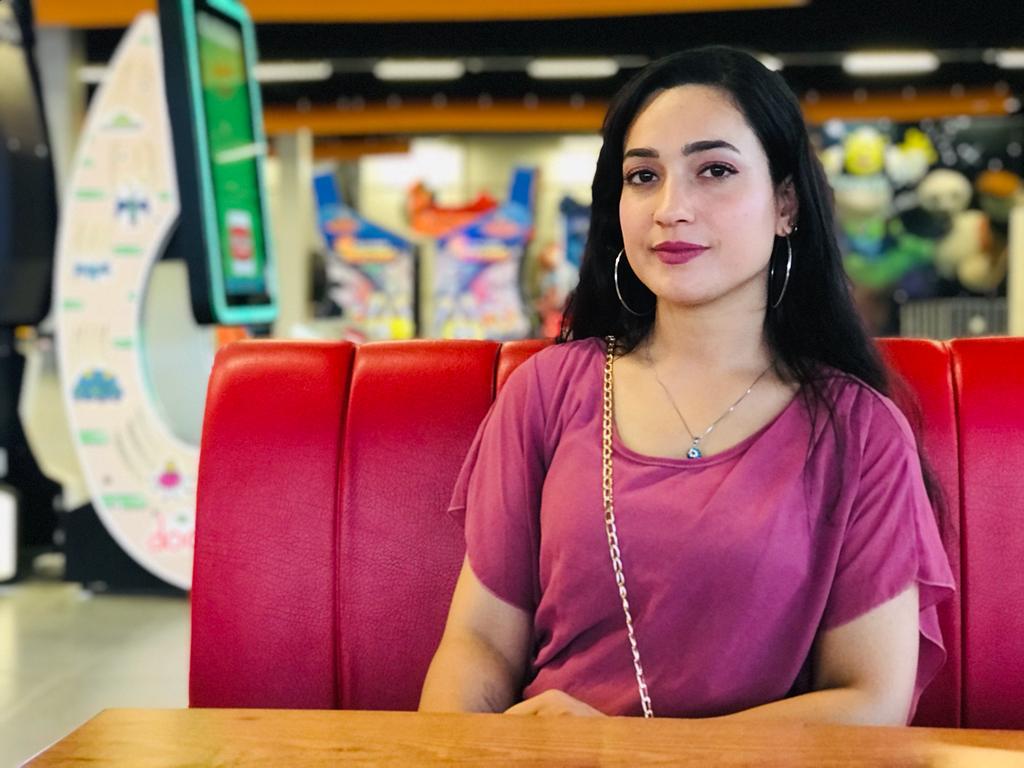



 דיויד סטברו