Norwegian police said they are searching for suspects and added that they were reinforcing security measures to protect both the Iranian diaspora and the Norway's Jewish communities
The U.S. embassy in Oslo was hit by a loud explosion overnight into Sunday, causing minor damage but not injuries, Norwegian police said, as the justice minister said a thorough investigation had been launched. The blast at the embassy compound in western Oslo occurred at around 1 A.M. local time, sending thick smoke into the street by the entrance of the consular section, eyewitnesses said.
The explosion was caused by some sort of incendiary device, Oslo police representative Frode Larsen said during a news conference Sunday. Investigators believe the embassy was the target and are searching for one or more potential perpetrators and their motive. Justice Minister Astri Aas-Hansen added they had deployed "considerable resources" to the investigation.
"One of our hypothesis is that this is terrorism, but we are also exploring other options," Larsen later told public broadcaster NRK. Police added that they were reinforcing security measures to protect both the Iranian diaspora and the country's Jewish communities. "This is an unacceptable incident that is being treated with the utmost seriousness," said Astri Aas-Hansen, Norway's justice and public security minister. "The police have stated that they are investigating the case with significant resources, and that nothing indicates the situation poses any danger to the public," she said.
PST, the Norwegian police security service, called in additional personnel following the incident but has not changed the country's terror threat level, according to communication adviser Martin Bernsen. The blast occurred at the entry to the consular section, Oslo police said, and witnesses said the entrance had been damaged.
"There was a very thick layer of smoke on the street," said Sebastian Toerstad, 18, a high school student who drove past the embassy at the time of the explosion. "There was some damage to the entrance," he added. Police said no further explosive devices had been found in the area. "Investigations have been carried out at the scene with the aid of dogs, drones and a helicopter, searching for one or more potential perpetrators," the Oslo police department said in a statement.
The U.S. Embassy in Oslo referred media queries to the U.S. State Department, which did not immediately return a request for comment. Nor did Oslo police. Other details were not available.
Leif Knutsen, a Norwegian Jewish activist and chairman of the newly founded Jewish Community of Norway umbrella organization, said security around Jewish institutions across Norway has been elevated since October 7. Knutsen noted that armed police with assault rifles have been stationed around the synagogues in Oslo and Trondheim and near the Israeli embassy.
The local Jewish community generally trusts the Norwegian Police Security Service, known as PST, and cooperation between security services and Jewish institutions is strong, according to Knutsen. He said, however, that many people feel more vulnerable on their way to and from synagogues, when they "become visible" outside the protected perimeter.
He expressed that the broader concern is what the situation represents. "What's wrong with a society when its most heavily guarded and fortified installations are not government offices or military bases, but two synagogues and the embassy of a country that Norway is supposed to have a friendly relationship with?" Knutsen said, adding that the situation was "unsustainable" in the long term.
Jewish communities worldwide are reeling from a year of hostility from neighbors. But probably nothing matches what the tiny community in Norway has endured.
OSLO – Yael Nilsen has lived in Norway for years, but a year ago, on October 7, she was glued to television broadcasts from her native Israel. So, it was only recently that she discovered how the events of that day were presented to viewers of Norwegian media.
That was when she came across a recording of the main evening news show of NRK, the Norwegian public broadcaster, from October 7. "I watched it," Nilsen relates. "The top headline [on the NRK website] that evening was: 'Strong reactions to Hamas' attacks on Israel; main goal is liberation of Palestinian prisoners, says Hamas spokesman.'" The Israelis who were abducted and killed by Palestinians were mentioned in passing, she notes.
That was the line followed by many of the country's media outlets, both public and commercial. A week after the massacres of Simhat Torah, the official representative of the Palestinian Authority in Oslo (who became an ambassador when Norway officially recognized a Palestinian state in May), said that she wasn't familiar with videos showing people being murdered in their homes. "That is Israeli propaganda, intended to get [the country] a free pass from the international community to attack as it wants," she told a Christian newspaper in an interview that then widely shared on social media.
The Norwegian government, for its part, saw to it that King Harald V, the country's official head of state, did not express condolences to Israel after October 7, because, according to the foreign ministry, it's a "political conflict." Contrary to the other countries of Europe, Norway does not categorize Hamas as a terrorist organization; many in the country view it as a legitimate political player. In an interview with TheMarker, Haaretz's business newspaper, Norway's foreign minister noted that his country maintains relations with both that group and Hezbollah.
Pro-Palestinian demonstrations and rising anti-Israeli sentiment have been widespread during the past year worldwide. But in Norway things appear to have gone somewhat further. Hamas' narrative took hold in broad circles in the country, extending far beyond the radical left and pro-Palestinian activists. What sprang from an anti-Israeli point of departure quickly snowballed in a way that was out of proportion with what other Jewish communities in Europe experienced. Criticism of Israel swiftly took the form of hatred on the street and on social media, and was also directed at Jews in general. Members of the Jewish community say they feel this trend effectively enjoys an institutional tailwind.
Norway's Jews started to report instances of harassment and threats. Graffiti and artworks likening Israel to Nazi Germany cropped up in the public space across the country. A wall drawing in the city of Bergen depicted Anne Frank in a keffiyeh, and openly antisemitic messages soon followed: From the inscription "All Jews out' spray-painted on walls, to an ominous message (in English) in an Oslo Metro station – "Hitler started it. We finis[h]ed it" – accompanied by a swastika.
Graffiti depicting Anne Frank in a Keffiyeh, in Bergen. Töddel / JTA
Norway's tiny Jewish community is badly rattled by what it's experiencing as a lethal blow to its feelings of belonging and security. A visit to Oslo, and conversations with Jews living elsewhere in Norway as well, reveal that the tiny community, which numbers only 1,500, truly feels threatened. Some of those interviewed asked not to have their names published. "The community is isolated because the government is not looking after it and is not condemning the violence it's experiencing," a source who's involved in the Jewish community tells Haaretz, adding, "The government is effectively affirming the discourse of hatred."
The case of A., a Jewish Norwegian woman, illustrates how far things have gone. One of A.'s daughters lives in Israel and serves as an officer in the Israel Defense Forces. At the end of last year, someone found an online video of her daughter, in uniform and speaking Norwegian, and re-posted it on Instagram. Overnight, the life of both daughter and mother became hell.
"Immediately, all [our] social media accounts were flooded with messages, curses, hatred and threats," A. relates. "An influencer and model of Muslim origin posted the video and added the name of my workplace along with pictures of me and my daughter." The threats did not come solely from Palestinians. The account information associated with those who sent the messages, and the messages themselves, suggested that many were not of Muslim or Arab origin.
"Waiting for you to land in Norway, then I'll show you what I and my friends from Hamas will do to you," someone wrote. And there was also: "She's a dirty genocide supporter. I hope she sinks into the sand stained with the blood of Gaza and returns to Norway without arms or legs." As well as a third reading, "Zionist whore, I hope you get a bullet from Hamas."
There was even an initiative to have the authorities place her daughter on trial, like Europeans who fought for ISIS. Separate from that, the Norwegian branch of Save the Children issued a demand that every returning Norwegian who has been in wartime Gaza Strip be questioned by the authorities, in keeping with Norway's "international commitment to prevent genocide."
What did you do?
A.: "I went to the police. In the end, they decided it wasn't criminal and closed the case. I was given an emergency-call button for a certain period, and suggested that I move to different accommodations. To this day I live 'underground.' Still, now everyone knows where I work, and everyone knows my daughter is in the Israeli army. Besides, my daughter lost all her friends in Norway and can't come to visit for fear of her life. I am Norwegian, I love my country, but I am very disappointed. No one can protect me."
A tube station in Oslo
Did you encounter that attitude before October 7, or is it completely new?
"Even if it's worse now, it's not new. My children have had to account for everything Israel has done since they were in first grade." She adds that one of her children was forbidden by a teacher in her school to talk about a family vacation in Israel, so as to avoid "offending other children," and in other instances, teachers told her children that it's alright to be Jewish, but not to talk about Israel.
Others in the Jewish community put forward similar accounts. Rami, for example, has lived in Norway since 2007. Russian-born, he immigrated to Israel in the 1990s and then moved to Norway in the wake of his wife. The couple's daughter and two sons were born in Norway; the family lives not far from Oslo. "Until not long ago, we didn't hide the fact that we are Jews," he says, "but lately we feel the antisemitism, via our children."
The children don't speak Hebrew, he notes, and have never lived in Israel. Nevertheless, his 5-year-old daughter said that children from her kindergarten asked her why she was murdering Palestinian children. "My 13-year-old son is suffering even more," Rami adds. "Children say he's a Jew and harass him. Some of them called out 'Heil Hitler' at him."
A swastika replaces the Star of David on a corrupted Israeli flag flying in Oslo. Credit: Ronen Bahar
History plays an important role here. The Jews, who are today have the status of an official minority in Norway, began to arrive only in the mid-19th century. Until then, Jews were forbidden by law from stepping foot in the country. Immigration, mostly from Eastern Europe, led to the establishment of Jewish communities in Oslo and Trondheim. They suffered a great deal in World War II, when the country was ruled by the fascist Quisling regime, which collaborated with the Nazis. A third of Norway's 2,100 Jews were murdered. They included more than 500 members of the community who were seized by police officers, soldiers and Norwegian volunteers and expelled via ship, then transported by train to Auschwitz. Others perished in camps in Norway and Germany. The survivors were those who fled to Sweden and Britain.
One of the most painful aspects of the situation for the Jewish community is the feeling they have that even the persecution they endured eight decades ago is now being turned against them. Prof. Torkel Brekke, a historian from MF University of Theology, Religion and Society, in Oslo, recalls last year's memorial ceremony for Kristallnacht, held in the capital.
"Norway's Jews felt that the event had been hijacked from them," he relates. "A Norwegian anti-racism organization turned the event into a pro-Palestinian one." Instead of dealing with Nazism, the Holocaust and antisemitism, the event focused on a discussion of the Middle East and political radicalization. The organization of the event was coopted by left-wing groups who were part of the anti-Israeli wave of protests – Israeli flags and Jewish symbols were banned from the ceremony. The Jewish community therefore decided not to participate in the event and held one event of its own, in a synagogue
There's also anger among community members with the Norwegian Center for Holocaust and Minority Studies. Established at the state's initiative with funds belonging to Jews who were murdered in the Holocaust, the center's mission is to map and battle antisemitism in the country. However, in a letter sent recently to the institution, Norwegian Holocaust survivors and their descendants accused it of failing in its duty, maintaining that instead of fighting antisemitism it was positioning itself as a "critic of Israel's policies and military tactics." Moreover, the center is manifesting "bias in its choice of experts, supporting a narrative that is negative toward Israel as a Jewish state."
To which the center's director, Prof. Jan Heiret, stated in response to a query from Haaretz, "Since October 7, we have observed a disturbing increase in antisemitic attitudes and incidents in Norway. This deeply concerns us. The center works daily to fulfill our mandate, which is to conduct research and disseminate knowledge about the Holocaust, antisemitism, genocide and related human-rights violations, as well as the conditions of minorities in Norway."
"We were promised certain things as Jews and as citizens of Norway who have a specific history," says Leif Knutsen, a Jewish-Norwegian activist and professional media monitor. "All of this collapsed within hours on October 7." Knutsen talks about the disparity between the expectations from Norwegian society – with its democratic and liberal values – and the situation as it is being experienced by the country's Jews in practice.
There were in fact portents, he notes, including threats, disturbances and antisemitic remarks in periods of earlier Israeli military operations in the Gaza Strip and Lebanon. "Despite these events, there was still a sense of safety," Knutsen points out. "But on October 7 we realized that the social contract we had as a minority in Norway would not be honored. This is a harsh reality because we are barely holding on as it is. The community's institutions are run by volunteers, it's hard to fill all the roles, the pressure is immense, and the task of maintaining all the institutions is really hard," even in normal times.
There are indications of a community in trauma, Knutsen believes, as Jews cope with extremely hostile media, intolerable remarks, provocations and harassment. "After October 7," he continues, "I conducted a survey among Norwegian Jews and received responses from about 150 people. Half the respondents said they were considering leaving the country, and more than 90 percent said the Norwegian authorities don't understand what antisemitism is. "If the Jewish community disappears from Norway, it would be a tragedy," says Knutsen. "It would be just one sad episode among many in Jewish history, but it would be a catastrophe for Norway. This is why I am mostly concerned – not necessarily as a Jew, but as a Norwegian patriot," he concludes.
Prof. Brekke concurs. "Something broke on October 7. Norwegian Jews today feel vulnerable and betrayed by society. They are constantly told what they should think about the [Palestinian] conflict. If they do not condemn Israel, they are told they are 'Jews in the wrong way.' There are public figures and politicians who support Hamas, and far-right extremists and neo-Nazis who supported the October 7 massacre. It's not surprising, then, that the country's Jews are questioning their place in Norwegian society."
The sources of Norwegian hostility toward Israel go back to the late 1960s and early 1970s, Brekke explains. "After World War II and Israel's establishment, Norway's clear stance was opposition to antisemitism and support for the young Jewish state," he says. "However, pro-Palestinian attitudes began to gain momentum after the Six-Day War, and pro-Palestinian leftist movements, including Marxist and Maoist groups, tried to push the more moderate social-democratic left in that direction. Although similar trends occurred in other countries, there are unique elements in Norway that led to the entire Norwegian left adopting this stance.
"From the late 1970s, for 20 years, Norway sent over 20,000 soldiers to serve in UNIFIL (United Nations peacekeeping forces), in Lebanon. As a result, that generation had a feeling that Norway possessed special knowledge of the region. I see this as Norwegian arrogance. You can also add Norway's involvement in the Oslo Accords. When the accords collapsed, the anti-Zionist movement simply spiraled out of control."
The most distinctive factor in Norway, says Brekke, is the impact of trade unions on the shaping of the country's foreign policy. "More than one million Norwegians, about a fifth of the population, are members of unions. In recent decades, these unions have cultivated a grassroots culture that is strongly anti-Israel and anti-Zionist. This movement is deeply tied to the [ruling] Norwegian Labor Party, both organizationally and ideologically, which gives the unions considerable influence over Norway's foreign policy." This anti-Zionism, Brekke argues, has turned into a type of antisemitism.
According to Dr. Cathrine Thorleifsson, from the social anthropology department of the University of Oslo, a genuine problem exists in Norway when it comes to understanding the new antisemitism, which is Israel-related. Norway's Jews, explains Thorleifsson – who has lived in Israel and speaks Hebrew – are in a vulnerable position and encounter antisemitism in various milieus: conventional media, social media and the public space. In the course of her research into the life of Norway's Jews in the 21st century, Thorleifsson has uncovered much prejudicial thinking about the community and about Israel. In one survey she conducted, half the respondents expressed the belief that Israel's attitude toward treatment of the Palestinians is no better than the way the Jews were treated in the Holocaust.
In Thorleifsson's view, the country's political discourse plays a crucial role in this regard. "Norway is a small country," she observes, "and its political discourse is still evolving. There is conformity, a lack of diverse voices expressing different experiences, and insufficient democratic tools to protect minorities." Norwegian politics espouses "a very pro-Palestinian attitude," she adds. "In certain activist circles, Hamas' attack is considered legitimate resistance, and the word 'terrorism' is not used where it should be. Norwegian conformity hides the antisemitism linked to Israel, as well as the misinformation and political violence that fuel it."
Cathrine Thorleifsson, Photo: University of Oslo
Israeli-born Ilan Sharoni, who lives in Stavanger, a city in the country's southwest, has been in the country since 1988. "I live here, my children and grandchildren live here, and I am very worried," he says. The chief culprit is the media, he avers. "Day after day on television, for decades now. Whoever doesn't condemn Israel is condemned as a supporter of genocide. Everything just blew up after October 7. The anti-Israeli approach, which was always part of domestic politics, has now become fatal."
To which Yaniv, a resident of Oslo who works and teaches in the field of art, adds, "When I speak to people who discover that I am from Israel, they stop talking or even choke. Afterward, they sometimes return to apologize." Yet, he says he has heard on more than one occasion the view that Israel is a criminal country that should not exist.
Ahead of the events marking the first anniversary of October 7, security around Jewish institutions in the country was beefed up by authorities. Pro-Palestinian demonstrations were held opposite the community memorial assemblies in Oslo and Bergen. In Oslo, models of Hamas' Qassam rockets, painted green, white and red, were raised. In a demonstration held in Bergen under the slogan "A Year since the Al-Aqsa Flood" (as Hamas called the attack on Israel), demonstrators burned Israeli flags. The police asked participants in rallies of support for Israel not to go home in groups because it would be "difficult to protect them."
Many in the Jewish community understand where the criticism of Israel is coming from. But even so, on March 8 this year, International Women's Day, a group of Jews, women and men, hoped they would be able to demonstrate in solidarity with women around the world in a large event that was set to take place in Oslo.
Yael Nilsen, the longtime Norway resident who has taken part in the international effort for the return of the Gaza hostages, contacted the organizers and asked to join the event. Together with her friends, she requested that the acts of rape that were perpetrated on October 7 and the condition of the abducted Israelis be brought to public awareness.
International Women's Day event in Oslo during which Jewish activists were met with hostility.Credit: Pål Holden
"Those issues are barely discussed in the Norwegian media," says Nilsen. "We thought that by joining the large-scale event of International Women's Day, we would be able to introduce the subject of the sexual violence and the awful condition of the abducted Israelis into the Norwegian discourse."
Initially, it didn't look like there would be a problem. One of the slogans that had been decided on for the demonstration dealt with the weaponizing of rape, so there was compatibility between the content of the demonstration and the goals of Nilsen's group. "And the fact is that when I contacted the organizers, they said that the program was already set, but that we would be able to join the group that would march under the slogan 'Fighting rape as a weapon.' To be certain, I made sure that the organizers knew that we would be carrying photographs of the abducted women, and I also asked them to confirm that the security arrangements would ensure that we would be safe with our Jewish symbols. Everything looked to be in order."
The group consisted of 40 to 50 people, most of them local Jews, Israelis and a few supporters. Nilsen made sure that no one would be carrying an Israeli flag and that everyone was clear about the message. "It was important for us to focus on the sexual violence, so we dispensed with Israeli flags. But to identify the women as Israelis, we had a blue-and-white banner with the inscription '#MeToo Unless you're a Jew,' together with graphics of a Star of David made out of women's undergarments and a triangle of blood, which was also used internationally in similar demonstrations."
The group knew they might encounter hostility. "Our symbols often generate hatred and aggression in Norway," Nilsen notes. "There is a large Muslim community here, and during that period there were demonstrations against Israel every day. Some of them crossed the thin line between anti-Israel views and antisemitism. So we were worried, but we got confirmation from the organizers, and because we didn't represent Israel, and the demonstration was supposed to deal with something that all of Norway could agree on – opposition to the use of violence against women as a weapon – we hoped for the best."
The hostile reaction manifested almost immediately. Initially, the group was refused entry to the event and had to prove that they had the organizers' authorization to participate. "One of the organizers went on shouting and cursing, and then took one of our signs and threw it on the ground," Nilsen recalls. "After the police made sure he couldn't get close to us, more and more organizers told us that our message conflicted with the messages of the event.
"They looked at us with hatred and disgust, and started to shout that we were Zionists and fascists. Then the crowd joined in with slogans and rhythmic chanting that we were already used to, like 'Murderers,' 'No to Zionists in our streets' and 'From the river to the sea, Palestine shall be free.'"
They avoided getting into a direct confrontation, Nilsen relates, "and we instructed our group not to scatter and not to respond. But when the atmosphere heated up, some of the other demonstrators – Norwegian men and women of my age – approached the members of the group very closely, and whispered into their ear things like 'child murderer' and skadedyr' ['parasites' in Norwegian]. "I've had anti-Israeli calls shouted at me in the past," Nilsen continues. "But this time it was very different. The hatred came from people I thought we shared basic values with. The feeling was that we were being canceled as human beings. We weren't women and men – we were the embodiment of evil."
יעל נילסן חיה כבר שנים בנורבגיה, אבל לפני שנה, ב–7 באוקטובר, היא היתה צמודה לשידורי הטלוויזיה הישראלית. רק באחרונה התברר לה איך נראו אירועי אותו היום אצל כל מי שצפה באירועים בתקשורת הנורבגית. "לא מזמן מצאתי את השידור הציבורי הנורבגי (NRK) וצפיתי בו", מספרת נילסן. "הכותרת באותו ערב היתה: 'תגובות חזקות להתקפות חמאס על ישראל; המטרה העיקרית היא שחרור אסירים פלסטינים, כך אומר דובר חמאס'". האזרחים הישראלים שנחטפו ונהרגו על ידי פלסטינים, היא אומרת, הופיעו כהערות אגב.
הקו הזה התפשט ברוב כלי התקשורת. הנציגה הרשמית של הרשות הפלסטינית באוסלו (שהפכה לשגרירה כשנורבגיה הכירה רשמית במדינה פלסטינית בחודש מאי) אמרה שבוע אחרי הטבח שהיא לא מכירה סרטונים שרואים בהם אנשים נרצחים בבתיהם. "זוהי תעמולה של ישראל שמבקשת לקבל מהקהילה הבינלאומית יד חופשית לתקוף כפי שהיא רוצה", טענה בראיון שהתפרסם בעיתון יומי נוצרי והופץ ברשתות. ממשלת נורבגיה עצמה אף הקפידה שמלך נורבגיה, ראש המדינה, לא יביע תנחומים כלפי ישראל אחרי הטבח, מכיוון שזהו "סכסוך פוליטי". בניגוד לשאר מדינות אירופה, נורבגיה כלל לא מכירה בחמאס כארגון טרור, והוא נתפס בקרב גורמים רבים במדינה כפרטנר לגיטימי. בראיון ל"דה־מרקר", אף אמר שר החוץ הנורבגי שהמדינה מקיימת קשרים עם חמאס וחיזבאללה.
הפגנות פרו־פלסטיניות וסנטימנט אנטי־ישראלי גובר אפיינו בשנה האחרונה כמעט את כל העולם. אלא שבנורבגיה, כך, נראה, הדברים הלכו כמה צעדים רחוק יותר. הנרטיב של חמאס תפס אחיזה במעגלים רחבים במדינה, הרבה מעבר לאנשי שמאל רדיקלי ופעילים פרו־פלסטינים. ומה שהחל מנקודת מוצא אנטי־ישראלית הפך במהרה לכדור שלג חריג בממדיו ביחס למה שחוות קהילות יהודיות אחרות באירופה. הביקורת על ישראל הפכה מיד לשנאה ברחוב וברשתות החברתיות, ולתחושת חברי קהילה היהודית במדינה, השנאה הזאת זוכה הלכה למעשה לרוח גבית ציבורית וממסדית.
יהודים החלו לדווח על הצקות, הטרדות ואיומים. ציורי גרפיטי ועבודות אמנות המשוות בין ישראל לגרמניה הנאצית החלו להופיע במרחב הציבורי ברחבי המדינה. זה התחיל מציור קיר בברגן של אנה פרנק עטופה בכאפייה, והמשיך למסרים אנטישמיים של ממש: מריסוס הכתובת "כל היהודים החוצה" ועד כתובת מלווה בצלב־קרס בתחנת רכבת תחתית באוסלו, שקוראת לסיום העבודה של היטלר.
צלב קרס במקום מגן דוד בדגל ישראל שנתלה באוסלו. צילום: רונן בכר.
חברי הקהילה היהודית הקטנטנה של נורבגיה חשים פגיעה אנושה בתחושת הביטחון והשייכות שלהם. ביקור באוסלו ושיחות עם יהודים שחיים בנורבגיה מגלים שהקהילה, שמונה רק כ–1,500 איש, נמצאת תחת תחושת איום של ממש. חלק מהמרואיינים אף חששו להיחשף בשמם. "הקהילה מבודדת כי הממשלה לא דואגת לה ולא מגנה את האלימות כלפיה", סיפר למוסף "הארץ" גורם המעורה בקהילה היהודית. "הממשלה מאשרת למעשה את שיח השנאה".
סיפורה של א', יהודייה נורבגית, ממחיש את הקיצוניות שאליה הגיעו הדברים. אחת מבנותיה של א' חיה בישראל ומשרתת כקצינה בצה"ל. בסוף השנה שעברה מישהו מצא ברשת סרטון של בתה במדים, שבו היא מדברת נורבגית, והפיץ אותו באינסטגרם. מרגע זה הפכו חיי הבת והאם לגיהנום. "כל חשבונות הרשתות החברתיות שלנו התפוצצו בקללות ואיומים", מספרת א'. "דוגמנית נורבגית אפילו צירפה לסרטון את שם מקום העבודה שלי וגם תמונות שלנו". האיומים לא הגיעו רק מהצד הפלסטיני. עיון במכשיר הסלולרי של א' מעלה שרבים ממי ששלחו לה את ההודעות אינם ממוצא מוסלמי או ערבי.
"מחכה שתנחתי בנורבגיה, אז אראה לך מה אני וחבריי מהחמאס נעשה לך", כתב אחד. אחרים הוסיפו: "היא תומכת רצח עם מלוכלכת, מקווה שתשקע בחול האדום מדם של עזה ושתחזור לנורבגיה בלי ידיים ורגליים", "זונה ציונית, מקווה שתקבלי כדור מחמאס". אפילו צצה יוזמה שביקשה להעמיד את בתה לדין, כפי שמעמידים אירופאים שנלחמו בשורות דאע"ש. יש אפילו ארגון בשם "Save the Children Norway", שדרש שכל נורבגי שחוזר מהמלחמה בעזה ייחקר בידי הרשויות.
אנה פרנק בכאפייה, בברגן. Töddel / JTA
מה עשית?
"הלכתי למשטרה. הם החליטו שזה לא פלילי וסגרו את התיק. קיבלתי כפתור מצוקה לתקופה מסוימת, ואמרו לי שכדאי שאעבור דירה. עד היום אני חיה במחתרת. עכשיו כולם יודעים איפה אני עובדת וכולם יודעים שהבת שלי בצבא בישראל. חוץ מזה, בתי איבדה את כל חבריה בנורבגיה והיא לא יכולה לבוא לבקר מחשש לחייה. אני נורבגית, אני אוהבת את המדינה שלי, אבל אני מאוד מאוכזבת. אף אחד לא מגן עליי".
האם נתקלתם ביחס כזה גם לפני 7 באוקטובר או שזה חדש לגמרי?
"גם אם זה גרוע יותר עכשיו, זה לא חדש. הילדים שלי היו צריכים לתת דין וחשבון על כל דבר שישראל עשתה מאז שהם בכיתה א'". לדבריה, לאחד מילדיה אסור היה לספר על חופשה בארץ כדי לא לפגוע ברגשות של ילדים אחרים. במקרים אחרים אמרו לילדיה שזה בסדר להיות יהודי. אבל לא בסדר לדבר על ישראל.
יהודים נורבגים נוספים מספרים על תחושות דומות. רמי, למשל, חי בנורבגיה מאז 2007. הוא יהודי ממוצא רוסי שעלה לישראל בשנות ה–90 והיגר לנורבגיה בעקבות אשתו. לשניים יש בת ושני בנים שנולדו בנורבגיה והם חיים לא רחוק מאוסלו. "עד לאחרונה לא הסתרנו שאנחנו יהודים", הוא מספר. "אבל בזמן האחרון אנחנו מרגישים את האנטישמיות דרך הילדים שלנו". לדבריו, הילדים לא מדברים עברית והם מעולם לא חיו בישראל, ובכל זאת בתו בת החמש סיפרה שילד מהגן שלה שאל אותה למה היא רוצחת ילדים פלסטינים. "בן ה–13 סובל עוד יותר", מוסיף רמי. "ילדים אומרים שהוא יהודי ומציקים לו. ילדים קראו לעברו 'הייל היטלר'".
ההיסטוריה משחקת כאן תפקיד חשוב. היהודים, שנחשבים כיום למיעוט רשמי בנורבגיה, הגיעו למדינה רק באמצע המאה ה–19. עד אז כניסת יהודים היתה אסורה בחוק. ההגירה, בעיקר ממזרח־אירופה, הובילה להקמתן של קהילות יהודיות באוסלו ובטרונדהיים. קהילות אלו נפגעו מאוד במלחמת העולם השנייה, כשהמדינה נשלטה על ידי משטר קוויזילנג הפשיסטי, ששיתף פעולה עם הנאצים. מתוך כ–2,100 יהודים, שליש נרצחו. יותר מ–500 איש נתפסו בידי שוטרים, חיילים ומתנדבים נורבגים וגורשו באונייה, משם נלקחו ברכבת לאושוויץ. אחרים נספו במחנות אחרים בנורבגיה ובגרמניה. השורדים היו אלו שנמלטו לשוודיה ולבריטניה.
אחד הדברים שכואבים לחברי הקהילה היהודית הוא התחושה שאפילו הרדיפה שעברו משמשת כעת נגדם. פרופ' טורקל ברקה, היסטוריון באוניברסיטת MF באוסלו, מספר למשל על טקס ההנצחה לליל הבדולח שהתקיים באוסלו בשנה שעברה. "יהודי נורבגיה הרגישו שחטפו להם את האירוע", הוא מספר. "ארגון נורבגי נגד גזענות הפך את האירוע לאירוע פרו־פלסטיני". במקום לעסוק בנאציזם, בשואה ובאנטישמיות, האירוע עסק במזרח התיכון ובהקצנה פוליטית. לארגון האירוע צורפו ארגוני שמאל שהם חלק מגל המחאות האנטי־ישראלי, ולא ניתן היה להניף בו דגלי ישראל ואפילו לא להציג סמלים יהודיים. הקהילה היהודית החליטה אפוא לקיים אירוע משל עצמה, בבית כנסת.
תחושות קשות עולות מאנשי הקהילה גם כלפי "המרכז הנורבגי ללימודי שואה ומיעוטים". המרכז, שהוקם באמצעות כספים של יהודים שנרצחו בשואה, אמור לעסוק במיפוי האנטישמיות במדינה ובמאבק בה. אלא שמכתב ששלחו באחרונה ניצולי שואה נורבגים וצאצאים של קורבנות שואה מאשים את המרכז כי הוא נכשל בתפקידו, וכי במקום להילחם באנטישמיות הוא "מיצב את עצמו כמבקר של המדיניות והטקטיקות הצבאיות של ישראל". בנוסף, לטענת המכתב, המרכז "מפגין הטיה בבחירת מומחים, התומכת בנרטיב שלילי כלפי ישראל כמדינה יהודית".
תחנת רכבת תחתית באוסלו
מנהל המרכז, פרופ' יאן היירט, אמר על כך בתגובה: "אנו עדים לעלייה מטרידה בעמדות ובאירועים אנטישמיים בנורבגיה. זה מדאיג אותנו מאוד. המרכז פועל יום־יום כדי לממש את המנדט שלנו לחקור ולהפיץ ידע על השואה, אנטישמיות, רצח־עם והפרות זכויות אדם הקשורות לכך, כמו גם על מצבם של מיעוטים בנורבגיה".
"הובטחו לנו דברים כאזרחי המדינה וכיהודים שיש להם היסטוריה מסוימת", אומר לייף קנוטסן, פעיל בקהילה היהודית במדינה. "כל זה קרס תוך שעות ב–7 באוקטובר". קנוטסן מדבר על הפער בין הציפיות מהחברה הנורבגית — על ערכיה הדמוקרטיים והליברליים — לבין המציאות כפי שחווים אותה היהודים במדינה בפועל. היו אמנם סימנים מקדימים, הוא אומר, כמו איומים, התפרעויות והתבטאויות אנטישמיות בתקופות של מבצעים צבאיים ישראליים בעזה ובלבנון. "למרות ההתרחשויות האלו, היתה תחושה שאנחנו מוגנים. אבל כבר ב–7 באוקטובר הבנו שהחוזה החברתי לא יכובד. זו מציאות קשה מכיוון שאנחנו בקושי מחזיקים מעמד גם ככה. המוסדות של הקהילה מוחזקים בהתנדבות, הלחץ עליהם גדול והמשימה להמשיך לקיים אותם קשה. אחרי 7 באוקטובר קיימתי משאל בקרב יהודים נורבגים. מתוך 150 איש, כמחצית אמרו שהם שקלו לעזוב את המדינה. יותר מ–90% מהם אמרו שהרשויות בנורבגיה לא מבינות מהי אנטישמיות".
קנוטסן מספר על סממנים לקהילה בטראומה, שחווה תקשורת עוינת מאוד, התבטאויות בלתי נסבלות, הצקות והטרדות. "אם הקהילה היהודית תיעלם מנורבגיה זו תהיה טרגדיה", הוא אומר. "זו תהיה אפיזודה עצובה אחת מרבות בהיסטוריה היהודית, אבל זו תהיה קטסטרופה עבור נורבגיה. אני מודאג. לא כיהודי דווקא, אלא כפטריוט נורבגי".
"משהו נשבר ב–7 באוקטובר", אומר גם פרופ' ברקה. "יהודי נורבגיה מרגישים היום פגיעים ונבגדים. כל הזמן אומרים להם מה הם אמורים לחשוב על הסכסוך. אם הם עצמם לא מגנים את ישראל, מסבירים להם שהם 'יהודים בצורה לא נכונה'. יש כאן אנשי ציבור ופוליטיקאים שתומכים בחמאס, וגם ימין קיצוני וניאו־נאצים שתמכו בטבח ב–7 באוקטובר. לכן זה לא מפתיע שיהודי נורבגיה שואלים את עצמם על מקומם בחברה הנורבגית".
טורקל ברקה. צילום: CF – Wesenberg/Kolonihaven.no
ברקה מסביר כי שורשי העוינות הנורבגית כלפי ישראל התחילו בסוף שנות ה–60 ותחילת שנות ה–70. "אחרי מלחמת העולם השנייה והקמת מדינת ישראל, העמדה הנורבגית הברורה היתה התנגדות לאנטישמיות ותמיכה במדינה היהודית הצעירה", הוא אומר. "עם זאת, עמדות פרו־פלסטיניות החלו לצבור תאוצה אחרי מלחמת ששת הימים, ותנועות שמאל פרו־פלסטיניות, כולל קבוצות מרקסיסטיות, ניסו לדחוף את השמאל המתון הסוציאל־דמוקרטי לכיוון הזה. למרות שמגמות דומות התרחשו במדינות אחרות, ישנם גורמים ייחודיים לנורבגיה שהובילו לכך שכל השמאל הנורבגי אימץ את הגישה הזאת. מסוף שנות ה–70, במשך 20 שנה, נורבגיה שלחה יותר מ-20 אלף חיילים לשירות בכוחות יוניפי"ל בלבנון. זה יצר תחושה בקרב הדור הזה שנורבגיה מחזיקה בידע ייחודי על האזור. אני רואה זאת כיוהרה נורבגית. אפשר להוסיף לזה את המעורבות הנורבגית בהסכמי אוסלו. כשההסכמים הללו קרסו, התנועה האנטי־ציונית פשוט יצאה משליטה".
לדברי ברקה, הגורם הייחודי ביותר בנורבגיה הוא ההשפעה של האיגודים המקצועיים על עיצוב מדיניות החוץ של המדינה. "יותר ממיליון נורבגים, כחמישית מהאוכלוסייה, הם חברים באיגודים המקצועיים. בעשורים האחרונים איגודים אלו טיפחו תרבות מאוד אנטי־ישראלית ואנטי־ציונית. תנועה זו קשורה קשר עמוק למפלגת העבודה הנורבגית, הן מבחינה ארגונית והן מבחינה אידיאולוגית. זה נותן לאיגודים השפעה רבה על מדיניות החוץ של נורבגיה". האנטי־ציונות הזאת, אומר ברקה, הפכה לסוג של אנטישמיות.
בעיני פרופ' קתרין ת'ורלייפסון מהמחלקה לסוציולוגיה ואנתרופולוגיה באוניברסיטת אוסלו, בנורבגיה יש בעיה של ממש בהבנה של האנטישמיות מהסוג החדש, זו הקשורה לישראל. ת'ורלייפסון, שחיה בעבר בישראל ודוברת עברית, מסבירה שיהודים במדינה נמצאים במצב פגיע ונתקלים באנטישמיות בסביבות רבות — בתקשורת, ברשתות חברתיות ובמרחב הציבורי. ת'ורלייפסון, שחוקרת את החיים היהודיים בנורבגיה במאה ה–21, גילתה דעות קדומות רבות על יהודים ועל ישראל. בסקר שערכה באחד ממחקריה, מחצית מהמשיבים סברו שהיחס של ישראל לפלסטינים לא טוב יותר מזה שהיהודים זכו לו בשואה.
קתרין ת'ורלייפסון , צילום: University of Oslo
לפי ת'ורלייפסון, השיח הפוליטי במדינה משחק תפקיד מכריע. "נורבגיה היא מדינה קטנה והשיח הפוליטי שלה עדיין בהתהוות. יש בה קונפורמיות, מחסור בקולות מגוונים שמבטאים חוויות שונות, וחסרים לה כלים דמוקרטיים להגנה על מיעוטים". לדבריה, בפוליטיקה הנורבגית יש גישה מאוד פרו־פלסטינית. בחוגים אקטיביסטיים מסוימים מתקפת חמאס נחשבת התנגדות לגיטימית, והמילה "טרור" לא נאמרת במקומות שבהם היא צריכה להיאמר. הקונפורמיות הנורבגית מסתירה את האנטישמיות הקשורה לישראל ואת הדיסאינפורמציה והאלימות הפוליטית שמתדלקת אותה".
יום האישה באוסלו, שבו פעילים יהודים התקבלו בשנאה. צילום: Pål Holden
"אני חי כאן, ילדיי ונכדיי חיים כאן, ואני מודאג מאוד", אומר אילן שרוני, שחי בנורבגיה מאז 1988 ומתגורר בעיר סטבנגר בדרום־מערב המדינה. שרוני מזהה את התקשורת הנורבגית כאשמה עיקרית. "זה יום־יום בטלוויזיה כבר עשורים. מי שלא מגנה את ישראל מגונה כתומך ברצח־עם. הכל פשוט התפוצץ אחרי 7 באוקטובר. הגישה האנטי־ישראלית, שהיתה תמיד חלק מהפוליטיקה הפנימית, עכשיו הפכה להיות ממארת".
"כשאני מדבר עם אנשים שמגלים שאני מישראל, הם מפסיקים לדבר או אפילו נחנקים", מוסיף יניב, מרצה באקדמיה שחי באוסלו ועובד בעולם האמנות, "אחר כך הם לפעמים חוזרים להתנצל". לדבריו, כבר אמרו לו שישראל היא מדינת פשע שבכלל לא צריכה להתקיים.
בשבוע שעבר, לקראת ציון אירועי 7 באוקטובר, תוגברה האבטחה סביב מוסדות יהודיים במדינה. מול עצרות הזיכרון שנערכו באוסלו ובברגן נערכו הפגנות פרו־פלסטיניות. באוסלו הוצבו דגמים של טילי קסאם בצבעי ירוק, לבן ואדום. בברגן, בהפגנה שנערכה תחת הכותרת "שנה לשיטפון אל־אקצה", שרפו מפגינים דגלי ישראל. המשטרה ביקשה ממשתפי עצרות התמיכה בישראל לא להתקבץ בקבוצות כי יהיה "קשה להגן עליהם". בקהילה היהודית יש רבים שמבינים את הביקורת על ישראל. ובכל זאת, ב–8 במרץ, ביום האישה הבינלאומי, קבוצה של פעילות ופעילים יהודים קיוו שלמרות הביקורת, הם יוכלו להפגין בסולידריות עם נשים ברחבי העולם באירוע גדול שתוכנן באוסלו.
יעל נילסן, שהיתה פעילה במאמץ הבינלאומי להשבת החטופים, יצרה קשר עם המארגנים וביקשה להצטרף. יחד עם חברותיה, ביקשה להעלות למודעות את מעשי האונס שבוצעו ב–7 באוקטובר ואת מצבם של הישראלים והישראליות שנחטפו על ידי חמאס. "הדברים האלה כמעט ולא נדונים בתקשורת הנורבגית", אומרת נילסן. "חשבנו שדרך הצטרפות לאירוע הגדול של יום האישה, נוכל להכניס לשיח הנורבגי את נושא האלימות המינית ואת המצב הנורא של הישראלים שנחטפו".
לא היה נראה שתהיה בעיה. אחת הסיסמאות שהוחלט עליהן בהפגנה עסקה במאבק בשימוש באונס כנשק, כך שהיתה התאמה בין התכנים של ההפגנה לבין מטרות הקבוצה של נילסן. "ובאמת, כשיצרתי קשר עם המארגנים, הם אמרו שהתוכנית כבר נקבעה, אך שנוכל להצטרף לקבוצה שתצעד תחת הסיסמה 'להילחם באונס כנשק'. כדי להיות בטוחה, וידאתי שהמארגנים יודעים שנישא תמונות של הנשים שנחטפו, וגם ביקשתי אישור לכך שסידורי האבטחה ידאגו לכך שנהיה בטוחים עם הסמלים היהודיים שלנו. הכל נראה מסודר".
הקבוצה הורכבה מכ–40 עד 50 אנשים, רובם יהודים מקומיים, ישראלים וכמה תומכים. נילסן וידאה שאיש לא נושא דגלי ישראל ושהמסר ברור לכולם. "היה חשוב לנו להתמקד באלימות המינית, לכן לא נשאנו דגלי ישראל. אבל כדי לזהות את הנשים כישראליות, היה לנו באנר כחול־לבן עם הסיסמה '#MeToo Unless you're a Jew' בליווי גרפיקה של מגן דוד עשוי מתחתוני נשים ומשולש של דם ששימש בהפגנות דומות ברחבי העולם".
הקבוצה היתה מודעת לכך שהיא עשויה להיתקל בעוינות. "הסמלים שלנו לעתים קרובות מעוררים שנאה ותוקפנות בנורבגיה", היא אומרת. "יש כאן קהילה מוסלמית גדולה, ובתקופה ההיא התקיימו הפגנות יומיומיות נגד ישראל. חלקן חצו את הקו הדק בין עמדות אנטי־ישראליות לאנטישמיות. אז דאגנו, אבל קיבלנו אישור מהמארגנים, ומכיוון שלא ייצגנו את ישראל וההפגנה היתה אמורה לעסוק במשהו שכל נורבגי יכול להסכים עליו — התנגדות לשימוש באלימות נגד נשים כנשק — קיווינו לטוב".
התגובה העוינת הגיעה מיד. בהתחלה סירבו להכניס אותם לאירוע, והם נאלצו להוכיח כי קיבלו מהמארגנים אישור להשתתף. "אחד המארגנים המשיך לצעוק ולקלל, ואז לקח את אחד מהשלטים שלנו והשליך אותו על הקרקע", נזכרת נילסן. "אחרי שהמשטרה וידאה שהוא לא יתקרב אלינו, עוד ועוד מהמארגנים אמרו לנו שהמסר שלנו מנוגד למסרי האירוע. הם הסתכלו עלינו בשנאה ושאט נפש והתחילו לצעוק שאנחנו ציונים ופשיסטים. ואז הקהל הצטרף עם סיסמאות וצרחות קצובות שכבר התרגלנו להיתקל בהן: 'רוצחים", 'לא לציונים ברחובות שלנו' ו־'מהנהר ועד הים, פלסטין תהיה חופשית'".
"נמנענו מלהיכנס לעימות ישיר", מספרת נילסן, "והנחינו את הקבוצה שלנו לא להתפזר ולא לענות. אבל כשהאווירה התחממה, חלק מהמפגינים האחרים, נורבגים, נשים וגברים בגילי, התקרבו מאוד לחברי הקבוצה ולחשו להם באוזניים", ממשיכה נילסן. "הם לחשו דברים כמו 'רוצח ילדים' ו'סקאדדייר' (מזיקים או טפילים בנורבגית)". "צעקו עליי קריאות אנטי־שראליות בעבר", אומרת נילסן, "אבל הפעם זה היה שונה מאוד. השנאה הגיעה מצד אנשים שחשבתי שאנחנו חולקים איתם ערכים בסיסיים. התחושה היתה של ביטול שלנו כבני אדם. לא היינו נשים וגברים, אלא התגלמות של רוע".
Norway is seen by many as one of the most hostile European countries toward Israel. But the government in Oslo is veering between demands that it toughen its line against Israel and its actions in Gaza – and the fact that Norway is a major arms exporter
In recent months, some Israelis have declared Norway the European country most hostile to Israel. This theory is largely based on the policy of Norwegian Foreign Minister Espen Barth Eide, whose term began only a few days after the October 7 Hamas attacks. Barth Eide, a member of the Labour Party, is doing his second stint as foreign minister for the second time, having served in the role in 2012 and 2013. He has also briefly served as defense minister and climate and environment minister.
The list of Israeli grievances against him and his government is long. First came a report that Barth Eide's ministry had prevented King Harald V from sending a condolence letter to Israel after October 7 – because in Norway, the king isn't authorized to make declarations concerning "victims of a political conflict."
This was followed by a condemnation of Israel two weeks later at an international conference in Cairo. Norway's decision not to recognize Hamas as a terror organization also drew anger. In addition, Norway insisted on continuing to transfer money to the United Nations Relief and Works Agency, the UN agency assisting Palestinian refugees, while several other countries halted their support in response to reports that some of its employees had been involved in the October 7 attacks.
Norway not only continued to transfer money but initiated a campaign to defend UNRWA in other countries. Meanwhile, Norway has been active in the lawsuit against Israel in the International Court of Justice over the occupation of the West Bank and East Jerusalem, which is separate from the South African suit accusing Israel of genocide.
Espen Barth Eide on a Stockholm visit, June 2024, photo: David Stavrou
"We are friends of Israel," says the foreign minister, clarifying his position in an interview. "We always have been and we will continue to be. Sometimes good friends need to give good advice, but we are in no way hostile to Israel. We have always tried to help Israel live in peace and security." When asked to explain why Norway is nevertheless seen by many in Israel as hostile, he says that despite the friendship, his country can disagree with the Israeli government.
"We condemned the attack by Hamas on October 7 and we recognize Israel's right to defend itself against terrorism," he says, "but we also said that, like any other country, Israel must obey the laws of war within the international humanitarian laws of the Geneva Convention. Our criticism was that some of the military tactics that Israel used, and the de facto partial blockade on the Gaza Strip that prevented food, electricity, and necessary means of life from the Gaza population, were very problematic. This is not hostility towards Israel; it's criticism towards certain elements of the government's policy."
Among the issues Barth Eide mentions are statements by Israeli cabinet ministers who "gave the impression, which is probably wrong, that Israel wants to expel the Palestinians from Gaza. There have been such statements in Israel and they are very problematic when they come from government ministers."
Although several countries stopped transferring funds to UNRWA, Norway continued to transfer funds and demanded that other countries do so too. Do you not believe the Israeli authorities who reported that UNRWA employees were involved in the October 7 attack, or do you think this is not a sufficient reason to stop funding the organization?
"Our decision is not based on a lack of trust in the Israeli claim. Although we haven't seen evidence, that's not the point, because it may indeed be true. It may be that amongst 13,000 employed in Gaza, there were some who were involved with Hamas and even in the terrorist attack. This is terrible, unacceptable and it requires an investigation, we said this to the UN Secretary-General Guterres and to [UNRWA Commissioner-General Philippe] Lazzarini.
"But we did not agree that if this is true, all funding should be cut," he says. "This is not how to react to transgressions or crimes inside organizations. You don't close the organization, you look for the criminals. If someone in the Oslo police force is arrested on suspicion of murder, I will not shut down the police but arrest the suspect. We are happy to see that there are now countries that have changed their position on this – Australia, Denmark, Sweden, and Canada, for example, as well as the European Commission. It's not that we don't believe Israel, but we don't think that all Palestinians should be punished because of it."
Regarding UNRWA as a whole, Barth Eide does not accept claims that the organization is problematic and that aid for Palestinians should flow through other organizations instead. "A vast majority of the other international organizations operating in the region say that it's not possible to replace UNRWA in the short term," he says, "because they are the backbone for all humanitarian activities in Gaza, so all organizations are coordinating with them."
In November you declared, "We were clear in stating that Hamas should be seen as a terror organization." Is this, as opposed to the past, now Norway's official policy, including when it comes to enforcing the law, economic sanctions, etc.?
"The terrorist attack on October 7 was clearly a terrorist attack and it was carried out by Hamas, so in this context they carried out a very grave terrorist act. However, we have a standing position that maintains some kind of contact with all the relevant groups. This does not mean that we accept their goals or their policies, but we think that if we are trying to contribute to a cease-fire between the Israeli army and Hamas, someone has to talk to Hamas. This is not an endorsement of Hamas, but only an acknowledgment that they exist.
"The way to weaken Hamas is to develop an alternative path to a Palestinian statehood. People who contributed to the division of Palestinian society served Hamas and those who did not want progress. We do not want a Palestine under the control of Hamas, but a Palestine who recognizes Israel under the control of other Palestinians who recognize Israel and its right to life and security."
So are you in contact with Hamas?
"Yes, we are in contact with Hamas, as we are in contact with Hezbollah, with the Houthis, and everybody else in the neighborhood. And that is why we didn't impose the same sanctions that other countries imposed –but this should not be understood as endorsement of their goals and policies." Barth Eide adds, without specifying exactly to whom he is referring, that "There are people in the world who criticize us for this in public, but are actually happy that this is the case, because someone has to maintain these contacts".
What is your current position regarding the South African lawsuit in The Hague and its results?
"I commended the fact that Israel decided to respond to the lawsuit. We did not respond to the initiative itself, but given that the lawsuit exists, it's good that Israel responded, it's good that it recognizes the authority of the court and it's clearly its right to defend itself against the accusations. The court did not conclude that there is a genocide here, but that there are sufficient elements that may constitute a violation of the Convention on the Prevention of Genocide, and Israel should respond and inform the court what steps it is taking to comply with the limitations applicable to a country at war. It isn't illegal to go to war in self-defense, but there are laws on how to do it.
"There is of course another ICJ case dealing with the Israeli occupation. Unlike the genocide case, in the occupation case, we have actually intervened." Indeed, Norway was one of 50 countries that testified before the court on the matter in late February. "Norway clearly distances itself from Israeli settlers' displacement of and violence against Palestinians on occupied land," Barth Eide says. "The settlements are illegal according to international law… the injustice the Palestinians are being subjected to must stop."
Retail policy
Norway's policy toward Israel also has an economic aspect. Its Foreign Ministry recently issued a warning to Norwegian companies "not to engage in business cooperation or trade that serves to perpetuate the illegal Israeli settlements." Regarding this topic, Barth Eide was quoted in the statement as saying "Norway has long maintained that Israel's settlement policy in the West Bank, including East Jerusalem, is in violation of international law, including international humanitarian law and human rights, and undermines the prospects of achieving a future Palestinian state and a peaceful resolution of the conflict."
The statement said the recommendation to Norwegian companies was issued against the backdrop of swelling settlement expansion, as well as "increased settlement violence against the Palestinians."
The minister said in the statement that the "Norwegian business community has sought advisory guidelines from the Norwegian authorities. This recommendation makes it clear that Norwegian companies should be alert to the fact that engaging in any economic or financial activity in the illegal Israeli settlements could put them at risk of contributing to violations of international humanitarian law and human rights."
This policy has already had practical consequences. "A week ago, Norway's foreign minister sent an 'information letter' to the Norwegian Confederation of Business and made it clear that doing anything that would benefit organizations that contribute to the illegal occupation in Israel is not in keeping with Norwegian policy," says Leif Knutsen, the media coordinator for Norway's Jewish community. "He also sent this letter to Vinmonopolet, Norway's government-owned alcoholic beverage retailer monopoly. Vinmonopolet then immediately called for an emergency board meeting, which decided to take all wines from the West Bank and the Golan Heights off the shelves."
Knutsen says that this step may be illegal in the context of European Union or World Trade Organization rules, especially in the case of the Golan Heights. "It's a policy change that Barth Eide dictated from his own desk, not via the cabinet or the parliament, as foreign policy conducted via retail," says Knutsen. "One of the results of this is that in practice, Jews in Norway who want wine [that] is kosher for Pesach will find it hard to get hold of it."
Barth Eide clarifies that "Vinmonopolet can import other Israeli wines if it chooses to," and adds: "We have economic relations with Israel and we want to continue to maintain them. But we have been arguing for years that our economic relations with Israel should be with the Israel within the 1967 borders. This is not new. Now, we are strengthening our advice to Norwegian businesses – feel free to buy and sell in Israel, but not in what fuels the occupation, which I think everyone, except the Israeli government, recognizes is illegal.
"This is not a very radical policy," he says. "But [it exists] to be consistent with our own policy of not financially contributing to human rights violations and violations of international law. We do not go into the specifics, we give general advice. So it was the board of Vinmonopolet who made this decision."
In spite of all that, it seems that the Norwegian economy isn't paying a particularly high price for the government's moral stance. Trade relations with Israel haven't slowed dramatically, and the calls for a boycott of Israel are more symbolic than concrete.
According to Mette Johanne Follestad, president of the Norwegian-Israeli Chamber of Commerce, "For decades, Norway's main export to Israel [has been] fish. More than 80 percent of all imported salmon to Israel is from Norway. To a much smaller extent, Norway also exports metals and paper. Israel's main export to Norway is agricultural products – i.e., fruits and vegetables. Israel also exports to Norway technological products such as computer items. Those two sectors cover most of the Israeli imports to Norway."
She adds that despite political tensions, Norwegian fish exports to Israel have continued to grow in recent years. Exports from other industries have not increased for some time, however. "The political climate in Norway regarding Israel is not helpful for the promotion of business and especially for initiating new lines of trade. It seems that the anti-Israel sentiment has created a reluctance to develop new business relations with Israel.
"Even so, some trade continues to grow. In 2022-2023, Israeli imports to Norway increased from 1.649 billion kroner (570 million shekels) to 1.801 billion, reaching record figures in both years. Norwegian exports to Israel were also at a record level in 2022 at 2.644 billion krone. Unfortunately, Norwegian exports to Israel decreased to 2.313 billion kroner in 2023."
In addition to the recommendation of the Norwegian government to boycott Israeli products from the West Bank, Follestad also notes that universities in Norway are calling for an academic boycott against Israel, although the Norwegian government is against it. Knutsen adds that Norway has seen many calls for various types of boycotts against Israel. In Norwegian academia, for example, some universities have severed ties with academic institutions from Israel. One example is Oslo Metropolitan University, commonly known as OsloMet, which decided not to continue a student exchange program with the University of Haifa. "This is a case where the institution's board of directors made the decision," says Knutsen. "They claim that it's not a boycott but a decision not to continue a program, but this is a game of semantics."
Knutsen sees the decision as a clear violation of fundamental academic freedom that was meant to appease activists wishing to silence anyone disagreeing with them. According to reports, OsloMet is not alone, with the University of South-East Norway deciding to end its academic and research collaborations with the Hadassah College of Technology in Jerusalem over the war in Gaza.
The boycotting isn't limited to academia. Knutsen says there has been a flood of calls for boycotts of Israeli products in recent months. Some trade unions and local municipalities, including Oslo, have called for boycotts or announced them. "They're very careful to say that they're not boycotting Israel, they're only boycotting organizations and cooperation that contribute to the settlements, particularly in the West Bank," she says. "However, it's not always clear what exactly that means and what it is that they're not buying. It seems like virtue signaling for a domestic audience."
When it comes to big money, however, Norway is in no rush to cut off every investment that could somehow be connected to the occupation and the settlements. On this subject, it's interesting to consider Norway's Oil Fund, which invests the surplus revenue from the country's oil sector in what has become the largest sovereign wealth fund in the world. The fund, which holds about $1.5 trillion, has previously withdrawn investments in Israeli companies. However, according to various reports, it still has investments in some 70 Israeli companies totaling billions of dollars. Now it's examining whether to withdraw investments from companies connected to the occupation and settlements, mainly entities like Israeli banks and financial institutions.
"This is discussed widely here," says Barth Eide. "Our recommendations are also relevant to investments in the Oil Fund. The ethical committee of the fund is looking into the matter. It's complicated, because, for example, when there is ownership in a bank, the bank may have activities both in Israel and in the occupied territories, so it's complicated, it's a question of to what grade, and the government doesn't go into the details of every portfolio. The fund has a board of directors and it also has a wider management and an ethics committee. They are the ones who decide."
Sell and forget
In spite of the many steps aimed at pressuring Israel, there are voices in Norway arguing that the government isn't doing enough to oppose Israel and support the Palestinians. Pro-Palestinian organizations say the Norwegian arms industry, a large part of which is government-owned, has found ways of bypassing the prohibition against selling weapons to countries at war. Could Norway be trying to enjoy the best of both worlds, portraying itself as the enthusiastic defender of the Palestinians while avoiding missing out on the profits made from its relationship with Israel?
"There is a clear definition of what a Norwegian weapon is," says Barth Eide. "It's a weapon that is manufactured in Norway or at least the main component is manufactured in Norway. This is an international definition. In this sense, it's forbidden to export Norwegian weapons to countries that are at war like Israel and we have no reason to believe that there has been violation of this." However, the foreign minister clarifies that since Norway has a large arms industry, Norwegian companies also own companies abroad –and here, the government's control is more limited. The same is true of other countries.
"Besides, there are also joint projects in which we produce parts for weapons made by other countries," says Barth Eide. "For example, we manufacture some minor parts for F-35 aircraft. Norwegian laws do not apply here because it would simply create a situation where international defense cooperation would be impossible." Barth Eide says Norway doesn't sell weapons to Israel and that he has called on other countries to follow its example to ensure there is no indirect complicity in what potentially may constitute genocide.
However, some say that Norwegian companies, including at least one that is half-owned by the government, are bypassing this government policy. The online daily magazine Verdens Gang reported in November that Norwegian-produced components may be used in missiles that Israel is firing in Gaza. The publication reported that since Norway allows the exportation of weapons components to NATO countries like the U.S., the parts could be used to assemble weapons exported to Israel according to American regulations.
That's how, according to the newspaper, Chemring Nobel is one of the manufacturers of rocket fuel for Hellfire missiles, which the U.S. supplies to Israel for use in the war in Gaza. Reports that this company produces rocket fuel and explosives for missiles used by the Israel Defense Forces aren't new and have appeared in various Norwegian media outlets in the past.
In response to the Verdens Gang report, Chemring Nobel's CEO said he couldn't rule out the possibility that Norwegian components are included in the weapons systems used in Gaza, Ukraine, or other places. This is because several of Norway's allies permit the export of defense products to Israel, in contradiction with Norwegian export policy.
The Nordic Ammunition Company (aka Nammo), another Norwegian company, has also been accused of selling weapons to Israel. Ownership of Nammo is divided between the Norwegian government and a Finnish company named Patria, itself half-owned by a Norwegian company whose largest stockholder is the government. In December, the Norwegian public broadcaster reported that pro-Palestinian activists had blocked the entrance to the company's factory in Raufoss, saying that "Nammo's weapons are helping to kill Palestinians in Gaza." According to the demonstrators, M141 shoulder-fired missiles exported by Nammos' factory in Arizona to Israel are being used in Gaza. The company denied the claims, saying the weapons were sold to the U.S. military up until 10 years ago, which was the extent of its involvement.
In response to a request for comment, a Nammo spokesperson wrote: "We have also seen media reports about U.S.-made Nammo products in Israel. Given that sales of these products took place several years ago and were made to U.S. authorities, we're not in a position to confirm reports of later transfer from the US to Israel, nor are we privy to knowledge about which weapons or materiel the Israeli military uses."
Asked whether there is oversight over the use of the weapons parts the company exports to other countries (such as by means of an End-User Certificate), the spokesperson wrote: "Nammo is subject to export control laws in the countries where we have operations, including Norway, which does not permit exports of Norwegian-produced products to Israel. For export license requests to countries where exports from Norway are permitted, end-user documentation or certificates are normally part of the list of required documents."
Chemring Nobel declined to respond to a request for comment.
Mediation and boycott
"Trends in International Arms Transfers, 2023," the latest edition of the annual report by the respected independent watchdog Stockholm International Peace Research Institute provides context regarding Norway's arms industry. The think tank is dedicated to research into conflicts, armaments, arms control, and disarmament. Its publications are considered highly reliable sources on the global arms trade, although the institute acknowledges that complete information on deals in the field is hard to obtain. In the 2023 report, Norway is 19th on its list of the 25 largest exporters of major arms – all the more notable because of the country's small population of 5.5 million. According to the report, imports of major arms by European countries increased by 94 percent – nearly double – in 2014-18 and 2019-23.
More than half of European arms imports in 2019-23, 55 percent, were from the U.S., up from 35 percent in 2014-18. Arms imports to countries in Asia, Oceania, and the Middle East also increased significantly in 2019-23. The top arms importers in this period were India, Saudi Arabia, Qatar, Ukraine, Pakistan, Japan, Egypt, Australia, South Korea, and China. Israel was 15th on the list. Almost 70 percent of its arms imports were from the United States – the world's top arms exporter, whose total arms exports rose 17 percent. Russia's exports, in contrast, fell 53 percent, losing its spot as the second-largest arms exporter to France and dropping to third place. The U.S., France, and Russia were followed by China, Germany, Italy, Britain, Spain, and Israel (in ninth place).
Countries in the Middle East accounted for 30 percent of arms imports in 2019-23. Saudi Arabia, the world's second-largest arms importer, received 8.4 percent of global arms imports during this period. With a global share of 7.6 percent, arms imports by Qatar increased 396 percent during that timeframe. The United States is the region's arms supplier, accounting for 52 percent of Middle East arms imports; following it are France (12 percent), Italy (10 percent,) and Germany (7.1 percent).
Norway shouldn't be on the list at all, since its regulations prohibit arms exports to countries in a state of war. Therefore, the countries leading the list of imports from Norwegian companies in this field are the United States, Ukraine, and Lithuania. After Russia's invasion of Ukraine and given Norway's special interest in helping to repel it, the Norwegian government passed a resolution allowing direct arms sales to Ukraine. Also, Norwegian law allows the provision of military aid to countries at war, as opposed to the sale of weapons for commercial purposes.
"The defense and weapons market in Norway is highly regulated," Nicholas Marsh, a senior researcher at the Oslo Peace Research Institute, says. "The Ministry of Foreign Affairs issues export permits and customs checks the products that cross the border. The trading partners in this area are mainly NATO countries and [other] developed and democratic countries, such as Australia. The main principle according to which export licenses are granted was already formulated in the late 1950s, in the declaration of the Norwegian Parliament according to which it is forbidden to sell weapons or ammunition to areas that are at war, under threat of war, or in civil war. Beyond that, Norway is also subject to the International Arms Trade Control Treaty and EU guidelines." Although Norway is not an EU member, it has accepted the EU's guidelines in this field.
"Norway's defense and weapons industry doesn't have a huge effect on the national economy. Obviously, it's much less important than oil and gas in terms of Norway's gross domestic product. However," Marsh adds, "Norway doesn't produce much. For example, unlike Sweden, we don't have a large high-tech industry, so in terms of production and employment, [the defense] sector is important. There are two major companies, Nammo and Kongsberg, both partly owned by the Norwegian government."
What about Norwegian companies with subsidiaries in other countries? Are they subject to Norwegian law, or to the laws of the countries in which they manufacture the arms?
"When it comes to subsidiaries, things get complicated. Hypothetically, if a Norwegian company buys a company abroad, Norwegian regulations don't apply to it. It only applies to products that leave Norway. However, Norwegian export regulations can be applied if a product that is manufactured in, say, the United States, uses parts that were made in Norway or even uses software or technical plans [that] are Norwegian intellectual property."
When Norway exports arms, is it considered standard to demand an end-user certificate?
"Like other countries, Norway also uses end-user certificates, but more important are the conditions of sale documents. This is how companies define, among other things, who they allow their products to be sold to. It is not only a matter of maintaining human rights, it is also a commercial matter. But in the case of NATO countries, Norway has repeatedly made it clear that it does not request end-user certificates. This is a political statement and it has been repeated over the years.
"Thus, since Norway can sell to France, the United States, and the United Kingdom, for example, and since it does not require an end-user certificate from these countries that export to countries like Saudi Arabia, the situation is that the government can claim that there are no weapons in countries at war that have 'Made in Norway' on them, but It's certainly possible that there are weapons that have Norwegian parts or are produced by subsidiaries of Norwegian companies. It should be remembered that the arms industry is partially owned by the government, which has both an economic and a political interest here, so there is a balance between principled considerations and practical consideration," Marsh says.
"This has characterized Norway for a long time," Marsh adds, summing up what he calls Norway's dualistic nature. "The Nobel Peace Prize is awarded here and there is political emphasis on peace talks, diplomatic efforts, solidarity, and humanitarian activity. But on the other hand, Norway has been a NATO member from the very beginning, and since World War II it has a strong military which is part of a military alliance that opposes Russia. As a small country, its interest is to promote peace, but it has never been a pacifist country."
When Barth Eide is asked about the future of Israel-Norway relations, he says that although there are ups and downs, his country still formally has a central role in the region because it's the chair of the Ad Hoc Liaison Committee, the body that coordinates international economic aid to the Palestinian Authority. Established in 1993, it has 16 members, led by Norway and sponsored by the United States and the European Union.
"After a cease-fire, this will again be the key body for discussing the coordination of donations to build the Palestinian Authority," Barth Eide says. "That is why we worked with the Israeli government to find a solution to the problem of the clearance revenues collected by Israel on behalf of the Palestinian Authority. This shows that we can still work with Israel and with Ramallah to solve problems." This is a reference to the temporary arrangement facilitated by Norway between Israel and the Palestinian Authority, in which Norway serves as an intermediary for the portion of tax and customs revenues that Israel has withheld since October 7.
In a broader context, Barth Eide still holds to the policy he held in the past. "I believe and have believed for many years that the best path to peace is an agreement with the Palestinians," he says, "not with Hamas, of course, but with the Palestinian Authority, with Fatah and the PLO. Israel will be more successful in its attempt to be both a state for Jews and a democratic state if it has a Palestinian state by its side. Everything we do on this issue is intended to end suffering but also to establish a Palestinian state that is run by a legitimate authority after an agreement. This is a goal that is good for both the Israelis and the Palestinians."
Follestad, the president of the Norwegian Israeli Chamber of Commerce, stresses that any boycott, including one only on Israeli products from the West Bank, would be primarily damaging to Norway's position as an honest broker. "Ever since the Oslo Accords were negotiated in our country, Norway has tried to be a mediator and bring the sides closer to peace," she says. "By boycotting Israeli products from the West Bank, which according to the Oslo Accords is still legally under Israeli jurisdiction, the Norwegian government, by not respecting the signed agreements, is itself violating the spirit of the Oslo Accords. Accordingly, Norway's opinion may no longer be respected by Israel, and Norway may become irrelevant as a mediator in the conflict."
הממשלה באוסלו מיטלטלת בין דרישה ציבורית להחריף את הטון נגד ישראל ופעולותיה בעזה, לבין היותה של נורווגיה יצואנית נשק גדולה, שייתכן שרכיבים מתוצרתה מגיעים גם לצה"ל – תוך עקיפת החוק האוסר על שיווק נשק למדינות שנמצאות במלחמה. האם הפוליטיקה תנצח את הפרקטיקה?
בישראל היו שהכריזו בחודשים האחרונים על נורווגיה כמדינה האירופית העוינת ביותר את ישראל. קביעה זו תלויה במידה רבה במדיניותו של שר החוץ הנורווגי, אספן בארת איידה, שנכנס לתפקידו רק כמה ימים אחרי 7 באוקטובר. בארת איידה, איש מפלגת העבודה הנורווגית, מכהן בתפקיד שר החוץ בפעם השנייה (הפעם הראשונה היתה בשנים 2012־2013). בעבר כיהן גם תקופות קצרות כשר הביטחון וכשר האקלים והסביבה. הטענות הישראליות נגדו ונגד ממשלתו הן רבות: זה התחיל מכך שדווח כי משרדו אסר על מלך נורווגיה לשלוח מכתב תנחומים לישראל אחרי אירועי 7 באוקטובר (זאת מאחר שבנורווגיה המלך אינו מוסמך לתת הצהרות בנוגע ל"קורבנות של סכסוך פוליטי"). זה נמשך בגינוי ישראל בוועידה הבינלאומית בקהיר, שבועיים אחרי פרוץ המלחמה, ובביקורת על כך שנורווגיה לא מכירה בחמאס כארגון טרור.
מעבר לכך, נורווגיה התעקשה להמשיך להעביר כספים לאונר"א בעוד מדינות רבות הפסיקו לתמוך בארגון, בתגובה לדיווחים שאנשיו היו מעורבים בטבח 7 באוקטובר. נורווגיה לא רק המשיכה להעביר כסף, אלא גם יצאה בקמפיין להגנת אונר"א בקרב מדינות אחרות. במקביל, נורווגיה פעילה במסגרת תביעה נגד ישראל בבית־הדין הבינלאומי לצדק בנושא הכיבוש בגדה המערבית ובמזרח ירושלים, תביעה נפרדת מהתביעה הדרום־אפריקאית המאשימה את ישראל בביצוע רצח־עם.
בראיון למגזין TheMarker, מסביר בארת איידה את עמדתו: "אנחנו ידידים של ישראל. תמיד היינו ונמשיך להיות", אומר שר החוץ. "לפעמים חברים טובים צריכים לתת עצות טובות, אבל אנחנו בשום אופן לא עוינים את ישראל. תמיד ניסינו לסייע לישראל לחיות בשלום ובביטחון". כשהוא מתבקש להסביר מדוע נורווגיה נתפסת בכל זאת על ידי רבים בישראל כעוינת, הוא מסביר שלמרות הידידות, מדינתו יכולה לא להסכים עם הממשלה הישראלית. "גינינו את המתקפה של חמאס ב־7 באוקטובר ואנחנו מכירים בזכותה של ישראל להגן על עצמה נגד טרור", הוא אומר. "אבל גם אמרנו שכמו כל מדינה אחרת, ישראל חייבת לציית לחוקי הלחימה במסגרת החוקים ההומניטריים הבינלאומיים של אמנת ג'נבה. הביקורת שלנו היתה על כך שחלק מהטקטיקות הצבאיות שישראל משתמשת בהן, והמצור החלקי דה־פקטו על הרצועה שמנע מזון, חשמל ואמצעי קיום הכרחיים מאוכלוסיית עזה, היו בעייתיים מאוד. זו לא עוינות כלפי ישראל, זו ביקורתיות כלפי מרכיבים מסוימים של מדיניות הממשלה".
בארת איידה בביקור בסטוקהולם, יוני 2024, צילום: דיויד סטברו
בארת איידה מוסיף לרשימת הנושאים שלממשלתו יש עליהם ביקורת גם הצהרות של שרים בממשלת ישראל ש"נתנו את הרושם, שהוא כנראה מוטעה, שישראל מעוניינת לגרש את הפלסטינים מעזה. היו בישראל הצהרות כאלו והן בעייתיות מאוד כשהן באות משרים בממשלה".
נורווגיה ממשיכה להעביר כספים לאונר"א ודרשה ממדינות אחרות להמשיך לעשות זאת גם כן. האם אתם לא מאמינים לרשויות בישראל שדיווחו שעובדי אונר"א היו מעורבים במתקפת 7 באוקטובר, או שבעיניכם זו אינה סיבה מספקת להפסיק לממן את הארגון?
"ההחלטה שלנו לא מבוססת על חוסר אמון בטענה הישראלית. אמנם לא ראינו עדויות, גם ארצות הברית וגם האו"ם לא קיבלו את ההוכחות, אבל זה בהחלט יכול להיות נכון. יכול להיות שבין 13 אלף המועסקים בעזה, היו כאלו שהיו קשורים לחמאס ואפילו במתקפת הטרור. זה נורא, זה בלתי מקובל וזה דורש חקירה. אמרנו את זה למזכ"ל האו"ם, גוטרש, וללזאריני (הנציב הכללי של אונר"א, ד"ס). אבל, לא הסכמנו לכך שגם אם זה נכון, צריך לקצץ את כל התמיכה. לא כך מתנהלים כשיש הפרות חוקים בתוך ארגונים. לא סוגרים את הארגון אלא מחפשים את הפושעים. אם מישהו במשטרת אוסלו נעצר בחשד לרצח, אני לא אסגור את המשטרה אלא אעצור את החשוד. אנחנו שמחים לראות שיש כעת מדינות ששינו את מדיניותן – אוסטרליה, שוודיה, דנמרק וקנדה למשל, וכך גם הנציבות האירופית. זה לא שאנחנו לא מאמינים לישראל, אבל אנחנו לא חושבים שצריך להעניש בגלל זה את כל הפלסטינים".
בעניין אונר"א בארת איידה לא מקבל טענות על אופיו הבעייתי מלכתחילה של הארגון והאפשרות לתמוך בפלסטינים דרך ארגונים אחרים. "רוב מכריע של הארגונים הבינלאומיים האחרים הפועלים באזור אומרים שאין אפשרות להחליף את אונר"א בטווח הקצר", הוא אומר. "הם התשתית לכל הפעילות ההומניטרית בעזה, כך שכל הארגונים מתאמים איתם".
בנובמבר הצהרת כי "היינו ברורים בקביעה שיש לראות בחמאס ארגון טרור". האם, בניגוד לעבר, זו כעת המדיניות הרשמית של נורווגיה, גם בכל הנוגע לאכיפת חוק, סנקציות כלכליות וכן הלאה?
"מתקפת הטרור ב־7 באוקטובר היתה באופן ברור מתקפת טרור והיא בוצעה על ידי חמאס, כך שבהקשר זה הם ביצעו פעולת טרור חמורה מאוד. עם זאת, עמדתנו העקבית שומרת איזשהו סוג של קשר עם כל הקבוצות הרלוונטיות. זה לא אומר שאנחנו מקבלים את המטרות שלהן או את המדיניות שלהן, אבל אנחנו חושבים שאם אנחנו מנסים לתרום להפסקת אש בין הצבא הישראלי לחמאס, מישהו צריך לדבר עם חמאס. זה לא אימוץ של הארגון, אלא רק הודאה בכך שהם קיימים. הדרך להחליש את החמאס היא לפתח דרך חלופית למדינה פלסטינית. כוחות רבים תרמו לפיצול של החברה הפלסטינית וזה שירת את חמאס ואת אלו שלא רצו התקדמות. אנחנו לא רוצים פלסטין בשליטת חמאס, אלא פלסטין בשליטת פלסטינים אחרים שמכירים בישראל ובזכותה לחיים ולביטחון".
אתם מקיימים קשר עם חמאס?
"כן, אנחנו עומדים בקשר עם חמאס כפי שאנחנו בקשר עם חיזבאללה, עם החות'ים וכל שאר הגורמים באזור. ובגלל זה לא הטלנו אותן סנקציות שמדינות אחרות הטילו, אבל אין להבין את זה כתמיכה במטרות ובמדיניות שלהם". בארת איידן גם מוסיף, בלי לפרט בדיוק למי הכוונה, ש"יש אנשים בעולם שמבקרים אותנו על כך בפומבי, אבל למעשה שמחים שזה המצב, כי מישהו צריך לתחזק את הקשרים האלו".
מה עמדתכם הנוכחית בעניין התביעה הדרום־אפריקאית בהאג ותוצאותיה?
"ציינתי לטובה את העובדה שישראל החליטה להגיב לתביעה. לא הגבתי לעצם היוזמה, אבל בהינתן שהתביעה קיימת, טוב שישראל הגיבה, טוב שהיא מכירה בסמכות בית המשפט וברור שזו זכותה להגן על עצמה מפני ההאשמות. בית המשפט לא טען שיש כאן רצח עם, אלא שיש מספיק אלמנטים שעלולים ליצור הפרה של האמנה למניעת רצח עם, וישראל צריכה להגיב ולהודיע לבית־המשפט אילו צעדים היא נוקטת כדי לקיים את המגבלות החלות על מדינה שנלחמת. זה חוקי להילחם במלחמה של הגנה עצמית, אבל יש חוקים כיצד לעשות זאת. יש כמובן עוד נושא שבית הדין הבינלאומי לצדק עוסק בו, תיק אחר שעוסק בנושא אחר – הכיבוש הישראלי בו התערבנו, בניגוד לתיק רצח העם". ואכן, נורווגיה היתה אחת מ־50 מדינות שהעידו בפני בית־הדין בנושא זה בסוף פברואר. "נורווגיה מסתייגת בבירור מאלימות של מתנחלים ישראלים ומעקירת פלסטינים באדמות כבושות", אמר בארת איידן בהקשר זה. "ההתנחלויות אינן חוקיות על פי החוק הבינלאומי… והעוול שהפלסטינים נתונים לו חייב להיפסק".
למדיניות הנורווגית כלפי ישראל יש גם צד כלכלי. ממשלת נורווגיה פרסמה לאחרונה אזהרה לחברות נורווגיות שלא לעסוק בשיתוף פעולה עסקי או במסחר המשמש "להנצחת ההתנחלויות הבלתי חוקיות בישראל". על פי שר החוץ בארת איידה, "נורווגיה טוענת זה זמן רב שמדיניות ההתנחלויות של ישראל בגדה המערבית, כולל מזרח ירושלים, מפרה את החוק הבינלאומי, לרבות המשפט ההומניטרי הבינלאומי ודיני זכויות האדם, ומערערת את הסיכויים להשגת מדינה פלסטינית עתידית ופתרון בדרכי שלום של הסכסוך". לכן, על פי הודעת השר, ההמלצה לחברות נורווגיות היא "תגובה להתעצמות מדיניות ההתנחלויות של ישראל בשנה האחרונה, כמו גם הרחבות התנחלויות חדשות והגברת האלימות של מתנחלים כלפי פלסטינים". בארת איידה טוען שהקהילה העסקית הנורווגית ביקשה הנחיות מהרשויות לגבי הפעילות שלהן, והמלצת הממשלה מבהירה ש"חברות נורווגיות צריכות להיות ערניות לעובדה שעיסוק בכל פעילות כלכלית או פיננסית בהתנחלויות הישראליות הבלתי חוקיות עלול לסכן אותן, ולתרום להפרות של המשפט ההומניטרי הבינלאומי וזכויות האדם".
בפועל, למדיניות זו יש כבר השלכות. "מכתבו של שר החוץ הבהיר כי כל דבר שמועיל לארגונים שתורמים ל'כיבוש הבלתי חוקי' בישראל, אינו תואם את המדיניות הנורווגית", מסביר לייף קנוטסן, מתאם התקשורת של הקהילה היהודית בנורווגיה. "הוא גם שלח את המכתב הזה ל־Vinmonopolet, המונופול הקמעוני למכירת משקאות אלכוהוליים שבבעלות ממשלת נורווגיה. Vinmonopolet, בתגובה, כינסה מיד ישיבת מועצת מנהלים שהחליטה להוריד מהמדפים יינות מהגדה המערבית ומהגולן". קנוטסן אומר שצעד זה עלול להיות בלתי חוקי בהקשר של חוקי האיחוד האירופי או ארגון הסחר העולמי (WTO), במיוחד בהקשר של הגולן. "זה שינוי מדיניות שבארת איידה הכתיב משולחן העבודה שלו, לא דרך הקבינט ולא דרך הפרלמנט, וזוהי מדיניות חוץ דרך קמעונות", אומר קנוטסן. "אחת התוצאות היא שבפועל, יהודים בנורווגיה שרוצים יין כשר לפסח, יתקשו להשיגו".
בשיחה עם מגזין TheMarker מבהיר בארת איידה ש"הרשת יכולה לייבא יינות ישראלים אחרים ככל שהיא בוחרת", ומוסיף: "יש לנו יחסים כלכליים עם ישראל ואנחנו רוצים להמשיך לקיים אותם. אבל אנחנו טוענים כבר שנים שהיחסים הכלכליים צריכים להיות עם ישראל של גבולות 1967. זה לא חדש. כעת, אנחנו מחזקים את העצה שלנו לעסקים נורווגיים – תרגישו חופשי לקנות ולמכור בישראל, אבל לא במה שמתדלק את הכיבוש, שנדמה לי שכולם, למעט הממשלה הישראלית, מכירים באי־החוקיות שלו. זו לא מדיניות רדיקלית מאוד. זו עמדה שנועדה ליצור עקביות במדיניות שלנו לא לתרום כלכלית להפרות זכויות אדם ולהפרות של החוק הבינלאומי. אנחנו לא נכנסים לפרטים, אלא נותנים עצות כלליות. זו היתה מועצת המנהלים של Vinmonopolet שקיבלה את ההחלטה".
למרות כל זאת, דומה שהמשק הנורווגי לא משלם מחיר גבוה במיוחד על העמדה העקרונית של הממשלה. יחסי הסחר בין ישראל לא נפגעו בצורה דרמטית, והקריאות לחרם הן יותר סמליות מאשר מעשיות. על פי מֶטֶּה יוהאנה פולסטאד, נשיאת לשכת המסחר נורווגיה־ישראל, הייצוא העיקרי של נורווגיה לישראל במשך עשרות שנים הוא דגים. "יותר מ־80% מכלל הסלמון המיובא לישראל הוא מנורווגיה. נורווגיה גם מייצאת מתכות ונייר בהיקף קטן יותר", אומרת פולסטאד. "הייצוא העיקרי של ישראל לנורווגיה הוא מוצרים חקלאיים – פירות וירקות. ישראל מייצאת לנורווגיה גם מוצרים טכנולוגיים כמו חלקי מחשב. שני המגזרים הללו מכסים את רוב היבוא לנורווגיה מישראל".
פולסטאד מוסיפה שלמרות המתחים הפוליטיים, מכירות הדגים מנורווגיה המשיכו לגדול, בעוד שאר המגזרים לא גדלו במשך זמן מה. "האקלים הפוליטי בנורווגיה לגבי ישראל אינו מועיל לקידום עסקים, ובעיקר ליוזמה של יצירת קווי מסחר חדשים. נראה שהסנטימנט האנטי־ישראלי יצר חוסר רצון לפתח קשרים עסקיים חדשים עם ישראל", היא אומרת. "למרות זאת, חלק מהמסחר ממשיך לגדול. בשנים 2022־2023 היבוא הישראלי לנורווגיה גדל מ־1.6 מיליארד כתר נורווגי (כ־560 מיליון שקל) ל־1.8 מיליארד כתר (כ־600 מיליון שקל), אלו נתוני שיא. גם הייצוא הנורווגי לישראל ב־2022 היה ברמת שיא של 2.6 מיליארד כתר (כ־900 מיליון שקל) וירד ל־2.3 מיליארד כתר (כ־800 מיליון שקל) ב־2023".
בנוסף להמלצת ממשלת נורווגיה להחרים מוצרים ישראליים מהגדה המערבית, פולסטאד מציינת גם את העובדה שאוניברסיטאות בנורווגיה קוראות לחרם אקדמי נגד ישראל, אף שהממשלה מתנגדת למהלך זה. קנוטסן מסביר בעניין זה שהיו קריאות רבות לחרם מסוגים שונים בנורווגיה בחודשים האחרונים. באקדמיה הנורווגית יש מקרים של אוניברסיטאות שניתקו קשרים עם מוסדות אקדמיים מישראל. אחת הדוגמאות היא אוניברסיטת OsloMet (Oslo Metropolitan University), שהחליטה לא להמשיך תוכנית חילופי סטודנטים עם אוניברסיטת חיפה. "זה מקרה שבו מועצת המנהלים של המוסד קיבלה את ההחלטה", מספר קנוטסן. "הם טוענים שזה לא חרם אלא החלטה של אי המשך תוכנית, אבל זה משחק בסמנטיקה". על פי קנוטסן, זוהי פגיעה ברורה בחופש האקדמי, שמיועדת לרצות קבוצה של אקטיביסטים שעסוקה בלהשתיק את כל מי שלא מסכים איתה. על פי דיווחים בתקשורת, אוסלו מט אינה לבדה. גם אוניברסיטת דרום־מזרח נורווגיה (USN) החליטה לסיים את שיתופי הפעולה האקדמיים והמחקריים שלה עם המכללה האקדמית הדסה בירושלים בעקבות המלחמה בעזה.
והחרמות נמשכים גם בגזרות אחרות. קנוטסן אומר שישנם איגודים מקצועיים ורשויות מוניציפליות, כולל עיריית אוסלו, שקראו לחרמות ופרסמו הודעות על חרמות. "הם נזהרים מאוד מלהגיד שהם מחרימים את ישראל, וטוענים שהם מחרימים רק ארגונים וחברות שתורמים להתנחלויות. עם זאת, לא תמיד ברור מה זה בדיוק אומר ומה בעצם הם לא רוכשים. זה נראה כמו Virtue Signaling (הפגנת מוסריות שטחית לצורכי תדמית, ד"ס) עבור הקהל הביתי שלהן".
כשמגיעים לכסף הגדול באמת, עם זאת, נורווגיה לא ממהרת לחתוך את כל ההשקעות שעלולות להיות קשורות בצורה כזו או אחרת עם הכיבוש וההתנחלויות. בנושא זה מעניין לבדוק את קרן הנפט הנורווגית, שמשקיעה את עודפי ההכנסות של מגזר הנפט של המדינה במה שנהפך לקרן העושר הריבונית הגדולה בעולם. הקרן, המחזיקה כ־1.5 טריליון דולר, משכה בעבר השקעות בחברות ישראליות, אך היא עדיין מושקעת על פי דיווחים שונים בכ־70 חברות ישראליות, בשווי של מיליארדי דולרים. כעת, היא בודקת אם למשוך השקעות מחברות שיש להן קשר לכיבוש ולהתנחלויות, בעיקר גופים כגון בנקים ומוסדות פיננסיים ישראליים.
"זה נידון כאן בהרחבה", אומר שר החוץ בארת איידה, "ההמלצות שלנו רלוונטיות גם להשקעות בקרן הנפט וועדת האתיקה של הקרן בוחנת את הדברים. זה מסובך, כי למשל, כשיש בעלות בבנק, ייתכן שיש לבנק פעילות גם בישראל וגם בשטחים כבושים. הממשלה לא נכנסת לפרטים ולכל פורטפוליו. לקרן יש דירקטוריון ויש לה גם הנהלה רחבה יותר וכן ועדת אתיקה, והם אלה שמקבלים את ההחלטה".
למרות הצעדים הרבים המיועדים להפעלת לחץ על ישראל, ישנם קולות בנורווגיה הטוענים שהממשלה אינה נוקטת מספיק פעולות נגד ישראל, וכדי לתמוך בפלסטינים. ארגונים פרו־פלסטינים טוענים, למשל, שתעשיית הנשק הנורווגית, שחלק גדול ממנה נמצא בבעלות ממשלתית, מצאה דרכים לעקוף את האיסור שמטילה המדינה על מכירת נשק למדינות הנמצאות במצב מלחמה. האם ייתכן שנורווגיה מנסה ליהנות משני העולמות – מצד אחד היא מנסה להצטייר כמגינתם הנלהבת של הפלסטינים, ומצד אחר אינה מוותרת על רווחים הכרוכים בקשר עם ישראל?
"יש הגדרה ברורה של מהו נשק נורווגי", אומר שר החוץ בארת איידה. "זהו נשק שמיוצר בנורווגיה או שלפחות החלק המרכזי שלו מיוצר בנורווגיה. זוהי הגדרה בינלאומית. במובן זה, אסור לייצא כלי נשק נורווגים למדינות שנמצאות במלחמה כמו ישראל, ואין לנו שום סיבה להאמין שזה קרה". עם זאת, מבהיר שר החוץ, מאחר שלנורווגיה יש תעשיית נשק גדולה, חברות נורווגיות גם מחזיקות חברות בחו"ל וכאן שליטת הממשלה מוגבלת יותר. "אם הממשלה היא הבעלים של החברה או של חלקה הגדול, אנחנו יכולים לנקוט צעדי זהירות, אבל זה לא ממש נמצא תחת רגולציה נורווגית. כך זה גם עם מדינות אחרות. חוץ מזה, יש גם פרויקטים משותפים שבמסגרתם אנחנו מייצרים חלפים לכלי נשק של מדינות אחרות. למשל, אנחנו מייצרים כמה חלקים מינוריים עבור מטוסי F-35. החוקים הנורווגיים לא תקפים כאן כי זה פשוט היה יוצר מצב ששיתופי פעולה בינלאומיים בתחום הביטחון לא יהיו אפשריים".
בארת איידה מבהיר שנורווגיה אינה מוכרת נשק לישראל והוא אף קרא למדינות אחרות לנהוג כמו נורווגיה, כדי לוודא שלא יהיו שותפות עקיפות למה שעלול להוות רצח עם. עם זאת, ישנן טענות שחברות נורווגיות, ביניהן לפחות אחת שחציה בבעלות ממשלתית, עוקפות את המדיניות הממשלתית. היומון Verdens Gang פרסם בנובמבר שרכיבים נורווגיים עלולים להיות בשימוש בטילים שישראל יורה בעזה. על פי העיתון, מאחר שנורווגיה מתירה ייצוא רכיבי נשק למדינת נאט"ו כמו ארצות הברית, החלקים יכולים לשמש להרכבת נשק שיכול להיות מיוצא לישראל על פי תקנות אמריקאיות. כך, על פי העיתון, חברת Chemring Nobel, היא בין יצרניות דלק הרקטות לטילי הלפייר, שאותם ארצות הברית מספקת לישראל בעבור המלחמה בעזה. דיווחים על כך שחברה זו מייצרת דלק רקטות וחומרי נפץ עבור טילים שמשמשים את צה"ל אינם חדשים, וכלי תקשורת שונים בנורווגיה דיווחו על כך בעבר. בתגובה לדיווח בעיתונות הנורווגית אמר מנכ"ל החברה כי הוא אינו יכול לשלול את האפשרות שרכיבים נורווגיים כלולים במערכות נשק המשמשות בעזה, אוקראינה או במקומות אחרים, מאחר שכמה מבעלות בריתה של נורווגיה מאפשרות יצוא של מוצרים ביטחוניים לישראל, בניגוד למדיניות היצוא הנורווגית.
חברה נורווגית נוספת, NAMMO, הואשמה בנורווגיה גם היא במכירת נשק לישראל. הבעלות על נאמו נחלקת בין ממשלת נורווגיה וחברה פינית בשם פאטריה (שגם היא, בחציה, בבעלות חברה נורווגית, קונגסברג, שממשלת נורווגיה היא בעלת המניות הגדולות שלה). בדצמבר דווח ב־NRK, רשות השידור הציבורית בנורווגיה, שפעילים פרו־פלסטיניים חסמו את הכניסה למפעל החברה בראופוס בטענה כי "הנשק של נאמו מסייע להרג פלסטינים בעזה". לפי המפגינים, טילי כתף מסוג M141 המיוצאים מהמפעל של נאמו באריזונה לישראל, נמצאים בשימוש בעזה. החברה הכחישה את הטענות ואמרה שהנשק נמכר לצבא האמריקאי עד לפני עשר שנים, ושבזה מסתיימת מעורבותה.
בעקבות פניית מגזין TheMarker, כתב דובר מטעם חברת נאמו שבחברה אכן נתקלו בדיווחים בתקשורת לגבי מוצרים של החברה שיוצרו בארצות הברית ונמצאו בישראל. הדובר כתב כי "בהתחשב בעובדה שהמכירות של מוצרים אלה בוצעו לפני מספר שנים ונעשו לרשויות בארצות הברית, איננו מסוגלים לאשר דיווחים על העברה מאוחרת יותר מארצות הברית לישראל, וגם אין לנו ידע לגבי כלי נשק או חומרים שהצבא הישראלי משתמש בהם". בתשובה לשאלה אם יש פיקוח על השימוש שנעשה בחלקי נשק שהחברה מייצאת למדינות אחרות, למשל באמצעות "הצהרת משתמש קצה" (End-User Certificate), כתב הדובר: "נאמו כפופה לחוקי פיקוח על יצוא במדינות שבהן יש לנו פעילות, כולל נורווגיה, שאינה מתירה יצוא של מוצרים מתוצרת נורווגית לישראל. עבור בקשות לרישיון יצוא למדינות שבהן יצוא מנורווגיה מותר, הצהרת משתמש קצה או אישורים אחרים הם בדרך כלל חלק מרשימת המסמכים הנדרשים". חברת Chemrinh Nobel לא היתה מעוניינת להגיב לשאלות מגזין TheMarker.
דו"ח בנושא מגמות בסחר בינלאומי בנשק שפורסם לאחרונה מספק הקשר לתעשיית הנשק הנורווגיות. את הדו"ח פרסם המכון הבינלאומי SIPRI, שמושבו בשטוקהולם, בירת שוודיה, והוא חוקר סכסוכים, חימוש, בקרת נשק ופירוק נשק. הדו"ח נחשב למקור המהימן ביותר על הסחר העולמי בנשק, למרות שעל פי הצהרות אנשי המכון עצמם, יש קושי להגיע למידע מלא על העסקות בתחום. הוא מדרג את נורווגיה במקום ה־19 ברשימת יצואניות הנשק, מקום גבוה למדי בהתחשב בכך שבנורווגיה חיים כ־5.5 מיליון איש בלבד. הדו"ח מראה כמעט הכפלה של יבוא נשק על ידי מדינות באירופה (עלייה של 94%) בשנים 2019־2023, לעומת השנים 2014־2018. המקור של כ־55% מהיבוא לאירופה הוא בארצות הברית. כמו כן, כמויות גדולות בהרבה של נשק זרמו לאסיה, אוקיאניה והמזרח התיכון בשנים האחרונות. יבואניות הנשק הגדולות בעולם הן הודו, ערב הסעודית, קטאר, אוקראינה, פקיסטן, יפן, מצרים, אוסטרליה, קוריאה הדרומית וסין. ישראל נמצאת במקום ה־15, כשהמקור של כמעט 70% מיבוא הנשק שלה הוא ארצות הברית. הדו"ח מוסיף שארצות הברית הגדילה את יצוא הנשק שלה ב־17% בין שתי תקופות אלה, בעוד יצוא הנשק של רוסיה הצטמצם בכמחצית. רוסיה היתה לראשונה יצואנית הנשק השלישית בגודלה בעולם, אחרי צרפת שבמקום השני. אחריהן ממוקמות סין, גרמניה, איטליה, בריטניה, ספרד וישראל (במקום התשיעי).
על פי הדו"ח, כ־30% מהעברות הנשק הבינלאומיות הגיעו למזרח התיכון בשנים 2019־2023. סעודיה, יבואנית הנשק השנייה בגודלה בעולם, קיבלה 8.4% מייבוא הנשק העולמי בתקופה זו, ואילו קטאר הגדילה את יבוא הנשק שלה כמעט פי ארבעה. ארצות הברית היא זו שמחמשת את האזור, וכ־52% מהנשק שיובא על ידי מדינות המזרח התיכון סופקו על ידה. אחריה ברשימה נמצאות צרפת, המספקת כ־12% מהנשק שמיובא למזרח־התיכון; איטליה (10%) וגרמניה (7.1%). נורווגיה לא אמורה להיות כלל ברשימה זו, מאחר שתקנותיה מונעות יצוא נשק למדינות הנמצאות במצב מלחמה. לכן, המדינות המובילות את רשימת הייבוא מחברות נורווגיות בתחום זה הן ארצות הברית, אוקראינה וליטא. במקרה האוקראיני, ישנה החלטת ממשלה נורווגית המאפשרת מכירת נשק למדינה, בגלל הפלישה הרוסית והאינטרס המיוחד שיש לנורווגיה לסייע לאוקראינה נגדה. כמו כן, החוק הנורווגי מאפשר סיוע צבאי למדינות הנמצאות במלחמה, בניגוד למכירת נשק לצרכים מסחריים.
"שוק הנשק בנורווגיה נתון לרגולציה כבדה", אומר ניק מארש, חוקר בכיר במכון לחקר השלום של אוסלו (PRIO). "משרד החוץ מנפיק אישורי יצוא והמכס בודק את המוצרים שעוברים את הגבול. שותפי הסחר בתחום הזה הם בעיקר מדינות נאט"ו, ומדינות מפותחות ודמוקרטיות כמו אוסטרליה. העיקרון המרכזי לפיו ניתנים רישיונות יצוא נוסח כבר בסוף שנות ה־50, בהצהרת הפרלמנט הנורווגי לפיה אסור לשלוח נשק או תחמושת לאזורים הנמצאים במלחמה, תחת איום מלחמה או במלחמת אזרחים. מעבר לכך, נורווגיה כפופה גם לאמנה הבינלאומית לפיקוח על סחר בנשק (ATT) ולקווים מנחים של האיחוד האירופי (אף שהיא איננה חברה באיחוד, היא קיבלה עליה את המגבלות של האיחוד, ד"ס)".
"לתעשיית ההגנה והנשק של נורווגיה אין השפעה עצומה על הכלכלה הלאומית. ברור שמבחינת התמ"ג הנורווגי היא הרבה פחות חשובה מנפט וגז", מוסיף מארש, "עם זאת, נורווגיה לא מייצרת הרבה. למשל, בניגוד לשוודיה, אין לנו תעשיית הייטק גדולה, אז מבחינת ייצור ותעסוקה, הסקטור הזה חשוב. ישנן שתי חברות גדולות בתחום זה בנורווגיה – נאמו ו־Konsberg, שתיהן בבעלות חלקית של הממשלה".
מה לגבי חברות נורווגיות שיש להן חברות בנות במדינות אחרות? האם הן כפופות לחוק הנורווגי או למדינות שבהן מיוצר הנשק בפועל?
"כאן זה מסתבך. תיאורטית, אם חברה נורווגית קונה חברה בחו"ל, החוק הנורווגי לא תקף לגביה. הוא תקף רק לגבי מוצרים שעוזבים את נורווגיה. עם זאת, במקרה של מוצר שמיוצר נניח בארצות הברית, מורכב מחלקים שחלקם יצאו מנורווגיה או אפילו עושה שימוש בתוכנה או מפרטים טכניים שהם קניין רוחני מנורווגיה, אז יש משמעות לחוקי הייצוא הנורווגים".
האם כשנורווגיה מייצאת נשק מקובל לדרוש הצהרת משתמש קצה (EUC)?
"באופן כללי, כמו במדינות אחרות, גם בנורווגיה יש דרישה להצהרת משתמש קצה, אבל חשובים יותר הם מסמכי תנאי המכירה (Conditions of Sale). כך מגדירה החברה, בין השאר, למי מותר ולמי אסור למכור את המוצר שלה. זה לא רק עניין של שמירה על זכויות אדם, אלא גם עניין מסחרי. אבל במקרה של מדינות נאט"ו, נורווגיה הבהירה שוב ושוב שהיא לא מבקשת הצהרות משתמש קצה. זוהי אמירה פוליטית והיא חזרה לאורך השנים. כך, מאחר שנורווגיה יכולה למכור לצרפת, לארצות הברית ולבריטניה, למשל, ומאחר שהיא לא דורשת הצהרת משתמש קצה ממדינות אלו שמייצאות, בין השאר, לסעודיה, נוצר מצב שהממשלה יכולה לטעון שאין נשק במדינות הנמצאות במלחמה שכתוב עליו Made in Norway, אבל בהחלט יכול להיות שיש נשק שיש בו חלקים נורווגיים או שמיוצר על ידי חברות בנות של חברות נורווגיות. צריך לזכור שתעשיית הנשק היא בבעלות חלקית של הממשלה שיש לה כאן אינטרס כלכלי וגם פוליטי, כך שיש איזון בין שיקולים עקרוניים לשיקולים מעשיים".
"זה מאפיין את נורווגיה כבר זמן רב", מסכם מארש את מה שהוא מכנה "האופי הדואלי של נורווגיה". "מחלקים כאן את פרס נובל לשלום ויש כאן דגש פוליטי על שיחות שלום, מאמצים דיפלומטיים, סולידריות ופעילות הומניטרית מצד אחד. מצד אחר, נורווגיה חברה בנאט"ו כבר מתחילת הדרך, ומאז מלחמת העולם השנייה יש לה צבא חזק שהוא חלק מברית צבאית שמתנגדת לרוסיה. כמדינה קטנה, האינטרס שלה הוא לקדם שלום, אבל היא מעולם לא היתה פציפיסטית".
כששר החוץ בארת איידה נשאל לגבי העתיד של יחסי ישראל־נורווגיה, הוא מזכיר שאף שיש ביחסים עליות וירידות, יש למדינתו חשיבות גדולה בגלל ועידת המדינות התורמות לרשות הפלסטינית (AHLC). זהו הגוף הבינלאומי העוסק בתיאום ובהגשת סיוע כלכלי לרשות הפלסטינית, הוא הוקם ב־1993 וחברות בו 16 מדינות, בראשות נורווגיה ובחסות ארצות הברית והאיחוד האירופי. "אחרי הפסקת האש, זה שוב יהיה גוף מפתח בדיון על תיאום תרומות לבניית הרשות הפלסטינית. לכן פעלנו עם ממשלת ישראל למציאת פתרון לבעיית ההכנסות שנגבו על ידי ישראל מטעם הרשות הפלסטינית. זה מראה שאנחנו עדיין יכולים לעבוד עם ישראל וגם עם רמאללה כדי לפתור בעיות". שר החוץ מתייחס בהקשר זה למתווה הזמני שמעביר לידי נורווגיה את האחריות על כספי המיסים של הרשות הפלסטינית, לאחר שבנובמבר החליטה ישראל לקזז מהם את הסכום המיועד לרצועת עזה, והרשות סירבה עקב כך לקבל את הכספים. מאחר שהרשות זקוקה לכספים בין השאר כדי לשלם משכורות לאנשי מנגנוני הביטחון, הוחלט שנורווגיה תהיה המדינה שתחזיק את כספי הסילוקין הפלסטינים שישראל מקזזת לעזה. זאת, כחלק מההסדר בין ישראל וארצות הברית.
בהקשר רחב יותר, בארת איידן דבק עדיין במדיניות שבה החזיק בעבר. "אני מאמין והאמנתי שנים רבות מאוד שהנתיב הטוב ביותר לשלום הוא הסכם עם הפלסטינים", הוא אומר. "לא עם חמאס, כמובן, אלא עם הרשות הפלסטינית, עם פת"ח ואש"ף. ישראל תצליח יותר בניסיון שלה להיות גם מדינה ליהודים וגם מדינה דמוקרטית אם תהיה לצידה מדינה פלסטינית. כל מה שאנחנו עושים בנושא הזה מיועד להפסיק את הסבל, אבל גם לייסד מדינה פלסטינית שמנוהלת על ידי רשות לגיטימית אחרי הסכם. זו מטרה שטובה גם לישראלים וגם לפלסטינים".
נשיאת לשכת המסחר ישראל־נורווגיה, פולסטאד, אומרת לעומת זאת, שלדעתה כל חרם, כולל חרם שהוא רק על מוצרים ישראלים מהגדה המערבית, פוגע בראש ובראשונה במעמדה של נורווגיה כמתווכת. "מאז שהדיונים על הסכמי אוסלו התנהלו בארצנו, נורווגיה ניסתה להיות מתווכת ולקרב את הצדדים לשלום", היא אומרת. "בהחרמת מוצרים ישראליים מהגדה המערבית, שעל פי הסכמי אוסלו עדיין נמצאים בסמכות ישראלית חוקית, ממשלת נורווגיה מפרה בעצמה את רוח הסכמי אוסלו בכך שאינה מכבדת את ההסכמים החתומים. בהתאם לכך, ייתכן שישראל לא תכבד יותר את דעתה של נורווגיה, והיא עלולה להפוך ללא רלוונטית כמגשרת בסכסוך".
בשנת 2000 נרצחו ונאנסו שתי ילדות, בנות 8 ו-10, סמוך לבתיהן. שני חשודים בביצוע הפשע נעצרו, הורשעו ונאסרו, אך רק שנים ארוכות לאחר מכן התגלה מה באמת קרה – ואיך תקשורת מגויסת, משטרה רשלנית ודעת קהל אגרסיבית הביאו למאסר של אדם חף מפשע. בחודש שעבר הוא שוחרר.
אזור בנהיה (Baneheia), צפונית לעיר קריסטיאנסנד שבדרום נורווגיה, הוא אזור המושך אליו מבקרים רבים בזכות האגמים הפסטורליים ושבילי ההליכה והריצה בין יערות והרים. במאי 2000 הגיעו לאחד האגמים שתי ילדות צעירות — לנה סלוגדל פאולסן, בת עשר, וסטינה סופי אוסטגרד סורסטרונן, בת שמונה — חברות טובות שגרו כמה מאות מטרים מהאגם.
כשלא חזרו לבתיהן גם שעות לאחר מכן, דיווחו ההורים למשטרה על היעלמותן ועוד באותו לילה החל מבצע חיפושים אחריהן. למחרת הצטרפו מאות מתנדבים, שנעזרו בכלבי חיפוש, מסוקים, יחידות כיבוי אש, מטפסי הרים וצוללנים, ובסופו של דבר הצטרפו גם יחידות מצבא נורווגיה. יומיים אחרי שנעלמו השתיים, נמצאו הבגדים שלהן מוכתמים בדם. שעות לאחר מכן נמצאו גם הגופות. זה היה תרחיש הבלהות שכולם חששו ממנו — הילדות עברו תקיפה מינית אכזרית, נחנקו ונרצחו בדקירות סכין. נורווגיה כולה שקעה באבל.
"כמו כל אחד שחי כאן בתקופה הזו, אני זוכר את הימים והשבועות האלו היטב", מספר פר ארנה קלבק, מנהל ההחלטות המערכתיות של ה–NRK, תאגיד השידור הציבורי של נורווגיה, "היתה תחושה של הלם ואסון, לא רק למשפחות, למכרים ולשכנים, אלא לעיר כולה ולמדינה כולה. עד אז לא היו כאן מקרים של חטיפה, אונס ורצח של ילדים, בטח לא של שתי ילדות צעירות. כשנודע שמצאו את הגופות, זה היה הסיפור המרכזי בחדשות למשך כארבעה חודשים". החודשים שלאחר הרצח התמקדו בחקירה. ראש הממשלה ושר המשפטים דאז הבטיחו שיעשו הכל כדי לפענח את הרצח. תיאוריות נבחנו, עדים נחקרו וכבר בראשית הדרך נתגלעו חילוקי דעות בין המשטרה המקומית ושירות החקירות הפליליות הלאומי — הראשונים טענו שסביר להניח שמדובר בשני רוצחים, והאחרונים התמקדו ברוצח בודד.
בספטמבר, ארבעה חודשים לאחר הרצח, בוצעו שני מעצרים. שערות ערווה שנמצאו בזירה תאמו לדנ"א של החשוד הראשון, יאן הלגה אנדרסן, צעיר בן 19 ללא עבר פלילי. העצור השני, וויגו קריסטיאנסן, בן 21, היה חברו של אנדרסן. הוא הופלל על בסיס עדותו של אנדרסן שטען שחברו איים עליו ולכן ביצע את הפשע. על פי אנדרסן, היה זה קריסטיאנסן שאנס ורצח את סטינה בת השמונה, וחברו אף הכריח אותו לרצוח את לנה בת העשר. מאוחר יותר התברר שקריסטיאנסן תקף בעבר קטינים וסבל מבעיות נפשיות. הוא אף הודה בחלק מהתקיפות במהלך המשפט אך הכחיש כי היה מעורב באונס וברצח שתי הילדות. אולם דעת הקהל כבר שוכנעה באשמתו וראתה בו פסיכופט רצחני. בכלי התקשורת הוא כונה "התגלמות הרוע המוחלט". בסופו של דבר, הוגש כתב אישום זהה נגד השניים, בגין אונס ורצח בכוונה תחילה. כשהבין שההוכחות נגדו הן חד־משמעיות, אנדרסן הודה באונס אחד ובסעיף אישום אחד של רצח מדרגה שנייה. הוא נידון ל–19 שנות מאסר, ושוחרר כבר ב–2015.
קריסטיאנסן, שדבק בהכחשותיו, קיבל את העונש המקסימלי שמאפשר החוק הנורווגי — 21 שנות מאסר. למעשה, הוא היה האדם הראשון בהיסטוריה המודרנית של נורווגיה שקיבל עונש כזה. בשנותיו בכלא הוא המשיך לטעון שהוא חף מפשע, אך בשנים הראשונות לא היה כמעט מי שיקשיב. בעשר השנים האחרונות דברים השתנו. ספרים, כתבות בתקשורת, סדרות טלוויזיה ופודקאסטים התפרסמו במקביל למאבק המשפטי של קריסטיאנסן ומשפחתו. הספקות לגבי הרשעתו עברו ממעגל מצומצם של אוהדים למעגלים רחבים יותר. המערכת המשפטית אמנם דחתה, פעם אחר פעם, את טענותיו לחפותו — ואפילו ביקשה להאריך את מאסרו בארבע שנים נוספות — אבל גילויים על מחדלים, העלמת ראיות וטעויות של המשטרה והתביעה היטו בסופו של דבר את הכף.
בפברואר 2021, יותר מ–20 שנה לאחר שקריסטיאנסן נעצר, המשפט נפתח מחדש. כמה חודשים מאוחר יותר, לאחר ניסיון אחרון של המערכת המשפטית להשאיר אותו בכלא, קריסטיאנסן כבר היה בבית. הזיכוי הסופי הגיע בחודש שעבר, ולווה בהתנצלות של ראש התביעה, יורן סיגורד מאורוד, המשטרה ושרת המשפטים — שאף הודיעה על הקמת ועדת בדיקה בנושא. קלבק, מתאגיד השידור הנורווגי, טוען שלתקשורת היה תפקיד מרכזי בגיבוש הדעה הפופולרית על קריסטיאנסן. "אנחנו ב–NRK נמצאים בימים אלו באמצע בדיקה יסודית של הסיקור שלנו מאז שנת 2000", אמר בשיחה עם "הארץ", "קשה לומר בוודאות איך הסיקור התקשורתי השפיע על השופטים, אבל אני בטוח שלאופן שבו קריסטיאנסן והיחסים שלו עם אנדרסן תוארו בתקשורת היה חלק חשוב".
לדבריו, היו כמה סיבות לכך שאשמתו של קריסטיאנסן התקבעה בדעת הקהל — טעויות של המשטרה, התעלמות בית המשפט מראיות שהטילו ספק באשמתו, ועבודה טובה של עורך הדין של אנדרסן, שחיזק את הנרטיב המשטרתי לפיו קריסטיאנסן היה החשוד האגרסיבי והדומיננטי, לעומת אנדרסן החלש והנגרר. "לתקשורת לא היתה גישה למסמכי בית המשפט בשנים הראשונות", הוסיף קלבק. "העיתונאים האמינו למערכת, והניחו שהיא לא טועה אחרי דיונים חוזרים ונשנים בערכאות רבות. אבל מעבר לכך, לחברה הנורווגית היה צורך לדעת שמי שביצעו את הפשע יושבים בכלא".
לדבריו, רק ב–2012, כשהתקשורת קיבלה גישה לחלק מהמסמכים, הנרטיב הזה החל להשתנות. "השינוי הגדול קרה ב–2017, כאשר העיתונאי ביורן אולוב יהר פרסם ספר על המקרה (הספר "רציחות בבנהיה – שני סיפורים, אמת אחת" הגיע למסקנה שקריסטיאנסן זכאי והרוצח היחיד היה אנדרסן, ד.ס)", הסביר קלבק. לאחר פרסום הספר, דברים החלו להשתנות: יותר ויותר אנשים שאלו שאלות ביקורתיות, ורבים יותר הביעו עניין בסיוע לקריסטיאנסן.
ב–2012 מונה עורך הדין ארביד חודין לראש צוות ההגנה שלו. "קריסטיאנסן הורשע מלכתחילה על סמך טעות בניתוח הדנ"א", אמר חודין ל"הארץ". לדבריו, "רק אחרי שהתיק נפתח שוב ב–2021 ומשטרת אוסלו ניתחה מחדש את הדנ"א, הם גילו שהדנ"א של אנדרסן היה היחיד שנמצא על הקורבנות — הדיבור על דנ"א נוסף היה פשוט המצאה". חודין הוסיף כי בדגימה השנייה נמצא דנ"א המתאים ל–56.4% מהאוכלוסייה הנורווגית, והוא יכול היה להתאים לכל אחד מאנשי בית החולים או המשטרה.
מעבר לכך שהמעצר הראשוני של קריסטיאנסן היה מבוסס על דנ"א לא רלוונטי, ושהמשטרה שיקרה בדבר קיומו, חודין מצביע על שורת מחדלים נוספים. אלו כוללים כשל בחקירה המשטרתית הראשונית של אנדרסן, שבה הוצע לו להפליל את קריסטיאנסן עבור הקלה בעונשו; התעלמות המשטרה מעדותה של אימו של קריסטיאנסן, שטענה שהוא היה בבית בזמן הרצח; וכן מראיות לפיהן הטלפון הנייד של קריסטיאנסן היה בשימוש בזמן הרצח, ושמבחינה טכנית השיחה לא יכולה היתה להתקיים מזירת הפשע.
"ראינו את הבעיות האלו בכמה מקרים בנורווגיה", הוסיף חודין, "המשטרה מחליטה מי אשם הרבה לפני שיש ראיות. רק אחר כך היא מתחילה לנתח את הראיות כדי להוכיח שהיא צודקת. במצב כזה תמיד יהיו בעיות: המשטרה מחליטה שהראיות המזכות את החשוד הן מוטעות ושאר הראיות הן טובות. כך יוצרים סיפור שקרי, ומתחילים להוכיח אותו". לדבריו, המקרה של קריסטיאנסן ומקרים נוספים של הרשעות מוטעות פגעו באמון הציבור במערכת המשפט ואכיפת החוק, אך הוא מאמין שהדברים יתוקנו, עכשיו ששרת המשפטים החליטה לבדוק את הנושא.
קריסטיאנסן, בן 43, מנסה כיום להתחיל את חייו מחדש. "בתקופת מאסרו, קריסטיאנסן היה אהוד מאוד בכלא — למרות שהוא היה בכלא השמור ביותר במדינה, והוא ישב שם על תקיפה מינית של ילדים", אמר חודין. "הוא דיבר עם אסירים וסייע להם, הוא למד מלאכות שונות, עבד קשה וקיבל אישור לחופשות. אני זוכר שכשהוא השתחרר ואביו הגיע לאסוף אותו מהכלא, כל האסירים עמדו ומחאו לו כפיים. זה היה רגע מיוחד מאוד".
לדברי עורך דינו, קריסטיאנסן מוקף כעת במשפחתו שמטפלת בו היטב. "הוא חי עם ההורים אבל הוא מעסיק את עצמו, נפגש עם אנשים, רוכב על אופניים ומתאמן", אמר חודין. בשל הליקויים בהרשעתו, המדינה פיצתה את קריסטיאנסן בעשרה מיליון כתר נורווגי (יותר מ–3.5 מיליון שקלים) על אובדן 21 שנות עבודה. חודין מאמין, על סמך מקרי עבר, כי הוא עשוי לקבל עוד 60 עד 70 מיליון כתר נורווגי בהמשך. בשלב זה, קריסטיאנסן לא מתראיין לתקשורת, ולדברי עורך דינו, בעתיד הנראה לעין הוא יתרכז בקיום אורח חיים רגוע, במציאת עבודה ובטיולים.
"שיטות המשטרה בתחילת הדרך היו ממש מחדל", אמר קלבק. "מרכיב נוסף במה שקרה הוא הוועדה שמחליטה אם לפתוח מחדש תיקים, המורכבת ממספר קטן של אנשים שצריכים לנתח אלפי מסמכים. יש לוועדה רק אדם אחד או שניים שמכינים את התיקים לדיון, ובמקרה של קריסטיאנסן זה היה אותו אדם שהכין את התיק פעם אחר פעם והמליץ לדחות את העתירות, עד הפעם האחרונה שבה היה זה אדם אחר ואז גם העתירה התקבלה". קלבק לא מאמין שהיתה למשטרה כוונה זדונית. לדבריו, "כולם רצו להאמין שזו האמת, ולכן הם לא ראו את הפגמים בתהליך. החברה הפכה את וויגו קריסטיאנסן לרוצח, ובסופו של דבר התפיסה הזו השפיעה גם על עמדת מערכת המשפט. בגלל הטעות בניתוח הדנ"א הם חיפשו שני רוצחים, העבר הבעייתי של קריסטיאנסן היה ידוע, וזה נראה לכולם הגיוני".
עכשיו, עם זיכויו של קריסטיאנסן, יעמוד אנדרסן תחת חקירה מחודשת, בחשד לרצח ואונס. התביעה תחליט בשבועות הקרובים אם להגיש נגדו כתב אישום. מאז שוחרר לפני כשמונה שנים, אנדרסן שינה את שמו, חי במקום לא ידוע ומסרב לדבר עם התקשורת. "אנדרסן והשקרים שלו, לצד כשלי המשטרה, הם הסיבה שוויגו ישב בכלא 21 שנה", אמר חודין. "המשטרה חייבת לפתוח את התיק נגד אנדרסן". משרד התובע הראשי בנורווגיה סירב להגיב לדברים, עקב החקירה נגד אנדרסן.

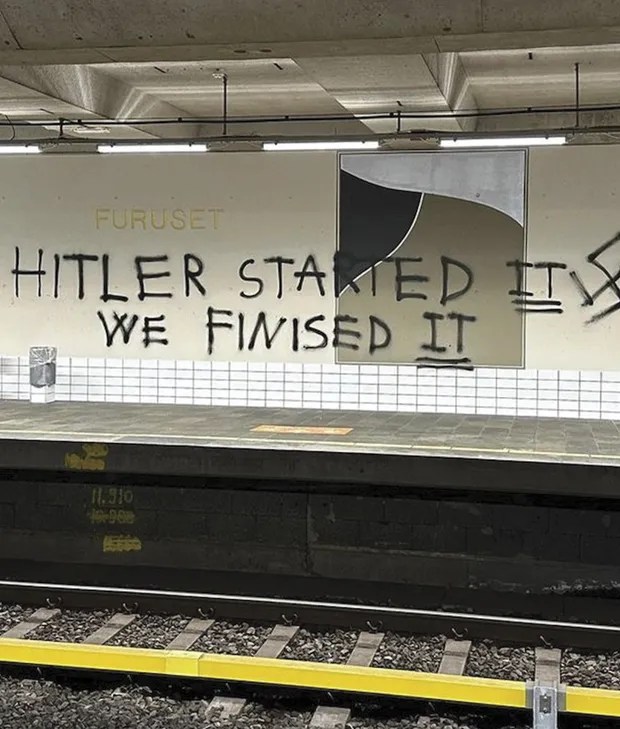




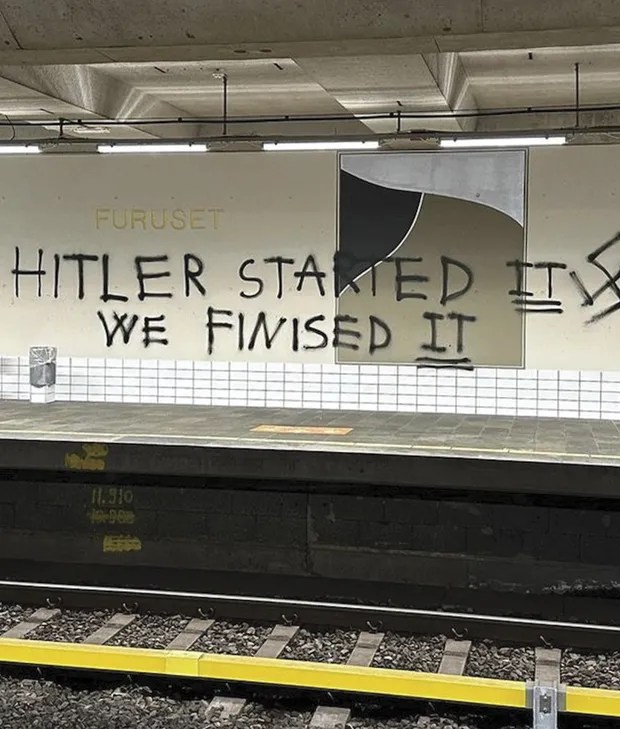


 דיויד סטברו