STOCKHOLM – Years before the Nazis rose to power, Hugo Valentin, a prominent member of Stockholm's Jewish community, recognized the dangers of Nazi ideology. A historian and scholar, he warned against the "wild psychosis of hatred" as far back as 1930, and even before the outbreak of World War II, he cautioned against the "total eradication of German Jewry." When the Third Reich began implementing the Final Solution, he was among the first to inform the Swedish public that the Jews of Europe were being annihilated. Already in 1942, he wrote in a Swedish daily newspaper that 700,000 Polish Jews had been murdered, and he continued to report about the mass killings of Jews around Europe over the next few years for the Swedish Jewish Chronicle.
Until his death in 1963, Valentin was considered a leading authority on antisemitism. He connected ancient, medieval, and modern antisemitism and argued that "it is not the Jews who are hated, but an imaginary image of them." A pioneer of Swedish-Jewish studies, Valetin was also a vocal supporter of Zionism and of the young state of Israel. In 2009, nearly half a century after his death, Uppsala University – Sweden's oldest institute of higher education and one of its most prestigious – merged its Center for Multiethnic Studies with the Program for Holocaust and Genocide studies. Since Valentin had been a distinguished scholar of the history of the local Jewish community and antisemitism, as well as Nazism and genocide, it seemed only natural to name the center after him.
And so, the Hugo Valentin Center was established – the only academic center in Sweden named after a Jew. Late last year, the university announced that a decision had been taken to change its name: As of January 1 this year, it would be called the Uppsala Center for Holocaust and Genocide Studies.
Hugo Valentin apparently got cancelled.
"The removal of Valentin's name is part of a dangerous trend of taking antisemitism out of the Holocaust," said Aron Verständig, chairman of the Council of Jewish Communities in Sweden. Speaking with Haaretz, he described the deceased historian as "the foremost writer of Jewish history in Sweden and one of the first to write about the Holocaust."
Pontus Rudberg, an associate professor of history at Uppsala University who was previously affiliated with the center, was also concerned. "It's disgraceful," he said. "It supports the trend that removes Jewish perspectives and Jewish history from Holocaust and genocide studies. It's also disgraceful because you don't remove the name of the person your institution is named after unless he's done something wrong."
Rudberg said he was surprised by the decision-making process. "I was asked by the director of the center for my opinion in a vague way during an informal meeting a week or two before the decision was made," he told Haaretz. "I said I was against it, but I didn't realize it was an actual process, and I found out about the decision, which was made with no informed and open debate, only when it was published just before the Christmas holidays."
In a protest letter addressed to Anders Hagfeldt, vice chancellor of the university, Professor Emeritus Harald Runblom, another Uppsala historian, wrote that "erasing a name in this context is like tearing down a statue, and it raises legitimate questions. Has he become persona non grata? Is there political opportunism behind this?"
Another letter addressed to the vice chancellor, signed by 93 international scholars, warned that erasing Valentin's name could set in motion "a broader trend of distancing Holocaust and genocide studies from Jewish history" and described the move as "an affront to Hugo Valentin's legacy and a diminution of his remarkable contributions." Among those signed on this letter were the distinguished Holocaust historians Christopher Browning and Jan Grabowski.
Weighing in on the controversy, journalist Nathan Shachar recently penned an op-ed in Dagens Nyheter, a leading Swedish daily, titled "Uppsala University embarrasses itself – does not dare to be linked to Sweden's most famous Zionist." "In the difficult reality since October 7, the center wants to tone down its Jewish affiliation for populist reasons of convenience and avoid being associated with the most famous of Swedish Zionists," he wrote.
Rudberg offered a somewhat different explanation for Valentin's erasure. "It's ignorance, rather than bad intentions," he said, "The people who made the decision don't know much about Valentin. They think he was mostly involved in Jewish history and antisemitism studies. They don't understand he was also a pioneer in Holocaust and Genocide studies."
Still, the decision seems to be in line with the current zeitgeist on campus. In November, a group of 131 university members published a letter in the Swedish daily Aftonbladet demanding that the university cuts all ties with Israeli universities "complicit in the genocide."
The letter was the latest in a series of calls at Uppsala to boycott Israel, and although the university's leaders have refused to bow to such demands from student groups, the fact that many professors and researchers support such sanctions against Israel has many Jews on campus feeling uneasy. Since October 7, the Uppsala campus has emerged as a hotbed of the Swedish pro-Palestinian protest movement. On a number of occasions during the past year, students disrupted university activities and the administration made the decision to summon police over what it perceived as threatening disruptions to campus life.
Several Jewish students, who agreed to speak with Haaretz on condition of anonymity, said they felt protests against Israel have crossed the line into antisemitism. They said that posters sighted at demonstrations and encampments on campus over the past year have supported violent resistance and denied Israel's right to exist.
Asked for comment, Elsa Bådagård from Uppsala University's office for Humanities and Social Sciences, issued the following statement: "Uppsala Center for Holocaust and Genocide Studies is a center within the Faculty of Arts, and the decision regarding its name has been made by the faculty board upon request from the board of the Hugo Valentin Center in December 2024.
The different reactions to the name change have been received and noted by the Faculty of Arts. However, since the request originated with the center, the faculty will not overturn its collegial decision on the basis of these opinions. Furthermore, the proposition to change the name has the support of the current employees at the center."
Bådagård insisted that the reason for the name change was that the board wanted it to reflect the primary field of research of the center, which is Holocaust and Genocide Studies. "It was not part of any political agenda, and the name change will not lead to any change regarding the focus of the various activities at the Center," she said, adding that "this is a purely organizational decision, and should not be read as a wish for the Faculty of Arts to distance itself from Hugo Valentin and his work."
Jewish communities worldwide are reeling from a year of hostility from neighbors. But probably nothing matches what the tiny community in Norway has endured.
OSLO – Yael Nilsen has lived in Norway for years, but a year ago, on October 7, she was glued to television broadcasts from her native Israel. So, it was only recently that she discovered how the events of that day were presented to viewers of Norwegian media.
That was when she came across a recording of the main evening news show of NRK, the Norwegian public broadcaster, from October 7. "I watched it," Nilsen relates. "The top headline [on the NRK website] that evening was: 'Strong reactions to Hamas' attacks on Israel; main goal is liberation of Palestinian prisoners, says Hamas spokesman.'" The Israelis who were abducted and killed by Palestinians were mentioned in passing, she notes.
That was the line followed by many of the country's media outlets, both public and commercial. A week after the massacres of Simhat Torah, the official representative of the Palestinian Authority in Oslo (who became an ambassador when Norway officially recognized a Palestinian state in May), said that she wasn't familiar with videos showing people being murdered in their homes. "That is Israeli propaganda, intended to get [the country] a free pass from the international community to attack as it wants," she told a Christian newspaper in an interview that then widely shared on social media.
The Norwegian government, for its part, saw to it that King Harald V, the country's official head of state, did not express condolences to Israel after October 7, because, according to the foreign ministry, it's a "political conflict." Contrary to the other countries of Europe, Norway does not categorize Hamas as a terrorist organization; many in the country view it as a legitimate political player. In an interview with TheMarker, Haaretz's business newspaper, Norway's foreign minister noted that his country maintains relations with both that group and Hezbollah.
Pro-Palestinian demonstrations and rising anti-Israeli sentiment have been widespread during the past year worldwide. But in Norway things appear to have gone somewhat further. Hamas' narrative took hold in broad circles in the country, extending far beyond the radical left and pro-Palestinian activists. What sprang from an anti-Israeli point of departure quickly snowballed in a way that was out of proportion with what other Jewish communities in Europe experienced. Criticism of Israel swiftly took the form of hatred on the street and on social media, and was also directed at Jews in general. Members of the Jewish community say they feel this trend effectively enjoys an institutional tailwind.
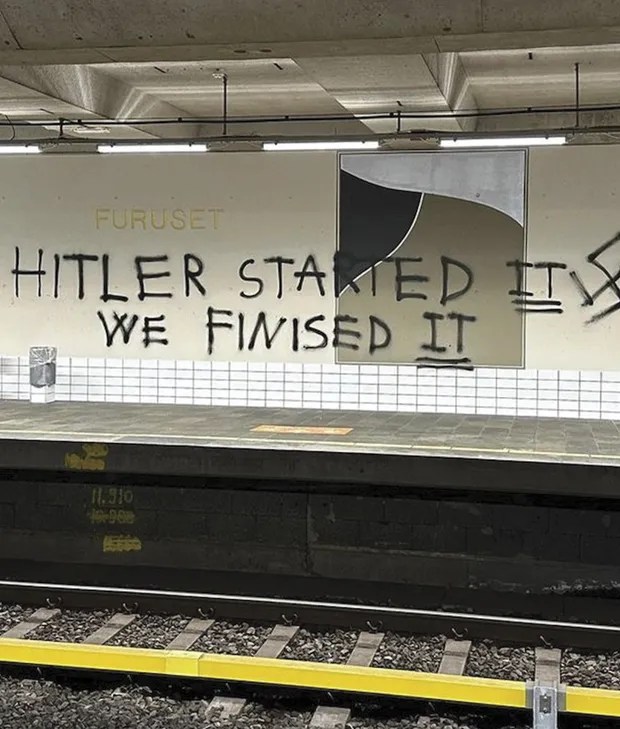
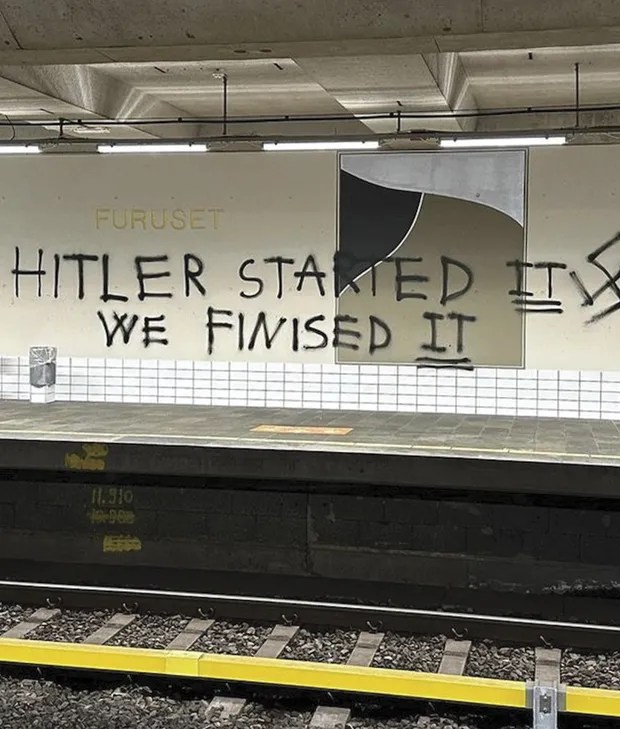
Norway's Jews started to report instances of harassment and threats. Graffiti and artworks likening Israel to Nazi Germany cropped up in the public space across the country. A wall drawing in the city of Bergen depicted Anne Frank in a keffiyeh, and openly antisemitic messages soon followed: From the inscription "All Jews out' spray-painted on walls, to an ominous message (in English) in an Oslo Metro station – "Hitler started it. We finis[h]ed it" – accompanied by a swastika.
Graffiti depicting Anne Frank in a Keffiyeh, in Bergen. Töddel / JTA
Norway's tiny Jewish community is badly rattled by what it's experiencing as a lethal blow to its feelings of belonging and security. A visit to Oslo, and conversations with Jews living elsewhere in Norway as well, reveal that the tiny community, which numbers only 1,500, truly feels threatened. Some of those interviewed asked not to have their names published. "The community is isolated because the government is not looking after it and is not condemning the violence it's experiencing," a source who's involved in the Jewish community tells Haaretz, adding, "The government is effectively affirming the discourse of hatred."
The case of A., a Jewish Norwegian woman, illustrates how far things have gone. One of A.'s daughters lives in Israel and serves as an officer in the Israel Defense Forces. At the end of last year, someone found an online video of her daughter, in uniform and speaking Norwegian, and re-posted it on Instagram. Overnight, the life of both daughter and mother became hell.
"Immediately, all [our] social media accounts were flooded with messages, curses, hatred and threats," A. relates. "An influencer and model of Muslim origin posted the video and added the name of my workplace along with pictures of me and my daughter." The threats did not come solely from Palestinians. The account information associated with those who sent the messages, and the messages themselves, suggested that many were not of Muslim or Arab origin.
"Waiting for you to land in Norway, then I'll show you what I and my friends from Hamas will do to you," someone wrote. And there was also: "She's a dirty genocide supporter. I hope she sinks into the sand stained with the blood of Gaza and returns to Norway without arms or legs." As well as a third reading, "Zionist whore, I hope you get a bullet from Hamas."
There was even an initiative to have the authorities place her daughter on trial, like Europeans who fought for ISIS. Separate from that, the Norwegian branch of Save the Children issued a demand that every returning Norwegian who has been in wartime Gaza Strip be questioned by the authorities, in keeping with Norway's "international commitment to prevent genocide."
What did you do?
A.: "I went to the police. In the end, they decided it wasn't criminal and closed the case. I was given an emergency-call button for a certain period, and suggested that I move to different accommodations. To this day I live 'underground.' Still, now everyone knows where I work, and everyone knows my daughter is in the Israeli army. Besides, my daughter lost all her friends in Norway and can't come to visit for fear of her life. I am Norwegian, I love my country, but I am very disappointed. No one can protect me."
A tube station in Oslo
Did you encounter that attitude before October 7, or is it completely new?
"Even if it's worse now, it's not new. My children have had to account for everything Israel has done since they were in first grade." She adds that one of her children was forbidden by a teacher in her school to talk about a family vacation in Israel, so as to avoid "offending other children," and in other instances, teachers told her children that it's alright to be Jewish, but not to talk about Israel.
Others in the Jewish community put forward similar accounts. Rami, for example, has lived in Norway since 2007. Russian-born, he immigrated to Israel in the 1990s and then moved to Norway in the wake of his wife. The couple's daughter and two sons were born in Norway; the family lives not far from Oslo. "Until not long ago, we didn't hide the fact that we are Jews," he says, "but lately we feel the antisemitism, via our children."
The children don't speak Hebrew, he notes, and have never lived in Israel. Nevertheless, his 5-year-old daughter said that children from her kindergarten asked her why she was murdering Palestinian children. "My 13-year-old son is suffering even more," Rami adds. "Children say he's a Jew and harass him. Some of them called out 'Heil Hitler' at him."
A swastika replaces the Star of David on a corrupted Israeli flag flying in Oslo. Credit: Ronen Bahar
History plays an important role here. The Jews, who are today have the status of an official minority in Norway, began to arrive only in the mid-19th century. Until then, Jews were forbidden by law from stepping foot in the country. Immigration, mostly from Eastern Europe, led to the establishment of Jewish communities in Oslo and Trondheim. They suffered a great deal in World War II, when the country was ruled by the fascist Quisling regime, which collaborated with the Nazis. A third of Norway's 2,100 Jews were murdered. They included more than 500 members of the community who were seized by police officers, soldiers and Norwegian volunteers and expelled via ship, then transported by train to Auschwitz. Others perished in camps in Norway and Germany. The survivors were those who fled to Sweden and Britain.
One of the most painful aspects of the situation for the Jewish community is the feeling they have that even the persecution they endured eight decades ago is now being turned against them. Prof. Torkel Brekke, a historian from MF University of Theology, Religion and Society, in Oslo, recalls last year's memorial ceremony for Kristallnacht, held in the capital.
"Norway's Jews felt that the event had been hijacked from them," he relates. "A Norwegian anti-racism organization turned the event into a pro-Palestinian one." Instead of dealing with Nazism, the Holocaust and antisemitism, the event focused on a discussion of the Middle East and political radicalization. The organization of the event was coopted by left-wing groups who were part of the anti-Israeli wave of protests – Israeli flags and Jewish symbols were banned from the ceremony. The Jewish community therefore decided not to participate in the event and held one event of its own, in a synagogue
There's also anger among community members with the Norwegian Center for Holocaust and Minority Studies. Established at the state's initiative with funds belonging to Jews who were murdered in the Holocaust, the center's mission is to map and battle antisemitism in the country. However, in a letter sent recently to the institution, Norwegian Holocaust survivors and their descendants accused it of failing in its duty, maintaining that instead of fighting antisemitism it was positioning itself as a "critic of Israel's policies and military tactics." Moreover, the center is manifesting "bias in its choice of experts, supporting a narrative that is negative toward Israel as a Jewish state."
To which the center's director, Prof. Jan Heiret, stated in response to a query from Haaretz, "Since October 7, we have observed a disturbing increase in antisemitic attitudes and incidents in Norway. This deeply concerns us. The center works daily to fulfill our mandate, which is to conduct research and disseminate knowledge about the Holocaust, antisemitism, genocide and related human-rights violations, as well as the conditions of minorities in Norway."
"We were promised certain things as Jews and as citizens of Norway who have a specific history," says Leif Knutsen, a Jewish-Norwegian activist and professional media monitor. "All of this collapsed within hours on October 7." Knutsen talks about the disparity between the expectations from Norwegian society – with its democratic and liberal values – and the situation as it is being experienced by the country's Jews in practice.
There were in fact portents, he notes, including threats, disturbances and antisemitic remarks in periods of earlier Israeli military operations in the Gaza Strip and Lebanon. "Despite these events, there was still a sense of safety," Knutsen points out. "But on October 7 we realized that the social contract we had as a minority in Norway would not be honored. This is a harsh reality because we are barely holding on as it is. The community's institutions are run by volunteers, it's hard to fill all the roles, the pressure is immense, and the task of maintaining all the institutions is really hard," even in normal times.
There are indications of a community in trauma, Knutsen believes, as Jews cope with extremely hostile media, intolerable remarks, provocations and harassment. "After October 7," he continues, "I conducted a survey among Norwegian Jews and received responses from about 150 people. Half the respondents said they were considering leaving the country, and more than 90 percent said the Norwegian authorities don't understand what antisemitism is. "If the Jewish community disappears from Norway, it would be a tragedy," says Knutsen. "It would be just one sad episode among many in Jewish history, but it would be a catastrophe for Norway. This is why I am mostly concerned – not necessarily as a Jew, but as a Norwegian patriot," he concludes.
Prof. Brekke concurs. "Something broke on October 7. Norwegian Jews today feel vulnerable and betrayed by society. They are constantly told what they should think about the [Palestinian] conflict. If they do not condemn Israel, they are told they are 'Jews in the wrong way.' There are public figures and politicians who support Hamas, and far-right extremists and neo-Nazis who supported the October 7 massacre. It's not surprising, then, that the country's Jews are questioning their place in Norwegian society."
The sources of Norwegian hostility toward Israel go back to the late 1960s and early 1970s, Brekke explains. "After World War II and Israel's establishment, Norway's clear stance was opposition to antisemitism and support for the young Jewish state," he says. "However, pro-Palestinian attitudes began to gain momentum after the Six-Day War, and pro-Palestinian leftist movements, including Marxist and Maoist groups, tried to push the more moderate social-democratic left in that direction. Although similar trends occurred in other countries, there are unique elements in Norway that led to the entire Norwegian left adopting this stance.
"From the late 1970s, for 20 years, Norway sent over 20,000 soldiers to serve in UNIFIL (United Nations peacekeeping forces), in Lebanon. As a result, that generation had a feeling that Norway possessed special knowledge of the region. I see this as Norwegian arrogance. You can also add Norway's involvement in the Oslo Accords. When the accords collapsed, the anti-Zionist movement simply spiraled out of control."
The most distinctive factor in Norway, says Brekke, is the impact of trade unions on the shaping of the country's foreign policy. "More than one million Norwegians, about a fifth of the population, are members of unions. In recent decades, these unions have cultivated a grassroots culture that is strongly anti-Israel and anti-Zionist. This movement is deeply tied to the [ruling] Norwegian Labor Party, both organizationally and ideologically, which gives the unions considerable influence over Norway's foreign policy." This anti-Zionism, Brekke argues, has turned into a type of antisemitism.
According to Dr. Cathrine Thorleifsson, from the social anthropology department of the University of Oslo, a genuine problem exists in Norway when it comes to understanding the new antisemitism, which is Israel-related. Norway's Jews, explains Thorleifsson – who has lived in Israel and speaks Hebrew – are in a vulnerable position and encounter antisemitism in various milieus: conventional media, social media and the public space. In the course of her research into the life of Norway's Jews in the 21st century, Thorleifsson has uncovered much prejudicial thinking about the community and about Israel. In one survey she conducted, half the respondents expressed the belief that Israel's attitude toward treatment of the Palestinians is no better than the way the Jews were treated in the Holocaust.
In Thorleifsson's view, the country's political discourse plays a crucial role in this regard. "Norway is a small country," she observes, "and its political discourse is still evolving. There is conformity, a lack of diverse voices expressing different experiences, and insufficient democratic tools to protect minorities." Norwegian politics espouses "a very pro-Palestinian attitude," she adds. "In certain activist circles, Hamas' attack is considered legitimate resistance, and the word 'terrorism' is not used where it should be. Norwegian conformity hides the antisemitism linked to Israel, as well as the misinformation and political violence that fuel it."
Cathrine Thorleifsson, Photo: University of Oslo
Israeli-born Ilan Sharoni, who lives in Stavanger, a city in the country's southwest, has been in the country since 1988. "I live here, my children and grandchildren live here, and I am very worried," he says. The chief culprit is the media, he avers. "Day after day on television, for decades now. Whoever doesn't condemn Israel is condemned as a supporter of genocide. Everything just blew up after October 7. The anti-Israeli approach, which was always part of domestic politics, has now become fatal."
To which Yaniv, a resident of Oslo who works and teaches in the field of art, adds, "When I speak to people who discover that I am from Israel, they stop talking or even choke. Afterward, they sometimes return to apologize." Yet, he says he has heard on more than one occasion the view that Israel is a criminal country that should not exist.
Ahead of the events marking the first anniversary of October 7, security around Jewish institutions in the country was beefed up by authorities. Pro-Palestinian demonstrations were held opposite the community memorial assemblies in Oslo and Bergen. In Oslo, models of Hamas' Qassam rockets, painted green, white and red, were raised. In a demonstration held in Bergen under the slogan "A Year since the Al-Aqsa Flood" (as Hamas called the attack on Israel), demonstrators burned Israeli flags. The police asked participants in rallies of support for Israel not to go home in groups because it would be "difficult to protect them."
Many in the Jewish community understand where the criticism of Israel is coming from. But even so, on March 8 this year, International Women's Day, a group of Jews, women and men, hoped they would be able to demonstrate in solidarity with women around the world in a large event that was set to take place in Oslo.
Yael Nilsen, the longtime Norway resident who has taken part in the international effort for the return of the Gaza hostages, contacted the organizers and asked to join the event. Together with her friends, she requested that the acts of rape that were perpetrated on October 7 and the condition of the abducted Israelis be brought to public awareness.
International Women's Day event in Oslo during which Jewish activists were met with hostility.Credit: Pål Holden
"Those issues are barely discussed in the Norwegian media," says Nilsen. "We thought that by joining the large-scale event of International Women's Day, we would be able to introduce the subject of the sexual violence and the awful condition of the abducted Israelis into the Norwegian discourse."
Initially, it didn't look like there would be a problem. One of the slogans that had been decided on for the demonstration dealt with the weaponizing of rape, so there was compatibility between the content of the demonstration and the goals of Nilsen's group. "And the fact is that when I contacted the organizers, they said that the program was already set, but that we would be able to join the group that would march under the slogan 'Fighting rape as a weapon.' To be certain, I made sure that the organizers knew that we would be carrying photographs of the abducted women, and I also asked them to confirm that the security arrangements would ensure that we would be safe with our Jewish symbols. Everything looked to be in order."
The group consisted of 40 to 50 people, most of them local Jews, Israelis and a few supporters. Nilsen made sure that no one would be carrying an Israeli flag and that everyone was clear about the message. "It was important for us to focus on the sexual violence, so we dispensed with Israeli flags. But to identify the women as Israelis, we had a blue-and-white banner with the inscription '#MeToo Unless you're a Jew,' together with graphics of a Star of David made out of women's undergarments and a triangle of blood, which was also used internationally in similar demonstrations."
The group knew they might encounter hostility. "Our symbols often generate hatred and aggression in Norway," Nilsen notes. "There is a large Muslim community here, and during that period there were demonstrations against Israel every day. Some of them crossed the thin line between anti-Israel views and antisemitism. So we were worried, but we got confirmation from the organizers, and because we didn't represent Israel, and the demonstration was supposed to deal with something that all of Norway could agree on – opposition to the use of violence against women as a weapon – we hoped for the best."
The hostile reaction manifested almost immediately. Initially, the group was refused entry to the event and had to prove that they had the organizers' authorization to participate. "One of the organizers went on shouting and cursing, and then took one of our signs and threw it on the ground," Nilsen recalls. "After the police made sure he couldn't get close to us, more and more organizers told us that our message conflicted with the messages of the event.
"They looked at us with hatred and disgust, and started to shout that we were Zionists and fascists. Then the crowd joined in with slogans and rhythmic chanting that we were already used to, like 'Murderers,' 'No to Zionists in our streets' and 'From the river to the sea, Palestine shall be free.'"
They avoided getting into a direct confrontation, Nilsen relates, "and we instructed our group not to scatter and not to respond. But when the atmosphere heated up, some of the other demonstrators – Norwegian men and women of my age – approached the members of the group very closely, and whispered into their ear things like 'child murderer' and skadedyr' ['parasites' in Norwegian]. "I've had anti-Israeli calls shouted at me in the past," Nilsen continues. "But this time it was very different. The hatred came from people I thought we shared basic values with. The feeling was that we were being canceled as human beings. We weren't women and men – we were the embodiment of evil."
The question of whether the attack on Israelis in Amsterdam last month was an isolated incident or the beginning of a trend is critical to Israel's relationship with the rest of the world and the future of Europe's Jews. And according to several Israeli media outlets, two days after the incident in Amsterdam, a similar incident occurred in another European capital.
The online news site Mako reported that Jews were attacked "in Stockholm, the capital of Sweden, during a ceremony commemorating the Kristallnacht pogrom." It said anti-Israel demonstrators yelled derogatory names at the ceremony's participants, snatched their Israeli flags, tore them up and threw them into the river.
The report was accompanied by a video titled "the difficult footage from Sweden." It shows police officers chasing a woman and arresting her. Channel 14 News added analysis and superlatives. "Antisemitism is having a feast day," it reported. "Pro-Palestinians brutally attacked Jews who gathered to mark the anniversary of Kristallnacht in Stockholm." The same news item, with some variations, appeared in other media outlets and was widely circulated on social media.
Meanwhile, in the real world, what happened in Stockholm is indeed troubling, but for different reasons. First, no ceremony commemorating Kristallnacht took place there. Second, no Jews were attacked. Third, this false information was disseminated by people who counted on the media to spread the lie, thereby providing them with free political propaganda. And they were right. The Swedish media refused to buy the goods, but the Israeli media sure did (I might add, for the benefit of Mako's investigative reporters, that Stockholm doesn't have a river).
What actually happened in Stockholm that night was revealed by Swedish investigative reporter Jonathan Leman in Expo magazine (which defines itself as fighting "racist ideas, myths and conspiracy theories"). On the evening of November 9, a pro-Palestinian march took place in central Stockholm. Such demonstrations have been happening in Sweden for more than a year now. The marchers chant slogans that some people (myself included) see as antisemitic, and they are filled with hatred for Israel. But usually, they are completely nonviolent.
This demonstration was the same, aside from one difference – the protest march was joined by a guest riding a bike, who was widely filmed by videographers broadcasting from the scene. One of them is known to work with media outlets identified with the Sweden Democrats, a populist right-wing party that has a neo-Nazi past.
The demonstrators immediately realized that the bike rider wasn't one of theirs. She was an older woman who spoke with the videographers and attracted attention because she had an Israeli flag attached to her bike (as well as the Finnish flag and Iran's flag from before the Islamic Revolution). She also had a loudspeaker through which she played Hebrew songs like "Am Yisrael Chai" and a megaphone via which she proclaimed that "Hamas murdered all the homosexuals in Gaza" and "Hamas planned to annihilate all the Jews."
At first glance, she appeared to be a courageous warrior who supports Israel. And that is indeed how she was depicted in reports from the videographers who were there. But this isn't true. As Expo discovered, the woman is actually a far-right activist. On social media, she spreads a mixture of antisemitism, Holocaust denial and conspiracy theories about the coronavirus, an Islamic takeover of Europe and the destructive power of Sweden's Jews, who "want to destroy the Nordic peoples" and constitute "a metastasizing cancer."
So why was she demonstrating against the Palestinians and seemingly supporting Israel? Anyone who tries to impose order on this eccentric activist's political theories will discover that her support for Israel stems from her hatred of Jews and Muslims in Europe. Despite her ideological hatred of Zionism, she wants the Nordic states to be free of Muslims and Jews, so she supports their expulsion. This isn't love of Zion, but radical racism and antisemitism.
The bike rider's appearance at the demonstration had the potential to cause an outbreak of rioting. But that didn't happen. Granted, there was some anger, but the organizers worked to calm it. At the end of the demonstration, one demonstrator grabbed the woman's Israeli flag, threw it off a bridge and was arrested on the spot. The headline the right-wing media gave this incident was "On the day we remember Kristallnacht, a Palestinian activist stole an Israeli flag and threw it into the water." What happened next is fascinating. People posting on numerous X, Instagram and Facebook accounts in several countries began adding details, limited only by their imaginations.
A ceremony that never took place was invented, groups of Jews who were attacked were created ex nihilo, one flag became many flags, and on some accounts, it was no longer flags that thrown into the freezing water of the Baltic Sea, but Jews. Anger boiled over, and there were thousands of shares and comments in groups with hundreds of thousands of members. When all this reached the Israeli media, the makeover was complete – the inventions became news. Even their rejection of the original videographer's false information didn't change anything.
Two conclusions can be drawn from the incident in Stockholm. First, the support Israel's government has found in Europe's far right is a broken reed. Beneath the hatred of Arabs and the nationalist fervor that the government likes so much lies a thick layer of antisemitism that cannot be mistaken. Second, the battle that honest politicians on all sides must join is the battle against the agents of chaos who create a world in which instead of truth and lies, there are only narratives.
The worship of likes and internet traffic, media outlets that dispense with checking facts and operators of trolls and bots aren't a threat to the opposition or the governing coalition. Rather, they are threat to the very existence of a free society.
The question of whether last month's attack on Israelis in Amsterdam was an isolated incident or the beginning of a trend remains critical. Yet anyone who reports on imaginary pogroms is not only undermining the media's credibility, but also creating a situation in which nobody will believe in or deal with the real ones.
יעל נילסן חיה כבר שנים בנורבגיה, אבל לפני שנה, ב–7 באוקטובר, היא היתה צמודה לשידורי הטלוויזיה הישראלית. רק באחרונה התברר לה איך נראו אירועי אותו היום אצל כל מי שצפה באירועים בתקשורת הנורבגית. "לא מזמן מצאתי את השידור הציבורי הנורבגי (NRK) וצפיתי בו", מספרת נילסן. "הכותרת באותו ערב היתה: 'תגובות חזקות להתקפות חמאס על ישראל; המטרה העיקרית היא שחרור אסירים פלסטינים, כך אומר דובר חמאס'". האזרחים הישראלים שנחטפו ונהרגו על ידי פלסטינים, היא אומרת, הופיעו כהערות אגב.
הקו הזה התפשט ברוב כלי התקשורת. הנציגה הרשמית של הרשות הפלסטינית באוסלו (שהפכה לשגרירה כשנורבגיה הכירה רשמית במדינה פלסטינית בחודש מאי) אמרה שבוע אחרי הטבח שהיא לא מכירה סרטונים שרואים בהם אנשים נרצחים בבתיהם. "זוהי תעמולה של ישראל שמבקשת לקבל מהקהילה הבינלאומית יד חופשית לתקוף כפי שהיא רוצה", טענה בראיון שהתפרסם בעיתון יומי נוצרי והופץ ברשתות. ממשלת נורבגיה עצמה אף הקפידה שמלך נורבגיה, ראש המדינה, לא יביע תנחומים כלפי ישראל אחרי הטבח, מכיוון שזהו "סכסוך פוליטי". בניגוד לשאר מדינות אירופה, נורבגיה כלל לא מכירה בחמאס כארגון טרור, והוא נתפס בקרב גורמים רבים במדינה כפרטנר לגיטימי. בראיון ל"דה־מרקר", אף אמר שר החוץ הנורבגי שהמדינה מקיימת קשרים עם חמאס וחיזבאללה.
הפגנות פרו־פלסטיניות וסנטימנט אנטי־ישראלי גובר אפיינו בשנה האחרונה כמעט את כל העולם. אלא שבנורבגיה, כך, נראה, הדברים הלכו כמה צעדים רחוק יותר. הנרטיב של חמאס תפס אחיזה במעגלים רחבים במדינה, הרבה מעבר לאנשי שמאל רדיקלי ופעילים פרו־פלסטינים. ומה שהחל מנקודת מוצא אנטי־ישראלית הפך במהרה לכדור שלג חריג בממדיו ביחס למה שחוות קהילות יהודיות אחרות באירופה. הביקורת על ישראל הפכה מיד לשנאה ברחוב וברשתות החברתיות, ולתחושת חברי קהילה היהודית במדינה, השנאה הזאת זוכה הלכה למעשה לרוח גבית ציבורית וממסדית.
יהודים החלו לדווח על הצקות, הטרדות ואיומים. ציורי גרפיטי ועבודות אמנות המשוות בין ישראל לגרמניה הנאצית החלו להופיע במרחב הציבורי ברחבי המדינה. זה התחיל מציור קיר בברגן של אנה פרנק עטופה בכאפייה, והמשיך למסרים אנטישמיים של ממש: מריסוס הכתובת "כל היהודים החוצה" ועד כתובת מלווה בצלב־קרס בתחנת רכבת תחתית באוסלו, שקוראת לסיום העבודה של היטלר.
צלב קרס במקום מגן דוד בדגל ישראל שנתלה באוסלו. צילום: רונן בכר.
חברי הקהילה היהודית הקטנטנה של נורבגיה חשים פגיעה אנושה בתחושת הביטחון והשייכות שלהם. ביקור באוסלו ושיחות עם יהודים שחיים בנורבגיה מגלים שהקהילה, שמונה רק כ–1,500 איש, נמצאת תחת תחושת איום של ממש. חלק מהמרואיינים אף חששו להיחשף בשמם. "הקהילה מבודדת כי הממשלה לא דואגת לה ולא מגנה את האלימות כלפיה", סיפר למוסף "הארץ" גורם המעורה בקהילה היהודית. "הממשלה מאשרת למעשה את שיח השנאה".
סיפורה של א', יהודייה נורבגית, ממחיש את הקיצוניות שאליה הגיעו הדברים. אחת מבנותיה של א' חיה בישראל ומשרתת כקצינה בצה"ל. בסוף השנה שעברה מישהו מצא ברשת סרטון של בתה במדים, שבו היא מדברת נורבגית, והפיץ אותו באינסטגרם. מרגע זה הפכו חיי הבת והאם לגיהנום. "כל חשבונות הרשתות החברתיות שלנו התפוצצו בקללות ואיומים", מספרת א'. "דוגמנית נורבגית אפילו צירפה לסרטון את שם מקום העבודה שלי וגם תמונות שלנו". האיומים לא הגיעו רק מהצד הפלסטיני. עיון במכשיר הסלולרי של א' מעלה שרבים ממי ששלחו לה את ההודעות אינם ממוצא מוסלמי או ערבי.
"מחכה שתנחתי בנורבגיה, אז אראה לך מה אני וחבריי מהחמאס נעשה לך", כתב אחד. אחרים הוסיפו: "היא תומכת רצח עם מלוכלכת, מקווה שתשקע בחול האדום מדם של עזה ושתחזור לנורבגיה בלי ידיים ורגליים", "זונה ציונית, מקווה שתקבלי כדור מחמאס". אפילו צצה יוזמה שביקשה להעמיד את בתה לדין, כפי שמעמידים אירופאים שנלחמו בשורות דאע"ש. יש אפילו ארגון בשם "Save the Children Norway", שדרש שכל נורבגי שחוזר מהמלחמה בעזה ייחקר בידי הרשויות.
אנה פרנק בכאפייה, בברגן. Töddel / JTA
מה עשית?
"הלכתי למשטרה. הם החליטו שזה לא פלילי וסגרו את התיק. קיבלתי כפתור מצוקה לתקופה מסוימת, ואמרו לי שכדאי שאעבור דירה. עד היום אני חיה במחתרת. עכשיו כולם יודעים איפה אני עובדת וכולם יודעים שהבת שלי בצבא בישראל. חוץ מזה, בתי איבדה את כל חבריה בנורבגיה והיא לא יכולה לבוא לבקר מחשש לחייה. אני נורבגית, אני אוהבת את המדינה שלי, אבל אני מאוד מאוכזבת. אף אחד לא מגן עליי".
האם נתקלתם ביחס כזה גם לפני 7 באוקטובר או שזה חדש לגמרי?
"גם אם זה גרוע יותר עכשיו, זה לא חדש. הילדים שלי היו צריכים לתת דין וחשבון על כל דבר שישראל עשתה מאז שהם בכיתה א'". לדבריה, לאחד מילדיה אסור היה לספר על חופשה בארץ כדי לא לפגוע ברגשות של ילדים אחרים. במקרים אחרים אמרו לילדיה שזה בסדר להיות יהודי. אבל לא בסדר לדבר על ישראל.
יהודים נורבגים נוספים מספרים על תחושות דומות. רמי, למשל, חי בנורבגיה מאז 2007. הוא יהודי ממוצא רוסי שעלה לישראל בשנות ה–90 והיגר לנורבגיה בעקבות אשתו. לשניים יש בת ושני בנים שנולדו בנורבגיה והם חיים לא רחוק מאוסלו. "עד לאחרונה לא הסתרנו שאנחנו יהודים", הוא מספר. "אבל בזמן האחרון אנחנו מרגישים את האנטישמיות דרך הילדים שלנו". לדבריו, הילדים לא מדברים עברית והם מעולם לא חיו בישראל, ובכל זאת בתו בת החמש סיפרה שילד מהגן שלה שאל אותה למה היא רוצחת ילדים פלסטינים. "בן ה–13 סובל עוד יותר", מוסיף רמי. "ילדים אומרים שהוא יהודי ומציקים לו. ילדים קראו לעברו 'הייל היטלר'".
ההיסטוריה משחקת כאן תפקיד חשוב. היהודים, שנחשבים כיום למיעוט רשמי בנורבגיה, הגיעו למדינה רק באמצע המאה ה–19. עד אז כניסת יהודים היתה אסורה בחוק. ההגירה, בעיקר ממזרח־אירופה, הובילה להקמתן של קהילות יהודיות באוסלו ובטרונדהיים. קהילות אלו נפגעו מאוד במלחמת העולם השנייה, כשהמדינה נשלטה על ידי משטר קוויזילנג הפשיסטי, ששיתף פעולה עם הנאצים. מתוך כ–2,100 יהודים, שליש נרצחו. יותר מ–500 איש נתפסו בידי שוטרים, חיילים ומתנדבים נורבגים וגורשו באונייה, משם נלקחו ברכבת לאושוויץ. אחרים נספו במחנות אחרים בנורבגיה ובגרמניה. השורדים היו אלו שנמלטו לשוודיה ולבריטניה.
אחד הדברים שכואבים לחברי הקהילה היהודית הוא התחושה שאפילו הרדיפה שעברו משמשת כעת נגדם. פרופ' טורקל ברקה, היסטוריון באוניברסיטת MF באוסלו, מספר למשל על טקס ההנצחה לליל הבדולח שהתקיים באוסלו בשנה שעברה. "יהודי נורבגיה הרגישו שחטפו להם את האירוע", הוא מספר. "ארגון נורבגי נגד גזענות הפך את האירוע לאירוע פרו־פלסטיני". במקום לעסוק בנאציזם, בשואה ובאנטישמיות, האירוע עסק במזרח התיכון ובהקצנה פוליטית. לארגון האירוע צורפו ארגוני שמאל שהם חלק מגל המחאות האנטי־ישראלי, ולא ניתן היה להניף בו דגלי ישראל ואפילו לא להציג סמלים יהודיים. הקהילה היהודית החליטה אפוא לקיים אירוע משל עצמה, בבית כנסת.
תחושות קשות עולות מאנשי הקהילה גם כלפי "המרכז הנורבגי ללימודי שואה ומיעוטים". המרכז, שהוקם באמצעות כספים של יהודים שנרצחו בשואה, אמור לעסוק במיפוי האנטישמיות במדינה ובמאבק בה. אלא שמכתב ששלחו באחרונה ניצולי שואה נורבגים וצאצאים של קורבנות שואה מאשים את המרכז כי הוא נכשל בתפקידו, וכי במקום להילחם באנטישמיות הוא "מיצב את עצמו כמבקר של המדיניות והטקטיקות הצבאיות של ישראל". בנוסף, לטענת המכתב, המרכז "מפגין הטיה בבחירת מומחים, התומכת בנרטיב שלילי כלפי ישראל כמדינה יהודית".
תחנת רכבת תחתית באוסלו
מנהל המרכז, פרופ' יאן היירט, אמר על כך בתגובה: "אנו עדים לעלייה מטרידה בעמדות ובאירועים אנטישמיים בנורבגיה. זה מדאיג אותנו מאוד. המרכז פועל יום־יום כדי לממש את המנדט שלנו לחקור ולהפיץ ידע על השואה, אנטישמיות, רצח־עם והפרות זכויות אדם הקשורות לכך, כמו גם על מצבם של מיעוטים בנורבגיה".
"הובטחו לנו דברים כאזרחי המדינה וכיהודים שיש להם היסטוריה מסוימת", אומר לייף קנוטסן, פעיל בקהילה היהודית במדינה. "כל זה קרס תוך שעות ב–7 באוקטובר". קנוטסן מדבר על הפער בין הציפיות מהחברה הנורבגית — על ערכיה הדמוקרטיים והליברליים — לבין המציאות כפי שחווים אותה היהודים במדינה בפועל. היו אמנם סימנים מקדימים, הוא אומר, כמו איומים, התפרעויות והתבטאויות אנטישמיות בתקופות של מבצעים צבאיים ישראליים בעזה ובלבנון. "למרות ההתרחשויות האלו, היתה תחושה שאנחנו מוגנים. אבל כבר ב–7 באוקטובר הבנו שהחוזה החברתי לא יכובד. זו מציאות קשה מכיוון שאנחנו בקושי מחזיקים מעמד גם ככה. המוסדות של הקהילה מוחזקים בהתנדבות, הלחץ עליהם גדול והמשימה להמשיך לקיים אותם קשה. אחרי 7 באוקטובר קיימתי משאל בקרב יהודים נורבגים. מתוך 150 איש, כמחצית אמרו שהם שקלו לעזוב את המדינה. יותר מ–90% מהם אמרו שהרשויות בנורבגיה לא מבינות מהי אנטישמיות".
קנוטסן מספר על סממנים לקהילה בטראומה, שחווה תקשורת עוינת מאוד, התבטאויות בלתי נסבלות, הצקות והטרדות. "אם הקהילה היהודית תיעלם מנורבגיה זו תהיה טרגדיה", הוא אומר. "זו תהיה אפיזודה עצובה אחת מרבות בהיסטוריה היהודית, אבל זו תהיה קטסטרופה עבור נורבגיה. אני מודאג. לא כיהודי דווקא, אלא כפטריוט נורבגי".
"משהו נשבר ב–7 באוקטובר", אומר גם פרופ' ברקה. "יהודי נורבגיה מרגישים היום פגיעים ונבגדים. כל הזמן אומרים להם מה הם אמורים לחשוב על הסכסוך. אם הם עצמם לא מגנים את ישראל, מסבירים להם שהם 'יהודים בצורה לא נכונה'. יש כאן אנשי ציבור ופוליטיקאים שתומכים בחמאס, וגם ימין קיצוני וניאו־נאצים שתמכו בטבח ב–7 באוקטובר. לכן זה לא מפתיע שיהודי נורבגיה שואלים את עצמם על מקומם בחברה הנורבגית".
טורקל ברקה. צילום: CF – Wesenberg/Kolonihaven.no
ברקה מסביר כי שורשי העוינות הנורבגית כלפי ישראל התחילו בסוף שנות ה–60 ותחילת שנות ה–70. "אחרי מלחמת העולם השנייה והקמת מדינת ישראל, העמדה הנורבגית הברורה היתה התנגדות לאנטישמיות ותמיכה במדינה היהודית הצעירה", הוא אומר. "עם זאת, עמדות פרו־פלסטיניות החלו לצבור תאוצה אחרי מלחמת ששת הימים, ותנועות שמאל פרו־פלסטיניות, כולל קבוצות מרקסיסטיות, ניסו לדחוף את השמאל המתון הסוציאל־דמוקרטי לכיוון הזה. למרות שמגמות דומות התרחשו במדינות אחרות, ישנם גורמים ייחודיים לנורבגיה שהובילו לכך שכל השמאל הנורבגי אימץ את הגישה הזאת. מסוף שנות ה–70, במשך 20 שנה, נורבגיה שלחה יותר מ-20 אלף חיילים לשירות בכוחות יוניפי"ל בלבנון. זה יצר תחושה בקרב הדור הזה שנורבגיה מחזיקה בידע ייחודי על האזור. אני רואה זאת כיוהרה נורבגית. אפשר להוסיף לזה את המעורבות הנורבגית בהסכמי אוסלו. כשההסכמים הללו קרסו, התנועה האנטי־ציונית פשוט יצאה משליטה".
לדברי ברקה, הגורם הייחודי ביותר בנורבגיה הוא ההשפעה של האיגודים המקצועיים על עיצוב מדיניות החוץ של המדינה. "יותר ממיליון נורבגים, כחמישית מהאוכלוסייה, הם חברים באיגודים המקצועיים. בעשורים האחרונים איגודים אלו טיפחו תרבות מאוד אנטי־ישראלית ואנטי־ציונית. תנועה זו קשורה קשר עמוק למפלגת העבודה הנורבגית, הן מבחינה ארגונית והן מבחינה אידיאולוגית. זה נותן לאיגודים השפעה רבה על מדיניות החוץ של נורבגיה". האנטי־ציונות הזאת, אומר ברקה, הפכה לסוג של אנטישמיות.
בעיני פרופ' קתרין ת'ורלייפסון מהמחלקה לסוציולוגיה ואנתרופולוגיה באוניברסיטת אוסלו, בנורבגיה יש בעיה של ממש בהבנה של האנטישמיות מהסוג החדש, זו הקשורה לישראל. ת'ורלייפסון, שחיה בעבר בישראל ודוברת עברית, מסבירה שיהודים במדינה נמצאים במצב פגיע ונתקלים באנטישמיות בסביבות רבות — בתקשורת, ברשתות חברתיות ובמרחב הציבורי. ת'ורלייפסון, שחוקרת את החיים היהודיים בנורבגיה במאה ה–21, גילתה דעות קדומות רבות על יהודים ועל ישראל. בסקר שערכה באחד ממחקריה, מחצית מהמשיבים סברו שהיחס של ישראל לפלסטינים לא טוב יותר מזה שהיהודים זכו לו בשואה.
קתרין ת'ורלייפסון , צילום: University of Oslo
לפי ת'ורלייפסון, השיח הפוליטי במדינה משחק תפקיד מכריע. "נורבגיה היא מדינה קטנה והשיח הפוליטי שלה עדיין בהתהוות. יש בה קונפורמיות, מחסור בקולות מגוונים שמבטאים חוויות שונות, וחסרים לה כלים דמוקרטיים להגנה על מיעוטים". לדבריה, בפוליטיקה הנורבגית יש גישה מאוד פרו־פלסטינית. בחוגים אקטיביסטיים מסוימים מתקפת חמאס נחשבת התנגדות לגיטימית, והמילה "טרור" לא נאמרת במקומות שבהם היא צריכה להיאמר. הקונפורמיות הנורבגית מסתירה את האנטישמיות הקשורה לישראל ואת הדיסאינפורמציה והאלימות הפוליטית שמתדלקת אותה".
יום האישה באוסלו, שבו פעילים יהודים התקבלו בשנאה. צילום: Pål Holden
"אני חי כאן, ילדיי ונכדיי חיים כאן, ואני מודאג מאוד", אומר אילן שרוני, שחי בנורבגיה מאז 1988 ומתגורר בעיר סטבנגר בדרום־מערב המדינה. שרוני מזהה את התקשורת הנורבגית כאשמה עיקרית. "זה יום־יום בטלוויזיה כבר עשורים. מי שלא מגנה את ישראל מגונה כתומך ברצח־עם. הכל פשוט התפוצץ אחרי 7 באוקטובר. הגישה האנטי־ישראלית, שהיתה תמיד חלק מהפוליטיקה הפנימית, עכשיו הפכה להיות ממארת".
"כשאני מדבר עם אנשים שמגלים שאני מישראל, הם מפסיקים לדבר או אפילו נחנקים", מוסיף יניב, מרצה באקדמיה שחי באוסלו ועובד בעולם האמנות, "אחר כך הם לפעמים חוזרים להתנצל". לדבריו, כבר אמרו לו שישראל היא מדינת פשע שבכלל לא צריכה להתקיים.
בשבוע שעבר, לקראת ציון אירועי 7 באוקטובר, תוגברה האבטחה סביב מוסדות יהודיים במדינה. מול עצרות הזיכרון שנערכו באוסלו ובברגן נערכו הפגנות פרו־פלסטיניות. באוסלו הוצבו דגמים של טילי קסאם בצבעי ירוק, לבן ואדום. בברגן, בהפגנה שנערכה תחת הכותרת "שנה לשיטפון אל־אקצה", שרפו מפגינים דגלי ישראל. המשטרה ביקשה ממשתפי עצרות התמיכה בישראל לא להתקבץ בקבוצות כי יהיה "קשה להגן עליהם". בקהילה היהודית יש רבים שמבינים את הביקורת על ישראל. ובכל זאת, ב–8 במרץ, ביום האישה הבינלאומי, קבוצה של פעילות ופעילים יהודים קיוו שלמרות הביקורת, הם יוכלו להפגין בסולידריות עם נשים ברחבי העולם באירוע גדול שתוכנן באוסלו.
יעל נילסן, שהיתה פעילה במאמץ הבינלאומי להשבת החטופים, יצרה קשר עם המארגנים וביקשה להצטרף. יחד עם חברותיה, ביקשה להעלות למודעות את מעשי האונס שבוצעו ב–7 באוקטובר ואת מצבם של הישראלים והישראליות שנחטפו על ידי חמאס. "הדברים האלה כמעט ולא נדונים בתקשורת הנורבגית", אומרת נילסן. "חשבנו שדרך הצטרפות לאירוע הגדול של יום האישה, נוכל להכניס לשיח הנורבגי את נושא האלימות המינית ואת המצב הנורא של הישראלים שנחטפו".
לא היה נראה שתהיה בעיה. אחת הסיסמאות שהוחלט עליהן בהפגנה עסקה במאבק בשימוש באונס כנשק, כך שהיתה התאמה בין התכנים של ההפגנה לבין מטרות הקבוצה של נילסן. "ובאמת, כשיצרתי קשר עם המארגנים, הם אמרו שהתוכנית כבר נקבעה, אך שנוכל להצטרף לקבוצה שתצעד תחת הסיסמה 'להילחם באונס כנשק'. כדי להיות בטוחה, וידאתי שהמארגנים יודעים שנישא תמונות של הנשים שנחטפו, וגם ביקשתי אישור לכך שסידורי האבטחה ידאגו לכך שנהיה בטוחים עם הסמלים היהודיים שלנו. הכל נראה מסודר".
הקבוצה הורכבה מכ–40 עד 50 אנשים, רובם יהודים מקומיים, ישראלים וכמה תומכים. נילסן וידאה שאיש לא נושא דגלי ישראל ושהמסר ברור לכולם. "היה חשוב לנו להתמקד באלימות המינית, לכן לא נשאנו דגלי ישראל. אבל כדי לזהות את הנשים כישראליות, היה לנו באנר כחול־לבן עם הסיסמה '#MeToo Unless you're a Jew' בליווי גרפיקה של מגן דוד עשוי מתחתוני נשים ומשולש של דם ששימש בהפגנות דומות ברחבי העולם".
הקבוצה היתה מודעת לכך שהיא עשויה להיתקל בעוינות. "הסמלים שלנו לעתים קרובות מעוררים שנאה ותוקפנות בנורבגיה", היא אומרת. "יש כאן קהילה מוסלמית גדולה, ובתקופה ההיא התקיימו הפגנות יומיומיות נגד ישראל. חלקן חצו את הקו הדק בין עמדות אנטי־ישראליות לאנטישמיות. אז דאגנו, אבל קיבלנו אישור מהמארגנים, ומכיוון שלא ייצגנו את ישראל וההפגנה היתה אמורה לעסוק במשהו שכל נורבגי יכול להסכים עליו — התנגדות לשימוש באלימות נגד נשים כנשק — קיווינו לטוב".
התגובה העוינת הגיעה מיד. בהתחלה סירבו להכניס אותם לאירוע, והם נאלצו להוכיח כי קיבלו מהמארגנים אישור להשתתף. "אחד המארגנים המשיך לצעוק ולקלל, ואז לקח את אחד מהשלטים שלנו והשליך אותו על הקרקע", נזכרת נילסן. "אחרי שהמשטרה וידאה שהוא לא יתקרב אלינו, עוד ועוד מהמארגנים אמרו לנו שהמסר שלנו מנוגד למסרי האירוע. הם הסתכלו עלינו בשנאה ושאט נפש והתחילו לצעוק שאנחנו ציונים ופשיסטים. ואז הקהל הצטרף עם סיסמאות וצרחות קצובות שכבר התרגלנו להיתקל בהן: 'רוצחים", 'לא לציונים ברחובות שלנו' ו־'מהנהר ועד הים, פלסטין תהיה חופשית'".
"נמנענו מלהיכנס לעימות ישיר", מספרת נילסן, "והנחינו את הקבוצה שלנו לא להתפזר ולא לענות. אבל כשהאווירה התחממה, חלק מהמפגינים האחרים, נורבגים, נשים וגברים בגילי, התקרבו מאוד לחברי הקבוצה ולחשו להם באוזניים", ממשיכה נילסן. "הם לחשו דברים כמו 'רוצח ילדים' ו'סקאדדייר' (מזיקים או טפילים בנורבגית)". "צעקו עליי קריאות אנטי־שראליות בעבר", אומרת נילסן, "אבל הפעם זה היה שונה מאוד. השנאה הגיעה מצד אנשים שחשבתי שאנחנו חולקים איתם ערכים בסיסיים. התחושה היתה של ביטול שלנו כבני אדם. לא היינו נשים וגברים, אלא התגלמות של רוע".
יותר משלושה עשורים לאחר סיום המלחמה הקרה, מוסקבה מגבירה את הלוחמה ההיברידית נגד המדינות הנורדיות, לטענת מומחים. לקלחת נכנסים חששות אמיתיים של רוסיה, אך גם רצונה לערער את המערב ולהיאבק באינטרסים האמריקאיים באזור.
באוקטובר 1981 הבחינו אינגבר סוונסון וברטיל סטורקמן, שני דייגים מקומיים בקרלסקרונה, עיר בדרום שוודיה, שמשהו אינו כשורה. תחילה נראה הדבר כמו שכבה דקה של שמן שצף על פני המים. כעבור זמן מה, לאחר שסוונסון כבר עזב והתרחק משם, נדהם חברו כשצוללת שחורה גדולה צפה ועלתה למעלה.
למרות שלא רחוק משם שכן בסיס גדול של הצי השוודי, היה ברור לדייג שאין זו צוללת מקומית. כשהתקרב והביט לעברה הוא ראה כמה גברים עומדים על גשר הצוללת ומביטים בכיוונו במשקפת. הוא הזעיק את חיל הים מהבסיס המקומי, ואנשיו יצאו אליו וגילו שמדובר בכלי שיט מסדרת צוללות סובייטית המכונה "ויסקי". הסתבר שהצוללת היתה כנראה במשימת ריגול, עלתה על שרטון ונתקעה. בשלב זה החל להתגלגל משבר דיפלומטי וצבאי שנמשך כעשרה ימים. הוא ידוע עד היום בשם Whisky on the Rocks.
מאז עברו 43 שנים; המלחמה הקרה נגמרה, הצבא והצי השוודי צומצמו מאוד ובמשך כמה עשורים נדמה שאזור הים הבלטי הוא מהשלווים והרגועים בעולם. כל זה השתנה לפני כמה שנים, כאשר רוסיה החלה לנקוט מדיניות חוץ אגרסיבית כלפי כמה משכנותיה וכלפי ברית נאט"ו. בשוודיה נטו שלא להתרגש. היא ושכנתה פינלנד לא היו חברות בברית הצבאית והן ראו בכך ערובה שרוסיה לא תפנה נגדן. מדיניותן לא השתנתה אפילו לאחר הפלישה הרוסית לחצי־האי קרים ב-2014 וסיפוחו החד־צדדי בניגוד למשפט הבינלאומי.
עם זאת, בשלב זה כבר החלו שתי המדינות בהיערכות צבאית ומדינית למציאות גאופוליטית חדשה. שוודיה החלה לבנות את צבאה מחדש, ופינלנד וידאה שהיא ערוכה היטב בגבולה המזרחי; כבר היו שטענו כי רוסיה חוזרת להיות מה שהיתה בעבר – איום אזורי. ואז באה הפלישה לאוקראינה.
אחת ההצדקות של נשיא רוסיה ולדימיר פוטין לפלישה ב-2022 היתה סכנת ההתרחבות של נאט"ו והתפשטותה מזרחה. בימים שקדמו למלחמה הוא דיבר על התנגדותו להצטרפותן של אוקראינה וגאורגיה לברית הצבאית, אך גם על "ההתקרבות של נאט"ו לגבול הרוסי", שמפירה הבנות מסוף המלחמה הקרה. מהבחינה הזאת אפשר לומר שכבר עכשיו, עוד לפני שנגמרה המלחמה באוקראינה, נחלה רוסיה כישלון חרוץ: שתי מדינות, פינלנד ושוודיה, הצטרפו לנאט"ו בתגובה ישירה על הפלישה לאוקראינה והיו לחברות חדשות בחזית האנטי־רוסית.
אין זה עניין של מה בכך. אורך גבולה של פינלנד עם רוסיה יותר מ-1,300 קילומטרים, וכעת זהו גבול ארוך עם נאט"ו במקום אזור חיץ ניטרלי. לשוודיה אין גבול עם רוסיה, אך היא קרובה אליה מאוד ומחזיקה אזורים בעלי חשיבות אסטרטגית בים הבלטי ובאזור הארקטי.
ההצטרפות לנאט"ו ככל הנראה לא תגרום לטנקים רוסיים לפלוש לאדמת פינלנד, או למטוסי קרב רוסיים להפציץ את את סטוקהולם ואת מאלמו. ובכל זאת, החזית הנורדית והבלטית מתחממת.
האנה סמית, מומחית פינית לרוסיה, לביטחון ולמדיניות קוראת לזה "איום היברידי". לדבריה, "מדובר במכניזם לגרימת נזק ולערעור דמוקרטיות, שכולל פעילויות כמו מתקפות סייבר או פגיעה ברשת החשמל ובתשתיות אחרות. פעמים רבות מדובר בפעילויות שמערערות את תחושת הביטחון, בהן תעמולה שזורעת פחד ותורמת לאי־יציבות ולהקצנה פוליטית".
ואכן, בשנתיים האחרונות דווח בפינלנד ובשוודיה על כמה תקריות המעוררות חשש לסוג כזה של תוקפנות, ובהן: דיונים שהודלפו מרוסיה בעניין הזזת הגבול הימי בין רוסיה לפינלנד, סדרת פגיעות במתקנים פיניים לטיפול במים, חדירות למרחב האווירי והימי של פינלנד ושוודיה, מערכות אינטרנטיות שנפגעו ורחפנים שהופיעו מעל נמל התעופה הבינלאומי בסטוקהולם.
ואולם יש קושי גדול בייחוס ודאי של התקריות הללו לרוסיה. "אחד המאפיינים המרכזיים של איום היברידי הוא שהוא קשה לייחוס ושהוא מעורפל ודו־משמעי. משטרים אוטוריטריים הרואים בדמוקרטיות שכנות סכנה, פועלים גם באמצעות שלוחות (פרוקסיז). הדיונים על הזזת הגבול היו אמיתיים, ואף דווחו בתקשורת הרוסית, אך הדיון כל כך מעורפל שקשה להבחין אם מדובר בהזזה ממשית של הגבול או רק בבדיקה של העניין, שעצם הדיון בו הוא כלי תעמולתי. אנחנו לא יודעים בוודאות מי עומד מאחורי הפגיעות במתקני המים, אך הן נעשו בכמה מקומות באותו הזמן, וזה מעיד על תיאום ומעורר דאגה; אך כמו במתקפות הסייבר, קשה מאוד לייחס את הדברים לרוסיה או ל־GRU (המודיעין הצבאי של המדינה, ד"ס) בוודאות".
עם זאת, אומרת סמית, מתקפות סייבר מסוגים מגוונים נעשות בכל מקום ובכל תחום; החל מחברות אנרגיה ועד בנקים, ממערכות בריאות ועד עיריות, בתי מחוקקים ומשרדי ממשלה. מנגד, היא מצביעה על כלי אחר שמשמש את מוסקבה לפעולות תוקפנות והוא "האינסטרומנטליזציה של הגירה". סמית מתכוונת לעלייה במספר מבקשי המקלט, רבים מהם מאפריקה והמזרח התיכון, שהגיעו לגבול הפיני מרוסיה לאחר תחילת המלחמה באוקראינה. בפינלנד טענו שהקרמלין עומד מאחורי התופעה, ובתגובה הם סגרו את הגבול בדצמבר 2023. בקיץ הם גם חוקקו חוק המאפשר לרשויות בגבול לשלוח מבקשי מקלט חזרה לרוסיה. סמית מסבירה כי "זו הפרת הסכם בין רוסיה לפינלנד והיא נועדה ללחוץ על הרשויות הפיניות ולגרום לקיטוב ולהקצנה בחברה הפינית. זה איום ישיר, והמקור הוודאי שלו הוא השלטון ברוסיה".
סמית מסבירה שאחת הסיבות המרכזיות לחשיבותו של האזור לרוסיה היא סנט פטרבורג. לעיר, לדבריה, יש חשיבות אסטרטגית והיסטורית, והתפיסה הרוסית קובעת שנחוץ אזור חיץ בינה ובין המערב. "הקרבה של פינלנד לסנט פטרבורג — בעבר לנינגרד — היתה הגורם לכך שברית המועצות פתחה במלחמת החורף (הפלישה הרוסית לפינלנד בנובמבר 1939, שהסתיימה שלושה חודשים אחר כך באבדות קשות לרוסיה, ד"ס). מעבר לכך, הים הבלטי הוא צינור חמצן לוגיסטי חשוב לצפון־מערב רוסיה, ויש גם נתיבי סחר וביטחון שחשובים מבחינה גאופוליטית בהקשר של היריבות עם ארה"ב; ובהם האזור הארקטי שהגישה הצבאית, הכלכלית והלוגיסטית אליו חשובה".
מבחינה זו נשאלת השאלה אם היה עדיף לשוודיה ופינלנד שלא להצטרף לנאט"ו כדי שלא להתגרות ברוסים. פרופ' אן־סופי דאהל, עמיתה בכירה במועצה האטלנטית בוושינגטון, המתגוררת בשוודיה, חושבת שההפך הוא הנכון. "שוודיה היתה פגיעה וחשופה לפני ההצטרפות לנאט"ו", היא אומרת, "טעות לחשוב שאם היתה נשארת שקטה ומנסה שלא למשוך תשומת לב, רוסיה היתה פשוט עוזבת אותה לנפשה. רוסיה אינה פועלת כך. פוטין אינו פועל כך. זו רק משאלת לב", היא אומרת.
דאהל טוענת כי רוסיה מנסה לערער את יציבות המערב גם כעת, בזמן שהיא עסוקה במלחמה באוקראינה. בעיני רוסיה, שוודיה תמיד נחשבה למדינה מערבית וחברה למחצה בנאט"ו, אך הצטרפותה הרשמית לברית ההגנה היתה אכזבה לקרמלין והיא מחזקת את שכנותיה של שוודיה, במיוחד מדינות כמו פולין והמדינות הבלטיות, היא מסבירה.
"הים הבלטי תמיד היה חשוב לשוודיה, והאי גוטלנד חשוב במיוחד (האי הגדול ביותר בשוודיה ובו אוכלוסייה של כ-61 אלף תושבים, ד"ס). עד לפני כמה שנים כמעט שלא היתה שם נוכחות צבאית. זה יכול להפוך את גוטלנד לקורבן קל לפוטין. לעומת זאת כעת, עם ההתעצמות הצבאית של שוודיה ועם הצטרפותה לנאט"ו, הים הבלטי הוא 'אגם נאט"ו', כלומר מוקף במדינות הברית, לבד מנקודות רוסיות אחדות בסנט פטרבורג ובקלינינגרד".
ויש אזורים נוספים שלהם חשיבות אסטרטגית לשוודיה ולנאט"ו, כפי שהם חשובים לרוסיה. אחד מהם הוא הצפון הרחוק – צפון האוקיינוס האטלנטי, האזור הארקטי וגרינלנד.
אן־סופי דאהל, עמיתה בכירה במועצה האטלנטית בוושינגטון צילום: אלבום פרטי
"גרינלנד חשובה מאוד לארה"ב. זו הסיבה שהנשיא טראמפ הציע לקנות אותה", היא אומרת, "ובאופן כללי, תשומת הלב מופנית אל האזור הארקטי. לסינים ולרוסים יש שם אינטרסים כלכליים, ולרוסים גם אינטרס צבאי. צוללות וספינות רוסיות, למשל, שטות בים האטלנטי הצפוני, ובסיסים רוסיים חדשים הוקמו בחצי־האי קולה. כבר 15 שנים נעשים בלפלנד — באזורים הצפוניים של פינלנד, שוודיה ונורווגיה — אימונים צבאיים משותפים במסגרת שיתוף הפעולה הביטחוני של המדינות הנורדיות. באימונים משתתפים כוחות משלוש המדינות, אבל כעת, משום שהן שותפות בנאט"ו נעשה האזור בטוח יותר".
לדברי דאהל, האזור מושפע כיום משילוב של גורמים צבאיים וכלכליים. זה לא חדש. חלק גדול מהכנסות היצוא של רוסיה מקורו באזור הארקטי העשיר בנפט, גז, מינרלים, יהלומים ופחם. כחלק מניצול המשאבים, נתיבי סחר חדשים נפתחים באזור; וסביב הסחר עם מדינות כגון הודו וסין מוקמים בו מיזמי תשתיות רחבי היקף. חצי־האי קולה משמש גם בית לחלק מהארסנל הגרעיני של רוסיה, והיא משכנת בו אמצעים צבאיים קונבנציונליים של חיל האוויר והצי.
גרינלנד, לעומת זאת, חשובה לארה"ב מכיוון שהיא מארחת את בסיס חיל החלל האמריקאי, שהוצב שם כדי לזהות טילים המשוגרים לצפון אמריקה ולעקוב אחריהם. אך בדיוק כמו חצי־האי קולה, לגרינלנד יש גם היבט כלכלי. זה האי הגדול בעולם, ולמרות שרוב אדמתו מכוסה בקרח יש בו משאבי מינרלים ואנרגיה רבים, ובהם עופרת, עפרת ברזל, אבץ, יהלומים, זהב ואורניום, שכולם נעשים נגישים יותר בגלל ההתחממות הגלובלית. כל הסיבות הללו גורמות לכך ששוודיה ופינלנד מוקפות במתיחות גוברת בין המעצמות.
בימים אלו המצב לאורך הגבול בין פינלנד לרוסיה הוא אמביוולנטי. "הגבול סגור וכמעט אין מסחר, תיירות או הגירה", אומר צ'רלי סלוניוס־פסטרנק, חוקר בכיר במכון הפיני ליחסים בינלאומיים. "מנקודת מבט צבאית, פינלנד מעולם לא היתה בטוחה כל כך ולרוסיה מעולם לא היו כוחות יבשה מעטים כל כך סמוך לגבול. זה ברור אפילו יותר אם מוסיפים לכך שפינלנד חזקה יותר ממה שהיתה אי פעם בהיבט הצבאי, ובידיה גם גורם ההרתעה הנובע מהחברות בנאט"ו".
צ'רלי סלוניוס-פסטרנק חוקר בכיר במכון הפיני ליחסים בינלאומיים צילום: Marek Sabogal / FIIA
עם זאת, לפי סלוניוס־פסטרנק, הדברים נראים גם מזווית אחרת. "רוסיה יכולה במהירות לבנות מחדש את כוחותיה, ויכולותיה האסטרטגיות האוויריות והימיות באזור לא נפגעו כמעט", הוא אומר, ומוסיף שפעולות חבלה היברידיות עדיין נמשכות, ובכלל זה המאמצים האחרונים של התקשורת הרוסית לצייר את פינלנד כאילו היא שכן אגרסיבי, שפוט של האמריקאים ומלא בנאצים, שעלול לפלוש לרוסיה. "רוסיה עושה לפעמים דברים שמטרתם לבחון את היריב", הוא מסביר, "וזה עשוי להיות הבסיס להרחבה עתידית של נוכחות צבאית רוסית לאורך הגבול".
קשה לומר אם המצב יתפתח לכדי עימות צבאי. "בהיסטוריה חלופית, אם ב-2022 היתה קייב נופלת בתוך כמה ימים, ופינלנד היתה מגישה בעיתוי הזה מועמדות להתקבל לנאט"ו — רוסיה היתה עלולה לאותת לפינלנד שתחשוב פעמיים, באמצעות ירי כמה טילים לעברה. אבל עכשיו רוסיה עסוקה במקום אחר. התחושה שלי היא שבפינלנד ובמקומות אחרים, למשל שוודיה ואסטוניה, רוסיה עושה כעת שני דברים: ראשית, היא מעדכנת את ההבנה שלה לגבי התשתיות הקריטיות והחולשות החברתיות שלהן כדי לנצל אותן במשברים עתידיים. ומעבר לזה, היא מבצעת פעילויות תוקפניות מוגבלות שהן מתחת לרף של הפעלת סעיף 5 באמנת נאט"ו (המחייב את חברות הברית לראות במתקפה מזוינת נגד מדינה אחת, מתקפה מזוינת נגד כולן, ד"ס)", אומר סלוניוס־פסטרנק.
המלחמה הקרה הסתיימה לפני שנים רבות, ואיתה גם עידן "ציד הצוללות", כפי שמכונה בשוודיה סדרת תקריות ש־Whiskey on the Rocks היתה רק אחד האירועים המרכזיים שלה. אך הגזרה רחוקה מלהיות רגועה. דומה שאיש מהמקומיים ואיש באירופה לא יתפלא אם שוב תצוץ פתאום צוללת זרה קרוב לחופי שוודיה או פינלנד, ותגרור בעקבותיה משבר חדש שאת תוצאותיו קשה מאוד לנחש.
"רוסיה מנסה כל הזמן להגביר את אי־הוודאות, ומתאמצת לגרום לשכנותיה שישמרו על ערנות, בין השאר כי זה עולה להן כסף", מסביר סלוניוס־פסטרנק. "יכולים להופיע, למשל, מטוסים שחוצים את המרחב האווירי הפיני לשנייה או שתיים מעל מפרץ פינלנד כתוצאה מ'טעות בניווט'. או שלפעמים מעשי חבלה נעשים בידי פושעים מקומיים או בעלי אזרחות כפולה שגויסו לשורות ה־GRU או ה־FSB (שירות הביטחון של רוסיה, ד"ס). אפשר להכחיש את המעשים, גם אם לפעמים זה מגוחך, וככה רוסיה מצליחה להתחמק מתשלום המחיר על תוקפנותה".
בקהילות הכורדיות במדינות הנורדיות שמחו על נפילת משטר אסד, אך לא ממהרים לשוב לסוריה. "אני מודאג מצורת השלטון הדכאנית שהנהיגו השליטים החדשים בסוריה באידליב ומהקשר שלהם עם טורקיה", אמר ל"הארץ" שיאר עלי, נציג האוטונומיה הכורדית בסוריה במדינות הנורדיות המתגורר בשוודיה
שיאר עלי גר בשוודיה זה יותר מ-30 שנה. כאשר המוני סורים במדינה הערבית ומחוצה לה חגגו לפני כשבועיים את נפילת משטרו של בשאר אל-אסד, עלי לא היה שותף לשמחה. אם כבר, הוא התמלא בדאגות ובחרדה לגבי העתיד.
"אנחנו יודעים מה הרקע של השליטים החדשים בסוריה. מדובר בארגון ג'יהאדיסטי עם עבר באל-קאעידה", אמר ל"הארץ" עלי, המשמש כנציג של האוטונומיה הכורדית בסוריה במדינות הנורדיות, בהתייחסו לארגון המורדים האיסלאמיסטי "היאת תחריר א-שאם" (HTS) המונהג על ידי אחמד א-שרע (לשעבר אבו מוחמד אל-ג'ולאני).
"אני לא רוצה להסיק מסקנות נחפזות, אבל אני מודאג מצורת השלטון הדכאנית שהנהיג HTS במחוז אידליב וגם מהקשר שלהם עם טורקיה", הסביר עלי. "שלטון סוני-ג'יהאדיסטי בסוריה זה דבר מסוכן לאזור כולו".
בדומה לעלי, רוב הפליטים בשוודיה ובגרמניה – שקלטו יחדיו יותר מ-70% ממיליון הסורים שביקשו מקלט באירופה במהלך 13 שנות מלחמת האזרחים – לא ממהרים לחזור לסוריה. "כאן בשוודיה, יש יותר מ-200 אלף כורדים והם חוששים מאוד לגורלה של רוג'בה (כורדיסטאן הסורית או המינהל האוטונומי של צפון ומזרח סוריה, ד"ס)", אמר עלי. "יש כאן אשורים נוצרים, וכמובן גם סורים רבים אחרים. הרבה מהם רוצים לחזור הביתה, אבל כרגע יש ענן של דאגה בשמיים שלהם".
מרבית הפליטים מסוריה הגיעו לשוודיה בין השנים 2018-2014 כמבקשי מקלט, ורבים מהם שוהים במדינה לאחר שקיבלו תושבות קבועה או זמנית. אך ישנם גם סורים שהגיעו בשנים האחרונות והדיון בבקשות המקלט שלהם עדיין מתקיים. לגביהם, שינוי המצב בסוריה הוא דרמטי וייתכן שיגרום לכך שלא יוכלו להיקלט במדינה.
כעת, לאחר נפילת משטר אסד, גרמניה והמדינות הסקנדינביות דנות בעתיד ההגירה הסורית אליהן. כמו כן, רבים ממנהיגיהן מדברים על צעדים כמו עידוד חזרה של פליטים סורים והקפאת הדיון בבקשות מקלט שלהם. אך ישנם גם סורים שהגיעו בשנים האחרונות והדיון בבקשות המקלט שלהם עדיין מתקיים. לגביהם, שינוי המצב בסוריה הוא דרמטי וייתכן שיגרום לכך שלא יוכלו להיקלט במדינה. כעת, לאחר נפילת משטר אסד, גרמניה והמדינות הסקנדינביות דנות בעתיד ההגירה הסורית אליהן. כמו כן, רבים ממנהיגיהן מדברים על צעדים כמו עידוד חזרה של פליטים סורים והקפאת הדיון בבקשות מקלט שלהם.
רוונד שחו, עיתונאי ברדיו של השירות הציבורי בשוודיה, סיפר ל"הארץ" שכבר ביום הראשון לנפילת המשטר בסוריה, אמר יימי אוקסון, מנהיג מפלגת הימין הפופוליסטית השוודים-הדמוקרטים, שזוהי הזדמנות טובה לסורים לשוב הביתה. אוקסון גם דיבר על בחינה מחדש של אשרות שהוענקו למבקשי מקלט מסוריה, אך שרת החוץ של שוודיה, מריה מלמר סטנגרד, אמרה שצריך להמתין שהמצב בסוריה יתבהר.
שחו גם אמר שפליטים סורים ששוחח איתם לא מתכננים לחזור למולדתם בקרוב. "הרבה אמרו לי שכבר יצרו לעצמם חיים בשוודיה, שיש להם עבודה, דירה ומשפחה ושהם ממתינים להתייצבות בסוריה לפני שיתכננו נסיעה, וגם אז הם יעשו את זה כתיירים", ואכן, אמר עלי, למרות התקווה לעתיד שהביאה איתה נפילתו של משטר אסד האפל, הוא לא אופטימי כשהוא חושב על מי שיושב היום בדמשק. הוא גם ציין כי הוא דואג מהסלמה שתשפיע על האזור כולו אם הקהילה הבינלאומית לא תתערב."סוריה לא יכולה להרשות לעצמה להיות מדינה ג'יהדיסטית אחרי 50 שנה של דיקטטורה", אמר עלי. "זה הזמן לשלום ויציבות לאזור כולו ואנחנו צריכים עזרה".
כאשר עלי מזהיר מפני התפרצות אלימות חדשה בסוריה, הוא מסמן גורם מרכזי שיעמוד מאחוריה – השלטון באנקרה. "כל עוד טורקיה מעורבת בסוריה, כל עוד היא מתכננים חליפות עות'מנית חדשה, הכורדים וגם שאר המיעוטים נמצאים בסכנה". טורקיה, אמר עלי, וחוסר סובלנותה לקיום הכורדי, היא אחת הסיבות לכך שמלחמת האזרחים נמשכה זמן ארוך כל כך וגבתה מחיר גבוה. לטענתו, הכוחות הטורקיים ביצעו טיהור אתני בכורדים, גירשו אותם מבתיהם ולקחו את רכושם.
הדאגה של עלי מהמעורבות הטורקית באזור מתבססת על שנים רבות של עימות, ושותפים לה כורדים רבים בסוריה ובעולם כולו. "הם מאשימים אותנו בכך שאנחנו חלק מה-PKK (המחתרת הכורדית המוכרת כארגון טרור על ידי ארה"ב, האיחוד האירופי ומדינות נוספות, ד"ס), דבר שהוא שגוי לחלוטין ושאין לו בסיס", אמר.
עלי הסביר שהטענה שכורדים הם חלק מה-PKK היא תעמולה שסייעה לטורקיה לגייס אלפי ג'יהאדיסטים להילחם בכורדים, ועלתה בחייהם של 20 אלף צעירים וצעירות שנלחמו להגן על הצד הכורדי. "הטורקים כלל לא מכירים בזכויות הכורדים ולא מסכימים לכך שהם יהיו חלק בדיונים על עתיד סוריה", אמר עלי. "הם מסכנים באגרסיביות ובאלימות שלהם את היציבות באזור כולו". מעבר לסכנה מצד הממשל הטורקי והשלטון החדש בדמשק, עלי מזהיר מפני סכנה חדשה-ישנה בסוריה – ארגון הטרור הסוני "המדינה האיסלאמית" (דאעש). לדבריו, 12 אלף אסירים של דאעש כלואים במחנות בכורדיסטאן הסורית.
עלי אמר שיחד עם אנשי דאעש ששוהים במחנות פליטים, אסירי המדינה האיסלאמית הכלואים ברוג'בה מהווים "פצצה מתקתקת". בשיא כוחו ב-2015-2014, דאעש שלט בשטח נרחב שהתפרש בין סוריה לעיראק. "הכוחות בכורדיסטאן הסורית זקוקים לסיוע ותגבור בינלאומי כדי להגן על עצמם", ציין עלי. "דאעש לא חוסל".
האיום מצד הטורקים ומדאעש מצריך סיוע בינלאומי – בעיקר של מדינות האזור – והוא גם יכול לסייע בזירוז היציבות בחבל הכורדי ובמדינה כולה, עלי הסביר. לישראל, ציין, יש אינטרס מיוחד בכך. "ישראל צריכה לעזור לכך שלא יישבו ג'יהאדיסטים על גבולותיה כדי להגן על עצמה", אמר עלי. הוא השווה את שיתוף הפעולה הרצוי כעת בין מדינות האזור – ישראל, ירדן, עיראק ולבנון – לזה שהיה במסגרת הקואליציה הבינלאומית שהובילה ארה"ב נגד דאעש.
בכורדיסטאן הסורית חיים כיום בין ארבעה לחמישה מיליון תושבים, רבים מהם בני מיעוטים ובהם אשורים נוצרים, טורקמנים, יזידים ובעיקר כורדים. אחרי תחילת מלחמת האזרחים בסוריה ב-2013, השתלטו הכוחות הכורדיים, ובראשם המיליציה YPG, על אזורים בצפון-מזרח המדינה. הם נלחמו וניצחו בקרבות לא רק פלגים יריבים בסוריה אלא גם את כוחות דאעש והנהיגו בחבל הארץ שיטה פוליטית המבוססת על רעיונות של דמוקרטיה ישירה, שוויון מגדרי וחירות דתית.
"ב-12 השנים האחרונות יצרנו חברה שיש בה אמנה חברתית שנותנת זכויות למיעוטים ושמבוססת על הנהגה מכילה, חילונית, רב-תרבותית, דמוקרטית ופמיניסטית", אמר עלי בגאווה. "הפסיפס הזה יכול להיות פתרון לסוריה כולה – כך סוריה צריכה להיראות, לא כמו אל-קאעידה". עלי מאמין בנחישות הכורדים להגן על אורח חייהם, אך גם מביע חשש מהעומס הגדול שנוצר על המוסדות ברוג'בה. זאת, כתוצאה מאלפי הפליטים החדשים שהגיעו לחבל, המעורבות הטורקית והאיום המתמיד מצד הג'יהאדיסטים שנציגיהם יושבים עכשיו בהנהגה החדשה בסוריה.
גם העיתונאי שחו טען שהן כורדים שתומכים בשלטון ברוג'בה והן אלה שמתנגדים לו ולכוח הצבאי שהפעיל, דואגים מכך שהשלטון החדש בסוריה יסכן את האוטונומיה שלהם. אך יתרה מזו, הסביר, יש גם חשש מכך שבלי קשר לזהות השלטון החדש בסוריה, התעמולה שמשטר אסד הפיץ גרמה לגזענות עמוקה כלפי הכורדים בחברה הסורית. לכן, ציין שחו, "בחבל האוטונומי בצפון סוריה יש צורך בערובות חוקתיות לשימור התרבות הכורדית, לשימור הזכות ללמוד כורדית בבתי-הספר ולרמה מסוימת של שלטון עצמי ללא שליטה מדמשק".
רנסטורפ מספר על אחת הסיבות שכתב את ספרו החדש העוסק בחמאס: "כל כך הרבה אנשים הטילו ספק בסיפורי קורבנות ה-7 באוקטובר ובעדויות על מעשי האונס והאכזריות שהיתה שם. רציתי להראות, אפילו בצורה גרפית, שהמטרה של חמאס לא היתה רק להרוג ישראלים, אלא ממש להשמיד אותם, להדביר אותם".
כשחוקר הטרור השוודי מגנוס רנסטורפ הגיע לעזה ב-1998 ונפגש עם מייסד חמאס, שייח אחמד יאסין, הוא שמע ממנו על שורשיה ההיסטוריים של התנועה. בין השאר, יאסין אמר שהיא הוקמה כשלוחה הפלסטינית של תנועת האחים המוסלמים ודיבר על ההשראה שקיבלה מההתנגדות הערבית למנדט הבריטי ולהתיישבות היהודית בפלשתינה בתחילת המאה ה-20. הוא גם הזכיר את אחד הסמלים של התנגדות זו – המנהיג המוסלמי עז א-דין אל-קסאם, שנתן את השם לזרוע הצבאית של חמאס, והדגיש את התנגדותו להסכמים עם ישראל ולשיתוף הפעולה של הרשות הפלסטינית איתה.
רנסטורפ התרשם כבר אז שמטרתו של יאסין ברורה: חיסול המדינה היהודית והקמת מדינה איסלאמית על כל שטח פלסטין. "כששאלתי מתי אנחנו יכולים לצפות להופעת מדינה כזאת", הוא מספר, "יאסין סיפר על שייח בסאם ג'ראר, איש חמאס מהגדה המערבית, שכתב ספר המנתח את הקשר בין מערכת המספרים בקוראן ובין נסים מספריים דרך ניתוח סורה 17 בקוראן הידועה בשם סורת אל-אסראא (סורת בני ישראל). ג'ראר מסיק מהניתוח שלו שגורלה של ישראל כבר נקבע. חישוביו אף הוליכו לתאריך ספציפי: תחילת הסוף, הוא קבע, תהיה בשנת 2022".
את הפגישה עם יאסין הצליח רנסטורפ לארגן הודות לעזרתה של מכרה שהיתה קשורה לארגוני האיסלאם הקיצוני, הוא מגלה בשיחה עמו בסטוקהולם. "תחילה ישבתי עם יאסין ואחר כך גם עם איסמעיל הנייה. אף על פי שמדובר בטרוריסטים, זה לא היה אירוע מפחיד. מה שהיה מפחיד יותר הוא ששייח יאסין נראה חלש מאוד. הוא ישב בכיסא גלגלים ונראה עדין ושביר כל כך, עד שפחדתי שהוא ימות בזמן הפגישה". בתום הפגישה עלה רנסטורפ יחד עם הנייה לטויוטה לבנה והם נסעו לאוניברסיטה האיסלאמית בעזה. הנייה השתתף שם בדיון עם סטודנטים ונציגי ארגונים פלסטיניים, זכה לכבוד והערצה מצד הנוכחים והפגין "רמה אינטלקטואלית אחרת לגמרי מהמשתתפים האחרים".
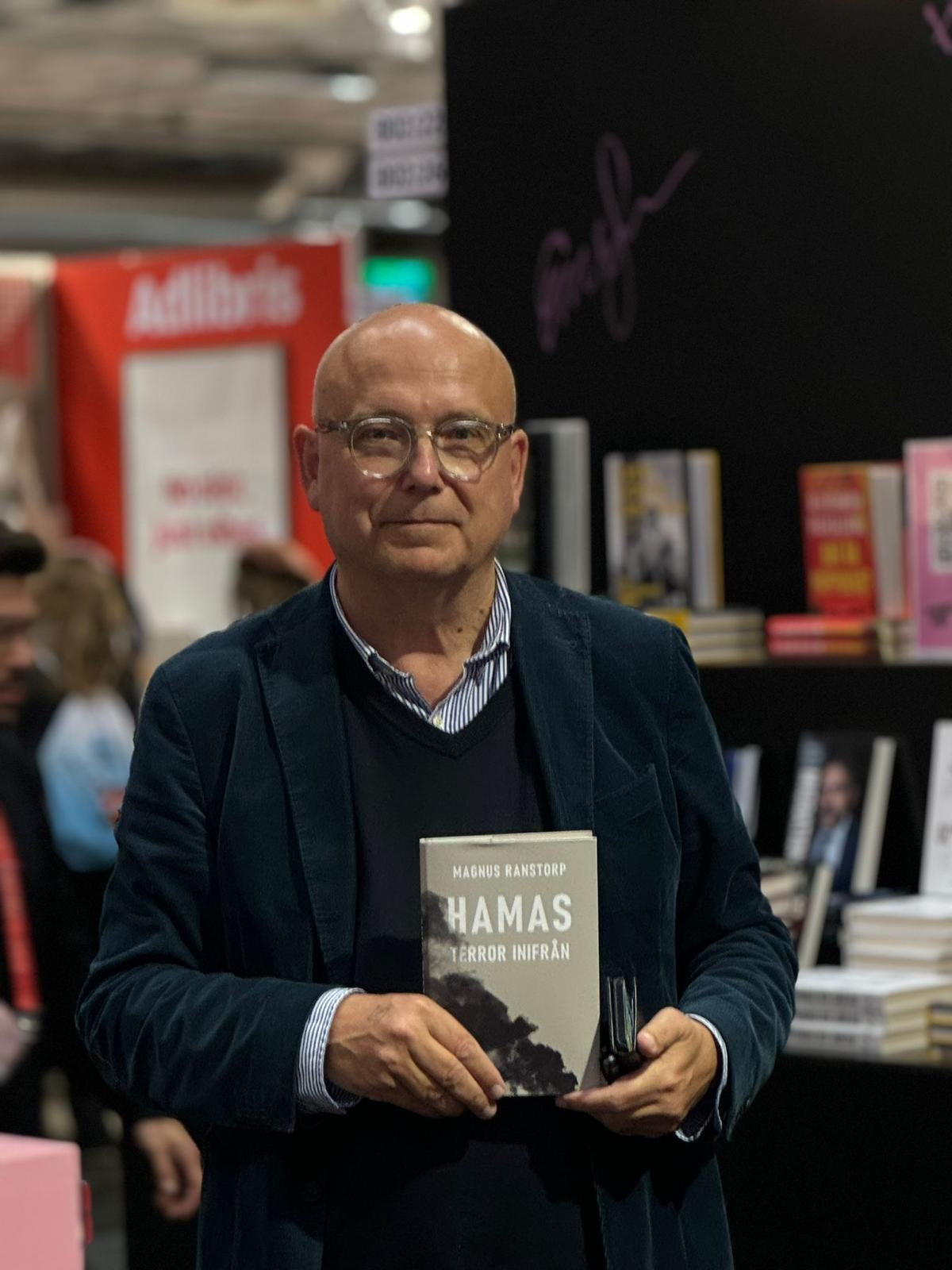
זה לא היה הביקור היחיד שלו בעזה: בשלושת העשורים האחרונים רנסטורפ ביקר פעמים רבות בישראל, ברצועה, בגדה המערבית וכן במצרים, ירדן, סוריה ולבנון, ערך ראיונות, אסף עדויות ורקם קשרים עם כל מי שהוא רק יכול – לרבות אנשי חמאס וחיזבאללה, אנשי שירות הביטחון הפלסטיני, אנשי ימין קיצוני בישראל, בכירים בגופי הביטחון הישראליים, דיפלומטים, פוליטיקאים ואנשי המוסדות הבינלאומיים. בספרו החדש, Hamas – Terror Inifrån (חמאס – טרור מבפנים), שהופיע בשוודית, הוא מתמקד בתנועתם של יאסין והנייה ובדרך שהובילה אותה למתקפת הטרור ב-7 באוקטובר 2023. מכיוון שרנסטורפ הוא שוודי ואינו יהודי, יש לו גישה פתוחה למקורות מידע רבים והוא זכה לאמון בקרב מנהיגים ופעילים מכל צדי הסכסוך, מה שמאפשר לו להציג מבט ייחודי דווקא מפני שהוא נעשה ממרחק מסוים ולא דרך העדשה שאנו רגילים אליה, זו של כוחות הביטחון וכלי התקשורת הישראליים. עם זאת, כדמות בולטת בשיח הציבורי בשוודיה, רנסטורפ גם מושך אליו ביקורת רבה על עמדותיו כלפי מוסלמים.
"רציתי לתת לקוראים הבנה טובה יותר של הסיבה שישראל נמצאת בטראומה", אומר רנסטורפ, שספרו יצא לא רק בשוודיה אלא גם בדנמרק ויופיע בהמשך בנורווגית, פולנית ואנגלית. "רציתי גם להסביר כיצד 7 באוקטובר קרה, איך חמאס ביצע את המתקפה ואיך הפך להיות המפלצת שהוא נהיה. והיתה גם עוד סיבה: היו כל כך הרבה אנשים שהטילו ספק בסיפורי הקורבנות. היו אפילו כאלה שהטילו ספק בעדויות על מעשי האונס ובעדויות על האכזריות הנוראה שהיתה שם. רציתי להראות, אפילו בצורה גרפית, שהמטרה של חמאס לא היתה רק להרוג ישראלים, אלא ממש להשמיד אותם, להדביר אותם".
עטיפת ספרו של רנסטרופ, צילום: Mondial
פתק שבו רנסטורפ רשם את מספרי הטלפון של אנשי חמאס מחמוד א-זהאר ועבד אל-עזיז אל-רנתיסי
אירועי 7 באוקטובר עומדים במרכז הפרק הראשון בספרו של רנסטורפ והוא שב אליהם בפרק האחרון. ביניהם, הוא מצביע על נקודות ציון חשובות בתולדות חמאס – מהקמת הארגון בסוף 1987, דרך האינתיפאדה הראשונה, תהליך אוסלו, רצח רבין וההתנתקות. הוא גם מספר על חוויותיו כחוקר ומבקר מתמיד באזור בזמן שאירוע רודף אירוע – טבח מערת המכפלה, פיגועי ההתאבדות, האינתיפאדה השנייה, ניצחון חמאס בבחירות ברצועה, החיסולים שביצעה ישראל, עסקת שליט וסבבי המלחמה בעזה.
בין היתר, הוא מתאר באופן מצמרר את הפיגוע בקו 5 בתל אביב באוקטובר 1994, אחד מפיגועי ההתאבדות הראשונים שביצע חמאס בישראל. הפיצוץ, שבוצע באוטובוס של חברת דן ברחוב דיזנגוף, גבה את חייהם של 22 בני אדם ויותר מ-100 נפצעו בו. ישראלים רבים זוכרים את התמונות ששידרה אז התקשורת הישראלית, שעדיין לא היתה מורגלת בסיקור אירועים כאלה: אוטובוס מרוסק, פצועים שותתי דם, עוברי אורח הלומים ופינוי של גופות וחלקי גופות. רנסטורפ משחזר את הדרך שעבר המחבל לפני הפיצוץ, לרבות תהליך ההכשרה שלו וההכנות הטכניות. "יום לפני הפיגוע עבד א-רחים חסן נזאל מקלקיליה הקליט צוואה בווידיאו", הוא כותב בספר. "הוא שיבח את מות הקדושים בעודו מחזיק ברובה גלילון. סרטון זה עזר להגביר את הלחץ הפסיכולוגי עליו לבצע את הפעולה מבלי לנסות להתחמק. כשהגיעה השעה, בבוקר 19 באוקטובר, הוסע נזאל על ידי אחד מאנשי גדודי עז א-דין אל-קסאם לאחת מתחנות קו 5 ועלה לאוטובוס. קצת אחרי שהאוטובוס חלף על פני דיזנגוף סנטר הוא לחץ על כפתור ההפעלה של פצצה רבת-עוצמה שהוחבאה בתיקו. הפיצוץ היה כל כך חזק שהוא הרים את השלדה מהקרקע והמיס את מסגרת האוטובוס".
מי שהכין את חומר הנפץ למטען שפוצץ בקו 5, יחיא עיאש ("המהנדס"), הוא אחד מגיבורי ספרו של רנסטורפ, לצד יאסין, יחיא סינוואר ומנהיגים בולטים אחרים בחמאס במשך השנים. הספר חוזר אחורה לתחילת פעילותו של יאסין כמטיף פופולרי בעזה, שצבר תמיכה גדולה כשקרא להתנגדות לכיבוש מהדוכן במסגד אל-עבאסי ומביתו בעזה, שם היה מלמד תלמידים ומיישב סכסוכים. "יאסין, כמו מייסד האחים המוסלמים, חסן אל-בנא, בא מרקע של הוראה", אומר רנסטורפ. "זו עמדה אידיאלית להעביר את החברה תהליך של איסלאמיזציה באמצעות דַעווה (הזמנה – תעמולה דתית והכשרת לבבות) ותרביה (חינוך)". בספר הוא מתאר כיצד דור שלם של מנהיגי חמאס לעתיד התאספו סביב יאסין בתחילת שנות ה-70, אז הקים את ארגון אל-מוג'מע אל-איסלאמי, שעסק בעבודת צדקה ענפה. יאסין גם הקים מרכזי תרבות איסלאמיים, מרפאות, מועדוני נוער וגני ילדים שגם העניקו טיפול רפואי וארוחות. מוסדות רווחה סוציאליים אלה, שדאגו לצרכיה המיוחדים של האוכלוסייה הכבושה ברצועה, יצרו בסיס לתמיכה העתידית.
בפרק "המהנדס" מתאר רנסטורפ את יחיא עיאש, ממנהיגי הזרוע הצבאית של חמאס, שחוסל על ידי ישראל ב-1996 ונהפך על פי הספר לדמות אגדתית בעיני פלסטינים – גם בגלל הפיגועים הרבים שהיה אחראי להם וגם בשל התחמקויותיו משירותי הביטחון הישראליים באמצעות שלל תחפושות וזהויות בדויות. "פיגועי ההתאבדות שיצאו לפועל תחתיו הפכו לכלי פוליטי רב-עוצמה", מציין רנסטורפ. "מעשי האלימות האלה הרעידו את דעת הקהל הישראלית והובילו לספקנות כלפי הסכמי אוסלו והרעיון של דו-קיום בשלום עם הפלסטינים. כל פיצוץ, מעבר להרס המיידי שלו, כירסם בתקווה לשלום". לקוראיו השוודים מסביר רנסטורפ שבגלל הפיגועים, עיאש הפך לאייקון אצל הפלסטינים – ואילו הימין הקיצוני בישראל חיזק את מעמדו הפוליטי באמצעות הפגנות נגד הסכמי אוסלו. "זה בדיוק מה שחמאס רצה להשיג", הוא מזכיר.
בפרק "הקצב מחאן יונס" מספר רנסטורפ על סינוואר, סוקר את ילדותו ומשפחתו ומנתח את דרכו להנהגת חמאס. האכזריות הקיצונית שלו התבטאה באלימות ובעינויים שהשתמש בהם נגד משתפי פעולה עם ישראל. דמותו התעצבה בכלא הישראלי שם, כידוע, למד את ישראל וביסס את מנהיגותו: הוא השליט טרור בקרב האסירים האחרים ורצח כמה מאלה שהגדיר כבוגדים. "הכריזמה שלו ואישיותו הדומיננטית משולבות בצד אכזרי, חסר רחמים ואלים ביותר", אומר רנסטורפ. "אלה גרמו לאסירים האחרים להפוך לחסידים שלו או לפחד ולא להעז לאתגר אותו".
מתוך מה שלמדת על סינוואר ועיאש, האם האכזריות הקיצונית של חמאס היא תוצאה הכרחית של אופי הארגון או שזו תולדה של הדמויות הספציפיות האלה והאישיות שלהן?
"זו האישיות של שניהם וגם פולחן האישיות סביבם. סינוואר ועיאש היו שני טיפוסים שונים. עיאש היה גאון טכני. זה נפוץ שיש בארגוני טרור אנשים שמצטיינים בצד הטכני, לעומת האנשים שמבצעים את הפיגועים עצמם, שהם רק בשר תותחים בשירות האנשים שגוררים אותם ומפתים אותם פנימה. הרבה פעמים אלה אנשים חלשים, כאלה שלא מוצאים עבודה או לא מצליחים להתחתן, אנשים עם בעיות שמשתמשים בהם. לעומתם, עיאש עצמו הפך לגיבור עוד בחייו – וכאשר מת ההלוויה שלו היתה גדולה יותר אפילו מזו של יאסין. וזה אדם שכל מה שהוא עשה זה הרג אנשים. סינוואר היה גאון מסוג אחר, גאון של רשע. רציתי לצייר את דמותו המלאה כי הוא דמות חשובה, בוודאי בהקשר של 7 באוקטובר. לפעמים מופיעים בהיסטוריה אנשים עם אישיות מסוימת וכישורים מסוימים שמשנים את המציאות וזוכים למעמד מיתי".
מגנוס רנסטורפ בעזה, שנות ה-80.
רנסטורפ מספר על המעברים שלו מעזה לישראל וחזרה לשוודיה כמעברים בין עולמות שונים. בעזה הוא נתקל ב"עולם של חול, חמורים, רעש של מוניות וילדים מתרוצצים ברחובות". בישראל הוא מתאר עולם שונה – את העיר העתיקה בירושלים, את שוק מחנה יהודה שבו ביקר כמה שעות לפני פיגוע חמאס הכפול שתיכנן מוחמד דף ב-1997 ואת בנייני המשרדים בתל אביב ובהרצליה שם נפגש עם אנשי צבא, חוקרים ופוליטיקאים. "היה לי היתרון הזה – היכולת לעבור בין העולמות ולראות את הקונפליקט מלמעלה", הוא מציין. "אקדמאים אחרים, בעיקר באירופה, בחרו צד, לרוב את הצד הפלסטיני, אבל אני שמרתי על ראש פתוח. היו לי דעות על הסכסוך, אבל לא הייתי תקוע בתוכו".
למה אנשי חמאס הסכימו להיפגש איתך?
"חמאס רצה יחסים בינלאומיים. מנהיגיו רצו להראות לעולם שהם לא מייצגים רק אלימות. וזה נכון, יש בחמאס הרבה יותר מאלימות: זה ארגון ענק ויש לו זרועות ארוכות שנטועות בתחום החברתי, החינוכי והדתי בעזה. רוב מנהיגי חמאס היו מורים ואקדמאים באוניברסיטה. הם התרכזו בנוער והיו טובים מאוד בזה. ישראל לא ממש ראתה למה זה יתפתח. אפשר להרוג לוחמים רבים בגדודי עז א-דין אל-קסאם, אבל חמאס עשו אינדוקטרינציה של אלפי בני נוער בכל שנה במחנות, הם למדו שם איך לשנוא את ישראל והם מתעקשים ואיתנים בעניין הזה".
אחרי שפגש את יאסין והנייה ניסה רנסטורפ להיפגש גם עם מנהיגי חמאס נוספים שהובילו את הנהגת החוץ של הארגון, שפעלה אז מעמאן. ב-1999 הוא הצליח לתאם פגישה עם מוחמד נזאל, חבר הלשכה המדינית של הארגון. זה היה שנתיים אחרי ניסיון ההתנקשות הכושל בראש הלשכה המדינית, חאלד משעל, והפגישה התקיימה בנוכחות שומרי ראש חמושים. "בשיחה עצמה נזאל לא דיבר על פרטים מבצעיים. זו היתה שיחה כללית על האידיאולוגיה של חמאס, על המבנים הארגוניים שלו, על שייח יאסין והמדיניות של ישראל", מספר רנסטורפ ומוסיף שנזאל ישב מאחורי שולחן כתיבה גדול מעץ מהגוני תחת דיוקנו של יאסין ולחדר נכנס מדי פעם עוזר והעביר לו פתקים. מיד לאחר שקרא אותם לחש נזאל הוראות, הינהן לרנסטורפ והשמיד את הפתקים במגרסת נייר.
רנסטורפ הסתקרן וניסה לדובב את בן שיחו ולחשוף מידע רגיש, אבל בשלב מסוים נזאל הפסיק אותו. "הוא רכן קדימה, הביט בי עמוק בעיניים, חייך וסיפר שזמן מה קודם לכן פנה אליו מפקד מקומי בגדודי עז א-דין אל-קסאם בחברון והציע רעיון למבצע צבאי מרהיב: חטיפה של פוליטיקאי ישראלי". נזאל תיחקר את אותו מפקד על הצעתו והתברר שהוא מתכוון לאפשרות לחטוף את אריאל שרון. על פי מה שסיפר נזאל לרנסטורפ, הוא השיב למפקד: "אל תהיה מגוחך! ראית את הגודל של האיש הזה? מבחינה לוגיסטית זה בלתי אפשרי. זה ידרוש לפחות חמישה אנשים וטנדר. תשכח מזה!" לימים נפגש רנסטורפ עם שרון בכנסת וסיפר לו את הסיפור. לדבריו, שרון פרץ בצחוק עוצמתי שמילא את החדר.מסעות דילוגים
חמאס אינו תחום ההתעניינות היחיד של רנסטורפ בן ה-59. הוא עוסק כבר שנים בחקר הטרור, ולא רק בהקשר המזרח-תיכוני שלו. כפי שספרו הנוכחי על חמאס נפתח בתיאור מפורט וקשה לקריאה של מתקפת 7 באוקטובר בפסטיבל הנובה וביישובי הנגב המערבי, גם ספרו הקודם, Från terrorns frontlinjer (מחזית הטרור), שיצא בשוודית אשתקד, מתחיל באירוע טרור היסטורי – אסון לוקרבי, כפי שמכונה התרסקות מטוס הבואינג 747 של חברת פאן אם, שפוצץ מעל סקוטלנד ב-1988. רנסטורפ כותב על קורבנות הפיגוע שנפלו יחד עם שברי המטוס, ששקל 290 טונה, על הכפר לוקרבי בדרום סקוטלנד. 259 נוסעים ואנשי צוות במטוס נהרגו, לצד 11 מתושבי הכפר. גם כאן רנסטורפ מספק תיאורי אימה: הוא מצטט פתולוג אמריקאי, שמסביר כי ככל הנראה חלק מהנוסעים, שאיבדו את הכרתם עקב מחסור בחמצן אחרי הפיצוץ, חזרו להכרה בגובה ארבעה קילומטרים מהקרקע והיו מודעים לגורלם במשך יותר מעשר שניות לפני שהתרסקו. "לפי המשטרה הסקוטית", כותב רנסטורפ, "כמה מהנוסעים התכוננו למותם ונמצאו כשהם מחזיקים בחוזקה את הצלבים שלהם. אישה אחת נמצאה מחבקת בחוזקה את תינוקה. שתי נשים צעירות נמצאו מרותקות למקומותיהן כאשר האצבעות שלהן שלובות זו בזו".
שני ספריו של רנסטורפ משלבים בין הזוועה של הטרור ובין הפוליטיקה שמאחוריו ומאמצי הלחימה בו. הוא מספר כיצד בראשית ימיו כחוקר, בסוף שנות ה-80, הגיע למטות ה-FBI וה-CIA בוושינגטון ונפגש עם אנשי צבא אמריקאים כדי לשוחח איתם על מושאי מחקריו אז – ארגון המחתרת הגרמני "סיעת הצבא האדום" (שמוכר בכינוי "כנופיית באדר-מיינהוף"), ארגוני טרור פלסטיניים כמו זה של אבו-נידל והחזית העממית לשחרור פלסטין וכן חיזבאללה. אלה היו שנות הפעילות הראשונות של הארגון השיעי הלבנוני ורנסטורפ עסק בין השאר בנושאים שהיו חשובים לאמריקאים – חטיפות ופיגועים שהארגון ביצע בשירות איראן, משבר החטופים האמריקאים בטהראן והאתגרים של לחימה בארגוני טרור. מאוחר יותר הגיע רנסטורפ לבריטניה ולימד באוניברסיטת סנט אנדרוז בסקוטלנד. הוא היה בין מארגניו של כנס בלונדון, שהמחתרת האירית (IRA) הצליחה לשתול בו פצצה אך זו התגלתה בעוד מועד ואיש לא נפגע.
המחקר שערך רנסטורפ על הקשרים בין חיזבאללה, איראן, סוריה וישראל על רקע המציאות המדממת של לבנון הביא אותו למסעות דילוגים בין לבנון, ישראל וסוריה. כמומחה לחיזבאללה, הוא מספר שגויס ב-1997 כדי לבדוק עבור ישראל את היתכנותה של נסיגת צה"ל מרצועת הביטחון בדרום לבנון, שלוש שנים לפני שזו בוצעה. כדי להבין איך יגיב חיזבאללה לצעד ישראלי חד-צדדי, רנסטורפ נהפך למעין שליח הנע בין תל אביב לביירות. השיחות בלבנון התנהלו עם בכיר חיזבאללה מוחמד ראאד, ובישראל – עם יוסי ביילין. לאחר שישראל נסוגה מדרום לבנון רנסטורפ הפך שוב למתווך, הפעם בניסיון להביא לעסקה בינה ובין חיזבאללה לאחר חטיפת שלושה חיילי צה"ל בהר דב וחטיפת האזרח הישראלי אלחנן טננבוים, ששתיהן בוצעו באוקטובר 2000. אך תפקידו הסתיים אחרי שממשלת אהוד ברק התחלפה בזו של שרון, והתהליך הושלם ב-2004 בתיווך סוכנות הביון הגרמנית.
רנסטורפ ואיש הדת השיעי-לבנוני, שייח פדלאללה, ממניחי התשתית הרעיונית של החיזבאללה.
מאז חוקר רנסטורפ סוגיות רבות הקשורות בטרור, ובהן ההתנדבות באירופה לשורות דאעש, סכנות הימין הקיצוני והניאו-נאציזם באירופה וסַלַפיזם ג'יהאדיסטי. כפרופסור עמית באוניברסיטת הביטחון השוודית (Försvarhögskolan) בסטוקהולם הוא מכין דו"חות והמלצות לרשויות בשוודיה ובאיחוד האירופי. הוא מופיע לעתים קרובות בכלי התקשורת כמומחה לטרור ועמדותיו מעוררות גם התנגדות: בגלל מחקריו על השפעת האחים המוסלמים וגורמים איסלאמיסטיים קיצוניים על החברה האזרחית בשוודיה ובאירופה, מבקריו טוענים שהוא איש ימין קיצוני ומאשימים אותו בשנאת מוסלמים ובהפצת תיאוריות קונספירציה. "יש אנשים שלא אוהבים אותי", הוא אומר, "ויש גם איומים. אני לא מפחד להסתובב ברחוב, אבל ראש המשטרה החשאית השוודית אמר לי פעם שלא כדאי לי לנסוע בתחבורה ציבורית".
בספר החדש רנסטורפ גם מתייחס למדיניותה של ישראל כלפי חמאס במשך השנים. כשהוא נשאל לדעתו על התמודדותה עם התנועה, על סמך השיחות שניהל עם אנשי חמאס, הוא משיב כי ההחלטה שקיבלה ישראל ב-1992 לגרש ללבנון 415 פעילי חמאס וג'יהאד איסלאמי היתה "נקודת מפנה בתולדות חמאס שמהווה טעות ישראלית גדולה: שמו את כל האנשים שהיו מפוזרים בעזה, בגדה ובירושלים יחד באותו מקום. בלבנון הם גם יצרו קשרים עם חיזבאללה ואיראן. הם גדלו שם להיות משהו אחר.
"עוד טעות ישראלית היתה שבתחילת הדרך שמו את כל האסירים מחמאס באותו כלא. כך סינוואר צמח. ב-1999 הוזמנתי לביתוניא, לביתו של חסן יוסף חליל – זה היה ממש בזמן שבנו גויס לשב"כ כסוכן (חליל היה בכיר חמאס בגדה, ובנו הבכור, מסעב חסן יוסף, מוכר בזכות הכינוי "הנסיך הירוק" שקיבל על ידי השב"כ, ד"ס). כמובן שלא ידעתי על זה. באמצע הארוחה הוא שאל אותי אם אני מהמוסד. אמרתי שלא ושאלתי אותו על הגירוש ללבנון כי הוא היה אחד המגורשים. הוא ענה לי שעד לגירוש אנשי חמאס בעזה ובגדה לא הכירו אחד את השני. בלבנון הם פיתחו קשרים אישיים ויומיומיים והגדירו אסטרטגיות לשנים הקרובות. בנוסף לכך, תשומת לב בינלאומית הופנתה לתנאי החיים הקשים במחנה האוהלים שבו חיו המגורשים וכלי תקשורת בינלאומיים דיווחו על המקום והובילו לביקורת חריפה על ישראל ולגינוי חריף של האו"ם".
גם מדיניות החיסולים של ישראל לא היתה חפה מבעיות. רנסטורפ מזכיר שניסיון החיסול של חאלד משעל, בתקופת ממשלתו הראשונה של בנימין נתניהו, כמעט הרס את השלום עם הירדן, וגם החיסולים של עיאש, יאסין ועבד אל-עזיז א-רנתיסי לא הובילו להתמוטטות הארגון. ומה בנוגע לטענה שנתניהו למעשה חיזק במשך שנים את חמאס כדי להילחם ברשות הפלסטינית, בסיכויים להקמת מדינה פלסטינית ובתנועה הלאומית הפלסטינית?
"יש בזה הרבה אמת", משיב רנסטורפ. "אחרי רצח רבין ישראל בנתה יותר התנחלויות ונראה היה שהיא משחקת על זמן, על שינוי דמוגרפי ועל החלשת הרשות הפלסטינית. קיומו של חמאס בעזה היה חלק מהאסטרטגיה הזאת. אחת הסיבות לכך שרבין נרצח היא שאף על פי שהוא דיבר על שלום, לא הורגש שיפור במצב הביטחוני וחמאס המשיכו את הפיגועים שגרמו לימין הקיצוני היהודי להתחזק. חמאס ונתניהו הלכו יד ביד ברצון שלהם להרוס את תהליך השלום. בצד של נתניהו יש הכרה עמוקה בכך ששלום עם הפלסטינים לא יכול לעבוד. הוא חישב שעדיף שהקטארים ישלמו על חמאס מאשר שישראל תעשה את זה, אבל זה שיחרר לחמאס משאבים ששימשו למימון היכולות הצבאיות שלו, להעצמת הקשר עם איראן ולבניית מנהרות. בין 2012 ל-2017 השתלטו על חמאס אנשי הקו הנוקשה והיה שינוי קיצוני בהנהגה שלו בעזה. אחרי שחמאס קיבל אחריות שלטונית על הרצועה והחליף את פיגועי ההתאבדות בבניית מנהרות וירי טילים, 7 באוקטובר היה שיא בשינוי פרדיגמה וההתנגדות הפכה שוב לחזית הכל".
אבל בזמן שחלף מאז הטבח ותחילת המלחמה, רנסטורפ מתאר שינוי פרדיגמה חדש: "בקיץ נציגי פתח וחמאס היו בסין בניסיון לראות כיצד הם יכולים להקים ממשלת אחדות. זה יוצר עוד קושי בעניין השליטה בעזה בסוף המלחמה. בשטח עצמו חמאס עדיין פופולרי, פתח עדיין בקטסטרופה מבחינת התמיכה ויש בעיה אמיתית בעניין הלגיטימציה למי שישלוט בעזה בעתיד. יידרש גם כוח צבאי – אולי של איחוד האמירויות או של מצרים, מישהו שיכול לייצב את המצב – אבל ישראל הרי לעולם לא תוותר על ביטחון הגבולות החיצוניים והיא לא תאשר מעבר חופשי לעזה או לגדה כדי שהאיראנים לא יתקרבו לגבולותיה. כך שאנחנו עדיין רחוקים מפתרון".
מגנוס רנסטורפ. צילום: מונדיאל
רנסטורפ עורר בעבר ביקורת רבה כשדיבר על חולשת המערב בהבנת תהליכים במזרח התיכון וגם על השפעת תהליכים אלה על אירופה עצמה. לדבריו, "יש קיטוב מסיבי במערב, יש עלייה מסיבית בהפגנות בעד הפלסטינים ועלייה חדה באנטישמיות – וזה עוד לפני שעזה נפתחה לעיתונאים. העולם עוד לא ראה את עזה ההרוסה, שייקח עשורים רבים לבנות אותה. לכן, לפני שישראל מרימה את השמיכה מעל עזה, היא חייבת תוכנית". הוא מוסיף כי חמאס אינו מעמיד איום אסטרטגי בפני ישראל מבחינה צבאית, אבל אסור לשכוח שיש איומים כאלה: "אם מסתכלים רק על עזה, הגדה וירושלים, מפספסים את התמונה הכללית – ישראל מוקפת באויבים שהם גם אויבי המערב. את הבעיה של עזה אפשר לפתור רק על ידי תוכנית כמו תוכנית מרשל ותהליך שהוא כמו תהליך דה-נאציפיקציה. יש צורך בתִכנות מחדש. יותר מאשר דה-נאציפיקציה, מדובר בדה-רדיקליזציה ובדה-מיליטריזציה של אוכלוסייה שלמה, כמו שהיה אחרי מלחמת העולם השנייה".
זה באמת אפשרי, לדעתך?
"אני לא יודע. יש שם אנשים דתיים מאוד, שחיו זמן רב תחת כיבוש. בעזה יש צורך בדור חדש של מנהיגים. זה לא אבוד, צריך מימון ממדינות המפרץ, צריך את סעודיה, יש הרבה מה לעשות – אבל כנראה שיהיה גרוע יותר לפני שיהיה יותר טוב".
השאלה אם תקיפת הישראלים באמסטרדם לפני כחודש היתה תקרית מבודדת או תחילת מגמה, היא עדיין קריטית. לכן, מי שממציא, מי שמשקר, מי שמגזים ומי שמדווח על פוגרומים מדומיינים לא רק פוגע באמינות התקשורת, הוא גם יוצר מצב שבו איש לא יאמין ואיש לא יטפל בפוגרומים האמיתיים.
השאלה אם תקיפת הישראלים באמסטרדם לפני כחודש היתה תקרית מבודדת או תחילת מגמה, היא קריטית לקשר בין מדינת ישראל לעולם, ולעתיד יהודי אירופה. על פי כמה כלי תקשורת ישראליים, יומיים אחרי האירוע באמסטרדם התרחש אירוע דומה בבירה אירופית אחרת. באתר החדשות "מאקו" דווח, שיהודים הותקפו "בסטוקהולם, בירת שוודיה, במהלך טקס הנצחה לפוגרום ליל הבדולח". האתר דיווח על מפגינים אנטי־ישראלים שכינו את משתתפי הטקס בכינויי גנאי, חטפו מהם דגלי ישראל, קרעו אותם והשליכו לנהר.
לדיווח צורף סרטון, תחת הכותרת "התיעוד הקשה משוודיה", שנראים בו שוטרים רודפים אחרי אשה ועוצרים אותה. ערוץ 14 הוסיף פרשנות וסופרלטיבים: "האנטישמיות חוגגת: פרו־פלסטינים תקפו באכזריות יהודים שהתכנסו כדי לציין את יום השנה לליל הבדולח בסטוקהולם". ידיעה זו, בווריאציות שונות, הופיעה באמצעי תקשורת נוספים וזכתה לתפוצת ענק ברשתות החברתיות.
בינתיים, בעולם האמיתי, מה שקרה בסטוקהולם אכן מטריד, אך מסיבות שונות: ראשית, לא התקיים בו אירוע זיכרון לליל הבדולח. שנית, שום יהודי לא הותקף. שלישית, המידע השקרי הופץ על ידי גורמים שסמכו על כך שהתקשורת תפיץ את השקר ותספק להם תעמולה פוליטית בחינם.
הם צדקו. התקשורת השוודית לא קנתה את הסחורה, אך התקשורת הישראלית קנתה גם קנתה (אפשר להוסיף, לטובת תחקירני "מאקו", שבשטוקהולם אין נהר).
את מה שקרה בסטוקהולם באותו לילה חשף התחקירן השוודי יונתן להמן במגזין EXPO (המגדיר את עצמו כנלחם ב"רעיונות גזעניים, מיתוסים ותיאוריות קונספירציה"). בערב 9 בנובמבר התקיימה תהלוכה פרו־פלסטינית במרכז סטוקהולם. הפגנות כאלה מתקיימות בשוודיה כבר יותר משנה. מושמעות בהן סיסמאות, שיש מי שרואה אותן (כמוני) כאנטישמיות, והן מלאות שנאה לישראל. אבל בדרך הן כלל לא אלימות.
ההפגנה הזאת לא היתה שונה, למעט הבדל אחד: לתהלוכת המחאה הצטרפה אורחת רכובה על אופניים, שתועדה בהרחבה בידי צלמים ששידרו מהמקום. אחד מהם מוכר כפעיל בכלי תקשורת המזוהה עם מפלגת הימין הפופוליסטית, בעלת עבר ניאו־נאצי, "השוודים הדמוקרטים".
המפגינים הבינו מיד כי רוכבת האופניים איננה אחת משלהם. היתה זו אשה מבוגרת, ששוחחה עם הצלמים ומשכה תשומת לב מפני שלאופניים שלה היה מחובר דגל ישראל (ודגלים של פינלנד ושל איראן של טרום המהפכה האיסלאמית). בנוסף היו לה רמקול שהשמיע שירים כמו "עם ישראל חי" ומגאפון, שבאמצעותו הכריזה ש"חמאס רצח את כל ההומוסקסואלים בעזה" ו"חמאס תיכנן להשמיד את כל היהודים".
במבט ראשון נראה היה שמדובר בלוחמת אמיצה, העומדת לצד ישראל. וכך היא אמנם הוצגה בדיווח של הצלמים שנכחו במקום. אבל זאת לא האמת. כפי שנחשף ב־EXPO, האשה היא פעילת ימין קיצוני, שמפיצה ברשתות תערובת של אנטישמיות, הכחשת השואה ותיאוריות קונספירציה על הקורונה, על השתלטות האיסלאם על אירופה ועל הכוח ההרסני של יהודי שוודיה, ש"רוצים להשמיד את העמים הנורדיים" ומהווים "סרטן מפיץ גרורות".
מדוע הפגינה נגד הפלסטינים ותמכה לכאורה בישראל? ובכן, מי שינסה לעשות סדר במשנה הפוליטית של האקטיביסטית האקסצנטרית ימצא, שהתמיכה בישראל היא תוצאה של שנאת יהודים ומוסלמים באירופה. למרות האיבה האידיאולוגית לציונות היא רוצה מדינות נורדיות נקיות ממוסלמים ומיהודים, ולכן תומכת בגירושם. אין זו אהבת ציון, אלא גזענות קיצונית ואנטישמיות.
הופעת רוכבת האופניים בהפגנה נשאה פוטנציאל להתפרצות יצרים. זה לא קרה. אמנם נצפתה רמה מסוימת של כעס, אבל המארגנים פעלו להרגיע. בסוף ההפגנה חטפה אחת המפגינות את הדגל הישראלי של האשה, זרקה אותו מעבר לגשר ונעצרה במקום. הכותרת שערוץ התקשורת הימני נתן לאירוע היתה: "ביום שאנו זוכרים בו את ליל הבדולח, פעילה פלסטינית גנבה דגל ישראל וזרקה למים".
מה שקרה אחר כך מרתק: חשבונות רבים בטוויטר, אינסטגרם ופייסבוק במדינות שונות החלו להוסיף פרטים כיד הדמיון. הומצא טקס שלא היה ולא נברא, קבוצות של יהודים מותקפים נולדו יש מאין, הדגל נהפך לדגלים, ובחשבונות מסוימים כבר לא היו אלה דגלים שהושלכו למים הקפואים של הים הבלטי, אלא יהודים. הזעם התפרץ, ואלפי שיתופים ותגובות נרשמו בקבוצות בעלות מאות אלפי עוקבים.
כשהדברים הגיעו לתקשורת הישראלית, המהפך הושלם: ההמצאות נהפכו לחדשות. אפילו התנערות מהמידע הכוזב של הצלם המקורי כבר לא שינתה כלום.
מהאירוע בסטוקהולם עולות שתי מסקנות: ראשית, המשענת שממשלת ישראל מצאה בימין הקיצוני האירופי היא משענת קנה רצוץ. מתחת לשנאת הערבים והלהט הלאומני שהממשלה אוהבת כל כך יש שכבה עבה של אנטישמיות, שלא ניתן לטעות בה. שנית, המאבק שפוליטיקאים הגונים מכל הצדדים מוכרחים להצטרף אליו הוא המאבק בסוכני הכאוס, היוצרים עולם, שבמקום אמת ושקר יש בו רק נרטיב.
הסגידה לטרפיק וללייקים, אמצעי תקשורת המוותרים על בדיקת עובדות ומפעלי טרולים ובוטים אינם סכנה לאופוזיציה או לקואליציה — הם סכנה לעצם קיומה של חברה חופשית. השאלה אם תקיפת הישראלים באמסטרדם לפני כחודש היתה תקרית מבודדת או תחילת מגמה, היא עדיין קריטית, אבל מי שמדווח על פוגרומים מדומיינים לא רק פוגע באמינות התקשורת, הוא יוצר מצב שבו איש לא יאמין ואיש לא יטפל בפוגרומים האמיתיים.
את האירוע האלים באמסטרדם אפשר גם לראות בהקשר רחב יותר מזה שהוצג בתקשורת הישראלית. לא כל המהגרים אנטישמים, לא כל האנטישמים הם מהגרים, והתקריות האנטישמיות באירופה הן לא בהכרח התפרצות ספונטנית של שנאה או מחאה. ממש כמו שרוב האנסים לא נראים כמו מפלצות ואינם מגיחים משיחים בפארקים חשוכים, גם המפלצת האנטישמית שוכנת לעתים בדמויות רגילות ולכאורה לא מאיימות. כשאוהדי כדורגל מגיעים לאירופה ורואים מפגינים המפיצים שנאה לישראל תחת דגלי פלסטין, הם רואים איום פיזי. כשיהודים אירופים רואים את אותה הפגנה, יותר משהם חוששים שמשתתפיה יכו אותם, הם מפחדים שבתוך ההמון העוין נמצאים הגננת של ילדיהם, פקיד הבנק שלהם או האחות מקופת חולים.
ההתפרעות לאחר משחק הכדורגל באמסטרדם בתחילת החודש, עוררה תגובות מעורבות בישראל. החל בזעזוע על האופי האנטישמי הבוטה שלה וקינה על ה"איסלאמיזציה של אירופה", ועד לטענות שהיא נגרמה בגלל ההתנהגות של אוהדי מכבי ושההשוואה לליל הבדולח היא זילות השואה. טיעונים אלו שווים דיון, אבל כדי להעמיק אותו כדאי להוסיף לנקודת המבט הישראלית גם נקודת מבט אירופית.
ראשית, כשאוהדי מכבי נתקלו באלימות פיזית, הם נתקלו בצורת ביטוי קיצונית מאוד של אנטי־ישראליות ואנטישמיות, אך בעבור יהודים שחיים באירופה זהו רק מופע אחד, אולי המפחיד ביותר, אבל ודאי לא הנפוץ ביותר, של האנטישמיות. המופעים האחרים מצטלמים פחות טוב, אבל מכבידים מאוד על חייהם: הצקות בבתי ספר, קמפיינים אגרסיביים ברשתות חברתיות, חרמות בעולם התרבות ובאקדמיה, והערות פוגעניות, מתחים ונידויים במקומות עבודה. אלימות פיזית נדירה למדי, אם כי היא עלולה להפוך לנפוצה יותר שכן היא התפתחות כמעט הכרחית של שיח שנאה, קיצוניות פוליטית והפצת נרטיבים שקריים.
שנית, אנטישמיות היא הרבה יותר ממקרה פרטי של גזענות. אכן, במובנה המצומצם שנאת יהודים יכולה להיות דומה לשנאת ערבים או שחורים, אך במובנה הרחב היא תופעה מורכבת הרבה יותר. בשיח האירופי מתחילים להכיר בכך שמדובר בסוג של תיאוריית קונספירציה. הנופלים ברשתה והמפיצים אותה יכולים להיות אנשים שלא פגשו יהודי מעולם, והם יכולים לתפוש את עצמם כליברלים דמוקרטים ש"אין להם דבר נגד יהודים". הם לא חייבים אפילו להשתמש במילה "יהודי". הקונפליקט במזרח התיכון, ומה שמכונה "התחום האפור" בין אנטישמיות לאנטי־ישראליות מאפשר שימוש במילות קוד כמו "גלובליסטים", "ג'ורג' סורוס", וכמובן — "ציונים".
זו אינה תופעה חדשה במהותה, אבל יש לה עולם מושגים חדש. במקום האנטישמיות הקדומה, שבה הואשמו היהודים ברצח ישו, והאנטישמיות המודרנית שהאשימה את היהודים בשליטה בעולם באמצעות בנקאים, תנועות מהפכניות ואגודות סתר, יש כתבי אישום מודרניים שמבלבלים גם כאלו שאינם בעלי דעות גזעניות במובהק: היהודים הפיצו את הקורונה מכיוון שהם הרוויחו ממנה. הם גרמו למלחמה באוקראינה. הם מפרקים את מדינות הלאום. הם שולטים בתקשורת ובשווקים הפיננסיים.
גם השמאל הישראלי נופל לפעמים במלכודת הזו. מכיוון שהוא מתנגד, ובצדק, להמשך השליטה בגדה ולפשעי המלחמה בעזה, הוא מוצא שותפים אירופים להשקפת עולמו. לעתים אלו שותפים רציניים וכנים, אך לעתים מדובר בגורמים שמפיצים האשמות ברצח עם תוך כדי תמיכה בארגוני טרור איסלאמיסטים והפצת תעמולה לחיסול ישראל. כמו שהימין הישראלי מוצא שותפים בתנועות ניאו־נאציות בגלל מלחמתן במוסלמים, חלק מהשמאל מוצא שותפים אנטישמיים משום שהם מתנגדים לכיבוש (גם אם מדובר בזה של 48' ולא של 67').
שלישית, האנטישמים של החיים האמיתיים, בניגוד לאלו המוצגים בתקשורת, הם לא דמויות שטוחות. הסיקור מאמסטרדם התמקד בתמונות של גברים רעולי פנים ממוצא מזרח תיכוני שיצאו לחפש דם. בינתיים, בעולם האמיתי, אנטישמיות מתחבאת גם מאחורי פרצופים מוכרים יותר, בעלי תכונות אחרות, רקע אחר ומניעים אחרים: צעירים אירופים שקראו ספרות טרוצקיסטית, תיכוניסטים שמשתמשים באנטישמיות ככלי להתעמרות בבן כיתה ומרצים באוניברסיטה שמנסים להתבלט.
לא כל המהגרים אנטישמים, לא כל האנטישמים הם מהגרים, והתקריות האנטישמיות באירופה הן לא בהכרח התפרצות ספונטנית של שנאה או מחאה. הן גם תוצאה של קמפיינים שממומנים על ידי גורמים כמו קטאר, טורקיה ורוסיה. ממש כמו שרוב האנסים לא נראים כמו מפלצות ואינם מגיחים משיחים בפארקים חשוכים, גם המפלצת האנטישמית שוכנת לעתים בדמויות רגילות ולכאורה לא מאיימות. כשאוהדי כדורגל מגיעים לאירופה ורואים מפגינים המפיצים שנאה לישראל תחת דגלי פלסטין, הם רואים איום פיזי. כשיהודים אירופים רואים את אותה הפגנה, יותר משהם חוששים שמשתתפיה יכו אותם, הם מפחדים שבתוך ההמון העוין נמצאים הגננת של ילדיהם, פקיד הבנק שלהם או האחות מקופת חולים.
ונקודה אחרונה. אנחנו רגילים לזהות את קורבנות האנטישמיות באירופה עם חברי הקהילות היהודיות, באמסטרדם הקורבנות היו תיירים ישראלים שחוו אותה לרגע וחזרו הביתה. אבל יש בין שתי הקבוצות המובחנות האלו קבוצה נוספת. בשנים האחרונות קבוצות של מהגרים ישראלים באירופה מקימים קהילות העוסקות בחינוך, תרבות ויזמות חברתית, כשהשפה העברית והזהות הישראלית החילונית פורחות בהן. קהילות אלו חוות ומתמודדות עם אנטישמיות בצורה אחרת, ומהוות גם סיכוי וגם סיכון בהקשר זה. מצד אחד, הן עלולות להוות יעד אטרקטיבי למפגעים ולמפיצי השנאה. מצד אחר, חבריהן עשויים להוות גשר של דיאלוג בין ישראל לחברה האירופית, שיכולה להיעזר בהן להתמודדות עם מחלת האנטישמיות שממנה היא סובלת כבר מאות שנים.
Since my article about Amnesty and Swedish schools was written and published in Swedish and since the debate with Amnesty Sweden's Secretery Genral in Svenska Dagbladet was also in Swedish, I finally got round to translating the original texts into English so that non-Swedish speakers can see what the all the fuss was about…
When a Jewish woman from Umeå was featured on DN's first page after she decided to leave town, at least one writer, Göran Rosenberg, was critical. The article explained that the woman was leaving because of decades of antisemitic harassment. Still, Rosenberg wasn't impressed. "Today, DN publishes on its entire front page that a woman in Umeå (of Israeli origin) intends to leave the city because of her experiences of antisemitism ", he wrote and added that DN failed to explain the background: "consequently, we are not told that the same woman was very active in supporting Israel in the Gaza war". A couple of days later he explained in Expressen that antisemitism is being used as a political weapon. The woman from Umeå, it seems, had it coming. After all, she's not a "Swedish Jew", rather she's "a woman in Umeå (of Israeli origin)". Rosenberg's message is clear: while Antisemitism against regular Jews like himself, is despicable, Zionists and Israelis just "experience" antisemitism which is actually just good old criticism of Israel, or as Swedes elegantly call it – Israelkritik.
I thought of this when I talked to an organization called "Zikaron" last week. This small but extremely important organization offers lectures on the fates of Holocaust survivors to Swedish schools. The lectures are carried out by young people, grandchildren or great grandchildren of survivors who are taking over the historic burden of remembrance. Naturally, this has nothing to do with Israel. The Holocaust took place before there was an Israel and the victims were not "settler colonialist" or responsible for the "blockade of Gaza". And yet, it turns out that sometimes even the Holocaust is too problematic for some schools. When I talked to one of Zikaron's organizers, she told me that after the massacre of October 7th last year there were about ten schools that cancelled their lectures due to reasons like "wrong timing" or "sensitive timing" and since then, there has been less demand for their lectures. Could this also be "Israelkritik" or is it just that Swedish schools are too scared of upsetting the sensitive souls who find Holocaust education provocative. Or perhaps they don’t want to get in trouble with activist bullies who didn't get the memo saying that it's ok to talk about dead Jews from the 40s and the problem is only with the other kind of Jews, the ones with guns from the Middle-East. Whatever it is, anyone who's worried about Swedish schools being cowards can rest assured. They found their courage elsewhere.
While Holocaust education may be too sensitive, foreign policy political activism seems to be no problem at all. Otherwise, how could 39 Swedish schools be "partner schools (samarbetsskolor)" of Amnesty, a political organization which is as far from mainstream as it gets. These schools use Amnesty's "Schools for Human Rights" model (skola för mänskliga rättigheter) for teacher's education, planning "theme days" (temadagar) and providing material and lectures. They even take part in global campaigns. This model may be great for highlighting human rights and democracy, but there's a serious problem when it comes to the conflict in the Middle-East, since Amnesty is anything but impartial.
In recent years Amnesty International positioned itself clearly as opposed to everything Israeli. It has disproportionately targeted Israel for years, it has supported boycott campaigns and some of its campaigners and partners have supported or even been linked to terror organization and Islamist movements (to name some: Yasmin Hussein, Saleh Hijazi and Moazzam Begg). It almost entirely ignores attacks against Israel and atrocities committed against its civilians, it bases its information about Gaza casualties on Hamas' propaganda and it makes claims which are obviously false like "Israel's military operations in Gaza continue to kill people on a scale that has never been seen before".
But it's not only talk. Amnesty Sweden actively campaigned against policies of the Swedish government, like the decision to pause funding for UNRWA (based on information that some of its employees took part in the October 7th massacre) and the decision to stop funding Swedish Ibn Rushd study circle (after accusations that the organization has ties to the Muslim Brotherhood and spreads antisemitism). In fact, whoever wants an idea of what Amnesty really supports can take a look at the kind of people it awards its prizes to. Elin Forghani, a Vänsterpartiet activist from Östersund just won Amnesty's new "Noismaker" prize after publicly claiming that: "Israel is a colonial project and an outpost of the West in the Middle East and always has been". And just to make clear what should be done with the colonizers she wrote: "we can make Israel and their sponsors sweat, tremble and fall. Liberation is in sight".
Naturally, in a democracy political activism is more than legitimate. However, it's also clear that Amnesty is in no way neutral or objective. It's a political player in global geo-politics, but it's still marching into Swedish schools, presenting itself as a non-biased public informer and bearer of a universal truth. Although political parties and organizations are allowed in Swedish schools and naturally Democracy and human rights should be part of their education, this isn't a case of mainstream education. Amnesty is getting a special "partner" status as a long-term official partner while other political actors are just guests, implying that Amnesty represents facts while the others represent opinions.
It's unclear why Swedish schools should be discussing the war in Gaza in the first place, but if they must, the material should be written and supervised carefully by serious state actors. This isn’t the place to start outsourcing. I spoke to a few parents and students in a Stockholm high school. They told me about their complaints to the school management regarding Amnesty's Gaza war education material and about lessons using material from Globalis, an organization run by "Svenska FN-förbundet" an organization which claims to "work for a better and stronger UN ". The UN in the title shouldn't be confused with impartiality. When I spoke to one student, he told me that since the lessons about the Israeli-Palestinian conflict started "it feels like I have to go to school to defend Israel twice a week. It's not that the teacher lies but it's so one-sided. For example, there were two lessons about the Palestinian Nakba and only half a slide about the expulsion of Jews from Arab countries and Iran and even that, according to the teacher, could be understood as a result of "Mossad activity". When the students were given texts on the subject, they were given guiding questions like: "what support is there for the claim that Israel is an apartheid state?". Student I spoke to talked about feeling very uncomfortable and worried about their classmates. "I feel I have to give the other side", one of them said, "because the other students in the class don't know the whole picture".
In an incident in another school, UN day was celebrated in the schoolyard by waving flags of different countries. According to one of the teachers, when some angry spectators who were passing by threatened to enter the school and remove the Israeli flag, the reaction wasn’t standing up to the threatening bullies and informing the police. Instead, the flag was removed and the person waving it was asked not to wave it again.
It seems that our schools are becoming a ridiculous case of Dr. Jackyle and Mr. Hyde. On one hand, they're wannabe rebels, dealing with the world's most complicated conflicts by employing radical political activists, while on the other hand, they're so afraid of controversy and conflict that they can't even wave a flag of a UN member country or talk about the Holocaust.
It's true, only a few schools cancelled Holocaust lectures and only some are Amnesty partners. But it's also true that only some pro-Palestinian demonstrators support violence (which is what shouting "Intifada!" means), only part of vänsterpartiet supports the PFLP and only a handful burned an Israeli flag outside a synagogue. Not to mention that just several thousand attended a Hamas conference in Malmö, and only a few hundred contribute to Islamist, antisemitic movements, and only one Imam praised Hezbollah's leader and only one or two artist spread antisemitic conspiracy theories, and only a small minority screamed at Holocaust survivors entering a memorial ceremony. How many minorities will it take to get the message? and when will our schools become part of the solution instead of part of the problem.
Amnesty Sweden's comment (originally in Swedish):
Our schoolwork is based on international conventions and Swedish school's governing documents.
On December 10th, 1948, the newly formed UN adopted the Universal Declaration of Human Rights. For the first time, the world had an agreement that viewed all people as free and equal, regardless of gender, skin color, religion or other beliefs or characteristics.
In 2011, knowledge of human rights was incorporated into the Swedish curriculum. Since 2012, Amnesty has been supporting upper secondary schools with teaching materials, lectures, and a model for working with human rights, based on both international conventions and Sweden's school governing documents.
David Stavrou, guest columnist for Svenska Dagbladet, criticizes Amnesty for supporting upper secondary schools in their work on human rights education, by making directly false accusations about Amnesty as an organization and our work. But these claims are easy to refute: No, Amnesty does not support the call for a boycott of Israel. Yes, Amnesty has condemned attacks on civilian Israelis and called for those responsible for these war crimes to be held accountable. No, our teaching materials and lectures are not about Israel and Palestine.
David Stavrou claims that we are a biased organization and that our criticism of Israel is disproportionate. This is a direct false statement that is often made by representatives of the Israeli government. Amnesty is an impartial, politically independent organization. We do not accept government funds because we want to be free to investigate human rights violations without being dependent on anyone. Our demands and criticisms are based on international law and respect for human rights. And we assess all states by the same standards.
Even though our lectures in high schools this fall did not address the war in Gaza, high school students have asked many questions about the situation in Gaza. Human rights, contrary to what David Stavrou suggests, apply both in times of peace and in conflicts. Amnesty's focus in all conflicts is the protection of civilians and their human rights.
Amnesty is not alone in criticizing Israel's indiscriminate attacks on civilians, the forced displacement of Palestinian civilians, and the denial of humanitarian aid into Gaza, three clear examples of violations of the laws of war. Knowledge of human rights is necessary. We are happy to contribute to helping upper secondary schools fulfill the curriculum, providing students with more knowledge and the conditions to protect their own rights and work to ensure that others' rights are respected, both now and in the future.
Anna Johansson, Secretary General, Amnesty International Sweden.
David Stavrou's reply:
It’s great that Amnesty Sweden takes texts which are published in Svenska Dagbladet seriously. However, it’s a bit surprising because, during the process of writing the article, I contacted their press service to ask questions that had arisen after conversations with students at their partner schools. No one responded. To avoid mistakes, I wrote again, but I was ignored once more. On the other hand, Amnesty’s response suggests it might not matter – it’s filled with answers to questions no one asked and avoids addressing the questions that were actually raised.
No one suggested that schools shouldn’t teach human rights and democracy. No one asked whether human rights are important during wartime. Even if one appreciates the Secretary General of Amnesty’s inspiring words, that wasn’t at all what the article was about. Everyone knows human rights are important. The question is whether her organization is qualified to be the one teaching our children about them.
One question that goes unanswered, however, in the one addressing Amnesty’s partners abroad that have had connections to terrorist organizations and Islamist movements. Perhaps it’s because she is aware of the collaboration with Moazzam Begg, for example. Begg, a former Guantanamo detainee, was invited to Sweden by Amnesty despite having supported the Taliban. This isn’t something I’m claiming – it’s what a senior official within Amnesty in London, Gita Sahgal, said. She argued that collaboration with "Britain’s most famous Taliban supporter" and links to groups promoting Islamic right-wing ideas damage Amnesty’s integrity and pose a threat to human rights. Amnesty’s reaction – she was dismissed.
Then there’s the claim that Amnesty doesn’t support a boycott of Israel. If that’s the case, why did Amnesty’s Regional Director for the Middle East and North Africa write the following: "We urge the international community to cease all forms of support – whether direct or indirect, through actions or omissions – for Israel’s apartheid system"? (Direct quote from Amnesty’s website).
As for Amnesty having condemned attacks on Israeli civilians, it is true that they’ve done so on certain occasions. After October 7th, it would have been absurd if they hadn’t. But anyone familiar with Amnesty’s publications knows that the Secretary General’s statement is misleading. During September and October, Amnesty International published 14 texts on their website criticizing Israel. That’s as many as the texts about Syria, Afghanistan, and Iraq – combined. Iran received seven texts during the same period, Sudan and South Sudan six in total, and Belarus only four. During these two months, 7,517 rockets were fired at Israel. Amnesty published nothing about these attacks, which kill and injure and have forced over 140,000 Israeli citizens to live as internally displaced persons for more than a year.
"We assess all states by the same standards," writes Amnesty’s Secretary General. That’s hard to believe when reading about their "regional activist seminars" in Stockholm and Malmö in November. The program begins with "Palestine then and now" and continues with "a deeper understanding of the Palestine issue through a Palestinian perspective." Then there’s a lecture on the Palestine groups in Malmö, followed by "panel discussion: Academics for Palestine." Later in the day, there’s "panel discussion: on Palestine, struggle, and conflict." It seems like the Rohingyas, Uighurs, the Belarusian opposition, and Tigrayans from Ethiopia will have to wait for the next seminar because the next workshop is "What can I do? A guide to action for Palestinian liberation." This is organized by, drumroll, BDS Sweden. Yes, BDS – Boycott, Divestment, and Sanction (remember the Secretary General’s statement: "But these claims are easy to refute: No, Amnesty does not support the call for a boycott of Israel." Does she think we can’t read?).
None of the speakers at the seminar are pro-Israel; instead, it’s full of well-known pro-Palestinian activists. And that’s entirely okay. The Svenska Dagbladet article wasn’t about whether Amnesty is right or wrong or about their right to be pro-Palestinian. It was about impartiality. I wonder if any of the young people who participated in the activist seminar are students from one of Amnesty’s 39 partner schools. I suggest that Sweden’s school principals take what the Secretary General wrote seriously. When she writes that she’s glad to "give students more knowledge," it becomes clear that their schools are her recruitment ground.