After reports that the Stockholm International Film Festival disinvited actress and TV creator Aleeza Chanowitz from a scheduled appearance, the festival's program director says that 'the festival would never remove a film from the program based on 'political reasons'.
The Stockholm International Film Festival denied the claim that it had canceled the invitation to Aleeza Chanowitz, creator of the series “Chanshi,” due to the war between Israel and Hamas. According to reports published on Monday, the festival disinvited Chanowitz from a scheduled appearance, giving various different explanations for the move.
“We’re really sorry, but considering the tragic events and the ongoing conflict, we have decided not to book any flights from Israel at this moment,” was one of the explanations offered by a festival representative last week. Chanowitz said the festival later retracted the cancellation and suggested that she come but pay for the flight herself – an option she rejected out of hand.
In an interview with Haaretz, Beatrice Karlsson, the festival's program director, says that the festival team has been conversing with the team of the series since September, and was planning the visit of Chanowitz and of the series directors, Aaron Geva and Mickey Triest: “After October 7 we stayed in contact and discussed how to move forward. We already offered them a digital Q&A instead but were still open to also invite Aleeza to come in person. Our guest department expressed a concern if it was safe to be traveling in the Israeli airspace at this stage. It was a safety concern.
“The email from us that was quoted in Haaretz [regarding not reserving a flight from Israel] was sent by a temporary staff member without it having been confirmed by the festival and it does not reflect the festival’s official position, which is to support the series and creators. It was not well formulated and we understand how this led to the misunderstanding and are deeply sorry for it.
"The email did not refer to the political situation in any regard. The festival takes pride in presenting films from all over the world and always stands behind the films and the filmmakers and does not take a political stance in the conflict. We appreciate the opportunity to address the significant misunderstanding. We are grateful for the chance to provide clarification in this matter and are deeply sorry that we have hurt people’s feelings.”
“We are of course aware of that. The visit had been planned for a long time when the security situation in the region changed, the guest department discussed if it was a security problem to travel and if it was safe. At this time they suggested that a digital Q&A would be a suitable arrangement.
I understand that the event on Thursday is planned and was never canceled and that a Zoom Q&A was discussed as an alternative. Did Geva and Chanowitz agree to this alternative before the cancellation story broke out?
“That is correct, the screening was never canceled. The festival never had any plans for this and would never remove a film from the program based on political reasons. We believe the festival is a platform for art and creativity. We have on several occupations suggested a digital Q&A as this would allow the whole team to present the series for the audience in Stockholm.”
Has SFF received any request to take a stand regarding the war between Israel and Hamas? Was there a request or requests by any Swedish or foreign organizations or individuals to cancel visits of Israeli filmmakers?
“No. And if we would have received such a request it is our official position that we do not take a political stand in this conflict.”
Has it happened in the past that SFF canceled planned visits of filmmakers due to political developments in their countries? For example, were Russian filmmakers uninvited after the war broke out in Ukraine?
“No.”
What’s the current status of the “Chanshi” creators’ visit?
“We never intended to withdraw the series or Aleeza’s participation from the festival, we have offered to invite her in person to the festival. We are of course still happy to arrange a digital Q&A during the screening and have sent both these offers to the [Israeli] team.
“We would once again like to express how proud and grateful we are to present the Swedish premiere of ‘Chanshi’ and think it is a smart, funny and boundary pushing work of art and are very impressed by the whole team and especially by Chanowitz for both having created the series and acting in it. Once again, we are deeply sorry for having caused pain and sorrow.”
Chanowitz said in response that she has spoken with representatives of the festival, who apologized to her, but in the end has decided not to go, one reason being that she didn’t want the screening to turn into a political event. She said that she intends to write a text to be read in the auditorium prior to the screening, and to make do with that.
“I hope that something good will come of it. Maybe other festivals in Europe and worldwide will think twice from now on before rejecting someone Jewish or Israeli, especially at this time. And that they’ll focus on what they’re supposed to be – a cultural event at which artists can feel protected,” she said.
On Monday, after the reports about the cancellation of Chanowitz’s invitation to the festival – and then the retraction of the cancellation if she pays for the flight herself – Chanowitz said: “The festival’s excuse for why they don’t want me to come changed three times, and that makes me feel that they’re not telling me the truth. I think I won’t go in the end because I don’t feel very wanted.”
Chanowitz was supposed to arrive in Stockholm this week before the screening of an installment of her series on Friday as part of the festival program, and to conduct a discussion with the audience. Last week, representatives of the festival reached out to her to explain that due to the war, it was decided to withdraw the decision to host her. They wrote to her, “Now we have to take a stand.”
“I am surprised by the festival’s cowardice, and it really sucks because I wanted to have a nice time at a cultural event where I could take a break from our scary reality and enjoy and discuss art. I also ‘have had to take a stand,” said Chanowitz in response. “I stand with the Jews, Israelis of all kinds, peace with our neighbors, and most of all with the families of the hostages.”
She said that the festival team had contacted her in early October and invited her to come to Sweden to conduct a Q&A with the audience after the screening. Last week, when the date for the screening approached and she wanted to finalize the details of the flight with them, the tone suddenly changed.
The woman in charge of guests on behalf of the festival wrote to her: “I apologize for the delay, there was confusion surrounding this issue. We did our best to circumvent it, but now we have to take a stand, although that’s no fun at all.”
The series “Chanshi” is about an ultra-Orthodox young woman from Brooklyn who comes to Jerusalem before her best friend’s wedding, and during her stay decides to break up with her fiancé who’s waiting for her in New York, immigrate to Israel and to devote herself to her fantasies about affairs with strong and muscular Israeli soldiers. The opening scene of the series presents the main protagonist, played by Chanowitz, making out with an Israeli soldier on top of a tank. As of now, the screening at the Swedish festival is due to go on as planned.
מתלמידים שלא מגיעים ללימודים לכאלה שהגיעו וסובלים מהתעמרויות, מהפגנות פרו־פלסטיניות סוערות ועד לארגונים איסלאמיסטיים קיצוניים שפועלים באין מפריע. עדויות שהגיעו לידי "הארץ" מציירות תמונה מטרידה של קהילה יהודית שחוששת לביטחונה על רקע מלחמת ישראל־חמאס.
לא ברור אם תושבי שוודיה יודעים מה עובר בימים אלה על חברי הקהילה היהודית במדינה, בין שמדובר בשכנים, עמיתים לעבודה, לקוחות או מורים שלהם. מאז מתקפת הטרור של חמאס בישראל ב–7 באוקטובר ותחילת ההפצצות הישראליות ברצועת עזה, יהודי שוודיה עוברים ימים לא פשוטים וחוששים לביטחונם ונראה שהרשויות לא מכירות בחומרת המצב.
בבית הספר היהודי "הלל" שבמרכז סטוקהולם, למשל, היו אובדי עצות ביום שישי 13 באוקטובר. ברשתות החברתיות הופצו אז איומים של בכיר חמאס חאלד משעל על "יום זעם" בינלאומי, וההורים — רבים מהם מוכי אבל ודאגה לקרובים ומכרים בישראל — כתבו בקבוצות וואטסאפ פנימיות שהאבטחה הרגילה בבית הספר לא מספיקה. חלק מההורים התנדבו לעמוד ברחוב ליד בית הספר ולפקוח עיניים והמשטרה המקומית הציבה ניידת במקום בחלק משעות היום. עם זאת, משיחות עם הורים עולה שבחלק מהכיתות חצי מהילדים ואף יותר לא הגיעו לשיעורים באותו יום. אלה שכן הגיעו קיבלו המלצות ברורות — להסתיר סממנים יהודיים ולא לדבר עברית.
אף שממשלת שוודיה התייצבה באופן גורף לצד ישראל ולמרות שברמה האישית ישראלים ויהודים רבים קיבלו הודעות תמיכה ודאגה מהמעגלים החברתיים שלהם, לידי "הארץ" הגיעו עדויות רבות על תקריות מדאיגות שאירעו במדינה בשבועות האחרונים.
ישראלי שגר בשוודיה נקלע לתקרית אלימה ברכבת התחתית של סטוקהולם, לאחר שנשמע מדבר בטלפון בעברית. א', ישראלי לשעבר שמתגורר בשוודיה, לא פתח את החנות שלו לאחר שהרגיש שהוא לא יכול להגן על עצמו ועל לקוחותיו. ישראלי אחר שגר במדינה נקלע לתקרית אלימה ברכבת התחתית של סטוקהולם לאחר שנשמע מדבר בטלפון בעברית. אדם נוסף מדרום שוודיה שאמו יהודייה, אך הוא עצמו אינו דתי ולא לובש סממנים יהודיים, סיפר שקיבל שבע שיחות טלפון ממספר לא מזוהה בהן נאמר לו כי "יודעים היכן הוא גר", כדאי לו להסתכל לאחור כשהוא יוצא מהבית ושהוא "לא יוכל להתגורר יותר בעיר". כשפנה למשטרה נאמר לו שאין מה לעשות משום שהשיחות הגיעו ממספר חסוי, ושהמשטרה תפעל רק אם יוכל למסור לה את שם התוקף, דבר אבסורדי משום שהוא בכלל לא מכיר אותו.
ישנן גם עדויות רבות על התעמרויות בתלמידים בבתי ספר בשוודיה על רקע המצב בישראל ובעזה. אמו של נער בן 16 ממשפחה יהודית שלומד בתיכון גדול בעיר גטבורג סיפרה ל"הארץ" כי נערה בכיתה קמה וצעקה על בנה במהלך שיעור: "לשחוט, לאנוס ולענות את כל היהודים". המורה בכיתה לא הגיב, לא עצר את התלמידה וגם לא דיווח עליה להנהלת בית הספר. התלמידים האחרים גם שתקו ולא עשו דבר, ואמו של הנער מסרה שהיא מתכוונת להעבירו לבית ספר אחר.
ציירו בכיתה דגל ישראל וסימנו עליו איקס
ילד יהודי אחר מבית ספר יסודי בדרום שוודיה נשאל על ידי שני חברים לכיתה במי הוא תומך במלחמה. אחרי שהילד בן העשר ענה שהוא בעד ישראל, שני חבריו לכיתה ציירו דגל ישראל, סימנו עליו איקס, קימטו אותו וזרקו אותו כשהם קוראים: "שונאים את ישראל". גם במקרה זה המורה שלימד בכיתה לא עשה דבר עד לפניית אמו של התלמיד אליו. תקיפות ואיומים מסוג זה נרשמו בכמה מקומות בשוודיה, והמכנה המשותף לכולם היה שהמותקפים היו יהודים או ישראלים.
המלחמה בין ישראל לחמאס לא פסחה גם על האקדמיה השוודית. אקדמאית בכירה במערב המדינה קיבלה איום בדואר האלקטרוני לאחר שהעזה לצאת בפומבי נגד מתקפת חמאס ב–7 באוקטובר. באוניברסיטת אופסלה פרסם ראש מחלקה בכיר פוסט ברשת חברתית שבו טען כי "חמאס נתן לנתניהו ולשותפיו מהימין הקיצוני את מה שהם ביקשו". במקום אחר כתב: "ב–1940 וב–1941 היטלר פיתח תוכנית להרעבה שיטתית של 30 מיליון אוקראינים, רוסים וסלאבים. ב–2023, נתניהו מוציא לפועל 'תוכנית הרעבה' בעזה!".
בזירה אחרת בשוודיה הרוחות גם סוערות. 700 אנשי תרבות פרסמו עצומה הקוראת להפסקת "האלימות הברוטלית נגד העם בעזה" ולהפסקת "התמיכה הצבאית, הפוליטית והכלכלית לישראל". בעצומה לא היה זכר למתקפת הטרור של חמאס, לקורבנות הישראלים או לחטופים בעזה. גם פעילת הסביבה השוודית הידועה, גרטה תונברג, הביעה בכמה הזדמנויות בימים האחרונים את תמיכתה בפלסטינים ללא כל אזכור של הטרור הפלסטיני והקורבנות הישראלים.
המפגינה יואנה איסטהר-בימן, מול ארמון המלוכה בסטוקהולם, אוקטובר, 2023. צילום: דיויד סטברו
השפעות המלחמה בין ישראל לחמאס ניכרות בשבועות האחרונים גם בכיכרות וברחובות ברחבי שוודיה. מאז פרוץ המלחמה נערכו הפגנות רבות לאות הזדהות עם הפלסטינים וכן כמה הפגנות הזדהות עם ישראל. בערב 7 באוקטובר השתתפו אלפי בני אדם, בהם ילדים ונשים, בהפגנות ברחבי המדינה שכללו מוזיקה, ריקודים ושיירות של מכוניות שצפרו לאות תמיכה במתקפת חמאס. בשלושת השבועות שחלפו מאז נערכו הפגנות סוערות יותר ורבות משתתפים ביחס לעבר. במהלך ההפגנות הפרו־פלסטיניות נשמעו האשמות שישראל מבצעת רצח עם וטיהור אתני ברצועת עזה, וכן קריאה למחיקת ישראל מהמפה. "מהים ועד הנהר, פלסטין תהיה חופשית", קראו המפגינים בשוודיה וקריאה נוספת שהפכה יותר ויותר רווחת בהפגנות היא בעד "אינתיפאדה".
הפגנה פרו-פלסטינית בסטוקהולם, אוקטובר 2023, צילום: Hugh Gordon
ארגון איסלאמי קיצוני מאחורי מחאה פרו־פלסטינית
אחת ההפגנות הפרו־פלסטיניות אורגנה על ידי ארגון "חיזב אל־תחריר", ארגון איסלאמי קיצוני שתומך בהקמת חליפות איסלאמית והחלת חוקי שריעה ושיש לו סניף קטן בשוודיה. במדינות רבות בעולם הוצא הארגון מחוץ לחוק, אבל בשוודיה הוא קיבל אישור לערוך הפגנה שבה נשמעו קריאות להקים חליפות איסלאמית מאוזבקיסטאן ועד מרוקו, לצאת למלחמה בין האיסלאם לשאר העולם, ולשחרר בכוח צבאי את "פלסטין כולה".
רוב ההפגנות שנערכו בשוודיה מאז פרוץ המלחמה אורגנו על ידי ארגונים מקומיים שתומכים בפלסטינים. בהפגנה אחת שנערכה בסטוקהולם השתתפו חברי "תנועת ההתנגדות הנורדית" (NMR), ארגון ניאו־נאצי מוכר עם כמה מאות חברים, וחברי "הנוער הקומוניסטי המהפכני" (RKU), ארגון הטוען שיש לפלסטינים זכות "להילחם בכל אמצעי בכוח הכובש כדי לשחרר את אדמתם". ארגון RKU גם מתאר את מתקפת 7 באוקטובר כמהלך לשחרור מהכלא הגדול שהוא רצועת עזה, ש"תפס את הציונים במיטתם".
שתי התנועות, הניאו־נאצית והמרקסיסטית־לניניסטית, הביעו תמיכה בסיסמה הפלסטינית "רסקו את הציונות". בהפגנה אחרת שנערכה בכיכר המרכזית של סטוקהולם השתתפו יותר מ–5,000 בני אדם. הנואמים בהפגנה, חלקם פלסטינים וחלקם אנשי שמאל שוודים, קראו ל"אינתיפאדה עד הניצחון" כשהם מניפים דגלי פלסטין, תמונות זוועה מעזה וכרזות נגד הממשלה השוודית התומכת בישראל. באף אחד מהנאומים שנשמעו בהפגנות הפרו־פלסטיניות לא הוזכרה מתקפת חמאס בישראל שבה נהרגו כ–1,300 בני אדם.
מפגיני הנוער המהפכני הקומוניסטי, RKU (למעלה), תנועת ההתנגדות הנורדית, NMR (באמצע) וחיזב אל-תחריר (למטה). סטוקהולם, אוקטובר 2023. צילום: דיויד סטברו.
מיקאיל יוקסיל, מנהיג מפלגת "נואנס" — שמגדירה את עצמה כמייצגת מיעוטים בשוודיה עם דגש על אוכלוסיות מהגרים — עדכן בחשבון הטוויטר שלו שגם הוא היה בין ההמונים בהפגנה פרו־פלסטינית בסטוקהולם. יוקסיל נולד בטורקיה ומתגורר כיום בסטוקהולם. בעבר הוא היה חבר מפלגת המרכז השוודית, אך הוצא משורותיה בגלל קשריו עם התנועה הלאומנית האיסלאמית "הזאבים האפורים". ב–7 באוקטובר הוא פרסם הודעה הקוראת להסיר את חמאס מרשימת ארגוני הטרור. לשאלת "הארץ" בנוגע לקריאתו, ענה יוקסיל: "אם חמאס נחשב כארגון טרור, לא ניתן לקיים איתו דיאלוג ולהגיע להסדר. כל עוד הם נחשבים טרוריסטים, אנחנו מבדלים אותם וגורמים לרדיקליזציה. אנחנו בעד לדבר איתם כדי להגיע להסדר". יוקסיל הוסיף ש"זה לא סוד שאנחנו מפלגה פרו־פלסטינית. ישראל מוכרת על ידי האו"ם ככוח כובש שמבצע פשעי מלחמה וכמדינת אפרטהייד. צריך לעצור את ישראל ולהביא את נתניהו למשפט בבית הדין הפלילי הבינלאומי".
כאשר נשאל יוקסיל על הפשעים שביצע חמאס, הוא השיב כי "לעם נכבש יש זכות להשתמש בכוח צבאי. אלימות נגד אזרחים איננה מותרת לאף אחד מהצדדים. צריך שכולם יניחו את הנשק ולא יכוונו אותו נגד אזרחים כדי למצוא פתרון לסכסוך".
יוקסיל גינה בשיחה עם "הארץ" את המתקפה על אזרחים ב–7 באוקטובר וגם את "התקיפות הישראליות הנמשכות בעזה". בעניין זה הוא חריג מאוד. אף ארגון מוסלמי בשוודיה לא גינה את מתקפת הטרור של חמאס, כולל ארגונים ששיתפו בעבר פעולה עם הקהילות היהודיות וארגונים יהודיים בשוודיה. אחד ממשתתפי ההפגנות הפרו־פלסטיניות, המנהיג המוסלמי המוכר ראשיד מוסא, אף כתב מאמר ציני ביומון הנפוץ "אקספרסן" בנושא הגינויים. "אני, ראשיד מוסא, כדובר של 1.3 מיליארד אנשים ברחבי העולם" הוא כתב, "מגנה ליתר ביטחון את החמאס, מגנה חומוס, מגנה את חסן ואת המרבי (קבוצת כדורגל שוודית, ד"ס)".
מפגיניפ פרו-פלסטינים מול הפרלמנט השוודי בסטוקהולם. צילום: Hugh Gordon
מגנוס רנסטורפ, אחד המומחים המובילים בשוודיה לג'יהאד הסלפי, ארגוני טרור וארגונים רדיקליים הפועלים בשוודיה, מודאג מהאפשרות שהתקריות בבתי הספר ובמקומות העבודה, וכן הקריאות האנטישמיות בהפגנות יגלשו לפסים אלימים נגד יהודים במדינה. רנסטורפ, מרצה ויועץ אסטרטגי באוניברסיטה השוודית לביטחון, אמר ל"הארץ" שיש כיום שני משברים מקבילים שמשפיעים על הביטחון בשוודיה. "המשבר הראשון קשור לשריפות ספרי קוראן ולקמפיין שקרי בנוגע לחטיפתם לכאורה של ילדים מוסלמים על ידי שירותי הרווחה בשוודיה. המשבר הזה שם את שוודיה על הכוונת של ארגונים כמו אל–קאעידה, דאעש וא–שבאב", אמר רנסטורפ. "המשבר השני הוא הסכסוך בין ישראל לחמאס". לדברי המומחה, שירות הביטחון החשאי של שוודיה פרסם ב–2017 שבמדינה שוהים כ–2,000 פעילי ג'יהאד סלפי שבהחלט מהווים פוטנציאל לפעילות אלימה בערים רבות.
איפה הרשויות?
בערים השוודיות מאלמו והלסינבורג מתגוררת אוכלוסייה פלסטינית גדולה שכוללת משפחות שכמה מבניהן הורשעו בפעילות טרור בגרמניה. במאלמו, עיר שנבנה בה לפני כמה שנים המסגד הגדול ביותר בסקנדינביה בעלות מיליוני אירו במימון קטאר, פועלים גם ארגוני חברה אזרחית כמו "קבוצת 194". מדובר בארגון חברתי שוודי-פלסטיני שעל אף שזכה לתקצוב עירוני פרסם התבטאויות אנטישמיות ותומכות טרור ברשתות חברתיות והיה קשור לחזית העממית לשחרור פלסטין, ארגון טרור שלוחמיו הצטרפו למתקפת 7 באוקטובר בישראל.
לאחרונה נחשף שמפלגת השמאל השוודית העבירה כספי משלמי מסים לפרויקט הקשור לחזית העממית דרך ארגון של מפלגת השמאל בדנמרק. במאי האחרון נערך במאלמו כנס פלסטיני–אירופי גדול בהשתתפות אמין אבו-ראשיד, מנהיג פלסטיני-הולנדי המזוהה עם חמאס. מפלגת השמאל השוודית אמנם ביטלה את השתתפותה בכנס כשנודע שאבו-ראשיד יהיה בו, אבל חבר במפלגה הסוציאל-דמוקרטית, ג'מאל אל-חאג', השתתף בו אף שהנהגת מפלגתו אסרה עליו לעשות זאת. אל–חאג' מכהן כחבר פרלמנט ויש הטוענים שהוא לא הוצא משורות המפלגה בגלל הבייס הפוליטי הגדול שלו.
לפי רנסטורפ, ארגון בשם Die Wahre Religion ("הדת האמיתית") שהוצא מחוץ לחוק בגרמניה, בין השאר משום שאנשים שהיו קשורים אליו התנדבו לדאעש, פעל בחופשיות כארגון שוודי לגיטימי בפרויקט חינוכי של קריאת קוראן. כמו כן, פעיל שוודי בשם אחמד קאדאן שגייס כסף עבור דאעש וג'בהת פתח א-שאם (לשעבר ג'בהת א-נוסרה) נידון לשישה חודשי מאסר. אף שהוא נעצר בעבר נראה שההרתעה השוודית לא הייתה יעילה לגביו. ב-7 באוקטובר הוא פרסם פוסט ברשת חברתית ובו סרטון של ישראלים בורחים מירי אנשי חמאס ולצדו ציטוט מהקוראן שבו נאמר "אמלא את לבבות הכופרים בפחד".
בשוודיה גם פועל סניף של ארגון הסיוע ההומניטרי Islamic Relief שנוסד בשנות ה-80 באנגליה ונהנה מתמיכה כספית גדולה של המדינה. כמה ממשלות בעולם, בהן ישראל, טוענות שהארגון קשור לתנועת "האחים המוסלמים". רנסטורפ הסביר ששוודיה נחשבת למרכז חשוב של Islamic Relief ולכן גם של "האחים המוסלמים" באירופה. למרות אזהרות רנסטורפ ואחרים במשך שנים, יש הטוענים שהרשויות בשוודיה והציבור הכללי עדיין לא מכירים בחומרת המצב — שכסף שוודי מוצא את דרכו למימון טרור, שכסף מהמזרח התיכון מושקע במערכות המסכנות את שוודיה, ושחוקי המדינה מתירים לקיים פעילויות ציבוריות המערערות את היציבות ורשויות הביטחון.
בתשובה לשאלת "הארץ" סירבה המשטרה החשאית השוודית לתת הערכה לגבי המספר העדכני של פעילים וארגונים ג'יהאדיסטיים בשוודיה. בתשובה לשאלות על ארגונים ספציפיים שפועלים במדינה ענה דובר מטעם הארגון ש"שירות הביטחון השוודי לא נכנס לפרטים המתארים את הפעילות המבצעית שלו. אנו עוקבים אחר קיצונים אלימים ומעריכים את האיום למניעת פעולות טרור ופעילויות מאיימות אחרות שמאיימות על הביטחון. אנו עוקבים אחרי אנשים פרטיים ולא מכוונים לארגונים".
בתשובה לשאלות שנשלחו אליה בנוגע להגנת מוסדות יהודיים בסטוקהולם, משטרת סטוקהולם השיבה: "אנחנו לא מפרסמים באילו אמצעי אבטחה אנחנו משתמשים, אם ומתי אנחנו מיישמים אותם, ובאיזה אופן". שר המשפטים השוודי, גונאר סטרומר, האחראי על המשטרה, מערכת התביעה ובתי-המשפט, לא נעתר לבקשת "הארץ" לראיין אותו.
ארגון "חיזב אל-תחריר" בשוודיה וקואליציית הארגונים הפלסטיניים השוודיים "הקבוצות הפלסטיניות" לא ענו לפניית "הארץ" להגיב לכתבה. גם פעילת האקלים תונברג לא הביעה התלהבות לדבר עם "הארץ" בנושא זה וכאשר הוצע לה לקיים ראיון שבו תוכל להבהיר את עמדתה, נמסר מטעמה ש"גרטה לא משתתפת בראיונות בשלב זה".
ראש ממשלת שוודיה הדליק נר בשגרירות ישראל בסטוקהולם, מאות הפגינו בקופנהגן ואלפים בצרפת ובבריטניה. ברחבי היבשת מביעים תמיכה בישראל בעקבות מתקפת חמאס. נשיאת מחוז מדריד: "אני רוצה להביע את תנחומיי והזדהותי עם כאבכם. יש תמונות שלא אצליח למחוק מהראש"
משלוח יוצא דופן הופיע שלשום (שני) מחוץ לגדר שגרירות ישראל בסטוקהולם, בירת שוודיה. 900 ורדים בצבע אדום הונחו במקום על ידי שליח, ללא הודעה מוקדמת ובלי תיאום עם השגרירות.
אולוף אפלטון, מנהל חברת השקעות מסטוקהולם, סיפר ל"הארץ" שכמו כל העולם הנאור, גם הוא נחרד מהרצח של 900 בני אדם חפים מפשע בידי חמאס (המספר שהיה ידוע נכון ליום שני בבוקר, עת הונחו הוורדים). "רצינו להראות שאנחנו עומדים לצד ישראל והיהודים, אז קניתי 18 זרי פרחים של 50 ורדים בכל אחד מהם כדי שיהיו בסך הכול 900", הוא אמר, "אני גם יודע ש-18 מייצג 'חיים' ביהדות".
אפלטון אינו יהודי או ישראלי בעצמו, אך הסביר את המחווה בכך ש"היהודים הם עם מדהים שתורם לאנושות ושלא מגיע לו כל הרוע הזה".
הוא לא היחיד שביקר שם. ראש ממשלת שוודיה אולף קריסטרסון ביקר בשגרירות הישראלית והדליק נר לזכר ההרוגים ביחד עם שגריר ישראל בשוודיה, זיו נבו קולמן. ערב קודם לכן, בכנס תמיכה בבית הכנסת הגדול של סטוקהולם שנצבע בכחול־לבן, הביע קריסטרסון תמיכה בלתי מסויגת בישראל. "עלינו להילחם בטרור ובאנטישמיות בכל העולם החופשי, וגם כאן בשוודיה", הוא אמר, וסיכם "אנחנו אתכם, ממשלת שוודיה עומדת לצדכם, העם השוודי עומד לצדכם".
גילוי תמיכה נוסף ומפתיע בא מקהילת יוצאי איראן בשוודיה, שאחד מארגוניה מתכנן הפגנת הזדהות עם ישראל במרכז סטוקהולם בשבת הקרובה. בהפגנת תמיכה שנערכה היום מטעם הקהילה בעיר בהשתתפות המוני אנשים, הוקמה עמדת זיכרון ארעית ובה תמונות של כמה מקורבנות המתקפה, ושלט שעליו נכתב "העם האיראני עומד לצד העם בישראל".
גם בדנמרק, שכנתה הדרומית של שוודיה, הביעו הזדהות עם ישראל. "האגודה הציונית הדנית והנוער היהודי במדינה ארגנו הפגנת סולידריות בקופנהגן ביום שני בערב", סיפרה יעל פרחי גראבסן, ישראלית שחיה בדנמרק, "ההפגנה נערכה תחת משמר כבד של משטרת קופנהגן ומאבטחים ישראלים, והשתתפו בה כ-500 בני אדם, דנים יהודים, נוצרים ואתאיסטים, ישראלים מכל קצוות המפה הפוליטית ואחרים שהפיצו אור בחשכה שנפלה עלינו".
פרחי גראבסן הוסיפה שבהפגנה נאמו שגריר ישראל בדנמרק דוד עקוב, ראש האגודה הציונית מאקס מאייר, הרב הראשי לדנמרק יאיר מלכיאור ועוד. בה בעת, ראשת ממשלת דנמרק, מדה פרדריקסון, הניחה זר פרחים ליד שגרירות ישראל בבירה ביחד עם השגריר הישראלי.
הפגנה בהשתתפות אלפי בני אדם מתוכננת אחר הצהריים (חמישי) באמסטרדם ביוזמת ארגונים יהודיים וישראליים, ונוצרים למען ישראל. הפגנות רבות נוספות נערכו ועדיין נערכות בכל רחבי אירופה מאז השבת האחרונה.
ראש ממשלת בריטניה: "אין שני צדדים — חמאס טרוריסטים"
היומון הצרפתי לה מונד דיווח אתמול על הפגנות בכל רחבי המדינה. לדברי העיתון, בנוסף ל-16 אלף בני אדם שהביעו הזדהות עם ישראל בבירה פריז, היו הפגנות הזדהות דומות בבורדו, שטרסבורג, ניס, ליל ונאנסי.
בשכונת וסטמינסטר בלונדון נערכה הפגנת תמיכה בישראל בהשתתפות כ-2,000 בני אדם. בהפגנה נאמו בכירים בממשלה ובפרלמנט. באותו הזמן, ראש ממשלת בריטניה רישי סונאק השתתף באירוע בבית כנסת במחוז פינצ'לי שבצפון לונדון. "אין שני צדדים באירועים הללו — חמאס טרוריסטים. אין עניין של איזון. אני עומד לצד ישראל. אנחנו עומדים לצד ישראל, בריטניה עומדת לצד ישראל נגד הטרור הזה — היום, מחר ותמיד".
במדריד, בירת ספרד, היתה שלשום הפגנת תמיכה בישראל מול שגרירות המדינה בעיר, וכן אירוע הזדהות בבית הכנסת המרכזי בעיר. לריסה דרחלר, תושבת מדריד, סיפרה ל"הארץ" שמאות בני אדם השתתפו בשני האירועים. בין הנואמים בהפגנה מול השגרירות היו יצחק בן זקן, ראש הפדרציות היהודיות בספרד, ומרינה לארה, מזכ"לית ארגון הידידות ספרד־ישראל.
באירוע בבית הכנסת נאמה נשיאת מחוז מדריד, איזבל דיאז איוסו. "ישראל היא מדינה אחות של ספרד ואנחנו איתכם", אמרה איוסו, "בתור נציגה של מדריד ובתור ספרדייה, אני רוצה להביע את תנחומיי והזדהותי עם כאבכם. בתור אישה, אני חשה אימה ויש תמונות שלא אצליח למחוק מהראש".
בבודפשט, בירת הונגריה, היתה שלשום בערב עצרת הזדהות ותפילה ביוזמת הארגונים היהודיים בעיר. "האירוע התקיים בפארק ירושלים על גדת הדנובה והשתתפו בו מאות יהודים, הונגרים וישראלים", סיפר ל"הארץ" עופר לביא־בקין, האחראי על הקשר עם הקהילות הישראליות במרכז אירופה בהסתדרות הציונית העולמית. הוא הוסיף שההסתדרות הציונית ארגנה אחרי העצרת אירוע לקהילה הישראלית ולסטודנטים הישראלים הלומדים בעיר. "המפגש היה חשוב", הוסיף לביא־בקין, "הוא כלל שיחה פתוחה ושיתוף ברגשות של כל המשתתפים, בדגש על הסטודנטים, שרבים מחבריהם חזרו לישראל בצו שמונה ואחרים נפגעו או נחטפו במסיבת הטבע שהיתה ליד קיבוץ רעים".
STOCKHOLM – Instead of triggering a historic normalization with yet another Arab country, Israel’s announcement of Foreign Minister Eli Cohen’s meeting with his Libyan counterpart led to political embarrassment in Jerusalem, riots in Tripoli and the Libyan minister fleeing the country for her life. Some people claim that this was the result of opportunistic and amateurish behavior.
But if we divert our gaze from North Africa to Europe, we get suspicious that the problem lies not with the Foreign Ministry’s errors (if this indeed was an error) but with its successes.
Three months before Cohen met with the Libyan minister, he visited Stockholm. This wasn't a routine visit either. Cohen became the first Israeli foreign minister to visit Sweden in over 20 years. The trip lasted only 24 hours and included just a handful of meetings that were kept on a very low profile. Not that anyone expected a red carpet and marching bands, but the two countries held no public events, ceremonies or receptions, and the meeting between Cohen and his Swedish counterpart, Tobias Billström, was kept secret until it was over.
One reason for the uncharacteristic restraint is that the two governments are in an unprecedented situation. Jerusalem is advancing processes that are filling the streets with protesters, not only in Israel but anywhere in the world where a cabinet member visits. The Swedish government, meanwhile, is dependent on the Sweden Democrats party, which started out as a neo-Nazi party that up to 30 years ago was led by skinheads. Now this outfit defines itself as “nationalist and social-conservative,” and on the back of an agreement with parties such as Billström’s Moderate Party, it sets the country’s agenda.
Israel’s traditional policy is to refrain from any contact with such parties, not just because of their Nazi roots but because in recent years leaders and members of the Sweden Democrats and its counterparts across Europe have been disseminating conspiracy theories as well as racist, antisemitic and Islamophobic propaganda. Several of them have been implicated in violent incidents, not exactly the kind of thing Israel wants to be associated with.
But it's not so simple. If, as Cohen claims, he and his Swedish counterpart discussed the strengthening of political, economic and military ties, how could this happen when key positions in Sweden, including the leadership of parliament's foreign affairs and labor market committees, are held by a party that Israel is boycotting? Israel’s Foreign Ministry said that ties with the Sweden Democrats weren't addressed at the meetings in Stockholm. This may be true, but not because the issue is unimportant but because Israel seems to be well on its way to changing its policy in this area. Ties with Italy’s prime minister, despite her neofascist past, are stronger than ever, Hungary is considered an important ally, and Cohen recently instructed Israel’s ambassador in Romania to meet with the far-right AUR party, hitherto boycotted by Israel due to its antisemitic comments and Holocaust denial.
All this has been done to win support for Israel's settlements in the West Bank. Is there a connection between all these events? The answer can be found in another diplomatic visit. A few days after Cohen’s return from Stockholm, two senior members of the Sweden Democrats, Charlie Weimers and Richard Jomshof, landed in Israel. The visit was supposed to remain under the radar, but word got out that these Swedish far-rightists had met with Israeli lawmakers.
The daily Israel Hayom revealed that among them was Likud MK Amit Halevi, who spoke with his guests about suspending Israel’s boycott of their party. They even handed him a document that was passed higher up. Three months later, Halevi helped change Israel’s policy toward the Romanian AUR party. Another Likud member, former lawmaker Michael Kleiner, also met with the two Swedish legislators. Not surprisingly, Kleiner was a guest of the AUR in Bucharest last November.
All this is confusing: While Israel is officially boycotting the Sweden Democrats, politicians from the party are secretly meeting with members of Israel’s ruling party and undermining its official policy. Of course, the policy on Europe's far right should be weighed carefully, and it may be time to change it, but the impression is that what happened in Romania and is happening in Sweden isn't a result of deliberations by Foreign Ministry professionals but is a snap political move.
And so, it seems that as Israelis are caught up in domestic politics, a small number of Likud activists are changing Israel’s foreign policy. Israel’s democratic and liberal allies are being replaced with nationalist movements, including populist and racist ones, in a move that's a European parallel to what Finance Minister Bezalel Smotrich is doing with Israeli-U.S relations. His statements about America’s “preaching” may not have been off the cuff but a reflection of a new policy: exchanging America's traditional bipartisan support and the backing of mainstream forces in Europe for the support of the populist-evangelical camp in the United States and the nationalist-xenophobic wing in Europe.
Beyond the ideological considerations, political and business interests are at play here. In contrast to leaders such as U.S. President Joe Biden and German Chancellor Olaf Scholz, who openly protested Israel's judicial overhaul, Swedish Foreign Minister Billström had nothing to say about it. A country that used to see itself as a “humanitarian superpower” and global peacemaker is remaining silent when it comes to Israel’s democracy. This was probably refreshing for Cohen.
Meanwhile, sales of Israeli weapons to Sweden have spiked during the war in Ukraine and the entry of Sweden and Finland into NATO. The governments in Stockholm and Helsinki, both supported by far-right parties, are much more interested in drones, rocket launchers and cyberwarfare than human rights, settlements and judicial overhauls. Even if parts of the Israeli left don't consider this a problem, we should recognize a corollary of this new approach: Israel’s new partners won't save Israel from itself. They are part of governments that are morally blind, deaf and mute.
Maybe the Libyan incident was no mistake. Instead of pursuing a policy of building bridges to Arab states – a way of avoiding the Palestinian issue – Israel is adopting a new international stance and seeking support based on arms deals, natural gas and its cyber prowess, not shared values. This seems logical, because what common values are there anyway? Human rights? Peace? Social justice? That stuff is so '90s.
It’s still not clear if and when Billström will visit Israel, but when this happens, we can be sure that the Israeli-Palestinian conflict and the dangers to Israeli (and Swedish) democracy won't be on the agenda. Instead, when the ministers finish talking business, they can always talk about the weather, the Eurovision Song Contest and the pros and cons in the battle of Swedish meatballs vs. falafel.
עיתוי ההודעה הישראלית על פגישת שר החוץ אלי כהן ומקבילתו הלובית הביא לכך שבמקום נורמליזציה היסטורית עם מדינה ערבית, ירושלים נקלעה למבוכה דיפלומטית, טריפולי התמלאה בהפרות סדר והשרה הלובית פוטרה. יש הטוענים שזו תוצאה של חובבנות ואופורטוניזם, אבל הסטת המבט מאפריקה לאירופה, מעלה חשד שהבעיה איננה טעויותיו של משרד החוץ (אם אכן היתה זו טעות) אלא דווקא הצלחותיו.
שלושה חודשים לפני שנפגש עם השרה הלובית, ביקר השר כהן בסטוקהולם. גם זה לא היה אירוע שגרתי. כהן הוא שר החוץ הישראלי הראשון המבקר בשוודיה מזה למעלה מ–20 שנה, ולמרות זאת הביקור נמשך רק 24 שעות וכלל מעט פגישות שהתקיימו בפרופיל נמוך. לא שמישהו ציפה לשטיח אדום ומצעדים חגיגיים, אבל שתי המדינות לא קיימו אירועים פומביים, טקסים או קבלות פנים, ועצם קיום הפגישה של כהן עם עמיתו השוודי, טוביאס בילסטרום, נשמר בסוד עד אחרי שהסתיימה.
אחת הסיבות לאיפוק הלא אופייני הזה היא, ששתי הממשלות נמצאות במצב תקדימי. הישראלית מקדמת תהליכים הממלאים את הרחובות במפגינים — לא רק בישראל אלא בכל מקום בעולם אליו מגיעים שריה. ממשלת שוודיה לעומתה, תלויה במפלגת "השוודים־הדמוקרטים" שהחלה את דרכה כתנועת ימין קיצונית וניאו־נאצית והונהגה עד לפני 30 שנה בידי גלוחי־ראש. היום המפלגה מגדירה את עצמה כ"לאומית ושמרנית", וכתוצאה מהסכם שחתמה עם מפלגות כמו "המתונים" של השר בילסטרום, היא קובעת את סדר היום במדינה.
המדיניות המסורתית של ישראל היא להימנע ממגעים עם מפלגות מסוג זה, לא רק בגלל השורשים הנאציים שלהן, אלא גם בגלל שבשנים האחרונות חברי ובכירי המפלגה השוודית ודומיה ביבשת נתפסו כשהם מפיצים תיאוריות קונספירציה ותעמולה גזענית, אנטישמית ואיסלאמופובית. חלקם אף היו מעורבים בתקריות אלימות. לא בדיוק סוג הדברים שישראל רוצה להיות מזוהה איתם.
אבל הדברים אינם פשוטים. אם, כפי שטען כהן, הוא דיבר עם עמיתו השוודי על חיזוק הקשרים הפוליטיים, הכלכליים והביטחוניים, כיצד כל זה יכול היה לקרות כאשר תפקידי מפתח בשוודיה, כולל ראשות וועדות החוץ והעסקים של הפרלמנט, נתונים בידי מפלגה שישראל מחרימה?
משרד החוץ הישראלי טען שסוגיית הקשרים עם מפלגת השוודים־הדמוקרטים לא נדונה בפגישות בסטוקהולם. ייתכן שזה נכון, אבל לא בגלל שזה לא חשוב, אלא בגלל שנראה כי ישראל כבר נמצאת עמוק בתוך תהליך של שינוי מדיניות בנושא. הקשרים עם ראשת ממשלת איטליה בעלת העבר הניאו־פשיסטי חזקים מתמיד, הונגריה נחשבת לבעלת ברית חשובה ולאחרונה, שר החוץ כהן אף הורה לשגריר ברומניה להיפגש עם מפלגת הימין הקיצוני ה־AUR המוחרמת בישראל בגלל הצהרות אנטישמיות והכחשת שואה. כל זאת תמורת תמיכה בהתנחלויות. האם יש קשר בין הדברים?
את התשובה ניתן למצוא בביקור דיפלומטי נוסף: כמה ימים לאחר שכהן שב מסטוקהולם, נחתו בנתב"ג שני בכירי השוודים־הדמוקרטים — צ'רלי ווימרש וריקארד יומשוף. הביקור תוכנן מתחת לרדאר, אך במהלכו נחשף שאנשי הימין הקיצוני השוודים נפגשו עם חברי כנסת ישראלים. "ישראל היום" אף חשף כי אחד מהם היה איש הליכוד, עמית הלוי, ששוחח עם אורחיו על סיום החרם הישראלי עליהם וקיבל מהם מסמך שהועבר למקבלי ההחלטות בנושא. כעבור שלושה חודשים אותו הלוי היה אחד המעורבים בשינוי מדיניותה של ישראל כלפי מפלגת הימין הקיצוני הרומני. איש ליכוד נוסף, חה"כ לשעבר מיכאל קליינר, פגש גם הוא את המשלחת השוודית. באופן לא מפתיע, קליינר היה אורח של ה־AUR בבוקרשט בנובמבר האחרון.
זו מציאות מבלבלת. בעוד שישראל הרשמית מחרימה את השוודים־הדמוקרטים, הפוליטיקאים המוחרמים פוגשים בחשאי את מפלגת השלטון בישראל וחותרים תחת המדיניות הישראלית הרשמית. מטבע הדברים המדיניות כלפי הימין הקיצוני האירופי צריכה להישקל בצורה רצינית וייתכן גם שהגיע הזמן לשנותה אבל הרושם הוא, שמה שהתרחש ברומניה והמהלך הנרקם בשוודיה אינם תוצאה של דיוני אנשי המקצוע במשרד החוץ, אלא של מחטף פוליטי.
בעוד הציבור הישראלי עסוק במדיניות הפנים של ישראל, מספר קטן של פעילי ליכוד משנים את מדיניות החוץ שלה. בעלות הברית הדמוקרטיות והליברליות מוחלפות בתנועות לאומניות, פופוליסטיות וגזעניות במהלך המהווה מעין מקבילה אירופית למה שעושה השר בצלאל סמוטריץ' כלפי ארצות הברית.
ייתכן שהתבטאויותיו על "הטפות המוסר" האמריקאיות לא היו פליטת פה אלא מימוש מדיניות — החלפת תמיכה דו־מפלגתית אמריקאית בליווי הכוחות המסורתיים באירופה, בתמיכת הצד הפופוליסטי־אוונגליסטי באמריקה והאגף הקסנופובי־לאומני באירופה.
מעבר לשיקולים אידיאולוגיים, יש כאן שיקולים פוליטיים ועסקיים. פוליטית, בניגוד למנהיגים כמו נשיא ארה"ב ג'ו ביידן וקנצלר גרמניה אולף שולץ, שמַחוּ בגלוי על ההפיכה המשפטית בישראל, לשר השוודי בילסטרום לא היה דבר לומר בנושא. המדינה שבעבר ראתה את עצמה כ"מעצמה הומניטרית" ומשכינת שלום עולמית, ממלאת פיה מים בעניין הדמוקרטיה הישראלית. בעבור כהן זה היה בוודאי מרענן.
מהצד העסקי, ישנה עלייה דרמטית במכירות של מערכות נשק ישראליות לשוודיה בעקבות המלחמה באוקראינה והצטרפות שוודיה ופינלנד לנאט"ו. הממשלות בסטוקהולם והלסינקי, שנתמכות על ידי מפלגות ימין קיצוני, מעוניינות שתיהן ברחפנים, משגרי רקטות וסייבר הרבה יותר מאשר בזכויות אדם, התנחלויות והפיכות משטריות.
גם אם חלקים בשמאל הישראלי לא רואים בכך בעיה, יש להכיר בתופעת הלוואי ההכרחית: שותפותיה החדשות של ישראל לא יצילו אותה מעצמה. הן מונהגות על ידי ממשלות שמבחינה מוסרית הן עיוורות, חירשות ואילמות.
אז אולי התקרית הלובית לא היתה טעות. במקום מדיניות של בניית גשרים למדינות ערב, שהיא כשלעצמה דרך להימנע מהנושא הפלסטיני, ישראל הולכת לקראת אוריינטציה בינלאומית חדשה, ומחפשת תמיכה המבוססת על עסקאות נשק, גז טבעי וסייבר ולא על ערכים משותפים. וזה הגיוני בסך הכל כי על אלו ערכים אפשר כבר להתבסס — זכויות אדם? שלום? צדק חברתי? זה הכל כל כך ניינטיז.
עדיין לא ברור אם ומתי השר השוודי בילסטרום יבקר בישראל, אבל כשזה יקרה אפשר להיות בטוחים שהסכסוך הישראלי־פלסטיני והסכנות לדמוקרטיה הישראלית (והשוודית) לא יהיו על הפרק. במקום זאת, כאשר הם מסיימים לעשות עסקים, השרים תמיד יכולים לדבר על מזג האוויר, על האירוויזיון ועל היתרונות והחסרונות של כדורי בשר לעומת פלאפל.
Swedish Police Approve Hebrew Bible-burning Event Near Israeli Embassy in Stockholm
According to reports in Swedish media, local police will allow the event to take place on Saturday, during which the attendees are expected to burn a Hebrew and Christian bible in an attempt to expose Swedish hyprocisy
July 14th
Police in Sweden have approved a request to burn both a Hebrew and a Christian Bible during a protest expected to take place Saturday in front of the Israeli embassy in Stockholm, police in the Swedish capital have confirmed. The request was made by a 32-year-old Swede who claims that his action is a protest against recent events of burning the Quran, which were approved by Swedish authorities and took place in the last few months.
In a statement released on Friday, Israeli Prime Minister Benjamin Netanyahu said that he condemns “in the strongest terms the authorities’ decision in Sweden to permit the burning of a Jewish Bible in front of the Israeli Embassy.” Netanyahu added that “this deeply shameful act undermines the sacredness of the Jewish people’s holiest scriptures.” Israel’s ambassador to Sweden, Ziv Nevo Kulman, condemned the burning of holy books from any religion, saying it’s “an act of hate and disrespect, that has nothing to do with freedom of expression.”
Israeli President Isaac Herzog said he “unequivocally condemn[s] the permission granted in Sweden to burn holy books,” and that he is “heartbroken that the same fate awaits a Jewish Bible.” Herzog added that “permitting the defacement of sacred texts is not an exercise in freedom of expression, it is blatant incitement and an act of pure hate.”
Israeli Foreign Minister Eli Cohen also stated on Friday that “burning a Torah scroll is a hate crime, provocation, and a severe attack on the Jewish people and Jewish tradition,” urging Swedish authorities to “prevent this disgraceful event and not allow the burning of a Torah scroll.” On Friday, the European Jewish Congress (EJC) also issued a condemnation, saying the Swedish authorities shouldn’t allow the event to take place. “Provocative, racist, antisemitic and sickening acts such as these have no place in any civilized society,” EJC president Dr. Ariel Muzicant said.
The Official Council of Swedish Jewish Communities published a statement claiming that “our tragic European history links the burning of Jewish books with pogroms, expulsions, inquisitions and the Holocaust.” The council added that it condemns the abuse of freedom of expression that takes place with the aim of sowing hatred in society. “Burning holy books, be it the Quran, the Torah or the New Testament,” it concluded, “are hateful acts that we perceive as direct threats to the societies that value them. Following the Quran burnings, we support the Muslim community in Sweden, express our gratitude for their strong stance and condemnation, and sincerely hope that this and all other burnings of holy books will stop.”
In a meeting with representatives of religious communities in Sweden, Swedish Prime Minister Ulf Kristersson said: “Sweden is and must be a country where people of different faiths – or no faith – can live together side by side in mutual respect. Let us together fight the hatred in society, which drives people to burn the Quran, the Bible or the Torah, and in places and times that are most offensive. Instead, let’s show each other respect.”
The practice of burning holy books in Sweden started a few years ago as a result of a Danish far right provocateur and politician named Rasmus Paludan. A few of Paludan’s supporters burned the Quran in the southern city of Malmö in 2020, and he himself repeated the act a number of times since then.
Rasmus Paludan in Stockholm, August 2022, photo: David Stavrou
In April 2022, Paludan managed to provoke a violent reaction when criminal elements took advantage of the local communities’ outrage and used the opportunity to set off riots which included setting cars on fire and attacking police in several Swedish towns. In January, Paludan returned to Sweden after he received a permit to burn a Quran in front of the Turkish Embassy in Stockholm. This time the reaction had geopolitical implications. Turkey used the Quran burning in Stockholm as a pretext to continue blocking Sweden’s decision to join NATO.
Things got even worse in June when an Iraqi Christian immigrant burned a Quran just outside a Stockholm Mosque during Eid al-Adha. This led to anti-Sweden protests all over the Arab world. In recent weeks there have been more applications sent to the police requesting approval to hold demonstrations which include burning of holy books. The current case of burning of Jewish and Christian holy scripture is intended as a way of exposing Swedish hypocrisy, claiming the authorities allow burning the Quran in the name of freedom of expression too easily, but many claim the result is that a handful of extremists have managed to drag Sweden down a path which is becoming both dangerous and internationally embracing.
Some Swedes have had enough of this, including some government officials. Jonas Trolle, the head of the Swedish Center for Preventing Violent Extremism, for example, said that it’s time for Sweden to consider certain legal changes. “Sweden needs to be equipped in a turbulent time in Europe,” he wrote in “Expressen” one of Sweden’s daily newspapers, “Today it’s Quran burnings, tomorrow it will be something else. Without a legal change, Sweden risks becoming vulnerable. It’s unreasonable that our laws concerning public order are out of step with our basic laws [concerning freedom of speech]. We must protect both our freedom of expression and our national security.” Trolle also claimed in recent interviews to the Swedish press that Sweden needs a “reality check” in these matters and it can learn from countries like Germany, France and the UK which have managed to legally forbid these kinds of events and still remain democratic.
Earlier this month, a man who identified himself in Swedish media as a refugee from Iraq burned a Quran outside a mosque in central Stockholm – resulting in strong condemnation from several countries. Shortly after, reports surfaced about another individual who had applied for a police permit to burn the Torah outside the Israeli embassy. “I am shocked and horrified by the prospect of the burning of more books in Sweden, be it the Koran [sic], the Torah or any other holy book,” Ambassador Nevo Kulman tweeted in early July.
Man Who Planned Hebrew Bible-burning Event in Stockholm Delivers Speech Against Act Instead
The 32-year-old Swedish citizen, who is Muslim, says his intention was to 'show how wrong it is that people don't respect other religions'
July 15th
STOCKHOLM — A 32-year-old Swede named Ahmad Alush who announced that he intended to burn a Hebrew and Christian Bible on Saturday in front of the Israeli embassy in Stockholm surprised those present and instead gave a speech against the burning of religious books. When he arrived in front of the Israeli embassy in Stockholm at noon holding a large lighter in his hand, he made it clear that he did not intend to use it. "I'm Muslim, we don't burn [books]," he said, adding "I wanted to show how wrong it is that people don't respect other religions."
The man, who lives in the south of Sweden, explained on Friday that he intends to burn a Bible as a protest against an event about three weeks ago in which a Quran was burned before a mosque in Stockholm with police permission. "It deeply saddens me and many others in Sweden and the world who allow the Quran to be burned," he explained. "I know that the Swedes are very good people and that they want to prevent the burning of the Quran and that there is a legal obstacle to doing that."
Ahmad Alush, the man who said he'd burn a Torah book outside the Israeli embassy in Stockholm, photo: David Stavrou
After the Swedish police approved the man's request to burn the Bibles, Israeli Foreign Minister Eli Cohen instructed Israel’s ambassador to Sweden, Ziv Nevo Kulman, "to act in every way in order to prevent this shameful incident." It was also reported that the ministry's political director Aliza Bin Noun spoke with Kulman in Israel "and made clear to him the seriousness with which Israel views the police's approval of damage to the sacred sites of Judaism."
The decision to permit burning of the Bible was met with harsh criticism in Israel, with Prime Minister Benjamin Netanyahu saying he condemns “in the strongest terms the authorities’ decision in Sweden to permit the burning of a Jewish Bible in front of the Israeli Embassy.” Netanyahu added that “this deeply shameful act undermines the sacredness of the Jewish people’s holiest scriptures.” Kulman earlier condemned the burning of holy books from any religion, saying it’s “an act of hate and disrespect, that has nothing to do with freedom of expression.”
Israeli President Isaac Herzog said he “unequivocally condemn[s] the permission granted in Sweden to burn holy books,” and that he is “heartbroken that the same fate awaits a Jewish Bible.” Herzog added that “permitting the defacement of sacred texts is not an exercise in freedom of expression, it is blatant incitement and an act of pure hate.” On Friday, the European Jewish Congress (EJC) also issued a condemnation, saying the Swedish authorities shouldn’t allow the event to take place. “Provocative, racist, antisemitic and sickening acts such as these have no place in any civilized society,” EJC president Dr. Ariel Muzicant said.
In a meeting with representatives of religious communities in Sweden, Swedish Prime Minister Ulf Kristersson said: “Sweden is and must be a country where people of different faiths – or no faith – can live together side by side in mutual respect. Let us together fight the hatred in society, which drives people to burn the Quran, the Bible or the Torah, and in places and times that are most offensive. Instead, let’s show each other respect.”
The practice of burning holy books in Sweden started a few years ago as a result of a Danish far right provocateur and politician named Rasmus Paludan. A few of Paludan’s supporters burned the Quran in the southern city of Malmö in 2020, and he himself repeated the act a number of times since then. In January, Paludan returned to Sweden after he received a permit to burn a Quran in front of the Turkish Embassy in Stockholm. This time the reaction had geopolitical implications. Turkey used the Quran burning in Stockholm as a pretext to continue blocking Sweden’s decision to join NATO.
When an Iraqi Christian immigrant burned a Quran just outside a Stockholm Mosque during Eid al-Adha in June, anti-Sweden protests broke out all over the Arab world. In recent weeks there have been more applications sent to the police requesting approval to hold demonstrations which include burning of holy books. Earlier this month, a man who identified himself in Swedish media as a refugee from Iraq burned a Quran outside a mosque in central Stockholm – resulting in strong condemnation from several countries. Shortly after, reports surfaced about another individual who had applied for a police permit to burn the Torah outside the Israeli embassy. “I am shocked and horrified by the prospect of the burning of more books in Sweden, be it the Koran [sic], the Torah or any other holy book,” Ambassador Nevo Kulman tweeted in early July.
The Torah Wasn’t Burned This Time. But What’s Next?
Are public burnings of the Quran and other holy books inevitable in a country that values free speech? No, according to the co-head of a Jewish-Muslim organization in Sweden, Rabbi Moshe David Hacohen. 'These events are an opportunity for cooperation, because the threat to Muslims and Jews is real,' he says
July 16th
STOCKHOLM – The Swedish capital found itself in the world news this weekend when a Muslim man who had pledged to burn copies of the Torah and Bible in front of the Israeli Embassy instead discarded his lighter and sought to send a message about respecting other religions. The Swede, who was named in the media as Ahmad Alush, went on to explain that he and many other Muslims were saddened by the burning of the Quran in Sweden and that the right to freedom of expression can’t excuse such hate crimes.
The practice of the Quran being publicly burned in Sweden started a few years ago because of a far-right Danish politician called Rasmus Paludan. A few of his supporters burned the sacred book of Islam in the southern city of Malmö in 2020, and he himself has subsequently repeated the act a number of times. In April 2022, he managed to provoke a violent reaction when criminal elements took advantage of the local outrage and started riots, including setting cars alight and attacking police forces in several Swedish towns.
Last January, Paludan returned to Sweden after receiving a permit to burn a Quran in front of the Turkish Embassy in Stockholm. This time, the reaction had geopolitical implications: Turkey used the incident as a pretext to continue blocking Sweden’s efforts to join NATO. Things got even worse last month when an Iraqi Christian immigrant burned a Quran just outside a Stockholm mosque during the Eid al-Adha festival. This prompted not only more Turkish reaction, but also anti-Sweden protests all over the Arab world. And more applications requesting approval to hold public demonstrations to burn the holy books of three major religions (Judaism, Islam and Christianity) were sent to the police in recent weeks.
On Saturday, Alush said he wanted to expose Swedish hypocrisy that permits the Quran to be burned in the name of freedom of expression, but ended up making a wider statement by saying the practice of burning holy books must end.
Dismantling the fear
This point has been made by others, including some Swedish officials. Jonas Trolle, who heads the Swedish Center for Preventing Violent Extremism, has said it’s time for Sweden to consider certain legal changes. He said in recent media interviews that Sweden needs a “reality check” in such matters and that it can learn from countries such as Germany, France and Britain, which have managed to legally ban these kinds of events yet still remain democratic.
Civil society has also joined the discourse over the burning of holy books. The Amanah organization, founded by Imam Salahuddin Barakat and Rabbi Moshe David Hacohen, for instance, has prevented Torah burnings in the past. The group focuses on creating a trusting society while working to combat discrimination, antisemitism and Islamophobia.
“Jewish history is useful in this debate,” Hacohen said in an interview. “It’s clear that the purpose of burning holy books is not to demonstrate an objection to the content of the books; it’s about creating the Other in society – like Nazi propaganda in the 1930s. Burning books is a way of showing certain people that they are not welcome in society, and this leads to legitimizing murder.”
Asked what Amanah does when it learns that someone intends to burn a holy book, Hacohen explained that “the first thing we do is join forces. These events are a good opportunity for real cooperation, because the threat to both Muslims and Jews is real. We try to bring in forces from the Jewish world, the Muslim world, the leaderships of all communities in Sweden, the Nordic countries and Europe, and we try to send a unified message.
“On a more local and practical level, we exert our influence wherever we can behind the scenes – not only in order to prevent the burning of books, but also to prevent antisemitic incidents and Islamophobic behavior such as hate speech online. We work on dismantling the fear and building bridges in various ways. We created a digital project for Swedish schools, funded by the Swedish government, which helps young people understand what it’s like to be a Muslim or a Jew in Sweden. We also created a Jewish-Muslim madrassa [school] for adults, in order to deepen the knowledge about the two religions, understand the similarities, and see beyond the black and white way of seeing reality.” Hacohen noted that the imam of Stockholm's main mosque spoke on Friday against the burning of all holy books, and added that Muslims should not act against Jews who are their partners in the struggle against Quran burnings.
Sweden's unique interface
As for why Sweden has seemingly become an epicenter of book-burning controversies, Hacohen believes it is because the country has a unique interface where religion and social freedom meet. “The limits of democracy are stretched as they meet different cultural and religious values such as those brought by immigrants who arrive to a very different culture than they came from,” he said. “This friction triggers a debate about limits on freedom of speech and limits on behavior in the public arena when it comes to hate and racism. In Sweden, freedom of expression is a value above almost all others, and limiting it because of the danger of hate crimes is seen by many Swedes as a threat to their basic values.”
Hacohen referred to Jewish tradition when asked if Swedish exaltation of freedom of expression makes such incidents inevitable. “Amanah was invited to a panel discussion at the law faculty in Lund University. The participants were a law professor, the archbishop of the Church of Sweden and us, Imam Barakat and myself. When asked about the freedom of expression in Judaism, I replied that the notion of freedom is very personal, it’s about how one relates to choices. But when it comes to social laws and the relationship to others, the word ‘responsibility’ is used. We have rules regarding responsibility to others and the society we live in. It’s about responsibility rather than freedom. Perhaps this distinction can help direct us toward a true cohesive society where we care for one another and have a trusted shared space.”
The rabbi also highlighted recent comments by the Vatican and the World Jewish Congress. Pope Francis told United Arab Emirates daily Al-Ittihad that any book considered sacred by its people must be respected out of respect for its believers. “Freedom of expression must never be used as an excuse to despise others, and allowing this must be rejected and condemned,” the pope was quoted as saying.
WJC President Ronald Lauder, meanwhile, reacted to the recent incidents in Sweden by calling the burning of the Quran a “heinous act,” expressing solidarity with “our Muslim brothers and sisters.” On Friday, he said that “the burning of our sacred texts ostracizes and hurts the Swedish Jewish community as well as all those who value pluralism and multiculturalism. Books should be read and cherished, not set ablaze.”
Quran Burnings and Terror Threats: Israel Warns Citizens to Avoid Crowds – in Sweden
As Sweden raises its terrorism alert to its second-highest level, Prime Minister Ulf Kristersson warns of potential revenge attacks for recent public burnings of the Quran – from Lebanon's Hezbollah, Al-Shabab in Somalia and Al-Qaida
August 21st
STOCKHOLM – The Swedish Security Service on Thursday raised the country's terrorist-threat level to its second-highest rung, a step last taken in 2016 when Europe was wracked by terror attacks. The move follows a spate of Quran burnings by protesters in Sweden, angering the Muslim world and triggering assaults on Swedish consulates and embassies in Baghdad, Beirut and Izmir, Turkey. The threat level will now be a 4 in a five-rung scale.
“There are also several examples of terrorist groups that have urged their sympathizers around the world to take revenge for the Quran burnings that have taken place in Sweden. Among them are Hezbollah in Lebanon, al-Shabab in Somalia and Al-Qaida,” Prime Minister Ulf Kristersson told a press conference Wednesday.
At the news conference, officials said the authorities had thwarted terrorist attempts and made arrests. Sweden's security agencies were cooperating with each other and their foreign counterparts, Kristersson added. Meanwhile, Britain and the United States have warned their citizens to stay vigilant in public places and tourist sites in Sweden. Even the National Security Council in Jerusalem has asked Israelis to “try their best to avoid crowded places and public institutions at the present time.” British officials have said there is a chance that terrorists will attempt to strike in Sweden, adding that the Swedish security agencies had already prevented attacks on Swedish citizens.
Burning holy books as a political provocation is nothing new to this Scandinavian country. For years now, far-right Danish politician Rasmus Paludan has been burning Qurans to express opposition to immigration to Sweden and neighboring Denmark, and in a bid to goad immigrant communities. In April 2022, provoked by Paludan, criminal elements took advantage of Muslim citizens' wrath and sparked riots in Swedish cities that included the torching of cars and attacks on the police. In January this year, Paludan returned to Sweden after receiving permission to burn a Quran in front of the Turkish Embassy in Stockholm. This time there were geopolitical repercussions: Turkey used the event as one of its reasons to block Sweden's entry into NATO.
The situation worsened in June when Salwan Momika, an Iraqi Christian, burned a Quran outside a mosque in Stockholm during the Eid al-Adha holiday. This time, the Turkish protests were joined by anti-Swedish demonstrations around the world. This wasn't the only Quran-burning by Momika, an anti-Muslim activist and asylum seeker who has been in Sweden since 2018. He has burned a Quran outside parliament, and on Friday, a day after the raising of the threat level, he burned the book outside the Iranian Embassy. Similar incidents have occurred in Denmark. In recent weeks, further requests for approval to burn holy books have been submitted to the Swedish police, with torchings of the New Testament and the Hebrew Bible also being prepared.
Sweden has absolute freedom of speech; it has no law preventing the burning of holy books. Meanwhile, the country’s legislation on hate crimes and public disturbances doesn’t allow the police to prevent book burnings, except in extraordinary circumstances. But many in Sweden argue that the country is paying too high a price for this policy. The freedom to burn holy books is letting a handful of extremists – whose views or actions are very unpopular around the country – drag Sweden into severe international crises while worsening the security situation.
At the press conference, Justice Minister Gunnar Strömmer said that new legislation to fight terror groups is now in place while new policies have been crafted to prevent terrorists from entering the country in the first place. Sweden's police chiefs added that the security services were following suspects' online activities, gathering intelligence on radicals and preparing the rescue and security services for a rapid response to all scenarios. The head of the Swedish Security Service, Charlotte von Essen, added that the threat to Sweden may carry on for a long time.
She said the threat stems largely from Islamic extremists, while the spread of fake news, disinformation and rumors about Sweden – mainly portraying it as an anti-Muslim country – worsens the situation. The authorities are also monitoring intimidation from the far right and security threats in the entire region, against the backdrop of Russia's war on Ukraine and the Swedes' subsequent request to join NATO.
The threats in Sweden cast a shadow over Stockholm’s annual end-of-summer culture festival, which ended Sunday. For many Swedes, the mid-August event marks the last week of the summer vacation, after which it's back to work and school.
A police Car at Stockholm's Culture Festival. Photo: David Stavrou
Since its inception nearly two decades ago, the festival has been a huge attraction both for Stockholmers and tourists. For five days, stages throughout the city center host dance, music, circus and theater performances, all for free. Long lines stretch around dozens of food and drink stands, and more than a million visitors and hundreds of workers fill central Stockholm's streets, squares and bridges.
This year's installment went by without incident. Despite the warnings, there were no metal detectors, no one checking bags at the entrance, and no tense atmosphere at all. Maybe the reason is that instead of the rainy weather of the first half of August, the sun shined on Stockholm. Maybe it's just that the Swedish approach to terror threats, at least for now, is the same as the Swedish approach in general: faith in the authorities and security forces – and a cautious pragmatism. “We must live our lives as normal,” Kristersson said. “We stand behind our democratic values. We are defending ourselves, but we still stand behind our way of life.”
המשטרה בשוודיה אישרה הפגנה מול שגרירות ישראל שמתוכננת בה שריפת תנ"ך
14 ביולי, עם יהונתן ליס
ההפגנה צפויה להיערך מחר, לאחר שבחודש שעבר אישרה המשטרה במדינה הפגנה מול מסגד שבו הוצת ספר קוראן. נתניהו והרצוג גינו. שר התפוצות שיקלי: משרד החוץ השוודי הבהיר כי אין מניעה חוקית לשרוף את הספר
משטרת שוודיה אישרה בקשה לקיים הפגנה מחר (שבת) מול שגרירות ישראל בסטוקהולם, שבה מתוכננת שריפת ספר תנ"ך. ממשרד החוץ נמסר כי השר אלי כהן הנחה את השגריר בשוודיה זיו נבו-קולמן ואת המשרד "לפעול בכל דרך על מנת למנוע את האירוע המביש הזה". עוד נמסר כי ראשת המערך המדיני-אסטרטגי במשרד עליזה בן נון שוחחה עם השגריר השוודי בישראל "והבהירה לו את החומרה בה ישראל רואה את אישור המשטרה לפגיעה בקודשי היהדות".
ראש הממשלה בנימין נתניהו מסר כי הוא "מגנה בתוקף את החלטת הרשויות בשוודיה לאפשר שריפת ספר תנ"ך מול שגרירות ישראל במדינה", וכי "ישראל רואה בחומרה רבה את ההחלטה המבישה הזאת שפוגעת בקודש הקודשים של העם היהודי. יש לכבד את הספרים המקודשים לכל הדתות". גם הנשיא יצחק הרצוג גינה את הכוונה לשרוף ספר תנ"ך בהפגנה. "גיניתי את שריפת הקוראן המקודש למוסלמים בכל העולם, שהתרחשה בשוודיה, ולבי נחרד כעת מהכוונה לשרוף שם את התנ״ך – ספר הספרים הנצחי של העם היהודי", מסר והוסיף כי "זו הסתה בוטה ומעשה של שנאה".
את הבקשה להפגין הגיש גבר בן 32 מדרום שוודיה, שהסביר כי הוא מעוניין לשרוף ספר תנ"ך כתגובה למקרה מלפני כשלושה שבועות שבו אישרה המשטרה השוודית לשרוף עותק של הקוראן מול מסגד בבירה. שר התפוצות עמיחי שיקלי כתב כי ישראל פנתה השבוע בנושא למשרד החוץ השוודי, וזה הבהיר כי אין מניעה חוקית לפעולה כזו בשוודיה. לפי שיקלי, משרדו גם פנה לראש הממשלה השוודי אולף קריסטרסון כדי שימנע את שריפת ספר התנ"ך. לדבריו משרד החוץ השוודי "הביע שאט נפש מהאירוע", אך הסביר בתגובתו כי מי שיכולות למנוע פעולה כזו הן רשויות אכיפת החוק במדינה. "אנו פועלים כעת בערוצים נוספים במטרה להביא לביטול האירוע הבזוי הנ"ל", כתב השר.
בפגישה שקיים השבוע עם נציגי קהילות דתיות בשוודיה, אמר קריסטרסון כי שוודיה היא "מדינה שבה אנשים מדתות שונות, או ללא אמונה, יכולים לחיות יחד זה לצד זה בכבוד הדדי – וחייבת להיות כזו". הוא קרא "להילחם יחד בשנאה, שמניעה אנשים לשרוף את הקוראן, התנ"ך או התורה".
השגריר בשוודיה נבו-קולמן פרסם היום הודעה שבה גינה הצתת ספרי קודש של כל דת שהיא, ואמר כי "זהו מעשה של שנאה וחוסר כבוד, שאין דבר בינו לבין חופש הביטוי". בהצהרה שפרסמה מועצת הקהילות היהודיות בשוודיה, נמסר כי המועצה מגנה את ניצולו לרעה של חופש הביטוי במטרה לזרוע שנאה בחברה. "ההיסטוריה האירופית הטרגית שלנו קושרת בין שריפת ספרים יהודיים לפוגרומים, גירוש, אינקוויזיציה ושואה", מסרה. "שריפות של ספרי קודש, בין אם זה הקוראן, התורה או הברית החדשה, הן מעשה של שנאה ומהוות איום ישיר על הקהילות שעבורן הספרים האלה בעלי ערך".
הקונגרס היהודי האירופי גינה בחריפות את הרשויות בשוודיה על החלטתן לאפשר את שריפת ספר התנ"ך, כמו גם את הצתתם של ספרי קודש אחרים בהפגנות קודמות. מהקונגרס נמסר כי "ביזוי של רגשות דתיים ורגישויות תרבותיות מהווה מסר ברור ביותר כי מיעוטים אינם מקובלים ואינם מכובדים". הרב הראשי לישראל דוד לאו פנה במכתב לראש ממשלת שוודיה קריסטרסון וקרא לו לפעול נגד הכוונה לשרוף את הספר.
בחודש שעבר אישרה המשטרה לפליט עיראקי, שנמלט לפני כמה שנים לשוודיה, לשרוף עותק של הקוראן. הפליט, סלוואן מומיקה, אמר על כך: "זו דמוקרטיה. היא בסכנה אם הם יאמרו לנו שאנחנו לא יכולים לעשות זאת". בעבר דחתה המשטרה במדינה בקשות לעריכת הפגנות נגד הקוראן, אך החלטותיה נפסלו על ידי בתי המשפט, בנימוק כי הן פוגעות בזכות לחופש הביטוי. מוקדם יותר השנה הוגשו שתי בקשות למשטרת שוודיה לקבלת אישור להצתת ספרי תורה מחוץ לשגרירות הישראלית. המבקשים היו אזרחי המדינה שהיגרו אליה ממצרים, אשר נסוגו מבקשותיהם בשל לחץ שהופעל עליהם מצד הקהילה המוסלמית המקומית.
הפרקטיקה של שריפת ספרי קודש בשוודיה החלה לפני מספר שנים בעקבות פוליטיקאי דני מהימין הקיצוני בשם רסמוס פאלודן. כמה מתומדיו שרפו את הקוראן בעיר מאלמו שבדרום שוודיה, והוא עצמו חזר על המעשה כמה פעמים מאז. בינואר חזר פאלודאן לשוודיה לאחר שקיבל אישור לשרוף ספר קוראן מול שגרירות טורקיה בסטוקהולם. הפעם היו לכך השלכות גיאו-פוליטיות – טורקיה השתמשה בשריפת הקוראן כעילה להמשיך ולבלום את שוודיה מהצטרפות לברית נאט"ו. בחודש שעבר, עיראקי נוצרי שרף ספר קוראן מחוץ למסגד בעת חג הקורבן, ובעקבות זאת פרצו מחאות אנטי-שוודיות ברחבי העולם הערבי. בשבועות האחרונים נשלחו פניות נוספות למשטרת שוודיה בבקשה לאשר לקיים הפגנות הכוללות שריפת ספרי קודש.
ראסמוס פלודאן במהלך שריפת ספר קוראן, אוגוסט 2022, צילום: דיויד סטברו
לחלק מהשוודים נמאס מהנוהג המדובר. אחד מהם הוא יונאס טרולה, ראש "המרכז השוודי למניעת קיצוניות אלימה". במאמר באחד העיתונים היומיים במדינה הוא כתב כי "ללא שינוי בחוק, שוודיה עלולה להפוך לפגיעה". לדבריו, שוודיה יכולה ללמוד ממדינות כמו גרמניה, צרפת ובריטניה שהצליחו לאסור על אירועים מסוג זה ולהישאר דמוקרטיות.
השוודי שאיים לשרוף תנ"ך מול שגרירות ישראל הסתפק בנאום נגד מעשים כאלה
15 ביולי
הגבר קיבל אתמול את אישור המשטרה המקומית לקיים את המחאה הכוללת את שריפת הספר – מהלך שעורר ביקורת גדולה גם בישראל. "רציתי להראות עד כמה זה לא בסדר שאנשים לא מכבדים דתות אחרות", הוא הסביר
אזרח שוודיה בן 32 שהודיע כי בכוונתו לשרוף היום (שבת) ספר תנ"ך מול שגרירות ישראל במדינה הפתיע את הנוכחים במקום ונשא נאום נגד שריפת ספרי דת. הגבר קיבל אתמול את אישור המשטרה המקומית לקיים את המחאה הכוללת את שריפת הספר – מהלך שעורר ביקורת גדולה גם בישראל.
ואולם, כשהגיע הגבר היום בשעות הצהריים אל מול השגרירות הישראלית בסטוקהולם כשהוא אוחז מצית גדולה בידו, הוא הבהיר כי הוא אינו זקוק לה. "אני מוסלמי, אנחנו לא שורפים", אמר והוסיף: "רציתי להראות עד כמה זה לא בסדר שאנשים לא מכבדים דתות אחרות". הגבר, שמתגורר בדרום שוודיה, הסביר אתמול כי הוא מעוניין לשרוף ספר תנ"ך כתגובה למקרה מלפני כשלושה שבועות שבו אישרה המשטרה השוודית לשרוף עותק של הקוראן מול מסגד בבירה. "זה מעציב מאוד אותי ורבים אחרים בשוודיה ובעולם שמאפשרים לשרוף את הקוראן", הסביר היום. "אני יודע שהשוודים הם אנשים טובים מאוד ושהם רוצים למנוע את שריפת הקוראן ושיש בעיה חוקית לעשות את זה".
בעקבות האישור שהעניקה המשטרה המקומית למעשה, הודיע אתמול משרד החוץ כי השר אלי כהן הנחה את השגריר בשוודיה זיו נבו-קולמן ואת המשרד "לפעול בכל דרך על מנת למנוע את האירוע המביש הזה". עוד נמסר כי ראשת המערך המדיני-אסטרטגי במשרד עליזה בן נון שוחחה עם השגריר השוודי בישראל "והבהירה לו את החומרה בה ישראל רואה את אישור המשטרה לפגיעה בקודשי היהדות".
הגבר שהודיע שישרוף ספר תנ"ך מחוץ לשגרירות ישראל בסטוקהולם, יולי 2023, צילום: דיויד סטברו
ראש הממשלה בנימין נתניהו מסר כי הוא "מגנה בתוקף את החלטת הרשויות בשוודיה לאפשר שריפת ספר תנ"ך מול שגרירות ישראל במדינה", וכי "ישראל רואה בחומרה רבה את ההחלטה המבישה הזאת שפוגעת בקודש הקודשים של העם היהודי. יש לכבד את הספרים המקודשים לכל הדתות". גם הנשיא יצחק הרצוג גינה את הכוונה לשרוף ספר תנ"ך בהפגנה. "גיניתי את שריפת הקוראן המקודש למוסלמים בכל העולם, שהתרחשה בשוודיה, ולבי נחרד כעת מהכוונה לשרוף שם את התנ״ך – ספר הספרים הנצחי של העם היהודי", מסר והוסיף כי "זו הסתה בוטה ומעשה של שנאה".
בחודש שעבר אישרה המשטרה לפליט עיראקי, שנמלט לפני כמה שנים לשוודיה, לשרוף עותק של הקוראן. הפליט, סלוואן מומיקה, אמר על כך: "זו דמוקרטיה. היא בסכנה אם הם יאמרו לנו שאנחנו לא יכולים לעשות זאת". בעבר דחתה המשטרה במדינה בקשות לעריכת הפגנות נגד הקוראן, אך החלטותיה נפסלו על ידי בתי המשפט, בנימוק כי הן פוגעות בזכות לחופש הביטוי.
מוקדם יותר השנה הוגשו שתי בקשות למשטרת שוודיה לקבלת אישור להצתת ספרי תורה מחוץ לשגרירות הישראלית. המבקשים היו אזרחי המדינה שהיגרו אליה ממצרים, אשר נסוגו מבקשותיהם בשל לחץ שהופעל עליהם מצד הקהילה המוסלמית המקומית.
בצל שריפות הקוראן, בשוודיה חוששים מנקמה ונחושים לשמור על חופש הביטוי
19 באוגוסט
הרשויות העלו את רמת איום הטרור לדרגה השנייה בחומרתה, וגם בישראל ביקשו מאזרחים השוהים במדינה לשמור על ערנות מוגברת. ראש הממשלה השוודי: "צריכים לחיות את חיינו כרגיל"
לראשונה מאז 2016, עת גל פיגועי הטרור ביבשת אירופה, הכריז ביום חמישי שירות הביטחון השוודי (SÄPO) על העלאת רמת איום הטרור במדינה לרמה השנייה בחומרתה. העלאת רמה האיום מגיעה על רקע כמה מקרים שבהם מפגינים שרפו ספרי קוראן במסגרת הפגנות ומחאות פוליטיות במדינה. פעולות אלה הביאו לתגובות קשות ברחבי העולם המוסלמי והערבי, שבמסגרתן אף הותקפו קונסוליות ושגרירויות שוודיה באיזמיר, בבגדד ובביירות. "יש גם כמה דוגמאות לכך שארגוני טרור שקוראים לתומכיהם מסביב לעולם לנקום את שריפות הקוראן שהתקיימו בשוודיה. בהם, חיזבאללה בלבנון, א־שבאב בסומליה ואל־קאעדה", אמר ראש הממשלה אולף קריסטרסון במסיבת עיתונאים שקיימה הממשלה ביום רביעי.
במסיבת העיתונאים אישרו הגורמים הבכירים ביותר בשוודיה כי הרשויות הצליחו לסכל פעולות טרור וכי כוחות הביטחון ביצעו מעצרים. קריסטרסון הוסיף, כי גורמי הביטחון השונים בשוודיה משתפים פעולה ביניהם וגם עם שירותי ביטחון של מדינות נוספות על מנת להגן על המדינה. ברקע העלאת הכוננות פורסמו אזהרות על ידי משרדי החוץ של בריטניה וארה"ב ובהן בקשה לגלות ערנות מוגברת במקומות ציבוריים ובאתרי תיירות. אפילו המטה לביטחון לאומי בישראל ביקש מאזרחים ישראלים במדינה "להשתדל כמיטב האפשר להימנע בימים אלה מהגעה למקומות הומי אדם ומוסדות ציבוריים". בלונדון אמרו שיש סיכוי סביר שמחבלים ינסו לבצע בקרוב פיגוע בשוודיה, וכי רשויות הביטחון המקומיות כבר מנעו התקפות על אזרחי המדינה.
רכב משטרה בפסטיבל התרבות בסטוקהולם, אוגוסט 2023. צילום: דיויד סטברו
בשוודיה, שריפת ספרי קודש כפרובוקציה פוליטית היא לא תופעה חדשה. היא החלה כבר לפני כמה שנים כחלק מפעילותו של פוליטיקאי דני ימני קיצוני בשם רסמוס פאלודן. פאלודן השתמש בשריפת הקוראן כדרך להביע התנגדות להגירה לשוודיה ולדנמרק, וכניסיון לגרור תגובות קיצוניות מקהילות מהגרים במטרה להגביר את המתח והקיטוב סביב הנושא. באפריל 2022 הצליח פאלודן לעורר תגובה אלימה כשגורמים עבריינים ניצלו את זעמם של קהילות מקומיות במספר ערים בשוודיה, ועוררו מהומות שכללו הצתת מכוניות ותקיפת שוטרים. בינואר השנה חזר פאלודן לשוודיה לאחר שקיבל אישור לשרוף קוראן מול שגרירות טורקיה בסטוקהולם. הפעם, היו למעשה השלכות גיאופוליטיות. טורקיה השתמשה בשריפת הקוראן כאחת העילות לבלום את קידום הצטרפותה של שוודיה לנאט"ו.
ביוני החמיר המצב אף יותר כאשר סלוואן מומיקה, אזרח עיראקי-נוצרי, שרף קוראן מחוץ למסגד בסטוקהולם במהלך חג הקורבן. הפעם הצטרפו לתגובה הטורקית מחאות אנטי-שוודיות ברחבי העולם. מומיקה, פעיל אנטי-מוסלמי ומבקש מקלט השוהה בשוודיה מאז 2018, שרף דפים מתוך הקוראן בהזדמנויות אחרות מחוץ לפרלמנט, ולאחרונה מול השגרירות האיראנית בסטוקהולם. מספר תקריות דומות התרחשו גם בדנמרק השכנה.
בשבועות האחרונים הוגשו למשטרת שוודיה בקשות נוספות לאישור הפגנות הכוללות שריפת ספרי קודש. הבקשות כללו לא רק איומים לשריפת ספרי קוראן, אלא גם בקשות לשריפת ספרי תורה וספרי ברית חדשה. המהלכים האלה הם תוצאה של מדיניות שוודית המאפשרת חופש ביטוי כמעט מוחלט; במדינה אין חוק המונע שריפת כתבי קודש וגם החקיקה בנושאי פשעי שנאה והפרת הסדר הציבורי אינה מתירה לשלטונות למנוע שריפת ספרים, אלא רק בנסיבות מסוימות. עם זאת, רבים במדינה טוענים היום שהמחיר ששוודיה משלמת בעבור מדיניות זו הוא גבוה מדי ושהחופש לשרוף ספרי קודש בשוודיה גורם לכך שקומץ קיצונים שכמעט איש אינו מסכים עם דעותיהם או מעשיהם מצליחים לגרור את המדינה למשברים בינלאומיים קשים ולמציאות ביטחונית שהופכת למסוכנת יותר ויותר.
שר המשפטים גונאר סטרומר אמר שלשוודיה יש אסטרטגיה חדשה למלחמה בטרור ובגורמים קיצוניים המבקשים את רעתה. אסטרטגיה זו כוללת שינויי חקיקה נחוצים על מנת להילחם בארגוני טרור ומדיניות חדשה במעברי הגבול למניעת כניסת גורמי טרור. ראשי המשטרה השוודית הוסיפו ששירותי הביטחון עוקבים אחר הפעילות ברשתות, אוספים מידע על גורמים קיצוניים שונים ומכינים את כוחות הביטחון וההצלה לתגובה יעילה ומהירה לכל תרחיש. ראשת שירות הביטחון השוודי, שרלוט וון אסן, הוסיפה שהאיום על שוודיה עשוי להימשך זמן רב. לדבריה, האיום מגיע בעיקר מצד גורמים איסלמיסטיים וכי הפצת מידע כוזב, דיסאינפורמציה ושמועות על שוודיה — בעיקר הצגתה כמדינה אנטי-מוסלמית — תורמת לאיום. איומים נוספים שהרשויות עוקבות אחריהם מגיעים מצד אנשי ימין קיצוני וכן איומים הקשורים למצב הביטחוני האזורי שנהפך לרגיש יותר מאז הפלישה הרוסית לאוקראינה, והבקשה השוודית להצטרף לברית נאט"ו.
החששות והאיומים האלה מלווים השנה את פסטיבל התרבות השנתי של סטוקהולם, שבימים כתיקונים מהווה את מסיבת סיום הקיץ של בירת שוודיה. עבור רבים, סוף השבוע שבו מתקיים הפסטיבל, באמצע אוגוסט, הוא גם סוף השבוע האחרון של החופשה השנתית. אחריו חוזרים הצעירים לבתי הספר, ומבוגרים רבים שבים למקומות עבודתם. גם השנה, כמו בכל 19 השנים שבהן מתקיים הפסטיבל, הוא היה מוקד משיכה גדול לתושבים וכן לאלפי התיירים המבקרים בה. הבמות שהוצבו במרכז סטוקהולם הציגו במשך חמישה ימים עשרות מופעי מחול, מוזיקה, קרקס ותיאטרון — כולם ללא עלות ובארגון העירייה. תורים ארוכים השתרכו ליד עשרות דוכני האוכל והשתייה, ומעל למיליון מבקרים ומאות עובדים מילאו את הרחובות, הכיכרות והגשרים במרכז העיר.
הפסטיבל אמנם כבר צפוי להסתיים מחר (ראשון), אך על אף ההתרעות לא נצפו סידורי אבטחה יוצאי דופן — אין גלאי מתכות, איש לא בודק תיקים בכניסה למתחמים השונים והאווירה איננה מתוחה. ייתכן שהסיבה היא שבמקום מזג האוויר הגשום של תחילת אוגוסט היו כמה ימי שמש המשכיחים את האיומים הביטחוניים. ייתכן גם שהגישה השוודית לאיומים החדשים, לפחות בשלב זה, היא אותה גישה המאפיינת תחומים נוספים במדינה הכוללת שילוב של אמון בשלטונות ובכוחות הביטחון ופרגמטיות זהירה. "אנו צריכים לחיות את חיינו כרגיל", אמר קריסטרסון, "אנחנו עומדים מאחורי הערכים הדמוקרטיים שלנו. אנחנו אמנם מגינים על עצמנו, אך עומדים עדיין מאחורי אורח החיים שלנו".
Chefs and experts at the Big Meet conference in Stockholm were all in agreement that in order to save the planet, we need to start having a serious conversation about food. ‘The future is going to look a lot more like a table in Israel than a table in 18th-century France,’ says Mitchell Davis of Asif culinary center in Tel Aviv.
A global food-technology conference is a natural fit for Sweden, where it’s not uncommon to hear locals discussing climate change, workers’ rights and environmental issues as part of their decision-making process. It is also no surprise to find young Israelis here attracting interest for their heap of new ideas, technologies and techniques.
According to the organizers of Big Meet, current food systems don’t allow consumers to understand what they’re eating and how it affects their health and the planet. Given the escalating problems of overpopulation and climate change, they say, the need for sustainable solutions to feed future generations is ever more urgent. And anyone visiting the two-day conference near Stockholm’s northern harbor on June 1-2 could experience what food-tech companies are hoping could be part of the solution.
There was a chef from New Zealand who offered a vegan “cod” fillet based on wheat, starch, algae and proteins. Near him was a Swedish businesswoman who specializes in plant-based, gluten-free vegan burgers made from mung beans. Another Swedish company showcased a pizza that replaces dough with cabbage. There were shakes from hemp seeds, vegetarian tacos and even a new kind of flavored sparkling water that, with the help of a combination of minerals and amino acids, combats post-meal fatigue and drowsiness.
Based on their presence at the event, it seems Israeli food tech is a leading player in the field. Gitit Lahav and her business partner Shimrit Lev, for instance, founded Sweet Victory – a company that has developed a chewing gum that stops sugar cravings by blocking sugar receptors. “By doing this,” Lahav explained to her audience on stage, “those who chew the gum get the power to take back control.”
Another Israeli company, Vanilla Vida, is revolutionizing the world of vanilla production by maximizing the potential of vanilla crops. It uses technological, agricultural and industrial expertise to achieve a stable supply of quality vanilla that is grown in climate-controlled greenhouses. The company says this allows it to achieve the highest vanillin concentration vanilla bean on the market, getting more flavor from less vanilla. A third company, the Mediterranean Food Lab, aims to bring together scientists, food technologists and chefs to create flavor for various food products by solid state fermentation instead of by using meat as flavoring.
Hundreds of attendees were working the room, spreading the word and talking to potential clients, colleagues and investors. Even though these are all business ventures, the language nearly always involved environmental buzz words like “sustainability,” “ethical trade” and “zero emissions.” Some of the participants – Israelis and non-Israelis alike – also paid a visit to the residence of Israel’s ambassador to Sweden, Ziv Nevo Kulman, who arranged a culinary event to showcase the Israeli entrepreneurs’ efforts.
The biggest Israeli delegation at Big Meet was a group of young chefs who succeeded in creating a very long food line, waiting to taste their wares in the conference’s test kitchen. Shirel Berger, 33, head chef and co-owner of Tel Aviv’s Opa restaurant, together with Raz Rahav, 31, head chef and owner of Tel Aviv’s OCD Restaurant and his head of R&D, Shalom Simcha Elbert, 29, created quite the stir when they served their wolffish baked in coffee flour dough with a vanilla beurre blanc, ramson (aka wild garlic) oil and chili oil, accompanied by a fresh strawberry-based dessert.
The three chefs are part of an Israeli culinary institution called Asif, a nonprofit that is endeavoring to make Israeli food culture – not just Israeli food – an important part of the global food scene. “Asif was founded in 2021 by Israeli New Yorker Naama Shefi, who’s the founder and executive director of New York’s Jewish Food Society – a nonprofit that works to preserve, celebrate and revitalize Jewish culinary heritage from around the world,” explains Michal Levit, Asif’s director of programs and innovation. Shefi joined forces with Tel Aviv’s Start-Up Nation Central and created Asif, which is dedicated to cultivating and nurturing Israel’s diverse and creative food culture.
Asif strategy consultant Mitchell Davis, who has been a leading voice on the global culinary scene for the past three decades, is an important member of this delegation. He lives in New York and has a PhD in food studies from New York University (a program he helped create 25 years ago), has written five cookbooks, worked with numerous restaurants, foundations and NGOs, and, more importantly, believes we should be taking food much more seriously.
Michal Levit, left, Shirel Berger, Shalom Sincha Elbert and Raz Rahav on stage at the Big Meet food-tech conference in Stockholm earlier this month.Credit: Miki Anagrius
This view is shared by many in the Nordic countries, who Davis sees as the ones pushing for what he calls “the food system agenda” internationally. He cites Stockholm’s EAT Forum, which works toward “a fair and sustainable global food system for healthy people and a healthy planet.” That forum was founded by Norwegian physician and environmental advocate Dr. Gunhild Stordalen, who also supports the “chef manifesto” that deals with issues of hunger, nutrition and sustainable agriculture in connection with the UN’s Sustainable Development Goals blueprint.
Davis also mentions Danish chef René Redzepi’s Nordic Food Lab, Sweden’s many research institutes and another of his collaborators, Johan Jörgensen, the Swedish founder of the Big Meet conference. “Food culture is an amorphous area,” says Davis. “Everybody’s a food expert, but not everybody fully appreciates the cultural value of food. The transactions of eating in a restaurant and buying groceries are only two elements – but we’re looking to infuse that with a deeper meaning. It’s about value. When you think of classical music or dance or art, there’s an accepted appreciation of both the literal and figurative value; people spend a lot of money on them and there’s an effort to understand their meaning. But food is one of those things that are so pervasive and mundane that people haven’t paid attention to it,” he says.
“This isn’t new, but in my view a better-informed consumer public makes better decisions for itself, for its communities and for the planet. So, I’ve come to learn that Israel is perfectly situated for the food moment we need now because of the casualness of the way people eat, the variety of vegetables, the freshness, the entrepreneurial spirit and the technology. It’s a cliché and funny to even say it, but making the desert bloom is what everyone’s going to have to do not that far into the future.
“I have no proof of this,” he continues, “but you can see that Israeli restaurants are opening all over the world. I don’t think fine dining is over, but in the future it is going to look a lot more like a table in Israel than a table in 18th-century France – which it has looked like for a very long time.”
“The French created the idea of a national cuisine,” Davis says. “They codified it and then everybody else thought they had to do the same in response. But that’s the French way. Asif’s mission is not to define what Israeli cuisine is, because it’s a constantly changing and dynamic thing. But there is a clear distinction between Israeli cuisine and Jewish food. To use a French idea after all, there’s the notion of terroir – the combination of geography, history and culture.
“The evolution of what’s being cooked in Israel is a product of the people, the land, the climate and history of the country, whereas Jewish food is much more similar to what’s eaten in places Jews have lived than it is to food eaten by other Jews around the world. Jewish food is obviously a huge part of Israeli cuisine, but you can see that elements of different communities are finding their way into a common table: there’s the Bukharan dishes, there’s the new, amazing Druze restaurant Naifa, which I visited recently; there’s the prevalence of salads; the spreads; the sharing of plates; and all these second- and third-generation kids who now have restaurants and are referring back to their grandparents.”
“The three things I think are most important these days in food are a dynamic and diverse culture, a recognition of the impact our food decisions have on the environment, climate change and sustainability issues. And then there’s this idea of innovation and technology, which we all know we’re going to need.
מאז שעלתה משוודיה לישראל, משלבת האוצרת סנדרה וייל פעילות אמנותית עם אקטיביזם. עם פתיחת "הביאנלה האוטונומית לאמנות", היא מסבירה איך מלאכת יד מסורתית מסייעת לנשים מוחלשות ומה הקשר שלה ללהקת בת שבע
האמנית השוודית כריסטין אודלונד מקשיבה לטבע. זו לפחות ההתרשמות שמתקבלת כשמביטים בגוף העבודה שלה. זו הקשבה עמוקה ורבת רבדים המתגבשת לניסיון ליצור גשר בין עולם הטבע ובני האדם. אודלונד משלבת ביצירתה מדע, מוזיקה, וידיאו, פיסול ואמנות חזותית, ומגישה לצופים הזדמנות לחשוב על עוצמתו ואינסופיותו של הטבע והקשר בין צמחים לבין עצמם ובינם לבין בני האדם. יש משהו מאוד שוודי באורח החשיבה שעומד בבסיס עבודותיה של אודלונד; אהבת הטבע ששוודים רבים מתגאים בה אינה מבוססת על העפלה לפסגות הרים או טיולים קבוצתיים לוואדיות ומפלים. זו אהבת טבע יומיומית יותר, שקטה וקשובה לקולות של טיול ערב ביער, שהות בצריף עץ ליד אגם או ליקוט פטריות.
"כשהפילוסוף, והאוצר רועי ברנד הזמין אותי ואת רולא חורי להצטרף לאוצרות של 'הביאנלה האוטונומית לאמנות' בגימנסיה הרצליה, חשבתי מיד על כריסטין אודלונד", מספרת האוצרת סנדרה וייל. "אודלונד עוסקת בהקשבה לטבע, ברעיון שעל אף שיש לטבע את כל הידע שאנחנו צריכים, אנחנו בוחרים שלא להקשיב לו. הרגשתי שחשוב להביא את אודלונד לישראל בדיוק בגלל העניין הזה — ההקשבה. אני נמצאת בהרבה מקומות ופוגשת אנשים מדהימים, אבל כל אחד רוצה לשמוע בעיקר את הקול של עצמו. תמיד חסרה הקשבה".
סנדרה וייל. תמונה: אבישג שאר ישוב
וייל נולדה בשוודיה ב–1975 והביאנלה בתל אביב שתיפתח ביום שישי היא התוספת האחרונה לרשימת הפרויקטים הארוכה שהיא אחראית להם מאז הגיעה לארץ ב–1996, ביקור שבמהלכו למדה עברית באולפן ואחר כך נרשמה ללימודי אמנות באוניברסיטת תל אביב. "התאהבתי בתל אביב כבר בימי האולפן", היא מספרת, "וכשלמדתי באוניברסיטה נכנסתי לעולם של האמנות והאקטיביזם, והתאהבתי בזה שאנשים רוצים לשנות את העולם. כל בן אדם שפגשתי רצה לעשות משהו כדי שהעולם יהיה מקום יותר טוב. לא כך גדלתי בשוודיה. שם המדינה מטפלת בהכל. היום דברים השתנו מאוד, אבל אז לא היתה בשוודיה תרבות של התנדבות, לא היה אקטיביזם. כשהגעתי לארץ, התרבות הזו ממש הפחידה אותי, כאב לי בבטן כששמעתי סטודנטים צועקים על המרצה. אבל זה היה מסקרן והתאהבתי בזה".
היום וייל היא כבר ישראלית לכל דבר. היא חיה בתל אביב עם בן זוג וילד בן תשע וחצי, והקשר שלה לארץ הוא חזק ועמוק. "הגעתי לישראל בפעם הראשונה בגלל סבתא שלי", היא מספרת. "הוריו של אבי היו יהודים גרמנים שהגיעו לשוודיה ב–1938. באותה שנה משפחתה של סבתא שלי נלקחה לפולין ונספתה בשואה. סבתא שלי אהבה מאוד את ישראל וביקרה בה הרבה. הגעתי לכאן בעקבותיה. למדתי בבית ספר יהודי בסטוקהולם ושם סיפרו לנו עד כמה ישראל מושלמת. אחרי שעליתי לארץ הבנתי שאפשר לאהוב את ישראל אבל גם להיות ביקורתית כלפיה".
בדנמרק, בשוודיה, בנורווגיה ובפינלנד מעדיפים שלא להתערב בענייני הפנים בישראל, אך החששות מורגשים — גם מקרב תומכיה: "אם ישראל תיחשב פחות דמוקרטית, טיעוני תנועות החרם יתחזקו"
"אני עוקב מקרוב אחרי מה שמתרחש בישראל ורואה שמדברים שם אפילו על מלחמת אזרחים", אומר לארס ראסמוסן, חבר מפלגת השלטון הסוציאל־דמוקרטית בדנמרק על ההפיכה המשטרית שמקדמת ממשלתו של בנימין נתניהו. "ישראל היא דמוקרטיה, היו לה חמש מערכות בחירות בזמן קצר בעוד אצל השכנים שלה אין בחירות בכלל. עם זאת, כסוציאל־דמוקרט וכחילוני, אני חושב שזה יהיה חבל אם ישראל תשתנה כתוצאה מהימין הקיצוני שעולה להר הבית ומנסה לכפות את חוקי הדת על אזרחי המדינה. חשוב שישראל תישאר דמוקרטיה למרות הימין הקיצוני".
בשבועות האחרונים הביעו מנהיגים במערב אירופה את דאגתם מההפיכה המשטרית בישראל. אתמול (שני) שוחח נשיא ארה"ב ג'ו ביידן עם נתניהו וגם הביע את דאגתו ואמר שהוא מקווה "שתימצא נוסחה לפשרה". ראסמוסן ביטא את קולותיהם של נבחרי ציבור מהמדינות הנורדיות שמצטרפים כעת למקהלת המודאגים הבינלאומית. ברוב המקרים, הביקורת מצד המדינות הנורדיות עדיין עדינה, בין השאר מכיוון שלא מדובר בנציגי מפלגות המגלות עוינות לישראל באופן מסורתי, אלא דווקא בכאלו הנחשבים לתומכי ישראל מובהקים.
ראסמוסן כיהן כחבר פרלמנט בדנמרק ובפרלמנט של ארגון מועצת אירופה ונחשב לידיד ישראל ואף זכה בשנה שעברה בפרס ירושלים שהוענק לו על ידי ההסתדרות הציונית העולמית. "המגמות הקיצוניות קיימות במדינות רבות, כולל בדנמרק ובארה"ב בימי נשיאותו של דונלד טראמפ", אמר ראסמוסן ל"הארץ", "אני לא חושב שיחסי ישראל ודנמרק ייחלשו (בגלל ההפיכה המשטרית), אבל טוב שיש מי שמבקר ומפגין נגד העלייה בכוחו של הימין הקיצוני". משרד החוץ הדני סירב לענות על שאלות או להגיב באופן רשמי להתפתחויות האחרונות בישראל.
בנורווגיה, לעומת זאת, מזכיר המדינה של שרת החוץ באוסלו, ארלינג רימסטד, שוחח עם "הארץ" ולא נרתע מהצגת עמדה ברורה. "אנחנו עוקבים מקרוב אחר ההתפתחויות בישראל", אמר רימסטד, "חלק מהחקיקה שהציגה הממשלה החדשה היא בעייתית ביותר ואם תעבור בכנסת עלולה להיות בעלת השלכות מרחיקות לכת על עתידה של ישראל כמדינה ליברלית ודמוקרטית. יהיו לכך השלכות גם על הפלסטינים הרבים החיים באזורים שנכבשו על ידי ישראל, ועל הפלסטינים הכלואים בישראל".


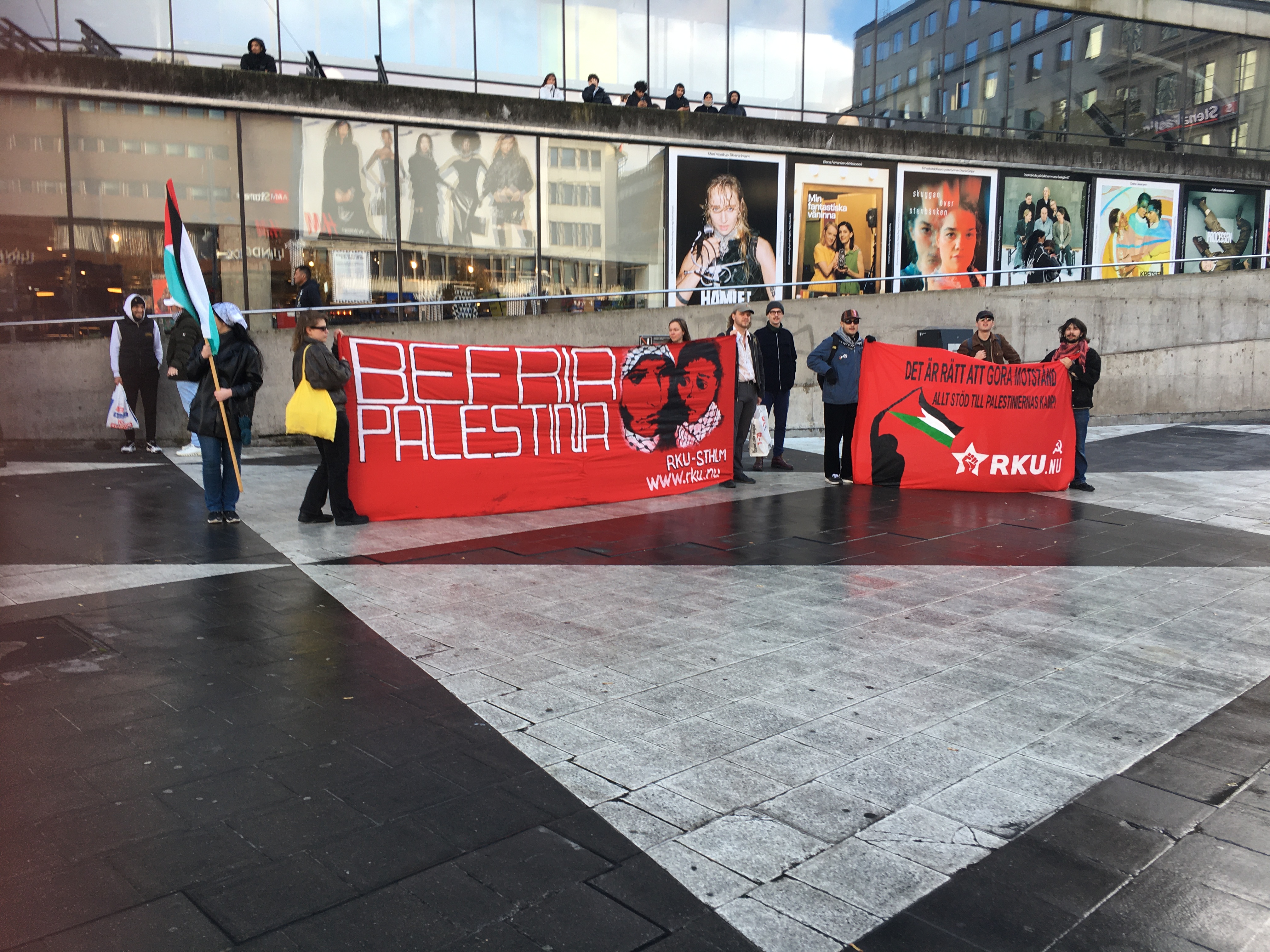


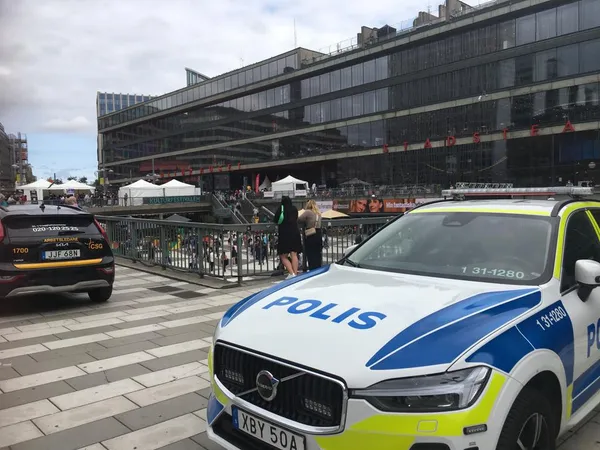
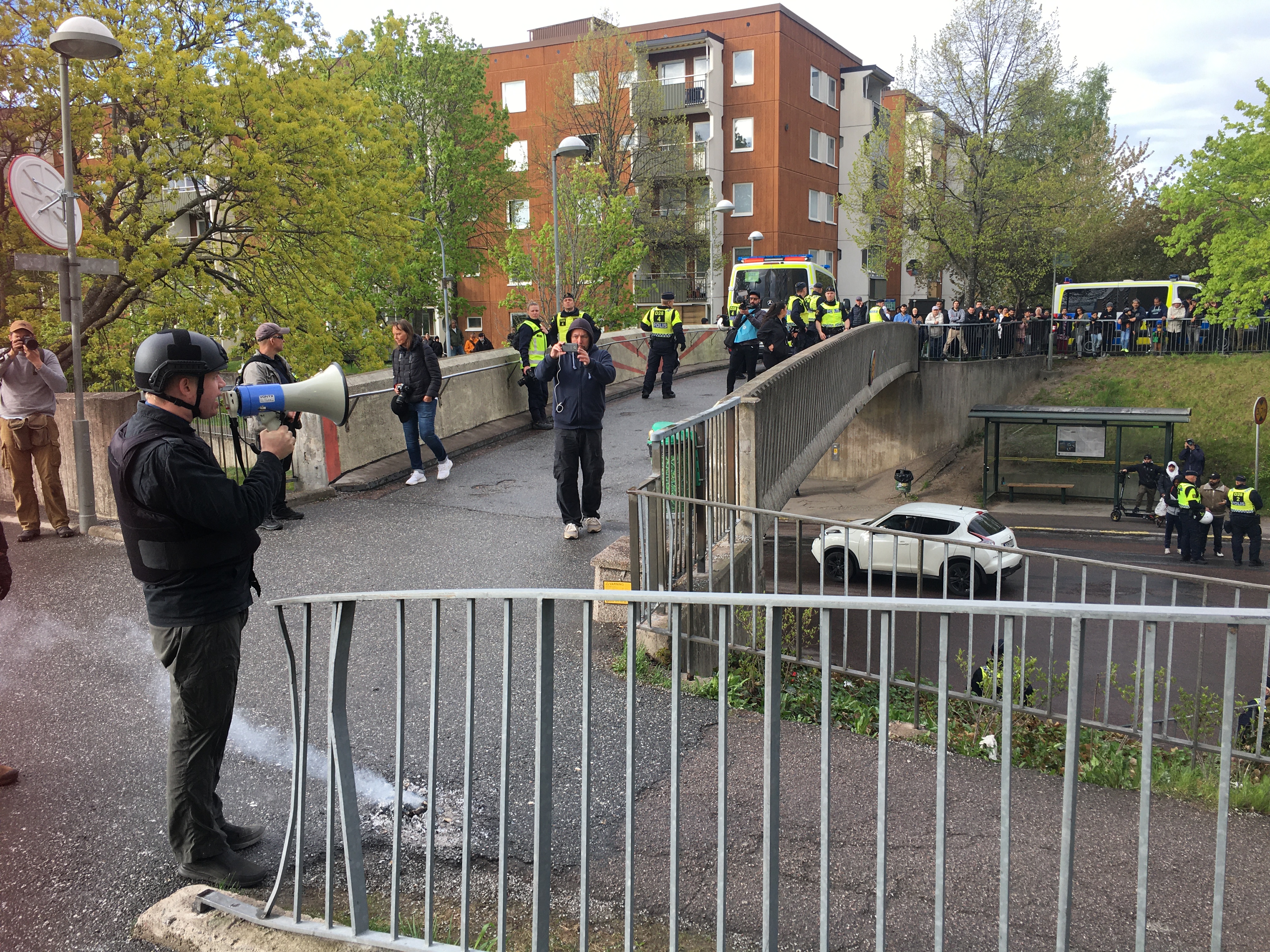


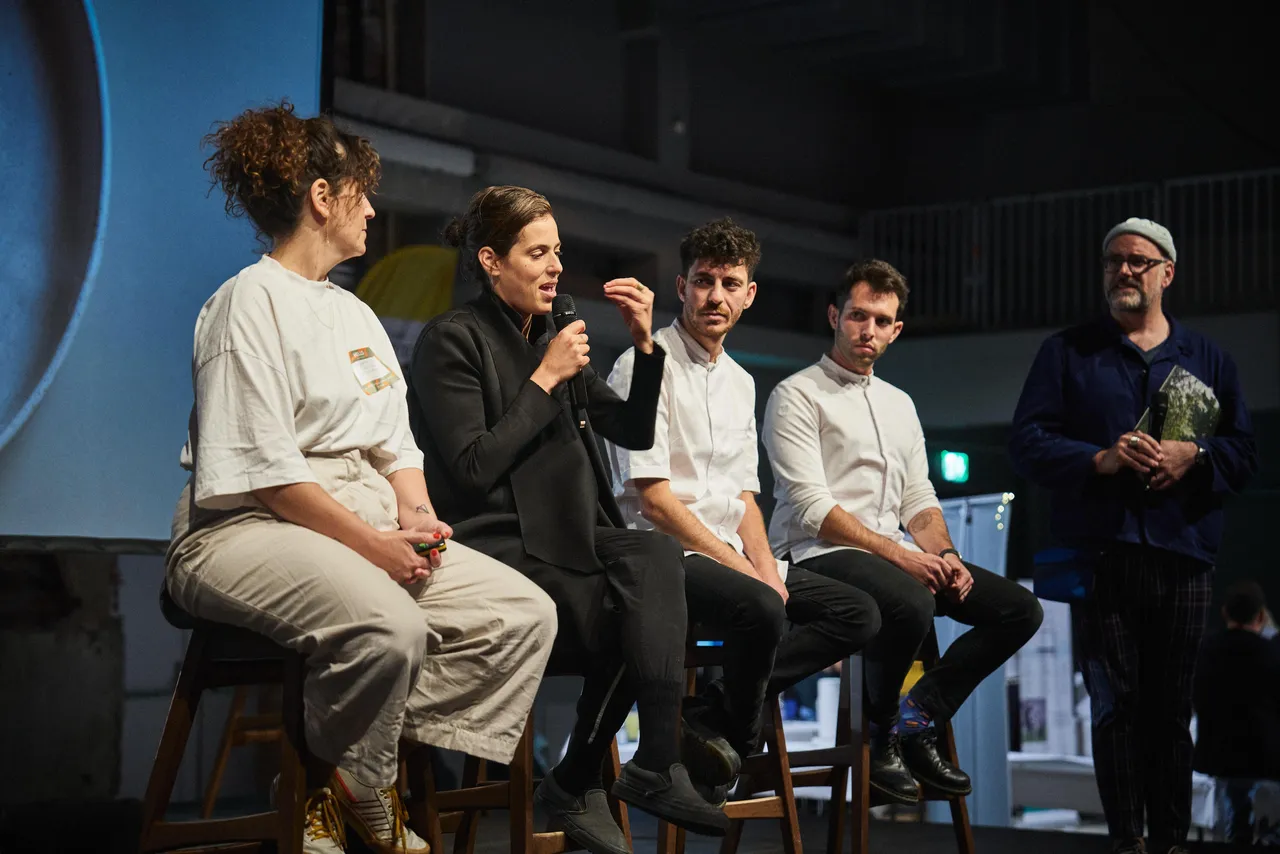

 דיויד סטברו