נכון, היא חווה בימים אלו את המשבר הקשה ביותר שלה מאז תום מלחמת העולם השנייה. נכון גם, שאירופה הביאה לעולם אכזריות, קנאות ורצח לא פחות משהיא תרמה את הדמוקרטיה, הנאורות והמדע. אפלטון וקאנט, איינשטיין ושייקספיר, באך והביטלס הם רק צד אחד של הסיפור. השני הוא אושוויץ, מסעות הצלב והאינקוויזיציה. ובכל זאת, במחצית השנייה של המאה ה–20 אירופה בנתה את הסידור הפוליטי־חברתי־כלכלי המוצלח ביותר בתולדות האנושות ואפילו היום, בשיא חולשתה, היא מציעה חיים טובים, חופשיים ובטוחים יותר ממה שמציעים הבריונים והדיקטטורים מאמריקה, רוסיה וסין.
אחת המגמות האופנתיות בשיח התקשורתי של השנים האחרונות היא ההכרזה על מותה של אירופה. כולם מדברים על חולשותיה וכישלונותיה של היבשת הישנה. האמריקאים מזלזלים בה, מדירים אותה מהשיחות על אוקראינה ומאיימים עליה במכסים וגזילת שטחים. הרוסים מתעמרים בה ומשגרים נגדה התקפות סייבר ודיס־אינפורמציה. סין, שהיתה הרחק מאחור, מקדימה את אירופה בייצור, בסחר ובתעשייה, תוך שהיא קונה את דרכה לתוך מארג התשתיות והתקשורת שלה.
גם המצב הפנימי לא מזהיר. ההגירה המסיבית והמתחים שהיא יצרה הטילו על היבשת עומס חברתי וכלכלי. הימין הקיצוני מתחזק, הנאציזם חוזר, השמאל שוקע בפוליטיקת זהויות והקמפוסים נכנעו לתעמולה של חמאס. כבר שנים שמיטב המוחות ביבשת מתמחים בעיקר בהספדים: דאגלס מארי כתב על "מותה המוזר של אירופה" ומישל וולבק קרא לזה "כניעה". עמנואל מקרון אמר לסטודנטים בסורבון ש"אירופה עלולה למות", ונגיד הבנק האירופי וראש ממשלת איטליה לשעבר, מריו דראגי, כתב שאם אירופה לא תתעשת היא עומדת בפני "ייסורים איטיים". לפחות בביקורת עצמית לאירופים עדיין יש את זה.
ובכל זאת, למרות המלחמה באוקראינה, הברקזיט, יוקר המחיה, הסגרגציה, קריסת התעשייה, הביורוקרטיה, גלי הפיטורים ומשבר האנרגיה — בעבור אלו שערכים הומניסטיים, ליברליים ודמוקרטיים חשובים להם, אין תחליף לאירופה. ויש סיבות רבות לכך שעולם ללא אירופה הוא עולם מסוכן יותר, שבו חיי אדם יהיו שווים פחות.
הסיבה הראשונה היא החיים עצמם. אם התמזל מזלכם להיוולד באירופה, הסיכוי שתמותו לפני גיל חמש הוא נמוך מאוד — בסך הכל שבעה מקרים מתוך אלף ילדים. באפריקה הסיכון גדול פי עשרה, בדרום־מזרח אסיה הוא גדול פי ארבעה ובאמריקה פי שניים. הסיכוי שלכם להיהרג בתאונות דרכים באירופה הוא בערך חצי מהסיכוי שתיהרגו בתאונה באמריקה או בדרום־מזרח אסיה וקרוב לרבע מזה שבאפריקה. ואם נפצעתם או חליתם, אירופה מובילה על שאר היבשות כמעט בכל הקריטריונים של כיסוי האוכלוסייה בביטוחי בריאות.
אם שרדתם את חמש השנים הראשונות לאחר שנולדתם במדינת OECD שבה החינוך היסודי הוא חובה וזכות בסיסית, ההמשך ללימודים על־יסודיים הוא כמעט מובן מאליו. ברשימת 20 המדינות שבהן אחוז הממשיכים לתיכון הוא הגבוה ביותר — 18 הן באירופה. גם כשבודקים מי ממשיך להשכלה גבוהה, מדינות אירופה מהוות את הרוב בקרב 20 המדינות המובילות.
Screenshot
גם בשוק העבודה כדאי להיות באירופה. הסיכוי של עובד אירופאי לשכר הוגן, תנאי עבודה סבירים, בטיחות טובה ואיזון עם חיי המשפחה, גבוה יותר מזה של עובד בכל מקום אחר. זאת, מפני שהעובדים האירופאים הם המאוגדים ביותר בעולם והמוגנים ביותר על ידי הסכמים קיבוציים.
ברשימת 20 המדינות המאוגדות ביותר, 15 הן אירופיות, ומתוך 20 המדינות שבהן הסכמי עבודה קיבוציים מקיפים את אחוז העובדים הגבוה ביותר, 18 הן אירופיות. כל זאת בעולם שבו מדינות כמו ארצות הברית וארגנטינה מפרקות הלכה למעשה את המדינה, ובאסיה שווקים שלמים מבוססים על עובדי כפייה, עבדים וקורבנות סחר בבני אדם.
לא חסרות סיבות נוספות לחיוניותה של אירופה. מספר הנרצחים על כל 100 אלף תושבים באירופה הוא קצת יותר מ–2, לעומת כ–15 באמריקה וכ–11 באפריקה (באסיה המספר דומה לאירופה, אך חסרים נתונים אמינים ממדינות רבות). אירופה גם אוסרת על עונש מוות ועל עינויים, מגינה על זכויות אדם ומפרידה בין דת למדינה.
מבחינה פוליטית, אירופאים משפיעים על גורלם בצורה מקיפה יותר, מפני שהפוליטיקאים שלהם מתראיינים במגוון אמצעי תקשורת ומספקים תשובות מנומקות גם לעיתונאים שלא תומכים בהם. כשבודקים את מדד חופש העיתונות העולמי זה ברור: מתוך 20 המדינות המובילות, 17 הן אירופיות.
גם באיכות חיי המשפחה, מאפשרות מדינות אירופה את מה שבעבר היה אפשר רק לחלום עליו. בכרכים של אירופה, בוודאי שבמערבה ובצפונה, שני גברים או שתי נשים יכולים ויכולות להחזיק ידיים ולהתנשק בפומבי בלי לעורר תגובות עוינות. נישואים חד־מיניים חוקיים כמעט בכל המדינות וחופשות הלידה הנדיבות ביותר בעולם מאפשרות להורים באירופה לבלות זמן עם ילדיהם ולטפח את התא המשפחתי ללא לחץ כלכלי.
נכון, אירופה חווה בימים אלו את המשבר הקשה ביותר שלה מאז תום מלחמת העולם השנייה. נכון גם, שאירופה הביאה לעולם אכזריות, קנאות ורצח לא פחות משהיא תרמה את הדמוקרטיה, הנאורות והמדע. אפלטון וקאנט, איינשטיין ושייקספיר, באך והביטלס הם רק צד אחד של הסיפור. השני הוא אושוויץ, מסעות הצלב והאינקוויזיציה. ובכל זאת, במחצית השנייה של המאה ה–20 אירופה בנתה את הסידור הפוליטי־חברתי־כלכלי המוצלח ביותר בתולדות האנושות ואפילו היום, בשיא חולשתה, היא מציעה חיים טובים, חופשיים ובטוחים יותר ממה שמציעים הבריונים והדיקטטורים מאמריקה, רוסיה וסין.
נביאי הזעם שנהנים מ"מיטוט הסדר הישן" ומ"חשיפת הצביעות האירופית", אלו ששמחים לאידה של "אירופה שהופכת לאירופיסטאן" ומפנטזים על נקמה באנטישמים, טוב יעשו אם ידמיינו בכנות את העולם ללא אירופה. האם הם באמת רוצים עולם של דמוקרטיה רוסית, שוק העבודה של איחוד האמירויות, ערכים סעודיים, דיפלומטיה קטרית ושיח פוליטי שנקבע על ידי האלגוריתם של אילון מאסק?
ראש ממשלת שוודיה אולף קריסטרסון אמר בכנס על אנטישמיות בסטוקהולם שמאז 7 באוקטובר חלה עלייה משמעותית בתקריות אנטישמיות: "אסור להתעלם מכל הדוגמאות שראינו לאחרונה: חלונות שבורים, ציורים של צלבי קרס ואיומי מוות". בריאיון ל"הארץ" התייחס למלחמה בצפון ואמר ש"כל העולם חושש מהסלמה ומהשלכותיה שלא ניתן לצפות אותן".
ראש ממשלת שוודיה, אולף קריסטרסון, אמר אתמול (שני) שחלה עלייה משמעותית באנטישמיות במדינה מאז מתקפת חמאס בישראל ב-7 באוקטובר, במהלך כנס שנערך בנושא בסטוקהולם.
קריסטרסון שיתף את באי הכנס בפגישות שקיים באחרונה בבית הספר היהודי בבירה וכן בקהילה היהודית במאלמו ואמר: "בשנה הבאה תציין הקהילה היהודית 250 שנה בשוודיה, ויהודי שוודיה חייבים להרגיש בטוחים כשהם מבקרים בבית הכנסת, כשהם עונדים תליון עם מגן דוד וכשהם מגיעים עם הילדים לבית הספר".כתבות קשורות
"אסור להתעלם מכל הדוגמאות שראינו לאחרונה: חלונות שבורים, ציורים של צלבי קרס ואיומי מוות. תלמידים נתקלים באנטישמיות חסרת בושה בבית הספר. פוליטיקאים שהפיצו תמונות אנטישמיות ברורות ברשתות החברתיות", אמר קריסטרסון. "אסור להתעלם או להפחית בחשיבות האנטישמיות. השנאה משגשגת בדממה. גם מילים יפות על אפס סובלנות אינן מספיקות. שוודיה היא אחת המדינות הסובלניות ביותר בעולם, אך יש למתוח את קו הסובלנות כשמופיעה חוסר סובלנות".
"ב-7 באוקטובר 2023 בוצע הרצח ההמוני הגדול ביותר של יהודים מאז השואה. המתקפה זכתה לגינוי נרחב גם בחלקים נרחבים של העולם. במקביל, נחגגה האלימות ברחובות ובכיכרות – הן בשוודיה והן במדינות אחרות, עם זיקוקים, שירה וריקודים. זה היה ניגוד ברור להבטחה של 'לעולם לא עוד'. והתברר שיש לנו עוד הרבה מה לעשות", אמר קריסטרסון. הוא ציטט את נשיאת הנציבות האירופית אורסולה פון דר ליין, ואמר שדבריה על כך ש"לא היתה תרבות אירופית ללא תרבות יהודית ולא היתה אירופה ללא העם היהודי" נכונים גם לגבי שוודיה.
בסיום הכנס התראיין קריסטרסון ל"הארץ" והתייחס לסוגיית האנטישמיות במדינה וגם למלחמה. "מאז שבעה באוקטובר, דברים רבים החמירו מבחינת יהודי שוודיה", אמר ראש הממשלה השוודי.
ראש ממשלת שוודיה אולף קריסטרסון בכנס על אנטישמיות בסטוקהולם, אתמול, צילום: דיויד סטברו
על פי המועצה הלאומית למניעת פשיעה בשוודיה (BRÅ), נרשמה עלייה של פי חמישה בפשעי שנאה על רקע אנטישמי בין 7 באוקטובר לסוף 2023 בהשוואה לאותה תקופה בשנה הקודמת. על פי הדו"ח מדובר בכרזות וסיסמאות בהפגנות, אך גם בהצקות, הטרדות ותקיפות בעלות אופי אנטישמי על רקע המלחמה בעזה.
"בשוודיה, כמו ברוב המדינות, יש אנטישמיות זה עשורים. בעבר זה הגיע מכיוון ניאו-נאצים ואנשי ימין קיצוני. בימינו, אנשי הקהילה היהודית פוגשים אנשים רבים עם שורשים במזרח התיכון, ואנשים שמשתמשים ברטוריקה אנטישמית בגלל דעות שונות על מה שמתרחש במזרח התיכון", אמר קריסטרסון. "בדמוקרטיה כמו שוודיה בוודאי שמותר להחזיק בדעות שונות בנוגע לשאלה כיצד לפתור בעיות במזרח התיכון וכיצד לקדם שלום, ואנחנו עושים מה שאנחנו יכולים משוודיה, אבל יש לנו אחריות מלאה להגן על יהודים ועל החיים היהודיים בשוודיה ועדיין לא עשינו מספיק".
קריסטרסון נשאל על עמדת ממשלתו לגבי העברת הלחימה המרכזית מרצועת עזה לצפון והשיב ש"כל העולם חושש מהסלמה ומהשלכות של הסלמה שלא ניתן לצפות אותן. מבחינת שוודיה, אנחנו מוטרדים מכך שיש בין 2,000 ל-4,000 שוודים השוהים עכשיו בלבנון למרות העובדה שביקשנו מאזרחינו שלנו לצאת משם ולחזור לשוודיה כאשר זה עדיין אפשרי. יש לנו משאבים מוגבלים מאוד לעזור לאנשים לצאת אם המצב יהיה גרוע יותר".
ראש הממשלה השוודי לא התייחס ישירות בריאיון לשאלת החטופים בעזה וליוזמות להפסקת אש בין ישראל לבין חמאס. הוא גם נמנע מלומר אם שוודיה תנהג כמו מדינות אחרות שהטילו סנקציות על בכירים ישראלים, בהם איתמר בן גביר ובצלאל סמוטריץ'. בעניין תגובתה של שוודיה לפלישה קרקעית ישראלית אפשרית ללבנון, הפנתה לשכת ראש הממשלה למשרד החוץ השוודי, שמסר ל"הארץ" שאין באפשרותו להתייחס לנושא.
במשך שנים רבות היו יחסי ישראל-שוודיה במשבר חריף, אך בשנים האחרונות חל שיפור ששיאו בביקור שר החוץ הישראלי אלי כהן בסטוקהולם במאי 2023. קריסטרסון לא חושב שהמלחמה השפיעה על היחסים בין המדינות. "שוודיה עומדת כמובן מאחורי זכות הקיום של ישראל ומאחורי זכותה של ישראל להגן על עצמה ואפילו חובתה להגן על עצמה בתוך גבולות של זכויות הומניטריות", הוא אמר. "לאיחוד האירופי יש עמדה עקבית בנוגע לכך. בסופו של דבר, אנחנו מאמינים בפתרון שתי המדינות וכמובן שלשוודיה חשוב מאוד שיהיה אפשר להפריד בין דעות שונות על הסכסוך במזרח התיכון והתמיכה המלאה ביהודים החיים בשוודיה".
הפגנה פרו-פלסטינית בסטוקהולם, צילום: דיויד סטברו
בחודשים האחרונים נרשמו כמה אירועים קשים בשוודיה כמו ירי וזריקת רימון יד על השגרירות הישראלית בסטוקהולם, פרסום ידיעות על ארגונים שוודיים שתומכים אקטיבית בחמאס ואפילו סוכנים של משמרות המהפכה האיראניים שהתכוונו לרצוח מנהיגים יהודיים במדינה.
קריסטרסון אמר ששוודיה ערוכה לאפשרות שחיזבאללה ירצה לנקום בישראל דרך פגיעה ביעדים ישראליים ויהודיים בחו"ל. "אנחנו בכוננות גבוהה ושוודיה נמצאת זה יותר משנה ברמת הכוננות השנייה הכי גבוהה האפשרית. הייתי אומר שהרשויות ערניות מאוד ושולטות במצב. עושה רושם שטרוריסטים מחמשים עבריינים שוודיים שבדרך כלל עוסקים בפעילות פלילית ואנחנו מוטרדים מכך, אבל אני מבטיח שאנחנו מודעים לכך ועוקבים אחרי המצב בזהירות רבה".
קריסטרסון הוא ראש מפלגת "המתונים" השמרנית שמאז אוקטובר 2022 עומדת בראש קואליציית מרכז-ימין הנתמכת בידי מפלגת ה"שוודים הדמוקרטים" הימנית-פופוליסטית. ממשלתו נחשבת ידידותית מאוד לישראל וכמו הממשלה הקודמת, ממשלת מרכז-שמאל בראשות המפלגה הסוציאל-דמוקרטית, היא פועלת בדרכים שונות למאבק באנטישמיות וקידום חיים יהודיים בשוודיה.
בכנס שנערך אתמול בסטוקהולם תחת הכותרת "אנטישמיות בשוודיה – תיאור מצב וצעדי מנע", השתתפו גם שרת התרבות פריסה ליליסטרנד, השר לעניינים חברתיים יקוב פורסמד, שר המשפטים גונאר סטרומר, השרה האחראית על בתי הספר לוטה אדהולם והשרה לשוויון חברתי פאולינה ברנדברג. יחד עם השרים הבכירים, דנו במשך כשלוש שעות אקדמאים שוודים מובילים, נציגי קהילות וארגונים יהודיים, עיתונאים וארגוני חברה אזרחית בגורמי האנטישמיות בשוודיה, באופנים בהם היא מתבטאת ובצעדים הנדרשים להיאבק בה.
"אבא שוחח איתי כחבר. הוא נגע דרך אגב בשאלה אם אני אוהבת בחור. השאלה הזו הוסיפה לי דף חדש… השתדלתי תמיד למחוק מהלב את העניין הזה", כך כתבה צעירה יהודייה בת 17, שכינתה את עצמה האנזי, בווילנה ב-1934. בהמשך היא מספרת ליומנה כי הנערים בכיתה מתעלמים ממנה, שהיא תופסת את עצמה כ"מכוערת בשביל העין" ושאדישותם של הבנים גורמת לה לשבת בצד ולשקוע במחשבות בזמן שהנערות האחרות יושבות יחד ומספרות אנקדוטות זו לזו. "מצב ספציפי זה גרם שלא אהבתי בחור אחד", היא מסכמת, "ובשעה שלא יכולתי לעצור ברגשי הלב, חשתי אהבה לבחורים בכלל, באשר הם מין שני, בתור קיבוץ ולא בתור פרט".
רשימתה של האנזי היא רק עדות אחת מתוך מאות עדויות הנפרשות על פני אלפי עמודים שכתבו צעירים יהודים שחיו בפולין וכמה משכנותיה בשנות ה-30 של המאה הקודמת. הן נאספו על ידי מכון יהודי בשם ייִוואָ (YIVO, ראשי תיבות ביידיש של המכון המדעי היהודי), שפעל במזרח אירופה בשנים שקדמו למלחמת העולם השנייה וקיבל עליו לחקור ולשמר את אורח החיים היהודי במזרח אירופה ואת תרבות היידיש. הארגון הוקם ב-1925 בווילנה (אז בפולין, היום בליטא) והיו לו סניפים בוורשה, ברלין וניו יורק; לעיר זו עברה פעילות הארגון בעקבות מלחמת העולם השנייה ובה נמצא המטה של גלגולו המודרני עד היום.
הרשימות שלוקטו במסגרת איסוף העדויות האוטוביוגרפיות מרתקות. רבים מבני הנוער שכתבו אותן נספו בשואה והטקסטים שלהם משמשים מעין מצבה המזכירה את החיים המגוונים והעשירים שאבדו. הם כתבו בין השאר על מוזיקה, ספרות וגלישה על קרח; חלקם היו מודעים פוליטית – ציונים, סוציאליסטים או אנשי תנועת הבונד; היו ביניהם דתיים וחילונים, עניים ועשירים, כפריים ועירונים; הם כללו נערים מאוהבים, נשואים טריים וגם גרושים; חלקם חלמו להגר לעולם החדש, חלקם התרגשו לקראת העתיד ואחרים דווקא חששו ממנו.
"בשנות ה-30 המכון בווילנה ביקש לדעת מה קורה במוחם של צעירים בארצות דוברות היידיש", מספרת דניאלה גרייבר, מנהלת תוכניות מענקים בקרן רוטשילד "הנדיב" אירופה. "הם אירגנו תחרות כתיבת אוטוביוגרפיות ובמשך כמה סבבים, בין 1934 ל-1939, הם קיבלו 627 טקסטים. רובם היו כתובים בכתב יד והיו בני עשרות עמודים. מרבית הכותבים היו בנים, אך היו גם בנות, ואף שהשפה השלטת היתה יידיש, היו גם כאלה ובהם האנזי שכתבו בעברית ובפולנית. הרעיון לא היה לפרסם את הטקסטים, אלא לשמור אותם כך שיהיו חומר גלם למחקר חברתי. הרקע לפרויקט היה השקפת העולם הבונדיסטית, שהאמינה בצורך לפתח שייכות ומשמעות לחיים היהודיים במדינות דוברות היידיש. היתה גם אמונה שיש עתיד יהודי באירופה שתעבור מהפכה סוציאליסטית. מכיוון שזו היתה תקופה שבה אנשים למדו אתנוגרפיה ועסקו בדיסציפלינה של כתיבת אוטוביוגרפיות, מישהו חשב על הרעיון המבריק לבקש מאנשים צעירים לכתוב ביוגרפיות, וכדי שהטקסטים יהיו כנים, ההצעה היתה לעשות זאת באופן אנונימי".
הבקשה הופצה בעיתונות וכדי להגביר את המוטיבציה אף הוכרזה תחרות נושאת פרסים. בכל שנה זכו כמה כותבים ב-150 זלוטי כל אחד. עם זאת, הזוכים בסיבוב האחרון מעולם לא קיבלו הודעה על זכייתם: המועד המתוכנן להכרזת הזוכים היה 1 בספטמבר 1939, היום שבו פרצה מלחמת העולם השנייה. ככל הנראה, רבים מהכותבים לא שרדו בשנים הבאות.
תחילת רשימתה של האנזי, נערה מווילנה ב-1934, במסגרת תחרות העדויות של מכון ייווא. טקסטים ספורים בעברית צילום: YIVO Institute for Jewish Research
תחרות האוטוביוגרפיות היהודיות המקורית אמנם נקטעה באחת בסוף שנות ה-30, אבל קרן רוטשילד מצאה דרך לחדש את הפרויקט כעבור 85 שנים. לפרויקט החדש הם החליטו לקרוא "קלידוסקופ" והוא מעין תמונת מראה של הפרויקט המקורי – גם בו צעירים יהודים מרחבי אירופה כותבים על חייהם כיום, והפעם הטקסטים לא רק נשמרים ונאספים אלא גם מתפרסמים בפומבי (בשפות המקור ובתרגום לאנגלית), באתר האינטרנט של הפרויקט.
דניס גרוסמן, אחד המשתתפים הראשונים בפרויקט, הוא צעיר יהודי מבודפשט שהתבגר במסגרות יהודיות-הונגריות. "אני בן 21 ועדיין הולך למחנה הקיץ", הוא כותב בטקסט שלו, "אבל עכשיו בתור מדריך. קשה מאוד להישאר מעורב בקהילה היהודית אחרי שמגיעים לבגרות. לפני כן אפשר ללכת למחנות קיץ, לבית ספר יהודי או לתנועת נוער, אבל כשמגיעים לגיל 18 עוברים הלאה. מי שרוצה להישאר מעורב הולך לעבוד במחנה בתור מדריך או בארגונים יהודיים. אני וחברתי התחלנו לארח ארוחות שבת עבור חברינו היהודים, פעם בשבועיים בערבי שישי, כדרך לשמור על הקהילה הקטנה שלנו. בדרך כלל אנחנו מברכים על היין והחלה, לפעמים אומרים קידוש. אחרי זה אנחנו אוכלים, שותים, מנהלים שיחות ומשחקים משחקי קופסה. רוב מי שמגיעים הם חברים שלנו ממחנה הקיץ. אבל אנחנו גם מנסים להזמין כל מי שיש לו קצת קשר ליהדות ומחפש דרך להיכנס לקהילה.
"הרבה יהודים צעירים בהונגריה מגלים על היותם יהודים מאוחר מדי, או שיש להם סיבה אחרת לא להתערב בקהילה בשלב מוקדם", הוא ממשיך. "האנשים האלה מוצאים את עצמם בחוץ כי רוב התוכניות לצעירים הן קטנות וסגורות ואנחנו מכירים רק את האנשים בבועה החברתית שלנו. אני באמת מתוסכל מהדינמיקה הזאת ואני תמיד מחפש דרכים לגרום לאנשים נוספים להיות מעורבים. הפילוסופיה שלי היא שאנשים צריכים להתייחס לזהותם היהודית באמצעות חוויות שיכולות להיות בכל מקום, מהליכה לבית הכנסת ועד להשתתפות בארוחת שבת או בר מצווה. זה יכול להחליף את ההתייחסות ליהדות רק דרך השואה או ההיסטוריה שלנו".
דניס הוא בן לאב אמריקאי ואם הונגרייה, שהתגרשו כשהיה תינוק. רוב בני משפחתה של האם נספו באושוויץ ואלה ששרדו נמנעו מעיסוק בזהותם היהודית אחרי המלחמה. אמו החלה לגלות בה עניין מחודש בשנות ה-20 שלה. "אמי תמיד שמה יותר דגש על הפיכת החוויות היהודיות למהנות וקלות לעיכול עבורנו, ופחות על כללים נוקשים", הוא כותב. "בגלל זה תפיסת השבת שלי היא שכולם יושבים סביב השולחן ואמא שלי מנשקת לי את הראש ומברכת אותי. זה רחוק מאוד מהרעיון שמשמעות השבת היא שאסור לעשות דברים מסוימים".
דניס מודע לחשיבות הטקסטים שנכתבו לפני עשרות שנים ולמשמעות חידושו של פרויקט התיעוד. "זו התמודדות עם הבנת הזמן שאנו חיים בו ועם המשמעות של להיות יהודי-הונגרי בזמן הזה", הוא אומר. "בטקסט שלי ניסיתי להבהיר את המציאות הזאת כדי שאנשים יבינו אותה. אבל מעבר לעניין ההיסטורי, אני גם אוהב לבטא את עצמי בכתיבה, וזו הרגשה טובה להיות חלק מדבר כזה ולשתף את העולם בזהות היהודית שלי".
האם מעבר לצדדים החיוביים של הזהות היהודית יש לה גם צדדים מאתגרים יותר?
"בשבילי, זה לא אתגר גדול להיות יהודי. אם לא הייתי יהודי פעיל, זה היה ויתור גדול יותר. יש פחד מאנטישמיות, מקיפוח, מאפליה, מכך שלא מבינים אותנו או שחושבים שאנחנו מוזרים, אבל אם לא ניחשף ולא נהיה פעילים, אנשים לא יבינו אותנו עוד יותר. אני מאמין בלהיות חלק מלא מהחברה הכללית ואני מרגיש שאנשים יבינו מה זו יהדות דרכי. אני מסביר להם וכך יוצר מודעות. זה אולי מפחיד להסתובב ברחוב עם כיפה, אבל כשאני בדרך לבית הכנסת אני חובש אותה אף שבדרך כלל אני לא חובש כיפה. אני עושה את זה כי זו ההזדמנות שלי להיות אדם יהודי ברחוב, ולא סתם אדם ברחוב. כשיראו 100 כיפות, יקבלו את זה ויבינו מה זה".
דניס גרוסמן, צילום פרטי.
הוא מציין כי צעירים יהודים רבים בהונגריה חשים מנותקים ממורשתם, ו"זו הסיבה שהקמתי עם עוד כמה שותפים את 'קרן הקשר הונגריה' (The Kesher Hungary Foundationn) שנועדה לעזור לבנות מחדש את העולם היהודי שאיבדנו במאה ה-20. המשימה שלנו היא לספק לצעירים יהודים תחושת שייכות דתית וקהילתית באמצעות תוכניות ואירועים חינוכיים".
בהתחשב במה שקורה כיום במזרח התיכון ובאופי השלטון בהונגריה, האם יש בפעילות כזאת גם פחד?
"אני מרגיש את הפחד עוד לפני 7 באוקטובר, אבל אני בוחר להתגבר עליו. לכן כשאני עושה את זה או כשאני חובש כיפה, אני מרגיש גאווה. זה לא רק כדי להראות לאנשים, יש לזה גם משמעות דתית ולכן יש לי סיבה לגיטימית, כלומר יש כאן מכשול ואפשר וצריך להתגבר עליו. יש פחד בקרב צעירים יהודים לחשוף את עצמם כיהודים, חלקם מתגברים עליו וחלקם לא".
גם ליזה ג'מל, צעירה בת 25 שנולדה בטורקיה וחיה בהיידלברג שבגרמניה, מנסה להבין את משמעות הזהות היהודית כיום. "הבחירה להיות יהודייה באופן אקטיבי השתנתה אצלי במשך השנים", היא מספרת. "פגשתי אנשים והייתי מעורבת בתוכניות חברתיות ואחר כך גם בתוכניות אקדמיות, שסייעו לי להבין את הערכים היהודיים שאני מאמינה בהם. למדתי עברית ולימודים יהודיים וזה חלק חשוב בחיים שלי. אני גם אוהבת זיכרונות ומסורות המסופרות בעל פה וחשוב לי לדעת את ההיסטוריה המשפחתית שלי". ליזה פתחה את הטקסט שלה ב"קלידוסקופ" בציטוט מהמשנה – "אם אין אני לי, מי לי" – והסבירה שהוא מעודד ניסיון להבין מי אנחנו באמת. "אני גאה להיות חלק ממשהו שיישמר לעתיד", היא אומרת על השתתפותה בפרויקט.
ליזה נולדה באנטקיה בדרום טורקיה, כילדה עברה עם משפחתה לאיסטנבול ובגיל 17 נסעה ללמוד באיטליה. אחר כך המשיכה לגרמניה, שם השתתפה בפרויקט לימודים יהודיים שחשף אותה ליהודים ממדינות רבות נוספות. "אפשר למצוא בכל מקום חבר יהודי ולהתחבר על בסיס התמודדויות וחוויות משותפות", כתבה בטקסט שלה. ליזה מדברת על יצירת קשרים וגשרים ועל הימנעות מיצירת נרטיב של "אנחנו" ו"הם": "אנחנו זוכרים שלכל קהילה עשוי להיות סיפור ייחודי, מהיכן הם מגיעים וכיצד הם מצטלבים עם אחרים. באופן דומה, רבים מחברי הקהילה חלוקים בעמדותיהם על נושאים רבים, אך ההיסטוריה והתרבות המשותפת מחברות אותנו מחדש".
ליזה, צילום פרטי
בסיפור השורשים שלה חלה התפתחות קשה: רעידת האדמה שפקדה את טורקיה וסוריה בפברואר 2023 והחריבה את עיר הולדתה תפסה אותה בזמן שערכה ספר ובו תרגומים לאנגלית של טקסטים על זהות יהודית, שכתבה בפרסומים שונים בטורקיה. "בדיוק ברגע שאני מתעניינת יותר ויותר בשורשים שלי, הבנתי שלא נותרה שם קהילה. אנחנו נאחזים בזיכרונות, בסיפורים, בשירים, בשפות, באוכל, במשפחה ובמסורת", היא אומרת ומספרת שהקדישה את הספר לשתי סבותיה ולראש הקהילה היהודית הקטנטנה באנטקיה, שאיבדו את חייהם ברעידת האדמה.
דניאלה גרייבר, צילום: Rothschild Foundation Hanadiv Europe
גרייבר, שיזמה את הפרויקט החדש, מציינת כי רוב הסיפורים בפרויקט המקורי הם עצובים: "הכותבים ניסו לצאת מהמקום שבו הם נמצאו באמצעות הכתיבה. יש סיפורים קשים – 'אבא שלנו עזב אותנו' או 'היינו 13 ילדים ושרדו רק שמונה'". היא מוסיפה שקרן רוטשילד עוסקת תמיד בתיעוד ההיסטוריה היהודית, אבל הפעם חיפשה משהו שיקשר את העבר אל ההווה דרך הכלים שהיא עוסקת בהם – ספריות, מוזיאונים וארכיונים. "כאן יש משהו שיכול להיות כלי להבנת העבר", היא אומרת, "אבל גם השראה לצעירים וסיוע לקהילות האירופיות של היום".
לדבריה, "בהתחלה אמרו לי שאני חייבת לעשות ביוגרפיות בווידיאו, שאף אחד לא יכתוב טקסטים ושאין טעם לבקש. אבל חשבתי שאין טעם בווידיאו – כי רציתי ש'קלידוסקופ' יהיה מראה של הפרויקט המקורי אבל גם כי רציתי לתת לכותבים הזדמנות לעשות משהו מעמיק יותר. זה מיועד לאנשים שהכתיבה באה להם יותר בקלות ומוכנים להיות חשופים וכנים, וזה לא קל למצוא אנשים כאלה". הקושי טמון לא רק בכתיבת הטקסטים. "אנשים צעירים מתקשים למצוא את עצמם היום בקהילה היהודית המאורגנת", אומרת גרייבר. "זה לא דבר חדש. כבר 2,000 שנה שמבוגרים אומרים שהצעירים לא מחויבים מספיק. אבל יש היום מספיק אנשים שמתנדבים ובוחרים להיות פעילים במעגלים יהודיים ושיש להם זהות יהודית חיובית, לא רק כזאת שנובעת מפחד ומלחמה באנטישמיות. הם משקיעים שעות רבות מזמנם החופשי כדי להתנדב בתנועת נוער, בבית ספר ובאירועי תרבות".
איך את רואה את המשך הפרויקט?
"המטרה כרגע היא לקבל תמונת מצב של 2024 כי זו שנה משמעותית מבחינה היסטורית. כל סיפור שנקבל ייתן עוד חלק בפאזל שלה".
גרייבר מתייחסת להשפעת אירועי 7 באוקטובר והמלחמה שהחלה בעקבותיהם. אלה מרעידים עדיין את הקרקע תחת רגליהם של יהודים בתפוצות, הנדרשים להתמודד לא רק עם הפגנות, חרמות ועוינות פוליטית, אלא במקרים רבים גם עם איבוד חברים, בדידות, ניכור חברתי ושינויים דרמטיים בשיח הציבורי כלפיהם. "התחלנו לפתח את 'קלידוסקופ' בחורף 2022", אומרת גרייבר. "הסיפורים הראשונים נכתבו ופורסמו בספטמבר 2023, אך רוב הסיפורים חוברו ופורסמו בסוף 2023 ו-2024. לא יכולנו לחזות שהתזמון שלנו עומד להיות כה משמעותי בתיעוד תגובה אירופית על רגע מרכזי בהיסטוריה היהודית בזמן אמת. תחושת הזהות, החיבור והשייכות היהודית של יהודי התפוצות והישראלים התערערה עמוקות, כפי שמשתקף בסיפורים".
ציפי, צילום פרטי
צעירה נוספת שמשתתפת ב"קלידוסקופ" היא ציפי, תיכוניסטית מהעיר גטבורג בשוודיה (שכמו חלק מהמרואיינים בכתבה זו, העדיפה להזדהות בשמה הפרטי בלבד, כפי שהיא מוצגת בפרויקט). "בדרך כלל אני אומרת שאני איטלקייה, שוודית ואמריקאית", היא מספרת, "אני גם חצי אשכנזייה וחצי ספרדייה". אביה נולד בשטוקהולם להורים אמריקאים שמשפחותיהם היגרו מפולין, רוסיה וגרמניה. מצד אמה, לציפי יש שורשים איראניים ואיטלקיים. היא למדה בבית ספר יהודי, השתתפה במחנות קיץ יהודיים ולקחה חלק בפעילויות קהילתיות, אך הקהילה לדבריה לא תמיד סיפקה לה תחושת שייכות. "הקהילה ובית הספר היהודי בגטבורג הם קטנים מאוד. גדלים שם עם אותם אנשים והיה לי קשה למצוא חברים חדשים. כילדה הייתי ביישנית ורגישה, הרבה פעמים הרגשתי פגועה ומודרת מהילדים האחרים. מעולם לא הרגשתי שאני מסוגלת ליצור חברויות ארוכות טווח בתוך הקהילה היהודית, אבל לא היה קל למצוא חברים מחוץ לקהילה. מאוחר יותר, כשלמדתי בבית ספר רגיל, הייתי קצת אאוטסיידרית, היו לי תחומי עניין וסגנון לבוש שונים, והזהות היהודית החזקה שלי לא הקלה את ההשתלבות. הרגשתי בודדה במשך שנים רבות".
בהמשך, היא מספרת, דברים השתפרו. היום היא בת 17, לומדת בתיכון ומרגישה שמצאה סביבה חברתית בוגרת ופתוחה יותר. היא מתייחסת ברצינות לזהותה היהודית אך עוסקת גם בדברים אחרים – רוק, ציור וכן תת-התרבות הגותית. היא מספרת שהתקופה האחרונה לא הקלה את ההתמודדות: "אחרי המתקפה של 7 באוקטובר חשבתי שאני צריכה להוריד את מגן הדוד מהצוואר שלי, אבל אחרי כשבוע הרגשתי ריקנות בלעדיו ועכשיו אני מרגישה שאני צריכה לענוד אותו שוב. אני מרגישה חזקה וגאה יותר ויש תחושה טובה להיות חלק ממשהו גדול יותר".
גם רחל, צעירה בת 20 מהעיר ליברץ בצ'כיה המשתתפת בפרויקט, מכירה במשקלו ההיסטורי. "כשכתבתי את הסיפור שלי חשבתי על כך שיהיה נהדר אם יהיה אוסף כזה עבור קוראים עתידיים. אולי הם יוכלו למצוא בו כוח ותחושת שייכות כשיהיה גל נוסף של אנטישמיות בעתיד", היא אומרת. רחל גם הפכה את זהותה היהודית לשליחות – היא לומדת להיות רבה בבית המדרש על שם אברהם גייגר בפוטסדאם שבגרמניה, המזוהה עם הזרם הרפורמי. היא מספרת כי אמה, בדומה לאירופים רבים בדורה, לא היתה יכולה לחיות את יהדותה באופן מלא מפני שגדלה בצ'כוסלובקיה הקומוניסטית (אביה של רחל אינו יהודי): "דור ההורים שלי לא קיבל את האפשרות לחיות כיהודים. לדור שלנו יש יתרון – יש אצלנו תופעה של חזרה לשורשים. אנחנו מוקירים את הזהות היהודית שלנו, מזינים אותה ומעמיקים עוד יותר את מה שדור הסבים שלנו עשה".
את ההכשרה שלה לרבנות רחל מתארת בטקסט שלה כהקלה: "הרגשתי שאני יכולה סוף סוף לנשום. כבר לא הייתי צריכה להרגיש מוזרה כשהרגשתי חיבור לאלוהים, דבר נדיר בצ'כיה האתיאיסטית, או כשחיפשתי משמעות גדולה יותר לחיים. אני מסתובבת בין בני העם שלי, לא צריכה להסביר מה הם כיפה או בית כנסת ולמה אני הולכת לשם בכל יום שישי. אלה דברים שחברי הלא יהודים לא יכולים להבין עד הסוף כי הם לא חיים את אורח החיים הזה, אף שאני מעריכה את הסובלנות שלהם לתרבות שלי".
כשאני שואל אותה על האתגרים החדשים בימינו, היא משיבה: "זה נכון שיהודים לא פופולריים במיוחד היום. אבל זה היה כך גם בעבר והיום יש יותר אנשים שמתקרבים ליהדות ומתעניינים בה. יש תחושה של קהילה שמתחברת, וזה נותן לאנשים כוח ותחושה שמבינים אותם".
רחל, צילום פרטי
הפרויקט החדש גם מקים לתחייה את רעיונותיה של תנועת הבונד, שדגלה בטיפוח חיי התרבות היהודיים באירופה ותפיסתה עמדה מאחורי הפרויקט המקורי. אף שהיא קרסה אחרי השואה, במובנים מסוימים יש להשקפותיה רלוונטיות חדשה עבור צעירים שחיים באירופה כיום, אומרת גרייבר. "העולם היהודי אינו רק בישראל ובארה"ב – יש באירופה חיים יהודיים, יש מספיק יהודים שרואים בה בית ויש בה גם קהילות עתיקות". לדעתה, הפרויקט החדש אינו "בונדיסטי" במובן של מאבק בהגירה מאירופה או דבקות באידיאולוגיה סוציאליסטית, אך הוא מבטא התמודדות עם זהות יהודית-אירופית חיובית החורגת מעבר למלחמה באנטישמיות ולמאבק על עצם האפשרות לקיים זהות יהודית.
ארבעת הצעירים שהתראיינו לכתבה זו אינם דתיים במובן הישראלי של המילה אך הם קשורים לערכים, למסורת ולתרבות היהודיים. הם נבדלים זה מזה ביחסם לישראל אך ברור שהיא חלק חשוב בזהותם, גם אם לא המרכיב היחיד או החשוב ביותר בה. דניס, לדוגמה, אומר שהוא מושקע בשגשוגה העתידי של ישראל כי עצם קיומה, כמדינה יהודית שתתקיים גם אם הקהילה שלו תיעלם, תורם לביטחונו. עם זאת, את התפקיד שלו הוא רואה בתפוצות. "ככל שיותר אנשים יעזבו לישראל, כך תהיה כאן פחות קהילה", הוא אומר. "הקהילה היהודית ההונגרית חשובה. אני צריך להישאר כאן, לתמוך בה ולחזק אותה".
גם ליזה אוהבת את ישראל ותומכת בה. היא יכולה לדמיין את עצמה חיה בישראל אבל כרגע היא "אוהבת מאוד את חייה כיהודייה באירופה". לדבריה, "ישראל צריכה להתקיים, על ערכיה המבוססים על הגינות, מגוון אנושי והבטחת שלום ואחדות בין קהילות שונות וביטחון ליהודים בסכנה". ציפי אומרת שמעבר לתחושת הביטחון שישראל מקנה לה, היא גם מעניקה השראה לאמנות שלה. היא מגדירה את עצמה כציונית אבל לא רואה את עצמה חיה בישראל. "אני מאמינה בעתיד של ישראל", היא אומרת, "אבל מודאגת מהמצב שבו היא נמצאת כרגע ומקווה שהיא תמשיך להתקיים ולשגשג בעתיד בהיר ושליו יותר". רחל מסתייגת מהקונוטציות השליליות והקיצוניות שהמילה "ציוני" קיבלה לאחרונה, וברור לה שקיומה של מדינה יהודית הוא חשוב. היא גם לא שוללת אפשרות שיום אחד תחיה בה. "לא ביליתי בה הרבה זמן", היא אומרת, "אבל הרגשתי שם כמו בבית. היה החיבור העמוק הזה שגורם לי לחשוב יותר לאן אני, כיהודייה, באמת שייכת".
למרות דברי התמיכה שלהם, זו תהיה טעות לבחון את הצעירים היהודים באירופה רק לפי יחסם לישראל. הם חלק ממכלול רחב יותר והם לוקחים חלק בבנייה מחודשת של מסורת עתיקה שנגדעה ושבעבר נטען כי אין לה עתיד. נותר להמתין ולראות אם בני הדור הצעיר הזה יצליחו להעמיד אלטרנטיבה לזהויות היהודיות הישראליות והאמריקאיות, אם יפתחו קשרים עם מהגרים מישראל ואולי אפילו עם מיעוטים אחרים באירופה כמו המיעוט המוסלמי, ואם, למרות המשקל ההיסטורי, הם יצליחו להקים מעפר תרבות יהודית שפרחה ונקטעה לפני כ-90 שנה.
However, it can improve life for Jews, Israelis, Palestinians and Palestinian activists here in Sweden.
For almost a year, so-called pro-Palestinian demonstrations in Sweden have raised opposing reactions. According to some, they're a powerful sign of international solidarity. Others criticized them saying that they support terrorism and spread antisemitic propaganda. The common reply to this claim uses the term "smutskasta"(literally – throw dirt), meaning that calling the demonstrators antisemitic is a smear campaign design to de-legitimize them.
This started early on. A popular slogan of the global pro-Palestinien demonstrations is "From the River to the Sea, Palestine Will be Free". Despite it's appealing and harmless sound, some claim that it's antisemitic since it implies that the Jewish state of Israel, which is currently between the (Jordan) river and the (Mediterranean) sea, will be violently annihilated. The answer was made by, amongst others, Shora Esmailian in Aftonbladet (November 2023) who said that this accusation is either ignorant or "a smear campaign against people and their quest for freedom and now also survival ".
Those who were persuaded that "From the River to the Sea" is a call for peace and harmony, may have been surprised when Sydsvenskan's Inas Hamdan and Jonas Nyren revealed what some of the demonstrators were shouting in Arabic. It turned out that it wasn't exactly calls for a cease fire and human rights. Instead, it was support for recognized terrorists and commitment to a violent struggle against any kind of compromise.
This time too, the comeback was accusing the accusers. " Sydsvenskan is now trying to discredit the organizers by insinuating their support for terrorism and speaking with double messages", Salahuddin Barakat, a famous Malmö immam, wrote claiming this is a result of islamofobia. Other Swedish pro-Palestinians went even further. In April Samidoun, an international "Palestinian prisoner solidarity network" which is active in Sweden and supports Hamas, claimed that authorities are aiming to " silence the movement promoting the legitimacy of the Palestinian resistance, especially the armed resistance". According to Samidoun, supporting armed resistance, which is a synonym for the massacre of Jews, is a natural right and preventing it is, once again, a silencing technique.
A pro-Palestinian demonstration in Malmö, May 2024
There are many more examples. A group of over 70 Swedish writers accused Swedish media of portraying Israel as a democracy fighting terrorist, while portraying Swedish protesters as "troublemakers or, in the worst case, anti-Semites" (Journalisten, August 2024). Another group, this time of 50 Lund academics, pointed the blame at Swedish politicians who instead of praising pro-Palestinian demonstrators as champions of democracy, call them "undemocratic, uncivilized and destructive", which is a "step in the development towards fascism" (Sydsvenskan, April 2024).
It's important to point out that this Swedish debate doesn’t really matter when it comes to the actual war in Gaza. The days when Swedish politicians, NGOs and diplomats could affect Middle-East affairs are over. In fact, they never really existed. Swedish demonstrators won't stop the war, bring Israeli leaders to the ICC or open the gates for humanitarian help in Rafah. But that doesn't mean they don't have an effect. They do. But it's not on foreign affairs – it's domestic.
This debate is a manifestation of everything wrong with Swedish discourse today – it's polarizing, it's full of fake news and conspiracy theories and lacks depth and complexity. and it's clear who the victims are. Demonstrations, boycotts, walk-outs, open letters and manifestations are affecting the sense of belonging and security of Jewish students and teachers in Swedish schools, they're effecting the debate climate on social media and work relations in the Swedish culture world, public sector and academia. This isn't a made-up problem; many Swedish Jews and Israelis are experiencing alienation from large parts of Swedish society.
But does the entire Swedish pro-Palestinian movement agree to dismiss criticism as "smutskastning", or will at least some of the thousands of demonstrators agree to enter a serious dialogue on this? Now, almost a year after the war started, it's time to reach some sort of understanding about what's considered antisemitic, undemocratic, uncivilized, and destructive. This will do absolutely nothing for the people of Israel and Gaza, but it may contribute a lot to Jews, Israelis, Palestinians and pro-Palestinian activists here in Sweden.
Just to get the debate started, here are three initial thoughts to be considered.
First, the idea that Israel is a colonizer state which shouldn't really exist and should be wiped of the map is antisemitic. One can quote Edward Said and Franz Fanon and make comparisons to Algeria or South-Africa, but it won't change the fact that Jews are natives to the land between the river and the sea and have been so since biblical times, many centuries before the Palestinians even existed. Despite post-colonial theories, the land of Israel is part of Jewish identity, history and culture and therefore the idea that "I don't have a problem with Jews, I only have a problem with Israel" is a fantasy based on a false idea about Jews (just like most other forms of antisemitism).
Second, the fact that there are some ultra-orthodox and some Marxist anti-Zionist Jews, doesn't mean that Zionism is an extremist or unauthentic manifestation of Judaism. In other words, Noam Chomsky represents Jews today in the same way that NMR represents Sweden. It's true that 150 years ago, the Zionist movement was a minority within European Jewry since most Jews though they could continue living in Europe. But then came Auschwitz. After that, Zionism became more or less a consensus. There are many kinds of Zionism – religious, secular, socialist, revisionist and populist, but the base is clear – Jews, like any other people, have a right to self-definition in a state of their own. Claiming you "don't have a problem with Jews, but you won't allow Zionist on your streets" is claiming that every people in the world have rights that jews don't have. If that's not antisemitism, what is?
And finally, Hamas is the new version of the genocidal wing of the Palestinian national movement which historically had a close ties with Nazi Germany. These days it's a modern movement, combining a conservative, fascist, chauvinist, fundamentalist, anti-democratic, homophobic and xenophobic ideology with Jihadism, high-tech disinformation campaigns, a financial empire of global investments, modern weapon systems and powerful alliances with the world's most tyrannical regimes. Many parts of the pro-Palestinian movements in Sweden support Hamas actively and spread its propaganda, while for Jews in this country, Hamas are today's Nazis. This would be a good thing to remember next time people with megaphones in a "peaceful demonstration" shout "Hela världen står med Hamas. Allahu Akbar".
Pro-Palestinian protesters, Stockholm, December, 2023
If there are people who march in "solidarity with Palestine" who don't support these ideas and are willing to make themselves heard and renounce their extremist partners, they may find surprising allies. These may include Jews and Israelis who are willing to denounce Netanyahu's government, to oppose the occupation of the West-Bank, investigate allegations of war crimes and support a peaceful two-state solution. All that is needed is a show of good will: oppose Israel's policy but not it's right to exist, oppose Israel's violent racist nationalist parties, but not the entire national movement of the Jewish people, keep Swedish tax-financed public sector out of the conflict and, for god's sake, don't impose the conflict on Jewish school children, university students and work colleagues. Sadly, the war in the Middle-East will continue whatever we do here, but if we can agree on this, at least we can end its Swedish extension.
It was a regular day at a regular Stockholm pre-school. The children arrived in the morning and after the parents rushed off to work, they got busy making cute creations using paint and beads. But this day had a special theme – the bracelets the children made were all in the colors of the Palestinian flag, as were the hand prints that they put on white sheets of paper titled "Support Palestine". According to a social media post, the pre-school was also involved in raising money for the Sewedish Palestinagrupperna NGO.
This wasn't just a local initiative. It turns out that a self-titled "preschool teacher and lecturer who fights to strengthen the preschool's mission", who has tens of thousands of followers on social media, has been giving ideas and inspiration for what he called "pre-schools for Palestine day". The content itself was hardly impressive, but it made an impression on some pre-school teachers who decided to impose their political activism on 4 and 5-year-olds. In Jönköping, for example, a couple of pre-school teachers got children to draw watermelons to "show love and solidarity with Palestine". in Upplands-Bro, a pre-school teacher claimed on social media that "the children have been given beads and crafts in the colors of the Palestinian flag" and went on to say that the children will ask their parents to buy food for Palestinians and let Palestinians live in their homes.
Where is all this coming from? Surely, Swedish educators know that political activism in schools is opposed to the school law. In order to understand the phenomena, I went to a teacher's union meeting dedicated to a discussion about the union's policy concerning Gaza. Since the teachers attending the meeting, some of them wearing so-called Palestinasjals, didn't know who I was, they spoke freely about their concerns.
One spoke passionately about the disgrace of Swedish teachers supporting the Nazis in the 1940s. She then said "in twenty years someone will write – 'my teachers were silent!' I don't want to bear that shame". Another spoke about the cowardly silence in Swedish schools and said that many teachers are willing to speak out and show civil courage. The use of "civil courage" is interesting here. Civil courage means that there's a price for your actions. Otherwise, why is it courage? Raoul Wallenberg saved tens of thousands of Jews in Budapest 1944. The price – death in a KGB prison. Nelson Mandela fought for equality in apartheid South-Africa. The price – 27 years in prison. Miss Gunilla promotes Hamas narratives. The price – a reasonable salary from the Municipality of Stockholm funded by Swedish tax payers. There is, of course, a real price too, but it's not paid by the teachers. It's paid by children who feel unsafe and unwelcome when they encounter pro-Palestinian activism where there supposed to feel protected and appreciated.
In the union meeting, however, the teachers claimed that it's not about being pro-Palestinian, it's about values. "we have the Children's Rights Convention in our curriculum, human rights, children's rights", one of the said, "children are being slaughtered, burned to death in tents, and we cannot even make a statement". This claim is worth addressing since human rights are, and should be, part of the school plan. But since the world is a complicated place, school programs stick to values, history and social sciences and generally avoid ongoing, political conflicts. If schools would deal with this war, they'd have to deal with others. There are active genocides, civil wars and massacres going on in dozens of countries and still, Swedish schools don't dedicate their resources to Tigrayans, Darfurians, Curds, Uyghurs and Rohingya people and they certainly didn't discuss the victims of the October 7th massacre in Israel. Should Gaza be an exception just because it's a fashionable topic in Swedish activist circles? Even if the Palestinians were defenseless victims of a one-sided genocide and even if drawing watermelons could somehow save them, the result of turning Swedish schools into a political Hyde-Park will be even less time left for mathematics, Swedish, arts and science. Do Swedish students really excel in these subjects so much that they can allow themselves this righteous indulgence?
But even if they did, focusing on Gaza would be problematic. The current war in Israel and Gaza has victims on both sides. Israeli children as well as Palestinians were killed, Israeli teen-agers were raped and kidnapped, Israeli students also lost their homes and became orphans and their schools are being bombed and destroyed too. Swedish activists who publicly "support Gaza", don't see this as an equally important issue. The teacher's union leadership even explained that solidarity help funds only go to UNRWA because Israel "can take care of itself". This comes from believing in a specific narrative: Israel is a colonialist state based on ethnic cleansing of indigenous Palestinians who are now victims of a genocide.
There are, however, competing narratives. For example: the Jewish national movement (aka Zionism) and the Palestinian national movement both have justified claims on the same territory and they're involved in a bloody conflict which can only be solved by compromise. And here's another: Iran is using its Palestinian and Lebanese proxies in order to annihilate Jews while it's engaging in an influence campaign in Europe which is designed to acquire western allies (such as Swedish teachers) who'll support its antisemitic genocidal aggression. The battle between these narratives is important, it's what politics are all about, and it should take place in many places, but not in schools, and aiming at 4-year-olds is a particularly cheap shot.
And finally, there's antisemitism. A Malmö school report (2021), a Stockholm school report (2022) and a government report (2024) all clearly show that Jewish students and Jewish teachers in Swedish schools are victims of antisemitism and that one of the reasons for this is that the Israeli-Palestinian conflict is present in classrooms and schoolyards. Does anybody seriously believe that even more of it will help addressing antisemitism? Of course not. But fighting antisemitism isn't as fashionable as it used to be, and it's not only about schools anymore.
It's happening everywhere. Political activists preach against indifference and demand that teachers, nurses, midwives, and social-workers "stand up for Palestine". That's all very well, but here's another option; perhaps teachers can stand up for their students, midwives can stand up for future mothers and nurses for their patients. Political activists can arrange demonstrations, write op-eds and promote the "global intifada" in their spare time, just like people with similar hobbies burn the Quran or shave their heads and march for "white power" after work and not during office hours. At the end of the union meeting, one of the teachers said: "I'm a child of the revolution. I came to Sweden from Iran and the revolution there started from the teachers". Sweden's teachers can exercise their freedom of speech because they live in a democracy, but considering the results of the revolution in Iran, perhaps it's best if they do it as far away from children as possible.
Sweden is no longer trying to create peace in the Middle East. Instead, the "humanitarian superpower" has become a country where the parties make short-term use of the war to win votes.
Sweden's Middle-East policy is a dynamic creature. In the 70's it went from the early pro-Israeli policies of the Erlander era to the radical pro-Palestinian activism of the Palme era. Later ties with Israel strengthened as Göran Persson positioned himself as an international fighter against antisemitism and part of attempts to bring peace to the region. confusingly enough, Sweden's turn to the right and Carl Bildt's term as Foreign Minister aligned Sweden with the Palestinians again. A few years later, Stefan Löfven's government continued the trend when it recognised Palestine, while Foreign Minister Wallström promoted a "feminist foreign policy", but focused on supporting the Palestinian cause more than woman's rights in any other region.
These policies had one thing in common – whether they were formed by Sten Andersson's "Stockholmsgruppen" or by over enthusiastic professional diplomats, they were all based on the assumption that Sweden can somehow contribute to solving this decades-long conflict and that it's an actor in this far away complicated drama. That all supposedly changed two years ago. Sweden's application to join NATO, the end of 200 years of non-alignment and the focus on Ukraine meant a paradigm shift. When I talked to Foreign-Minister Billström in 2022, he told me about a "recalibration of Swedish foreign policy" and "new priorities". He said that the NATO accession is above anything else and after that it's all about "our neighborhood" meaning the Nordic states and the Baltic region. He added that "this is where we're putting our emphasis", making it clear that fixing the world, including the Middle-East, is no longer a priority.
Fast forward a couple of years and we suddenly have a new reality. Sweden's new foreign policy priorities may be right or wrong, but at least they're clear and transparent. What happened during the last European Parliament election campaign, however, is the exact opposite. Since the war in Gaza became a major part of the news cycle and a fashionable subject in activist circles, Swedish policy makers, in a new and cynical twist, decided to use it as a tool to mobilize voters. And so, Sweden is no longer trying to bring peace to the Middle-East, instead the "humanitarian super-power" has become a petty war profiteering vote-collector.
Vänsterpartiet is a good example. You'd have to be extremely naïve in order to think that the European Parliament has a substantial effect on the current war. Still, Dadgostar and Sjöstedt went all in with the genocide accusations and demands for sanctions against Israel. They even supported boycotting Israel's Eurovision participation. When it comes to the EU, this is all symbol politics. The real issues are climate change, immigration and economic growth. But V's electorate are wearing Palestinasjals and shouting "Intifada-revolution!". That's where the votes are. Sjöstedt may also be looking at a competing party which can only be described as war-mongering. Nyans posters say "Legitimera Hamas" and the party claimed it will use a seat in the European Parliament to remove Hamas from the terror organizations list. For Vänsterpartiet there was nothing to lose by making Gaza a campaign issue and there was a world to win. Socialdemokraterna, in perfect harmony, jumped on the Palestinian wagon slightly more moderately, insuring it wouldn't stay behind. How this will affect even one Palestinian in Rafah remains to be seen.
The conflict in Gaza was also used by Sverigedemokraterna which for months is trying to position itself as "Sweden's most pro-Israel party". But this isn't really about Israel. It's an attempt to wash away the party's neo-Nazi past. The idea that "we are friends of Israel, so we're no longer antisemites" is just as insulting as the old claim that "I'm not an antisemite because some of my best friends are Jews". Bust SD's timing is perfect. Some Israeli politicians are willing to align themselves with Europe's most populist and minority-hating parties, even if the side effect is legitimizing parties which are, or used to be antisemitic or neo-Nazi.
All this wouldn't have mattered so much if it was only about politics. Parties use what they can to get elected, that's just how it is. But this is causing damage too. The last thing real Israelis need is the support of ultra-right-wing parties encouraging Israeli politicians to continue marching into a hopeless future of endless war and backsliding democracy. They do, however, need real friends – Europeans who will support Israel's right to be a Jewish state and defend itself, but also insist that it coexists with its neighbors and stays a prosperous democracy. On the other side, the last thing Palestinians need are friends who adopt the Hamas narrative of colonialism, genocide and armed struggle. What they really need, besides humanitarian help, is uncorrupt leaders who are not the local chapter of the Muslim brotherhood or Iran.
But it's even more serious in a Swedish context. Politically dancing on the blood in Gaza and Israel is blowing wind in the sails of Swedish antisemitism which has never been worse.
Sweden's political class has to start taking responsibility. It's fine that it decided that Sweden can't bring world peace. It's actually probably very wise. But that doesn't mean Swedish politicians have to go to the other extreme. Even if they can't be part of the solution, at least they can stop being part of the problem.
Ziv Nevo Kulman took office in 2021, at the tail end of one of the most difficult crises in the history of Israeli-Swedish relations. October 7 brought other voices to the fore. 'Suddenly, we see that on the core issues there is agreement,' he says in an interview with Haaretz
While singer Eden Golan was on the Eurovision stage in Malmö, one person in the audience was accompanied by at least the same amount of security guards as the Israeli delegation. Ziv Nevo Kulman, the Israeli Ambassador to Sweden and longtime Eurovision fan, insisted on coming to the event to support Golan and her team, despite likely being one of the most heavily guarded people in the Scandinavian country at the time.
"There was an illustrative moment in the Israeli performance in the semi-final," he says. "The performance began with boos before Eden even opened her mouth. In response, there were also cheers from the audience, and a kind of duel started up between them. And then, because the performance was so good and Eden wasn't affected at all by the boos, most of the audience cheered for her. They were impressed by a 20-year-old singer who was put in a difficult situation and rose to the occasion with great honor."
Nevo Kulman says the hostility and calls for a boycott of Israel were met with a clear and supportive reaction from the public. "That was also the moment when she leapt up in the odds," the ambassador says. "As someone who has really been following the boycott calls in Sweden recently, I can say that the Swedes are in favor of dialogue, in favor of listening and in favor of freedom of expression. My impression is that the Swedes are not advocates for BDS."
Ambassador Ziv Nevo Kulman, photo credit: Embassy of Israel in Sweden
The conversation with Nevo Kulman took place in a discreet location in Stockholm, with four security guards, both Swedes and Israelis, sitting in the next room. He says that after Eurovision ended, just before the delegation returned to Israel, he met with Golan. "It was one of the most thrilling and moving moments in my career," he says. "What we had here was a concerted effort by an incredible delegation with an incredible singer and an incredible song, and we [at the embassy] also helped to provide the right umbrella."
This umbrella, Nevo Kulman says, included his local media appearances in which he sought to provide a counterweight to the large anti-Israel protests in Malmö over Eurovision weekend. In an interview with the Swedish daily Dagens Nyheter, the ambassador was pictured wearing an ABBA T-shirt adorned with a yellow ribbon, as well as a necklace with the Chai symbol.
Nevo Kulman says that, normally, Eurovision to him is a time for celebration. If things were normal, he would probably have been going around Malmö with other ABBA fans, simply enjoying the fun and colorful event. But because of the current situation, this year none of that is possible.
"The shirt is like a wink," he explains. "I speak with a wide audience through the media interviews and I see more Swedes who are sympathetic to Israel. I hear from people who tell me – Don't get the wrong idea, don't be confused. Just because there are loud people in the streets, in protests, doesn't mean that's what the Swedes think. Our messages are getting through to a lot of readers and listeners and viewers."
Nevo Kulman wanted to stress that, while the protesters are entitled to freedom of expression, as a member of the European Broadcasting Union, Israel also has the right to participate in Eurovision without being harassed. "We also deserve the right to speak, and the competition showed that the conception that everyone in Europe hates us is incorrect," he says.
Unlike the professional juries, the voters from the general public are anonymous, and a large portion of them awarded Israel the coveted 12 points. "Including people from countries you wouldn't expect," the ambassador says.
Nevo Kulman cites the LGBT community as an example of a group that is partly hostile to Israel, despite the country's historic role in the contest. "We were supposed to be the country that carries this banner in the Eurovision, but this is a generation that doesn't know who Dana International was." Nevo Kulman, who is gay himself, says, "Now they're into being Queers for Palestine. It's not enough for them anymore to just be gay or trans, and this is concerning. We need to find a way to talk with these publics."
Things have been particularly tense at the Israeli Embassy in Sweden lately. This past Friday, the police detained several people suspected of firing guns near the embassy. In January, a grenade was thrown at the building, but did not explode. The incident took place a few days after reports came out that Hamas planned to attack the Israeli Embassy and other sites in the country.
Police outside the Israeli embassy in Stockholm, in January.Credit: David Stavrou
"Of course, it affects the work," Nevo Kulman says. "In Sweden, unfortunately, consular services are only provided online. But the embassy is working, we're here and we're operating." He says the threats definitely have an impact on his regular agenda as ambassador: "There are things I did in the past that I can't do now. I can't stand in a public square and give a speech, and therefore I have to miss certain events, and it breaks my heart."
Nevo Kulman has been in the Israeli foreign service for 28 years. He served as cultural attache at the embassy in Tokyo, as Deputy Ambassador to the Czech Republic, as cultural affairs advisor at the embassy in Paris, as general consul in Montreal, and as head of the cultural diplomacy division at the Foreign Ministry in Jerusalem. The position in Sweden is his first as an ambassador. Despite the nation's tranquil image, his tenure in Stockholm has been quite tumultuous.
He is well-liked by Swedish politicians and the Swedish media, maintains extensive ties with the country's Jewish community, and does not hesitate to express an opinion in different areas. For example, he firmly denounced the practice of far-right political provocateurs burning copies of the Koran. He fought for Israeli culture to be included in the Book Fair in Gothenburg. One of his more controversial moves was to declare that Israel would not maintain ties with the populist far-right Swedish Democrats party.
"We are aware of the positive statements by the Swedish Democrats about Israel," he says. "But at the same time, the party continues to adhere to extremist positions regarding a ban on brit milah [Jewish religious circumcision] and the importing of kosher meat, and it has yet to seriously grapple with its neo-Nazi past and with the antisemitism among its members." He adds that the party has not expressed any remorse for its many years of mistreatment of Holocaust survivors, which makes its supposed support for Israel questionable.
Nevo Kulman took over the position in Sweden in the summer of 2021, when Israeli Swedish relations had been languishing after a long and difficult state of crisis. The two countries were attempting to mend the rift that began in 2014, when Sweden officially recognized a Palestinian state and was followed by years of harsh statements, recalls of ambassadors and a halt to state visits.
"It was a lengthy process," Nevo Kulman says. "The Swedes understood that they had gone too far with the recognition of a Palestinian state. The move didn't change anything on the ground and didn't contribute to the Swedish interest of being perceived as a fair partner acceptable to both sides."
But the process of rehabilitating relations was jolted again in the aftermath of October 7. "Now it's impossible to promote an agenda beyond the conflict," says the ambassador, although he also sees an optimistic angle here. "Suddenly, we see that on the core issues there is agreement: the attitude toward Hamas, Israel's right to defend itself, returning the hostages, the fight against the accusations of genocide, and other issues."
Nevo Kulman explains that Israel and Sweden have similar positions on many matters. "Swedish official statements consistently cite Israel's right to defend itself and call for the immediate release of all the hostages." He adds that the Swedish foreign minister has said that he will soon visit the region. "Naturally, this will enable a direct and fruitful dialogue about all the issues on the agenda," the ambassador says.
זיו נבו קולמן נכנס לתפקידו בקיץ 2021, בשלהי אחד המשברים הארוכים והקשים ביותר בתולדות יחסי ישראל־שוודיה. היחסים בין המדינות ידעו בעבר עליות ומורדות, אלא שדווקא 7 באוקטובר הציף קולות נוספים. "פתאום אנחנו רואים שגם בנושא הליבה יש הסכמה", אומר השגריר בריאיון ל"הארץ"
בזמן שעדן גולן היתה על במת האירוויזיון במאלמו, בקהל נכח אדם שלווה בלפחות אותה כמות מאבטחים כמו המשלחת הישראלית. זיו נבו קולמן, שגריר ישראל בשוודיה וחובב אירוויזיון ותיק, התעקש להגיע ולתמוך במשלחת למרות שהוא ככל הנראה אחד האנשים המאובטחים ביותר במדינה הסקנדינבית. "היה רגע מכונן בהופעה הישראלית בחצי הגמר", הוא מספר ל"הארץ". "ההופעה התחילה עם קריאות בוז עוד לפני שעדן בכלל פתחה את הפה. בתגובה, נשמעו גם קריאות אהדה והתפתח מעין קרב קריאות בקהל. ואז, בגלל שההופעה היתה כל כך טובה ועדן לא הושפעה בכלל מהקריאות, רוב הקהל הריע לה. הוא התרשם מזמרת בת עשרים ששמו אותה בסיטואציה קשה והיא עמדה בה בכבוד רב".
נבו קולמן מספר שהעוינות והקריאות לחרם נתקלו בתגובה ציבורית ברורה ותומכת. "זה גם היה הרגע שבו היא קפצה בהימורים", אמר השגריר. "ובכלל, כמי שמלווה את הקריאות לחרם בשוודיה בתקופה האחרונה, אני מתרשם שהשוודים לא דוגלים ב-BDS, הם בעד דיאלוג, בעד הקשבה ובעד חופש ביטוי".
השיחה עם נבו קולמן התקיימה במקום דיסקרטי בסטוקהולם, כאשר ארבעה מאבטחים, שוודים וישראלים, יושבים בחדר הסמוך. הוא סיפר שבסוף האירוע, רגע לפני חזרת המשלחת לישראל, הוא נפגש עם גולן. "זה היה אחד הרגעים המרגשים בקריירה שלי", אמר. "היתה כאן עבודה מאומצת של משלחת מדהימה עם זמרת מדהימה ושיר מדהים, וגם אנחנו עזרנו בלספק את המטרייה הנכונה". חלק מהמטרייה שנבו קולמן מדבר עליה כוללת את הופעותיו בתקשורת המקומית שבהן ניסה לתת משקל נגד להפגנות הגדולות במאלמו. בריאיון ליומון השוודי Dagens Nyheter בסוף השבוע שבו נערך האירוויזיון הופיע השגריר עם חולצה של להקת אבבא שעוטרה בסרט צהוב, וענד שרשרת עם המילה "חי".
נבו קולמן מספר כי בשגרה, האירוויזיון נחשב בעיניו לחגיגה. אם מצב העניינים היה רגיל ככל הנראה הוא היה מסתובב במאלמו עם אוהדים נוספים של אבבא ונהנה מהאירוע השמח והצבעוני. אלא שכיום, בגלל המצב, כל זה לא אפשרי. "החולצה היא סוג של קריצה", הוא מסביר, "אני מדבר עם קהלים רחבים דרך הראיונות בתקשורת ואני רואה יותר שוודים שמגלים סימפטיה לישראל. אני שומע כאלו שאומרים, אל תתבלבלו, אל תוטעו, זה שיש אנשים קולניים ברחובות, בהפגנות, לא אומר שזה מה שהשוודים חושבים. יש לא מעט קוראים, מאזינים וצופים שהמסרים שלנו נוגעים אליהם".
נבו קולמן ביקש להדגיש שעל אף חופש הביטוי של המפגינים, גם לישראל, כחברה באיגוד השידור האירופי, יש זכות להשתתף באירוויזיון בלי שיתנכלו לה. "גם לנו מגיעה זכות דיבור והתחרות הראתה שהקונספציה שכולם שונאים אותנו באירופה אינה נכונה", אמר. הוא הסביר שלעומת חבר השופטים, קהל המצביעים באירוע הוא אנונימי, וחלק גדול ממנו נתן לישראל 12 נקודות. "גם אנשים ממדינות שלא היית מצפה מהן", אמר השגריר.
נבו קולמן מציין את הקהילה הגאה כדוגמה לקהל שחלקו עוין את ישראל, וזאת על אף מקומה ההיסטורי בתחרות. "אנחנו היינו אמורים להיות מדינה שנושאת את הדגל הזה באירוויזיון, אבל זה דור שלא יודע מי היתה דנה אינטרנשיונל". נבו קולמן, חבר הקהילה בעצמו, אומר, "עכשיו הם בקטע של Queers for Palestine. לא מעניין אותם כבר להיות סתם הומו או טרנסית, וזה מדאיג. אנחנו צריכים למצוא דרך לדבר עם הקהלים האלה".
בעת האחרונה המציאות בשגרירות ישראל בשוודיה מתוחה במיוחד. מוקדם יותר היום (שישי) המשטרה במדינה עיכבה כמה בני אדם בחשד לירי באזור השגרירות. בינואר האחרון נזרק לעבר הבניין רימון, שלא התפוצץ. תקרית הרימון התרחשה ימים ספורים אחרי שהתפרסמו דיווחים על כך שחמאס תכנן לפגוע בשגרירות ישראל ובאתרים אחרים במדינה. "ברור שזה משפיע על העבודה", אומר נבו קולמן. "בשוודיה, למרבה הצער, השירות הקונסולרי ניתן אונליין בלבד, אבל השגרירות עובדת, אנחנו נמצאים כאן ומתפקדים". לדבריו, האיומים בהחלט משפיעים על סדר יומו כשגריר. "יש דברים שעשיתי בעבר שאני לא יכול לעשות עכשיו. אני לא יכול לעמוד בכיכר ולנאום ולכן אני נאלץ לפספס אירועים שלבי נשבר מכך שאני לא משתתף בהם".
נבו קולמן נמצא כבר 28 שנים בשירות החוץ של מדינת ישראל. הוא שירת כנספח תרבות בשגרירות בטוקיו, כסגן שגריר בצ'כיה, כיועץ לענייני תרבות בשגרירות בפריז, כקונסול כללי במונטריאול וכראש החטיבה לדיפלומטיה תרבותית במשרד החוץ בירושלים. התפקיד בשוודיה הוא תפקיד השגריר הראשון שלו ובניגוד לתדמית השלווה של המדינה, תקופת הכהונה שלו בסטוקהולם סוערת למדי.
זיו נבו קולמן. צילום: שגרירות ישראל בסטוקהולם
הוא אהוד בקרב אנשי הדרג הפוליטי והתקשורת בשוודיה ומקיים קשרים ענפים עם חברי והנהגת הקהילה היהודית והוא גם לא מהסס להביע דעה בתחומים רבים. כך, למשל, הוא גינה בתקיפות את המנהג של אנשי ימין קיצוני ופרובוקטורים פוליטיים לשרוף ספרי קוראן. הוא נלחם על הכללתה של תרבות ישראלית ביריד הספרים של גטבורג. בין הצעדים מעוררי המחלוקת שנקט היה ההכרזה על כך שישראל לא תקיים קשרים עם מפלגת הימין הפופוליסטי "השוודים הדמוקרטים".
"אנחנו מודעים להתבטאויות החיוביות של 'השוודים הדמוקרטים' כלפי ישראל", הוא מסביר. "בה בעת, המפלגה ממשיכה להחזיק בעמדות קיצוניות בנוגע לאיסור ברית מילה וייבוא בשר כשר, והיא טרם התמודדה בצורה רצינית עם עברה הניאו־נאצי והאנטישמיות בקרב חברי המפלגה". לדבריו, המפלגה לא הביעה חרטה על התנהגותה ארוכת השנים כלפי ניצולי שואה, דבר שהופך את תמיכתה בישראל למפוקפקת.
נבו קולמן נכנס לתפקיד בקיץ 2021, בשלהי אחד המשברים הארוכים והקשים ביותר בתולדות יחסי ישראל־שוודיה. שתי המדינות היו אז בתקופה של איחוי ביחסים שהגיעה אחרי ההכרה השוודית במדינה פלסטינית ב-2014 ושנים של התבטאויות קשות, לצד החזרת שגרירים ועוצר ביקורים. "זה היה תהליך ממושך" אמר נבו קולמן. "היתה הבנה שוודית שהם הלכו רחוק מדי עם ההכרה במדינה פלסטינית. הצעד לא שינה שום דבר בשטח ולא תרם לאינטרס השוודי שהיה להצטייר כשותף הגון שמקובל על שני הצדדים".
אלא שתהליך שיקום היחסים עבר טלטלה נוספת לאחר מתקפת חמאס ב-7 באוקטובר. "עכשיו אי אפשר לקדם אג'נדה מעבר לסכסוך", אמר השגריר, אך גם הביא גרסה אופטימית לאירועים. "פתאום אנחנו רואים שגם בנושא הליבה יש הסכמה: היחס לחמאס, הזכות של ישראל להגן על עצמה, החזרת החטופים, המאבק בהאשמות ברצח עם ונושאים אחרים". נבו קולמן מסביר כי לישראל ולשוודיה יש עמדות דומות בתחומים רבים. "ההתבטאויות השוודיות חוזרות בעקביות על זכותה של ישראל להגן על עצמה ועל קריאה לשחרורם המיידי של כל החטופים". הוא אף הוסיף כי שר החוץ השוודי הודיע שיבקר באזור בזמן הקרוב. "זה יאפשר כמובן דיאלוג ישיר ופורה על כל הנושאים שעל הפרק", מסכם השגריר.
Norway is seen by many as one of the most hostile European countries toward Israel. But the government in Oslo is veering between demands that it toughen its line against Israel and its actions in Gaza – and the fact that Norway is a major arms exporter
In recent months, some Israelis have declared Norway the European country most hostile to Israel. This theory is largely based on the policy of Norwegian Foreign Minister Espen Barth Eide, whose term began only a few days after the October 7 Hamas attacks. Barth Eide, a member of the Labour Party, is doing his second stint as foreign minister for the second time, having served in the role in 2012 and 2013. He has also briefly served as defense minister and climate and environment minister.
The list of Israeli grievances against him and his government is long. First came a report that Barth Eide's ministry had prevented King Harald V from sending a condolence letter to Israel after October 7 – because in Norway, the king isn't authorized to make declarations concerning "victims of a political conflict."
This was followed by a condemnation of Israel two weeks later at an international conference in Cairo. Norway's decision not to recognize Hamas as a terror organization also drew anger. In addition, Norway insisted on continuing to transfer money to the United Nations Relief and Works Agency, the UN agency assisting Palestinian refugees, while several other countries halted their support in response to reports that some of its employees had been involved in the October 7 attacks.
Norway not only continued to transfer money but initiated a campaign to defend UNRWA in other countries. Meanwhile, Norway has been active in the lawsuit against Israel in the International Court of Justice over the occupation of the West Bank and East Jerusalem, which is separate from the South African suit accusing Israel of genocide.
Espen Barth Eide on a Stockholm visit, June 2024, photo: David Stavrou
"We are friends of Israel," says the foreign minister, clarifying his position in an interview. "We always have been and we will continue to be. Sometimes good friends need to give good advice, but we are in no way hostile to Israel. We have always tried to help Israel live in peace and security." When asked to explain why Norway is nevertheless seen by many in Israel as hostile, he says that despite the friendship, his country can disagree with the Israeli government.
"We condemned the attack by Hamas on October 7 and we recognize Israel's right to defend itself against terrorism," he says, "but we also said that, like any other country, Israel must obey the laws of war within the international humanitarian laws of the Geneva Convention. Our criticism was that some of the military tactics that Israel used, and the de facto partial blockade on the Gaza Strip that prevented food, electricity, and necessary means of life from the Gaza population, were very problematic. This is not hostility towards Israel; it's criticism towards certain elements of the government's policy."
Among the issues Barth Eide mentions are statements by Israeli cabinet ministers who "gave the impression, which is probably wrong, that Israel wants to expel the Palestinians from Gaza. There have been such statements in Israel and they are very problematic when they come from government ministers."
Although several countries stopped transferring funds to UNRWA, Norway continued to transfer funds and demanded that other countries do so too. Do you not believe the Israeli authorities who reported that UNRWA employees were involved in the October 7 attack, or do you think this is not a sufficient reason to stop funding the organization?
"Our decision is not based on a lack of trust in the Israeli claim. Although we haven't seen evidence, that's not the point, because it may indeed be true. It may be that amongst 13,000 employed in Gaza, there were some who were involved with Hamas and even in the terrorist attack. This is terrible, unacceptable and it requires an investigation, we said this to the UN Secretary-General Guterres and to [UNRWA Commissioner-General Philippe] Lazzarini.
"But we did not agree that if this is true, all funding should be cut," he says. "This is not how to react to transgressions or crimes inside organizations. You don't close the organization, you look for the criminals. If someone in the Oslo police force is arrested on suspicion of murder, I will not shut down the police but arrest the suspect. We are happy to see that there are now countries that have changed their position on this – Australia, Denmark, Sweden, and Canada, for example, as well as the European Commission. It's not that we don't believe Israel, but we don't think that all Palestinians should be punished because of it."
Regarding UNRWA as a whole, Barth Eide does not accept claims that the organization is problematic and that aid for Palestinians should flow through other organizations instead. "A vast majority of the other international organizations operating in the region say that it's not possible to replace UNRWA in the short term," he says, "because they are the backbone for all humanitarian activities in Gaza, so all organizations are coordinating with them."
In November you declared, "We were clear in stating that Hamas should be seen as a terror organization." Is this, as opposed to the past, now Norway's official policy, including when it comes to enforcing the law, economic sanctions, etc.?
"The terrorist attack on October 7 was clearly a terrorist attack and it was carried out by Hamas, so in this context they carried out a very grave terrorist act. However, we have a standing position that maintains some kind of contact with all the relevant groups. This does not mean that we accept their goals or their policies, but we think that if we are trying to contribute to a cease-fire between the Israeli army and Hamas, someone has to talk to Hamas. This is not an endorsement of Hamas, but only an acknowledgment that they exist.
"The way to weaken Hamas is to develop an alternative path to a Palestinian statehood. People who contributed to the division of Palestinian society served Hamas and those who did not want progress. We do not want a Palestine under the control of Hamas, but a Palestine who recognizes Israel under the control of other Palestinians who recognize Israel and its right to life and security."
So are you in contact with Hamas?
"Yes, we are in contact with Hamas, as we are in contact with Hezbollah, with the Houthis, and everybody else in the neighborhood. And that is why we didn't impose the same sanctions that other countries imposed –but this should not be understood as endorsement of their goals and policies." Barth Eide adds, without specifying exactly to whom he is referring, that "There are people in the world who criticize us for this in public, but are actually happy that this is the case, because someone has to maintain these contacts".
What is your current position regarding the South African lawsuit in The Hague and its results?
"I commended the fact that Israel decided to respond to the lawsuit. We did not respond to the initiative itself, but given that the lawsuit exists, it's good that Israel responded, it's good that it recognizes the authority of the court and it's clearly its right to defend itself against the accusations. The court did not conclude that there is a genocide here, but that there are sufficient elements that may constitute a violation of the Convention on the Prevention of Genocide, and Israel should respond and inform the court what steps it is taking to comply with the limitations applicable to a country at war. It isn't illegal to go to war in self-defense, but there are laws on how to do it.
"There is of course another ICJ case dealing with the Israeli occupation. Unlike the genocide case, in the occupation case, we have actually intervened." Indeed, Norway was one of 50 countries that testified before the court on the matter in late February. "Norway clearly distances itself from Israeli settlers' displacement of and violence against Palestinians on occupied land," Barth Eide says. "The settlements are illegal according to international law… the injustice the Palestinians are being subjected to must stop."
Retail policy
Norway's policy toward Israel also has an economic aspect. Its Foreign Ministry recently issued a warning to Norwegian companies "not to engage in business cooperation or trade that serves to perpetuate the illegal Israeli settlements." Regarding this topic, Barth Eide was quoted in the statement as saying "Norway has long maintained that Israel's settlement policy in the West Bank, including East Jerusalem, is in violation of international law, including international humanitarian law and human rights, and undermines the prospects of achieving a future Palestinian state and a peaceful resolution of the conflict."
The statement said the recommendation to Norwegian companies was issued against the backdrop of swelling settlement expansion, as well as "increased settlement violence against the Palestinians."
The minister said in the statement that the "Norwegian business community has sought advisory guidelines from the Norwegian authorities. This recommendation makes it clear that Norwegian companies should be alert to the fact that engaging in any economic or financial activity in the illegal Israeli settlements could put them at risk of contributing to violations of international humanitarian law and human rights."
This policy has already had practical consequences. "A week ago, Norway's foreign minister sent an 'information letter' to the Norwegian Confederation of Business and made it clear that doing anything that would benefit organizations that contribute to the illegal occupation in Israel is not in keeping with Norwegian policy," says Leif Knutsen, the media coordinator for Norway's Jewish community. "He also sent this letter to Vinmonopolet, Norway's government-owned alcoholic beverage retailer monopoly. Vinmonopolet then immediately called for an emergency board meeting, which decided to take all wines from the West Bank and the Golan Heights off the shelves."
Knutsen says that this step may be illegal in the context of European Union or World Trade Organization rules, especially in the case of the Golan Heights. "It's a policy change that Barth Eide dictated from his own desk, not via the cabinet or the parliament, as foreign policy conducted via retail," says Knutsen. "One of the results of this is that in practice, Jews in Norway who want wine [that] is kosher for Pesach will find it hard to get hold of it."
Barth Eide clarifies that "Vinmonopolet can import other Israeli wines if it chooses to," and adds: "We have economic relations with Israel and we want to continue to maintain them. But we have been arguing for years that our economic relations with Israel should be with the Israel within the 1967 borders. This is not new. Now, we are strengthening our advice to Norwegian businesses – feel free to buy and sell in Israel, but not in what fuels the occupation, which I think everyone, except the Israeli government, recognizes is illegal.
"This is not a very radical policy," he says. "But [it exists] to be consistent with our own policy of not financially contributing to human rights violations and violations of international law. We do not go into the specifics, we give general advice. So it was the board of Vinmonopolet who made this decision."
In spite of all that, it seems that the Norwegian economy isn't paying a particularly high price for the government's moral stance. Trade relations with Israel haven't slowed dramatically, and the calls for a boycott of Israel are more symbolic than concrete.
According to Mette Johanne Follestad, president of the Norwegian-Israeli Chamber of Commerce, "For decades, Norway's main export to Israel [has been] fish. More than 80 percent of all imported salmon to Israel is from Norway. To a much smaller extent, Norway also exports metals and paper. Israel's main export to Norway is agricultural products – i.e., fruits and vegetables. Israel also exports to Norway technological products such as computer items. Those two sectors cover most of the Israeli imports to Norway."
She adds that despite political tensions, Norwegian fish exports to Israel have continued to grow in recent years. Exports from other industries have not increased for some time, however. "The political climate in Norway regarding Israel is not helpful for the promotion of business and especially for initiating new lines of trade. It seems that the anti-Israel sentiment has created a reluctance to develop new business relations with Israel.
"Even so, some trade continues to grow. In 2022-2023, Israeli imports to Norway increased from 1.649 billion kroner (570 million shekels) to 1.801 billion, reaching record figures in both years. Norwegian exports to Israel were also at a record level in 2022 at 2.644 billion krone. Unfortunately, Norwegian exports to Israel decreased to 2.313 billion kroner in 2023."
In addition to the recommendation of the Norwegian government to boycott Israeli products from the West Bank, Follestad also notes that universities in Norway are calling for an academic boycott against Israel, although the Norwegian government is against it. Knutsen adds that Norway has seen many calls for various types of boycotts against Israel. In Norwegian academia, for example, some universities have severed ties with academic institutions from Israel. One example is Oslo Metropolitan University, commonly known as OsloMet, which decided not to continue a student exchange program with the University of Haifa. "This is a case where the institution's board of directors made the decision," says Knutsen. "They claim that it's not a boycott but a decision not to continue a program, but this is a game of semantics."
Knutsen sees the decision as a clear violation of fundamental academic freedom that was meant to appease activists wishing to silence anyone disagreeing with them. According to reports, OsloMet is not alone, with the University of South-East Norway deciding to end its academic and research collaborations with the Hadassah College of Technology in Jerusalem over the war in Gaza.
The boycotting isn't limited to academia. Knutsen says there has been a flood of calls for boycotts of Israeli products in recent months. Some trade unions and local municipalities, including Oslo, have called for boycotts or announced them. "They're very careful to say that they're not boycotting Israel, they're only boycotting organizations and cooperation that contribute to the settlements, particularly in the West Bank," she says. "However, it's not always clear what exactly that means and what it is that they're not buying. It seems like virtue signaling for a domestic audience."
When it comes to big money, however, Norway is in no rush to cut off every investment that could somehow be connected to the occupation and the settlements. On this subject, it's interesting to consider Norway's Oil Fund, which invests the surplus revenue from the country's oil sector in what has become the largest sovereign wealth fund in the world. The fund, which holds about $1.5 trillion, has previously withdrawn investments in Israeli companies. However, according to various reports, it still has investments in some 70 Israeli companies totaling billions of dollars. Now it's examining whether to withdraw investments from companies connected to the occupation and settlements, mainly entities like Israeli banks and financial institutions.
"This is discussed widely here," says Barth Eide. "Our recommendations are also relevant to investments in the Oil Fund. The ethical committee of the fund is looking into the matter. It's complicated, because, for example, when there is ownership in a bank, the bank may have activities both in Israel and in the occupied territories, so it's complicated, it's a question of to what grade, and the government doesn't go into the details of every portfolio. The fund has a board of directors and it also has a wider management and an ethics committee. They are the ones who decide."
Sell and forget
In spite of the many steps aimed at pressuring Israel, there are voices in Norway arguing that the government isn't doing enough to oppose Israel and support the Palestinians. Pro-Palestinian organizations say the Norwegian arms industry, a large part of which is government-owned, has found ways of bypassing the prohibition against selling weapons to countries at war. Could Norway be trying to enjoy the best of both worlds, portraying itself as the enthusiastic defender of the Palestinians while avoiding missing out on the profits made from its relationship with Israel?
"There is a clear definition of what a Norwegian weapon is," says Barth Eide. "It's a weapon that is manufactured in Norway or at least the main component is manufactured in Norway. This is an international definition. In this sense, it's forbidden to export Norwegian weapons to countries that are at war like Israel and we have no reason to believe that there has been violation of this." However, the foreign minister clarifies that since Norway has a large arms industry, Norwegian companies also own companies abroad –and here, the government's control is more limited. The same is true of other countries.
"Besides, there are also joint projects in which we produce parts for weapons made by other countries," says Barth Eide. "For example, we manufacture some minor parts for F-35 aircraft. Norwegian laws do not apply here because it would simply create a situation where international defense cooperation would be impossible." Barth Eide says Norway doesn't sell weapons to Israel and that he has called on other countries to follow its example to ensure there is no indirect complicity in what potentially may constitute genocide.
However, some say that Norwegian companies, including at least one that is half-owned by the government, are bypassing this government policy. The online daily magazine Verdens Gang reported in November that Norwegian-produced components may be used in missiles that Israel is firing in Gaza. The publication reported that since Norway allows the exportation of weapons components to NATO countries like the U.S., the parts could be used to assemble weapons exported to Israel according to American regulations.
That's how, according to the newspaper, Chemring Nobel is one of the manufacturers of rocket fuel for Hellfire missiles, which the U.S. supplies to Israel for use in the war in Gaza. Reports that this company produces rocket fuel and explosives for missiles used by the Israel Defense Forces aren't new and have appeared in various Norwegian media outlets in the past.
In response to the Verdens Gang report, Chemring Nobel's CEO said he couldn't rule out the possibility that Norwegian components are included in the weapons systems used in Gaza, Ukraine, or other places. This is because several of Norway's allies permit the export of defense products to Israel, in contradiction with Norwegian export policy.
The Nordic Ammunition Company (aka Nammo), another Norwegian company, has also been accused of selling weapons to Israel. Ownership of Nammo is divided between the Norwegian government and a Finnish company named Patria, itself half-owned by a Norwegian company whose largest stockholder is the government. In December, the Norwegian public broadcaster reported that pro-Palestinian activists had blocked the entrance to the company's factory in Raufoss, saying that "Nammo's weapons are helping to kill Palestinians in Gaza." According to the demonstrators, M141 shoulder-fired missiles exported by Nammos' factory in Arizona to Israel are being used in Gaza. The company denied the claims, saying the weapons were sold to the U.S. military up until 10 years ago, which was the extent of its involvement.
In response to a request for comment, a Nammo spokesperson wrote: "We have also seen media reports about U.S.-made Nammo products in Israel. Given that sales of these products took place several years ago and were made to U.S. authorities, we're not in a position to confirm reports of later transfer from the US to Israel, nor are we privy to knowledge about which weapons or materiel the Israeli military uses."
Asked whether there is oversight over the use of the weapons parts the company exports to other countries (such as by means of an End-User Certificate), the spokesperson wrote: "Nammo is subject to export control laws in the countries where we have operations, including Norway, which does not permit exports of Norwegian-produced products to Israel. For export license requests to countries where exports from Norway are permitted, end-user documentation or certificates are normally part of the list of required documents."
Chemring Nobel declined to respond to a request for comment.
Mediation and boycott
"Trends in International Arms Transfers, 2023," the latest edition of the annual report by the respected independent watchdog Stockholm International Peace Research Institute provides context regarding Norway's arms industry. The think tank is dedicated to research into conflicts, armaments, arms control, and disarmament. Its publications are considered highly reliable sources on the global arms trade, although the institute acknowledges that complete information on deals in the field is hard to obtain. In the 2023 report, Norway is 19th on its list of the 25 largest exporters of major arms – all the more notable because of the country's small population of 5.5 million. According to the report, imports of major arms by European countries increased by 94 percent – nearly double – in 2014-18 and 2019-23.
More than half of European arms imports in 2019-23, 55 percent, were from the U.S., up from 35 percent in 2014-18. Arms imports to countries in Asia, Oceania, and the Middle East also increased significantly in 2019-23. The top arms importers in this period were India, Saudi Arabia, Qatar, Ukraine, Pakistan, Japan, Egypt, Australia, South Korea, and China. Israel was 15th on the list. Almost 70 percent of its arms imports were from the United States – the world's top arms exporter, whose total arms exports rose 17 percent. Russia's exports, in contrast, fell 53 percent, losing its spot as the second-largest arms exporter to France and dropping to third place. The U.S., France, and Russia were followed by China, Germany, Italy, Britain, Spain, and Israel (in ninth place).
Countries in the Middle East accounted for 30 percent of arms imports in 2019-23. Saudi Arabia, the world's second-largest arms importer, received 8.4 percent of global arms imports during this period. With a global share of 7.6 percent, arms imports by Qatar increased 396 percent during that timeframe. The United States is the region's arms supplier, accounting for 52 percent of Middle East arms imports; following it are France (12 percent), Italy (10 percent,) and Germany (7.1 percent).
Norway shouldn't be on the list at all, since its regulations prohibit arms exports to countries in a state of war. Therefore, the countries leading the list of imports from Norwegian companies in this field are the United States, Ukraine, and Lithuania. After Russia's invasion of Ukraine and given Norway's special interest in helping to repel it, the Norwegian government passed a resolution allowing direct arms sales to Ukraine. Also, Norwegian law allows the provision of military aid to countries at war, as opposed to the sale of weapons for commercial purposes.
"The defense and weapons market in Norway is highly regulated," Nicholas Marsh, a senior researcher at the Oslo Peace Research Institute, says. "The Ministry of Foreign Affairs issues export permits and customs checks the products that cross the border. The trading partners in this area are mainly NATO countries and [other] developed and democratic countries, such as Australia. The main principle according to which export licenses are granted was already formulated in the late 1950s, in the declaration of the Norwegian Parliament according to which it is forbidden to sell weapons or ammunition to areas that are at war, under threat of war, or in civil war. Beyond that, Norway is also subject to the International Arms Trade Control Treaty and EU guidelines." Although Norway is not an EU member, it has accepted the EU's guidelines in this field.
"Norway's defense and weapons industry doesn't have a huge effect on the national economy. Obviously, it's much less important than oil and gas in terms of Norway's gross domestic product. However," Marsh adds, "Norway doesn't produce much. For example, unlike Sweden, we don't have a large high-tech industry, so in terms of production and employment, [the defense] sector is important. There are two major companies, Nammo and Kongsberg, both partly owned by the Norwegian government."
What about Norwegian companies with subsidiaries in other countries? Are they subject to Norwegian law, or to the laws of the countries in which they manufacture the arms?
"When it comes to subsidiaries, things get complicated. Hypothetically, if a Norwegian company buys a company abroad, Norwegian regulations don't apply to it. It only applies to products that leave Norway. However, Norwegian export regulations can be applied if a product that is manufactured in, say, the United States, uses parts that were made in Norway or even uses software or technical plans [that] are Norwegian intellectual property."
When Norway exports arms, is it considered standard to demand an end-user certificate?
"Like other countries, Norway also uses end-user certificates, but more important are the conditions of sale documents. This is how companies define, among other things, who they allow their products to be sold to. It is not only a matter of maintaining human rights, it is also a commercial matter. But in the case of NATO countries, Norway has repeatedly made it clear that it does not request end-user certificates. This is a political statement and it has been repeated over the years.
"Thus, since Norway can sell to France, the United States, and the United Kingdom, for example, and since it does not require an end-user certificate from these countries that export to countries like Saudi Arabia, the situation is that the government can claim that there are no weapons in countries at war that have 'Made in Norway' on them, but It's certainly possible that there are weapons that have Norwegian parts or are produced by subsidiaries of Norwegian companies. It should be remembered that the arms industry is partially owned by the government, which has both an economic and a political interest here, so there is a balance between principled considerations and practical consideration," Marsh says.
"This has characterized Norway for a long time," Marsh adds, summing up what he calls Norway's dualistic nature. "The Nobel Peace Prize is awarded here and there is political emphasis on peace talks, diplomatic efforts, solidarity, and humanitarian activity. But on the other hand, Norway has been a NATO member from the very beginning, and since World War II it has a strong military which is part of a military alliance that opposes Russia. As a small country, its interest is to promote peace, but it has never been a pacifist country."
When Barth Eide is asked about the future of Israel-Norway relations, he says that although there are ups and downs, his country still formally has a central role in the region because it's the chair of the Ad Hoc Liaison Committee, the body that coordinates international economic aid to the Palestinian Authority. Established in 1993, it has 16 members, led by Norway and sponsored by the United States and the European Union.
"After a cease-fire, this will again be the key body for discussing the coordination of donations to build the Palestinian Authority," Barth Eide says. "That is why we worked with the Israeli government to find a solution to the problem of the clearance revenues collected by Israel on behalf of the Palestinian Authority. This shows that we can still work with Israel and with Ramallah to solve problems." This is a reference to the temporary arrangement facilitated by Norway between Israel and the Palestinian Authority, in which Norway serves as an intermediary for the portion of tax and customs revenues that Israel has withheld since October 7.
In a broader context, Barth Eide still holds to the policy he held in the past. "I believe and have believed for many years that the best path to peace is an agreement with the Palestinians," he says, "not with Hamas, of course, but with the Palestinian Authority, with Fatah and the PLO. Israel will be more successful in its attempt to be both a state for Jews and a democratic state if it has a Palestinian state by its side. Everything we do on this issue is intended to end suffering but also to establish a Palestinian state that is run by a legitimate authority after an agreement. This is a goal that is good for both the Israelis and the Palestinians."
Follestad, the president of the Norwegian Israeli Chamber of Commerce, stresses that any boycott, including one only on Israeli products from the West Bank, would be primarily damaging to Norway's position as an honest broker. "Ever since the Oslo Accords were negotiated in our country, Norway has tried to be a mediator and bring the sides closer to peace," she says. "By boycotting Israeli products from the West Bank, which according to the Oslo Accords is still legally under Israeli jurisdiction, the Norwegian government, by not respecting the signed agreements, is itself violating the spirit of the Oslo Accords. Accordingly, Norway's opinion may no longer be respected by Israel, and Norway may become irrelevant as a mediator in the conflict."
הממשלה באוסלו מיטלטלת בין דרישה ציבורית להחריף את הטון נגד ישראל ופעולותיה בעזה, לבין היותה של נורווגיה יצואנית נשק גדולה, שייתכן שרכיבים מתוצרתה מגיעים גם לצה"ל – תוך עקיפת החוק האוסר על שיווק נשק למדינות שנמצאות במלחמה. האם הפוליטיקה תנצח את הפרקטיקה?
בישראל היו שהכריזו בחודשים האחרונים על נורווגיה כמדינה האירופית העוינת ביותר את ישראל. קביעה זו תלויה במידה רבה במדיניותו של שר החוץ הנורווגי, אספן בארת איידה, שנכנס לתפקידו רק כמה ימים אחרי 7 באוקטובר. בארת איידה, איש מפלגת העבודה הנורווגית, מכהן בתפקיד שר החוץ בפעם השנייה (הפעם הראשונה היתה בשנים 2012־2013). בעבר כיהן גם תקופות קצרות כשר הביטחון וכשר האקלים והסביבה. הטענות הישראליות נגדו ונגד ממשלתו הן רבות: זה התחיל מכך שדווח כי משרדו אסר על מלך נורווגיה לשלוח מכתב תנחומים לישראל אחרי אירועי 7 באוקטובר (זאת מאחר שבנורווגיה המלך אינו מוסמך לתת הצהרות בנוגע ל"קורבנות של סכסוך פוליטי"). זה נמשך בגינוי ישראל בוועידה הבינלאומית בקהיר, שבועיים אחרי פרוץ המלחמה, ובביקורת על כך שנורווגיה לא מכירה בחמאס כארגון טרור.
מעבר לכך, נורווגיה התעקשה להמשיך להעביר כספים לאונר"א בעוד מדינות רבות הפסיקו לתמוך בארגון, בתגובה לדיווחים שאנשיו היו מעורבים בטבח 7 באוקטובר. נורווגיה לא רק המשיכה להעביר כסף, אלא גם יצאה בקמפיין להגנת אונר"א בקרב מדינות אחרות. במקביל, נורווגיה פעילה במסגרת תביעה נגד ישראל בבית־הדין הבינלאומי לצדק בנושא הכיבוש בגדה המערבית ובמזרח ירושלים, תביעה נפרדת מהתביעה הדרום־אפריקאית המאשימה את ישראל בביצוע רצח־עם.
בראיון למגזין TheMarker, מסביר בארת איידה את עמדתו: "אנחנו ידידים של ישראל. תמיד היינו ונמשיך להיות", אומר שר החוץ. "לפעמים חברים טובים צריכים לתת עצות טובות, אבל אנחנו בשום אופן לא עוינים את ישראל. תמיד ניסינו לסייע לישראל לחיות בשלום ובביטחון". כשהוא מתבקש להסביר מדוע נורווגיה נתפסת בכל זאת על ידי רבים בישראל כעוינת, הוא מסביר שלמרות הידידות, מדינתו יכולה לא להסכים עם הממשלה הישראלית. "גינינו את המתקפה של חמאס ב־7 באוקטובר ואנחנו מכירים בזכותה של ישראל להגן על עצמה נגד טרור", הוא אומר. "אבל גם אמרנו שכמו כל מדינה אחרת, ישראל חייבת לציית לחוקי הלחימה במסגרת החוקים ההומניטריים הבינלאומיים של אמנת ג'נבה. הביקורת שלנו היתה על כך שחלק מהטקטיקות הצבאיות שישראל משתמשת בהן, והמצור החלקי דה־פקטו על הרצועה שמנע מזון, חשמל ואמצעי קיום הכרחיים מאוכלוסיית עזה, היו בעייתיים מאוד. זו לא עוינות כלפי ישראל, זו ביקורתיות כלפי מרכיבים מסוימים של מדיניות הממשלה".
בארת איידה בביקור בסטוקהולם, יוני 2024, צילום: דיויד סטברו
בארת איידה מוסיף לרשימת הנושאים שלממשלתו יש עליהם ביקורת גם הצהרות של שרים בממשלת ישראל ש"נתנו את הרושם, שהוא כנראה מוטעה, שישראל מעוניינת לגרש את הפלסטינים מעזה. היו בישראל הצהרות כאלו והן בעייתיות מאוד כשהן באות משרים בממשלה".
נורווגיה ממשיכה להעביר כספים לאונר"א ודרשה ממדינות אחרות להמשיך לעשות זאת גם כן. האם אתם לא מאמינים לרשויות בישראל שדיווחו שעובדי אונר"א היו מעורבים במתקפת 7 באוקטובר, או שבעיניכם זו אינה סיבה מספקת להפסיק לממן את הארגון?
"ההחלטה שלנו לא מבוססת על חוסר אמון בטענה הישראלית. אמנם לא ראינו עדויות, גם ארצות הברית וגם האו"ם לא קיבלו את ההוכחות, אבל זה בהחלט יכול להיות נכון. יכול להיות שבין 13 אלף המועסקים בעזה, היו כאלו שהיו קשורים לחמאס ואפילו במתקפת הטרור. זה נורא, זה בלתי מקובל וזה דורש חקירה. אמרנו את זה למזכ"ל האו"ם, גוטרש, וללזאריני (הנציב הכללי של אונר"א, ד"ס). אבל, לא הסכמנו לכך שגם אם זה נכון, צריך לקצץ את כל התמיכה. לא כך מתנהלים כשיש הפרות חוקים בתוך ארגונים. לא סוגרים את הארגון אלא מחפשים את הפושעים. אם מישהו במשטרת אוסלו נעצר בחשד לרצח, אני לא אסגור את המשטרה אלא אעצור את החשוד. אנחנו שמחים לראות שיש כעת מדינות ששינו את מדיניותן – אוסטרליה, שוודיה, דנמרק וקנדה למשל, וכך גם הנציבות האירופית. זה לא שאנחנו לא מאמינים לישראל, אבל אנחנו לא חושבים שצריך להעניש בגלל זה את כל הפלסטינים".
בעניין אונר"א בארת איידה לא מקבל טענות על אופיו הבעייתי מלכתחילה של הארגון והאפשרות לתמוך בפלסטינים דרך ארגונים אחרים. "רוב מכריע של הארגונים הבינלאומיים האחרים הפועלים באזור אומרים שאין אפשרות להחליף את אונר"א בטווח הקצר", הוא אומר. "הם התשתית לכל הפעילות ההומניטרית בעזה, כך שכל הארגונים מתאמים איתם".
בנובמבר הצהרת כי "היינו ברורים בקביעה שיש לראות בחמאס ארגון טרור". האם, בניגוד לעבר, זו כעת המדיניות הרשמית של נורווגיה, גם בכל הנוגע לאכיפת חוק, סנקציות כלכליות וכן הלאה?
"מתקפת הטרור ב־7 באוקטובר היתה באופן ברור מתקפת טרור והיא בוצעה על ידי חמאס, כך שבהקשר זה הם ביצעו פעולת טרור חמורה מאוד. עם זאת, עמדתנו העקבית שומרת איזשהו סוג של קשר עם כל הקבוצות הרלוונטיות. זה לא אומר שאנחנו מקבלים את המטרות שלהן או את המדיניות שלהן, אבל אנחנו חושבים שאם אנחנו מנסים לתרום להפסקת אש בין הצבא הישראלי לחמאס, מישהו צריך לדבר עם חמאס. זה לא אימוץ של הארגון, אלא רק הודאה בכך שהם קיימים. הדרך להחליש את החמאס היא לפתח דרך חלופית למדינה פלסטינית. כוחות רבים תרמו לפיצול של החברה הפלסטינית וזה שירת את חמאס ואת אלו שלא רצו התקדמות. אנחנו לא רוצים פלסטין בשליטת חמאס, אלא פלסטין בשליטת פלסטינים אחרים שמכירים בישראל ובזכותה לחיים ולביטחון".
אתם מקיימים קשר עם חמאס?
"כן, אנחנו עומדים בקשר עם חמאס כפי שאנחנו בקשר עם חיזבאללה, עם החות'ים וכל שאר הגורמים באזור. ובגלל זה לא הטלנו אותן סנקציות שמדינות אחרות הטילו, אבל אין להבין את זה כתמיכה במטרות ובמדיניות שלהם". בארת איידן גם מוסיף, בלי לפרט בדיוק למי הכוונה, ש"יש אנשים בעולם שמבקרים אותנו על כך בפומבי, אבל למעשה שמחים שזה המצב, כי מישהו צריך לתחזק את הקשרים האלו".
מה עמדתכם הנוכחית בעניין התביעה הדרום־אפריקאית בהאג ותוצאותיה?
"ציינתי לטובה את העובדה שישראל החליטה להגיב לתביעה. לא הגבתי לעצם היוזמה, אבל בהינתן שהתביעה קיימת, טוב שישראל הגיבה, טוב שהיא מכירה בסמכות בית המשפט וברור שזו זכותה להגן על עצמה מפני ההאשמות. בית המשפט לא טען שיש כאן רצח עם, אלא שיש מספיק אלמנטים שעלולים ליצור הפרה של האמנה למניעת רצח עם, וישראל צריכה להגיב ולהודיע לבית־המשפט אילו צעדים היא נוקטת כדי לקיים את המגבלות החלות על מדינה שנלחמת. זה חוקי להילחם במלחמה של הגנה עצמית, אבל יש חוקים כיצד לעשות זאת. יש כמובן עוד נושא שבית הדין הבינלאומי לצדק עוסק בו, תיק אחר שעוסק בנושא אחר – הכיבוש הישראלי בו התערבנו, בניגוד לתיק רצח העם". ואכן, נורווגיה היתה אחת מ־50 מדינות שהעידו בפני בית־הדין בנושא זה בסוף פברואר. "נורווגיה מסתייגת בבירור מאלימות של מתנחלים ישראלים ומעקירת פלסטינים באדמות כבושות", אמר בארת איידן בהקשר זה. "ההתנחלויות אינן חוקיות על פי החוק הבינלאומי… והעוול שהפלסטינים נתונים לו חייב להיפסק".
למדיניות הנורווגית כלפי ישראל יש גם צד כלכלי. ממשלת נורווגיה פרסמה לאחרונה אזהרה לחברות נורווגיות שלא לעסוק בשיתוף פעולה עסקי או במסחר המשמש "להנצחת ההתנחלויות הבלתי חוקיות בישראל". על פי שר החוץ בארת איידה, "נורווגיה טוענת זה זמן רב שמדיניות ההתנחלויות של ישראל בגדה המערבית, כולל מזרח ירושלים, מפרה את החוק הבינלאומי, לרבות המשפט ההומניטרי הבינלאומי ודיני זכויות האדם, ומערערת את הסיכויים להשגת מדינה פלסטינית עתידית ופתרון בדרכי שלום של הסכסוך". לכן, על פי הודעת השר, ההמלצה לחברות נורווגיות היא "תגובה להתעצמות מדיניות ההתנחלויות של ישראל בשנה האחרונה, כמו גם הרחבות התנחלויות חדשות והגברת האלימות של מתנחלים כלפי פלסטינים". בארת איידה טוען שהקהילה העסקית הנורווגית ביקשה הנחיות מהרשויות לגבי הפעילות שלהן, והמלצת הממשלה מבהירה ש"חברות נורווגיות צריכות להיות ערניות לעובדה שעיסוק בכל פעילות כלכלית או פיננסית בהתנחלויות הישראליות הבלתי חוקיות עלול לסכן אותן, ולתרום להפרות של המשפט ההומניטרי הבינלאומי וזכויות האדם".
בפועל, למדיניות זו יש כבר השלכות. "מכתבו של שר החוץ הבהיר כי כל דבר שמועיל לארגונים שתורמים ל'כיבוש הבלתי חוקי' בישראל, אינו תואם את המדיניות הנורווגית", מסביר לייף קנוטסן, מתאם התקשורת של הקהילה היהודית בנורווגיה. "הוא גם שלח את המכתב הזה ל־Vinmonopolet, המונופול הקמעוני למכירת משקאות אלכוהוליים שבבעלות ממשלת נורווגיה. Vinmonopolet, בתגובה, כינסה מיד ישיבת מועצת מנהלים שהחליטה להוריד מהמדפים יינות מהגדה המערבית ומהגולן". קנוטסן אומר שצעד זה עלול להיות בלתי חוקי בהקשר של חוקי האיחוד האירופי או ארגון הסחר העולמי (WTO), במיוחד בהקשר של הגולן. "זה שינוי מדיניות שבארת איידה הכתיב משולחן העבודה שלו, לא דרך הקבינט ולא דרך הפרלמנט, וזוהי מדיניות חוץ דרך קמעונות", אומר קנוטסן. "אחת התוצאות היא שבפועל, יהודים בנורווגיה שרוצים יין כשר לפסח, יתקשו להשיגו".
בשיחה עם מגזין TheMarker מבהיר בארת איידה ש"הרשת יכולה לייבא יינות ישראלים אחרים ככל שהיא בוחרת", ומוסיף: "יש לנו יחסים כלכליים עם ישראל ואנחנו רוצים להמשיך לקיים אותם. אבל אנחנו טוענים כבר שנים שהיחסים הכלכליים צריכים להיות עם ישראל של גבולות 1967. זה לא חדש. כעת, אנחנו מחזקים את העצה שלנו לעסקים נורווגיים – תרגישו חופשי לקנות ולמכור בישראל, אבל לא במה שמתדלק את הכיבוש, שנדמה לי שכולם, למעט הממשלה הישראלית, מכירים באי־החוקיות שלו. זו לא מדיניות רדיקלית מאוד. זו עמדה שנועדה ליצור עקביות במדיניות שלנו לא לתרום כלכלית להפרות זכויות אדם ולהפרות של החוק הבינלאומי. אנחנו לא נכנסים לפרטים, אלא נותנים עצות כלליות. זו היתה מועצת המנהלים של Vinmonopolet שקיבלה את ההחלטה".
למרות כל זאת, דומה שהמשק הנורווגי לא משלם מחיר גבוה במיוחד על העמדה העקרונית של הממשלה. יחסי הסחר בין ישראל לא נפגעו בצורה דרמטית, והקריאות לחרם הן יותר סמליות מאשר מעשיות. על פי מֶטֶּה יוהאנה פולסטאד, נשיאת לשכת המסחר נורווגיה־ישראל, הייצוא העיקרי של נורווגיה לישראל במשך עשרות שנים הוא דגים. "יותר מ־80% מכלל הסלמון המיובא לישראל הוא מנורווגיה. נורווגיה גם מייצאת מתכות ונייר בהיקף קטן יותר", אומרת פולסטאד. "הייצוא העיקרי של ישראל לנורווגיה הוא מוצרים חקלאיים – פירות וירקות. ישראל מייצאת לנורווגיה גם מוצרים טכנולוגיים כמו חלקי מחשב. שני המגזרים הללו מכסים את רוב היבוא לנורווגיה מישראל".
פולסטאד מוסיפה שלמרות המתחים הפוליטיים, מכירות הדגים מנורווגיה המשיכו לגדול, בעוד שאר המגזרים לא גדלו במשך זמן מה. "האקלים הפוליטי בנורווגיה לגבי ישראל אינו מועיל לקידום עסקים, ובעיקר ליוזמה של יצירת קווי מסחר חדשים. נראה שהסנטימנט האנטי־ישראלי יצר חוסר רצון לפתח קשרים עסקיים חדשים עם ישראל", היא אומרת. "למרות זאת, חלק מהמסחר ממשיך לגדול. בשנים 2022־2023 היבוא הישראלי לנורווגיה גדל מ־1.6 מיליארד כתר נורווגי (כ־560 מיליון שקל) ל־1.8 מיליארד כתר (כ־600 מיליון שקל), אלו נתוני שיא. גם הייצוא הנורווגי לישראל ב־2022 היה ברמת שיא של 2.6 מיליארד כתר (כ־900 מיליון שקל) וירד ל־2.3 מיליארד כתר (כ־800 מיליון שקל) ב־2023".
בנוסף להמלצת ממשלת נורווגיה להחרים מוצרים ישראליים מהגדה המערבית, פולסטאד מציינת גם את העובדה שאוניברסיטאות בנורווגיה קוראות לחרם אקדמי נגד ישראל, אף שהממשלה מתנגדת למהלך זה. קנוטסן מסביר בעניין זה שהיו קריאות רבות לחרם מסוגים שונים בנורווגיה בחודשים האחרונים. באקדמיה הנורווגית יש מקרים של אוניברסיטאות שניתקו קשרים עם מוסדות אקדמיים מישראל. אחת הדוגמאות היא אוניברסיטת OsloMet (Oslo Metropolitan University), שהחליטה לא להמשיך תוכנית חילופי סטודנטים עם אוניברסיטת חיפה. "זה מקרה שבו מועצת המנהלים של המוסד קיבלה את ההחלטה", מספר קנוטסן. "הם טוענים שזה לא חרם אלא החלטה של אי המשך תוכנית, אבל זה משחק בסמנטיקה". על פי קנוטסן, זוהי פגיעה ברורה בחופש האקדמי, שמיועדת לרצות קבוצה של אקטיביסטים שעסוקה בלהשתיק את כל מי שלא מסכים איתה. על פי דיווחים בתקשורת, אוסלו מט אינה לבדה. גם אוניברסיטת דרום־מזרח נורווגיה (USN) החליטה לסיים את שיתופי הפעולה האקדמיים והמחקריים שלה עם המכללה האקדמית הדסה בירושלים בעקבות המלחמה בעזה.
והחרמות נמשכים גם בגזרות אחרות. קנוטסן אומר שישנם איגודים מקצועיים ורשויות מוניציפליות, כולל עיריית אוסלו, שקראו לחרמות ופרסמו הודעות על חרמות. "הם נזהרים מאוד מלהגיד שהם מחרימים את ישראל, וטוענים שהם מחרימים רק ארגונים וחברות שתורמים להתנחלויות. עם זאת, לא תמיד ברור מה זה בדיוק אומר ומה בעצם הם לא רוכשים. זה נראה כמו Virtue Signaling (הפגנת מוסריות שטחית לצורכי תדמית, ד"ס) עבור הקהל הביתי שלהן".
כשמגיעים לכסף הגדול באמת, עם זאת, נורווגיה לא ממהרת לחתוך את כל ההשקעות שעלולות להיות קשורות בצורה כזו או אחרת עם הכיבוש וההתנחלויות. בנושא זה מעניין לבדוק את קרן הנפט הנורווגית, שמשקיעה את עודפי ההכנסות של מגזר הנפט של המדינה במה שנהפך לקרן העושר הריבונית הגדולה בעולם. הקרן, המחזיקה כ־1.5 טריליון דולר, משכה בעבר השקעות בחברות ישראליות, אך היא עדיין מושקעת על פי דיווחים שונים בכ־70 חברות ישראליות, בשווי של מיליארדי דולרים. כעת, היא בודקת אם למשוך השקעות מחברות שיש להן קשר לכיבוש ולהתנחלויות, בעיקר גופים כגון בנקים ומוסדות פיננסיים ישראליים.
"זה נידון כאן בהרחבה", אומר שר החוץ בארת איידה, "ההמלצות שלנו רלוונטיות גם להשקעות בקרן הנפט וועדת האתיקה של הקרן בוחנת את הדברים. זה מסובך, כי למשל, כשיש בעלות בבנק, ייתכן שיש לבנק פעילות גם בישראל וגם בשטחים כבושים. הממשלה לא נכנסת לפרטים ולכל פורטפוליו. לקרן יש דירקטוריון ויש לה גם הנהלה רחבה יותר וכן ועדת אתיקה, והם אלה שמקבלים את ההחלטה".
למרות הצעדים הרבים המיועדים להפעלת לחץ על ישראל, ישנם קולות בנורווגיה הטוענים שהממשלה אינה נוקטת מספיק פעולות נגד ישראל, וכדי לתמוך בפלסטינים. ארגונים פרו־פלסטינים טוענים, למשל, שתעשיית הנשק הנורווגית, שחלק גדול ממנה נמצא בבעלות ממשלתית, מצאה דרכים לעקוף את האיסור שמטילה המדינה על מכירת נשק למדינות הנמצאות במצב מלחמה. האם ייתכן שנורווגיה מנסה ליהנות משני העולמות – מצד אחד היא מנסה להצטייר כמגינתם הנלהבת של הפלסטינים, ומצד אחר אינה מוותרת על רווחים הכרוכים בקשר עם ישראל?
"יש הגדרה ברורה של מהו נשק נורווגי", אומר שר החוץ בארת איידה. "זהו נשק שמיוצר בנורווגיה או שלפחות החלק המרכזי שלו מיוצר בנורווגיה. זוהי הגדרה בינלאומית. במובן זה, אסור לייצא כלי נשק נורווגים למדינות שנמצאות במלחמה כמו ישראל, ואין לנו שום סיבה להאמין שזה קרה". עם זאת, מבהיר שר החוץ, מאחר שלנורווגיה יש תעשיית נשק גדולה, חברות נורווגיות גם מחזיקות חברות בחו"ל וכאן שליטת הממשלה מוגבלת יותר. "אם הממשלה היא הבעלים של החברה או של חלקה הגדול, אנחנו יכולים לנקוט צעדי זהירות, אבל זה לא ממש נמצא תחת רגולציה נורווגית. כך זה גם עם מדינות אחרות. חוץ מזה, יש גם פרויקטים משותפים שבמסגרתם אנחנו מייצרים חלפים לכלי נשק של מדינות אחרות. למשל, אנחנו מייצרים כמה חלקים מינוריים עבור מטוסי F-35. החוקים הנורווגיים לא תקפים כאן כי זה פשוט היה יוצר מצב ששיתופי פעולה בינלאומיים בתחום הביטחון לא יהיו אפשריים".
בארת איידה מבהיר שנורווגיה אינה מוכרת נשק לישראל והוא אף קרא למדינות אחרות לנהוג כמו נורווגיה, כדי לוודא שלא יהיו שותפות עקיפות למה שעלול להוות רצח עם. עם זאת, ישנן טענות שחברות נורווגיות, ביניהן לפחות אחת שחציה בבעלות ממשלתית, עוקפות את המדיניות הממשלתית. היומון Verdens Gang פרסם בנובמבר שרכיבים נורווגיים עלולים להיות בשימוש בטילים שישראל יורה בעזה. על פי העיתון, מאחר שנורווגיה מתירה ייצוא רכיבי נשק למדינת נאט"ו כמו ארצות הברית, החלקים יכולים לשמש להרכבת נשק שיכול להיות מיוצא לישראל על פי תקנות אמריקאיות. כך, על פי העיתון, חברת Chemring Nobel, היא בין יצרניות דלק הרקטות לטילי הלפייר, שאותם ארצות הברית מספקת לישראל בעבור המלחמה בעזה. דיווחים על כך שחברה זו מייצרת דלק רקטות וחומרי נפץ עבור טילים שמשמשים את צה"ל אינם חדשים, וכלי תקשורת שונים בנורווגיה דיווחו על כך בעבר. בתגובה לדיווח בעיתונות הנורווגית אמר מנכ"ל החברה כי הוא אינו יכול לשלול את האפשרות שרכיבים נורווגיים כלולים במערכות נשק המשמשות בעזה, אוקראינה או במקומות אחרים, מאחר שכמה מבעלות בריתה של נורווגיה מאפשרות יצוא של מוצרים ביטחוניים לישראל, בניגוד למדיניות היצוא הנורווגית.
חברה נורווגית נוספת, NAMMO, הואשמה בנורווגיה גם היא במכירת נשק לישראל. הבעלות על נאמו נחלקת בין ממשלת נורווגיה וחברה פינית בשם פאטריה (שגם היא, בחציה, בבעלות חברה נורווגית, קונגסברג, שממשלת נורווגיה היא בעלת המניות הגדולות שלה). בדצמבר דווח ב־NRK, רשות השידור הציבורית בנורווגיה, שפעילים פרו־פלסטיניים חסמו את הכניסה למפעל החברה בראופוס בטענה כי "הנשק של נאמו מסייע להרג פלסטינים בעזה". לפי המפגינים, טילי כתף מסוג M141 המיוצאים מהמפעל של נאמו באריזונה לישראל, נמצאים בשימוש בעזה. החברה הכחישה את הטענות ואמרה שהנשק נמכר לצבא האמריקאי עד לפני עשר שנים, ושבזה מסתיימת מעורבותה.
בעקבות פניית מגזין TheMarker, כתב דובר מטעם חברת נאמו שבחברה אכן נתקלו בדיווחים בתקשורת לגבי מוצרים של החברה שיוצרו בארצות הברית ונמצאו בישראל. הדובר כתב כי "בהתחשב בעובדה שהמכירות של מוצרים אלה בוצעו לפני מספר שנים ונעשו לרשויות בארצות הברית, איננו מסוגלים לאשר דיווחים על העברה מאוחרת יותר מארצות הברית לישראל, וגם אין לנו ידע לגבי כלי נשק או חומרים שהצבא הישראלי משתמש בהם". בתשובה לשאלה אם יש פיקוח על השימוש שנעשה בחלקי נשק שהחברה מייצאת למדינות אחרות, למשל באמצעות "הצהרת משתמש קצה" (End-User Certificate), כתב הדובר: "נאמו כפופה לחוקי פיקוח על יצוא במדינות שבהן יש לנו פעילות, כולל נורווגיה, שאינה מתירה יצוא של מוצרים מתוצרת נורווגית לישראל. עבור בקשות לרישיון יצוא למדינות שבהן יצוא מנורווגיה מותר, הצהרת משתמש קצה או אישורים אחרים הם בדרך כלל חלק מרשימת המסמכים הנדרשים". חברת Chemrinh Nobel לא היתה מעוניינת להגיב לשאלות מגזין TheMarker.
דו"ח בנושא מגמות בסחר בינלאומי בנשק שפורסם לאחרונה מספק הקשר לתעשיית הנשק הנורווגיות. את הדו"ח פרסם המכון הבינלאומי SIPRI, שמושבו בשטוקהולם, בירת שוודיה, והוא חוקר סכסוכים, חימוש, בקרת נשק ופירוק נשק. הדו"ח נחשב למקור המהימן ביותר על הסחר העולמי בנשק, למרות שעל פי הצהרות אנשי המכון עצמם, יש קושי להגיע למידע מלא על העסקות בתחום. הוא מדרג את נורווגיה במקום ה־19 ברשימת יצואניות הנשק, מקום גבוה למדי בהתחשב בכך שבנורווגיה חיים כ־5.5 מיליון איש בלבד. הדו"ח מראה כמעט הכפלה של יבוא נשק על ידי מדינות באירופה (עלייה של 94%) בשנים 2019־2023, לעומת השנים 2014־2018. המקור של כ־55% מהיבוא לאירופה הוא בארצות הברית. כמו כן, כמויות גדולות בהרבה של נשק זרמו לאסיה, אוקיאניה והמזרח התיכון בשנים האחרונות. יבואניות הנשק הגדולות בעולם הן הודו, ערב הסעודית, קטאר, אוקראינה, פקיסטן, יפן, מצרים, אוסטרליה, קוריאה הדרומית וסין. ישראל נמצאת במקום ה־15, כשהמקור של כמעט 70% מיבוא הנשק שלה הוא ארצות הברית. הדו"ח מוסיף שארצות הברית הגדילה את יצוא הנשק שלה ב־17% בין שתי תקופות אלה, בעוד יצוא הנשק של רוסיה הצטמצם בכמחצית. רוסיה היתה לראשונה יצואנית הנשק השלישית בגודלה בעולם, אחרי צרפת שבמקום השני. אחריהן ממוקמות סין, גרמניה, איטליה, בריטניה, ספרד וישראל (במקום התשיעי).
על פי הדו"ח, כ־30% מהעברות הנשק הבינלאומיות הגיעו למזרח התיכון בשנים 2019־2023. סעודיה, יבואנית הנשק השנייה בגודלה בעולם, קיבלה 8.4% מייבוא הנשק העולמי בתקופה זו, ואילו קטאר הגדילה את יבוא הנשק שלה כמעט פי ארבעה. ארצות הברית היא זו שמחמשת את האזור, וכ־52% מהנשק שיובא על ידי מדינות המזרח התיכון סופקו על ידה. אחריה ברשימה נמצאות צרפת, המספקת כ־12% מהנשק שמיובא למזרח־התיכון; איטליה (10%) וגרמניה (7.1%). נורווגיה לא אמורה להיות כלל ברשימה זו, מאחר שתקנותיה מונעות יצוא נשק למדינות הנמצאות במצב מלחמה. לכן, המדינות המובילות את רשימת הייבוא מחברות נורווגיות בתחום זה הן ארצות הברית, אוקראינה וליטא. במקרה האוקראיני, ישנה החלטת ממשלה נורווגית המאפשרת מכירת נשק למדינה, בגלל הפלישה הרוסית והאינטרס המיוחד שיש לנורווגיה לסייע לאוקראינה נגדה. כמו כן, החוק הנורווגי מאפשר סיוע צבאי למדינות הנמצאות במלחמה, בניגוד למכירת נשק לצרכים מסחריים.
"שוק הנשק בנורווגיה נתון לרגולציה כבדה", אומר ניק מארש, חוקר בכיר במכון לחקר השלום של אוסלו (PRIO). "משרד החוץ מנפיק אישורי יצוא והמכס בודק את המוצרים שעוברים את הגבול. שותפי הסחר בתחום הזה הם בעיקר מדינות נאט"ו, ומדינות מפותחות ודמוקרטיות כמו אוסטרליה. העיקרון המרכזי לפיו ניתנים רישיונות יצוא נוסח כבר בסוף שנות ה־50, בהצהרת הפרלמנט הנורווגי לפיה אסור לשלוח נשק או תחמושת לאזורים הנמצאים במלחמה, תחת איום מלחמה או במלחמת אזרחים. מעבר לכך, נורווגיה כפופה גם לאמנה הבינלאומית לפיקוח על סחר בנשק (ATT) ולקווים מנחים של האיחוד האירופי (אף שהיא איננה חברה באיחוד, היא קיבלה עליה את המגבלות של האיחוד, ד"ס)".
"לתעשיית ההגנה והנשק של נורווגיה אין השפעה עצומה על הכלכלה הלאומית. ברור שמבחינת התמ"ג הנורווגי היא הרבה פחות חשובה מנפט וגז", מוסיף מארש, "עם זאת, נורווגיה לא מייצרת הרבה. למשל, בניגוד לשוודיה, אין לנו תעשיית הייטק גדולה, אז מבחינת ייצור ותעסוקה, הסקטור הזה חשוב. ישנן שתי חברות גדולות בתחום זה בנורווגיה – נאמו ו־Konsberg, שתיהן בבעלות חלקית של הממשלה".
מה לגבי חברות נורווגיות שיש להן חברות בנות במדינות אחרות? האם הן כפופות לחוק הנורווגי או למדינות שבהן מיוצר הנשק בפועל?
"כאן זה מסתבך. תיאורטית, אם חברה נורווגית קונה חברה בחו"ל, החוק הנורווגי לא תקף לגביה. הוא תקף רק לגבי מוצרים שעוזבים את נורווגיה. עם זאת, במקרה של מוצר שמיוצר נניח בארצות הברית, מורכב מחלקים שחלקם יצאו מנורווגיה או אפילו עושה שימוש בתוכנה או מפרטים טכניים שהם קניין רוחני מנורווגיה, אז יש משמעות לחוקי הייצוא הנורווגים".
האם כשנורווגיה מייצאת נשק מקובל לדרוש הצהרת משתמש קצה (EUC)?
"באופן כללי, כמו במדינות אחרות, גם בנורווגיה יש דרישה להצהרת משתמש קצה, אבל חשובים יותר הם מסמכי תנאי המכירה (Conditions of Sale). כך מגדירה החברה, בין השאר, למי מותר ולמי אסור למכור את המוצר שלה. זה לא רק עניין של שמירה על זכויות אדם, אלא גם עניין מסחרי. אבל במקרה של מדינות נאט"ו, נורווגיה הבהירה שוב ושוב שהיא לא מבקשת הצהרות משתמש קצה. זוהי אמירה פוליטית והיא חזרה לאורך השנים. כך, מאחר שנורווגיה יכולה למכור לצרפת, לארצות הברית ולבריטניה, למשל, ומאחר שהיא לא דורשת הצהרת משתמש קצה ממדינות אלו שמייצאות, בין השאר, לסעודיה, נוצר מצב שהממשלה יכולה לטעון שאין נשק במדינות הנמצאות במלחמה שכתוב עליו Made in Norway, אבל בהחלט יכול להיות שיש נשק שיש בו חלקים נורווגיים או שמיוצר על ידי חברות בנות של חברות נורווגיות. צריך לזכור שתעשיית הנשק היא בבעלות חלקית של הממשלה שיש לה כאן אינטרס כלכלי וגם פוליטי, כך שיש איזון בין שיקולים עקרוניים לשיקולים מעשיים".
"זה מאפיין את נורווגיה כבר זמן רב", מסכם מארש את מה שהוא מכנה "האופי הדואלי של נורווגיה". "מחלקים כאן את פרס נובל לשלום ויש כאן דגש פוליטי על שיחות שלום, מאמצים דיפלומטיים, סולידריות ופעילות הומניטרית מצד אחד. מצד אחר, נורווגיה חברה בנאט"ו כבר מתחילת הדרך, ומאז מלחמת העולם השנייה יש לה צבא חזק שהוא חלק מברית צבאית שמתנגדת לרוסיה. כמדינה קטנה, האינטרס שלה הוא לקדם שלום, אבל היא מעולם לא היתה פציפיסטית".
כששר החוץ בארת איידה נשאל לגבי העתיד של יחסי ישראל־נורווגיה, הוא מזכיר שאף שיש ביחסים עליות וירידות, יש למדינתו חשיבות גדולה בגלל ועידת המדינות התורמות לרשות הפלסטינית (AHLC). זהו הגוף הבינלאומי העוסק בתיאום ובהגשת סיוע כלכלי לרשות הפלסטינית, הוא הוקם ב־1993 וחברות בו 16 מדינות, בראשות נורווגיה ובחסות ארצות הברית והאיחוד האירופי. "אחרי הפסקת האש, זה שוב יהיה גוף מפתח בדיון על תיאום תרומות לבניית הרשות הפלסטינית. לכן פעלנו עם ממשלת ישראל למציאת פתרון לבעיית ההכנסות שנגבו על ידי ישראל מטעם הרשות הפלסטינית. זה מראה שאנחנו עדיין יכולים לעבוד עם ישראל וגם עם רמאללה כדי לפתור בעיות". שר החוץ מתייחס בהקשר זה למתווה הזמני שמעביר לידי נורווגיה את האחריות על כספי המיסים של הרשות הפלסטינית, לאחר שבנובמבר החליטה ישראל לקזז מהם את הסכום המיועד לרצועת עזה, והרשות סירבה עקב כך לקבל את הכספים. מאחר שהרשות זקוקה לכספים בין השאר כדי לשלם משכורות לאנשי מנגנוני הביטחון, הוחלט שנורווגיה תהיה המדינה שתחזיק את כספי הסילוקין הפלסטינים שישראל מקזזת לעזה. זאת, כחלק מההסדר בין ישראל וארצות הברית.
בהקשר רחב יותר, בארת איידן דבק עדיין במדיניות שבה החזיק בעבר. "אני מאמין והאמנתי שנים רבות מאוד שהנתיב הטוב ביותר לשלום הוא הסכם עם הפלסטינים", הוא אומר. "לא עם חמאס, כמובן, אלא עם הרשות הפלסטינית, עם פת"ח ואש"ף. ישראל תצליח יותר בניסיון שלה להיות גם מדינה ליהודים וגם מדינה דמוקרטית אם תהיה לצידה מדינה פלסטינית. כל מה שאנחנו עושים בנושא הזה מיועד להפסיק את הסבל, אבל גם לייסד מדינה פלסטינית שמנוהלת על ידי רשות לגיטימית אחרי הסכם. זו מטרה שטובה גם לישראלים וגם לפלסטינים".
נשיאת לשכת המסחר ישראל־נורווגיה, פולסטאד, אומרת לעומת זאת, שלדעתה כל חרם, כולל חרם שהוא רק על מוצרים ישראלים מהגדה המערבית, פוגע בראש ובראשונה במעמדה של נורווגיה כמתווכת. "מאז שהדיונים על הסכמי אוסלו התנהלו בארצנו, נורווגיה ניסתה להיות מתווכת ולקרב את הצדדים לשלום", היא אומרת. "בהחרמת מוצרים ישראליים מהגדה המערבית, שעל פי הסכמי אוסלו עדיין נמצאים בסמכות ישראלית חוקית, ממשלת נורווגיה מפרה בעצמה את רוח הסכמי אוסלו בכך שאינה מכבדת את ההסכמים החתומים. בהתאם לכך, ייתכן שישראל לא תכבד יותר את דעתה של נורווגיה, והיא עלולה להפוך ללא רלוונטית כמגשרת בסכסוך".


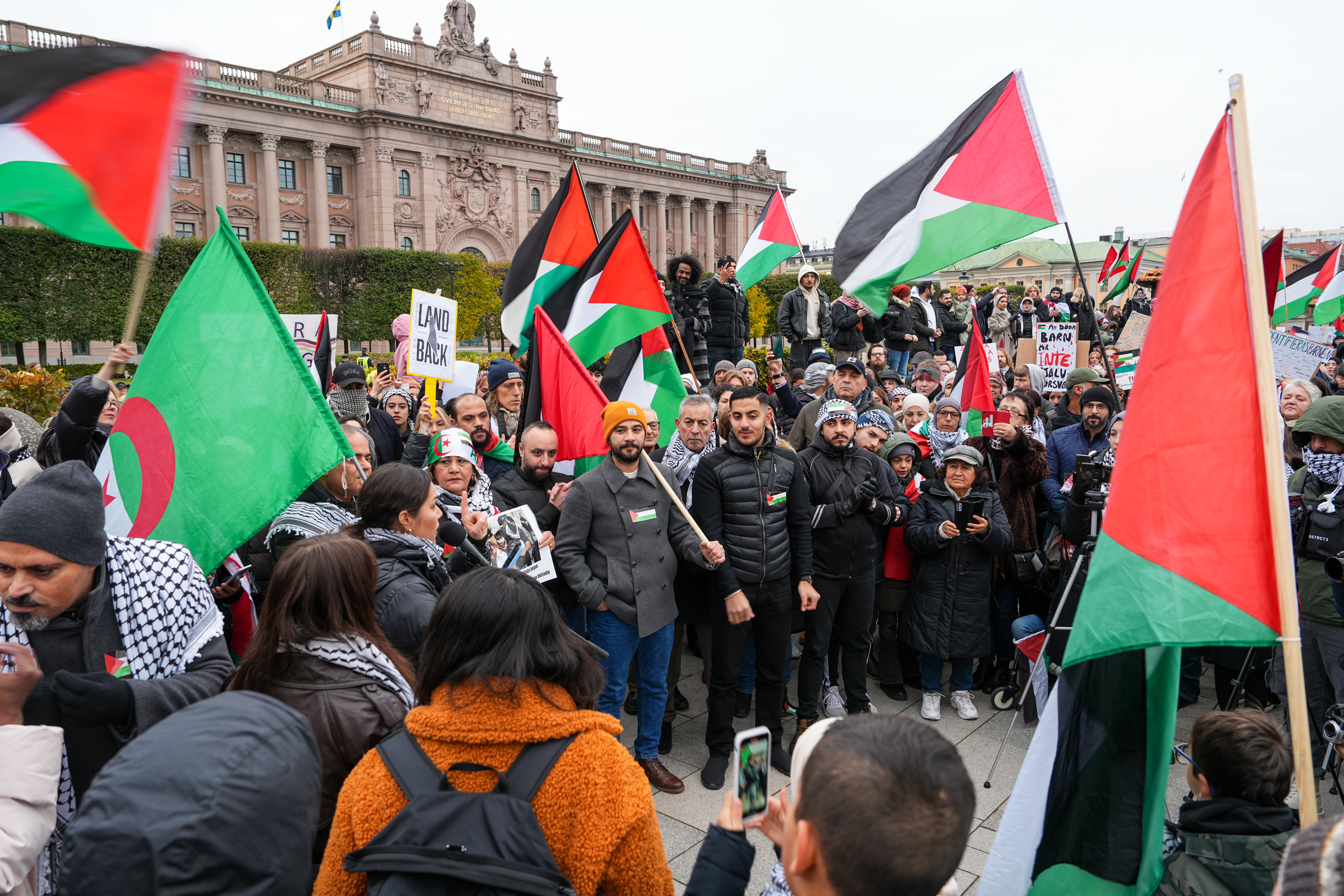


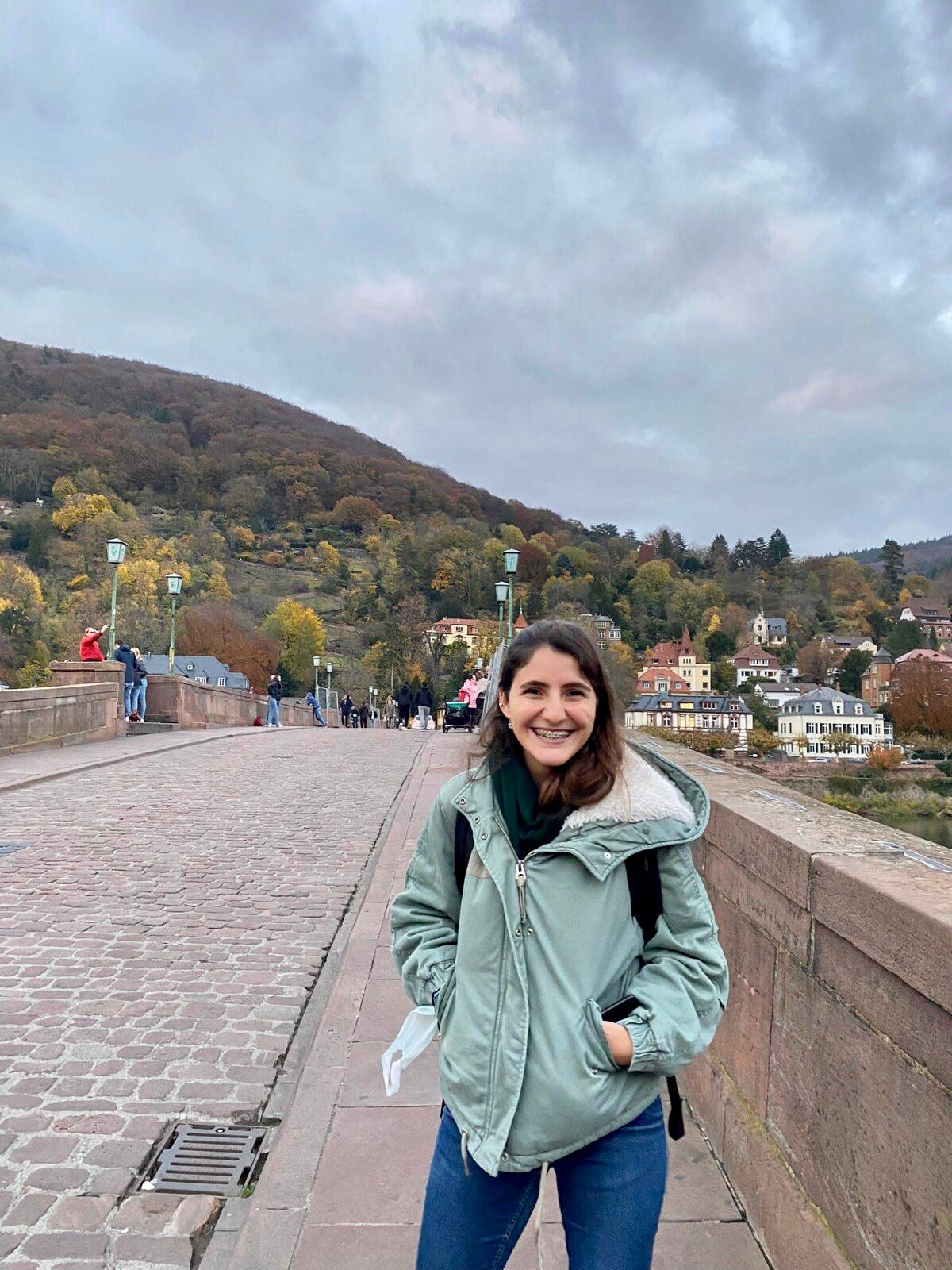


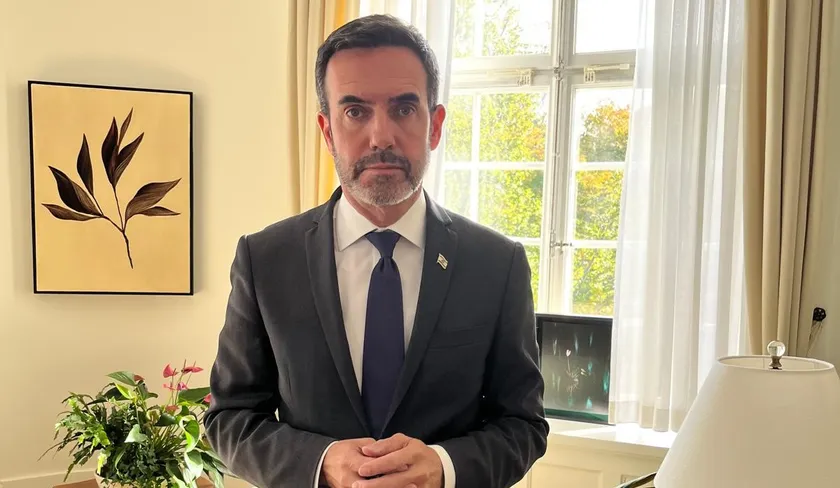


 דיויד סטברו