Reactions to the terrorist attack at Bondi Beach have largely focused on the hateful rhetoric believed to have contributed to the violent extremism that claimed 15 lives – the deadliest attack on Jews since October 7. That focus is understandable after two years of global demonstrations under slogans such as “globalize the intifada.”
At the same time, the attack is rooted in more than a toxic debate climate. It also involves a geopolitical and security dimension that has primarily been raised by Israeli officials.
According to Israeli intelligence assessments, links had already existed for several months between Australian pro-Palestinian activists and groups such as the Islamic State, al-Qaeda, and Iran’s Revolutionary Guard. Against this backdrop, Israeli Prime Minister Benjamin Netanyahu accused Australia’s prime minister of betraying the country’s Jews. After the attack, Netanyahu stated that he had already warned in August that recognizing Palestine would, in his words, “pour fuel on the antisemitic fire, reward Hamas terrorists, and encourage threats against Australia’s Jews.”
This raises a number of questions. Does Australia really need Israeli intelligence to identify threats against its Jewish population? And more importantly: is Netanyahu truly the right person to lecture others about being unprepared for Islamist terrorism, when his own government bears responsibility for Israel’s worst catastrophe in decades?
But Netanyahu is not the central issue. What matters is that the warnings proved correct. A massacre of Jews took place in Australia, carried out by men who had ISIS flags in their car. Australian authorities knew that one of the perpetrators had ties to ISIS and that his father, the other perpetrator, legally owned at least six weapons. Despite this, no warning flags were raised, and the Jewish event lacked police protection when the attack occurred.
Islamists operate freely in Sweden
Against this background, Europe should ask itself a clear question. If Australia’s policies over the past two years resemble those pursued in many European countries, could what happened at Bondi Beach happen here?
Both domestic and foreign policy must be scrutinized. Domestically, this concerns insufficient resources to protect Jewish sites, an inability to counter conspiracy theories, and complacency toward Islamist actors. These challenges affect all European countries, including Sweden. Swedish journalists have recently exposed how Islamists operate freely in Sweden, how Iranian actors direct terrorist activity via Swedish organized crime, and what links Swedish activists have to terrorist movements such as the PFLP.
“Jews in countries that do not take Islamist terrorism seriously end up paying the price, regardless of whether government passivity stems from fear, incompetence, or indifference.”
Sweden is not alone. According to a recent Europol report, jihadist terrorism remains a central security challenge for the EU, with groups such as al-Qaeda and the Islamic State exploiting the conflict in Gaza. Added to this is Hamas, which, according to Israel’s Mossad and European intelligence services, has planned attacks against Jews in Europe since 2023. The causal link is clear: Jews in countries that do not take Islamist terrorism seriously pay the price.
Kvartal
Why foreign policy matters
How, then, does foreign policy factor in? Can recognition of Palestine or harsh criticism of Israel encourage terrorism? Countries such as Spain, Norway, and Ireland pursue a clear line against Israel. Like Australia, they have recently recognized Palestine; they voice strong opposition to Israel in international forums and serve as comfortable host countries for movements that not only oppose Israeli policy but view the state itself as an illegitimate colonial project.
Australia’s prime minister firmly rejected Netanyahu’s claim that the country’s foreign policy had any connection to the attack. He may be right – such accusations require evidence. But that does not mean foreign policy is irrelevant to the climate surrounding antisemitic hate crimes.
First, governments – unlike individuals – must understand the unique situation Jews face. Demonstrations are marked by hatred, aggression, Nazi comparisons, terrorist symbols, and boycotts. Of course, protests are legitimate in a democracy, and no one seriously claims that all participants are violent antisemites. But at the political level, it is unclear whether countries such as Norway fully grasp what their Jewish populations are forced to endure. The situation is worsened by the fact that no other conflict in the world is covered as intensely – and, according to many, as one-sidedly – in Norwegian media. This has an enormous impact on Norway’s small Jewish community.
Second, does the tax-funded public sphere remain neutral, or does it contribute to an unsafe environment for Jews? What do teachers say? What do libraries display? How do healthcare professionals behave? This is a matter of public safety, not freedom of speech. In February, a video went viral showing two nurses at Bankstown Hospital in Sydney boasting about refusing care to – or even killing – Israeli patients. In Ireland, an official report found that school textbooks contain serious distortions of the Holocaust and Jewish history, which Jews in the country say fuel antisemitism. In Spain, Jewish organizations similarly warn that some teachers use classrooms for anti-Israel activism.
“Zero tolerance” is no longer enough
We can continue debating the limits of protest, but we must also scrutinize institutions. The state must protect freedom of expression, but it must also guarantee safety. That requires schools, hospitals, and libraries free from political propaganda and symbolic acts intended to influence public opinion.
Finally, it is a fact that jihadist terrorists in Europe are often exposed with the help of Israeli intelligence. Can Jews in Spain and Ireland truly trust that their governments will cooperate with the Mossad to save lives, when those same governments cannot even tolerate Israel’s participation in Eurovision?
After Bondi Beach, Europe’s governments must decide where they place their resources and political capital. If they are serious about protecting their Jewish populations, “zero tolerance” and symbolic gestures of solidarity are no longer sufficient. Political action is required – and it's required urgently.
Amanah was one of the most important Jewish-Muslim cooperation projects to exist in Europe before October 7. Founded eight years ago in the Swedish city of Malmö by Moshe David HaCohen, then the city's rabbi, and Salahuddin Barakat, a local imam, it aimed to build trust between the city's Jews and Muslims and to counter discrimination. This specific name for the organization was chosen because in Hebrew and Arabic, Amanah refers to the principles of faith and trust.
When it was still active, Amanah ran school programs and developed digital tools to combat racism and monitor social media, addressing many of the challenges for which Malmö had gained notoriety: Holocaust denial in schools, rising incidents of antisemitism every time violence broke out in the Middle East; and escalating Islamophobia culminating in the burning of Qurans by right-wing extremists on multiple occasions.
Amanah's activities were put on hold immediately after October 7, initially because of a statement posted on Facebook by Barakat's Islamic Academy that was deemed highly offensive to the Jewish community. "As Muslims, we stand with our oppressed brothers and sisters in their right to fight against these injustices for freedom, justice, and peace," read the post, which was written when the October massacre was still ongoing. While the post was later updated to offer condolences "to all the innocent victims of violence," the damage had been done. Although dialogue between HaCohen and several Muslim leaders continued and even helped prevent violence during the Eurovision Song Contest in Malmö last May, Amanah officially disbanded in December 2024.
Moshe David HaCohen, Photo: Herald Nilsson
HaCohen is now launching a new organization named B.R.I.T – an acronym for Building Resilience Identity and Trust, and a reference to the Hebrew word for "covenant." He says the organization will work to foster relations between Jews and Muslims in several European countries, based on the premise that security and safety "can't only be based on fear, guards and security cameras – it needs a deeper understanding and working together to overcome the problems."
Jewish-Muslim bridge-building initiatives have been tested in other Scandinavian countries as well over the past year and a half. Before October 7, Jews and Muslims in Oslo regularly held dialogue meetings under the auspices of the Council for Religious and Life Stance Communities (the umbrella organization for Norwegian religious organizations).
"After October 7, cooperation became a serious challenge to both sides," says Rabbi Joav Melchior, the leader of Oslo's Jewish community. "For members of the Jewish community, it was a challenge to deal with Muslim leaders who claimed Israel was committing genocide and spread anti-Israeli conspiracy theories," he adds. "Muslim leaders, on the other hand, saw the support of Zionism as a challenge and expected their Jewish counterparts to denounce it."
Although no major interfaith events have been held in the city over the past year-and-a-half, Melchior says Jewish and Muslim clergy continue to meet and share their thoughts in more intimate gatherings organized through the umbrella organization. "There is a will to improve relations, even though it won't be like it was before October 7," says Melchior, stressing the importance of continuing to talk.
Salaam Shalom was a Danish initiative launched a decade ago that aimed to facilitate dialogue between Middle Eastern communities based in Copenhagen. Inspired by a similar program in Berlin and partially funded by the European Union, the program, which ran for four years, was started by Tali Padan, an Israeli who grew up in the United States and now lives in the Danish capital.
After October 7, Padan wanted to arrange a get-together of some of the former activists and proposed holding a Hanukkah candle-lighting event. The response was not especially encouraging.
"In that first meeting we had only one Muslim, about 20-to-30 Israeli and Danish Jews, and some non-Jewish Danes," she recalls. "The atmosphere was heavy, but there were group activities. We talked, and we lit candles despite it all."
Padan was pleasantly surprised not long thereafter when one of her former Muslim partners, of Lebanese origin, suggested reviving the program. "I was shocked by his initiative because some of his family members were killed in an Israeli air-strike," she says. "Still, we went ahead and the first event took place this January. This time, the room was full. About 50 people, Danish Jews and Muslims, talked about activism and building bridges with a new energy."
Tali Padan, Photo: Thomas Busk
In contrast to the past, she says, in this latest iteration of her Jewish-Muslim partnership organization, the feel-good experience is not the main point. "This time it feels like people are making a powerful choice to commit to unity and peace," says Padan. "They know it's the only way forward."
As Sweden is marking 250 years of Jewish life, the reactions to the October 7th massacre, the war in Gaza and the tone of the rhetoric in the public debate are reasons to be concerned about Swedish antisemitism. But what is the true extent of this scourge, what is its impact on Sweden’s Jewish community, and how is it being addressed by the authorities? By placing these issues in a broader historical context, David Stavrou’s investigation, which we are publishing as part of our partnership with the DILCRAH, seeks to answer these questions.
In 1973 a young Moroccan army officer named Ahmed Rami arrived in Sweden asking for political asylum. He said he needed protection because he was part of an unsuccessful coup d’état in his homeland the previous summer. More than a decade later, after obtaining asylum in Sweden, Rami started broadcasting Radio Islam, a radio program which subsequently turned into a newspaper and later, a web-site. The focus of these enterprises became clear right at the beginning – it was not about Islam; it was about Jews. The radio program and the website featured some of antisemitism’s greatest hits; conspiracy theories about how Jews and Zionists control the world, Holocaust denial, Nazi propaganda, lists of influential Swedish Jews and Israel bashing. During the last three decades, Rami has been investigated, charged, convicted and fined for hate speech and hate crimes and his radio station was shut down by the authorities more than once. Still, now aged 78, Rami’s legacy lives on. He has published books, voiced support for Hezbollah and neo-Nazi groups, his website is still very much alive and the internet allows his work to continue.
Radio Islam is an important landmark in the history of Swedish antisemitism for several reasons. One of them is that the precedential trial which sent Rami to prison for six months also gave a small and relatively unknown Swedish organization called The Swedish Committee Against Antisemitism (SCAA, or SKMA in Swedish) an important role in the Swedish public arena. “SCAA is a religiously and politically unaffiliated NGO which was founded in 1983”, says Mathan Shastin Ravid, the organization’s office manager, “it was founded by a group of activists who wanted to raise awareness about antisemitism. It was a period with a clear wave of antisemitism in Sweden and other European countries during and after the Lebanon War in 1982. Antisemitism was not a new phenomenon in Sweden back then, but this was on a new scale, there were all these accusations with motives and images that targeted not only Israel, but Jews as a group. When the Radio Islam broadcasts started in the end of the eighties, it was clear to us that the radio station was a megaphone for anti-Jewish hatred and propaganda. On the basis of SCAA´s report to Sweden’s Chancellor of Justice, Rami was convicted of hate speech. But it was clear that in those days we stood pretty much alone. Not many people understood the problem, people did not want to talk about it and there were many known figures who came to Rami’s defence saying it was only criticism of Israel, not antisemitism”.
A lot has changed in Sweden since then and SCAA probably has an important part in the change. Shastin Ravid says that since the nineties, the organization has become more than just an activist watchdog. It now also focuses on education. “These days we stand on two legs”, he explains, “one of them is monitoring, information and advocacy, as we try to follow what is happening in Sweden and the world and follow the Swedish and international debate regarding antisemitism. We then react when we see antisemitism in different forms. The other leg is education. We have educational programs for different target groups such as teachers and pupils in Swedish schools, journalists and politicians. We also work with some governmental authorities like the police, which often lack a deeper knowledge of contemporary antisemitism and how it spreads. It is my understanding that there is more awareness in this area today than there was ten years ago and that positive things are happening as part of a higher level of knowledge and consciousness in general in Swedish society today when it comes to antisemitism. But there is still much work to do..”
When Shastin Ravid is asked for an up-to-date description of antisemitism in Sweden, he starts by saying that more research is needed to get a better understanding of the problem. That said, it is clear that in many ways Sweden is not different from other countries. “The development in Sweden is connected to global developments”, he says, “antisemitic conspiracy theories have been spread and legitimized by important political actors in recent years. In Europe we have for example seen it in countries like Hungary and Poland amongst right-wing nationalist parties and governments, but we have also seen it in other countries including the US where amongst others Donald Trump, Elon Musk and the MAGA movement have legitimized and spread antisemitic propaganda. This global phenomenon has affected Sweden too and has sparked hate speech and hate crimes. And then there is, of course, the strong global wave of antisemitism after Hamas’ attack in Israel on the 7th of October 2023 and the war in Gaza. It is not the first time an escalation of the Israel-Palestinian conflict triggers antisemitism in Sweden and other countries, but the level of propaganda, hate, threats and attacks against Jews has been unusually high.”
“Studies show that antisemitism in the form of negative beliefs and attitudes towards Jews exists, in varying degrees, in all Swedish society, in many different groups and milieus. Within Swedish mainstream politics, the problem has long been visible in the right-wing nationalist Sweden Democrats party. For years, the party has tried to portray itself as a party which opposes antisemitism and is pro-Israel, but antisemitism continues to be a problem in the party. We often find high- and low-level representatives of the party spreading antisemitic propaganda and we see many connections between the party and right-wing and even Nazi extremists. In addition, the Sweden-Democrats do not deal with antisemitism within their ranks unless they are exposed by the media, and even then, there are many cases of people within the party who have kept their jobs after they were exposed”. The party’s proclaimed “Zero Tolerance” policy towards racism and extremism, including antisemitism, Shastin Ravid says, is “a joke”.
“But the nationalist and populist right is just part of the problem. Antisemitism does, for example, also regularly appear within the pro-Palestine movement and parts of the Swedish left, where it is often related to Israel and the Israel-Palestinian conflict. In these circles there is sometimes a denial or an unwillingness to see the problem of antisemitism, sometimes rooted in the misperception that Jews are “white” and therefore cannot be victims of racism. In the last year, there has been a big debate in Sweden about the fact that several representatives of the Swedish Left Party have spread antisemitic propaganda, many times on social media. And when criticized, those party representatives have been backed by many others within and around the party who have denied that the propaganda is antisemitic. The SCAA and many others have strongly criticized all of this, and the fact that the party leadership many times has been slow to act and condemn the spread of such anti-Jewish racism and those party members who defend and excuse it.”
“And of course, movements linked to radical Islamism must also be taken into account”, Shastin Ravid adds. According to him, antisemitism is most virulent within those movements and Nazi and other right-wing extremist movements. “For all of them, antisemitism is an ideological foundation, a “worldview,” a way of understanding and describing events both locally and globally. Jews are constantly portrayed as conspirators and blamed for all the world’s ills”. Furthermore, Shastin Ravid adds, “antisemitism has long been a weapon of regimes in the Middle East, where it is deeply rooted, openly expressed, and legitimized. The spread of this type of propaganda via the internet by regimes such as Iran has contributed to the globalization of this hatred. Recently, it was revealed that the Iranian regime is suspected of having planned to murder Swedish Jews, among them Aron Verständig, the chair of the Official Council of Swedish Jewish Communities (Judiska Centralrådet). According to the Swedish Security Services (Säpo), Iran has also recruited Swedish criminal networks to carry out attacks against Israeli and Jewish targets. The Swedish National Centre for Terrorist Threat Assessment (NCT) has reported that the biggest terror threats in Sweden come from violent Islamists and right-wing extremists, which both have Jews and Jewish institutions as some of their primary targets”.
Even without physical violence, Swedish antisemitism is present in the public sphere and one of its main outlets are the numerous demonstrations in support of the Palestinians and denouncing the “genocide” in Gaza. The days right after October 7th, and before the Israeli ground attack on Gaza began, were a good example. While the massacre in southern Israel was still ongoing, there were a couple of spontaneous demonstrations in southern Sweden which included music, dancing and convoys of cars honking their horns in support of the Hamas attack. Right after that, in the course of one weekend in Stockholm, three different organizations demonstrated separately but with similar slogans. A part from the mainstream Pro-Palestinian movements, there were more radical organizations on the streets. One was Hizb ut-Tahrir, a radical Islamic group advocating the creation of a caliphate governed by Sharia law from Uzbekistan to Morocco, with a small branch in Sweden. It was granted permission to demonstrate despite being banned in several countries. Next came the Nordic Resistance Movement, a neo-Nazi group with a few hundred members who demonstrated in support of the Hamas attack. They were followed by the Revolutionary Communist Youth, which claims that Palestinians have the right to “fight by all means against the occupying power to liberate their land.” The latter described the October 7 attacks as an act of liberation that “caught the Zionists in their beds.” Both organizations, one neo-Nazi and the other Marxist-Leninist, support the Palestinian slogan calling for “crushing Zionism.”
Since then, there have been numerous demonstrations in Sweden, many of them on a weekly basis. These demonstrations are legal, the organizers deny that they feature antisemitic content and they are seen by many Swedes as legitimate opposition to Israel and solidarity with Palestinians. However, they often include slogans which are considered antisemitic by many such as supporting a “global intifada” and “crushing Zionism”, promoting antisemitic conspiracy theories and calling for a “Free Palestine from the River to the Sea”.
Still, demonstrations are not the main concern when it comes to current Swedish antisemitism. There have been numerous reports of activists who have used school classes, universities and even pre-schools to spread radical anti-Israeli political propaganda which is seen by many as antisemitic, the culture world has been full of calls for boycotting Israel and ending cooperation with Israeli artists, the BDS movement which was hardly present in Sweden before the war has been publicly active in promoting boycotts against companies which they claim are complicit with Israel’s “illegal occupation and apartheid politics” and parts of Swedish academia have become hostile to Jewish and Israeli students. In Gothenburg University, for example, activists were allowed to take over the premises of the university’s art and design school and they distributed Hamas propaganda. In Stockholm, Lund and Uppsala there have been reports in Swedish media of pro-Palestinian encampments and so-called “liberated zones” which together with harsh rhetoric from members of senior university staff who are also political activists made students hide their Jewish identity and caused concerns about their safety and well-being.
Demonstration in Stockholm, June 2025
How prevalent are antisemitic crimes?
“Many Jews in Sweden have experienced antisemitism in one way or another”, Shastin Ravid says, “we need more research, but studies have indicated that many Swedish Jews have been targeted by antisemitism and many of them have not reported these incidents. This is also true for other hate crimes, most of them are probably never reported to the police”. Some of the studies Shastin Ravid is referring to were made by the Swedish National Council for Crime Prevention (Brottsförebyggande rådet, Brå). They show that there is a small and inconsistent increase in the number of reported antisemitic hate crimes over the years, but some years there is a sharp rise. “These are often the years when the conflict between Israel and the Palestinians has escalated, like the last war in Gaza. According to a study from Brå, there was a sharp rise in reported antisemitic hate crimes during the last part of 2023, almost 5 times as many as during the same period the year before”.
But other global events may also have been important in this respect. “The pandemic, for example, brought at least two kinds of antisemitic effects”, Shastin Ravid says, “First, there were accusations against the Jews, who were blamed for starting the pandemic and for profiting from it. Then, there were parts of the anti-vaccination movement which instrumentalized and diminished the Holocaust, claiming that they are treated the same way as the Jews in Nazi Germany. The war in Ukraine also triggers antisemitism on a global scale as do the discussion about Quran burnings and the debate about migration and refugees which fuels the antisemitic so-called replacement theory. These days antisemitic propaganda is often spread online with code words replacing the word Jews. Instead, it is Zionists or Globalist or specific names like Soros or Rothschild. These words are used globally as symbols of a big Jewish conspiracy, and they are widely spread in Sweden too”.
Another study Shastin Ravid speaks of was made by a government agency called The Living History Forum (Forum för Levande historia), which was founded in the beginning of the 2000s to “work for democracy and equality between all people, using lessons learned from the Holocaust”. According to Shastin Ravid, the study from 2020, showed that there had been a decline in antisemitic attitudes and notions over a period of 15 years, but that antisemitism still exists within different parts of the population. “I think that this is an important point to make”, he says, “the study showed that around 5 % of the respondents displayed antisemitic attitudes with a stronger intensity, which is a rather low figure compared to many other countries. However, if you broaden it and look at the group of people who agreed with one or more of the study’s antisemitic statements, the number is 34 %. This does not mean that 34 % can be said to be antisemitic, but it indicates that antisemitic ideas exist among a bigger part of the population than many think. We should not only focus on the most extreme groups. According to the study, higher levels of antisemitic beliefs correlated among other things with, and were more common amongst people who are: older, have lower levels of education and have a low trust in public institutions. Antisemitic beliefs were also more common among people who have sexist and anti-immigrant attitudes, people who sympathize with the Sweden Democrats party, people who were born outside Sweden or Europe, and people with a Muslim religious affiliation. Another interesting factor is that traditional and Holocaust related antisemitic beliefs tended to be slightly more common among men, and Israel-related antisemitic attitudes and notions tended to be slightly more common among women”. However, Shastin Ravid points out, the study is now a few years old, and many things have happened since that could affect the results of the next study, which is supposed to be published in 2026.
One group which is particularly exposed to antisemitic hatred is the group of school pupils and teachers who in many cases are scared to be open with their Jewish identity. “We have studies from among other places Malmö and Stockholm which show that there are serious problems with antisemitism in some Swedish schools. Sometimes it is related to the Israeli-Palestinian conflict, sometimes the word Jew is used as a curse and sometimes we see antisemitic conspiracy theories which fascinate youngsters. We also see jokes about the Holocaust, swastikas on benches or lockers, and Nazi salutes. Jewish pupils often feel that their teachers and schools do not take the matter of antisemitism seriously, and they say that there is a lack of knowledge and support. This is something that many Swedish youngsters have told us at the SCAA through the years”.
Sweden is home to the largest Jewish community in Scandinavia. It’s estimated that about 15,000 Jews live in the country which has a population of just over ten million. That said, there are probably many more Swedes who have a Jewish background, as Jewish immigration to Sweden dates back to the 18th and 19th centuries and many have married into Swedish families. The largest community in the country is the one in the capital Stockholm which has three synagogues, including the conservative Great Synagogue adjacent to the Raoul Wallenberg and Holocaust monuments and an office building which houses various Jewish organizations. A few minutes’ walk away, there’s a relatively new cultural centre called “Bajit” which houses a Jewish primary school, a Jewish kindergarten and a variety of Jewish activities for all ages, as well as a Kosher shop and a café. Smaller Jewish communities and associations exist in Malmö, Gothenburg and a couple of other smaller towns. Sweden’s Jewish communities are united under an umbrella organization, the Official Council of Swedish Jewish Communities (Judiska Centralrådet) which usually takes part in national discussions concerning Jewish life in the Swedish Parliament, Government and other authorities.
Since the problem of antisemitism isn’t new to Swedish society, it’s no surprise that in recent years the Swedish government has made many attempts to address it. After decades of ignoring the problem, dismissing and repressing it, recent Swedish governments have put it on their agenda and have tried many different approaches. Petra Kahn Nord who served as the World Jewish Congress’ representative in the Nordic countries, says that the current Swedish government appointed a special inter-ministerial task force in order to combat antisemitism and improve the conditions for Jewish life in Sweden. “This government task force was set up to be a ‘one point of contact’ authority, which is something we’ve suggested before”, she says, “it was founded in January 2023 and the first issue that it focused on was government funding for security for Jewish institutions like synagogues and schools. The second issue was, and still is, addressing antisemitism”. Kahn Nord explains that the previous government had the political will to secure security funding, but the budget mechanism didn’t really work. The current government, however, addressed the issue, increased funding and gave additional funding after October 7th. But protection against violent antisemitic incidents isn’t all that’s needed.
In 2021 Sweden hosted The Malmö International Forum on Holocaust Remembrance and Combating Antisemitism. The conference, hosted by then-Prime-Minister, Social-Democrat Stefan Löfven, asked the participating countries and organization to make concrete pledges that would strengthen Holocaust remembrance and tackle Holocaust distortion, Holocaust denial and contemporary antisemitism. The Malmö forum was seen by many as a natural continuation to the steps another Social-Democratic Prime-Minister, Göran Persson, made twenty years earlier. Persson founded what is now called the International Holocaust Remembrance Alliance (IHRA) and initiated the Stockholm International Forum on the Holocaust which brought together political leaders, state officials, religious leaders, survivors, educators, and historians from around the globe. When Löfven initiated the 2021 events, one of Sweden’s pledges was to form an inquiry on strengthening Jewish life in the country. The idea was that fighting antisemites is one thing, but making Jewish life flourish was another subject. One that has been neglected for many years.
This indeed happened and various issues which Jews in Sweden were concerned about were discussed seriously. These included the threats of illegalizing Jewish circumcision and banning the import of Kosher meat which were supported by some political parties. Another important issue was the status of Jewish schools in Sweden which doesn’t have almost any real private schools. There are so-called independent schools, including a couple of Jewish ones, within a charter system, but because of reports of radicalization in some of Sweden’s independent Muslim schools, new legislation was put in place which affected Jewish schools too. The new legislation imposed the definition of “denominational schools”, and with-it necessary restrictions, on existing Jewish schools. Another concern was an initiative to limit the establishment of new denominational schools. These were all concerns in the Swedish-Jewish pre-October 7th reality. Community leaders were saying then that “Swedish Jews may be able to survive a terror attack, but not legislation forbidding Brit Mila or Jewish schools”.
Today, after October 7th, it’s clear that the majority of political parties, and certainly the ones which are part of the Swedish Government, are committed to addressing these Jewish concerns. Antisemitism, however, is not necessarily a problem which the government can easily address since its origins are well-rooted and widespread in many parts of Swedish society. All recent Swedish governments have therefore realized that combating antisemitism is as complicated as it’s important. And it’s a work in progress. Petra Kahn Nord mentions two major shifts in the last few years. “First, before 2015 it was not acceptable to talk about antisemitism which came from immigrant groups from the Middle-East. This made members of the Jewish community feel abandoned. Sweden has now changed and it’s now possible to talk about it and deal with the problem”, Kahn Nord says, “the second shift has to do with the fact that the populist right-wing Sweden-Democrats party is supporting the government. So far, however, the party hasn’t caused any policy shifts aimed at the Jewish minority. But October 7th created a new reality. We’ve seen an increase in the number of antisemitic incidents in schools and universities, we’ve seen politicians, especially in the Swedish Left, who spread antisemitic propaganda and we’ve seen support for Hamas in demonstrations and online”. Kahn Nord says that schools and social media are a particular concern. “The problem in these arenas is serious”, she claims, “and it can’t be dealt with by using old “action plans” that previous governments suggested. Many of these plans, including pledges made in Malmö four years ago, focused on Holocaust education and educational strategies against racism in general, as opposed to antisemitism as a specific phenomenon. The Malmö Pledges, for example, included the pledge to establish a new Holocaust Museum in Stockholm (which has indeed been opened since then) and another to contribute 5.5 million SEK to the Auschwitz-Birkenau Foundation. “There’s a Swedish tendency to focus on dead Jews”, Petra Kahn Nord says, “perhaps now, especially after October 7th, it’s time to focus on the living ones”.
And indeed, when it comes to living Jews and real concrete Jewish communities, combating antisemitism and taking measures to improve Jewish depends on strong support and clear stands by governments.
In Sweden, the subject of antisemitism has been on the agenda for decades and different governments have handled it in different ways. Today, the government minister who holds the relevant portfolio is Parisa Liljestrand, a forty-two-year-old minister from the center-right Moderate party. Liljestrand, immigrated to Sweden as a young child from Iran and worked as a teacher and school head-master before getting involved in local politics. In 2022 she received her first post on the national political scene and became Sweden’s Minister of Culture. In an interview conducted in her Stockholm office she explains that one of her responsibilities is addressing issues connected with Sweden’s five national minorities. The minorities and their languages, which are considered official minority languages in Sweden, were recognized in the year 2000 and they include Jews and Yiddish; Roma and Romani Chib; the Sami and the Sami language; the Swedish Finns and Finnish and the Tornedalers and their Meänkieli language.
“Our government was appointed in October 2022 and the Prime Minister made it clear, as early as his first government statement, that strengthening Jewish life and working against antisemitism would be one of our priorities”, she says, “When we started our work, we decided that we need to understand what’s been done in Sweden today and to listen to the Jewish organizations which are active in Sweden. We wanted to understand what they think is needed. What we found out was that a lot of important work is being done, but there are things which still don’t work and there are things which are lacking. Sweden ranks well in global measurements of antisemitism, but there’s still widespread antisemitism in Sweden which we need to actively fight. This became even more evident after Hamas’s horrific attack on October 7, 2023. As in many other countries, we have seen the threat perception towards Swedish Jews increase, as has open antisemitism. The government takes this very seriously.
But it is not enough to work against antisemitism. We need to strengthen the possibility to live a free Jewish life, both in terms of Jewish culture and in terms of Jewish religious life. This is why we need to gather the work that’s done by different government ministries and by Jewish organizations. When we talked to the organizations, we found that it was sometimes hard to understand who’s responsible for what issue and it was important to make sure that things don’t end up in the wrong place. That’s why we founded the Government Task Force for Jewish Life as an inter-governmental work group which, beside the Prime Minister’s office, has eight more government offices represented in it”.
When asked if the fact that her government is supported by a party with roots in neo-Nazism doesn’t affect her attempts to fight antisemitism, Liljestrand tells a story of one of her meetings. “I met a Jewish father who told me about his son who went shopping while he was wearing a necklace with a Star of David. The father said that when the boy came to the cashier, the person who was working there told him that he was not welcome in the shop. This story really hurts. This can’t be our reality. This isn’t Sweden. We have a clear mission – making Sweden a free country to live in and supporting those groups who cannot live a de-facto free life here. So, I don’t feel the Sweden-Democrats are stopping me from doing this. I understand that there’s a concern, but I’m clear, and the government is clear in its message. One must remember that antisemitism is about gathering and capitalizing violence from various directions. That’s what makes it different from regular racism”.
Parisa Liljestrand, Photo by Ninni Andersson Regeringskansliet
Part of the violence Liljestrand is talking about is online and much of it is aimed at young people who have to grow up with it. “It’s extremely serious when antisemitism becomes a natural part of day-to-day life and it isn’t limited to the physical space and instead it’s spread digitally”, Liljestrand says, “it’s worrying and we need to fight it and work towards the goal of not having another generation which is exposed to the same kind of difficulties living a Jewish life or the same kind of antisemitic hate which previous generations were exposed to”.
Liljestrand seems to be serious about this particular aspect of her job. “I myself, with my background, know exactly what it’s like to live in a society which treats you differently if you have a different skin color or if you have a different culture”, she says, “I know what it’s like to fight your way into society and have the will to be part of it while still keeping a part of your culture and heritage”.
When it comes to antisemitism and the struggle against it, Sweden is indeed an interesting case. For much of its post war history, antisemitism wasn’t taken very seriously. Neo-Nazi movements operated freely while the close ties to Nazi Germany were ignored. This came together with a widespread ignorance about the Holocaust, antisemitic attitudes within the Swedish elite and free import of antisemitism with large waves of immigration from other countries. Then, in the last couple of decades, all that changed. Sweden became a world leader of Holocaust education and combating antisemitism. At least that’s what it presents itself as being. But are the museums, task forces, international conferences, research projects and educational initiatives really working?
On the one hand, it is clear that Sweden is much more aware of the problem and much better equipped to combat it than it has ever been. But any honest assessment of the situation must admit that, in many cases, Swedish schools and universities remain hostile dangerous places for Jewish students and teachers, who continue to suffer from harassment, social pressure and occasionally also violence, while teachers and principals avoid confronting the aggressors. It has been reported that in some schools, Shoah survivors haven’t been invited to share their stories because of the disrespect shown by some students.
Outside the education system, other problems remain unresolved. Although physical violence against Jewish targets is not common in Sweden, it has occurred and, according to police and the press, it remains possible. Molotov cocktails have been thrown at Jewish cemeteries, funeral homes, and synagogues, the Israeki embassy has been attacked and other cases of physical and verbal assaults against Jews have been documented.
The resurgence of pro-Palestinian demonstrations since October 7—where strongly antisemitic slogans, signs, and rhetoric have been documented—is also a cause for concern. The scale of the protests against singer Eden Golan’s participation in the Eurovision 2024 final in Malmö made international headlines, but the truth is that although those demonstrations may have been the biggest, they weren’t the most aggressive.
For many Jews who live in Sweden it’s not about the size of the demonstration and not about the legitimate right to demonstrate. Anyone who’s uncomfortable with these demonstrations can just avoid them. The problem is that when Sweden’s Jews see thousands of people who are collectively calling Israel, which is an important part of their identity, the worse things in the world and promoting a very high level of hate, they know that in that crowd there may be familiar faces – perhaps their children’s pre-school teacher or their local clinic’s nurse or doctor. And it’s not only that. The separation that some of the demonstrators try to make between criticizing Israel and attacking Jews doesn’t always work. When demonstrators wanted to burn an Israeli flag in Malmö in November 2023, they didn’t get on a train and go to Israel’s embassy in Stockholm. They did it outside the local synagogue. A couple of months later protesters from a group called ”Together for Palestine” chanted anti-Israeli slogans at people who were entering Stockholm’s Great synagogue for a Holocaust Remembrance Day ceremony. Some of the people who encountered this were Holocaust survivors. The demonstrators demanded that Sweden’s Jews will denounce Israel and its war in Gaza. These events send a message that 250 years after Jews were officially allowed to live and create a community in Sweden, their legitimacy is now conditional. If they speak out against their historic homeland and its government, they are tolerated. If not, all hell may to break loose.
A look at the Radio Islam website is a thought-provoking experience. It features lengthy texts about subjects like how Jews have controlled Sweden for centuries, how they “instrumentalize the Holocaust” and how racism, hatred and cruelty are the driving forces of the Torah and the Talmud. In a way this brings us full circle. Sweden has gone a long way fighting antisemitism since Radio Islam was persecuted back in the eighties. Since then, Swedish governments, Jewish organizations and civil society organizations have turned Sweden into a country known for its rigorous combat against antisemitism. However, with populist and racist political movements on the rise, with Islamist propaganda on and off-line, with an increasingly aggressive discourse against Israel and Zionism, demonstrations, boycotts, and burnings of flags and books on a weekly basis, it’s now clearer than ever that the fight against antisemitism still has a long way to go.
Sweden is no longer trying to create peace in the Middle East. Instead, the "humanitarian superpower" has become a country where the parties make short-term use of the war to win votes.
Sweden's Middle-East policy is a dynamic creature. In the 70's it went from the early pro-Israeli policies of the Erlander era to the radical pro-Palestinian activism of the Palme era. Later ties with Israel strengthened as Göran Persson positioned himself as an international fighter against antisemitism and part of attempts to bring peace to the region. confusingly enough, Sweden's turn to the right and Carl Bildt's term as Foreign Minister aligned Sweden with the Palestinians again. A few years later, Stefan Löfven's government continued the trend when it recognised Palestine, while Foreign Minister Wallström promoted a "feminist foreign policy", but focused on supporting the Palestinian cause more than woman's rights in any other region.
These policies had one thing in common – whether they were formed by Sten Andersson's "Stockholmsgruppen" or by over enthusiastic professional diplomats, they were all based on the assumption that Sweden can somehow contribute to solving this decades-long conflict and that it's an actor in this far away complicated drama. That all supposedly changed two years ago. Sweden's application to join NATO, the end of 200 years of non-alignment and the focus on Ukraine meant a paradigm shift. When I talked to Foreign-Minister Billström in 2022, he told me about a "recalibration of Swedish foreign policy" and "new priorities". He said that the NATO accession is above anything else and after that it's all about "our neighborhood" meaning the Nordic states and the Baltic region. He added that "this is where we're putting our emphasis", making it clear that fixing the world, including the Middle-East, is no longer a priority.
Fast forward a couple of years and we suddenly have a new reality. Sweden's new foreign policy priorities may be right or wrong, but at least they're clear and transparent. What happened during the last European Parliament election campaign, however, is the exact opposite. Since the war in Gaza became a major part of the news cycle and a fashionable subject in activist circles, Swedish policy makers, in a new and cynical twist, decided to use it as a tool to mobilize voters. And so, Sweden is no longer trying to bring peace to the Middle-East, instead the "humanitarian super-power" has become a petty war profiteering vote-collector.
Vänsterpartiet is a good example. You'd have to be extremely naïve in order to think that the European Parliament has a substantial effect on the current war. Still, Dadgostar and Sjöstedt went all in with the genocide accusations and demands for sanctions against Israel. They even supported boycotting Israel's Eurovision participation. When it comes to the EU, this is all symbol politics. The real issues are climate change, immigration and economic growth. But V's electorate are wearing Palestinasjals and shouting "Intifada-revolution!". That's where the votes are. Sjöstedt may also be looking at a competing party which can only be described as war-mongering. Nyans posters say "Legitimera Hamas" and the party claimed it will use a seat in the European Parliament to remove Hamas from the terror organizations list. For Vänsterpartiet there was nothing to lose by making Gaza a campaign issue and there was a world to win. Socialdemokraterna, in perfect harmony, jumped on the Palestinian wagon slightly more moderately, insuring it wouldn't stay behind. How this will affect even one Palestinian in Rafah remains to be seen.
The conflict in Gaza was also used by Sverigedemokraterna which for months is trying to position itself as "Sweden's most pro-Israel party". But this isn't really about Israel. It's an attempt to wash away the party's neo-Nazi past. The idea that "we are friends of Israel, so we're no longer antisemites" is just as insulting as the old claim that "I'm not an antisemite because some of my best friends are Jews". Bust SD's timing is perfect. Some Israeli politicians are willing to align themselves with Europe's most populist and minority-hating parties, even if the side effect is legitimizing parties which are, or used to be antisemitic or neo-Nazi.
All this wouldn't have mattered so much if it was only about politics. Parties use what they can to get elected, that's just how it is. But this is causing damage too. The last thing real Israelis need is the support of ultra-right-wing parties encouraging Israeli politicians to continue marching into a hopeless future of endless war and backsliding democracy. They do, however, need real friends – Europeans who will support Israel's right to be a Jewish state and defend itself, but also insist that it coexists with its neighbors and stays a prosperous democracy. On the other side, the last thing Palestinians need are friends who adopt the Hamas narrative of colonialism, genocide and armed struggle. What they really need, besides humanitarian help, is uncorrupt leaders who are not the local chapter of the Muslim brotherhood or Iran.
But it's even more serious in a Swedish context. Politically dancing on the blood in Gaza and Israel is blowing wind in the sails of Swedish antisemitism which has never been worse.
Sweden's political class has to start taking responsibility. It's fine that it decided that Sweden can't bring world peace. It's actually probably very wise. But that doesn't mean Swedish politicians have to go to the other extreme. Even if they can't be part of the solution, at least they can stop being part of the problem.
Ziv Nevo Kulman took office in 2021, at the tail end of one of the most difficult crises in the history of Israeli-Swedish relations. October 7 brought other voices to the fore. 'Suddenly, we see that on the core issues there is agreement,' he says in an interview with Haaretz
While singer Eden Golan was on the Eurovision stage in Malmö, one person in the audience was accompanied by at least the same amount of security guards as the Israeli delegation. Ziv Nevo Kulman, the Israeli Ambassador to Sweden and longtime Eurovision fan, insisted on coming to the event to support Golan and her team, despite likely being one of the most heavily guarded people in the Scandinavian country at the time.
"There was an illustrative moment in the Israeli performance in the semi-final," he says. "The performance began with boos before Eden even opened her mouth. In response, there were also cheers from the audience, and a kind of duel started up between them. And then, because the performance was so good and Eden wasn't affected at all by the boos, most of the audience cheered for her. They were impressed by a 20-year-old singer who was put in a difficult situation and rose to the occasion with great honor."
Nevo Kulman says the hostility and calls for a boycott of Israel were met with a clear and supportive reaction from the public. "That was also the moment when she leapt up in the odds," the ambassador says. "As someone who has really been following the boycott calls in Sweden recently, I can say that the Swedes are in favor of dialogue, in favor of listening and in favor of freedom of expression. My impression is that the Swedes are not advocates for BDS."
Ambassador Ziv Nevo Kulman, photo credit: Embassy of Israel in Sweden
The conversation with Nevo Kulman took place in a discreet location in Stockholm, with four security guards, both Swedes and Israelis, sitting in the next room. He says that after Eurovision ended, just before the delegation returned to Israel, he met with Golan. "It was one of the most thrilling and moving moments in my career," he says. "What we had here was a concerted effort by an incredible delegation with an incredible singer and an incredible song, and we [at the embassy] also helped to provide the right umbrella."
This umbrella, Nevo Kulman says, included his local media appearances in which he sought to provide a counterweight to the large anti-Israel protests in Malmö over Eurovision weekend. In an interview with the Swedish daily Dagens Nyheter, the ambassador was pictured wearing an ABBA T-shirt adorned with a yellow ribbon, as well as a necklace with the Chai symbol.
Nevo Kulman says that, normally, Eurovision to him is a time for celebration. If things were normal, he would probably have been going around Malmö with other ABBA fans, simply enjoying the fun and colorful event. But because of the current situation, this year none of that is possible.
"The shirt is like a wink," he explains. "I speak with a wide audience through the media interviews and I see more Swedes who are sympathetic to Israel. I hear from people who tell me – Don't get the wrong idea, don't be confused. Just because there are loud people in the streets, in protests, doesn't mean that's what the Swedes think. Our messages are getting through to a lot of readers and listeners and viewers."
Nevo Kulman wanted to stress that, while the protesters are entitled to freedom of expression, as a member of the European Broadcasting Union, Israel also has the right to participate in Eurovision without being harassed. "We also deserve the right to speak, and the competition showed that the conception that everyone in Europe hates us is incorrect," he says.
Unlike the professional juries, the voters from the general public are anonymous, and a large portion of them awarded Israel the coveted 12 points. "Including people from countries you wouldn't expect," the ambassador says.
Nevo Kulman cites the LGBT community as an example of a group that is partly hostile to Israel, despite the country's historic role in the contest. "We were supposed to be the country that carries this banner in the Eurovision, but this is a generation that doesn't know who Dana International was." Nevo Kulman, who is gay himself, says, "Now they're into being Queers for Palestine. It's not enough for them anymore to just be gay or trans, and this is concerning. We need to find a way to talk with these publics."
Things have been particularly tense at the Israeli Embassy in Sweden lately. This past Friday, the police detained several people suspected of firing guns near the embassy. In January, a grenade was thrown at the building, but did not explode. The incident took place a few days after reports came out that Hamas planned to attack the Israeli Embassy and other sites in the country.
Police outside the Israeli embassy in Stockholm, in January.Credit: David Stavrou
"Of course, it affects the work," Nevo Kulman says. "In Sweden, unfortunately, consular services are only provided online. But the embassy is working, we're here and we're operating." He says the threats definitely have an impact on his regular agenda as ambassador: "There are things I did in the past that I can't do now. I can't stand in a public square and give a speech, and therefore I have to miss certain events, and it breaks my heart."
Nevo Kulman has been in the Israeli foreign service for 28 years. He served as cultural attache at the embassy in Tokyo, as Deputy Ambassador to the Czech Republic, as cultural affairs advisor at the embassy in Paris, as general consul in Montreal, and as head of the cultural diplomacy division at the Foreign Ministry in Jerusalem. The position in Sweden is his first as an ambassador. Despite the nation's tranquil image, his tenure in Stockholm has been quite tumultuous.
He is well-liked by Swedish politicians and the Swedish media, maintains extensive ties with the country's Jewish community, and does not hesitate to express an opinion in different areas. For example, he firmly denounced the practice of far-right political provocateurs burning copies of the Koran. He fought for Israeli culture to be included in the Book Fair in Gothenburg. One of his more controversial moves was to declare that Israel would not maintain ties with the populist far-right Swedish Democrats party.
"We are aware of the positive statements by the Swedish Democrats about Israel," he says. "But at the same time, the party continues to adhere to extremist positions regarding a ban on brit milah [Jewish religious circumcision] and the importing of kosher meat, and it has yet to seriously grapple with its neo-Nazi past and with the antisemitism among its members." He adds that the party has not expressed any remorse for its many years of mistreatment of Holocaust survivors, which makes its supposed support for Israel questionable.
Nevo Kulman took over the position in Sweden in the summer of 2021, when Israeli Swedish relations had been languishing after a long and difficult state of crisis. The two countries were attempting to mend the rift that began in 2014, when Sweden officially recognized a Palestinian state and was followed by years of harsh statements, recalls of ambassadors and a halt to state visits.
"It was a lengthy process," Nevo Kulman says. "The Swedes understood that they had gone too far with the recognition of a Palestinian state. The move didn't change anything on the ground and didn't contribute to the Swedish interest of being perceived as a fair partner acceptable to both sides."
But the process of rehabilitating relations was jolted again in the aftermath of October 7. "Now it's impossible to promote an agenda beyond the conflict," says the ambassador, although he also sees an optimistic angle here. "Suddenly, we see that on the core issues there is agreement: the attitude toward Hamas, Israel's right to defend itself, returning the hostages, the fight against the accusations of genocide, and other issues."
Nevo Kulman explains that Israel and Sweden have similar positions on many matters. "Swedish official statements consistently cite Israel's right to defend itself and call for the immediate release of all the hostages." He adds that the Swedish foreign minister has said that he will soon visit the region. "Naturally, this will enable a direct and fruitful dialogue about all the issues on the agenda," the ambassador says.
Thousands of people marched through Malmö to protest Israeli singer Eden Golan's participation and to demand a Gaza cease-fire. Police removed dozens protesting outside of the arena.
MALMÖ — After performing to boos and applause, and as thousands protested outside, Israeli singer Eden Golan ultimately placed in fifth in the 68th Eurovision Song Contest final, receiving 329 points from the public vote.
Golan's performance of the power ballad, "Hurricane," in Thursday's semifinal shot up her odds. Though she faced some booing at dress rehearsals, she was voted into the final by viewers around the world.
Police removed dozens of pro-Palestinian demonstrators protesting outside the Malmö Arena as the final began on Saturday. Earlier, thousands attended a pro-Palestinian demonstration to protest Israel's participation in the event held in the city Saturday night.
The competition that pits nations against one another for pop music glory concluded in the Swedish city, with Switzerland claiming the trophy, and Israel at the center of a political storm.
Meanwhile, a few minutes walk away from the pro-Palastinian protesta, a completely different demonstration took place. Under heavy police protection, about 100 supporters of Israel gathered. The event included singing of Israeli Eurovision songs alongside dancing.
All photos: David Stavrou
On the evening of the final competition, demonstrators took part in Falastinvision, a pro-Palestinian musical protest event held at a venue in the city. Attendees waved Palestinian flags and banners while chanting protests against Israel and its actions in Gaza.
Described on its website as a "genocide-free song contest," the event featured various singers and bands who registered in advance and competed for a prize. According to the organizers, the event aims to "shed light on the Palestinian issue" and protest against the decision of the European Broadcasting Union to allow Israel to participate in Eurovision amid accusations of committing war crimes.
Israeli Prime Minister Benjamin Netanyahu praised 20-year-old Golan for performing despite "contending with an ugly wave of antisemitism."
A visit to Sweden's third-largest city a few weeks before it hosts the huge song competition reveals that preparations for putting the Palestinian cause on Europe's biggest stage are at a fever pitch. 'People I know are taking off kippot and necklaces with Stars of David in public'
MALMÖ, Sweden – On a wintry March day, Malmö gives the impression of a multifaceted port city. Fans of the crime series "The Bridge" are familiar with its architectural symbol, the long Oresund Bridge linking the city with Copenhagen in Denmark. But a visitor to Sweden's third-largest city can discover all kinds of architectural connections to historical and demographic processes.
Take the contrast between the medieval historic city center and the impressive modern port to its west, where shipyards and industrial zones have been replaced by luxury homes, with the Turning Torso skyscraper as the area's landmark – and the contrast with concrete apartment buildings constructed decades ago as part of the government's large public housing program, which have become home to immigrants.
In May, these areas will all be flooded with swarms of visitors to celebrate the 68th Eurovision Song Contest and shake off the remnants of the freezing winter. Patriotic groups will fill the 130-year-old Folkets Park, which will become the Eurovision Village. Members of the indefatigable Eurovision fan clubs will party at the EuroClub every night, and the residents will, of course, enjoy an economic and cultural boom.
Meanwhile, when asked what they think about the event, their answers sound like they're reading from a marketing pamphlet. They're pleased and are happy to welcome everyone. This answer echoes the city council's message and description of the event: "A lively celebration of openness and inclusion."
It began with celebrations in the city on the night of October 7, after the Hamas attack that saw civilians brutally massacred. Hundreds celebrated with music, dancing, and fireworks as convoys of honking cars passed by and people handed out candy. Since then, protests against Israel and its participation in Eurovision have not stopped in the city.
Midweek, Malmö's central Möllevången neighborhood, the focal point of the protests, is quiet. Around the neighborhood, which gentrification has changed from a working-class area to one characterized by hipsters, students, and multiculturalism, hang posters with slogans like "stop the genocide" and flyers calling for demonstrations. A supermarket shelf with avocados from Israel has a label with a Palestinian flag and the word "boycott."
A secondhand clothing store's display window has a big screen breaking down the number of dead in Gaza: how many children have died, how many people are wounded or buried underneath rubble, how many become orphans every day, how many mosques have been destroyed, how many medical workers have been arrested or killed. An Israeli flag appears next to each number, and postcards are available to send to the foreign ministers.
But weekends provide a much more dynamic picture. Protests with thousands of participants are regularly held here, with Palestinian flags and signs reading "free Palestine" and "end the Israeli occupation," speeches in which Israel is called a child murderer and don't mention the events of October 7, and catchy songs with choruses such as "Free Palestine – crush Zionism."
They do not appear to have lost their strength – unsurprisingly, given that Malmö, like nearby cities such as Helsingborgs and Landskrona, is the residence of tens of thousands of Palestinian immigrants. Some claim it's one of the most antisemitic cities in Europe. But anyone expecting to find only immigrants in the throngs of demonstrators will be disappointed. There are also Swedish retirees, activists from youth organizations, and young couples with strollers.
Mira Kelber
The Jewish community is unsettled by the protests. "Being a Jew in Malmö after October 7 is living in fear," says Mira Kelber, 24, who is chairwoman of the Malmö Jewish Youth organization. "I walk around with the thought that something might happen, and the only question is what will happen, to whom, and when."
There is no question that October 7 exacerbated the situation, and Eurovision provides a unique platform for protesting the war that followed the Hamas attack. But the Jewish community was already concerned about its safety beforehand, and you don't have to look at Eurovision for the start of Malmö's ties with the Palestinian cause.
If we were to search for a starting point, it might be found in the waves of immigration to the city in the late 20th century. By 2015, Malmö had become a major focal point of the refugee crisis in Europe. Since then, thousands of people have crossed the Oresund Bridge every day to seek asylum in Sweden. Today, people from over 180 countries live in the city. More than a third of its population of 362,000 was born outside the country. And in contrast to the rest of Sweden, half of the immigrants are below the age of 35.
Among the consequences of these demographic changes was an increase in antisemitism, most notably in demonstrations that have sometimes seen violent incidents. The list of such protests is long. In 2009, when Malmö hosted the Davis Cup tennis matches between Israel and Sweden, thousands of demonstrators gathered in the city. Several hundred extremists who were among them – Islamists, far-left activists, and neo-Nazis – rioted and clashed with police.
Over the years, other demonstrations have seen antisemitic chants that have been documented and discussed in the Swedish media. In 2017, the cry was "we're going to shoot the Jews," made at a demonstration against the relocation of the U.S. embassy in Israel from Tel Aviv to Jerusalem. In 2019, it was young activists from the Social Democratic Party shouting "crush Zionism" at the May Day Parade. In 2020, it was "Khaybar, Khaybar, oh Jews, Mohammed's army will return," a reference to the victory of Mohammed's followers over the Jewish tribes in the seventh-century battle of Khaybar, an inspiration to modern Islamist fighters.
Meanwhile, Jews in the city have experienced violence. In 2009, Molotov cocktails were thrown at the city's Jewish funeral home. In 2010 and 2012, firecrackers were thrown outside the synagogue and Jewish community center, breaking windows. In the following years, several complaints have been filed of verbal and physical attacks and harassment, and the community's sense of security has been undermined.
A 2021 report by the municipality determined that the city's schools were an unsafe environment for Jewish students, who were encountering verbal and physical assault as teachers chose to avoid confronting the assailants. Media outlets have also reported that Holocaust survivors are no longer invited to tell their stories in some of the city's schools because Muslim students disrespect them.
"Those who are born Jewish in Malmö grow up with the feeling that they have to protect themselves," says Kelber. "I'm publicly known as a Jew, but people I know are taking off kippot and necklaces with Stars of David in public."
The uneasiness doesn't just stem from harassment and hate crimes. Some of the city's residents of Palestinian descent have been involved in terrorism. These include Osama Karim, a son of Palestinian immigrants who was caught in Belgium after participating in attacks in Brussels and France in 2015 and 2016 and traveling to Syria to join ISIS. There have also been Palestinian Swedish groups that have been found to have ties to terrorist organizations. One of them, Group 194, had longstanding ties with the Democratic Front for the Liberation of Palestine, which reportedly took part in the October 7 attack.
In May 2023, less than half a year before the slaughter in Israel's southern border communities, a large pan-European Palestinian conference was held in Malmö with the participation of Palestinian Dutch leader Amin Abu-Rashid, who has links to Hamas. The Social Democratic Party, which was scheduled to attend, canceled when it learned about his attendance. One member, Jamal al-Hajj, attended despite being forbidden from doing so.
Concerns for Malmö's Jewish community haven't been eased by the fact that he is still a member of parliament and that quite a few people in the Swedish political system, academy, and cultural world are affiliated with Hamas, directly or indirectly. The result is that the city's Jewish community is shrinking.
These events look like another chapter in a long story. The community was founded in 1871, mostly by immigrants from Germany and Poland. From the late 1800s to the 1920s, it expanded through large-scale immigration, driven by poverty, antisemitism, and pogroms, from Poland, Russia, Ukraine, and the Baltic states. With Hitler's rise to power, the community absorbed more refugees, mostly from Nazi Germany, greatly expanding its social activity.
In the autumn of 1943, during World War II, Denmark's Jews were successfully smuggled to Sweden over the Oresund Straits by the Danish resistance. The Nazi occupation government in Denmark turned a blind eye. Along with other Holocaust survivors, several hundred of these Jews settled in Malmö after the war and became pillars of the community. In the late 1960s, almost 3,000 Polish Jews fleeing antisemitic persecution arrived in Sweden, with some of them settling in the Malmö area. The community's size peaked at 3,000 people in the early 1970s. The city now has 1,500 Jews, of whom only 534 are active members of the community.
Roko Kursar, photo: Liberalerna
"The issue of antisemitism is a global problem and in Malmö we have been aware of the problem locally for a long time. That's why we've been working on combating antisemitism in a structural way for a long time," says Roko Kursar, one of Malmö's deputy mayors and a member of the city council from the Liberal Party. "Antisemitism in Malmö didn't start after October 7. … We have a collaboration and cooperation with the Jewish community: we have put in resources, formed a steering committee which forms an action plan for every year. We also want to strengthen Jewish life, Jewish identity and Jewish culture in our city, and this is a wide cooperation which has been going on for over four years, and last year we extended this for another four years."
Can you explain?
"For example, we have coordinators in our schools with the job to combat antisemitism… We have also allocated a couple of extra million euros for work on conflict and crisis management in our schools… The work that was put in before October is a basis to gear up and face the challenges, like members of the Jewish community feeling insecure. The solidarity with the Jewish community in Malmö is widespread. We've had 'kippah marches'" – joint marches by Jewish community leaders and national or local political leaders in which they wear kippahs, held in Stockholm and Malmö since October 7 – "and we've had manifestations of solidarity from all sides of the political spectrum joined by citizens showing solidarity with our Jewish brothers and sisters. … Malmö is a very international and multicultural city. … That means we have backgrounds and ethnicities from all over the world, including places which are conflict-torn and war-torn, and many citizens of Malmö are affected by this. We have to always continue the work and be prepared to gear it up."
It may be time to speed things up. "There is fear within the Jewish community these days, especially when it comes to schoolchildren," says Fredrik Sieradzki, spokesman for the local Jewish community and director of the synagogue's Jewish learning center, which teaches locals and visitors about the community. "People are reluctant to say that they are Jewish, and some hide Jewish signs in public. All this isn't new, but it's much worse now. There is a strong sense of being alone. We have wide social circles, but a lot of people have the feeling that many in their social circles are turning against them. There's a lot of unfriending on social media, friends share antisemitic propaganda and so on. This has been a shock for many."
Fredrik Sieradzki, Malmö Jewish community spokesman and director of synagogue's learning center
Kelber describes similar feelings. "When we recently had a Shabbat dinner at the synagogue, people told me that they were afraid to even be near the synagogue." She says that every time she looks at her phone, she encounters antisemitism. "An Instagram account we opened under the name Proud Jew, for example, is filled with pig emojis and videos from Gaza with the question, 'Are you proud of this?' People do not distinguish between Israel and Jews and there are many influencers and celebrities who publish terrible things."
One of the examples Kelber is referring to is Stina Wollter, a highly prominent Swedish artist, radio host, and activist. Wollter wrote on her Instagram account, which has over 300,000 followers, that the Swedish media was not telling the truth about the conflict in Gaza and was ignoring the "fact" that Israel steals organs from dead Palestinians, that Israel lied about rapes and babies being beheaded on October 7, that Israel killed its own citizens by shooting at them from helicopters at the Nova music festival, and more. "We read in the newspaper about swastikas graffiti and attacks on Jews, a few days after October 7, Hamas published a call to attack Jews in the world, and many students simply did not go to university that day. There is always the fear – when will this happen to me," Kelber says.
The controversy surrounding Israel's participation in Eurovision, and then around the first version of its entry for this year's contest, "October Rain" – which, very symbolically, turned into "Hurricane" – certainly did little to allay the fears. "We are aware … that there are risks and security needs and restrictions here. Still, Malmö is a city that should be able to host everyone, including Israelis, so I hope the city will step up," Sieradzki says. "It's reassuring that the city is investing many resources in the event which is important to us all."
Kelber is less official sounding. "When Sweden won last time and when we heard that the Eurovision would be held in Malmö, we were very happy. I love the Eurovision and I would really like to be part of the party. But after October, I'm not ready to risk it. I won't participate" in the celebrations surrounding the event, she says, adding that her friends are also afraid. "We always doubt, and I don't feel like I want to risk myself for the Eurovision. In the past I was optimistic about a Jewish future in Malmö, I thought there were much worse places. But now, unfortunately, I'm not sure I can be optimistic. … [Eurovision is] supposed to be an event of joy and love, but for us it's about fear."
Do you have a message for [Israel's Eurovision entry] Eden Golan and the Israeli delegation?
"Yes, stay safe."
This is far from Malmös first encounter with Eurovision. It was the host city in both 1992 and 2013. "When we had all the options on the table, we conducted a thorough assessment considering many factors. And this time, once again, all the pieces fell into place in Malmö," Ebba Adielsson, the executive producer of Eurovision 2024, says. The city, she says, has the necessary "infrastructure, new meeting places and one of Sweden's best arenas. … In Malmö there is also a great commitment and a great deal of experience in hosting Eurovision."
Has the Swedish production team discussed the fact that there are large Palestinian protests on a regular basis in Malmöand that these may affect the event?
"We understand and are aware that people are making their voices heard on this issue and we are prepared for protests that may occur in connection with the event," Adielsson says.
Despite these assurances, Kelber says she was relieved when news emerged that Israel might not participate this year. Not everyone is happy that Israel is still set to do so. A group of residents has filed a motion asking the city to disqualify the Israeli delegation, which will most likely be debated in April. The Left Party is the only one in the city council that is expected to support the proposal, whose value is mainly symbolic in any case. The city has no authority to act on the matter beyond contacting the European Broadcasting Union.
Nina Jakku is a Left Party member of the Malmö City Council and the party's political secretary in the city. She says that the motion is a citizens' initiative, not a political one. We speak in her office, which is decorated with a large picture of Karl Marx and posters of Palestinian flags and slogans. "The Left Party supports the initiative by saying that it would be a good statement from the city of Malmö to say we don't wish for Israel to participate in the Eurovision."
Why shouldn't Israel participate, actually?
"It's about the situation in Gaza. The International Court of Justice is asking Israel to take immediate and effective measures to prevent a genocide and Israel has not even taken the bare minimum. Perhaps it has even done the opposite. The question should be how can we go on with business as usual."
Assuming that Eurovision does go on as usual, what are the Left Party and related movements planning to do as a protest during the song contest in May?
"The city of Malmö can't make a decision not to allow Israel's participation, but … there is a broad movement which is planning demonstration, a boycott campaign, and other protest events which in a sense have already started. We are part of that in the broader context," Jakku says.
That broad movement seems to be gaining momentum. Over 1,000 Swedish musical acts, including Robyn, Fever Ray, the folk duo First Aid Kit, and some of the singers who participated in Melodifestivalen (the competition that determines Sweden's Eurovision entry) signed an open letter demanding that Israel be barred from this year's competition over its "brutal" war in Gaza.
The letter, which was published in the Aftonbladet daily in January, states: "We believe that by allowing Israel's participation, the European Broadcasting Union is exhibiting a remarkable double standard that undermines the organization's credibility. … The fact that countries that place themselves above humanitarian law are welcomed to participate in international cultural events trivializes violations of international law and makes the suffering of the victims invisible."
From the Malmö.for.Palestine Instegram account
The musicians are hardly alone. Many social media groups are calling for a boycott of Israel and protests against its participation. One of them, Malmö for Palestine, is calling for weekly demonstrations outside city hall. In a message posted on Instagram, an illustration of an Israeli soldier with a microphone and a cable made of razor wire appears next to the slogans "remove Israel from Eurovision" and "stop the genocide in Gaza." The soldier is standing at the entrance to the Eurovision stage door, and his gun drips blood onto a large puddle that has already accumulated beneath him.
Nina Jakku's colleague at the city council, Anfal Mahdi, has also called for Israel's disqualification. "Belarus got a 'No' in 2021, Russia got a 'No' in 2022, Israel can also get a 'No' in 2024," she wrote on her Instagram account. "We've all seen how Israel starves and bombs Gaza. Children undergo amputations without anesthesia, the health services are bombed and smashed to pieces. There is no water, no food and no electricity for the residents of Gaza. Malmö should not celebrate with terrorist states." In a different post, Mahdi added: "Being political for Ukraine but not for Palestine is pure racism."
"I think there is no reason to compare wars or occupations, they are all horrific, wherever they are," Jakku says when asked about the comparison of Israel to Russia regarding Eurovision. "Still, the decision not to allow Russia to participate was correct and it would be correct not to allow Israel to participate too. In that sense it is comparable."
Do you take into account the effect of the demonstrations on members of the Jewish community in Malmö? Are you aware of the claim that the pro-Palestinian demonstrations in the city include antisemitic content?"
"I hope everyone will be safe to visit anywhere they want to in Malmö . I do agree that there is a big concern when it comes to antisemitism in Malmö . Every antiracist should be concerned about that situation. But I have been participating in massive protests in Malmö almost every week since October and in these demonstrations, there are no signs or slogans that can be classified as antisemitic. The protests are against war crimes, about genocide and what's happening in Gaza. They're asking for a cease-fire and raising concerns about the violence and killing of civilians. Antisemitism in Malmö and the protests against Israel, of which [the latter] are totally legitimate, are two entirely different things," Jakku says.
Nina Jakku, photo: Emmalisa Pauli
What about the burning of the Israeli flag outside the synagogue and the spontaneous demonstrations on the evening of October 7 that praised the massacre and Hamas?
"There have been some protests that have been totally unacceptable. But if you look at the total amount of people and demonstrations, the flag-burning was just one occasion, with only a couple of people involved. There have been some other occasions that can be seen as inappropriate, but we have taken part in protests against burning the flag and we have to be able to hold two thoughts in our head at the same time," she says – that is, to support the protests against Israel while also ensuring nothing inappropriate happens.
Doesn't excluding singers, dancers, and those who love Israeli music hurt precisely Israelis who are open to criticism and destroy the chances for dialogue?
"The question implies that there are two equal parts that can engage in a dialogue; that there's a possibility of a dialogue. But as far as I can see, that's not the case in the past 75 years. What we have is a military occupation that is using massive violence, and the people of Gaza don't have the possibility of dialogue with those who oppress them. The boycott is a possibility for the rest of the world to put pressure on Israel and we need to use it. As I understand, there are also some Israeli organizations calling for a boycott. The boycott isn't against an individual. It's the State of Israel that's the target."
The situation, certainly since October 7, is not a situation where one side is strong, conquering, and oppressive. There are victims on both sides. Israel has more than 1,000 civilian victims, including more than 200 hostages, some of whom are still in Gaza. Isn't your protest one-sided?
"The massacres in Gaza are going on now, and that is what we're trying to stop. I'm not questioning feelings or other victims, it's not my place to do so, but the people in Gaza are starving, tens of thousands have been murdered in five months, the International Court of Justice has called to prevent a genocide and other organizations are talking about war crimes which are going on. Unfortunately, we can't change what happened on October 7, but nothing justifies business as usual, as the Israeli bombs are killing civilians in Gaza month after month."
It has been reported that the Left Party's foreign aid organization, Left International Forum, has for years, via its Danish partners, cooperated with the Democratic Front for the Liberation of Palestine. It is also known that the party had tight connections with Group 194 and similar organizations that, according to many reports in Swedish media outlets, also supported the DFLP, spread antisemitic propaganda, and supported armed resistance against Israel. In light of the current war, does the party still support these partners and their messages, or has the party changed its policy on this?
"Regarding [Left International Forum], their statement has been that they take responsibility and their task now is to make sure that something like this never happens again in our organization. When it comes to the other groups, I don't have any further information."
What is almost certain to happen, as Jakku says, is protests against Israel being part of Eurovision. Other Palestinian solidarity organizations in Malmö didn't respond to inquiries from Haaretz, but they are presumably planning major protest activity in the city during the song contest in May. Are measures being taken to prevent attempts to use the live broadcast as a platform for political protest, perhaps by planting large numbers of political activists in the audience with propaganda items like signs and flags to wave before the cameras?
"One of Eurovision's fundamental values is to be a nonpolitical event where everyone is united through music," says Adielsson, the song contest's executive producer this year. "[W]e always go through potential/prospective and conceivable scenarios and … take measures to avoid political expressions during the live broadcasts."
Were the musicians and members of the delegations told that they are not allowed to express political opinions before, during, and after the show, as the competition rules state?
"The European Broadcasting Union is responsible for the rules regarding the Eurovision Song Contest, [which] state that it is a nonpolitical event. For further information or questions on the topic, please contact the [union]."
City officials were similarly cautious and terse in their responses. "I heard that the Eurovision is the second largest TV show in the world after the Super Bowl, so obviously having it here in Malmö is important to us," says Kursar, a deputy member and council member. "But it's not the first time this is happening; we had the Eurovision in Malmö in the early 1990s and again in 2013. From the city's perspective, it's a very important event. … We're looking forward to having an inclusive, welcoming, and sustainable song contest," Kursar says.
I understand that despite the inclusive competition, less inclusive demonstrations are expected surrounding it. Let's say anti-Israeli protests with extreme expressions of antisemitism.
"[W]e have freedom of speech and freedom of protest in Sweden, and this is a question for the police to answer and decide on. The police are responsible for questions regarding public order, and we have a very good dialogue with the police."
Overall, the city government puts forward a united front of full trust in the police. It's a matter for the police, the city's director of safety and security, Per-Erik Ebbestahl, concurs. In any case, he adds, officials aren't aware of any concrete threats.
The police have ways to avoid eroding Jewish audiences' sense of security, such as refusing to approve a protest location or changing it, Ebbestahl says. He says the city is responsible for security at the events in which it is the main organizer and that there is no upper limit to the budget put into it.
Nevertheless, on the Israeli side, no one is taking chances. Although things are still under review, says a person familiar with the country's preparations for Eurovision, there will clearly be very stringent restrictions on the delegation, and it will be absent from events that other delegations attend, such as media appearances, public relations events, and parties.
It is Israel's ambassador to Sweden, Ziv Nevo Kulman, who sees less reason for anxiety. He says that despite Malmö's image as a place that is hostile and dangerous for Israelis, he knows another side of the city. "I was in Malmö during the 2021 Malmö International Forum on Holocaust Remembrance and Combating Antisemitism," Nevo Kulman says, "and I saw how this city knows how to deal with major international events. Not all of Malmö is against us, and not all of Sweden is against us.
"It is true that [Eurovision] is a complex event in which there can be provocations, protests and demonstrations, but I trust the Swedish authorities to take the challenges seriously and those responsible for the competition itself and the members of the delegations to ensure that the rules of the competition are respected and that no politics are brought into it. So, on the one hand, it may well be that Israelis, Jews, or members of the LGBT community, who usually support Israeli music, will not feel comfortable walking around Malmö with Israeli flags. But from what I hear, the Swedes are opposed to ostracism and only on the extreme left are there calls against Israel, for populist reasons. Most of the Swedes I've spoken to said they are against mixing politics and music and that they are happy that Israel is participating."
In general, says Nevo Kulman, a die-hard Eurovision fan and Israel's official representative, if it weren't for the political issue, he has no doubt that Israel would reach a respectable place in the final contest. "The song is excellent, Eden is amazing, and the performance is great," he says.
Are you willing to bet on Israel's final position?
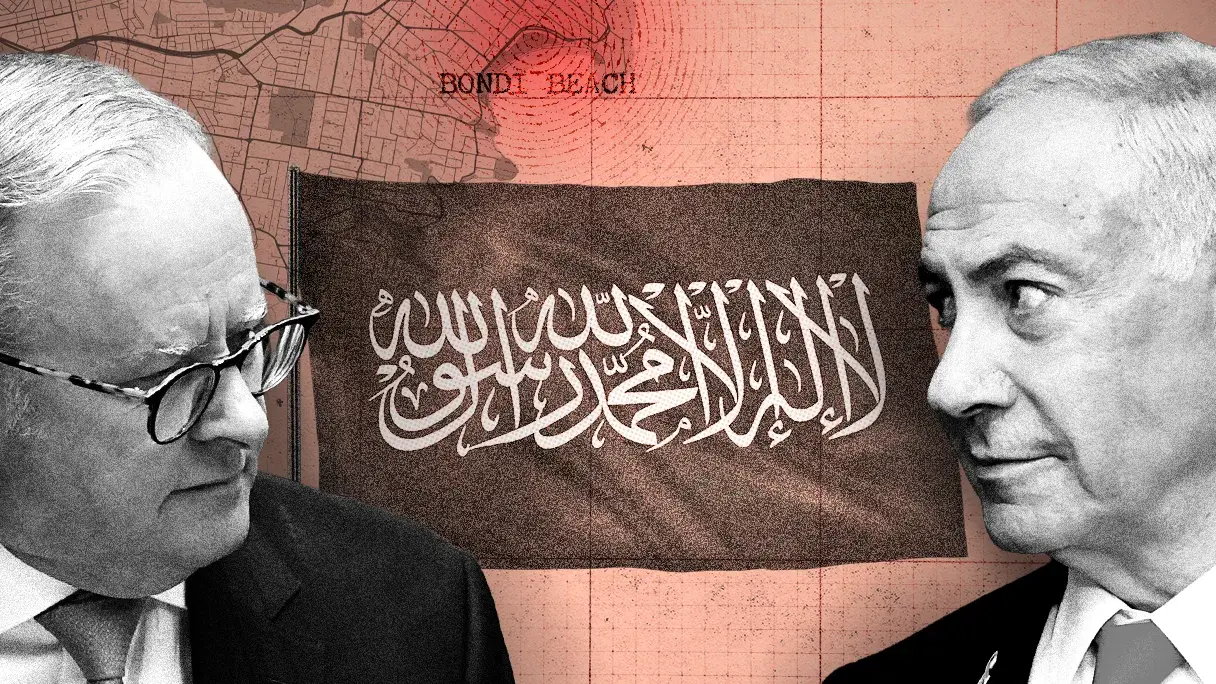


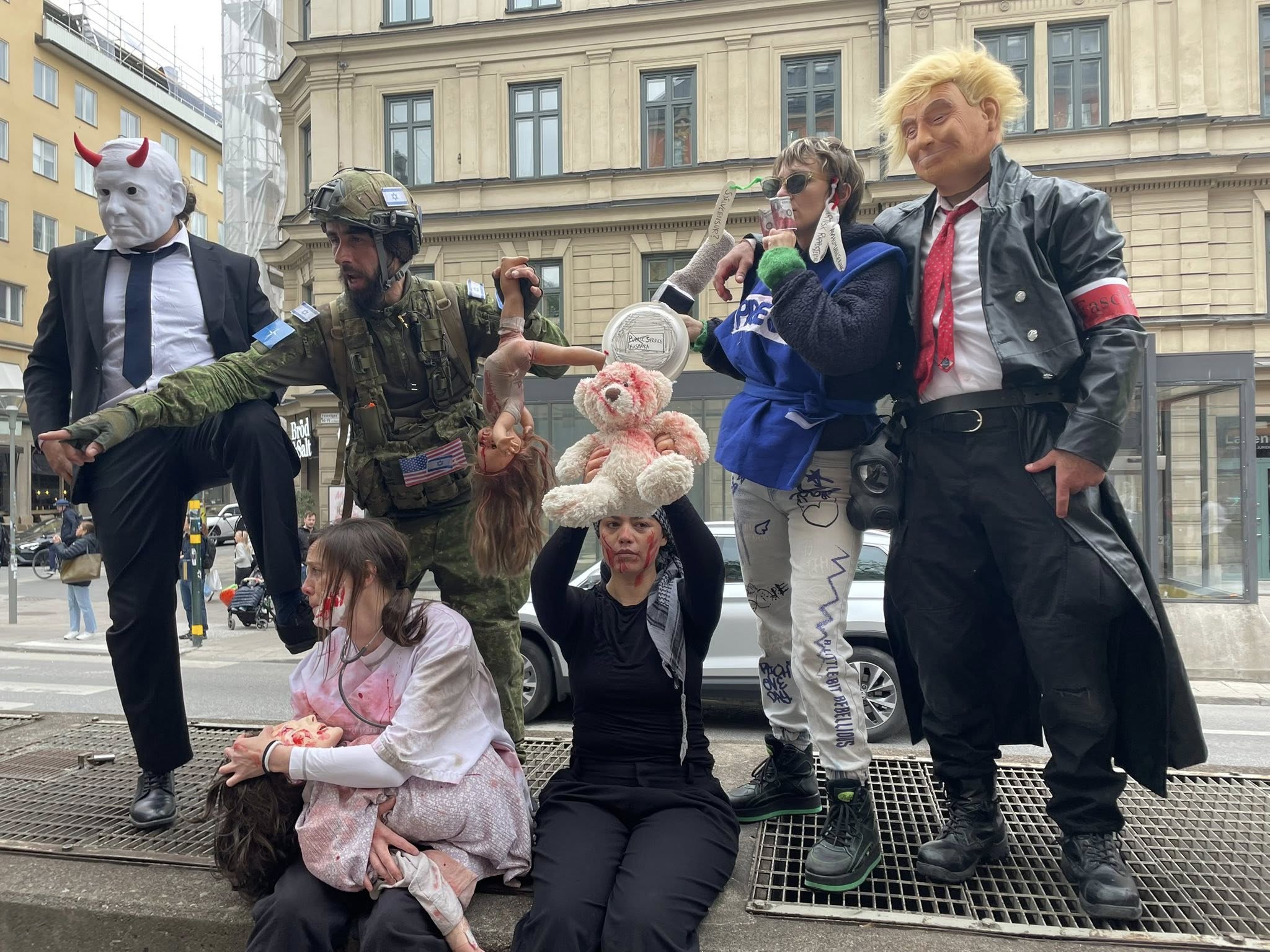

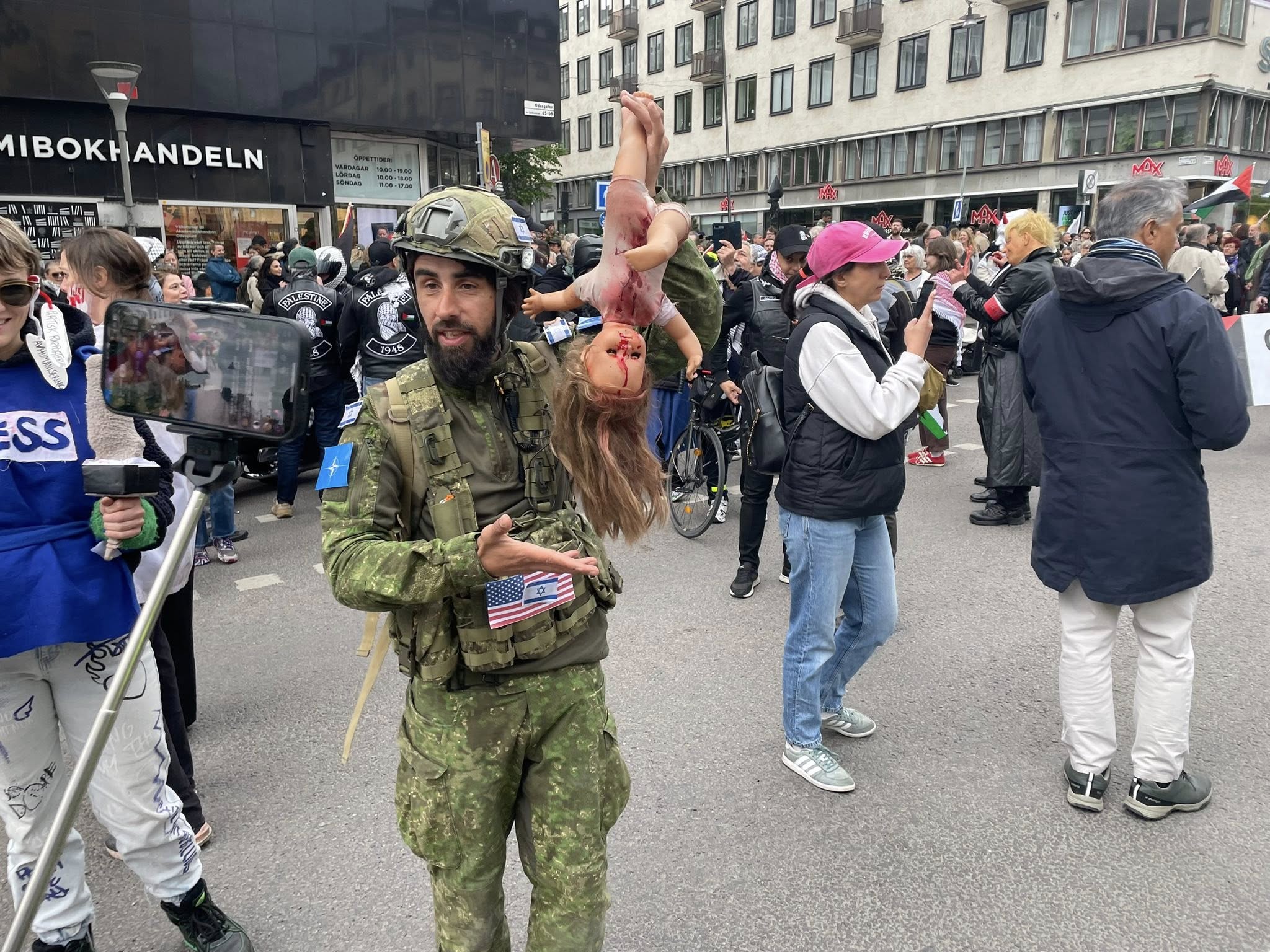

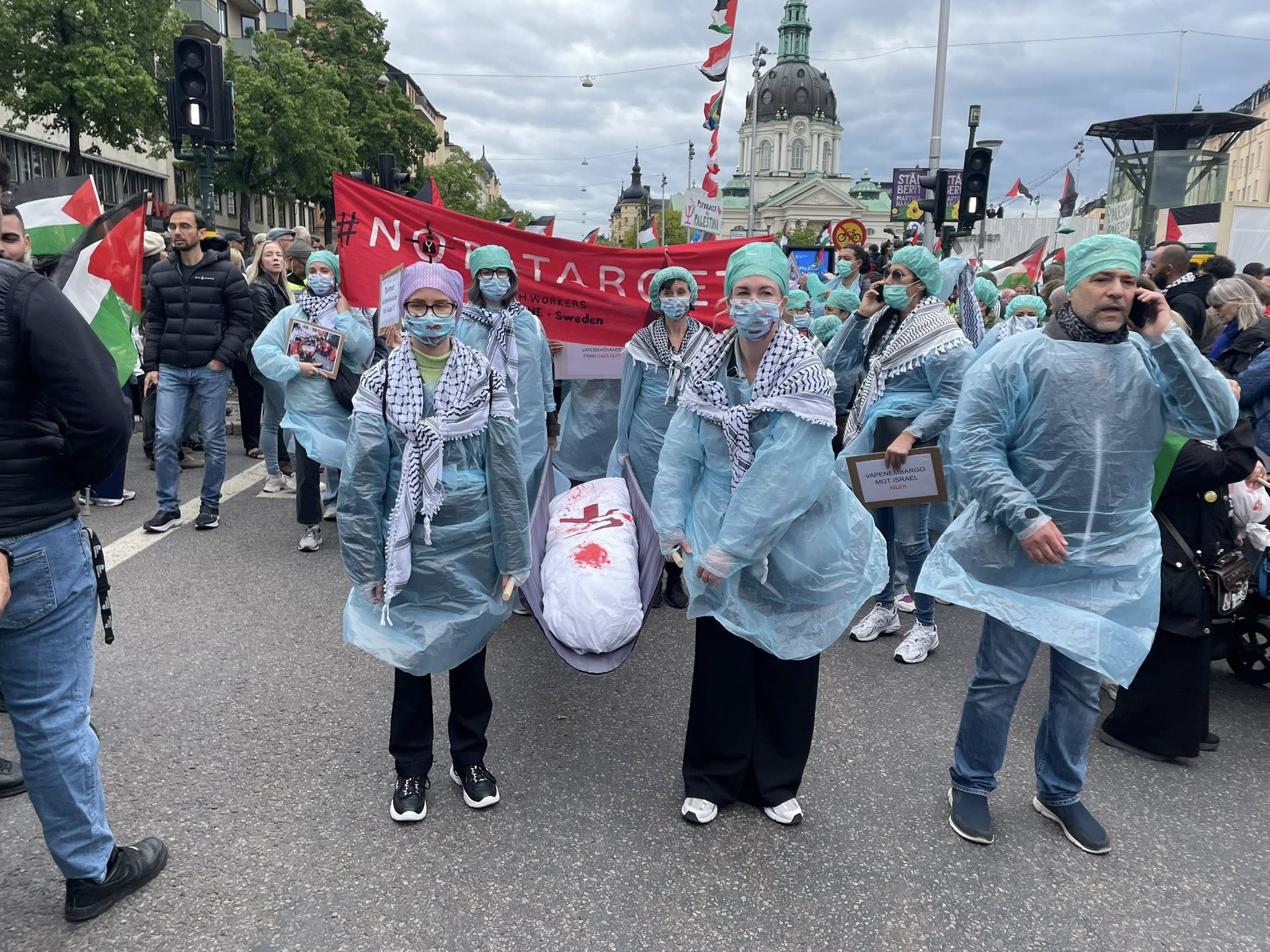
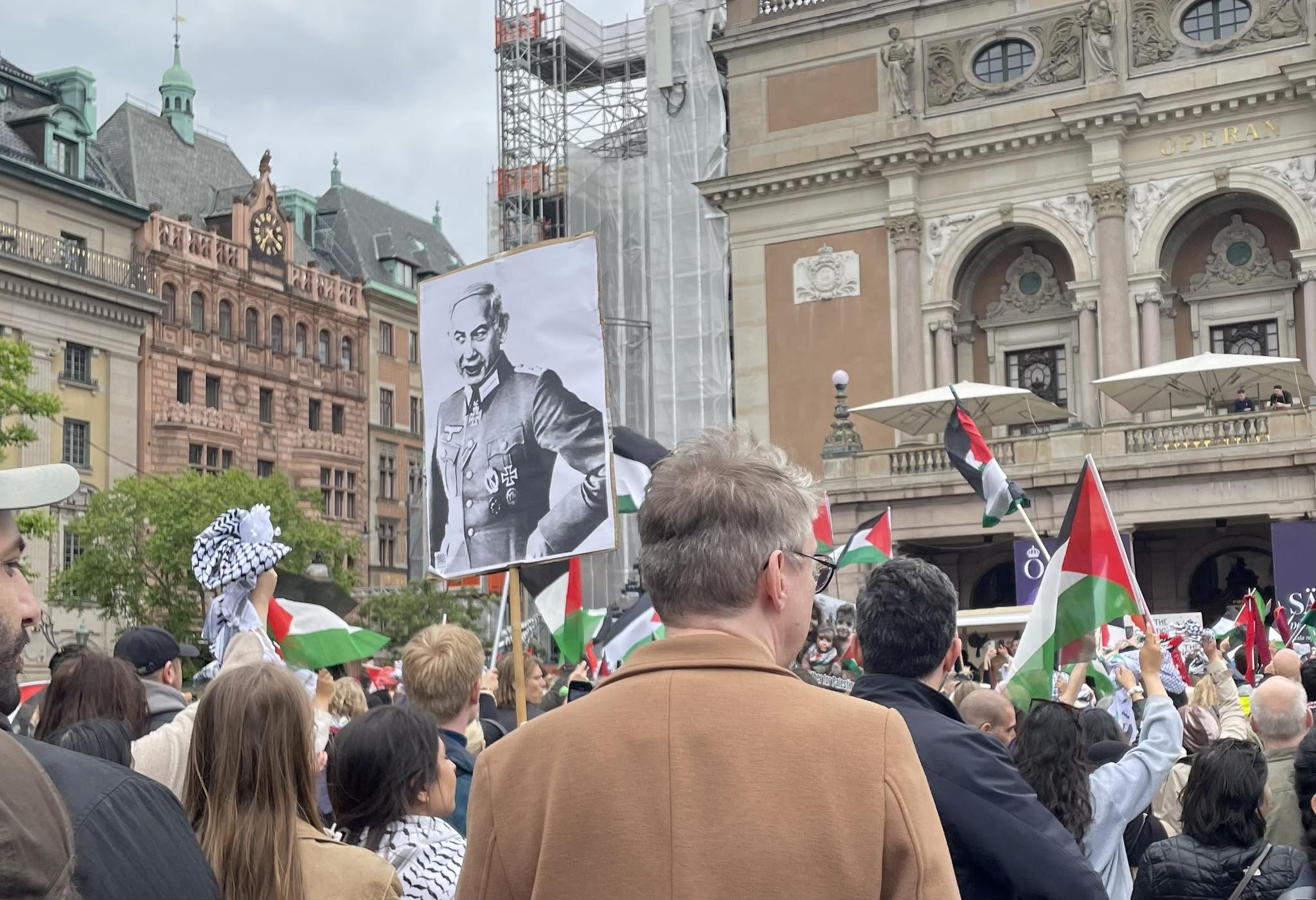
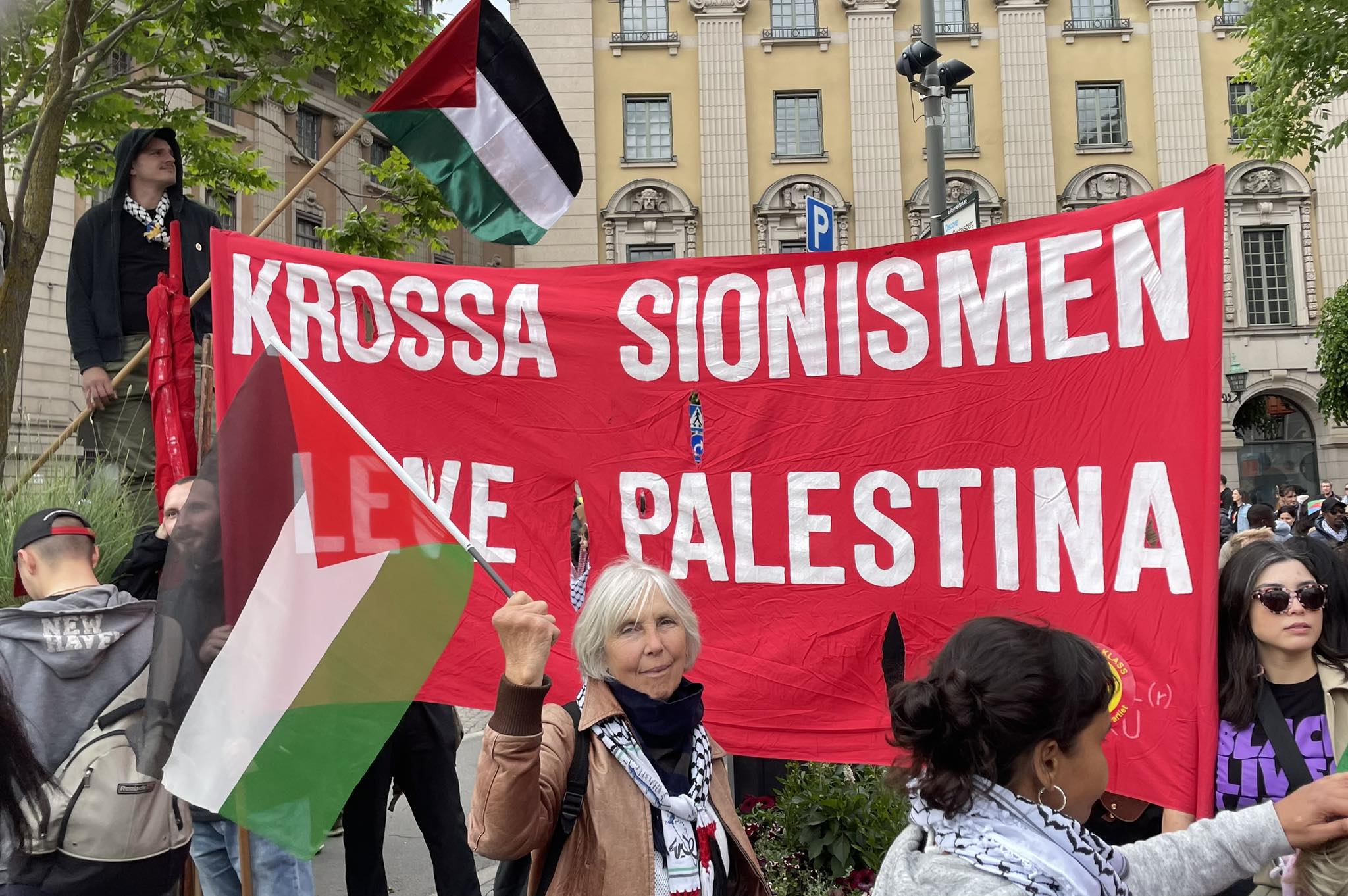
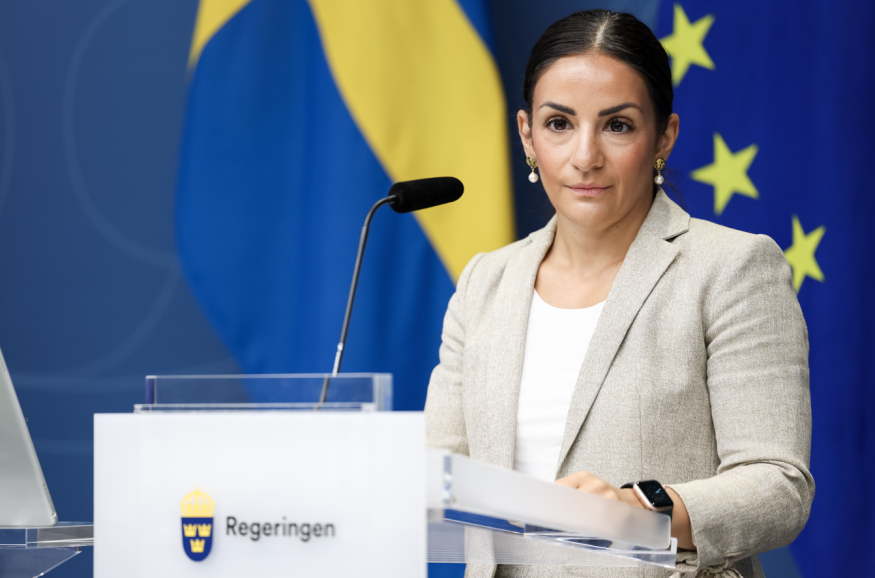
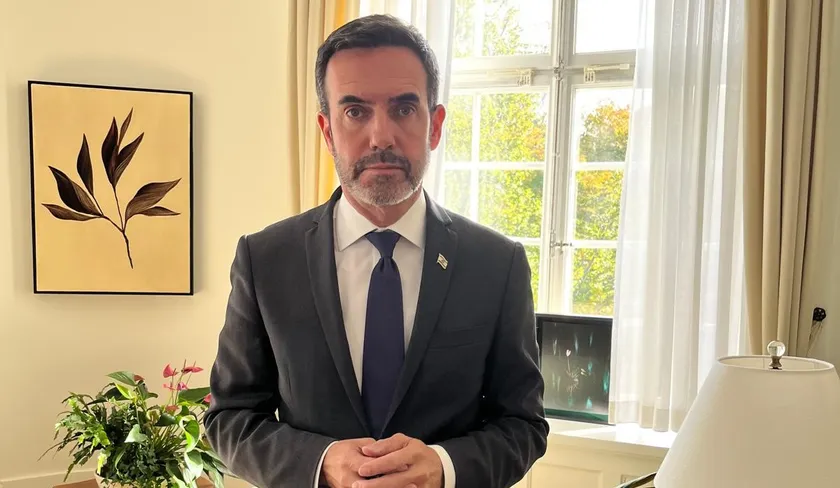

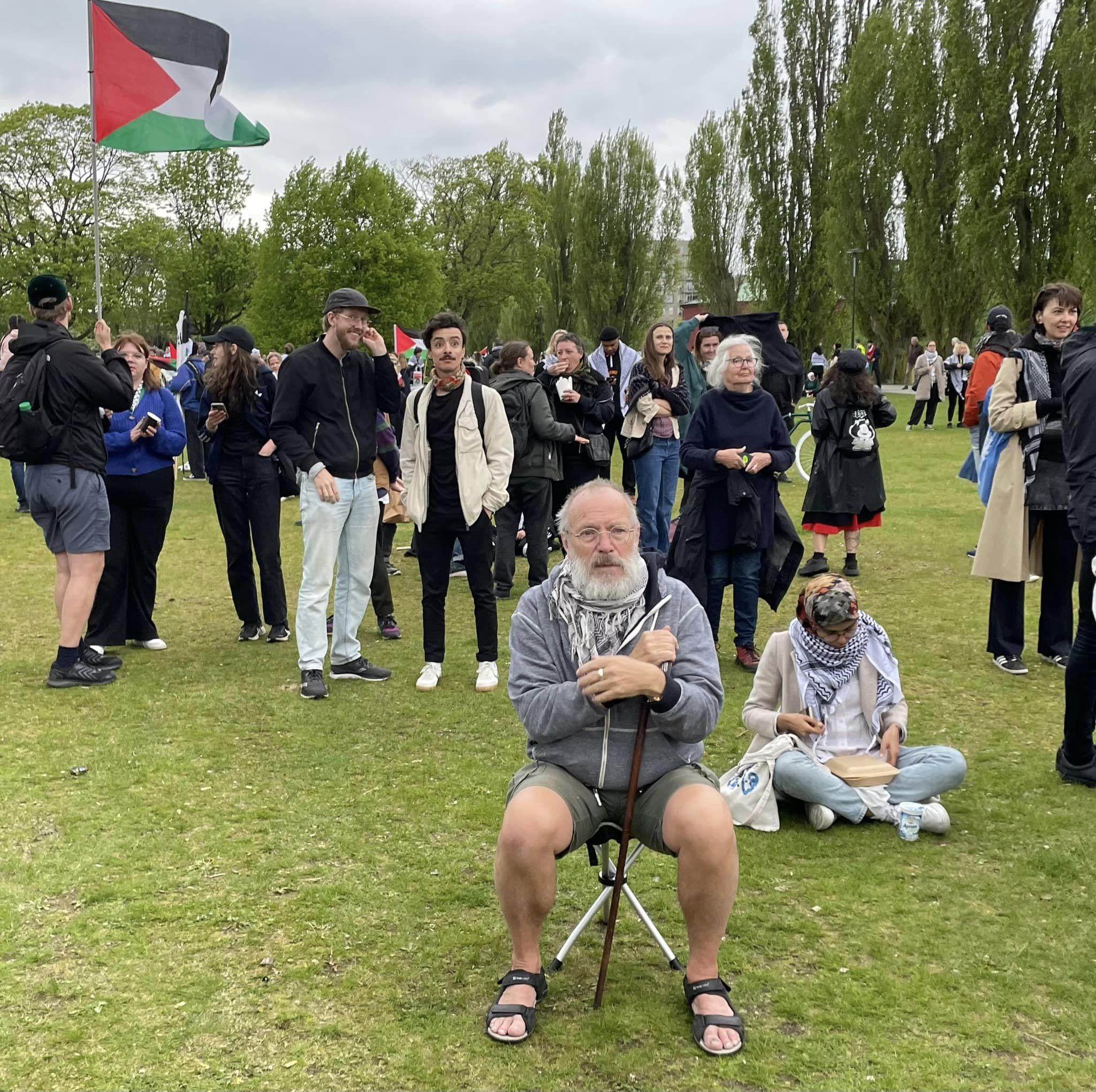
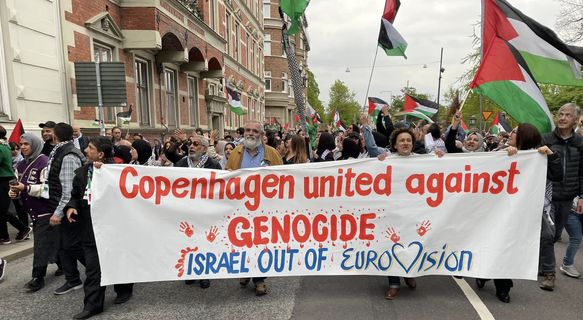


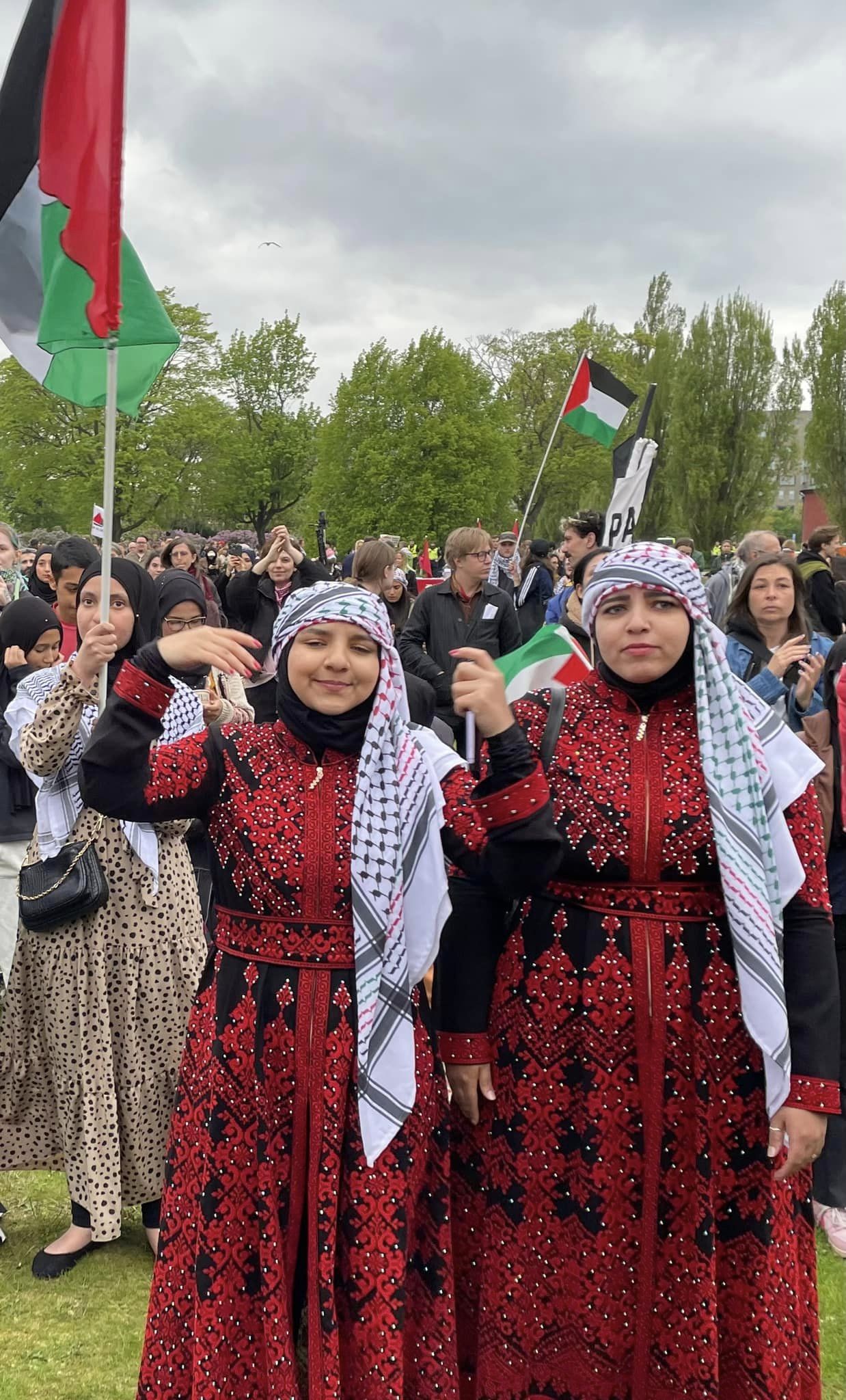


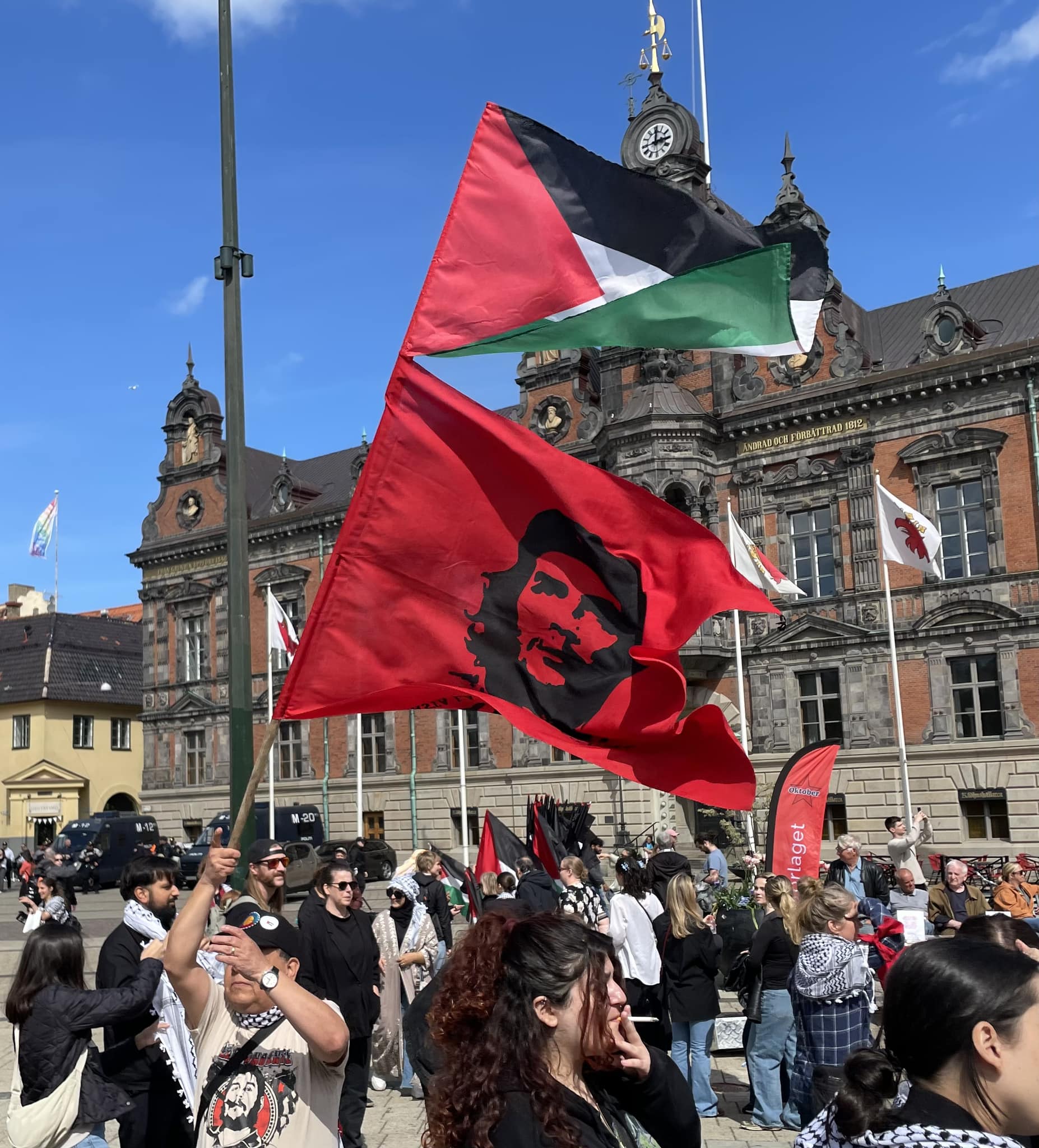
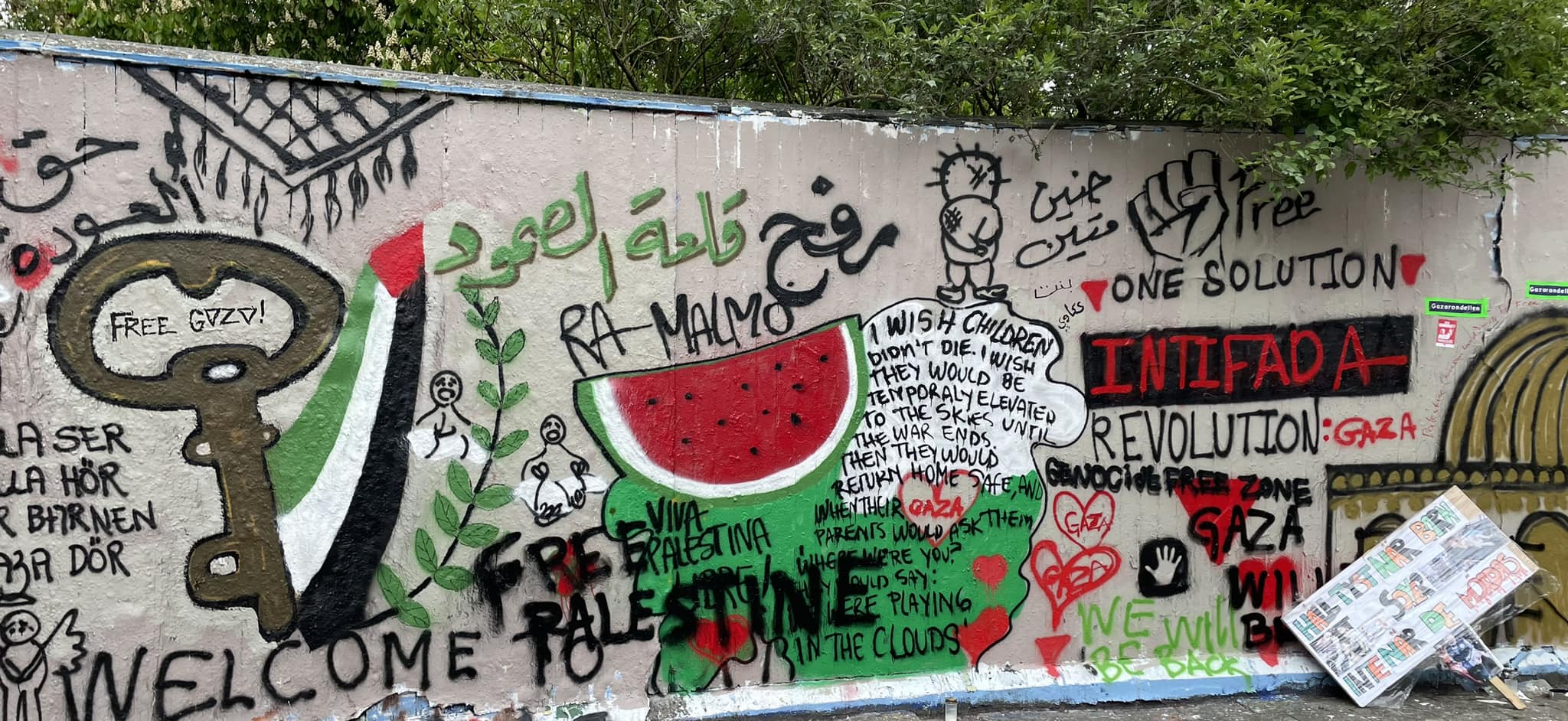
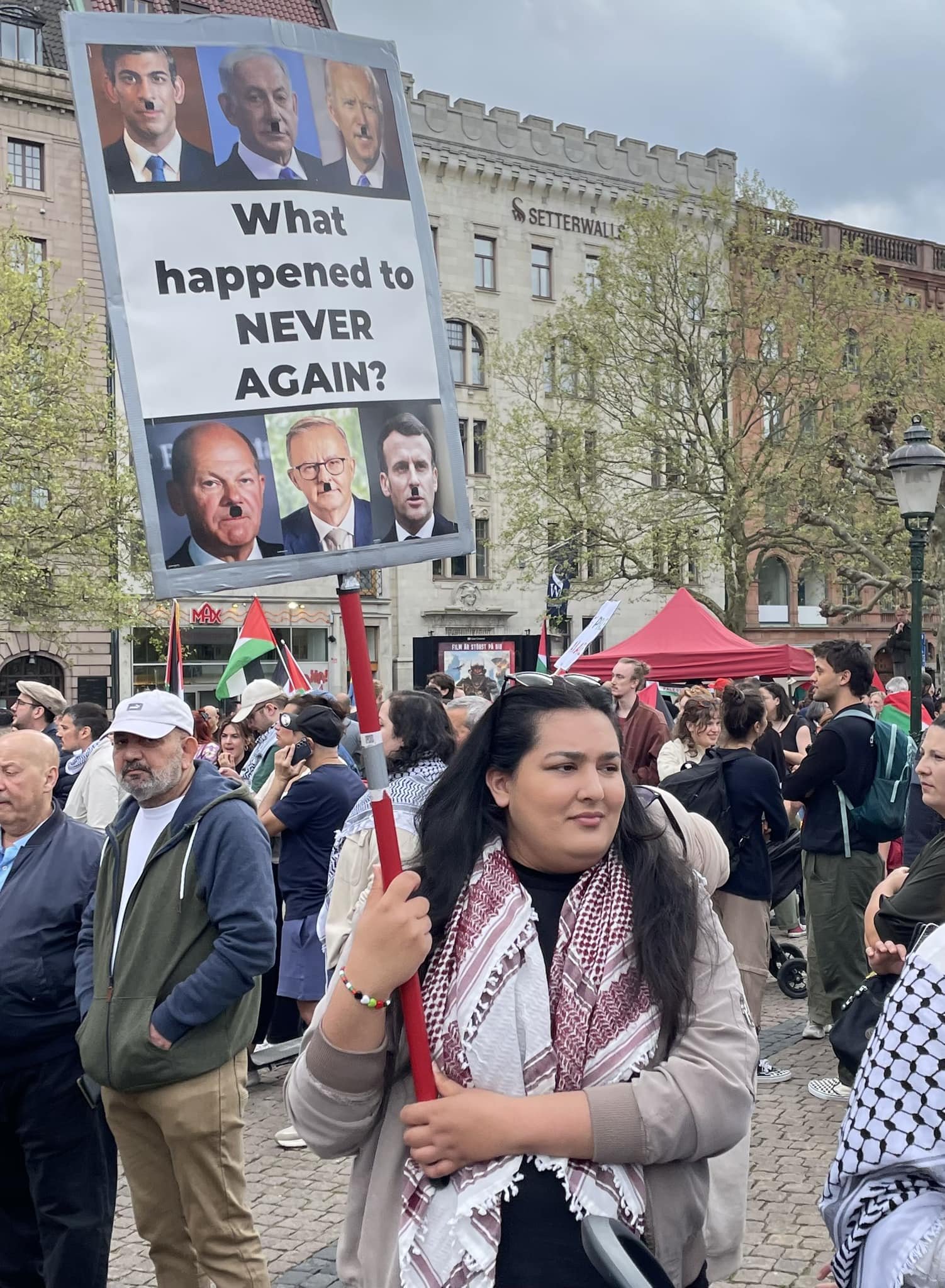


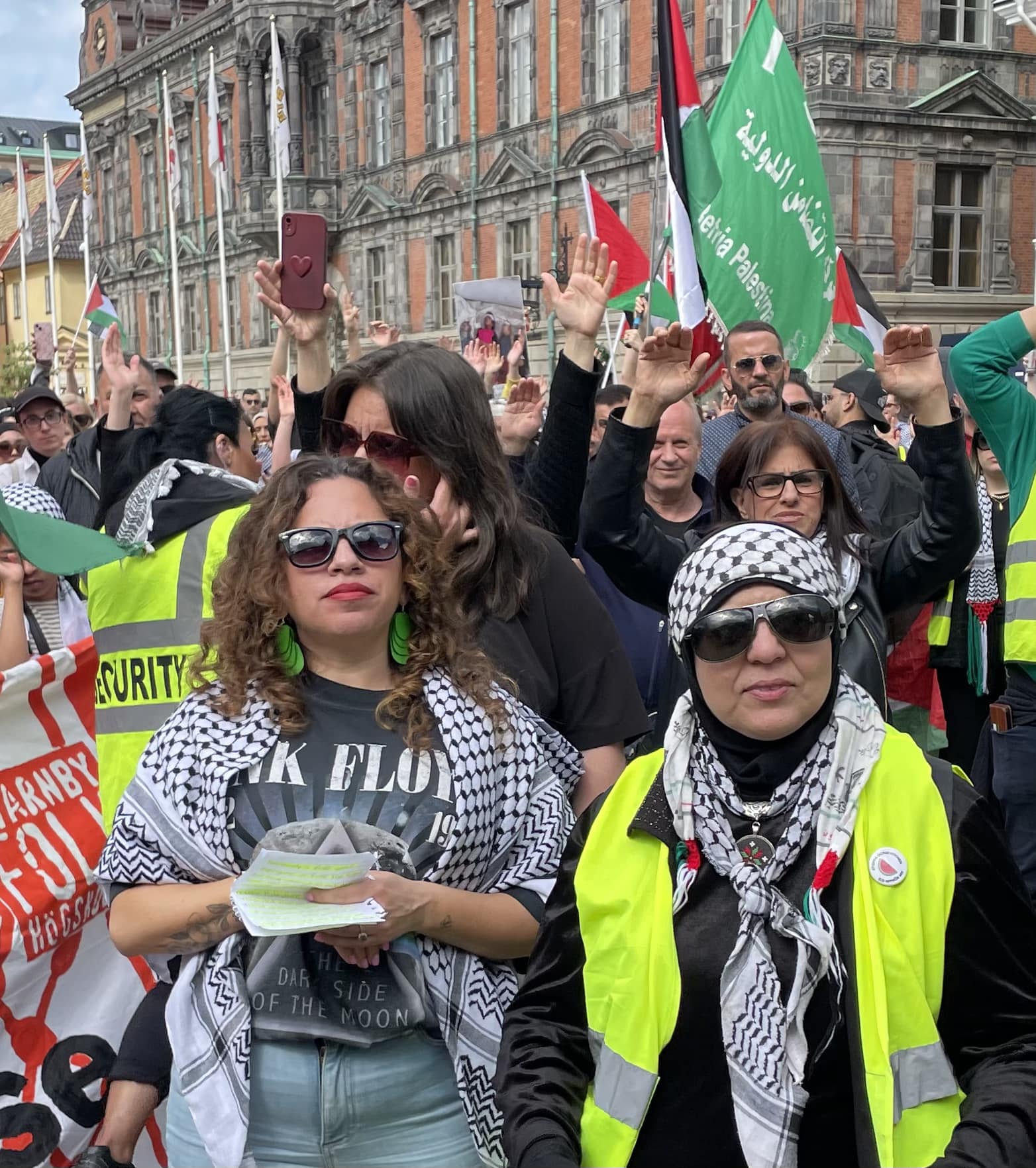

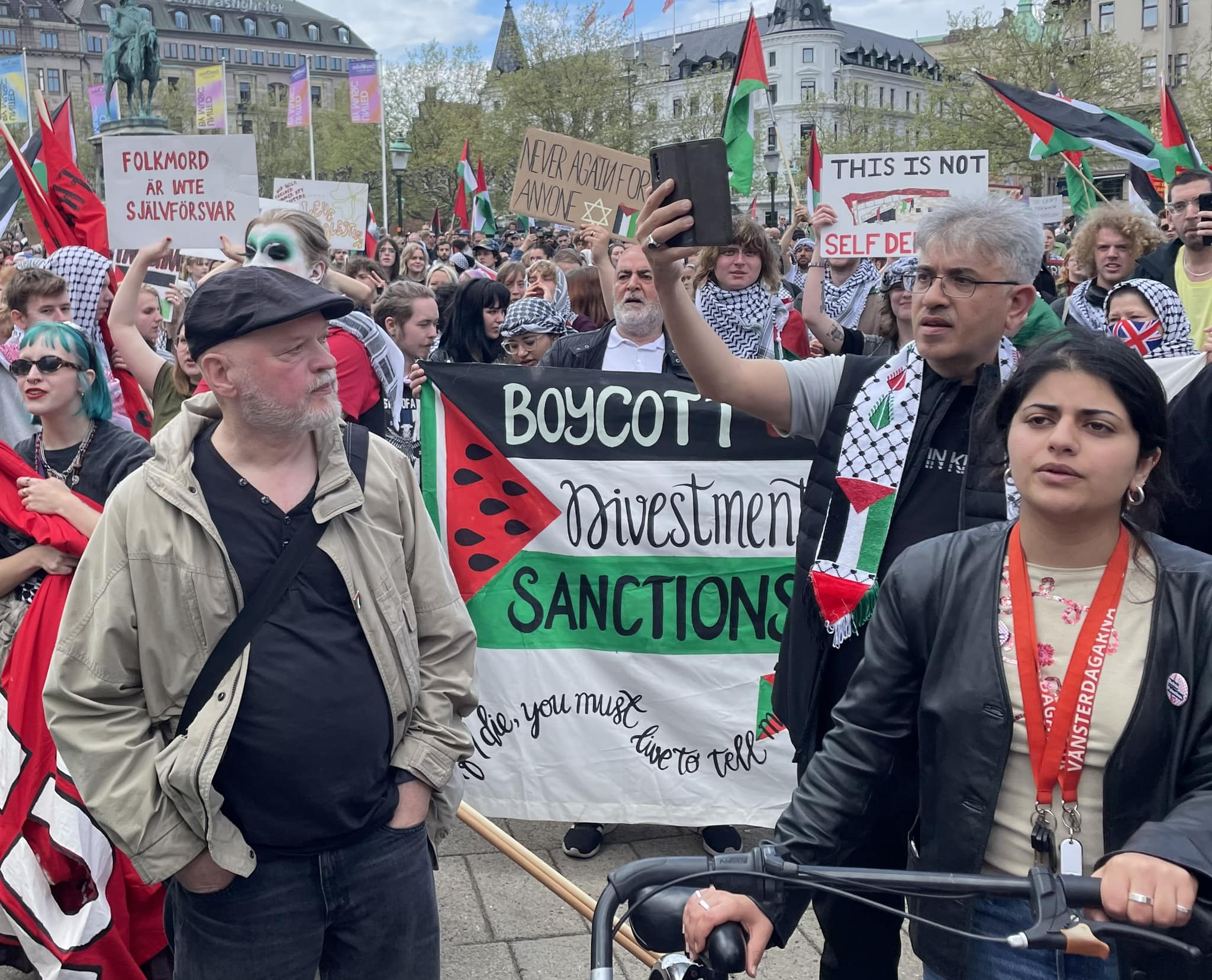

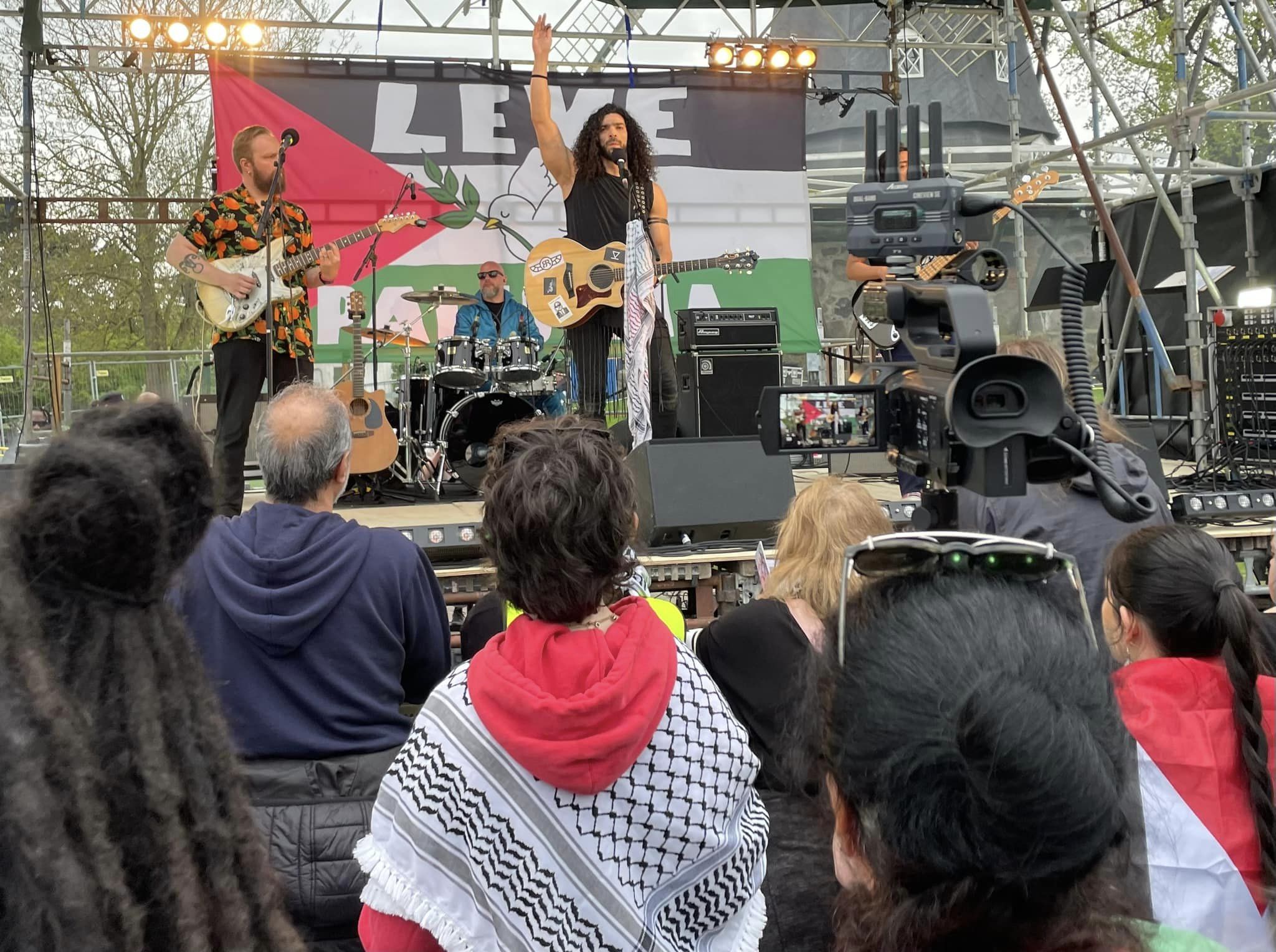


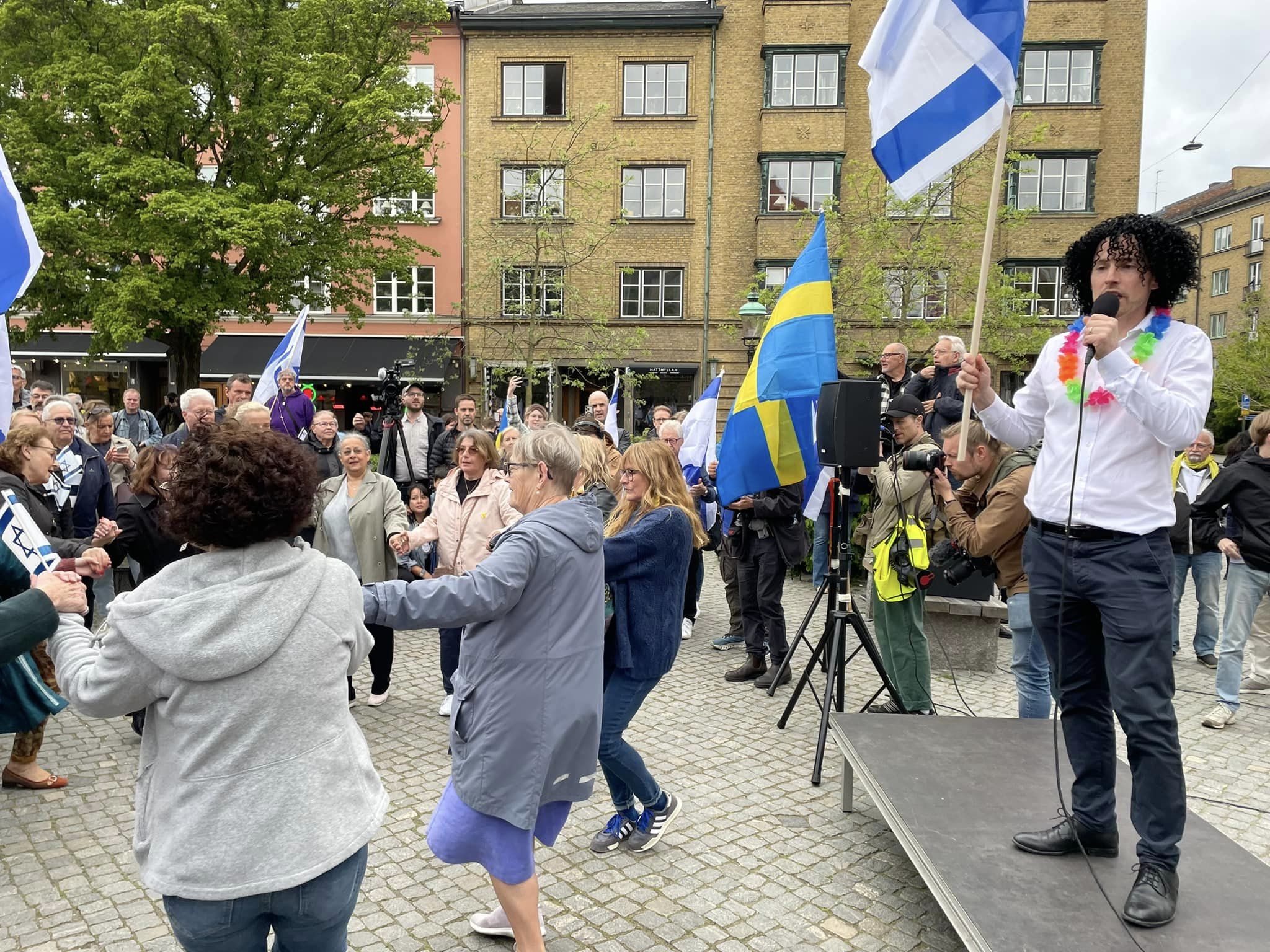


 דיויד סטברו