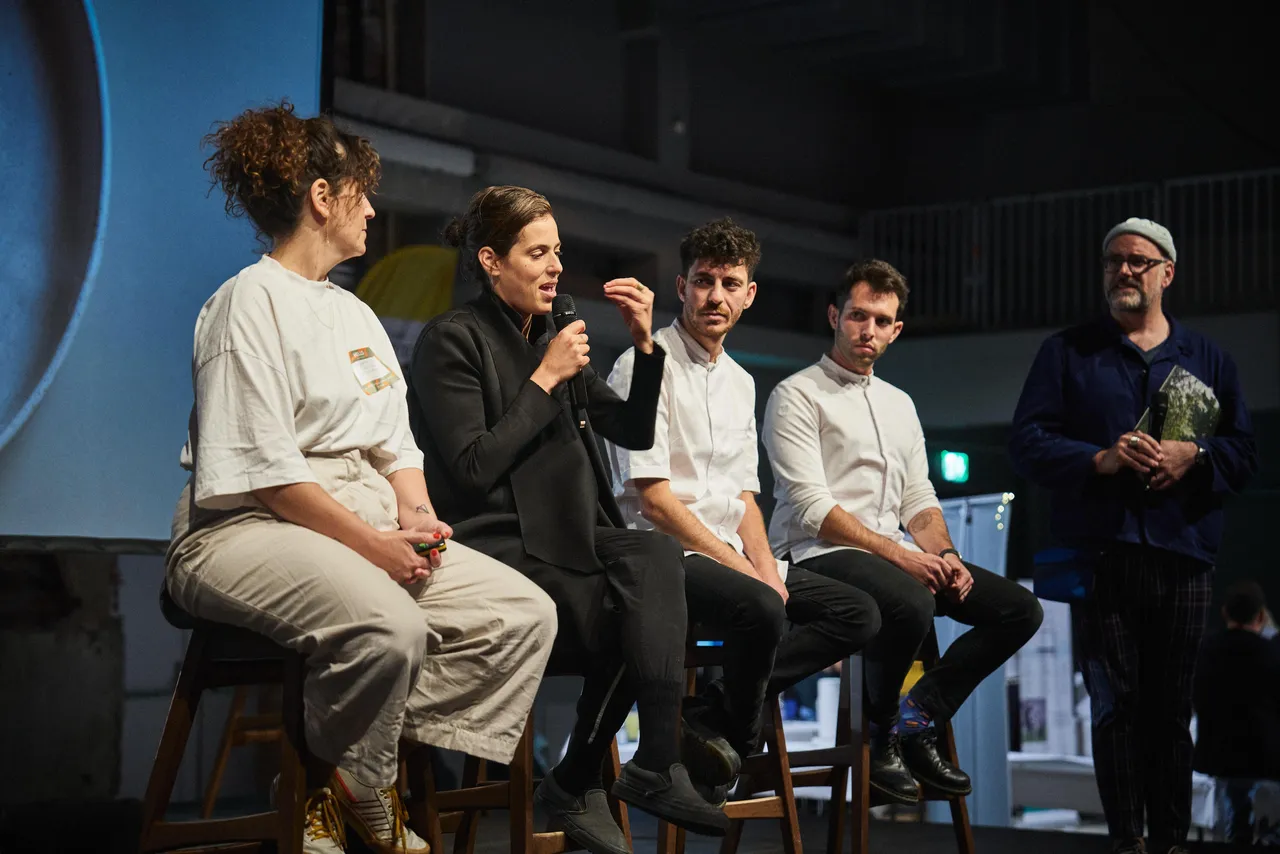
עזיז עיסה אלקון הוא אויגורי שחי בלונדון, או בלשון ציורית יותר, ליבו במזרח והוא בסוף מערב. עברו יותר מעשרים שנה מאז עזב את מולדתו, אותה הוא מכנה אויגוריסטן, חבל הארץ הידוע כמזרח-טורקיסטאן או כשינג'יאנג בצפון-מערב סין. כיום הוא משורר גולה, מתרגם וחוקר המתמחה בשפה, בשירה ובתרבות האויגורית ובימים אלו הוא משלים את העבודה על אנתולוגית שירה אויגורית באנגלית שתצא לאור בספטמבר בהוצאת Penguin Random House.
כמו אויגורים רבים החיים מחוץ לסין, לאלקון אין קשר עם מולדתו. הקשר עם אימו, אחותו ומשפחתו המורחבת אסור על ידי השלטונות, האינטרנט והרשתות החברתיות חסומים והחשש ליקיריו גדול. בשנים האחרונות נודע שמיליוני אויגורים נאסרו במחנות ל"חינוך מחדש" המשלבים אינדוקטרינציה עם עינויים, ניסויים רפואיים ומעשי אונס. בנוסף ידוע על מערך עצום של עבודות כפייה, הפרדת ילדים מהוריהם, הפלות כפויות ומשטר רודני של אפליה ודיכוי.
מעבר לסבל הפיזי ולדיכוי הפוליטי, המשטר הסיני עושה הכל כדי לחסל גם את התרבות האויגורית. מסגדים ובתי קברות נהרסים, פרקטיקות דתיות אסורות והתרבות כולה תחת מתקפה. "אני זוכר שבכל עיר גדולה במולדת היו עשרות הוצאות ספרים וכתבי-עת", מספר אלקון, "כעת לא נשאר כלום. הסינים סגרו הכל, הם לא מאפשרים יצירה חדשה, הם מצנזרים את יצירות העבר ולעיתים גם שורפים ספרים". כל זה לא חדש. לסין יש היסטוריה ארוכה של צנזורה – מ"ג'יין אייר" ו"אליס בארץ הפלאות" במאה ה-19 ועד זוכה פרס הנובל שלה, גאו שינג'יאן, במאה ה-20.
עזיז עיסה אלקום. צילום: Bavdun Umer
גם דיכוי האויגורים אינו חדש. "ב-1945, למשל, משורר ועיתונאי אויגורי בן 22 בשם לוטופולה מוטליפ נאסר בעיר אקסו כי תמך בתנועת השחרור האויגורית", מספר אלקום, "לאחר מספר ימים הוא ועוד 17 צעירים אויגורים הוצאו להורג בעריפת ראשם ונקברו בסודיות. לפני מותו, כתב מוטליפ שיר בדם על קיר בית-הכלא". השיר התגלה לאחר מספר חודשים והוא כלול בספר שאלקון עורך. עוד יופיעו בו שירים מתור הזהב של השירה האויגורית אותן קישטו דמויות מנהיגים אגדתיים כמו אוע'וז חאן בן המאה השנייה לפנה"ס והמלומד מחמוד אל-כאשע'רי בן המאה ה-11. אלקון מוסיף שהספר יכלול שירים מתקופות קדומות שבהן האויגורים היו בני דתות שונות וכתבו שירת אהבה ותשוקה, פילוסופיה ואמונה.
הספר יכלול גם שירה מימי המהפכה התרבותית וכזו שנכתבה בשנים האחרונות על ידי משוררים שנאסרו במחנות לחינוך מחדש ונשפטו לשנים ארוכות בכלא. הסופר והמשורר פרהאט טורסון, למשל, נשפט ל-16 שנות מאסר, המשוררת גולניסה אימין נשפטה ל-17 והמשורר והמלומד עבדולקאדיר ג'אלאלידין אסור גם הוא. בהקשר ישראלי, מעניין לציין שיופיעו בספר שירים של המשורר והאינטלקטואל אבלט אבדורישיט ברקי שהיה פוסט-דוקטורנט באוניברסיטת חיפה ונאסר עם חזרתו לסין ב-2017. הוא מרצה כעת 13 שנות מאסר.
אלקון אומר שהצנזורה והמלחמה בתרבות האויגורית היא חלק מרצח-העם הנמשך נגד עמו ונועד להשלים את הקולוניזציה המלאה שלו ושל מולדתו. הספר שערך נועד להחזיר את התרבות האויגורית לבמה העולמית ולהיות תשובה ניצחת לממשלה הסינית. הטרגדיה היא שלפחות בעתיד הנראה לעין, אף אדם בסין לא יוכל לקרוא אותו.
The pre-show announcement in Roger Water's latest tour is rather unconventional. After the regular, please "turn off your cell phones", comes a slightly more provocative announcement "if you’re one of those ‘I love Pink Floyd, but I can’t stand Roger’s politics’ people, you might do well to fuck off to the bar right now". This sets the tone since the show's main theme is a mix of current affairs, political science and global politics and Waters is anything but mainstream in these aspects. In fact, many would say he's a hard core radical. This, combined with the fact that Waters is one his generation's biggest rock stars and he attracts tens of thousands of people to his concerts, makes his tour an important cultural phenomenon which provokes many reactions and heated debates. Waters granted "Haaretz" an interview during this controversial tour and I spoke to him at his hotel, a couple of days prior to his Stockholm show, after he completed the American part of the tour and 14 of its 40 European dates.
So as not to start the conversation with the confrontational opener, we talk first about the music, rather than the politics. This is after all a rock concert, not an election campaign. Waters, who will be 80 in September has an enormous body of work to choose from when he goes on the road. He realizes, of course, that it wouldn't be right to go on stage without playing any of the classics he created together with Pink Floyd, the band he co-founded in 1965 with by Syd Barrett, Nick Mason and Rick Wright and left in the mid-eighties. And indeed, the show includes the whole second part of The Dark Side of the Moon, Pink Floyd's 1973 album as well as material from Wish You Were Here (1975), Animals (1977), The Wall (1979) and The Final Cut (1983). "If I followed only my heart and not my head, I'd probably do what I used to do with Pink Floyd", Waters says, "I led Pink Floyd for many years, and when I did, at least during the last few years, when we toured, we only played the current record and the last record. If I would do that now I would have played only my latest solo albums and I might have also added Us and Them (from The Dark Side of the Moon), which is a genuine co-write with Rick Wright (Pink Floyd's keyboard player)".
Waters points out that he has just finished re-recording the whole of The Dark Side of the Moon which was released exactly fifty years ago. The new version will be released this July. Waters believes it's still extremely relevant and that's why so much of it is on his current show. "Nothing I've done recently is more political than Us and Them", he says and quotes the lyrics, "with, without, and who'll deny that's what the fighting's all about". "It's a truism and part of the reason I re-made the album", he explains, "people haven't noticed in the last fifty years what it's actually about". Waters adds that he enjoys playing this part of the show as much as the newer songs, because it's very visual. "There's an enormous LED crucifix hanging over the stage", he explains, "and the images that we show, particularly during Us and Them move people very deeply because it's so anti-war".
So, as it is, are you pleased with the set list you're playing on the tour even though it includes more than just your current and previous albums?
"Yes, I'm content with the way the set lives, it's full of new things and old things, and in consequence sometimes people are a bit puzzled". Waters mentions, as an example, a new song called The Bar which he says is "extremely important philosophically and emotionally, because it's my plea for conversation and communication between us human beings, in support of, and in defense of humanity, and how we need to learn to cooperate with one another, rather than killing one another".
When it comes to the visual side, don't you feel that the sophisticated video work, the images on the enormous screens and the setup of flying pigs and flying sheep is all a bit grandiose and makes your connection with the audience less intimate?
Waters doesn't approve of the word grandiose. "It either is, or it is not good theatre", he says, "I've spent the last sixty years trying to create theatre which is appropriate for rock'n'roll in arenas and outdoor venues and to play for anything from 15 to 100 thousand people. You can't do intimate theatre, much as I adore intimate theater and sometimes regret that I haven't been able to work in small theaters". Waters adds that there are plans "in the pipeline" to do one or two smaller shows of the new version of The Dark Side of the Moon as well as a theatrical version of The Wall in an intimate space. With these projects and others, it doesn't seem at all as if he's ready to retire.
The Show is called This is Not a Drill – The First Farwell Tour, it also includes biographical texts explaining various parts of you career. Is this your attempt to start wrapping things up, is this you shaping the narrative one last time?
"No, whenever I do a tour, I have to decide what it's going to look like, what the story's going to be, what the narrative is, what it is I hope to achieve and how much of the old Pink Floyd stuff I need to do in order to satisfy the hunger. One thing that's really good is the age demographic of the people who are coming to the shows. Many of them are 20-year-olds. That's fantastic and that doesn’t happen with many of the old bands. Obviously when I put out adds saying "his first final farewell tour" it's a joke. Because so many of the others do farewell tour after farewell tour for years and years".
Speaking of other bands, you said in an interview a few years ago that you don't listen much to music and you're not very interested in what's going on in the so-called music industry. Since your show is part of this industry, aren't you interested in what else is going around?
"What else is going around? You tell me, if you are interested. I'm really not interested. Life is too short". Waters explains that no artist has time for that. "You get on with your work", he says, "Michelangelo didn’t say 'well, I think I'll get on a donkey, go round Italy and see what the others are doing. He said – 'I want that bit of Carrara marble, now let's see how I can get it down the hill without killing a hundred people'". At this point Waters quotes his 1972 song, Free Four, "Life is a short warm moment, and death is a long cold rest, You get your chance to try, In the twinkling of an eye, Eighty years with luck or even less, So all aboard for the American tour, And maybe you'll make it to the top, But mind how you go, And I can tell you 'cos I know You may find it hard to get off. But you are the angel of death, And I am the dead man's son, He was buried like a mole in a fox-hole, And everyone's still on the run".
These are important sentences in the Waters universe. He was born in South East England in 1943 and has lived in the United States for twenty years ("because of the weather more than anything else. It never stops raining in England"). His father, Eric Fletcher Waters, who was a schoolteacher and a member of the communist party, was killed in the WW2 in the battle of Anzio in Italy when Waters was just five months old. His grandfather, George Henry Waters, was also a war casualty. He died while fighting in France during WW1. Considering this, it's not much of a surprise that the cruelty and meaninglessness of war have always been an important part of Waters' work and in the current show these themes are more apparent than ever. It is in this context one should see the opener asking those who don't approve with Waters' politics to "fuck off to the bar", it's just his way of saying he's not forgetting and he has no interested in toning it down.
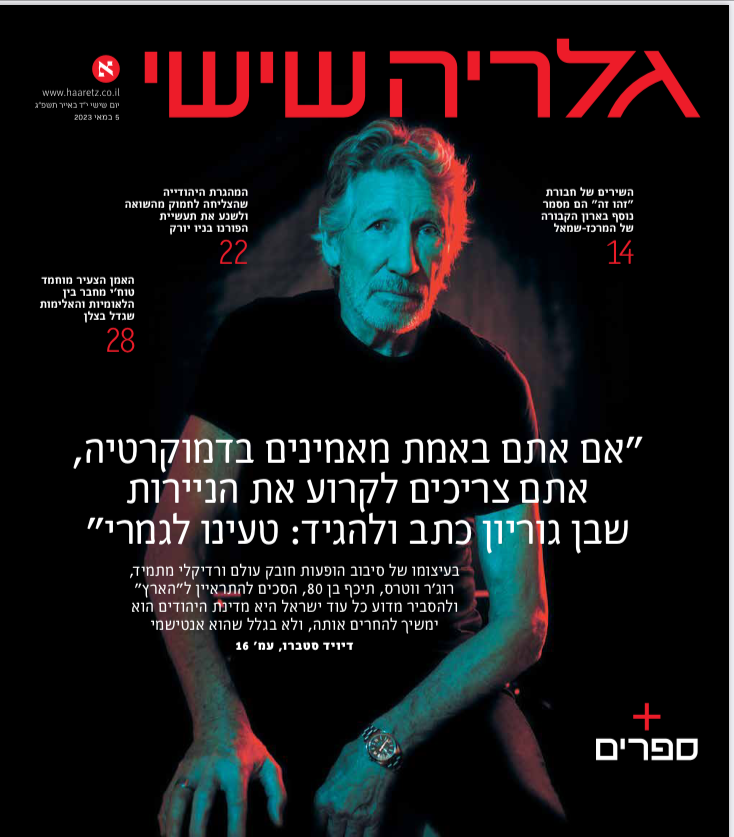
Roger Waters on the cover of Haaretz' weekend culture magazine, photo: Kate Izor
Apart from being a unique opener, there's also a serious issue here. If someone comes to your show because he or she loves your music, but that someone happens to also be a supporter of Trump, Bolsonaro, Boris Johnson or Netanyahu, do you really not want them there?
"I don't give a fuck if they're there or not. I'm not proselytizing. You know, you're writing this for Haaretz and people are always trying to persuade me to go to Israel, do gigs in Tel-Aviv and talk to people, proselytize and try to get them to change their policies and work from within. And I say, fuck off, there's a picket line here and I'm not crossing it because I believe in human rights. Those people, people who voted for Trump, they would get up and leave when I played tracks from Animals (Pink Floyd's 1977 album based on George Orwell's Animal Farm). I couldn't care less. Leave! I don't want you to come. This isn't an attempt to affect you because you're lost. The people who I'm trying to encourage are the young people who want to resist the dreadful destruction of our home planet by the ruling class. I'm interested in communicating with them. I don't care about people who vote for Netanyahu or Trump or Bolsonaro".
Here's another way of putting it. It seems like from decade to decade your work becomes more specific and less abstract and universal. If, in the 70s you dealt with the way we see the humanity in others, and existential and abstract concepts like time, death alienation and loneliness and later with general political ideas like dystopian societies and fascism, since the 80s, you're writing about specific events like the wars in Afghanistan or Iraq and you clearly mark your villains like Thatcher and Trump and your heroes like Juliane Assange. This isn’t something everyone can sympathize with.
"I couldn’t agree more. I think it's a function of age. We all live within the context of our personal histories. Those of us who can actually read, and there are fewer and fewer of us, we read history and take notice of what happened in the past, but as our lives unfold, we recognize the folly of repeating the same mistakes over and over again, and the engine which drives those mistakes, is by an large greed. Greed for money or power. And so, yes, I'm less concerned about becoming irrelevant because I'm writing about specific things or specific periods of time. The context of the passage of time is very important, maybe because I'm 79 years old, the idea of rejoining the great oneness of everything as ashes and dust, possibly as a memory but maybe not even that, becomes closer and also behooves us more and more to grapple with the big questions, which is required of all art which means anything".
Speaking of great works of art which you quote in your show – George Orwell's 1984 and Animal Farm and Aldus Huxley's Brave New World, you refer to the dystopian future they talk about and to the real-life leaders who are making their visions into a reality, mostly American presidents – the pictures of all presidents from Reagan to Biden are on the screens in you show presented as war criminals. I wonder if Chines president Xi, Russia's Putin and Belarus's Lukashenko are not on the screen because you think that they are not war criminals, or is there some other reason?
"My history is full of those American presidents; they have been denominating geo-political events since the Second World War when I was born. The 'evil empire' since WW2 is the USA and it continues to be. And right now, the US with Joe Biden at the helm is driving us towards World War 3 as fast as it can. And there seems to be two potential drivers – one is profit, the value of the war industries has gone up vastly since the Ukraine war started. The other is what's considered to be their manifested destiny – to rule the world. So, they decide who is and who isn’t democratic. What makes anybody think the US is a democracy is absolutely beggar's belief, because it is not, and anybody with an IQ above room temperature knows it's not. It's driven by money and power and the people have no say in the matter".
Waters also mentions he knows he's making an extreme statement, but since he lives in America, and does not live in Russia or speak Russian, some issues he can't really comment on. He doesn't trust the American media, he quotes presidents Eisenhower's warnings against the so-called "military-industrial complex" and, in his show, the screens are full of examples and images which make clear where he thinks the real problem lies – victims of state violence against civilians, victims of the so-called "war on terror", victims of drone attacks, American foreign policies in South America and domestic policies against native Americans.
In a CNN interview you reacted to a question about Chinese violence towards their own people by saying it was "bollocks, absolute nonsense". Do you not believe, for example, the news about the atrocities being committed in Xinjiang against ethnic minorities or do you just think it's not your place to comment about that? To me, what's happening there is the closest thing to 1984 in the real world.
"Depends what story you read. I do not believe the western narrative about the Uyghurs. I don't believe it. I don't believe there are millions and millions of people locked up in concentration camps being slowly murdered and tortured to death and that the women are being raped by the Chinese government. I don't believe it. Is there a problem in that part of China? Possibly. Probably. Are the Muslim's all being re-educated in camps? Almost certainly not. Are some of them? Quite possibly, if they're members of ISIS for instance. If I was in China and spoke Chinese I could answer these questions, I cannot relay on the western mainstream media to tell me what's going on there and I don't believe them any more than I believe this Russiagate nonsense and any of this phobia against other countries going on all day every day, drumming up a third world war. In my show I say "you can't rule the world. Nobody can. The world is there to be respected, nurtured, loved protected and shared. That's the text I wrote, you can call it corny, I don't give a fuck, but this is the problem with the whole geo-political situation, the US wants to rule China, they want to rule Russia, they want to rule the world, they declared it, it's in all their political manifestos and it's destroying the world".
According to Waters the war in Ukraine is a result of the same American policies. Even though he denounced the Russian invasion, he doesn't see the war as the fault of the Russians alone. He also strongly condemns continued military support to Ukraine. "It's them (the US) advancing NATO further and further east since the end of the cold war", he says, "are they going to beat Russia? Not without a nuclear war they won't. So, why are they doing it? Well, it's because they've got morons like (American National Security Advisor) Jake Sullivan and (Secretary of State) Antony Blinken chattering in the ear of a really really old bloke with Alzheimers who doesn’t understand any of it and never will" (incidentally, President Biden is less than a year older than Waters).
Last September Waters wrote a couple of letters to Olena Zelenska, Ukrainian president Zelenskyy's wife, in order to try to get her to convince her husband that it's time for a compromise with the Russians. When she replied on Twitter and wrote that he was writing to the wrong president, Waters wrote to President Putin too. Putin is yet to answer. Although Waters made clear that he's horrified by the invasion's results, he claims that a different Ukrainian policy in the Donbas and less American intervention would have led to a peaceful solution. This attitude led to strong reactions in the west and it seems Waters is once again paying a price for his politics.
Just after the Zelenska letter was published, the Polish city of Krakow cancelled Waters' shows in the city. The reason was that the city, which owns the arena, would not tolerate it being used by an artist spreading ideas objectionable to most people in Poland, referring to Waters' stance on the war in Ukraine. "I wrote a letter to the councilor who orchestrated all that", Waters says, "but they didn’t take any notice of it". The gig was indeed cancelled and that was not the only Ukraine related controversy Waters was involved in. A few months earlier, Waters' ex bandmates from Pink Floyd, guitarist David Gilmour and drummer Nick Mason, recorded a song called "Hey, Hey, Rise up!", supporting Ukraine and featuring vocals in Ukrainian by the Ukrainian musician Andriy Khlyvnyuk. Waters talked about the song in an interview to Berliner Zeitung a couple of months ago. "I have seen the video and I am not surprised", he said, "but I find it really, really sad. It’s so alien to me, this action is so lacking in humanity. It encourages the continuation of the war. Pink Floyd is a name I used to be associated with. That was a huge time in my life, a very big deal. To associate that name now with something like this. Proxy war makes me sad. I mean, they haven’t made the point of demanding, “Stop the war, stop the slaughter, bring our leaders together to talk!” It’s just this content-less waving of the blue and yellow flag. I wrote in one of my letters to the Ukrainian teenager Alina: I will not raise a flag in this conflict, not a Ukrainian flag, not a Russian flag, not a US flag".
This was probably the background for one of the most extreme public comments against Waters made by Polly Samson, a novelist, lyricist and journalist who is married to Gilmour and has written the lyrics to many of his songs. "Sadly, you are antisemitic to your rotten core", Samson wrote, "also a Putin apologist and a lying, thieving, hypocritical, tax-avoiding, lip-synching, misogynistic, sick-with-envy, megalomaniac. Enough of your nonsense".
Would you care to comment on what Samson wrote?
"No", Waters smiles, "I think I'll rise above that. Thank you for the offer".
But Samson isn't the only one opposing Waters. His latest tour is being threatened from another direction. One that Waters has encountered before. In Germany, he's being accused of antisemitism and therefore some cities have tried to cancel his shows. Waters claims the people behind this are "the Israeli lobby and people who believe that I'm an antisemite because they've read all the lies and believe this ridiculous story". As always, he denies the allegations. "I'm not an antisemite, never have been and never will be", he says, "I have nothing against Jews, I criticize the Israeli government and I'm part of the BDS movement. So, they're trying to cancel me in Frankfurt and in Munich and in Cologne. Munich has now backed off, Cologne seems to be backing off". This means the shows there are supposed to take place and so is the performance in Frankfurt at the end of the month, due to a court ruling forbidding the authorities to cancel it. "In Frankfurt I've taken out an injunction reminding them it's illegal even though the council and state own the venue", Waters explains, "in their attack on me they were trotting out stories about Kristallnacht, sort of accusing me of somehow being responsible for the deaths of 3,000 Jews who were rounded up by their Frankfurt police and sent off to be killed" (the venue Waters was supposed to play was the place where 3,000 Jewish men were arrested after Kristallnacht and from where they were sent to concentration camps).
According to Waters this is far from the first time he is being attacked on this background. "When I finished The Wall movie (2014), we had a world premiere in Canada at Toronto International Film Festival", he recalls, "that night a representative from Netflix came to see my management and said 'I adore the movie, we want it, let's make a deal tomorrow', he could not have been more effusive. The next morning there's a phone call saying 'we're not sure it's quite right for Netflix'. That's just a board meeting with the Israeli lobby raising its voice saying 'you cannot have anything to do with this man, Waters, he's an antisemite, anti-Israeli and anti-Zionist, we are going to crush him. And they've tried. Trust me. I have the bruises. But they have failed".
There are many stories regarding the accusations claiming Waters is an antisemite and they've all been told in length. The flying pig which appeared in his concerts with a star of David symbol on it (along many other symbols including a cross and a crescent), the events surrounding the replacement of Waters' show in Tel-Aviv with a show in Neve Shalom in 2006 and comparisons Waters made between Israel and Nazi Germany and Apartheid South Africa. Essentially, however, it seems like the main long-lasting reason he attracts this particular criticism is his support of the BDS movement.
You are a supporter of the BDS movement and many wonder about the way the BDS campaign is focused only on Israel. Considering everything you say about the US, for example, why are you still playing concerts in America? Isn't it time to start boycotting the US?
"Should one turn one's back on any problem anywhere simply because you can't solve all the problems everywhere? My view is – no. And my view is that it was correct to join the anti-apartheid movement in South Africa, even though we may never know what effect that had on the downfall of that supremacist white racist regime. In my view, what really did it was when we stopped playing rugby and cricket with south Africa, that's what tipped it over the edge. They couldn't bare it".
And you think the BDS will have the same effect on the occupation?
"I'm certain it will. We're coming close to it now. You can see what happened with Indonesia which refused to host the U20 world cup because they wouldn't entertain an Israeli team. The point was made. The power is shifting. It's about the Human Rights Declaration of Paris, 1948 – you cannot cherry pick. You're either in or you're out. You either believe in human rights or you don't. and most governments don't. so, you say, why don't I boycott America. Because I can't! I can't boycott America and the UK and France and Germany. Well, I could, I could go and live on a fucking island and do nothing for the rest of my life. But I think because Israel is so extreme and it gets more and more extreme as the minutes go by, we may win this and get human rights for the people of Palestine".
When you say human rights for Palestinians, It's not clear if you're talking about 1948 or 1967. If the problem is the occupation of the West Bank, it could theoretically be solved by a two-state solution. But if the problem is not only the occupation of 1967, does your success mean the disappearance of the Jewish state? What exactly is your solution?
The solution is a state that is democratic and that every citizen and every person who lives within the territory has equal civil, political and religious rights. If that means the end of the Jewish state, so be it. It would be like having a Christian state. If America would become a Christian only state, I would say, you can't do that. I would say – get rid of America because you cannot have a Christian supremacist state where only Christians have rights. That's anti-human, anti-democratic and against everything I believe in. so is the Jewish state of Israel, because people who are not Jewish do not have rights. There's no getting round it. Maybe it's the nomenclature that is the problem, because (the Jewish state) is expressed in the behavior of these disgusting thugs, the settlers, like the ones from Hawara. Doesn't that make your blood boil? We've all met these kinds of people. They don't have to be Jewish. Their religion is irrelevant. It's the attachment to the religion that they think gives them the permission to be a fascist.
So, no two-state solution then?
Please! Go back to the 67 borders, get the settlers out, allow the Palestinians a separate and sovereign state, and you can do it tomorrow. It's not rocket science. But we've all known, right from the beginning that there was never ever going to be any possibility for any of that. A lot of people believed in all the shenanigans of pretending that. They never had any intention of there being a Palestinian state because they've read their bible, they want Jorden and the whole fucking lot and they want it to be a Jewish supremacist apartheid state. Well, you can't have it because the rest of global civil society will not stand for it. And the people who've looked after you for all these years, the US, are discovering that they can't support it either, and the Jewish community in North America are changing their stance faster than you can imagine, because many of them are really wonderful humane people who follow their religion, who've read the Talmud and who actually aspire to a lot of the great things that are in it.
What about the hundreds of thousands of people within Israel who are against the government and demonstrating these last months?
What are they demonstrating about?
Democracy and freedom.
Well, no they're not. You mean democracy and freedom for them, in their little supremacist Jewish bubble. That's not democracy and freedom.
Well, even if the Israeli peace movement is small, aren't you worried about the BDS making its attempts for dialogue even harder, there have been claims that the BDS shuts down initiatives for dialogue by informing on them to Hamas.
"So, it's Hamas' fault again. What a surprise! But that's bullshit". Waters denies the theory of the BDS being an obstacle for peace and he's very clear about his support for the BDS movement. He speaks of the "picket line" that his Palestinian brothers and sisters asked him not to break, he speaks of the Balfour declaration that says that the National Jewish home does not "infringe in any way on the religious or civil rights of any of the indigenous people" and he insists that the only democratic solution is one of equal rights to all between the river and the sea. In his show there are images of the Israeli West Bank barrier, of Palestinian victims and a slogan that couldn't be clearer "you can't have occupation and human rights".
What if a one state solution doesn't mean a democratic country in reality, but instead it's the beginning of ethnic cleansing? Whether it will be Jews killing Arabs or Arabs killing Jews, decades of hatred on both sides, including the Palestinian leadership, may lead to a bloodbath, rather than peace and harmony.
"I'm trying to work out if this is a question or not", Waters says, "this is the story they're being fed all their lives, but you can't say 'we do not want equal human rights because it might turn into a blood bath', that is the new Hitler. 'If I control everything, then we'll live in an ordered society'. If you really believe in freedom and democracy, you have to tear up all the papers that Ben Gurion wrote all those years ago and you have to say 'we got this completely wrong. This is not what we want. We do not want a supremacist apartheid state. We want to live in a lovely country where we can live safely, but where everybody else can live safely too. It's no good for the burden of being the oppressor just to be switched from the Germans to us. We don't want to be the oppressors. We want everybody to be free. That's what we want if we're going to have a homeland'".
In a way, the first sentence of Waters' new show, the one sending those who are not fans of his politics to the bar, is a reasonable warning. Waters' opinions are far from mainstream politics and some of them may seem offensive to many. The last part of the show, however, is somewhat different. Waters has a drink with the musicians he shares the stage with, talks about his wife (his fifth) as a rock he leans on and about his older brother, John, who died last year. He then goes back to the new song, "The Bar", which is about his family, about memory and empathy. The song's accompanied by an old black and white family picture which appears on the screen. There are four people on it – his mother, his father, his brother and himself, just a couple of months old. He's now the only one on that picture who is still alive. After a song describing a nuclear holocaust and the end of life on earth, this is a surprising private, non-political moment which is both touching and honest. Waters would probably disagree and claim that everything is political, but perhaps the words he uses to describe the loss of his old friend and bandmate, Syd Barret, explain the uniqueness and importance of the human experience, the fragility of life and the importance of human connection at this moment at the end of the show. "When you lose someone you love", he says, "it does serve to remind you. This is not a drill".
נשיא טורקיה הציב תנאים בתמורה לתמיכתו בהצטרפות שוודיה לברית נאט"ו, בהם הסגרת עשרות "טרוריסטים כורדים". שוודיה הכחישה שהיא מעניקה מקלט לטרוריסטים, אך כורדים במדינה חוששים שגורלם מופקר בידי ארדואן לטובת הכרטיס לנאט"ו
בינואר השנה נתלתה בובה בדמותו של נשיא טורקיה, רג'פ טייפ ארדואן, ליד בניין עיריית סטוקהולם עם הראש כלפי מטה, ברפרנס ברור לתליית גופתו של הרודן האיטלקי בניטו מוסוליני ב-1945. באוקטובר 2022 הגיע לבירה השוודית פעיל הימין הקיצוני הדני, רסמוס פאלודן, ושרף ספר קוראן מול שגרירות טורקיה. חודש קודם לכן, תוכנית סאטירה בטלוויזיה הציבורית השוודית השפילה בפריים טיים את ארדואן עם בדיחות וולגריות והצגת תמונה שלו כורע על ארבע בהלבשה תחתונה. "היי ארדואן, אתה חושב שאתה הסולטן החדש", אמר מנחה דובר כורדית בתוכנית הסאטירה השוודית. "אבל אתה מזכיר יותר מיטת סולטן מאיקאה, עומד על ארבע רגליים בחדר השינה. אבל אתה יודע מה? כאן בשוודיה, אנחנו חושבים שזה בסדר גמור".
כשממשלת שוודיה החליטה בשנה שעברה להצטרף לנאט"ו ביחד עם פינלנד, היא ציפתה למידה מסוימת של אופוזיציה פנימית. אחרי הכול, הניטרליות בעתות מלחמה וההימנעות מבריתות צבאיות בעתות שלום היו חלק קריטי ממדיניות החוץ של סטוקהולם במשך יותר מ-200 שנה. אך באופן מפתיע, ההחלטה עברה די בקלות. דעת הקהל השוודית תמכה במהלך, מפלגת השלטון דאז, המפלגה הסוציאל-דמוקרטית, קידמה את ההצטרפות לברית הצבאית למרות התנגדותה המסורתית; מפלגת הימין הקיצוני הפופוליסטית, השוודים הדמוקרטים, גם שינתה את מדיניותה והצטרפה למפלגות הימין האחרות שתמכו שנים רבות במהלך; נותרה רק התנגדות זניחה למדי של השמאל הרדיקלי.
במאי 2022 הגישה שוודיה באופן רשמי את בקשת ההצטרפות לנאט"ו ביחד עם פינלנד. התמיכה הציבורית בצעד השוודי היתה עד כדי כך רחבה שהנושא כמעט ולא עלה בקמפיין הבחירות שנערכו בספטמבר. את ההסבר לתמימות הדעים בשוודיה בנוגע להצטרפות לנאט"ו ניתן לסכם במילה אחת – אוקראינה. שוודיה ופינלנד הבינו שהפלישה הרוסית לאוקראינה ב-24 בפברואר משנה את המצב הגיאופוליטי סביב הים הבלטי ובאירופה בכלל, והרגישו שהן זקוקות לברית חזקה ויציבה שתבטיח את הביטחון הלאומי שלהן.
בנאט"ו שמחו על הצטרפות של שתי שותפות מערביות גדולות הממוקמות קרוב מאוד לרוסיה ותהליך צירופן התקדם בקצב שיא. עם זאת, יישור הקו בתוך שוודיה וההתלהבות של האמריקאים והאירופים לא הספיקו. על פי אמנת נאט"ו, הצטרפות של מדינה חדשה לברית הצבאית אפשרית רק לאחר שכל 30 המדינות החברות בברית מאשרות אותה בפרלמנטים שלהן. במהלך הקיץ החלו המדינות החברות לעשות זאת בזו אחר זו – אבל אז התברר שמכשול גדול עומד בדרכן של שוודיה ופינלנד. שתיים ממדינות נאט"ו, טורקיה והונגריה, בחרו להחריג את עצמן משאר חברות הברית הצבאית. במקרה הטורקי, ארדואן הביע הסתייגויות מיידיות להצטרפות השוודית והחל להציב תנאים ולפזר איומים. אחד מטיעוניו המרכזיים נגד המהלך היה ששוודיה תומכת בטרוריסטים כורדים שמוצאים בה מקלט ופועלים משטחה. בֶּסִיר קַאוָואק, עיתונאי ברדיו הציבורי השוודי בשפה הכורדית, מעריך שבשוודיה חיים בסביבות מאה אלף כורדים. "כורדים רבים הגיעו לשוודיה בשנות ה-80 כפליטים פוליטיים מאיראן ועיראק. בשנות ה-90 הגיעו למדינה כורדים מטורקיה ומאז שהחלה מלחמת האזרחים בסוריה ב-2011 הגיעו לשוודיה גם כורדים סורים", אומר קאוואק בראיון ל"הארץ". לדבריו, הכורדים השתלבו היטב בחברה השוודית ויש ביניהם חברי פרלמנט ואנשי תקשורת כך שהם חלק מהדיון הציבורי במדינה.
"גם הכורדים בשוודיה מבינים את האיום הרוסי. עם זאת, אני מעריך שרבים מהם, בעיקר אלו התומכים במפלגות שמאל, מתנגדים להצטרפות לנאט"ו. אבל גם אלה שתומכים בהצטרפות לא רוצים שזה יהיה על חשבון הכורדים", אומר קאוואק שמזכיר בדבריו שארדואן התנה את תמיכתו בהצטרפות שוודיה לנאט"ו בשורה של צעדים שסטוקהולם צריכה לעשות ושעלולים לפגוע קשות במיעוט הכורדי שחי בה. גורמים שונים בשוודיה קיימו בשנים האחרונות קשרים עם ארגונים כורדים, בהם "היחידות להגנת העם" (YPG), מיליציה סורית-כורדית שהיתה חלק מהמלחמה בדאעש, וה-YPJ, ארגון האח שלו המורכב מנשים, המהווים את הזרוע הצבאית של המפלגה הדמוקרטית המאוחדת בסוריה (PYD), מפלגה סורית-כורדית. ממשלת שוודיה אף קיימה קשר עם "המועצה הסורית הדמוקרטית" (SDC), הזרוע הפוליטית של ארגון המורדים הסורי "הכוחות הסוריים הדמוקרטיים" (SDF) שהשתתפה במאבק בארגונים איסלאמיסטיים בסוריה, בהם דאעש.
אם שואלים את טורקיה, כל הארגונים הכורדיים המקיימים קשרים עם שוודיה נשלטים על ידי טרוריסטים שקשורים ל"מפלגת הפועלים של כורדיסטאן" (PKK), המחתרת הכורדית שמנהלת מאז שנות ה-80 מלחמת גרילה נגד טורקיה, תחילה למען עצמאות הכורדים וכיום למען אוטונומיה. בדומה לשאר מדינות אירופה וארה"ב, שוודיה מגדירה את ה-PKK כארגון טרור ולא מקיימת עמו שום קשרים. אך בכל זאת, ארדואן טוען שבאופן מעשי סטוקהולם נותנת גב לטרוריסטים כאשר היא מקיימת קשרים עם הארגונים הכורדיים האחרים, שלטענתו לא ניתן להפריד בינם לבין ה-PKK. יתר על כן, ארדואן טוען ששוודיה מעניקה מקלט לאנשי PKK ולמתנגדי משטר אחרים שמוגדרים בטורקיה כטרוריסטים. לכן, הוא דורש להסגירם לטורקיה כתנאי לקבלת שוודיה לנאט"ו.
"יש רשימה טורקית שכוללת 42 שמות. רובם המוחלט הם אנשי אופוזיציה לארדואן וכמחצית מהם הם כורדים שמואשמים בקשר ל-PKK", אומר קאוואק, "דיברתי עם לא מעט מהם, עם אנשים הקשורים אליהם ועם אחרים שחוששים שהם נמצאים ברשימה. אף שלחלק גדול מהם יש אזרחות שוודית הם מרגישים מאוימים ופוחדים. הם לא יודעים מה יהיה איתם, וקרובי משפחה וחברים שלהם חוששים להופיע בתמונות משותפות איתם". קוואק מספר שבקהילה הכורדית בשוודיה חוששים ששירות הביטחון השוודי (Säpo) ישתף פעולה באופן קבוע עם סוכנות הביון הטורקית (MIT). למעשה, שוודיה כבר אישרה את בקשת טורקיה לשיתוף פעולה בין שני הארגונים נגד טרוריסטים. "הבעיה היא שבטורקיה כל מי שמתנגד למשטר מוגדר כטרוריסט", אומר קוואק.
האישור השוודי לשיתוף פעולה בין הארגונים הביטחוניים משוודיה ומטורקיה היה חלק מהסכם שנחתם בסוף יוני בתיווך מזכ"ל נאט"ו בין טורקיה, שוודיה ופינלנד ושנועד להסיר את הווטו הטורקי. על פי ההסכם המשולש, שוודיה הבהירה שהיא מחויבת למלחמה בטרור, שהיא תמנע פעילות של ה-PKK וארגונים קרובים אליו בשטחה ושהיא תסיר את אמברגו מכירת הנשק לטורקיה. ארגונים כורדיים בשוודיה החלו לחשוש שהתנאים שמציבה טורקיה תמורת תמיכתה בהצטרפות שתי המדינות לנאט"ו עומדים לשנות את מעמדם בשוודיה ולאיים עליהם. לפני ההסכם המשולש, הכורדים זכו לתמיכה ציבורית ופוליטית נרחבת בשוודיה ונתפסו כמי שמייצגים קול של דמוקרטיה, סוציאליזם ופמיניזם במזרח התיכון. אבל כעת, לאחר החתימה על ההסכם, נראה שהמציאות השתנה. ממשלת שוודיה נראית פתאום כמי שמחויבת לסייע באיתור מתנגדי משטר טורקים, בהוצאתם מחוץ לחוק וייתכן שאפילו בהסגרתם.
גם אם לא נשמע סביר שאזרחים שוודים יוסגרו לטורקיה, קאוואק אומר שיש אינדיקציות מדאיגות שהדבר עלול לקרות. "יש לפחות מקרה אחד שאנחנו יודעים עליו מנובמבר שבו שוודיה לא העניקה מקלט מדיני לאדם שברח מטורקיה משום שהואשם בסיוע ל-PKK – אף שאנחנו יודעים בוודאות שהוא לא היה חבר בארגון. האיש הזה נחת בשדה התעופה בטורקיה ונשלח ישר לכלא". אך אם בשוודיה חשבו שהחתימה על ההסכם המשולש עם טורקיה תסלול את דרכם לתוך נאט"ו, הרי שהם התבדו מהר מאוד. שריפת הקוראן בסטוקהולם, תליית הבובה של ארדואן בעיר והלעג לארדואן בתוכנית הטלוויזיה הסאטירית העצימו את ההתנגדות הטורקית והעלו את מפלס המתח בין שתי המדינות. עד כדי כך שארדואן רמז לא מזמן שיתמוך בהצטרפות פינלנד לנאט"ו, אך יתנגד להצטרפות שוודית. ממשלת שוודיה הובכה ממפגני המחאה נגד טורקיה וארדואן, אך לא היתה יכולה לעשות דבר נגדם משום שהם היו מוגנים על ידי חופש הביטוי השוודי.
"מועצות רוג'בה", התנועה השוודית שעמדה מאחורי תליית הבובה של ארדואן מהראש, קמה לפני שמונה שנים ומגדירה את עצמה כתנועת סולידריות עם "התנועה המהפכנית בכורדיסטאן". התנועה, הנקראת על שם האוטונומיה הכורדית בסוריה, תומכת בגלוי ב-PKK ומפיצה את תורת מנהיגה, עבדוללה אג'לאן, שיושב בכלא הטורקי זה יותר מ-20 שנה. "הפשיסטים בטורקיה התפוצצו מכעס כשהרמנו דגלי PKK בהפגנה שלנו ביום שבו שוודיה ביקשה להצטרף לנאט"ו", מספר ל"הארץ" אנדראס, חבר התנועה שביקש להזדהות רק בשמו הפרטי. "כשהקרנו סיסמאות על בית עיריית סטוקהולם ואחר כך על שגרירות טורקיה בסטוקהולם חסמו את חשבון הטוויטר שלנו בטורקיה. בגלל החסימה, הטורקים לא שמו לב שהגענו לבניין העירייה עם הבובה של ארדואן. כשהם גילו את זה יום מאוחר יותר, הם הגיבו במחאות עזות כלפי הממשלה השוודית ואיימו שוב לעצור את ההצטרפות השוודית לנאט"ו".
אנדראס ותנועתו בכלל לא תומכים בהצטרפות של שוודיה לנאט"ו, צעד שלטענתם הוא אנטי-דמוקרטי משום שמפלגת השלטון השוודית התנגדה בעבר להצטרפות לברית הצבאית. "מנהיגי המפלגה הגישו את בקשת ההצטרפות בניגוד להבטחות שלהם", הוא אמר והוסיף כי למחאה בבניין העירייה בסטוקהולם היה מסר כפול – נגד ההצטרפות השוודית לנאט"ו ונגד המשטר הטורקי. "יש כאן מוסר כפול", אומר אנדראס המאוכזב לדבריו מהפניית העורף השוודית לכורדים. "ב-2019 נציגי כל המפלגות הפוליטיות בשוודיה הפגינו נגד הפלישה הטורקית לרוג'בה, היו דגלי PKK בכל מקום, הוטל איסור על מכירת נשק לטורקיה והיה קונצנזוס בעניין. אחרי הגשת הבקשה להצטרף לנאט"ו, התקשורת השוודית יישרה קו ללא דיון ציבורי וכל מי שהתנגד להצטרפות הוגדר כתומך של נשיא רוסיה ולדימיר פוטין. הכורדים ננטשו על ידי מרבית הממסד הפוליטי בשוודיה".
בתנועת "מועצות רוג'בה" השוודית נלחמים למען הסרת התיוג של ה-PKK כארגון טרור. לטענת אנדראס, העולם צריך להכיר בכך שהמקרה של המחתרת הכורדית לא שונה מזה של הקונגרס הלאומי האפריקאי (ANC) בדרום אפריקה בתקופת משטר האפרטהייד. "כמו שטורקיה גרמה למערב להגדיר את ה-PKK כארגון טרור, כך גרמה דרום אפריקה לממשלות שהיו קשורות אליה להגדיר את ה-ANC כארגון טרור ואת מנהיגו, נלסון מנדלה, כטרוריסט", אומר אנדראס.
לא בטוח שהגישה של אנדראס מייצגת את כלל הקהילה הכורדית השוודית, אבל בכל מקרה נראה שרוב הכורדים במדינה לא מרגישים בנוח עם הנטייה של הממשלה בסטוקהולם לעשות ויתורים לטובת טורקיה רק כדי להשיג את המטרה העליונה מבחינתה – הצטרפות מהירה לנאט"ו. "הכורדים שוב מוצאים את עצמם במרכזו של ויכוח בינלאומי – ללא השתתפותם או ידיעתם", כתב קיה איזול, פעיל זכויות אדם כורדי מסטוקהולם, ביומון השוודי "סוונסקה דאגבלאדט". "מה הקשר של הכורדים, עם ללא מדינה משלו, לדיון הזה? כך מוצאת את עצמה שוודיה – שעם חברותה בנאט"ו שואפת להשיג הגנה מפני הדיקטטור פוטין – תלויה לפתע בידיו של דיקטטור אחר".
אף שהמשא ומתן בין הצדדים תקוע לחלוטין – וטורקיה גם טרודה כעת בעיקר בהתמודדות עם נזקי רעידות האדמה שפקדו אותה בשבוע שעבר – פרשנים רבים מעריכים שבסופו של דבר שוודיה ופינלנד יעברו את המשוכה הטורקית. "אני בטוחה ששוודיה ופינלנד יצטרפו לנאט"ו", אומרת פרופ' אן סופי דאהל, מומחית לנאט"ו משוודיה המתגוררה בדנמרק המשמשת כעמיתה בכירה במועצה האטלנטית בוושינגטון. "צריך לחכות לבחירות בטורקיה במאי ואחר כך לסיום ההליך בפרלמנט באנקרה שגם יכול לקחת זמן", אומרת דאהל. "עם זאת, צריך לזכור שגם אם התהליך יימשך עוד זמן וייכנס לקיץ, זה עדיין יהיה תהליך ההצטרפות הקצר ביותר בתולדות נאט"ו. בדרך כלל זה נמשך שנים ואפילו עשורים". המומחית השוודית מזכירה ש-28 מדינות נאט"ו כבר אישרו את הצטרפות שוודיה ופינלנד לברית ולדבריה "הונגריה תאשר אותה במארס וכל העניין ייגמר ככל הנראה בקיץ".
דאהל טוענת ששוודיה משלמת כעת את המחיר על עשורים של ניסיונות להיות "מעצמה הומניטרית" שמנסה להשפיע על התרחשויות הרחק מגבולותיה. "הריאל-פוליטיק מכה עכשיו בשוודיה אחרי שנים של תמיכה בכל מיני תנועות מהפכניות", אומרת המומחית השוודית. "מסיבה זו טורקיה מתרכזת בשוודיה ולא בפינלנד". "ארדואן אכן מוטרד מהעניין הכורדי אבל הוא גם משתמש בו כקלף מיקוח", אומרת דאהל ומוסיפה שלנשיא הטורקי יש לנגד עיניו שיקולים נוספים. אחד מהם, למשל, הוא הניסיון הטורקי לרכוש מטוסי F-16 מארה"ב – וארדואן עשוי להשתמש בסוגיה של הרחבת נאט"ו כאמצעי לחץ להשגת מטוסי הקרב האמריקאיים. להתנגדות הטורקית להצטרפות שוודיה לנאט"ו יש גם הקשר פוליטי מובהק. ארדואן עומד לבחירה מחודשת במאי והווטו על ההצטרפות השוודית משמש אותו בקמפיין הבחירות שלו. מסיבה זו, דאהל לא צופה שטורקיה תשיב בקרוב בחיוב לשוודיה – אלא לאחר הבחירות בטורקיה.
בקיץ 1972, בזמן ביקור בלונדון, נתקל הצלם היפני מאסיושי סוקיטה בשלט פרסומת להופעה של זמר שלא הכיר בשם דיוויד בואי. המפגש ביניהם הוביל לחברות שנמשכה ארבעה עשורים שבמהלכם הִרבה לתעד את המוזיקאי. תערוכה שמוצגת בסטוקהולם חוזרת לצילומים האיקוניים שיצר.
מוזיקאים גדולים אף פעם לא באמת מתים. הם ממשיכים להתקיים גם אחרי שהורדו לקבר – ולא רק בדמיון של מיליוני המעריצים שלהם. תמיד יימצאו הקלטות שלא יצאו בזמנן, סופרים יכתבו ביוגרפיות, הטלוויזיה תשדר סרטי דוקו ומוזיקאים אחרים יפיקו גרסאות כיסוי לקלסיקות המוכרות. "להוציא מחדש, לארוז מחדש להעריך מחדש את השירים" כתב מוריסי בשירם של "הסמיתס" Paint A Vulgar Picture ותיאר את הלך הרוח הפוסט מורטמי במדויק. אם לקחת את הדימוי הזה צעד קדימה — אך לא מזמן זכינו לראות הופעת איחוד של "אבבא", שחזרה לבמה באמצעות אווטארים דיגיטליים שנראים כמו חברי הלהקה בצעירותם.
המקרה של דיוויד בואי אינו חריג. הסרט Moonage Daydream של ברט מורגן, שכולל קטעים מקוריים שמעולם לא נראו על המסך, והדוקו The Last Five Years של פרנסיס ווטלי עוררו בשנים האחרונות עניין מחודש באיש וביצירתו. כמותם גם הספר The Age of Bowie של העיתונאי הבריטי פול מורלי והתערוכה David Bowie Is שנפתחה בלונדון לפני מותו בינואר 2016, נדדה לערים נוספות ומשכה מאות אלפי מבקרים גם אחריו. במקרה של בואי לא הופקה עדיין, למרבה המזל, הופעת הולוגרמה עמוסת נוסטלגיה ומרצ'נדייז, ואוהביו הרבים יכולים להסתפק באלבום Blackstar, מתנת פרידה של אמן חד פעמי שהמשיך ליצור גם בימיו האחרונים ושהגיעה לעולם יומיים לפני מותו. קשה לדמיין סרט, ספר או הקלטה אבודה שישאירו חותם עמוק או משמעותי יותר מאלבום המופת הזה.
בימים אלו מוצגת בסטוקהולם תערוכה ייחודית הכוללת כמאה צילומים של בואי שיצר הצלם היפני מאסיושי סוקיטה במשך עשרות שנים, שבהן היה חבר של בואי ואחד המתעדים החשובים שלו. בתערוכה, שיתוף פעולה בין סוקיטה, "גלריה אונו ארטה" בבולוניה ו"בית התרבות" בסטוקהולם, מוצגות כמה מהתמונות האיקוניות ביותר של בואי ולצדן תוספות מעניינות כמו הקליפים לשירים Lazarus ו-Blackstar שיצר הבמאי השוודי יוהאן ראנק, ואוסף ספרים שבואי אהב וקיבל מהם השראה. התערוכה מנסה לתת תמונה מגוונת ועמוקה של המוזיקאי. הסרטונים של ראנק מתעדים את המחשבות והרגשות של בואי ברגעים שלפני הסוף, והספרים מתארים את עולמו הרוחני המגוון. בואי היה ידוע כקורא נלהב והמבקרים בתערוכה מוזמנים לעלעל בספרים שאהב, מ"האיליאדה" של הומרוס ו"הקומדיה האלוהית" של דנטה ועד "לוליטה" של נבוקוב, "בדרכים" של קרואק, "בדם קר" של קפוטה ו"1984" של אורוול.
אך העיקר הוא, כמובן, התמונות שמהוות לא רק תיעוד של קריירה עשירה, אלא גם כרוניקה של חברות ארוכת שנים. כמו רבים מבני דורו היפנים שהתבגרו אחרי מלחמת העולם השנייה, סוקיטה – צלם אופנה ופרסומות ידוע בטוקיו – גילה עניין בפעילות האמנותית בערים הגדולות במערב. בקיץ 1972 הוא הגיע ללונדון כדי לצלם מוזיקאי פופולרי אחר מסצינת הגלאם רוק – מארק בולן, הסולן של "טי רקס". את בואי, שהיה אז בעיצומה של תקופת הזיגי סטארדסט שלו, הוא עוד לא ממש הכיר.
באחד הימים, בדרך חזרה מסט הצילומים למלון שלו, סוקיטה נתקל בשלט פרסומת להופעה של בואי ולו ריד. סוקיטה לא שמע מימיו את Five Years או Starman, אבל המראה של בואי בכרזת הפרסומת, נשען על קיר עם רגל מורמת, מאופר ולבוש חולצה פרחונית, משך את תשומת לבו והוא קנה כרטיס להופעה. השאר היסטוריה.
STOCKHOLM – Out of the horrors of the Holocaust came no few tales that stir inspiration, but many of them ended with a firing squad or a hangman’s noose. The rescue of Denmark’s Jews, whose 80th anniversary will be marked this year, was different. It was the story of a country that decided to rescue all the members of its Jewish community – and succeeded.
Danish Jewry had an advantage not shared by other Jews in Europe: In the wake of a leak in information from Germany, they knew what was in store for them. Indeed, in October 1943, during Rosh Hashanah, many had already heard the report of their looming expulsion. Denmark’s Jewish population stood at approximately 7,700 at the time, among whom were 1,200 Jews who had arrived there recently from other countries. Those who received the report were requested to pass the information on to other members of the community and to go into hiding. Concurrently, a kind of popular uprising erupted. Ordinary Danes – police officers and postmen, waiters and drivers, teachers and clergy – spread the news, and some also helped Jews find escape routes and places to hide. Thanks to the popular support, nearly all the Jews were able to find places where they could hide from the Gestapo during raids, and then places where they could wait until they could make the trip to Sweden, which had already offered them a safe harbor. Not everyone managed to escape. Some ill and elderly members of the community were captured by the Germans. In the town of Gilleleje, for example, the Gestapo caught and arrested several dozen Jews who were hiding in a church loft. However, the vast majority managed to reach the villages and towns along the coast of the Strait of Oresund, which separates Denmark and Sweden. Residents there continued to hide them until fishermen and sailors could take them to neutral Sweden on boats. Here, too, not everything went smoothly – some of the vessels sank – but eventually the majority of the country’s Jews, more than 7,200 individuals, reached Sweden.
Most of the facts about the rescue of Danish Jewry are not in dispute. The story became a formative myth that is taught in the Israeli school system, is marked at ceremonies and commemorated at public sites, such as Denmark Square and Denmark High School in Jerusalem and in a square in Haifa. In contrast to what many people assume, however, the Danish people was not designated as Righteous Among the Nations by the Yad Vashem Holocaust Memorial in Jerusalem (that honorific is granted only to individuals), though three trees were planted there in honor of the people of Denmark, the country’s underground organization and King Christian X (who reigned from 1912 to 1947).
This assumption is another example of the fact that not everything related to Danish Jewry during the Holocaust is faithful to the facts. One of the well-known stories, for example, is that the king wore the telltale yellow Star of David patch Jews were forced to wear in many occupied countries while riding his horse in the streets of Copenhagen, as a mark of identification with the community. That account turns out to be false, probably a result of public relations efforts during the war by Danes who lived in the United States and sought to better the image of their homeland, which had capitulated to the Nazis almost without a battle.
To understand whether the other accounts are also vitiated by elements that do not square with the truth, we need to return to 1940. “Denmark survived the Nazi occupation better than any other European country,” says historian Orna Keren-Carmel of the Hebrew University of Jerusalem, an expert in Israel-Scandinavia relations and author of the 2021 book “Israel and Scandinavia: The Beginning of Relations” (in Hebrew), on the ties between the young state of Israel and the Scandinavian countries.
“When Hitler invaded Denmark, Norway, Holland, Belgium and France,” Dr. Keren-Carmel explains in an interview, “he made them all the same offer: surrender in advance, and in return you will be given the possibility of going on managing your domestic affairs in a sovereign manner, while Germany will be in charge of foreign policy.”
Denmark was the only country that acceded to this offer, signing terms of surrender within hours, on April 9, 1940. According to Keren-Carmel, the Danes knew they had no chance against the “giant from the south.” They preferred to capitulate, preserve their ability to function and to minimize the blow to the civilian population, its property and the country’s economy. “The Germans, from their point of view, chose to rule Denmark with a ‘velvet hand’ in order to maintain political stability and avail themselves of Danish exports,” she says.
In addition, she notes, this approach also dovetailed with the Nazi theory of the racial affinities of the Aryan race and the Nordic race, and with the “new European order”: The Nazis’ plan was for the Nordic peoples to help them rule the so-called inferior peoples of Eastern Europe after the war.
The Danes thus remained in control of their three branches of government – legislature, executive and judiciary. Moreover, daily life proceeded as before, and in March 1943 a free election was held in which the parties that were in favor of cooperation with Germany won 94 percent of the vote. Even the lives of the Jews had not changed substantially up until that point: They had retained their property, jobs and income, and were not required to wear a yellow patch or move into ghettos. Even synagogue worship continued unabated.
In the summer of 1943 a political crisis developed in Denmark. Why did it happen and was it the cause of the change in policy regarding the Jews?
Keren-Carmel: “After a surge in resistance activity by the Danish underground in [mid-] 1943, Germany demanded that the death penalty be imposed on its members. The Danish government objected and resigned on August 29, and from that day ministerial directors general, not ministers themselves, were actually the ones making decisions in the country. For many years, August 29 was seen to be the watershed date on which the Danes ceased to cooperate with Nazi Germany and declaratively joined the Allies. The rescue of the Jews, which took place about a month later, bolstered this conception. However, in recent years quite a few researchers, especially Danish scholars, have come up with a different view. They maintain that a few weeks after the members of government stepped down, relations between the Danes and the Germans returned to the former routine and the proportion of Denmark’s industrial production earmarked for Nazi Germany remained intact.”
After August 29, a state of emergency was declared and the Reich’s plenipotentiary in Denmark, Werner Best, decided to expel the Jews to the Theresienstadt camp/ghetto in Czechoslovakia. According to Keren-Carmel, shortly before the start of the planned deportation, which was due to take place on the night between October 1 and 2, Best himself decided to leak its exact date to his naval attaché, who passed on the information to senior Danish and Swedish officials.
“This was apparently an attempt to continue the political-economic cooperation between Germany and Denmark, and also an effort to avoid a conflict with the Danes over the Jews,” Keren-Carmel explains. “In the end, Best was able to report to Hitler that Denmark was ‘free of Jews.’ The fact that the Jews had escaped from the country and had not been deported to Theresienstadt made little difference, from Best’s point of view.”
How did the Nazis respond to the fact that the deportation plan had been leaked and to the events that followed?
“The German police were ordered not to break into Jewish homes by force. Some survivors also testified that the Germans turned a blind eye to the Jews’ attempts to hide and escape. Around this time, the commander of the German fleet, who was in charge of the passage in the Oresund Strait, instructed all German patrol boats there to return to port for maintenance. It’s also known that the Germans received intelligence information in real time that thousands of Jews were reaching Sweden, but they had a greater interest in preserving fruitful relations with the Danes than in annihilating the country’s small Jewish community.”
If so, even if it was the Danes who initiated the rescue operation, its success was apparently due primarily to the Germans’ conduct. But the number of Jews who didn’t succeed in escaping was not negligible – and they included not only the sick and the elderly in Copenhagen. For example, the leaked information about the expulsion did not reach members of the Hechalutz movement and other Zionist pioneering groups preparing for life in Palestine, who were then living in far-flung, isolated farms. All told, 482 Jews were captured and transported to Theresienstadt (none were sent to death camps); 53 died in the camp and the rest returned in April 1945 to Denmark within the framework of Operation White Buses, which was initiated by the Swedish aristocrat and diplomat Count Folke Bernadotte.
What prompted Danish society and members of the Danish underground to make an effort to rescue the Jews?
“The overwhelming majority of the citizens who helped hide the Jews of Denmark and get them to Sweden did not come from the underground and did not join it afterward. The Danes who helped the Jews did so in order to preserve the country’s democratic character – not as part of a resistance operation. In the Israeli culture of memory, however, the rescue has become a myth and the emphasis has been placed on the Danes’ singular humanitarian nature. That myth strengthened the assumption that those countries that wanted to save their Jews, like the Danes, could have done so, and that perhaps other countries did not want to do that enough.
Orna Keren-Carmel. Photo: Yoni Carmel
“But beyond the fact that a concrete possibility of rescue existed in Denmark because the Germans looked the other way, the explanation for the unprecedented success can be attributed to the character of the Danish government. In the 1930s, Denmark, like the other Nordic countries, had begun to take shape as a welfare state. One of the principles that guided its government in building this comprehensive welfare state – up until today – is that of equality. The moment you are part of a country, it has full responsibility toward you. In accordance with this concept, the Danish authorities saw it as their mission to protect the Jews and therefore were vehemently opposed to any infringement of their rights. For example, already in the surrender agreement in 1940 [in April, shortly after the Nazis invaded the country], the Danes declared that they would not allow any harm to befall the Jewish minority.”
According to Keren-Carmel, this commitment continued even after almost 500 of its Jews were deported to Theresienstadt. “The relatively high survival rate of the Danish Jewish inmates in that camp can be explained by the agreement the Danes signed with Adolf Eichmann, according to which Denmark’s Jews would not be deported to camps in the East, and by the fact that those who were at Theresienstadt were permitted to receive packages of food, vitamins and warm clothing from the government in Copenhagen.”
Moreover, the historian notes that the Danes were the only ones who insisted, and succeeded, in making official visits to the citizens imprisoned in Theresienstadt, in June 1944. “The Danish authorities were also able to preserve most of the Jews’ homes and property while they were in Sweden. They locked their abandoned homes and stored their property, then returned it all after the war. Denmark was the only country which, upon the return of the Jews at the end of the war, paid them compensation at its own initiative for the economic reversals they had suffered.
“The explanation for the rescue lies in the state’s approach toward its minorities. It was a rescue that effectively came from above, and not as it’s usually depicted – as a rescue by the people, from below. Many Danish citizens, especially fishermen, exacted payment from the Jews, in some cases exaggerated amounts, for helping them escape. That is not surprising, but it shows that the true hero of this story was not the ordinary Danish citizen but the Danish welfare state.”
How did the leadership of the Jewish community comport itself during the war years? Did the Jews actually resist the deportation or were they passive, placing their fate in the hands of their neighbors?
“For years the Jews of Denmark were depicted as passive victims. The Danes were said to have warned them, hidden them, supplied them with food and clothing, and finally also shipped them to Sweden. But the transformation that occurred in Israel in recent decades in the perception of the status of the survivors led to far-reaching changes in the way they’ve been represented, and the image of the survivor as an individual, as opposed to being merely part of a collective, began to gain prominence.
“When we delve into the details, we discover that the vast majority of Denmark’s Jews took pains to find themselves a place to hide. They left their homes within hours, found a way to reach the coast, and the majority financed their own boat trips to Sweden. Another unknown fact is that there was an active Jewish underground that was made up of members of the pioneering groups, which tried, albeit unsuccessfully, to smuggle its people to Palestine.”
The story of the rescue of Denmark’s Jews later created a tremendous impression in Israel. “On October 8, 1943, while thousands of Danish Jews looked for ways to cross Oresund Strait, Nathan Alterman published in his weekly ‘Seventh Column’ [in the daily Davar] a poem titled ‘The Swedish Language,’” Keren-Carmel says. “The poem lauds the opening of the gates of Sweden to the Jewish refugees unconditionally and without a quota, but the Danes’ contribution to the rescue isn’t mentioned in the poem at all. Over the years, however, the depiction of Sweden’s role as it has been represented internationally has diminished, and today its contribution is noted, if at all, as marginal.”
During the postwar years, the narrative that became accepted in Israel was that Denmark and Sweden were responsible for the rescue of thousands of Jews, whether in the wake of the rescue of the members of Denmark’s community or because of the actions of the Swedish diplomat Raoul Wallenberg. But the reality was more complicated: Denmark surrendered to Germany without a fight, and Sweden cooperated with the Nazis in multiple ways. So how and why was that narrative accepted?
“The Israeli culture of memory didn’t succeed in portraying the rescue event other than as a counter-example to the narratives involving other countries: The Danish people were presented as a ‘ray of light in the darkness of the Holocaust.’ The unique conditions and circumstances that [actually] made the rescue possible in Denmark, both from the German side and the Danish side, did not find a place or a memory in the rescue story.
“And there is also a political aspect here. The sweepingly positive representation of the behavior of the Danes and of the rescue efforts by Sweden and by the Norwegian underground, is a result of the good relations that developed between Israel and the Scandinavian countries after the state’s establishment. Scandinavian support for nascent Israel was frequently interpreted as a natural continuation of their support for their Jewish communities during the war. In this sense, the memory that took shape around the rescue efforts of Scandinavian countries served as a lever to enhance the diplomatic relations between the countries.”
The rescue operation itself and those who aided it were indeed a ray of light in the darkness of the Holocaust. However, at the same time, a more complex historical picture reveals that, just as Raoul Wallenberg did not, in his efforts, represent all of Swedish society, which did in some ways collaborate with the Nazis, it was also not solely morality that drove the Danes to act.
A slightly more nuanced view shows clearly that the more closely a country collaborated with the Germans, the easier it was for it to rescue its Jewish population. After the war, when the capitulation and collaboration became a historical legacy that was not something to be proud of, the rescue of Danish Jews assumed a new role. In addition to being a model of humanism, it also began to serve as proof of the country’s place on the right side of history. As such, the Jews and their rescue were transformed from a source of inspiration to an alibi.
מתוך זוועות מלה"ע השנייה נולדו לא מעט סיפורים מעוררי השראה, אך מעט מאוד מהם הסתיימו בסוף טוב. המרידות בגטאות ופעולות ההתנגדות של פרטיזנים ומחתרות ברחבי אירופה אמנם מעלים על נס את כוחה של הרוח האנושית, אך הם בדרך כלל נגמרו בעמודי תלייה וכיתות יורים. סיפור הצלתם של יהודי דנמרק, שהשנה ימלאו לו שמונים שנה, הוא שונה. זהו הסיפור על מדינה שהחליטה להציל את כל יהודייה ואף הצליחה בכך, מה שגרם לה להיות מוצגת כנקודת אור נדירה בתקופה האפלה ביותר של המאה העשרים. האמת, עם זאת, קצת יותר מורכבת.
ליהודי דנמרק היה יתרון שלא היה ליהודים רבים אחרים באירופה. הם ידעו מראש מה מתכננים הגרמנים. באוקטובר 1943, בערב ראש השנה, בעקבות הדלפה גרמנית, רבים מהם קיבלו את הידיעות על גירושם המיידי. בתקופה זו חיו בדנמרק כ-7,700 יהודים, ביניהם כ-1,200 פליטים. אלו שקיבלו את הידיעה התבקשו להעביר אותה הלאה ולמצוא מחבוא. במקביל החלה מעין התקוממות עממית במדינה. דנים מהשורה, שוטרים ודוורים, מלצרים ונהגים, מורים וכמרים הפיצו את הידיעה וחלקם גם סייעו למצוא דרכי מילוט ומקומות מסתור. על בסיס התמיכה העממית הצליחו כמעט כל היהודים למצוא מחבוא וכשהגסטאפו פשט על בתיהם הם פשוט לא היו בבית.
לא כולם הצליחו להימלט. חלק מהאוכלוסייה המבוגרת ואנשים חולים נתפסו על ידי הגרמנים ובחלק מהמקרים, כמו בבית האבות הסמוך לבית-הכנסת, הופעלה גם אלימות. יהודים אלו נתפסו ונשלחו למחנה טרייזנשטט שבצ'כוסלובקיה. אך הרוב המוחלט הצליחו להגיע לכפרים ולעיירות שלחופי מיצר אורסונד המפריד בין דנמרק לשוודיה, שם סייעו להם תושבי האזור למצוא מחבוא עד שדייגים וימאים מקומיים השיטו אותם בסירותיהם לשוודיה הניטרלית. לא הכל עבר בשלום. בעיירה גילליה תפס הגסטאפו כמה עשרות יהודים שהתחבאו בעליית גג של כנסייה. היו גם סירות שטבעו. אך מרבית היהודים, למעלה מ-7,200 בני-אדם הצליחו במהלך כשלושה שבועות לשוט בחסות החשכה לצידו השני של המיצר, שם העניקו להם השוודים מקלט בטוח עד סוף המלחמה.
על מרבית העובדות הקשורות בהצלת יהודי דנמרק אין מחלוקת. אך בעשורים האחרונים היו מי שהראו שלא כל מה שמסופר על דנמרק ויהודייה היא אמת היסטורית. אחד המיתוסים הידועים הוא שהמלך הדני, כריסטיאן העשירי, ענד טלאי צהוב בזמן רכיבתו על סוס ברחובות קופנהגן, כהזדהות עם יהודי ארצו. סיפור זה הוא המצאה, ככל הנראה, תרגיל יחסי ציבור של דנים שחיו בארה"ב וניסו לשפר את תדמית ארצם שנכנעה לנאצים כמעט ללא קרב. על מנת להבין האם גם בסיפור הצלת היהודים יש מרכיבים שאינם מסתדרים עם האמת ההיסטורית, צריך לחזור ל-1940.
"דנמרק שרדה את הכיבוש הנאצי טוב יותר מכל מדינה אירופית אחרת", אומרת ההיסטוריונית ד״ר אורנה קרן-כרמל, מפורום אירופה באוניברסיטה העברית, "כאשר היטלר פלש לדנמרק, נורבגיה, הולנד, בלגיה וצרפת, הוא הציע לכולן את אותה הצעה: היכנעו מראש ובתמורה תקבלו את האפשרות להמשיך ולנהל את ענייני הפנים שלכן באופן ריבוני בזמן שגרמניה תנהל את מדיניות החוץ. תקוותו של היטלר היתה כי רוב המדינות הללו, אם לא כולן, תסכמנה להצעה, וכך הוא יוכל לרכז את כוחותיו בחזית שעמד לפתוח במזרח. אולם דנמרק היתה היחידה שנענתה להצעה. שעות ספורות לאחר פלישת הגרמנים בבוקר ה-9 באפריל 1940 היא חתמה על הסכם כניעה".
ע"פ קרן-כרמל, הדנים ידעו שאין להם סיכוי נגד "הענק מהדרום" כחלק ממורשת היסטורית של תבוסות נגד פרוסיה במאה ה-19. הם העדיפו להיכנע, לשמור על יכולת תפקוד מדינתית ולמזער את הפגיעה באזרחים, בכלכלה וברכוש. "הגרמנים, מבחינתם, בחרו לשלוט בדנמרק 'ביד רכה' על מנת לשמור על יציבות פוליטית וליהנות מהייצוא הדני", מוסיפה קרן-כרמל ומסבירה שהדברים הסתדרו גם עם התיאוריה הנאצית על הקירבה בין הגזע הארי לגזע הנורדי ועל 'הסדר האירופי החדש' שעל פיו הנאצים תכננו שהעמים הנורדיים יעזרו לשלוט בעמים הנחותים של מזרח-אירופה אחרי המלחמה. כך נותרו הדנים בשליטה על הרשות המחוקקת, השופטת והמבצעת, חיי היומיום המשיכו כסדרם ובמרץ 1943 אפילו התקיימו בחירות חופשיות בהן זכתה המפלגה הסוציאל-דמוקרטית, שהתחייבה להמשיך את שיתוף הפעולה עם גרמניה, ברוב של 94%. גם חיי היהודים בדנמרק לא השתנו. הם שמרו על רכושם, הכנסתם ומקומות העבודה שלהם, הם לא נדרשו לענוד טלאי צהוב או לעבור לגטו והם אפילו המשיכו להתפלל בבית-הכנסת.
בקיץ 1943 היה משבר פוליטי במדינה. מדוע הוא התרחש והאם הוא הסיבה לשינוי המדיניות כלפי היהודים?
"לאחר התגברות פעולות ההתנגדות של המחתרת הדנית ב-1943, דרשה גרמניה להטיל עונשי מוות על חבריה. הממשלה הדנית התנגדה והתפטרה ב-29 באוגוסט ומאותו יום מנכ"לי משרדים, ולא שרים, שלטו במדינה. במשך שנים ארוכות נהוג היה להציג את ה-29 באוגוסט כקו פרשת המים שבו הפסיקו הדנים לשתף פעולה עם גרמניה הנאצית והצטרפו באופן מוצהר לבנות הברית. הצלת היהודים שהתרחשה כחודש לאחר מכן שימשה אישוש לטענה זו. אולם בשנים האחרונות יש לא מעט חוקרים, בעיקר דנים, שגורסים אחרת. לטענתם, שבועות ספורים לאחר ההתפטרות חזרה מערכת היחסים בין הדנים לגרמנים לשגרה ואחוזי הייצור של התעשייה הדנית עבור גרמניה הנאצית נותרו על כנם".
לאחר התפטרות הממשלה הדנית הוטל מצב חירום במדינה ונציב הרייך בדנמרק, ורנר בסט, החליט לגרש את היהודים לטרזיינשטט. קרן-כרמל מספרת שלאחר חודש, זמן קצר לפני מועד הגירוש, החליט אותו בסט עצמו להדליף את תאריך הגירוש לנספח הימי שלו, גאורג פרדיננד דוקוויץ, שהעביר את המידע לבכירים דנים ושוודים. "סיבת ההדלפה היתה ככל הנראה ניסיון להמשיך את שיתוף הפעולה הפוליטי-כלכלי בין גרמניה לדנמרק ולהימנע מקונפליקט עם הדנים בעניין היהודים", מסבירה קרן-כרמל, "בסופו של דבר יכול היה בסט לדווח להיטלר שדנמרק "נקייה מיהודים" והעובדה שהיהודים נמלטו מהמדינה ולא נשלחו לטרזיינשטט לא שינתה הרבה מבחינתו".
מה עשו הנאצים אחרי ההדלפה עם תחילת הבריחה?
"במהלך הגירוש ניתנה הוראה לשוטרים הגרמנים לא לפרוץ לדירות היהודים בכוח אם הם לא עונים לדפיקות בדלת. היו גם ניצולים שהעידו כי הגרמנים העלימו עין מפעולות הסתתרות ובריחה. מפקד הצי הגרמני, שהיה אחראי על המעבר במיצר אורסונד, קרא לכל סירות השיטור הגרמניות לחזור באותם ימים לחוף לצורכי תחזוקה. עוד ידוע, כי הגרמנים קיבלו בזמן אמת מידע מודיעיני שאלפי יהודים מגיעים לחופי שוודיה, אך האינטרס לשמור על יחסים פוריים עם הדנים היה חזק יותר מהאינטרס להשמיד את הקהילה היהודית הקטנה שחיה במדינה".
על פי דברים אלו, גם אם הדנים יזמו את המבצע, הצלחתו היא בעיקר תוצאה של התנהלות הגרמנים. אך גם הצלחתו הגורפת של המבצע אינה תמונה מדויקת של המציאות. מספר היהודים שלא הצליחו לברוח לא היה זניח ולא היה מדובר רק בחולים וזקנים. על-פי המחקר של קרן-כרמל, 482 יהודים נתפסו ונשלחו לטרזיינשטט, שם הם חיו בתנאים קשים עד לסיום המלחמה. 53 מתוכם נפטרו במחנה, והיתר חזרו באפריל 1945 לדנמרק במסגרת מבצע "האוטובוסים הלבנים" שהנהיג הרוזן השוודי פולקה ברנדוט. 14% מאלו שגורשו לא היו זקנים כלל אלא, חברי הכשרות חלוציות שהגיעו לדנמרק לפני המלחמה ו"נתקעו" בה כשהיא החלה (למרות שהם היו רק 8% מיהודי דנמרק). "חברי ההכשרות אמנם התגוררו בחוות מבודדות ברחבי המדינה בעוד שמרבית היהודים גרו בקופנהגן הבירה", מספרת קרן-כרמל, "אך רבים מהם הרגישו שההנהגה היהודית לא השקיעה מספיק משאבים על מנת להזהיר גם אותם מבעוד מועד".
מה היה המניע של החברה הדנית והמחתרת הדנית להירתם להצלת היהודים?
"במהלך המבצע, המחתרת הדנית היתה פחות מעורבת. רובם המוחלט של האזרחים שעזרו להסתיר ולהעביר את יהודי דנמרק לשוודיה לא הגיעו משורות המחתרת וגם לא הצטרפו אליה לאחר מכן. כלומר, הדנים שעזרו ליהודים עשו זאת מסיבות של שמירה על אופייה הדמוקרטי של דנמרק ולא כפעולת התנגדות. בתרבות הזיכרון בישראל, לעומת זאת, הפכה ההצלה למיתוס והדגש הושם על האופי ההומאני הייחודי של הדנים. מיתוס זה הטמיע את ההנחה שמי שרצה להציל את יהודי ארצו, כמו הדנים, יכול היה. מדינות אחרות פשוט לא רצו מספיק. וכך, ביד ושם ניטעו ב-1963 שלושה עצים לכבוד העם הדני, המחתרת הדנית והמלך הדני; בספרי לימוד של מערכת החינוך הדוגמא הדנית משמשת דוגמא ליוצא מן הכלל שמעיד על הכלל; וכל שנה – עד היום – מציינים את ההצלה בטקסים ובהצבה של פסלים חדשים במרחב הציבורי. דוגמאות מוכרות הן הפסלים בכיכר דניה בירושלים וכיכר דנמרק בחיפה, בית הספר התיכון ׳דנמרק׳ בירושלים ובית החולים ׳איתנים׳ בפאתי ירושלים שהוקם במימון דני לזכר המלך כריסטיאן העשירי".
"אך מעבר לעובדה שהיתה בדנמרק אפשרות ממשית להצלה, עקב העלמת העין של הגרמנים, ההסבר להצלחה חסרת התקדים נעוץ באופי השלטון הדני. בשנות השלושים החלה דנמרק, כמו יתר המדינות הנורדיות, להתעצב כמדינת רווחה. אחד הערכים שהנחו את הממשלה הדנית בבניית מדינת הרווחה המקיפה – מאז ועד היום – הוא ערך השוויון. ברגע שאתה חלק מהמדינה – יש לה יש אחריות מלאה כלפיך. בהתאם לתפיסה זו, הרשויות הדניות ראו בהגנה על יהודי המדינה את תפקידם, ולכן התנגדו בכל תוקף לפגיעה בזכויות שלהם. כך, כבר בהסכם הכניעה ב-1940 הודיעו הדנים כי לא יאפשרו פגיעה במיעוט היהודי.
גם את אחוז ההישרדות הגבוה, באופן יחסי, של האסירים היהודים הדנים בטרזיינשטט יש להסביר בהסכם שהדנים חתמו עם אדולף אייכמן, לפיו יהודי דנמרק לא יועברו למחנות במזרח, כמו גם לעובדה שיהודי דנמרק זכו לקבל לאורך שהותם במחנה חבילות מזון, ויטמינים וביגוד חם מממשלת דנמרק. בנוסף, הדנים היו היחידים שהתעקשו, והצליחו, לבקר את האסירים שלהם במחנה ביוני 1944. הרשויות הדניות גם הצליחו לשמור במידה רבה על הבתים ועל הרכוש של יהודי דנמרק בזמן שהותם בשוודיה. הם נעלו את הדירות הנטושות של היהודים, אחסנו את רכושם והחזירו הכל בתום המלחמה. לבסוף, דנמרק היתה המדינה היחידה שעם חזרת היהודים אליה בסיום המלחמה, שילמה להם מיוזמתה פיצויים על ההפסדים הכלכליים שנגרמו להם במהלכה, ללא צורך לפנות לערכאות משפטיות. ההסבר להצלה נעוץ בגישת המדינה כלפי המיעוטים. זו הצלה שבאה למעשה מלמעלה, לא כפי שהיא בדרך כלל מיוצגת – כהצלה של העם, מלמטה. יש לציין, לדוגמא, שאזרחים דנים רבים, בעיקר דייגים, גבו מהיהודים תשלום, לעיתים מופרז, על סיוע בבריחה. זה לא מפתיע, אך זה מדגים את העובדה שלא האזרח הדני הפשוט הוא גיבור הסיפור, אלא דווקא מדינת הרווחה הדנית שדאגה לאזרחיה ולמיעוטיה".
ד"ר אורנה קרן-כרמל, צילום: יוני כרמל
מה לגבי היהודים והנהגת הקהילה, האם הם התנגדו או שהיו פסיביים והפקידו את גורלם בידי שכניהם?
"במשך שנים הוצגו יהודי דנמרק כקורבנות פאסיביים שהלכו כצאן לָבֶטַח. הדנים הוצגו כמי שהזהירו אותם, הסתירו אותם, סיפקו להם מזון ובגדים ולבסוף גם השיטו אותם לשוודיה. אולם התמורה שחלה בעשורים האחרונים במעמד הניצולים בחברה הישראלית הובילה לשינויים מפליגים בייצוג שלהם ודמותו של הניצול כפרט החלה להתבלט. כשמתמקדים בפרטים מגלים שהרוב המכריע של יהודי דנמרק דאגו לחפש לעצמם מקום מסתור, הם עזבו את ביתם תוך שעות ספורות, מצאו דרך להגיע לחופים, וחלקם הגדול גם מימנו בעצמם את ההשטה לשוודיה. מעטים יודעים שבדנמרק היתה גם מחתרת יהודית פעילה שהתבססה על חברי ההכשרות החלוציות. כארבעים מהם החליטו זמן קצר לאחר פרוץ המלחמה להקים תנועת מחתרת, "הדרך החדשה", שניסתה להבריח את חבריה מדנמרק לדרום-אירופה, ומשם לארץ-ישראל. התכנית היתה להתגנב אל התחתית של קרונות משא ולחצות את אירופה לאורכה. חברי המחתרת התאמנו והתכוננו במשך חודשים אולם אף אחד מניסיונות הבריחה לא צלח. המחתרת התפרקה לאחר שחמישה מחבריה נתפסו ונרצחו על ידי הגרמנים".
חברי המחתרת אומנם לא הגיעו לארץ-ישראל, אך סיפור ההצלה הגיע והשאיר רושם עז. "ב-8 באוקטובר 1943, בשעה שאלפי יהודים דנים חיפשו דרכים לחצות את מיצר אורסונד, כבר פרסם נתן אלתרמן ב'טור השביעי' שיר בשם "הלשון השוודית", מספרת דר" קרן-כרמל, "השיר מעלה על נס את פתיחת שערי שוודיה לפליטים היהודים ללא תנאים וללא מכסה, אולם תרומת הדנים להצלה אינה מוזכרת בשיר בכלל. עם השנים, לעומת זאת, הלך והצטמצם מקומה של שוודיה בייצוגים הבינלאומיים של ההצלה וכיום תרומתה מצוינת, אם בכלל, כשולית".
בשנים שאחרי המלחמה התקבע בישראל הנרטיב שדנמרק ושוודיה היו אחראיות להצלתם של אלפי יהודים בעקבות אירועים כמו הצלת יהודי דנמרק והצלת יהודים הונגרים על-ידי הדיפלומט השוודי ראול וולנברג. כל זה אכן קרה, אך המציאות היתה מורכבת יותר – דנמרק נכנעה לגרמניה ללא קרב ושוודיה שיתפה פעולה עם הנאצים בדרכים רבות. כיצד ומתי התקבל הנרטיב הזה?
" תרבות הזיכרון בישראל לא הצליחה להכיל את אירוע ההצלה אלא כדוגמת נגד: העם הדני הוצג כ"קרן אור באפלת השואה", היחידי מכל מדינות אירופה שסירב להשתתף בהשמדת הקהילה היהודית שלו. התנאים והנסיבות המיוחדות שאפשרו את ההצלה בדנמרק, הן מהצד הגרמני והן מהצד הדני, לא תאמו השקפה כוללנית זו, ולכן גם לא נמצא להם מקום או זכר בסיפור ההצלה. ויש גם צד פוליטי – הייצוג החיובי הגורף של ההתנהלות הדנית ושל מאמצי ההצלה של שוודיה ושל המחתרת הנורבגית, הוא תוצר של היחסים הטובים שהתפתחו בין ישראל לבין מדינות סקנדינביה לאחר קום המדינה. השנים שבהן התעצב זיכרון השואה בישראל, ובתוכו אירוע הצלת יהודי דנמרק, הצטלבו עם השנים שבהן התפתחה מערכת יחסים זו והן הזינו אלה את אלה. לעתים תכופות, למשל, פורשה התמיכה הסקנדינבית בישראל הצעירה כהמשך טבעי של תמיכת הסקנדינבים בקהילות היהודיות שלהן במהלך המלחמה. במובן זה, הזיכרון שהתעצב סביב מאמצי ההצלה של מדינות סקנדינביה שימשו כמנוף לשיפור היחסים הדיפלומטיים בין המדינות".
מבצע ההצלה עצמו ואלו שסייעו לו, אם כן, אכן היו קרן אור באפלה. עם זאת, תמונה מורכבת יותר של ההיסטוריה מגלה שממש כמו שראול וולנברג לא ייצג את כלל החברה השוודית שבמובנים רבים שיתפה פעולה עם הנאצים, גם השיקולים הדנים לא היו מורכבים משיקולים מוסריים בלבד. במבט קצת יותר ציני, ברור שככל שלמדינה היה שיתוף פעולה טוב יותר עם הגרמנים, כך היה לה קל יותר להציל את היהודים. עם סיום המלחמה, כשהכניעה ושיתוף הפעולה הפכו למורשת היסטורית שקשה להתגאות בה, להצלת היהודים נוסף תפקיד חדש – בנוסף להיותה מופת של הומניזם, היא החלה גם לשמש כהוכחה למיקומה של המדינה בצד הנכון של ההיסטוריה. כך הפכו היהודים והצלתם ממקור השראה לאליבי.
The actions of far-right politician Rasmus Paludan anger many in the Muslim world, and raise the question: is it time for Sweden to restrict the freedom to say and do anything you want in the public arena?
Officially, Rasmus Paludan is the leader of a far-right party active in Sweden and Denmark, but to call him a “leader” is misleading. Paludan, a 41-year-old lawyer with dual Swedish and Danish citizenship, has hardly any supporters – at least not in Sweden. Still, he's very famous there because of an unusual political tactic he developed: Burning the Koran.
A handful of supporters burned the Koran in Malmö in southern Sweden in 2020, and since then Paludan has repeated the act a number of times. In April 2022, he achieved exactly what he wanted. In response to his one-man show in a number of Swedish cities, criminal elements took advantage of the opportunity and set off riots, burned cars and attacked police. They gave Paludan and his pyromaniacal hobby impressive impact.
In January, Paludan returned to Sweden after he received a permit to burn a Koran in front of the Turkish Embassy in Stockholm. Not that he needed it, but this time he found a geopolitical excuse for his demonstration. For many months, Turkey has been using its power to prevent Sweden from joining NATO, supposedly because Sweden supports “Kurdish terrorists.”
Paludan exploited Sweden's justified anger and planned to score some points – or at the very least attract attention as another point of tension between the two countries. And that's what happened: Turkey and Muslims around the world aimed their arrows to the north. Boycotts were imposed on Swedish companies, protests were held in Muslim countries and Sweden’s entry into NATO looks more distant than ever. All this happened even though the vast majority of Swedes have reservations about Paludan, if they're not totally disgusted by him and his provocations.
So why have the Swedish authorities let Paludan harm their political interests and damage the social fabric? Because freedom of speech is absolute in Sweden. Some say that it's almost sacred and that civil rights such as freedom of speech and the right to protest and form unions have become in many ways the replacement for religion in one of the most secular societies in the world.
In Sweden, events like neo-Nazi marches and Koran burnings can cause riots and split society by stirring up emotions. This is how neo-Nazi movements can hold marches next to synagogues on Yom Kippur, supporters of dictators from around the world can demonstrate, and a person like Rasmus Paludan – who has almost no means in addition to his minuscule support – can undermine Sweden's national interests, cause riots and split society by stirring up emotions.
But the Swedes have another option. In recent years, some have argued that now is the time to restrict, if just a little, the freedom to say and do anything you want in the public arena. Despite the country's tranquil image, a prime minister and a foreign minister have been murdered in Sweden, which also has neo-Nazi movements, volunteers for the Islamic State, and harsh problems of integration and political violence – both above and below the surface.
The situation may still be better than in most countries, but Sweden is definitely not immune to the religious wars, social instability and political extremism spreading throughout the world in the third decade of the 21st century. Unsurprisingly, among those who understand the severity of the situation are Sweden's Jewish organizations. The Jewish community council there and the group Amanah, which promotes Jewish-Muslim dialogue, released a statement immediately after the Koran burning, saying: “Racists and extremists are once again allowed to burn the Koran, abusing democracy and freedom of speech to normalize hatred against one of Sweden’s religious minorities.”
Amanah mentions the “tragic history of Europe” and quotes Heinrich Heine’s famous words: “Those who burn books will in the end burn people.” In a democratic society, every person has the right to feel safe and respected, Amanah said, expressing its support for Sweden's Muslim minority and making clear that every act of discrimination and hate is unacceptable.
Proof of the need for this statement arrived quickly. In two separate cases late last month, Swedes of Egyptian origin tried to prove the “Swedish hypocrisy” by burning a Torah – in one case in front of the Israeli Embassy in Stockholm. It seems they thought that if they didn't receive a permit it would be proof of discrimination against Muslims. If they did receive one, it would add more fuel to the fire of hateful anger.
Even though the Israeli Foreign Ministry tried to take credit for intervening with the Swedes and preventing the burning of the Torah, it was others who prevented – or at least postponed – the incident. It was the Muslim community in Sweden, including people who cooperate with the Jewish community, who made the right calls and applied the right pressure to prevent the burning – at least for now.
True, dialogue alone won't solve the political, cultural and social problems today in Sweden – and outside it. Legislation, education, investment and sometimes even a little force are needed too. But dialogue is necessary; only it can set both limits and the rules of the game, because in the real world it's impossible to have rights without restrictions – and no one is better suited than Muslims and Jews to take responsibility together to set these limits.
באופן רשמי רסמוס פאלודן הוא מנהיג מפלגת ימין קיצוני הפועלת בשוודיה ובדנמרק. אבל הכינוי מנהיג בהקשר שלו הוא מטעה. לפאלודן, עורך-דין בן 41 בעל אזרחות כפולה — דנית ושוודית, אין כמעט תומכים, לפחות לא בשוודיה. ב-2021 הוא אמנם פתח סניף שוודי של המפלגה האנטי-מוסלמית שהקים בדנמרק, אך השוודים לא התרשמו. בסה"כ 156 מהם הצביעו עבורו (בדנמרק התמיכה בו קצת יותר גבוהה, אך גם שם הוא לא עבר את אחוז החסימה). עם זאת, פאלודן הוא דמות ידועה מאוד בשוודיה בגלל תכסיס פוליטי שהוא פיתח – שריפת ספרי קוראן. תומכיו עשו זאת ב-2020 במאלמו שבדרום שוודיה ומאז הוא חזר על האקט מספר פעמים. באפריל של שנה שעברה, הוא השיג בדיוק מה שרצה – בתגובה להפגנות היחיד שלו במספר ערים שוודיות, ניצלו גורמים עבריינים שונים את ההזדמנות ועוררו מהומות, שרפו מכוניות ותקפו שוטרים. כך הם נתנו תהודה מרשימה לפאלודן ולתחביב הפירומני שלו.
בינואר השנה חזר פאלודן לשוודיה לאחר שקיבל אישור לשרוף ספר קוראן מול שגרירות תורכיה בסטוקהולם. לא שהוא זקוק לזה, אבל הפעם הוא מצא הקשר גאו-פוליטי לרכב עליו. תורכיה מפעילה בחודשים האחרונים את כוחה כדי למנוע את הצטרפות שוודיה לנאט"ו, לכאורה בגלל שסטוקהולם תומכת ב"טרוריסטים כורדים". פאלודן ניצל את הכעס השוודי המוצדק ותיכנן לצבור נקודות זכות, או לכל הפחות לעורר תשומת לב כאשר הוא יהפוך לעוד מוקד של מתיחות בין המדינות. וכך אמנם קרה, תורכיה ומוסלמים בעולם כולו הפנו את חיציהם צפונה. חרמות הוטלו נגד חברות שוודיות, הפגנות נערכו ברחבי העולם המוסלמי וההצטרפות השוודית לנאט"ו נראית רחוקה מתמיד. כל זאת למרות שהרוב המוחלט של תושבי שוודיה מסתייגים, שלא לומר מתעבים, את פאלודן והפרובוקציות שלו.
מדוע בכל זאת אפשרו השלטונות השוודים לפאלודן להזיק לאינטרסים הפוליטיים שלהם ולפגוע במרקם החברתי שלהם? ובכן, בשוודיה חופש הביטוי הוא מוחלט. יש שיאמרו שהוא כמעט קדוש וזכויות אזרחיות כמו חופש ההתאגדות, הביטוי וההפגנה הפכו, במובנים רבים, לתחליף לאמונה הדתית באחת החברות הכי חילוניות בעולם. כך, יכולות תנועות ניאו-נאציות לקיים מצעדים ליד בתי-כנסת ביום כיפור, כך יכולים תומכי דיקטטורים מכל העולם להפגין בחוצות עיר וכן, כך יכול אדם כמו רסמוס פאלודן הפועל ללא תמיכה וכמעט ללא אמצעים, לחבל באינטרסים הלאומיים של שוודיה, לעורר בה מהומות ולפלג את החברה השוודית באמצעות הלהטת רוחות ותדלוק יצרים.
אבל לשוודים יש גם אופציה אחרת. בשנים האחרונות יש הטוענים שהגיע הזמן להגביל, ולו במעט, את החופש לומר ולעשות הכל במרחב הציבורי. בניגוד לתדמית השלווה שלה, בשוודיה כבר נרצחו ראש-ממשלה ושרת חוץ, יש בה תנועות נאו-נאציות, מתנדבים לדאע"ש, בעיות קשות של אינטגרציה ואלימות פוליטית מעל ומתחת לפני השטח. המצב בה אמנם טוב יותר ממרבית מדינות העולם, אך היא וודאי לא חסינה בפני מלחמות הדת, חוסר היציבות החברתי והקיצוניות הפוליטית המתפשטות בעולם כמו ווירוס בעשור השלישי של המאה ה-21.
באופן לא מפתיע, בין הגורמים שמבינים לעומק את חומרת המצב נמצאים גורמים יהודיים בשוודיה. מועצת הקהילות היהודיות במדינה וארגון "אמנה", המקדם דיאלוג יהודי-מוסלמי, יצאו בהצהרה דחופה בעקבות שריפת ספר הקוראן. ההצהרה ממסגרת את האירוע כ"רשות שניתנה לגזענים ולקיצונים לנצל לרעה את הדמוקרטיה ואת חופש הדיבור על מנת לעשות נורמליזציה לשנאה כנגד אחד המיעוטים הדתיים במדינה". היא ממשיכה ומזכירה את "ההיסטוריה האירופית הטראגית" ומצטטת את אמירתו של היינריך היינה על כך שאלו ששורפים ספרים, ישרפו לבסוף גם בני-אדם. "בחברה דמוקרטית", כך מסתיימת ההצהרה, "יש לכל פרט את הזכות להרגיש בטוח ומוערך. אנחנו רוצים להביע את תמיכתנו במיעוט המוסלמי השוודי ולומר בבהירות שכל מעשה של אפליה ושנאה איננו מקובל".
ההוכחה בחיוניותה של הצהרה זו לא איחרה לבוא. בשבוע שעבר ניסו שני גורמים שונים, שניהם שוודים ממוצא מצרי, להוכיח את "הצביעות השוודית" באמצעות שריפת ספר תורה. באחד המקרים, מול שגרירות ישראל בסטוקהולם. אם לא יתקבל אישור, כך חשבו, תהיה זו הוכחה לאפליה נגד מוסלמים. אם יקבלו, הרי שעוד בנזין ישפך על מדורת השנאה והזעם. למרות שמשרד החוץ הישראלי ניסה להתהדר בכך שהוא זה שהתערב אצל השוודים ומנע את שריפת ספר התורה, היה זה מישהו אחר שהצליח למנוע, או לפחות לדחות, את האירוע. היו אלה דווקא חברי הקהילה המוסלמית בשוודיה, ביניהם גורמים המשתפים פעולה עם הקהילה היהודית, שעשו את השיחות הנדרשות והפעילו את הלחץ הנכון במקום הנכון כדי למנוע את הפעולה. לפחות בינתיים.
נכון, דיאלוג לבדו לא יפתור את הבעיות הפוליטיות, התרבותיות והחברתיות הקיימות היום בשוודיה ומחוצה לה. יש צורך גם בחקיקה, בחינוך, בהשקעה כלכלית ולפעמים גם בהפעלת כוח. עם זאת, הדיאלוג החברתי הוא תנאי הכרחי. רק הוא יכול וחייב לקדם הצבת גבולות וקביעת חוקי משחק. שכן, בעולם האמיתי לא ייתכנו זכויות ללא גבולות. ואין מתאימים ממוסלמים ויהודים לקחת יחד אחריות על הצבתם.
בשנת 2000 נרצחו ונאנסו שתי ילדות, בנות 8 ו-10, סמוך לבתיהן. שני חשודים בביצוע הפשע נעצרו, הורשעו ונאסרו, אך רק שנים ארוכות לאחר מכן התגלה מה באמת קרה – ואיך תקשורת מגויסת, משטרה רשלנית ודעת קהל אגרסיבית הביאו למאסר של אדם חף מפשע. בחודש שעבר הוא שוחרר.
אזור בנהיה (Baneheia), צפונית לעיר קריסטיאנסנד שבדרום נורווגיה, הוא אזור המושך אליו מבקרים רבים בזכות האגמים הפסטורליים ושבילי ההליכה והריצה בין יערות והרים. במאי 2000 הגיעו לאחד האגמים שתי ילדות צעירות — לנה סלוגדל פאולסן, בת עשר, וסטינה סופי אוסטגרד סורסטרונן, בת שמונה — חברות טובות שגרו כמה מאות מטרים מהאגם.
כשלא חזרו לבתיהן גם שעות לאחר מכן, דיווחו ההורים למשטרה על היעלמותן ועוד באותו לילה החל מבצע חיפושים אחריהן. למחרת הצטרפו מאות מתנדבים, שנעזרו בכלבי חיפוש, מסוקים, יחידות כיבוי אש, מטפסי הרים וצוללנים, ובסופו של דבר הצטרפו גם יחידות מצבא נורווגיה. יומיים אחרי שנעלמו השתיים, נמצאו הבגדים שלהן מוכתמים בדם. שעות לאחר מכן נמצאו גם הגופות. זה היה תרחיש הבלהות שכולם חששו ממנו — הילדות עברו תקיפה מינית אכזרית, נחנקו ונרצחו בדקירות סכין. נורווגיה כולה שקעה באבל.
"כמו כל אחד שחי כאן בתקופה הזו, אני זוכר את הימים והשבועות האלו היטב", מספר פר ארנה קלבק, מנהל ההחלטות המערכתיות של ה–NRK, תאגיד השידור הציבורי של נורווגיה, "היתה תחושה של הלם ואסון, לא רק למשפחות, למכרים ולשכנים, אלא לעיר כולה ולמדינה כולה. עד אז לא היו כאן מקרים של חטיפה, אונס ורצח של ילדים, בטח לא של שתי ילדות צעירות. כשנודע שמצאו את הגופות, זה היה הסיפור המרכזי בחדשות למשך כארבעה חודשים". החודשים שלאחר הרצח התמקדו בחקירה. ראש הממשלה ושר המשפטים דאז הבטיחו שיעשו הכל כדי לפענח את הרצח. תיאוריות נבחנו, עדים נחקרו וכבר בראשית הדרך נתגלעו חילוקי דעות בין המשטרה המקומית ושירות החקירות הפליליות הלאומי — הראשונים טענו שסביר להניח שמדובר בשני רוצחים, והאחרונים התמקדו ברוצח בודד.
בספטמבר, ארבעה חודשים לאחר הרצח, בוצעו שני מעצרים. שערות ערווה שנמצאו בזירה תאמו לדנ"א של החשוד הראשון, יאן הלגה אנדרסן, צעיר בן 19 ללא עבר פלילי. העצור השני, וויגו קריסטיאנסן, בן 21, היה חברו של אנדרסן. הוא הופלל על בסיס עדותו של אנדרסן שטען שחברו איים עליו ולכן ביצע את הפשע. על פי אנדרסן, היה זה קריסטיאנסן שאנס ורצח את סטינה בת השמונה, וחברו אף הכריח אותו לרצוח את לנה בת העשר. מאוחר יותר התברר שקריסטיאנסן תקף בעבר קטינים וסבל מבעיות נפשיות. הוא אף הודה בחלק מהתקיפות במהלך המשפט אך הכחיש כי היה מעורב באונס וברצח שתי הילדות. אולם דעת הקהל כבר שוכנעה באשמתו וראתה בו פסיכופט רצחני. בכלי התקשורת הוא כונה "התגלמות הרוע המוחלט". בסופו של דבר, הוגש כתב אישום זהה נגד השניים, בגין אונס ורצח בכוונה תחילה. כשהבין שההוכחות נגדו הן חד־משמעיות, אנדרסן הודה באונס אחד ובסעיף אישום אחד של רצח מדרגה שנייה. הוא נידון ל–19 שנות מאסר, ושוחרר כבר ב–2015.
קריסטיאנסן, שדבק בהכחשותיו, קיבל את העונש המקסימלי שמאפשר החוק הנורווגי — 21 שנות מאסר. למעשה, הוא היה האדם הראשון בהיסטוריה המודרנית של נורווגיה שקיבל עונש כזה. בשנותיו בכלא הוא המשיך לטעון שהוא חף מפשע, אך בשנים הראשונות לא היה כמעט מי שיקשיב. בעשר השנים האחרונות דברים השתנו. ספרים, כתבות בתקשורת, סדרות טלוויזיה ופודקאסטים התפרסמו במקביל למאבק המשפטי של קריסטיאנסן ומשפחתו. הספקות לגבי הרשעתו עברו ממעגל מצומצם של אוהדים למעגלים רחבים יותר. המערכת המשפטית אמנם דחתה, פעם אחר פעם, את טענותיו לחפותו — ואפילו ביקשה להאריך את מאסרו בארבע שנים נוספות — אבל גילויים על מחדלים, העלמת ראיות וטעויות של המשטרה והתביעה היטו בסופו של דבר את הכף.
בפברואר 2021, יותר מ–20 שנה לאחר שקריסטיאנסן נעצר, המשפט נפתח מחדש. כמה חודשים מאוחר יותר, לאחר ניסיון אחרון של המערכת המשפטית להשאיר אותו בכלא, קריסטיאנסן כבר היה בבית. הזיכוי הסופי הגיע בחודש שעבר, ולווה בהתנצלות של ראש התביעה, יורן סיגורד מאורוד, המשטרה ושרת המשפטים — שאף הודיעה על הקמת ועדת בדיקה בנושא. קלבק, מתאגיד השידור הנורווגי, טוען שלתקשורת היה תפקיד מרכזי בגיבוש הדעה הפופולרית על קריסטיאנסן. "אנחנו ב–NRK נמצאים בימים אלו באמצע בדיקה יסודית של הסיקור שלנו מאז שנת 2000", אמר בשיחה עם "הארץ", "קשה לומר בוודאות איך הסיקור התקשורתי השפיע על השופטים, אבל אני בטוח שלאופן שבו קריסטיאנסן והיחסים שלו עם אנדרסן תוארו בתקשורת היה חלק חשוב".
לדבריו, היו כמה סיבות לכך שאשמתו של קריסטיאנסן התקבעה בדעת הקהל — טעויות של המשטרה, התעלמות בית המשפט מראיות שהטילו ספק באשמתו, ועבודה טובה של עורך הדין של אנדרסן, שחיזק את הנרטיב המשטרתי לפיו קריסטיאנסן היה החשוד האגרסיבי והדומיננטי, לעומת אנדרסן החלש והנגרר. "לתקשורת לא היתה גישה למסמכי בית המשפט בשנים הראשונות", הוסיף קלבק. "העיתונאים האמינו למערכת, והניחו שהיא לא טועה אחרי דיונים חוזרים ונשנים בערכאות רבות. אבל מעבר לכך, לחברה הנורווגית היה צורך לדעת שמי שביצעו את הפשע יושבים בכלא".
לדבריו, רק ב–2012, כשהתקשורת קיבלה גישה לחלק מהמסמכים, הנרטיב הזה החל להשתנות. "השינוי הגדול קרה ב–2017, כאשר העיתונאי ביורן אולוב יהר פרסם ספר על המקרה (הספר "רציחות בבנהיה – שני סיפורים, אמת אחת" הגיע למסקנה שקריסטיאנסן זכאי והרוצח היחיד היה אנדרסן, ד.ס)", הסביר קלבק. לאחר פרסום הספר, דברים החלו להשתנות: יותר ויותר אנשים שאלו שאלות ביקורתיות, ורבים יותר הביעו עניין בסיוע לקריסטיאנסן.
ב–2012 מונה עורך הדין ארביד חודין לראש צוות ההגנה שלו. "קריסטיאנסן הורשע מלכתחילה על סמך טעות בניתוח הדנ"א", אמר חודין ל"הארץ". לדבריו, "רק אחרי שהתיק נפתח שוב ב–2021 ומשטרת אוסלו ניתחה מחדש את הדנ"א, הם גילו שהדנ"א של אנדרסן היה היחיד שנמצא על הקורבנות — הדיבור על דנ"א נוסף היה פשוט המצאה". חודין הוסיף כי בדגימה השנייה נמצא דנ"א המתאים ל–56.4% מהאוכלוסייה הנורווגית, והוא יכול היה להתאים לכל אחד מאנשי בית החולים או המשטרה.
מעבר לכך שהמעצר הראשוני של קריסטיאנסן היה מבוסס על דנ"א לא רלוונטי, ושהמשטרה שיקרה בדבר קיומו, חודין מצביע על שורת מחדלים נוספים. אלו כוללים כשל בחקירה המשטרתית הראשונית של אנדרסן, שבה הוצע לו להפליל את קריסטיאנסן עבור הקלה בעונשו; התעלמות המשטרה מעדותה של אימו של קריסטיאנסן, שטענה שהוא היה בבית בזמן הרצח; וכן מראיות לפיהן הטלפון הנייד של קריסטיאנסן היה בשימוש בזמן הרצח, ושמבחינה טכנית השיחה לא יכולה היתה להתקיים מזירת הפשע.
"ראינו את הבעיות האלו בכמה מקרים בנורווגיה", הוסיף חודין, "המשטרה מחליטה מי אשם הרבה לפני שיש ראיות. רק אחר כך היא מתחילה לנתח את הראיות כדי להוכיח שהיא צודקת. במצב כזה תמיד יהיו בעיות: המשטרה מחליטה שהראיות המזכות את החשוד הן מוטעות ושאר הראיות הן טובות. כך יוצרים סיפור שקרי, ומתחילים להוכיח אותו". לדבריו, המקרה של קריסטיאנסן ומקרים נוספים של הרשעות מוטעות פגעו באמון הציבור במערכת המשפט ואכיפת החוק, אך הוא מאמין שהדברים יתוקנו, עכשיו ששרת המשפטים החליטה לבדוק את הנושא.
קריסטיאנסן, בן 43, מנסה כיום להתחיל את חייו מחדש. "בתקופת מאסרו, קריסטיאנסן היה אהוד מאוד בכלא — למרות שהוא היה בכלא השמור ביותר במדינה, והוא ישב שם על תקיפה מינית של ילדים", אמר חודין. "הוא דיבר עם אסירים וסייע להם, הוא למד מלאכות שונות, עבד קשה וקיבל אישור לחופשות. אני זוכר שכשהוא השתחרר ואביו הגיע לאסוף אותו מהכלא, כל האסירים עמדו ומחאו לו כפיים. זה היה רגע מיוחד מאוד".
לדברי עורך דינו, קריסטיאנסן מוקף כעת במשפחתו שמטפלת בו היטב. "הוא חי עם ההורים אבל הוא מעסיק את עצמו, נפגש עם אנשים, רוכב על אופניים ומתאמן", אמר חודין. בשל הליקויים בהרשעתו, המדינה פיצתה את קריסטיאנסן בעשרה מיליון כתר נורווגי (יותר מ–3.5 מיליון שקלים) על אובדן 21 שנות עבודה. חודין מאמין, על סמך מקרי עבר, כי הוא עשוי לקבל עוד 60 עד 70 מיליון כתר נורווגי בהמשך. בשלב זה, קריסטיאנסן לא מתראיין לתקשורת, ולדברי עורך דינו, בעתיד הנראה לעין הוא יתרכז בקיום אורח חיים רגוע, במציאת עבודה ובטיולים.
"שיטות המשטרה בתחילת הדרך היו ממש מחדל", אמר קלבק. "מרכיב נוסף במה שקרה הוא הוועדה שמחליטה אם לפתוח מחדש תיקים, המורכבת ממספר קטן של אנשים שצריכים לנתח אלפי מסמכים. יש לוועדה רק אדם אחד או שניים שמכינים את התיקים לדיון, ובמקרה של קריסטיאנסן זה היה אותו אדם שהכין את התיק פעם אחר פעם והמליץ לדחות את העתירות, עד הפעם האחרונה שבה היה זה אדם אחר ואז גם העתירה התקבלה". קלבק לא מאמין שהיתה למשטרה כוונה זדונית. לדבריו, "כולם רצו להאמין שזו האמת, ולכן הם לא ראו את הפגמים בתהליך. החברה הפכה את וויגו קריסטיאנסן לרוצח, ובסופו של דבר התפיסה הזו השפיעה גם על עמדת מערכת המשפט. בגלל הטעות בניתוח הדנ"א הם חיפשו שני רוצחים, העבר הבעייתי של קריסטיאנסן היה ידוע, וזה נראה לכולם הגיוני".
עכשיו, עם זיכויו של קריסטיאנסן, יעמוד אנדרסן תחת חקירה מחודשת, בחשד לרצח ואונס. התביעה תחליט בשבועות הקרובים אם להגיש נגדו כתב אישום. מאז שוחרר לפני כשמונה שנים, אנדרסן שינה את שמו, חי במקום לא ידוע ומסרב לדבר עם התקשורת. "אנדרסן והשקרים שלו, לצד כשלי המשטרה, הם הסיבה שוויגו ישב בכלא 21 שנה", אמר חודין. "המשטרה חייבת לפתוח את התיק נגד אנדרסן". משרד התובע הראשי בנורווגיה סירב להגיב לדברים, עקב החקירה נגד אנדרסן.
More than a decade has passed since the arrival of the last large wave of Israeli immigrants to the German capital. Will the far-right government trigger a new exodus?
BERLIN – When Yael Nachshon Levin arrived in Berlin in 2016, she wasn’t remotely thinking about staying there. At that point in her life, she was a rather well-established musician in Israel. She had recorded three albums. She had appeared with leading Israeli musician Yoni Rechter and trained other singers, among other accomplishments. But then she was diagnosed with cancer, which interrupted her musical career. Her husband – the poet and director Aharon Levin – had always wanted to travel the world, and he and their two children have German passports. That decided the matter.
“The truth is that I hadn’t been interested in moving to Berlin, but I didn’t want to be the one to say no,” she says in an interview at a café several streets north of Alexanderplatz. “I said, ‘Okay, let’s do it for two years.’” Those two years have long passed and the Levins are still in the German capital, without any intention of leaving in the foreseeable future. One of the reasons she feels comfortable in her new home is the cultural project she has launched that combines a number of her loves: music, art and good food.
Yael Nachshon Levin. Credit: Yotam Shwartz
In October 2016, just a few months after she and her family moved to Germany, she decided to take advantage of their newly rented spacious apartment. She invited over a friend who is involved in electronic music, another who is a photographer and another 30 guests. They included Israelis whom she knew, German neighbors and friends from her German-language class. “There was something miraculous there,” she recounts six years on. “The combination of people from all over the world and the music. Hosting them and the cooking worked great. Everything came together for me, and I had a feeling that there was a hunger for this.”
Following the success of the initial evening, others followed and the format became a monthly event (for a fee) that includes a concert, art exhibit and good food. Nachshon Levin, who paid the artists from the beginning even when there was barely any money, found a patron to help finance the venture. The venue switched from her private living room to other locations, and a graphic artist friend of hers designed a logo and helped her find a name for the project: Framed, offering an open space for creativity.
“On the one hand, it’s like a house party,” explains Nachshon Levin, who already has 73 events under her belt. “On the other, it’s a high-level combination of music and art. The artists come from all over the world. The setting is intimate, warm and not pretentious. There’s no stage or backstage, and that encourages attentiveness, listening, observation and the ability to connect – which is a rarity. It’s a dreamlike situation for performing; an attempt to create a utopia.” In addition to that venture, she hasn’t neglected her own music. She recently finished recording a second album in Berlin, “Tigers and Hummingbirds,” which includes 10 songs in English and is being released by the Berlin recording label LowSwing Records.
It’s a beautiful album that extends in spirit beyond where it was recorded. It could have been recorded in Tel Aviv, Copenhagen or New York. The melodies are interesting and the arrangements complex. Nachshon Levin’s voice is mature and precise, and hits the right spots. “When you create an album in Germany,” she says, “you don’t need to organize everything alone amid an ongoing feeling of dread and humiliation.” In general, the creative experience she encountered in Berlin was quite different from her experience in Israel.“I only understood that I had suffered in Israel after coming here. Like a child who has something bad happen to him at school but only starts crying when he comes home to Mommy, I understood that the experience of being an artist in Israel involved ongoing insult,” she says.
“The more I put down roots here, the more I receive recognition and enjoy the audience’s curiosity and openness to hear something new – it’s clear to me how abusive the attitude in Israel was. People were always asking: ‘What do you want from me?’ ‘Why should I come?’ ‘How much does it cost?’ It was a relationship of exploiter and exploited. Artists in Israel live with a sense that this is the reality, but it’s an aberration compared to the artist’s role in the world. There’s so much pressure and so little free time. There’s just no room for it in your head.
“Until I came to Berlin, I had no language to explain it,” she adds. “I didn’t know why I was feeling bad. Things were always lacking: money, space, support, as if the essence of art – the generosity – was taken from it.” Of course, not everything is rosy in Berlin. “Clearly, there are less appealing aspects here,” she concedes. “The weather, the cold, the darkness and the fact that German culture is the exact opposite of Israeli culture. There are also people who come here and don’t make it. It’s not always easy, and my choice is full of sadness. The longer I’m here, every trip to Israel is more difficult.”
And there are many trips. Despite the universal nature of her work, Nachshon Levin has her roots and doesn’t forget them. She and her husband and children insist on speaking Hebrew. She visits Israel two to three times a year. She participated in the Israeli elections and takes pride in being Israeli. Is the Israeli audience still important to her? She says that while she would really love to create what she does in Berlin “for the people whom I love in Israel, in the current situation there’s no chance. I also want my voice to be heard in Israel – but at the moment it’s only possible from here.”
In the meantime, she suffices with the community of Israeli expats also in the German capital. “There’s an amazing community here,” she says. “There are friends with whom I’ve connected in a simple and natural manner, people whom I count on. And it’s happening because, despite the fact that there are several different groups of Israelis here, there’s a filter that has brought a certain group of people here who are rather similar. It’s a group with a common language, common disappointments and common discoveries. That’s not something I felt in New York when I lived there,” says Nachshon Levin, who studied music at Manhattan’s New School. “There are cultural refugees here who create a network of Israelis. There will always be someone to provide information, to help, and there are always new waves of emigration. Probably now, after the election, a new wave will come,” she says, referring to the November 1 election that resulted in a far-right government in Israel.
Nachshon Levin is not alone in expecting a new wave of emigration following the rise to power of antidemocratic and illiberal forces in Israel.
If it actually happens, it would just be the latest round of what she calls “cultural refugees” – singers, filmmakers, television producers, poets, writers and those involved in the plastic arts – looking to make Berlin their home. The list of “refugees” is long: curators Dorit Levita-Hertman and Hila Peleg; artists Yael Bartana, Alona Rodeh and Alona Harpaz; musicians Adi Gelbart and Maayan Nidam, and the members of Jealous – Paz Bonfil and Adi Kum. There is also the opera singer and actress Ruth Rosenfeld; director Rivka Ofek; and Avichai Partok, David Elimelech and Roi Perez, who all regularly deejay at Berlin’s Berghain nightclub.
These are just some of the hundreds of Israelis in the arts for whom Berlin is seen as a magnet and home for multidisciplinary cultural activity. What brought them here and did they find what they were looking for? And are they still in a cultural dialogue with Israel? Has Berlin given them opportunities they had trouble finding in Israel? The answer is a complex web of motives and consequences that Haaretz sought to unravel.
‘Feierabend’
Tal Alon, an Israeli journalist who came to Berlin in 2009, cites a German word that sums up an aspect of life in the German capital that is apparently one of the attractions for Israelis seeking a place to engage in the arts: Feierabend. It’s a combination of the words for “celebration” and “evening,” and describes the end of the workday. “It’s the time devoted to leisure, to rest or to family,” she explains – or what many Israelis would simply call quality of life. “After work, when you take leave of colleagues or the cashier at the supermarket, you say ‘Schönen Feierabend,’ and it doesn’t just mean ‘Have a good evening.’ It’s ‘Enjoy the evening celebration,’ from the time when you’ve stopped working and sat down with a glass of wine or beer, and when no one would expect you to respond on WhatsApp.”
The glass of wine is probably a reference to a wider cultural and social phenomenon.
“There’s something about Berlin that makes choices possible. You can choose making money, dining at expensive restaurants and having a glittering lifestyle. But you can also live modestly, buy secondhand, eat simply and subsist. Even following the price increases, rents here are cheaper [than Israel]. Even after inflation, the prices at the supermarket are lower. Kindergartens are subsidized, and it’s not looked down upon to be an artist,” Alon says. “On the contrary. People who create culture and art are respected.”
Tal Alon, Credit: Olaf Kühnemann
Alon, who spoke to Haaretz at a bar in Berlin’s Kreuzberg neighborhood, is a key figure in Berlin’s Israeli community. Three years after her arrival in the city, she founded Spitz – a Hebrew-language independent magazine that is an integral component of the Israeli community upon which it focuses. Particularly in recent years, it has also been a bridge between the community and German society, providing coverage of municipal and national news in Hebrew. In fact, it is the first Hebrew newspaper in Germany since the Holocaust. It initially appeared in print and online. Now it’s entirely online and also has podcasts. Alon describes its development and her own in Berlin as happening simultaneously.
“At first, there was a fascination with the very presence of Israelis in Berlin,” she recounts. “There was a lot of attention to the questions of identity, history and whether an Israeli community would be created here. Twelve or 13 years ago, it wasn’t clear if it would happen or was a passing fad. Later, people became a bit sick of the subject – mainly because of its instrumentalization in the public debate in Israel, which also came here.”
What do you mean?
“Israelis aren’t really interested in the Israelis in Berlin. It’s true that a lot has been written about us, and for a while they spoke about us a lot. But it was simply a tool to advance an agenda. On the one hand, they spoke about traitors, ‘lefty weaklings’ who had thrown up their hands, and this whole schtick, which was combined with slander and fearmongering regarding antisemitism.
“On the other end of the spectrum, we had glorification and romanticization of the good life – how easy and cheap it is there and how good it is for those who had fled [Israel]. Anyone who lives in the real world, certainly anyone who has emigrated, knows that real life isn’t at either end of the spectrum.”
And is this instrumental aspect just Israeli, or does German society also play a role in it?
“With regard to the German side, there’s a theory of ‘reforestation,’” Alon says, referring to the view that after Germany destroyed its Jewish community in the 20th century, it was now replenishing it. “The establishment is rather obsessed with ‘restoring Jewish life’ in Germany, and the expectation from us is to play that role so we give it legitimacy: ‘If the Jews are again living here,’ they say, ‘we must be wonderful. We’ve changed and rehabilitated ourselves.’”
When one adds political discourse to the mix – who is allowed to criticize Israel in Germany and who is not, and Germany’s involvement in the Middle East – the issues become even more complicated. “As a journalist, I understand the fascination,” she says. “But as a person, I’ve grown tired of being a pawn in that theater.”
Weariness over such discourse motivated Alon to seek a new journalistic direction. Shortly afterward, the coronavirus pandemic hit – and provided that new direction.
“COVID-19 created a need to serve as an intermediary for Israelis – particularly those who don’t speak German – about what’s happening here,” she says. “But that was only part of the issue. The coronavirus also cut off a lot of people, including myself, from existing with one foot here and one foot there. I was still involved with what was happening in Israel, but what was local became critical. During lockdowns, reading the Israeli press didn’t help me and others understand what was happening here. And I found myself consuming more German news and wading into what was happening here.
“Spitz took on the role of mediating and translating. At the same time, for example, we also issued a daily edition – a COVID diary in which Israelis living in Berlin shared what was happening to them during the pandemic.” Spitz still occasionally deals with questions of identity, but its focus is on serving as a bridge between German society and Israelis, and all things in Berlin pertaining to Hebrew and Israelis.
There’s a “kulinarische” section on Israeli-owned restaurants; a section featuring cultural events; and a “nostalgia” section featuring online versions of prior print issues that serves as an archive of sorts for the community. Alon also published a blog and, to mark her 10th anniversary in Berlin, launched a fascinating podcast based on conversations with “10 knowledgeable female Israeli Berliners.” In the process, she has become a mainstay of the community. One Berliner even call her Israelis’ mayor of Berlin.
In the first issue of Spitz, you described the community as a community in formation. How do things look 10 years on?
“It’s clear there’s a large group of Israelis who are not here temporarily. They speak Hebrew. They have connections among themselves. They have common fields of interest and they have events in common. But unlike the organized Jewish community, it’s not institutionalized or centralized. The Israelis aren’t interested in anything official, in the formality and the public activity usually associated with it. I’ve documented that and created a situation in which I have a role,” she says.
“Spitz’s right to exist is due to its niche, and I’m a zealot when it comes to this niche: between German and Hebrew; between Berlin and Israelis living here.” Referring to the “.de” address on the Spitz portal, Alon calls it a metaphor for her Hebrew-language website, indicating its hybrid nature.
And does that hybrid nature also express your sense of belonging?
“From the standpoint of language, culture and family, I still have an Israeli [sense of] belonging. But belonging is also about values – and in Berlin, the majority shares my values: seeking equality and taking care of the weaker parts of society and planet Earth aren’t esoteric positions here,” she says.
“When this article appears in Israel, there will be hundreds of [online] comments full of contempt and swearing. In that respect, from a values perspective, this is my home. The group that holds the same opinions as me in Israel is still affected on a daily and immediate basis by what is happening in Israeli politics, but those who live here have managed to keep an esthetic distance from these things. I was shocked by the results of the last election in Israel because there had been nothing like it before. But relative to my past emotional involvement, one can say that I’ve been remote. I’ve been here.”
‘A sense of roots’
Emotional involvement is a topic that recurs with Israelis working in the cultural sphere here. If every trip to Israel becomes more difficult for Nachshon Levin and if Tal Alon has maintained a certain distance, Shani Leiderman has found a way to reconcile the two worlds. She left Israel when she was 21 to study theater and dance in Amsterdam. After eight years in the Netherlands, she moved to Berlin with her German partner, whom she met while studying.
After she had her first child, she began working at Infarm – a startup, founded by Israelis, that is involved in hydroponic urban agriculture. She has also performed as a musician and appeared with her partner, who was part of the creative aspects of the music. Her work at Infarm involved working with food, events and chefs, and that whet her appetite.
“I’ve always been interested in what we’ll eat next,” she says, half-jokingly, “and it was natural that my next step would be to open a place of my own. I left Infarm and met someone who put me in touch with the Gropius Bau museum – one of the most highly regarded for contemporary art in Berlin – and in 2019 I opened my restaurant there, Beba, named after my grandmother.”
Now, at the age of 39, after separating from her partner and meeting a new one – an Israeli who brought a daughter of his own into the family – she’s a full-time restaurateur. And as in the world of music, comparisons between Germany and Israel are in order in the restaurant business too. Leiderman says Israel has been a source of inspiration for her for its high level of service, food and operations. On the other hand, everything is easier in Germany, she says.
Shani Leiderman, Credit: Noam Rosenthal
“The restaurant business is not a simple profession anywhere in the world,” she notes. “There’s a shortage of staff, costs are high, profit margins are low and there’s a very small margin for error. But during the coronavirus, for example, I felt the differences. There was a moment every day when I expressed thanks for being in Germany. I was thankful for the speed at which the government authorities worked. Also, the compensation was a reasonable sum and it arrived quickly and without complications.”
Leiderman actually had the best of both worlds. The German setting was more convenient, but the food was from Israel. “My food is Jewish and is inspired by my grandmother,” she explains. “The place that I cook and create from is a place of family, closeness and home. That’s my inspiration. The dishes, for instance, are plates that remind me of the house I grew up in. “The entire motivation,” she continues, “is to give people a sense of home – and as an immigrant, it’s most natural that I give people a sense of my home, of my places. It gives me a lot. That people are eating the same stuffed peppers that my grandmother made gives me a daily emotional connection. I’m creating a small world here with a sense of roots.”
Leiderman says she and other Israelis in Berlin aren’t cut off from their identity and actually connect with their Israeliness on a daily basis. “A lot of people have left Israel, but they don’t have anything against the language or the culture. I didn’t run away. I miss it. My life’s circumstances brought me here. I came as a result of a girl’s ambition to be a dancer. I stayed because life was pleasant and easy. And the fact that I could continue speaking Hebrew, creating the food that I create and maintaining my friends, makes it much easier. I don’t know if I could have stayed if it had been otherwise.”
Leiderman’s Beba restaurant is just one of several Israeli culinary institutions in Berlin. Just a few bus stops to the east is Goldadelux, which actually opened after other restaurants went bust: It was both during the pandemic and because of it. Goldadelux began in January 2021 as one of a series of pop-up restaurants opened by two Israelis, Yuval Tidhar and Avi Levy. Last year it began operating on a permanent basis, and is an anchor and source of solace – particularly during the winter, when the sun sets at 3 P.M. and the temperatures drop below freezing.
“The pandemic was a period of severe isolation for Israelis living in Berlin and for everyone else. We felt depressed too. We wanted the winter and the coronavirus to end,” says Levy, who arrived in the German capital a year before COVID. “This wasn’t our first pop-up, but when we posted [on social media] that we were coming back with another pop-up where this time the focus would be on our sabich [pita stuffed with grilled eggplant, hard-boiled egg and salad], there was particular enthusiasm,” he adds.
Levy and Tidhar describe the weekends that followed as a rare social encounter at a time when that was precisely what was missing. “All of a sudden, you saw a group of dozens of people, most of them speaking Hebrew, but they also brought their friends – Germans and others,” Levy says. “There were encounters, new connections. People broke the law together and didn’t keep a meter and a half apart. It was consoling and it was exactly what we wanted to do: pamper people, feed them, give them what we like.” The business grew. The sabich became their menu’s flagship dish, which quickly began to be served in paper bags decorated by tattoo artist Barak Radovich – who of course is also Israeli. The circle of customers grew. The local media gave the place enthusiastic reviews and, six months after the pop-up era ended, Goldadelux got a permanent location. “Opening a small place like this was a calculated risk,” Tidhar says. “And it was the result of what we went through during the days of the pandemic. Now people of all kinds are coming here: families with children, young people, as well as people 70 and older.”
Yuval Tidhar and Avi Levy, Credit: Inbal Lori
Complex identities
The Fraenkelufer synagogue is a three-minute walk from Tidhar and Levy’s sabich place in the Kreuzberg neighborhood. It was built in 1916 and partially destroyed on Kristallnacht in 1938. It was also bombed during World War II. In the 1990s, after the Jewish community in the neighborhood had dwindled, activity at the synagogue waned. But about 10 years ago, as Jews – including young people, secular Jews and Israelis – moved into the neighborhood, something began happening in and around it. New connections were forged between German Jews and Israelis, in part through their work in the arts.
This renaissance is thanks to the efforts of Israeli Dekel Peretz, who grew up in an Orthodox home and whose life in Berlin actually began as a form of getting away from his religious background. After completing his army service, he arrived in the city in 2002, straight from Goa after a trip to the Far East.
Olaf Kühnemann, Dekel Peretz and Rachel Libeskind.Credit: Bella Lieberberg
He married a German woman who converted to Judaism, and they have a child. As part of his wife’s conversion, and because he still wanted to celebrate the Jewish holidays, he started to visit the old synagogue in the neighborhood and became program director for the nonprofit organization that supports it. At first, they organized events for families, Hanukkah celebrations and traditional events that are popular in Israel like the Moroccan-Jewish Mimouna celebration following Passover and Tikkun Shavuot.
But there is now a project in the area that spans the globe. It began in 2016 with celebrations of the synagogue’s centennial, which were organized by Peretz and his wife Nina, who is currently the shul manager. The ties that were established with local politicians led to an initiative to found an adjacent Jewish community center and cultural center. This in turn led, in 2019, to the establishment of a partnership of Jewish social organizations called ERUV, which is headed by Peretz. Another new venture is LABA Berlin, an international project that brings together Jewish artists from Germany and around the world to study Jewish texts for three months, followed by another three months of creating works inspired by their studies. These are then exhibited for a month at the independent CLB Berlin, a gallery also located in Kreuzberg.
“Every year we bring eight artists from all different fields: visual artists, theater artists, writers and musicians,” Peretz says. “The idea is for collaborations to arise that will address the question of Jewish art and also that of the Jewish voice in Germany – a voice that is not confined to issues connected to the Holocaust, antisemitism and the treatment of minorities, but takes in broader social issues as well. Every year, the studies have a different theme. In the last exhibit, which was on the theme of ‘Broken,’ the artists addressed topics like patriarchy, body, gender, disability, family relations and immigration – wider questions that are relevant to German society as a whole but were discussed from a Jewish perspective.”
Last year, half of the participants were Israelis living in Berlin: the writer, poet and translator Tomer Dotan-Dreyfus; painter Roey Victoria Heifetz; performance artist and choreographer Gal Ovadia Naor; and visual artist Ella Ponizovsky Bergelson. However, Peretz says it was not essentially an Israeli experience. He says he and his partners – artistic director Olaf Kühnemann and creative director Rachel Libeskind – are striving to create a meeting place for everyone. “We’re building a Jewish-Berliner center here,” he says. “The Israelis are part of this, but LABA Berlin is first of all a community of artists, and the identities here are more complex than that.”
Which brings us back to your identity. How do you define yourself today?
“I’m a Berliner. I’m building institutions for my daughter and my grandchildren, and for my friends’ children and grandchildren. I’m here to stay.”
And would you say the Israeli community has changed over the course of your time in the city?
“Talk about the ‘Berlin utopia’ was very prevalent a decade ago. There was a lot of talk then about the cost of living and about the escapism of the Israeli left that was fleeing to Berlin. Today, the Israelis here are not a political group, certainly not a homogenous group. A lot has changed in the past 10 years, and it’s a good thing. Jewish Berlin is a more developed place and the Israelis are a heterogenous community composed of people who came here for work, for art, for studies, for anything and everything.
“Even if there is still a ‘Tel Aviv bubble’ in Berlin, it’s only part of the picture – because all types of things are happening in this city. It’s a city of startups; it has a wide variety of cultural offerings; public transportation that functions well; and immigrants from all over the world who together create a cosmopolitan urban life that’s hard to find in Israel.”
A virtual nightclub
Berlin is not Little Tel Aviv, and it certainly doesn’t look like Tel Aviv, particularly in December when a thin layer of snow covers the sidewalks, the subway station entrances and the banks of the Spree River that crosses the city. But in the Neukölln district, the city’s general resemblance to “classical Europe” – with its tidiness and centuries-old architecture – also disappears.
Israelis who came to Berlin 20 years ago or more tried to avoid neighborhoods like this because of their image as hubs for impoverished and hostile Middle Eastern migrants. But that is no longer the case. Kreuzberg and Neukölln are now both known as a home for alternative culture and avant-garde art. And among the first-, second- and third-generation immigrants who still live there, now one also finds many Israelis living and working in an area where Arabic and Turkish are heard just as frequently as German. In this sense, too, this is no Little Tel Aviv. If anything, it is Jaffa.
One such Israeli is DJ and music producer Doron Mastey – better known by his professional moniker, Charly. “It’s not an idyllic utopia,” he says at a Neukölln coffee shop. “There are places where you feel unwanted, but it’s the closest place to Israel you can imagine. I shop at a Palestinian store and there’s a Lebanese shop in the area and Turkish supermarkets too. I feel at home here. I’m basically just a kid from Beit Shemesh who is living here and enjoying life.”
Charly, who comes from a family of Moroccan immigrants and attended boarding school in Jerusalem before serving in the paratroopers, first got into music – especially house and techno – as a kid. After his army service, he met his musical partner, Ori Itshaki, at Tel Aviv’s BPM College for sound and music production, and they forged a successful career together in the city. They also opened nightclubs, worked as DJs, organized parties and founded a pioneering record label.
In 2019, they decided to move to Berlin, which Charly calls the undisputed world capital of electronic music. It is a city where the large number of nightclubs, DJs and music producers creates an atmosphere that attracts young people from around the world who want to be part the club scene. “We were looking for career fulfillment,” he says. “We were frustrated because it was hard to get gigs in Tel Aviv. We had done deejaying gigs in Germany, Poland and Hungary before making the move, but it wasn’t a regular thing. We’re not just DJs. We also produce the music – meaning that we worked all week in the studio and on weekends we deejayed at clubs, so we were more niche than other Israeli DJs who broke the glass ceiling related to Israel. We felt we would be more accessible in Berlin, and it would be good for us.”
But the transition was not easy. Like many young immigrants from around the world, Charly also had to reinvent himself. “No one was waiting for us with flowers at the airport,” he recalls. “In Israel, we were very well known in our scene. Here we had to start from zero. We felt like we were nothing. We rented a rundown little apartment; we slept on mattresses on the floor. There was no living room or dining area. We started out from a dark place, and I felt that salvation was not going to spontaneously present itself. No nightclub was going to suddenly offer us a residence.”
But salvation did arrive, in the form of an Israeli friend who worked in a property management company in Berlin and proposed that they come up with a joint project. In turn, Charly and Itshaki proposed establishing a meeting place for people like them: people new to the city who had yet to integrate and wanted to meet others like them.
The idea was to create a virtual music platform that would enable artists to present an audiovisual taste of what they could do and to introduce them to an audience unfamiliar with their work. The property company’s director liked the idea and offered the use of a space located on the Kreuzberg- Neukölln boundary. He invested the necessary capital and Hör went live in August 2019.
Things were a little rough at first. The two Israelis were not yet well-enough connected to get big names to join their enterprise. But they managed to fill the first two weeks with music and hoped to create that important buzz. “To our surprise, we were able to fill the lineup until the end of the year,” Charly says. “The program exploded. We were in the right place at the right time with the right format. The pandemic period that began a few months into our project gave us an even bigger boost. In our scene, people did not have anything to do when all the clubs were closed. We became everyone’s virtual nightclub.”
Hör now broadcasts on a website, YouTube and Instagram channels that have close to a million users. It is not a purely Israeli project. Although Israeli DJs sometimes appear, Charly and his partners don’t give them special preference. Any affirmative action is devoted to women, the LGBTQ community and to non-whites. “DJs in Berlin have it easier,” he says. “The Israeli scene is a lot more aggressive. There are a small number of clubs and a lot of DJs. You have to really stand out in order to get gigs. And it’s also easier for us in terms of government support. Here it’s a respected profession and the government supports artists. During the pandemic, freelancers in the arts received all kinds of support – including an immediate 5,000-euros grant [$5,370] – without having to show any kind of proof. Health insurance is also 50-percent subsidized, and [there are] pensions for self-employed artists.
“Another thing is that Tel Aviv is squeezing out its cultural institutions. At Alphabet [Charly was one of the club’s founders], we paid 50,000 shekels [$14,400] rent a month for 150 square meters [1,615 square feet]. In Kreuzberg, you pay the equivalent of 8,000 shekels for a commercial space of that size.”
Is the economic side of things what’s keeping you here? Or is Berlin also an inspiration?
“It’s comfortable for me to work here because I need quiet and seclusion in order to create. Here I can earn a living doing what I love and my partner, who is also Israeli, works with me as an art director. I’m still connected to Israel. But anyone who’s here for a long time knows there’s no going back – in terms of the cost of living, and politically too.
“It’s hard to imagine returning to Israel, about working three or four jobs just to get through the month, and living in an environment where violence, hatred, aggressiveness and intolerance are rampant. But whoever says they don’t miss Israel is lying. We all miss it.”