זה היה בסוף נובמבר. העיר אקסום שבמחוז תיגראי בצפון אתיופיה נערכה לחג המסורתי בכנסיית מריה מציון. ע"פ המסורת המקומית זהו התאריך שבו הובא למקום ארון הברית מירושלים. הפעם נערך החג בצל מלחמת אזרחים שהחלה כמה שבועות קודם לכן ושבמסגרתה פלש הצבא האתיופי למחוז כחלק מסכסוך פוליטי עם מפלגת ה-TPLF השולטת בו. לסכסוך הצטרפו גם כוחות מזוינים ממחוז אמהרה הסמוך ומאריתראיה השכנה. ע"פ עדויות שנאספו ע"י אמנסטי מפי אזרחי העיר שנכבשה ב-19 בחודש, רצחו חיילים אריתראים מאות בני אדם ב-24 השעות שלפני החג. העדויות מספרות על רצח בדם קר באמצעות הוצאות להורג ברחוב, פשיטות מבית לבית וירי צלפים כאשר גופות הנרצחים מוטלות ברחובות במשך ימים.
"הם סידרו אותם בשתי שורות ושאלו היכן כלי-הנשק שלהם", אמר אחד העדים שצפה מהחלון בשישה גברים שנתפסו, "הם ענו: "אין לנו נשק, אנחנו אזרחים" ואחד החיילים ניגש למפקדו ושאל: "לשחרר אותם או להרוג אותם?". העד מספר שהמפקד פקד להרוג את השבויים. החיילים, שהיו חמושים בתת-מקלע ברן, ירו בשלושה מהם בכדור אחד. "הראשון והשני נפלו מתים", סיפר העד, "השלישי נפצע. הם ירו בו פעם שנייה והרגו את שלושת הנותרים בכדור אחד. הם הועמדו בצורה מושלמת". ד"וח אמנסטי מספר גם על ביזה והפגזות בלתי פוסקות של יעדים אזרחיים שגרמו לתושבי אקסום ל"טראומה קולקטיבית של אלימות, אֵבֶל וקבורות המוניות".
"המשפחה שלי נמצאת בתיגראי", סיפר לי הָילה שעזב את אתיופיה לפני כמה שנים וחי כעת באירופה, "מאמי, מאחיותיי והמשפחה המורחבת לא שמעתי כבר ארבעה חודשים, אבל אחי נמצא בעיר כ-25 ק"מ מאקסום ושוחחתי איתו בטלפון לפני כעשרה ימים. הוא סיפר שהכל הרוס – תשתיות, בתי-ספר ובתי-חולים. החנויות סגורות, אין תרופות בבתי-מרקחת, אין מים נקיים וחשמל, האזור נשלט ע"י חיילים אריתראים והקרבות עם ה-TPLF נמשכים". עדות זו תואמת דיווחים מתיגראי על שריפת שדות והרס מפעלים. הילה טוען שהמצב מזכיר לו אירועים היסטוריים. "אתיופים ממוצא תיגראי מסומנים ע"י השלטון וצעדים שונים כגון איסור טיסות ופיטורים מעבודות ממשלתיות ננקטים נגדם. זה נראה כמו היחס ליהודים לפני מלה"ע השנייה. חשוב מאוד שהעולם יפסיק רק לדבר על המשבר ויתחיל לעשות משהו לפני שיקרה מה שקרה ברואנדה (רצח-עם בו נרצחו ב-1994 כחצי מיליון בני אדם)".
לא בטוח עד כמה העולם מדבר על המתרחש באתיופיה, אבל הניו-יורק טיימס חשף לאחרונה שדו"ח של הממשל האמריקאי מפברואר טוען שבתיגראי מתבצע טיהור אתני. הטענה מתבססת על עדויות בדבר כפרים נטושים ועשרות אלפי תושבים שברחו או נעלמו. גם התקשורת הבינלאומית הצליחה בשבועות האחרונים להביא עדויות על המתרחש. רשת אל-ג'זירה פרסמה עדות של אישה מהעיר מאי-קדרה המספרת שעברה עם חברותיה אונס קבוצתי בידי חיילים. באותה כתבה מצולמת גם צעירה בת 18 ששרדה ניסיון אונס וידיה נכרתו כתוצאה מירי. רשת CNN פרסמה לפני מספר ימים מידע על טבח שנמשך שלושה ימים בכפר דנגלט. ע"פ הדיווח האירוע החל בחסימת הכניסה לכפר ע"י חיילים אריתראים ונמשך בירי על הכנסייה המקומית בשעה ששהו בה מאות מתפללים. לאחר מכן עברו החיילים מבית לבית, גררו החוצה את דייריהם וירו בהם. חלק מהעדויות מספרות על נשים שאולצו לקשור את ילדיהן ולצפות בהוצאתם להורג.
כמו מקרים אחרים של פשעי מלחמה וטיהור אתני, הרקע לאירועים בתיגראי הוא מורכב. מפלגת ה-TPLF השולטת במחוז שלטה באתיופיה כולה במשך שלושים שנה ובעקבות מלחמת אתיופיה-אריתראה (1998-2000) היא הביאה לבידודה של אריתראה וגרמה לפגיעה קשה באינטרסים הכלכליים והפוליטיים שלה. מומחים לפוליטיקה אתיופית מסבירים גם שהמפלגה התיגראית מואשמת בעצמה בטיהור אתני בבני האמהרה, השכנים מדרום, במסגרת סכסוך גבולות ישן. כך, יש המגדירים את מה שמתרחש כעת כקמפיין נקמה אכזרי שבמסגרתו האנשים הפשוטים משלמים את המחיר על מעשי האליטות מכל הצדדים. ראש-ממשלת אתיופיה אבייה אחמד, שנחשב כרפורמטור וזכה בפרס-נובל בעקבות הסכם השלום שחתם עם אריתראה, הפך בפועל לשותף בקואליציה שבחסותה נרצחים אלפי אזרחים על לא עוול בכפם. "מבחינה פוליטית אין כאן טובים ורעים", אמר לי פעיל זכויות-אדם מאתיופיה, "כבר שלושים שנה שהלאומנות האתנית ממוסדת באתיופיה ומחריפה את השנאה והאלימות בין הקהילות השונות. כל עוד לא יימצא הסדר פוליטי והלאומנות האתנית המסוכנת לא תשכח, האלימות והשנאה לא ייפסקו".
וזהו אכן אחד האספקטים הקשים של מה שמכונה "זוועות המונים" (פשעי מלחמה, פשעים נגד האנושות, טיהור אתני ורצח-עם). כשהרצח מונע מנקמה, הרוצחים רואים בעצמם את הקורבנות שנדחקו למעשה בלית ברירה. לעיתים זו תוצאה של שטיפת מוח לאומנית וגזענית, לעיתים אינדוקטרינציה פוליטית ולעיתים תוצאה של סכסוך מתמשך. כך או כך, מבחינה זו תחילת המאה ה-21 דומה לתחילת המאה ה-20. שתיהן מתאפיינות בזוועות המוניות ובשתיהן אין בנמצא מנהיגות עולמית, מנגנוני הגנה או הסדרים חוקיים בעלי שיניים שבכוחם למנוע את הזוועה. גם היום, כמו אז, הלאומנות הגואה היא התשתית האידיאולוגית ואינטרסים כלכליים ופוליטיים הם הכוח המניע. זה הזמן לשאול האם גם בסיבוב הזה נזדקק לשתי מלחמות עולם לפני שנרגיע את הלהט הלאומני ונרסן את תאוות הבצע של בעלי השררה? האם העתיד שייך לליברליזם ולדמוקרטיה שיתגברו על הלאומנות או שהעתיד, כמאמר המשורר, הוא רצח? מי שזקוק להמחשת התוצאות יכול למצוא את החזרה הכללית כבר עכשיו בשינג'יאנג, מיאנמר ועכשיו גם בתיגראי.
A policy downplaying lockdowns and mask-wearing may have buoyed infection rates and deaths, but Swedes disagree on how the long term will look. How the world we knew has changed – the first in a series.
STOCKHOLM – Håkan Frändén, 61, lives in Stockholm and normally works as a tour guide, but these aren’t ordinary times and tourists have been a very rare commodity in Sweden since the coronavirus broke out a year ago.
“Of course, the pandemic affected my professional life when the world closed down and the high tourist season ended before it even began,” he says. “In 2020 we had zero tourists and my wife, who’s a tourist guide too, and I lost all our income.”
But Frändén and his wife didn’t give up. She took a course and is now working as a personal trainer and yoga instructor, while Håkan got a part-time job via the national employment agency delivering groceries – plus he receives unemployment benefits for the days he doesn’t work.
.Malmö, 2021. Photo: Maria Eklind
"It’s true this has been a terrible year when it comes to the victims of the pandemic, but personally I had a good year,” he says. “We bought bicycles and made them our main means of transportation, we rediscovered our city – many times with our children and grandchildren – and we had more time for ourselves and our family.”
In the past year, few countries have attracted attention like Sweden. The fact that it didn’t impose lockdowns, didn’t force quarantines, didn’t close schools and didn’t require masks made it the subject of thousands of news reports and commentaries in the world media. Some called Sweden “the world’s control group,” others said it was carrying out “an experiment on people.”
As far as we know, COVID-19 reached Sweden in January 2020, carried by a passenger from Wuhan, China. Still, there’s a suspicion that already the month before people were infected in Sweden, without being traced due to a lack of testing.
Community transmission started in March, after a month earlier many infected people landed on flights from northern Italy, Iran and other countries. Already during the first stage of the pandemic the Swedish authorities were criticized for not assessing the danger and preparing accordingly.
On March 11, the day the World Health Organization declared a global pandemic, the first coronavirus patient died in Stockholm. April saw a significant wave of illness, and by mid-June dozens of infected people were dying every day in Sweden.
Heavy burden on health care
The country’s health care system withstood the heavy burden and didn’t collapse thanks to the great efforts of the medical staff, as well as budgetary and logistics efforts by the government and local authorities. But in nursing homes for the elderly the situation was completely different. A government committee has determined that Sweden failed to protect this population, citing neglect and poor management by the current government and its predecessors.
In the first wave, the Swedish strategy for halting the infection was unique. The authorities simply asked people who developed symptoms and people in risk groups to show responsibility and stay home. Also, everyone was asked to work from home if possible and forgo unnecessary travel.
Instead of the thorough system of testing, tracing and quarantining established in many countries, the Swedes did coronavirus testing during the first stage only in hospitals and in care for the elderly.
Anders Tegnell, the chief epidemiologist and the person most identified with Sweden’s management of the virus, explained this policy in April in an interview with Haaretz. He said that Sweden had limited testing capacity and that regardless of the test results, the recommendation would be to stay home. The Swedish policy was based on a high level of public trust in the authorities and long-term thinking, he added.
Hagaparkern, north of Stockholm, 2021. Photo: Guillume Baviere
Despite the reliance on public trust, the government and the local authorities, the Swedes took a number of restrictive steps due to the virus. They switched over to online learning at universities and high schools, limited public gatherings to 50 people, prohibited visits to hospitals and nursing homes, and imposed restrictions on serving food in bars and restaurants.
'The long-term social consequences will probably turn out greater in countries that seemed to be succeeding at the beginning'
During the summer the pandemic waned in Sweden and the hospitals’ coronavirus wards emptied out. But this was temporary; in November a more deadly wave began. Once again there were dozens of deaths every day and the hospitals were overburdened. So the authorities tightened the restrictions: They limited gatherings to eight people, banned the sale of alcohol after 8 P.M. and closed movie theaters, museums and libraries.
Still, the overall strategy didn’t change. The country’s leaders continued to rely on public trust and eschewed a general lockdown; they left the schools, restaurants and malls open. Stores and other businesses remained open, but with restrictions on the number of people allowed inside. Also, there was no requirement to wear a mask; Swedes were recommended to wear one only on public transportation at peak hours.
Around the world, people had the impression that while many countries were isolating and suffering a harsh economic blow, in Sweden it was business as usual. But the reality was different. “At first I thought we’d work from home for a month and then return to the office,” says Erik Numan, a 56-year-old art director from Stockholm. “By now, 10 months later, I’ve been in the office for only one day.”
'Even though I work in many fields, everything disappeared and I still can’t plan anything even a year later'
A shopping mall in Stockholm, December 2020. Photo: TT News Agency via Reuters
Numan says he has stopped exercising at a gym, doesn’t visit his parents and rarely meets with friends. Although he says he isn’t very worried about the virus personally, he feels solidarity with others who are likely to become infected and is concerned about the overburdened health care system.
“Nobody checks on me and the police won’t arrest me if I don’t observe the recommendations,” he says. “But I think most Swedes do what’s necessary when there’s a crisis.”
Numan’s 16-year-old daughter contracted the virus, developed mild symptoms and was in quarantine for two weeks. “When she meets girlfriends now they hug as usual, at a time when we adults have completely stopped shaking hands,” Numan says.
Like the Frändéns, Linnéa Sallay, a 60-year-old singer and violinist who lives in Stockholm, saw her professional life racked by the virus. “All the jobs disappeared overnight in mid-March,” she says. “Even though I work in many fields, perform in concerts, guide tours and produce events, everything disappeared and I still can’t plan anything even a year later.”
Sallay notes, however, that the past year has also provided a welcome time-out. She's surviving financially thanks to her savings, she has launched a YouTube channel and is developing her digital skills. She has also spent a lot of time with her family and friends, even if not at restaurants and cafes. And she’s now rehearsing and preparing for digital concerts.
Vaxholm, Sweden, summer of 2020. Photo: Bengt Nyman
Entering the crisis with disadvantages
Sweden has several disadvantages regarding COVID-19. Twenty percent of the population is over 65, it’s cold, its borders are open to other countries, its population is very diverse and it’s not used to emergency situations. But it also had advantages: a universal, quality health care system, stable and well-financed government services, and many single-person households.
Considering its starting conditions a year ago, it’s hard to estimate the real effect of the Swedish policy on illness rates and mortality. Compared to its Nordic neighbors – Finland, Denmark and Norway – Sweden’s mortality has been very high. The country of 10 million people has suffered about 12,000 deaths, with this figure per million people high at 1,444. In Denmark, Finland and Norway the number is 363, 121 and 104, respectively.
It’s not a competition and there’s no point saying who the winner is. It’s far too early and too dangerous to compare week-by-week mortality rates
Swedish Health Minister Lena Hallengren
Swedish Health Minister Lena Hallengren at a press conference in Stockholm in November 2020. Photo: Henrik Montgomery / TT News Agency via Reuters
But compared to many other European countries, including those that imposed lockdowns, closed schools and halted the economy, the mortality rate is modest. In Britain, Spain and Italy, for example, the number of deaths from COVID-19 per million inhabitants is 1,591, 1,254 and 1,473, respectively.
Some experts believe that the shunning of lockdowns has brought Sweden better results in metrics that have yet to be measured such as rates for depression, excessive weight gain, addiction, violence and illnesses from diabetes to heart attacks and strokes. In Sweden you could also hear the claim that the country’s high mortality rate in 2020 stemmed from the low mortality rates from the flu in 2019.
Fiasco at the nursing homes
Swedish Health Minister Lena Hallengren told Haaretz in September that it was too early to judge the Swedish policy because this was a marathon, not a sprint.
“It’s not a competition and there’s no point saying who the winner is,” she said. “It’s far too early and too dangerous to compare week-by-week mortality rates. Different countries were hit differently; they have different structures and relations with their authorities, they test in different ways and have different kinds of data and information. In the long run, we all need well-functioning societies. We should learn what there is to learn from others, point fewer fingers and try to keep up with long-term recommendations.”
Uppsala, Sweden, last month. Photo: Guillaume Baviere
But there’s considerable evidence of failures in Sweden’s handling of the pandemic. The Swedish media has reported on cases where nursing home residents did not see a doctor and were not evacuated to hospitals despite their serious condition. The nursing home staffs were unequipped and not trained at all to deal with a pandemic.
The Public Health Agency of Sweden has been harshly criticized too. Critics say that during the pandemic’s early days, the agency was complacent and didn’t assess the danger correctly. Later, the prime minister himself, Stefan Löfven, said the agency had downplayed the second wave. At various stages, key people in academia and the medical system demanded that the agency make more stringent recommendations to curb the spread of the virus.
Regarding vaccines in Sweden, signs also attest to delays and complications, though here the shortcoming is mainly on the European level. Like many countries, Sweden has bought vaccines as part of an EU transaction, but the supply has been slow, one reason being a hitch in the manufacture and supply of AstraZeneca’s vaccine.
As of now, Sweden has vaccinated 256,978 people with the first dose and 28,279 with the second. That means 3.13 percent of the population over 18 has received one dose and only 0.34 percent two.
Although Swedish politicians in general have backed the government over the past year, other voices have been heard in recent weeks. “We have to respond differently now,” Ebba Busch, the leader of the opposition Christian Democratic Party, told the daily Aftonbladet. “If the government lacks the courage to lead, it should resign.” Nonetheless, the ruling Social Democratic Party is leading in the polls and received 28.5 percent support in a survey last month, a 2-point rise over November.
'I hope we’ll appreciate each other more when all this is over, and I hope we’ll go back to meeting up again. The hell with Zoom'
A nurse vaccinating a nursing home resident in Mjölby, Sweden, in December 2020.Photo: Stefan Jerrevang / TT News Agency via Reuters
“I think we’ve dealt pretty well with the pandemic,” says Frändén, the tour guide. “I wouldn’t want to be anywhere else. But there have been failures too, mainly the spreading of the virus in old age homes. In recent decades there has been unrestrained privatization in our care system, and that’s one reason for the negligence in preparing and training staff.”
Frändén says the virus spread within another marginalized group too. “In 2014 and 2015 Sweden was one of the countries in Europe that opened its doors to the most refugees,” he says.
“As a result, many refugees settled in Stockholm’s suburbs and we saw social phenomena that we didn’t have before – crowded living conditions in large families, large family gatherings including elderly people, and less access to the authorities’ information. Our authorities failed here, and that may be an explanation for the differences in the virus’ spread between Sweden and Denmark, Norway and Finland, which hardly took in any refugees.”
‘Every country has its own conditions’
Sallay, the singer and violinist, also criticizes the authorities’ handling of the pandemic, especially the economic aspect, so she and a colleague launched a protest by the self-employed.
“We, the small independent workers who don’t have employees, have been discriminated against,” she says, noting that large companies in Sweden furloughed employees and received government funding for expenses, while small businesses are only now beginning to receive help.
And indeed, in an interview with TheMarker in June, Swedish Finance Minister Magdalena Andersson said the national priority is to help salaried workers and large companies. During the crisis the Swedish government has invested large sums to buoy employment while providing payments to furloughed workers, compensation and guarantees, while strengthening companies’ liquidity and providing professional training and retraining for the unemployed.
“I think it’s too early to know whether we chose the right path,” says Numan, the art director. “Every country has its own conditions, and the long-term social consequences will probably turn out greater in countries that seemed to be succeeding at the beginning.”
As he puts it, “I hope we’ll appreciate each other more when all this is over, and I hope we’ll go back to meeting up again. The hell with Zoom.”
רק מדינות מעטות משכו תשומת לב עולמית כפי שעשתה שוודיה מאז החלה מגפת הקורונה. העובדה שהיא לא הטילה סגרים, לא כפתה בידודים, לא השביתה בתי-ספר ולא המליצה על עטית מסכות גרמה לה להפוך למושאם של אלפי מאמרי פרשנות, ידיעות עיתונאיות וכתבות טלוויזיה. יש שכינו אותה "קבוצת הביקורת של העולם", אחרים אמרו שביצעה "ניסוי בבני-אדם". יחד עם תשומת-הלב הגיעו, כצפוי, גם חדשות הכזב. דיווחים על כך שבשוודיה בני 65 ומעלה לא מאושפזים בבתי-חולים אלא מופקרים למות ושהממשלה מקריבה את הזקנים למען הכלכלה נפוצו בכל רחבי העולם. דברים אלו אמנם מופרכים, אך המודל השוודי אכן מעלה שאלות – מה בעצם קרה שם בשנה האחרונה? מה המצב כעת? האם השוודים הצליחו או כשלו ומה מצפה להם בחודשים הקרובים?
הוקן פרנדן גר בשטוקהולם ועובד בימים כתיקונם כמדריך תיירים, אבל הימים אינם ימים רגילים ותיירים נחשבים למצרך נדיר ביותר במדינה מאז פרוץ מגפת הקורונה בשנה שעברה. "מטבע הדברים המגפה השפיעה מאוד על חיי המקצועיים", אומר פרנדן בן ה-61 ל"הארץ". "העולם נסגר ועונת התיירות הסתיימה עוד לפני שהחלה. ב-2020 הגיעו אפס תיירים ואני ואשתי, גם היא מדריכת תיירים, איבדנו את כל הכנסותינו". למרות המצב הקשה שאליו נקלעו, פרנדן ורעייתו לא נשברו. היא עברה השתלמות ועובדת כיום כמאמנת כושר ומדריכת יוגה, והוא קיבל מלשכת התעסוקה עבודה חלקית במשלוחי מזון ומקבל דמי אבטלה עבור הימים שבהם אינו עובד. "זאת היתה שנה נוראית מבחינת קורבנות המגפה, אבל ברמה האישית היא היתה טובה", הוא אומר, "קנינו אופניים וגילינו מחדש את העיר, פעמים רבות ביחד עם הילדים והנכדים, והיה לנו יותר זמן לעצמנו ולמשפחה".
כמו לבני הזוג פרנדן, לשוודים רבים היתה 2020 שנה שונה מכל מה שהכירו. הכל התחיל, ככל הידוע, בינואר כשתושבת המדינה הגיעה בטיסה מהעיר ווהאן שבסין. אולם, יש חשד שכבר בדצמבר 2019 היו נדבקים במדינה, אבל הם לא אותרו בשל היעדר בדיקות בזמנו. בתחילת מארס כבר נרשמה הדבקה בקהילה עםנחיתתם של נדבקים רבים בפברואר בטיסות מצפון איטליה, איראן ומדינות נוספות. כבר בשלב הראשון של המגפה נמתחה ביקורת על הרשויות השוודיות על כך שלא העריכו את הסכנה ולא נערכו בהתאם. ב-11 במארס, היום בו הכריז ארגון הבריאות העולמי על מגפה עולמית, מת בשטוקהולם חולה הקורונה הראשון. באפריל נרשם גל תחלואה משמעותי ועד אמצע יוני מתו מדי יום בשוודיה עשרות בני אדם שנדבקו בנגיף.
מערכת הבריאות עמדה בעומס הכבד ולא קרסה הודות למאמצים גדולים של הצוותים הרפואיים ותגבור תקציבי ולוגיסטי מצד הממשלה והרשויות המקומיות. לעומת זאת, בבתי האבות המצב היה אחר לגמרי. דו"ח של ועדה ממשלתית קבע בדצמבר ששוודיה נכשלה בהגנה על האוכלוסייה בבתי האבות כתוצאה מהזנחה וטיפול לקוי של הממשלה הנוכחית ושל קודמותיה.
בגל הראשון, האסטרטגיה השוודית לבלימת הידבקויות במדינה היתה ייחודית. בניגוד לסגרים כלליים שנכפים באמצעות פיקוח וסנקציות, הרשויות פשוט ביקשו מתושבים שפיתחו תסמינים לנגיף ומאנשים בקבוצות סיכון להישאר בבית. כמו כן, האוכלוסייה הכללית התבקשה לעבוד מהבית במידת האפשר ולהימנע מנסיעות מיותרות. בניגוד למערך מקיף של בדיקות, מעקבים ובידודים שהוקם במדינות רבות, השוודים ביצעו בשלב הראשון בדיקות קורונה רק בבתי החולים ובמערכת הטיפול באוכלוסייה המבוגרת. אנדרס טגנל, האפידמיולוג הראשי והאיש המזוהה ביותר עם ההתמודדות השוודית עם הקורונה, הסביר את המדיניות הזו בראיון ל"הארץ" באפריל ואמר שלשוודיה היתה יכולת בדיקה מוגבלת. לדבריו, גם אם בדיקות מעלות תשובות חיוביות, ההמלצה ממילא תהיה להישאר בבית. טגנל גם אמר שהמדיניות השוודית מתבססת על רמה גבוהה של אמון ציבורי בשלטונות ועל מחשבה לטווח ארוך. למרות ההסתמכות על אמון הציבור, הממשלה והשלטון המקומי, הרשויות השוודיות נקטו במספר קטן של צעדים מגבילים על רקע המגפה: הן העבירו את האוניברסיטאות והתיכונים ללמידה מקוונת, הגבילו התקהלויות בפומבי ל-50 איש, אסרו על ביקורים בבתי חולים ובבתי אבות והטילו מגבלות מסוימות על הגשת אוכל בברים ומסעדות.
במהלך קיץ 2020 המגפה דעכה בשוודיה ומחלקות הקורונה בבתי החולים התרוקנו. אבל הדעיכה היתה רגעית ובנובמבר החל גל שני וקטלני יותר של הידבקויות. פעם נוספת נרשמו עשרות מקרי מוות ביום ובתי החולים התמודד עם עומס גדול. על רקע המצב, הרשויות בשוודיה החליטו להחמיר את ההגבלות: הן הגבילו התקהלויות לשמונה אנשים, הטילו איסור על מכירת אלכוהול אחרי השעה שמונה בערב וסגרו בתי קולנוע, מוזיאונים וספריות ציבורית. עם זאת, האסטרטגיה הכללית לא השתנתה. ראשי המדינה המשיכו לסמוך על אמון הציבור ונמנעו מסגירה כללית של המשק והשאירו את בתי-הספר, המסעדות והקניונים פתוחים. גם חנויות ובתי עסק נותרו פתוחים, אך עם הגבלה של מספר המבקרים בהם. יתר על כן, במקום לחייב לעטות מסכות הם המליצו לתושבי המדינה להשתמש בהן רק בתחבורה הציבורית, בשעות השיא.
ברחבי העולם נוצר הרושם שבזמן שמדינות רבות מסתגרות וסובלות מפגיעה כלכלית קשה, בשוודיה "העסקים כרגיל". אבל המציאות היתה שונה. "בהתחלה חשבתי שנעבוד מהבית למשך חודש ואז נחזור למשרד", מספר ל"הארץ" אריק נוימן, ארט דיירקטור בן 56 משטוקהולם. "היום, עשרה חודשים מאוחר יותר, הייתי במשרד רק יום אחד". נוימן מספר שהפסיק להתעמל בחדר כושר, לא מבקר את הוריו וכמעט שלא נפגש עם חברים. הוא אמנם אומר שאינו מוטרד מאוד מהנגיף באופן אישי, אבל חש סולידריות עם אחרים שעלולים להידבק ודואג למערכת הבריאות העמוסה. "אין מי שבודק אותי והמשטרה לא תעצור אותי אם לא אקיים את ההמלצות", הוא אומר, "אבל נדמה לי שמרבית השוודים עושים מה שצריך כשיש משבר". בתו בת ה-16 של נוימן נדבקה בקורונה ופיתחה תסמינים קלים ובשל מצבה שהתה שבועיים בבידוד. "כשהיא פוגשת עכשיו חברות הן מתחבקות כרגיל, בזמן שאנחנו המבוגרים הפסקנו לגמרי ללחוץ ידיים", מספר נוימן.
בדומה לזוג פרנדן, גם לינאה סאליי, זמרת וכנרית בת 60 המתגוררת בשטוקהולם, נפגעה מהקורונה ברמה המקצועית. "כל העבודות נעלמו בן לילה באמצע מארס", היא מספרת, "אף על פי שאני עובדת בתחומים רבים, משתתפת בקונצרטים, מדריכה סיורים ומפיקה אירועים, הכל נעלם ואני עדיין לא יכולה לתכנן שום דבר גם אחרי שחלפה שנה". סאליי אומרת שהשנה האחרונה היתה במובנים רבים עבורה גם הפסקה מבורכת. היא החזיקה מעמד כלכלית הודות לחסכונות שהיו לה, פתחה ערוץ יוטיוב ופיתחה את כישוריה הדיגיטליים. גם היא בילתה זמן רב עם משפחתה וחבריה, אם כי נמנעה מללכת למסעדות ובתי קפה. את המקצוע שלה היא לא זנחה ומתכוננת בימים אלה לקונצרטים דיגיטליים ועושה חזרות.
שוודיה סבלה מכמה חסרונות בעת התמודדותה עם נגיף הקורונה: היא מדינה מבוגרת מאוד (20% מהאוכלוסייה מעל גיל 65), היא קרה, גבולותיה פתוחים למדינות אחרות, אוכלוסייתה מגוונת מאוד והיא לא מורגלת במצבי חירום. מצד שני, היו לה גם יתרונות: מערכת בריאות אוניברסלית המספקת שירותים טובים, מערכות שלטוניות יציבות ומתוקצבות היטב וריבוי משקי-בית שחיים בהם אדם אחד בלבד. בהתחשב בעמדת הפתיחה שהיתה לה לפני שנה, קשה להעריך מה היתה ההשפעה האמיתית של המדיניות השוודית על שיעורי התחלואה והתמותה מקורונה. ביחס לשכנותיה הנורדיות, פינלנד, דנמרק ונורבגיה, שיעורי התמותה בשוודיה היו גבוהים מאוד. בסה"כ מתו במדינה, שאוכלוסייתה מונה כעשרה מיליון תושבים, כ-12 אלף בני אדם ומספר המתים למיליון תושבים היה גבוה ועמד על 1,166. לשם השוואה, בדנמרק, פינלנד ונורבגיה נרשמו 372, 123 ו-104 מתים למיליון אנשים, בהתאמה. אבל ביחס למדינות רבות אחרות באירופה, בהן כאלה שהטילו סגרים, סגרו בתי ספר והשביתו את המשק, שיעור התמותה בשוודיה נמוך יחסית. בבריטניה, ספרד ואיטליה, למשל, מספרי המתים מקורונה למיליון תושבים הם 1,263,1,565 ו-1,471, בהתאמה.
בראייה רחבה יותר של בריאות הציבור יש המשערים שההימנעות מהטלת סגרים הביאה לשוודיה תוצאות טובות יותר בפרמטרים שטרם נמדדו כמו שיעורי דיכאון, השמנה, התמכרויות, אלימות והתפתחות של מחלות אחרות החל מסכרת ועד להתקפי לב ושבץ. בשוודיה גם נשמעה טענה שהתמותה הגבוהה במדינה ב-2020 היא תוצאה של שיעורי תמותה נמוכים משפעת ב-2019. בראיון שהעניקה ל"הארץ" בספטמבר אמרה שרת הבריאות של שוודיה, לנה הלנגרן, שמוקדם לשפוט את המדיניות השוודית משום שמדובר במרתון ולא בריצת ספרינט. "זו אינה תחרות ואין סיבה להכריז על מנצח", היא אמרה, "עדיין מוקדם ומסוכן מדי להשוות שיעורי תמותה שבועיים. מדינות שונות נפגעו בדרכים שונות. יש להן תשתיות שונות, ומערכות יחסים שונות בין הרשויות לאזרחים. הן בודקות בשיטות שונות ומחזיקות בנתונים ובמידע שונים. בטווח הארוך, כולנו זקוקים לחברה שמתפקדת היטב. עלינו ללמוד את מה שאפשר מאחרים, לא להפנות אצבעות מאשימות ולנסות להתמיד בציות להמלצות לאורך זמן".
עם זאת, יש לא מעט עדויות על כישלונות נקודתיים ומערכתיים באופן שבו שוודיה התמודדה עם המגפה. התקשורת השוודית חשפה מקרים שבהם דיירי בתי אבות שנדבקו בנגיף לא זכו לפגוש רופא ולא פונו לבתי חולים למרות מצבם הקשה. צוותי בתי האבות לא היו ערוכים, לא היו מצוידים ולא הוכשרו כלל להתמודדות עם מגפה. גם הרשות לבריאות הציבור, שמנהלת את המשבר הבריאותי, ספגה ביקורת קשה. בימים הראשונים של המגפה, כך נטען, היא היתה שאננה ולא העריכה נכון את הסכנה. בהמשך, ראש הממשלה עצמו, סטפן לופבן, הצטרף לטענות ואמר שרשות הבריאות המעיטה בהערכותיה לגבי הגל השני. דמויות מרכזיות באקדמיה ובמערכת הרפואית גם הצטרפו למבקרים, ובשלבים שונים דרשו מהרשות להחמיר את המלצותיה במטרה לבלום את התפשטות הנגיף.
גם בתחום החיסונים בשוודיה יש סימנים המעידים על עיכובים ומחדלים, אם כי בסוגיה זו מדובר בעיקר בכשל ברמה האירופית ולא הלאומית. כמו מדינות רבות אחרות, שוודיה רכשה חיסונים כחלק מעסקה של האיחוד האירופי עם יצרניות החיסונים אבל האספקה של המנות איטית, בין היתר בגלל תקלה בייצור ובאספקת החיסונים של חברת אסטרה-זנקה. נכון ל-2 בפברואר, שוודיה חיסנה 256,978 בני אדם במנה הראשונה של החיסון ו-28,279 במנה השנייה. המשמעות היא ש-3.13% מהאוכלוסייה הבוגרת במדינה (מעל גיל 18) קיבלו מנה אחת של החיסון ו-0.34% בלבד קיבלו את שתי המנות.
המערכת הפוליטית השוודית אמנם תמכה בממשלה והתייצבה מאחוריה בשנה החולפת, אך בשבועות האחרונים מתחילים להישמע גם קולות אחרים. "אנחנו צריכים להגיב אחרת מעתה והלאה", אמרה אֵבָּה בוש, מנהיגת המפלגה הנוצרית-דמוקרטית האופוזיציונית בראיון ליומון "אפטונבלדט", "אם אין לממשלה אומץ להנהיג היא צריכה להתפטר". עם זאת, המפלגה הסוציאל-דמוקרטית השלטת עדיין מובילה בסקרים וזכתה ל-28.5% תמיכה בסקר שנערך בחודש שעבר, עלייה של 2% לעומת נובמבר.
"אני חושב שהתמודדנו טוב עם המגפה", אומר מדריך התיירים פרנדן, "לא הייתי רוצה עכשיו להיות במקום אחר. אבל היו גם כישלונות. בעיקר ההדבקה בבתי האבות. בעשורים האחרונים היו בשוודיה הפרטות חסרות מעצורים במערכת הטיפול בקשישים וזאת אחת הסיבות לרשלנות בהכשרת הצוותים הרפואיים בבתי האבות. לדברי פרנדן, הנגיף התפשט בקרב אוכלוסייה מוחלשת נוספת בשוודיה. "ב-2015-2014 היתה שוודיה אחת המדינות שפתחה הכי הרבה את הדלת פליטים. רבים מהם התמקמו בפרברים של שטוקהולם והחלו לצוץ תופעות שלא הכרנו קודם לכן", מספר מדריך התיירים. "מגורים בצפיפות במשפחות גדולות, התקהלויות המוניות של קרובי משפחה מבוגרים ופחות גישה למידע מהשלטונות. בעניין הזה הרשויות נכשלו וייתכן שזהו הסבר להבדלים בהתפשטות המחלה בין שוודיה לבין דנמרק, פינלנד ונורבגיה שכמעט ולא קלטו אליהן פליטים".
גם סאליי מתחה ביקורת על התמודדות הרשויות עם המגפה, בייחוד בפן הכלכלי, ובמהלך המשבר יזמה מחאה של עובדים עצמאיים ביחד עם עמיתה שלה. "אנחנו העצמאיים הקטנים שאין להם עובדים שכירים הופלינו לרעה", היא אומרת ומספרת שחברות גדולות בשוודיה הוציאו עובדים לחל"ת וקיבלו מהממשלה תמיכה כספית על הוצאות קבועות ואילו החברות הקטנות מתחילות רק עכשיו לקבל עזרה. סאליי צודקת. גם בימים כתיקונם המשק השוודי נוטה לטובתם של עובדים שכירים וחברות גדולות. בראיון ל"דה-מרקר" ביוני הסבירה שרת האוצר השוודית, מגדלנה אנדרסון, את האסטרטגיה הכלכלית של המשבר כתוכנית בעלת ארבעה שלבים, כולם נוטים לטובת המערכות הציבוריות והגופים הגדולים במשק. הצעד הראשון היה הקצאת תקציבים למערכת הבריאות וניהול המשבר עצמו, השני היה צעדים להגבלת הפגיעה בתעסוקה ובעסקים באמצעות פיצויים, תשלום לעובדים בחל"ת, ערבויות, חיזוק נזילות וכו'. הצעד השלישי הוא תמיכה במובטלים באמצעות דמי אבטלה, הכשרה מקצועית והסבה מקצועית והרביעי הוא השקעה גדולה במערכות הציבוריות ליציאה מהמשבר. אנדרסון תומכת בחיזוק האיגודים המקצועיים ובהגדלת התעסוקה הקבועה במערכת הבריאות, כך שנראה שגם בתום המשבר עצמאים קטנים לא יהיו במוקד ההשקעה הממשלתית.
"אני חושב שמוקדם מדי לדעת אם בחרנו בדרך הנכונה", אומר נוימן, "לכל מדינה יש את התנאים שלה, וההשלכות החברתיות ארוכות הטווח עלולות להתגלות כגדולות יותר במדינות שהיה נראה שהצליחו בתחילת הדרך". הארט דיירקטור משטוקהולם סיכם ואמר כי "אני מקווה שנדע להעריך יותר זה את זה כשכל זה ייגמר, ואני מקווה שנחזור להיפגש באופן אנלוגי. לעזאזל הזום".
Contrary to popular opinion, Sweden’s handling of the coronavirus crisis is not so unusual. Sweden is not a coronavirus-denier, it is not continuing business as usual and it does not seek herd immunity; it is just trying to flatten the curve by social distancing using methods suitable for its society and its political culture. For example, the decisions are made at the professional level and not the political one, most of the directives are recommendations not obligatory orders and there is almost no enforcement through fines or police action.
The essential differences, compared to other countries, are few: Sweden did not close its elementary schools or its kindergartens; it did not recommend the wearing of masks and did not impose general lockdowns, because the authorities decided that these steps would do more harm than good.
The uniqueness of the Swedish model might therefore be defined as “non-imposing of lockdown.” This is a significant difference, but – and the conspiracy theorists will forgive me – it does not prove that Sweden treats the coronavirus like “flu with PR.”
The main argument of critics of the Swedish model is the high mortality rate, about 11,000 in a country of 10 million. While this is a human tragedy, even if we ignore the fact that the population of Sweden is very elderly (about 20 percent are age 65 or over), the number of the dead compared to the number of inhabitants is still much smaller than in other countries in Europe that imposed strict lockdowns, like France and Great Britain. The experience in Europe so far has shown that lockdowns do not necessarily reduce the level of mortality.
The focus on the “failure of the Swedish model” in this matter is absurd and its purpose is to justify the policy of lockdowns. Why isn’t anyone talking about the “failure of the Belgian model,” for example? The number of dead in Belgium, which imposed severe lockdowns, is about 1,800 per million inhabitants. In Sweden, the number is less than 1,100 per million.
“But even the king of Sweden himself said the Swedish model failed,” goes another common claim. King Carl Gustaf XVI did stammer something in an interview about the high number of the dead being a failure, but he did not relate to any specific component of the Swedish model, and certainly not to the fact that no lockdown was imposed. The criticism expressed by the king is also accepted by the state authorities, which concede the failure to protect nursing homes. But more importantly – and the monarchists will forgive me – the king of Sweden does not deal with the matter, he is not particularly knowledgeable about it and he has no influence or political power whatsoever.
One of the reasons lockdowns were not imposed in Sweden is that until the beginning of 2021, the law did not permit this. The government could and indeed did restrict public events and initiated emergency action, but it did not have the authority to close restaurants, malls or gyms. Laws can be changed, but the Swedes are hesitant when it comes to restricting personal freedoms and human rights. That is one of the reasons that they seek to change behavior voluntarily, without orders and fines. There are many indications that change has indeed been achieved this way.
In Sweden it is easier to maintain discipline, trust and solidarity. Many claim that this is because its population is homogenous (a polite way of saying they don’t have ultra-Orthodox communities or an Arab population). But the image of the Swedes as blond and obedient, hard-working and doing as they are told is false – a quarter of the population is made up of immigrants or second-generation immigrants. That is in fact a great challenge, but with a social-democratic welfare system, ethnic variety does not necessarily contradict trust and social responsibility. On the contrary – and the Greeks and the Hungarians will forgive me – a lack of trust in the authorities and concern over government corruption are common in quite a few countries that are more ethnically homogenous.
Another issue absent from the public debate is the global addiction to tables and numbers, which can be drawn and understood quickly: The number of infected, the number of seriously ill, the number of dead. It will be years before the price of the lockdowns will be measured and calculated, but public health is a broad concept, and there are reasons to believe that the advantages of the Swedish model will be recorded in the future with regard to phenomena like depression, addictions, violence, weight gain, diabetes, disrupted treatment of other illnesses, poverty, unemployment and more.
This is the price of a lockdown: It’s high, it's tough, and it must be paid over the course of years. Sweden decided to avoid this although the temptation was great. Nevertheless, hospitals in Stockholm never got to the situation of hospitals in Lombardia and Madrid; excess mortality in Sweden over the past few months is lower than that of Switzerland and Austria; and the number of seriously ill patients in Sweden is lower than in Romania and the Czech Republic. Like every other country, Sweden made mistakes in dealing with the pandemic. But not imposing a lockdown wasn’t one of them. Comparing the illness and mortality rates in Sweden and Israel is problematic because it’s hard to compare a warm, young country with closed borders and lot of experience with emergency situations to a cold and aging country with open borders that last experienced war in 1814. But, on second thought, that last part may not be such a disadvantage. Perhaps treating the pandemic like a military battle is a metaphor that got out of control, and produced sweeping, brutal solutions when what may really have been needed were complex, balanced and long-term solutions. I hope the generals will forgive me, but after all, the coronavirus is a virus, not an army, and COVID-19 is an illness, not a war
סרטם הדוקומנטרי של אורלי וילנאי וגיא מרוז "ומה אם כל העולם טעה?" מעלה לדיון מחודש את מה שמכונה "המודל השוודי להתמודדות עם הקורונה". בסרט מוצגת שוודיה כ"מדינה המסרבת להתיישר עם הקו ההיסטרי העולמי" וכהוכחה לאפשרות להתמודדות עם המגפה ללא סגרים הרסניים. אפשר להתווכח עם מסקנותיהם של וילנאי ומרוז לגבי שוודיה, אך גם המתקפה נגדם באמצעי התקשורת וברשתות החברתיות היא במקרים רבים משוללת יסוד. הנה כאן, לשירות הציבור, כמה דברים שיש לדעת על "המודל השוודי" שנעלמו מהדיון בנושא.
ראשית, בניגוד למה שנהוג לחשוב, שוודיה אינה חריגה כל כך. היא איננה מכחישת קורונה, היא לא ממשיכה ב"עסקים כרגיל" והיא לא חותרת לחסינות עדר. היא בסה"כ מנסה להשטיח את העקומה ע"י ריחוק חברתי בשיטות המתאימות לחברה ולתרבות הפוליטית שלה. כלומר, ההחלטות מתקבלות בידי דרג מקצועי ולא פוליטי, מרבית ההנחיות הן בגדר המלצות ולא צווים מחייבים וכמעט שאין בה אכיפה באמצעות קנסות וכוחות משטרה. ההבדלים המהותיים הם מעטים: שוודיה לא סגרה את בתי-הספר היסודיים וגני-הילדים, היא לא ממליצה לעטות מסכות והיא לא הטילה סגרים כלליים מכיוון שרשויותיה החליטו שהנזק הכרוך בהם גדול מהתועלת. ניתן, אם כן, להגדיר את הייחוד של המודל השוודי כך: "אי-הטלת סגר". זהו אמנם הבדל משמעותי, אבל יסלחו לי הקונספירטיבים, הוא איננו מעיד על כך ששוודיה נוהגת בקורונה כאל "שפעת עם יחסי ציבור".
מצד שני, הטיעון המרכזי של מבקרי המודל השוודי הוא מספר המתים הגבוה. קרוב ל-11,000 בני-אדם במדינה בת 10 מיליון תושבים. זוהי אמנם טרגדיה אנושית, אבל גם אם מתעלמים מהעובדה ששוודיה מבוגרת מאוד, מספר המתים שלה ביחס לאוכלוסייה הוא עדיין קטן בהרבה מזה של מדינות אחרות באירופה שהטילו סגרים מחמירים כמו צרפת ובריטניה. הניסיון באירופה עד כה מראה שסגרים לא בהכרח מורידים את רמת התמותה, בוודאי שלא בטווח הארוך. ההתמקדות ב"כישלון המודל השוודי" בעניין זה הוא אבסורדי והוא נועד אך ורק כדי להצדיק את מדיניות הסגרים. מדוע אף אחד לא מדבר על "כישלון המודל הבלגי" למשל? יסלחו לי הבלגים, אבל מספר המתים למיליון תושבים בבלגיה שהוטלו בה סגרים מחמירים מתקרב ל-1,800. בשוודיה המספר נמוך מ-1,100.
"אבל אפילו מלך שוודיה עצמו אמר שהמודל השוודי נכשל", כך ע"פ טענה נפוצה נוספת. אמנם נכון שהמלך קארל ה-16 גוסטב גמגם משהו בראיון על כך שמספר המתים הגבוה הוא כשלון, אך הוא לא התייחס לשום מרכיב ספציפי במודל השוודי, בוודאי שלא לאי-הטלת סגרים. הביקורת שהוא הביע מקובלת גם על רשויות המדינה שמודות בכישלון ההגנה על בתי-האבות. אבל חשוב מכך, מלך שוודיה אינו עוסק בנושא, הוא אינו מתמצא בו ואין לו השפעה או כוח פוליטי. יש אמנם מלכים ונשיאים שמעמדם הציבורי גבוה בגלל ניסיונם, תבונתם ואישיותם הכריזמטית. מלך שוודיה, ויסלחו לי המלוכנים, אינו כזה. ארמוז בעדינות שהביטוי שעולה כאן על הדעת קשור לעפרונות וקלמרים.
עוד עובדה פחות ידועה היא שאחת הסיבות לאי הטלת סגר בשוודיה היא שעד תחילת 2021 החוק פשוט לא איפשר זאת. הממשלה יכלה ואמנם הגבילה אירועים ציבוריים והפעילה אמצעי חירום אך לא היתה לה סמכות לסגור מסעדות, קניונים ומכוני כושר. נכון, חוקים אפשר לשנות, אבל השוודים הססנים מאוד כשמדובר בהגבלת חירויות אישיות וזכויות אדם. זו אחת הסיבות לכך שהם חתרו לשינוי התנהגות וולונטרי ללא צווים וקנסות וישנן אינדיקציות רבות לכך שהשינוי אכן הושג. בשוודיה קל יותר לשמור על משמעת, אמון וסולידריות, כך טוענים רבים, כי אוכלוסייתה הומוגנית (ביטוי מכובס שמשמעותו – אין בשוודיה חרדים וערבים). אך הדימוי של השוודים כבלונדינים צייתנים שעובדים קשה ועושים מה שאומרים להם הוא מופרך – רבע מאוכלוסיית שוודיה היא מהגרת או דור שני של מהגרים. זהו אמנם אתגר גדול, אבל עם מערכת רווחה סוציאל-דמוקרטית, הגיוון האתני לא נוגד בהכרח אמון ואחריות חברתית. להפך, יסלחו לי היוונים וההונגרים, אך חוסר אמון ברשויות ודאגה מפני שחיתות שלטונית, נפוצים בלא מעט מדינות הומוגניות יותר מבחינה אתנית.
נושא נוסף שנעדר מהדיון הציבורי קשור להתמכרות העולמית לטבלאות ולמספרים שאפשר לייצר ולהבין במהירות – מספר נדבקים, מספר חולים, מספר מתים. ייקח עוד שנים רבות עד שגם מחיר הסגרים יימדד ויחושב, אך בריאות הציבור הוא מושג רחב ויש בהחלט סיבות להאמין שיתרונות המודל השוודי יירשמו בהמשך הדרך בכל הקשור לנושאים כמו דיכאון, התמכרויות, אלימות, השמנה, סכרת, טיפול לקוי במחלות אחרות, עוני, אבטלה ועוד. זהו מחיר הסגר – הוא גבוה, הוא קשיח והתשלומים נמשכים שנים. שוודיה החליטה להימנע מהרכישה גם כשהפיתוי היה גדול. ולמרות זאת, בתי-החולים של סטוקהולם לא הגיעו למצבם של בתי-החולים בלומברדיה ובמדריד, התמותה העודפת בשוודיה בחודשים האחרונים היתה נמוכה מזו של שוויץ ואוסטריה ומספר החולים הקשים בשוודיה הוא נמוך מזה של צ'כיה ורומניה.
כמו כל מדינה אחרת, גם שוודיה עשתה טעויות בהתמודדותה עם המגפה. אי-הטלת סגר לא היתה אחת מהן. ההשוואה בין שוודיה לישראל בכל הקשר למספרי התחלואה והתמותה היא בעייתית מכיוון שקשה להשוות מדינה חמה וצעירה, בעלת גבולות סגורים וניסיון במצבי חירום, למדינה קרה וזקנה, בעלת גבולות פתוחים שחוותה מלחמה בפעם האחרונה ב-1814. ואולי בעצם זהו לא חיסרון – אולי ההתייחסות למגפה כאל קרב צבאי היא מטפורה שיצאה משליטה המולידה פתרונות גורפים וברוטליים במקום שצריכים דווקא פתרונות מורכבים, מאוזנים וארוכי טווח. יסלחו לי הגנרלים, אבל אחרי הכל הקורונה היא נגיף, לא צבא וקוביד-19 היא מחלה, לא מלחמה.
מקורו של נגיף הקורונה הוא אמנם במדינה דיקטטורית והחיסון המופץ נגדו הוא תוצאה של מדע שצמח במדינות דמוקרטיות, אך המציאות מראה שמדינות בעלות משטר דיקטטורי נפגעו הרבה פחות מהנגיף או שהן נפגעו יותר ומצליחות להסתיר את הפגיעה. גם אם הם משקרים, יכולים משטרים דיקטטוריים לספר לנתיניהן סיפור פשוט ושימושי: "הדמוקרטיות המערביות חסרות אונים מול הנגיף שקוטל את תושביהן, בעוד אנחנו מצילים אתכם ממוות".האם דיקטטורות עדיפות על דמוקרטיות כשמדובר במלחמה במגפות? האם, כחברה, אנו נידונים לבחור בין דמוקרטיה לבריאות?
לעיתים מומלץ להביט גם על מקומות רחוקים כדי להבין טוב יותר משמעויות של משברים. הנה למשל בסרי-לנקה, מדינה שאוכלוסייתה מונה למעלה מ-21 מיליון בני אדם, מספר קורבנות הקורונה הוא קצת יותר מ-200. זה לא הפריע לממשלה לנקוט צעדים אגרסיביים נגד המגפה, כמו ההחלטה שגופותיהם של קורבנותיה תישרפנה ולא תיקברנה. ארגון הבריאות העולמי אמנם אינו ממליץ על כך, אך שלטונות המדינה בעלת הרוב הבודהיסטי החליטו להתעלם מזכות-אדם בסיסית ולשרוף גם את גופות המתים שמשפחותיהם מתנגדות לכך. הדבר פוגע בעיקר במיעוט המוסלמי ויש הטוענים שזוהי פגיעה מכוונת. במקביל, אלפי קילומטרים משם, החליט לפני למעלה מחצי שנה נשיא טנזניה שהמגפה נעלמה ממדינתו כתוצאה מתפילות אזרחיה. בהתאם לכך הוא הפסיק לדווח לעולם על נדבקים, חולים ומתים. כאשר תחנת טלוויזיה מקומית התריעה על המחדל, הממשלה פשוט לקחה לה את הרישיון.
אלו הן רק שתי דוגמאות לאופן שבו הקורונה הופכת לנשק שימושי נגד אויבים פוליטיים, מיעוטים ועיתונאים ובמקרים מסוימים היא גם מסייעת להסב את תשומת הלב העולמית ממיליוני פליטים, קורבנות רצח-עם ומלחמות אזרחים. ע"פ נתוני IDEA, ארגון בינ"ל שמטרתו קידום הדמוקרטיה בעולם, מעל למחצית ממדינות העולם הכריזו בתחילת המגפה על מצב חרום לאומי המאפשר להן להגביל זכויות בסיסיות כמו זכות ההפגנה וחופש התנועה. גם אם אלו היו צעדים הכרחיים במרץ, בסוף נובמבר נקטו כבר 61% ממדינות העולם צעדים שהארגון מגדיר כ"מדאיגים מפרספקטיבה דמוקרטית", כלומר צעדים ללא בסיס חוקי, לא פרופורציונאליים, לא הכרחיים מבחינה רפואית או לא מוגבלים בזמן.
זאת ועוד, ע"פ הארגון "עיתונאים ללא גבולות" כ-450 עיתונאים נעצרו, נשבו או נעלמו ב-2020 ברחבי העולם, רבים מהם כתוצאה מסיקור משבר הקורונה. במדינות כמו סין, מיאנמר ואיראן עצורים עיתונאים הנאשמים בהפצת מידע מוטעה על המגפה, באפריקה ובדרום-אמריקה מותקפים עיתונאים באלימות וצעדים חוקיים נגד עיתונאים וכלי-תקשורת ננקטו במדינות כמו הודו, גוואטמלה, פולין וסרביה. למצב העיתונות ולהגבלות על חופש התנועה ניתן להוסיף את העובדה שעשרות מערכות בחירות דמוקרטיות נדחו בעולם השנה. המסקנה היא עגומה למדי: כפי שהקורונה פוגעת בזקנים יותר מאשר בצעירים ובעובדי התיירות יותר מאשר בהייטקיסטים, היא פוגעת בדמוקרטיות יותר מאשר בדיקטטורות.
עוד מוקדם להסביר מדוע, אבל בשלב זה ברור שהמדינות שנפגעו באופן החמור ביותר מהמגפה הן מדינות דמוקרטיות. כל המדינות שבהן מספר המתים למיליון תושבים הוא מעל לאלף, בהן ארה"ב, בריטניה, איטליה וספרד, הן דמוקרטיות. ברוסיה, לשם השוואה, מספר המתים למיליון תושבים הוא כ-400 בלבד, בערב-הסעודית 178 ובבלארוס 153. בסין המספר הוא שלוש. מקורה של הקורונה הוא אמנם במדינה דיקטטורית והחיסון המופץ נגדה הוא תוצאה של מדע שצמח במדינות דמוקרטיות, אך המציאות מראה שמדינות בעלות משטר דיקטטורי נפגעו הרבה פחות מהנגיף או שהן נפגעו יותר ומצליחות להסתיר את הפגיעה. גם אם הם משקרים, יכולים משטרים דיקטטוריים לספר לנתיניהן סיפור פשוט ושימושי: "הדמוקרטיות המערביות חסרות אונים מול הנגיף שקוטל את תושביהן, בעוד אנחנו מצילים אתכם ממוות".
גם אם טענה זו היא צינית ומניפולטיבית, יש ביסודה אמת. הדמוקרטיות המערביות, שעסקו בעשורים האחרונים בחגיגה של הפרטות ובחיסול המגזר הציבורי, העבודה המאורגנת ומערכות הרווחה האוניברסליות, אמנם העשירו שכבה מסוימת של אזרחיהן והעפילו לפסגות טכנולוגיות ותרבותיות, אך הן הגיעו למשבר הנוכחי כשארגז הכלים שלהן ריק בדיוק בתחומים הנדרשים: בריאות הציבור, טיפול באוכלוסייה המבוגרת ויצירת מקומות עבודה ומנועי צמיחה. כל זה מעורר את השאלה הקשה – האם דיקטטורות עדיפות על דמוקרטיות כשמדובר במלחמה במגפות? או במילים אחרות, האם, כחברה, אנו נידונים לבחור בין דמוקרטיה לבריאות?
התשובה, למרות הנתונים המדאיגים, היא לא. זאת מפני שיש סוג מסוים של דמוקרטיות שלא נכשל. אלו הן המדינות הסוציאל-דמוקרטיות. ציות עיוור להנחיות רפואיות הנובע מפחד ושיטור אכזרי הוא אמנם יעיל במלחמה במגפה, אך המדינות הסוציאל-דמוקרטיות מוכיחות שהמלצות רפואיות יכולות להישמר גם מכוח אמון בנבחרי הציבור וערבות הדדית בין קבוצות שונות באוכלוסייה. הן גם מוכיחות שטיפול רפואי הניתן ע"י אנשי מגזר ציבורי מקצועי ומתוגמל כהלכה הוא לא פחות טוב מטיפול רפואי הניתן בבתי-חולים צבאיים או במערכי חירום של מדינות סמכותניות. מדינות כמו דנמרק, פינלנד ונורבגיה הצליחו, לפחות עד שלב זה, לשמור על תמותה נמוכה מאוד (232, 101 ו-80 מתים למיליון תושבים בהתאמה) למרות שיש בהן אוכלוסייה מבוגרת, ערים מודרניות וצפופות ושדות תעופה בינלאומיים מרכזיים. אפילו שוודיה שנקטה במדיניות של אי-הטלת סגרים ועוברת גל שני קשה במיוחד, נמצאת עדיין במצב טוב יותר ממדינות היפר-קפיטליסטיות מצד אחד וממדינות המאופיינות בשחיתות שלטונית ואי-אמון בין הציבור והשלטון מצד שני. החל בארה"ב, דרך מקסיקו וארגנטינה ועד בולגריה התמונה המסתמנת היא ברורה – דמוקרטיות החסרות מערכת רפואית ציבורית חזקה, שקיפות שלטונית ודרג מקצועי עצמאי וחזק אינן מצליחות להתמודד עם המגפה לאורך זמן.
כך מתברר שהדילמה בפני המשבר הבא היא זו: כשהיד-הנעלמה לא עובדת, במה נבחר – בציות או באמון. ביד ברזל של רודן או בדמוקרטיה וסולידריות? מי שמסתייג עדיין מהפתרונות הדיקטטורים יוכל אולי ללמוד משהו מהמכנה המשותף של פינלנד, דנמרק ונורבגיה: בכולן יש מגזר ציבורי גדול, מערכת רווחה אוניברסלית שאיננה מופרטת, רמה גבוהה יחסית של שוויון חברתי ועבודה מאורגנת חזקה. ואולי גם זו איננה יד המקרה – כולן מונהגות ע"י נשים.
STOCKHOLM – Once the coronavirus spread to Europe, Sweden captured the world’s attention with its low-key approach to fighting the pandemic. During the first wave in the spring, the Swedish government eschewed lockdowns and kept the elementary schools and preschools open. Gyms, restaurants and workplaces have also remained open throughout the crisis. Although measures like social distancing, working from home and discouraging large events were implemented, most were merely recommendations; no one would be fined. The policy was carried out at the recommendation of nonpartisan health experts and won the public’s trust.
At the wave’s peak, Sweden had one of the world’s highest death rates, yet this wasn’t attributed to the relaxed approach but to the failure to protect the elderly in retirement homes, where half the people who died had resided. The strategy came under fresh scrutiny this week following the release of an official report stating that the government had failed to sufficiently protect Swedes in retirement homes.
Commuters at a railway station in central Stockholm, December 2020, TT News agency, Reuters
Still, by summer, the belief was that perhaps the “Swedish model” was more sustainable than strategies elsewhere based on coercion and lockdowns. The number of infected people had decreased significantly; coronavirus wards in hospitals emptied and the death rate was not excessive.
But in the second half of October the second wave struck and now many of Sweden’s hospitals are overwhelmed. According to the Swedish statistics agency, the November death rate was the highest per capita in a decade and highest in absolute figures since November 1918 – during the Spanish flu pandemic. “The health system is overloaded,” Björn Eriksson, the health and medical care chief for the Stockholm region, said in a television interview. He described an event of historic proportions. “Never have we needed so much medical care at one time point in time, and an improvement doesn’t appear likely soon,” he said.
Worsening daily number
In recent days, 7,000 new coronavirus cases a day have been plaguing Sweden, whose population is 10 million. The number of patients in hospitals this week reached nearly 3,700, topping the peak of the first wave. The number of average daily fatalities is lower than in the spring, but with the total death toll approaching 8,000, there are fears the situation is getting worse. Sweden’s plight is no different than that of several other European countries now facing a second wave, but its per capita patient number is lower than in Switzerland, Austria, the Netherlands and the Czech Republic, where a similar number of tests are being done. Sweden comes in 25th in the world in deaths per capita – doing far better than Britain, Spain and Italy.
However, the situation in Sweden is far worse than in its neighbors Denmark, Norway and Finland, whose mortality and infection rates are among the lowest in the world. The numbers may be going up, but the Swedes are loyal to the model they created. Even in the second wave they decided not to impose a lockdown and kept schools and preschools open. The economy is functioning and although some people are wearing masks in public spaces, they’re still a minority. In recent days medical experts have slammed the public health agency, claiming that not enough has been done to slow the spread of the virus, and even Prime Minister Stefan Löfven appeared to be critical. Löfven told the daily Aftonbladet this week that the experts had underestimated the second wave, and the government is drafting a bill enabling the closure of shopping centers, gyms and public transportation.
The Royal Swedish Opera practicing social distancing, Stockholm, October 2020
Tactical change
However, the legislative process could take months and there’s no indication the government plans to implement a lockdown at this stage. Sara Byfors of Sweden’s Public Health Agency told Haaretz that while the country’s strategy hasn’t changed, stricter measures have been taken. “The Swedish strategy is to reduce mortality and the serious COVID-19 infection rate to a minimum and make sure the health system can cope and provide medical care to those who need it,” she said.
“The steps we’re taking to achieve this goal have changed in the course of the pandemic. In the autumn the government took steps like banning alcohol sales after 10 P.M. and limiting gatherings to eight people. We’re also very clear in our message that social interactions must be restricted, so the strategy has remained similar but the measures may change.” Additional measures have been implemented such as remote learning for school kids and the closing of some retirement homes to visitors. But these steps might not be enough: The hospitals are stretched to capacity, the death rate is rising and nonurgent medical procedures are being postponed. Last week, following the resignation of a large number of health care workers, the head of the Swedish Association of Health Professionals, Sineva Ribeiro, called the situation ”terrible.”
The head of emergency preparedness at the National Board of Health and Welfare, Johanna Sandwall, told Haaretz it saddened her to see nurses and other health workers quit during the crisis. “We don’t have an analysis yet as to whether it will affect national planning and what the repercussions will be,” she said. “At the moment the health system is stretched extremely thin due to the medical staffs’ exhaustion and the many COVID-19 patients. We have to take various steps to handle urgent needs.”
Either way, there is still no agreement on the Swedish strategy. Unlike those who say the current crisis stems from the soft approach and Sweden’s refusal to close everything down, many note that a raft of countries that shunned lockdowns are faring worse. This is reflected in infection rates, mortality, delays in treating strokes and heart attacks during lockdowns, and worsening cases of depression, obesity and addiction to drugs, cigarettes and alcohol, amid worsening violence, poverty and unemployment. The Swedish authorities also say it’s too early to judge their approach. At this stage they’re focusing on bolstering the health system and trying to prevent the virus from spreading. Conclusions will have to wait for the crisis to pass, they say.
בימים האחרונים מתמודדת המדינה עם עלייה בתחלואה ובמספר המאושפזים, ורבים מבתי החולים סובלים מעודף תפוסה. פקידה ברשות השוודית לבריאות הציבור ל"הארץ": האסטרטגיה לא השתנתה, אך בהחלט ננקטים צעדים מחמירים יותר.
מאז התפשט נגיף קורונה לאירופה, שוודיה הפכה מוקד לתשומת לב עולמית בשל האסטרטגיה שבה בחרה לנקוט כדי להתמודד עם המגפה. במהלך הגל הראשון החליטה הממשלה לא להטיל סגרים, היא לא המליצה לאוכלוסייה לעטות מסכות והיא גם לא סגרה את בתי הספר היסודיים וגני הילדים. גם מכוני הכושר, המסעדות ובתי העסק נשארו פתוחים לכל אורך המשבר.
למרות שבמדינה כן הונהגו צעדים כמו שמירה על ריחוק חברתי, עבודה מהבית והימנעות מאירועים גדולים, מרביתם נבעו מהמלצות הרשויות ולא מהוראות מחייבות, אכיפה וקנסות. מדיניות זו התקבלה על פי המלצות של דרג מקצועי א-פוליטי והתמיכה והאמון של הציבור בה היתה גבוהה. בשיאו של הגל, המדינה הנורדית ראתה שיעור תמותה מהגבוהים בעולם, אך הוא לא יוחס למדיניות המקלה, אלא למחדל נקודתי בבתי האבות השוודיים, בהם חיו כחצי מהנפטרים. ועדה רשמית שהוקמה ופרסמה השבוע מסקנות ראשוניות אף הצהירה ש"בעניין הגנת האוכלוסייה המבוגרת האסטרטגיה השוודית נכשלה".
אחרי הגל הראשון בחודשים מארס-אפריל הגיע הקיץ, ואיתו גם הכרה הולכת וגוברת לפיה ייתכן שאותו "מודל שוודי" הוא בר קיימא יותר ממודלים המבוססים על כפייה וסגרים הגורמים לנזקים חברתיים וכלכליים אדירים, כפי שיושמו ברחבי העולם: מספר הנדבקים ירד משמעותית; מחלקות הקורונה בבתי החולים התרוקנו; ולא נרשמה במדינה תמותה עודפת. אך לקראת סוף אוקטובר הגיע הגל השני וכעת רבים מבתי החולים במדינה מתמודדים עם עודף תפוסה. לפי נתוני סוכנות הסטטיסטיקה של שוודיה, בנובמבר האחרון נרשם שיעור התמותה הגבוה ביותר לנפש זה עשור, ושיעור התמותה הגבוהה ביותר בסך הכל מבין כל חודשי נובמבר מאז 1918 עם התפרצות "השפעת הספרדית".
"יש לנו עומס קשה במערכת הבריאות", אמר הממונה על מערכת הבריאות במחוז שטוקהולם, ביורן אריקסון, בראיון בטלוויזיה. אריקסון תיאר את המצב כאירוע בקנה מידה היסטורי: "מעולם לא היה צורך בטיפול רפואי רב כל כך בנקודת זמן אחת, ולא נראה שתהיה בקרוב הקלה בעומס מכיוון שההדבקה נמשכת".
נוסעים בשעות השיא בתחנת רכבת תחתית במרכז סטוקהולם בדצמבר. צילום: TT NEWS AGENCY/רויטרס
התחלואה בעלייה
בימים האחרונים מאובחנים בשוודיה, שאוכלוסייתה מונה כעשרה מיליון תושבים, יותר מ-7,000 נדבקים חדשים בכל יום. השבוע עמד מספר המאושפזים בבתי החולים על כמעט 3,700 — יותר מבשיאו של הגל הראשון. מספר המתים היומי אמנם נמוך מזה של השיא באביב, אך בשעה שמניין המתים הכולל מתקרב ל-8,000, החשש הוא שהמצב מחמיר.
בהשוואה למדינות רבות באירופה שמתמודדות כעת עם גל שני, המצב בשוודיה אינו שונה: שיעור החולים לנפש אצלה נמוך מבשווייץ, אוסטריה, הולנד וצ'כיה — שבהן נערכת כמות דומה של בדיקות — והיא נמצאת במקום ה-25 בעולם במספר המתים לנפש, הרבה מתחת לבריטניה, ספרד ואיטליה. עם זאת, המצב בשוודיה גרוע בהרבה מזה של שכנותיה דנמרק, נורווגיה ופינלנד, שרמת התמותה והתחלואה בהן היא מהנמוכות בעולם.
המספרים אמנם עולים, אך השוודים נאמנים למודל שיצרו: גם בגל השני הנוכחי הן החליטו לא להטיל סגר, בתי הספר היסודיים וגני הילדים נותרו פתוחים, המשק מתפקד, ולמרות שפה ושם ניתן להבחין באנשים עוטים מסכות במרחבים הציבוריים, הם עדיין מיעוט. בימים האחרונים הופנתה ביקורת כלפי הרשות לבריאות הציבור, העומדת בחזית עיצוב המדיניות השוודית — החל מצד גורמים רפואיים הטוענים שלא נעשה מספיק לעצור את ההדבקה, ועד לביקורת מרומזת מצד ראש הממשלה עצמו, סטפן לוון. ראש הממשלה השוודי אמר בראיון ליומון "אפטונבלדט" כי המומחים לא העריכו נכונה את עוצמתו של גל התחלואה השני.
במקביל, הממשלה מנסחת הצעת חוק שיאפשר לסגור מרכזי קניות, מועדוני כושר ותחבורה ציבורית, צעדים שהחוק הקיים אינו מאפשר ליישם. עם זאת, תהליך החקיקה עשוי לקחת חודשים ואין אינדיקציה לכך שיש לממשלה כוונה להטיל סגר בשלב זה.
הופעה בריחוק חברתי בבית האופרה המלכותי של סטוקהולם, באוקטובר צילום: TT NEWS AGENCY/רויטרס
שינוי טקטי ולא אסטרטגי
בתשובה לפניית "הארץ" אמרה שרה ביפורש מהרשות השוודית לבריאות הציבור כי האסטרטגיה של מדינתה אמנם לא השתנתה, אך בהחלט ננקטו צעדים מחמירים יותר: "האסטרטגיה השוודית היא להקטין למינימום את התמותה והתחלואה החמורה כתוצאה מקוביד-19 ולוודא שמערכת הבריאות תעמוד בעומס ותוכל להעניק טיפול רפואי לאלו הזקוקים לו. זה לא השתנה". עם זאת, ציינה ביפורש, כי "הצעדים שאנו נוקטים כדי לעמוד ביעד השתנו לאורך המגפה. בסתיו (בנובמבר) הממשלה נקטה בצעדים כמו איסור מכירת אלכוהול אחרי השעה עשר בלילה וצמצום ההתקהלויות המותרות לשמונה אנשים. אנחנו גם מאוד ברורים במסר שלנו לפיו יש להקטין את מספר האינטראקציות החברתיות, כך שהאסטרטגיה נותרה דומה אבל הצעדים יכולים להשתנות".
לצעדים שעליהם מדברת ביפורש נוספו לאחרונה אמצעים נוספים כמו מעבר ללימודים מקוונים בתיכונים וסגירת חלק מבתי האבות לביקורים. אך אם לשפוט על פי מצב מערכת הבריאות, ייתכן שצעדים אלו אינם מספיקים; בתי-החולים מלאים, מספר המתים עולה וטיפולים רפואיים שאינם דחופים נדחים. בשבוע שעבר, בעקבות התפטרויות רבות של אנשי צוות רפואיים, טענה יו"ר האיגוד המקצועי של האחיות בשוודיה, סינווה ריבירו, ש"המצב נורא". יוהאנה סנדוול, האחראית על המוכנות למשברים במועצה הארצית לבריאות ורווחה, אמרה ל"הארץ" שמצער אותה לראות שאחיות ועובדים אחרים במערכת הרפואית התפטרו בעקבות המשבר. "אין לנו עדיין ניתוח לגבי השאלה האם זה ישפיע על התכנון ברמה הלאומית ומה יהיו ההשלכות. כרגע מערכת הרפואה עמוסה מאוד בעקבות שחיקת הצוותים הרפואיים וחולים רבים שסובלים מקוביד-19. אנחנו צריכים לנקוט צעדים שונים על מנת לטפל בצרכים הדחופים".
כך או כך, הדעות עדיין חלוקות לגבי האסטרטגיה השוודית. לעומת אלו שגורסים כי המשבר הנוכחי הוא תוצאה של גישה מקלה ואי הטלת סגר, השוודים מרבים להצביע על כך שמדינות רבות שהטילו סגרים וכפו צעדים כמו עטית מסכה נמצאות במצב גרוע יותר — הן מבחינת תחלואה ותמותה והן מבחינת היבטים אחרים של בריאות הציבור: מצב בריאות הנפש, עיכובים בטיפול בשבץ ובהתקפי לב כתוצאה מסגרים וגם החמרה במקרי דיכאון, השמנה, התמכרויות לסמים, סיגריות ולאלכוהול, אלימות, עוני ואבטלה.
הרשויות בשוודיה גם מזכירות מפעם לפעם שמוקדם עדיין לשפוט את תוצאות המדיניות שלהן. בשלב זה הן מתרכזות בתגבור מערכת הבריאות ובניסיון למנוע את התפשטות הנגיף. הסיכומים והסקת המסקנות, כך הם טוענים, יצטרכו לחכות להמשך, אחרי שהמשבר יחלוף.
China experts and activists claim that the repression of minorities in Xinjiang has escalated in recent years, with thousands of Uighur Muslims in ‘reeducation camps’ being murdered and their organs harvested for wealthy Chinese and foreign patients. The Chinese deny all such allegations.
“The interrogation started at 9 P.M. and ended around noon the next day. The five officers didn’t hit me, but there was a sixth man and he beat me and threatened me. ‘I’ll remove your organs,’ he said, ‘and burn what’s left of your body.’”
This is what Huiqiong Liu told Haaretz recently in a video call from her home in Europe. Liu was arrested at her Beijing home in 2001 when she was 29 years old, and taken for “reeducation through labor” as part of the Chinese government’s battle with Falun Gong – the spiritual movement that has been persecuted by the authorities since the late 1990s.
Liu was in the camp for about 18 months, and was imprisoned again between 2005 and 2007. She says that during her first imprisonment, she was taken to a hospital for tests. “I told [a doctor] I have a heart problem, but she said my heart is fine. I asked if they’re planning to take it away from me, and the doctor said: ‘That will be decided by someone at a higher level.’” Liu decided to go on hunger strike. Eight days later, she weighed just 88 pounds (40 kilograms) and the doctors decided that her organs were no longer viable.
Liu says she also underwent blood tests, blood pressure tests, X-rays and ECGs during her incarceration. “Sometimes they would take us to a hospital; other times, a large vehicle full of medical equipment would come to the camp and the checkups would be done in it,” Liu recalls. “They gave us all numbers and the doctors would follow-up on our situation. The doctors only knew the numbers, not our names. Sometimes they would ask for a specific number to be taken to the hospital. Those people never came back.”
Liu says she has another vital piece of evidence: “Before I was taken to the hospital during my first arrest, they gave me a form to sign with my fingerprints,” she recounts. “The form was already filled out but the name and address on it wasn’t mine, it was a name I didn’t recognize. I didn’t want to sign, but they made me do so anyway. They didn’t let me see what it was I was signing, but when I asked other women who were arrested with me, one of them – a woman who was sentenced to death – told me it was a consent form, saying I’m willing to donate my organs after I die.”
‘Harvesting never left’
In recent decades, alongside China’s rising political and economic power, reports have also surfaced of human rights violations and methodical oppression of minorities and opponents of the regime.
During this time, the Chinese authorities have been accused of torture, executions and organ harvesting from tens of thousands of Falun Gong practitioners and selling the organs to patients in need of transplants. Repression, ethnic cleansing and even genocide of minorities living in the Xinjiang province, northwestern China, has also been alleged.
According to numerous testimonies, minority groups – the largest of whom are the Uighur (aka Uyghur) Muslims, who number some 12 million – are suffering restrictions on their rights and liberties, surveillance and privacy invasions, separation of children from parents and forced abortions. It is believed that more than 1 million members of minority groups in Xinjiang are now in “reeducation camps,” which combine violent indoctrination with forced labor, rape and torture.
A number of international researchers and human rights activists say the oppression of minorities in Xinjiang has only grown worse, and that some prisoners are being murdered and their organs harvested.
Ethan Gutmann, an independent researcher who’s considered a world expert on this issue, unequivocally believes the practice is occurring. “Harvesting never left Xinjiang, it just took a vacation,” he tells Haaretz. “The Chinese Communist Party [CCP] first experimented with the live organ harvesting of death row criminals on the execution grounds of Xinjiang as early as 1994. By 1997, surgeons were extracting livers and kidneys from Uighur political and religious prisoners for high-ranking CCP cadres – small-scale, but it set a precedent.
“The explosion in transplant activity that followed and the use of surgeons as executioners?” he asks rhetorically. “This was fueled by Falun Gong organs. Now China appears to be running out of young and healthy Falun Gong, and, like ‘a dog returning to its vomit,’ the party’s killing machine has returned to Xinjiang.”
Gutmann, 62, authored the 2014 book “The Slaughter: Mass Killings, Organ Harvesting, and China’s Secret Solution to Its Dissident Problem,” is co-founder of the International Coalition to End Transplant Abuse in China (ETAC), a China Studies research fellow at the Victims of Communism Memorial Foundation (VOC) and was nominated for the Nobel Peace Prize in 2017.
Ethan Gutmann Photo: Simon Gross
The executions and organ harvesting are not sporadic or local, he says. “China’s transplant volume is 60,000 to 100,000 transplants per year. Beijing has no intention of dismantling its vast transplant infrastructure. Over 15 million Uighurs, Kazakhs, Kyrgyz and Hui have been blood tested, compatible with tissue matching. Over 1 million are in camps. So yes, the CCP has created a policy of ethnic cleansing – a potentially very profitable one,” the American scholar asserts.
Matthew Robertson is anothe research fellow at the VOC and a doctoral student at Australian National University, Canberra. He told Haaretz that while China claims to be performing over 20,000 transplants annually, sourced exclusively from voluntary donors, the figures appear to have been falsified, since they conform “extraordinarily closely to a simple mathematical function, and because of numerous artefacts throughout the data sets that are indicative or otherwise inexplicable except for human manipulation.”
According to Robertson, there’s a direct connection between the mass incarceration of Uighurs in Xinjiang and the rise in organ transplants. “Over the last couple of years – during the same period organ transplants from ‘volunteers’ are claimed to have grown rapidly – over a million Uighurs have been incarcerated in detention camps and prisons,” he says.
At the same time, he adds, “reports have emerged of Uighurs being subjected to blood tests and other medical examinations consistent with those required to assess organ health, which is a prerequisite for organ matching and transplantation. There’s a history of the use of prisoners, including non-death row prisoners, for their organs. So in the end, it’s very much about where the burden of proof should reside,” Robertson says.
Robertson and Gutmann aren’t the only ones to suspect the Chinese regime. An international tribunal based in London and headed by leading British human rights prosecutor Sir Geoffrey Nice published a report last year declaring that China’s campaign of forced organ harvesting against innocent victims was a “crime against humanity,” constituting one of the world’s “worst atrocities committed” in modern times.
Like the tribunal, law-makers and politicians in countries such as Canada, The US and the UK have begun to shed a light on China's Xinjiang policies, as well as Uighur leaders abroad who are trying to raise awareness. Dolkun Isa, President of the World Uyghur Congress, said: "We have real fears that the Chinese government may be cremating the bodies of detainees to hide evidence of torture, execution, and organ harvesting. We are also deeply disturbed by reports of the Chinese authorities collecting blood samples from the entire Uighur population in East Turkestan (Xinjiang), and establishing a DNA database from these samples. We do not know its purpose. But it could be used to match prisoners’ organs with patients who need transplants".
According to Rushan Abbas, the founder and executive director of "Campaign for Uyghurs", China has established “organ farms,” where millions of people are forced to undergo DNA testing and are “prepped for slaughter”, she said in a 2019 speech, “In the beginning of the Holocaust, countries around the world continued to do business with Germany, enabling their economies while millions of innocent people were being attained and held in concentration camps,” she added, “I don’t know what it takes to get the attention of world leaders for action. Don’t let it come to mass executions and gas chambers.”
Xinjiang Camp, photo: Ng Han Guan/AP
‘Something wild’
In the 1990s, Envar Tohti was a young surgeon in a hospital north of the city of Ürümqi, the capital of Xinjiang. He tells Haaretz that in 1995, two senior surgeons asked him if he “wanted to do something wild.” In a phone interview from his home in London, Tohti recounts: “They asked me to pick up the largest mobile operation kit and bring assistants, nurses and anesthesiologists to the hospital gate at 9:30 the next morning and join an ambulance, which was in fact just a van with a bed in it.
“The next morning, we assembled at the gate and the chief surgeons told us to follow them in a convey. We drove toward our branch hospital in the western mountain district, but halfway through our journey, we turned left and our driver said we were going to the western mountain execution ground.”
At that moment, he says, “I felt chilly even in the hot summer.” There was a hill at the site, Tohti recalls, and the surgeons told him “to wait there, ‘and come around when you hear gun shots.’ I was scared, wondering why we were here.”
Tohti says he then heard gunshots. “We jumped into the van and drove toward the entrance to the field. There were between 10 to 20 corpses. They had shaved heads and were dressed in prison uniform. Their foreheads were blown up. They were shot in the back of the head. A police officer – I think he was one of the executioners – shouted at us: ‘The one on the far right is yours.’ I was confused. I moved to the location and our surgeons held me and told me: ‘Hurry up, extract the liver and two kidneys.’”
Tohti says he did as he was told. “I turned into a robot trained to carry out its duty,” he says. “The officers and my assistants put the body on the bed already inside the van. The victim was a man in his 30s.”
The senior surgeons apparently kept an eye on Tohti and when he asked to administer anesthesia, he was told there was no need because the man was already dead. “So I started my insertion, a cut designed as an upside-down ‘T’ shape to expose internal organs as wide as possible. My scalpel found its way cutting his skin. Blood could be seen, which implies that his heart was still pumping blood. He was alive! My chief surgeon whispered to me: ‘Hurry up!’”
The operation took some 30 to 40 minutes. When it ended, Tohti says, “The chief surgeons happily put the organs into a weird-looking box and said ‘OK, now take your team back to hospital. And remember – nothing happened here today.’ This was a command. No one talked about it ever since.” The events Tohti recounted happened 25 years ago. But researchers say the situation in Xinjiang has grown much worse since then.
‘Like a monkey’
Abduweli Ayup, 46, is a linguist who now dedicates his life to the education and preservation of the Uighur language and culture, and lives in Europe. He was arrested in August 2013 and incarcerated for 15 months at three different prisons in Ürümqi. Though it’s widely claimed that the “reeducation camps” were only established in 2017, Ayup says the prisons in Xinjiang were operating the same way for years beforehand. “They were at the same places, the same conditions, the same uniform and the same rules,” he tells Haaretz, adding that when he was arrested in his hometown of Kashgar he was gang-raped by other prisoners who were ordered to do so by Chinese officers.
Ayup says that in the first prison, he was the “victim of a cruel prison hierarchy orchestrated by the regime.” There were 17 prisoners in his cell, he says, explaining that he was one of the 12 “low-status” political prisoners forced to wear a yellow uniform. “There was no room for us on the beds, so we slept on the floor close to the toilet, which was a bucket covering a hole in the floor exposed to all. When we slept, the other prisoners’ pee drops fell on us,” he says.
The higher-status prisoners were drug dealers and murderers, Ayup reports. “One was in charge and he could decide to violently punish the others; another would execute the punishments, while a third and a fourth would guard and document them.” He says he witnessed and suffered countless acts of violence, humiliation, torture and sexual abuse.
Abdewali Ayup photo: Issa Shaker
With lights on 24/7, cameras on the ceiling, a never-ending stench from the toilets and a strict schedule of indoctrination, this was just the first of the three camps where Ayup was imprisoned.
In the second prison, he had an encounter he will never forget. “A man called Abdul Rahman was brought into the cell,” he says. “He was a political prisoner too, accused of separatism. I was shocked because he had a red uniform – the uniform of the people who are sentenced to death. His legs were chained and one of his hands was chained to his legs. Someone told me he has been held like that for two years. He slept in our cell, and I couldn’t sleep that night. The next morning, he requested that after his death his body be cleansed according to Uighur tradition, but the guards refused. When his arms and legs were finally freed, he couldn’t stand up so he had to walk with his hands. Like a monkey.”
Ayup says that later, when he was finally released and fled to Turkey, he met Abdul Rahman’s wife and a couple of his friends. “His wife said that after the execution, the family was notified but she was only allowed to see his face, not his body,” he recounts. “The family was not allowed to wash the body and they were allowed to visit the grave only a month after the execution.
“Even then, they were told that they were not allowed to plant a flower in the soil beside the grave, as is customary in Uighur tradition, for at least a year,” Ayup continues. “The family were told by workers at the ‘burial administration’ that organs are usually removed from executed prisoners, and that’s why families are not allowed to see the bodies.”
This part of Ayup's account matches the account of Jiang Li whose father was arrested as a Falun Gong practitioner in 2008 and sent to a labor camp in Chongquing in central China. In January 2009, a day after Li visited him and found him healthy, the family was notified that he had died.
"After my father died in prison", says Li, "we were allowed to go and see him. We were only allowed to see the head, not the body. We were not allowed to enter the room with cell phones or cameras. After a physical search, my sister entered first. They opened the refrigerator where they kept the body and opened it just enough to see the head. My sister touched the head and felt it was still warm. She shouted 'he's alive!' and we immediately ran inside, we were able to take out the body and touch the chest. It was still warm. Then about 10 policemen ran in and pulled us out. My sister tried to revive my father but she was pushed away. The whole thing only took five minutes and we never saw our father again".
Top secret files
Dr. Alim (not his real name) worked as a physician at the university hospital in Ürümqi for a decade, before leaving China. “In 2016,” he tells Haaretz, “a new department was opened at the hospital. It was a liver transplantation coordinating department and the department head’s office was close to mine.”
When the department head was out, Alim says, “some of the patients who came to see him stepped over to my office and we sometimes chatted. These were wealthy people, they weren’t local – I remember some of them being from Shanghai, Beijing and even South Korea. When I asked them what they were doing here, they said they were patients in need of a liver transplant and that it took 24 hours between the time they had their checkup and DNA test until a matching organ was found for them.” (The waiting period in most countries is at least a few months.)
Alim says he recalled at least two instances in which he came across files of transplant patients. “In one case, all the information about the person who received the liver was in place – name, age, medical status, and so on,” he recalls. “But in the file of the so-called donor, there was no identifying information and instead of a name there was just ‘XXX.’”
According to Alim, all of the transplant files at the hospital were kept secret and most of the doctors were not given access to them. “In another case, I noticed there was a name on a consent form – but the name didn’t match the name of the person who signed the form. Medical forms don’t include prices, but it was common knowledge that a liver costs a minimum of 100,000 RMB [about $15,000].”
The Uighur doctor also believes there’s a connection between what’s happening in Xinjiang and the hospital transplants. “Many Uighurs disappeared after the massacre of July 5,” he says, referring to violent clashes between rival Uighur and Han Chinese protesters in Ürümqi in 2009, which resulted in hundreds of deaths and injuries.
“Since then, the number of transplants at my hospital grew dramatically,” Alim says. “In 2007-08, there were about 60 to 70 transplants a year. I first saw patients from outside of Ürümqi in 2009, and since then it was around 200 transplants a year. The new coordinating department finally opened in 2016. That was also when I remember all Uighurs in Ürümqi being summoned to local clinics, in order to provide blood and DNA samples and medical data.”
In response to questions for this story, the Chinese Embassy in Israel told Haaretz: “Vocational education and training centers operate legally, and citizen donations are the only legal source for organ transplants,” in China.
A 2014 Chinese hospital add which has since disappeared from the internet.
Constructing crematoria
Gutmann wanted to look more deeply into claims of organ harvesting in Xinjiang, so he went to Kazakhstan earlier this year and looked for people who had been released from the “reeducation camps.” Once there, he says he drove around in an old car and refrained from using the internet or electronic devices that could reveal his identity.
“I disappeared, and this gave me the freedom to do confidential interviews with witnesses who still had family in the camps,” he says. Gutmann spoke with approximately two dozen people, who all indicated a clear pattern. “Every year, about 2.5 to 5 percent of healthy individuals in the camps simply disappear in the middle of the night. On average, they’re 28 – Beijing’s preferred age for harvesting.” This, he says, explains the “health checks” that Uighurs undergo in Xinjiang.
Gutmann believes at least 25,000 people are murdered every year in Xinjiang and their organs harvested. To streamline the process, he says, the Chinese created “fast lanes” for the movement of human organs in local airports, while crematoria have recently been constructed throughout the province.
One of these was discovered by chance thanks to a job ad in a local Ürümqi newspaper, seeking 50 security guards for work at a crematorium, on a salary of about $1,200 a month – “a small fortune in that part of the world,” Gutmann says. “I don’t know about you, but the presence of 50 security guards in a single crematorium sends a chill up my spine,” he adds.
The majority of the clients for these organs are wealthy Chinese people, according to Gutmann. But the big profit margins come from medical tourists: Japanese, South Koreans, Germans – and Muslims from the Gulf states. “The theory is that they have a preference for organs taken from people who don’t eat pork,” he explains.
Gutmann says the Chinese themselves have admitted that until 2015, they harvested organs from death row prisoners after execution, though they never released precise numbers or admitted that these were political prisoners. He adds that the Chinese have taken advantage of their power on the world stage to silence criticism, and that international institutions such as the World Health Organization chose in 2016 to present the Chinese transplant industry as a case of successful reform.
The problem, Gutmann concludes, is that “they never saw the human rights catastrophe in Xinjiang coming. Now they’re left in an indefensible position.” Anyhow, the researcher says, the phenomenon of organ harvesting is known, but the Chinese have extensive influence in the international medical establishment. Only a handful of doctors and physicians came out as opposers to these Chinese practices, one of them being the Israeli Dr. Jacob Lavee, Director of Sheba's Heart Transplantation Unit, who was the force behind the Israeli transplant law which blocks "organ transplant tourism" from Israel to China.
“Every major media that I can think of in the West has reported on this crime during the last four years,” he says. “Not on the front page perhaps, but as I’m sure your readers are aware, The New York Times didn’t put the Holocaust on the front page until after 1945 either.”
China's Embassy in Israel's responce:
Firstly, regarding the Vocational Education and Training Centers. From 1990 to 2016, separatists, religious extremists and terrorists have plotted and carried out several thousand violent terrorist attacks in Xinjiang. Many innocent people were killed and several hundred police officers died while performing their duty. Terrorism and extremism are the common scourge confronting the humanity. It is for the purpose of counter-terrorism, deradicalization and saving those who were deceived by extremist ideas that Vocational Education and Training Centers were built in China, and their operation has always been in strict accordance with the law. In essence, the Education and Training Centers are no different from the deradicalization centers in many countries around the world, and they do not target any specific region, ethnicity and religion.
The Vocational Education and Training Centers fully protect the personal dignity and freedom of trainees in accordance with the basic principles of the Chinese Constitution and the laws on respecting and protecting human rights. These Centers are education and training institutions that deliver the curriculum including standard spoken and written Chinese, laws and regulations, vocational skills, and deradicalization. Trainees can have home visits, ask for leave to attend to private affairs and have freedom of communication. The relatives of the trainees are fully aware of their training through telephone or video chat as well as visiting the trainees.
The number of people participating in Vocational Education and Training programs is not fixed, some in and some out from time to time. It is purely fabricated and baseless to say that there are “around one million or even two million trainees” by some media. Vocational Education and Training centers are special efforts in special times. By the end of 2019, all the trainees of the Vocational Education and Training Centers have reached the training requirements and graduated. Most of them have obtained vocational qualification certificates or vocational skill level certificates and found decent jobs.
In the future, Xinjiang will provide regular and open educational training programs to meet the needs of local people to improve their skills, based on principles of respect for their will, independent decision, categorized training programs and freedom to join or leave.
Secondly, regarding the question about organ transplantation. The Chinese government has consistently followed the WHO guidelines on human organ transplantation. In recent years China has further strengthened the management of organ transplantation. In 2007, the State Council of China promulgated and implemented the Regulations on Human Organ Transplantation, which stipulates that organ donation should follow the principle of being voluntary and for free. The sale of human organs is strictly prohibited in China. Since January 1st 2015, the use of death row prisoners’ organs as a source for transplantation has been completely banned and citizen donation is the only legal source for organ transplantation.
Last but not least, I would like to emphasize that some international forces with ulterior motives have fabricated some lies distorting facts, smeared and attacked China’s policy of governing Xinjiang, in an attempt to contain China’s development. We hope our Israeli friends keep your eyes open and not be deceived by those lies.
מומחים ופעילים טוענים שדיכוי המיעוטים בשינג'יאנג עלה שלב ושחלק מהאסירים ב"מחנות לחינוך מחדש" נרצחים ואיבריהם נקצרים לטובת אנשים הזקוקים להשתלות: "25 אלף איש נרצחים מדי שנה כדי למכור את איבריהם. על כבד משלמים לפחות 15 אלף דולרים". סין בתגובה ל"הארץ": "מרכזי החינוך וההכשרה המקצועיים פועלים בהתאם לחוק ותרומת אזרחים היא המקור החוקי היחיד להשתלת איברים".
הויצ'ונג ליו נלקחה בשנת 2001 מביתה בבייג'ין ל"מחנה לחינוך מחדש" כחלק ממאבק השלטון הסיני בפאלון גונג, תנועה רוחנית שהוצאה מחוץ לחוק ונרדפת על ידי השלטונות עוד משנות התשעים. "החקירה שלי החלה בשעה תשע בערב והסתיימה בצהריים למחרת. חמשת החוקרים לא היכו אותי, אבל היה בחדר אדם נוסף שהרביץ לי ואיים עליי. הוא אמר לי 'אני אוציא את כל האיברים שלך ואשרוף את שארית הגופה שלך'", מספרת ליו בשיחת וידאו ל"הארץ" ממקום מגוריה בצפון אירופה. "החוקרים ניסו לשדל אותי להסגיר אנשי פאלון גונג, והאחראי על החקירה הציב בפניי ברירה: 'את רוצה למות ולאבד את איברייך או לעבוד בשבילנו?' הם הציעו לי כסף ואפשרות לצאת מסין, אך כשלא הסכמתי לכך הם אמרו לי 'אם כך, תמותי'". ליו שהתה במחנה כשנה וחצי ושוחררה, אבל אז נכלאה שוב בשנים 2007-2005. היא מספרת שבמהלך מאסרה הראשון נתנו לה לחתום על טופס שעליו הופיעו פרטים של אדם אחר שלא הכירה. "כששאלתי נשים שהיו עצורות איתי במה מדובר, אחת מהן, שנידונה למוות, אמרה שמדובר בטופס הסכמה לתרומת איברים אחרי המוות", היא אומרת.
מתרגלת הפאלון גונג, שהיתה אז בת 29, נלקחה לאחר מכן לבית חולים ורופאה בדקה לה לחץ דם וקצב לב ומיששה את גופה. "אמרתי לה שיש לי בעיה בלב, אבל היא אמרה שהלב שלי במצב מצוין", היא נזכרת. "שאלתי את הרופאה אם מתכוונים לקחת לי את הלב והיא השיבה ש'את זה יחליט מישהו בתפקיד בכיר יותר'". ליו החליטה לשבות רעב כדי להחליש את גופה. שמונה ימים מאוחר יותר, היא שקלה 40 ק"ג והרופאים החליטו לוותר על איבריה. לדברי ליו, אסירים אחרים גם עברו בדיקות רפואיות כמוה. "לפעמים הבדיקות נערכו בבית חולים ולפעמים היה מגיע למחנה מעין אוטובוס גדול מלא בציוד רפואי והבדיקות נעשו בו. נתנו לנו מספרים ונעשה אחרינו מעקב רפואי. הרופאים ראו רק מספרים, לא שמות, לפעמים הם ביקשו לקחת מספר מסוים לבית החולים והאנשים שנלקחו אף פעם לא חזרו", היא מספרת.
מתרגלי פאלון גונג מפגינים בוושינגטון נגד סחר איברים בסין, ב-2006 צילום: AFP
בעשרים השנים האחרונות, במקביל לעליית כוחה הפוליטי והכלכלי של סין, התגברו דיווחים על הפרות זכויות אדם ודיכוי שיטתי של מיעוטים ומתנגדי משטר במדינה. במהלך תקופה זו הואשמו השלטונות הסיניים בעינויים, הוצאות להורג וקציר איברים של עשרות אלפי מתרגלי פאלון גונג לטובת מכירתם לחולים הזקוקים להשתלה. לכך התווספה בשנים האחרונות עוד האשמה חמורה – ביצוע דיכוי, טיהור אתני ואף רצח עם של מיעוטים החיים במחוז שינג'יאנג שבצפון-מערב המדינה. על פי עדויות רבות סובלים המיעוטים במחוז, שהגדול בהם הוא המיעוט האויגורי המונה כ-12 מיליון איש, מהגבלות על חירותם וזכויותיהם, ממעקב פולשני וחדירה לחייהם, הפרדת ילדים מהוריהם וניסיון לצמצם את שיעורם באוכלוסייה באמצעות הפלות כפויות. על פי הערכות, יותר ממיליון בני אדם בשינג'יאנג שוהים כעת במחנות ל"חינוך מחדש" המשלבים תהליך אינדוקטרינציה אלים לצד עבודות כפייה, עינויים ואונס.
כמה חוקרים בינלאומיים ופעילי זכויות אדם טוענים כעת שדיכוי המיעוטים בשינג'יאנג עלה מדרגה ושחלק מהאסירים במחנות נרצחים ואיבריהם נקצרים ונמכרים לאנשים שזקוקים להשתלות – בדיוק כפי שנעשה למתרגלי הפאלון גונג. "קציר האיברים בעצם מעולם לא פסק בשינג'יאנג. הוא רק יצא להפסקה", אומר ל"הארץ" איתן גוטמן, חוקר ופעיל זכויות אדם אמריקאי הנחשב לאחד המומחים המובילים בעולם בנושא דיכוי זכויות אדם בסין. לטענתו, קצירת איברים מנידונים למוות התבצעה בשינג'יאנג עוד בשנות התשעים, אז נקצרו כבדים וכליות של אסירים פוליטיים אויגורים והועברו לבכירים במפלגה הקומוניסטית שהיו זקוקים להשתלות. הפרקטיקה המזעזעת בשינג'יאנג נעצרה, הוא אומר, אך חודשה באחרונה. "כעת נראה שהאיברים ממתרגלים צעירים ובריאים של פאלון גונג מתחילים להיגמר", אומר גוטמן, "וככלב השב אל קיאו, הסינים חוזרים לשינג'יאנג".
איתן גוטמן. תמונה: סיימון גרוס
גוטמן, בן 62, כתב בשנת 2014 ספר בשם "הטבח: הרג המוני, קציר איברים והפתרון הסודי של סין לבעיית מתנגדי המשטר שלה", שעסק ברדיפה ובדיכוי של מתרגלי הפאלון גונג. החוקר האמריקאי הוא אחד ממייסדי "הקואליציה הבינלאומית למאבק בניצול ההשתלות בסין", ואף היה מועמד לפרס נובל לשלום. נפח ההשתלות בסין נע בין 60 אלף למאה אלף בשנה, ולבייג'ין אין כוונה לפרק את תשתית ההשתלות הענקית שלה", אומר גוטמן, "כ-15 מיליון אויגרים, קזחים, קירגיזיים וחווי (המיעוטים האתניים בשינג'יאנג, ד.ס) עברו כבר בדיקות רפואיות ויותר ממיליון מהם נמצאים במחנות. אלו לא תקריות ספורדיות, זו מדיניות – טיהור אתני שיכול להניב רווחים גדולים".
המספרים שבהם נוקב החוקר האמריקאי והביטחון שהוא מפגין בכך שלא מדובר באיברים שנתרמו מרצון מתבססים לדבריו על מחקרים שהשתמשו בנתונים שהגיעו מסין עצמה. "סין טוענת שהיא מבצעת 20 אלף השתלות בשנה ושהאיברים מגיעים מתורמים", אומר ל"הארץ" מתיו רוברטסון, דוקטורנט מהאוניברסיטה האוסטרלית הלאומית. אבל לדבריו, מחקרים שנערכו בשנים האחרונות מראים שהנתונים שמציגים הסינים מזויפים. מעבר לביצוע מניפולציה במספר ההשתלות, החוקר האוסטרלי טוען שניתן למצוא קשר ישיר בין הכליאה ההמונית של האויגורים בשינג'יאג לבין העלייה בהשתלות איברים בסין. "בשנתיים האחרונות, יותר ממיליון אויגורים נאסרו במחנות ובבתי סוהר", הוא אומר, "באותו זמן התפרסמו דיווחים שאויגורים עברו בדיקות רפואיות התואמות לבחינת התאמת איברים להשתלה. כמו כן, לסינים יש היסטוריה של שימוש באיבריהם של אסירים, ולא רק אסירים פליליים שנידונו למוות. בסופו של דבר השאלה היא על מי מוטלת חובת ההוכחה". טריבונל בינלאומי שמושבו בלונדון בראשות המשפטן הבריטי ג'פרי נייס פרסם בשנה שעברה דו"ח בנושא קציר האיברים בסין לאחר חודשים של דיונים, שמיעת עדויות וניתוח הממצאים. "הקמפיין הסיני לקציר איברים בכפייה מקורבנות חפים מפשע הוא פשע נגד האנושות", קבע הדו"ח, "הוא מהווה את אחד ממעשי הזוועה החמורים ביותר בעת המודרנית".
את מקורות הפרקטיקה הסינית ניתן למצוא כבר בשנות התשעים, טוענים החוקרים ועדי ראייה. אנבר טוהטי עבד אז כמנתח צעיר בבית חולים מצפון לאורומצ'י, בירת מחוז שינג'יאנג. בשנת 1995, לדבריו, שני כירורגים בכירים הציעו לו לעשות משהו "יוצא דופן". "הם ביקשו ממני לקחת ערכת ניתוח ניידת, להביא איתי אחיות, אסיסטנטים ומרדימים ולהגיע למחרת ב-09:30 בבוקר לשער בית החולים", הוא מספר בראיון טלפוני מביתו שבלונדון, "בבוקר חברנו לאמבולנס, שהיה למעשה טנדר עם מיטה בתוכו, ונסענו בשיירה אחרי הכירורגים הבכירים. הנהג אמר שזו הדרך לאתר הוצאות להורג". באותו רגע, הוא אומר, עברה בגופו צמרמורת. "היתה שם גבעה והכירורגים אמרו 'חכו כאן ובואו לצד השני של הגבעה כשתשמעו יריות'. פחדתי ולא הבנתי מדוע אנחנו כאן, אבל אימנו אותנו למלא הוראות בלי לשאול שאלות". ואז, לדבריו, נשמעו יריות.
"קפצנו לרכב ונסענו לכניסה לאתר. היו שם בין עשר ל-20 גופות", סיפר טוהטי. "הראשים שלהן היו מגולחים והן היו לבושות במדי אסירים. הו נורו מאחור, בראש. קצין משטרה שלדעתי היה אחד מהיורים צעק עלינו 'הגופה מימין היא שלך!'". המנתח הצעיר לא ידע מה עליו לעשות. "הייתי מבולבל", הוא אומר. "התקרבתי לשם והכירורגים החזיקו אותי ואמרו 'מהר, תוציא את הכבד והכליות'". טוהטי ביצע את המשימה שהוטלה עליו. "הפכתי לרובוט", הוא אומר. "קציני המשטרה והעוזרים שלי הניחו את הגופה על המיטה בטנדר. קורבן הירי היה אדם בשנות השלושים לחייו. הכירורגים הבכירים פיקחו עליי. כשביקשתי להתחיל בהרדמה הם אמרו שאין בכך צורך משום שהוא כבר מת". המנתח הסיני החל לדבריו לבצע חיתוך בגופה כדי לחשוף את האיברים הפנימיים. "כשחתכתי את העור התחיל לצאת דם והבנתי שהלב עדיין פועם. הוא היה חי", אומר טוהטי. "המנתח הבכיר פקד עליי בלחישה 'תמהר!'. הניתוח ארך כ-40-30 דקות. עם סיומו המנתחים שמו בשמחה את האיברים במעין קופסה מוזרה ופקדו עלינו לנו לחזור לבית החולים ולשכוח ממה שקרה באותו יום. איש לא דיבר על כך שוב".
סיפורו של טוהטי התרחש לפני 25 שנה, אך המצב בשינג'יאנג לא השתפר מאז, להיפך – כך טוענים מומחים ופעילים אויגורים. עבדוולי איופ, אינטלקטואל ואיש חינוך אויגורי שחי כיום באירופה, נעצר באוגוסט 2013 ונכלא במשך 15 חודשים בשלושה בתי סוהר שונים בעיר אורומצ'י. על פי הטענה הרווחת, ה"מחנות לחינוך מחדש" הוקמו רק ב-2017, אך איופ טוען שבתי הסוהר בשינג'יאנג פעלו כמה שנים קודם לכן בדומה למחנות הקיימים כיום. הוא מספר שעם מעצרו בעיר מולדתו קשגאר, הוא עבר אונס קבוצתי בידי אסירים אחרים שקיבלו הוראה לעשות זאת על ידי שוטרים מקומיים. לדבריו, במחנה הראשון באורומצ'י הוא היה קורבן של ההיררכיה האכזרית בבתי הסוהר. "היו 17 עצירים בתא", מספר איופ ומוסיף ש-12 מהם היו אסירים פוליטיים שהולבשו במדים צהובים. "לא היה מקום על המיטות, אז ישנו על הרצפה סמוך לשירותים שהיו למעשה דלי מעל חור ברצפה שהיה חשוף לכל. מהשירותים עלה סירחון בלתי נגמר".
האסירים הבכירים, מספר איופ, היו סוחרי סמים ורוצחים שהיה בסמכותם להעניש ולהתעלל באסירים הפוליטיים והשהות איתם בתא אחד כללה מעשי אלימות, ניצול מיני, השפלה ועינויים. גם רשויות הכליאה לא עשו חיים קלים לאסירים: האור בתאים דלק 24 שעות ביממה, מצלמות אבטחה עקבו כל הזמן אחר המתרחש, ומדי יום התנהל לוח זמנים קפדני של אינדוקטרינציה, הוצאת הודאות בכפייה ושירת שירי תעמולה. בבית הסוהר השני שבו נכלא היתה לאיופ פגישה שלעולם לא ישכח. "אדם בשם עבדול רחמן הוכנס לתא", הוא נזכר, "הוא היה אסיר פוליטי שהואשם בבדלנות. כשראיתי אותו הייתי בהלם – הוא לבש בגדים אדומים – מדי נידונים למוות. רגליו היו אזוקות זו לזו ואחת מידיו נאזקה לרגליו. מישהו אמר לי שהוא היה כלוא במצב הזה במשך שנתיים. הוא ישן איתנו בתא ולא יכולתי להירדם במשך כל הלילה. בבוקר הוא ביקש מהסוהרים שגופתו תנוקה ותטוהר כנהוג במסורת האויגורית אחרי הוצאתו להורג. הסוהרים סירבו לבקשתו. כשלקחו אותו מהתא, ידו ורגליו שוחררו, אבל הוא לא היה יכול לעמוד. הוא היה צריך ללכת בעזרת הידיים. כמו קוף".
עבדוולי איופ. תמונה: איסה שאקר
איופ מספר שלאחר שחרורו מהכלא, הוא נמלט לטורקיה. שם, לדבריו, הוא פגש את אשתו של האסיר הפוליטי שהוצא להורג. היא סיפרה לו שאחרי ההוצאה להורג, משפחתה קיבלה הודעה מהרשויות בסין, אבל הורשתה לראות רק את ראשו של עבדול רחמן ולא את שאר גופתו. בני המשפחה קיבלו אישור לבקר את קברו רק חודש לאחר הוצאתו להורג. לטענתם, עובדים במינהל הקבורה סיפרו להם שאיבריהם של המוצאים להורג נקצרים ולכן לא ניתן היה לראות את גופתו של עבדול רחמן. הדברים שסיפרה אשתו של עבדול רחמן לאיופ עולים בקנה אחד עם עדויות של משפחות קורבנות אחרים. אביה של ג'יאנג לי, למשל, נעצר ב-2008 משום שהיה מתרגל פאלון גונג ונשלח למחנה עבודה בצ'ונגצ'ינג שבמרכז סין. בינואר 2009, יום אחרי שביקרה אותו והתרשמה שהוא בריא, קיבלה לי הודעה שאביה מת. "נמסר לנו שמותר למשפחה להגיע לראות אותו", היא מספרת ל"הארץ" במייל, "מותר היה לראות רק את ראשו ולא את גופו, ונאסר עלינו להכניס טלפונים או מצלמות. לאחר שביצעו חיפוש על גופנו, אחותי נכנסה ראשונה. הם פתחו את המקרר באופן שניתן יהיה לראות רק את הראש. אחותי נגעה בראש והרגישה שהוא עדיין חם. היא צעקה 'הוא עוד חי'! ואנחנו רצנו מיד פנימה. הצלחנו להוציא אותו עוד קצת ולנגוע בחזה. הוא היה עדיין חם. אבל אז נכנסו בריצה כעשרה שוטרים ומשכו אותנו החוצה. אחותי ניסתה עדיין להחיות את אבי, אבל היא נדחפה משם. כל העניין לקח לא יותר מחמש דקות ולא ראינו שוב את אבינו לעולם".
"אנחנו חוששים שהממשלה הסינית שורפת גופות של אסירים על מנת להסתיר הוכחות לעינויים, הוצאות להורג וקציר איברים", אמר בשנה שעברה דולקון איסה, ראש ארגון זכויות האדם World Uyghur Congress. "אנחנו גם מוטרדים מדיווחים לפיהם השלטונות הסיניים אוספים בדיקות דם מכל האוכלוסייה של מזרח-טורקיסטאן (שינג'יאנג) ומקימים מסד נתוני דנ"א. אנחנו לא יודעים בוודאות מה המטרה, אך ייתכן שזה נועד להתאמת איברים לחולים הזקוקים להשתלה". באחרונה קבעה ועדה של הפרלמנט הקנדי שמה שמתרחש בשינג'יאנג הוא רצח עם. בדו"ח שפרסמה היא ציינה בין היתר שיש חשדות שב"מחנות לחינוך מחדש" מתבצע קציר איברים של אסירים לצד עינויים, מעשי אלימות קשים ואונס של אסירות. הצהרות דומות נשמעות בשנים האחרונות גם מצד מחוקקים ומדינאים במדינות שונות כמו אוסטרליה, בריטניה וארה"ב.
מתקן כליאה בשינג'יאנג, ב-2018צילום: Ng Han Guan/אי־פי
עלים (שם בדוי) עבד במשך עשור כרופא בבית החולים האוניברסיטאי של אורומצ'י עד שעזב את סין. בשיחה עם "הארץ" הוא מספר שלא היה מעורב באופן אישי בקציר איברים ובהשתלות עצמן, אולם יש לו מידע על מה שנעשה בין כותלי בית החולים. "ב-2016 נפתחה מחלקה חדשה בבית החולים", מספר ד"ר עלים, שביקש שלא לחשוף את שמו ומקום מגוריו הנוכחי. "זו היתה מחלקת תיאום להשתלות כבד ומשרדו של מנהל המחלקה, ד"ר וון האו היה קרוב למשרדי". עלים מספר שכאשר מנהל המחלקה נעדר ממשרדו, קרה לא פעם שחולים שהגיעו למחלקה נכנסו למשרד שלו ושוחחו איתו. "הם היו אנשים עשירים, הם לא היו מקומיים. אני זוכר שחלקם היו מבייג'ין, משנגחאי ואפילו מדרום קוריאה", הוא אומר. "כששאלתי אותם מה הם עושים כאן, הם ענו שהם זקוקים להשתלת כבד ושעוברות 24 שעות ממועד הבדיקות הרפואיות ובדיקות הדנ"א שלהם ועד שנמצא עבורם כבד מתאים (במדינות אחרות, ההמתנה לוקחת לכל הפחות כמה חודשים, ד.ס)".
עלים מספר שבית החולים שלו התמחה בהשתלות כבד בעוד שאחרים התמחו בהשתלות איברים אחרים. בית-חולים מסוים בבייג'ין, למשל, התמחה בהשתלת כליות, ואחר התמחה בקרניות. לדבריו, בית חולים צבאי באורומצ'י ביצע השתלות סודיות ובכמה מקרים הגיעו אליו בכירים במפלגה הקומוניסטית כדי לעבור השתלה בעצמם. ד"ר עלים זוכר לפחות שני מקרים שבהם נתקל בתיקי השתלות. "במקרה אחד כל הפרטים של מקבל האיבר צוינו – שם, גיל, מצב רפואי וכו'", הוא אומר, "אבל בתיק של תורם האיבר לא היו פרטים מזהים כלל. הוא זוהה כ-XXX". לדברי הרופא משינג'יאנג, תיקי ההשתלות בבית החולים היו חשאיים ורוב הרופאים לא יכלו לקרוא אותם. בתיקי ההשתלות לא צוין המחיר שאותו נדרש לשלם מקבל האיבר, אבל עלים טוען ש"כולם ידעו שעל כבד משלמים לפחות מאה אלף יואן (כ-15 אלף דולר). הרופא האויגורי, בדומה למומחים הבינלאומיים, טוען שיש קשר ישיר בין הנעשה בשינג'יאנג להשתלות שמתבצעות בבתי החולים. "אויגורים רבים נעלמו אחרי הטבח של 5 ביולי", אומר עלים בהתייחסו למהומות האלימות במחוז וההתנגשות עם כוחות הביטחון ב-2009 שהסתיימו במאות הרוגים ופצועים קשה. "מאז, מספר ההשתלות בבית החולים גדל", הוא אומר, "בשנים 2008-2007 בוצעו בבית החולים שלי כ-70 השתלות בשנה. ב-2009 ראיתי לראשונה חולים שהגיעו מחוץ לשינג'יאנג ומאז בוצעו בבית החולים כ-200 השתלות בשנה. "מחלקת התיאום החדשה הוקמה ב-2016 ובאותה שנה כל האויגורים במחוז זומנו למרפאות מקומיות כדי לעבור בדיקות רפואיות ולתת דגימות דנ"א".
צילום מסך של פרסומת של בית חולים סיני שהופיע באינטרנט עד 2014 והורד מהרשת כשהנושא עלה לדיון בקונגרס האמריקאי.
החוקר האמריקאי גוטמן ביקש לחקור לעומק את הטענה לקצירת איברים בשינג'יאנג. לשם כך הוא נסע השנה לקזחסטאן וחיפש אחר אנשים ששוחררו מה"מחנות לחינוך מחדש". הוא הסתובב ברחבי המדינה האסיאתית במכונית ישנה ונמנע משימוש באינטרנט או במכשירים אלקטרוניים שעשויים לזהות את מיקומו. "נעלמתי מהמפה", הוא אומר, "וזה נתן לי את החופש לקיים ראיונות גם עם עדים שיש להם עדיין קרובי משפחה במחנות בסין". גוטמן דיבר עם כמה עשרות עדים והם הצביעו, כל אחד בנפרד, על דפוס ברור בשינג'יאנג. "בכל שנה נעלמים בין 2.5% ל-5% מאוכלוסיית המחנות", הוא אומר, "מדובר באנשים בריאים שפשוט נעלמים באמצע הלילה. אנשים בני 28 בערך, הגיל המועדף על הסינים לקציר איברים. זה גם מסביר את הבדיקות הרפואיות שעוברים כל האויגורים במחוז".
גוטמן מעריך שלפחות 25 אלף בני אדם נרצחים מדי שנה בשינג'יאנג בגלל הצורך באיבריהם. כדי לייעל את כל ההליך, הוא אומר, הסינים יצרו מסלולים מהירים למעבר עם איברים בשדות תעופה מקומיים ובנו באחרונה קרמטוריומים ברחבי שינג'יאנג. אחד מהם התגלה במקרה בגלל מודעת דרושים שהתפרסמה בעיתונות המקומית באורומצ'י. מפרסמי המודעה חיפשו 50 אנשי ביטחון לעבודה במשרפה תמורת שכר של כ-1,200 דולר בחודש. "זה סכום גדול מאוד בחלק הזה של העולם", אומר גוטמן, "כשאני שומע על קרמטוריום עם 50 אנשי ביטחון עוברת בי צמרמורת". הלקוחות של האיברים, אומר גוטמן, הם בעיקר סינים אמידים. אבל לדבריו, "הרווח הגדול מגיע מתיירי איברים: יפנים, דרום קוריאנים, גרמנים ומוסלמים ממדינות המפרץ. התיאוריה היא שיש להם העדפה לאיברים שנלקחו מאנשים שלא אכלו חזיר".
סחר האיברים הסיני מעולם לא הועלה לראש סדר היום העולמי על ידי ארגון הבריאות העולמי או רופאים ממדינות כמו גרמניה ויפן, ועד כה לא הוקם גוף מטעם המוסדות הבינלאומיים הרשמיים שישמע את עדויותיהם של אלפי מתרגלי הפאלון גונג ואסירי מצפון אחרים בסין. עם זאת, עבור מומחים בנושא ופעילי זכויות אדם, העובדה שלא מדברים על הנושא בקול רם לא אומרת שהתופעה לא קיימת. הסינים עצמם הודו שקצרו איברים מנידונים למוות עד שנת 2015, גם אם מעולם לא מסרו נתונים מדויקים או הודו שמדובר באסירים פוליטיים ואסירי מצפון. מעבר לכך, בשנים האחרונות היו רופאים שהתריעו ואף נלחמו בפרקטיקות שבהן משתמשת סין לכאורה. אחד הידועים שבהם הוא רופא ישראלי, פרופ' יעקב (ג'יי) לביא. לביא הקים ומנהל את היחידה להשתלות לב בבית החולים שיבא, וכיהן כנשיא החברה הישראלית להשתלות. לאחר שגילה על התופעה של סחר באיברים בסין דרך אחד מחוליו, הוא פעל להוצאת ישראל מתמונת סחר האיברים העולמית. הוא עשה זאת כשיזם חקיקה נגד מימון ביטוחים להשתלות המתבצעות במדינות שבהן מתקיים סחר באיברים או קציר איברים בניגוד לכללים האתיים הבינלאומיים.
רושאן עבאס, מייסדת הארגון Campaign for Uyghurs, אמרה ב-2019 שסין הורגת ארבע ציפורים באבן אחת – היא הופכת את האויגורים לעבדים באמצעות עבודות כפייה בייצור, היא מגרשת אויגורים מבתיהם בכדי לפנות מקום למתיישבים סינים (בני האן), גברים נעצרים במחנות ובתי סוהר בזמן שעל הנשים האויגוריות נכפים נישואים לבני האן סינים, ובמקביל מוקמות "חוות איברים" כשמיליונים נאלצים לעבור בדיקות דנ"א ולהתכונן לשחיטה. את האשמותיה הקשות סיכמה עבאס עם הקשר היסטורי מוכר. "מחנות הריכוז הראשונים הוקמו בגרמניה ב-1933. ב-1945 מניין המתים היהודים היה שישה מיליון. בתחילת השואה מדינות עדיין עשו עסקים עם גרמניה, הכלכלות שלהן המשיכו לעבוד בזמן שמיליוני חפים מפשע נאסרו במחנות. הן התעלמו מהפרות זכויות האדם שביצעו הגרמנים לטובת המשך הסחר. אני לא יודעת מה נדרש כדי להשיג את תשומת הלב ולגרום לפעולה של מנהיגי העולם. אל תתנו לזה להגיע לתאי גזים".
אם התופעה של קציר איברים וסחר בהם כל כך חמורה בהיקפה, איך זה שהעולם עוצם עין? גוטמן מסביר שהסינים מנצלים את כוחם בזירה העולמית כדי להשתיק ביקורת עליהם, ושמוסדות בינלאומיים כמו ארגון הבריאות העולמי בחרו ב-2016 להציג את תעשיית ההשתלות הסיניות כמקרה של רפורמה מוצלחת. הבעיה היא שהם לא צפו את "קטסטרופת הפרות זכויות האדם" בשינג'יאנג וכעת הם תקועים בעמדה שאי אפשר להגן עליה. בכל מקרה, טוען החוקר האמריקאי, תופעת קציר האיברים מוכרת וידועה, אבל לסינים יש השפעה נרחבת בממסד הרפואי הבינלאומי. "התופעה הרי הופיעה בכלי תקשורת במערב בשנים האחרונות. היא אולי לא סוקרה בעמודים הראשיים, אבל גם השואה לא הופיעה בעמוד הראשי של ניו יורק טיימס עד אחרי 1945", מסכם גוטמן.
תגובת שגרירות סין בישראל:
"משנת 1990 ועד 2016, בדלנים, קיצוניים דתיים וטרוריסטים תכננו וביצעו כמה אלפי פיגועי טרור אלימים בשינג'יאנג. אנשים רבים חפים מפשע נהרגו וכמה מאות שוטרים מתו בעת מילוי תפקידם. טרור וקיצוניות הם הנגע הרווח שעמו מתמודדת האנושות. מרכזי החינוך וההכשרה המקצועיים הוקמו בסין בדיוק בשביל מלחמה בטרור, דה-רדיקליזציה והצלת אלה שהלכו שולל אחרי רעיונות קיצוניים, והעבודה שלהם תמיד התבצעה בהתאם לחוק. למעשה, המרכזים לחינוך והכשרה מקצועיים לא שונים מאלה שיש במדינות רבות אחרות ברחבי העולם והם לא מכוונים לאזור, מוצא אתני ודת מסוימים".
"מספר האנשים שמשתתפים במרכזים לחינוך והכשרה מקצועיים איננו קבוע, כמה באים וכמה יוצאים מפעם לפעם. זה מפוברק לחלוטין וחסר בסיס שחלק מהתקשורת אומרת שיש 'בסביבות מיליון או אפילו שני מיליון חניכים'. עד סוף 2019, כל החניכים של מרכזי החינוך וההכשרה המקצועיים עמדו בסטנדרטים של ההכשרה וסיימו את לימודיהם. רובם קיבלו תעודות הסמכה מקצועית או תעודות שמעידות על רמת מיומנות מקצועית ומצאו עבודות הגונות".
"באשר להשתלות איברים, ממשלת סין מילאה בעקביות אחר הוראות ארגון הבריאות העולמי בנוגע להשתלת איברי אדם. סין חיזקה בשנים האחרונות עוד יותר את ניהול השתלות האיברים. ב-2007, מועצת המדינה של סין פרסמה ויישמה את 'התקנות בנוגע להשתלת איברים' שקובעות כי תרומות איברים צריכות לפעול על פי העיקרון שהן מתקבלות מרצון ובחינם. מכירה של איברים אנושיים אסורה לגמרי בסין. מאז 1 בינואר 2015, השימוש באיברים של נידונים למוות כמקור להשתלות נאסר לגמרי, ותרומת אזרחים היא המקור החוקי היחיד להשתלת איברים".
"ברצוננו להדגיש שכמה כוחות בינלאומיים עם מניעים נסתרים בדו כמה שקרים המעוותים עובדות, הכפישו ותקפו את מדיניות סין בשינג'יאנג בניסיון לבלום את התפתחותה של סין".


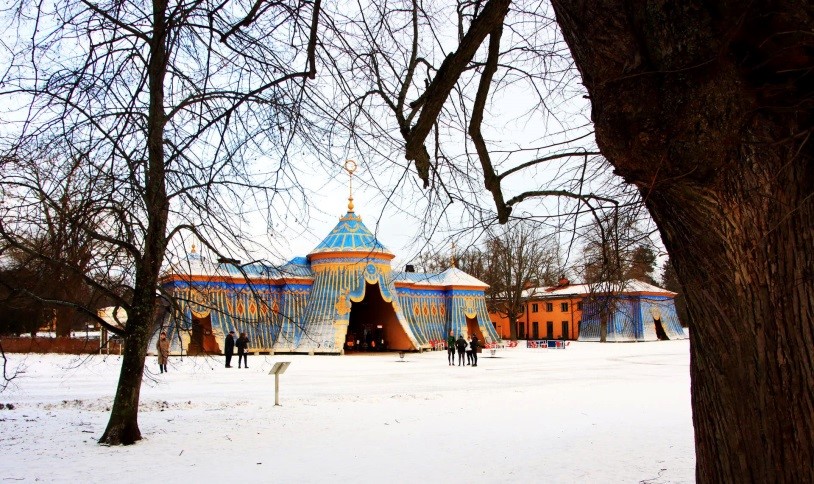
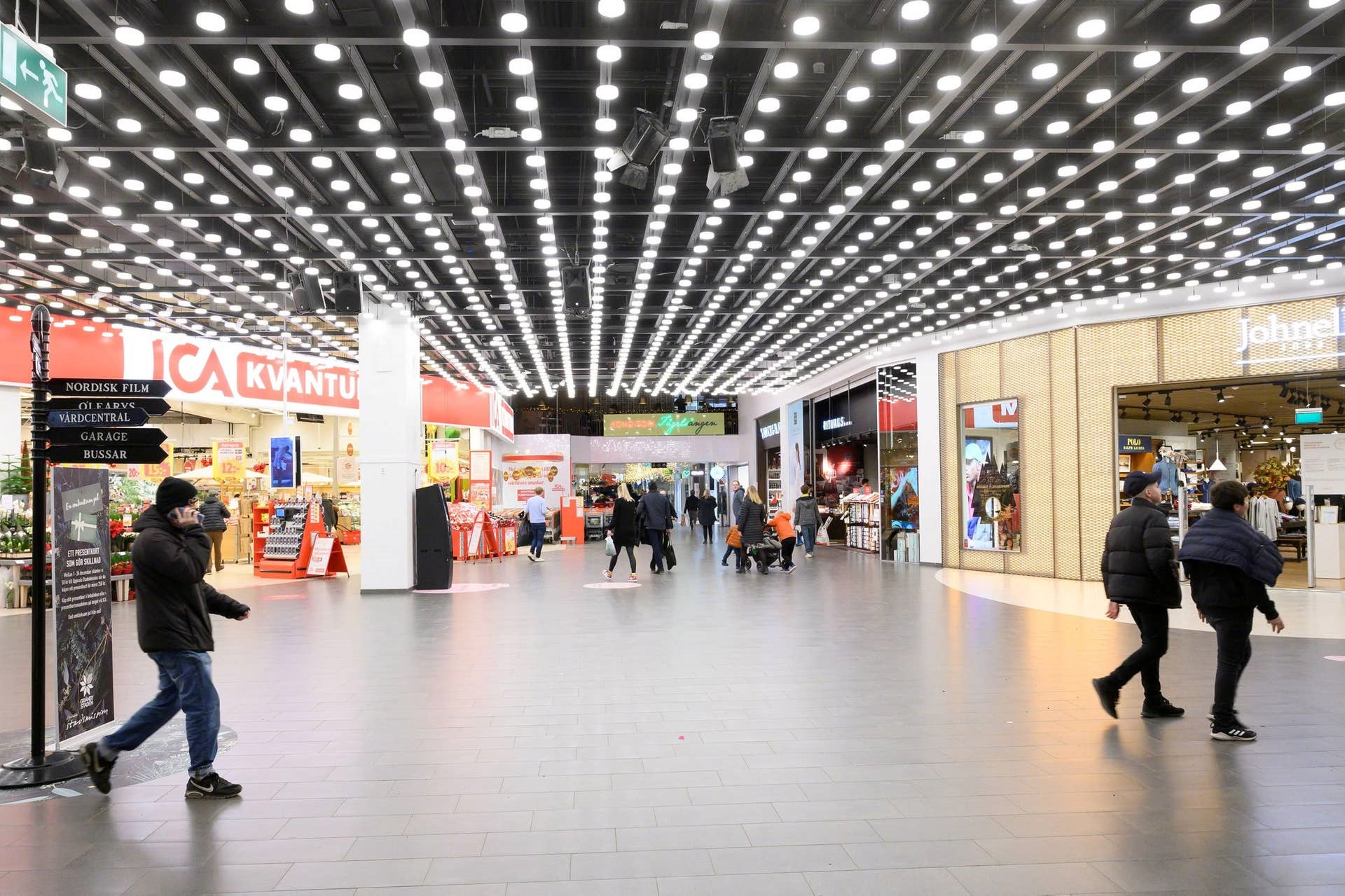

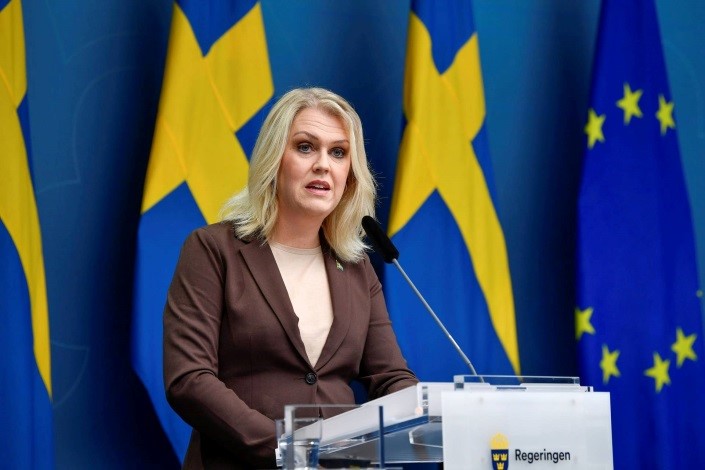
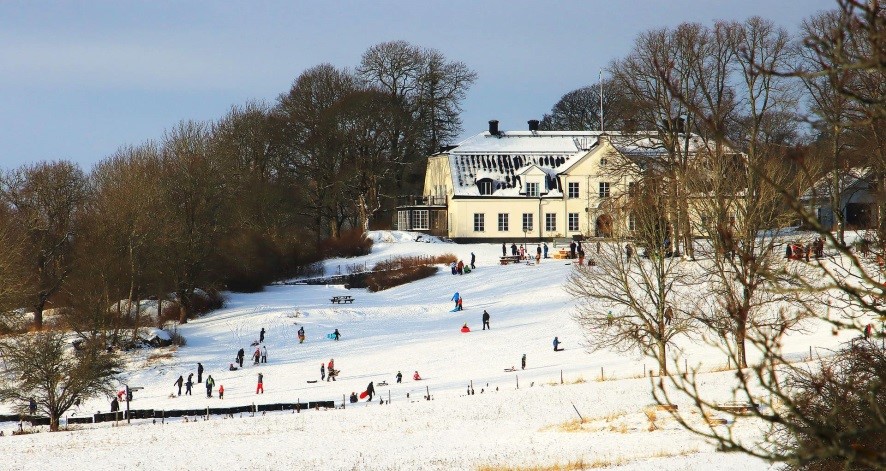
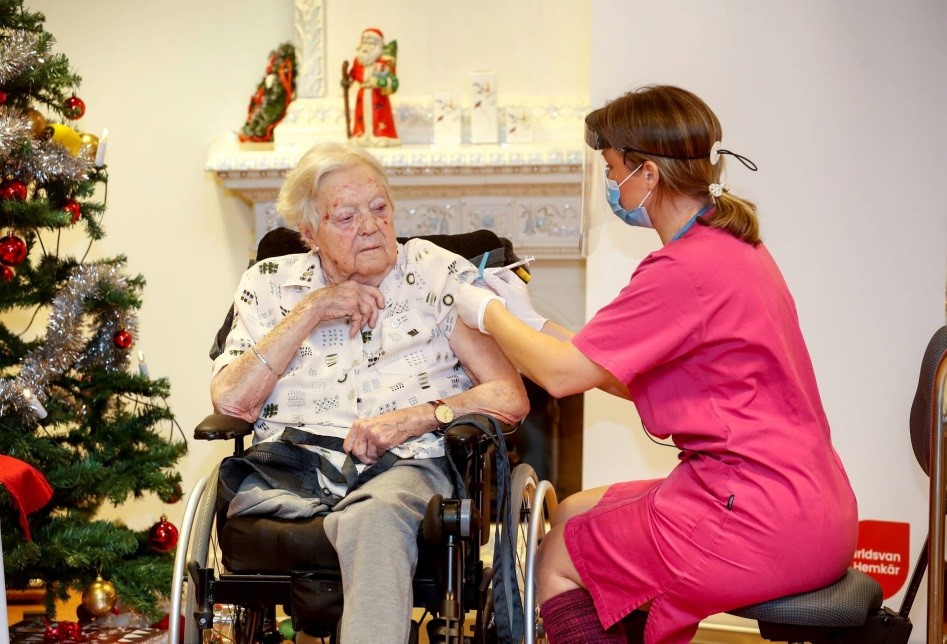
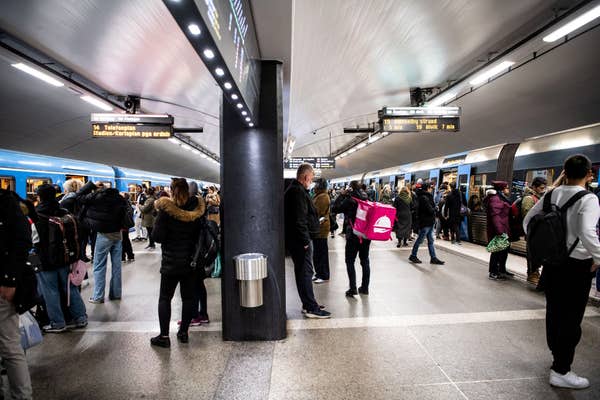


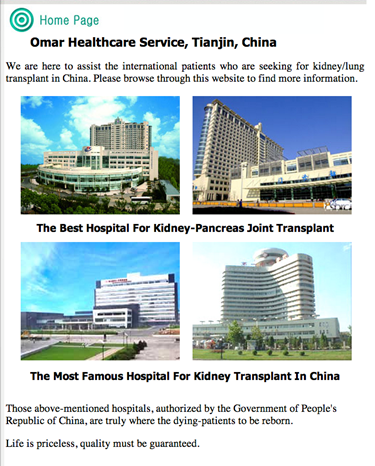


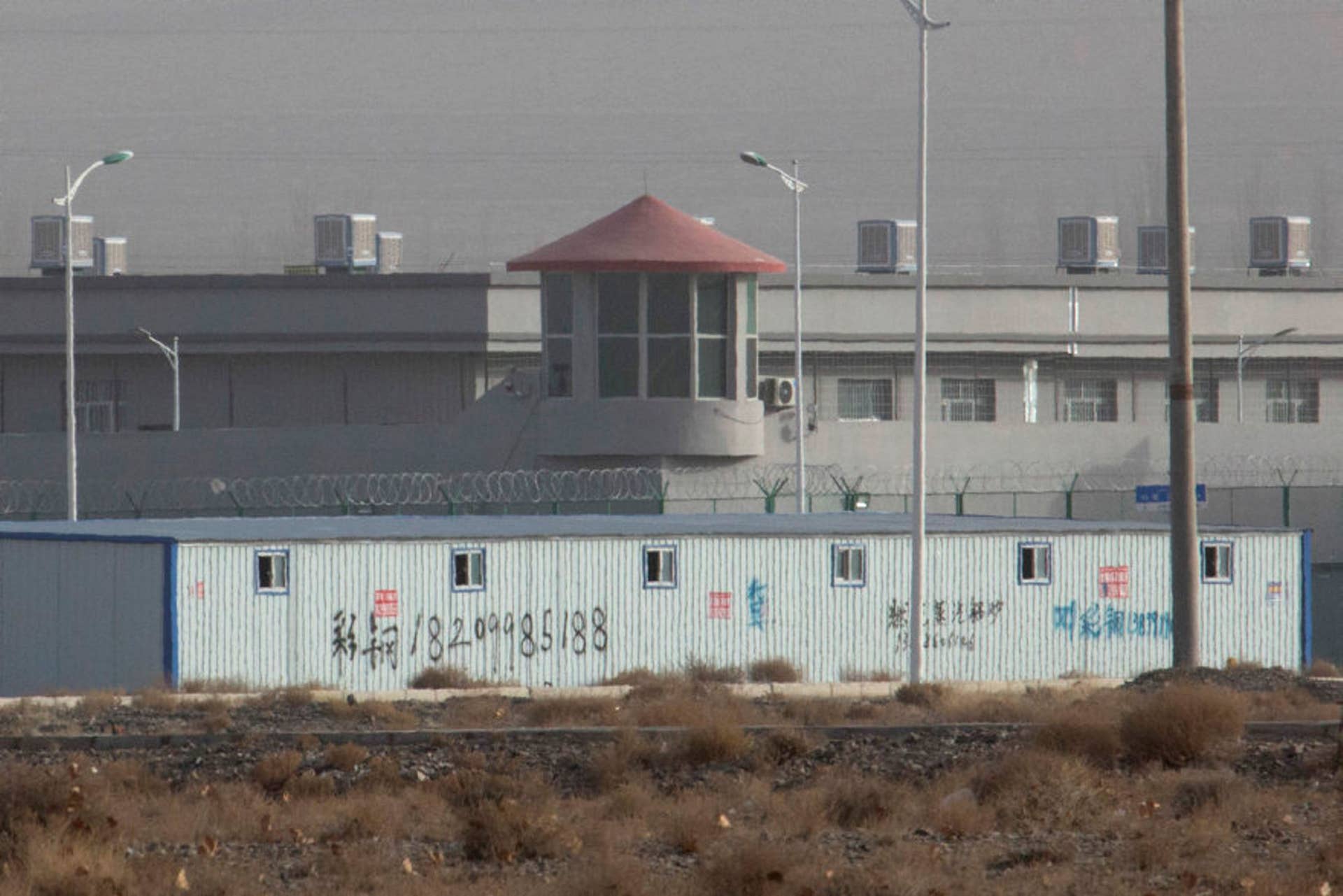
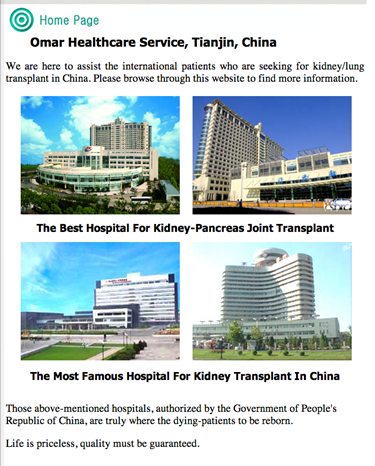
 דיויד סטברו