Why President Trump Could Betray Israel Just Like He Betrayed Greenland

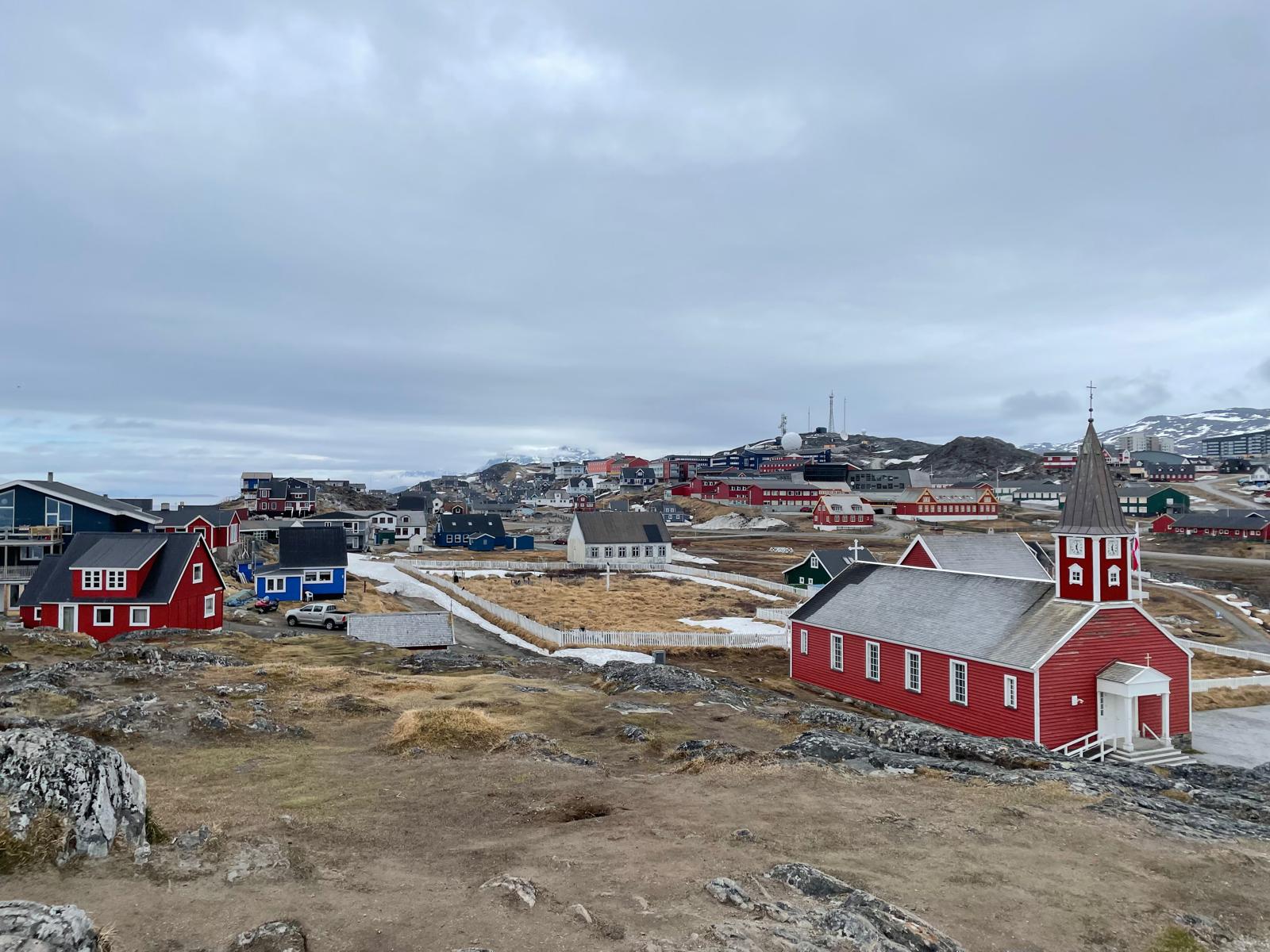
In recent months, Greenland has found itself under a treacherous bullying attack by The United States which decided to break the rules and resort to threats, pressure, and blackmail. President Trump adopted the geopolitical logic of his Russian counterpart and threatened to annex the island regardless of the will of its inhabitants. Will this actually happen and what does it mean for Israel?

Published in "Haaretz": https://www.haaretz.com/opinion/2025-04-01/ty-article-opinion/.premium/what-happened-to-greenland-can-happen-to-israel/00000195-f2b8-d1f1-a7d5-f2fc93630000

STOCKHOLM – It's hard to think of two countries more different from each other than Greenland and Israel. Greenland actually isn't even a country; it's an autonomous area on its way to independence from Denmark. It's also a giant island almost empty of inhabitants, with no intercity roads and no traffic jams. Israel, as we all know, is crowded, hot, small and tense.

These differences could create the illusion that what is happening now to Greenland couldn't happen to Israel. But that isn't so. In recent months, Greenland has come under a thuggish, traitorous attack. The United States, which for decades was its partner and friend, decided to break the rules and threaten, pressure and extort the island.

U.S. President Donald Trump adopted the geopolitical logic of his Russian counterpart and threatened to annex Greenland regardless of its inhabitants' wishes. To prove that it was serious, the administration sent Vice President JD Vance to visit the island in defiance of its government's wishes and at a sensitive political time.

Two weeks ago, Greenland held a general election that ended with the incumbent's ouster. Vance's visit was thus slated to take place while the coalition negotiations to form a new government were being held, and also just days before the local elections. Political sources described this as foreign intervention in the elections. The outgoing prime minister termed the visit "highly aggressive."

The visit took place last Friday. Washington tried to market it as a defense-oriented visit to the U.S. space force base there. Before that, it had been marketed as a cultural tour by Vance's wife, without her husband (she joined her husband on the visit in its new incarnation).

Having the Vances visit the base was a sophisticated move. Ostensibly, it was a de-escalation, because the Americans wouldn't interact with angry residents and would focus on the base. Yet in another sense, it was an escalation, because the visitor was the vice president of the United States – the highest-level American official to ever visit Greenland. But either way, Greenlanders rightly view the visit as an act of extortion.

Contrary to the Trump administration's claims, there is no demand in Greenland for American intervention. "We – all party leaders – cannot accept the repeated statements about annexation and control of Greenland," the leaders of all five of the island's parties said in a joint statement. "We as party leaders find this behavior unacceptable towards friends and allies in a defense alliance."

Denmark's prime minister termed the American move "unacceptable pressure." And throughout the island, demonstrations were held against Trump's threats, with slogans like "Make America Go Away." Two months ago, a poll found that 85 percent of the island's residents oppose becoming part of the United States (and only 6 percent support it). But the Americans haven't been deterred.

The example of Greenland, like the United States' abandonment of Ukraine, shows a worrying side of the Trump administration. The U.S. could always have continued protecting its national security by stationing systems there to defend and control sea lanes. It could also have cooperated with Greenland's government and its residents in finding, mining, and producing valuable minerals.

Instead, Washington chose to signal to the world that there's a new sheriff in town who's willing to ride roughshod over anyone who stands in his way.

Should other countries also be worried by this new America, which abandons its partners, changes its loyalties and fires in every direction? Israelis don't appear to be particularly worried. Their enthusiasm for Trump has only grown, and his intervention to get the hostages released and his lifting of restraints on Israeli military action are obviously reasons for that. But people are also making deeper arguments for this blind faith in the Trump administration.

One argument is that in contrast to Greenland, President Trump feels an emotional connection to Israel. His confidants and his Jewish relatives nurtured a deep connection to the Jewish people in him, so he won't betray Israel like he has betrayed America's partners in Europe, Mexico and Canada.

Another argument is realpolitik. In the new global order, the American global cop is giving way to a multipolar world in which Russia and China also have spheres of influence. Israel can, therefore, count on the Americans even if they are opportunistic thugs because it's part of an American-Saudi-Egyptian-Emirati axis against the Iranian enemy. Consequently, Washington will protect it in any case – if not because of Trump's warm feelings for the Jews, then out of political and economic interests.

But vast blindness and indifference are needed to depend on these arguments. The first one relies on the existence of a stable, normative emotional base of empathy, responsibility and altruistic feelings of belonging in someone who has none of those traits. The second one relies on America having permanent, unchanging interests in a world characterized by changing alliances, dissolving coalitions, and unforeseen dramatic developments.

Even if America gives up on Greenland and moves on to its next adventure, we have to remember that political processes always have more than one side. Even people who have lost their moral spine and become enthusiastic over the idea of population transfer for the Palestinians must remember that if transfer is part of the diplomatic toolbox, it could be applied in any direction. If the U.S. administration can "clear out Gaza," why shouldn't it decide to clear out the Negev?

Similarly, even people who celebrated Washington's green light to flatten the Gaza Strip should remember that a lack of international rules and laws can be used against them in the future as well. And even if American nihilism and opportunism are working to the benefit of a local, temporary Israeli interest, we must keep in mind that we won't be immune forever.

גם גרינלנד לא האמינה

בחודשים האחרונים נקלעה גרינלנד למתקפת בריונות בוגדנית של סחיטה ואיומים מצד ארצות הברית כאשר הנשיא טראמפ אימץ את ההיגיון הגיאו־פוליטי של מקבילו הרוסי ואיים כי יספח את האי בלי קשר להחלטת תושביו. האם יש סיכוי שזה אכן מה שיקרה, ומה כל זה אומר עלינו?

פורסם ב"הארץ": https://www.haaretz.co.il/opinions/2025-03-31/ty-article-opinion/.premium/00000195-ec5c-d1f1-a7d5-fcfca3cb0000

קשה לחשוב על שתי מדינות שונות זו מזו כגרינלנד וישראל. גרינלנד, לא מדינה אפילו, אלא מעין אוטונומיה בדרכה לעצמאות מדנמרק, אי ענקי וריק כמעט מתושבים. בלי כבישים בינעירוניים, וגם בלי פקקים. ישראל, כידוע, צפופה, חמה, קטנה ועצבנית. הבדלים אלה יכולים ליצור אשליה ולפיה מה שקורה עכשיו לגרינלנדים אינו יכול לקרות לישראלים, אבל לא כך הוא.

בחודשים האחרונים נקלעה גרינלנד למתקפת בריונות בוגדנית. ארצות הברית, שבמשך עשורים היתה שותפתה וידידתה, החליטה לשבור את הכלים ולאיים, ללחוץ ולסחוט את גרינלנד. הנשיא דונלד טראמפ, אימץ את ההיגיון הגיאו־פוליטי של מקבילו הרוסי ואיים כי יספח את האי בלי קשר להחלטת תושביו. להוכחת רצינות כוונותיו שלח הממשל את סגן הנשיא, ג'יי די ואנס, לביקור בגרינלנד בניגוד לרצון ממשלתה ובעיתוי פוליטי רגיש.

לפני שבועיים התקיימו באי בחירות שהסתיימו במהפך, והביקור תוכנן לזמן שמתנהל בו המשא ומתן הקואליציוני וימים ספורים לפני הבחירות המקומיות. גורמים פוליטיים תיארו זאת כהתערבות זרה בבחירות. ראש הממשלה היוצא תיאר את הביקור כ"אגרסיבי מאוד". הביקור היה ביום שישי שעבר, וארה"ב ניסתה לשווקו כביקור ביטחוני, כי התקיים בבסיס חיל החלל האמריקאי.

במקור שווק הביקור כביקור תיירות של אשת סגן הנשיא לבדה (שתצטרף גם לביקור בגרסתו החדשה). זה שינוי מתוחכם. לכאורה זו דה־אסקלציה, כי האמריקאים לא נחשפו לתושבי האי הזועמים והתרכזו בבסיס. מצד אחר, זו בעצם אסקלציה כי הביקור הוא של סגן הנשיא — דרג שמעולם לא ביקר בגרינלנד. כך או כך, הגרינלנדים רואים את המהלך, בצדק, כאקט של סחיטה באיומים.

בניגוד לטעת הממשל, אין ביקוש גרינלנדי להתערבות אמריקאית. "איננו יכולים לקבל את ההתבטאויות החוזרות על סיפוח ושליטה (אמריקאית) בגרינלנד", אמרו מנהיגי כל מפלגות הפרלמנט הגרינלנדי, "זו התנהגות לא מקובלת כלפי חברים ושותפים בברית ביטחונית". ראש ממשלת דנמרק כינתה את המהלך האמריקאי "לחץ בלתי מקובל", וברחבי האי הפגינו נגד איומי טראמפ בסיסמאות כמו "Make America Go Away". לפני כחודשיים הראה סקר, ש–85% מתושבי האי מתנגדים להצטרפות לארה"ב (ורק 6% תומכים). אך האמריקאים בשלהם.

הדוגמה של גרינלנד, כמו הפקרת אוקראינה, חושפת צד מדאיג של ממשל טראמפ. ארה"ב היתה יכולה להמשיך לפעול לביטחונה הלאומי בהצבת מערכות הגנה ושליטה על נתיבי שיט בשיתוף ממשלת גרינלנד וגם לשתף פעולה עם תושבי האי במציאה, כרייה והפקה של מחצבים יקרים. במקום זאת בחרה ארה"ב לאותת לעולם, כי יש שריף חדש בעיר, המוכן לרמוס כל מה שעומד בדרכו.

האם אמורות גם מדינות אחרות להיות מודאגות מאמריקה החדשה המפקירה שותפים, מחליפה נאמנויות ויורה לכל הכיוונים? נראה שבישראל אין דאגה מיוחדת. ההתלהבות מטראמפ גוברת, וברור שההתערבות לשחרור החטופים ושחרור הרסן הצבאי הם סיבה לכך, אך יש גם טיעוני עומק לאמון העיוור בממשל טראמפ.

על פי טיעון אחד, בניגוד לגרינלנד — טראמפ קשור רגשית לישראל. שותפי הסוד וקרובי המשפחה היהודים פיתחו אצלו קשר עמוק לעם היהודי, והוא לא יבגוד בו כפי שהוא בוגד בשותפיו באירופה, מקסיקו וקנדה. על פי טיעון אחר, זה ריאל־פוליטיק. בסדר העולמי החדש ובו השוטר הגלובלי האמריקאי מפנה את מקומו לעולם רב־קוטבי, שגם לרוסיה וסין אזורי השפעה בו, ישראל יכולה לסמוך על האמריקאים גם אם הם בריונים אופורטוניסטים. שהרי היא חלק מציר אמריקאי־סעודי־מצרי־אמירתי נגד האויב האיראני, וארה"ב תשמור עליה בכל מקרה. אם לא בגלל לב יהודי חם, הרי בגלל מניעים אינטרסנטיים פוליטיים וכלכליים.

כמה שאננות ועיוורון נדרשים כדי לסמוך על טיעונים אלה. הטיעון הראשון מסתמך על יסוד נפשי יציב ונורמטיבי של אמפתיה, אחריות ותחושת השתייכות אלטרואיסטית אצל מי שאין בו כלל תכונות אלה. הטיעון השני מסתמך על אינטרסים קבועים ובלתי משתנים בעולם, המאופיין בבריתות משתנות, קואליציות מתפרקות והתפתחויות דרמטיות ולא צפויות.

גם אם תוותר ארה"ב על האי ותעבור להרפתקה הבאה יש לזכור, כי לתהליכים פוליטיים יותר מצד אחד. גם מי שאיבד את עמוד השדרה המוסרי והתלהב מטרנספר של פלסטינים חייב לזכור, כי כאשר טרנספר הוא חלק מארגז הכלים המדיני, הוא יכול להיות מופעל לכל הכיוונים. אם הממשל האמריקאי יכול "לפנות את עזה", למה לא יחליט לפנות את הנגב? גם מי שחגג את האור הירוק לשיטוח הרצועה חייב לזכור, כי החוסר בכללים ובחוקים בינלאומיים יכול להיות מופנה בעתיד כלפיו. וכי גם אם הניהיליזם והאופורטוניזם האמריקאיים עובדים לטובת אינטרס מקומי וזמני, יש לזכור כי לא לעולם חוסן. תשאלו את גרינלנד.

How the Gaza War Broke Israel's Taboo on Contact With the Far-right Sweden Democrats

Israel's government has boycotted the Sweden Democrats since the party's founding by neo-Nazis in 1988. The political repercussions of the Gaza war have led to a new Israeli directive calling for exploratory talks, but the Swedish Jewish community still refuses all contact with the far-right party

Published in Haaretz: https://www.haaretz.com/israel-news/2025-02-26/ty-article-magazine/.premium/how-the-gaza-war-broke-israels-taboo-on-contact-with-the-far-right-sweden-democrats/00000195-4266-d852-a5df-efefdcb90000

STOCKHOLM – Foreign Minister Gideon Sa'ar's instruction for Israeli diplomats to launch discreet talks with the far-right Sweden Democrats has made waves in the Swedish media. It marks a drastic change for Israel's foreign policy, which was previously characterized by a long-standing boycott against far-right parties associated with antisemitism, Holocaust revisionism and neo-Nazi activists.

Sa'ar has ordered these exploratory talks with far-right parties in France, Spain and Sweden, Axios' Barak Ravid reported Monday. The Sweden Democrats' foreign policy spokesman, Aron Emilsson, who heads the parliamentary Foreign Affairs Committee, told the daily Expressen that Israel's decision was "extremely positive."

"We've been working for a long time to improve relations," he said, adding that "the ties are also important in security matters, particularly regarding Iran."

The Sweden Democrats have been boycotted by the Israeli government since the party's inception in 1988, but two unofficial visits by the party's leaders to Israel in 2023 and early 2024, as well as a series of unpublicized talks with Prime Minister Benjamin Netanyahu's Likud party and the Foreign Ministry triggered a policy change.

Ziv Nevo Kulman, Israel's ambassador in Stockholm, told the daily Dagens Nyheter in 2021 that his country had no ties with the Sweden Democrats and had no intention of establishing any. "This is a moral position about far-right parties with roots in Nazism," he said, two months into his term.

He told Haaretz last May: "We are aware of the positive statements by the Sweden Democrats about Israel. But at the same time, the party continues to adhere to extremist positions regarding a ban on brit milah [Jewish ritual circumcision] and the importing of kosher meat, and it has yet to seriously grapple with its neo-Nazi past and with the antisemitism among its members." He said the party's alleged support for Israel was "questionable."

Despite this earlier skepticism, the Israeli Embassy said Tuesday: "As part of a broader review of parties in Europe with which we have not previously had contact, the embassy has held talks with the Sweden Democrats. The initial contacts have largely focused on how the party handles its history and its stance on issues affecting Jewish life in Sweden."

Ziv Nevo Kulman, Photo: Israel's Embassy to Sweden

According to sources familiar with Israeli-Swedish relations, this change of tack was not only the work of Israel. Since the beginning of the war in Gaza, Sweden's center-left has been increasingly hostile toward Israel, and these parties' ties with Jerusalem have significantly weakened. Israel has become a wedge issue between Sweden's center-right coalition and the centrist and left-wing opposition.

According to the sources, the opposition's approach is pushing Israel into the arms of the Swedish populist right. As a result, the Sweden Democrats are increasingly seen as a legitimate party in both Israel and the Jewish world, a major win for the party.

For Sweden's Jewish community, the Sweden Democrats are still considered off-limits, at least officially. The party is not in touch with the community and is not welcome at community events.

In a letter to Israel's foreign minister a year ago, the European Jewish Congress and the Council of Swedish Jewish Communities expressed concerns about a meeting between Israeli ministers and Sweden Democrats visiting Jerusalem. The president of the European Jewish Congress, Ariel Muzicant, and the chairman of the Council of Swedish Jewish Communities, Aron Verständig, wrote that they were "gravely concerned" and referred to the party's "neo-Nazi roots."

Muzicant and Verständig added that the Sweden Democrats' "ideology is still inherently xenophobic even though its representatives claim to be our allies, making an exception for the Jews as a national minority, albeit claiming that Jews cannot be Swedes." They said the party regularly submitted bills to ban "non-medical circumcision," as opponents call it, and the importing of kosher meat.

When asked Tuesday about Israel's apparent policy shift, Verständig told Haaretz that he was notified a few days ago that Israel's Foreign Ministry had instructed the Stockholm embassy to forge contacts with the Sweden Democrats.

"However, we don't have contacts with the Sweden Democrats," Verständig said. "The issue of the Sweden Democrats is one that we discuss regularly, but we haven't changed our position and we still don't have ties with the party."roots

The Sweden Democrats party was founded in 1988 by members of Swedish neo-Nazi and far-right movements. A key figure in the organization was Gustav Ekström, a member of Germany's Waffen-SS, the SS' military arm, during World War II and an activist in the NSAP, the Swedish Nazi party that disbanded in 1950. Other founders were members of white supremacist parties, neofascist and neo-Nazi movements, the Swedish skinhead movement and criminal organizations.

But the neo-Nazi past wasn't the only reason for the Israeli boycott. In recent years party members have spread conspiracy theories and racist, antisemitic and Islamophobic propaganda. In 2021 the Swedish daily Aftonbladet revealed that Jörgen Fogelklou, the party's leader in Sweden's second-largest city, Gothenburg, spread antisemitic and racist statements on social media such as "It is clear that Jews are the root of all evil in the world."

A few years ago, another local party leader in southern Sweden, Jonas Lingvärn, took part in performances by rock bands supporting white supremacy and used the slogan "Skinhead 88" – 88 is shorthand for HH, meaning "Heil Hitler."

The party first entered Sweden's parliament in 2010, and in the 2022 elections it won more than 20 percent of the vote, making it the country's second largest party. Until just a few years ago, the Sweden Democrats were boycotted by parties across the political spectrum.

But after a shift in approach by two center-right parties, the Sweden Democrats became an integral part of the right-wing bloc after elections, without which a center-right government could not be formed. In parliament, the party heads the Foreign Affairs Committee, the Justice Committee and the Industry and Commerce Committee.

אל תמהרו להספיד את אירופה

נכון, היא חווה בימים אלו את המשבר הקשה ביותר שלה מאז תום מלחמת העולם השנייה. נכון גם, שאירופה הביאה לעולם אכזריות, קנאות ורצח לא פחות משהיא תרמה את הדמוקרטיה, הנאורות והמדע. אפלטון וקאנט, איינשטיין ושייקספיר, באך והביטלס הם רק צד אחד של הסיפור. השני הוא אושוויץ, מסעות הצלב והאינקוויזיציה. ובכל זאת, במחצית השנייה של המאה ה–20 אירופה בנתה את הסידור הפוליטי־חברתי־כלכלי המוצלח ביותר בתולדות האנושות ואפילו היום, בשיא חולשתה, היא מציעה חיים טובים, חופשיים ובטוחים יותר ממה שמציעים הבריונים והדיקטטורים מאמריקה, רוסיה וסין.

פורסם ב"הארץ": https://www.haaretz.co.il/opinions/2025-02-26/ty-article-opinion/.premium/00000195-4199-d852-a5df-efbd9db80000#comments-section

אחת המגמות האופנתיות בשיח התקשורתי של השנים האחרונות היא ההכרזה על מותה של אירופה. כולם מדברים על חולשותיה וכישלונותיה של היבשת הישנה. האמריקאים מזלזלים בה, מדירים אותה מהשיחות על אוקראינה ומאיימים עליה במכסים וגזילת שטחים. הרוסים מתעמרים בה ומשגרים נגדה התקפות סייבר ודיס־אינפורמציה. סין, שהיתה הרחק מאחור, מקדימה את אירופה בייצור, בסחר ובתעשייה, תוך שהיא קונה את דרכה לתוך מארג התשתיות והתקשורת שלה.

גם המצב הפנימי לא מזהיר. ההגירה המסיבית והמתחים שהיא יצרה הטילו על היבשת עומס חברתי וכלכלי. הימין הקיצוני מתחזק, הנאציזם חוזר, השמאל שוקע בפוליטיקת זהויות והקמפוסים נכנעו לתעמולה של חמאס. כבר שנים שמיטב המוחות ביבשת מתמחים בעיקר בהספדים: דאגלס מארי כתב על "מותה המוזר של אירופה" ומישל וולבק קרא לזה "כניעה". עמנואל מקרון אמר לסטודנטים בסורבון ש"אירופה עלולה למות", ונגיד הבנק האירופי וראש ממשלת איטליה לשעבר, מריו דראגי, כתב שאם אירופה לא תתעשת היא עומדת בפני "ייסורים איטיים". לפחות בביקורת עצמית לאירופים עדיין יש את זה.

ובכל זאת, למרות המלחמה באוקראינה, הברקזיט, יוקר המחיה, הסגרגציה, קריסת התעשייה, הביורוקרטיה, גלי הפיטורים ומשבר האנרגיה — בעבור אלו שערכים הומניסטיים, ליברליים ודמוקרטיים חשובים להם, אין תחליף לאירופה. ויש סיבות רבות לכך שעולם ללא אירופה הוא עולם מסוכן יותר, שבו חיי אדם יהיו שווים פחות.

הסיבה הראשונה היא החיים עצמם. אם התמזל מזלכם להיוולד באירופה, הסיכוי שתמותו לפני גיל חמש הוא נמוך מאוד — בסך הכל שבעה מקרים מתוך אלף ילדים. באפריקה הסיכון גדול פי עשרה, בדרום־מזרח אסיה הוא גדול פי ארבעה ובאמריקה פי שניים. הסיכוי שלכם להיהרג בתאונות דרכים באירופה הוא בערך חצי מהסיכוי שתיהרגו בתאונה באמריקה או בדרום־מזרח אסיה וקרוב לרבע מזה שבאפריקה. ואם נפצעתם או חליתם, אירופה מובילה על שאר היבשות כמעט בכל הקריטריונים של כיסוי האוכלוסייה בביטוחי בריאות.

אם שרדתם את חמש השנים הראשונות לאחר שנולדתם במדינת OECD שבה החינוך היסודי הוא חובה וזכות בסיסית, ההמשך ללימודים על־יסודיים הוא כמעט מובן מאליו. ברשימת 20 המדינות שבהן אחוז הממשיכים לתיכון הוא הגבוה ביותר — 18 הן באירופה. גם כשבודקים מי ממשיך להשכלה גבוהה, מדינות אירופה מהוות את הרוב בקרב 20 המדינות המובילות.

Screenshot

גם בשוק העבודה כדאי להיות באירופה. הסיכוי של עובד אירופאי לשכר הוגן, תנאי עבודה סבירים, בטיחות טובה ואיזון עם חיי המשפחה, גבוה יותר מזה של עובד בכל מקום אחר. זאת, מפני שהעובדים האירופאים הם המאוגדים ביותר בעולם והמוגנים ביותר על ידי הסכמים קיבוציים.

ברשימת 20 המדינות המאוגדות ביותר, 15 הן אירופיות, ומתוך 20 המדינות שבהן הסכמי עבודה קיבוציים מקיפים את אחוז העובדים הגבוה ביותר, 18 הן אירופיות. כל זאת בעולם שבו מדינות כמו ארצות הברית וארגנטינה מפרקות הלכה למעשה את המדינה, ובאסיה שווקים שלמים מבוססים על עובדי כפייה, עבדים וקורבנות סחר בבני אדם.

לא חסרות סיבות נוספות לחיוניותה של אירופה. מספר הנרצחים על כל 100 אלף תושבים באירופה הוא קצת יותר מ–2, לעומת כ–15 באמריקה וכ–11 באפריקה (באסיה המספר דומה לאירופה, אך חסרים נתונים אמינים ממדינות רבות). אירופה גם אוסרת על עונש מוות ועל עינויים, מגינה על זכויות אדם ומפרידה בין דת למדינה.

מבחינה פוליטית, אירופאים משפיעים על גורלם בצורה מקיפה יותר, מפני שהפוליטיקאים שלהם מתראיינים במגוון אמצעי תקשורת ומספקים תשובות מנומקות גם לעיתונאים שלא תומכים בהם. כשבודקים את מדד חופש העיתונות העולמי זה ברור: מתוך 20 המדינות המובילות, 17 הן אירופיות.

גם באיכות חיי המשפחה, מאפשרות מדינות אירופה את מה שבעבר היה אפשר רק לחלום עליו. בכרכים של אירופה, בוודאי שבמערבה ובצפונה, שני גברים או שתי נשים יכולים ויכולות להחזיק ידיים ולהתנשק בפומבי בלי לעורר תגובות עוינות. נישואים חד־מיניים חוקיים כמעט בכל המדינות וחופשות הלידה הנדיבות ביותר בעולם מאפשרות להורים באירופה לבלות זמן עם ילדיהם ולטפח את התא המשפחתי ללא לחץ כלכלי.

נכון, אירופה חווה בימים אלו את המשבר הקשה ביותר שלה מאז תום מלחמת העולם השנייה. נכון גם, שאירופה הביאה לעולם אכזריות, קנאות ורצח לא פחות משהיא תרמה את הדמוקרטיה, הנאורות והמדע. אפלטון וקאנט, איינשטיין ושייקספיר, באך והביטלס הם רק צד אחד של הסיפור. השני הוא אושוויץ, מסעות הצלב והאינקוויזיציה. ובכל זאת, במחצית השנייה של המאה ה–20 אירופה בנתה את הסידור הפוליטי־חברתי־כלכלי המוצלח ביותר בתולדות האנושות ואפילו היום, בשיא חולשתה, היא מציעה חיים טובים, חופשיים ובטוחים יותר ממה שמציעים הבריונים והדיקטטורים מאמריקה, רוסיה וסין.

נביאי הזעם שנהנים מ"מיטוט הסדר הישן" ומ"חשיפת הצביעות האירופית", אלו ששמחים לאידה של "אירופה שהופכת לאירופיסטאן" ומפנטזים על נקמה באנטישמים, טוב יעשו אם ידמיינו בכנות את העולם ללא אירופה. האם הם באמת רוצים עולם של דמוקרטיה רוסית, שוק העבודה של איחוד האמירויות, ערכים סעודיים, דיפלומטיה קטרית ושיח פוליטי שנקבע על ידי האלגוריתם של אילון מאסק?

ראש ממשלת שוודיה ל"הארץ": "אנטישמיות בשוודיה מגיעה היום גם מכיוון אנשים בעלי מוצא מזרח תיכוני"

ראש ממשלת שוודיה אולף קריסטרסון אמר בכנס על אנטישמיות בסטוקהולם שמאז 7 באוקטובר חלה עלייה משמעותית בתקריות אנטישמיות: "אסור להתעלם מכל הדוגמאות שראינו לאחרונה: חלונות שבורים, ציורים של צלבי קרס ואיומי מוות". בריאיון ל"הארץ" התייחס למלחמה בצפון ואמר ש"כל העולם חושש מהסלמה ומהשלכותיה שלא ניתן לצפות אותן".

פורסם ב"הארץ": https://www.haaretz.co.il/news/world/europe/2024-10-01/ty-article/.premium/00000192-4711-d07b-aff3-57f74a100000

ראש ממשלת שוודיה, אולף קריסטרסון, אמר אתמול (שני) שחלה עלייה משמעותית באנטישמיות במדינה מאז מתקפת חמאס בישראל ב-7 באוקטובר, במהלך כנס שנערך בנושא בסטוקהולם.

קריסטרסון שיתף את באי הכנס בפגישות שקיים באחרונה בבית הספר היהודי בבירה וכן בקהילה היהודית במאלמו ואמר: "בשנה הבאה תציין הקהילה היהודית 250 שנה בשוודיה, ויהודי שוודיה חייבים להרגיש בטוחים כשהם מבקרים בבית הכנסת, כשהם עונדים תליון עם מגן דוד וכשהם מגיעים עם הילדים לבית הספר".כתבות קשורות

"אסור להתעלם מכל הדוגמאות שראינו לאחרונה: חלונות שבורים, ציורים של צלבי קרס ואיומי מוות. תלמידים נתקלים באנטישמיות חסרת בושה בבית הספר. פוליטיקאים שהפיצו תמונות אנטישמיות ברורות ברשתות החברתיות", אמר קריסטרסון. "אסור להתעלם או להפחית בחשיבות האנטישמיות. השנאה משגשגת בדממה. גם מילים יפות על אפס סובלנות אינן מספיקות. שוודיה היא אחת המדינות הסובלניות ביותר בעולם, אך יש למתוח את קו הסובלנות כשמופיעה חוסר סובלנות".

"ב-7 באוקטובר 2023 בוצע הרצח ההמוני הגדול ביותר של יהודים מאז השואה. המתקפה זכתה לגינוי נרחב גם בחלקים נרחבים של העולם. במקביל, נחגגה האלימות ברחובות ובכיכרות – הן בשוודיה והן במדינות אחרות, עם זיקוקים, שירה וריקודים. זה היה ניגוד ברור להבטחה של 'לעולם לא עוד'. והתברר שיש לנו עוד הרבה מה לעשות", אמר קריסטרסון. הוא ציטט את נשיאת הנציבות האירופית אורסולה פון דר ליין, ואמר שדבריה על כך ש"לא היתה תרבות אירופית ללא תרבות יהודית ולא היתה אירופה ללא העם היהודי" נכונים גם לגבי שוודיה.

בסיום הכנס התראיין קריסטרסון ל"הארץ" והתייחס לסוגיית האנטישמיות במדינה וגם למלחמה. "מאז שבעה באוקטובר, דברים רבים החמירו מבחינת יהודי שוודיה", אמר ראש הממשלה השוודי.

ראש ממשלת שוודיה אולף קריסטרסון בכנס על אנטישמיות בסטוקהולם, אתמול
ראש ממשלת שוודיה אולף קריסטרסון בכנס על אנטישמיות בסטוקהולם, אתמול, צילום: דיויד סטברו

על פי המועצה הלאומית למניעת פשיעה בשוודיה (BRÅ), נרשמה עלייה של פי חמישה בפשעי שנאה על רקע אנטישמי בין 7 באוקטובר לסוף 2023 בהשוואה לאותה תקופה בשנה הקודמת. על פי הדו"ח מדובר בכרזות וסיסמאות בהפגנות, אך גם בהצקות, הטרדות ותקיפות בעלות אופי אנטישמי על רקע המלחמה בעזה.

"בשוודיה, כמו ברוב המדינות, יש אנטישמיות זה עשורים. בעבר זה הגיע מכיוון ניאו-נאצים ואנשי ימין קיצוני. בימינו, אנשי הקהילה היהודית פוגשים אנשים רבים עם שורשים במזרח התיכון, ואנשים שמשתמשים ברטוריקה אנטישמית בגלל דעות שונות על מה שמתרחש במזרח התיכון", אמר קריסטרסון. "בדמוקרטיה כמו שוודיה בוודאי שמותר להחזיק בדעות שונות בנוגע לשאלה כיצד לפתור בעיות במזרח התיכון וכיצד לקדם שלום, ואנחנו עושים מה שאנחנו יכולים משוודיה, אבל יש לנו אחריות מלאה להגן על יהודים ועל החיים היהודיים בשוודיה ועדיין לא עשינו מספיק".

קריסטרסון נשאל על עמדת ממשלתו לגבי העברת הלחימה המרכזית מרצועת עזה לצפון והשיב ש"כל העולם חושש מהסלמה ומהשלכות של הסלמה שלא ניתן לצפות אותן. מבחינת שוודיה, אנחנו מוטרדים מכך שיש בין 2,000 ל-4,000 שוודים השוהים עכשיו בלבנון למרות העובדה שביקשנו מאזרחינו שלנו לצאת משם ולחזור לשוודיה כאשר זה עדיין אפשרי. יש לנו משאבים מוגבלים מאוד לעזור לאנשים לצאת אם המצב יהיה גרוע יותר".

ראש הממשלה השוודי לא התייחס ישירות בריאיון לשאלת החטופים בעזה וליוזמות להפסקת אש בין ישראל לבין חמאס. הוא גם נמנע מלומר אם שוודיה תנהג כמו מדינות אחרות שהטילו סנקציות על בכירים ישראלים, בהם איתמר בן גביר ובצלאל סמוטריץ'. בעניין תגובתה של שוודיה לפלישה קרקעית ישראלית אפשרית ללבנון, הפנתה לשכת ראש הממשלה למשרד החוץ השוודי, שמסר ל"הארץ" שאין באפשרותו להתייחס לנושא.

במשך שנים רבות היו יחסי ישראל-שוודיה במשבר חריף, אך בשנים האחרונות חל שיפור ששיאו בביקור שר החוץ הישראלי אלי כהן בסטוקהולם במאי 2023. קריסטרסון לא חושב שהמלחמה השפיעה על היחסים בין המדינות. "שוודיה עומדת כמובן מאחורי זכות הקיום של ישראל ומאחורי זכותה של ישראל להגן על עצמה ואפילו חובתה להגן על עצמה בתוך גבולות של זכויות הומניטריות", הוא אמר. "לאיחוד האירופי יש עמדה עקבית בנוגע לכך. בסופו של דבר, אנחנו מאמינים בפתרון שתי המדינות וכמובן שלשוודיה חשוב מאוד שיהיה אפשר להפריד בין דעות שונות על הסכסוך במזרח התיכון והתמיכה המלאה ביהודים החיים בשוודיה".

הפגנה פרו-פלסטינית בסטוקהולם, צילום: דיויד סטברו

בחודשים האחרונים נרשמו כמה אירועים קשים בשוודיה כמו ירי וזריקת רימון יד על השגרירות הישראלית בסטוקהולם, פרסום ידיעות על ארגונים שוודיים שתומכים אקטיבית בחמאס ואפילו סוכנים של משמרות המהפכה האיראניים שהתכוונו לרצוח מנהיגים יהודיים במדינה.

קריסטרסון אמר ששוודיה ערוכה לאפשרות שחיזבאללה ירצה לנקום בישראל דרך פגיעה ביעדים ישראליים ויהודיים בחו"ל. "אנחנו בכוננות גבוהה ושוודיה נמצאת זה יותר משנה ברמת הכוננות השנייה הכי גבוהה האפשרית. הייתי אומר שהרשויות ערניות מאוד ושולטות במצב. עושה רושם שטרוריסטים מחמשים עבריינים שוודיים שבדרך כלל עוסקים בפעילות פלילית ואנחנו מוטרדים מכך, אבל אני מבטיח שאנחנו מודעים לכך ועוקבים אחרי המצב בזהירות רבה".

קריסטרסון הוא ראש מפלגת "המתונים" השמרנית שמאז אוקטובר 2022 עומדת בראש קואליציית מרכז-ימין הנתמכת בידי מפלגת ה"שוודים הדמוקרטים" הימנית-פופוליסטית. ממשלתו נחשבת ידידותית מאוד לישראל וכמו הממשלה הקודמת, ממשלת מרכז-שמאל בראשות המפלגה הסוציאל-דמוקרטית, היא פועלת בדרכים שונות למאבק באנטישמיות וקידום חיים יהודיים בשוודיה.

בכנס שנערך אתמול בסטוקהולם תחת הכותרת "אנטישמיות בשוודיה – תיאור מצב וצעדי מנע", השתתפו גם שרת התרבות פריסה ליליסטרנד, השר לעניינים חברתיים יקוב פורסמד, שר המשפטים גונאר סטרומר, השרה האחראית על בתי הספר לוטה אדהולם והשרה לשוויון חברתי פאולינה ברנדברג. יחד עם השרים הבכירים, דנו במשך כשלוש שעות אקדמאים שוודים מובילים, נציגי קהילות וארגונים יהודיים, עיתונאים וארגוני חברה אזרחית בגורמי האנטישמיות בשוודיה, באופנים בהם היא מתבטאת ובצעדים הנדרשים להיאבק בה.

פרויקט מופלא לתיעוד חיי הנוער היהודי באירופה נקטע ב-1939. עכשיו הוא קם מחדש

פרויקט "קלידוסקופ" מחייה יוזמה שנקטעה ערב השואה: תחרויות כתיבה אוטוביוגרפית של נערים ונערות יהודיים מרחבי אירופה.

פורסם ב"הארץ": https://www.haaretz.co.il/gallery/galleryfriday/2024-07-04/ty-article-magazine/.highlight/00000190-777b-d705-a7f5-fffb44090000

"אבא שוחח איתי כחבר. הוא נגע דרך אגב בשאלה אם אני אוהבת בחור. השאלה הזו הוסיפה לי דף חדש… השתדלתי תמיד למחוק מהלב את העניין הזה", כך כתבה צעירה יהודייה בת 17, שכינתה את עצמה האנזי, בווילנה ב-1934. בהמשך היא מספרת ליומנה כי הנערים בכיתה מתעלמים ממנה, שהיא תופסת את עצמה כ"מכוערת בשביל העין" ושאדישותם של הבנים גורמת לה לשבת בצד ולשקוע במחשבות בזמן שהנערות האחרות יושבות יחד ומספרות אנקדוטות זו לזו. "מצב ספציפי זה גרם שלא אהבתי בחור אחד", היא מסכמת, "ובשעה שלא יכולתי לעצור ברגשי הלב, חשתי אהבה לבחורים בכלל, באשר הם מין שני, בתור קיבוץ ולא בתור פרט".

רשימתה של האנזי היא רק עדות אחת מתוך מאות עדויות הנפרשות על פני אלפי עמודים שכתבו צעירים יהודים שחיו בפולין וכמה משכנותיה בשנות ה-30 של המאה הקודמת. הן נאספו על ידי מכון יהודי בשם ייִוואָ (YIVO, ראשי תיבות ביידיש של המכון המדעי היהודי), שפעל במזרח אירופה בשנים שקדמו למלחמת העולם השנייה וקיבל עליו לחקור ולשמר את אורח החיים היהודי במזרח אירופה ואת תרבות היידיש. הארגון הוקם ב-1925 בווילנה (אז בפולין, היום בליטא) והיו לו סניפים בוורשה, ברלין וניו יורק; לעיר זו עברה פעילות הארגון בעקבות מלחמת העולם השנייה ובה נמצא המטה של גלגולו המודרני עד היום.

הרשימות שלוקטו במסגרת איסוף העדויות האוטוביוגרפיות מרתקות. רבים מבני הנוער שכתבו אותן נספו בשואה והטקסטים שלהם משמשים מעין מצבה המזכירה את החיים המגוונים והעשירים שאבדו. הם כתבו בין השאר על מוזיקה, ספרות וגלישה על קרח; חלקם היו מודעים פוליטית – ציונים, סוציאליסטים או אנשי תנועת הבונד; היו ביניהם דתיים וחילונים, עניים ועשירים, כפריים ועירונים; הם כללו נערים מאוהבים, נשואים טריים וגם גרושים; חלקם חלמו להגר לעולם החדש, חלקם התרגשו לקראת העתיד ואחרים דווקא חששו ממנו.

"בשנות ה-30 המכון בווילנה ביקש לדעת מה קורה במוחם של צעירים בארצות דוברות היידיש", מספרת דניאלה גרייבר, מנהלת תוכניות מענקים בקרן רוטשילד "הנדיב" אירופה. "הם אירגנו תחרות כתיבת אוטוביוגרפיות ובמשך כמה סבבים, בין 1934 ל-1939, הם קיבלו 627 טקסטים. רובם היו כתובים בכתב יד והיו בני עשרות עמודים. מרבית הכותבים היו בנים, אך היו גם בנות, ואף שהשפה השלטת היתה יידיש, היו גם כאלה ובהם האנזי שכתבו בעברית ובפולנית. הרעיון לא היה לפרסם את הטקסטים, אלא לשמור אותם כך שיהיו חומר גלם למחקר חברתי. הרקע לפרויקט היה השקפת העולם הבונדיסטית, שהאמינה בצורך לפתח שייכות ומשמעות לחיים היהודיים במדינות דוברות היידיש. היתה גם אמונה שיש עתיד יהודי באירופה שתעבור מהפכה סוציאליסטית. מכיוון שזו היתה תקופה שבה אנשים למדו אתנוגרפיה ועסקו בדיסציפלינה של כתיבת אוטוביוגרפיות, מישהו חשב על הרעיון המבריק לבקש מאנשים צעירים לכתוב ביוגרפיות, וכדי שהטקסטים יהיו כנים, ההצעה היתה לעשות זאת באופן אנונימי".

הבקשה הופצה בעיתונות וכדי להגביר את המוטיבציה אף הוכרזה תחרות נושאת פרסים. בכל שנה זכו כמה כותבים ב-150 זלוטי כל אחד. עם זאת, הזוכים בסיבוב האחרון מעולם לא קיבלו הודעה על זכייתם: המועד המתוכנן להכרזת הזוכים היה 1 בספטמבר 1939, היום שבו פרצה מלחמת העולם השנייה. ככל הנראה, רבים מהכותבים לא שרדו בשנים הבאות.

תחילת רשימתה של האנזי, נערה מווילנה ב-1934, במסגרת תחרות העדויות של מכון ייווא. טקסטים ספורים בעברית
תחילת רשימתה של האנזי, נערה מווילנה ב-1934, במסגרת תחרות העדויות של מכון ייווא. טקסטים ספורים בעברית צילום: YIVO Institute for Jewish Research

תחרות האוטוביוגרפיות היהודיות המקורית אמנם נקטעה באחת בסוף שנות ה-30, אבל קרן רוטשילד מצאה דרך לחדש את הפרויקט כעבור 85 שנים. לפרויקט החדש הם החליטו לקרוא "קלידוסקופ" והוא מעין תמונת מראה של הפרויקט המקורי – גם בו צעירים יהודים מרחבי אירופה כותבים על חייהם כיום, והפעם הטקסטים לא רק נשמרים ונאספים אלא גם מתפרסמים בפומבי (בשפות המקור ובתרגום לאנגלית), באתר האינטרנט של הפרויקט.

דניס גרוסמן, אחד המשתתפים הראשונים בפרויקט, הוא צעיר יהודי מבודפשט שהתבגר במסגרות יהודיות-הונגריות. "אני בן 21 ועדיין הולך למחנה הקיץ", הוא כותב בטקסט שלו, "אבל עכשיו בתור מדריך. קשה מאוד להישאר מעורב בקהילה היהודית אחרי שמגיעים לבגרות. לפני כן אפשר ללכת למחנות קיץ, לבית ספר יהודי או לתנועת נוער, אבל כשמגיעים לגיל 18 עוברים הלאה. מי שרוצה להישאר מעורב הולך לעבוד במחנה בתור מדריך או בארגונים יהודיים. אני וחברתי התחלנו לארח ארוחות שבת עבור חברינו היהודים, פעם בשבועיים בערבי שישי, כדרך לשמור על הקהילה הקטנה שלנו. בדרך כלל אנחנו מברכים על היין והחלה, לפעמים אומרים קידוש. אחרי זה אנחנו אוכלים, שותים, מנהלים שיחות ומשחקים משחקי קופסה. רוב מי שמגיעים הם חברים שלנו ממחנה הקיץ. אבל אנחנו גם מנסים להזמין כל מי שיש לו קצת קשר ליהדות ומחפש דרך להיכנס לקהילה.

"הרבה יהודים צעירים בהונגריה מגלים על היותם יהודים מאוחר מדי, או שיש להם סיבה אחרת לא להתערב בקהילה בשלב מוקדם", הוא ממשיך. "האנשים האלה מוצאים את עצמם בחוץ כי רוב התוכניות לצעירים הן קטנות וסגורות ואנחנו מכירים רק את האנשים בבועה החברתית שלנו. אני באמת מתוסכל מהדינמיקה הזאת ואני תמיד מחפש דרכים לגרום לאנשים נוספים להיות מעורבים. הפילוסופיה שלי היא שאנשים צריכים להתייחס לזהותם היהודית באמצעות חוויות שיכולות להיות בכל מקום, מהליכה לבית הכנסת ועד להשתתפות בארוחת שבת או בר מצווה. זה יכול להחליף את ההתייחסות ליהדות רק דרך השואה או ההיסטוריה שלנו".

דניס הוא בן לאב אמריקאי ואם הונגרייה, שהתגרשו כשהיה תינוק. רוב בני משפחתה של האם נספו באושוויץ ואלה ששרדו נמנעו מעיסוק בזהותם היהודית אחרי המלחמה. אמו החלה לגלות בה עניין מחודש בשנות ה-20 שלה. "אמי תמיד שמה יותר דגש על הפיכת החוויות היהודיות למהנות וקלות לעיכול עבורנו, ופחות על כללים נוקשים", הוא כותב. "בגלל זה תפיסת השבת שלי היא שכולם יושבים סביב השולחן ואמא שלי מנשקת לי את הראש ומברכת אותי. זה רחוק מאוד מהרעיון שמשמעות השבת היא שאסור לעשות דברים מסוימים".

דניס מודע לחשיבות הטקסטים שנכתבו לפני עשרות שנים ולמשמעות חידושו של פרויקט התיעוד. "זו התמודדות עם הבנת הזמן שאנו חיים בו ועם המשמעות של להיות יהודי-הונגרי בזמן הזה", הוא אומר. "בטקסט שלי ניסיתי להבהיר את המציאות הזאת כדי שאנשים יבינו אותה. אבל מעבר לעניין ההיסטורי, אני גם אוהב לבטא את עצמי בכתיבה, וזו הרגשה טובה להיות חלק מדבר כזה ולשתף את העולם בזהות היהודית שלי".

האם מעבר לצדדים החיוביים של הזהות היהודית יש לה גם צדדים מאתגרים יותר?

"בשבילי, זה לא אתגר גדול להיות יהודי. אם לא הייתי יהודי פעיל, זה היה ויתור גדול יותר. יש פחד מאנטישמיות, מקיפוח, מאפליה, מכך שלא מבינים אותנו או שחושבים שאנחנו מוזרים, אבל אם לא ניחשף ולא נהיה פעילים, אנשים לא יבינו אותנו עוד יותר. אני מאמין בלהיות חלק מלא מהחברה הכללית ואני מרגיש שאנשים יבינו מה זו יהדות דרכי. אני מסביר להם וכך יוצר מודעות. זה אולי מפחיד להסתובב ברחוב עם כיפה, אבל כשאני בדרך לבית הכנסת אני חובש אותה אף שבדרך כלל אני לא חובש כיפה. אני עושה את זה כי זו ההזדמנות שלי להיות אדם יהודי ברחוב, ולא סתם אדם ברחוב. כשיראו 100 כיפות, יקבלו את זה ויבינו מה זה".

דניס גרוסמן
דניס גרוסמן, צילום פרטי.

הוא מציין כי צעירים יהודים רבים בהונגריה חשים מנותקים ממורשתם, ו"זו הסיבה שהקמתי עם עוד כמה שותפים את 'קרן הקשר הונגריה' (The Kesher Hungary Foundationn) שנועדה לעזור לבנות מחדש את העולם היהודי שאיבדנו במאה ה-20. המשימה שלנו היא לספק לצעירים יהודים תחושת שייכות דתית וקהילתית באמצעות תוכניות ואירועים חינוכיים".

בהתחשב במה שקורה כיום במזרח התיכון ובאופי השלטון בהונגריה, האם יש בפעילות כזאת גם פחד?

"אני מרגיש את הפחד עוד לפני 7 באוקטובר, אבל אני בוחר להתגבר עליו. לכן כשאני עושה את זה או כשאני חובש כיפה, אני מרגיש גאווה. זה לא רק כדי להראות לאנשים, יש לזה גם משמעות דתית ולכן יש לי סיבה לגיטימית, כלומר יש כאן מכשול ואפשר וצריך להתגבר עליו. יש פחד בקרב צעירים יהודים לחשוף את עצמם כיהודים, חלקם מתגברים עליו וחלקם לא".

גם ליזה ג'מל, צעירה בת 25 שנולדה בטורקיה וחיה בהיידלברג שבגרמניה, מנסה להבין את משמעות הזהות היהודית כיום. "הבחירה להיות יהודייה באופן אקטיבי השתנתה אצלי במשך השנים", היא מספרת. "פגשתי אנשים והייתי מעורבת בתוכניות חברתיות ואחר כך גם בתוכניות אקדמיות, שסייעו לי להבין את הערכים היהודיים שאני מאמינה בהם. למדתי עברית ולימודים יהודיים וזה חלק חשוב בחיים שלי. אני גם אוהבת זיכרונות ומסורות המסופרות בעל פה וחשוב לי לדעת את ההיסטוריה המשפחתית שלי". ליזה פתחה את הטקסט שלה ב"קלידוסקופ" בציטוט מהמשנה – "אם אין אני לי, מי לי" – והסבירה שהוא מעודד ניסיון להבין מי אנחנו באמת. "אני גאה להיות חלק ממשהו שיישמר לעתיד", היא אומרת על השתתפותה בפרויקט.

ליזה נולדה באנטקיה בדרום טורקיה, כילדה עברה עם משפחתה לאיסטנבול ובגיל 17 נסעה ללמוד באיטליה. אחר כך המשיכה לגרמניה, שם השתתפה בפרויקט לימודים יהודיים שחשף אותה ליהודים ממדינות רבות נוספות. "אפשר למצוא בכל מקום חבר יהודי ולהתחבר על בסיס התמודדויות וחוויות משותפות", כתבה בטקסט שלה. ליזה מדברת על יצירת קשרים וגשרים ועל הימנעות מיצירת נרטיב של "אנחנו" ו"הם": "אנחנו זוכרים שלכל קהילה עשוי להיות סיפור ייחודי, מהיכן הם מגיעים וכיצד הם מצטלבים עם אחרים. באופן דומה, רבים מחברי הקהילה חלוקים בעמדותיהם על נושאים רבים, אך ההיסטוריה והתרבות המשותפת מחברות אותנו מחדש".

ליזה, צילום פרטי

בסיפור השורשים שלה חלה התפתחות קשה: רעידת האדמה שפקדה את טורקיה וסוריה בפברואר 2023 והחריבה את עיר הולדתה תפסה אותה בזמן שערכה ספר ובו תרגומים לאנגלית של טקסטים על זהות יהודית, שכתבה בפרסומים שונים בטורקיה. "בדיוק ברגע שאני מתעניינת יותר ויותר בשורשים שלי, הבנתי שלא נותרה שם קהילה. אנחנו נאחזים בזיכרונות, בסיפורים, בשירים, בשפות, באוכל, במשפחה ובמסורת", היא אומרת ומספרת שהקדישה את הספר לשתי סבותיה ולראש הקהילה היהודית הקטנטנה באנטקיה, שאיבדו את חייהם ברעידת האדמה.

דניאלה גרייבר, צילום: Rothschild Foundation Hanadiv Europe

גרייבר, שיזמה את הפרויקט החדש, מציינת כי רוב הסיפורים בפרויקט המקורי הם עצובים: "הכותבים ניסו לצאת מהמקום שבו הם נמצאו באמצעות הכתיבה. יש סיפורים קשים – 'אבא שלנו עזב אותנו' או 'היינו 13 ילדים ושרדו רק שמונה'". היא מוסיפה שקרן רוטשילד עוסקת תמיד בתיעוד ההיסטוריה היהודית, אבל הפעם חיפשה משהו שיקשר את העבר אל ההווה דרך הכלים שהיא עוסקת בהם – ספריות, מוזיאונים וארכיונים. "כאן יש משהו שיכול להיות כלי להבנת העבר", היא אומרת, "אבל גם השראה לצעירים וסיוע לקהילות האירופיות של היום".

לדבריה, "בהתחלה אמרו לי שאני חייבת לעשות ביוגרפיות בווידיאו, שאף אחד לא יכתוב טקסטים ושאין טעם לבקש. אבל חשבתי שאין טעם בווידיאו – כי רציתי ש'קלידוסקופ' יהיה מראה של הפרויקט המקורי אבל גם כי רציתי לתת לכותבים הזדמנות לעשות משהו מעמיק יותר. זה מיועד לאנשים שהכתיבה באה להם יותר בקלות ומוכנים להיות חשופים וכנים, וזה לא קל למצוא אנשים כאלה". הקושי טמון לא רק בכתיבת הטקסטים. "אנשים צעירים מתקשים למצוא את עצמם היום בקהילה היהודית המאורגנת", אומרת גרייבר. "זה לא דבר חדש. כבר 2,000 שנה שמבוגרים אומרים שהצעירים לא מחויבים מספיק. אבל יש היום מספיק אנשים שמתנדבים ובוחרים להיות פעילים במעגלים יהודיים ושיש להם זהות יהודית חיובית, לא רק כזאת שנובעת מפחד ומלחמה באנטישמיות. הם משקיעים שעות רבות מזמנם החופשי כדי להתנדב בתנועת נוער, בבית ספר ובאירועי תרבות".

איך את רואה את המשך הפרויקט?

"המטרה כרגע היא לקבל תמונת מצב של 2024 כי זו שנה משמעותית מבחינה היסטורית. כל סיפור שנקבל ייתן עוד חלק בפאזל שלה".

גרייבר מתייחסת להשפעת אירועי 7 באוקטובר והמלחמה שהחלה בעקבותיהם. אלה מרעידים עדיין את הקרקע תחת רגליהם של יהודים בתפוצות, הנדרשים להתמודד לא רק עם הפגנות, חרמות ועוינות פוליטית, אלא במקרים רבים גם עם איבוד חברים, בדידות, ניכור חברתי ושינויים דרמטיים בשיח הציבורי כלפיהם. "התחלנו לפתח את 'קלידוסקופ' בחורף 2022", אומרת גרייבר. "הסיפורים הראשונים נכתבו ופורסמו בספטמבר 2023, אך רוב הסיפורים חוברו ופורסמו בסוף 2023 ו-2024. לא יכולנו לחזות שהתזמון שלנו עומד להיות כה משמעותי בתיעוד תגובה אירופית על רגע מרכזי בהיסטוריה היהודית בזמן אמת. תחושת הזהות, החיבור והשייכות היהודית של יהודי התפוצות והישראלים התערערה עמוקות, כפי שמשתקף בסיפורים".

ציפורה
ציפי, צילום פרטי

צעירה נוספת שמשתתפת ב"קלידוסקופ" היא ציפי, תיכוניסטית מהעיר גטבורג בשוודיה (שכמו חלק מהמרואיינים בכתבה זו, העדיפה להזדהות בשמה הפרטי בלבד, כפי שהיא מוצגת בפרויקט). "בדרך כלל אני אומרת שאני איטלקייה, שוודית ואמריקאית", היא מספרת, "אני גם חצי אשכנזייה וחצי ספרדייה". אביה נולד בשטוקהולם להורים אמריקאים שמשפחותיהם היגרו מפולין, רוסיה וגרמניה. מצד אמה, לציפי יש שורשים איראניים ואיטלקיים. היא למדה בבית ספר יהודי, השתתפה במחנות קיץ יהודיים ולקחה חלק בפעילויות קהילתיות, אך הקהילה לדבריה לא תמיד סיפקה לה תחושת שייכות. "הקהילה ובית הספר היהודי בגטבורג הם קטנים מאוד. גדלים שם עם אותם אנשים והיה לי קשה למצוא חברים חדשים. כילדה הייתי ביישנית ורגישה, הרבה פעמים הרגשתי פגועה ומודרת מהילדים האחרים. מעולם לא הרגשתי שאני מסוגלת ליצור חברויות ארוכות טווח בתוך הקהילה היהודית, אבל לא היה קל למצוא חברים מחוץ לקהילה. מאוחר יותר, כשלמדתי בבית ספר רגיל, הייתי קצת אאוטסיידרית, היו לי תחומי עניין וסגנון לבוש שונים, והזהות היהודית החזקה שלי לא הקלה את ההשתלבות. הרגשתי בודדה במשך שנים רבות".

בהמשך, היא מספרת, דברים השתפרו. היום היא בת 17, לומדת בתיכון ומרגישה שמצאה סביבה חברתית בוגרת ופתוחה יותר. היא מתייחסת ברצינות לזהותה היהודית אך עוסקת גם בדברים אחרים – רוק, ציור וכן תת-התרבות הגותית. היא מספרת שהתקופה האחרונה לא הקלה את ההתמודדות: "אחרי המתקפה של 7 באוקטובר חשבתי שאני צריכה להוריד את מגן הדוד מהצוואר שלי, אבל אחרי כשבוע הרגשתי ריקנות בלעדיו ועכשיו אני מרגישה שאני צריכה לענוד אותו שוב. אני מרגישה חזקה וגאה יותר ויש תחושה טובה להיות חלק ממשהו גדול יותר".

גם רחל, צעירה בת 20 מהעיר ליברץ בצ'כיה המשתתפת בפרויקט, מכירה במשקלו ההיסטורי. "כשכתבתי את הסיפור שלי חשבתי על כך שיהיה נהדר אם יהיה אוסף כזה עבור קוראים עתידיים. אולי הם יוכלו למצוא בו כוח ותחושת שייכות כשיהיה גל נוסף של אנטישמיות בעתיד", היא אומרת. רחל גם הפכה את זהותה היהודית לשליחות – היא לומדת להיות רבה בבית המדרש על שם אברהם גייגר בפוטסדאם שבגרמניה, המזוהה עם הזרם הרפורמי. היא מספרת כי אמה, בדומה לאירופים רבים בדורה, לא היתה יכולה לחיות את יהדותה באופן מלא מפני שגדלה בצ'כוסלובקיה הקומוניסטית (אביה של רחל אינו יהודי): "דור ההורים שלי לא קיבל את האפשרות לחיות כיהודים. לדור שלנו יש יתרון – יש אצלנו תופעה של חזרה לשורשים. אנחנו מוקירים את הזהות היהודית שלנו, מזינים אותה ומעמיקים עוד יותר את מה שדור הסבים שלנו עשה".

את ההכשרה שלה לרבנות רחל מתארת בטקסט שלה כהקלה: "הרגשתי שאני יכולה סוף סוף לנשום. כבר לא הייתי צריכה להרגיש מוזרה כשהרגשתי חיבור לאלוהים, דבר נדיר בצ'כיה האתיאיסטית, או כשחיפשתי משמעות גדולה יותר לחיים. אני מסתובבת בין בני העם שלי, לא צריכה להסביר מה הם כיפה או בית כנסת ולמה אני הולכת לשם בכל יום שישי. אלה דברים שחברי הלא יהודים לא יכולים להבין עד הסוף כי הם לא חיים את אורח החיים הזה, אף שאני מעריכה את הסובלנות שלהם לתרבות שלי".

כשאני שואל אותה על האתגרים החדשים בימינו, היא משיבה: "זה נכון שיהודים לא פופולריים במיוחד היום. אבל זה היה כך גם בעבר והיום יש יותר אנשים שמתקרבים ליהדות ומתעניינים בה. יש תחושה של קהילה שמתחברת, וזה נותן לאנשים כוח ותחושה שמבינים אותם".

רחל, צילום פרטי

הפרויקט החדש גם מקים לתחייה את רעיונותיה של תנועת הבונד, שדגלה בטיפוח חיי התרבות היהודיים באירופה ותפיסתה עמדה מאחורי הפרויקט המקורי. אף שהיא קרסה אחרי השואה, במובנים מסוימים יש להשקפותיה רלוונטיות חדשה עבור צעירים שחיים באירופה כיום, אומרת גרייבר. "העולם היהודי אינו רק בישראל ובארה"ב – יש באירופה חיים יהודיים, יש מספיק יהודים שרואים בה בית ויש בה גם קהילות עתיקות". לדעתה, הפרויקט החדש אינו "בונדיסטי" במובן של מאבק בהגירה מאירופה או דבקות באידיאולוגיה סוציאליסטית, אך הוא מבטא התמודדות עם זהות יהודית-אירופית חיובית החורגת מעבר למלחמה באנטישמיות ולמאבק על עצם האפשרות לקיים זהות יהודית.

ארבעת הצעירים שהתראיינו לכתבה זו אינם דתיים במובן הישראלי של המילה אך הם קשורים לערכים, למסורת ולתרבות היהודיים. הם נבדלים זה מזה ביחסם לישראל אך ברור שהיא חלק חשוב בזהותם, גם אם לא המרכיב היחיד או החשוב ביותר בה. דניס, לדוגמה, אומר שהוא מושקע בשגשוגה העתידי של ישראל כי עצם קיומה, כמדינה יהודית שתתקיים גם אם הקהילה שלו תיעלם, תורם לביטחונו. עם זאת, את התפקיד שלו הוא רואה בתפוצות. "ככל שיותר אנשים יעזבו לישראל, כך תהיה כאן פחות קהילה", הוא אומר. "הקהילה היהודית ההונגרית חשובה. אני צריך להישאר כאן, לתמוך בה ולחזק אותה".

גם ליזה אוהבת את ישראל ותומכת בה. היא יכולה לדמיין את עצמה חיה בישראל אבל כרגע היא "אוהבת מאוד את חייה כיהודייה באירופה". לדבריה, "ישראל צריכה להתקיים, על ערכיה המבוססים על הגינות, מגוון אנושי והבטחת שלום ואחדות בין קהילות שונות וביטחון ליהודים בסכנה". ציפי אומרת שמעבר לתחושת הביטחון שישראל מקנה לה, היא גם מעניקה השראה לאמנות שלה. היא מגדירה את עצמה כציונית אבל לא רואה את עצמה חיה בישראל. "אני מאמינה בעתיד של ישראל", היא אומרת, "אבל מודאגת מהמצב שבו היא נמצאת כרגע ומקווה שהיא תמשיך להתקיים ולשגשג בעתיד בהיר ושליו יותר". רחל מסתייגת מהקונוטציות השליליות והקיצוניות שהמילה "ציוני" קיבלה לאחרונה, וברור לה שקיומה של מדינה יהודית הוא חשוב. היא גם לא שוללת אפשרות שיום אחד תחיה בה. "לא ביליתי בה הרבה זמן", היא אומרת, "אבל הרגשתי שם כמו בבית. היה החיבור העמוק הזה שגורם לי לחשוב יותר לאן אני, כיהודייה, באמת שייכת".

למרות דברי התמיכה שלהם, זו תהיה טעות לבחון את הצעירים היהודים באירופה רק לפי יחסם לישראל. הם חלק ממכלול רחב יותר והם לוקחים חלק בבנייה מחודשת של מסורת עתיקה שנגדעה ושבעבר נטען כי אין לה עתיד. נותר להמתין ולראות אם בני הדור הצעיר הזה יצליחו להעמיד אלטרנטיבה לזהויות היהודיות הישראליות והאמריקאיות, אם יפתחו קשרים עם מהגרים מישראל ואולי אפילו עם מיעוטים אחרים באירופה כמו המיעוט המוסלמי, ואם, למרות המשקל ההיסטורי, הם יצליחו להקים מעפר תרבות יהודית שפרחה ונקטעה לפני כ-90 שנה.

Swedish Israel-Palestine Debate Won't Effect the War in Gaza

However, it can improve life for Jews, Israelis, Palestinians and Palestinian activists here in Sweden.

For almost a year, so-called pro-Palestinian demonstrations in Sweden have raised opposing reactions. According to some, they're a powerful sign of international solidarity. Others criticized them saying that they support terrorism and spread antisemitic propaganda. The common reply to this claim uses the term "smutskasta"(literally – throw dirt), meaning that calling the demonstrators antisemitic is a smear campaign design to de-legitimize them.

This started early on. A popular slogan of the global pro-Palestinien demonstrations is "From the River to the Sea, Palestine Will be Free". Despite it's appealing and harmless sound, some claim that it's antisemitic since it implies that the Jewish state of Israel, which is currently between the (Jordan) river and the (Mediterranean) sea, will be violently annihilated. The answer was made by, amongst others, Shora Esmailian in Aftonbladet (November 2023) who said that this accusation is either ignorant or "a smear campaign against people and their quest for freedom and now also survival ".

Those who were persuaded that "From the River to the Sea" is a call for peace and harmony, may have been surprised when Sydsvenskan's Inas Hamdan and Jonas Nyren revealed what some of the demonstrators were shouting in Arabic. It turned out that it wasn't exactly calls for a cease fire and human rights. Instead, it was support for recognized terrorists and commitment to a violent struggle against any kind of compromise.

This time too, the comeback was accusing the accusers. " Sydsvenskan is now trying to discredit the organizers by insinuating their support for terrorism and speaking with double messages", Salahuddin Barakat, a famous Malmö immam, wrote claiming this is a result of islamofobia. Other Swedish pro-Palestinians went even further. In April Samidoun, an international "Palestinian prisoner solidarity network" which is active in Sweden and supports Hamas, claimed that authorities are aiming to " silence the movement promoting the legitimacy of the Palestinian resistance, especially the armed resistance". According to Samidoun, supporting armed resistance, which is a synonym for the massacre of Jews, is a natural right and preventing it is, once again, a silencing technique. 

A pro-Palestinian demonstration in Malmö, May 2024

There are many more examples. A group of over 70 Swedish writers accused Swedish media of portraying Israel as a democracy fighting terrorist, while portraying Swedish protesters as "troublemakers or, in the worst case, anti-Semites" (Journalisten, August 2024). Another group, this time of 50 Lund academics, pointed the blame at Swedish politicians who instead of praising pro-Palestinian demonstrators as champions of democracy, call them "undemocratic, uncivilized and destructive", which is a "step in the development towards fascism" (Sydsvenskan, April 2024).

It's important to point out that this Swedish debate doesn’t really matter when it comes to the actual war in Gaza. The days when Swedish politicians, NGOs and diplomats could affect Middle-East affairs are over. In fact, they never really existed. Swedish demonstrators won't stop the war, bring Israeli leaders to the ICC or open the gates for humanitarian help in Rafah. But that doesn't mean they don't have an effect. They do. But it's not on foreign affairs – it's domestic.

This debate is a manifestation of everything wrong with Swedish discourse today – it's polarizing, it's full of fake news and conspiracy theories and lacks depth and complexity. and it's clear who the victims are. Demonstrations, boycotts, walk-outs, open letters and manifestations are affecting the sense of belonging and security of Jewish students and teachers in Swedish schools, they're effecting the debate climate on social media and work relations in the Swedish culture world, public sector and academia. This isn't a made-up problem; many Swedish Jews and Israelis are experiencing alienation from large parts of Swedish society.

But does the entire Swedish pro-Palestinian movement agree to dismiss criticism as "smutskastning", or will at least some of the thousands of demonstrators agree to enter a serious dialogue on this? Now, almost a year after the war started, it's time to reach some sort of understanding about what's considered antisemitic, undemocratic, uncivilized, and destructive. This will do absolutely nothing for the people of Israel and Gaza, but it may contribute a lot to Jews, Israelis, Palestinians and pro-Palestinian activists here in Sweden.

Just to get the debate started, here are three initial thoughts to be considered.

First, the idea that Israel is a colonizer state which shouldn't really exist and should be wiped of the map is antisemitic. One can quote Edward Said and Franz Fanon and make comparisons to Algeria or South-Africa, but it won't change the fact that Jews are natives to the land between the river and the sea and have been so since biblical times, many centuries before the Palestinians even existed. Despite post-colonial theories, the land of Israel is part of Jewish identity, history and culture and therefore the idea that "I don't have a problem with Jews, I only have a problem with Israel" is a fantasy based on a false idea about Jews (just like most other forms of antisemitism).

Second, the fact that there are some ultra-orthodox and some Marxist anti-Zionist Jews, doesn't mean that Zionism is an extremist or unauthentic manifestation of Judaism. In other words, Noam Chomsky represents Jews today in the same way that NMR represents Sweden. It's true that 150 years ago, the Zionist movement was a minority within European Jewry since most Jews though they could continue living in Europe. But then came Auschwitz. After that, Zionism became more or less a consensus. There are many kinds of Zionism – religious, secular, socialist, revisionist and populist, but the base is clear – Jews, like any other people, have a right to self-definition in a state of their own. Claiming you "don't have a problem with Jews, but you won't allow Zionist on your streets" is claiming that every people in the world have rights that jews don't have. If that's not antisemitism, what is?

And finally, Hamas is the new version of the genocidal wing of the Palestinian national movement which historically had a close ties with Nazi Germany. These days it's a modern movement, combining a conservative, fascist, chauvinist, fundamentalist, anti-democratic, homophobic and xenophobic ideology with Jihadism, high-tech disinformation campaigns, a financial empire of global investments, modern weapon systems and powerful alliances with the world's most tyrannical regimes. Many parts of the pro-Palestinian movements in Sweden support Hamas actively and spread its propaganda, while for Jews in this country, Hamas are today's Nazis. This would be a good thing to remember next time people with megaphones in a "peaceful demonstration" shout "Hela världen står med Hamas. Allahu Akbar".

Pro-Palestinian protesters, Stockholm, December, 2023

If there are people who march in "solidarity with Palestine" who don't support these ideas and are willing to make themselves heard and renounce their extremist partners, they may find surprising allies. These may include Jews and Israelis who are willing to denounce Netanyahu's government, to oppose the occupation of the West-Bank, investigate allegations of war crimes and support a peaceful two-state solution. All that is needed is a show of good will: oppose Israel's policy but not it's right to exist, oppose Israel's violent racist nationalist parties, but not the entire national movement of the Jewish people, keep Swedish tax-financed public sector out of the conflict and, for god's sake, don't impose the conflict on Jewish school children, university students and work colleagues. Sadly, the war in the Middle-East will continue whatever we do here, but if we can agree on this, at least we can end its Swedish extension.

Should Swedish Teachers be Forcing Their Activism on School Children

Don't teachers know that getting school and pre-school children involved in their "support Palestine" is against Swedish school laws and regulation?

Published in Svenska Dagbladet: https://www.svd.se/a/rPW3RA/kulturdebatt-ska-forskolebarn-patvingas-politisk-aktivism

It was a regular day at a regular Stockholm pre-school. The children arrived in the morning and after the parents rushed off to work, they got busy making cute creations using paint and beads. But this day had a special theme – the bracelets the children made were all in the colors of the Palestinian flag, as were the hand prints that they put on white sheets of paper titled "Support Palestine". According to a social media post, the pre-school was also involved in raising money for the Sewedish Palestinagrupperna NGO.

This wasn't just a local initiative. It turns out that a self-titled "preschool teacher and lecturer who fights to strengthen the preschool's mission", who has tens of thousands of followers on social media, has been giving ideas and inspiration for what he called "pre-schools for Palestine day". The content itself was hardly impressive, but it made an impression on some pre-school teachers who decided to impose their political activism on 4 and 5-year-olds. In Jönköping, for example, a couple of pre-school teachers got children to draw watermelons to "show love and solidarity with Palestine". in Upplands-Bro, a pre-school teacher claimed on social media that "the children have been given beads and crafts in the colors of the Palestinian flag" and went on to say that the children will ask their parents to buy food for Palestinians and let Palestinians live in their homes.

Where is all this coming from? Surely, Swedish educators know that political activism in schools is opposed to the school law. In order to understand the phenomena, I went to a teacher's union meeting dedicated to a discussion about the union's policy concerning Gaza. Since the teachers attending the meeting, some of them wearing so-called Palestinasjals, didn't know who I was, they spoke freely about their concerns.

One spoke passionately about the disgrace of Swedish teachers supporting the Nazis in the 1940s. She then said "in twenty years someone will write – 'my teachers were silent!' I don't want to bear that shame". Another spoke about the cowardly silence in Swedish schools and said that many teachers are willing to speak out and show civil courage. The use of "civil courage" is interesting here. Civil courage means that there's a price for your actions. Otherwise, why is it courage? Raoul Wallenberg saved tens of thousands of Jews in Budapest 1944. The price – death in a KGB prison. Nelson Mandela fought for equality in apartheid South-Africa. The price – 27 years in prison. Miss Gunilla promotes Hamas narratives. The price – a reasonable salary from the Municipality of Stockholm funded by Swedish tax payers. There is, of course, a real price too, but it's not paid by the teachers. It's paid by children who feel unsafe and unwelcome when they encounter pro-Palestinian activism where there supposed to feel protected and appreciated.

In the union meeting, however, the teachers claimed that it's not about being pro-Palestinian, it's about values. "we have the Children's Rights Convention in our curriculum, human rights, children's rights", one of the said, "children are being slaughtered, burned to death in tents, and we cannot even make a statement". This claim is worth addressing since human rights are, and should be, part of the school plan. But since the world is a complicated place, school programs stick to values, history and social sciences and generally avoid ongoing, political conflicts. If schools would deal with this war, they'd have to deal with others. There are active genocides, civil wars and massacres going on in dozens of countries and still, Swedish schools don't dedicate their resources to Tigrayans, Darfurians, Curds, Uyghurs and Rohingya people and they certainly didn't discuss the victims of the October 7th massacre in Israel. Should Gaza be an exception just because it's a fashionable topic in Swedish activist circles? Even if the Palestinians were defenseless victims of a one-sided genocide and even if drawing watermelons could somehow save them, the result of turning Swedish schools into a political Hyde-Park will be even less time left for mathematics, Swedish, arts and science. Do Swedish students really excel in these subjects so much that they can allow themselves this righteous indulgence?

But even if they did, focusing on Gaza would be problematic. The current war in Israel and Gaza has victims on both sides. Israeli children as well as Palestinians were killed, Israeli teen-agers were raped and kidnapped, Israeli students also lost their homes and became orphans and their schools are being bombed and destroyed too. Swedish activists who publicly "support Gaza", don't see this as an equally important issue. The teacher's union leadership even explained that solidarity help funds only go to UNRWA because Israel "can take care of itself". This comes from believing in a specific narrative: Israel is a colonialist state based on ethnic cleansing of indigenous Palestinians who are now victims of a genocide.

There are, however, competing narratives. For example: the Jewish national movement (aka Zionism) and the Palestinian national movement both have justified claims on the same territory and they're involved in a bloody conflict which can only be solved by compromise. And here's another: Iran is using its Palestinian and Lebanese proxies in order to annihilate Jews while it's engaging in an influence campaign in Europe which is designed to acquire western allies (such as Swedish teachers) who'll support its antisemitic genocidal aggression. The battle between these narratives is important, it's what politics are all about, and it should take place in many places, but not in schools, and aiming at 4-year-olds is a particularly cheap shot.

And finally, there's antisemitism. A Malmö school report (2021), a Stockholm school report (2022) and a government report (2024) all clearly show that Jewish students and Jewish teachers in Swedish schools are victims of antisemitism and that one of the reasons for this is that the Israeli-Palestinian conflict is present in classrooms and schoolyards. Does anybody seriously believe that even more of it will help addressing antisemitism? Of course not. But fighting antisemitism isn't as fashionable as it used to be, and it's not only about schools anymore.

It's happening everywhere. Political activists preach against indifference and demand that teachers, nurses, midwives, and social-workers "stand up for Palestine". That's all very well, but here's another option; perhaps teachers can stand up for their students, midwives can stand up for future mothers and nurses for their patients. Political activists can arrange demonstrations, write op-eds and promote the "global intifada" in their spare time, just like people with similar hobbies burn the Quran or shave their heads and march for "white power" after work and not during office hours. At the end of the union meeting, one of the teachers said: "I'm a child of the revolution. I came to Sweden from Iran and the revolution there started from the teachers". Sweden's teachers can exercise their freedom of speech because they live in a democracy, but considering the results of the revolution in Iran, perhaps it's best if they do it as far away from children as possible.

How Gaza Became a Swedish Domestic Political Issue

Sweden is no longer trying to create peace in the Middle East. Instead, the "humanitarian superpower" has become a country where the parties make short-term use of the war to win votes.

Published in Svenska Dagbladet: https://www.svd.se/a/Jbx098/david-stavrou-gaza-har-blivit-svensk-inrikespolitik

Sweden's Middle-East policy is a dynamic creature. In the 70's it went from the early pro-Israeli policies of the Erlander era to the radical pro-Palestinian activism of the Palme era. Later ties with Israel strengthened as Göran Persson positioned himself as an international fighter against antisemitism and part of attempts to bring peace to the region. confusingly enough, Sweden's turn to the right and Carl Bildt's term as Foreign Minister aligned Sweden with the Palestinians again. A few years later, Stefan Löfven's government continued the trend when it recognised Palestine, while Foreign Minister Wallström promoted a "feminist foreign policy", but focused on supporting the Palestinian cause more than woman's rights in any other region.

These policies had one thing in common – whether they were formed by Sten Andersson's "Stockholmsgruppen" or by over enthusiastic professional diplomats, they were all based on the assumption that Sweden can somehow contribute to solving this decades-long conflict and that it's an actor in this far away complicated drama. That all supposedly changed two years ago. Sweden's application to join NATO, the end of 200 years of non-alignment and the focus on Ukraine meant a paradigm shift. When I talked to Foreign-Minister Billström in 2022, he told me about a "recalibration of Swedish foreign policy" and "new priorities". He said that the NATO accession is above anything else and after that it's all about "our neighborhood" meaning the Nordic states and the Baltic region. He added that "this is where we're putting our emphasis", making it clear that fixing the world, including the Middle-East, is no longer a priority.

Fast forward a couple of years and we suddenly have a new reality. Sweden's new foreign policy priorities may be right or wrong, but at least they're clear and transparent. What happened during the last European Parliament election campaign, however, is the exact opposite. Since the war in Gaza became a major part of the news cycle and a fashionable subject in activist circles, Swedish policy makers, in a new and cynical twist, decided to use it as a tool to mobilize voters. And so, Sweden is no longer trying to bring peace to the Middle-East, instead the "humanitarian super-power" has become a petty war profiteering vote-collector.

Vänsterpartiet is a good example. You'd have to be extremely naïve in order to think that the European Parliament has a substantial effect on the current war. Still, Dadgostar and Sjöstedt went all in with the genocide accusations and demands for sanctions against Israel. They even supported boycotting Israel's Eurovision participation. When it comes to the EU, this is all symbol politics. The real issues are climate change, immigration and economic growth. But V's electorate are wearing Palestinasjals and shouting "Intifada-revolution!". That's where the votes are. Sjöstedt may also be looking at a competing party which can only be described as war-mongering. Nyans posters say "Legitimera Hamas" and the party claimed it  will use a seat in the European Parliament to remove Hamas from the terror organizations list. For Vänsterpartiet there was nothing to lose by making Gaza a campaign issue and there was a world to win. Socialdemokraterna, in perfect harmony, jumped on the Palestinian wagon slightly more moderately, insuring it wouldn't stay behind. How this will affect even one Palestinian in Rafah remains to be seen.

The conflict in Gaza was also used by Sverigedemokraterna which for months is trying to position itself as "Sweden's most pro-Israel party". But this isn't really about Israel. It's an attempt to wash away the party's neo-Nazi past. The idea that "we are friends of Israel, so we're no longer antisemites" is just as insulting as the old claim that "I'm not an antisemite because some of my best friends are Jews". Bust SD's timing is perfect. Some Israeli politicians are willing to align themselves with Europe's most populist and minority-hating parties, even if the side effect is legitimizing parties which are, or used to be antisemitic or neo-Nazi.

All this wouldn't have mattered so much if it was only about politics. Parties use what they can to get elected, that's just how it is. But this is causing damage too. The last thing real Israelis need is the support of ultra-right-wing parties encouraging Israeli politicians to continue marching into a hopeless future of endless war and backsliding democracy. They do, however, need real friends – Europeans who will support Israel's right to be a Jewish state and defend itself, but also insist that it coexists with its neighbors and stays a prosperous democracy. On the other side, the last thing Palestinians need are friends who adopt the Hamas narrative of colonialism, genocide and armed struggle. What they really need, besides humanitarian help, is uncorrupt leaders who are not the local chapter of the Muslim brotherhood or Iran.

But it's even more serious in a Swedish context. Politically dancing on the blood in Gaza and Israel is blowing wind in the sails of Swedish antisemitism which has never been worse.

Sweden's political class has to start taking responsibility. It's fine that it decided that Sweden can't bring world peace. It's actually probably very wise. But that doesn't mean Swedish politicians have to go to the other extreme. Even if they can't be part of the solution, at least they can stop being part of the problem.

Israel's Ambassador to Sweden Remains Optimistic Under Constant Threats

Ziv Nevo Kulman took office in 2021, at the tail end of one of the most difficult crises in the history of Israeli-Swedish relations. October 7 brought other voices to the fore. 'Suddenly, we see that on the core issues there is agreement,' he says in an interview with Haaretz

Published in "Haaretz": https://www.haaretz.com/israel-news/2024-05-21/ty-article/.premium/israels-ambassador-to-sweden-remains-optimistic-while-working-under-constant-threats/0000018f-9a6c-dce9-a1cf-feecb91f0000

While singer Eden Golan was on the Eurovision stage in Malmö, one person in the audience was accompanied by at least the same amount of security guards as the Israeli delegation. Ziv Nevo Kulman, the Israeli Ambassador to Sweden and longtime Eurovision fan, insisted on coming to the event to support Golan and her team, despite likely being one of the most heavily guarded people in the Scandinavian country at the time.

"There was an illustrative moment in the Israeli performance in the semi-final," he says. "The performance began with boos before Eden even opened her mouth. In response, there were also cheers from the audience, and a kind of duel started up between them. And then, because the performance was so good and Eden wasn't affected at all by the boos, most of the audience cheered for her. They were impressed by a 20-year-old singer who was put in a difficult situation and rose to the occasion with great honor."

Nevo Kulman says the hostility and calls for a boycott of Israel were met with a clear and supportive reaction from the public. "That was also the moment when she leapt up in the odds," the ambassador says. "As someone who has really been following the boycott calls in Sweden recently, I can say that the Swedes are in favor of dialogue, in favor of listening and in favor of freedom of expression. My impression is that the Swedes are not advocates for BDS."

Ambassador Ziv Nevo Kulman, photo credit: Embassy of Israel in Sweden

The conversation with Nevo Kulman took place in a discreet location in Stockholm, with four security guards, both Swedes and Israelis, sitting in the next room. He says that after Eurovision ended, just before the delegation returned to Israel, he met with Golan. "It was one of the most thrilling and moving moments in my career," he says. "What we had here was a concerted effort by an incredible delegation with an incredible singer and an incredible song, and we [at the embassy] also helped to provide the right umbrella."

This umbrella, Nevo Kulman says, included his local media appearances in which he sought to provide a counterweight to the large anti-Israel protests in Malmö over Eurovision weekend. In an interview with the Swedish daily Dagens Nyheter, the ambassador was pictured wearing an ABBA T-shirt adorned with a yellow ribbon, as well as a necklace with the Chai symbol.

Nevo Kulman says that, normally, Eurovision to him is a time for celebration. If things were normal, he would probably have been going around Malmö with other ABBA fans, simply enjoying the fun and colorful event. But because of the current situation, this year none of that is possible.

"The shirt is like a wink," he explains. "I speak with a wide audience through the media interviews and I see more Swedes who are sympathetic to Israel. I hear from people who tell me – Don't get the wrong idea, don't be confused. Just because there are loud people in the streets, in protests, doesn't mean that's what the Swedes think. Our messages are getting through to a lot of readers and listeners and viewers."

Nevo Kulman wanted to stress that, while the protesters are entitled to freedom of expression, as a member of the European Broadcasting Union, Israel also has the right to participate in Eurovision without being harassed. "We also deserve the right to speak, and the competition showed that the conception that everyone in Europe hates us is incorrect," he says.

Unlike the professional juries, the voters from the general public are anonymous, and a large portion of them awarded Israel the coveted 12 points. "Including people from countries you wouldn't expect," the ambassador says.

Nevo Kulman cites the LGBT community as an example of a group that is partly hostile to Israel, despite the country's historic role in the contest. "We were supposed to be the country that carries this banner in the Eurovision, but this is a generation that doesn't know who Dana International was." Nevo Kulman, who is gay himself, says, "Now they're into being Queers for Palestine. It's not enough for them anymore to just be gay or trans, and this is concerning. We need to find a way to talk with these publics."

Things have been particularly tense at the Israeli Embassy in Sweden lately. This past Friday, the police detained several people suspected of firing guns near the embassy. In January, a grenade was thrown at the building, but did not explode. The incident took place a few days after reports came out that Hamas planned to attack the Israeli Embassy and other sites in the country.

Police outside the Israeli embassy in Stockholm, in January.Credit: David Stavrou

"Of course, it affects the work," Nevo Kulman says. "In Sweden, unfortunately, consular services are only provided online. But the embassy is working, we're here and we're operating." He says the threats definitely have an impact on his regular agenda as ambassador: "There are things I did in the past that I can't do now. I can't stand in a public square and give a speech, and therefore I have to miss certain events, and it breaks my heart."

Nevo Kulman has been in the Israeli foreign service for 28 years. He served as cultural attache at the embassy in Tokyo, as Deputy Ambassador to the Czech Republic, as cultural affairs advisor at the embassy in Paris, as general consul in Montreal, and as head of the cultural diplomacy division at the Foreign Ministry in Jerusalem. The position in Sweden is his first as an ambassador. Despite the nation's tranquil image, his tenure in Stockholm has been quite tumultuous.

He is well-liked by Swedish politicians and the Swedish media, maintains extensive ties with the country's Jewish community, and does not hesitate to express an opinion in different areas. For example, he firmly denounced the practice of far-right political provocateurs burning copies of the Koran. He fought for Israeli culture to be included in the Book Fair in Gothenburg. One of his more controversial moves was to declare that Israel would not maintain ties with the populist far-right Swedish Democrats party.

"We are aware of the positive statements by the Swedish Democrats about Israel," he says. "But at the same time, the party continues to adhere to extremist positions regarding a ban on brit milah [Jewish religious circumcision] and the importing of kosher meat, and it has yet to seriously grapple with its neo-Nazi past and with the antisemitism among its members." He adds that the party has not expressed any remorse for its many years of mistreatment of Holocaust survivors, which makes its supposed support for Israel questionable.

Nevo Kulman took over the position in Sweden in the summer of 2021, when Israeli Swedish relations had been languishing after a long and difficult state of crisis. The two countries were attempting to mend the rift that began in 2014, when Sweden officially recognized a Palestinian state and was followed by years of harsh statements, recalls of ambassadors and a halt to state visits.

"It was a lengthy process," Nevo Kulman says. "The Swedes understood that they had gone too far with the recognition of a Palestinian state. The move didn't change anything on the ground and didn't contribute to the Swedish interest of being perceived as a fair partner acceptable to both sides."

But the process of rehabilitating relations was jolted again in the aftermath of October 7. "Now it's impossible to promote an agenda beyond the conflict," says the ambassador, although he also sees an optimistic angle here. "Suddenly, we see that on the core issues there is agreement: the attitude toward Hamas, Israel's right to defend itself, returning the hostages, the fight against the accusations of genocide, and other issues."

Nevo Kulman explains that Israel and Sweden have similar positions on many matters. "Swedish official statements consistently cite Israel's right to defend itself and call for the immediate release of all the hostages." He adds that the Swedish foreign minister has said that he will soon visit the region. "Naturally, this will enable a direct and fruitful dialogue about all the issues on the agenda," the ambassador says.