STOCKHOLM – Instead of triggering a historic normalization with yet another Arab country, Israel’s announcement of Foreign Minister Eli Cohen’s meeting with his Libyan counterpart led to political embarrassment in Jerusalem, riots in Tripoli and the Libyan minister fleeing the country for her life. Some people claim that this was the result of opportunistic and amateurish behavior.
But if we divert our gaze from North Africa to Europe, we get suspicious that the problem lies not with the Foreign Ministry’s errors (if this indeed was an error) but with its successes.
Three months before Cohen met with the Libyan minister, he visited Stockholm. This wasn't a routine visit either. Cohen became the first Israeli foreign minister to visit Sweden in over 20 years. The trip lasted only 24 hours and included just a handful of meetings that were kept on a very low profile. Not that anyone expected a red carpet and marching bands, but the two countries held no public events, ceremonies or receptions, and the meeting between Cohen and his Swedish counterpart, Tobias Billström, was kept secret until it was over.
One reason for the uncharacteristic restraint is that the two governments are in an unprecedented situation. Jerusalem is advancing processes that are filling the streets with protesters, not only in Israel but anywhere in the world where a cabinet member visits. The Swedish government, meanwhile, is dependent on the Sweden Democrats party, which started out as a neo-Nazi party that up to 30 years ago was led by skinheads. Now this outfit defines itself as “nationalist and social-conservative,” and on the back of an agreement with parties such as Billström’s Moderate Party, it sets the country’s agenda.
Israel’s traditional policy is to refrain from any contact with such parties, not just because of their Nazi roots but because in recent years leaders and members of the Sweden Democrats and its counterparts across Europe have been disseminating conspiracy theories as well as racist, antisemitic and Islamophobic propaganda. Several of them have been implicated in violent incidents, not exactly the kind of thing Israel wants to be associated with.
But it's not so simple. If, as Cohen claims, he and his Swedish counterpart discussed the strengthening of political, economic and military ties, how could this happen when key positions in Sweden, including the leadership of parliament's foreign affairs and labor market committees, are held by a party that Israel is boycotting? Israel’s Foreign Ministry said that ties with the Sweden Democrats weren't addressed at the meetings in Stockholm. This may be true, but not because the issue is unimportant but because Israel seems to be well on its way to changing its policy in this area. Ties with Italy’s prime minister, despite her neofascist past, are stronger than ever, Hungary is considered an important ally, and Cohen recently instructed Israel’s ambassador in Romania to meet with the far-right AUR party, hitherto boycotted by Israel due to its antisemitic comments and Holocaust denial.
All this has been done to win support for Israel's settlements in the West Bank. Is there a connection between all these events? The answer can be found in another diplomatic visit. A few days after Cohen’s return from Stockholm, two senior members of the Sweden Democrats, Charlie Weimers and Richard Jomshof, landed in Israel. The visit was supposed to remain under the radar, but word got out that these Swedish far-rightists had met with Israeli lawmakers.
The daily Israel Hayom revealed that among them was Likud MK Amit Halevi, who spoke with his guests about suspending Israel’s boycott of their party. They even handed him a document that was passed higher up. Three months later, Halevi helped change Israel’s policy toward the Romanian AUR party. Another Likud member, former lawmaker Michael Kleiner, also met with the two Swedish legislators. Not surprisingly, Kleiner was a guest of the AUR in Bucharest last November.
All this is confusing: While Israel is officially boycotting the Sweden Democrats, politicians from the party are secretly meeting with members of Israel’s ruling party and undermining its official policy. Of course, the policy on Europe's far right should be weighed carefully, and it may be time to change it, but the impression is that what happened in Romania and is happening in Sweden isn't a result of deliberations by Foreign Ministry professionals but is a snap political move.
And so, it seems that as Israelis are caught up in domestic politics, a small number of Likud activists are changing Israel’s foreign policy. Israel’s democratic and liberal allies are being replaced with nationalist movements, including populist and racist ones, in a move that's a European parallel to what Finance Minister Bezalel Smotrich is doing with Israeli-U.S relations. His statements about America’s “preaching” may not have been off the cuff but a reflection of a new policy: exchanging America's traditional bipartisan support and the backing of mainstream forces in Europe for the support of the populist-evangelical camp in the United States and the nationalist-xenophobic wing in Europe.
Beyond the ideological considerations, political and business interests are at play here. In contrast to leaders such as U.S. President Joe Biden and German Chancellor Olaf Scholz, who openly protested Israel's judicial overhaul, Swedish Foreign Minister Billström had nothing to say about it. A country that used to see itself as a “humanitarian superpower” and global peacemaker is remaining silent when it comes to Israel’s democracy. This was probably refreshing for Cohen.
Meanwhile, sales of Israeli weapons to Sweden have spiked during the war in Ukraine and the entry of Sweden and Finland into NATO. The governments in Stockholm and Helsinki, both supported by far-right parties, are much more interested in drones, rocket launchers and cyberwarfare than human rights, settlements and judicial overhauls. Even if parts of the Israeli left don't consider this a problem, we should recognize a corollary of this new approach: Israel’s new partners won't save Israel from itself. They are part of governments that are morally blind, deaf and mute.
Maybe the Libyan incident was no mistake. Instead of pursuing a policy of building bridges to Arab states – a way of avoiding the Palestinian issue – Israel is adopting a new international stance and seeking support based on arms deals, natural gas and its cyber prowess, not shared values. This seems logical, because what common values are there anyway? Human rights? Peace? Social justice? That stuff is so '90s.
It’s still not clear if and when Billström will visit Israel, but when this happens, we can be sure that the Israeli-Palestinian conflict and the dangers to Israeli (and Swedish) democracy won't be on the agenda. Instead, when the ministers finish talking business, they can always talk about the weather, the Eurovision Song Contest and the pros and cons in the battle of Swedish meatballs vs. falafel.
עיתוי ההודעה הישראלית על פגישת שר החוץ אלי כהן ומקבילתו הלובית הביא לכך שבמקום נורמליזציה היסטורית עם מדינה ערבית, ירושלים נקלעה למבוכה דיפלומטית, טריפולי התמלאה בהפרות סדר והשרה הלובית פוטרה. יש הטוענים שזו תוצאה של חובבנות ואופורטוניזם, אבל הסטת המבט מאפריקה לאירופה, מעלה חשד שהבעיה איננה טעויותיו של משרד החוץ (אם אכן היתה זו טעות) אלא דווקא הצלחותיו.
שלושה חודשים לפני שנפגש עם השרה הלובית, ביקר השר כהן בסטוקהולם. גם זה לא היה אירוע שגרתי. כהן הוא שר החוץ הישראלי הראשון המבקר בשוודיה מזה למעלה מ–20 שנה, ולמרות זאת הביקור נמשך רק 24 שעות וכלל מעט פגישות שהתקיימו בפרופיל נמוך. לא שמישהו ציפה לשטיח אדום ומצעדים חגיגיים, אבל שתי המדינות לא קיימו אירועים פומביים, טקסים או קבלות פנים, ועצם קיום הפגישה של כהן עם עמיתו השוודי, טוביאס בילסטרום, נשמר בסוד עד אחרי שהסתיימה.
אחת הסיבות לאיפוק הלא אופייני הזה היא, ששתי הממשלות נמצאות במצב תקדימי. הישראלית מקדמת תהליכים הממלאים את הרחובות במפגינים — לא רק בישראל אלא בכל מקום בעולם אליו מגיעים שריה. ממשלת שוודיה לעומתה, תלויה במפלגת "השוודים־הדמוקרטים" שהחלה את דרכה כתנועת ימין קיצונית וניאו־נאצית והונהגה עד לפני 30 שנה בידי גלוחי־ראש. היום המפלגה מגדירה את עצמה כ"לאומית ושמרנית", וכתוצאה מהסכם שחתמה עם מפלגות כמו "המתונים" של השר בילסטרום, היא קובעת את סדר היום במדינה.
המדיניות המסורתית של ישראל היא להימנע ממגעים עם מפלגות מסוג זה, לא רק בגלל השורשים הנאציים שלהן, אלא גם בגלל שבשנים האחרונות חברי ובכירי המפלגה השוודית ודומיה ביבשת נתפסו כשהם מפיצים תיאוריות קונספירציה ותעמולה גזענית, אנטישמית ואיסלאמופובית. חלקם אף היו מעורבים בתקריות אלימות. לא בדיוק סוג הדברים שישראל רוצה להיות מזוהה איתם.
אבל הדברים אינם פשוטים. אם, כפי שטען כהן, הוא דיבר עם עמיתו השוודי על חיזוק הקשרים הפוליטיים, הכלכליים והביטחוניים, כיצד כל זה יכול היה לקרות כאשר תפקידי מפתח בשוודיה, כולל ראשות וועדות החוץ והעסקים של הפרלמנט, נתונים בידי מפלגה שישראל מחרימה?
משרד החוץ הישראלי טען שסוגיית הקשרים עם מפלגת השוודים־הדמוקרטים לא נדונה בפגישות בסטוקהולם. ייתכן שזה נכון, אבל לא בגלל שזה לא חשוב, אלא בגלל שנראה כי ישראל כבר נמצאת עמוק בתוך תהליך של שינוי מדיניות בנושא. הקשרים עם ראשת ממשלת איטליה בעלת העבר הניאו־פשיסטי חזקים מתמיד, הונגריה נחשבת לבעלת ברית חשובה ולאחרונה, שר החוץ כהן אף הורה לשגריר ברומניה להיפגש עם מפלגת הימין הקיצוני ה־AUR המוחרמת בישראל בגלל הצהרות אנטישמיות והכחשת שואה. כל זאת תמורת תמיכה בהתנחלויות. האם יש קשר בין הדברים?
את התשובה ניתן למצוא בביקור דיפלומטי נוסף: כמה ימים לאחר שכהן שב מסטוקהולם, נחתו בנתב"ג שני בכירי השוודים־הדמוקרטים — צ'רלי ווימרש וריקארד יומשוף. הביקור תוכנן מתחת לרדאר, אך במהלכו נחשף שאנשי הימין הקיצוני השוודים נפגשו עם חברי כנסת ישראלים. "ישראל היום" אף חשף כי אחד מהם היה איש הליכוד, עמית הלוי, ששוחח עם אורחיו על סיום החרם הישראלי עליהם וקיבל מהם מסמך שהועבר למקבלי ההחלטות בנושא. כעבור שלושה חודשים אותו הלוי היה אחד המעורבים בשינוי מדיניותה של ישראל כלפי מפלגת הימין הקיצוני הרומני. איש ליכוד נוסף, חה"כ לשעבר מיכאל קליינר, פגש גם הוא את המשלחת השוודית. באופן לא מפתיע, קליינר היה אורח של ה־AUR בבוקרשט בנובמבר האחרון.
זו מציאות מבלבלת. בעוד שישראל הרשמית מחרימה את השוודים־הדמוקרטים, הפוליטיקאים המוחרמים פוגשים בחשאי את מפלגת השלטון בישראל וחותרים תחת המדיניות הישראלית הרשמית. מטבע הדברים המדיניות כלפי הימין הקיצוני האירופי צריכה להישקל בצורה רצינית וייתכן גם שהגיע הזמן לשנותה אבל הרושם הוא, שמה שהתרחש ברומניה והמהלך הנרקם בשוודיה אינם תוצאה של דיוני אנשי המקצוע במשרד החוץ, אלא של מחטף פוליטי.
בעוד הציבור הישראלי עסוק במדיניות הפנים של ישראל, מספר קטן של פעילי ליכוד משנים את מדיניות החוץ שלה. בעלות הברית הדמוקרטיות והליברליות מוחלפות בתנועות לאומניות, פופוליסטיות וגזעניות במהלך המהווה מעין מקבילה אירופית למה שעושה השר בצלאל סמוטריץ' כלפי ארצות הברית.
ייתכן שהתבטאויותיו על "הטפות המוסר" האמריקאיות לא היו פליטת פה אלא מימוש מדיניות — החלפת תמיכה דו־מפלגתית אמריקאית בליווי הכוחות המסורתיים באירופה, בתמיכת הצד הפופוליסטי־אוונגליסטי באמריקה והאגף הקסנופובי־לאומני באירופה.
מעבר לשיקולים אידיאולוגיים, יש כאן שיקולים פוליטיים ועסקיים. פוליטית, בניגוד למנהיגים כמו נשיא ארה"ב ג'ו ביידן וקנצלר גרמניה אולף שולץ, שמַחוּ בגלוי על ההפיכה המשפטית בישראל, לשר השוודי בילסטרום לא היה דבר לומר בנושא. המדינה שבעבר ראתה את עצמה כ"מעצמה הומניטרית" ומשכינת שלום עולמית, ממלאת פיה מים בעניין הדמוקרטיה הישראלית. בעבור כהן זה היה בוודאי מרענן.
מהצד העסקי, ישנה עלייה דרמטית במכירות של מערכות נשק ישראליות לשוודיה בעקבות המלחמה באוקראינה והצטרפות שוודיה ופינלנד לנאט"ו. הממשלות בסטוקהולם והלסינקי, שנתמכות על ידי מפלגות ימין קיצוני, מעוניינות שתיהן ברחפנים, משגרי רקטות וסייבר הרבה יותר מאשר בזכויות אדם, התנחלויות והפיכות משטריות.
גם אם חלקים בשמאל הישראלי לא רואים בכך בעיה, יש להכיר בתופעת הלוואי ההכרחית: שותפותיה החדשות של ישראל לא יצילו אותה מעצמה. הן מונהגות על ידי ממשלות שמבחינה מוסרית הן עיוורות, חירשות ואילמות.
אז אולי התקרית הלובית לא היתה טעות. במקום מדיניות של בניית גשרים למדינות ערב, שהיא כשלעצמה דרך להימנע מהנושא הפלסטיני, ישראל הולכת לקראת אוריינטציה בינלאומית חדשה, ומחפשת תמיכה המבוססת על עסקאות נשק, גז טבעי וסייבר ולא על ערכים משותפים. וזה הגיוני בסך הכל כי על אלו ערכים אפשר כבר להתבסס — זכויות אדם? שלום? צדק חברתי? זה הכל כל כך ניינטיז.
עדיין לא ברור אם ומתי השר השוודי בילסטרום יבקר בישראל, אבל כשזה יקרה אפשר להיות בטוחים שהסכסוך הישראלי־פלסטיני והסכנות לדמוקרטיה הישראלית (והשוודית) לא יהיו על הפרק. במקום זאת, כאשר הם מסיימים לעשות עסקים, השרים תמיד יכולים לדבר על מזג האוויר, על האירוויזיון ועל היתרונות והחסרונות של כדורי בשר לעומת פלאפל.
Swedish Police Approve Hebrew Bible-burning Event Near Israeli Embassy in Stockholm
According to reports in Swedish media, local police will allow the event to take place on Saturday, during which the attendees are expected to burn a Hebrew and Christian bible in an attempt to expose Swedish hyprocisy
July 14th
Police in Sweden have approved a request to burn both a Hebrew and a Christian Bible during a protest expected to take place Saturday in front of the Israeli embassy in Stockholm, police in the Swedish capital have confirmed. The request was made by a 32-year-old Swede who claims that his action is a protest against recent events of burning the Quran, which were approved by Swedish authorities and took place in the last few months.
In a statement released on Friday, Israeli Prime Minister Benjamin Netanyahu said that he condemns “in the strongest terms the authorities’ decision in Sweden to permit the burning of a Jewish Bible in front of the Israeli Embassy.” Netanyahu added that “this deeply shameful act undermines the sacredness of the Jewish people’s holiest scriptures.” Israel’s ambassador to Sweden, Ziv Nevo Kulman, condemned the burning of holy books from any religion, saying it’s “an act of hate and disrespect, that has nothing to do with freedom of expression.”
Israeli President Isaac Herzog said he “unequivocally condemn[s] the permission granted in Sweden to burn holy books,” and that he is “heartbroken that the same fate awaits a Jewish Bible.” Herzog added that “permitting the defacement of sacred texts is not an exercise in freedom of expression, it is blatant incitement and an act of pure hate.”
Israeli Foreign Minister Eli Cohen also stated on Friday that “burning a Torah scroll is a hate crime, provocation, and a severe attack on the Jewish people and Jewish tradition,” urging Swedish authorities to “prevent this disgraceful event and not allow the burning of a Torah scroll.” On Friday, the European Jewish Congress (EJC) also issued a condemnation, saying the Swedish authorities shouldn’t allow the event to take place. “Provocative, racist, antisemitic and sickening acts such as these have no place in any civilized society,” EJC president Dr. Ariel Muzicant said.
The Official Council of Swedish Jewish Communities published a statement claiming that “our tragic European history links the burning of Jewish books with pogroms, expulsions, inquisitions and the Holocaust.” The council added that it condemns the abuse of freedom of expression that takes place with the aim of sowing hatred in society. “Burning holy books, be it the Quran, the Torah or the New Testament,” it concluded, “are hateful acts that we perceive as direct threats to the societies that value them. Following the Quran burnings, we support the Muslim community in Sweden, express our gratitude for their strong stance and condemnation, and sincerely hope that this and all other burnings of holy books will stop.”
In a meeting with representatives of religious communities in Sweden, Swedish Prime Minister Ulf Kristersson said: “Sweden is and must be a country where people of different faiths – or no faith – can live together side by side in mutual respect. Let us together fight the hatred in society, which drives people to burn the Quran, the Bible or the Torah, and in places and times that are most offensive. Instead, let’s show each other respect.”
The practice of burning holy books in Sweden started a few years ago as a result of a Danish far right provocateur and politician named Rasmus Paludan. A few of Paludan’s supporters burned the Quran in the southern city of Malmö in 2020, and he himself repeated the act a number of times since then.
Rasmus Paludan in Stockholm, August 2022, photo: David Stavrou
In April 2022, Paludan managed to provoke a violent reaction when criminal elements took advantage of the local communities’ outrage and used the opportunity to set off riots which included setting cars on fire and attacking police in several Swedish towns. In January, Paludan returned to Sweden after he received a permit to burn a Quran in front of the Turkish Embassy in Stockholm. This time the reaction had geopolitical implications. Turkey used the Quran burning in Stockholm as a pretext to continue blocking Sweden’s decision to join NATO.
Things got even worse in June when an Iraqi Christian immigrant burned a Quran just outside a Stockholm Mosque during Eid al-Adha. This led to anti-Sweden protests all over the Arab world. In recent weeks there have been more applications sent to the police requesting approval to hold demonstrations which include burning of holy books. The current case of burning of Jewish and Christian holy scripture is intended as a way of exposing Swedish hypocrisy, claiming the authorities allow burning the Quran in the name of freedom of expression too easily, but many claim the result is that a handful of extremists have managed to drag Sweden down a path which is becoming both dangerous and internationally embracing.
Some Swedes have had enough of this, including some government officials. Jonas Trolle, the head of the Swedish Center for Preventing Violent Extremism, for example, said that it’s time for Sweden to consider certain legal changes. “Sweden needs to be equipped in a turbulent time in Europe,” he wrote in “Expressen” one of Sweden’s daily newspapers, “Today it’s Quran burnings, tomorrow it will be something else. Without a legal change, Sweden risks becoming vulnerable. It’s unreasonable that our laws concerning public order are out of step with our basic laws [concerning freedom of speech]. We must protect both our freedom of expression and our national security.” Trolle also claimed in recent interviews to the Swedish press that Sweden needs a “reality check” in these matters and it can learn from countries like Germany, France and the UK which have managed to legally forbid these kinds of events and still remain democratic.
Earlier this month, a man who identified himself in Swedish media as a refugee from Iraq burned a Quran outside a mosque in central Stockholm – resulting in strong condemnation from several countries. Shortly after, reports surfaced about another individual who had applied for a police permit to burn the Torah outside the Israeli embassy. “I am shocked and horrified by the prospect of the burning of more books in Sweden, be it the Koran [sic], the Torah or any other holy book,” Ambassador Nevo Kulman tweeted in early July.
Man Who Planned Hebrew Bible-burning Event in Stockholm Delivers Speech Against Act Instead
The 32-year-old Swedish citizen, who is Muslim, says his intention was to 'show how wrong it is that people don't respect other religions'
July 15th
STOCKHOLM — A 32-year-old Swede named Ahmad Alush who announced that he intended to burn a Hebrew and Christian Bible on Saturday in front of the Israeli embassy in Stockholm surprised those present and instead gave a speech against the burning of religious books. When he arrived in front of the Israeli embassy in Stockholm at noon holding a large lighter in his hand, he made it clear that he did not intend to use it. "I'm Muslim, we don't burn [books]," he said, adding "I wanted to show how wrong it is that people don't respect other religions."
The man, who lives in the south of Sweden, explained on Friday that he intends to burn a Bible as a protest against an event about three weeks ago in which a Quran was burned before a mosque in Stockholm with police permission. "It deeply saddens me and many others in Sweden and the world who allow the Quran to be burned," he explained. "I know that the Swedes are very good people and that they want to prevent the burning of the Quran and that there is a legal obstacle to doing that."
Ahmad Alush, the man who said he'd burn a Torah book outside the Israeli embassy in Stockholm, photo: David Stavrou
After the Swedish police approved the man's request to burn the Bibles, Israeli Foreign Minister Eli Cohen instructed Israel’s ambassador to Sweden, Ziv Nevo Kulman, "to act in every way in order to prevent this shameful incident." It was also reported that the ministry's political director Aliza Bin Noun spoke with Kulman in Israel "and made clear to him the seriousness with which Israel views the police's approval of damage to the sacred sites of Judaism."
The decision to permit burning of the Bible was met with harsh criticism in Israel, with Prime Minister Benjamin Netanyahu saying he condemns “in the strongest terms the authorities’ decision in Sweden to permit the burning of a Jewish Bible in front of the Israeli Embassy.” Netanyahu added that “this deeply shameful act undermines the sacredness of the Jewish people’s holiest scriptures.” Kulman earlier condemned the burning of holy books from any religion, saying it’s “an act of hate and disrespect, that has nothing to do with freedom of expression.”
Israeli President Isaac Herzog said he “unequivocally condemn[s] the permission granted in Sweden to burn holy books,” and that he is “heartbroken that the same fate awaits a Jewish Bible.” Herzog added that “permitting the defacement of sacred texts is not an exercise in freedom of expression, it is blatant incitement and an act of pure hate.” On Friday, the European Jewish Congress (EJC) also issued a condemnation, saying the Swedish authorities shouldn’t allow the event to take place. “Provocative, racist, antisemitic and sickening acts such as these have no place in any civilized society,” EJC president Dr. Ariel Muzicant said.
In a meeting with representatives of religious communities in Sweden, Swedish Prime Minister Ulf Kristersson said: “Sweden is and must be a country where people of different faiths – or no faith – can live together side by side in mutual respect. Let us together fight the hatred in society, which drives people to burn the Quran, the Bible or the Torah, and in places and times that are most offensive. Instead, let’s show each other respect.”
The practice of burning holy books in Sweden started a few years ago as a result of a Danish far right provocateur and politician named Rasmus Paludan. A few of Paludan’s supporters burned the Quran in the southern city of Malmö in 2020, and he himself repeated the act a number of times since then. In January, Paludan returned to Sweden after he received a permit to burn a Quran in front of the Turkish Embassy in Stockholm. This time the reaction had geopolitical implications. Turkey used the Quran burning in Stockholm as a pretext to continue blocking Sweden’s decision to join NATO.
When an Iraqi Christian immigrant burned a Quran just outside a Stockholm Mosque during Eid al-Adha in June, anti-Sweden protests broke out all over the Arab world. In recent weeks there have been more applications sent to the police requesting approval to hold demonstrations which include burning of holy books. Earlier this month, a man who identified himself in Swedish media as a refugee from Iraq burned a Quran outside a mosque in central Stockholm – resulting in strong condemnation from several countries. Shortly after, reports surfaced about another individual who had applied for a police permit to burn the Torah outside the Israeli embassy. “I am shocked and horrified by the prospect of the burning of more books in Sweden, be it the Koran [sic], the Torah or any other holy book,” Ambassador Nevo Kulman tweeted in early July.
The Torah Wasn’t Burned This Time. But What’s Next?
Are public burnings of the Quran and other holy books inevitable in a country that values free speech? No, according to the co-head of a Jewish-Muslim organization in Sweden, Rabbi Moshe David Hacohen. 'These events are an opportunity for cooperation, because the threat to Muslims and Jews is real,' he says
July 16th
STOCKHOLM – The Swedish capital found itself in the world news this weekend when a Muslim man who had pledged to burn copies of the Torah and Bible in front of the Israeli Embassy instead discarded his lighter and sought to send a message about respecting other religions. The Swede, who was named in the media as Ahmad Alush, went on to explain that he and many other Muslims were saddened by the burning of the Quran in Sweden and that the right to freedom of expression can’t excuse such hate crimes.
The practice of the Quran being publicly burned in Sweden started a few years ago because of a far-right Danish politician called Rasmus Paludan. A few of his supporters burned the sacred book of Islam in the southern city of Malmö in 2020, and he himself has subsequently repeated the act a number of times. In April 2022, he managed to provoke a violent reaction when criminal elements took advantage of the local outrage and started riots, including setting cars alight and attacking police forces in several Swedish towns.
Last January, Paludan returned to Sweden after receiving a permit to burn a Quran in front of the Turkish Embassy in Stockholm. This time, the reaction had geopolitical implications: Turkey used the incident as a pretext to continue blocking Sweden’s efforts to join NATO. Things got even worse last month when an Iraqi Christian immigrant burned a Quran just outside a Stockholm mosque during the Eid al-Adha festival. This prompted not only more Turkish reaction, but also anti-Sweden protests all over the Arab world. And more applications requesting approval to hold public demonstrations to burn the holy books of three major religions (Judaism, Islam and Christianity) were sent to the police in recent weeks.
On Saturday, Alush said he wanted to expose Swedish hypocrisy that permits the Quran to be burned in the name of freedom of expression, but ended up making a wider statement by saying the practice of burning holy books must end.
Dismantling the fear
This point has been made by others, including some Swedish officials. Jonas Trolle, who heads the Swedish Center for Preventing Violent Extremism, has said it’s time for Sweden to consider certain legal changes. He said in recent media interviews that Sweden needs a “reality check” in such matters and that it can learn from countries such as Germany, France and Britain, which have managed to legally ban these kinds of events yet still remain democratic.
Civil society has also joined the discourse over the burning of holy books. The Amanah organization, founded by Imam Salahuddin Barakat and Rabbi Moshe David Hacohen, for instance, has prevented Torah burnings in the past. The group focuses on creating a trusting society while working to combat discrimination, antisemitism and Islamophobia.
“Jewish history is useful in this debate,” Hacohen said in an interview. “It’s clear that the purpose of burning holy books is not to demonstrate an objection to the content of the books; it’s about creating the Other in society – like Nazi propaganda in the 1930s. Burning books is a way of showing certain people that they are not welcome in society, and this leads to legitimizing murder.”
Asked what Amanah does when it learns that someone intends to burn a holy book, Hacohen explained that “the first thing we do is join forces. These events are a good opportunity for real cooperation, because the threat to both Muslims and Jews is real. We try to bring in forces from the Jewish world, the Muslim world, the leaderships of all communities in Sweden, the Nordic countries and Europe, and we try to send a unified message.
“On a more local and practical level, we exert our influence wherever we can behind the scenes – not only in order to prevent the burning of books, but also to prevent antisemitic incidents and Islamophobic behavior such as hate speech online. We work on dismantling the fear and building bridges in various ways. We created a digital project for Swedish schools, funded by the Swedish government, which helps young people understand what it’s like to be a Muslim or a Jew in Sweden. We also created a Jewish-Muslim madrassa [school] for adults, in order to deepen the knowledge about the two religions, understand the similarities, and see beyond the black and white way of seeing reality.” Hacohen noted that the imam of Stockholm's main mosque spoke on Friday against the burning of all holy books, and added that Muslims should not act against Jews who are their partners in the struggle against Quran burnings.
Sweden's unique interface
As for why Sweden has seemingly become an epicenter of book-burning controversies, Hacohen believes it is because the country has a unique interface where religion and social freedom meet. “The limits of democracy are stretched as they meet different cultural and religious values such as those brought by immigrants who arrive to a very different culture than they came from,” he said. “This friction triggers a debate about limits on freedom of speech and limits on behavior in the public arena when it comes to hate and racism. In Sweden, freedom of expression is a value above almost all others, and limiting it because of the danger of hate crimes is seen by many Swedes as a threat to their basic values.”
Hacohen referred to Jewish tradition when asked if Swedish exaltation of freedom of expression makes such incidents inevitable. “Amanah was invited to a panel discussion at the law faculty in Lund University. The participants were a law professor, the archbishop of the Church of Sweden and us, Imam Barakat and myself. When asked about the freedom of expression in Judaism, I replied that the notion of freedom is very personal, it’s about how one relates to choices. But when it comes to social laws and the relationship to others, the word ‘responsibility’ is used. We have rules regarding responsibility to others and the society we live in. It’s about responsibility rather than freedom. Perhaps this distinction can help direct us toward a true cohesive society where we care for one another and have a trusted shared space.”
The rabbi also highlighted recent comments by the Vatican and the World Jewish Congress. Pope Francis told United Arab Emirates daily Al-Ittihad that any book considered sacred by its people must be respected out of respect for its believers. “Freedom of expression must never be used as an excuse to despise others, and allowing this must be rejected and condemned,” the pope was quoted as saying.
WJC President Ronald Lauder, meanwhile, reacted to the recent incidents in Sweden by calling the burning of the Quran a “heinous act,” expressing solidarity with “our Muslim brothers and sisters.” On Friday, he said that “the burning of our sacred texts ostracizes and hurts the Swedish Jewish community as well as all those who value pluralism and multiculturalism. Books should be read and cherished, not set ablaze.”
Quran Burnings and Terror Threats: Israel Warns Citizens to Avoid Crowds – in Sweden
As Sweden raises its terrorism alert to its second-highest level, Prime Minister Ulf Kristersson warns of potential revenge attacks for recent public burnings of the Quran – from Lebanon's Hezbollah, Al-Shabab in Somalia and Al-Qaida
August 21st
STOCKHOLM – The Swedish Security Service on Thursday raised the country's terrorist-threat level to its second-highest rung, a step last taken in 2016 when Europe was wracked by terror attacks. The move follows a spate of Quran burnings by protesters in Sweden, angering the Muslim world and triggering assaults on Swedish consulates and embassies in Baghdad, Beirut and Izmir, Turkey. The threat level will now be a 4 in a five-rung scale.
“There are also several examples of terrorist groups that have urged their sympathizers around the world to take revenge for the Quran burnings that have taken place in Sweden. Among them are Hezbollah in Lebanon, al-Shabab in Somalia and Al-Qaida,” Prime Minister Ulf Kristersson told a press conference Wednesday.
At the news conference, officials said the authorities had thwarted terrorist attempts and made arrests. Sweden's security agencies were cooperating with each other and their foreign counterparts, Kristersson added. Meanwhile, Britain and the United States have warned their citizens to stay vigilant in public places and tourist sites in Sweden. Even the National Security Council in Jerusalem has asked Israelis to “try their best to avoid crowded places and public institutions at the present time.” British officials have said there is a chance that terrorists will attempt to strike in Sweden, adding that the Swedish security agencies had already prevented attacks on Swedish citizens.
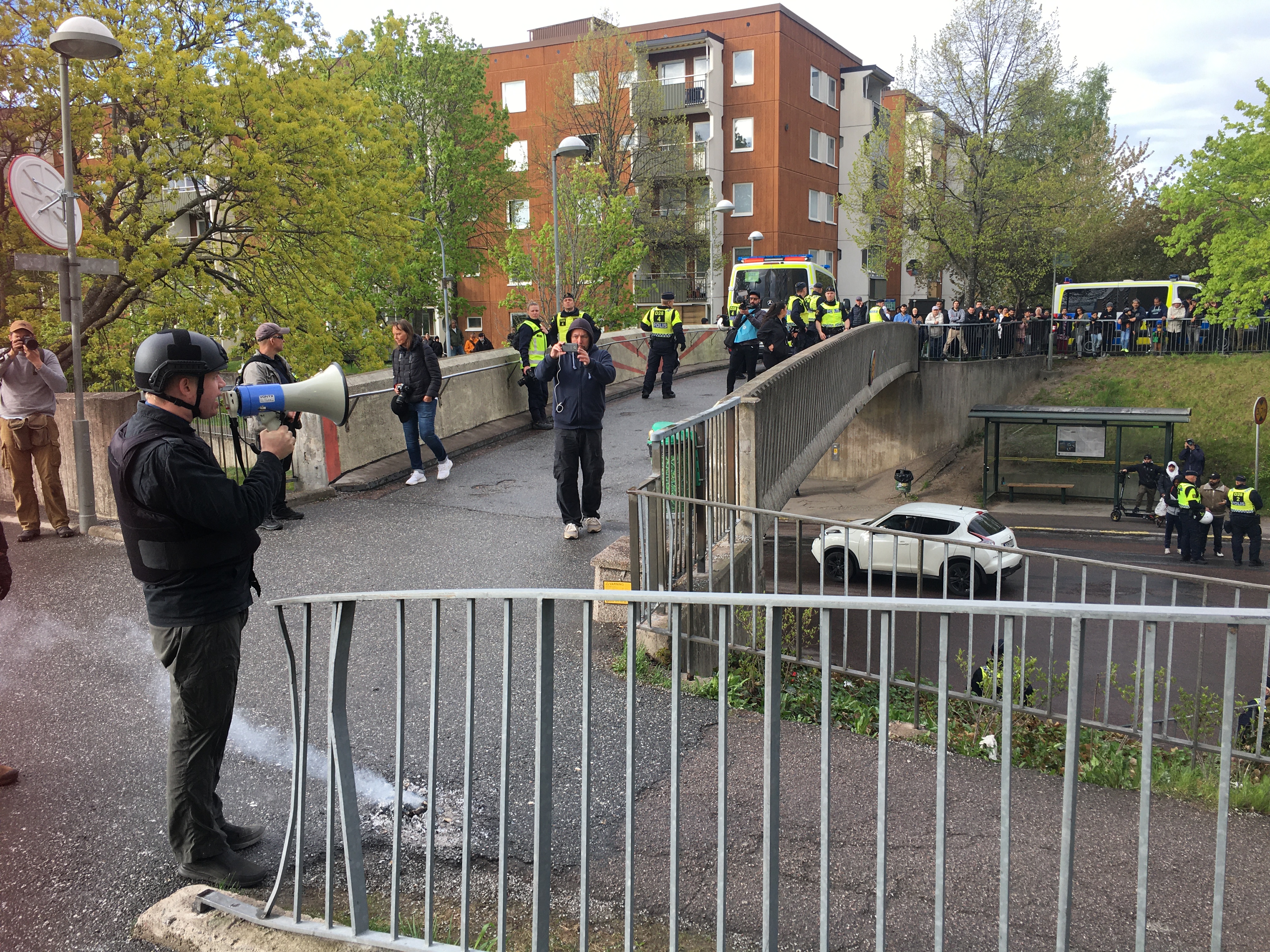
Burning holy books as a political provocation is nothing new to this Scandinavian country. For years now, far-right Danish politician Rasmus Paludan has been burning Qurans to express opposition to immigration to Sweden and neighboring Denmark, and in a bid to goad immigrant communities. In April 2022, provoked by Paludan, criminal elements took advantage of Muslim citizens' wrath and sparked riots in Swedish cities that included the torching of cars and attacks on the police. In January this year, Paludan returned to Sweden after receiving permission to burn a Quran in front of the Turkish Embassy in Stockholm. This time there were geopolitical repercussions: Turkey used the event as one of its reasons to block Sweden's entry into NATO.
The situation worsened in June when Salwan Momika, an Iraqi Christian, burned a Quran outside a mosque in Stockholm during the Eid al-Adha holiday. This time, the Turkish protests were joined by anti-Swedish demonstrations around the world. This wasn't the only Quran-burning by Momika, an anti-Muslim activist and asylum seeker who has been in Sweden since 2018. He has burned a Quran outside parliament, and on Friday, a day after the raising of the threat level, he burned the book outside the Iranian Embassy. Similar incidents have occurred in Denmark. In recent weeks, further requests for approval to burn holy books have been submitted to the Swedish police, with torchings of the New Testament and the Hebrew Bible also being prepared.
Sweden has absolute freedom of speech; it has no law preventing the burning of holy books. Meanwhile, the country’s legislation on hate crimes and public disturbances doesn’t allow the police to prevent book burnings, except in extraordinary circumstances. But many in Sweden argue that the country is paying too high a price for this policy. The freedom to burn holy books is letting a handful of extremists – whose views or actions are very unpopular around the country – drag Sweden into severe international crises while worsening the security situation.
At the press conference, Justice Minister Gunnar Strömmer said that new legislation to fight terror groups is now in place while new policies have been crafted to prevent terrorists from entering the country in the first place. Sweden's police chiefs added that the security services were following suspects' online activities, gathering intelligence on radicals and preparing the rescue and security services for a rapid response to all scenarios. The head of the Swedish Security Service, Charlotte von Essen, added that the threat to Sweden may carry on for a long time.
She said the threat stems largely from Islamic extremists, while the spread of fake news, disinformation and rumors about Sweden – mainly portraying it as an anti-Muslim country – worsens the situation. The authorities are also monitoring intimidation from the far right and security threats in the entire region, against the backdrop of Russia's war on Ukraine and the Swedes' subsequent request to join NATO.
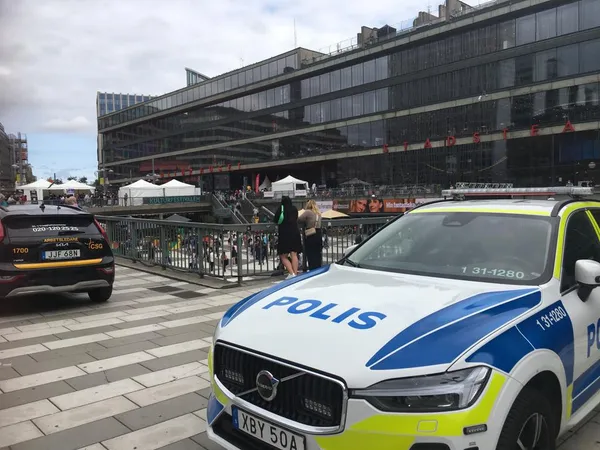
The threats in Sweden cast a shadow over Stockholm’s annual end-of-summer culture festival, which ended Sunday. For many Swedes, the mid-August event marks the last week of the summer vacation, after which it's back to work and school.
A police Car at Stockholm's Culture Festival. Photo: David Stavrou
Since its inception nearly two decades ago, the festival has been a huge attraction both for Stockholmers and tourists. For five days, stages throughout the city center host dance, music, circus and theater performances, all for free. Long lines stretch around dozens of food and drink stands, and more than a million visitors and hundreds of workers fill central Stockholm's streets, squares and bridges.
This year's installment went by without incident. Despite the warnings, there were no metal detectors, no one checking bags at the entrance, and no tense atmosphere at all. Maybe the reason is that instead of the rainy weather of the first half of August, the sun shined on Stockholm. Maybe it's just that the Swedish approach to terror threats, at least for now, is the same as the Swedish approach in general: faith in the authorities and security forces – and a cautious pragmatism. “We must live our lives as normal,” Kristersson said. “We stand behind our democratic values. We are defending ourselves, but we still stand behind our way of life.”
in a global context, the demonstrations in Israel are not only about the reasonableness standard, the standing of the attorney general, or legal advisers in government ministries. They’re an eruption triggered by the actual grave dangers: ignorance, racism, ultranationalism, and unfettered governmental power. They’re about liberalism and solidarity, education and culture, and the Israeli Declaration of Independence’s “freedom, justice and peace” and “complete equality of social and political rights to all its inhabitants.”
Over the past several months, numerous essays comparing Israel with other countries have appeared in this newspaper. It started with the obvious comparison to the illiberal democracies in Europe, voicing fears that the country is turning into Hungary or Poland. The comparisons then moved on to Turkey; some interesting exegeses followed about similarities to Afghanistan, Tunisia, the United Arab Emirates, and even Margaret Atwood’s fictional Republic of Gilead. Comparing Israel to other countries always leads to criticism because there is not – and cannot be – absolute congruity. It is a valuable thought experiment, however. Even if Israel doesn’t become a dictatorship, looking outward broadens and expands the debate.
I’ve written in recent years about human rights violations, murderous dictatorships, and ethnic cleansing contain good examples of countries for comparison. They illustrate what can happen in countries without a separation of powers, freedom of the press, and independent courts. I had one conversation with Sviatlana Tsikhanouskaya, who challenged Belarusian President Alexander Lukashenko in the country’s last election. Our talk showed that the mere existence of elections does not guarantee democracy.
Although Lukashenko officially defeated her, the world knew the election was fraudulent. After Tsikhanouskaya filed a complaint with the country’s central election commission, the authorities detained her for several hours. She told me the security services then escorted her to the Lithuanian border. After she crossed it, footage reminiscent of a hostage video was released, in which she asked Belarusians to stop demonstrating and accept Lukashenko’s victory.
The stories of three demonstrators who managed to leave reflect what happened to those who defied the request. Valery was viciously beaten, his wrists restrained so tightly he couldn’t feel his hands. Vyacheslav was stripped to his underwear, stuffed into a holding cell with dozens of people, and starved for four days until his trial, which lasted six minutes. Alexey saw people with broken ribs and guards beating a man to death. None of the three men was a political activist. They were a software engineer, an art professor, and the owner of a technology company. They never imagined that they would end up in this kind of situation.
The brutality of the Belarusian police is one example of what happens when the criminal justice system is not answerable to an independent civil authority committed to protecting human rights. There are some citizens in China whom its government wants to eliminate. A network of “psychiatric prisons” has been established for this purpose, where people without mental illness are forcibly admitted after being abducted and having their phones confiscated.
They’re locked in rooms with mentally ill patients, where they’re given psychiatric drugs and electroshock “therapy” while fully conscious. If they resist, they’re tied to a bed, sometimes for an entire night. This is nothing compared to what’s happening in the remote northwestern Xinjiang region, where various ethnic minorities live. Reeducation camps established there combine indoctrination, torture, and medical experiments.
I haven’t mentioned these examples because of any similarity to Israel. I’ve mentioned them because conversations with people who survived and escaped these hells reveal a notable point: how quickly things turned upside down. The survivors were once teachers, physicians, and civil servants who lived entirely everyday lives. Then began the riots, terror attacks, and “lack of governance” – and with them, accusations of extremism, factionalism, and terrorism. Next came the arrival of someone who could “create order,” and order was indeed created.
First, the textbooks were replaced, and newspapers were closed. Afterward came the checkpoints, the facial recognition cameras, and restrictions on technology. Finally, passports were seized, and the borders were closed. The camps appeared then, too. Solely for reeducation, of course. It’s unlikely that Israel would act with such determination and efficiency even against the Palestinians, but this is an important lesson about a government with no oversight – and how quickly the water heats around unaware frogs.
There’s another element that must be considered: dehumanization. Last year, a young Yazidi woman named Leila told me about how she was bought and sold several times by members of ISIS, who abused her for months. She was just one victim of the trafficking of women and organized rape that became a feature of the Syrian Civil War. A few months before that, a young Kurdish man named Bejan told me about a Turkish attack on civilians in northern Syria, the product of decades of dehumanizing the Kurds.
He said he saw many dead and wounded, most full of shrapnel or missing limbs. “The thing that’s hardest to forget,” he said, “was a girl, about 8 years old, who was sitting by her dead brother, trying to wake him up.” Testimonies from Ethiopia’s Tigray Province and the mass slaughter of the Rohingya in Myanmar show to what depths it’s possible to descend: gang rape, execution by gunfire or machete, drowning babies, setting villages on fire along with their inhabitants. These occurred in the second decade of the 21st century. Nothing even close is happening in Israel, but the processes of dehumanization begin long before the overt violence in those countries.
Horrifically enough, the murderers in Myanmar, Ethiopia, and Syria don’t see themselves as grim reapers. On the contrary: in many cases, they’re ordinary people who have convinced themselves they’re the victims. Society disintegrated and descended into violent chaos with the help of racist and ultranationalist ideologies, narratives based on political interests, and social media algorithms.
Some will argue that these are examples from countries that lack a democratic tradition, and no comparison can be made – but the truth is that Israel also lacks a centuries-old parliament or generations of a democratic culture. While it’s neither a Soviet republic nor a failed state in Africa, it’s a young and vulnerable democracy possessing a formidable military, a significant minority population, and the occupation of another nation. These are not starting conditions that provide strong resilience.
That’s why, when looking at the demonstrations in Israel in a global context, you can see that they’re not about the reasonableness standard, the standing of the attorney general, or legal advisers in government ministries. They’re an eruption triggered by the actual grave dangers: ignorance, racism, ultranationalism, and unfettered governmental power. They’re about liberalism and solidarity, education and culture, and the Israeli Declaration of Independence’s “freedom, justice and peace” and “complete equality of social and political rights to all its inhabitants.” The demonstrations are against a choice to break from the enlightened world and walk with eyes wide shut toward countries to which only Israel is willing to sell arms, cyber technology, and “security consulting.” If Israel doesn’t come to its senses, it could follow in their footsteps very soon.
כשמביטים על ההפגנות בישראל בפרספקטיבה גלובלית, הן אינן על הגבלת הסבירות או מעמד היועמ"שים בלבד. הן התפרצות הנובעת מהסכנות הגדולות באמת – הבערות, הגזענות, הלאומנות והשלטון ללא גבולות. הן על ליברליזם וסולידריות, על חינוך ותרבות, על "יסודות החירות, הצדק והשלום", ועל "שוויון זכויות חברתי ומדיני גמור לכל אזרחיה בלי הבדל דת, גזע ומין"
בחודשים האחרונים התפרסמו בעמודים אלו השוואות רבות בין ישראל למדינות אחרות. זה התחיל עם ההשוואה המתבקשת ל"דמוקרטיות הלא ליברליות" באירופה, בבחינת "להונגריה היינו, לפולין דמינו". זה עבר להשוואות לתורכיה והמשיך לטקסטים מעניינים על קווי הדמיון לאפגניסטן, תוניסיה, איחוד האמירויות ואפילו הרפובליקה הבדיונית גלעד. ההשוואה בין ישראל למדינות רחוקות מעוררת אמנם ביקורת מפני שאין, וגם לא יכולה להיות, זהות מוחלטת, אבל במגבלות מסוימות זהו תרגיל מחשבתי שימושי. גם אם ישראל איננה הופכת לדיקטטורה רצחנית, ההתבוננות החוצה מרחיבה ומעמיקה את הדיון.
כתבות שכתבתי בשנים האחרונות על הפרות זכויות-אדם, דיקטטורות ומעשי רצח-עם וטיהור אתני הן דוגמא טובה כיוון שהן ממחישות את מה שעלול להתרחש בחברות שאין בהם הפרדת רשויות, תקשורת חופשית ובתי-משפט עצמאיים. לדוגמא, שיחתי עם סבטלנה טיחנובסקאיה, שהתמודדה מול אלכסנדר לוקשנקו בבחירות האחרונות בבלארוס, הראתה שעצם קיומן של בחירות לא מבטיח דמוקרטיה. למרות שהתוצאות הרשמיות היו שטיחנובסקאיה הובסה ע"י לוקשנקו, כל העולם ידע שהן היו מעשה רמייה. טיחנובסקאיה הגישה תלונה לוועדת הבחירות המרכזית ובעקבותיה השלטונות החזיקו אותה למספר שעות. היא סיפרה לי שלאחר מכן שירותי הביטחון ליוו אותה לגבול עם ליטא. אחרי שעברה את הגבול התפרסם בעולם סרטון המזכיר סרטוני שבויים המקריאים את דברי חוטפיהם בו היא מבקשת מאזרחי המדינה להפסיק להפגין ולקבל את זכייתו של יריבה.
את מה שקרה לאלו שלא נענו לבקשה שמעתי משלושה מפגינים שהצליחו לצאת למערב. ואלרי קיבל מכות רצח ונאזק עד שאיבד תחושה בידיו, ויאצ'סלב הופשט לתחתוניו, נדחס לתא מעצר עם עשרות בני אדם והורעב במשך ארבעה ימים עד שהגיע משפטו שנמשך שש דקות ואלכסיי ראה אנשים עם צלעות שבורות ושומרים שמכים אדם עד מוות. שלושתם לא היו פעילים פוליטיים ולא אנרכיסטים. הם היו מהנדס תוכנה, מרצה לאומנות ובעל חברת טכנולוגיה שלא שיערו בנפשם שיגיעו אי פעם למצב הזה.
האכזריות של משטרת בלארוס היא רק דוגמא למה שקורה כשמערכת אכיפת החוק לא כפופה לרשות אזרחית עצמאית המחויבת לשמירה על זכויות-אדם. בסין, למשל, ישנם אזרחים שהשלטון החליט להעלים מסיבות שונות. לצורך כך הוקמה מערכת של "בתי כלא פסיכיאטריים", בהם מתאשפזים בכפייה וללא נימוק רפואי אזרחים רגילים ובריאים לגמרי. אזרחים אלו נחטפים, הטלפונים שלהם נלקחים והם ננעלים בחדרים עם חולים הסובלים ממחלות נפש, שם הם מקבלים תרופות, ביניהן "טיפול" בחשמל בהכרה מלאה ואם הם מתנגדים קושרים אותם למיטה, לעתים למשך לילה שלם, שבו הם שוכבים בתוך הצואה והשתן שלהם. וזה עוד כלום לעומת מה שמתרחש במחוז שינג'יאנג בו חיים מיעוטים אתניים שונים, שם הוקמו "מחנות לחינוך מחדש" המשלבים אינדוקטרינציה, עינויים וניסויים רפואיים.
הדברים לא נכתבים בגלל דמיון לישראל. הם נכתבים כי שיחות עם אנשים ששרדו את התופת והצליחו לברוח חושפות נקודה מעניינת. מעבר לסיפורים המזעזעים, אחד הדברים שקשה להשתחרר מהם הוא המהירות שבה הכל התהפך. השורדים היו פעם גננות, מורים, רופאות ועובדי מדינה שחיו חיים רגילים לגמרי. ואז התחילו הפרות סדר, פיגועים ו"חוסר משילות" ואיתן ההאשמות בקיצוניות, בדלנות וטרור. והנה התמנה אדם ש"יודע לעשות סדר" ואכן הסדר התחיל. ראשית, ספרי הלימוד התחלפו ועיתונים נסגרו, אחר כך הגיעו המחסומים, המצלמות החכמות וההגבלות הטכנולוגיות ובסופו של דבר הדרכונים נלקחו, והגבולות נסגרו. אז הופיעו גם המחנות. רק לצורך חינוך מחדש, כמובן. ספק אם ישראל תוכל לפעול בנחישות וביעילות שכזו אפילו כלפי הפלסטינים, אבל זהו שיעור חשוב לגבי שלטון שאין עליו פיקוח ולגבי מהירות התחממות המים סביב צפרדעים תמימות.
אבל יש תופעה נוספת שיש לתת עליה את הדעת – הדה-הומניזציה. בשנה שעברה סיפרה לי צעירה יזידית בשם ליילא כיצד נקנתה ונמכרה מספר פעמים ע"י אנשי דאע"ש שהתעללו בה במשך חודשים כחלק מהסחר בנשים והאונס המאורגן שהפך לחלק ממלחמת האזרחים בסוריה. כמה חודשים קודם לכן סיפר לי צעיר כורדי בשם ביאן, על תקיפה תורכית נגד אזרחים בצפון סוריה, תוצר של עשורים של דה-הומניזציה כנגד הכורדים. הוא סיפר כיצד ראה הרוגים ופצועים רבים, רובם מלאי רסיסים או מחוסרי ידיים או רגליים. "הדבר שהכי קשה לי לשכוח", אמר, "הוא ילדה כבת שמונה, יושבת ליד גופת אחיה המת, ומנסה להעיר אותו". עדויות ממחוז תיגראי שבאתיופיה וממרחץ הדמים של בני הרוהינגה במיאנמר מדגימות לאיזה שפל עוד ניתן להגיע – מעשי אונס קבוצתי, הוצאות להורג בירי ובמצ'טות, הטבעת תינוקות ושריפת כפרים על יושביהם. כל זה, בעשור השני של המאה ה-21. בישראל, אין אפילו דברים הקרובים לזה, אבל תהליכי דה-הומניזציה מתחילים הרבה לפני האלימות הגלויה.
למרבה הזוועה, הרוצחים בסכסוכים במיאנמר, אתיופיה וסוריה, אינם תופסים את עצמם כמלאכי גיהינום, להיפך, במקרים רבים הם אנשים רגילים ששכנעו את עצמם שהם הקורבן. בסיועם של אידיאולוגיה לאומנית וגזענית, נרטיבים המבוססים על אינטרסים פוליטיים ואלגוריתמים של רשתות חברתיות, המרקם החברתי התפורר והפך לג'ונגל רצחני. יהיה מי שיטען שאלו דוגמאות ממדינות שאין להן מסורת דמוקרטית ואסור להשוות, אך האמת היא שגם לישראל אין פרלמנט בן מאות שנים או אוכלוסייה המתאפיינת בדורות של תרבות דמוקרטית. היא אמנם לא רפובליקה סובייטית לשעבר או מדינה אפריקנית נחשלת, אבל היא דמוקרטיה צעירה ופגיעה המחזיקה כוח צבאי אדיר, מיעוט לאומי גדול ומפעל כיבוש של עם אחר. אלו לא בדיוק תנאי פתיחה המעניקים חסינות.
ולכן, כשמביטים על ההפגנות בישראל בפרספקטיבה גלובלית, הן אינן על הגבלת הסבירות או מעמד היועמ"שים בלבד. הן התפרצות הנובעת מהסכנות הגדולות באמת – הבערות, הגזענות, הלאומנות והשלטון ללא גבולות. הן על ליברליזם וסולידריות, על חינוך ותרבות, על "יסודות החירות, הצדק והשלום", ועל "שוויון זכויות חברתי ומדיני גמור לכל אזרחיה בלי הבדל דת, גזע ומין", הן על הניתוק מהעולם הנאור ועל ההליכה בעיניים עצומות לעבר המדינות שבינתיים ישראל רק מוכרת להן נשק, סייבר ו"ייעוץ בטחוני" ומחר היא עלולה, אם היא לא תתעשת, לקבל מהן השראה וללכת בדרכן.
המשטרה בשוודיה אישרה הפגנה מול שגרירות ישראל שמתוכננת בה שריפת תנ"ך
14 ביולי, עם יהונתן ליס
ההפגנה צפויה להיערך מחר, לאחר שבחודש שעבר אישרה המשטרה במדינה הפגנה מול מסגד שבו הוצת ספר קוראן. נתניהו והרצוג גינו. שר התפוצות שיקלי: משרד החוץ השוודי הבהיר כי אין מניעה חוקית לשרוף את הספר
משטרת שוודיה אישרה בקשה לקיים הפגנה מחר (שבת) מול שגרירות ישראל בסטוקהולם, שבה מתוכננת שריפת ספר תנ"ך. ממשרד החוץ נמסר כי השר אלי כהן הנחה את השגריר בשוודיה זיו נבו-קולמן ואת המשרד "לפעול בכל דרך על מנת למנוע את האירוע המביש הזה". עוד נמסר כי ראשת המערך המדיני-אסטרטגי במשרד עליזה בן נון שוחחה עם השגריר השוודי בישראל "והבהירה לו את החומרה בה ישראל רואה את אישור המשטרה לפגיעה בקודשי היהדות".
ראש הממשלה בנימין נתניהו מסר כי הוא "מגנה בתוקף את החלטת הרשויות בשוודיה לאפשר שריפת ספר תנ"ך מול שגרירות ישראל במדינה", וכי "ישראל רואה בחומרה רבה את ההחלטה המבישה הזאת שפוגעת בקודש הקודשים של העם היהודי. יש לכבד את הספרים המקודשים לכל הדתות". גם הנשיא יצחק הרצוג גינה את הכוונה לשרוף ספר תנ"ך בהפגנה. "גיניתי את שריפת הקוראן המקודש למוסלמים בכל העולם, שהתרחשה בשוודיה, ולבי נחרד כעת מהכוונה לשרוף שם את התנ״ך – ספר הספרים הנצחי של העם היהודי", מסר והוסיף כי "זו הסתה בוטה ומעשה של שנאה".
את הבקשה להפגין הגיש גבר בן 32 מדרום שוודיה, שהסביר כי הוא מעוניין לשרוף ספר תנ"ך כתגובה למקרה מלפני כשלושה שבועות שבו אישרה המשטרה השוודית לשרוף עותק של הקוראן מול מסגד בבירה. שר התפוצות עמיחי שיקלי כתב כי ישראל פנתה השבוע בנושא למשרד החוץ השוודי, וזה הבהיר כי אין מניעה חוקית לפעולה כזו בשוודיה. לפי שיקלי, משרדו גם פנה לראש הממשלה השוודי אולף קריסטרסון כדי שימנע את שריפת ספר התנ"ך. לדבריו משרד החוץ השוודי "הביע שאט נפש מהאירוע", אך הסביר בתגובתו כי מי שיכולות למנוע פעולה כזו הן רשויות אכיפת החוק במדינה. "אנו פועלים כעת בערוצים נוספים במטרה להביא לביטול האירוע הבזוי הנ"ל", כתב השר.
בפגישה שקיים השבוע עם נציגי קהילות דתיות בשוודיה, אמר קריסטרסון כי שוודיה היא "מדינה שבה אנשים מדתות שונות, או ללא אמונה, יכולים לחיות יחד זה לצד זה בכבוד הדדי – וחייבת להיות כזו". הוא קרא "להילחם יחד בשנאה, שמניעה אנשים לשרוף את הקוראן, התנ"ך או התורה".
השגריר בשוודיה נבו-קולמן פרסם היום הודעה שבה גינה הצתת ספרי קודש של כל דת שהיא, ואמר כי "זהו מעשה של שנאה וחוסר כבוד, שאין דבר בינו לבין חופש הביטוי". בהצהרה שפרסמה מועצת הקהילות היהודיות בשוודיה, נמסר כי המועצה מגנה את ניצולו לרעה של חופש הביטוי במטרה לזרוע שנאה בחברה. "ההיסטוריה האירופית הטרגית שלנו קושרת בין שריפת ספרים יהודיים לפוגרומים, גירוש, אינקוויזיציה ושואה", מסרה. "שריפות של ספרי קודש, בין אם זה הקוראן, התורה או הברית החדשה, הן מעשה של שנאה ומהוות איום ישיר על הקהילות שעבורן הספרים האלה בעלי ערך".
הקונגרס היהודי האירופי גינה בחריפות את הרשויות בשוודיה על החלטתן לאפשר את שריפת ספר התנ"ך, כמו גם את הצתתם של ספרי קודש אחרים בהפגנות קודמות. מהקונגרס נמסר כי "ביזוי של רגשות דתיים ורגישויות תרבותיות מהווה מסר ברור ביותר כי מיעוטים אינם מקובלים ואינם מכובדים". הרב הראשי לישראל דוד לאו פנה במכתב לראש ממשלת שוודיה קריסטרסון וקרא לו לפעול נגד הכוונה לשרוף את הספר.
בחודש שעבר אישרה המשטרה לפליט עיראקי, שנמלט לפני כמה שנים לשוודיה, לשרוף עותק של הקוראן. הפליט, סלוואן מומיקה, אמר על כך: "זו דמוקרטיה. היא בסכנה אם הם יאמרו לנו שאנחנו לא יכולים לעשות זאת". בעבר דחתה המשטרה במדינה בקשות לעריכת הפגנות נגד הקוראן, אך החלטותיה נפסלו על ידי בתי המשפט, בנימוק כי הן פוגעות בזכות לחופש הביטוי. מוקדם יותר השנה הוגשו שתי בקשות למשטרת שוודיה לקבלת אישור להצתת ספרי תורה מחוץ לשגרירות הישראלית. המבקשים היו אזרחי המדינה שהיגרו אליה ממצרים, אשר נסוגו מבקשותיהם בשל לחץ שהופעל עליהם מצד הקהילה המוסלמית המקומית.
הפרקטיקה של שריפת ספרי קודש בשוודיה החלה לפני מספר שנים בעקבות פוליטיקאי דני מהימין הקיצוני בשם רסמוס פאלודן. כמה מתומדיו שרפו את הקוראן בעיר מאלמו שבדרום שוודיה, והוא עצמו חזר על המעשה כמה פעמים מאז. בינואר חזר פאלודאן לשוודיה לאחר שקיבל אישור לשרוף ספר קוראן מול שגרירות טורקיה בסטוקהולם. הפעם היו לכך השלכות גיאו-פוליטיות – טורקיה השתמשה בשריפת הקוראן כעילה להמשיך ולבלום את שוודיה מהצטרפות לברית נאט"ו. בחודש שעבר, עיראקי נוצרי שרף ספר קוראן מחוץ למסגד בעת חג הקורבן, ובעקבות זאת פרצו מחאות אנטי-שוודיות ברחבי העולם הערבי. בשבועות האחרונים נשלחו פניות נוספות למשטרת שוודיה בבקשה לאשר לקיים הפגנות הכוללות שריפת ספרי קודש.
ראסמוס פלודאן במהלך שריפת ספר קוראן, אוגוסט 2022, צילום: דיויד סטברו
לחלק מהשוודים נמאס מהנוהג המדובר. אחד מהם הוא יונאס טרולה, ראש "המרכז השוודי למניעת קיצוניות אלימה". במאמר באחד העיתונים היומיים במדינה הוא כתב כי "ללא שינוי בחוק, שוודיה עלולה להפוך לפגיעה". לדבריו, שוודיה יכולה ללמוד ממדינות כמו גרמניה, צרפת ובריטניה שהצליחו לאסור על אירועים מסוג זה ולהישאר דמוקרטיות.
השוודי שאיים לשרוף תנ"ך מול שגרירות ישראל הסתפק בנאום נגד מעשים כאלה
15 ביולי
הגבר קיבל אתמול את אישור המשטרה המקומית לקיים את המחאה הכוללת את שריפת הספר – מהלך שעורר ביקורת גדולה גם בישראל. "רציתי להראות עד כמה זה לא בסדר שאנשים לא מכבדים דתות אחרות", הוא הסביר
אזרח שוודיה בן 32 שהודיע כי בכוונתו לשרוף היום (שבת) ספר תנ"ך מול שגרירות ישראל במדינה הפתיע את הנוכחים במקום ונשא נאום נגד שריפת ספרי דת. הגבר קיבל אתמול את אישור המשטרה המקומית לקיים את המחאה הכוללת את שריפת הספר – מהלך שעורר ביקורת גדולה גם בישראל.
ואולם, כשהגיע הגבר היום בשעות הצהריים אל מול השגרירות הישראלית בסטוקהולם כשהוא אוחז מצית גדולה בידו, הוא הבהיר כי הוא אינו זקוק לה. "אני מוסלמי, אנחנו לא שורפים", אמר והוסיף: "רציתי להראות עד כמה זה לא בסדר שאנשים לא מכבדים דתות אחרות". הגבר, שמתגורר בדרום שוודיה, הסביר אתמול כי הוא מעוניין לשרוף ספר תנ"ך כתגובה למקרה מלפני כשלושה שבועות שבו אישרה המשטרה השוודית לשרוף עותק של הקוראן מול מסגד בבירה. "זה מעציב מאוד אותי ורבים אחרים בשוודיה ובעולם שמאפשרים לשרוף את הקוראן", הסביר היום. "אני יודע שהשוודים הם אנשים טובים מאוד ושהם רוצים למנוע את שריפת הקוראן ושיש בעיה חוקית לעשות את זה".
בעקבות האישור שהעניקה המשטרה המקומית למעשה, הודיע אתמול משרד החוץ כי השר אלי כהן הנחה את השגריר בשוודיה זיו נבו-קולמן ואת המשרד "לפעול בכל דרך על מנת למנוע את האירוע המביש הזה". עוד נמסר כי ראשת המערך המדיני-אסטרטגי במשרד עליזה בן נון שוחחה עם השגריר השוודי בישראל "והבהירה לו את החומרה בה ישראל רואה את אישור המשטרה לפגיעה בקודשי היהדות".
הגבר שהודיע שישרוף ספר תנ"ך מחוץ לשגרירות ישראל בסטוקהולם, יולי 2023, צילום: דיויד סטברו
ראש הממשלה בנימין נתניהו מסר כי הוא "מגנה בתוקף את החלטת הרשויות בשוודיה לאפשר שריפת ספר תנ"ך מול שגרירות ישראל במדינה", וכי "ישראל רואה בחומרה רבה את ההחלטה המבישה הזאת שפוגעת בקודש הקודשים של העם היהודי. יש לכבד את הספרים המקודשים לכל הדתות". גם הנשיא יצחק הרצוג גינה את הכוונה לשרוף ספר תנ"ך בהפגנה. "גיניתי את שריפת הקוראן המקודש למוסלמים בכל העולם, שהתרחשה בשוודיה, ולבי נחרד כעת מהכוונה לשרוף שם את התנ״ך – ספר הספרים הנצחי של העם היהודי", מסר והוסיף כי "זו הסתה בוטה ומעשה של שנאה".
בחודש שעבר אישרה המשטרה לפליט עיראקי, שנמלט לפני כמה שנים לשוודיה, לשרוף עותק של הקוראן. הפליט, סלוואן מומיקה, אמר על כך: "זו דמוקרטיה. היא בסכנה אם הם יאמרו לנו שאנחנו לא יכולים לעשות זאת". בעבר דחתה המשטרה במדינה בקשות לעריכת הפגנות נגד הקוראן, אך החלטותיה נפסלו על ידי בתי המשפט, בנימוק כי הן פוגעות בזכות לחופש הביטוי.
מוקדם יותר השנה הוגשו שתי בקשות למשטרת שוודיה לקבלת אישור להצתת ספרי תורה מחוץ לשגרירות הישראלית. המבקשים היו אזרחי המדינה שהיגרו אליה ממצרים, אשר נסוגו מבקשותיהם בשל לחץ שהופעל עליהם מצד הקהילה המוסלמית המקומית.
בצל שריפות הקוראן, בשוודיה חוששים מנקמה ונחושים לשמור על חופש הביטוי
19 באוגוסט
הרשויות העלו את רמת איום הטרור לדרגה השנייה בחומרתה, וגם בישראל ביקשו מאזרחים השוהים במדינה לשמור על ערנות מוגברת. ראש הממשלה השוודי: "צריכים לחיות את חיינו כרגיל"
לראשונה מאז 2016, עת גל פיגועי הטרור ביבשת אירופה, הכריז ביום חמישי שירות הביטחון השוודי (SÄPO) על העלאת רמת איום הטרור במדינה לרמה השנייה בחומרתה. העלאת רמה האיום מגיעה על רקע כמה מקרים שבהם מפגינים שרפו ספרי קוראן במסגרת הפגנות ומחאות פוליטיות במדינה. פעולות אלה הביאו לתגובות קשות ברחבי העולם המוסלמי והערבי, שבמסגרתן אף הותקפו קונסוליות ושגרירויות שוודיה באיזמיר, בבגדד ובביירות. "יש גם כמה דוגמאות לכך שארגוני טרור שקוראים לתומכיהם מסביב לעולם לנקום את שריפות הקוראן שהתקיימו בשוודיה. בהם, חיזבאללה בלבנון, א־שבאב בסומליה ואל־קאעדה", אמר ראש הממשלה אולף קריסטרסון במסיבת עיתונאים שקיימה הממשלה ביום רביעי.
במסיבת העיתונאים אישרו הגורמים הבכירים ביותר בשוודיה כי הרשויות הצליחו לסכל פעולות טרור וכי כוחות הביטחון ביצעו מעצרים. קריסטרסון הוסיף, כי גורמי הביטחון השונים בשוודיה משתפים פעולה ביניהם וגם עם שירותי ביטחון של מדינות נוספות על מנת להגן על המדינה. ברקע העלאת הכוננות פורסמו אזהרות על ידי משרדי החוץ של בריטניה וארה"ב ובהן בקשה לגלות ערנות מוגברת במקומות ציבוריים ובאתרי תיירות. אפילו המטה לביטחון לאומי בישראל ביקש מאזרחים ישראלים במדינה "להשתדל כמיטב האפשר להימנע בימים אלה מהגעה למקומות הומי אדם ומוסדות ציבוריים". בלונדון אמרו שיש סיכוי סביר שמחבלים ינסו לבצע בקרוב פיגוע בשוודיה, וכי רשויות הביטחון המקומיות כבר מנעו התקפות על אזרחי המדינה.
רכב משטרה בפסטיבל התרבות בסטוקהולם, אוגוסט 2023. צילום: דיויד סטברו
בשוודיה, שריפת ספרי קודש כפרובוקציה פוליטית היא לא תופעה חדשה. היא החלה כבר לפני כמה שנים כחלק מפעילותו של פוליטיקאי דני ימני קיצוני בשם רסמוס פאלודן. פאלודן השתמש בשריפת הקוראן כדרך להביע התנגדות להגירה לשוודיה ולדנמרק, וכניסיון לגרור תגובות קיצוניות מקהילות מהגרים במטרה להגביר את המתח והקיטוב סביב הנושא. באפריל 2022 הצליח פאלודן לעורר תגובה אלימה כשגורמים עבריינים ניצלו את זעמם של קהילות מקומיות במספר ערים בשוודיה, ועוררו מהומות שכללו הצתת מכוניות ותקיפת שוטרים. בינואר השנה חזר פאלודן לשוודיה לאחר שקיבל אישור לשרוף קוראן מול שגרירות טורקיה בסטוקהולם. הפעם, היו למעשה השלכות גיאופוליטיות. טורקיה השתמשה בשריפת הקוראן כאחת העילות לבלום את קידום הצטרפותה של שוודיה לנאט"ו.
ביוני החמיר המצב אף יותר כאשר סלוואן מומיקה, אזרח עיראקי-נוצרי, שרף קוראן מחוץ למסגד בסטוקהולם במהלך חג הקורבן. הפעם הצטרפו לתגובה הטורקית מחאות אנטי-שוודיות ברחבי העולם. מומיקה, פעיל אנטי-מוסלמי ומבקש מקלט השוהה בשוודיה מאז 2018, שרף דפים מתוך הקוראן בהזדמנויות אחרות מחוץ לפרלמנט, ולאחרונה מול השגרירות האיראנית בסטוקהולם. מספר תקריות דומות התרחשו גם בדנמרק השכנה.
בשבועות האחרונים הוגשו למשטרת שוודיה בקשות נוספות לאישור הפגנות הכוללות שריפת ספרי קודש. הבקשות כללו לא רק איומים לשריפת ספרי קוראן, אלא גם בקשות לשריפת ספרי תורה וספרי ברית חדשה. המהלכים האלה הם תוצאה של מדיניות שוודית המאפשרת חופש ביטוי כמעט מוחלט; במדינה אין חוק המונע שריפת כתבי קודש וגם החקיקה בנושאי פשעי שנאה והפרת הסדר הציבורי אינה מתירה לשלטונות למנוע שריפת ספרים, אלא רק בנסיבות מסוימות. עם זאת, רבים במדינה טוענים היום שהמחיר ששוודיה משלמת בעבור מדיניות זו הוא גבוה מדי ושהחופש לשרוף ספרי קודש בשוודיה גורם לכך שקומץ קיצונים שכמעט איש אינו מסכים עם דעותיהם או מעשיהם מצליחים לגרור את המדינה למשברים בינלאומיים קשים ולמציאות ביטחונית שהופכת למסוכנת יותר ויותר.
שר המשפטים גונאר סטרומר אמר שלשוודיה יש אסטרטגיה חדשה למלחמה בטרור ובגורמים קיצוניים המבקשים את רעתה. אסטרטגיה זו כוללת שינויי חקיקה נחוצים על מנת להילחם בארגוני טרור ומדיניות חדשה במעברי הגבול למניעת כניסת גורמי טרור. ראשי המשטרה השוודית הוסיפו ששירותי הביטחון עוקבים אחר הפעילות ברשתות, אוספים מידע על גורמים קיצוניים שונים ומכינים את כוחות הביטחון וההצלה לתגובה יעילה ומהירה לכל תרחיש. ראשת שירות הביטחון השוודי, שרלוט וון אסן, הוסיפה שהאיום על שוודיה עשוי להימשך זמן רב. לדבריה, האיום מגיע בעיקר מצד גורמים איסלמיסטיים וכי הפצת מידע כוזב, דיסאינפורמציה ושמועות על שוודיה — בעיקר הצגתה כמדינה אנטי-מוסלמית — תורמת לאיום. איומים נוספים שהרשויות עוקבות אחריהם מגיעים מצד אנשי ימין קיצוני וכן איומים הקשורים למצב הביטחוני האזורי שנהפך לרגיש יותר מאז הפלישה הרוסית לאוקראינה, והבקשה השוודית להצטרף לברית נאט"ו.
החששות והאיומים האלה מלווים השנה את פסטיבל התרבות השנתי של סטוקהולם, שבימים כתיקונים מהווה את מסיבת סיום הקיץ של בירת שוודיה. עבור רבים, סוף השבוע שבו מתקיים הפסטיבל, באמצע אוגוסט, הוא גם סוף השבוע האחרון של החופשה השנתית. אחריו חוזרים הצעירים לבתי הספר, ומבוגרים רבים שבים למקומות עבודתם. גם השנה, כמו בכל 19 השנים שבהן מתקיים הפסטיבל, הוא היה מוקד משיכה גדול לתושבים וכן לאלפי התיירים המבקרים בה. הבמות שהוצבו במרכז סטוקהולם הציגו במשך חמישה ימים עשרות מופעי מחול, מוזיקה, קרקס ותיאטרון — כולם ללא עלות ובארגון העירייה. תורים ארוכים השתרכו ליד עשרות דוכני האוכל והשתייה, ומעל למיליון מבקרים ומאות עובדים מילאו את הרחובות, הכיכרות והגשרים במרכז העיר.
הפסטיבל אמנם כבר צפוי להסתיים מחר (ראשון), אך על אף ההתרעות לא נצפו סידורי אבטחה יוצאי דופן — אין גלאי מתכות, איש לא בודק תיקים בכניסה למתחמים השונים והאווירה איננה מתוחה. ייתכן שהסיבה היא שבמקום מזג האוויר הגשום של תחילת אוגוסט היו כמה ימי שמש המשכיחים את האיומים הביטחוניים. ייתכן גם שהגישה השוודית לאיומים החדשים, לפחות בשלב זה, היא אותה גישה המאפיינת תחומים נוספים במדינה הכוללת שילוב של אמון בשלטונות ובכוחות הביטחון ופרגמטיות זהירה. "אנו צריכים לחיות את חיינו כרגיל", אמר קריסטרסון, "אנחנו עומדים מאחורי הערכים הדמוקרטיים שלנו. אנחנו אמנם מגינים על עצמנו, אך עומדים עדיין מאחורי אורח החיים שלנו".
בעיצומו של סיבוב הופעות חובק עולם ורדיקלי מתמיד, רוג'ר ווטרס, תיכף בן 80, הסכים להתראיין ל"הארץ" ולהסביר מדוע כל עוד ישראל היא מדינת היהודים הוא ימשיך להחרים אותה, ולא בגלל שהוא אנטישמי
ממש בתחילת כל הופעה בסיבוב העכשווי של רוג'ר ווטרס נשמעת באולם הכרזה לא שגרתית. אחרי ה"אנא כבו את הטלפונים הסלולריים" הרגיל מגיעה הודעה קצת יותר פרובוקטיבית: "אם אתם אחד מאנשי ה'אני אוהב את פינק פלויד, אבל אני לא סובל את הפוליטיקה של רוג'ר'", היא נפתחת וממשיכה בעקיצה שמוטב להשאיר במקור האנגלי: "You might do well to fuck off to the bar right now". ההכרזה הזאת נותנת את הטון המדויק למה שצפוי בהמשך הערב, מכיוון שהנושא המרכזי של ההופעה הוא מעין שילוב של אקטואליה, מדע המדינה ופוליטיקה גלובלית, ורוג'ר ווטרס הוא הכל חוץ ממיינסטרים בעניינים האלה. למעשה, רבים יגידו שהוא הכי רדיקלי שרק אפשר להיות. העמדה הזאת שלו, בשילוב העובדה שהוא אחד מכוכבי הרוק הגדולים של דורו ומושך עשרות אלפי אנשים לכל הופעה, גורמת לסיבוב ההופעות שלו להיות תופעה תרבותית חשובה המעוררת תגובות רבות ומחלוקות סוערות.
ווטרס, שיהיה בן 80 בספטמבר, העניק ל"הארץ" ראיון בעיצומו של המסע, לאחר שכבר השלים את החלק האמריקאי בסיבוב ו-14 מבין 40 המופעים האירופיים שלו. תחילה אנחנו מדברים על המוזיקה, לא על הפוליטיקה. בסופו של דבר, מדובר בהופעת רוק, לא במערכת בחירות.
במופע החדש הוא כלל – לצד שירים מקריירת הסולו שלו וגם שיר אחד חדש לגמרי – גם לא מעט מהקלאסיקות שיצר יחד עם פינק פלויד, הלהקה שהקים עם חבריו סיד בארט, ניק מייסון וריק רייט ב-1965 ועזב באמצע שנות השמונים; ביניהן, למשל, כל החלק השני של The Dark Side of the Moon. הוא מספר שאף סיים להקליט מחדש במלואו את האלבום, שיצא לפני חמישים שנה בדיוק. הגרסה החדשה תראה אור ביולי הקרוב ויוצרהּ מאמין שהאלבום עדיין רלוונטי מאוד. "שום דבר שעשיתי בשנים האחרונות אינו פוליטי יותר מהשיר Us and Them", הוא אומר ומצטט את מילות השיר, "With, without, and who'll deny it's what the fighting's all about". "זו גם הסיבה שהקלטתי מחדש את האלבום – כבר חמישים שנה שאנשים לא מבינים במה הוא בעצם עוסק". לדבריו, הוא נהנה לנגן את החלק הזה של ההופעה לא פחות מאשר את השירים החדשים יותר, בגלל הפן הוויזואלי: "יש צלב ענק של מסכי LED שתלוי מעל הבמה", הוא מסביר, "והתמונות שאנו מציגים, במיוחד במהלך Us and Them, מרגשות את הקהל מכיוון שהן מאוד אנטי-מלחמתיות".
עם עבודת הווידיאו המתוחכמת על מסכי הענק והתפאורה של כבשים וחזירים מעופפים, אתה לא מרגיש שהכל קצת גרנדיוזי והופך את הקשר עם הקהל לפחות אינטימי?
ווטרס לא אוהב את השימוש במילה גרנדיוזי. "או שזה תיאטרון טוב, או שזה לא תיאטרון טוב", הוא אומר. "ביליתי את שישים השנים האחרונות בניסיון ליצור תיאטרון שמתאים לרוקנרול באיצטדיונים ואולמות גדולים שמכילים בין 15 ל-100 אלף איש. אי אפשר לעשות תיאטרון אינטימי בתנאים כאלו, גם אם אני מאוד אוהב תיאטרון אינטימי ולפעמים מתחרט על כך שלא הצלחתי לעבוד בתיאטראות קטנים". הוא מוסיף שיש לו תוכניות לעשות מופע אחד או שניים שיהיו מצומצמים יותר עם הגרסה החדשה של "הצד האפל של הירח" וכן להעלות לבמה את The Wall בחלל אינטימי יותר. עם הפרויקטים האלה ואחרים, לא נראה שהוא קרוב בכלל לפרוש מעסקי הרוקנרול.
המופע החדש נקרא "זה לא תרגיל – סיבוב הפרידה הראשון" והוא כולל גם טקסטים ביוגרפיים המסבירים חלקים שונים בקריירה שלך. האם זהו ניסיון להתחיל לסכם את הדברים ולעצב את הנרטיב של הקריירה שלך?
"לא. בכל פעם שאני עושה סיבוב הופעות, אני צריך להחליט איך הוא ייראה, מה יהיה הסיפור, מה אני מקווה להשיג וכמה מהדברים הישנים של פינק פלויד אני צריך לעשות כדי להשביע את הרעב של הקהל. דבר אחד שאני מרוצה ממנו הוא הדמוגרפיה של הקהל. רבים מאלו שמגיעים להופעות שלי הם סביב גיל 20. זה פנטסטי וזה לא קורה להרבה מהלהקות הוותיקות. ברור שכשהוצאנו כרזות שכתוב בהן 'סיבוב הפרידה הראשון' זו היתה בדיחה. כי כל כך הרבה מהאחרים עושים סיבוב פרידה אחרי סיבוב פרידה במשך שנים על גבי שנים". הוא מוסיף שהוא מרוצה מהמופע ושעל פי התגובות עד כה, נראה שכך גם הקהל.
אפרופו להקות אחרות, אמרת פעם בראיון שאתה לא שומע הרבה מוזיקה ולא מתעניין במה שקורה בתעשיית המוזיקה. אתה באמת לא מתעניין במה שקורה בתעשייה?
"מה קורה בתעשייה? תגיד לי אתה, אם זה מעניין אותך. אני ממש לא מעוניין. החיים קצרים מדי". ווטרס מסביר שלאף אמן אין זמן לדברים כאלו. "צריך להמשיך עם העבודה", הוא אומר, "מיכלאנג'לו לא אמר, 'טוב, אני חושב שאני אעלה על חמור, אסתובב באיטליה ואבדוק מה האחרים עושים. הוא אמר – 'אני רוצה את חתיכת השַׁיִשׁ קררה הזו, עכשיו בואו נראה איך אני יכול להוריד אותה מהגבעה בלי להרוג מאה אנשים'". בשלב זה ווטרס מצטט את שירו Free Four מ-1972. בתרגום חופשי: "החיים הם רגע חמים וקצר והמוות הוא מנוחה קרה וארוכה. אתה מקבל את ההזדמנות לנסות, כהרף עין, שמונים שנה עם מזל או אפילו פחות. אז קדימה לסיפון, לסיבוב האמריקאי, ואולי תגיע לפסגה, אך היזהר בדרכך, ואני יכול לומר מידיעה, שייתכן שהירידה תהיה קשה. אבל אתה מלאך המוות, ואני בנו של המת שנקבר כמו חפרפרת בתוך שוחה, וכולם עדיין במנוסה".
אלה משפטים חשובים ביקום של ווטרס, יליד אזור כפרי בדרום-מזרח אנגליה שחי זה עשרים שנה בארצות הברית ("בגלל מזג האוויר יותר מאשר כל דבר אחר. באנגליה לא מפסיק לרדת גשם"). הוא נולד ב-1943, אביו, אריק פלטשר ווטרס, שהיה מורה בבית ספר וחבר במפלגה הקומוניסטית, נהרג במלחמת העולם השנייה בקרב באנציו שבאיטליה כאשר ווטרס היה בן חמישה חודשים בלבד. סבו, ג'ורג' הנרי ווטרס, היה גם הוא חלל מלחמה. הוא מת בזמן לחימה בצרפת במלחמת העולם הראשונה. לנוכח מורשת זו, אין זה מפתיע שהאכזריות וחוסר המשמעות של המלחמה תמיד היו חלק חשוב בעבודתו של ווטרס, ובמופע הנוכחי הנושאים הללו ניכרים מתמיד. זה ההקשר שבו צריך לראות את פתיחת המופע שבה ווטרס מבקש ממי שלא מסכים עם העיסוק שלו בפוליטיקה להיעלם לכיוון הבר. זו הדרך שלו להגיד שהוא לא שוכח את מה שקרה למשפחתו ואת מה שהוא חושב שממשיך לקרות בעולם, ואין לו שום עניין להתעלם מזה או לרכך את עמדותיו.
מעבר לכך שזו פתיחה ייחודית ופרובוקטיבית, יש כאן גם סוגיה רצינית. אם באים להופעה שלך אנשים שאוהבים את המוזיקה שלך, אבל גם תומכים בדונלד טראמפ, ז'איר בולסונרו או בנימין נתניהו, אתה באמת לא רוצה אותם שם?
"לא אכפת לי אם הם שם או לא. אני לא ממיר אנשים. אתה יודע, אתה כותב את זה ב'הארץ' ואנשים תמיד מנסים לשכנע אותי לנסוע לישראל, לעשות הופעות בתל אביב ולדבר עם אנשים, לנסות לגרום להם לשנות את דעתם ו'לשנות מבפנים'. ואני אומר, לעזאזל עם זה, יש פה 'משמרת-שביתה' ואני לא שובר שביתה, כי אני מאמין בזכויות אדם. אנשים שהצביעו לטראמפ היו קמים ויוצאים מהופעות שלי כשניגנתי שירים מתוך Animals (האלבום של פינק פלויד מ-1977 המבוסס על 'חוות החיות' של ג'ורג' אורוול, ד"ס). לא אכפת לי. עזבו! אני לא רוצה שתבואו. אני לא מנסה להשפיע עליכם, כי אתם אבודים. האנשים שאני מנסה לעודד הם הצעירים שרוצים להתנגד להרס הנורא של כדור הארץ שלנו על ידי המעמד השליט. אני מעוניין לתקשר איתם, לא אכפת לי מאנשים שמצביעים נתניהו או טראמפ או בולסונרו".
נראה כי מעשור לעשור המסר של העבודה של ווטרס נעשה ספציפי יותר ופחות מופשט ואוניברסלי. אם בשנות השבעים הוא עסק בחוויה האנושית ובמושגים קיומיים ומופשטים כמו זמן, ניכור, מוות ובדידות, ובהמשך עסק ברעיונות פוליטיים כלליים כמו חברות דיסטופיות ופאשיזם, הרי מאז שנות השמונים הוא כותב על אירועים ספציפיים, כמו מלחמת לבנון הראשונה והמלחמות באפגניסטן ובעיראק, ומסמן בבירור את הנבלים שלו, כמו מרגרט תאצ'ר וטראמפ, ואת הגיבורים שלו, כמו ג'וליאן אסאנג'. זה לא משהו שכולם יכולים להזדהות איתו.
"אני מסכים לגמרי", הוא אומר. "אני חושב שזו פונקציה של גיל. כולנו חיים בהקשר של העבר האישי שלנו. אלה מאיתנו שבאמת יודעים לקרוא, ויש פחות ופחות מאיתנו, אנחנו קוראים היסטוריה ומביאים אותה בחשבון. אבל ככל שהחיים שלנו מתפתחים, אנו מזהים את האיוולת שבחזרה על אותן טעויות שוב ושוב, והמנוע שמניע את הטעויות הללו הוא בעיקר תאוות בצע גדולה. בצע כסף או בצע כוח. אז כן, אני פחות מודאג מלהיות לא רלוונטי כי אני כותב על דברים ספציפיים או על תקופות ספציפיות. ההקשר של חלוף הזמן חשוב מאוד; אולי בגלל שאני בן 79, המחשבה על כך שההצטרפות הסופית לאחדות הגדולה – לאחדות שבה הכל הוא אפר ואבק, אולי גם זיכרון אבל אולי אפילו לא זה – הולכת ומתקרבת, גורמת לכך שמתבקש יותר ויותר להתמודד עם השאלות הגדולות, הנדרשות מכל אמנות שיש לה איזושהי משמעות".
בהופעה אתה מתייחס לעתיד הדיסטופי שג'ורג' אורוול ואלדוס האקסלי כתבו עליו ולמנהיגים האמיתיים שהופכים לשיטתך את החזון שלהם למציאות. אבל אלו בעיקר נשיאים אמריקאים – תמונות כל הנשיאים מרונלד רייגן ועד ג'ו ביידן מופיעות על מסכי הענק והם מוצגים כפושעי מלחמה. האם נשיא סין שי ג'ינפינג ונשיא רוסיה ולדימיר פוטין אינם מופיעים שם כי אתה חושב שהם לא פושעי מלחמה, או שיש סיבה אחרת?
"ההיסטוריה שלי מלאה בנשיאים האמריקאים; הם הגדירו את האירועים הגיאו-פוליטיים מאז שנולדתי. 'אימפריית הרשע' מאז מלחמת העולם השנייה היא ארצות הברית והיא ממשיכה להיות כזו. כרגע ארה"ב וביידן בראשה גוררת אותנו במהירות לעבר מלחמת עולם שלישית. נראה שיש שני מניעים אפשריים לכך. האחד הוא הרווח, שהרי הערך של תעשיות המלחמה עלה מאוד מאז שהחלה מלחמת אוקראינה. השני הוא מה שארה"ב מחשיבה לייעודה המוצהר – לשלוט בעולם. אז היא מחליטה מי דמוקרטי ומי לא דמוקרטי. קשה להבין מה גורם למישהו לחשוב שארה"ב היא דמוקרטיה, כי היא לא, וכל אחד עם מנת משכל מעל לטמפרטורת החדר יודע שהיא לא. הכל בה מונע על ידי כסף וכוח ולאנשים הרגילים אין שום השפעה על העניין".
ווטרס אומר שהוא יודע שזו אמירה קיצונית. אף שהוא חי בארצות הברית – בלונג איילנד שבמדינת ניו יורק, עם אישתו (החמישית) קאמיליה צ'אבס (עם שתיים מנשותיו הקודמות הביא לעולם שלושה ילדים) – דעתו עליה ברורה. הוא לא סומך על התקשורת האמריקאית, ובהופעה שלו המסכים מלאים בדוגמאות ובתמונות שמבהירות היכן לדעתו טמונה הבעיה האמיתית – מוצגים שם קורבנות של אלימות מדינה נגד אזרחים, קורבנות של מה שמכונה "המלחמה בטרור", קורבנות מדיניות החוץ האמריקאית בדרום אמריקה ומדיניות הפנים האמריקאית נגד ילידי היבשת ונגד אפרו-אמריקאים. ועם זאת, יש תחושה שמשהו חסר בתמונה שווטרס מציג.
בראיון ל-CNN הגבת לשאלה על אלימות המשטר הסיני כלפי אזרחיו ואמרת שזה "קשקוש, שטויות מוחלטות". אתה לא מאמין, למשל, לידיעות על הזוועות שמתבצעות בשינג'יאנג נגד המיעוטים האתניים שחיים שם? בעיני, למשל, מה שקורה בסין נראה כדבר הקרוב ביותר ל"1984" בעולם האמיתי.
"תלוי איזה סיפור אתה קורא. אני לא מאמין לנרטיב המערבי על האויגורים. אני לא מאמין שיש מיליוני אנשים כלואים במחנות ריכוז שנרצחים אט אט ומעונים למוות. אני לא מאמין לדיבורים על כך שהנשים נאנסות על ידי הממשלה הסינית. האם יש בעיה בחלק הזה של סין? ייתכן. כנראה. האם כל המוסלמים עוברים חינוך מחדש במחנות? כמעט בטוח שלא. האם חלק מהם עוברים את זה? ייתכן מאוד, אם הם חברים בדאעש למשל. אם הייתי בסין ואם הייתי מדבר סינית הייתי יכול לענות על כך. אני לא יכול לסמוך על תקשורת המיינסטרים המערבית שתספר לי מה קורה שם, ואני לא מאמין להם יותר ממה שאני מאמין לשטויות האלה על רוסיה-גייט (חקירת מעורבות רוסיה בבחירות בארה"ב ב-2016, ד"ס). כל הפוביה הזאת נגד מדינות אחרות משודרת כל יום, כל היום, בכלי התקשורת ומובילה למלחמת עולם שלישית. בהופעה שלי אני אומר 'אף אחד לא יכול לשלוט בעולם. העולם שם כדי שיכבדו אותו, שיטפחו אותו, שיאהבו אותו, שיגנו עליו ויחלקו בו'. אתה יכול לקרוא לזה נדוש, לא אכפת לי, אבל זו הבעיה עם כל המצב הגיאו-פוליטי. ארה"ב רוצה לשלוט בסין, היא רוצה לשלוט ברוסיה, היא רוצה לשלוט בעולם, היא מודה בזה, זה מופיע בכל המניפסטים הפוליטיים שלה וזה הורס את העולם".
לפי ווטרס, המלחמה באוקראינה היא תוצאה של אותה מדיניות אמריקאית ממש. למרות שהוא גינה את הפלישה הרוסית, הוא לא רואה במלחמה תוצאה של התוקפנות של רוסיה לבדה. הוא גם מגנה בחריפות את המשך התמיכה הצבאית של המערב באוקראינה. "זה הם (ארה"ב) שמקדמים את נאט"ו עוד ועוד מזרחה מאז סוף המלחמה הקרה", הוא אומר. "האם הם הולכים לנצח את רוסיה? לא, לא בלי מלחמה גרעינית. אז למה הם עושים את זה? ובכן, זה בגלל שיש להם מטומטמים כמו (היועץ לביטחון לאומי האמריקאי) ג'ייק סאליבן ו(מזכיר המדינה) אנתוני בלינקן שמפטפטים באוזן של איש ממש ממש זקן עם אלצהיימר שלא מבין כלום ולא יבין כלום" (ביידן, אגב, מבוגר מווטרס עצמו בפחות משנה).
בספטמבר האחרון כתב ווטרס שני מכתבים לאולנה זלנסקה, אישתו של נשיא אוקראינה וולודימיר זלנסקי, במטרה לנסות לגרום לה לשכנע את בעלה שהגיע הזמן לפשרה עם הרוסים. כשהיא כתבה לו בתשובה שהוא כותב לנשיא הלא נכון, ווטרס כתב גם לפוטין. הנשיא הרוסי עדיין לא ענה. ווטרס אמנם הבהיר שהוא נחרד מתוצאות הפלישה הרוסית, אך טוען שמדיניות אוקראינית שונה בחבל דונבאס והתערבות אמריקאית פחותה היו מובילות לפתרון של שלום. גישה זו הובילה לתגובות עזות במערב ונראה שווטרס שוב משלם מחיר על עמדותיו הפוליטיות. מיד לאחר פרסום המכתב לזלנסקה, העיר הפולנית קראקוב ביטלה את ההופעות של ווטרס בעיר. הסיבה שניתנה היתה שהעירייה, שהיא גם בעלי האולם, לא תסבול את השימוש בנכס שלה על ידי אמן שמפיץ רעיונות על המלחמה באוקראינה שרוב תושבי המדינה מתנגדים להם.
זה קרה בחודש שעבר: גואו יאן, מצאצאי הקהילה, נחטפה ונעלמה לחמישה ימים. סיפורה הוא פרק חדש בקורותיה של קהילה קטנטנה שחיה כבר אלף שנה מתחת לרדאר. אלא שכשמדובר בשלטון הנוכחי, אף אחד לא נשאר מתחת לרדאר.
באמצע החודש שעבר הגיע לידי נעם אורבך מכתב מדאיג. "אני גואו יאן, צאצאית של יהודי קאיפנג", נכתב בפתח הדברים. "לפני כמה ימים, ב–7 באפריל 2023 בשעות הערב, נחטפתי על ידי כמה גברים כשהלכתי ברחוב והוכנסתי למכונית שבה ישבו גברים לבושים בבגדים אזרחיים שלא הציגו מסמכי זיהוי. הם טענו שהם עובדי ממשלה. לאחר נסיעה של כמה שעות הרחק מהעיר, הכניסו אותי לחדר מלון תחת שמירה. מכיוון שלא נשאתי איתי את הטלפון הנייד שלי כשנחטפתי, ביקשתי להשתמש בטלפון כדי לדווח למשפחתי, על מנת שההיעלמות הפתאומית שלי לא תגרום להם לחרדה, אך הם לא איפשרו לי. לאחר חמישה ימים הסיעו אותי בחזרה לקאיפנג, הוכנסתי לחדר ריק שם נחקרתי על ידי ארבעה אנשים. אחד מהם לבש מדי משטרה וטען שהוא שוטר. כל החקירה הוקלטה על ידם. בשום שלב הם לא ציינו את הסיבה לחטיפתי ולא טענו כי הפרתי חוק או תקנה כלשהי. לאחר החקירה שוחררתי".
אורבך, חוקר סין שעוסק כבר שנים רבות בתולדות יהודי סין, הבחין שהמכתב לא היה מיועד רק אליו. הוא נשלח לקבוצה של פעילים יהודים שקשורים למכון הסיני־יהודי, שמנהל קשרים עם צאצאי הקהילה היהודית ההיסטורית בקאיפנג. העיר, שנמצאת במחוז חנאן שבמרכז סין ומאכלסת כיום כמעט חמישה מיליון תושבים, שימשה בעבר בירת סין. היא גם ידועה כמקום היחיד שבו התקיימה קהילה יהודית פעילה בסין העתיקה.
מדוע העלימו את גואו לחמישה ימים? מדוע הסתובבו אנשי ממשל רבים בסביבת ביתה בימים שבהם נעדרה? החוטפים לא הסבירו, אבל לגואו, שמכנה עצמה גם בשם העברי אסתר, יש הסבר. מתברר שהימים שבהם הורחקה מביתה היו ימים שבהם שגריר פולין בסין ביקר בעיר. גואו משוכנעת שיש קשר בין הדברים. לדבריה, היא הורחקה על ידי השלטונות כצעד מנע, כדי לבלום אפשרות שהשגריר ירצה לפגוש אותה ואת צאצאי יהודי העיר. "הוחזקתי כשבויה לא בגלל משהו שעשיתי", היא כתבה, "אלא מפני שמישהו רצה לפגוש אותי".
טיעון כזה עשוי להישמע קונספירטיבי למי שלא מכיר את הרקע. בשנים האחרונות נוקט הממשל הסיני יד קשה כלפי מיעוטים אתניים ודתיים ברחבי המדינה. מהבודהיסטים בטיבט, דרך המיעוטים המוסלמים בשינג'יאנג ועד הנוצרים במזרח המדינה, הממשל מתנגד לכל ביטוי של דת שאינו מפוקח על ידי השלטון. אלא שהרדיפה הזאת הגיעה גם לפתחה של הקהילה היהודית הקטנטנה של קאיפנג. אורבך מכנה זאת מדיניות של "טוטליטריות טוטלית" שכוללת ירידה לרזולוציות הקטנות ביותר — רדיפה אחר כל ביטוי של דתיות, עד הרמה הקטנה והמקומית ביותר.
גואו, במידה רבה, מייצגת את הרמה הקטנה והמקומית הזאת. מדובר בדמות משמעותית בקרב צאצאי יהודי קאיפנג, שאורבך אף כתב על פעילותה במחקרו האקדמי. "היא בלטה במיוחד בזכות עמדתה הייחודית", מספר אורבך. "במקום התמקדות בתקוות להגר לישראל או לארה"ב, היא דגלה בשחזור היהדות הסינית הייחודית שהיתה בקאיפנג".
בית משפחתה של גואו צמוד לאתר בית הכנסת ההיסטורי של יהודי קאיפנג. אף שהמבנה העתיק נהרס עוד במאה ה–19, בני המשפחה שימרו במשך שנים ממצאים המזוהים עם הקהילה היהודית, וכיום גואו מקיימת במקום מוזיאון פרטי ולא רשמי שמוקדש למורשת ההיסטורית של יהודי העיר. כחלק מהתנגדותם להצגה פומבית של כל סממן יהודי, השלטונות הסיניים מתנגדים לשימוש בבית כאתר היסטורי ודתי.
גואו חוששת לגורלה, אך כבר אינה חוששת להיחשף. הרי השלטונות כבר ממילא מכירים אותה, ואולי חשיפה בינלאומית דווקא תקשה עליהם לרדוף אותה. בשיחה עם מוסף "הארץ" בשבוע שעבר היא הסכימה לדבר על הפרשה. את השיחה ביקשה לקיים במייל, מכיוון שלדבריה, השלטונות עוקבים אחרי הטלפון הנייד שלה. "נולדתי ב–1980. אמי היא צאצאית של יהודי קאיפנג שאביה נולד לאב יהודי", כותבת גואו. היא מצרפת למייל צילום מ–1906 של סבא של סבא שלה, כשהוא עומד ליד לוח אבן משנת 1679. האבן הוצבה בעבר ליד ביתה וככל הנראה מוחזקת כיום במוזיאון של העיר קאיפנג. "בשנה שבה נולדתי היתה רפורמה שאיפשרה לזרים להיכנס לסין. הופעתם של זרים מרחבי העולם, בהם יהודים, הביאה אותי להסיק מדברי הוריי, שכניי והמבקרים, שאני יהודייה".
גואו מקדישה את חייה לתיעוד ההיסטוריה והתרבות היהודית בקאיפנג. "אם יש מבקרים שרוצים ללמוד על התרבות או ההיסטוריה של יהודי קאיפנג, הם מוזמנים לפנות אליי". לדבריה, היא אינה קשורה לשום ארגון או דת, אינה משתפת פעולה עם ארגונים ופעילים בסין או מחוצה לה ומוסיפה כי אין שום מרכיב של קיצוניות בעבודתה, כפי שעלולים לטעון השלטונות. "אני רק מספרת על ההיסטוריה", היא אומרת. "הפרשנות, קיצונית או לא קיצונית, תלויה באלו שמביטים בה".
אסתר באולם התצוגה שלה בקאיפנג לפני כעשר שנים
התקרית האחרונה אמנם היתה חריגה, אך לדבריה, זו אינה הפעם הראשונה שהשלטונות מטרידים אותה. "אני מוטרדת לעתים קרובות", היא אומרת. "לעתים הסירו והשחיתו שלטי מידע מחוץ לביתי שפירסמו את פעילות המחקר שלי ואת דרכי ההתקשרות איתי. במקרה אחד, כשעשיתי קבלת פנים בדירה שלי, הופיעו מצלמות ופקחים בתחתית הבניין. כשאמי באה לבקר אותי, עוכבתי ושאלו אותי את מי היא מחפשת". גואו מוסיפה שאנשים שהזדהו כאנשי ממשל דפקו על דלתה פעמים רבות וביקשו לדבר איתה וכי הם יידעו אותה על כך שהטלפון שלה נמצא תחת מעקב.
את מצפה לעזרה כלשהי ממדינת ישראל או מהקהילה היהודית העולמית?
"לא, אני לא מצפה לעזרה, כי צאצאי יהודי קאיפנג לא מוכרים כישראלים (או כיהודים) על ידי ממשלת ישראל או ממשלת סין. יש לי רק תעודת זהות סינית. מה שעברתי הוא תוצאה של התפיסה של הממשלה הסינית שהיסטוריה ותרבות יהודית אינן נושא שמתאים שצאצאי היהודים יספרו עליו למבקרים זרים".
שקלת לעזוב את סין?
"אני רוצה ללמוד את התפתחות התרבות היהודית בקאיפנג. משמעות עזיבת קאיפנג תהיה ויתור על העבודה הזאת. אי־אפשר פשוט לעזוב את העבודה בגלל סכנה. הם אולי מקווים שאוותר ואעזוב, אבל אני לא רוצה לעזוב, לפחות לא בשלב זה".
ואכן, הקהילה היהודית בעיר היא פיסת היסטוריה מרתקת ויוצאת דופן. "זו למעשה הקהילה היהודית היחידה שתועדה בסין", מסביר אורבך. "יש אמנם קהילות מודרניות, כמו היהודים הבגדדים בשנגחאי, היהודים הרוסים בחרבין ובהמשך גם יקים ופליטי שואה, אבל זה נושא אחר לגמרי. אין קשר בין צאצאי יהודי קאיפנג לבין קהילות של יהודים זרים שחיים בסין. למעשה, לקהילות הזרים אסור לשתף פעולה בפעילות יהודית עם אזרחים סינים — כולל צאצאי יהודי קאיפנג — מכיוון שהיהדות אינה מוכרת באופן רשמי בסין והיא לגיטימית בפועל רק עבור זרים".
מומחים מעריכים כי חבריה הראשונים היו סוחרים דוברי פרסית, שהגיעו ככל הנראה מדרך המשי בין המאה ה–10 למאה ה–12 לספירה. לפי לוח האבן הקדום ביותר שנמצא משנת 1489, בית הכנסת — היחידי הידוע בסין — נחנך לראשונה בשנת 1163, כך שסביר שאז התגבשו הסוחרים לכדי קהילה. כשהתבססו במקום, אומר אורבך, בני הקהילה עברו סיניפיקציה. "הם יצרו מין היתוך של יסודות יהודיים — כמו השימוש בשפה העברית, לפחות בכתובים — בשילוב עם השפה הסינית. למשל, ישנם לוחות אבן שהטקסט הסיני החרות עליהם מתאר במעורפל את הסיפור התנכי, החל מסיפורי נח ואברהם ועד משה רבנו ואפילו עזרא, אך הוא מעורבב עם דמויות מיתולוגיות סיניות והשיח בעל מאפיינים קונפוציאניים מובהקים. היו גם ריטואלים שהיו ייחודיים ליהודי קאיפנג. בית הכנסת התנהל במידה רבה כמו מקדש קונפוציאני וכלל גם פולחן אבות".
קיומה של הקהילה התגלה לעולם המערבי רק כעבור מאות שנים. "הקהילה התגלתה במקרה בשנת 1605, על ידי הישועי מטאו ריצ'י, הידוע כמיסיונר הראשון בסין", מספר אורבך. "הישועים הגיעו לכמה ביקורים בקאיפנג, תיעדו את מה שידעו על הקהילה ושלחו את המידע בחזרה לאירופה. זו היסטוריה מרתקת, ובעיקר מרגשת עבור הרבה מאוד אנשים, נוצרים ויהודים כאחד, מאז ועד היום. עבור לא מעט סינולוגים יהודים, סין היא לכאורה תחום לימוד זר ומרוחק, ופתאום מתגלה להם קשר יהודי". גם עבור אורבך עצמו המפגש עם קהילת קאיפנג היה משמעותי. "ב–1999 חייתי בקאיפנג כסטודנט במשך חצי שנה", הוא מספר, "כשחייתי שם לא מצאתי קהילה יהודית מתפקדת, אבל גיליתי את החשיבות העצומה של סיפור יהודי קאיפנג עבור העיר, וגם את המתח והרגישות סביב עצם שאלת קיומה. מאז חזרתי כמה פעמים לבקר שם, לאחרונה ב–2018".
אורבך כותב בימים אלה את הדוקטורט שלו בנושא השפעות נוצריות על הקהילה. הוא בילה שנתיים כחוקר ומורה לעברית ותלמוד במרכז ראשון מסוגו לחקר היהדות באוניברסיטת שאנדונג שבמזרח סין. במשך יותר מעשור לימד סינית באוניברסיטאות בארץ והוביל פרויקטים של תרגום תכנים לסינית מטעם יד ושם. במקביל למחקר האקדמי בנושא, הוא גם אסף חומרים לסרט דוקומנטרי בנושא. אלא שמחשש למצבם של צאצאי יהודי קאיפנג שלקחו חלק בצילומים, העדיף לגנוז את הפרויקט.
חוקרים מעריכים שהקהילה הגיעה לשיא גודלה בתחילת המאה ה–17, בשלהי שושלת מינג, אז היא כללה אלפים בודדים של בני אדם. חברי הקהילה לא דיברו עברית, אך יש עדויות לכך שלפחות חכמי הקהילה ידעו לקרוא בתורה בעברית. לדברי אורבך, לא ידוע הרבה על שמירת החגים בקרב הקהילה. "מעריכים שהם קיימו ברית מילה, אך המנהג לא נשתמר מעבר לתחילת המאה ה–19", הוא אומר. "הם גם שמרו שבת באופן כלשהו וקיימו תפילות".
במהלך התפילה נהגו חברי הקהילה ללבוש מצנפות דמויות טליתות. אחד הנזירים הישועים שביקר את הקהילה סיפר כי כיפה כחולה הבדילה בינם לבין שכניהם המוסלמים־סינים שחבשו כיפות לבנות, ועל כן הם זכו לכינוי "מוסלמים כחולי כובע". כינוי נוסף שיוחס לקהילה בעבר היה "כת תולשי הגידים". הדבר מעיד כנראה על הקפדה על איסור אכילת גיד הנשה, באופן שייחד את מנהגי הכשרות שלהם מאלו של שכניהם המוסלמים.
אם נדלג קדימה בזמן, במאה ה–19 כבר לא היתה קהילה של ממש בקאיפנג.
"נכון, לפי תיעוד של הבריטים שהגיעו ב–1850, הם מצאו את בית הכנסת עם הספרים והכתבים, אבל הקהילה היתה מדולדלת וחסרת חיות. שליחי הבריטים הצליחו לרכוש חלק מהדברים שהיו בבית הכנסת, כולל ספרי תורה וגם ספר אילן יוחסין שתיעד את כל הנפטרים בקהילה במשך תקופה מסוימת במאה ה–17. זה הספר היחיד שמשלב עברית וסינית ומעיד על קיום דתי שהתקיים תוך שילוב שתי השפות". אורבך מספר כי בתחילת המאה ה–20 ניסה בישוף אנגליקני שחי בעיר לאגד את חברי הקהילה יחד, אך הדבר לא נחל הצלחה. למרות זאת, היתה תמיד מודעות לכך שבעיר חיים צאצאים של יהודים. לדבריו, "במאה ה–20 הם כבר ידעו שהם חלק מקהילה עולמית מוכרת שנקראת 'יואוטאי' — יהודים".
אחרי המהפכה ב–1949 התקיים תהליך של רישום המיעוטים הרשמיים בסין. היהודים הוכרו על ידי הרשויות כמיעוט אתני?
"יש תיעוד לכך שהממשל המקומי בקאיפנג שלח נציגים של צאצאי היהודים לבייג'ין כדי לקבל הכרה כמיעוט רשמי, כנראה מתוך הבנה שיש קהילה יהודית עולמית, ויש מדינה יהודית, ומכיוון שגם כאן יש צאצאים של קהילה כזו כדאי להכיר בה. המשלחת נפגשה עם ראש הממשלה אבל הוחלט שלא להכיר בהם כמיעוט. עם זאת, רשום שיש לשמור על הזכויות שלהם ולא להפלות כנגדם. זו פשוט היתה קבוצה קטנה וגם לא ממש קיימת כקהילה".
כשסין נפתחה לעולם, אחרי מותו של מאו דזה דונג, התרחשו כמה תהליכים במקביל. "היתה התלהבות מגילוי צאצאי הקהילה, אפילו התלהבות רומנטית, גם מצד יהודים במערב וגם מצד נוצרים", אומר אורבך. "היתה סקרנות שהובילה לביקורים של יחידים וקבוצות שהגיעו לקאיפנג כדי לגלות את היהודים הסינים. הרשויות בעיר הגיבו להתעניינות שהגיעה מבחוץ. זה התפתח לתוכניות להחיות מחדש איזו נוכחות פיזית של ההיסטוריה היהודית בקאיפנג. אחרי הקמת השגרירות הישראלית בבייג'ין ב–1992, התחושה בממשל המקומי היתה כאילו ניתן אור ירוק להנכחת המורשת היהודית בקאיפנג. במהרה אושרה תוכנית להקמת בית הכנסת באתר המקורי ותוך שחזור צורתו ההיסטורית, הפעם כמוזיאון להיסטוריה של יהודי קאיפנג ולא כבית כנסת מתפקד. בנוסף, הוקמה אגודה מחקרית של יהדות סין בקאיפנג וצאצאי הקהילה היהודית הוכרו כיהודים באופן מקומי סמי־רשמי, גם אם לא ברמה הארצית. התפתחויות אלו גם עוררו תקוות להחייאתה של הקהילה. במקביל התעוררו גם תקוות בקרב חלק מהצאצאים שתתאפשר עלייה לישראל".
אלא שבאמצע שנות ה–90 התוכניות הללו נעצרו בפתאומיות. האגודה המחקרית נסגרה, כך גם המשרד שהופקד על הקמת המוזיאון, ורישום התושבים כיהודים נמחק. "כנראה שהממשל המרכזי הבין שקורה משהו בקאיפנג שעלול להצמיח סנטימנט של תחייה דתית", אומר אורבך. "הם החליטו שחייבים למנוע את זה".
הממשל התביית אז על מי שנתפס כמנהיג צאצאי היהודים — פרופסור מבייג'ין שעמד בראש האגודה לחקר ההיסטוריה והתרבות היהודית בקאיפנג ואף ביקר בישראל. האיש, שהפך לדמות ייצוגית של הקהילה, הורחק מקאיפנג, הוצא לפנסיה מוקדמת מהאקדמיה הלאומית למדעי החברה, הושתק ונמנע ממנו לבוא בקהל. "הוא הוכנס למעצר בית ובמידה מסוימת הוא למעשה יושב במעצר בית עד היום", אומר אורבך. "אני ביקרתי אותו בביתו ומצאתי אדם מובס ומפוחד".
אורבך מספר כי באותה התקופה לא היתה קהילה יהודית פעילה בקאיפנג, אך באופן פוטנציאלי, מאות או אלפי צאצאים עשויים היו להזדהות כיהודים. בעוד מרביתם לא עסקו בזהותם היהודית באופן אקטיבי, היו תמיד כמה עשרות אקטיביסטים שעסקו בנושא. הם באו במגע עם המבקרים הזרים, ביקשו תמיכה כלכלית מהרשויות ומגורמים בחו"ל והיו שהביעו רצון לעלות לארץ. בסוף שנות ה–90 אכן החלה עלייה קטנה לישראל, ובתחילת שנות האלפיים שוב התרחשה התעוררות יהודית מסוימת שהשלטונות בחרו להעלים עין ממנה. "החלה התארגנות של ציון שבתות וחגים באופן קהילתי", אומר אורבך, "ונפתחו שני מרכזי לימוד לא רשמיים עם מורים זרים במימון זר בדירות שכורות".
צילום: נעם אורבך
מי עמד מאחורי כל זה?
"המכון הסינו־יהודי בארצות הברית (SJI) וארגון 'שבי ישראל' בירושלים. מדובר בארגון שירש את "עמישב" (ארגון המקיים קשר עם קבוצות הקשורות לעם היהודי שאינן מטופלות על ידי הסוכנות היהודית, דוגמת בני המנשה בהודו וצאצאי האנוסים, ד.ס). היתה גם תמיכה של גורמים נוצריים.
מה המקום של מדינת ישראל בהתרחשויות האלו?
"ההתייחסות לזה בישראל, לפחות בהקשר הדיפלומטי, היתה כסמל היסטורי לידידות בין העמים. גם בסין היה עניין בקידום המסר הזה — קהילה יהודית עתיקה, בת אלף שנים, שמעולם לא סבלה מאנטישמיות. זו סיסמה ששני הצדדים, ובמיוחד הסינים, אהבו מאוד והם אוהבים אותה עד היום". אורבך גם מספק דוגמה ליחס המורכב בין ישראל לבין צאצאי קהילת קאיפנג, שאינם נחשבים יהודים על פי ההלכה. "השגריר הראשון של ישראל בבייג'ין, זאב סופות, החליט שהביקור הרשמי הראשון שלו כשגריר מחוץ לבירה יהיה לקאיפנג, וזה מה שהוא אכן עשה. הוא בא להציג מחווה היסטורית של הממשלה הישראלית כלפי הסינים, ודווקא המארחים הסינים הפגישו אותו עם צאצאי הקהילה. בראיון שקיימתי איתו במסגרת המחקר שלי הוא אמר לי שהיה לו ברור שצאצאי היהודים שהוצגו בפניו 'הם יהודים כמו שאני סיני'".
השלב האחרון בסיפורה של קהילת קאיפנג החל עם עלייתו לשלטון של נשיא סין הנוכחי, שי ג'ינפינג, שנוקט יד קשה כלפי מיעוטים אתניים ודתיים במדינה. "באמצע העשור הקודם היה שינוי ברור לרעה ביחס לצאצאי יהודי קאיפנג", מספר אורבך. "השינוי קשור למדיניות הסינית שמתנגדת לכל ביטוי של דתיות שהיא מחוץ לארגונים הרשמיים שמפוקחים על ידי המפלגה הקומוניסטית. אולם לדעתי מדובר גם בחשש ספציפי מייבוא סכסוך יהודי־מוסלמי לסין, שכן בקאיפנג העתיקה ישנה גם אוכלוסייה מוסלמית־סינית משמעותית".
"זה התחיל דווקא מדיווח אופטימי ב'ניו יורק טיימס', אולי אופטימי מדי, על סדר פסח שהתקיים בקאיפנג ב–2015", מספר אורבך. "הכתבה עוררה תשומת לב בבייג'ין והכעיסה את השלטונות. אחר כך נסגרו שני מרכזי הלימוד היהודיים. אחת ממשפחות הצאצאים הגיעה לניו יורק, וביקשה מקלט מדיני על רקע רדיפה דתית. בקשתה ככל הנראה התקבלה. אירוע זה החמיר את עמדת השלטונות, שהחלו לאסור על כל ביטוי חיצוני פיזי של קיום יהודי היסטורי בקאיפנג. מצבת אבן שניצבה מחוץ לבית הכנסת ההיסטורי — והוצבה כמה שנים קודם לכן על ידי השלטונות עצמם — הוסרה לפתע. המוזיאון העירוני, שהיה בו אגף שלם שהוקדש להיסטוריה היהודית של העיר, נסגר לשם בניית מוזיאון חדש. כשהמוסד החדש נחנך ב–2018, כבר לא היה זכר לאגף היהודי. שום אזכור לעבר היהודי. הם פשוט מחקו את ההיסטוריה היהודית. במקום להתגאות בלוחות האבן ההיסטוריים, הם מסתירים אותם".
לדברי אנסון לייטנר, נשיא המכון הסינו־יהודי (SJI), באותה שנה אסרו הרשויות התכנסויות של הקהילה היהודית וגירשו מורה שלימד בקאיפנג מטעם המכון. "הרשויות מנסות למחוק את עקבות החיים היהודיים בקאיפנג, בהווה ובעבר", אמר לייטנר למוסף "הארץ". "הן לא עושות זאת כתוצאה מאנטישמיות, אלא כחלק מהקמפיין הממשלתי נגד הדתות הבלתי־מורשות. למרות היסטוריה של 1,000 שנים בסין, היהדות איננה דת מורשית והיהודים אינם מיעוט אתני מוכר". לייטנר מוסיף שיהיה לעזר אם ישראל תביע בפני הממשל בסין "את דאגתה בצורה ידידותית ולא מתעמתת. ייתכן שסין תמצא פתרון פנימי ל'בעיה היהודית' שלה על ידי שיחה עם צאצאיהם של יהודי קאיפנג". בינתיים אורבך מזהה זהירות יתרה גם בקרב אקדמאים סינים שחוששים לעסוק בנושא. הוא מספר, למשל, על מחקר של אנתרופולוגית סינית שחקרה את צאצאי היהודים מקאיפנג שהתגיירו ועלו לארץ, וניתחה את זהותם המורכבת. בניגוד מוחלט לנוהג בעולם האקדמי, מאמרה, שפורסם בכתב־עת מדעי בספטמבר האחרון, הופיע תחת פסבדונים. "מבירור שעשינו ידוע לנו כמעט בוודאות מי הכותבת האמיתית", אומר אורבך. "מדובר בתלמידת מחקר סינית שלמדה עברית בבייג'ין וערכה את המחקר במסגרת לימודיה לתואר שני באוניברסיטה יוקרתית באנגליה. אבל היא חזרה מאז לסין וכנראה הובהר לה שפרסום המחקר עלול לפגוע בה".
התקווה היתה שבתקופה הזאת, שבה סין נפתחת מחדש לאחר הקורונה, הממשל יפגין פתיחות מחודשת ליהודי קאיפנג או לפחות יעלים עין מפעילות הקהילה כפי שעשה בעבר. "אבל אירועים כמו החטיפה והפרסום בעילום שם מהווים אינדיקציה ברורה שהמגמה הפוכה", אומר אורבך.
בינתיים גואו אומרת שתמשיך בעבודתה, אך מבטאת חשש אמיתי לביטחונה. "מה יקרה בפעם הבאה שמבקר זר בקאיפנג ירצה לדבר איתי על הקהילה היהודית?" היא תוהה במכתב ששלחה בחודש שעבר. "פתאום יחטפו אותי שוב. ואם אפעיל התנגדות עזה, אולי החוטפים יחליטו פשוט לפתור את הבעיה אחת ולתמיד. זה יכול להיות, למשל, נהג שיכור שנוהג במשאית שידרוס אותי בפעם הבאה שאצא לרחוב. לכן, עכשיו, בזמן שעדיין יש לי את היכולת להשמיע את קולי, אני כותבת את הדברים ומנסה לשלוח לכם".
המכתב מסתיים באזהרה לקוראים שלא לתקשר איתה במכשיר הנייד, כי הוא נמצא תחת מעקב ממשלתי. "תשובתך רק תביא לך צרות מיותרות", היא מסכמת, "אני שולחת את ההודעות האלו לא כדי לבקש עזרה או תגובה מאף אחד, אלא פשוט כדי להשלים את העבודה שלי — לתעד ולספר את ההיסטוריה".
The kidnapping last month of Guo Yan, a descendant of the ancient Jewish community in Kaifeng, is a disturbing new chapter in the annals of a tiny community that existed under the radar for a thousand years – until now
In mid-April, Noam Urbach received a worrying letter by email. “I am Guo Yan, a descendant of the Jews of Kaifeng,” the letter began. “Seven days ago, on April 7, 2023, in the evening, I was abducted by a number of men as I was walking in the street, and was forced into a car in which there were two men wearing civilian clothes who did not present identification documents. They claimed they were government employees. After driving several hours far from the city, I was taken to a hotel room under guard. Not having my mobile phone with me when I was kidnapped, I asked to use a phone in order to inform my family, so that my sudden disappearance would not make then anxious, but they wouldn’t let me.
“After five days, I was driven back to Kaifeng and taken to an empty room, where I was interrogated by four men. One of them was wearing a police uniform and claimed he was a police officer. They recorded the entire conversation. At no stage did they state the reason for abducting me or claim that I had violated any law or regulation. I was released after the interrogation.”
Urbach, a China scholar and commentator on Chinese affairs who has spent many years studying the history of China’s Jews, was only one of the people who saw the letter – which was sent to a group of Jewish activists who are connected with the U.S.-based Sino-Judaic Institute, which maintains ties with the descendants of the historic Jewish community in Kaifeng. The city, which is in Henan Province in central China and has a population of about 5 million, was in the past the country’s capital. It’s also known as the only place where an active Jewish community existed in imperial China.
Why was Guo disappeared for five days? Why did a large number of government agents wander about the vicinity of the building where she lives while she was gone? The abductors didn’t explain, but Guo, who also uses the Hebrew name Esther, has a theory. On the days she was absent, the Polish ambassador to China visited Kaifeng. Guo is certain that the two events are connected: that the authorities removed her from the city as a preventive measure, so that she would not be there should the ambassador request to meet her or other descendants of the Jews of Kaifeng. “I was held as a captive not because of something I did,” she wrote, “but because someone wanted to meet with me.”
That might sound paranoid to those unfamiliar with the background. In the past few years, the Chinese government has taken a hard line against ethnic and religious minorities across the country. From the Buddhists in Tibet to the Muslim minorities in Xinjiang and the Christians in the east of the country, the authorities object to every manifestation of religion that is not authorized by the government. This persecution has also affected the tiny Jewish community of Kaifeng. Urbach terms this a policy of “total totalitarianism,” which reaches down to the lowest resolution: persecution of every expression of religious life, however small and local.
Guo, who is in her early 40s, can be said to represent that small, local level. She is a significant figure among the descendants of Kaifeng’s Jews – indeed, Urbach has written about her activity in his academic work and she has spoken to Western journalists in the past. “She stood out especially because of her unique stance,” Urbach says. “Instead of focusing on hopes of immigrating to Israel or the United States, she advocated the reconstruction of the unique Jewishness that existed in Kaifeng.”
Guo’s home is adjacent to the site where the historic synagogue in Kaifeng once stood. The ancient structure was demolished in the 19th century, but the family preserved objects associated with the Jewish community. Today, Guo maintains a private, unofficial museum at the site that is devoted to the city’s Jewish heritage. These days, the authorities prohibit the public display of anything identified with Jewishness, and as such they are opposed to the use of the venue as a historical or religious site.
Although Guo is fearful for her fate, she is no longer reluctant to go public. After all, the authorities know who she is, and international exposure might make it more difficult for them to persecute her. In an interview with Haaretz earlier this month, she agreed to talk about the abduction. She requested that we communicate by email, as her mobile phone is under surveillance by the powers that be, she says. She responded to questions in English with answers in Chinese, which have been translated here.
“I was born in 1980,” she wrote, by way of background. “My mother is a descendant of the Kaifeng Jews; her father was born to a Jewish father.” She attached a photograph from 1906 of her great-great grandfather standing next to a stone tablet from the year 1679. In the past the stone stood next to her house, near the synagogue site, but it is now apparently in the possession of the municipal museum of Kaifeng and is not on display. “In the year of my birth there was a reform that allowed foreigners to enter China,” she adds. “The appearance of foreigners from all over the world in Kaifeng, among them Jews, led me to infer from what my parents, my neighbors and visitors said, that I am Jewish.”
Guo is devoting her life to documenting Jewish history and culture in Kaifeng. “If there are visitors who want to learn about the culture or history of Kaifeng’s Jews, they are invited to contact me.” She says she is not connected to any organization or religion, does not cooperate with organizations and activists in China or elsewhere, nor, she adds, is there any element of extremism in her work, as the authorities are liable to allege. “I am only telling about history,” she says. “The interpretation – extreme or not extreme – is in the eyes of the beholder.”
The recent incident was unusual, she says, but it wasn’t the first time she was harassed. “I am frequently harassed,” she notes. “In some cases they removed and wrecked informative signs outside my home that advertised my research activity and ways to contact me. In one case, when I held a reception in my apartment, cameras and inspectors showed up below the building. When my mother came to visit me, I was detained and asked what she wanted.” She adds that people who identified themselves as government officials have knocked on her door many times and said they wanted to talk to her. They also informed her that her telephone was being monitored.
Do you expect help of any sort from Israel or from the world Jewish community?
“No, I don’t expect help, because the descendants of the Kaifeng Jews are not recognized as Israelis (or Jews) by the government of Israel or the government of China. I have only a Chinese ID card. What I went through is the result of the Chinese government’s conception that Jewish history and culture are not an appropriate subject for the Jewish descendants to tell foreign visitors about.”
Have you considered leaving China?
“I want to learn about the development of Jewish culture in Kaifeng. Leaving Kaifeng would mean giving up that work. I can’t just give up the work because of danger. They might hope that I will give up and leave, but I do not want to leave, at least not at this stage.”
Esther in her showroom, ca 2010
Indeed, the city’s Jewish community is a riveting and extraordinary slice of history. “It’s actually the only Jewish community that is documented in China,” Urbach says. “There are modern communities, like the Baghdadi Jews in Shanghai, the Russian Jews in Harbin, and afterward also Yekkes [German-speaking Jews] and other Holocaust refugees, but that is a completely different subject. There is no connection between the descendants of the Kaifeng Jews and communities of foreign Jews who live in China. In fact, the foreign communities are forbidden to take part in Jewish activities with Chinese citizens – including the descendants of the Kaifeng Jews – because Judaism is not officially recognized in China and is effectively legitimate only for foreigners.”
Students of the subject think that the community’s first members were Persian-speaking merchants who apparently arrived via the Silk Route between the 10th and 12th centuries C.E. According to the earliest stone tablet that has been found, from 1489, a synagogue – the only one known ever to have existed in China – was inaugurated in the year 1163, so it’s likely that this was when the merchants coalesced into a community. Once established there, Urbach notes, they also underwent a process of Sinicization.
“They created a kind of syncretism of Jewish elements – such as the use of Hebrew, at least in writing – with the Chinese language. For example, there are stone tablets on which a Chinese text has been engraved that vaguely tells the biblical story, from Noah and Abraham to Moshe and even Ezra, but it’s mixed with Chinese mythological figures and the discourse bears distinctly Confucian features. There were also rituals that were unique to the Kaifeng Jews. The synagogue was managed in large measure like a Confucian temple and included ancestor worship.”
The community’s existence became known to the Western world only hundreds of years later. “The community was discovered by chance in 1605 by the Jesuit Matteo Ricci, who is known as the first missionary in China,” Urbach relates. “The Jesuits visited Kaifeng several times, documented what they knew about the community and sent the information to Europe. It’s a fascinating history, and it has moved a great many people, Jews and Christians alike, from that time to the present. For no few Jewish Sinologists, China is ostensibly a foreign and remote area of study, yet suddenly a Jewish connection is revealed.”
The encounter with the Kaifeng community was meaningful for Urbach, too. “In 1999, I was in Kaifeng as a student for half a year,” he says. “I didn’t find a functioning Jewish community when I was there, but I discovered the immense importance of the story of the local Jewish community for the city, as well as the tension and sensitivity around the question of its existence. I’ve been back to visit a few times, the last was in 2018.”
Urbach is currently writing his doctoral dissertation on the subject of Christian influences on the Kaifeng Jewish community. He spent two years as a researcher and a teacher of Hebrew and Talmud at what was the first center of its kind in China for the study of Judaism at Shandong University in eastern China. For more than a decade Urbach taught Chinese at universities in Israel and helped Yad Vashem in Jerusalem in translation of texts, films and other Holocaust related material into Chinese for Yad Vashem – The World Holocaust Remembrance Center. Parallel to his academic research, he also collected material for a documentary film about the Jewish community in Kaifeng. However, fearing for the consequences for the descendants of the Kaifeng Jews who took part in the filming, he decided to shelve the project for the time being.
Urbach says that research estimates that the community reached its peak size at the beginning of the 17th century, toward the end of the Ming Dynasty, totaling a few thousand individuals. The members of the community didn’t speak Hebrew, but there are testimonies to the effect that at least the elders of the community could read the Torah in Hebrew. According to Urbach, not much is known about the community’s observance of the Jewish festivals. “It’s thought that they practiced circumcision, but the custom wasn’t preserved beyond the beginning of the nineteenth century,” he says. “They also observed Shabbat in some way and held prayers.”
During prayer service, the male congregants customarily wore a tallit-like headdress. One of the Jesuit priests who visited the community related that a blue kippa set them apart from their Muslim-Chinese neighbors, who wore white head coverings, and so the Jews were known as “blue-capped Muslims.” In the past the community was also known as the “sinew-plucking sect” – an apparent reference to the ban on eating the “gid hanasheh” (the sciatic nerve) of animals, thereby differentiating their laws of kashrut from the dietary laws of their Muslim neighbors.
If we leap ahead in time, in the 19th century, there was no longer a real community in Kaifeng.
“True, according to documentation by the British, who arrived in 1850, they found the synagogue with the books and some inscriptions intact, but the community was sparse, and lacking in vitality. The British envoys succeeded in buying some of the objects in the synagogue, including Torah scrolls and also a genealogical book that documented all the deceased of the community over a certain period in the 17th century. It’s the only document anywhere that combines Hebrew and Chinese, and it attests to a religious existence that combined the two languages.”
At the beginning of the 20th century, Urbach relates, an Anglican bishop who lived in the city tried to bring together the community’s members, but to no avail. Despite this, there was always an awareness that there were descendants of Jews living in the city. “By the 20th century,” he says, “they already knew that they were part of a well-known community called ‘Yuotai’ – Jews.”
After the 1949 revolution, there was a process of registering China’s official minorities. Were the Jews recognized by the authorities as an ethnic minority?
“There is documentation to the effect that the local government in Kaifeng sent representatives of the descendants of the Jews to Beijing in order to be recognized as an official minority, apparently out of the understanding that there was a world Jewish community and a Jewish state, and because there are descendants of such a community here, too, it should be given recognition. The delegation met with the prime minister, but it was decided not to recognize them as a minority. At the same time, it’s recorded by government officials that their rights should be preserved and they should not be subjects of discrimination. It was simply a small group and didn’t really exist as a [functioning] community.”
After the death of Mao Zedong, when China began opening up to the world, a number of processes took place concurrently. “There was enthusiasm at the discovery of the community’s descendants, but it was a romantic enthusiasm, both on the part of Jews in the West and on the part of Christians as well,” Urbach relates. “There was curiosity that led to visits by individuals and groups that came to Kaifeng in order to discover the Chinese Jews. City authorities responded to that interest from outside. That led to a program to revive a physical presence of Jewish history in Kaifeng.
“Following the opening of the Israeli embassy in Beijing, in 1992, the feeling in the local government was that the preservation of Kaifeng’s Jewish heritage had been given the go-ahead. A plan to rebuild the synagogue at the original site and in its historic form was quickly approved, this time as a museum of the history of the local Jews and rather than a functioning house of worship. In addition, a society for the research of Chinese Jewry was established in Kaifeng, and local authorities recognized the descendants of the Jewish community as Jews on a semi-official basis. These developments also stirred hopes among both local descendants and enthusiasts from abroad for the community’s revival. At the same time, some of the descendants also harbored the hope that immigration to Israel would be possible.
But in the mid-1990s, all these plans came to an abrupt halt. The research society was shut down, as was the office that was in charge of establishing the museum, and the registration of any local residents as Jews was erased. Urbach says: “Apparently the central government realized that something was happening in Kaifeng that was liable to give rise to a sentiment of religious revival. They decided that it must be nipped in the bud.”
The government homed in on the person who was perceived as the leader of the Jews’ descendants, a professor from Beijing who headed the society for the study of Jewish history and culture in Kaifeng and who had also visited Israel. “Having become a representative figure of the community, he was forced to leave Kaifeng, was pensioned off early from the National Academy of Social Sciences and was silenced. He was placed under house arrest, and to a certain degree remains under house arrest to this day,” Urbach says. “I visited him in his home and found a cowed, defeated man.”
Photo: Noam Urbach
According to Urbach, at the time there was no active Jewish community in Kaifeng, but there were potentially hundreds or even thousands of descendants who might identify themselves as Jews given the right conditions. Most of them were not actively engaged with questions of their Jewish identity, but there were always a few dozen activists who did deal with the subject. They were in contact with the foreign visitors, requested support from the authorities and from abroad, and some said they wanted to immigrate to Israel.
At the end of the 1990s there was in fact a small aliya (after official conversion), and during the 2000s there was something of another Jewish awakening, which the authorities chose to ignore. “People organized to mark Shabbat and Jewish festivals at a community level,” Urbach says, “and two unofficial study centers were opened in rented apartments with foreign teachers and foreign financing.”
Who was behind all that?
“The Sino-Judaic Institute in the United States and the Jerusalem-based Shavei Israel organization, which succeeded Amishav [an organization that maintained ties with groups connected with the Jewish people that were not under the purview of the Jewish Agency, such as the Bnei Menashe in India and the descendants of the anusim, who were forced to abandon Judaism]. There was also support from Christian groups.”
What is Israel’s position in this?
“The approach in Israel, at least in the diplomatic context, was to see it as an historic symbol of friendship between the nations. China too had an interest in promoting this message: an ancient Jewish community, a thousand years old, that had never suffered antisemitism. It’s a slogan that both sides, and especially the Chinese, liked, and still do.”
Urbach also offers an illustration of the complex relations between Israel and the descendants of the Kaifeng community, who are not considered Jews by the Chief Rabbinate. “Israel’s first ambassador to Beijing, Zev Sufott, decided that his initial official visit as ambassador outside the capital would be to Kaifeng. He sought to carry out a historic gesture by the government of Israel toward China, and it was actually his Chinese hosts who introduced him to the community’s descendants. I interviewed him for my research, and he told me that it was plain to him that the descendants of the Jews whom he met ‘are Jews like I am Chinese.’”
The final stage in the story of the Kaifeng community began with the rise to power of the current president of China, Xi Jinping, a hardliner when it comes to ethnic and religious minorities. “In the middle of the past decade, there was a clear change for the worse in the attitude toward the descendants of the Kaifeng Jews,” Urbach notes. “The change is related to the Chinese policy that opposes any manifestation of religion that goes outside the official organizations which are supervised by the Communist Party. However, in my opinion there is also a specific apprehension about importing a Jewish-Muslim conflict into China, given that in the old part of Kaifeng there is also a significant Muslim-Chinese population.”
According to Urbach, “It actually started with an optimistic report in The New York Times, possibly too optimistic, about a Passover seder held in Kaifeng in 2015. The report drew attention in Beijing and angered the authorities. Afterward the two Jewish study centers were shut down. One of the families of the descendants arrived in New York and requested political asylum on the grounds of religious persecution. The request was apparently granted.
“After that event, the authorities began cracking down, and prohibited any public manifestation of Jewish historic existence in Kaifeng. A stone monument that had been installed outside the historic synagogue a few years earlier by the authorities themselves was suddenly removed. The municipal museum, which had an entire wing devoted to the city’s Jewish history, was shut down in order to construct a new building. When the new museum opened, in 2018, there was no longer a trace of the Jewish wing and no mention whatsoever of the Jewish past. They simply erased the Jewish history that was unique to the city. Instead of taking pride in the historic stone tablets, they are hiding them.”
In the same year, according to Anson Laytner, the president of the Sino-Judaic Institute, Jewish communal gatherings were barred and an SJI teacher was expelled from Kaifeng. The national authorities, he tells Haaretz, “are attempting to obliterate all traces of Jewish life in Kaifeng, present and past, not as a result of antisemitism, but as an extension or consequence of the government’s campaign against non-unauthorized religions. Judaism,” he explains, “despite a 1,000-year history in China, is not an authorized religion, nor are Jews a recognized ethnic minority.”
Laytner adds, “If Israel were to express its concern in a non-confrontational, friendly way, China might be inclined to find an internal resolution to its ‘Jewish problem’ by talking with the Kaifeng Jewish descendants.”
In the meantime, Urbach discerns extreme caution also among Chinese academics, who are afraid to address the subject of Chinese Jews. A case in point, he says, is a study by a Chinese anthropologist who investigated the story of the two dozen or so Jewish descendants from Kaifeng who underwent conversion to Judaism and immigrated to Israel. Her study included an analysis of their complex identity. But in complete contrast to academic custom, her article, which was published in English in a scientific journal last September, appeared under a pseudonym.
“After looking into the subject, we know almost for certain who wrote the article,” Urbach says. “She is a Chinese research student who learned Hebrew in Beijing and did the research within the framework of M.A. studies at a prestigious university in England. But she has since returned to China, and it was apparently made clear to her that publishing the article in her own name was liable to be harmful to her.”
There was hope that in this period, with China reopening after Covid, the government would show renewed acceptance of Kaifeng Jews or at least ignore the community’s barely noticeable activity, as it had in the past. “But events such as the abduction [of Guo] and the publication of an article under a false name are a clear indication that things are moving in the opposite direction,” Urbach says.
Guo, for her part, says she will continue with her work, but that she is genuinely concerned for her safety. “What will happen the next time a foreign visitor wants to talk with me about the Jewish community?” she wrote in last month’s letter. “Suddenly, I will be abducted again. And if I resist strongly, maybe the abductors will decide simply to solve the problem once and for all. It might be, say, that a drunk truck driver will run me over the next time I’m out in the street. Therefore, while I am still able to speak out, I am writing this and trying to send it to you.”
The letter ends by cautioning the letter’s readers not to call her, because, she says, her cell phone is under government surveillance. “Your reply will only bring you unnecessary troubles,” she notes, and sums up: “I am sending you [this information] not to ask for help or a response from anyone, but simply to complete my work: to document and tell the history.”
Chefs and experts at the Big Meet conference in Stockholm were all in agreement that in order to save the planet, we need to start having a serious conversation about food. ‘The future is going to look a lot more like a table in Israel than a table in 18th-century France,’ says Mitchell Davis of Asif culinary center in Tel Aviv.
A global food-technology conference is a natural fit for Sweden, where it’s not uncommon to hear locals discussing climate change, workers’ rights and environmental issues as part of their decision-making process. It is also no surprise to find young Israelis here attracting interest for their heap of new ideas, technologies and techniques.
According to the organizers of Big Meet, current food systems don’t allow consumers to understand what they’re eating and how it affects their health and the planet. Given the escalating problems of overpopulation and climate change, they say, the need for sustainable solutions to feed future generations is ever more urgent. And anyone visiting the two-day conference near Stockholm’s northern harbor on June 1-2 could experience what food-tech companies are hoping could be part of the solution.
There was a chef from New Zealand who offered a vegan “cod” fillet based on wheat, starch, algae and proteins. Near him was a Swedish businesswoman who specializes in plant-based, gluten-free vegan burgers made from mung beans. Another Swedish company showcased a pizza that replaces dough with cabbage. There were shakes from hemp seeds, vegetarian tacos and even a new kind of flavored sparkling water that, with the help of a combination of minerals and amino acids, combats post-meal fatigue and drowsiness.
Based on their presence at the event, it seems Israeli food tech is a leading player in the field. Gitit Lahav and her business partner Shimrit Lev, for instance, founded Sweet Victory – a company that has developed a chewing gum that stops sugar cravings by blocking sugar receptors. “By doing this,” Lahav explained to her audience on stage, “those who chew the gum get the power to take back control.”
Another Israeli company, Vanilla Vida, is revolutionizing the world of vanilla production by maximizing the potential of vanilla crops. It uses technological, agricultural and industrial expertise to achieve a stable supply of quality vanilla that is grown in climate-controlled greenhouses. The company says this allows it to achieve the highest vanillin concentration vanilla bean on the market, getting more flavor from less vanilla. A third company, the Mediterranean Food Lab, aims to bring together scientists, food technologists and chefs to create flavor for various food products by solid state fermentation instead of by using meat as flavoring.
Hundreds of attendees were working the room, spreading the word and talking to potential clients, colleagues and investors. Even though these are all business ventures, the language nearly always involved environmental buzz words like “sustainability,” “ethical trade” and “zero emissions.” Some of the participants – Israelis and non-Israelis alike – also paid a visit to the residence of Israel’s ambassador to Sweden, Ziv Nevo Kulman, who arranged a culinary event to showcase the Israeli entrepreneurs’ efforts.
The biggest Israeli delegation at Big Meet was a group of young chefs who succeeded in creating a very long food line, waiting to taste their wares in the conference’s test kitchen. Shirel Berger, 33, head chef and co-owner of Tel Aviv’s Opa restaurant, together with Raz Rahav, 31, head chef and owner of Tel Aviv’s OCD Restaurant and his head of R&D, Shalom Simcha Elbert, 29, created quite the stir when they served their wolffish baked in coffee flour dough with a vanilla beurre blanc, ramson (aka wild garlic) oil and chili oil, accompanied by a fresh strawberry-based dessert.
The three chefs are part of an Israeli culinary institution called Asif, a nonprofit that is endeavoring to make Israeli food culture – not just Israeli food – an important part of the global food scene. “Asif was founded in 2021 by Israeli New Yorker Naama Shefi, who’s the founder and executive director of New York’s Jewish Food Society – a nonprofit that works to preserve, celebrate and revitalize Jewish culinary heritage from around the world,” explains Michal Levit, Asif’s director of programs and innovation. Shefi joined forces with Tel Aviv’s Start-Up Nation Central and created Asif, which is dedicated to cultivating and nurturing Israel’s diverse and creative food culture.
Asif strategy consultant Mitchell Davis, who has been a leading voice on the global culinary scene for the past three decades, is an important member of this delegation. He lives in New York and has a PhD in food studies from New York University (a program he helped create 25 years ago), has written five cookbooks, worked with numerous restaurants, foundations and NGOs, and, more importantly, believes we should be taking food much more seriously.
Michal Levit, left, Shirel Berger, Shalom Sincha Elbert and Raz Rahav on stage at the Big Meet food-tech conference in Stockholm earlier this month.Credit: Miki Anagrius
This view is shared by many in the Nordic countries, who Davis sees as the ones pushing for what he calls “the food system agenda” internationally. He cites Stockholm’s EAT Forum, which works toward “a fair and sustainable global food system for healthy people and a healthy planet.” That forum was founded by Norwegian physician and environmental advocate Dr. Gunhild Stordalen, who also supports the “chef manifesto” that deals with issues of hunger, nutrition and sustainable agriculture in connection with the UN’s Sustainable Development Goals blueprint.
Davis also mentions Danish chef René Redzepi’s Nordic Food Lab, Sweden’s many research institutes and another of his collaborators, Johan Jörgensen, the Swedish founder of the Big Meet conference. “Food culture is an amorphous area,” says Davis. “Everybody’s a food expert, but not everybody fully appreciates the cultural value of food. The transactions of eating in a restaurant and buying groceries are only two elements – but we’re looking to infuse that with a deeper meaning. It’s about value. When you think of classical music or dance or art, there’s an accepted appreciation of both the literal and figurative value; people spend a lot of money on them and there’s an effort to understand their meaning. But food is one of those things that are so pervasive and mundane that people haven’t paid attention to it,” he says.
“This isn’t new, but in my view a better-informed consumer public makes better decisions for itself, for its communities and for the planet. So, I’ve come to learn that Israel is perfectly situated for the food moment we need now because of the casualness of the way people eat, the variety of vegetables, the freshness, the entrepreneurial spirit and the technology. It’s a cliché and funny to even say it, but making the desert bloom is what everyone’s going to have to do not that far into the future.
“I have no proof of this,” he continues, “but you can see that Israeli restaurants are opening all over the world. I don’t think fine dining is over, but in the future it is going to look a lot more like a table in Israel than a table in 18th-century France – which it has looked like for a very long time.”
“The French created the idea of a national cuisine,” Davis says. “They codified it and then everybody else thought they had to do the same in response. But that’s the French way. Asif’s mission is not to define what Israeli cuisine is, because it’s a constantly changing and dynamic thing. But there is a clear distinction between Israeli cuisine and Jewish food. To use a French idea after all, there’s the notion of terroir – the combination of geography, history and culture.
“The evolution of what’s being cooked in Israel is a product of the people, the land, the climate and history of the country, whereas Jewish food is much more similar to what’s eaten in places Jews have lived than it is to food eaten by other Jews around the world. Jewish food is obviously a huge part of Israeli cuisine, but you can see that elements of different communities are finding their way into a common table: there’s the Bukharan dishes, there’s the new, amazing Druze restaurant Naifa, which I visited recently; there’s the prevalence of salads; the spreads; the sharing of plates; and all these second- and third-generation kids who now have restaurants and are referring back to their grandparents.”
“The three things I think are most important these days in food are a dynamic and diverse culture, a recognition of the impact our food decisions have on the environment, climate change and sustainability issues. And then there’s this idea of innovation and technology, which we all know we’re going to need.