Published in Swedish daily newspaper Svenska Dagbladet (please note: this is an unoficial and unedited English translation)…
Israel is sometimes called the "only democracy in the Middle East", and in many ways it is. But Israeli democracy is very different from the Swedish one, even though theoretically both have similar parliamentary systems and the same kind of general elections. The differences are more about dynamics than technicalities. One important difference is that governments in Israel very rarely last an entire term, which is why Israelis will be going to the polls again on November 1st in what may seem like a déjà vu. This is the fifth election campaign in the last four years and the 11th since 2001. In the same period Sweden had only six.
Even though recent years have been unusually unstable in Swedish politics, with weak minority governments and changing political alliances, this is nothing compared to the instability of Israeli politics. This instability combined with unique historical and cultural differences, make the coming up elections very difficult to understand for those who are not locals. Here are a few things to keep in mind if you're following the political drama in the land of milk and honey.
There's probably only one global household name in current Israeli politics – the name of Benjamin Netanyahu. Since Netanyahu first became Prime Minister in 1996, he has held the job for 15 years, even more than David Ben-Gurion who's considered to be Israel's founding father. Netanyahu is head of the "Likud" party and currently leads the opposition even though he's standing trial for bribe and fraud charges. But Netanyahu is more than just a candidate. He's the key issue of these elections. He's not a man leading an agenda. He is the agenda itself. In these elections, many Israelis won't be voting because they want to promote their ideology or influence concrete issues, they'll be voting because they love or hate Netanyahu.
This leads to a misconception of Israeli politics. Since all recent elections ended in a tie between rival blocks, some assume this is a tie in the European style, meaning between left and right. But nothing could be further from the truth. In a European sense the Israeli left makes up 10 to 15 percent of the electorate on a good day. That is if left means socialist or social-democratic ideology combined with progressive values like secularism, civil rights, feminism, LGBT rights and multiculturalism. In Israel the blocks have nothing to do with all that. It's not socialists against capitalists or conservatives against liberals. It's all about Netanyahu. One block supports him, the other wants to get rid of him.
On Netanyahu's side, things are pretty clear – together with Netanyahu's "Likud" party, there's a coalition of Jewish ultra-orthodox parties, nationalist parties and representatives of West-Bank settlers. The other side, however, has no common values, ideas or interests with the exception of one – the idea of replacing Netanyahu. Led by centrist current Prime Minister Yair Lapid, it's a bizarre coalition based on middle class secular Jews supported by left-wing liberals, a variety of Israeli Palestinians (some Islamist, others secular, some nationalists, others old-school communist) and right-wing conservatives who for some reason or another are in conflict with Netanyahu. This is the main reason why the last Israeli government stayed in power for only a year and even during this short period it had to have two heads of government in rotation. If in Swedish politics, the old left-right spectrum became more complicated in recent years and developed into the so-called GAL-TAN spectrum, in Israel the opposite happened, things became simpler – the whole spectrum is reduced to one man.
But where exactly is Netanyahu on a left-right scale? That should be a simple question to answer since Netanyahu is and always has been a self-proclaimed right-wing leader. He's been called an Israeli Trump, an Israeli Orbán and even an Israeli Erdoğan (although they should be called American, Hungarian and Turkish Netanyahus since he assumed office before them). But context is king, and in an Israeli one, Netanyahu may be hated by the left, but that doesn't mean he's as right as it gets. In a social-economic perspective, Netanyahu used to be a Thatcherist, pushing for privatisations, tax cuts and restraining government spending, but it's been years since he spent his political capital on those kinds of issues. Today he leaves the economy in the hands of others. Though he's certainly a hawk and a sceptic when it comes to relations with the Palestinians, he's always been careful with the use of military power and he never went all the way towards Israel's hard core right which supports the annexation of the West Bank and putting an end to the so-called two state solution. In recent years Netanyahu has been mostly concerned with staying in power and avoiding prison. Unlike his potential successors, he's secular, he was raised in the US and has a western education and world view and he's an intellectual. In Israel this means that in many ways he's actually a centrist.
Just for the sake of perspective, the rising star of these elections is the 46-year-old leader of the "Jewish Strength" party, Itamar Ben Gvir, a man who first came to public attention when he threatened the life of Prime Minister Yitzhak Rabin a few weeks before he was assassinated in 1995. Ben Gvir also supported Baruch Goldstein an American Jew who massacred 29 Muslims in Hebron in 1994. The party Ben Gvir is currently part of has the support of 10 percent of the electorate in the latest polls. When it comes to ideology, Netanyahu is a middle of the road pragmatist compared to Ben Gvir and other Israeli nationalist and religious fanatics. The stark opposition he faces is more about his alleged corruption, opportunism and his relentless populist crusade against Israel's judicial system and law enforcement officials.
One of the reasons that Netanyahu's party is supported by over 25% of the voters according to polls is that in Israel many people don't vote according to their opinions. Rather, they vote according to their identity. It's not about what you think, it's about who you are. Arabs vote for Arab parties, religious people vote for religious parties, traditional Jews with an Eastern background vote for the Likud and secular Jews from a western background vote for one of the liberal centrist parties, usually led by ex-Army generals or former media celebrities. These include the Labour Party led by former TV and radio anchor, Merav Michaeli, and the National Unity Party led by Benny Gantz, former army Chief of Staff. To put it in a Swedish context – no one in Israel needs a "Val Kompas", many parties don't even have a party platform. a strong sectorial identity is much mor useful. The comparison may not be entirely fair, but in this aspect, Israeli parties are not very different from "Nyans".
Finally, Swedes may be surprised to know that the Palestinian issue is no longer an important part of the Israeli discourse. Back in the 80s and 90s, the lines of Israeli politics were drawn according to policies towards the Palestinians. The left promoted the two-state solution, the right argued against a Palestinian state. These days, the two-state solution is probably discussed more in Sweden's Foreign Ministry at Gustav Adolfs Torg, than it is in Jerusalem. It seems like both Israelis and Palestinians have lost faith in concepts like negotiations, compromise and peace agreements and a reality of a never ending low-intensity conflict is accepted on both sides. As a result, Israelis will not be voting to stop or to continue the occupation of the West Bank, they'll also not be voting about the threat from Iran, social issues or the economy. Instead, it's a mix of identity politics combined with anger about an eclectic collection of issues which happened to appear in yesterday's papers or social media feeds. When it comes to art and culture, entrepreneurship and industry, history and science, Israel is a beautiful country full of promise and potential. Its political establishment, on the other hand, has lost its way and is deeply divided. The only democracy in the Middle East is stuck in an endless spiral of election campaigns. The result of this fifth round is still unknown, but it may very well simply be nothing more than round number six.
כשלילייה אלחנדרה נמצאה מתה כשבוע לאחר שנעלמה, הרשויות במקסיקו אמרו לאמה שהיא צריכה להיות "מרוצה" כי לפחות הגופה נמצאה. עשרים שנה אחרי, משימת חייה של נורמה אנדרדה היא למנוע את הרצח האישה הבאה
"בדרך כלל היא היתה חוזרת מהעבודה בשמונה בערב", מספרת נורמה אנדרדה על היום בו נעלמה בתה בפברואר 2001. "כשלא חזרה, הלכתי לחפש אותה בתחנת האוטובוס. מאוחר יותר התקשרתי למקום העבודה שלה, חשבתי שאולי עבדה שעות נוספות. אחר כך התחלתי להתקשר לחברים".
בתה של נורמה, לילייה אלחנדרה, היתה אז בת 17. היו לה כבר שני ילדים קטנים משלה והיא עבדה במקִלָה, מפעלים הנפוצים ברחבי אמריקה הלטינית המעסיקים עובדות רבות בשכר נמוך ובתנאים גרועים, בדרך כלל בייצור עבור חברות אמריקאיות. העיר בה חיה המשפחה, סיודאד חוארס שבמדינת המחוז צ'יוואווה, קרובה לגבול עם ארה"ב. האזור נחשב למרכז חשוב של תעשייה זו והוא סובל שנים רבות מעוני, פשע ואלימות. "ביום שלמחרת חיפשתי בבתי חולים", ממשיכה אנדרדה את סיפורה. "תליתי מודעות והודעתי למשטרה שאלחנדרה נעדרת, אבל לא ראיתי אותה יותר לעולם".
אנדרה לבושה שחור, מחזיקה את תמונת בתה קרוב לליבה. היא מספרת שגופתה של אלחנדרה נמצאה כשבוע אחרי שנעלמה, כשעובד ניקיון ניקה את האזור בו היא הושלכה. כשנמצאה גופתה היא היתה מתה רק 24 שעות. על הגופה היו סימני אלימות ופגיעה מינית. על אף שעל גופתה היו עקבות דנ"א בשלושה מקומות — מתחת לציפורניים, על גופה, ובדם שנמצא בשמיכה שעטפה אותה — המשטרה, כך אומרת אנדרדה, לא עשתה דבר.
התובעת אמרה לה שהיא צריכה להיות "מרוצה". לפחות הגופה נמצאה, דבר שאי אפשר לומר על קורבנות רבים מספור באזור. "כשמצאנו אותה, התחלתי לחפש צדק, לדרוש צדק, רציתי לדעת מי עשה את זה ולמה. חוסר הכבוד של הרשויות פגע בי", אומרת אנדרדה ל"הארץ" בראיון שמתקיים בסטוקהולם. דמעות בעיניה.
נורמה אנדרדה ותמונת בתה, לילייה אלחנדרה. מאחור: תמונתו של הארלד אדלסטם. באדיבות קרן אדלסטם, צילום: Fredrik Bengtsson
אנדרדה הגיעה לשוודיה כדי לקבל את פרס אדלסטם המוענק לה על כך "הקדישה את חייה למלחמה למען צדק עבור נשים במקסיקו, תוך לקיחת סיכונים גדולים ולמרות אינספור איומים על חייה". הפרס מוענק לזכר הדיפלומט השוודי הארלד אדלסטם, שסייע לרבים מיהודי נורווגיה במהלך מלחמת העולם השנייה והציל צ'יליאנים וקובנים רבים ממשטרו הדיקטטורי של פינושה בשנות השבעים. היא מספרת כי ההשפלה והרצון שגורלה של בתה לא יהיה גורלן של נשים ונערות אחרות הניעו אותה להקים את הארגון Nuestras Hijas de Regreso a Casa (ישובו בנותינו הביתה) שמטרתו הפעלת לחץ על השלטונות למציאת הרוצחים, ענישתם ומניעת מעשי הרצח הבאים.
הרצח של לילייה אלחנדרה אנדרדה הוא אחד מאלפי מקרי רצח בחוארס בפרט ובמקסיקו בכלל. מקובל לכנות את התופעה פמיסייד, פשע שנאה הכולל הרג מכוון של נשים ונערות רק בגלל מגדרן. פמיסייד כולל במקרים רבים גם אונס, התעללות ואלימות מינית והמניעים שלו הם מגוונים. במקסיקו פשעי פמיסייד מגיעים על רקע של סחר בסמים, פשע מאורגן ותרבות שבחלקים ממנה היחס לנשים הוא מבזה ומשפיל. באופן כללי, פמיסייד מגיע בצורות שונות החל בשנאת נשים גרידא, רצח בגין מה שמכונה "שמירה על כבוד המשפחה", סחר בנשים וכלה ברצח תינוקות בגלל העדפת תינוקות זכרים.
בראיון מספרת אנדרדה על המצב החמור במדינה. "גוף האישה הוא גוף של מוות", היא אומרת, "בערך 11 נשים נרצחות כל יום במקסיקו. 98% מהמקרים לא נפתרים. אבל זה יותר מסטטיסטיקה. הבת שלי היא לא סטטיסטיקה. אנחנו במגננה, אין לנו הרבה מה לעשות. זו הרגשה של פחד. צריכות לחשוב בכל פעם שיוצאות החוצה. להחליט מה ללבוש. גברים לא צריכים לחשוב על הדברים האלה".
דו"ח של הלשכה המרכזית לסטטיסטיקה במקסיקו מסוף אוגוסט תומך בנתונים האלה, ומוסיף שיש במדינה עשרות אלפי נעדרות. כ-70% מיותר מחמישים מיליון נשים בנות 15 ויותר שחיות במדינה חוו אלימות. במרבית המקרים, הנשים לא הגישו תלונה רשמית ולא נעזרו ברשויות. מכלל הנשים שנסקרו, 23% אמרו שהן חוו אלימות בשנה האחרונה.
באשר למניע לרצח בתה, כמו גם אלה של מקרי הרצח הנוספים במדינה, השיבה אנדרדה כי היא סבורה שמדובר בשנאת נשים. "ריטה לאורה סגטו (אנתרופולוגית פמיניסטית ממוצא ברזילאי-ארגנטיני, ד"ס) טוענת שזה עניין של מאפיה. הגברים צריכים להוכיח את היכולות שלהם ולהראות שהם נאמנים. הם מבצעים פשע והופכים להיות חלק מהקבוצה. זו דרך לקשור את כולם יחד על ידי כך שהידיים של כולם מגואלות בדם. אבל אני חושבת שהתשובה היא אחרת — זו התקפה מינית ויותר מזה, זו שנאה של נשים".
אנדרדה מסבירה כי התופעה במקסיקו נפוצה במיוחד בגלל ש"פשוט אין ענישה. אין שום רצון פוליטי לפתור את הבעיה ולא מכירים בה בכלל, כך שהרוצחים מרגישים בטוחים". היא אומרת שחיי הנשים במקסיקו פשוט זולים יותר ומוסיפה כי "הנכדה שלי אמרה שחיי נשים שווים פחות מבוטנים".
אחד מהישגיה הבולטים של אנדרדה היא ההכרה הבינלאומית במצב הנשים החמור במדינה והלחץ הבינלאומי על השלטונות המקסיקאיים לעשות משהו בנושא. חלק גדול מלחץ זה הגיע ממקום שקרוב מאוד לסיפורה האישי של אנדרדה ומפרשה שהתחילה מספר חודשים אחרי מות בתה. "שלושה קילומטרים מהמקום שבו נמצאה אלחנדרה, מצאו שמונה גופות נוספות", היא מספרת. "חצי קילומטר משם, נמצאו עוד שתיים, הכל באותו רחוב. המקום נקרא 'שדה הכותנה' כי פעם גדלה שם כותנה. חלק מהגופות זוהו ואחרות היו רק עצמות. כשדיברתי עם המשטרה, הם אמרו לי שהם מפסיקים לחקור את מותה של אלחנדרה כי הם עסוקים עכשיו בחקירה החדשה".
אנדרדה הבינה שהמשטרה לא חוקרת את המקרים ברצינות ואחרי שנעצרו שני נהגי מוניות, שאחד מהם מת בכלא בנסיבות מחשידות, היא יצרה קשר עם הנציבות הבין-אמריקאית לזכויות אדם (Inter-American Commission on Human Rights), גוף עצמאי המאגד 35 מדינות מרחבי היבשת. התיק הובא לבית הדין הבין-אמריקאי לזכויות אדם, שקבע שממשלת מקסיקו מנעה ממשפחות הקורבנות את זכות הגישה לצדק ולהגנה משפטית. ממשלת מקסיקו גונתה בפומבי ונאלצה לפעול. כך הצליחו נורמה אנדרדה ושותפיה להכניס לחוק המקסיקאי את פשע הפמיסייד.
אנדרדה מספרת כי מקסיקו כבר גונתה וקיבלה המלצות שעליה למלא בנושא. היא מספרת כי "ההמלצות היו, בין השאר, לערוך קמפיין נגד פמיסייד ולחוקק חוקים חדשים למניעתו. אבל צריך לומר — האימהות לא קיבלו צדק, האמת עדיין לא יצאה לאור ואיש עוד לא נעצר. בשבילנו זה היה כישלון והמדינה לא עשתה בשבילנו כלום. אחרי המשפט התקבלו אמנם חוקים חדשים והונחה תשתית חוקית, אבל נשים עדיין נרצחות והמצב לא השתפר. להיפך, הוא נהיה גרוע יותר. החוקים פשוט לא נאכפים והפושעים עדיין לא נענשים".
קרולין אדלסטם, יו"ר חבר המושבעים של הפרס שקיבלה אנדרדה, ומייסדת שותפה של הקרן, אמרה כי "נורמה אנדרדה מייצגת את קולן של נשים רבות, קורבנות חסרות קול שהמקרים שלהן מעולם לא נפתרו". אדלסטם הוסיפה כי "הצדק חייב לנצח. אי הענישה המערכתית במקסיקו והעובדה שחלק מהמדינות בה כלל לא מכירות בפמיסייד כעבירה נפרדת מרצח — מעוררת דאגה גדולה".
אנדרדה לא מאמינה שתמצא את הרוצחים של אלחנדרה. "אך הייתי רוצה שהאנשים שמגינים על הרוצחים ייעצרו". היא מלטפת את תמונתה של ביתה שנרצחה לפני למעלה מעשרים שנה ואומרת: "מי שרצח את אלחנדרה ירצח כנראה עוד אנשים. זה אמור היה להכריח את הממשלה לעשות משהו, אבל כלום לא נעשה. אולי זה חלום, אבל הכי הייתי רוצה שאף אישה או נערה לא תיהרג רק בגלל שהיא אישה או נערה".
The public is not allowed to know which products can be marketed without a license and to whom, but they are also sold to countries that perpetrate horrific acts with them
The raid on MonTaing Pin began at 6 A.M. About 150 soldiers entered the village from the west, firing in all directions. Many of the residents fled, others found shelter in the local monastery. What happened afterwards was described by witnesses who told their story to Radio Free Asia (RFA). The soldiers arrived at the monastery, found the villagers who had hidden there and sat them in rows, men and women separately. The women were taken to one of the rooms and locked inside. The men were tied up and their valuables taken. Later they were stripped, interrogated and tortured by knife stabbings and beatings.
In the evening they were locked into one of the rooms without food, water or access to a toilet. The next morning 10 of them were forced to carry looted property to the riverbank. When they finished the work, they were executed with machetes. Their bodies were burned. In the afternoon most of the remaining men were taken to the village, with their hands bound and their faces covered. They were executed with guns and machetes, and their bodies were dragged into the houses.
Some were cut into three or four parts before the houses were torched. Afterwards the soldiers left. A few hours later, the few captives who had remained in the monastery and survived returned to the village and found puddles of blood outside the ruins of the houses, and body parts, some of which were eaten by feral dogs.
The village where the massacre was perpetrated in May is located in the Sagaing district of northern Myanmar – a region identified with opponents of the junta that ousted the semi-civilian government of Aung San Su Chi in February 2021 and took over the country. There is evidence that recently in this region there were acts of slaughter and torching of additional villages.
This is a tumultuous period in Myanmar because many forces are fighting one another, while harming the civilian population. The conflict in the state of Rakhine in the west of the country continues even after it had already turned into genocide against the members of the Rohingya minority. Protesters against the regime are killed in demonstrations in the major cities, and at the same time there are clashes with organizations of ethnic minorities. We know nothing about many of the incidents due to restrictions on freedom of the press.
The reason why the massacre in Mon Taing Pin reached the media is interesting and unusual: One of the soldiers involved in it forgot or lost his cell phone. The phone was found, and its contents sent to RFA, a Washington based American funded media organization.
The photos and film clips discovered on the phone are a smoking gun. There is a picture of men who are seated, tied up, in a row outside the monastery. Another picture, dated a day later, shows the bodies of five of those men, with three soldiers standing over them: One is smoking a cigarette, a second is staring at the bodies and holding a gun, the third is photographing the bodies with his cell phone. Other pictures show a young man, on his knees, his hands bound, being tortured by knife stabbings. And there is also a film clip of the owner of the phone and two of his friends boasting about the executions they carried out. Their faces and the symbols and numbers of the army units are exposed.
This is horrifying evidence for anyone to absorb, but there is an aspect that is likely to be of particular concern to Israeli readers. It is known that in the past, Israel had extensive ties with the regime in Myanmar, and weapons, cyber systems, vehicles and drones of Israeli manufacture were and are used by the army. These are not only historical connections, but also business deals dating from the middle of the previous decade, when the hands of the Myanmar army were deeply mired in the blood of the genocide of the Rohingya.
As far as is known, Israeli defense exports to Myanmar ended about five years ago, but is it possible that Israeli weapons are still being used by the Myanmar army? Is it possible that the horrors in the village of Mon Taing Pin also have an Israeli connection? As a journalist who writes about genocide, ethnic cleansing and human rights violations, I asked the RFA for the original photos and film clips, and when I received them I was pleased to discover than they contain no evidence of weapons and equipment originating in Israel. Presumably, this is reason for a sigh of relief.
But only presumably. Israel is one of the world’s largest arms exporters. In spite of that, it did not ratify the Arms Trade Treaty – a multilateral pact that regulates the international trade in conventional arms – as did most Western democracies. Israel is also refraining from setting regulations to monitor the activity of intermediaries, especially former senior defense establishment officials, in military transactions and arms sales.
In addition, a few weeks ago the Defense Ministry’s Defense Export Control Agency published a proposal for new regulations that ease the sale of unclassified products. The list of unclassified products that can be sold without a license was expanded, as was the list of countries to which they can be sold. At the same time, the public is not permitted to know precisely which products can be sold, or to which countries. Yet it is known that crimes and horrific acts that are likely to be committed are not a consideration in determining the list of countries, and the government can in any case bypass the list by means of secret diplomatic agreements.
It is true that no evidence of Israeli weapons was found in Mon Taing Pin, but in the broader picture Israeli citizens have no way of knowing that their country, or companies operating in their country, are not involved in the marketing, sale or mediation in transactions with countries that massacre civilians, like Myanmar; countries where there is ethnic cleansing, like Ethiopia or South Sudan; or dictatorships that keep ethnic minorities in concentration camps and attack their neighbors, like Russia and China.
Transparency and adding an ethical dimension to considerations in this field would not harm Israeli security and are unrelated to political parties. Yanshuf, an NGO that does important work in this area, recently turned to all the parties to get their official position on the issue. Only one of them, Meretz, bothered to reply. And even if someone lost money from tougher regulation, all of Israeli society would benefit from the removal of its contribution to the major atrocities of our time, and enjoy an international reputation as the nation of startups, drip agriculture and Copaxone, rather that as a nation of “masters of war.”
הפשיטה על מון טאינג פין החלה בשש בבוקר. כ-150 חיילים נכנסו לכפר ממערב כשהם יורים לכל עבר. רבים מהתושבים ברחו, אחרים מצאו מחבוא במנזר המקומי. את מה שקרה אחר כך תיארו עדים שסיפרו את סיפורם לרדיו אסיה החופשית (RFA). החיילים הגיעו למנזר, מצאו את הכפריים שהסתתרו בו והושיבו אותם בשורות, גברים ונשים לחוד. הנשים נלקחו לאחד החדרים וננעלו בו. הגברים נקשרו ודברי הערך שלהם נלקחו. מאוחר יותר הם הופשטו, תוחקרו ועונו בדקירות סכין ובמכות. בערב, הם ננעלו באחד החדרים ללא מזון, מים או גישה לשירותים. בבוקר שלמחרת עשרה מהם אולצו לסחוב רכוש שנבזז לגדת הנהר. כשסיימו את המלאכה הם הוצאו להורג באמצעות מצ'טות. גופותיהם נשרפו. אחר-הצהריים, נלקחו מרבית הגברים הנותרים לכפר כשידיהם קשורות ופניהם מכוסים. הם הוצאו להורג בירי ובמצ'טות וגופותיהם נגררו לתוך הבתים. חלקן נחתכו לשלושה או ארבעה חלקים לפני שהבתים הוצתו. אחר כך החיילים עזבו. שעות אחר כך, השורדים המעטים שנותרו במנזר חזרו לכפר ומצאו שלוליות דם מחוץ להריסות הבתים וחלקי גופות שאת חלקם אכלו כלבים משוטטים.
הכפר שבו נערך הטבח במאי השנה נמצא במחוז סגאינג שבצפון מיאנמר, אזור המזוהה עם מתנגדי החונטה שהדיחה את ממשלתה האזרחית למחצה של אונג סן סו צ'י בפברואר 2021 והשתלטה על המדינה. יש עדויות לכך שבאזור נערכו לאחרונה מעשי הרג והצתת כפרים נוספים. זוהי תקופה סוערת במיאנמר מכיוון שכוחות רבים נלחמים זה בזה תוך כדי פגיעה באוכלוסייה אזרחית. הקונפליקט במדינת ראקין במערב המדינה נמשך גם אחרי שכבר הדרדר לרצח-עם נגד בני מיעוט הרוהינגה, מפגינים נגד המשטר נהרגים בהפגנות בערים הגדולות ובמקביל מתקיימים עימותים עם ארגוני מיעוטים אתניים. על רבים מהאירועים אנו לא יודעים דבר בגלל הגבלות על חופש העיתונאות. הסיבה שהטבח במון טאינג פין הגיע לתקשורת היא מעניינת וחריגה. אחד החיילים שהיו מעורבים בו שכח או איבד את מכשיר הטלפון הסלולרי שלו. הטלפון נמצא ותוכנו נשלח ל-RFA, גוף תקשורת הממוקם בוושינגטון וממומן על ידי גורמים אמריקאים.
התמונות והסרטונים שהתגלו בטלפון הם אקדח מעשן – ישנה תמונה של גברים קשורים היושבים בשורות מחוץ למנזר. תמונה אחרת, המתוארכת ליום מאוחר יותר, חושפת את גופותיהם של חמישה מאותם הגברים כאשר מעליהם עומדים שלושה חיילים. אחד מעשן סיגריה, השני בוהה בגופות ואוחז ברובה, השלישי מצלם את הגופות בטלפון סלולרי. תמונות אחרות מראות גבר צעיר, ישוב על ברכיו, קשור בידיו ומעונה בדקירות סכין. ויש גם סרטון של בעל הטלפון ושניים מחבריו המתפארים בהוצאות להורג שביצעו. הפנים חשופות וסמלי ומספרי היחידות הצבאיות גלויים.
אלו עדויות מזעזעות לכל אדם, אך ישנו אספקט שלהן שעלול להיות מדאיג במיוחד בעבור קוראים ישראלים. ידוע שבעבר קיימה ישראל קשרים ענפים עם המשטר במיאנמר ושכלי נשק, מערכות סייבר, כלי רכב ורחפנים מתוצרת ישראלית שימשו ומשמשים את הצבא במדינה. לא מדובר רק בקשרים היסטוריים, אלא גם בעסקאות מאמצע העשור הקודם, כשידיו של צבא מיאנמר היו טבולות עמוק בדם רצח-העם נגד בני הרוהינגה. על פי הידוע, היצוא הביטחוני הישראלי למיאנמר הופסק לפני כחמש שנים, אך האם יכול להיות שנשק ישראלי משמש עדיין את צבא מיאנמר? האם יכול להיות שיש לזוועות בכפר מון טאינג פין גם הקשר ישראלי? כעיתונאי שכותב על רצח-עם, טיהורים אתניים והפרות זכויות-אדם, ביקשתי מה-RFA את התמונות והסרטונים המקוריים וכשקיבלתי אותם שמחתי לגלות שאין עדות לכך שכלי הנשק והציוד המופיעים בהם הם ממקור ישראלי. לכאורה, סיבה לאנחת רווחה.
אבל רק לכאורה. ישראל היא אחת מיצואניות הנשק הגדולות בעולם. למרות זאת, היא לא אשררה את האמנה הבינלאומית לפיקוח על סחר בנשק (ה-ATT) כפי שעשו מרבית הדמוקרטיות המערביות. ישראל גם נמנעת מתיקון תקנות שיפקחו על פעילותם של מתווכים, בעיקר בכירים לשעבר במערכת הביטחון, בעסקאות ביטחוניות ומכירת נשק. בנוסף, לפני מספר שבועות פרסם אגף הפיקוח על הייצוא הביטחוני במשרד הביטחון הצעה לתקנות חדשות שמקלות על שיווק מוצרים בלתי מסווגים. רשימת המוצרים הבלתי מסווגים שניתן לשווק ללא רישיון הורחבה וכך גם רשימת המדינות אליהן מותר לשווק. כל זאת כשלציבור אסור לדעת באילו מוצרים בדיוק מדובר ולאילו מדינות מותר לשווק אותם. ידוע, עם זאת, שפשעים ומעשי זוועה שעלולים להתבצע אינם שיקול בקביעת רשימת המדינות והממשלה יכולה בלאו הכי לעקוף את הרשימה באמצעות הסכמים מדיניים סודיים.
נכון, במון טאינג פין לא נמצאו עדויות לנשק ישראלי, אבל במבט רחב יותר, אין לאזרחי ישראל שום דרך לדעת שמדינתם או חברות הפועלות במדינתם לא שותפות בשיווק, במכירה או בתיווך בעסקאות עם מדינות המבצעות טבח באזרחים כמו מיאנמר, מדינות שבהן מבוצעים טיהורים אתניים כמו אתיופיה או דרום סודן או דיקטטורות המחזיקות מיעוטים אתניים במחנות ריכוז ותוקפות את שכנותיהן כמו רוסיה וסין. שקיפות והוספה של ממד אתי לשיקולים בתחום זה לא יפגעו בביטחון ישראל והם אינם עניין מפלגתי. עמותת ינשו"ף העושה עבודה חשובה בנושא זה פנתה לאחרונה לכל המפלגות על מנת לקבל את עמדתן הרשמית. רק אחת מהן, מרץ, טרחה לענות. ובכל זאת, גם אם יש מי שיפסיד כסף מרגולציה קשוחה יותר בתחום, החברה הישראלית כולה תרוויח מכך שתסיר את תרומתה מהזוועות הגדולות של תקופתנו וששמה ייצא בגויים כאומת הסטרט-אפ, הטפטפת והקופקסון ולא מדינת "אדוני המלחמה".
The academic boycott of Chinese doctors is a very significant pressure tactic,' says Israeli author of International Society for Heart & Lung Transplantation’s declaration of boycott against China.
After years of receiving reports about thousands of transplant operations being carried out in China contrary to the rules of medical ethics, this June the International Society for Heart & Lung Transplantation issued a declaration acknowledging that China executes prisoners in order to harvest their organs for transplantation.
As a result, doctors from China will no longer be able to publish their research in the society’s prestigious medical journal or to present the results of their work at its annual conference. Practically speaking, the decision amounts to the imposition of an academic boycott on Chinese researchers and surgeons who deal with heart and lung transplants, keeping them out of the international transplantation community.
The organization’s statement explains that there is an accepted ethical framework for organ transplantation, and in particular for heart and lung transplantation. This framework consists of several rules, including that the source of the organ can only be a donation – not through coercion, and not through buying and selling.
Medical ethics also require that the process be conducted transparently, under regulation and subject to national and international oversight. In light of all this, and based on the UN Declaration of Human Rights, the Declaration of Helsinki (regarding medical experiments on humans), the Declaration of Istanbul (regarding organ trafficking and “transplant tourism”) and the World Medical Association’s statement on the transplantation of organs and tissues, the international group is explicitly instructing its members not to cooperate with surgeons and researchers who took part or are liable to take part in “transplantation crimes” such as harvesting organs from condemned prisoners or organ trafficking.
The declaration was issued in wake of a study published in April of this year, which found proof that from 1980 to 2015, China made frequent use of vital organs that were harvested from people who were executed for this purpose. Thus the Chinese authorities and medical establishment violated the most important ethical rule regarding transplantation – the Dead Donor Rule, which forbids the donation of vital organs from living donors and causing a person’s death in order to harvest their organs.
The study also found that Chinese doctors essentially participated in executions. It proves the allegations that have been made against China for many years by human rights activists and investigative journalists, as well as an international tribunal headed by British jurist Sir Geoffrey Nice, which found that “the Chinese campaign of forcible organ harvesting from innocent victims is a crime against humanity and one of the gravest atrocities of the modern age.”
Among the main victims of this practice were members of the Falun Gong, a spiritual movement that was outlawed in China 20 years ago and which faces persecution from the authorities. In recent years, the list of victims has also included the ethnic minorities in Xinjiang Province in northwest China, particularly the Uyghur minority.
The organs harvested from executed victims are allegedly sold to wealthy Chinese in need of a transplant as well as to “transplant tourists” from other countries, who can find information about transplants in China in advertisements that appear in English, Russian and Arabic on the websites of Chinese hospitals.
A website for an agency from Tianjin that offers foreigners transplants in China.Credit: Screenshot
The authors of the April study were Matthew Robertson, a doctoral candidate at the School for Politics and International Relations at Australian National University in Canberra, and Prof. Jacob (Jay) Lavee, who is also the senior author of the ISHLT declaration on Chinese organ transplantation. Lavi is a medical consultant to the Sheba Medical Center administration and a member of the transplantation organization’s ethics committee. He established and formerly ran the heart transplant unit at Sheba and served as president of the Israel Transplantation Society.
“The academic boycott of Chinese doctors is a very significant pressure tactic that has previously shown that it can bring about change,” Lavee says, noting that a similar academic boycott of China by international transplantation societies was lifted in 2015 following China’s announcement of the reform of its transplantation system.
“We know that the Chinese did institute a reform, but they also still continue with the organ trafficking and the use of organs from executed prisoners,” Lavee says. He says he hopes that the new declaration will pave the way for other international societies to follow suit. “I’m not so naïve as to think that the desired change in China will come solely from the medical community. If diplomatic sanctions at the level of international relations are not added to the academic pressure, there won’t be any change.”
Prof. Jacob (Jay) Lavee, who is also the senior author of the ISHLT declaration on Chinese organ transplantation. Photo: Tomer Applebaum
The ISHLT is a professional and interdisciplinary international organization whose mission statement says it is “dedicated to improving the care of patients with advanced heart or lung disease through transplantation, mechanical support and innovative therapies via research, education and advocacy.” It has approximately 3,000 members in 50 countries. For years Lavee has been involved in the subject of the medical ethics of transplantation in China and other countries. In 2008, he helped author the Israeli legislation preventing insurance companies and health maintenance organizations from funding transplants for Israelis in countries that engage in organ trafficking.
Lavee says that pressure was exerted on the ISHLT leadership to get it to back off of the boycott. But despite the pressure, the society issued its declaration and became the first international medical society to impose a new boycott on the Chinese medical establishment.
“Practically speaking, doctors’ academic advancement is dependent upon their ability to publish in scientific journals and present at conferences. Now those possibilities are blocked to the Chinese and I hope that this pressure will bring about an end to the criminal use of the organs of condemned prisoners,” Lavee says.
החברה הבינלאומית להשתלת לב וריאות פירסמה הצהרה המכירה בכך שסין מוציאה להורג אסירים כדי לסחור באיבריהם להשתלה – גם לאחר ה"רפורמה" שעליה הכריזו השלטונות ב-2015. פרופ' יעקב ג'יי לביא משיבא, ממנסחי ההצהרה: "אם ללחץ האקדמי לא יתווספו סנקציות דיפלומטיות, לא יהיה שינוי".
לאחר שנים שבהן זרמו אל הממסד הרפואי העולמי ידיעות על כך שבסין מתבצעות מדי שנה אלפי השתלות הנוגדות את כללי האתיקה הרפואית, בסוף יוני האחרון פירסמה החברה הבינלאומית להשתלת לב וריאות הצהרה המכירה בכך שסין מוציאה להורג אסירים לצורך קצירת איבריהם להשתלה. בעקבות כך, רופאים מסין לא יוכלו עוד לפרסם את מחקריהם בירחון הרפואי היוקרתי של החברה ולהציג את תוצאות עבודתם בכנס השנתי שלה. משמעותה המעשית של ההחלטה היא הטלת חרם אקדמי על חוקרים ומנתחים סינים העוסקים בהשתלות לב וריאות – והרחקתם מקהילת ההשתלות הבינלאומית.
בהצהרה מוסבר כי ישנה מסגרת אתית המקובלת בעולם להשתלת איברים בכלל, ולהשתלת לב וריאות בפרט. מסגרת זו מורכבת מכמה כללים, ובהם הכלל שלפיו מקור האיברים חייב להיות תרומה בלבד – לא בכפייה ולא בקנייה ומכירה. כמו כן, האתיקה הרפואית מחייבת כי ההליך יבוצע בשקיפות, תחת רגולציה ובכפוף לביקורת לאומית ובינלאומית. לאור כל אלו, ובהסתמך על הצהרת זכויות האדם של האו"ם, הצהרת הלסינקי (בדבר ניסויים רפואיים בבני אדם), הצהרת איסטנבול (בדבר סחר באיברים ו"תיירות השתלות") והצהרת ההסתדרות הרפואית העולמית בדבר השתלות איברים ורקמות – מנחה החברה הבינלאומית להשתלות לב וריאות את חבריה במפורש שלא לשתף פעולה עם מנתחים וחוקרים שלקחו או עלולים לקחת חלק ב"פשעי השתלות" כגון קצירת איברים מנידונים למוות או סחר באיברים.
הורגים אסירים בשביל האיברים שלהם – ומוכרים לעשירים
ההצהרה פורסמה בעקבות מחקר שהתפרסם באפריל השנה, שמצא הוכחות לכך שבשנים 2015-1980 נעשה בסין שימוש תכוף באיברים חיוניים שנקצרו מבני אדם שהומתו לשם שימוש באיבריהם. כך הפרו השלטונות והממסד הרפואי הסיני את הכלל האתי החשוב של עולם ההשתלות — "כלל התורם המת" (Dead Donor Rule) האוסר על תרומת איברים חיוניים מתורמים שעודם בחיים ואוסר על גרימת מותו של אדם כדי לקצור את איבריו. בנוסף מצא המחקר כי רופאים סיניים השתתפו למעשה בהוצאות להורג. מחקר זה הוכיח את מה שנטען כלפי סין כבר שנים ארוכות מצד פעילי זכויות אדם, עיתונאים חוקרים ואף טריבונל בינלאומי בראשות המשפטן הבריטי ג'פרי נייס – שמצא ב-2019 כי "הקמפיין הסיני לקציר איברים בכפייה מקורבנות חפים מפשע הוא פשע נגד האנושות ואחד ממעשי הזוועה החמורים ביותר בעת המודרנית".
על פי מקורות אלו, קורבנות הפרקטיקה הרפואית הזו היו, בין השאר, חברי פאלון-גונג, תנועה רוחנית שהוצאה מחוץ לחוק בסין לפני כ-20 שנה ושחבריה נרדפים על ידי השלטונות. בשנים האחרונות הצטרפו לרשימת הקורבנות גם המיעוטים האתניים במחוז שינג'יאנג שבצפון-מערב המדינה, ובהם בני המיעוט האויגורי. על פי החשד, האיברים הנקצרים מהמוצאים להורג, נמכרים לסינים אמידים הזקוקים להם וגם ל"תיירי השתלות" ממדינות אחרות, שיכולים למצוא מידע על השתלות בסין בפרסומות המתפרסמות בגלוי באנגלית, רוסית וערבית באתרי אינטרנט של בתי-חולים סיניים. מחברי המחקר שהתפרסם באפריל היו מת'יו רוברטסון, דוקטורנט בבת הספר לפוליטיקה ויחסים בינלאומיים באוניברסיטה הלאומית האוסטרלית בקנברה; והפרופסור הישראלי יעקב (ג'יי) לביא, שהוא גם המחבר הבכיר של ההצהרה שפרסמה החברה הבינלאומית להשתלות לב וריאות. לביא הוא יועץ רפואי של הנהלת בית החולים שיבא וחבר בוועדת האתיקה של החברה הבינלאומית להשתלות לב וריאות. בעבר הקים וניהל את היחידה להשתלות לב בשיבא וכיהן כנשיא החברה הישראלית להשתלות.
פרופ' יעקב ג'יי לביא. צילום: תומר אפלבאום.
"החרם האקדמי על הרופאים הסיניים הוא אמצעי לחץ מאוד משמעותי שכבר הראה בעבר שהוא יכול להביא לשינוי", אמר פרופ' לביא ל"הארץ", ומוסיף כי בעבר כבר הוטל חרם אקדמי דומה על סין מצד חברות השתלות בינלאומיות – אך הוא הוסר ב-2015, לאחר שסין הכריזה על רפורמה שביצעה לכאורה בתחום ההשתלות.
"אנחנו יודעים שהסינים אכן ערכו רפורמה, אבל במקביל הם גם ממשיכים את הסחר באיברים והשימוש באיברים של מוצאים להורג", אומר לביא. לדבריו, הוא מקווה שההצהרה של החברה הבינלאומית להשתלות לב וריאות תסלול את הדרך לחברות בינלאומיות נוספות. "אני לא נאיבי מספיק כדי לחשוב שהשינוי המיוחל בסין יבוא רק מהקהילה הרפואית. אם ללחץ האקדמי לא יתווספו סנקציות דיפלומטיות ברמה של יחסים בינלאומיים, לא יהיה שינוי".
החברה הבינלאומית להשתלת לב וריאות הוא ארגון בינלאומי מקצועי ואינטרדיסציפלינרי העוסק במחקר, הדרכה ובפרסומים הקשורים לתחום. בארגון חברים כ-3,000 חברים מכ-50 מדינות. פרופ' לביא הוא חבר בוועדת האתיקה של הארגון והוא עוסק זה שנים רבות באתיקה של תחום ההשתלות בסין ובמדינות אחרות. בין השאר, לביא יזם ב-2008 את החקיקה הישראלית המונעת מחברות הביטוח וקופות החולים לממן השתלות לישראלים במדינות שיש בהן סחר באיברים.
לביא מספר כי הופעלו לחצים על הנהגת החברה הבינלאומית להשתלות לב וריאות, כדי לגרום לה לסגת מהטלת החרם. על אף הלחצים, החברה פירסמה את ההצהרה והפכה לראשונה וליחידה מבין החברות הרפואיות הבינלאומיות שמטילה חרם מחודש על הממסד הרפואי הסיני. "באופן מעשי, קידום אקדמי של רופאים מותנה ביכולת שלהם לפרסם בכתבי עת מדעיים ולהציג בכנסים. כעת אפשרויות אלו חסומות בפני הסינים ואני מקווה שהלחץ הזה יביא לסיום השימוש הנפשע באיברי נידונים למוות", מסכם פרופ' לביא.
דו"ח של Safeguard Defenders מביא את סיפוריהם של עשרות אזרחים שאושפזו ללא נימוק רפואי בשל פעילות פוליטית או רק מפני שהגישו עתירה לרשויות לטפל בעוול שנגרם להם. אחת ממחברי הדו"ח: "זה רק קצה הקרחון".
דו"ח של ארגון העוקב אחר הפרת זכויות אדם בסין טוען כי בתי חולים פסיכיאטריים משמשים את המשטר בבייג'ין במאבקו בפעילי זכויות אדם ובמתנגדיו. על פי הדו"ח שפרסם הבוקר (שלישי) הארגון Safeguard Defenders, אזרחים רבים מאושפזים בכפייה ללא כל נימוק רפואי. זאת תוך ניתוקם מהעולם שבחוץ — ובמקרים רבים הכאתם, קשירתם למיטה ומתן "טיפול" תרופתי ואף מכות חשמל.
בדומה לטענות על הרג אסירים לשם קצירת איבריהם, גם במקרים אלה אנשי רפואה משתפים פעולה לכאורה עם רשויות החוק בניגוד לכללי האתיקה הרפואית ובניגוד לטובת המטופלים. כפי שהרשויות בבייג'ין טוענות בשנים האחרונות כי הן הסדירו את תחום הסחר באיברים למטרות השתלה, כך גם בסוגיית האשפוזים נטען כי הנושא הוסדר בחקיקה לפני כעשור. אולם, הדו"ח חושף 144 מקרי אשפוז בכפייה ב–109 בתי חולים ברחבי סין, מסיבות פוליטיות וללא כל צורך רפואי. הדו"ח כולל 99 קורבנות שאושפזו בין השנים 2015 ל-2021, כמה מהם יותר מפעם אחת.
ארגון Safeguard Defenders פועל ב"זירות עוינות" באסיה, כהגדרתו, למען "הגנה על זכויות אדם וקידום שלטון החוק". עיקר עבודתו מוקדשת להפרת זכויות אדם סיניות — הן בתוך המדינה והן בהתערבותם של גורמים סיניים במדינות אחרות, הפוגעת לכאורה בזכויות אדם ומערערת את שלטון החוק בהן. הארגון רשום בספרד וממומן באמצעות מענקים שונים, בעיקר מהאיחוד האירופי.
מנהלת המחקר של הארגון, דינה גרדנר, חיה בעבר בסין ועובדת כיום מטייוואן. לדבריה, "תמונת המצב המתוארת בדו"ח היא רק פיסת מציאות אחת. זה רק קצה הקרחון. אנחנו התבססנו על חומר שקיבלנו מארגון הפועל בתוך סין ועל עדויות מועטות שהתפרסמו בכלי תקשורת שונים". היא ציינה כי במדינה שאוכלוסייתה מונה 1.4 מיליארד תושבים, רוב הקורבנות של פרקטיקת האשפוזים הכפויים לא יודעים כלל כי ביכולתם לפנות לארגוני זכויות אדם.
חלק מהקורבנות, היא טוענת, סיפרו כי פגשו בבתי החולים הפסיכיאטריים קורבנות נוספים שהובאו למוסדות אלה בידי שוטרים. העדויות המופיעות בדו"ח, המתפרסם תחת הכותרת "בתי כלא פסיכיאטריים", קשות מאוד. לדברי גרדנר, "אנשים המאושפזים בכפייה וללא נימוק רפואי ננעלים בחדר יחד עם חולים רבים אחרים שכנראה סובלים באמת ממחלות נפש. הם מקבלים תרופות, לעתים בכדורים ולעתים בהזרקה לווריד. אם הם מתנגדים קושרים אותם למיטה. לעתים הם נקשרים ללילה שלם ושוכבים בתוך הצואה והשתן שלהם".
בכמה מהעדויות מופיע תיאור של מכות או של "טיפול" במכות חשמל בהכרה מלאה. "זו טראומה פיזית ופסיכולוגית קשה", אמרה גרדנר. לדבריה הקורבנות מופרדים ממשפחותיהם, שלא מעודכנות במצבם. מכשירי הטלפון שלהם מוחרמים והם אינם זכאים לביקורים. השחרור מ"אשפוז" אינו מתאפשר ללא אישור של המשטרה או הממשלה בבייג'ין — ולעתים חולפים ימים, שבועות ואף שנים עד שהוא ניתן. "באחד המקרים", המשיכה גרדנר, "הקורבן הוחזק במתקן פסיכיאטרי במשך 15 שנה". לפי הדו"ח, כמעט שליש מהקורבנות נשלחו לאשפוז בכפייה פעמיים או יותר. שניים מהם אושפזו לפחות חמש פעמים בעבר, ו-15 טרם שוחררו.
קורבנות מערכת אנקאנג, מתוך הדו"ח שפורסם. "במשטרו של שי ג'ינפינג נעשה מסוכן יותר ויותר לאנשים לדבר" צילום: ארגון Safeguard Defenders
לצורך כתיבתו נעזרו מחברי הדו"ח, בין היתר, בארגון הסיני Civil Rights and Livelihood Watch (CRLW), העוקב אחר הפרות זכויות אדם של אזרחים בני המעמדות הנמוכים במדינה. לדברי מואו ינסי, תחקירנית הארגון החיה בבריטניה, "יש לנו בארגון עיתונאים-אזרחים אמיצים שנמצאים בקשר עם קורבנות האשפוז בכפייה. הם קיבלו מהם את המידע באופן ישיר, ראיינו אותם ולעתים צילמו אותם בווידאו". בשיחה עם "הארץ" הוסיפה מואו כי הדו"ח מבוסס, בין היתר, על ראיונות אלה ועל מידע רב שנאסף מהשטח בשנים האחרונות. העדויות פורסמו מבלי לחשוף את זהותם של המראיינים, מחשש לביטחונם. "האנשים האלה נמצאים תחת מעקב הרשויות", הסבירה מואו. "הם מוטרדים על ידי המשטרה, ונאלצים במקרים רבים לעזוב את בייג'ין ולהתחבא. חלקם גם נעצרו".
אחד המקרים המתוארים בדו"ח הוא של הפעיל הפוליטי לו צ'יאן-רונג, שאושפז במחלקה הפסיכיאטרית של בית חולים במחוז ג'יאנגסו ב-2018 למשך תשעה שבועות. לו העיד כי רופאיו הודו בפניו שהמשטרה הורתה על אשפוזו — על אף שבדיקות שנערכו לו קבעו כי הוא לא סובל ממחלת נפש. מקרה אחר הוא של חה פאנג-וו, תושב מחוז חונאן, שאושפז בכפייה כמה פעמים בעבר. באחד המוסדות שאליהם הובא אובחן חה כסובל מפסיכוזה פרנואידית ולדבריו אחד הרופאים אמר לו: "קל להיכנס לכאן, אבל קשה לצאת. המנהיגים הורו לנו להשאיר אותך כאן ותפקידנו הוא להשגיח עליך 24 שעות ביממה".
צ'ן ביסיאנג, תושבת חונאן בשנות השמונים לחייה, נעצרה בידי המשטרה ב–2017 אך בשל גילה המבוגר והעובדה כי הוכתה בידי השוטרים ונחבלה, היא הופנתה לבית חולים צבאי ואושפזה למשך ארבעה חודשים במחלקה הפסיכיאטרית. מקרה אחר המוזכר בדו"ח הוא של דונג יאוצ'יונג — שב-2018 תיעדה את עצמה משליכה דיו על תמונתו של הנשיא שי, ומוכרת בכינוי "נערת הדיו". דונג נכלאה במוסד פסיכיאטרי שם הוכתה, נקשרה למיטה ונאלצה לקחת תרופות שלא נזקקה להן. היא אושפזה פעמיים, ובני משפחתה סיפרו כי קודם לכן היתה בריאה — אך לאחר שחרורה, כשהיא כבת 30 בלבד, סבלה מתופעות חמורות כמו דמנציה וחוסר שליטה על הסוגרים וכן מסיוטי לילה.
לא כל המאושפזים הם מתנגדים פוליטיים. בכמה מקרים הובאו לאשפוז בכפייה מי שתבעו פיצוי כספי מהרשויות בשל פציעה בעת שירותם הצבאי, דרשו מהמשטרה לחקור פריצה לביתם או תמכו בפומבי במורה שנענשה כי עודדה את תלמידיה להטיל ספק בנרטיבים ההיסטוריים הרשמיים של השלטון. 99 הקורבנות המוזכרים בדו"ח מגיעים מ-21 מחוזות ברחבי סין, אך הוא אינו עוסק בנעשה במחוזות שבהם מצב זכויות האדם עשוי להיות חמור יותר, שינג'יאנג וטיבט. גיל הקורבנות משתנה, חלקם צעירים ואחרים מבוגרים. 51 מהם גברים ו-48 נשים; 14 מהם פעילים פוליטיים ו-80 זכו להגדרה "עותרים" (petitioners). לדברי גרדנר, מדובר במי שפועלים תחת שיטת "המכתבים והביקורים" הוותיקה בסין.
"אזרח שמבקש להתלונן או להפנות לרשויות בקשה הנוגעת לעוול שנגרם לו יכול לעתור בנושא לרשויות באזור מגוריו", הסבירה מנהלת המחקר את השיטה. לדברי גרדנר, "אזרחים רבים מאמינים במערכת וחושבים שהיא תפתור את העניין בדרך צודקת, אבל זה לא עובד. חיי העותרים הם קשים, ההליכים נמשכים שנים וחלקם גם הופכים לקורבנות של השיטה המאשפזת אותם בכפייה". להגדרתם של מתנגדי משטר כמי שסובלים ממחלת נפש, ולאשפוזם בכפייה במוסדות פסיכיאטריים, יש היסטוריה בת עשרות שנים בסין וזו מוכרת גם מדיקטטורות אחרות דוגמת ברית המועצות. לפי הדו"ח, בשנות ה-80 הוקמה בסין רשת של 30 מוסדות פסיכיאטריים בשם אנקאנג (מונח שמשמעותו "שלום ובריאות"). מוסדות אלה היו מיועדים לאזרחים "בלתי שפויים מבחינה פלילית", ונוהלה בידי המשרד לביטחון הציבור. אולם מי שסומנו כמתנגדי משטר מאושפזים גם במוסדות פסיכיאטריים אחרים, בהם מרכזים רגילים לבריאות הנפש המטפלים באוכלוסייה הכללית ומנוהלים בידי משרד הבריאות הסיני. לדברי גרדנר, בין 2002 ל-2012 התקיים דיון ציבורי בסוגיה, בסין ומחוץ לה.
ב-2012 חוקקה סין את "חוק בריאות הנפש" שנועד להסדיר את זכויות המטופלים. כך נוצרו קריטריונים לאשפוז, בתי חולים קיבלו אחריות לזכויות החולים וגובשו נהלים מחמירים יותר, מבחינה רפואית ומשפטית, למקרים של אשפוז בכפייה. אך לטענת גרדנר, המצב בפועל לא השתפר. "עכשיו ברור שזה לא עובד", הוסיפה. "הדו"ח מראה כי עדיין יש מאות או אלפי קורבנות". לדבריה, "קשה לנו לומר אם המצב משתפר או נהיה גרוע יותר מבחינה זו, אבל במשטרו של שי, ישנה עלייה ברדיפה של פעילי זכויות אדם ועיתונאים-אזרחים, והם הרי אלו שיכולים לעצור את זה. לכן כדאי לשקול את האפשרות שהשיטות האלו קיימות באותו היקף שהן היו בעבר. זאת, בסופו של דבר דרך זולה, יעילה וקלה לשמר את היציבות שחשובה כל כך לשלטון".
כך נכתב גם בפרק המסקנות בדו"ח הארגון: "סין תחת שי ג'ינפינג מעולם לא היתה יותר עסוקה ב'שמירה על היציבות' ובהטרדה ומעצר של אנשים שהמפלגה הקומוניסטית מחליטה כי הם מסכנים את כוחה". מחברי הדו"ח מוסיפים כי הדבר בא לידי ביטוי בתקציב הרב המיועד למטרות של טיפול באי-שקט חברתי. ב–2019 הוקדשו לכך בתקציב המדינה כ–1.39 טריליון יואן (כ–217 מיליארד דולרים) — סכום הגבוה בכ–17% מתקציב הצבא הסיני. "בסין פועלות מערכות רבות למעצר שרירותי ולכפיית היעלמויות, המשמשות לתחזוקת היציבות — ממערכת המעקב אחרי מגורים, דרך 'בתי כלא שחורים בלתי חוקיים' ועד מעצרים כפויים בשם בדוי ואף מעצרי בית", נכתב בדו"ח. "אבל אחת השיטות המפחידות והסטיגמטיות ביותר היא מערכת 'אנקאנג', שבה קורבנות לכודים בתוך סיוט, ללא גזר דין של בית המשפט, ללא הליך שיפוטי וללא מושג מתי הסיוט יסתיים".
"הארץ" פנה לשגרירות סין בישראל, עדיין לא התקבלה תגובתה.
בסוף שנות ה-80 העמידה איראן אלפי אזרחים מול כיתות יורים, במסגרת גל טיהורים אכזרי. 30 שנה אחר כך, אחד האדריכלים של מסע ההרג הזה עשה את טעות חייו: הוא המריא לביקור פרטי בשוודיה, נעצר בשדה התעופה, ואז הבין – ניצולים איראנים טמנו לו פח. כעת הם ניצבים מולו בבית המשפט, נחושים לעשות צדק היסטורי.
מנוצ'ר אשחגי לא ממש הבין מדוע הוציאו אותו מהשורה באותו היום. כמו יתר האסירים לצדו הוא יצא בעיניים מכוסות מאולם בית המשפט אווין בטהרן, לאחר הליך משפטי שנמשך דקות ספורות בלבד. כמו כולם הוא עלה על האוטובוס, אבל כשירדו ממנו בתום הנסיעה נאמר לו להמתין בצד. מתחת לכיסוי העיניים הוא יכול היה לראות את שאר האנשים. הם צורפו לאסירים מאוטובוסים נוספים שהגיעו למקום וחולקו לקבוצות של ארבעה. אלה היו הרגעים האחרונים שלהם, ואשחגי, הניצול היחיד, לא יכול לשכוח אותם.
הם עמדו בגבם לכיתת היורים, גזר הדין הוכרז בקצרה, וכמה מהם צעקו מילים אחרונות. ואז נשמעו היריות.
"אף אחד לא התחנן או הפגין חולשה", אומר אשחגי כעבור יותר מ–40 שנה, בראיון בבית קפה בסטוקהולם הסמוך לביתו. "חלקם צעקו — יחי החופש, אחרים — מוות לחומייני. אחרי סבב יריות ראשון, המפקד בדק את הגופות וירה בהן שוב בראש. פשוט ישבתי שם ובכיתי". ככל הנראה, אשחגי ניצל מההוצאה להורג משום שעדיין לא הגיע לבגרות. הוא בדיוק עמד לחגוג את יום הולדתו ה–14.
היום, בגיל 55, אשחגי זוכר את ההפגנה שהביאה למעצרו ב–1981. לדבריו, הוא בא להפגנה כדי לתמוך בדודו שהיה מתומכי מוג'אהדין ח'לק, תנועת סטודנטים ששילבה באותם ימים בין גרסה מודרנית של האיסלאם, השפעות מרקסיסטיות והתנגדות למנהיגות הדתית של אייתוללה חומייני. הוא נידון לעשר שנות מאסר, תחילה בבית הכלא אווין ולאחר מכן בגוהרדש, שם ראה רבים מחבריו לכלא מוצאים להורג. 34 שנים חלפו, אבל אשחגי לא שכח את חבריו לתא שנרצחו או את האנשים שהיו אחראים לרציחות. אחד מהם, סגנו של עוזר התובע, היה חמיד נורי. בעקבות השתלשלות אירועים בלתי־צפויה, עומד כעת נורי למשפט על מעשי הרצח הללו בבית המשפט בסטוקהולם. לטענת התובעים, בתוך שבועות אחדים בלבד אספו נורי ועמיתיו אלפי אסירים פוליטיים, העמידו אותם למשפטים מבוימים וגזרו עליהם גזרי דין מוות מהירים.
תמונות הקורבנות מוצגות בהפגנה מחוץ לכותלי בית המשפט בסטוקהולם. איראן מאיימת כעת להוציא להורג רופא שוודי. צילום: דיויד סטברו
סוף־סוף זכה מנוצ'ר אשחגי, שהתבקש להעיד במשפט, לעמוד מול אחד ממעניו. "אני בטוח במאה אחוז שזה הוא", הוא אומר, "וגם הוא יודע בדיוק מי אני. אני ושני אחיי, שגם הם נכלאו איתי בכלא, היינו מטרות עבורו. כשראיתי אותו לראשונה בבית המשפט, נבהלתי. אבל אחר כך נרגעתי. כשהעדתי הרגשתי טוב. סוף־סוף הוא נאלץ לענות על שאלות ולשאת באחריות". נורי, בן 61, מואשם ברצח ובפשעי מלחמה. פסק הדין יפורסם ב–14 ביולי, ואם הוא יורשע בשני האישומים הוא עשוי לבלות את שארית חייו בכלא השוודי.
המשפט נדד עד אלבניה
המשפט בבית המשפט המחוזי בסטוקהולם החל באוגוסט 2021, כמעט שנתיים לאחר שנורי נעצר בנמל התעופה הבינלאומי של סטוקהולם. בית המשפט השוודי והתובעים השקיעו עבודה ומשאבים רבים במשפט המיוחד הזה המבוסס על עקרון השיפוט האוניברסלי. עיקרון זה מאפשר העמדה לדין בגין פשעים שהם איום על האנושות כולה בבתי משפט מקומיים ללא קשר למקום שבו בוצעו הפשעים. המשפט אף עבר לאלבניה למשך כמה שבועות בנובמבר כדי לשמוע עדים שעדיין תומכים במוג'אהדין וחיים שם. אבל לא עבודתן הבלתי־נלאית של הרשויות בשוודיה היא שהביאה לשם את נורי מלכתחילה. היתה זו נחישותו של אדם אחד — תומך מוג'אהדין איראני לשעבר ושמו אירג' מסדאגי, שניצל גם הוא מהטבח ב–1988.
אירג' מסדאגי
מסדאגי מתגורר כבר שנים בשוודיה. הוא אמנם ניצל מהטבח ב–1988, אבל היה כלוא שנים בכלא האיראני וספג שם אלימות ועינויים. ב–2019 נודע לו כי אחד ממעניו, חמיד נורי, מגיע לסטוקהולם לביקור פרטי. התברר שאחת מבנותיו החורגות של נורי היתה נשואה לשוודי ונקלעה לסכסוך משמורת על בנה בן השנתיים.
כשמסדאגי שמע על כך הוא רקם מזימה משפטית בינלאומית מורכבת. "בעזרת אחד ממכריו השוודים של נורי שסייעו לי בסתר, השגתי לנורי כרטיסים לשיט והזמנתי לו מלונות כדי לפתות אותו להתחיל את הטיול בסטוקהולם, לפגוש כאן את המשפחה ואז לצאת לחופשה", הוא אומר בראיון מחוץ לאולם בית המשפט. "לאחר שאירגנתי את הסידורים האלה נסעתי ללונדון ונפגשתי עם עורכי דין ויועצים משפטיים בריטים כדי להתחיל בבניית התיק. בהמשך הם יצרו קשר עם עורך דין שוודי שיצר קשר עם התובע השוודי. לאחר מכן נסעתי לארה"ב כי רציתי לוודא שאיש אינו חושד בדבר".
התוכנית עבדה. נורי נעצר עם הגעתו לסטוקהולם, כתבי האישום הוגשו, וכשהמשפט התחיל לבסוף היה זה אך טבעי שמסדאגי יהיה העד הראשון. הוא סיפר לבית המשפט כיצד נלקח מתאו בגוהרדשט והועמד בעיניים מכוסות בשורה עם אסירים אחרים בהמתנה למשפט מהיר. היה לו ברור שהתשובות שייתן עלולות לשלוח אותו ישירות אל כיתת היורים שהמתינה בצדו השני של מה שיכונה "מסדרון המוות". מסדאגי היה מוכן אפוא להבטיח שלא יעסוק בפעילות פוליטית לאחר שחרורו. בימים שלאחר מכן פגש שוב את הוועדה, חתם על הצהרות שונות בכתב, הוטרד ועונה על ידי סוהרים וראה רבים מחבריו האסירים נלקחים להוצאה להורג בשעה שגורלו שלו מתנדנד בין חיים למוות.
קשה היה להתעלם מהתנהגותו של נורי במהלך המשפט — הוא החליף מבטים נוקבים עם העדים ועם מעט האנשים שבקהל. מדי פעם מילמל כמה מילים או חיווה את דעתו בתנועות גוף. הוא עקב אחר כל מילה, קרא את החומר שהוצג לבית המשפט והחליף הערות עם השופט, עורכי הדין והשוטרים. בימים שבהם סיפר את גרסתו נדמה היה לעתים שהוא נושא נאום גדוש שבחים עצמיים, תיאוריות פוליטיות ומחוות תיאטרליות. הוא טען שאינו אדם אלים, שמעולם לא פגע באיש ושכולם אוהבים אותו. הוא גם שיבח את המשטר האיראני שנאלץ להתמודד עם "השקרים הנוראיים" שבהם הוא מואשם, והשמיע האשמות קשות נגד תנועת המוג'אהדין, שאותה סירב להזכיר בשמה והתייחס אליה כאל "הקבוצה הקטנה שרצחה אלפי איראנים באופן שגורם לדאעש להיראות כמו ילדים תמימים". נדמה היה שנורי בטוח שהוא חוזר הביתה בקרוב, ומנסה שלא להיתפס כאדם שהפנה עורף לאידיאלים ולחבריו הישנים.
לעתים נראה היה שלעדותו של נורי היה קשר קלוש ביותר להגנה משפטית קוהרנטית או לעצת עורכי הדין השוודים שלו. הוא טען כי אף על פי שהשתמש בכינוי חמיד עבאסי ועבד בכלא אווין, הוא לא היה חמיד עבאסי היחיד שם וכלל לא הועסק בגוהרדשט. עוד טען כי מכיוון שאשתו ילדה הוא היה בחופשה בתאריכים שבהם התבצעו ההוצאות להורג לכאורה, אך לטענתו לא היו הוצאות להורג המוניות כלל.
אינקוויזיציית המחשבות
לאחר שחרורו ובריחתו מאיראן ב–1994 כתב מסדאגי בהרחבה על האירועים שקדמו לקיץ 1988. לטענתו, בתוך האליטה הפוליטית האיראנית התחולל מאבק כוחות לקראת תום מלחמת איראן־עיראק. בריאותו של חומייני הידרדרה ושאלת האסירים הפוליטיים פילגה את יורשיו המשוערים. חוסיין עלי מונתזרי, היורש המיועד, התנגד לטבח, בעוד בכירים אחרים כמו האשמי רפסנג'אני ועלי חמינאי תמכו בו ללא סייג. מסדאגי חווה את תוצאות הדרמה הגיאו־פוליטית הזאת בתא הצינוק שלו כששמע את הסוהרים מדברים על פתווה שתינתן בקרוב על ידי המנהיג העליון. היה ברור שמשהו קורה. הביקורים בכלא בוטלו, אסירים הועברו בין מחלקות והגישה לעיתונים ולטלוויזיה בוטלה.
הפתווה, שאכן הוצאה ב–28 ביולי, אישרה את הוצאתם להורג של אסירים פוליטיים שעדיין היו נאמנים למוג'אהדין. בהמשך, על פי החשד, הוציא חומייני פתווה שנייה שהיתה מכוונת לאסירים שמאלנים. הוועדה שהגיעה לגוהרדשט ב–30 ביולי כללה את השופט חוסיין עלי נאיירי ואת התובע הכללי של טהרן, מורטזה אשראגי. כשמסדאגי התייצב בפני הוועדה ב–6 באוגוסט הוא זיהה שם גם את חמיד נורי ועוד שני פקידים. האחד היה מוסטפא פורמוחמדי, איש מודיעין שכיהן מאוחר יותר כשר, ואילו השני הוא מי שהפך ברבות הימים לנשיא איראן — איברהים ראיסי.
העובדה שראיסי מילא תפקיד מרכזי בטבח ב–1988 הופכת את משפטו של נורי לחשוב עוד יותר. "המשפט הזה הוא אחד האירועים המשמעותיים ביותר בתקופת שלטון המשטר האיסלאמי", אומר מהדי אסלאני, ניצול נוסף ואחד העדים במשפט. אסלאני הוא סופר שחי כעת בגרמניה ובשנות ה–80 היה חבר בארגון השמאל פדאיאן ח'לק. "עד לאחרונה, מעצרים של פעילי המשטר האיסלאמי היו קשורים בעיקר לפעילותם מחוץ לאיראן. ואילו כעת, לראשונה, מישהו עומד לדין מחוץ לאיראן בשל מעורבות בפשעים נגד אסירים פוליטיים באיראן". אך מבחינתו של אסלאני, זה לא רק עניין פוליטי. הוא מספר שכשהביט בעיניו של נורי במהלך המשפט, נזכר בחברים שנספו בצעירותם והזיל דמעה על קורבנות "אינקוויזיציית המחשבות וטבח האינטלקט" ב–1988.
"הפתווה השנייה של חומייני היא מרושעת ומקוממת עוד יותר מהראשונה שהיתה נגד המוג'אהדין", אומר ארוונד אברהמיאן, היסטוריון של איראן המודרנית שחי בארה"ב. "הפתווה הראשונה ניסתה לגרום לאסירים להתכחש למוג'אהדין ולהלשין על עמיתיהם. הפתווה השנייה לקוחה מימי הביניים. היא יוצאת נגד כופרים, חברי קבוצות השמאל. הם נשאלו שאלות כמו אם הם מתפללים, או אם הם מאמינים שהקוראן הוא דבר אלוהים. על פי החוק האיסלאמי המחמיר ניתן להוציא להורג כופרים. זהו מקרה של חוק מימי הביניים באיראן של המאה ה–20. יש כאן שני סיפורים שונים. הראשון, המלחמה ביריבים פוליטיים, הוא אכזרי אבל מקובל בפוליטיקה של המאה ה–20. השני, הוצאה להורג של אסירים משום שהם לא מאמינים, זה כמו האינקוויזיציה".
אברהמיאן מעריך שמספר חברי המוג'אהדין שהוצאו להורג היה בין 2,500 ל–7,000, בעוד מספר פעילי השמאל שנרצחו היה קטן יותר (כנראה כמה מאות). יהיה המספר האמיתי אשר יהיה, אברהמיאן אומר שהמשטר "רצה לשמור את המידע בסוד ומעולם לא הודה בדבר". אבל הטבח לא נשאר סוד. הפזורה האיראנית מדברת על כך כבר עשרות שנים. ספרים ודיווחים פורסמו על מעשי הרצח, וארגונים בינלאומיים דרשו צדק. רבים מהארגונים האלה נכחו במשפט בסטוקהולם, וניכר היה כי אף שהם מאוחדים נגד המשטר האיראני ונורי כנציגו, לעתים הם מתנגדים בתוקף זה לזה. מתחת לפני השטח יש האשמות רבות ועוינות עמוקה בין תומכי המוג'אהדין, מרקסיסטים לשעבר, פעילי זכויות אדם וקבוצות שונות של הפזורה האיראנית.
ארוונד אברהמיאן. צילום: אמה נולן אברהמיאן
אולם בתוך איראן נראה שהמשטר מאוחד באסטרטגיה חדשה כלפי המערב. "ח'אתמי, רוחאני ורפסנג'אני התעניינו ביחסי חוץ ובתדמית של איראן במערב אירופה", מסכם אברהמיאן. "לראיסי לא אכפת כלל. אני חושב שהם כבר לא מודאגים מהמערב. הם בדלנים, והם סומכים על רוסיה וסין. אשר לדיוני הגרעין בווינה, למשל, הנחת היסוד במערב היא שאיראן רוצה בהסכם, אבל ייתכן שזה לא נכון כעת, כשהקיצונים המושבעים מהימין הם האחראים באיראן".
דוגמה טובה לתגובתה של איראן לאירופה בעת הזאת ניתנה בימים האחרונים של משפט נורי. בצעד שנראה כמו ניסיון להשפיע על בית המשפט בסטוקהולם, טהרן מאיימת כעת להוציא להורג רופא שוודי ממוצא איראני שהואשם בריגול ובשיתוף פעולה עם ישראל. הרפובליקה האיסלאמית, כך נראה, מנסה להחזיר את נורי ובהחלט אינה מקבלת על עצמה כל סוג של אשמה בטבח ב–1988. נורי עצמו ממשיך להכחיש שהטבח אירע אי־פעם, משבח את מנהיגי איראן ומאיים על מתנגדיו. אולי המשפט הזה הוא נורת אזהרה למערב, בבואו לנהל משא ומתן עם איראן.
Hamid Nouri is charged with being involved in over 100 murders and war crimes during the bloody Iranian massacre of July 1988. In a unique legal case, Stockholm District Court may sentence him to life in prison
STOCKHOLM – At the time, Manoochehr Eshaghi didn’t really understand why he was taken out of the line. Leaving Tehran’s Evin Prison courtroom, after a collective legal proceeding lasting only a few minutes, he and the others in his group were blindfolded and ordered to walk toward a bus, each holding the shoulder of the man in front. When the bus dropped them off, Eshaghi was told to wait by a wall. From under the blindfold, he could see the others. Joined by prisoners from other buses arriving on the scene, they were divided into groups of four. These were their last moments, and Eshaghi, the lone survivor, can’t forget them.
They stood with their backs to their executioners. A few words were said to announce the verdict and some of them shouted out last words. Then came the shots. “Nobody begged or showed any weakness,” Eshaghi says some 40 years on, in an interview in a Stockholm café not far from his home. “Some shouted ‘Long live freedom!’ Others shouted ‘Death to Khomeini!’ After a first round of shots, the commander checked the bodies and shot them again in the head. I just sat there and cried.”
The apparent reason Eshaghi was spared was because he had yet to reach puberty. Today, aged 55, he remembers the demonstration that caused his arrest in 1981. He says he was there to support his uncle, who was a supporter of the People’s Mujahedin of Iran (aka Mujahedin-e-Khalq, or MEK), a student movement that in those days combined a modernist version of Islam, Marxist influences and opposition to Ayatollah Ruhollah Khomeini’s Islamic clergy.
Eshaghi was sentenced to 10 years in prison, during which time he saw many of his prison mates executed. Sometimes he and others were made to carry the bodies and load them onto trucks. He says prisoners were raped by guards; many, including himself, were tortured and placed in solitary confinement. When he was transferred to another prison – Gohardasht in Karaj, west of Tehran – things only got worse. Violence there was part of the daily routine. One form of torture Eshaghi remembers is being beaten by the guards and then stuffed into a small unventilated room together with other prisoners until they almost suffocated to death. They called it the “gas chamber.”
Eshaghi was at Gohardasht during the summer of 1988, when thousands of political prisoners were executed by hanging. He remembers many of his cellmates being taken to a committee and asked about their political beliefs. Some agreed to show remorse, condemn the Mujahedin movement and ask for mercy. Others refused, not knowing in those early days that rejecting the terms meant being sent to the gallows.
Thirty-four years have passed but Eshaghi hasn’t forgotten his cellmates who were murdered, or the men in charge of the killings. One of them, a deputy to the assistant prosecutor, was a man he knew as Hamid Abbasi. In an unexpected turn of events, Abbasi, whose real name is Hamid Nouri, is now standing trial for the 1988 Gohardasht and Evin killings not far from the Stockholm café where Eshaghi told me his story.
A protester outside Stockholm District Court during the trial of Hamid Nouri last month. David Stavrou
According to the prosecutors, in the space of just a few weeks, Nouri and his colleagues rounded up thousands of prisoners, gave them staged trials and handed down death sentences. Most of them were People’s Mujahedin of Iran supporters, others were members of left-wing movements. It was all done secretly, hastily and deceitfully. At last, Manoochehr Eshaghi, who was asked to testify at the trial, got to face one of his torturers. “I’m 100 percent sure it’s him,” he says, “and he knows exactly who I am too. Me and my two brothers, who were also imprisoned in Gohardasht, were targets for him. When I first saw him in court, I was frightened. But then I calmed down. When I testified, it felt good. Finally, he had to answer questions and take responsibility.”
Nouri, who is 61, is charged with more than 100 murders and war crimes. The verdict will be announced on July 14 and, if convicted on both charges, he may spend the rest of his life in a Swedish prison.
***
The trial in Stockholm District Court began last August, almost two years after Nouri was dramatically detained at Stockholm’s international airport. According to the prosecution, back in 1988 Nouri was one of those who took the prisoners to the so-called death committee and then to the execution chambers. He was also involved in the torture, the hangings and the secret burial of the victims, they say.
Nouri projected an air of confidence during the trial. He was always well-dressed and looked elegant when his handcuffs were removed and he took his place at the defendant’s table. His behavior during the proceedings was eye-catching: he exchanged intense looks with witnesses and members of the public attending the court sessions. He occasionally mumbled a few words or expressed his opinion using body language. He followed every word (translated into Persian for him from Swedish, and vice versa), read the material presented to the court and exchanged remarks with the judge, lawyers and law enforcement officers.
On the days when he presented his side of the story, it sometimes felt like he was lecturing the court with a mix of self-praise, political theories and theatrics. He claimed he wasn’t a violent man, never hurt anyone and that everybody loves him. He also praised Iran and its regime, which has to face the “terrible lies” it’s accused of and made harsh allegations against the Mujahedin movement, which he refused to call by name – referring to it instead as “the little group” that “murdered thousands of Iranians in a way that makes ISIS look like innocent children.”
It was as if Nouri was certain he’d soon be back home and wanted to avoid being seen as a man who turned his back on his previous ideals and comrades. At times, it seemed as if Nouri’s testimony had very little to do with a coherent legal defense or the advice of his Swedish lawyers. He claimed that although he used the alias Hamid Abbasi and worked at Evin Prison, he was not the only Hamid Abbasi there and he wasn’t employed at Gohardasht at all.
He also claimed that because his wife had just given birth, he was on leave on the dates when the supposed executions took place – but according to him there were no mass executions at all. Even so, the Swedish court, the plaintiff’s lawyers and prosecutors put an enormous amount of work and resources into this unique trial, which is based on the international legal principle of universal jurisdiction. This allows for crimes that are deemed a threat to the whole of humanity to be prosecuted by national courts regardless of where they were committed.
The trial even relocated to Albania for a few weeks in November, in order to hear from witnesses who are still Mujahedin supporters and are based there. But it wasn’t the tireless work of Swedish authorities that first brought Nouri to Sweden on November 9, 2019. Rather, it was the determination of one man: a former Iranian Mujahedin supporter called Iraj Mesdaghi.
***
Mesdaghi is another survivor of the 1988 massacre who lives in Sweden. He was born in Tehran and educated in the United States. Although he is today a harsh critic of the Mujahedin movement, he was a supporter back in 1981 when he started a 10-year prison sentence, during which he was subjected to violence and torture.
In 2019, decades after arriving in Sweden, Mesdaghi received information that one of his torturers – the man he knew as Hamid Abbasi – was traveling to Stockholm for a private visit. It turned out that one of his stepdaughters used to be married to a Swede and was involved in a custody dispute over their 2-year-old child. When Mesdaghi heard of this, he put a complex international legal plot into action.
“With the help of one of Nouri’s Swedish acquaintances, who secretly assisted me, I got Nouri tickets for a cruise and booked hotels for him in order to tempt him to start his trip in Stockholm, meet the family here and then go on vacation,” he recounts in an interview outside the courtroom.
Iraj Mesdaghi
“After making these arrangements, I traveled to London and met with British lawyers and legal advisers to start preparing the case. Later, they contacted a Swedish lawyer, who got in touch with the Swedish prosecutor.” Mesdaghi was initially concerned about the Swedish government being reluctant to get involved. “I know the European system,” he says. “There’s a difference between foreign affairs, intelligence services and the justice system. Everyone does their job. Intelligence services are concerned about keeping the country safe, they don’t care about justice. But I created the scenario and I knew we could get him here.”
The plan worked. Nouri was arrested upon arrival in Stockholm and charges were filed against him. When the trial finally began some 21 months later, it was only natural that Mesdaghi would be the first witness. He told the court about how he was taken from his cell in Gohardasht and stood in line, blindfolded, with other prisoners awaiting trial. When the procedure began, he was not officially warned that the next few minutes could seal his fate. However, he understood that his answers could send him straight to the executioners who were waiting on the other side of what would be known as the “death corridor.”
Mesdaghi was therefore willing to promise that he would not carry out political activities upon his release. In the following days, he met the committee again, signed various written statements, was tortured by prison guards and witnessed many of his fellow inmates being taken to their deaths as his own fate was hanging in the balance. After his eventual release and escape from Iran in 1994, Mesdaghi wrote extensively about the events leading up to the summer of 1988. He claims there was a power struggle within the Iranian political elite as the Iran-Iraq War was coming to an end, Khomeini’s health was deteriorating and the question of political prisoners was dividing his assumed successors.
Hussein-Ali Montazeri, the designated successor, was opposed to the massacre, while other senior officials such as Akbar Hashemi Rafsanjani and Ali Khamenei were supporters. Mesdaghi experienced the results of this geopolitical drama in solitary confinement, when he heard the guards speaking of a fatwa soon to be issued by the supreme leader. Toward the end of July 1988, it was obvious something was going on: prison visits were canceled, prisoners were being moved between wings, and access to newspapers and television was denied.
The fatwa, which was issued on July 28, sanctioned the execution of political prisoners who were still loyal to the Mujahedin. Later, Khomeini allegedly issued a second fatwa targeting left-wing prisoners. Mesdaghi explains that when Montazeri objected to the massacre, he was removed from his senior positions by Khomeini, who also set up the so-called death commissions. In the Tehran area, the commission that arrived at Gohardasht on July 30 included Sharia Judge Hossein Ali Nayyeri and Tehran prosecutor Gen. Morteza Eshraghi. When Mesdaghi faced the committee on August 6, he recognized the two as well as the man who he knew as Naserian – now known as Mohammad Moghiseh, a judge in Tehran’s Revolutionary Court. Naserian’s deputy was Hamid Abbasi, who Mesdaghi recognizes as Hamid Nouri. The committee included several others who would become extremely important figures. One was Mostafa Pourmohammadi, an intelligence official who later served as a minister under presidents Mahmoud Ahmadinejad and Hassan Rohani. The other would become even more significant. His name was Ebrahim Raisi.
***
In Iran, the president is second only to the supreme religious leader in the chain of command. The fact that Raisi was a key player in the 1988 massacre, and then became Iran’s president in June 2021, makes the Nouri trial even more momentous. One of the prisoners who clearly remembers Raisi is Fereydoun Najafi (62) who now lives in Australia and was one of the witnesses in Nouri’s trial. “When taken to the committee I told Raisi that I didn’t do anything. I said 'I’m not against you, I don’t care about the Mujahedin’. Raisi then told me to go and wait outside, and I was returned to my cell. After that I was transferred back to Evin where I spent three more years”. Unlike other prisoners, Najafi answered the committee members this way, because he already had information about the proceedings and their possible results thanks to two other prisoners who managed to contact him before their executions and explained the situation by morse code. "Other prisoners didn’t know and they just asked to be left alone", says Najafi, "which meant that they are still Mujahidin supporters”.
Najafi, who was arrested because his brother and sister were Mujahedin supporters, was beaten and tortured, sent to Evin and given a harsh sentence of 15 years with no real grounds. He was later transferred to Gohardasht where he spent three years in solitary confinement. When he was called in to face the Death Committee, he was asked a couple of questions. He recognized Eshraghi, Nayyeri, Naserian and Raisi who he said received his file from Hamid Abbasi who he’s now completely sure is Hamid Nouri. “Even if you forget everything”, he says, “you never forget your enemy. This guy is a torturer. I’ll never forget him”.
“The trial of Hamid Nouri is one of the most significant events during the rule of the Islamic regime,” says Mehdi Aslani, another trial witness. He is a writer and activist who is now based in Germany and was a member of the left-wing Fadaiyan-e-Khalq (FKO) in the 1980s. “Up until recently, arrests of Islamic regime operatives were predominantly linked to their activities outside of Iran. Whereas now, for the first time, someone is facing justice outside Iran for involvement in crimes against political prisoners in Iran.”
Mesdaghi (left) and Aslani leaving the Stockholm courtroom. David Stavrou
For Aslani, it’s not just about politics. He says that when he stared Nouri in the eye during the trial, he remembered friends who perished in their youth and shed a tear for the victims of the 1988 “thought inquisition and slaughter of intellect.” “Khomeini’s second fatwa is even more sinister and outrageous than the first one against the Mujahedin,” says Ervand Abrahamian, a U.S.-based historian of modern Iran. “The first fatwa tried to get the prisoners to deny the Mujahedin and rat against their colleagues. The second fatwa is medieval. It’s against apostates, the members of the left-wing groups. They were asked other questions such as did they pray? Or did they believe the Koran is the word of God? According to strict Islamic law, apostates can be executed. This is a case of medieval law in 20th-century Iran.
“There are two different stories here,” he continues. “The first one, the war on political opponents, is brutal but it’s normal in 20th-century politics. The second, the execution of prisoners because they were nonbelievers, is like the [Spanish] Inquisition.” Abrahamian estimates the number of executed members of the Mujahedin at between 2,500 and 7,000, while the number of left-wing activists who were killed was smaller (probably several hundred). The Mujahedin victims may include prisoners of war who were executed after Operation Mersad – an invasion of Iran in July 1988 in which Iraqi forces and Mujahedin fighters cooperated. Whatever the real number, the American-Iranian historian says the regime “wanted to keep a lid on the information and never admitted anything.”
But the massacre didn’t remain a secret. Members of the Iranian diaspora have been talking about it for decades; there are books and reports on it; and international organizations have been demanding justice for years, including Amnesty International. Many of these organizations have been present at the Stockholm trial, which is currently in recess ahead of the verdict next month, and it is clear that although they are united against the Iranian regime and Nouri as its representative, they are sometimes strongly opposed to each other as well. Under the surface, there are many accusations and deep animosity between Mujahedin supporters, former Marxists, human right activists and different Iranian diaspora groups.
Inside Iran, however, the regime seems to be united in a new strategy toward the West. Former presidents “Khatami, Rohani and Rafsanjani were interested in foreign relations and the image of Iran in Western Europe,” Abrahamian says. “Raisi couldn’t care less. I think they’re not worried about the West anymore; they’re isolationists, and they’re counting on Russia and China.
Ervand Abrahamian Photo: Emma Nolan-Abrahamian
A prime example of the way Iran is behaving toward Europe nowadays was offered in May. In what was widely seen as an attempt to affect the Stockholm court, Tehran is threatening to execute Iranian-Swedish doctor Ahmadreza Reza Djalali, who was convicted of espionage in 2017 in what human rights groups regard as a highly dubious trial. The Islamic republic, it seems, is trying to get Nouri back and is certainly not accepting any blame for the 1988 massacre.
Nouri himself continues to deny a massacre ever happened, praises Iran’s leaders and threatens his opponents. In this sense, he can be seen as a warning. If he is the face of the current Iranian regime, negotiations over the new nuclear deal, oil sales and sanctions may be different than in the past. “Concerning the nuclear discussions in Vienna,” historian Abrahamian says, “the premise in the West is that Iran wants an agreement with the world powers, including the United States. But that may not be true now that the right-wing, die-hard extremists are in charge.”
If he is right, Hamid Nouri’s trial may be just the beginning of a whole new chapter in Iran’s relations with the West.
A Swedish website claims that filmmaker Hogir Hirori faked key scenes and concealed information, and that the protagonist separated Yazidi women from their children. But Hirori says that everything in his film is true.
STOCKHOLM – The documentary “Sabaya” by Swedish-Kurdish director Hogir Hirori racked up a raft of prestigious awards last year; the topic was surely compelling: Yazidi women and girls held as sex slaves by the Islamic State and then sold – before their rescue by Yazidi activists in Syria. Now those activists have been accused by a Swedish website of deceiving the victims and taking their children from them.
One reason the film won so many awards, including best documentary at the Swedish International Film Festival and a World Cinema Award at Sundance, is that Hirori did the filming all by himself. You get the feeling you're with him at al-Hawl, the camp in northeastern Syria where the victims received refuge.
At al-Hawl, the filmmakers followed activists from the group Yazidi Home Center in Syria, in particular a man named Mahmud Resho. The women and girls lived there since the Islamic State's defeat in 2019.
The camp – which Hirori has said is plagued by stabbings and shootings – hosts tens of thousands of refugees, most of them women and children, and also thousands of Islamic State supporters. After rescuing the women and girls, the activists took them to Resho’s family home, which the film depicts as a kind of shelter.
One rescue shows Resho and his partners freeing a Yazidi girl named Leila from a tent in the camp; they were armed with a handgun, a cellphone and intelligence from Yazidi women who infiltrated the camp at great risk. Later, a drive from the camp to Resho’s home morphs into a car chase in which ISIS fighters fire at the Yazidis.
Kvartal, the respected Swedish website making the allegations, claims that Hirori faked key scenes, concealed information about the main characters' dark sides and lied to the media that reported extensively on the film.
According to Kvartal, some of the women and girls who bore children as a result of serial rapes by ISIS fighters didn't want to leave the camp because they knew that their children might be taken from them and handed to an orphanage. The conservative Yazidi community wouldn't accept a half-Muslim child.
Resho and his people took the women and girls out of the camp; they promised that any child taken away temporarily would be returned.
But Kvartal says the children weren't returned, and mothers who refused to give them up were held at Resho’s home under a kind of house arrest. The site also reports that Resho proposed to the Islamic State to buy the children so he could sell them on, but this was only a ruse to gain information from ISIS.
“They tricked us, they took us to their homes, and then they took our children from us,” one of the women told Kvartal. Another says about the film: “People will think Mahmud brings Yazidi girls back, and that’s true, but Mahmud treated them worse than ISIS did.”
Kvartal also alleges that Hirori fabricated key scenes and falsely presented key aspects; for example, it reports that Leila was actually rescued from al-Hawl before Hirori came to Syria.
The site says that Leila's rescue and the dramatic chase were either staged with an actress or involved another girl; the girl’s face is covered by a burqa so she can't be identified – and Hirori admits that this indeed was another girl's rescue. Kvartal also alleges that armed Kurdish guards were the ones who removed the girls from the tents and handed them over to Resho and a man named Ziyad, who waited in safety at the camp's offices.
“It’s a real shame if the taxpayers who pay for productions of this type are being misled by the filmmakers,” says Ludde Hellberg, who wrote the Kvartal article.
“In Sweden, millions of krona from public funds are invested in documentaries of this type every year. It turns out there is no oversight mechanism to ensure the authenticity of such films,” he says, adding that his report was based on a wide variety of sources.
“We quote one of the women taken out of al-Hawl by the hero of the film,” Hellberg says, adding that his sources included the former U.S. ambassador to the region, Peter Galbraith, who helped reunite mothers with their children. The sources also included a veteran international journalist in the region, and an interpreter who worked with Canada's CBC television and The Guardian.
“We were very careful, as always, when it came to the credibility of our sources,” Hellberg says. “Every fact that appears in our report is supported by a number of independent sources. Months of work went into the investigation, and fact-checking was done by two experienced editors.”
Hirori says Kvartal's article is misleading and takes things out of context. “Ever since 2014 when ISIS attacked the Yazidis in Iraq, I've been documenting the fate of the Yazidis. The situation with the children born to Yazidi mothers as a result of rapes by ISIS men is extremely tragic and also very complex,” he says.
“I've tried to show this in my documentary; for example, in a scene when one of the rescued women has to give up her baby. Unfortunately, it's impossible for the rescued Yazidi women to keep their children that have Muslim fathers if they want to return to their Yazidi families.
“This is because, according to Iraqi law, a Yazidi woman isn't allowed to have a child by a Muslim man, unless she converts to Islam, whereby she will no longer be welcomed into Yazidi society. Another problem is that the Yazidi religious leaders have given amnesty to the rescued Yazidi women to return to Yazidi society, but not to their children born in captivity, who are still seen as ‘children of the enemy.’
“It has never been a secret that the children are placed in an orphanage waiting for a solution if the women decide to return to Yazidi society, nor is it something I've tried to conceal by any means, as Kvartal claims I have.
“The situation is also clearly explained to the women when they face the decision to return to their families, and they're well aware of the circumstances. It wasn't possible for me to fit all these explanations … into the documentary, as my story was about the rescue of the women, not the fate of the children, which would need a whole documentary on its own.”
Regarding the allegations about staged scenes, Hirori says Leila was one of the girls who agreed to talk about her nightmare in captivity – as a way to get the girls' story out to the world.
Hirori admits he first met Leila several days after her liberation, and the scene depicting her rescue was shot when Resho and Ziyad freed another girl (who wasn't willing to be interviewed or show her face). Hirori admits he erred by presenting this scene as Leila’s rescue.
But he adds: “All the events portrayed in 'Sabaya' and all the parts of the story I tell in my documentary happened exactly as they're shown, and all the footage was recorded live with my camera as it happened. Leila was held captive by ISIS. She was rescued by Mahmud and the Yazidi Home Center from the al-Hawl camp.
“The main rescue scene in 'Sabaya' is a real rescue of a Yazidi woman being taken from the al-Hawl camp. It's by no means staged or faked. I'm in the car with my camera, and the ensuing car chase and us being shot at is completely real. Everything I share in the documentary of Leila’s story is also 100 percent true.”
Hirori’s statements are backed up by an interview on another topic that I conducted with Leila before the Kvartal article came out. There, Leila's recount of her rescue supports Hirori’s assertion that the rescue he filmed was similar to hers.
“Uncle Mahmud took me from there,” Leila said. “When I think about this trip, it feels unreal; my thoughts were all over the place. I was very frightened and didn’t speak with anyone. And then the shooting started. I can still hardly believe that I got out of there.”
Hirori also stresses that documentaries aren't the same as newspaper or magazine articles. "Documentary filmmaking isn't a neutral, objective narrative method. In Sweden especially, the genre has reached an expressive and artistic level through a long tradition of the craft," he says.
"Thanks to support from public service institutions such as the Swedish Film Institute and Swedish television, [the genre] has become an established form of narration that encourages a personal view and creative artistic expression, allowing independent filmmakers to express their own unique view of events. This is different from genres such as journalism and reporting that, rightly so, have strict requirements of neutrality and objectivity.”


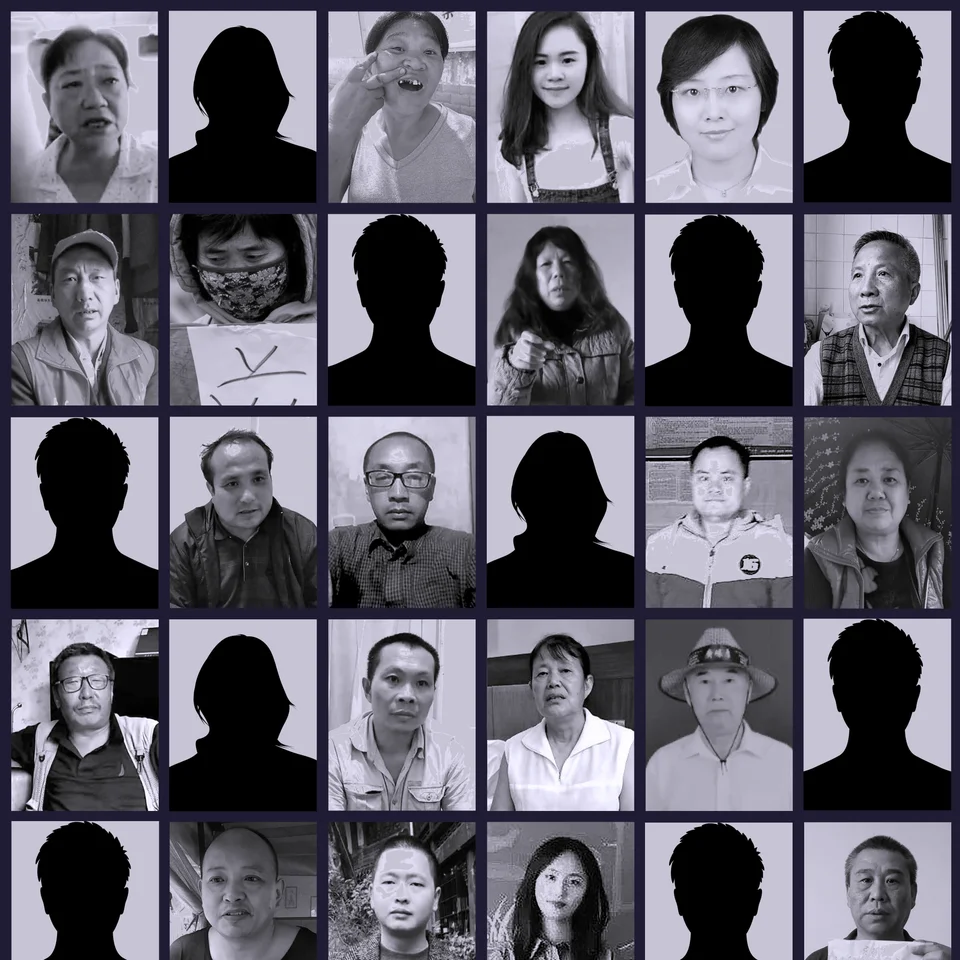


 דיויד סטברו