The Swedish discourse on the war in Iran has been dominated by the question of its legality. In recent weeks, international law scholars, academics, politicians, and columnists have explained why the American and Israeli attack is “illegal under international law.” There is much to say about this reasoning, but a reasonable question is what the point really is. In the real world, the legality of war matters very little, because international law, in general, has hardly had any real significance over the past decades.
The main reason is simply that it doesn't work. International law has been used by some of the world’s worst despots, from Gaddafi to Assad, to delay international action against their crimes, and when it was finally used for intervention—in many cases, it made the situation even worse and led to more violence and failed states.
International law has also given legitimacy to regimes such as Qatar and Somalia, which have gained seats on the UN Human Rights Council despite their total lack of such rights. Terrorist organizations have used it in their propaganda to avoid the consequences of their actions, and China’s and Russia’s veto rights in the UN Security Council ensure that aggressive dictators go unpunished.
“If the U.S. illegally invades other countries, Russia will do the same” is a common argument against the American offensive. But the truth is rather the opposite: Russia did not wait for the Americans to attack Georgia or Ukraine, and—like Turkey in Syria, Azerbaijan in Armenia, and Eritrea in Ethiopia—has ignored international law for decades. No country is waiting for Israel or the U.S. to legitimize their actions according to the “law of the jungle”.
For a country that has not been at war since 1814, the question of the legality of military interventions may seem like the most important one. Theoretically, even a superpower like the U.S. should be concerned with issues of limiting its global power. But for a country like Israel, which is constantly threatened by real enemies who want to annihilate it and kill its population, this question appears fairly academic.
There is, however, another question that from an Israeli perspective is extremely important. It is simple but crucial, and it should concern other countries as well—it is not whether the war is legal, but whether it is effective. Or more broadly: can military power by itself solve Israel’s problems with Iran and other enemies?
“When all you have is a hammer,” as the well-known saying goes, “every problem looks like a nail.” Israel undoubtedly has a powerful hammer. Could it be that the country has become accustomed to solving all its problems with it? Previously, Israel used many forms of power to strengthen its security and international standing. Diplomats engaged in creating complex alliances, its soft power included outstanding achievements in culture, art, agriculture, science, and technology, and governments were willing to participate in peace negotiations and consider compromises.
The Hamas massacre on October 7 and Iran’s persistence in combining nuclear ambitions with threats to wipe Israel off the map changed all of this. The Israeli foreign service has been marginalized; the country’s artists and scientists are boycotted around the world, and its enemies are blown to pieces rather than invited to ceremonies on the White House lawn. Considering that many of Israel’s enemies are ruthless killers, this is hardly surprising. Anyone who sees value in human life should not shed tears for people like Hassan Nasrallah, Yahya Sinwar, and Ali Khamenei. But do military operations improve reality if they are not accompanied by other measures such as diplomacy, economic development, and new creative political alliances? This is not only an Israeli question. A new world order is taking shape before our eyes, and if we are not heading toward total anarchy, the question of limiting military power and understanding what it can and cannot achieve is crucial.
One indication is the situation in Gaza. After more than two years of extensive military force and enormous destruction, the reality is that Hamas not only still exists, it is armed and controls many state functions. In Lebanon, Israel may have achieved significant military successes against Hezbollah, but the Israeli are still spending far too much time in bomb shelters, and despite everything, Hezbollah is still alive and kicking. Both militarily and politically.
Israelis are once again deprived of basic necessities—schools are closed, workplaces shut down, flights canceled, thousands have lost relatives, been forced from their homes, and suffered injuries and trauma. Not to mention that Israel is deeply divided on issues concerning its democracy, which can only be resolved when the shooting stops. Meanwhile, Israel has also, without justification, become the punching bag of the international community. All the world’s power seems to be of little use in solving this.
And then there is Iran. Now that the war has begun, it should, for the sake of both Iranians and Israelis, end with a regime change—and no regime change is possible without the use of force. The Iranian people themselves, who ultimately must liberate themselves, have asked for foreign intervention, and giving it to them is the right thing to do. But what then?
“From the moment we decided that only here, in the land of Israel, could the Jewish state arise, we accepted that more than a hundred million people from the Arab world, from the Arab nations, and from the Palestinians would be our neighbors,” said Israel’s former prime minister Yitzhak Rabin a few years before he was assassinated in 1995. “There are now only two possibilities: either a serious and determined effort is made to achieve peace—peace and security—or the sword will always rule.” In the 1990s, Rabin chose the first option, but since then, leaders across the region, including Israeli leaders, have developed a dependence on using force. Perhaps even an adiction.
When the war in Iran is over, Israel will face a choice. Previously, the country combined pragmatic diplomacy, careful alliance-building, and visionary openings toward the Arab world. In a region like the Middle East, this is risky. Israel will always need to keep a sword ready, but with security guarantees and economic support instead of anachronistic laws and self-righteous moralism from other countries, peace may once again become an option.
Norwegian police said they are searching for suspects and added that they were reinforcing security measures to protect both the Iranian diaspora and the Norway's Jewish communities
The U.S. embassy in Oslo was hit by a loud explosion overnight into Sunday, causing minor damage but not injuries, Norwegian police said, as the justice minister said a thorough investigation had been launched. The blast at the embassy compound in western Oslo occurred at around 1 A.M. local time, sending thick smoke into the street by the entrance of the consular section, eyewitnesses said.
The explosion was caused by some sort of incendiary device, Oslo police representative Frode Larsen said during a news conference Sunday. Investigators believe the embassy was the target and are searching for one or more potential perpetrators and their motive. Justice Minister Astri Aas-Hansen added they had deployed "considerable resources" to the investigation.
"One of our hypothesis is that this is terrorism, but we are also exploring other options," Larsen later told public broadcaster NRK. Police added that they were reinforcing security measures to protect both the Iranian diaspora and the country's Jewish communities. "This is an unacceptable incident that is being treated with the utmost seriousness," said Astri Aas-Hansen, Norway's justice and public security minister. "The police have stated that they are investigating the case with significant resources, and that nothing indicates the situation poses any danger to the public," she said.
PST, the Norwegian police security service, called in additional personnel following the incident but has not changed the country's terror threat level, according to communication adviser Martin Bernsen. The blast occurred at the entry to the consular section, Oslo police said, and witnesses said the entrance had been damaged.
"There was a very thick layer of smoke on the street," said Sebastian Toerstad, 18, a high school student who drove past the embassy at the time of the explosion. "There was some damage to the entrance," he added. Police said no further explosive devices had been found in the area. "Investigations have been carried out at the scene with the aid of dogs, drones and a helicopter, searching for one or more potential perpetrators," the Oslo police department said in a statement.
The U.S. Embassy in Oslo referred media queries to the U.S. State Department, which did not immediately return a request for comment. Nor did Oslo police. Other details were not available.
Leif Knutsen, a Norwegian Jewish activist and chairman of the newly founded Jewish Community of Norway umbrella organization, said security around Jewish institutions across Norway has been elevated since October 7. Knutsen noted that armed police with assault rifles have been stationed around the synagogues in Oslo and Trondheim and near the Israeli embassy.
The local Jewish community generally trusts the Norwegian Police Security Service, known as PST, and cooperation between security services and Jewish institutions is strong, according to Knutsen. He said, however, that many people feel more vulnerable on their way to and from synagogues, when they "become visible" outside the protected perimeter.
He expressed that the broader concern is what the situation represents. "What's wrong with a society when its most heavily guarded and fortified installations are not government offices or military bases, but two synagogues and the embassy of a country that Norway is supposed to have a friendly relationship with?" Knutsen said, adding that the situation was "unsustainable" in the long term.
Two young Israeli soldiers recently visited Stockholm together with an activist from Breaking the Silence, an Israeli organization that collects and publishes testimonies from Israeli veterans and, in many cases, acts as a whistleblower by exposing alleged human rights violations and war crimes. The Swedish visit was organized in collaboration with the Christian aid organization Diakonia, which arranged interviews with the Swedish press (SVT, Dagens ETC, Dagens Arena, and Jewish Chronicle). In the interviews, the soldiers used pseudonyms, and their faces were not shown.
In some of the publications, the interviews were presented as evidence supporting the gravest accusations against Israel. For example, Dagens ETC wrote: “The serious allegations have been dismissed as Hamas propaganda by commentators like Alice Teodorescu Måwe. But everything is now confirmed by Israeli soldiers.”
In the interviews, the soldiers reportedly said things like, “we were ordered to shoot all Palestinians we considered ‘military-age men’” and “we used Palestinian men as human shields.” Other claims included that many buildings were destroyed in Gaza and that, during the first weeks of the war, there was a lack of rules of engagement. Later, the soldiers said, rules were introduced, but they were weak and not always applied. As a result, unarmed men were shot.
They also reported that journalists and healthcare workers were considered legitimate targets, even if they themselves did not participate in such incidents. The two soldiers also described a discourse that dehumanized Palestinians.
Many Israelis have strong objections to Breaking the Silence. They argue that this type of testimony contributes to hatred of Israel, causes the country to be treated unfairly, and that even if the reports are true, they should be discussed domestically rather than in a hostile international stage.
Of course, Swedish journalists do not need to concern themselves with this—but it can help to understand the context. Many Swedes would likely raise an eyebrow if Swedish organizations on the political fringe were setting the agenda for Sweden’s image abroad. In this case, the soldiers are telling an important story—the problem is that the Swedish press misunderstood it.
A key issue concerns how to distinguish between different types of armed forces. Traditionally, there is a difference between terrorists or non-state actors who use violence against civilians and state-controlled armies with formal military forces, command structures, and legal frameworks. That definition is largely irrelevant for Israelis because Hamas is a hybrid actor. Although the organization uses terrorist methods, its military branch—the al-Qassam Brigades—is structured like an army, with battalions and brigades, elite units, command chains, and modern weapons systems. During the war, this was also supported by high-tech disinformation campaigns, a financial empire of global investments, leaders living luxuriously outside the region, and alliances with some of the world’s most tyrannical regimes.
This paints the Israeli soldiers’ testimony in a very specific colour since Hamas, despite its military structure, is not bound by international law. Its militants can behead, rape, and execute civilians, burn people alive, and take children as hostages—with or without uniforms—while exploiting its other source of power – the power of sovereignty, and the civilian control the organisation holds in Gaza. Expecting Israel not to act against individuals simply because they are not in uniform in this asymmetric conflict may be understandable, but it is hardly surprising that the reality forces terrible dilemmas and tragic decisions.
The Israeli soldiers confirm that Israel, despite the genocidal nature of the Hamas attack against it, at least tried to maintain some form of legal framework. They say civilians were evacuated, leaflets were dropped as warnings, orders were given not to shoot women and children, and no-go zones were established in order to limit Israel's massive firepower. Using human shields is obviously illegal and should be punished. But the claim that journalists and healthcare workers are always protected in a reality where Hamas has been shown to use both journalistic and medical infrastructure for attacks on Israeli civilians is detached from reality.
Israel claims that intercepted communications show Hamas used ambulances to transport fighters, weapons, and equipment. Hamas also hid weapons and command centers in hospitals, schools, mosques, and private homes. The IDF has released images that allegedly confirm this. Furthermore, at least three civilian hostages—Almog Meir Jan, Andrey Kozlov, and Shlomi Ziv—were reportedly held in a family home in Gaza where the son was a journalist and the father a doctor. There are also allegations that so-called freelance journalists were embedded in Hamas units on October 7 and documented the massacre for propaganda purposes.
The fact that Hamas controlled the Gaza Strip with an iron grip for years means that almost everything in Gaza effectively became part of the effort to destroy Israel. When the soldiers say they were told “everything is a military target,” this is viewed as condemning evidence against Israel—but in reality, it is not far from the truth.
International law recognizes these complex circumstances. While it may seem unfair to those unaccustomed to war, under the Geneva Conventions civilian structures—including hospitals—can lose their protection if they are used for military purposes. Even unarmed combatants and civilians participating in hostilities can, under certain circumstances, be considered legitimate targets. This is not what Israel claims—it is how international law works.
The reality described by the Israeli soldiers is horrific. Some of it, such as the use of human shields, also appears illegal. It can and should be discussed. It can and should be used for journalistic purposes and, hopefully, ultimately, for reconciliation when the heartbreaking testimonies from both sides become part of a healing process. That said, nothing in what the soldiers said in Sweden confirms allegations of genocide or deliberate starvation of civilians. Using these stories to imply that these horrific accusations are true is an abuse of the witnesses and their experiences.
Finally, there is one more aspect to consider. Being scared, wanting revenge, and not adhering to strict moral ideals under fire is natural in armed conflict. So too are remorse and shame. The Israeli soldiers who came to Stockholm were brave enough to share this with the world. But a reasonable question to pose to Diakonia, which organized the visit, is: Where is the Palestinian Breaking the Silence? Where are the remorseful Hamas fighters? Where are the Islamic Jihad militants ashamed of massacring Israeli civilians and now revealing their actions as “deeply immoral and devastating to our neighbors,” as one of the Israeli activists put it? Are these ignored by Diakonia—or do they simply not exist?
The ceasefire which has been in effect in Gaza for several months has given Israelis and Palestinians an opportunity to reflect on their next steps, and to begin rebuilding and recovering after two of the most difficult years in the region’s history. Although Israel is slowly disappearing from the international headlines, it remains important to examine what is actually taking place in its political arena. If there's anything to learn from recent history it's that what happens there will influence global politics for many years to come.
One of the war’s results is that Prime Minister Benjamin Netanyahu, who is currently on trial for corruption, is doing everything he can to control the historical narrative of the war and avoid taking responsibility for Israel’s failure on October 7. Instead, he places the blame on the security services and his political opponents. He refuses to establish an independent official inquiry commission and is doing his utmost to replace Israel’s military and legal elite with loyal officials. These changes may help Netanyahu evade accountability for the charges against him. But for his coalition partners—far-right, fundamentalist, and ultranationalist parties—they are a means to a broader goal: undermining Israel’s liberal democracy.
For example, the Knesset, Israel’s parliament, is discussing a bill that would expand state control over the media. The proposal would replace existing regulatory bodies with a new authority whose members are appointed by the government—effectively enabling political control over broadcast content. The bill has drawn criticism from the government’s legal adviser, who warned that it threatens freedom of the press. It is hardly surprising that the same attorney general is among those the government is attempting to remove.
Screenshot
Because Israel is a democratic country, many Israelis are demonstrating against these proposals and other government measures. In recent months, however, many protesters have claimed that the police are acting in ways they did not previously. They report arbitrary arrests and increased use of force, including stun grenades and mounted riot police.
The minister responsible for this is Itamar Ben-Gvir, a far-right politician previously convicted of incitement and support for terrorism. While he is busy consolidating control over the police within Israel, another minister, Bezalel Smotrich, is consolidating control over the West Bank. Smotrich is laying the groundwork for potential annexation and is taking no action against the growing violence perpetrated by extremist settlers.
Netanyahu himself has recently reaffirmed his intention to continue pursuing the so-called judicial reform which many in Israel describe as a judicial overhaul, as it threatens the fundamental principles of the rule of law and the separation of powers, weakens the independence of the courts, and risks undermining democracy. The issue has now returned to the parliamentary agenda and in addition, efforts to limit the powers of the attorney general and the Supreme Court are being resumed. Another bill currently under discussion would introduce the death penalty for terrorist offenses—formally to prevent Hamas and other groups from taking Israelis hostage in order to exchange them for convicted terrorists, but there are also those motivated simply by revenge.
If the death penalty does not sound like a sufficiently reactionary reform, the Knesset has even discussed the conservative Jewish concept of shmirat negiah—the obligation for a man and a woman who are not married to each other to refrain from physical contact. It is not an official legislative proposal, at least not yet. But the mere fact that it is being discussed alarms liberal and secular Israelis—and rightly so.
Swedes have always had a deep interest in Israel. This can have both positive and negative effects. To understand whether Sweden’s voice can contribute something meaningful in this context, we should examine the country’s current discourse on Israel.
The political left in Sweden has unfortunately totaly lost its bearings. Many of its supporters have embraced Hamas’ narrative of the Israeli–Palestinian conflict. This does not necessarily mean they support terrorism, but the view of Israel as a settler-colonial project that should be boycotted and opposed regardless of its policies or leadership has spread from a radical minority into mainstream politics. Even established political parties have begun discussing the dangerous idea of a one-state solution.
A one-state solution would either mean the end of the Jewish state—which even the Swedish left previously supported—or plunge the entire region into an even worse bloodbath than what we have witnessed over the past two years.
Equally dangerous is the stance of Sweden’s populist right. Supporting Israel because its current leaders appear to use methods similar to those of authoritarian, illiberal regimes, or because they see Israel as a symbol of a struggle against Islam, is both misguided and harmful. It is also a betrayal of the Israelis who are fighting for a democratic, liberal, and peaceful future.
This year, both Swedes and Israelis are heading to the polls. If Sweden still wishes to exert a positive influence on Israel (and on the Palestinians, for that matter), Swedish supporters of the left should cooperate with Israeli artists, entrepreneurs, researchers, and academics who are independent and often in opposition to the government, rather than the easy and intellectually lazy solution of boycotting and margenelizing them.
The Swedish right should support courageous Israeli leaders who oppose the government’s reactionary impulses and fight for democratic values, rather than backing corrupt leaders and extremist parties that are dragging Israel back toward the Middle Ages. Any other approach amounts to rewarding both Hamas and Jewish extremists and for those who live in the region, it is yet another step on the road to hell.
Filmmaker Tal Kantor's Israeli-French coproduction, the animated short film 'Letter to a Pig,' exploring intergenerational trauma and its potential to lead to empathy, has received numerous accolades. Now, a rabbi in Sweden has shown the film to Jewish-Muslim audiences to encourage dialogue post October 7 and the Israel-Gaza war.
Israeli animation filmmaker and visual artist Tal Kantor, 37, has taken her film "Letter to a Pig" to more film festivals, master classes, school seminars, and public screenings than she can easily remember. These events have taken place all over the world since the film was first screened in 2022, and there are more to come. From Harvard University to the Sigmund Freud Museum in Vienna, from the Academy Museum of Motion Pictures in L.A. to the Museum of Contemporary Art in Zagreb, it seems like Kantor and her film have been everywhere.
The 17-minute piece of animated art has also won Kantor multiple prizes. These include the Ophir Award, known as "the Israeli Oscar," the Best Narrative Short at the Ottawa International Animation Festival, the Excellence Award at the Japan Media Arts Festival and prizes, and honorable mentions at animation festivals in Belgium and France, and even an Oscar nomination for Best Animated Short Film in 2024.
The film itself took about five years to complete because of the meticulous hand-drawn animation style, which is combined with live action and involves visionary techniques and imagery. It was produced by The Hive Studio in Israel and Miyu Productions in France. It is based on one of Kantor's real-life childhood memories, and it depicts the way pain and collective trauma are transmitted from one generation to another, and the role they play in human history, society, and identity.
The film's main character is a girl who, together with her classmates, listens to the testimony of a Holocaust survivor in an Israeli school. Part of the testimony is a letter that the survivor wrote to a pig which, as he remembers, saved his life while he was hiding from the Nazis in a pigsty. In the film, the young schoolgirl sinks into a disturbing surrealistic dream while listening to the testimony. During the dream, new perspectives of good and evil are created in the girl's mind, and these expose her and her fellow students to the results of violence, victimhood, and trauma.
The pig's role shifts from savior to monster to victim, while the young children also go through a transformation. They start out as passive listeners and gradually become a threatening mob. The Holocaust may be the film's starting point, but "Letter to a Pig" is not a "Holocaust film." It's about universal motifs such as violence and suffering created by intergenerational trauma, which develops into a siege mentality. But it's also about empathy and the possibility to recognize other narratives through dialogue.
For Rabbi Moshe David HaCohen, 46, the narratives of pain and suffering, leading to endless conflict, actually drew him to the piece. HaCohen has just started his second term as the rabbi of the small Jewish community in Sweden's third-largest city, Malmö. In 2017, at the beginning of his first term as Malmö's rabbi (which ended in 2022), HaCohen founded Amanah, an organization based on his cooperation with a local imam to counter discrimination and build trust between the city's Jewish and Muslim populations. For a few years this worked very well, but the organization gradually dissolved as a result of the October 7 massacre, the ensuing Israel-Gaza war and the polarization caused by these events.
HaCohen is now launching a new organization named B.R.I.T – an acronym for Building Resilience, Identity, and Trust, and a reference to the Hebrew word for "covenant." He says the organization will work to counter polarization and foster relations between Jews and Muslims in several European countries. "I saw how Tal took something which is seen as almost holy like the Holocaust, and I was impressed by the way she asked complex questions that society today has to deal with," HaCohen told Haaretz in an interview in Stockholm. "The most serious question is how do we dismantle this complex conflict and create trust. Telling stories, like Tal does in her film, is a way to reach the real issue and move forward to create that kind of trust. People need hope, and I thought that during this time of conflict it would be good to create a debate based on the film."
One of the side effects of the Israeli-Palestinian conflict is the conflict in many European countries over the last two years, between Jewish Israel supporters and Muslim Palestinian supporters, who are entangled in cycles of suspicion and hostility. Jews have experienced rising levels of antisemitism, aggressive demonstrations at which protestors declare support for Hamas, and accusations of being responsible for the situation in Gaza because of their support for Israel.
Many European Muslims have found themselves on the receiving end of traditional anti-immigration and xenophobic attitudes, which are now amplified in response to the actions of elements of the pro-Palestinian solidarity movement. Even though there is now a cease-fire in the Middle East, tensions between the pro-Israel and pro-Palestinian camps and their supporters in many European countries persist.
And so Rabbi HaCohen asked Kantor to bring her film to Sweden in November to try to create productive dialogue. Kantor says that the film has taken part in about 150 festivals so far, and she has attended many of them personally. Meeting audiences together with the international crew who worked with her on the film is always important to her. "The film started from a very personal experience, and it has now become universal. Meeting audiences …. means everything to me," she says. "After screenings, people open up to me; they talk about their own experiences and their own perspectives. Some of them cry and open their hearts while talking about the multi-generational trauma they see in the film."
Still, for Kantor this wasn't just another invitation to a European cultural event. Instead of festival curators and ceremony producers, the invitation came from a rabbi who wanted to show her film as a tool for creating change and providing hope. Kantor couldn't refuse.
From right: Rabbi Moshe David HaCohen, Somar Al-Naher, Tal Kantor and Anneli Rådestad. Photo: Peter Lööv Roos
"Moshe David explained who he was and told me about what he does," Kantor told Haaretz in a local Stockholm café a day before she returned to Israel. "I immediately understood that he wasn't interested in the film because of its Oscar nomination or its international success. It was about the film's content…. The way he talked about it moved me deeply. He recognized its exploration of the danger of inherited trauma, fear, and narratives of cruelty, and how remaining in a place of victimhood can keep that cycle alive.
"He also saw how the film gestures toward compassion for all people [and towards] humanity and hope. It meant a great deal to me that he saw in the film a tool for opening a space for dialogue in such a polarized moment."
יוצרת האנימציה והאמנית החזותית הישראלית טל קנטור השתתפה עם סרטה "מכתב לחזיר" בכל כך הרבה פסטיבלי קולנוע, כיתות אמן, סמינרים בבתי ספר והקרנות ציבוריות עד שאינה יכולה לזכור את כולם. האירועים הללו התקיימו בכל רחבי העולם מאז שהסרט הוקרן לראשונה ב–2022, והיד עוד נטויה. מאוניברסיטת הרווארד ועד מוזיאון זיגמונד פרויד בווינה, ממוזיאון האקדמיה בלוס אנג'לס ועד למוזיאון לאמנות עכשווית בזאגרב — נדמה שקנטור וסרטה היו בכל מקום.
סרט האנימציה בן 17 הדקות, הזמין לצפייה ביס, זיכה את קנטור בת ה–37 בפרסים רבים, בהם פרס אופיר, פרס הסרט הקצר הטוב ביותר בפסטיבל האנימציה הבינלאומי באוטווה, פרס המצוינות בפסטיבל אמנויות המדיה ביפן, ציונים לשבח בפסטיבלי האנימציה של בלגיה וצרפת ואפילו מועמדות לאוסקר של 2024, בקטגוריית סרט האנימציה הקצר הטוב ביותר.
הפקת הסרט ארכה כחמש שנים, בשל סגנון האנימציה המדוקדק, המשלב ציור ידני יחד עם צילום לייב־אקשן וטכניקות ויזואליות יוצאות דופן. הסרט, שהופק על ידי סטודיו The Hive בישראל ו־Miyu Productions בצרפת, מבוסס על זיכרון ילדות של קנטור ומתאר את הדרך שבה כאב וטראומה קולקטיבית עוברים מדור לדור, ואת התפקיד שהם ממלאים בהיסטוריה האנושית, בחברה ובעיצוב זהות.
גיבורת הסרט היא נערה, שמקשיבה יחד עם חברי כיתתה לעדותו של ניצול שואה בבית ספר ישראלי. חלק מסיפורו כולל מכתב שהניצול כתב לחזיר שהציל את חייו, כשנאלץ להסתתר מהנאצים בדיר חזירים. במהלך ההרצאה, הנערה שוקעת בחלום סוריאליסטי מטריד שיוצר פרספקטיבות חדשות על טוב ורע, החושפות אותה ואת חבריה לכיתה להשלכות של אלימות, קורבנוּת וטראומה.
מימין: ענלי רודסטד, טל קנטור, סומאר אל-נאהר והרב משה דוד הכהן. צילום: Peter Lööv Roos
תפקידו של החזיר בסיפור משתנה ממושיע למפלצת ולקורבן, במקביל לטרנספורמציה שהילדים בכיתה עוברים בעצמם: הם מתחילים כמאזינים פסיביים והופכים בהדרגה להמון מאיים. השואה היא אולי נקודת המוצא בסרט, אך "מכתב לחזיר" אינו "סרט שואה". הוא עוסק במוטיבים אוניברסליים של סבל הנובע מטראומה בין־דורית, המתפתחת למנטליות של מצור. הוא עוסק גם באמפתיה ובאפשרות להכיר בנרטיבים אחרים דרך דיאלוג.
עבור הרב משה דוד הכהן, בן 46, הנרטיבים של כאב וסבל המובילים לסכסוך אינסופי הם דווקא מה שמשך אותו ליצירה הקולנועית הזו. לאחרונה הוא החל את כהונתו השנייה כרב של הקהילה היהודית במאלמו, העיר השלישית בגודלה בשוודיה. בשנת 2017, במהלך כהונתו הראשונה, הקים הכהן את "אמנה" (Amanah), ארגון המבוסס על שיתוף פעולה בינו לבין אימאם מקומי, החותר למאבק באפליה וטיפוח אמון בין הקהילה היהודית והמוסלמית בעיר. הארגון פעל בהצלחה במשך כמה שנים, אך התפרק בהדרגה בעקבות הטבח ב–7 באוקטובר, המלחמה שבאה בעקבותיו והקיטוב החריף שנוצר בעקבות האירועים. כעת משיק הכהן ארגון חדש בשם B.R.I.T, ראשי תיבות של "בניית חוסן, זהות ואמון" באנגלית ובמקביל — המילה העברית ברית. לדבריו, הארגון יתמקד בהבניית אמון מחדש בחברה, דרך הפריזמה של יחסי יהודים ומוסלמים.
"ראיתי איך טל לקחה משהו כמעט מקודש כמו השואה, והתרשמתי מהדרך שבה היא שואלת שאלות מורכבות שהחברה כיום חייבת להתמודד איתן", סיפר הכהן. "השאלה הרצינית ביותר היא כיצד ניתן להתיר את הסכסוך המורכב הזה ולבנות אמון. לספר סיפור, כמו שטל עושה בסרטה, זו דרך להגיע לנושא האמיתי ולהתקדם הלאה בטיפוח אותה תחושת אמון. אנשים זקוקים לתקווה, וחשבתי שבתקופה זו של סכסוך, זה יהיה טוב לארגן דיון שיתבסס על הסרט".
אחת מתופעות הלוואי של הסכסוך הישראלי־פלסטיני בשנתיים האחרונות היא העימות באירופה בין יהודים תומכי ישראל למוסלמים שתומכים בפלסטינים. שני הצדדים נקלעו למעגל חוזר של גלי חשדנות ואיבה. האוכלוסייה היהודית חשופה לעלייה באנטישמיות והפגנות אגרסיביות שחלק ממשתתפיהן מכריזים על תמיכתם בחמאס; ביהודים גם מוטחות האשמות שהם אחראים למצב בעזה בשל תמיכתם בישראל. מנגד, מוסלמים רבים סובלים מיחס הנגוע בשנאת זרים והתנגדות מסורתית למהגרים, תפיסות הצוברות עוד יותר עוצמה בתגובה לפעולותיהם של גורמים שונים בתנועת הסולידריות עם הפלסטינים. אפילו לאחר שהושגה הפסקת אש במזרח התיכון, נמשכים המתחים בין מחנות תומכי ישראל והפלסטינים במדינות רבות באירופה.
מאלמו הופיעה לא פעם בתקשורת העולמית בשנים האחרונות כסמל לאנטישמיות ופעילות פרו־פלסטינית. בשנתיים האחרונות התקיימו בה אירועים רבים שנקשרו למלחמה במזה"ת, בהם הפגנת שמחה בערב 7 באוקטובר, שריפת דגל ישראל מול בית הכנסת המקומי והפגנות אנטי־ישראליות של אלפי אנשים בשנה שעברה, בעת שהתקיים בעיר האירוויזיון. "ממש ניכר כיצד המלחמה במזרח התיכון קורעת את החברה לגזרים גם כאן", אמר הכהן. "במקומות מסוימים עדיין קשה אפילו לדבר על כך בגלוי באירועים ציבוריים".
Noa Eshkol's 'Mourning Carpet' from 1974 was inspired by the Israelis who died in a Palestinian terror attack that year. Opposition to the showing of the work lays bare the unique enmity toward Israel
The scene at Norway's National Museum a month ago was unusual, even for a protest in Oslo in a year of countless harsh demonstrations against Israel. In the "On the Barricades" room showing works with a political context, dozens of people sat on the floor and shouted "Remove the carpet!"
The participants, including artists and cultural figures, were protesting the showing of one of the works, 1974's "Mourning Carpet," a 174-by-160-centimeter (roughly 6-foot-by-5-foot) wall carpet by Israeli textile artist and choreographer Noa Eshkol. The piece features images of flowers in an array of colors. A YouTube video and media photos reveal the flavor of the protest. The chants filled the room, a Palestinian flag had been placed on the floor, and a few demonstrators wore kaffiyehs. Israel and Hamas' signing of a cease-fire agreement that day, October 9, didn't seem to register much.
A few days earlier an initiator of the protest, Norwegian artist Victor Lind, explained what was rousing the demonstrators' anger. "The National Museum has chosen to show a work that legitimizes the occupation of Palestine by the war criminal the State of Israel," he said in a panel discussion in Oslo in September. Lind also claimed that the work was "war propaganda" that legitimized genocide and fascism.
The call to remove Eshkol's work was also heard in letters, newspaper articles and social media posts; even employees of the museum joined in. But for now, the piece is still there and the museum hasn't voiced any intention to pull it. "The National Museum isn't supposed to be a political player," the museum's director, Ingrid Roynesdal, told Aftenposten, Norway's most popular daily. She added: "If we as a museum choose to become an active player in geopolitical debates, we're likely in the end to contribute to a narrowing of freedom of expression."
The demonstration at the museum joins a long list of protests and boycotts over the past two years against Israel and Israeli artists, scholars, athletes and businesses. But the battle surrounding Eshkol's work seems particularly strident. It reflects the depth of the crisis of Israel's international standing and the scale of the hatred for Israel in Europe, which goes far beyond opposition to the war in Gaza.
Noa Eshkol, "Mourning Carpet (Following the Massacre at the Ma'alot School). Credit: Jens Ziehe/Photographie/Neugerriemschneider Berlin
The story of the carpet begins with a national trauma in Israel. It was May 1974, slightly over six months since the Yom Kippur War and around two years since a string of terror attacks: the Munich Olympics massacre, the hijacking of a Sabena airliner that landed in Israel, and an assault at Israel's airport that killed 26 civilians. In May 1974, terrorists from the Democratic Front for the Liberation of Palestine infiltrated from Lebanon into Israel.
Over two days, with rifles, hand grenades and explosives, the DFLP terrorists killed and wounded Israelis in a series of attacks, the worst being the abduction of 85 Safed high school students who were staying at a school in another northern town, Ma'alot.
The students, some of whose teachers fled the building as the terrorists entered, served as bargaining chips for the gunmen, who sought the release of Palestinian prisoners. During negotiations, the government played for time as it planned a commando raid. The results were tragic in what is now known as the Ma'alot massacre. The storming of the building ended with the death of more than two dozen people, most of them students.
Like many Israelis, Noa Eshkol was shocked by the attack. Eshkol, who was born in 1924, is known for Eshkol-Wachman movement notation. She and her student Avraham Wachman created a system of symbols for describing movement; for example, in choreography. The work "Mourning Carpet," whose full name is "Mourning Carpet (After the Ma'alot School Massacre)," was the artist's response to the terror attack.
"This is one of the hundreds of carpets that Noa created in the final decades of her life," says Mooky Dagan, a human rights activist, musician and art curator who manages Eshkol's estate and heads the foundation established in her name. Dagan, who was a close friend of Eshkol's, adds: "It's one of her only carpets that can be connected to a specific event. That's why it was important to me to add the parenthetical information to the title."
Dagan says Eshkol created several mourning carpets after the Yom Kippur War. Another carpet, which was sold to the Pompidou Center in Paris, is called "Leaving Yamit," referring to an Israeli town in Egypt's Sinai Peninsula, before it was uprooted in 1982 as part of the Egyptian-Israeli peace deal. "Another one was named after Golda Meir, but these are the exceptions connected to a specific event or person," Dagan says. "She created over 1,000 carpets."
Dagan sees the irony in the fact that the carpet in Oslo is stirring such controversy. "The incident in Ma'alot shook the foundations," he says. "It was an event with hostages including many children, it launched a debate on surrendering to terrorists or taking military action, and it shook the country. It became a formative event, and it's symbolic in light of what's happening today in Israel and in Gaza." Dagan says the protest in Oslo has been the toughest challenge when it comes to Eshkol's work being shown abroad. He says his friend never wanted to display her carpets at all.
On a few rare occasions, he was able to convince her otherwise, but the international breakthrough came after her death in 2007, when he says she became a brand name and a raft of museums acquired her works. Solo exhibitions of her art have been staged in Germany, the Netherlands, Brazil, Sweden, Norway and Israel, and her works have taken part in group exhibitions in many other countries. "In the last years of her life she was drawn to creating the carpets in a way that she herself couldn't explain," Dagan says. "It became the most important thing in her life."
Would you say that these are political works? It's true that she was the daughter of Israel's third prime minister, Levi Eshkol, a fact that wasn't officially mentioned in the protest but came up in some of the online debates. But can she be linked to a specific political viewpoint?
"I can't speak in her name, and it's absurd to speak for people after their death. But I was very close to her and we became close friends already after the Six-Day War. When it came to the carpets, I shared the process of creation with her intimately. Noa was a political person, but her viewpoint wasn't linked to a party and she didn't intervene in specific political issues. Even though her father was the prime minister, and even though she was born on Kibbutz Degania and was thoroughly Israeli, she was totally antiestablishment. That was the paradox in her. Even though she breathed her Israeli identity, she created movement notation, which is the most universal thing possible. Her worldview was universal; she stressed this and even refused to patent her movement notation, so that the whole world could use it."
Dagan describes Eshkol as a dominant personality with solid opinions and clear thinking. She wouldn't take anything for granted, hated clichés and lived as a feminist. Surrounded by students, she detested titles and rebelled against every framework and consensus. She didn't want to be a candidate for the Israel Prize and convinced her friend Uri Zohar to turn down the 1976 prize for film because it was granted by the government. "Her attitude, spiritually and practically, was that of a rebel," Dagan says.
Just because of the protest against her work in Oslo, it would be interesting to know if she had clear opinions about the Israeli-Palestinian conflict.
"I can definitely attest that she was a person with a worldview that's now called leftist. Even though she detested labels of this kind, above all she had a humanistic outlook. She wasn't an activist, but the current situation would have clearly driven her crazy. Until her death she had the worldview of a pure dove."
***
Hawk or dove, it makes no difference to the demonstrators against the National Museum in Oslo, which bought Eshkol's work in 2022. In May this year the work was hung in Room 76, the space reserved for political art. When the director was asked by the online contemporary art magazine Kunstkritikk why she chose it, she said the museum switches works in its rooms so that all the works can be better preserved.
"Room 76 is devoted to political art, mainly from 1965 to 1980," she said. "This work was chosen according to the regular procedures. The room displays a variety of artistic expressions and strategies, and tries to reflect the art of the period when the works were created."
Lind, the Norwegian artist, said about the storm after the decision to display "Mourning Carpet": "We all see pictures from Gaza every day of child-size white body bags, small white cloth sacks tied with rope at the top and bottom. He said in the panel discussion: "The genocide being perpetrated by Israel against the Palestinians is intolerable. Little children, like our children, are dying of starvation. A mother who has no more milk because she herself is suffering from malnutrition. She was shot in the stomach by Israeli soldiers while waiting in line for food. There's a smell of gas in Gaza. I'm sorry that the situation requires such harsh language."
Lind, 84, was among political artists identified with the radical left in the early '70s. He also created works commemorating the Holocaust of Norway's Jews. Regarding "Mourning Carpet," he said that "the National Museum's choice to show this work during the ongoing genocide in Gaza infuriates me because of its curating decisions with a viewpoint of supporting the Israeli narrative. … The work depicts the Israelis as the victims of Palestinian terror.
"'Mourning Carpet' commemorates the Israelis who were killed during the Palestinian revolt against the Israeli occupation. The work reflects Israel's official narrative of the Israel-Palestinian conflict from 1948 until today, a narrative that sees Israel as the main victim throughout." Lind's protest included a complaint about the removal of Norwegian works in favor of the Israeli work. "Mourning Carpet" is displayed alongside pieces by Norwegian artists, including Lind himself, whose work is "art in favor of freedom and against occupation and oppression," he said.
Geir Egil Bergjord, chairman of the Association of Norwegian Visual Artists, wrote in Aftenposten: "The museum's decision to show this work now, during what many consider a genocide in Gaza, has given the work political significance. A national museum can't be neutral in every context. It must balance artistic freedom and the context in which the work is displayed.
"The museum has removed political works by Norwegian artists to make room for a work that supports the narrative of an occupier, Israel. The director must recognize that fact. Curating decisions require more than vague declarations of 'space for artistic expression.'"
The left-wing Norwegian newspaper Klassekampen examined the extent Norwegian museums took an interest in the war between Israel and Hamas. It found that museums in Bergen and Trondheim are showing works by Palestinian artists. It also found that the Nitja Center for Contemporary Art in Lillestrom has held an exhibition of video works by Palestinian artists, as well as an exhibition of posters for Palestine and works by Palestinian artist Hasan Daraghmeh. It has also shown aerial photographs by Norwegian photographer Hedevig Anker "filmed in Palestine before the establishment of the State of Israel."
Several employees took part in the protest at the National Museum. "We aren't neutral, we stand in solidarity with Palestine," curator Monica Holmen told Klassekampen. One complaint by the anti-Eshkol demonstrators was the listing of her place of birth as Israel, even though the artist was born 24 years before the state was established. The sign has been changed to "British Mandate Palestine (today's Israel)."
The original decision was to follow the museum's policy: The country of an artist's birth is noted in its modern version even if it had a different name during the artist's lifetime. Only after public pressure did the museum change tack, while creating the impression that it had made a technical error. (Though internal emails leaked to the Norwegian media show that the museum was well aware of the sensitivity of the subject.)
It was very difficult to speak to the protesters themselves and give them a chance to explain their viewpoint to Israeli readers. Lind declined to be interviewed by Haaretz. Requests to the Association of Norwegian Visual Artists were unsuccessful at first, but Egil Bergjord, the chairman, eventually agreed. He said in an English-language email: "I would like you to note that the Norwegian Visual Artists Association (NBK) has not asked the museum to remove the artwork. Rather, NBK has criticized the museum for displaying it without providing a proper contextualization." He said that if "our National Museum exhibits Eshkol's work without presenting alternative perspectives or critical discourse, the museum fails to acknowledge or critically engage with the political significance of its curatorial decisions."
The National Museum said it couldn't arrange an interview with the director or the person responsible for the exhibition. Later it said that these officials couldn't be interviewed due to the public debate about the museum's decision – precisely the debate that Haaretz wanted to discuss.
***
"Museums must of course listen to different opinions, but their job isn't to meet the demands of various groups," says Marianne Hultman, a Swedish curator and art historian who spent some of her childhood in Israel. She has worked in Norway for nearly 20 years, and four years ago, as director of the Oslo Kunstforening art gallery and society, she curated an Eshkol exhibition in cooperation with Sweden's Norrköping Art Museum and the organization Jewish Culture in Sweden.
Regarding Eshkol's controversial work, she says: "Eshkol often used tablecloths, curtains and blankets as a base for her textile collages. In this work she used one of the army blankets brought to her by one of her dancers after the Yom Kippur War. "In 'Mourning Carpet' the symbolically charged fabric is allowed to emerge and become an integral part of the image. With remnants from the clothing industry, the image bears traces of bodily forms and points to the absence of the body, pointing to the traces of human life.
"The military blanket functions concretely as a base for the pieces of fabric, and symbolically as a representation of the violence that marked the event. It's a work of mourning for all the lives lost in connection with the massacre. Today it perhaps also expresses grief over a conflict that continues to leave deep traces of suffering and death."
Hultman believes there is justification for including Eshkol's work in the political art space at the National Museum, and she's disappointed at the protest against it. "How would our museums look if every artwork had to meet the same demands that Noa Eshkol's 'Mourning Carpet' now faces?" she asks. "It would mean that all artists had to bear responsibility for their country's political, religious and military choices. And where would that leave artistic freedom?"
הסצנה שהתרחשה במוזיאון הלאומי הנורווגי בתחילת אוקטובר היתה חריגה, אפילו ביחס לאירועי מחאה אחרים באוסלו, עיר שהתקיימו בה בשנתיים האחרונות אינספור מחאות קולניות וחריפות מאוד נגד ישראל. בחדר במוזיאון שעל קירותיו מוצגות יצירות אמנות בעלות הקשר פוליטי שנאספו תחת הכותרת "על הבריקדות" התיישבו עשרות בני אדם והחלו לצעוק יחד: "הורידו את השטיח!"
המשתתפים, אמנים ואנשי תרבות, ביקשו למחות על הצגתה של אחת היצירות – "שטיח אֵבל", שטיח קיר בגודל 174×160 ס"מ שיצרה ב-1974 האמנית והכוריאוגרפית הישראלית נועה אשכול, ובמרכזו דימויים של פרחים בשלל צבעים. סרטון שהועלה ביוטיוב ותמונות שפורסמו בתקשורת תיעדו את המחאה: הצעקות מילאו את חלל החדר, על הרצפה הונח דגל פלסטין וחלק מהמפגינים עטו כאפייה. לצד הצעקות נשמעו גם נאומים ואפילו מנהלת המוזיאון זומנה למקום. העובדה שבאותו יום, 9 באוקטובר, חתמו ישראל וחמאס על הסכם הפסקת אש לא השפיעה בשום צורה על המפגינים.
אחד מיוזמי המחאה, האמן הנורווגי ויקטור לינד, הסביר כמה ימים קודם לכן מה עורר את כעסם: "המוזיאון הלאומי בוחר להציג יצירה שעושה לגיטימיזציה לכיבוש פלסטין על ידי מדינת ישראל פושעת המלחמה". הוא גם טען שזו תעמולת מלחמה, שנותנת לגיטימציה לרצח עם ולפשיזם.
הקריאה להוריד את יצירתה של אשכול נשמעה לא רק במוזיאון עצמו. מכתבים, מאמרים בעיתונים ופוסטים ברשתות חברתיות ניסו גם הם להפעיל לחץ על המוזיאון ודרשו להוריד אותה, ואפילו חלק מעובדי המוזיאון הצטרפו לתביעה. אך לעת עתה היצירה תלויה במקומה והמוזיאון לא הודיע שבכוונתו להסירה. "המוזיאון הלאומי אינו אמור להיות שחקן פוליטי", אמרה מנהלת המוזיאון, אינגריד רוינסדאל, ליומון הנפוץ ביותר בנורווגיה, "אפטנפוסטן". לדבריה, "אם אנו כמוזיאון נבחר להפוך לשחקן פעיל בדיונים גיאו-פוליטיים, אנו עלולים בסופו של דבר לתרום לצמצום מרחב הביטוי הזה".
ההפגנה במוזיאון באוסלו מצטרפת לשורה ארוכה של מחאות וחרמות המופנים בשנתיים האחרונות כלפי ישראל וכלפי אמנים, חוקרים, ספורטאים ועסקים ישראלים, אך נדמה כי המאבק סביב יצירתה של אשכול חריג בהיקפו ובמידת התהודה שעורר. הוא משקף את עומק המשבר שבו נמצא מעמדה הבינלאומי של ישראל ואת עומק השנאה כלפיה באירופה, החורגת בהרבה מהתנגדות למלחמה בעזה. ואמנם, הסכם הפסקת האש לא הביא לשום שינוי במחאה, והוויכוח על הצגת היצירה נמשך גם אחרי השגתו.
נועה אשכול, "שטיח אבל (בעקבות הטבח בבית הספר במעלות)", 1974. צילום: Jens Ziehe/Photographie / neugerriemschneider berlin
סיפורו של השטיח שבלב הסערה מתחיל באירוע שהפך לטראומה לאומית בישראל. במאי 1974, קצת יותר מחצי שנה אחרי מלחמת יום כיפור וכשנתיים אחרי הפיגועים באולימפיאדת מינכן, במטוס סבנה ובנמל התעופה לוד, חדרה חוליית מחבלים של החזית הדמוקרטית לשחרור פלסטין מלבנון לישראל. בשלושת הימים שאחרי החדירה שלושת המחבלים, שהיו חמושים ברובים, רימוני יד וחומרי נפץ, הרגו ופצעו אזרחים ישראלים בשורת פיגועי טרור, שהחמור בהם היה חטיפת 85 תלמידי כיתות ט'-י"א מתיכון דתי מצפת שבמסגרת טיול התאכסנו בבית הספר נתיב מאיר במעלות. התלמידים, שחלק ממוריהם נמלטו מהבניין בעת חדירת המחבלים, שימשו כאמצעי מיקוח לדרישת המחבלים לשחרר אסירים שהיו כלואים בישראל. הממשלה אמנם דנה בדרישתם, אך למעשה משכה זמן במשא ומתן לקראת מימוש התוכנית לפרוץ בכוח לבניין במטרה לשחרר את החטופים.
התוצאות היו טרגיות: בפריצה לבניין נהרגו 21 תלמידים ותלמידות. המספר הכולל של הקורבנות באירוע, שנודע בשם "טבח מעלות", היה 28, לרבות תלמידה שנפצעה ומתה מפצעיה כעבור עשרה ימים, ארבעה אזרחים וחייל שנרצחו לפני הפריצה לבית הספר ואזרח שסייע בחילוץ, נפצע ומת מפצעיו כמה שנים מאוחר יותר.
כמו ישראלים רבים אחרים, גם נועה אשכול זועזעה מהפיגוע. אשכול, ילידת 1924, נודעה יחד עם תלמידה, הארכיטקט אברהם וכמן, כממציאת כתב התנועה אשכול-וכמן – מערכת סמלים המאפשרת להגדיר תנועה, ששימשה בין השאר כאמצעי לרישום תנועה אנושית וכוריאוגרפיה. היצירה "שטיח אבל", שלשמה נוספה בסוגריים ההערה "בעקבות הטבח בבית הספר במעלות", היתה תגובה ישירה של האמנית לאותו מרחץ דמים.
"זה אחד ממאות שטיחים שנועה יצרה בעשורים האחרונים של חייה", אומר מוקי דגן – פעיל זכויות אדם, מוזיקאי ואוצר אמנות, האחראי על עיזבונה של אשכול ומנהל את הקרן שהוקמה על שמה. "היא עשתה אותו ממש בסמוך לאירוע ומיד כשסיימה אותו, היא הראתה לי ואמרה שזה על מעלות. זה אחד השטיחים היחידים שלה שאפשר לקשר לאירוע מסוים. בגלל זה היה לי חשוב להוסיף לכותרת שלו, 'שטיח אבל', את התוספת בסוגריים. נועה יצרה כמה שטיחי אבל בעקבות מלחמת יום כיפור. שטיח אחר, שנמכר למוזיאון פומפידו בפריז, נקרא 'היציאה מימית', אחד אחר נקרא על שם גולדה מאיר, אבל אלה הם החריגים שקשורים לאירוע או אדם ספציפיים. בסך הכל היא יצרה יותר מ-1,000 שטיחים".
דגן, שהיה חבר אישי קרוב של אשכול, מוצא סמליות בכך שדווקא השטיח שנקנה על ידי המוזיאון הלאומי באוסלו מעורר כזאת מחלוקת. "האירוע במעלות זיעזע את אמות הסִפים", הוא אומר. "זה היה אירוע שהיו בו חטופים, שנפגעו בו ילדים רבים, שהיה סביבו דיון על כניעה למחבלים או פעולה צבאית ושטילטל את המדינה. הוא הפך לאירוע מכונן וזה סמלי שעל רקע מה שקורה היום בישראל ובעזה, השטיח שמעורר את המחלוקת הזאת עוסק בדיוק בנושאים האלה".
המחאה באוסלו, לדברי דגן, היא המקרה החריף ביותר שבו נתקל לגבי עבודתה של אשכול בחו"ל. הוא אומר שבימי חייה אשכול לא רצתה להציג את השטיחים כלל. הוא אמנם הצליח לשכנע אותה להציג אותם בכמה הזדמנויות נדירות, אך הפריצה הבינלאומית החלה לאחר מותה ב-2007, אז היא הפכה לדבריו ל"מותג" ומוזיאונים רבים רכשו מיצירותיה. תערוכות יחיד שלה התקיימו בשנים האחרונות בגרמניה, הולנד, ברזיל, שוודיה, נורווגיה וישראל ועבודותיה השתתפו בתערוכות קבוצתיות במדינות רבות נוספות. "בשנים האחרונות לחייה היא נשאבה ליצירת השטיחים בצורה שהיא עצמה לא ידעה להסביר", אומר דגן, "זה הפך לדבר הכי חשוב בחייה".
היית אומר שאלה עבודות פוליטיות? היא אמנם היתה בתו של ראש הממשלה השלישי לוי אשכול (עובדה שלא הוזכרה במחאה נגדה), אך האם אפשר לקשר בינה ובין השקפה פוליטית מסוימת?
"אני לא יכול לדבר בשמה וזה מופרך לדבר בשם אנשים אחרי מותם. עם זאת, הייתי קרוב אליה מאוד והפכנו לחברים קרובים כבר אחרי מלחמת ששת הימים. בכל מה שקשור לשטיחים, חלקתי איתה את תהליך היצירה באופן אינטימי. נועה היתה אדם פוליטי, אבל היתה לה השקפה שלא היתה קשורה למפלגה והיא לא היתה מתערבת בסוגיות פוליטיות ספציפיות. היא בעיקר היתה אדם שסלד מהממסד. למרות שאביה היה ראש הממשלה, למרות שהיא נולדה בדגניה ולמרות שהיתה ישראלית בכל רמ"ח איבריה, היא היתה אדם אנטי-ממסדי לגמרי. זה היה הפרדוקס שבה. למרות שהיא נשמה את הזהות הישראלית, היא יצרה את כתב התנועה שהוא הדבר הכי אוניברסלי שיכול להיות. השקפת העולם שלה היתה אוניברסלית; היא טרחה להדגיש את זה ואפילו סירבה לרשום פטנט על כתב התנועה כדי שכל העולם יוכל להשתמש בו".
דגן מתאר את אשכול כאישיות דומיננטית, בעלת דעות מוצקות ומחשבה צלולה. לדבריו, היא לא היתה מוכנה לקבל שום דבר כמובן מאליו, שנאה קלישאות, חייתה כפמיניסטית אף שהמונח "הצחיק אותה", ובאופן כללי, ניהלה את חייה בצורה יוצאת דופן, מוקפת תלמידים, סולדת מתארים, מורדת בכל מסגרת ומוסכמה. דגן מוסיף שהיא לא רצתה להיות מועמדת לפרס ישראל והיא גם זו ששיכנעה את חברהּ, אורי זוהר, לא לקבל את הפרס בתחום הקולנוע ב-1976 מפני שהוא מוענק על ידי המדינה. "היחס שלה, נפשית ומעשית, היה יחס של מורדת", אומר דגן.
דווקא בגלל המחאה נגד יצירתה באוסלו, מעניין אם היו לה דעות ברורות לגבי הסכסוך הישראלי-פלסטיני.
"אני יכול להעיד בפה מלא ובאחריות שהיא היתה אדם עם השקפה שנקראת היום שמאלית. היא אמנם סלדה מהגדרות מהסוג הזה, אבל לפני כל דבר אחר היתה לה השקפה הומניסטית. היא לא היתה אקטיביסטית ואי אפשר לדעת מה היה קורה לה היום, אבל ברור לי שהיא היתה משתגעת מהמצב. אחרי מלחמת ששת הימים ומלחמת יום כיפור קבוצת ההתייחסות שלה היו אנשים כמו הסופר משה שמיר, שהגיע כמותה מרקע סוציאליסטי אבל הצטרף לתנועת ארץ ישראל השלמה. על רקע זה היו ביניהם ויכוחים איומים. עמדתה, עד מותה, היתה עמדה של יונה צחורה".
נץ או יונה, במקרה של המחאה נגד המוזיאון הלאומי באוסלו זה לא ממש שינה. היצירה של אשכול נקנתה על ידי המוזיאון ב-2022. במאי השנה היא נתלתה בחדר 76 – אותו חלל של המוזיאון שמוקדש ליצירות פוליטיות. כשמנהלת המוזיאון רוינסדאל התבקשה על ידי מגזין האמנות המודרנית האינטרנטי Kunstkritikk להסביר את הבחירה בה, היא השיבה שהמוזיאון מחליף יצירות ואוצר מחדש חדרים מסוימים כדי לשמר עבודות. "חדר 76 מוקדש לאמנות פוליטית, בעיקר בין השנים 1965 ל-1980, והיצירה הזאת נבחרה בהתאם לפרוצדורות רגילות לחלוטין הקשורות לאצירה מחודשת של החלל", אמרה. "החדר מציג מגוון של ביטויים ואסטרטגיות אמנותיות, ומנסה לשקף את האמנות של התקופה שבה נוצרו העבודות".
הזעם שעוררה ההחלטה להציג להציג את "שטיח אבל" התבטא בצורות רבות בנורווגיה – במאמרים בכלי התקשורת, ברשתות החברתיות, במכתבים פומביים, בקריאות לחרם ועוד. יוזם המחאה לינד אמר בכנס שנערך באוסלו: "כולנו רואים כל יום תמונות מעזה של שקי גופות לבנים בגודל של ילדים. שקי בד קטנים ולבנים, קשורים בחבל מלמעלה ומלמטה. רצח העם שישראל מבצעת בפלסטינים הוא בלתי נסבל. ילדים קטנים, כמו הילדים שלנו, מתים מרעב. אֵם שאין לה יותר חלב כי היא עצמה סובלת מתת-תזונה. היא נורתה בבטן, כשהיתה בתור לקבלת מזון, על ידי חיילים ישראלים. יש ריח של גז בעזה! אני מצטער שהמצב מחייב שפה כה חריפה".
לינד בן ה-84 נודע כחלק מקבוצת אמנים פוליטיים שהיו מזוהים עם השמאל הרדיקלי בתחילת שנות ה-70; הוא גם יצר עבודות שהנציחו את שואת יהודי נורווגיה. הוא תלה את התנגדותו ליצירה של אשכול בכך ש"הבחירה של המוזיאון הלאומי להציג את היצירה הזאת בעיצומו של רצח העם המתמשך בעזה ממקמת אותו, דרך הבחירות האוצרותיות שלו, בעמדה התומכת בנרטיב הישראלי… היצירה מציגה את הישראלים כקורבנות של טרור פלסטיני. שטיח האבל מנציח את הישראלים שנהרגו במהלך מרד פלסטיני נגד הכיבוש הישראלי. היצירה משקפת את הנרטיב הרשמי של ישראל לגבי הסכסוך הישראלי-פלסטיני מ-1948 ועד היום, נרטיב הרואה בישראל את הקורבן המרכזי לאורך כל הדרך". מחאתו של לינד כללה גם טענה על הורדתן של יצירות נורווגיות לטובת הצגתה של היצירה הישראלית. היא מוצגת לצד עבודות של אמנים נורווגים, בהם הוא עצמו, שיצירתם היא "אמנות בעד חירות ונגד כיבוש ודיכוי", כלשונו.
לאחר דבריו של לינד הצטרפו אמנים נורווגים נוספים למאבק, בהם יו"ר אגודת האמנים החזותיים של נורווגיה (NBK), גייל אגיל ברגיורד. במאמר בעיתון "אפטנפוסטן" הוא כתב: "החלטת המוזיאון להציג את היצירה הזאת כעת, בעיצומו של מה שרבים מגדירים כרצח עם מתמשך בעזה, הקנתה ליצירה משמעות פוליטית. יש מקום להטיל ספק ביושרה המקצועי של מנהלת המוזיאון. מוזיאון לאומי אינו יכול להיות ניטרלי בכל הקשר. עליו לאזן בין חופש אמנותי ובין ההקשר שבו מוצגת היצירה. המנהלת חייבת להכיר בכך. המוזיאון הלאומי מסיר יצירות פוליטיות ידועות של אמנים נורווגים כדי לפנות מקום ליצירה שתומכת בנרטיב של כוח כובש – ישראל. זו אינה עמדה ניטרלית, בניגוד למה שרוינסדאל טוענת. החלטות אוצרותיות כאלה מחייבות יותר מאשר הצהרות מעורפלות על 'מרחב לביטוי אמנותי'".
הדיון בניטרליות ובמעורבות הפוליטית של מוזיאונים נורווגיים התנהל לאחרונה בעיתון השמאל הנורווגי Klasskampen, שבחן את מידת העיסוק של מוזיאונים במדינה במלחמה בישראל ובעזה. העיתון סיקר מוזיאונים רבים במדינה שעוסקים באופן פעיל בסכסוך הישראלי-פלסטיני, בהם כאלה בערים ברגן וטרונדהיים המציגים יצירות של אמנים פלסטינים. המנהלת האמנותית של המוזיאון לאמנות בטרונדהיים, אינגריד לונאן, אמרה לעיתון ש"אנחנו מאמינים שיש לנו אחריות לקדם אמנות פלסטינית", ודוברת של Bergen kunsthall, מוסד אמנות בברגן, סיפרה שהוא תרם לאיסוף כסף מקומי ל"תמיכה בפלסטין".
המרכז לאמנות מודרנית Nitja בעיר לילסטרום אף הציג תערוכה של יצירות וידיאו של אמנים פלסטינים. אוצרת המרכז, מוניקה הולמן, סיפרה שהוא הציג גם תערוכת "פוסטרים למען פלסטין", שתמכה בארגונים פלסטיניים, והציע בחנות שלו מוצרים שההכנסה ממכירתם הוקדשה לתמיכה בפלסטין. בתערוכה נוספת במקום הוצגו עבודות של האמן הפלסטיני חסן דראגמה, וסדרת תצלומי אוויר של הצלמת הנורווגית הדוויג אנקר ש"צולמו בפלסטין לפני הקמת מדינת ישראל". כמה מעובדי המרכז אף השתתפו במחאה במוזיאון הלאומי בחודש שעבר. "אנחנו לא ניטרלים, אנו עומדים בסולידריות עם פלסטין", אמרה הולמן.
אחת הטענות של המוחים נגד הצגת עבודתה של אשכול במוזיאון הלאומי נגעה לרישום מקום הלידה של האמנית בתווית המופיעה ליד היצירה. בהתאם למדיניות המוזיאון, מקום הלידה שצוין היה ישראל, אף שאשכול נולדה יותר מ-20 שנה לפני קום המדינה. טענה זו התקבלה על ידי המוזיאון, המנהלת רוינסדאל טענה שנפלה טעות והשילוט תוקן לנוסח אחר: (today's Israel) British-Mandate Palestine. אלא שהודעות מייל פנימיות של הנהלת המוזיאון שנחשפו במגזין Kunstritik הראו שנושא מקום הלידה של אשכול דווקא נדון בדיון ארוך בין אנשי המוסד, שבו הצגת היצירה נתפסה כ"נושא רגיש פוליטית". בסוף הדיון הפנימי הוחלט לדבוק בנוהלי המוזיאון, שלפיהם המדינה שבה נולד האמן מוזכרת בשמה העדכני, גם במקרים שבהם היא נקראה בשם אחר בימי חייו של האמן. במוזיאון שקלו גם רישומים אחרים למקום לידתה של אשכול, כמו "פלסטין, היום ישראל" ו"ישראל, אז פלסטין", אך לבסוף כתבו "ישראל". רק לאחר הלחץ הציבורי שינה המוזיאון את ההחלטה ויצר את הרושם שהיה מדובר במעין טעות טכנית.
ניסיונות לשוחח עם המעורבים במחאה ולאפשר להם להשמיע את עמדתם בפני קוראים בישראל נתקלו בקשיים רבים. יוזם המחאה, לינד, התבטא לא מעט בעיתונות הנורווגית אבל לא נענה לפניית "הארץ" להתראיין. לאחר שתי פניות אליו הוא מסר: "תודה על הפנייה. לצערי, אין באפשרותי להתראיין כעת וגם לא בעתיד". פנייה שלישית כבר לא נענתה כלל.
גם כמה פניות לאגודת האמנים החזותיים של נורבגיה, שמוענו ליו"ר ולשני גורמים נוספים בארגון, לא צלחו בתחילה. לבסוף נענה יו"ר האגודה, אגיל ברגיורד, והסביר שהעיכוב בתשובה נבע מעומס דיונים ודד-ליינים הקשורים לאישור תקציב המדינה. הוא מסר שהאגודה "לא ביקשה מהמוזיאון להסיר את היצירה. במקום זאת, היא ביקרה את המוזיאון על כך שהציג את היצירה מבלי לספק הקשר הולם. כאשר המוזיאון הלאומי שלנו מציג את עבודתה של אשכול מבלי להציג נקודות מבט חלופיות או שיח ביקורתי, הוא נכשל בהכרה או בהתמודדות ביקורתית עם משמעותן הפוליטית של החלטותיו האוצרותיות".
המוזיאון הלאומי באוסלו טען שאין באפשרותו לארגן ראיון עם המנהלת או עם האחראית על התצוגה בגלל נסיעת עבודה. פנייה חוזרת למוזיאון לא נענתה עד שלבסוף התקבלה התשובה שאין ביכולתם של מנהלי המוזיאון להתראיין בגלל הדיון הציבורי על החלטותיו האוצרותיות – בדיוק אותו דיון שעליו ביקשנו לשוחח עמם.
"מוזיאונים צריכים, כמובן, להקשיב לקולות שונים, אך תפקידם אינו למלא אחר דרישותיהן של קבוצות שונות", אומרת ל"הארץ" מריאן הולטמן, אוצרת שוודית שהיא גם היסטוריונית של אמנות וגם בעלת רקע ישראלי. הולטמן עבדה בנורווגיה כמעט 20 שנה ולפני ארבע שנים, כאשר היתה מנהלת אגודת האמנות של אוסלו, הוצגה באגודה תערוכה של אשכול בשיתוף פעולה עם ארגון "תרבות יהודית בשוודיה". אותה תערוכה הוצגה בהמשך במוזיאון האמנות של העיר השוודית נורשפינג.
לדבריה, המוזיאון הלאומי בחר להציג את יצירתה של אשכול כחלק מאסטרטגיה אוצרותית חדשה, שבמסגרתה נכללים גם אמנים בינלאומיים בתערוכה "על הבריקדות". "לאחר יותר מ-50 שנה היצירה מוצגת באור חדש. עבור אשכול, השטיחים היו יצירה אישית ואינטואיטיבית, בניגוד חד לעבודה המחקרית והתיאורטית שבה עסקה בדרך כלל. היא לא רצתה להציג אותם בפומבי. בסופו של דבר השתכנעה והציגה אותם במוזיאון תל אביב לאמנות ב-1978 ובמוזיאון העיצוב בקופנהאגן ב-1981. בכך עברו השטיחים מהתחום הפרטי אל המרחב הציבורי, מה שפתח את האפשרות לבחון ולפרש אותם בהקשרים חדשים".
על היצירה שבמוקד המחלוקת אומרת הולטמן: "אשכול השתמשה לעתים קרובות במפות שולחן, וילונות ושמיכות כבסיס לקולאז'ים הטקסטיליים שלה. ביצירה זו השתמשה באחת מהשמיכות הצבאיות שאחד הרקדנים בלהקה שהקימה הביא לה לאחר מלחמת יום כיפור. ב'שטיח אבל' הבד הטעון הזה מקבל נוכחות גלויה והופך לחלק בלתי נפרד מן התמונה. פיסות הבד המרכיבות את הקומפוזיציה הן שאריות מתעשיית ההלבשה. הדימוי הנוצר נושא עמו עקבות של צורות גוף, או, במקרה הזה, דווקא היעדרו של הגוף. דומה שהקומפוזיציה, למרות ההפשטה שבה, מתעקשת להפנות את תשומת הלב אל עקבות החיים האנושיים. השמיכה הצבאית משמשת באופן ממשי כרקע, ובמובן סמלי היא מייצגת את האלימות שעמדה בבסיס האירוע. היצירה היא מעין עבודת אבל על החיים שאבדו בעקבות טבח מעלות, ועבורנו כיום היא מבטאת אולי גם צער על סכסוך שממשיך להותיר אחריו עקבות עמוקים של סבל ומוות".
הולטמן סבורה כי יש הצדקה להכללת יצירתה של אשכול בחלל המוקדש לאמנות פוליטית במוזיאון באוסלו ומביעה אכזבה מהמחאה נגדה. "כיצד ייראו המוזיאונים שלנו אם כל יצירה תידרש לעמוד באותם הקריטריונים ש'שטיח אבל' של אשכול עומד בפניהם כיום?" היא שואלת. "פירוש הדבר יהיה שאמנים יישאו באחריות על ההחלטות הפוליטיות, הדתיות והצבאיות של המדינה שממנה באו. ואז, לאן תיעלם החירות האמנותית?"
When it comes to the past, Medelhavsmuseet (The Swedish Museum of Mediterranean and Near Eastern Antiquities) largely ignores Israel, but when it comes to the present the museum presents only different shades of the same narrative, one that excludes a balanced, mainstream Israeli perspective. This in itself is not necessarily a problem. However, since public funds are being used and this is all payed for by tax-payers money, why not invest in presenting all sides of the story? Are Israelis so dehumanized that their pain, loss, and sacrifice are not considered worthy of being told?
The lecture hall at Medelhavsmuseet was full on September 4th. The evening seminar which took place there was called "Repair, Return and Reconstruction for Palestine’s Decolonized Future", and in case the message wasn’t clear enough from the name, during most of the evening there was a photograph of Gaza and a slogan in Arabic and English projected on the screen behind the panel members. The slogan read: “Glory to Gaza”.
The seminar itself wasn’t exactly intellectually challenging and the message was pretty straight forward. When Israel was mentioned by all speakers it was associated with very specific words. Genocide, occupation, oppression, destruction, starvation, ethnic cleansing, collective punishment and settler-colonialism were some of the favourites. There was also a consensus about the Palestinian reaction to the Israeli aggression. Here the popular words were: education, culture, conservation, de-colonization, renovation and restoration. Listening to the panel members it sounded like Palestinian resistance is all about Mahmoud Darwish poems, architecture podcasts and a struggle for free press.
In an hour and a half of debate there was nothing about Palestinian terror or violence, there were no suicide bombings or rockets, Hamas wasn’t mentioned and October 7th was just the date when the current Israeli offensive started. Since all panel members were engaged in architecture and restoration and apparently very well acquainted with Gaza, it was interesting that the immense military underground tunnel infrastructure, a remarkable architectural achievement in itself, was not mentioned. There was also no mention of another kind of physical destruction – the one of Israeli communities. No destroyed and abandoned kibbutzim, no apartments demolished by Qassam rockets and no homes burned to the ground with entire families still inside. There were no hostages, no executions and no organized rape and sexual violence. The whole event felt like a motivational inspirational gathering for activists, where all the speakers clearly presented a Palestinian narrative, and many in the audience were members of the so-called "pro-Palestinian" movement. Some wore kaffiyehs, a couple of them even had red triangles (a Hamas symbol) on them.
In itself, all this is completely legitimate. In a democracy, people are free to organize whatever seminar they wish. What is, however, somewhat troubling is that Medelhavsmuseet is part of a government agency (Statens museer för världskultur) funded by taxpayers, with tens of millions of Swedish Crowns each year. When Rani Kasapi, Head of Content and Learning at Världskulturmuseerna, opened the seminar, she also mentioned that other institutions were also involved in organizing it: the Swedish Institute of International Affairs (UI), the Swedish Research Institute in Istanbul (SRII), and the Swedish Arts Grants Committee. All of these are also fully or partially funded by Swedish taxpayers, raising the question – why should funds that could be spent on education and culture for the benefit of all be used for a one-sided, highly political event based on foreign policy propaganda?
Perhaps, the idea was to have another event to balance the message and show another side and a different narrative. And indeed, on October 7th, a very symbolic and politically charged date, another event was planned by the museum. This time the title was: What’s Happening in Israel Now? (Vad händer i Israel nu?). In a perfect world, this could have been the the missing piece, the event that shows that the situation is more complex than just propaganda. But the world isn’t perfect. According to publications, the event had only one speaker – Göran Rosenberg. The same Rosenberg who only a few months earlier described Israel as a "morally dead project" and questioned its future existents in its current form. It’s as if the museum invited an anti-vaxer to lecture about the importance of vaccinations. Was it really so hard to find another voice to describe the situation in Israel? One who at least believes in its future? Medelhavsmuseet has hosted more events about the region in the last couple of years — for example, there was a book talk with Cecilia Uddén, one of Swedish media’s most critical voices when it comes to Israel. There was also a UI event featuring several Israeli left-wing activists. But the bigger picture is that, aside from rare exceptions, Medelhavsmuseet largely presents different shades of the same narrative, one that excludes a balanced, mainstream Israeli perspective. This in itself is not necessarily a problem. However, if public funds are being used, why not invest in presenting all sides of the story? Are Israelis so dehumanized that their pain, loss, and sacrifice are not considered worthy of being told?
Looking a bit deeper, it’s obvious that Medelhavsmusset doesn’t ignore the Israeli perspective only when it comes to the current conflict. For some reason, it ignores Israel’s existence all together (apart from occasionally mentioning it as a colonial bully destructing the fascinating, authentic and noble people of the orient). Israel as a modern state and the ancient Jewish entities in the Eastern Mediterranean like the Kingdoms of Jehuda and The Northern Kingdom of Israel are a treasure of history, archaeology and ancient culture. They’re the origin story of Christianity and Western civilization and a fascinating story of cultural, social and linguistic revival. Still, in the last twenty years of exhibitions, it seems like Medelhavsmuseet hasn’t had a single exhibition presenting Israeli or Jewish culture and history. I spoke with two historians who have studied this in detail. One of them said that “ancient Jewish history is almost completely erased from the museum’s portrayal of the ancient Mediterranean region”. The other said that for historical reasons, the museum focuses on Egypt and Cyprus, which is fine, but even when those cultures had strong connections to Jews in the region, those connections are usually not mentioned, and even on the rare occasions that they are the name Israel never is.
And they're right. Medelhavsmuseet has presented many exhibitions about Egypt, Greece, Rome, Syria, Cyprus, Turkey – and even non-Mediterranean countries such as Iraq. In fact, the only recent exhibition that touched on Israel was “Nakba,” which according to the Jewish Central Council was highly one-sided and sparked debate over whether the museum was pursuing a political agenda. The museum responded that “it is not a historical exhibition, but a small audio exhibition with stories”. When representatives from the Jewish Central Council met with the superintendent of Statens museer för världskultur regarding this, their concerns were not taken seriously.
There’s no doubt that the story of the Nakba should be told. It’s an important part of the region’s history. But if this was only a “small audio exhibition with stories”, where is the next audio exhibition with the other stories from the same war – for example, those about Holocaust survivors who were killed in the battle field after being freed from Auschwitz, or those about massacres of Jews that took place during the same time, or the ones about the Jordanians expelling the Jews from Jerusalem’s old town or the Egyptians illegally occupying Gaza?
During the debate with the Jewish Central Council, the museum mentioned one exhibition – Egypt’s Jews (Egyptens judar), perhaps as one with a more “Jewish narrative”. But the truth is that even when the exhibition explains how Egyptian Jews were attacked, harassed, arrested and expelled in the 1950s and 60s, it’s clear that the message is that this is a direct result of Zionism. The exhibition explains how for 3,000 years Jews were “totally integrated in the surrounding society” (helt integrerade i det omgivande samhället) and only when the UN decided to “divide Palestine” and the 1948 war broke out, Egyptians started “anti-Zionists riots” and resisted “foreign influence”. These texts are a wonderful example of verbal acrobatics. There’s no Egyptian antisemitism, no Muslim Brotherhood (the mother movement of Hamas) promoting genocidal racism against Jews, just an unfortunate mixing up (ihopblandning) of “Jews” and “Zionists”. This makes sense since one of the exhibition’s production partners was Magda Haroun, Head of the Jewish Community Council in Egypt and a vocal opponent of Israel who claims that Zionism is a racist movement. Interestingly, the exhibition which mentions the wars between Israel and Egypt, doesn’t discuss Egyptian President Saadat’s historic recognition of Israel and the resulting Israel-Egypt peace agreement. One can only assume that the reason is that if the museum tells its visitors about Egypt recognizing Israel, this may lead to a demand that Medelhavsmuseet does the same.
Reactions to the terrorist attack at Bondi Beach have largely focused on the hateful rhetoric believed to have contributed to the violent extremism that claimed 15 lives – the deadliest attack on Jews since October 7. That focus is understandable after two years of global demonstrations under slogans such as “globalize the intifada.”
At the same time, the attack is rooted in more than a toxic debate climate. It also involves a geopolitical and security dimension that has primarily been raised by Israeli officials.
According to Israeli intelligence assessments, links had already existed for several months between Australian pro-Palestinian activists and groups such as the Islamic State, al-Qaeda, and Iran’s Revolutionary Guard. Against this backdrop, Israeli Prime Minister Benjamin Netanyahu accused Australia’s prime minister of betraying the country’s Jews. After the attack, Netanyahu stated that he had already warned in August that recognizing Palestine would, in his words, “pour fuel on the antisemitic fire, reward Hamas terrorists, and encourage threats against Australia’s Jews.”
This raises a number of questions. Does Australia really need Israeli intelligence to identify threats against its Jewish population? And more importantly: is Netanyahu truly the right person to lecture others about being unprepared for Islamist terrorism, when his own government bears responsibility for Israel’s worst catastrophe in decades?
But Netanyahu is not the central issue. What matters is that the warnings proved correct. A massacre of Jews took place in Australia, carried out by men who had ISIS flags in their car. Australian authorities knew that one of the perpetrators had ties to ISIS and that his father, the other perpetrator, legally owned at least six weapons. Despite this, no warning flags were raised, and the Jewish event lacked police protection when the attack occurred.
Islamists operate freely in Sweden
Against this background, Europe should ask itself a clear question. If Australia’s policies over the past two years resemble those pursued in many European countries, could what happened at Bondi Beach happen here?
Both domestic and foreign policy must be scrutinized. Domestically, this concerns insufficient resources to protect Jewish sites, an inability to counter conspiracy theories, and complacency toward Islamist actors. These challenges affect all European countries, including Sweden. Swedish journalists have recently exposed how Islamists operate freely in Sweden, how Iranian actors direct terrorist activity via Swedish organized crime, and what links Swedish activists have to terrorist movements such as the PFLP.
“Jews in countries that do not take Islamist terrorism seriously end up paying the price, regardless of whether government passivity stems from fear, incompetence, or indifference.”
Sweden is not alone. According to a recent Europol report, jihadist terrorism remains a central security challenge for the EU, with groups such as al-Qaeda and the Islamic State exploiting the conflict in Gaza. Added to this is Hamas, which, according to Israel’s Mossad and European intelligence services, has planned attacks against Jews in Europe since 2023. The causal link is clear: Jews in countries that do not take Islamist terrorism seriously pay the price.
Kvartal
Why foreign policy matters
How, then, does foreign policy factor in? Can recognition of Palestine or harsh criticism of Israel encourage terrorism? Countries such as Spain, Norway, and Ireland pursue a clear line against Israel. Like Australia, they have recently recognized Palestine; they voice strong opposition to Israel in international forums and serve as comfortable host countries for movements that not only oppose Israeli policy but view the state itself as an illegitimate colonial project.
Australia’s prime minister firmly rejected Netanyahu’s claim that the country’s foreign policy had any connection to the attack. He may be right – such accusations require evidence. But that does not mean foreign policy is irrelevant to the climate surrounding antisemitic hate crimes.
First, governments – unlike individuals – must understand the unique situation Jews face. Demonstrations are marked by hatred, aggression, Nazi comparisons, terrorist symbols, and boycotts. Of course, protests are legitimate in a democracy, and no one seriously claims that all participants are violent antisemites. But at the political level, it is unclear whether countries such as Norway fully grasp what their Jewish populations are forced to endure. The situation is worsened by the fact that no other conflict in the world is covered as intensely – and, according to many, as one-sidedly – in Norwegian media. This has an enormous impact on Norway’s small Jewish community.
Second, does the tax-funded public sphere remain neutral, or does it contribute to an unsafe environment for Jews? What do teachers say? What do libraries display? How do healthcare professionals behave? This is a matter of public safety, not freedom of speech. In February, a video went viral showing two nurses at Bankstown Hospital in Sydney boasting about refusing care to – or even killing – Israeli patients. In Ireland, an official report found that school textbooks contain serious distortions of the Holocaust and Jewish history, which Jews in the country say fuel antisemitism. In Spain, Jewish organizations similarly warn that some teachers use classrooms for anti-Israel activism.
“Zero tolerance” is no longer enough
We can continue debating the limits of protest, but we must also scrutinize institutions. The state must protect freedom of expression, but it must also guarantee safety. That requires schools, hospitals, and libraries free from political propaganda and symbolic acts intended to influence public opinion.
Finally, it is a fact that jihadist terrorists in Europe are often exposed with the help of Israeli intelligence. Can Jews in Spain and Ireland truly trust that their governments will cooperate with the Mossad to save lives, when those same governments cannot even tolerate Israel’s participation in Eurovision?
After Bondi Beach, Europe’s governments must decide where they place their resources and political capital. If they are serious about protecting their Jewish populations, “zero tolerance” and symbolic gestures of solidarity are no longer sufficient. Political action is required – and it's required urgently.
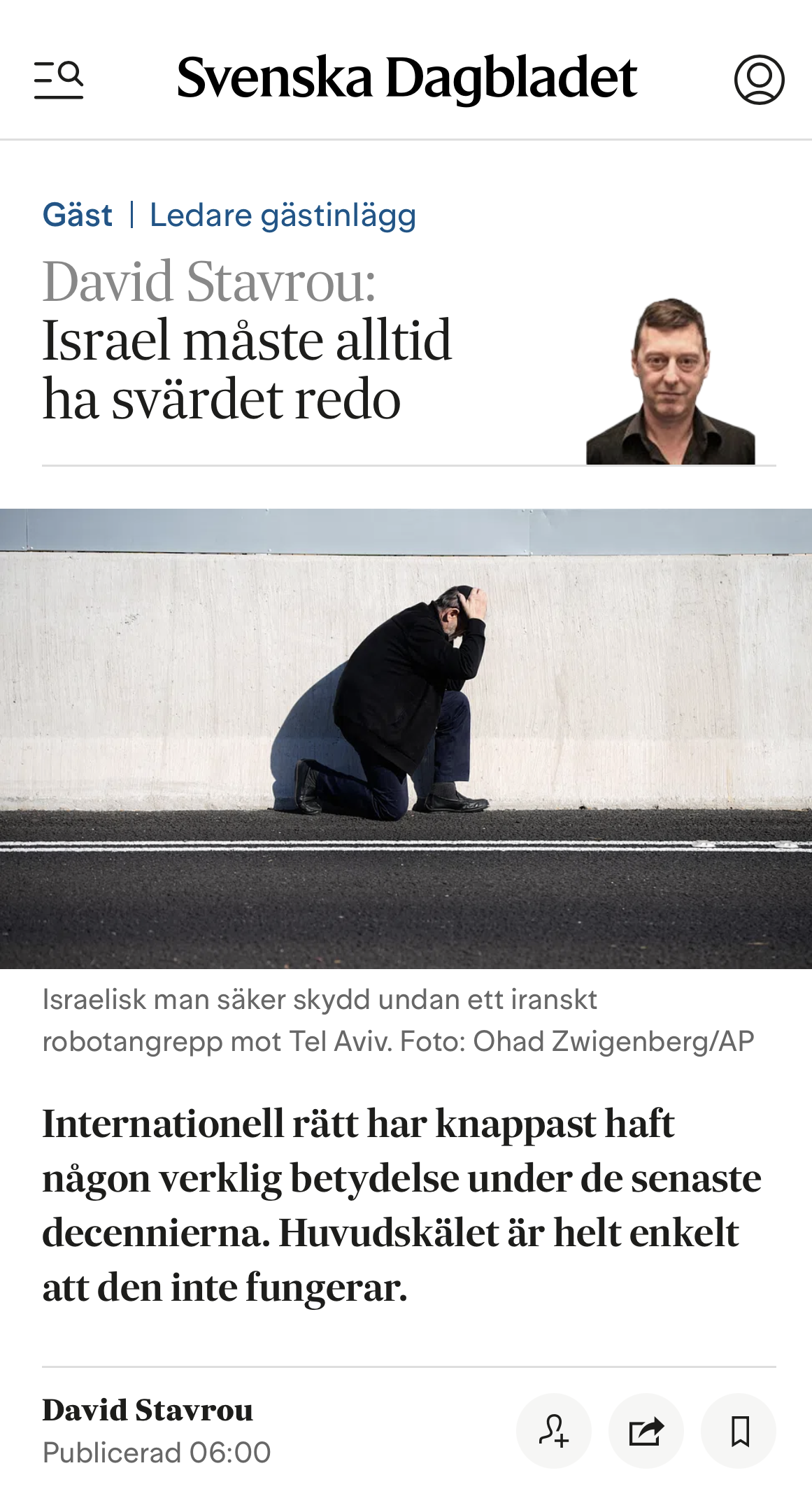
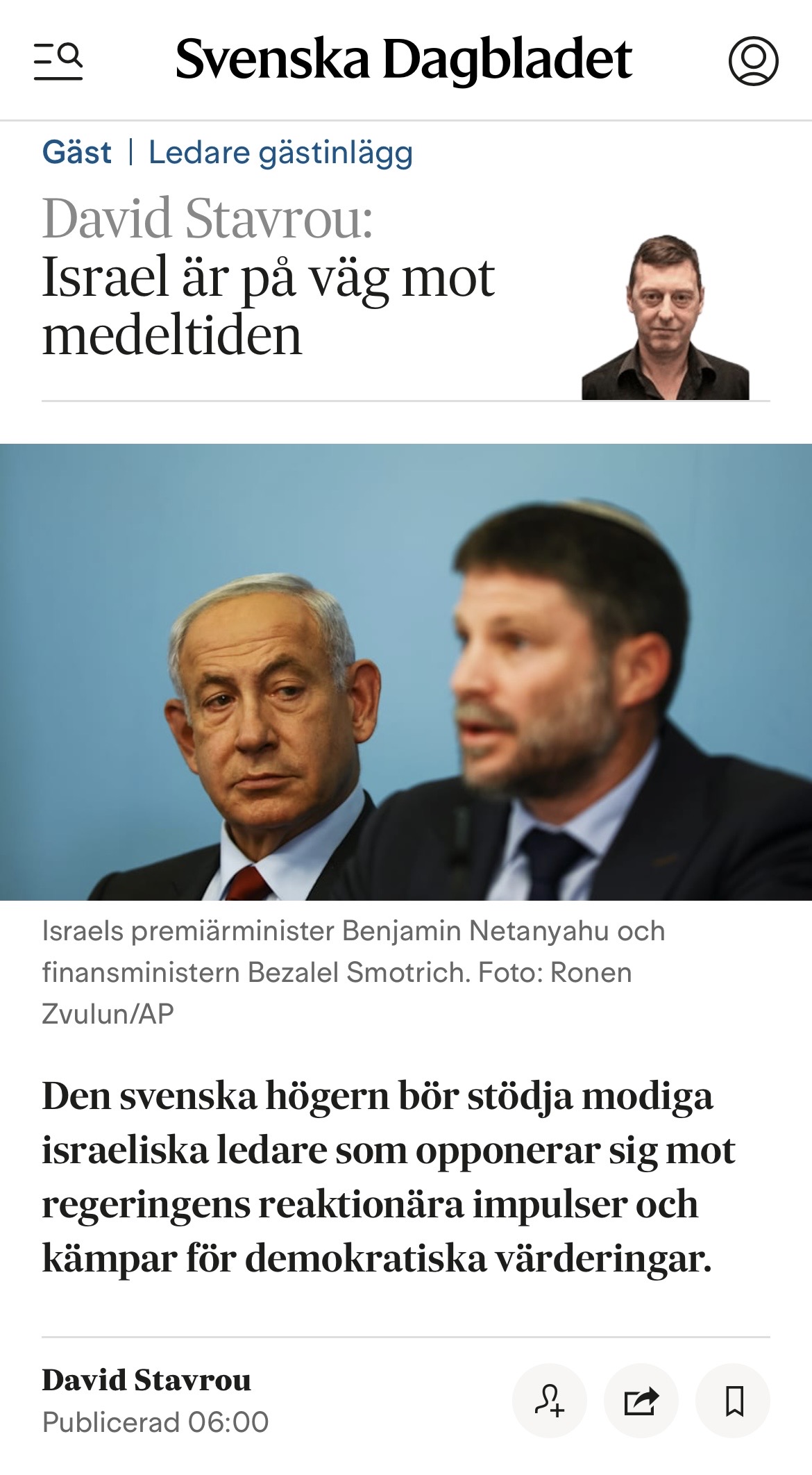
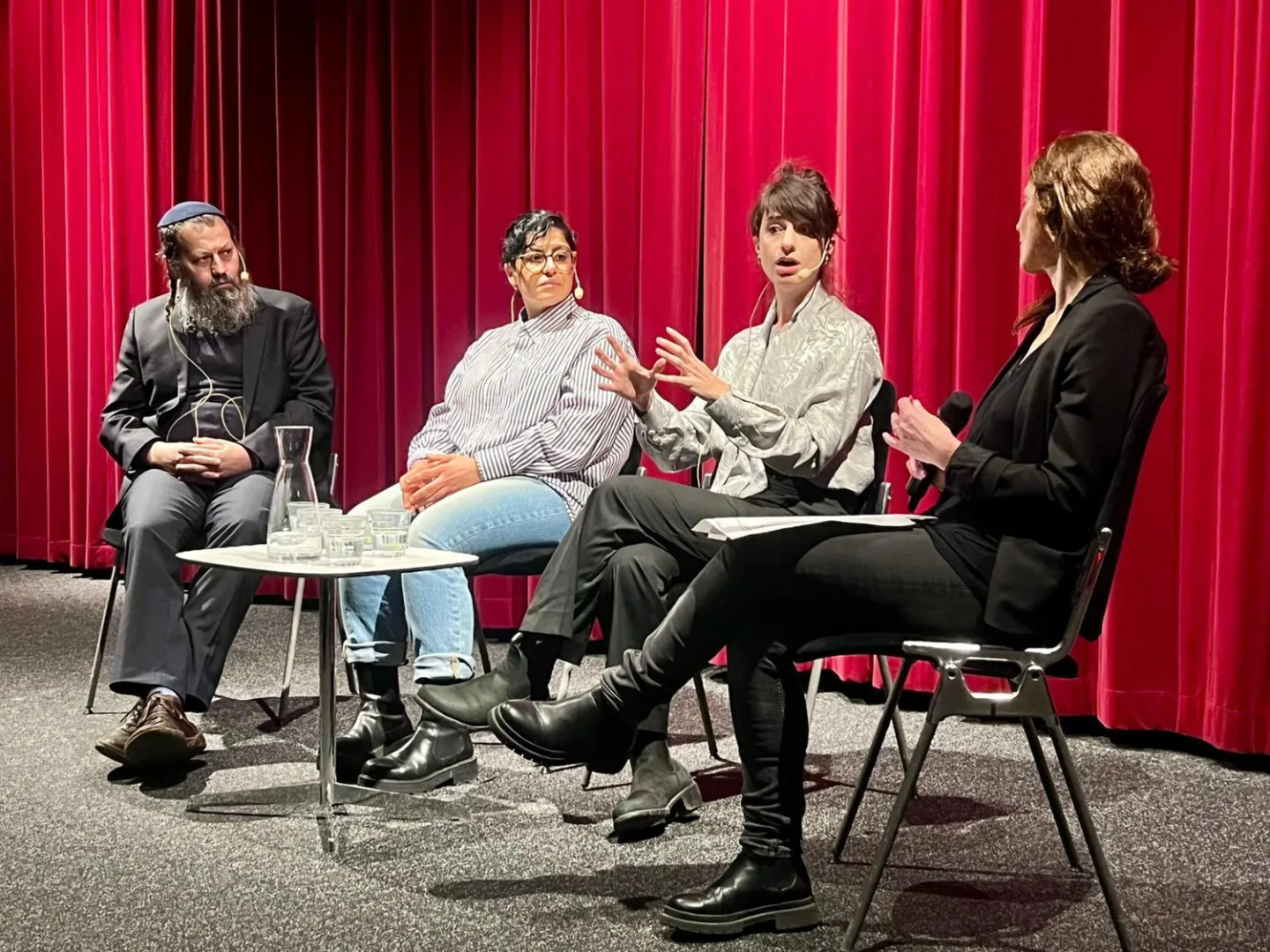
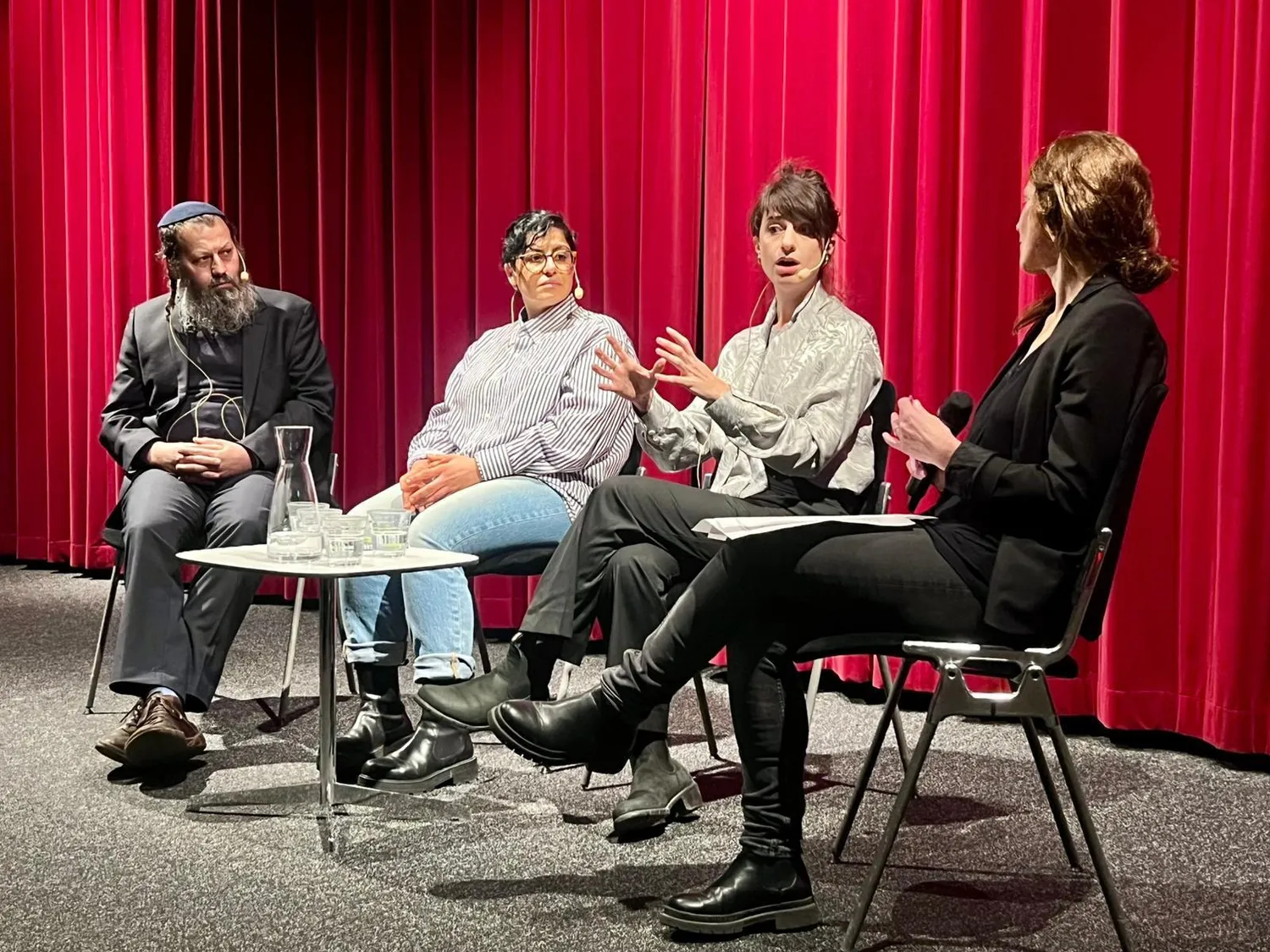
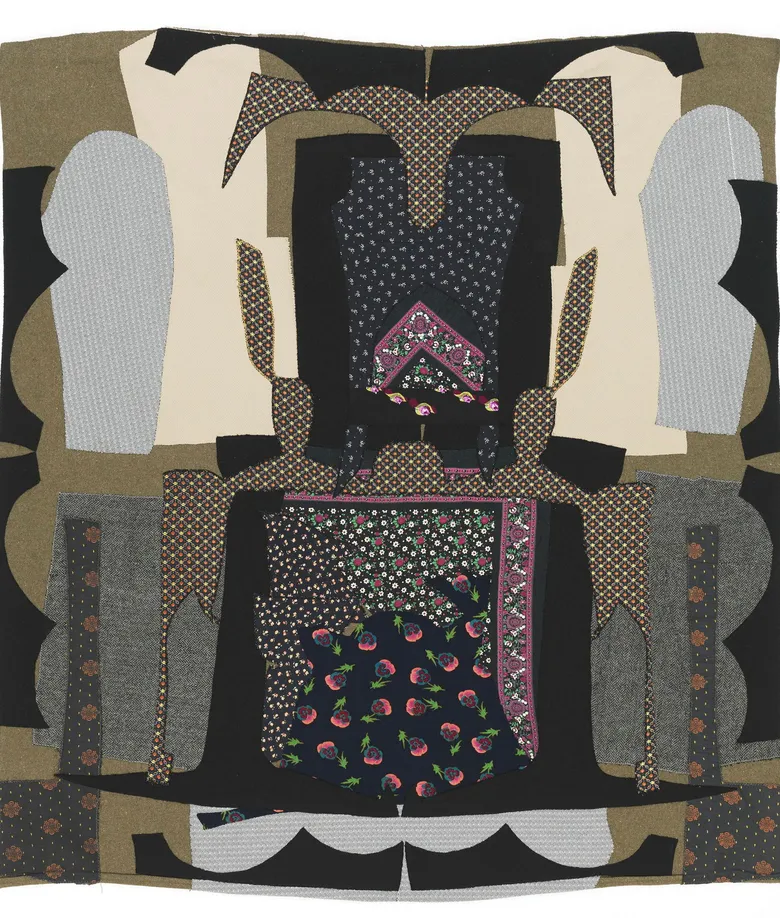
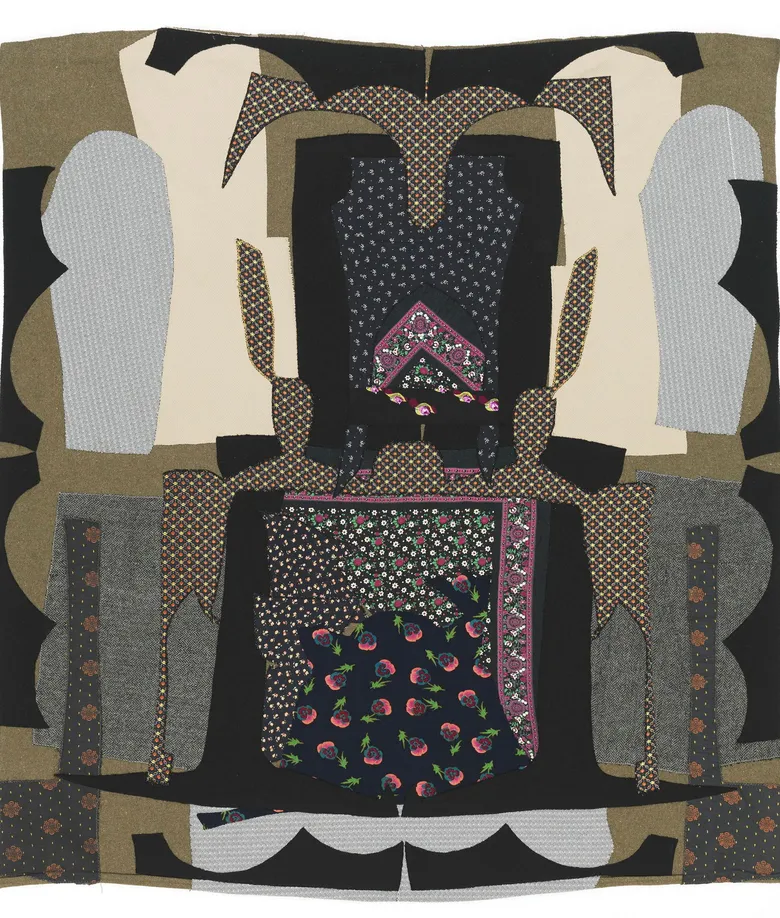
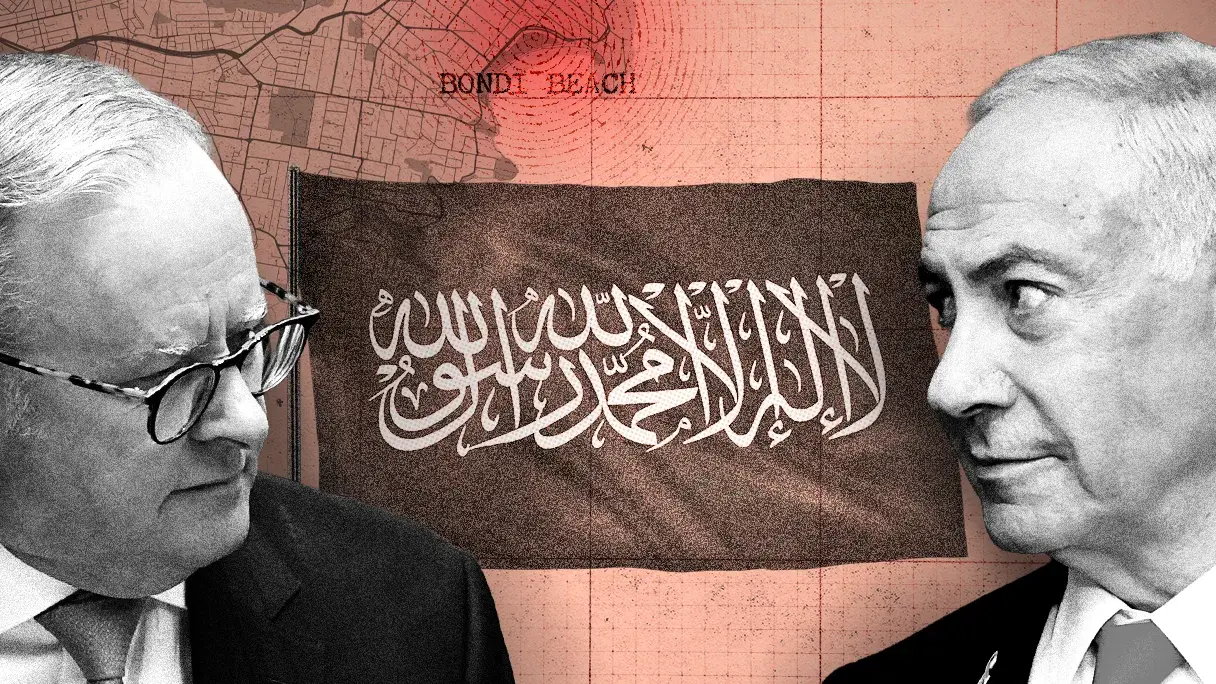
 דיויד סטברו